
Custom Jewelry Packaging Manufacturer – From 100 PCS, OEM-Ready
Sourced from a certified watch case manufacturer with factory-direct pricing, low 100-PCS MOQs, OEM customization, and rigorous QC. Trusted by 300+ global brands since 2007.
Featured Jewelry Packaging & Custom Cases
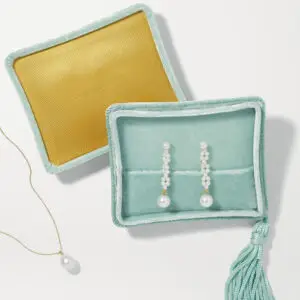


Custom Watch Case Designs in Action


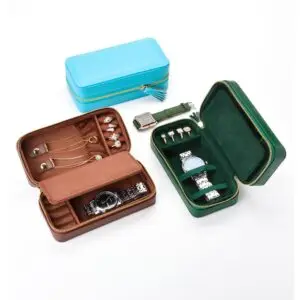
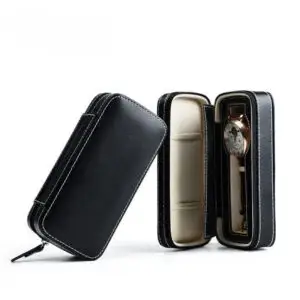

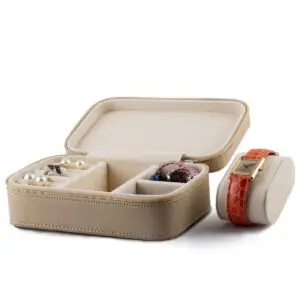


Why Our Custom Jewelry Packaging Manufacturer Stands Out
Six competitive advantages that make our factory the smart choice for custom watch cases
100 PCS Minimum, No Bulk Penalty
Start small, scale with confidence. Factory-direct pricing applies from your first order—no hidden setup fees or volume tiers required.
Factory-Direct Pricing, No Middleman
We own our production line. Skip the distributor markup and source watch cases at manufacturing cost with transparent, competitive rates.
Custom Sampling in Weeks
Need rapid prototypes? Our team delivers watch case samples quickly, so you can test designs before full production commits.
Multi-Stage Quality Control Always
Every watch case passes professional QC at multiple production stages. Defect rates stay below 0.5%—guaranteed consistency for luxury retail.
OEM & Private Label Ready
White-label your watch cases with custom branding. Our OEM program handles design, production, and compliance—full turnkey for independent brands.
FSC-Certified, Eco-Friendly Materials
Source sustainable watch cases with recycled and reusable materials. FSC-certified paper and eco options meet luxury retail expectations and certifications.
Custom Watch Case Manufacturer for Every Jewelry Business
See how brands across different segments leverage our factory-direct packaging solutions.
Luxury Watch Brands
Need premium branded watch cases that elevate your collection without overcommitting inventory. Traditional manufacturers demand massive minimums and long lead times unsuitable for seasonal launches.
Secure fully customized branded watch cases starting at 100 PCS with factory-direct pricing and 30-45 day delivery. Launch new collections seasonally without excess inventory capital.
Independent Jewelry Designers
Every piece you design deserves custom packaging—but juggling rings, necklaces, bracelets and earrings means buying separate minimums for each product format, straining limited budgets.
Source custom pouches, rigid boxes, and display solutions for each product type with flexible low MOQs. Adjust designs seasonally without waste or excess inventory holding.
Luxury Boutique Retailers
Curate jewelry from 20+ independent brands but need a unified, luxury unboxing experience at checkout. Each vendor's packaging looks different, diluting your store's brand identity.
Source custom boxes, pouches, and branded paper bags from one watch case manufacturer. Consistent luxury unboxing that reflects your brand identity while supporting artisan partners.
E-commerce Jewelry Sellers
Instagram-worthy unboxing is crucial for online retail. You need sustainable, visually stunning packaging that encourages shares and repeat purchases—but sourcing eco-friendly luxury options feels overwhelming.
Get custom rigid boxes, LED lighting, FSC-certified materials, and branded inserts from your watch case manufacturer. Every delivery becomes a shareable unboxing moment that drives repeat purchases.
Corporate Gift Programs
Need branded luxury packaging for 500–2,000 custom gift sets with your logo, but can't justify traditional suppliers' massive minimums or inflexible production schedules and costs.
Get fully customized watch cases and presentation boxes from just 500 PCS up, with dedicated design support and guaranteed on-time delivery to your milestone event.
Materials for Premium Jewelry Packaging
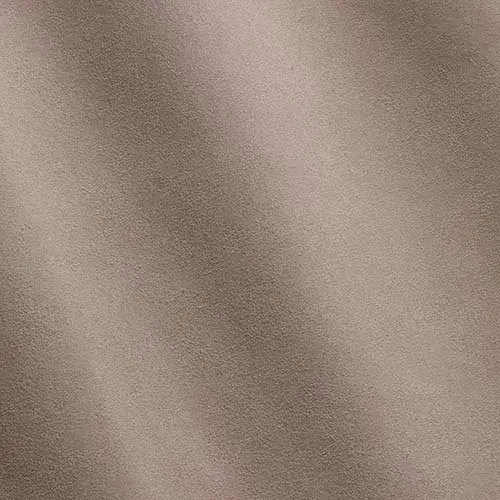
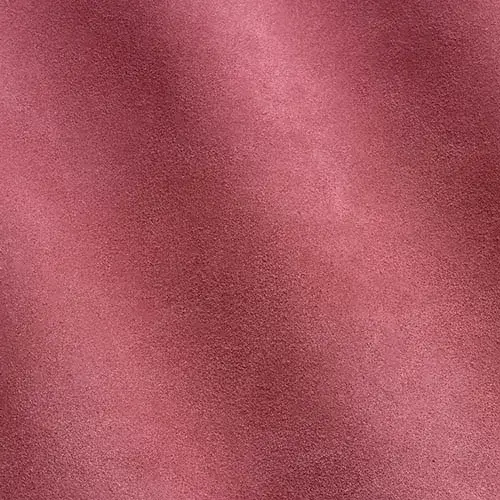
Velvet Luxe
Premium crushed velvet with soft pile surface, ideal for luxury watch cases and jewelry boxes. Provides elegant cushioning and protection. 300 GSM weight with microfiber backing ensures durability and comfort.
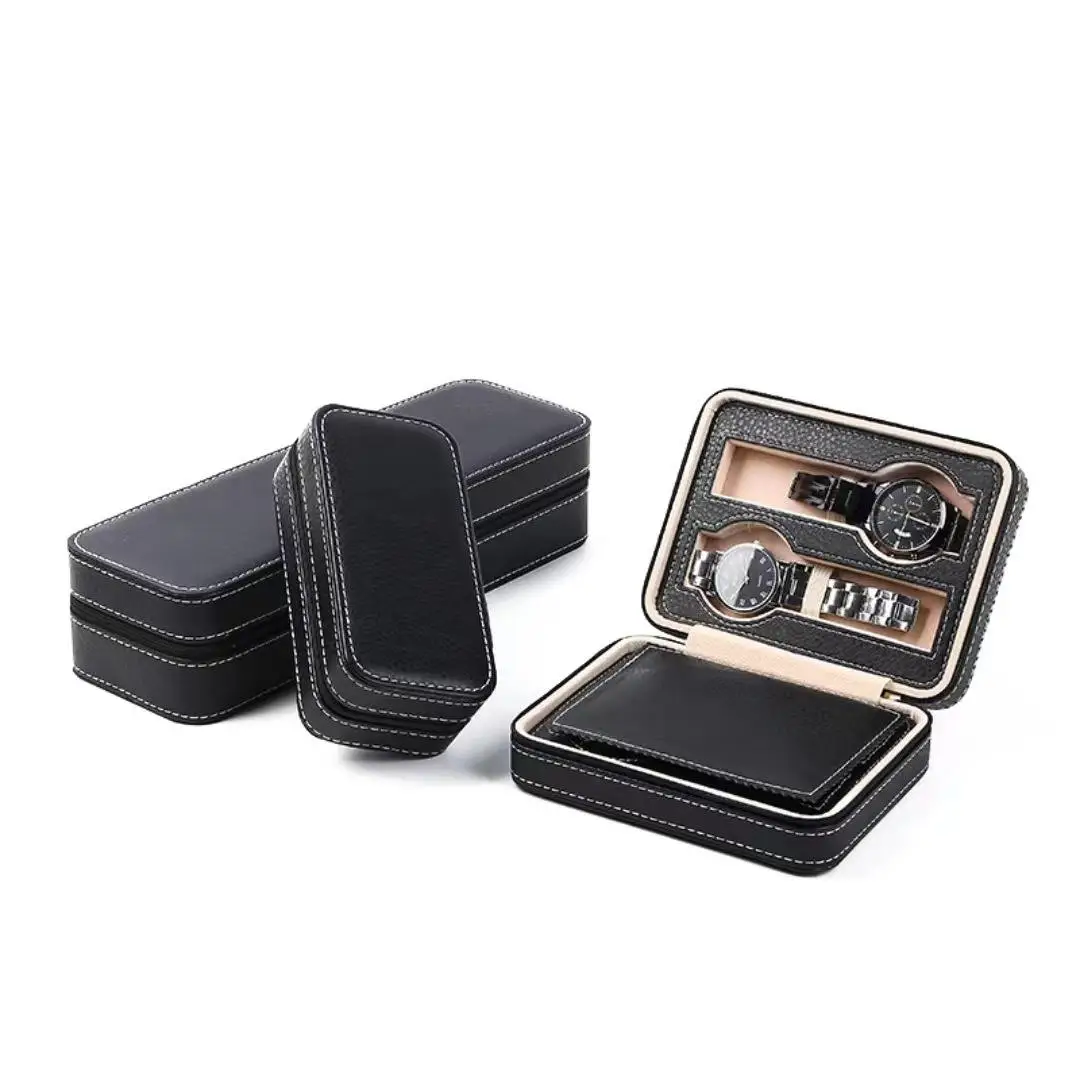
Satin Finish
Smooth silk-like satin weave creates a premium aesthetic for high-end watch cases. Features anti-slip surface to prevent watch movement. 200 GSM weight delivers luxury feel while maintaining structural integrity.
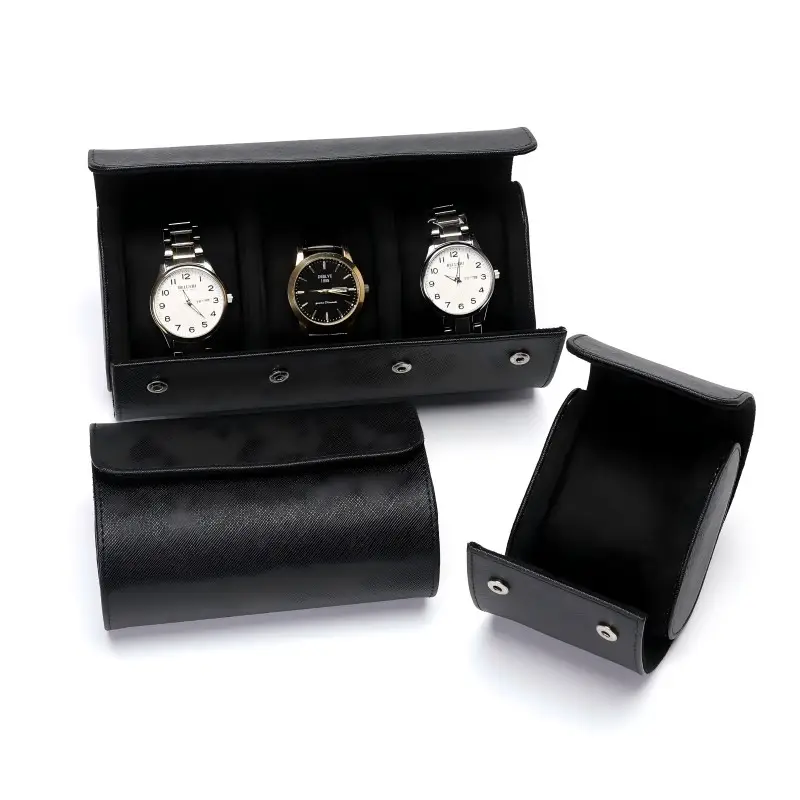
Microfiber Cloth
Durable synthetic microfiber with superior moisture absorption and protective qualities for watch safeguarding. Ultra-fine 0.1 micron fibers trap dust and oils effectively. Washable, lint-free, and designed for long-term preservation.

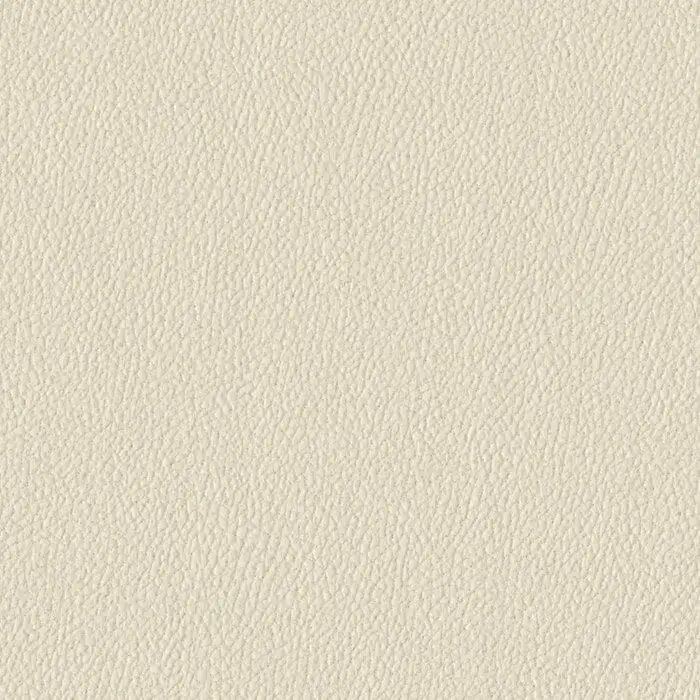
Leatherette Premium
Eco-conscious vegan leather alternative mimics authentic leather appearance with cruelty-free ethics. PU-coated surface resists scratches and aging. Ideal for sustainable brands seeking luxury feel without animal products.
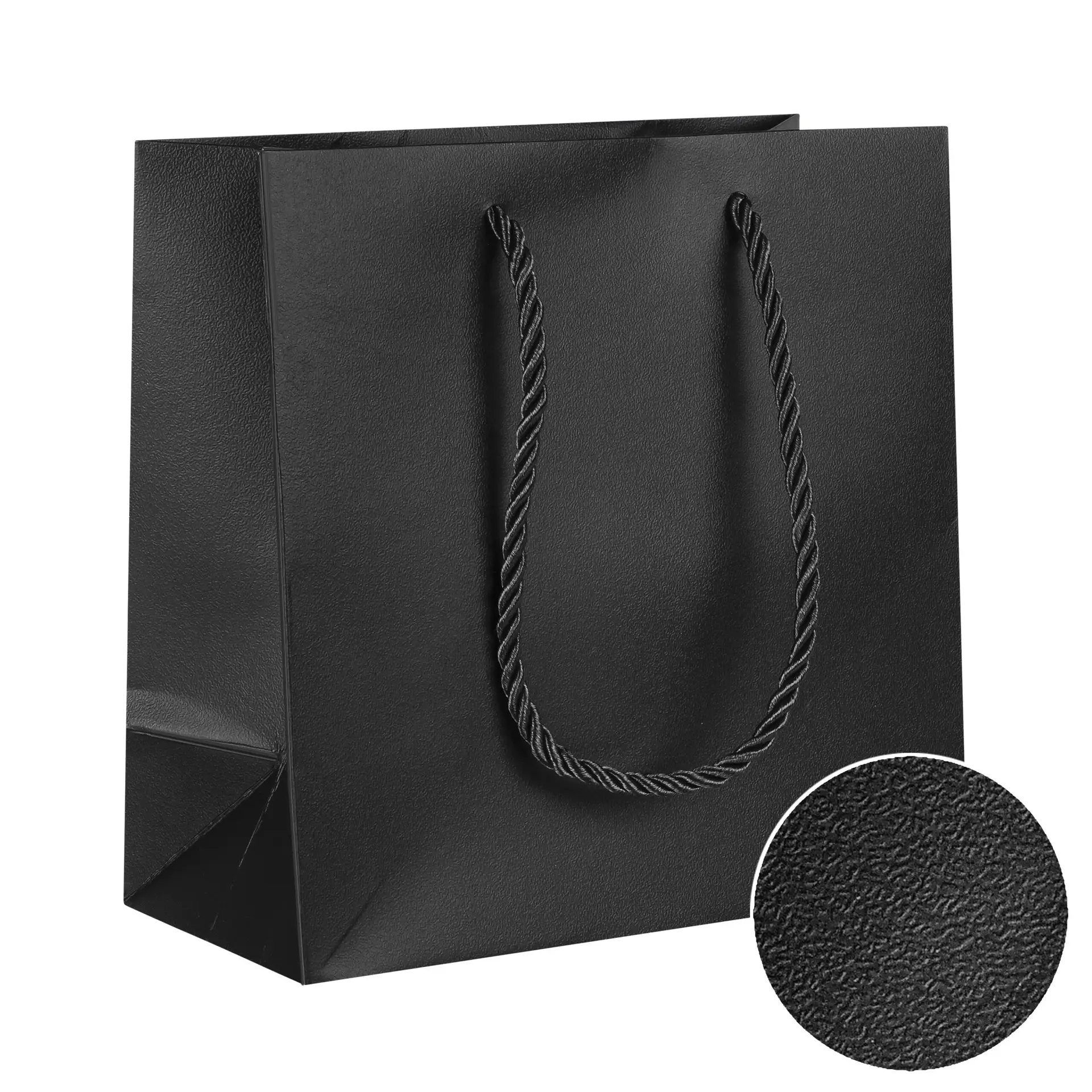
FSC Kraft Paper
Sustainable kraft paper sourced from FSC-certified forests, perfect for watch case boxes and luxury packaging. Recyclable and food-grade certified. 350 GSM weight provides structural integrity while maintaining eco-friendly commitment.

Recycled Cardboard
Eco-friendly rigid cardboard manufactured from 100% post-consumer waste, perfect for structural watch case packaging. Biodegradable material supports sustainability goals. 2mm thickness ensures protective quality while reducing environmental footprint.
Custom Jewelry Packaging Production Capabilities
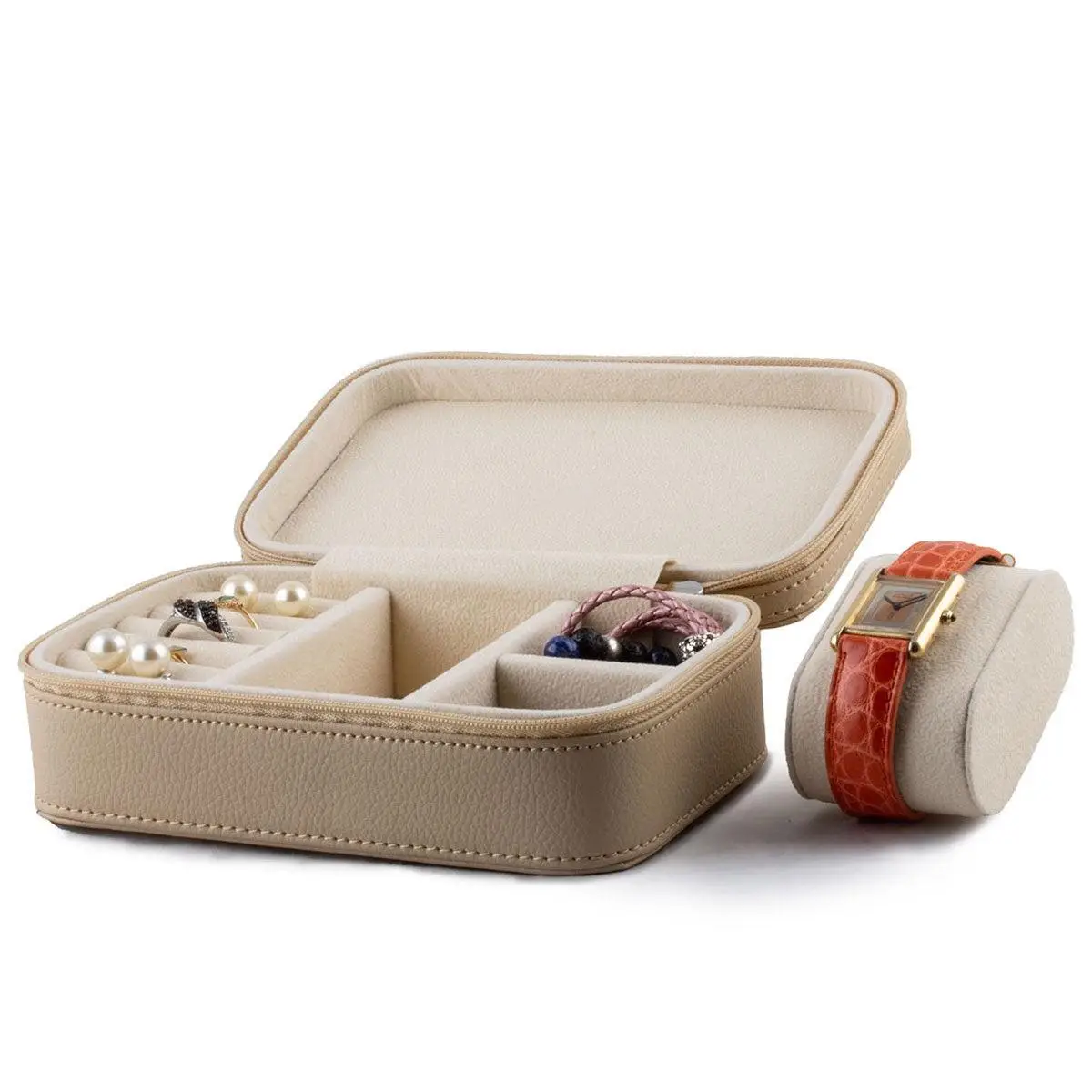
Screen Printing
High-precision screen printing delivers vibrant logos and designs on watch case lids, pouches, and packaging. Creates durable, fade-resistant branding ideal for custom identity and multi-color customization.
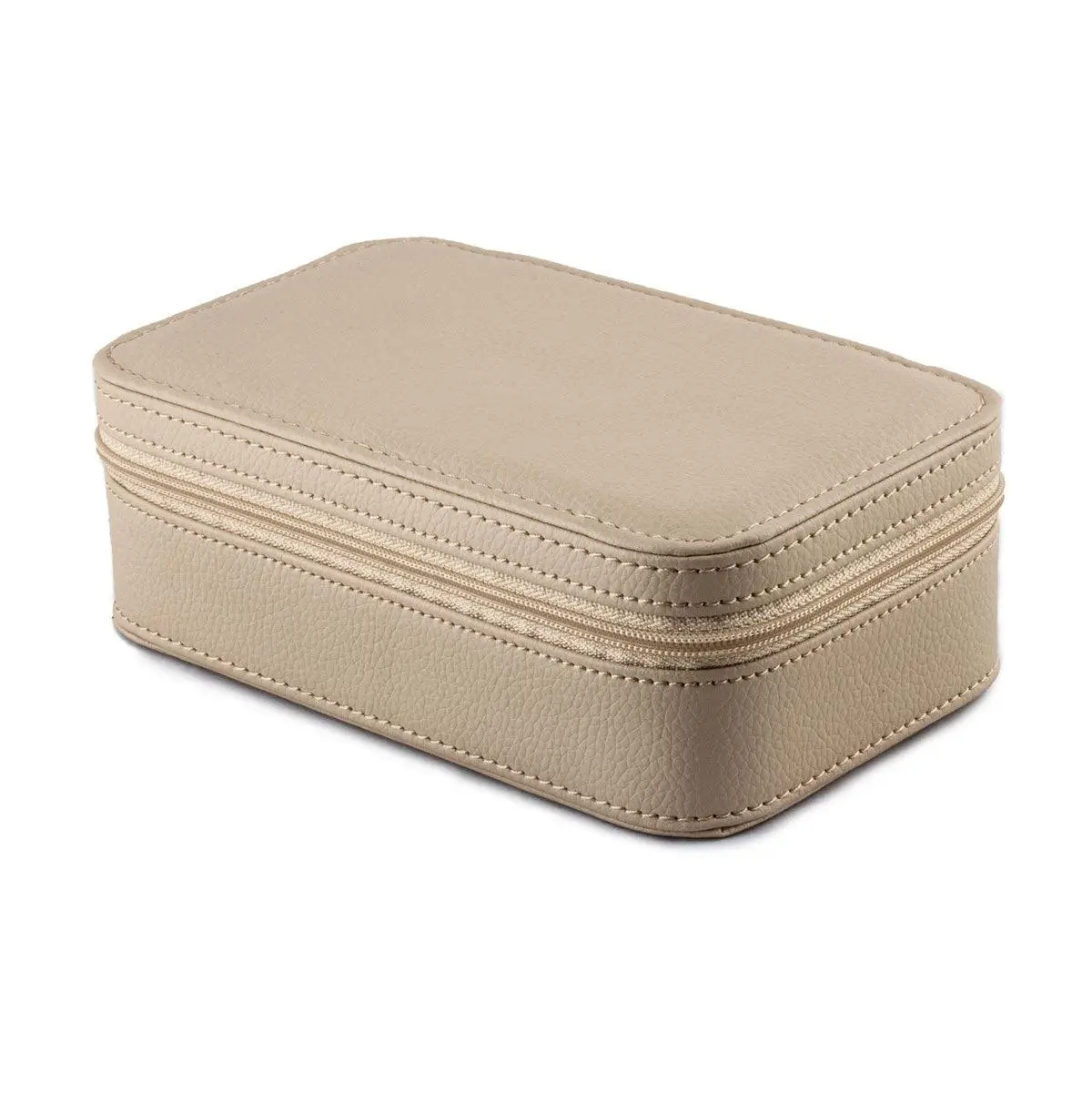
Embroidery & Embossing
Detailed embroidery on velvet and satin pouches adds luxury tactile dimension. Embossed branding on rigid boxes creates premium finishes that elevate watch case packaging perception and brand value.
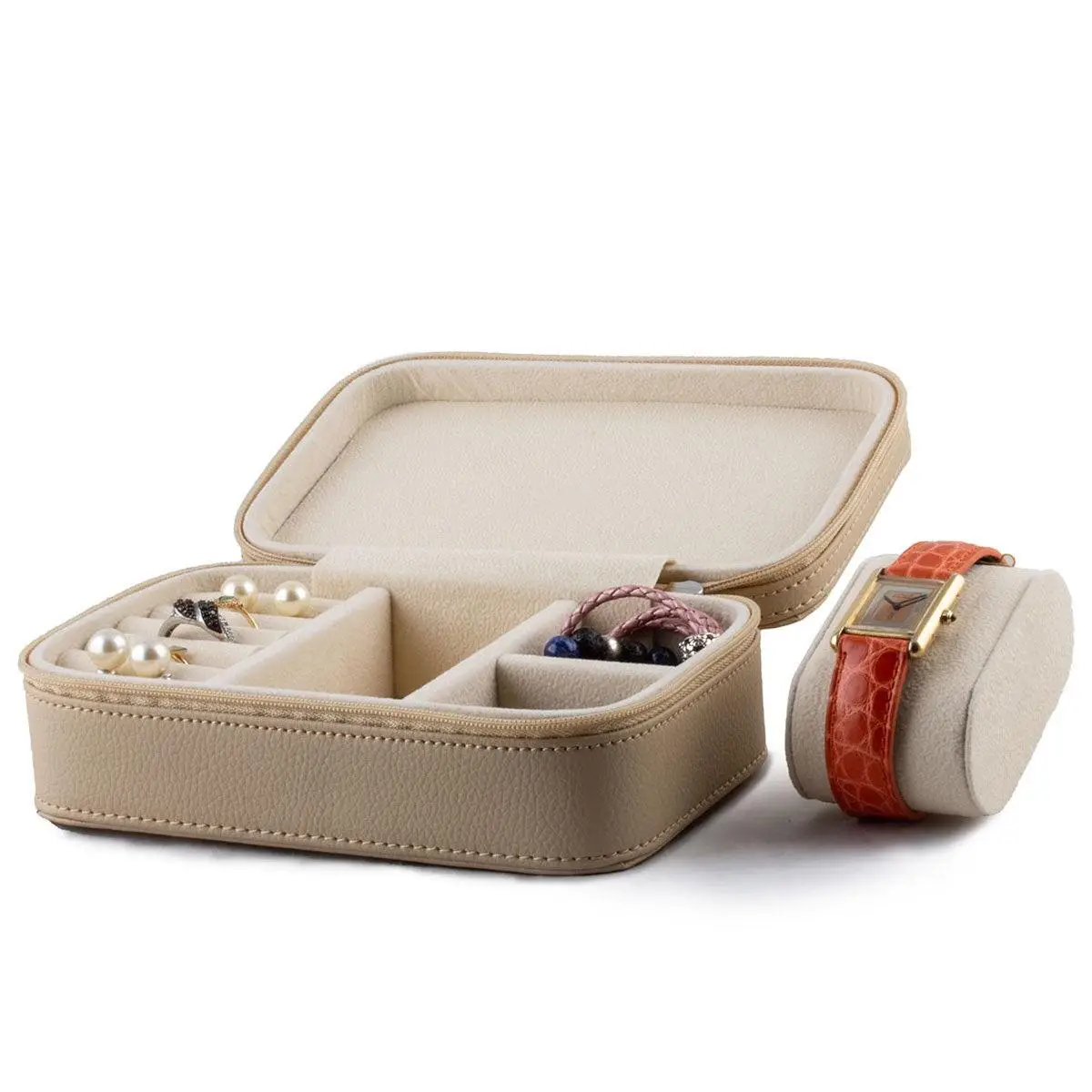
Hot Stamping
Metallic foil hot stamping—gold, silver, copper—creates reflective, durable logos on boxes and pouches. Catches light beautifully, elevating luxury perception of your watch case packaging with instant brand recognition.
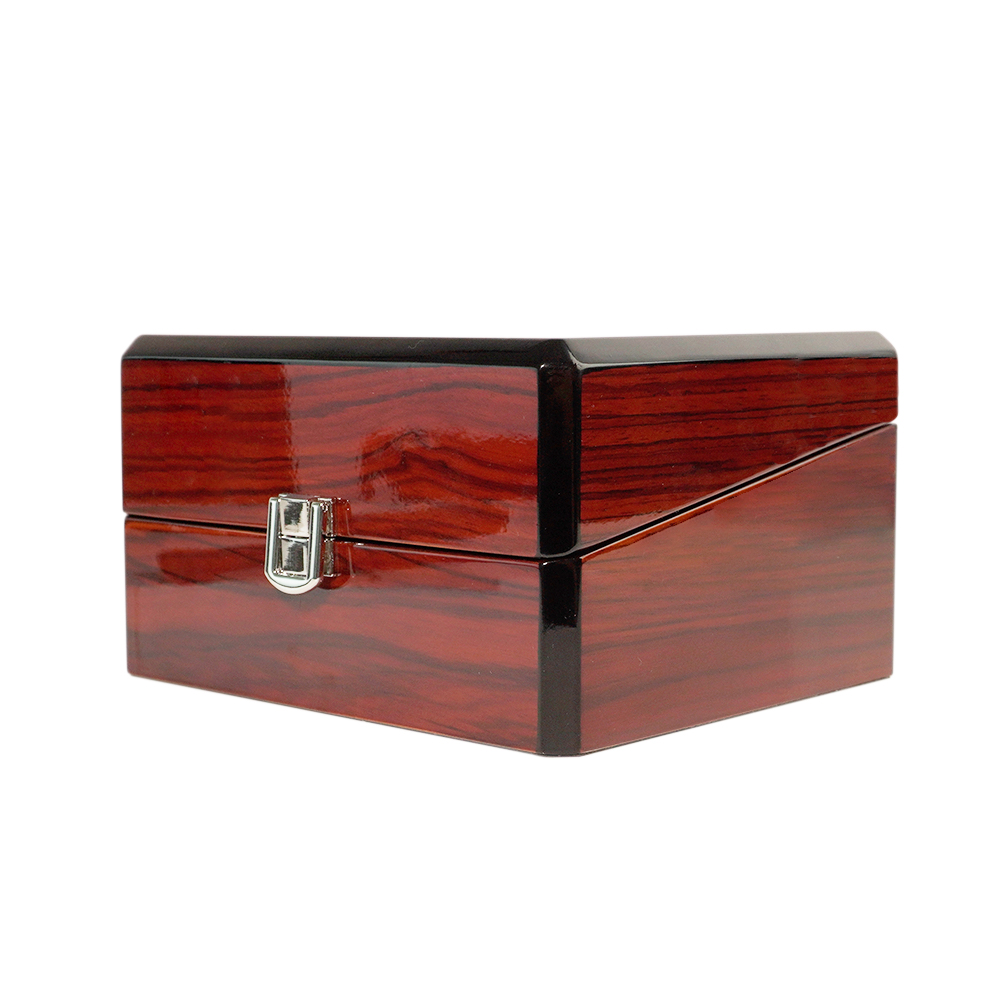
Magnetic Closures
Integrated magnetic closure systems on rigid watch case boxes ensure smooth, silent operation. Securely protects contents while delivering premium unboxing experience customizable to product weight and brand expectations.
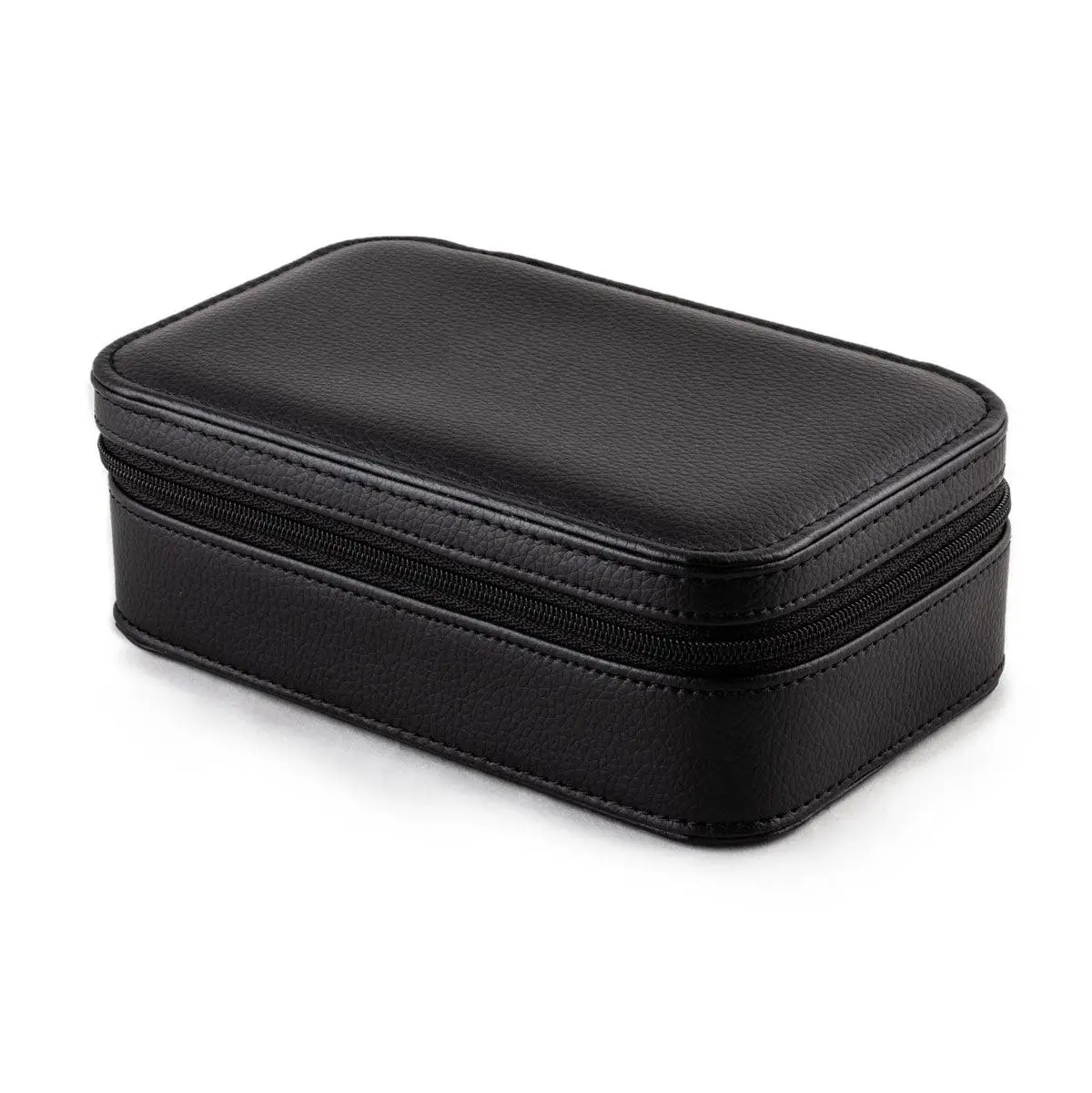
LED Modules
Built-in LED modules illuminate display watch cases and luxury packaging with adjustable brightness settings. Creates dramatic unboxing moments and compelling in-store visual impact for premium brand presentation.

Die-Cutting
Precision die-cutting produces custom-shaped watch cases, pouches, and display inserts. Achieve unique contours and distinctive silhouettes that bring your brand vision to life with precision manufacturing.
Premium Accessories & Finishes for Luxury Watch Cases

Snap Buttons
Premium snap fasteners secure watch cases with a satisfying click. Choose from nickel, rose gold, or black finishes to match your brand aesthetic. Perfect for clamshell boxes and soft pouches requiring quick, secure closure.

YKK Zippers
Industry-leading YKK zippers ensure smooth operation and durability. Available in various colors and weights for watch pouches, soft cases, and branded drawstring bags. Trusted by luxury brands for reliability and premium feel.
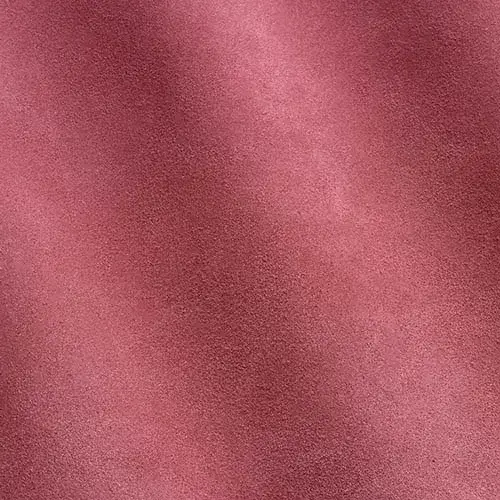
Woven Labels
Custom woven labels showcase your brand directly on pouches, boxes, or ribbon. Available in damask, satin, or cotton weave with full-color embroidered designs. Elevates perceived value and reinforces brand identity at first touch.
Tissue Wrapping
Luxury tissue paper, custom-printed with your logo or patterns, provides premium padding inside watch cases. Available in eco-friendly options with various colors and finishes. Creates an unboxing moment that customers remember and share.

Silk Ribbons
Elegant silk ribbons tie around watch cases or attach to hangtags for a luxurious touch. Custom-printed with your branding in widths from 10mm to 50mm. Perfect for gift packaging and enhancing the unboxing experience.

Hangtags
Premium hangtags in custom shapes and materials display product info, pricing, or QR codes. Pair with silk ribbons or woven labels for complete branding. Durable materials ensure they survive shipping while protecting your watch cases.
Custom Jewelry Packaging Manufacturer Since 2007
Founded in 2007, On The Way became a trusted watch case manufacturer and custom jewelry packaging specialist. Our founding principle: quality defines survival. Today, we operate a 1,200 m² factory in Dongguan with 220+ staff, having completed 6,500+ custom projects for jewelry brands across 30+ countries.
We serve 300+ brands globally—from independent jewelry designers to established luxury retailers—offering factory-direct pricing, low MOQ, and full custom flexibility. Whether it’s velvet pouches, rigid watch cases, display trays, or branded paper bags, our multi-stage QC team ensures every product meets exacting standards before shipping.
As a watch case manufacturer and packaging innovator, we differentiate on reliability: dedicated account managers, on-time delivery, FSC-certified eco-materials, and private-label OEM solutions tailored to your brand. From prototype to mass production, we partner with you to transform your vision into tangible luxury—on time, every time.
Watch Case Manufacturer Excellence: Quality, Speed & Flexibility
Multi-Stage Quality Control
Every watch case undergoes rigorous inspection at multiple production stages. Our QC team verifies dimensions, material integrity, finish quality, and packaging. This systematic approach ensures consistent excellence and dramatically reduces defects, so your brands receive only premium-grade inventory ready for market.
- Inspection at raw materials, mid-production, and finished goods stages
- Dimensional verification, surface finish analysis, and packaging integrity checks
- Defect rate tracking with actionable improvement cycles
- Dedicated QC team trained on watch case specifications
Rapid Sampling & Prototyping
Design validation is critical before mass production. We turnaround watch case samples in 5–7 business days, allowing you to refine designs, test fit, and verify quality before committing to full production runs. Fast iteration builds confidence and minimizes launch delays for your collections.
- 5–7 day turnaround on prototype samples
- Full design flexibility with no tooling commitments during sampling phase
- Real-world material and finish testing before mass production
- Quick revisions and re-samples to match your exact specifications

Private Label & OEM Ready
Your brands deserve packaging that speaks for you. We offer full white-label and OEM solutions, including custom logo embossing, branded labels, and bespoke interior layouts. Low MOQs (from 100 pieces) mean even emerging brands can create exclusive watch cases that reinforce brand identity without bulk commitments.
- Full white-label production with your logo, labels, and brand details
- Custom embossing, heat stamping, and interior personalization options
- Minimum order quantities from 100 pieces—perfect for emerging and established brands
- Dedicated account managers to ensure brand alignment on every order

Certified Eco-Materials & Compliance
Sustainability isn’t an afterthought—it’s built in. We use FSC-certified paper, recycled cardboard, and eco-friendly materials in all watch case collections. Transparent material sourcing and compliance with global packaging standards mean your customers receive premium cases they can feel proud about, environmentally and ethically.
- FSC-certified paper and recycled cardboard in all standard collections
- Biodegradable and reusable material options for premium sustainability positioning
- Full compliance with EU, US, and international packaging regulations
- Transparent material certificates provided with every production run
Why Choose Our Custom Jewelry Packaging Manufacturer Over Competitors
Compare MOQ thresholds, lead times, customization flexibility, and QC standards—see why 300+ brands choose us as their watch case manufacturer.
← Swipe left or right to view →
Custom Jewelry Packaging Manufacturer: Our Production Process
Understand our streamlined production timeline from design approval to shipping, with realistic lead times for your custom watch cases.
Design Intake & Specifications
Meet with your dedicated account manager to finalize all watch case specifications, materials, closure types, dimensions, and branding requirements. No order too small or large.
Sample Production & Approval
Receive production samples within 7-10 days. Our watch case manufacturer iterates through design rounds until your samples meet exact specifications and standards.
Full-Scale Production Begins
Once approved, bulk production starts on your watch cases. Our factory operates with precision to maintain consistency across every unit in your order.
Rigorous Quality Inspections
Every watch case undergoes 3+ QC checkpoints during production. We inspect materials, assembly, finishes, and packaging to guarantee zero-defect products for your brand.
Custom Finishes & Packing
Add embossing, foil stamping, or luxury linings. Each watch case ships in eco-friendly, branded packaging ready for retail or direct-to-consumer distribution.
Secure Global Delivery
Coordinated freight from our Dongguan factory with on-time guarantees. Most orders ship within 30 days of final approval to buyers worldwide.
How to Partner with Our Custom Jewelry Packaging Manufacturer
A streamlined 4-step process from design submission to production and delivery
Submit Your Design & Tech Pack
Submit your design, tech pack, or specifications. Our team reviews materials, quantities, and custom requirements. We’ll confirm feasibility and MOQ within 24 hours.
Receive Your Quote & Samples
Receive a factory-direct quote and physical samples of your custom watch cases. Our samples showcase finish, materials, and precise specifications for your approval.
Approve Samples, Launch Production
Approve your samples, finalize production details, and we begin mass manufacturing with multi-stage QC. Dedicated account managers ensure every order meets your standards.
Get On-Time Delivery
Receive your completed order on schedule with complete documentation. We provide ongoing support and are ready for reorders whenever you need us.
Custom Jewelry Packaging Manufacturer Certifications & Quality Compliance


Why Jewelry Brands & Retailers Trust Our Custom Packaging Manufacturer
Sampling time dropped from 16 weeks to 6 weeks. Factory-direct pricing cut our watch case costs 28% while maintaining heirloom quality. We launched three new collections annually instead of one—each fully customizable to our brand vision.
We needed exclusive watch cases that stood out. Five completely custom designs, 200-unit MOQs, and 35% cost savings versus overseas middlemen changed our sourcing strategy. Customers now recognize our packaging as part of our brand.
We scaled from 10K to 50K units annually through their OEM program. Multi-stage QC kept defects below 1%. Their dedicated account manager guaranteed on-time delivery across 12 seasonal collections. Sourcing became our competitive edge.
FAQs: Working with a Custom Jewelry Packaging Manufacturer
What is the minimum order quantity for a watch case manufacturer?
What are the typical lead times for custom watch cases?
Do you offer sample or prototype services, and what’s the cost?
Can a watch case manufacturer customize designs to match my brand?
What payment terms and deposit structures do you offer?
Do you ship internationally, and how are customs and duties handled?
How do you protect my intellectual property and designs?
What makes your watch case manufacturer different from competitors?
Complete Guide to Choosing a Custom Jewelry Packaging Manufacturer
Master the essentials of sourcing watch cases: understand quality standards, material options, customization capabilities, and pricing structures. Learn how to evaluate manufacturers, avoid costly mistakes, and launch your branded collection successfully.
1. What Is a Watch Case Manufacturer?
A watch case manufacturer is a production facility that designs, engineers, and fabricates the outer housing—the case—that encloses a watch movement and dial. Most manufacturers accept production runs from 100 pieces minimum, a threshold that covers tooling costs while remaining accessible to independent brands. Unlike distributors (who resell pre-made inventory) or trading intermediaries, a manufacturer operates machining, casting, and finishing equipment in-house, controlling material sourcing and quality at every stage.nnOEM (Original Equipment Manufacturer) capabilities distinguish a true manufacturer from a supplier: you provide designs or specifications, and the factory builds cases to those exact parameters—specific alloys, dimensions, surface finishes, crown designs, even engraved or printed branding. Factory-direct purchasing eliminates middleman markup and simplifies communication; you work directly with engineering and production teams who can adapt timelines or tweak tooling if your brand needs change mid-project. This direct relationship is why independent designers and boutique brands increasingly source direct rather than through distributors.nnBeyond fabrication, watch case manufacturers provide design input, material selection guidance, and compliance support (waterproofing verification, alloy certifications, case-back engraving quality control). The best ones employ dedicated account managers and multi-stage QC protocols, ensuring consistent quality across thousands of units. A manufacturing partner, not merely a vendor, becomes part of your supply chain’s integrity and your brand’s reputation.
2. Evolution of Watch Case Manufacturing
Traditional watchmaking relied on skilled artisans hand-crafting cases from sheet metal and solid block materials. By the 1960s, manual machining emerged, but production remained labor-intensive, severely limiting output and keeping costs high for independent brands and small retailers.nnThe CNC revolution of the 1980s–90s transformed the watch case manufacturer landscape. Multi-axis CNC machining, computer-controlled casting, and automated finishing cut production time by 60% and reduced material waste significantly. Modern manufacturers achieve tolerances within 0.1mm—essential for movement integration and case sealing—while the technology enabled standardization across SKUs.nnManufacturing geography shifted from Europe and Japan to Asia—chiefly China, Vietnam, and Thailand—where labor efficiency and economies of scale reduced unit costs 40–70%. Lead times compressed from 16–20 weeks to 6–8 weeks. Quality varies: tier-1 Asian watch case manufacturers now rival Swiss standards, while others cut corners on finishing and multi-stage QC.nnToday’s watch case manufacturer must balance precision automation with skilled hand-finishing for complications and custom engraving. Factory-direct sourcing from Asia offers 100+ piece MOQs and design flexibility. Selecting partners with documented QC protocols, material certifications (CITES for exotic materials), and transparent production timelines protects your brand reputation.
3. Types of Watch Case Manufacturers by Specialty
Watch case manufacturers specialize by luxury positioning, brand tier, material capability, and production method. Luxury-focused makers serve boutique brands with custom engineering and modest volumes. Commercial producers optimize standardized output at scale. Understanding these distinctions helps you select a partner aligned with your brand positioning and volume strategy.
| Manufacturer Type | Typical MOQ | Customization Level | Cost per Unit |
|---|---|---|---|
| Luxury/Custom | 100–500 units | High | Higher |
| Mid-Range | 500–2,000 units | Medium | Medium |
| Commercial/Mass | 2,000+ units | Low | Lower |
Luxury vs. Commercial Manufacturers
Luxury manufacturers accommodate small MOQs (100–500 units) and custom engineering. Commercial producers optimize large-volume runs (1,000+) with standardized tooling. Boutique brands gain flexibility and differentiation from luxury partners; established retailers leverage commercial producers’ cost efficiency and speed to market.
Watch Type Specialization
Sports and dive watches demand robust water-resistant sealing; dress watches emphasize aesthetics and precision; chronographs require complex internal geometry. Specialists excel in one or two categories. Generalists handle broader portfolios with acceptable quality. Aligning manufacturer expertise with your core product ensures reliable performance and market positioning.
Materials Expertise
Stainless steel (316L) suits most brands and MOQ levels. Titanium requires specialized CNC machining; precious metals demand precision hand-finishing. Ceramics are niche, growing markets. Confirm manufacturer certifications and historical portfolio in your target material before committing to production.
Production Methods
Die-casting suits high-volume commercial runs; CNC machining delivers precision; hand-finishing adds prestige. Die-cast cases are cost-competitive but show less detail. CNC-machined cases offer precision and repeatability. Hand-finished cases justify premium pricing through craftsmanship. Your volume, margin targets, and brand positioning determine the optimal method.
Volume Capacity & MOQ Tiers
Small MOQs (100–500) favor flexible manufacturers with custom tooling. Mid-range runs (500–2,000) suit semi-specialized makers. Large volumes (2,000+) justify dedicated tooling. Most manufacturers charge premiums for small orders. Clarify MOQs upfront to avoid capacity mismatches and cost surprises.
4. Materials Used by Watch Case Manufacturers
Material choice drives performance, cost, and manufacturing complexity. Stainless steel, titanium, precious metals, ceramics, and composites each present distinct tradeoffs in durability, weight, and corrosion resistance.
| Material | Weight vs Steel | Corrosion Resistance | Cost Index |
|---|---|---|---|
| Stainless 316L | 1.0x | Excellent | 100 |
| Titanium Grade 5 | 0.6x | Excellent | 250-300 |
| Aluminum 6061-T6 | 0.3x | Good | 50-70 |
| 18K Gold | 1.9x | Excellent | 1000+ |
| Ceramic/Sapphire | 0.5x | Excellent | 150-300 |
Stainless Steel Grades
304 and 316L stainless are watch case industry standards; 316L offers superior corrosion resistance due to molybdenum content. Grade 5 titanium delivers 40% weight savings but costs 2-3x more. Aluminum 6061 suits budget segments.
Titanium and Aluminum Alloys
Grade 5 titanium (Ti-6Al-4V) offers biocompatibility and aerospace-grade strength, justifying 80-150% premiums for luxury and sports segments. Aluminum 7075-T6 adds hardness for demanding cases. Both demand specialized CNC machining and coolant systems.
Precious Metals and Heritage Luxury
18K gold and platinum define ultra-luxury positioning; hallmarking certifications (750 for gold, 950 for platinum) and hand-finishing justify 5-15x markups over steel. Typical MOQs exceed 500 PCS due to casting complexity and assay overhead.
Ceramics and Modern Composites
Sapphire and zirconium ceramics deliver scratch-resistance and premium aesthetics at 150-300% premiums. Carbon fiber composites reduce weight while enabling bold design. Both require precision CNC tooling and advanced material testing.
Manufacturing, Certification, and Sustainability
Material choice dictates tooling investment, machining speed, and reject rates. Certifications (ROHS, ISO 9001, REACH) and hallmarking add 2-6 weeks to sampling. Recycled and FSC-certified materials reduce carbon footprint 30-50% at modest 3-8% cost premiums.
5. Customization & Design Capabilities
A watch case manufacturer’s customization capabilities define competitive advantage. From case geometry and material finishing to brand integration and production tooling, design flexibility directly impacts timelines, costs, and minimum order quantities.
Case Geometry & Dimensions
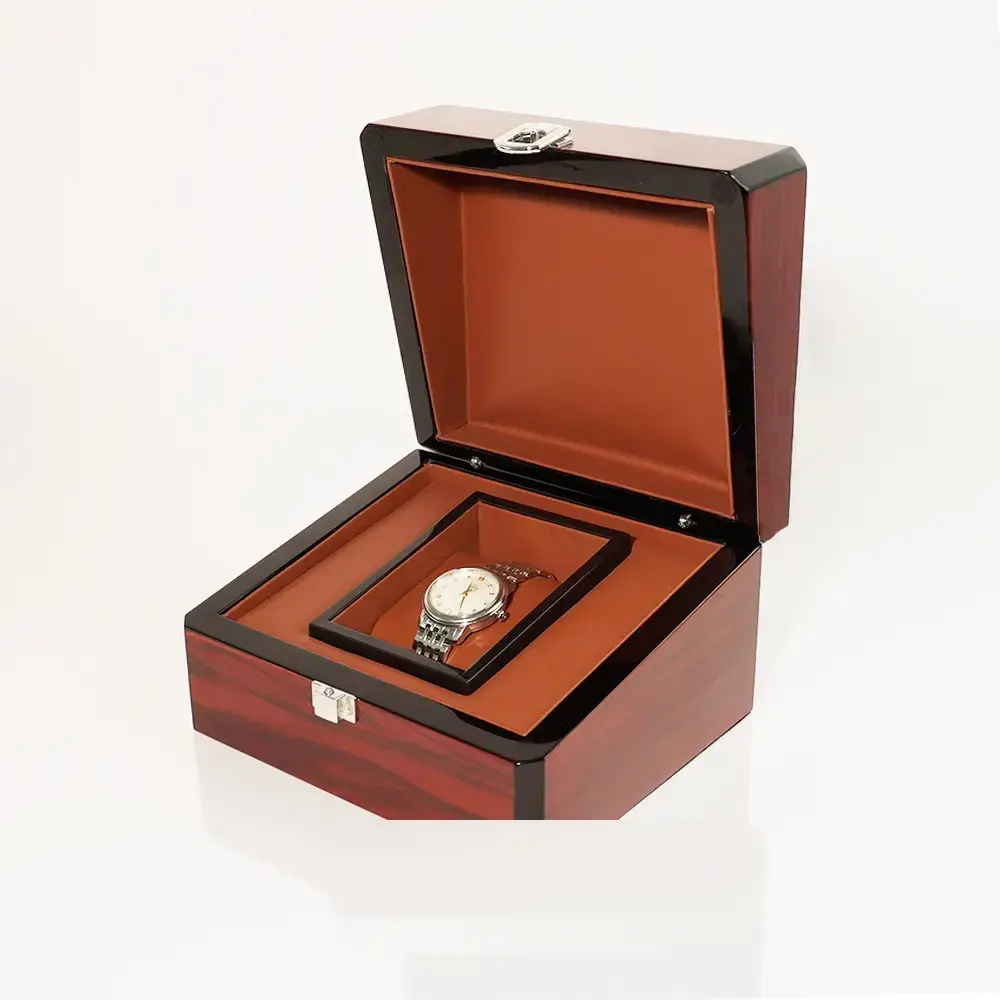
Watch case manufacturers offer customization across case diameter (typically 34–46 mm), thickness, lug-to-lug spans, and bezel styles—pilot, diver, dress, sport. Shoulder radii, gasket clearances, and crown positioning are engineered per dial integration requirements and movement fit.nnTechnical drawings and 3D CAD approval are standard before tooling.
Surface Finishes & Coatings
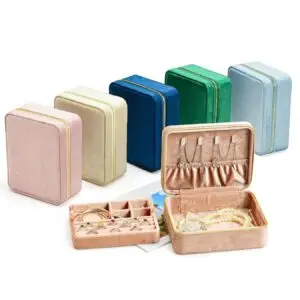
Finishing options span brushed, polished, sunburst, and sandblasted textures on steel, titanium, or brass. PVD coatings (gold, rose gold, black, bronze) and ceramic layers add durability and aesthetic range.nnLume application on indices and hands requires separate supplier coordination and adds 2–4 weeks to lead time.
Branding & Engraving Options
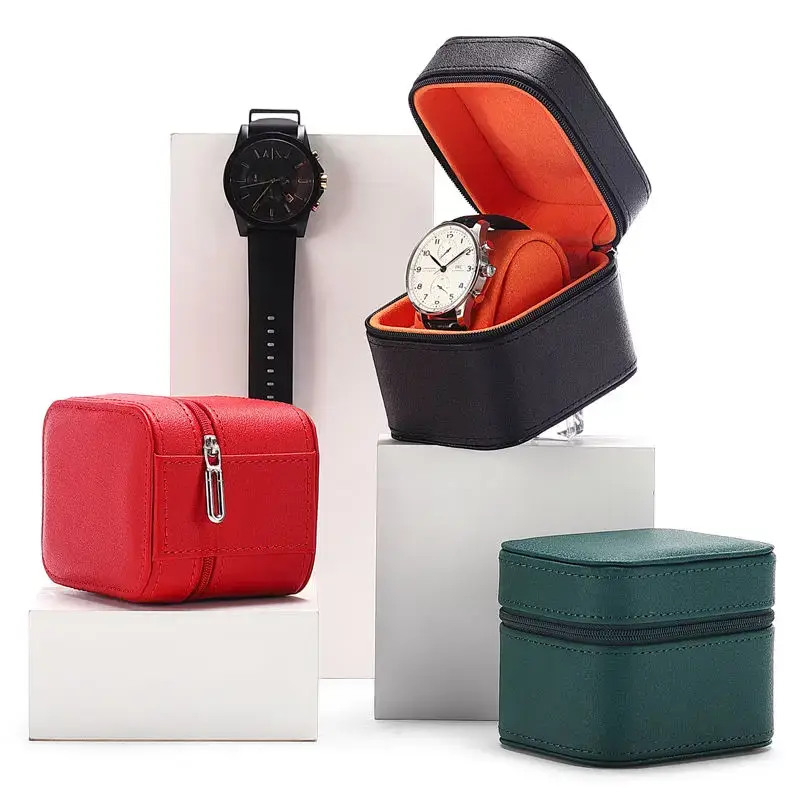
Dial printing, caseback engraving (logo, serial numbers), crown stamping, and lume text are standard. Laser marking adds precision; mechanical engraving creates vintage appeal.nnEach technique requires approvals and sample iterations, typically adding $0.50–$2.00 per case. Custom logo dies require 500–1,000 minimum unit runs.
Tooling & Lead Time Impact
Custom case geometry requires tool fabrication (8–12 weeks for hardened steel dies). Standard geometry modifications (depth, lug positioning) cost $3,000–$12,000 depending on complexity.nnPre-engineered case blanks reduce tooling spend but limit geometry flexibility. Lead times extend 4–8 weeks beyond sampling when new tooling is involved.
MOQs, Costs & Design Approval
Customization tiers directly affect MOQs. Standard catalog cases run 100 units minimum; custom geometry requires 500+. Branded finishes (dial printing, engraving) add $2,000–$8,000 non-recurring costs.nnDesign approval spans 3–6 weeks for drawings, samples, and testing. Early coordination with your watch case manufacturer on specifications streamlines timelines and cost.
6. Quality Standards & Construction Elements
Watch case quality depends on precise engineering metrics and rigorous testing protocols. Professional manufacturers maintain multi-stage QC systems and tight dimensional tolerances—typically ±0.1 mm to ±0.5 mm—to ensure movement protection and longevity. Verify claims through factory audits and sample inspections before committing to production runs.
Water Resistance & Gasket Sealing

ISO 6425 defines water-resistance ratings from 3 ATM (splash-resistant) to 1000+ ATM (saturation). Quality gaskets use FKM or EPDM, tested in pressure chambers at 1.5× rated depth. Reputable manufacturers document results and specify gasket replacement every 5–10 years.
Case Finishing & Surface Treatment

Polishing creates mirror finishes; brushing (180–400 grit) shows scratches visibly; sandblasting produces matte finishes. PVD coating adds color durability. Each technique demands distinct tooling and inspection. Finish consistency across batches requires automated processes and standardized visual grading. Poor finishing is a red flag for overall QC rigor.
Dimensional Tolerances & Assembly Precision
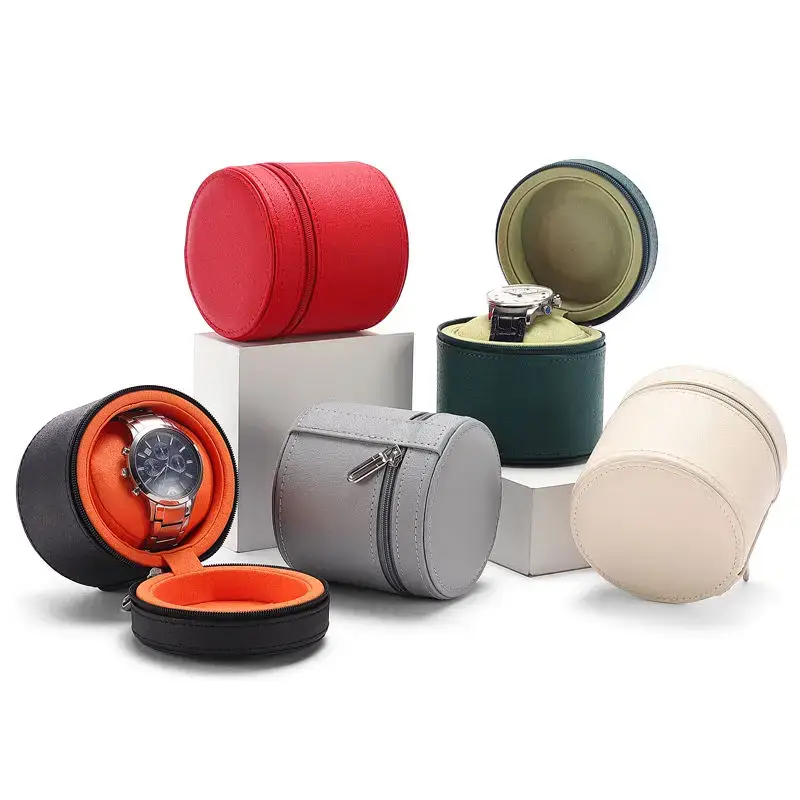
Standard tolerances: ±0.1 mm to ±0.5 mm depending on movement type. CMM testing verifies case bore, height, and lugs. Misalignment ≥ 0.2 mm binds movements or causes rattling. Case-back assembly requires consistent torque (0.8–1.5 N·m for steel) to seal gaskets without over-compression.
Certifications & Compliance
CE and RoHS confirm EU safety and material compliance. REACH documents regulated substances. Nickel-free testing (EN 1811, ≤ 0.5 µg/cm²/week) is mandatory for EU and North America. Material certs of analysis must accompany first samples and production. Request documentation upfront; missing certs signal weak QC infrastructure.
Factory Audits & Verification

Visit to inspect QC stations (CMM, pressure chambers, hardness testers). Request traceability from material certs to lot numbers. Witness pressure testing; poor sealing signals gasket or bore issues. Red flags: no test data, vague claims, or mismatched batches. Sample 5–10% of first production for independent lab verification.
7. How to Select Your Watch Case Manufacturer
Selecting the right watch case manufacturer requires systematic evaluation of technical capacity, quality standards, and partnership compatibility. A structured vetting process protects your investment and ensures your brand’s packaging reflects your quality standards.
Capacity & Customization Assessment
Most watch case manufacturers handle 100 to 1 million units annually. Verify your production capacity needs.nnConfirm equipment capability with your required materials and finishes—rigid boxes, magnetic closures, LED inserts. Request rapid sampling availability before full production.
MOQ, Lead Times & Pricing
Minimum order quantities typically range from 100 to 500 units, depending on complexity. Lead times average 8–16 weeks for custom molds and tooling.nnRequest transparent pricing breakdowns: unit cost, tooling fees, art proofs, and expediting charges. Factory-direct manufacturers typically offer 20–30% savings over middlemen by eliminating markup layers.
Quality & Track Record
Request samples and quality certifications: ISO 9001, FSC, OEKO-TEX as relevant. Established manufacturers maintain 5+ year client relationships and reference networks.nnReview their QC process: incoming material inspection, in-process audits, final inspections. A manufacturer with documented defect rates below 2% and on-time delivery above 98% demonstrates operational discipline.
Vetting & Contract Essentials
A structured vetting process protects your partnership and intellectual property. Require a factory audit, NDA, and IP protection clauses in writing.
- Factory visit or video audit of production conditions
- Signed NDA and IP/confidentiality agreement
- Contract terms: lead time, defect liability, warranty
- Dedicated account manager for communication
8. Common Mistakes When Sourcing Watch Cases
Sourcing errors—unrealistic MOQs, missed lead times, vague specs, and price-cutting—breed delays and quality failures. Recognizing pitfalls before they happen protects your timeline and brand reputation.
MOQ and Lead Time Missteps
Watch cases require 200–500 minimum orders; below 150 units incurs tooling surcharges. Lead times span 8–16 weeks: mold lead, tooling approval, production, and shipping combined.nnBrands skipping lead-time buffers face 15–30% rush fees. Confirm MOQ flexibility and plan 60 days ahead.
Vague Specifications and Communication
Ambiguous briefs—’luxury feel,’ undefined colors—force costly re-sampling cycles. Submit technical drawings, Pantone codes, material swatches, and dimension tolerances in writing.nnSpecify interior lining GSM, hardware finish, and closure mechanics. Poor specs cause 2–4 week delays.
Sacrificing Quality for Price
A $1.50 case fails within 100 uses; a $3.00 case lasts years. Verify OEKO-TEX or WRAP certifications to confirm durability standards.nnNegotiate volume discounts, not base price. Hidden costs—returns, repairs, reputation damage—dwarf upfront savings.
Neglecting IP and Contracts
Formalize tooling ownership, exclusivity, design confidentiality, and quality recourse in writing. Verbal agreements dissolve under pressure.nnExclusive arrangements cost more but prevent competitors from sourcing identical cases. Clarify who owns the die after production.
Inadequate Sample Validation
Order 20–50 sample units before bulk commitment, not just one. Test drop impact, closure cycles (500+ cycles), and finish durability under humidity.nnReal-world issues surface only at scale. Approve samples in writing before committing to 5,000+ units.
9. Launching Your Watch Brand: Steps & Timeline
Launching a watch brand demands a structured timeline from concept lock through bulk production. Your watch case manufacturer acts as a critical partner at every milestone—unclear handoffs or specification changes late in the cycle can delay launch by 2-3 months and inflate costs significantly.
Design Brief & Specification Lock
Define case diameter, lug-to-lug length, thickness, material (stainless steel 316L, titanium, ceramic), finish (brushed, polished, PVD), and water resistance rating (ISO 6425) within 2-3 weeks. Changes after tooling approval multiply costs 3-5x and delay production 6-8 weeks. Submit 2D CAD and material samples with your design brief.
Sampling & Prototype Approval

Allocate 8-12 weeks for first-article sampling (2-4 handmade units). Most watch case manufacturers offer 2-3 iteration rounds before mold investment. Validate fit with your movement (ETA, Sellita, proprietary), case back seal, crown fit, and bezel action. Require signed FIRS and ISO 6425 test reports (water-resistance, pressure, drop) before authorizing mold.
Tooling Investment & Production Timeline
Mold costs range $3,000–15,000 USD for standard cases; complex designs run $15,000–40,000. Mold machining takes 4-6 weeks; setup another 2-3 weeks. Total elapsed time: design lock to bulk production is 4-5 months. Clarify mold ownership in your watch case manufacturer’s contract—they may retain, license, or transfer at cost-plus margin.
Production Ramp-Up & Quality Checkpoints
Your watch case manufacturer runs pre-production (PPQ) at 2-5% sample size before volume. Schedule weekly calls during first 500-unit run to monitor finish uniformity, dimensional drift (±0.2mm tolerance), and caseback seal integrity. Establish gates: FIRS sign-off, 100% inspection on first 100 production units, then AQL 2.5 sampling for repeat orders.
Launch Inventory & Logistics Coordination

Order 10-20% buffer stock above first-month sales forecast to absorb returns and demand spikes. Confirm ocean freight timing (3-4 weeks port-to-warehouse) and retailer lead-in dates. Send review units to watch media, YouTube reviewers, and key retail buyers 2-3 weeks before public availability.
10. Pricing, MOQs & Lead Times for Watch Cases
Typical minimum order quantities for watch cases range from 100 to 500 units for ABS plastic, with per-unit costs declining as volumes increase—commonly $20–25 for small orders, dropping to $6–10 for 5,000+ unit commitments. Material selection significantly impacts pricing: ABS and polycarbonate are entry-level, while leather-wrapped or rigid cardboard cases command 30–60% premiums.nnKey cost drivers include raw material procurement (40–50% of unit cost), labor and machining (15–25%), one-time tooling and setup fees (typically $500–3,000 for new molds), surface finishing (embossing, printing, closures), and compliance certifications (OEKO-TEX, BSCI). Factory-direct sourcing bypasses distributor margins, often reducing prices 20–35% versus retail-channel procurement.nnLead times vary sharply by customization level. Standard cases from existing molds require 15–20 days; semi-custom options with logo printing or fabric lining extend to 25–35 days; full custom designs with new tooling or complex finishing demand 40–60+ days plus 7–14 days for prototyping. Tight deadlines require expedited fees, typically 10–25% premiums.nnTo forecast costs accurately, specify quantity, material grade, finish (matte/glossy/metallic), lining type (microfiber/velvet), logo placement, closure hardware, and regulatory needs. Request itemized quotes separating materials, labor, tooling, and finishes—transparency here prevents budget surprises and positions you for volume-tier discounts as your brand scales.
| Quantity Tier | Unit Price Range | Lead Time | Primary Cost Driver |
|---|---|---|---|
| 100–500 units | $20–25 per case | 20–30 days | Tooling setup fee applies |
| 500–1,000 units | $12–18 per case | 18–25 days | Volume discounts emerge |
| 1,000–5,000 units | $7–14 per case | 18–22 days | Economies of scale |
| 5,000+ units | $6–10 per case | 15–20 days | Maximum per-unit savings |
Connect with Our Custom Jewelry Packaging Manufacturer Today
Request a quote or free samples in minutes. Explore factory-direct pricing, discuss your tech pack, and start production with 19+ years of jewelry packaging expertise.