
Jewelry Roll Solutions — Low MOQ, Factory-Direct Custom Manufacturing
Custom jewelry rolls designed and manufactured in our Dongguan factory. Factory-direct pricing, low MOQ flexibility, and dedicated support for jewelry brands worldwide.
Featured Collections — Ready to Quote

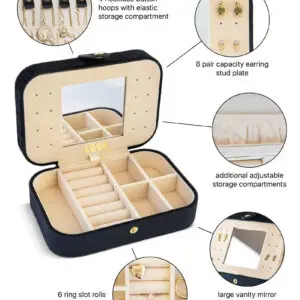
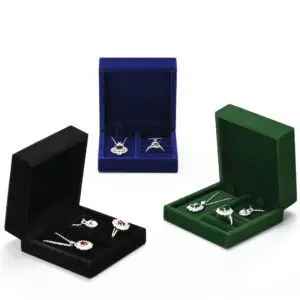
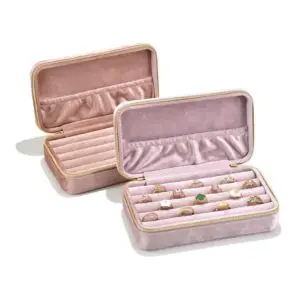

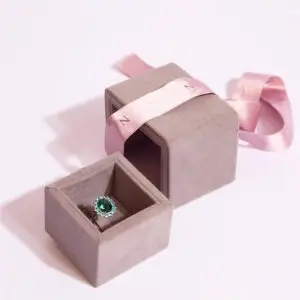
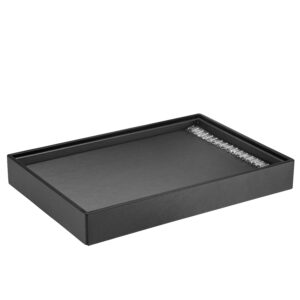

Jewelry Roll Gallery — Designs & Customization Examples


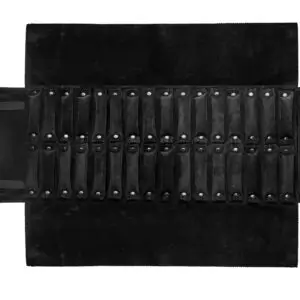

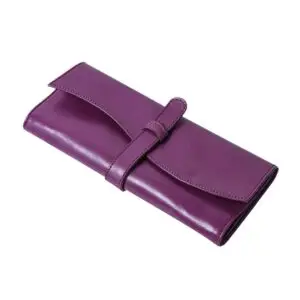
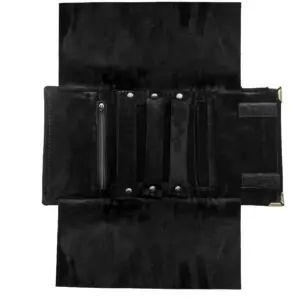


Why Choose Our Jewelry Rolls
Built for brands that demand factory-direct pricing, low MOQ flexibility, and uncompromising quality
Factory-Direct Pricing
We own our production lines in Dongguan, China, eliminating middlemen and passing savings directly to you without compromising on quality.
Low MOQ, Full Customization
Start with orders as small as needed. Scale from samples to full production with complete design flexibility for startups and established brands.
OEM Private Label Solutions
White-label your own branded jewelry rolls with our complete OEM program. Your design, our craftsmanship, your brand’s story.
Multi-Stage Quality Control
Every jewelry roll passes rigorous multi-stage QC from production to final inspection, ensuring premium quality for every order, every time.
FSC & Recycled Materials
We use FSC-certified paper and recycled materials across our jewelry roll collections, combining luxury packaging with sustainability and responsible sourcing.
Dedicated Account Managers
A personal account manager supports your jewelry roll orders from sampling through production, ensuring on-time delivery and perfect communication.
Custom Jewelry Rolls for Every Brand Scenario
From independent designers launching their first collection to established brands scaling globally, our custom jewelry rolls and packaging solutions are built for your specific business needs.
Launch with Custom Jewelry Rolls
As an emerging designer, you need professional packaging that establishes brand identity without large MOQs or setup costs. Traditional suppliers demand high minimums, straining cash flow and inventory risk.
Access factory-direct custom jewelry rolls at low MOQ with dedicated account support, allowing you to launch confidently and scale order volumes as your brand grows.
Luxury Unboxing for Boutique Retailers
Premium customers expect packaging that matches their product quality and justifies their purchase price. Standard generic pouches undermine your luxury brand positioning and reduce perceived value at checkout and delivery.
Custom velvet rolls, satin pouches, and rigid boxes bearing your logo transform every transaction into a brand moment, increasing perceived value and generating social media buzz.
Scale Jewelry Roll Production Without Compromise
As your brand grows, you need a supplier who can handle volume increases while maintaining consistent quality, factory-direct pricing, and reliable on-time delivery across global markets.
Our multi-stage QC and dedicated account managers ensure every order—whether 500 or 50,000 units—meets specs, arrives on schedule, and maintains the brand experience your customers trust.
Unboxing as Brand Marketing
Poor or inadequate packaging during shipping damages products and increases costly returns, eating into margins. Most importantly, customers' first impression of your brand happens when they open the box at home.
Durable custom jewelry rolls and protective rigid boxes ensure safe delivery, create memorable unboxing moments, and turn customers into brand advocates sharing premium packaging experiences on social media.
Eco-Certified Jewelry Rolls for Conscious Brands
You want FSC-certified, recyclable packaging that aligns with sustainability values without compromising the luxury appearance your brand promises. Few suppliers offer both quality and environmental certifications.
Access factory-certified recycled and eco-friendly materials—FSC kraft, recycled satin, biodegradable pouches—that feel premium, support your sustainability story, and build customer loyalty without cost premium.
Premium Materials for Custom Packaging

Premium Velvet
Soft, luxurious velvet protects delicate jewelry with an exceptionally plush feel. Non-abrasive pile surface prevents scratching on fine pieces. Ideal for upscale presentations. Weight: 400 GSM.
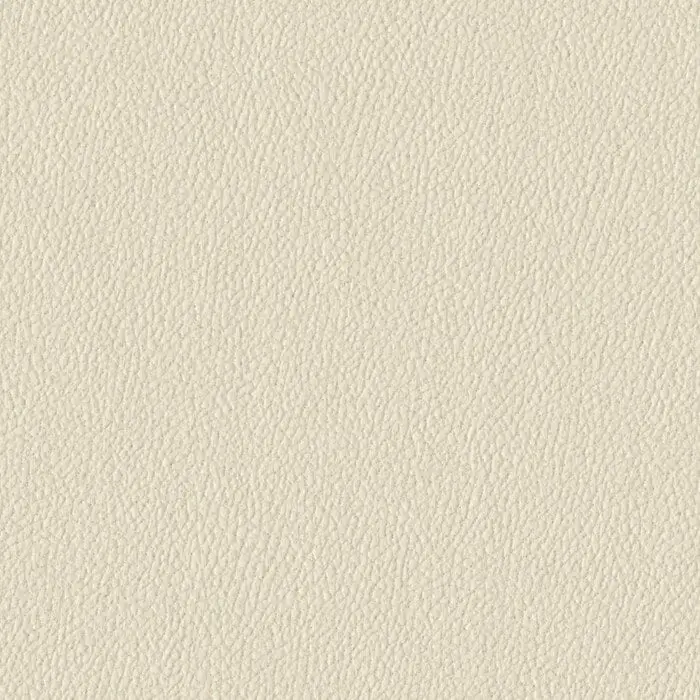
Microfiber Lining
Durable microfiber delivers superior scratch protection for fine jewelry pieces. Non-woven construction resists pilling while maintaining exceptional softness. Perfect for functional daily-use rolls. Density: 350 GSM.

Satin Finish
Smooth, lustrous satin creates a truly premium tactile experience with excellent jewelry protection. Subtle sheen enhances luxury presentation aesthetics. Ideal for gift-worthy rolls. Weight: 150 GSM.
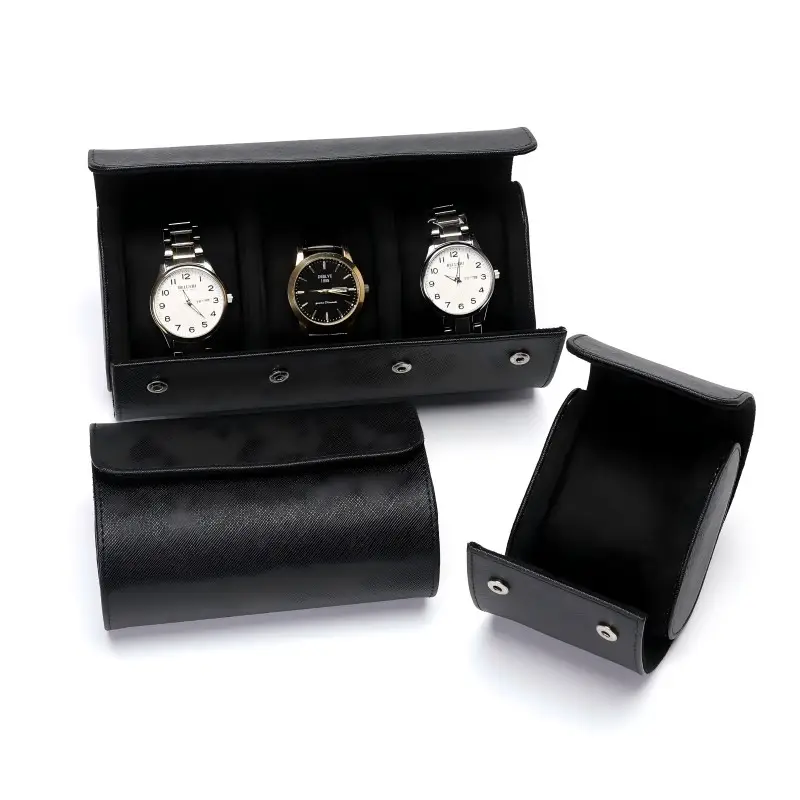
Natural Linen
Breathable, natural linen suits eco-conscious brands seeking sustainable solutions. Linen’s inherent durability resists everyday wear; subtle texture adds organic character. Perfect for artisan jewelry. GSM: 200.

Organic Cotton Canvas
Sturdy organic cotton canvas combines durability with environmental responsibility. Natural weave construction provides excellent structure and longevity for high-traffic use. Ideal for everyday elegance. Weight: 320 GSM.

Recycled Eco-Materials
FSC-certified recycled materials align with sustainable luxury positioning for eco-conscious brands. Eco-friendly construction maintains quality standards without environmental compromise. Ideal for conscious retailers. 100% post-consumer recycled.
Custom Jewelry Roll Manufacturing & Finishing Processes
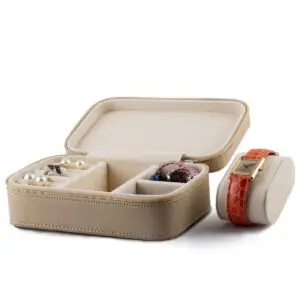
Custom Embroidery
Logo embroidery adds premium branding to jewelry roll fabric. Precision stitching in thread colors of your choice creates durability and visual impact—a signature luxury touch.
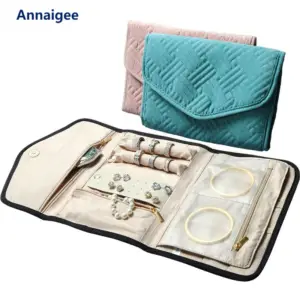
Heat Stamping
Foil stamping applies metallic branding in gold, silver, or rose tones. Creates embossed, durable impressions on fabric or rigid surfaces for refined luxury positioning.

Screen Printing
Multi-color or spot-color printing brings custom designs to jewelry roll fabric. This precise technique delivers consistent color reproduction and excellent durability across all production runs.
Magnetic Closure Integration
Professional installation of magnetic fasteners ensures secure closure and premium feel. Available in various strengths and finishes to match your jewelry roll’s luxury positioning.

Edge-Binding & Finishing
Professional edge-binding reinforces seams and finishes edges with bias tape or piping. Ensures durability, refined appearance, and extended product lifespan for high-end positioning.

Interior Lining Customization
Soft fabric linings protect jewelry and enhance luxury feel. Choose from velvet, microfiber, linen, or satin options with custom color matching for complete brand control.
Jewelry Roll Hardware & Accessories

Snap Button Closures
Premium metal snap button hardware for secure, reliable closure on jewelry rolls. Durable construction withstands repeated use and ensures your packaging makes a lasting impression.

YKK Zippers
Industry-leading YKK zipper hardware delivers smooth operation and exceptional longevity on custom jewelry rolls. Available in multiple finishes to match your brand’s aesthetic and design vision.
Drawcord & Tipping
Elegant drawcord systems with reinforced metal or plastic tipping create effortless access to jewelry roll contents. Professional presentation combined with practical functionality for premium packaging.
Woven Labels
Custom woven labels featuring your brand logo add authenticity and craftsmanship to jewelry rolls. Woven construction ensures durability and communicates quality to end customers.
Protective Insert Dividers
Padded or structured inserts keep jewelry organized and protected inside your jewelry roll. Custom-sized compartments and dividers prevent tangling and shifting during storage and shipping.

Custom Patch Embroidery
Embroidered or appliqué patches personalize jewelry rolls and strengthen brand identity on premium pieces. Fine craftsmanship adds a luxury touch that elevates your packaging presentation.
About On The Way — Jewelry Roll Excellence
Founded in 2007, On The Way Jewelry Box Supplier Ltd. was built on a simple principle: quality defines survival. Headquartered in Dongguan, China, we design and manufacture custom jewelry rolls, pouches, rigid boxes, displays, and branded luxury paper bags for independent designers, boutique retailers, and global jewelry houses seeking factory-direct partner solutions.
Operating a 1,200 m² factory with over 220 team members, we’ve completed 6,500+ custom projects for 300+ brands across 30+ countries in North America, Europe, and Southeast Asia. Our multi-stage QC team ensures every jewelry roll, rigid box, display solution, and custom paper bag meets luxury standards before shipment.
We compete on factory-direct pricing, low MOQ flexibility, and custom manufacturing expertise. From eco-friendly FSC-certified materials to dedicated account management and on-time delivery, we partner with brands at every scale—startups launching their first jewelry roll through established houses scaling production. Our mission remains unchanged: exceptional packaging as your brand’s first impression.
Custom Manufacturing Excellence
Complete Custom Jewelry Roll Design
We engineer every jewelry roll from conception to mass production. From pouch dimensions and materials to hardware, closures and branding, customize every element. Our design team collaborates directly with your brand to bring unique visions to life, with rapid sampling and iteration included.
- Tailored pouch sizes, shapes and material specifications
- Custom hardware, closures and brand embossing
- Rapid sampling with design feedback loops
- Dedicated account manager for your project

Multi-Stage Professional Quality Control
Every jewelry roll undergoes rigorous multi-stage quality inspections from raw materials through final packaging. Our QC protocol ensures consistency, durability and aesthetic perfection. We test for stitching integrity, material defects, closure function and packaging presentation on every unit produced.
- Incoming material inspection and supplier verification
- Mid-production workmanship spot-checks
- Pre-shipment final inspection and packaging audit
- Third-party testing available for premium collections

Eco-Certified Materials for Jewelry Rolls
Sustainability is core to our jewelry roll manufacturing. We source FSC-certified paper, recycled fabrics and biodegradable materials without compromising luxury appeal. Every eco-friendly choice is documented, giving your brand transparency and alignment with conscious consumer values.
- FSC-certified and recycled paper options
- Biodegradable velvet, cotton and linen pouches
- Reusable and compostable packaging components
- Full material origin documentation for compliance

Guaranteed On-Time Jewelry Roll Delivery
Our 17+ years serving 300+ brands proves our commitment to on-time delivery and brand partnership. We maintain strict production schedules, comprehensive insurance coverage and secure logistics protocols. Your jewelry rolls arrive exactly when promised, protecting your launch timelines and brand reputation.
- Production timeline guarantees with buffer planning
- Full shipment insurance and tracking
- Secure cold-chain logistics for luxury items
- Dedicated logistics coordination and documentation

Why Brands Choose On The Way for Custom Jewelry Rolls
See how our factory-direct model delivers better pricing, faster turnaround, and superior quality on every jewelry roll order.
← Swipe left or right to view →
Our Jewelry Roll Production Process
End-to-end jewelry roll manufacturing with dedicated account management and on-time delivery guarantees
Design & Material Sourcing
Partner with our design team to finalize your jewelry roll specifications. We source premium materials—velvet, satin, microfiber, eco-friendly options—tailored to your brand.
Cutting & Forming
Our precision machinery cuts and shapes your jewelry roll components with exact specifications. Every piece undergoes initial quality checks before the next production stage.
Decoration & Customization
Custom embossing, printing, and finishing bring your brand identity to life on every jewelry roll. Logos, patterns, and details are applied with expert precision.
Multi-Stage Quality Control
Our professional QC team inspects every jewelry roll at multiple stages. We test durability, finish quality, and brand consistency before any unit leaves our facility.
Packing & Preparation
Each jewelry roll is carefully packed to protect during transit. We coordinate labeling, customs documentation, and final preparations for your shipment worldwide.
Shipping & Delivery
Our logistics partners ensure on-time delivery to your location. Real-time tracking keeps you informed every step of the journey to your warehouse.
How to Order Custom Jewelry Rolls
Our transparent five-step process from design to delivery
Submit Your Jewelry Roll Specs
Provide your jewelry roll specifications including materials, dimensions, colors, branding, and order volume. Our team reviews your requirements and confirms feasibility within 24 hours.
Review Quote & MOQ Details
Receive transparent factory-direct pricing and MOQ confirmation specific to your jewelry roll design. Our quote includes production timelines and all custom specification details.
Approve Your Custom Sample
Review your custom jewelry roll prototype with unlimited design revisions. Approve your sample before production to ensure it meets your exact brand standards.
Start Bulk Production
Our team manufactures your jewelry roll order with multi-stage quality control and dedicated project management. We maintain your production schedule throughout manufacturing.
Receive Your Order
Receive your complete custom jewelry roll order on schedule with quality documentation. Your packaging arrives ready for immediate retail deployment and sale.
Quality & Sustainability Certifications for Jewelry Rolls
Trusted by Global Jewelry Brands — Our Jewelry Roll Advantage
Their low MOQ—200 units for our jewelry roll launch—meant we could test our design without massive investment. Eight-week turnaround from approval to delivery. Exactly what emerging brands like us need.
We cut jewelry roll costs by 32% moving to factory-direct. The quality control surprised us—genuinely rigorous. Custom design execution was flawless. Now our packaging is as luxe as our jewelry.
Three years, five jewelry roll collections, 55,000+ units delivered on time. On The Way‘s eco-materials aligned with our sustainability commitment. Their account team is responsive and reliable—exactly what we needed at scale.
Jewelry Roll Manufacturing FAQ
Answers to your top questions about low-MOQ custom jewelry rolls, lead times, sampling, pricing, and design protection.
What is the minimum order quantity for a custom jewelry roll?
How long does it take to manufacture a custom jewelry roll?
Do you offer jewelry roll samples, and what’s the cost?
What customization options are available for my jewelry roll order?
What payment terms do you offer?
How do you protect my design and intellectual property?
What are shipping costs and delivery times?
Can you offer private label or white-label jewelry roll solutions?
How to Choose and Source Jewelry Roll for Your Brand
Master the essential criteria for selecting jewelry rolls that elevate your brand. Discover material options, customization capabilities, manufacturer evaluation standards, and proven strategies to avoid costly sourcing mistakes in the luxury packaging market.
1. What is a Jewelry Roll?
The mid-20th century luxury market pioneered the jewelry roll as a compact, foldable fabric organizer designed to protect, store, and transport delicate accessories during travel or daily use. Today’s jewelry roll combines portability with protection—a requirement across fine jewelry, watches, bracelets, necklaces, and designer costume pieces. The format typically features multiple compartments lined with soft fabrics such as velvet, satin, or microfiber to prevent scratching and tangling.nnThree core functions define the jewelry roll: safeguarding pieces from physical damage through cushioned compartments, organizing items by type or color to prevent knots and loss, and enabling secure transport without requiring bulky cases or boxes. These protective and organizational capabilities make the jewelry roll indispensable for retail brands, independent designers, and jewelry retailers seeking to deliver an elevated unboxing experience while differentiating their product presentation beyond standard packaging.nnDiverse end-users drive demand for custom jewelry rolls—luxury brand customers purchasing high-end pieces, frequent travelers requiring compact storage solutions, and gift-givers seeking premium presentation for special occasions. Retail brands use custom jewelry rolls to reinforce brand identity through embroidery, logo placement, or exclusive fabric selections. For independent jewelry designers and boutique retailers, the jewelry roll serves as both protective packaging and a branded touchpoint that extends the customer relationship beyond the sale, creating lasting impressions at a fraction of the cost of rigid boxes.
2. The Evolution of Jewelry Roll Design
The jewelry roll emerged from 18th-century European aristocratic traditions, where handcrafted silk and velvet pouches protected heirlooms during travel and storage. These early designs reflected a simple principle: soft fabric against precious metals prevents scratching, and compartments organize pieces for easy access. The category remained largely unchanged until the mid-20th century, when mass production and synthetic fabrics brought the jewelry roll into mainstream retail.nnIn the 1990s and 2000s, consumer expectations shifted as leisure travel surged and self-gifting rose. Jewelry rolls transformed from purely functional storage into aspirational gift and travel accessories—collectors wanted rolls that looked polished on a dresser, not hidden away. This demand sparked innovation in microfiber, satin blends, and structured designs with magnetic closures, turning the jewelry roll into a hybrid object: practical organizer and display-worthy item.nnThe sustainability movement of the 2010s fundamentally reshaped the category. Brands increasingly sourced organic cotton, OEKO-TEX-certified fabrics, and FSC-certified paper linings to meet eco-conscious consumer demands and corporate responsibility mandates. This shift forced manufacturers to invest in material sourcing, sustainable dye chemistry, and supply chain transparency—factors that now define competitive advantage.nnToday the jewelry roll reflects three converging trends: mass customization, minimalist design, and circular production. Brands commission bespoke rolls with embossed logos and personalized linings; minimalism has stripped ornamental excess for clean, functional lines; and recycled polyester blends are becoming standard. Manufacturers must now balance low MOQ flexibility, rapid material innovation, and on-time delivery—the operational cornerstones of modern custom production.
3. Types of Jewelry Roll and Storage Solutions
Jewelry rolls serve distinct functions across purchase occasions and customer segments. Selecting the right type requires understanding end-use scenarios—travel, display, organization, or gifting—and alignment with your brand’s positioning and price architecture.
Travel Rolls
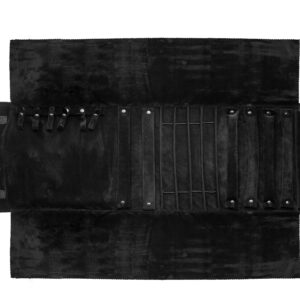
Travel rolls measure 10–14 inches folded, containing 4–8 compartments for rings, earrings, and small necklaces.nnVelvet, microfiber, or OEKO-TEX cotton provides protection. Affluent millennials and business travelers favor carry-on-compatible designs with snap or roll closures.
Display and Storage Rolls
Display rolls stand 8–12 inches tall with open-top or tiered compartments showcasing pieces prominently.nnJewelers use them in retail settings and brand launches. Premium velvet liners with contrasting stitching appeal to indie designers emphasizing unboxing experiences.
Drawer Organizers
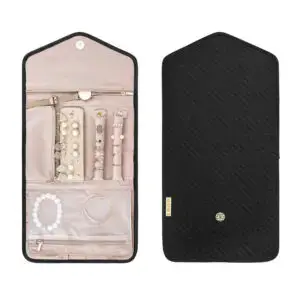
Drawer organizers fit standard jewelry cases at 6–10 inches with 12–24 compartments for systematic storage.nnCotton sateen or linen construction resists snagging delicate chains. Established brands prefer neutral tones (white, cream, charcoal) coordinating with existing packaging.
Multi-Compartment Rolls
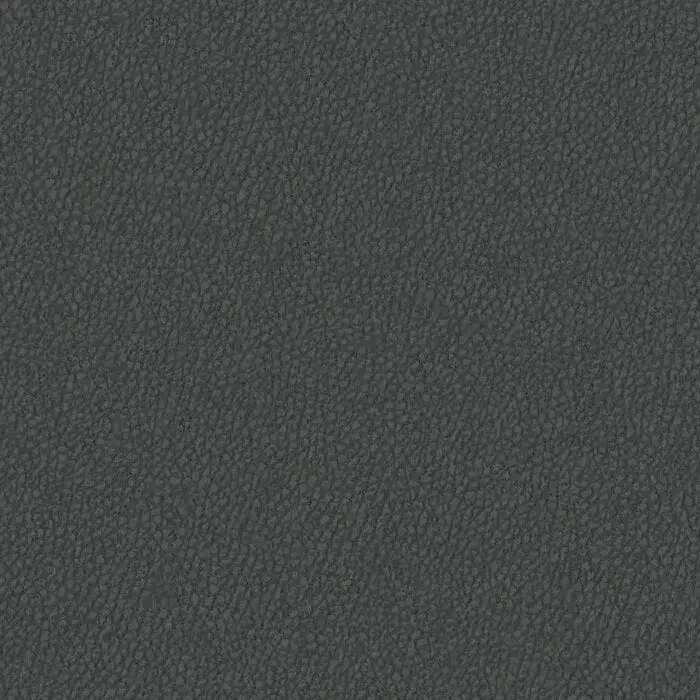
Multi-compartment rolls (18–24 inches unfolded) feature 20–32 sections for luxury brand assortments and gift sets.nnMagnetic closures and personalized ribbon ties convey premium positioning. E-commerce retailers use these for curated subscription boxes and seasonal collections.
Eco-Sustainable Options

Sustainable rolls use FSC-certified cotton, linen, or recycled polyester instead of virgin synthetics.nnGOTS and OEKO-TEX certifications appeal to conscious consumers and sustainability-focused brands. Indie designers command 15–40% premiums in this growing segment.
Compact Pouches

Compact pouches (4–6 inches) hold 2–4 pieces—ideal for single-earring purchases or premium gift add-ons.nnMicrosuede or silk-lined materials enhance perceived value at lower price points. Emerging jewelry brands and fine retailers use these as alternatives to rigid ring boxes for gift packaging.
4. Materials and Fabrics for Jewelry Roll
Material selection defines a jewelry roll’s luxury perception, longevity, and environmental footprint. Premium natural fabrics and sustainable alternatives each offer distinct tradeoffs between cost, durability, care complexity, and brand positioning. The right choice aligns with target customer values and product lifespan expectations.
| Material | Luxury Feel | Durability | Eco-Friendly | Typical Price Tier |
|---|---|---|---|---|
| Silk | Very High | Moderate (3–5 yrs) | Low | Premium |
| Velvet | Very High | Moderate (3–5 yrs) | Low | Premium |
| Linen | High | High (5–7 yrs) | High | Standard |
| Organic Cotton | High | High (5–7 yrs) | High | Standard |
| Recycled Polyester | Moderate | High (6+ yrs) | High | Standard |
| Vegan Leather | High | Moderate (3–4 yrs) | Moderate | Standard |
Premium Fabrics: Silk and Velvet
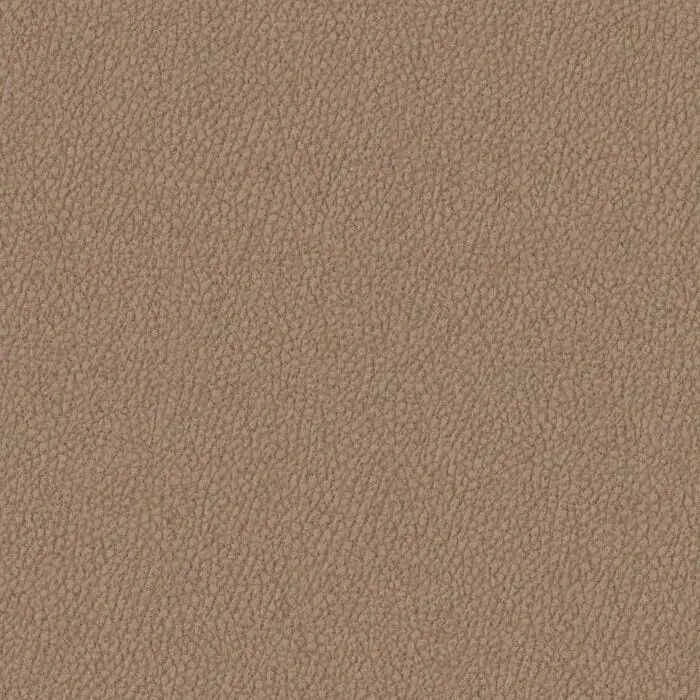
Silk and velvet elevate brand perception instantly but require careful handling. Both demand gentle care—avoid machine washing, direct sunlight, and high humidity.nnSilk offers a refined drape; velvet provides luxurious tactile experience. Supply chains are well-established globally, but costs remain highest tier.
Sustainable Natural Fibers: Linen and Organic Cotton
Linen (OEKO-TEX certified) and organic cotton (GOTS standard) deliver both luxury feel and proven durability. Care is straightforward: delicate wash, lay-flat dry.nnBoth materials age beautifully and resonate with environmentally conscious brands. Supply chains increasingly transparent through fair-trade cooperatives.
Contemporary Alternatives: Recycled and Vegan Materials

Recycled polyester (GRS/RCS certified) and vegan leather offer modern positioning and low-care requirements. Recycled polyester withstands frequent handling; vegan leather appeals to conscious consumers but varies in durability.nnBoth integrate emerging supply chains; verify environmental certifications (OEKO-TEX) before production.
5. Customization and Decoration Techniques for Jewelry Roll
Customization transforms jewelry rolls from generic storage into branded assets that reinforce brand identity. Each technique offers distinct trade-offs between visual impact, lead time, MOQ, and cost.nnStrategic selection drives production efficiency and perceived brand value.
| Technique | MOQ | Lead Time | Cost Multiplier |
|---|---|---|---|
| Embroidery | 300–500 | 2–3 weeks | 1.3–1.8x |
| Foil Stamping | 500–1,000 | 1–2 weeks | 1.2–1.5x |
| Screen Printing | 200–500 | 1–2 weeks | 1.1–1.3x |
| Laser Engraving | 300+ | 2–3 weeks | 1.4–1.6x |
| Appliqués | 300–800 | 2–4 weeks | 1.5–2.2x |
| Beading | 150–400 | 3–5 weeks | 2.0–3.0x |
| Color Customization | 500–2,000m | 3–4 weeks | 1.0–1.2x |
Embroidery
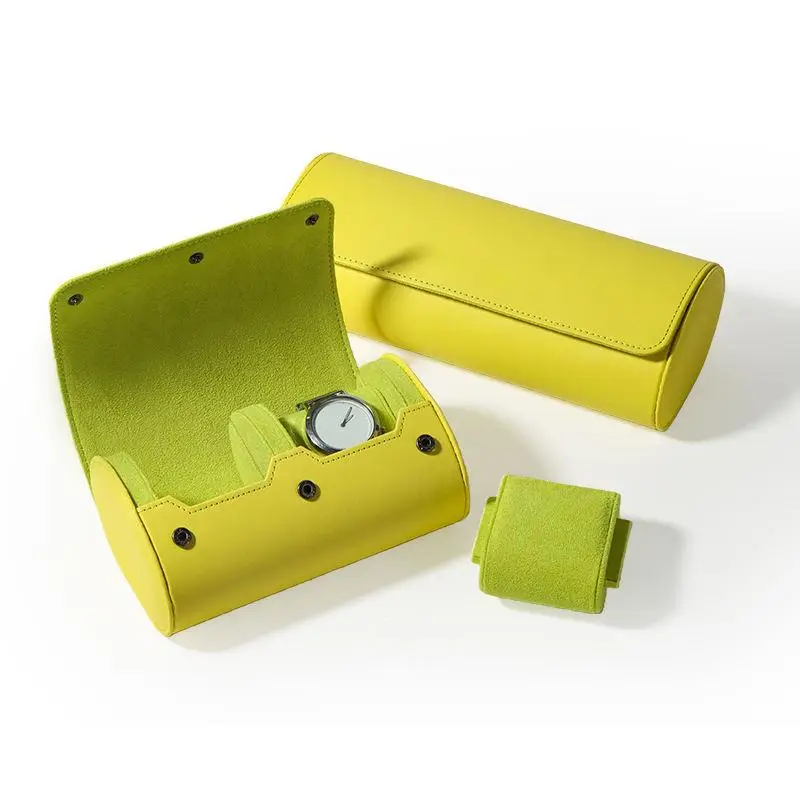
Embroidery creates dimensional branding on velvet and canvas. MOQ: 300–500 units; lead time: 2–3 weeks; cost: 1.3–1.8x base.nnMonograms and single-line logos suit jewelry roll fronts without overwhelming compact dimensions. Durable across hand-wash cycles.
Foil Stamping and Laser Engraving
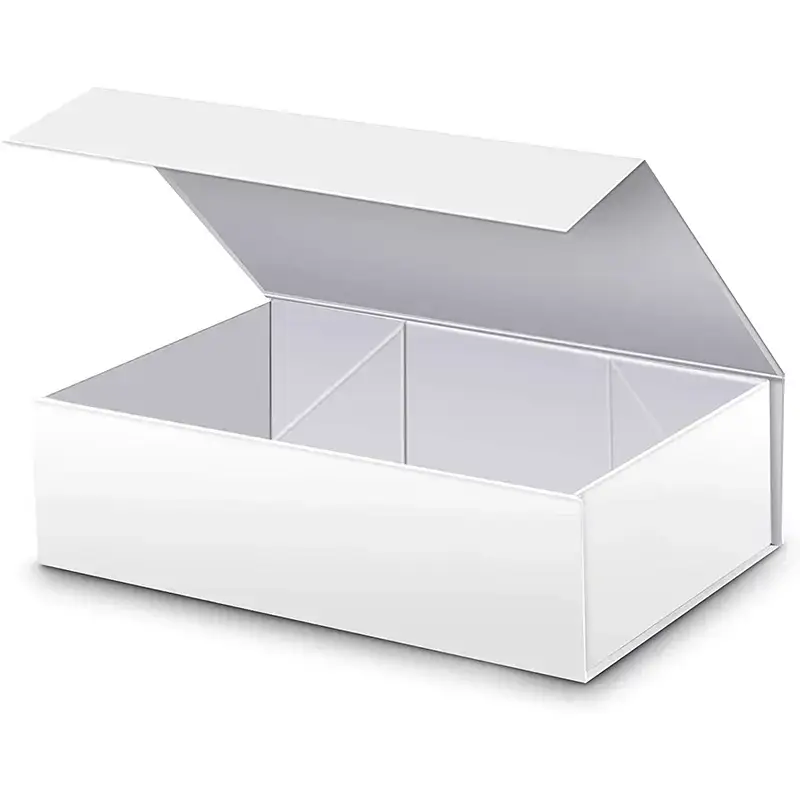
Foil stamping delivers reflective finishes on boxes. MOQ: 500–1k, 1–2 weeks, 1.2–1.5x cost.nnLaser engraving adds fine detail to leather and wood. MOQ: 300+, 2–3 weeks, 1.4–1.6x. Both integrate into luxury presentations.
Screen Printing
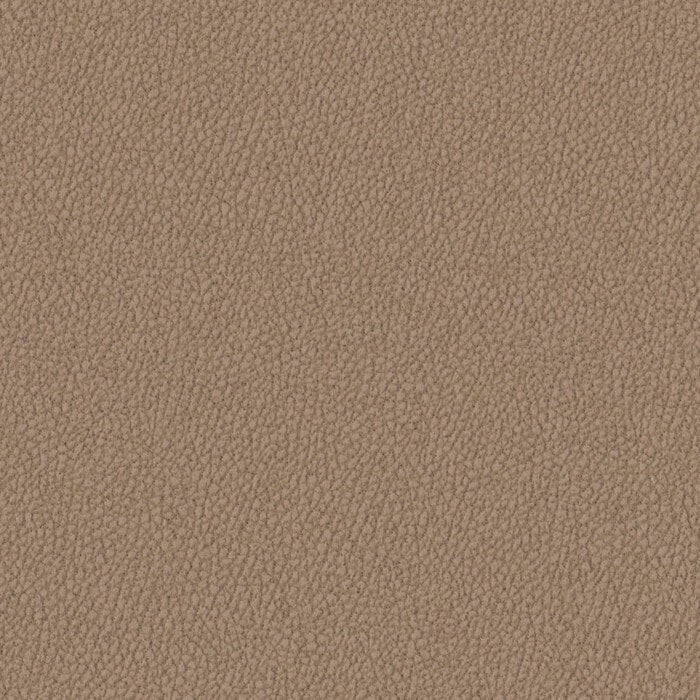
Screen printing deposits durable ink on cotton and canvas—ideal for bold brand logos. MOQ: 200–500 units; lead time: 1–2 weeks; cost: 1.1–1.3x base.nnFlat color separation (no photographic gradient); fit-and-finish on small surfaces demands precise screen registration.
Appliqués and Beading
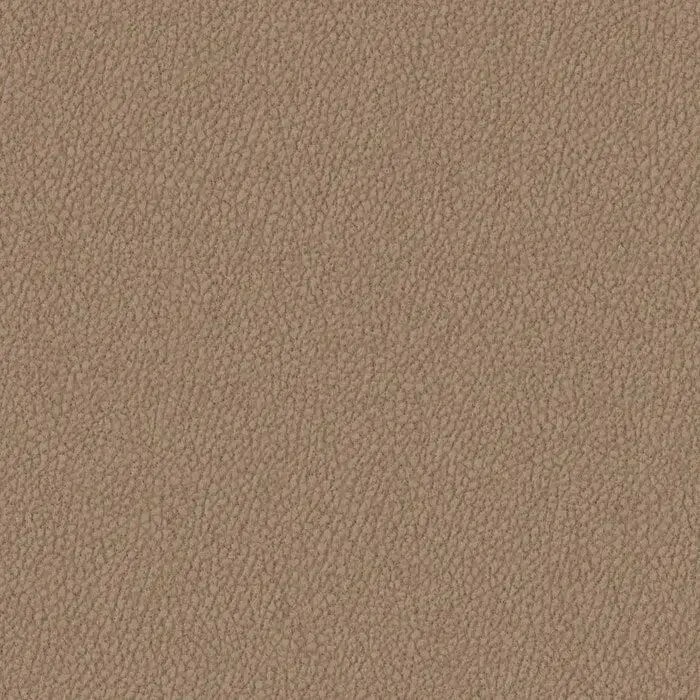
Appliqués (cut fabric or leather overlays) and hand-applied beads add texture and perceived luxury. Appliqué: 300–800 MOQ, 2–4 weeks, 1.5–2.2x cost.nnBeading: 150–400 MOQ, 3–5 weeks, 2.0–3.0x cost. Labor-intensive; reserve for premium product tiers.
Color Customization
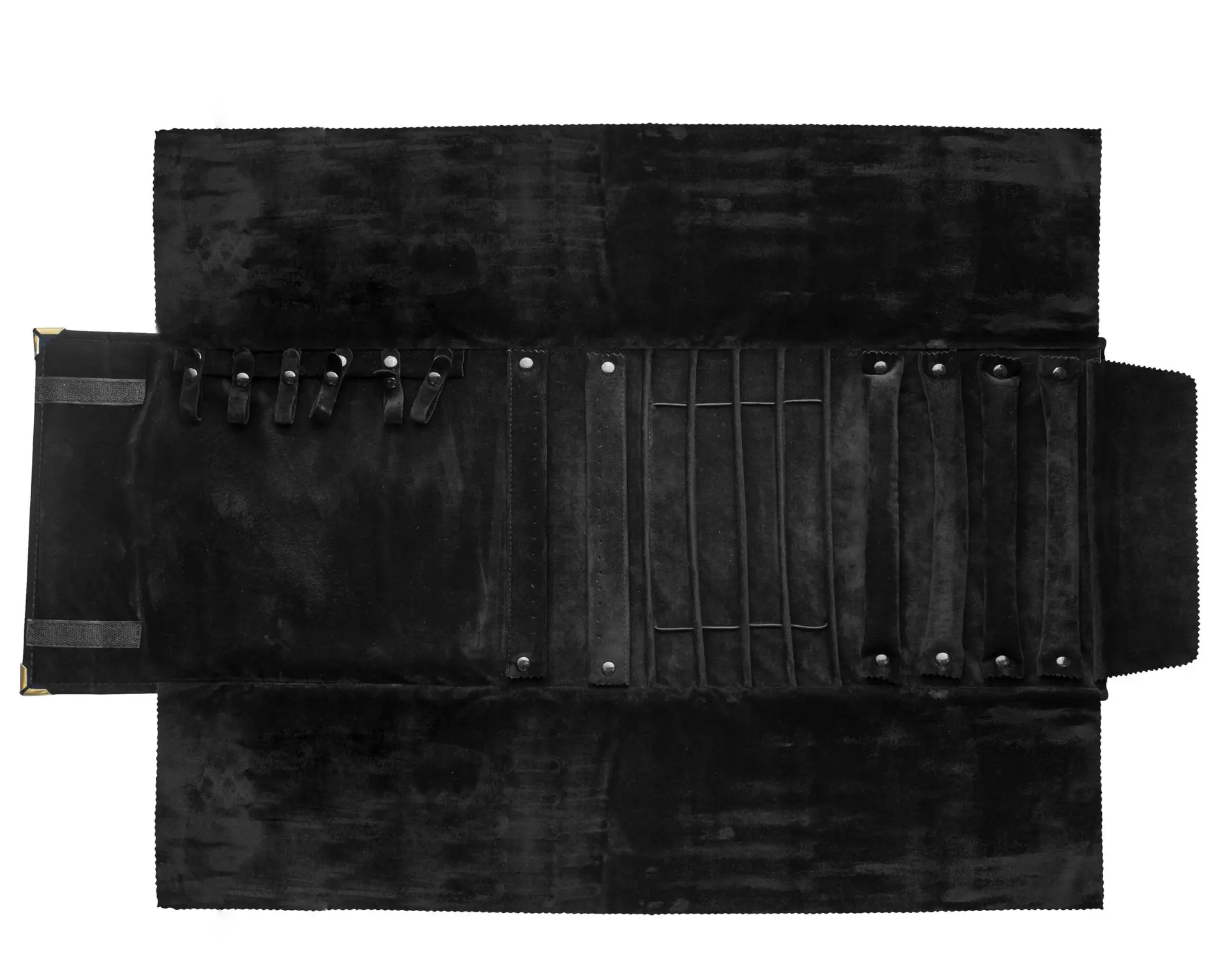
Dyeing custom fabrics or requesting Pantone matches expands brand color options beyond standard catalogs. Dyed fabric MOQ: 500–2,000 meters; lead time: 3–4 weeks; cost: 1.0–1.2x when integrated into main purchase.nnBest ROI at scale; bake into annual planning.
6. Key Quality Elements in Jewelry Roll Construction
Durability and user experience hinge on five critical construction elements: stitching integrity, compartment design, hardware selection, padding, and edge finishing. Each component directly affects how long a jewelry roll survives daily use and how customers perceive unboxing quality. Before committing to bulk production, inspect sample construction against industry standards.
Stitching Quality and Seam Durability

Lockstitch construction with 16–20 stitches per inch resists unraveling better than chain stitch. Seams should sit 3–5 mm from edges to prevent fraying. Before bulk orders, pull test samples at stress points—quality stitches withstand 5+ kg pressure without separation.
Compartment Engineering
Dividers reduce tangling and damage during transit. Reinforced compartments use double-stitched or taped seams at corners. Verify pocket depth and width match your target jewelry sizes—necklace pockets need 25–30 cm depth; ring rolls need 1.5–2 cm per slot. Test with actual pieces before sampling.
Hardware and Closures
YKK or equivalent zippers (8–10 cm for jewelry rolls) outlast generic alternatives and maintain smooth operation after 500+ cycles. Snap closures require reinforcement patches underneath to prevent tearing. Magnetic closures add luxury but reduce compatibility with metal jewelry. Request hardware samples matching production specs and test durability.
Padding and Lining
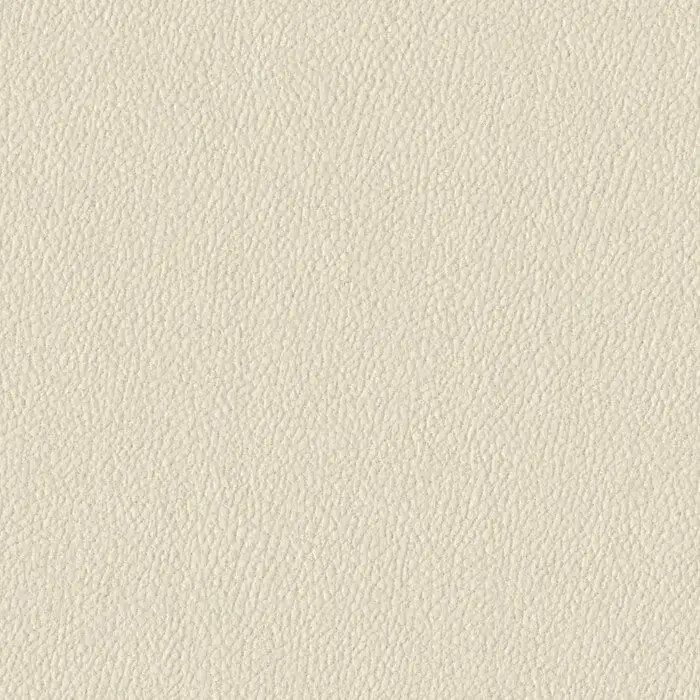
Microfiber or velvet linings protect delicate pieces from scratches. Use 2–3 mm foam or cotton batting for cushioning without excess bulk. Padding should compress only slightly under hand pressure—overstuffed rolls won’t close properly. Inspect lining for loose fibers and secure stitching along all edges.
Edge Finishing
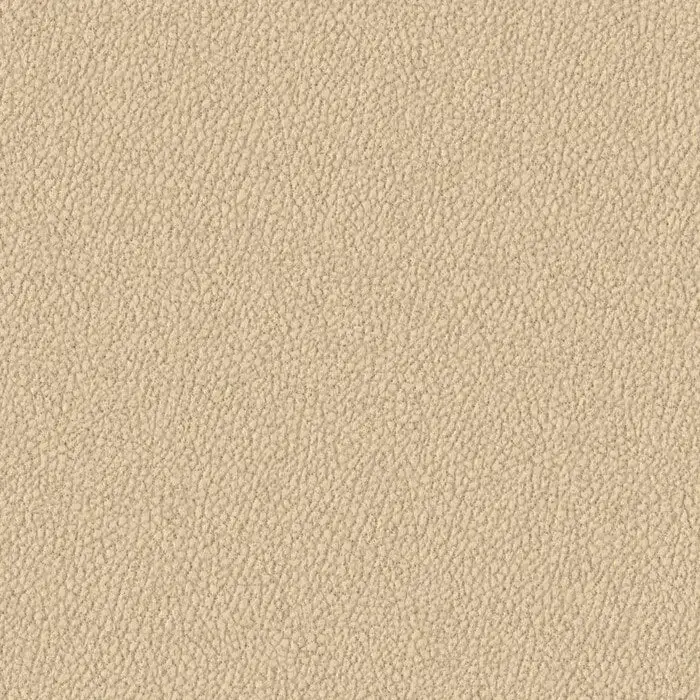
Bound edges with bias tape or rolled hems prevent fraying and cuts. Unfinished edges degrade within weeks of handling. Check corner reinforcements—stitched, fused, or taped corners last significantly longer than unsupported edges. Verify all raw edges are sealed before shipment, especially on exterior fabric.
7. How to Select a Jewelry Roll Manufacturer
Selecting the right jewelry roll manufacturer requires evaluating production capacity, customization flexibility, and quality standards. A structured vetting process—checking certifications, lead times, communication standards, and sustainability practices—ensures your supplier aligns with your brand’s requirements and delivery timelines.
Production Capacity & Lead Times
Verify factory size and dedicated staff to assess production capacity. Request written lead time commitments for prototyping and mass production.nnAsk how they handle concurrent orders during peak seasons and whether they provide documented delivery guarantees with SLAs.
Customization Flexibility
Evaluate their material library (velvet, satin, microfiber, cotton, linen, eco-options) and available decoration techniques. Request a portfolio of past custom projects.nnClarify which modifications carry no premium fees versus which require engineering charges.
Quality Certifications
Verify their QC process with multi-stage inspection documentation. Confirm material certifications: FSC or recycled paper, OEKO-TEX or GOTS for textiles, WRAP or BSCI standards.nnRequest third-party audit reports and ask about traceability systems for components.
MOQ & Pricing Transparency
Factory-direct manufacturers typically offer lower minimums than trading agents. Request itemized quotes with no hidden surcharges for setup or artwork.nnAsk about tiered pricing for volume commitments and payment terms that support your cash flow.
Red Flags & Partner Verification
Request 3+ customer references and contact them about delivery reliability and responsiveness. Red flags include vague lead times, reluctance to discuss certifications, no dedicated account manager.nnVerify they’re established (6+ years in business) with documented references and provide sample NDAs.
8. Common Mistakes When Sourcing Jewelry Roll
Sourcing a jewelry roll involves multiple moving parts — from factory communication to material selection. Overlooking key stages in the procurement process can inflate costs, delay production, or compromise product quality.
Underestimating MOQ Impact on Unit Cost
Most manufacturers enforce minimum orders of 500–2,000 units for custom jewelry rolls. Orders below this threshold incur significant setup and tooling fees.nnThese fees can inflate per-unit cost by 30–50%. Clarify MOQ and pricing tiers upfront to avoid sticker shock.
Skipping Pre-Production Quality Specs
Waiting until bulk manufacturing to review closure mechanisms, seam strength, or fabric durability exposes you to costly revisions.nnRequest physical pre-production samples and approve all specs — including thread tension, edge finishing, and material GSM — before committing to production tooling.
Poor Factory Communication and Expectations
Ambiguous specifications lead to misaligned deliverables and rework. Establish a dedicated account manager and create a detailed RFQ with drawings and Pantone codes.nnMaintain weekly check-ins during sampling. Clear documentation prevents costly revisions and delays.
Neglecting Closure Mechanism Testing
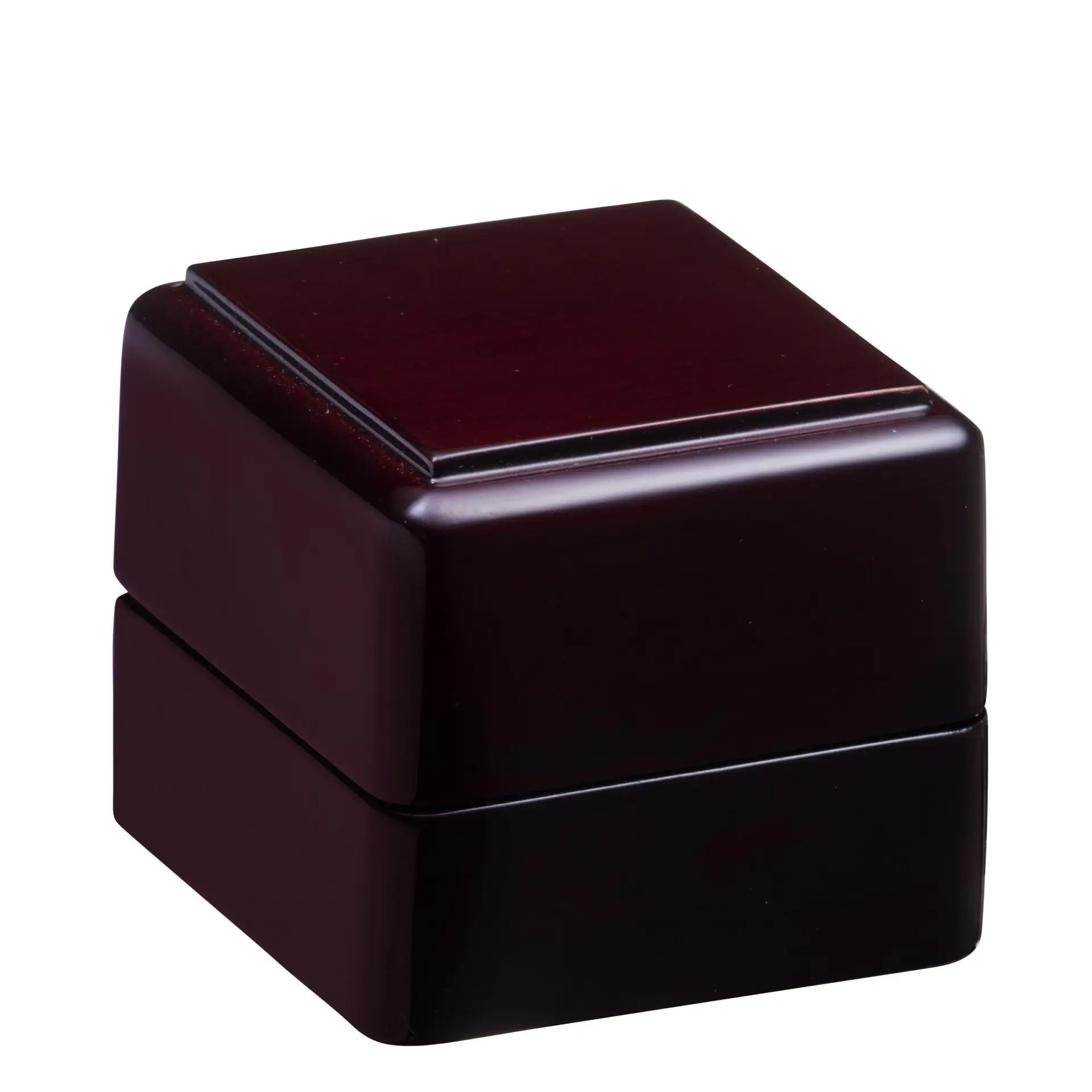
Magnetic closures, snap fasteners, and ribbon ties must endure repeated use. Test clasps 500–1,000 times before approving a production run.nnVerify that velvet or satin linings remain undamaged after assembly. Closure failure is among the most common post-delivery complaints.
Misaligned Material Selection for Market

Luxury buyers expect premium fabrics (Italian velvet, linen, microfiber at 200+ GSM), while price-sensitive markets favor eco-friendly alternatives.nnSourcing wrong-weight fabric or omitting durability certifications (OEKO-TEX, GOTS) loses sales. Survey your end customer before selecting materials.
Insufficient Lead Time Planning
Custom jewelry roll production typically requires 4–8 weeks from approved samples to shipment. Underestimating lead time forces rush fees (10–25% premium).nnBuild a 2-week buffer into your timeline and communicate launch dates early to your manufacturer.
9. Steps to Launch Your Jewelry Roll Product Line
Launching a jewelry roll line requires a structured path from concept to market. Timeline and checkpoints differ between established brands entering the category and startups launching inaugural lines, but the core development cycle remains consistent.
| Phase | Established Brand | Startup | Typical MOQ |
|---|---|---|---|
| Design Brief | 4-6 weeks | 6-8 weeks | — |
| Prototype & Sampling | 5-6 weeks | 6-8 weeks | 100-500 units |
| Bulk Sampling | 3-4 weeks | 4-5 weeks | 500-1,000 units |
| Production Run | 4-8 weeks | 6-12 weeks | 1,000-10,000+ units |
| Freight | 7-45 days | 7-45 days | By shipment mode |
Brand Positioning and Design Brief
Define your roll’s core purpose—travel, home storage, gifting, retail display—and target customer profile. Established brands typically allocate 4-6 weeks here; startups should plan 6-8 weeks.nnSpecify materials (velvet, satin, microfiber), dimensions, compartment layout, closure type, and interior finish. Include mood boards, competitive analysis, and reference imagery in your brief.
Prototype Iterations and Bulk Sampling
Request initial samples from your manufacturer within 2-4 weeks. Evaluate fit, finish quality, stitching, and hardware performance. Most factories iterate 1-2 times before bulk sampling.nnBulk sampling (500-1,000 units) typically requires 3-4 weeks and confirms production readiness. Use this phase to finalize specs, test shelf presence, and validate fit-and-finish under production conditions.
Quality Verification and Launch Readiness
Conduct multi-stage QC before shipping: incoming material inspection, in-line stitching checks, and final packing verification. A 220-person factory typically assigns 3-5 QC staff per production run.nnVerify inventory levels match demand forecasts (first-order quantities range 1,000-5,000 units for startups, 5,000+ for established brands). Confirm lead times: sampling 3-6 weeks, bulk production 4-8 weeks.
Launch Logistics and Checkpoints
Establish shipping timelines: sea freight (30-45 days), air freight (7-10 days). Coordinate with distributors or e-commerce platforms 6-8 weeks pre-launch.nnStartup checkpoint: confirm marketing, pricing, and inventory before sea shipment. Established brands: coordinate multi-SKU rollout, manage cannibalization risk, and align retail and online launch dates.
10. Pricing Strategy and Cost Analysis for Jewelry Roll
Minimum orders start at 100 units for standard microfiber and cotton rolls, with unit costs ranging from $2.80 to $3.20 before decoration. This MOQ threshold balances factory efficiency with buyer flexibility; stepping to 500+ units triggers a 20–30% price reduction per unit as setup costs distribute across larger batches. Each material grade—standard, premium (OEKO-TEX or GOTS-certified), and luxury (Italian fabrics, hand-stitched)—carries distinct cost baselines.nnDecoration methods (screen printing, embroidery, foil stamping) add $0.50–$3.00 per unit depending on complexity and coverage area. A simple logo on one face costs 40% less than a multi-color wraparound design or custom zipper pulls. The sweet spot for most independent brands is the 500–2,000 unit range with premium cotton and simple embroidery, yielding per-unit costs between $4.50 and $6.00.nnBeyond unit price, budget for factory quality control inspections (typically 2–3% of order cost), air-freight expedites ($800–$2,500 depending on volume and destination), and destination tariffs (5–15% in North America and EU depending on origin marking and product classification). Lead times range from 2–3 weeks (5,000+ units) to 4–5 weeks (100–500 units); rush production incurs 20–40% upcharges.
| Quantity Tier | Material Grade | Decoration | Unit Cost* | Lead Time |
|---|---|---|---|---|
| 100–500 | Standard | None | $2.80–3.20 | 4–5 weeks |
| 100–500 | Premium | Simple embroidery | $4.50–5.20 | 4–5 weeks |
| 500–2,000 | Standard | None | $1.95–2.30 | 3–4 weeks |
| 500–2,000 | Premium | Simple embroidery | $3.20–3.90 | 3–4 weeks |
| 2,000–5,000 | Premium | Complex decoration | $5.80–7.00 | 2–3 weeks |
| 5,000+ | Luxury | Complex decoration | $7.50–9.20 | 2–3 weeks |
Ready to Launch Your Custom Jewelry Roll?
Get factory-direct pricing, low MOQ, and expert design support. Fast sampling, professional QC, and on-time delivery guaranteed.