
Glass Jewelry and Bangle Set Boxes, Built Around Your Jewelry and Brand
Glass Jewelry and Bangle Set Boxes package presentation boxes or display cases using clear panels to show coordinated bangles, bracelets, or jewelry sets. Share your jewelry dimensions, box format, target quantity, and branding requirements; our team will develop a sample and written production specification before bulk manufacturing.
Gallery: Our Premium Jewelry Packaging Solutions

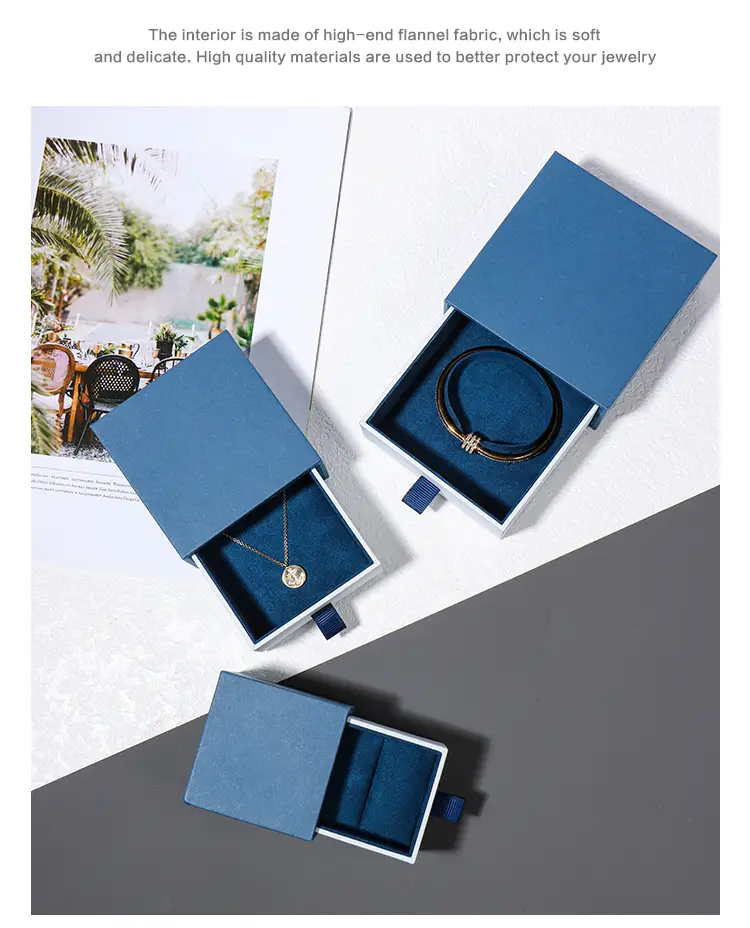

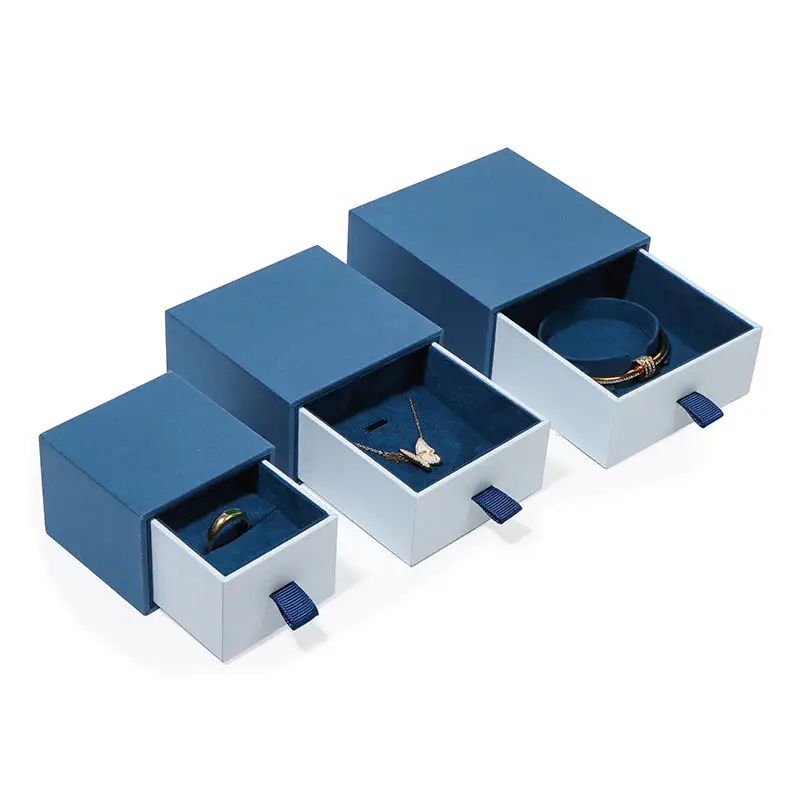

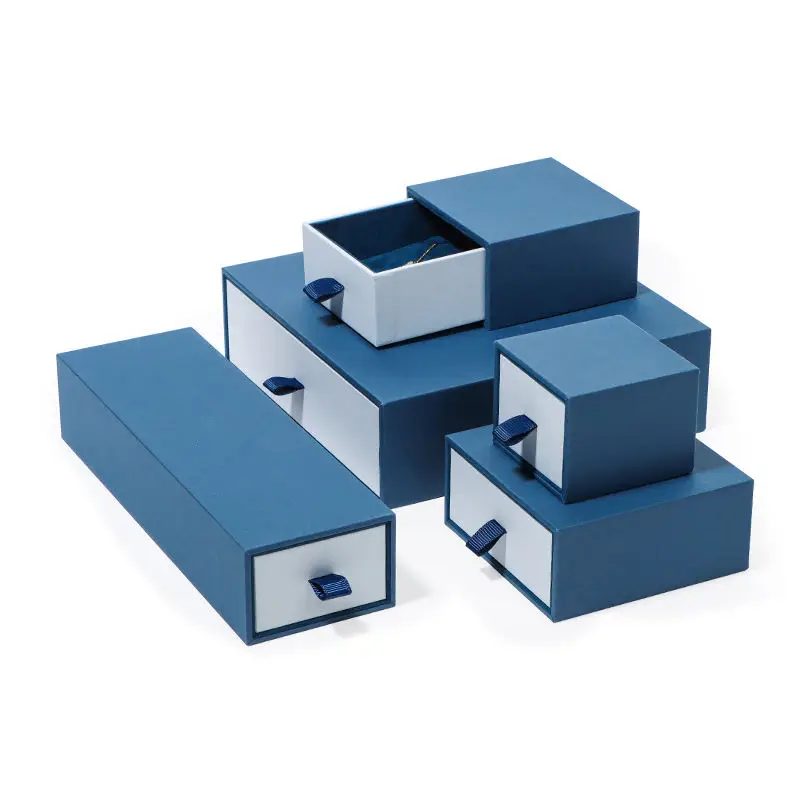

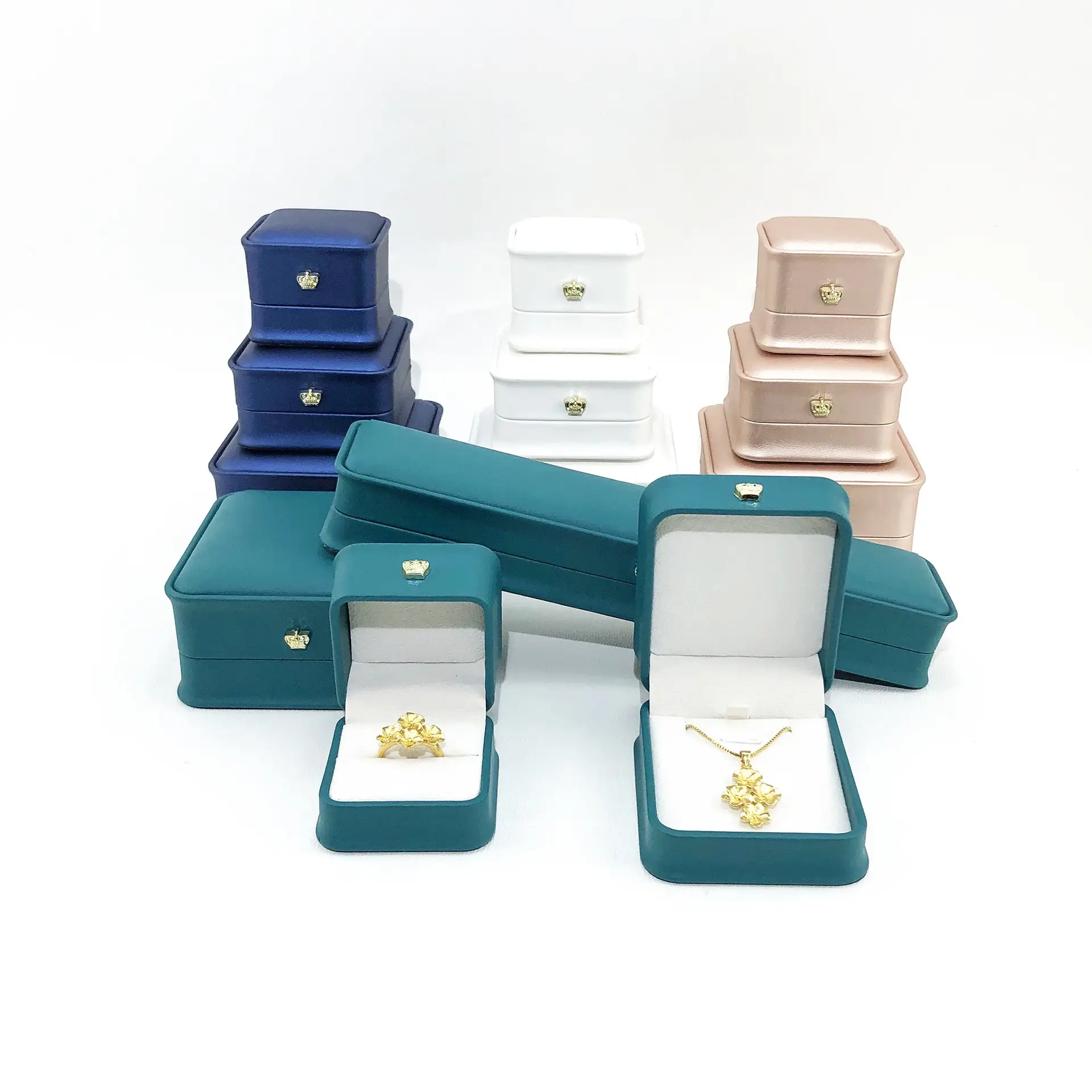
Why Brands Develop Glass Jewelry and Bangle Set Boxes with On The Way
A controlled process for custom work, with decisions documented before production.
Built to the Product
Dimensions, clearances, and contact points are developed around the jewelry, box, or substrate you approve.
Sample Before Production
A physical or production-representative sample establishes appearance, fit, color, and finish before the bulk run.
Brand-Controlled Details
Artwork position, materials, colors, and finishing are recorded so repeat orders follow the same standard.
Low-MOQ Discussion
Order quantity is evaluated against the structure, tooling, materials, and finish instead of applying one blanket minimum.
Multi-Stage QC
Incoming materials, in-process work, and finished packaging are checked against the approved sample and specification.
Factory-Direct Coordination
One project team coordinates sampling, production, packing, and shipment from the Dongguan manufacturing base.
Where Glass Jewelry and Bangle Set Boxes Fits
The correct specification follows the product, sales channel, presentation goal, and shipping environment.
Bangle Collections
Bangle Collections can fail when a supplier works from appearance alone and leaves fit, handling, packing, or repeat-order controls undefined.
Define the dimensions, material, construction, branding, quantity, and acceptance points for bangle collections; then approve a representative sample before production.
Counter Display
Counter Display can fail when a supplier works from appearance alone and leaves fit, handling, packing, or repeat-order controls undefined.
Define the dimensions, material, construction, branding, quantity, and acceptance points for counter display; then approve a representative sample before production.
Collector Storage
Collector Storage can fail when a supplier works from appearance alone and leaves fit, handling, packing, or repeat-order controls undefined.
Define the dimensions, material, construction, branding, quantity, and acceptance points for collector storage; then approve a representative sample before production.
Premium Gifting
Premium Gifting can fail when a supplier works from appearance alone and leaves fit, handling, packing, or repeat-order controls undefined.
Define the dimensions, material, construction, branding, quantity, and acceptance points for premium gifting; then approve a representative sample before production.
How Glass Jewelry and Bangle Set Boxes Moves from Brief to Production
Each phase closes a defined set of technical and commercial decisions.
Brief Review
Review the intended product, dimensions, quantity, material, branding, destination, and open questions.
Structure and Material Proposal
Translate the brief into a manufacturable construction and identify suitable alternatives where the original idea creates cost or performance risk.
Sample Development
Create a sample to check appearance, fit, function, color, finish, and packing assumptions with the intended product.
Approval and Specification Lock
Record accepted dimensions, materials, artwork, colors, construction, quantity, packing, and commercial terms before production.
Production and In-Process Checks
Produce glass jewelry set boxes against the approved reference, checking the characteristics that carry the highest functional or visual risk.
Final Inspection and Shipment
Complete final checks, protective packing, shipping documents, and dispatch according to the confirmed delivery scope.
A Clear Ordering Process for Glass Jewelry and Bangle Set Boxes
The exact MOQ, price, and schedule follow the approved specification.
Share Requirements
Send dimensions or a reference sample, target quantity, artwork, material preference, destination, and the business goal for the packaging.
Review Proposal and Quotation
Confirm the proposed construction, options, applicable MOQ, sample or tooling charges, trade term, and estimated timing in writing.
Approve the Sample
Test the sample with the intended product and record all accepted dimensions, colors, materials, artwork, finish, and functional details.
Authorize Production
Approve the final order documents and production specification. Any later substitution or change should be disclosed and approved before use.
Inspect, Pack, and Ship
Production is checked against the approved reference, packed to the agreed method, and shipped under the confirmed logistics scope.
Glass Jewelry and Bangle Set Boxes: Questions to Resolve Before Ordering
The exact answer depends on the approved structure, material, finish, quantity, and delivery destination.
What information should I send for a Glass Jewelry and Bangle Set Boxes quotation?
What is the MOQ for Glass Jewelry and Bangle Set Boxes?
Can I review a sample before bulk production?
Can Glass Jewelry and Bangle Set Boxes carry our logo and brand colors?
How is quality checked for Glass Jewelry and Bangle Set Boxes?
How long will sampling and production take?
Can you help reduce cost without making the packaging feel generic?
What commercial terms apply to an order?
The Practical Buyer’s Guide to Glass Jewelry and Bangle Set Boxes
Use this guide to define the product, compare options, evaluate a supplier, approve a sample, and place a better-controlled order for glass jewelry and bangle set boxes.
1. What Glass Jewelry and Bangle Set Boxes Means in a B2B Sourcing Project
Glass Jewelry and Bangle Set Boxes package presentation boxes or display cases using clear panels to show coordinated bangles, bracelets, or jewelry sets.
For a buyer, the name of the item is only the starting point. A production-ready request also defines size, structure, surface material, color, branding, quantity, packing method, and the conditions the packaging must survive. Two products that look similar in a photograph can behave very differently after repeated handling or international shipping.
The safest sourcing approach is to turn the visual idea into measurable requirements and then approve one physical sample as the reference for production.
2. Start with the Use Case, Not the Finish
Begin with where the packaging will be used and what it must do. Retail display, e-commerce fulfillment, gifting, travel, and long-term storage create different priorities. A glossy surface or complex closure cannot compensate for an incorrect fit or weak product retention.
Bangle Collections
Bangle Collections should be specified around the jewelry dimensions, handling frequency, presentation goal, and shipping route. Tell the supplier which requirement is non-negotiable and which details may be value-engineered.
Counter Display
Counter Display should be specified around the jewelry dimensions, handling frequency, presentation goal, and shipping route. Tell the supplier which requirement is non-negotiable and which details may be value-engineered.
Collector Storage
Collector Storage should be specified around the jewelry dimensions, handling frequency, presentation goal, and shipping route. Tell the supplier which requirement is non-negotiable and which details may be value-engineered.
3. Compare the Main Material and Construction Options
Ask for options that are technically suitable for the intended product rather than a long list of attractive materials. Evaluate surface appearance together with structure, durability, repeatability, packing volume, and end-of-life requirements.
Glass-Look Acrylic Windows
Glass-Look Acrylic Windows can be appropriate when its performance and visual character match the brief. Request a labeled swatch or sample, confirm the exact construction in writing, and avoid approving from a screen image alone.
Real Glass Panels For Selected Cases
Real Glass Panels For Selected Cases can be appropriate when its performance and visual character match the brief. Request a labeled swatch or sample, confirm the exact construction in writing, and avoid approving from a screen image alone.
Wood Or Rigid-Board Frames
Wood Or Rigid-Board Frames can be appropriate when its performance and visual character match the brief. Request a labeled swatch or sample, confirm the exact construction in writing, and avoid approving from a screen image alone.
Removable Padded Trays
Removable Padded Trays can be appropriate when its performance and visual character match the brief. Request a labeled swatch or sample, confirm the exact construction in writing, and avoid approving from a screen image alone.
4. Define Branding as a Production Specification
Supply vector artwork, the required logo size, placement, color reference, and clear-zone rules. The substrate determines which branding processes are feasible and how fine a line can reproduce. A premium result usually comes from choosing one or two controlled details instead of stacking every available finish.
Approve branding on the actual production material. Paper, velvet, leatherette, acrylic, and coated surfaces reflect color and light differently, so a digital mockup is useful for layout but not final color or texture approval.
Artwork and Position
Confirm the artwork version, dimensions, orientation, and distance from edges or structural features. Mark the approved position on a drawing or signed sample.
Color and Surface
Use a physical reference when color is critical. Record whether approval is based on printed ink, dyed material, foil, thread, coating, or the underlying substrate.
Repeat Orders
Ask the supplier to retain the approved specification, artwork files, tooling reference, and sample record. Reconfirm any material substitution before a repeat run.
5. Build a Useful Request for Quotation
A good RFQ lets suppliers quote the same scope. If important details are missing, one quote may assume a simple stock construction while another includes custom tooling and premium finishing; comparing only the totals would be misleading.
| RFQ Field | What to Provide | Why It Matters |
|---|---|---|
| Product and size | Dimensions, photos, drawing, or sample | Controls fit, structure, and material usage |
| Quantity | Target quantity and possible repeat volume | Affects process choice and unit economics |
| Material | Preferred option plus acceptable alternatives | Prevents silent substitutions |
| Branding | Vector artwork, colors, size, and position | Defines setup, tooling, and inspection |
| Packing | Individual protection, carton limits, labeling | Affects transit performance and landed cost |
| Destination | Country, postal code, and requested trade term | Allows a meaningful logistics estimate |
6. Use Sampling to Remove Ambiguity
Treat the sample as a decision tool, not a ceremonial step. Review it with the actual jewelry or product whenever possible. Record every accepted revision before mass production and keep one approved reference sample.
Photographs are useful for fast communication, but they do not replace checks for fit, hand feel, closure force, surface defects, or color under consistent lighting.
Fit and Function
Insert the intended product, close and reopen the packaging, handle it as a customer would, and test whether the item moves during a simple transit simulation.
Appearance
Check color, texture, seams, edges, print or foil position, and the relationship between the outer packaging and internal components.
Approval Record
List the approved dimensions, materials, color references, artwork file, packing method, and any signed deviations. These become the production and QC reference.
7. Set Quality-Control Priorities
Not every characteristic carries the same risk. Mark critical requirements that protect the jewelry or affect function, major requirements that influence presentation, and minor cosmetic tolerances that do not prevent use. This makes inspection more consistent and helps resolve questions during production.
For glass jewelry and bangle set boxes, the buyer should explicitly review panel safety, scratch control, frame alignment, protective shipping design. Ask how these points are checked during incoming material inspection, production, final inspection, and packing.
8. Understand MOQ, Cost, and Lead-Time Drivers
MOQ is influenced by tooling, material purchase quantities, color matching, printing or finishing setup, and the number of variants. Unit cost is also affected by size, material yield, manual assembly, inspection requirements, individual packing, and freight volume. Lead time begins only after the specification, artwork, sample, and commercial terms are approved.
Ask for the main cost drivers and alternative constructions instead of demanding a lower price with an unchanged specification. A supplier should be able to explain which change reduces cost and what performance or visual tradeoff follows.
9. Evaluate the Supplier, Not Only the Sample
A strong sample does not by itself prove production control. Confirm who owns the relevant manufacturing steps, how approved materials are identified, what happens when a defect is found, and how repeat orders are controlled. Request documentation only when it is relevant to the material or claim in your project.
Communication quality matters: the supplier should summarize open questions, document revisions, and avoid presenting unconfirmed assumptions as facts.
Technical Clarity
The team should translate visual references into dimensions, materials, tolerances, and achievable finish options.
Change Control
Any substitution or specification change should be disclosed and approved before it enters production.
Commercial Clarity
The quotation should identify what is included, which items are one-time charges, the applicable trade term, and the validity of pricing.
10. Final Order Checklist
Before authorizing production, confirm the approved sample, drawings, material and color references, artwork version, quantity by variant, unit packing, carton marks, inspection method, delivery destination, trade term, payment terms, and production schedule. Make sure revisions are reflected in the final written documents rather than scattered across chat messages.
On The Way can review a current package, drawing, or new concept and identify the decisions needed for a sample-ready brief. Use the contact form to share the project scope; exact MOQ, pricing, sample charges, and timing will be confirmed in the formal quotation.
Ready to Develop Glass Jewelry and Bangle Set Boxes?
Send the dimensions, reference images, target quantity, artwork, and delivery country. We will identify the open decisions and prepare a project-specific quotation.