
Custom Cotton Filled Jewelry Boxes — Luxury Packaging, Low MOQ
Premium cotton filled jewelry boxes for luxury brands. Factory-direct pricing, low MOQ (100+ units), 17+ years serving 300+ brands worldwide.
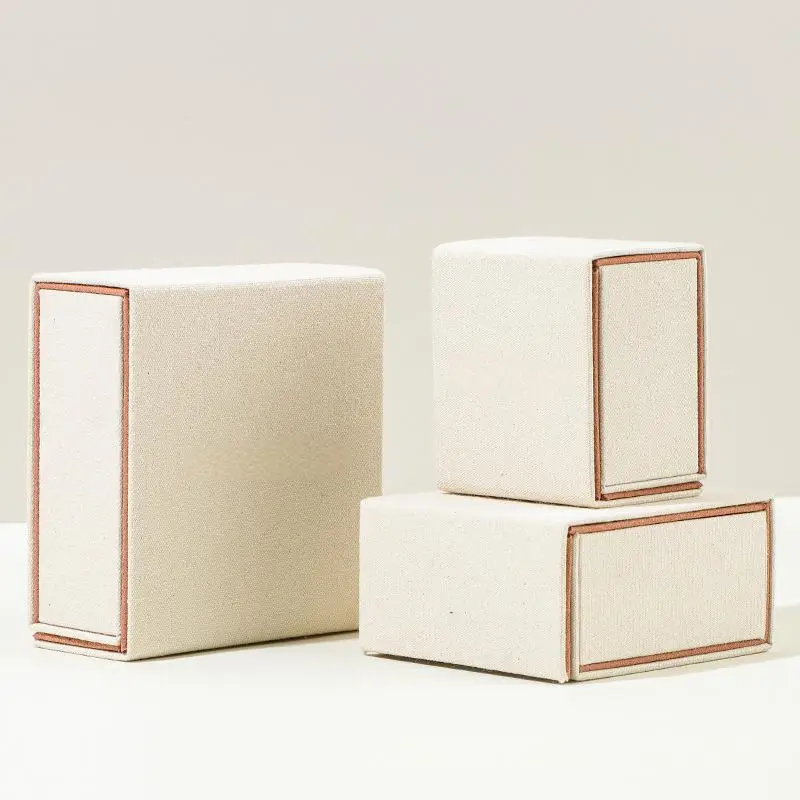
Featured Jewelry Box Collections
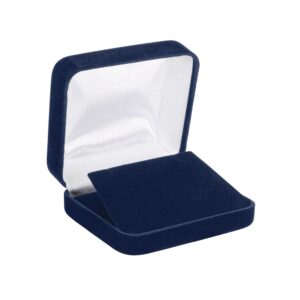

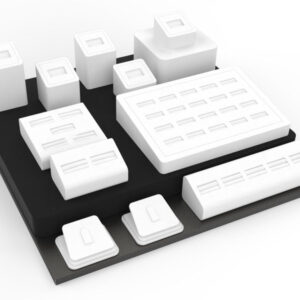


Our Premium Jewelry Packaging Gallery

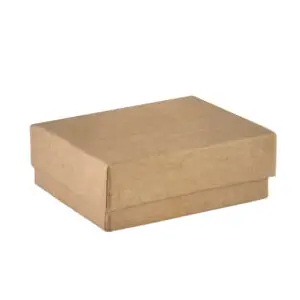


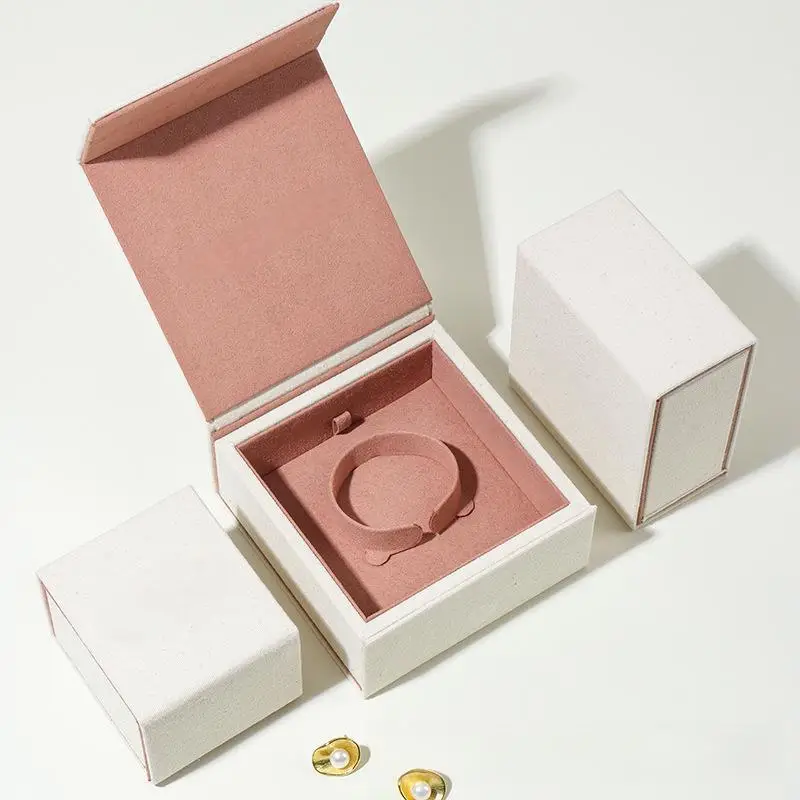

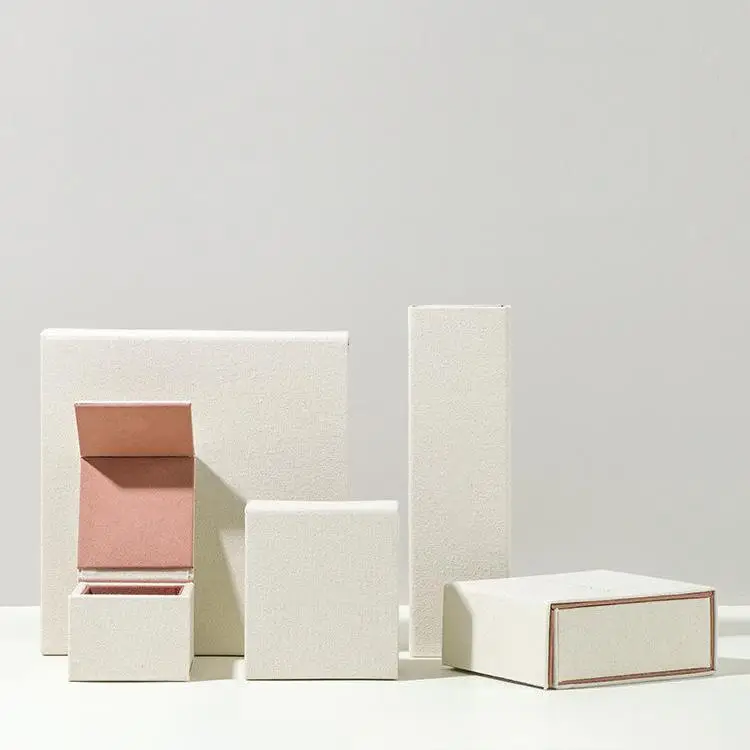

Why Leading Brands Choose Us
Factory-Direct Pricing
Own production line means no middlemen. Direct pricing for cotton filled jewelry boxes on any order size.
Low MOQ Starts at 100
Perfect for new brands and startups. Build your custom cotton filled jewelry boxes collection without large minimum orders.
17+ Years Experience
6,500+ completed projects for 300+ brands across 30+ countries. Proven expertise in cotton filled jewelry boxes manufacturing.
Full Custom Flexibility
Design, materials, dimensions, finishes — your vision shapes every cotton filled jewelry box. No design compromises, ever.
Multi-Stage Professional QC
Every cotton filled jewelry box passes rigorous inspection. Quality guaranteed before shipment, backed by dedicated account managers.
Eco-Certified Materials
FSC-certified paper and recycled fabrics. Sustainable options for cotton filled jewelry boxes that align with luxury brand values.
Custom Cotton Filled Jewelry Boxes for Every Brand Need
From independent designers to luxury retailers, our cotton filled jewelry boxes solve packaging challenges across jewelry, watches, and e-commerce—protecting your product and amplifying your brand.
Independent Jewelry Designers
Independent jewelry designers struggle to differentiate at retail without branded packaging that elevates product presentation and establishes clear brand identity—competing against larger manufacturers feels impossible.
Custom cotton filled jewelry boxes with your branding establish professional brand presence, increase perceived value, and encourage repeat purchases as customers remember your premium unboxing experience.
Boutique Luxury Retailers
Boutique retailers risk appearing amateurish with generic packaging, losing premium positioning and customer confidence during the critical unboxing moment that defines brand perception.
Custom branded cotton filled jewelry boxes showcase luxury positioning, create memorable unboxing experiences, and generate word-of-mouth marketing as customers share premium packaging moments on social media.
E-Commerce Jewelry Brands
Shipping jewelry online requires protective packaging that arrives pristine, while social media demands photogenic unboxing moments—generic boxes fail at both protection and presentation.
Our cotton filled jewelry boxes protect items during transit while delivering Instagram-worthy unboxing experiences, increasing customer satisfaction, five-star reviews, and organic user-generated marketing content.
Premium Watch Retailers
Watches demand specialized display solutions that protect delicate mechanisms and crystal, communicate luxury positioning, and clearly differentiate your brand from mass-market watch packaging offerings.
Magnetic-closure cotton filled jewelry boxes with custom trays securely display watches while projecting premium craftsmanship, increasing perceived value and strengthening customer confidence in brand quality.
Eco-Friendly Jewelry Brands
Eco-minded jewelry brands require packaging that reflects environmental values without compromising luxury positioning or protective capability—sourcing such premium sustainable solutions is difficult and costly.
FSC-certified and recycled materials in cotton filled jewelry boxes align packaging with brand values, appeal to conscious consumers, and reduce environmental footprint without sacrificing quality.
Packaging Solutions for Every Jewelry Business
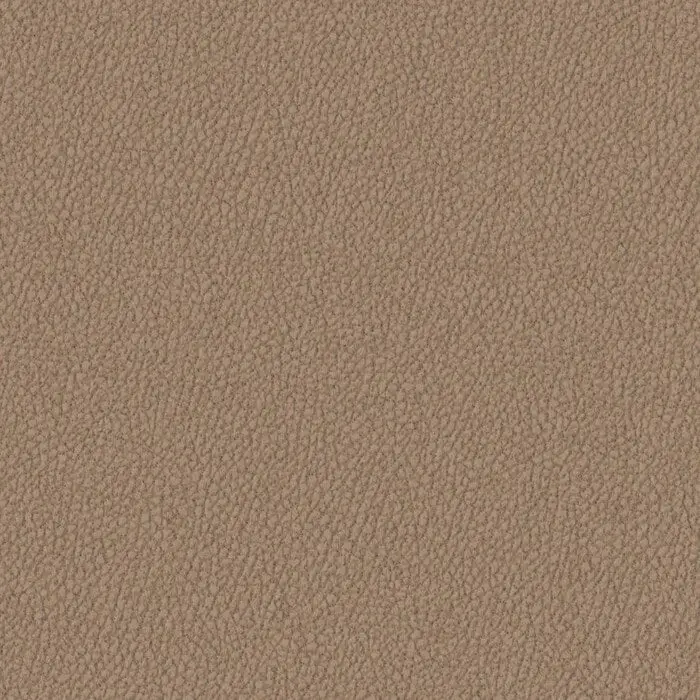
Cotton Velvet
Ultra-soft pile weave creating luxurious tactile experience; classic for high-end jewelry boxes. Rich color saturation and natural cushioning protect delicate items. 200-400 gsm typical weight. Premium feel with minimal maintenance.

Cotton-Blend Satin
Smooth, lustrous weave with soft sheen; premium aesthetic for luxury boxes. Resists wrinkles better than pure silk. Perfect for engagement and bridal collections. Ideal tensile strength maintains box shape.

Premium Microfiber
Suede-like texture with superior stain resistance and durability; withstands handling and moisture. Perfect for retail environments. Maintains luxury appeal without degradation. Easy to clean; resists pilling and fading.

Natural Linen
Woven natural fiber with visible texture; breathable and eco-conscious. Sophisticated, artisanal aesthetic appeals to sustainable luxury brands. Provides heirloom quality feel. Natural moisture-wicking properties ideal for storage.
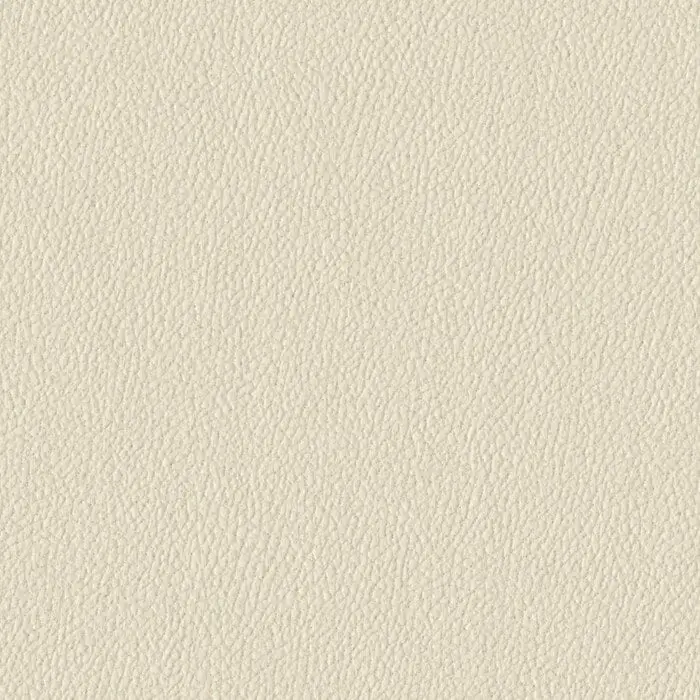
Recycled Eco-Materials
FSC-certified papers and recycled fibers for protective padding and linings. Meets eco-compliance standards; zero-waste production. Maintains luxury protection for delicate jewelry. Aligns brand with sustainability without compromising quality.
Luxury Fabric & Material Selection
Screen Printing
High-resolution screen printing applies logos, designs, and brand identity directly onto velvet, satin, and microfiber pouches. Perfect for detailed graphics with vibrant color saturation and exceptional durability across all cotton-filled jewelry box packaging solutions.

Embroidery
Advanced embroidery adds dimensional lettering and monograms to luxury pouches. Creates tactile, premium finishes that elevate cotton filled jewelry boxes with personalized branding. Supports single-color to multi-thread complex designs with perfect precision.

Foil Stamping
Metallic foil stamping delivers lustrous gold, silver, and copper finishes on rigid box surfaces. Ideal for luxury branding, this technique adds sophistication to premium cotton filled jewelry boxes, creating high-impact visual appeal with metallic accents.

Magnetic Closure Assembly
Professional magnetic closure systems ensure secure, silent, luxury-feel box closures. Our precision assembly process integrates high-strength magnets into rigid structures, creating seamless experience for every cotton filled jewelry box delivered to end customers.

LED Integration
Embedded LED lighting transforms jewelry boxes into premium unboxing experiences. Integrated circuitry and energy-efficient LED systems activate with box opening, creating memorable moments while showcasing products in premium cotton filled jewelry boxes with dramatic effect.
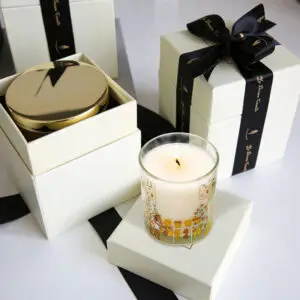
Foldable Construction
Precision die-cutting and assembly creates collapsible, flat-ship boxes that reduce logistics costs. These innovative designs maintain structural integrity during opening sequences, offering flexible solutions for cotton filled jewelry box production at scale without compromising luxury perception.
Advanced Manufacturing & Custom Finishing

Magnetic Closure Systems
Premium retention system featuring embedded magnets for seamless box closure. Provides luxury feel, secure seal, and brand differentiation. Ideal for rigid gift boxes and premium presentation sets.
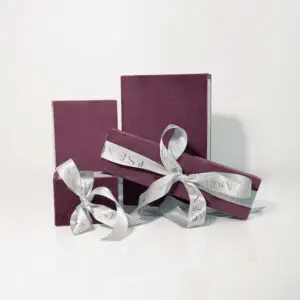
Satin Ribbon Ties & Drawcords
Luxurious fabric ties and drawstrings that elevate pouch aesthetics while adding functional closure. Available in custom colors and widths. Perfect for branded presentation and elegant unboxing experiences.

Custom Woven Labels
Personalized branded labels that can be sewn or heat-sealed onto pouches and boxes. Reinforces brand identity at every touchpoint. Durable, fade-resistant, and available in multiple weave styles and finishes.
Tissue Paper Inserts & Padding
Premium tissue paper and custom-cut padding that cushions jewelry and enhances luxury unboxing. Protects products during transit while creating an elevated presentation. FSC-certified eco-friendly options available.

YKK Zippers & Hardware
High-quality zippers and metal hardware components for premium pouches and storage solutions. Trusted by luxury brands for reliability and durability. Smooth operation and custom color matches available.
Luxury Hangtags & Branding Labels
Custom-printed hangtags and branded labels that showcase your logo, care instructions, or product details. Adds professional finish and improves retail presentation. Multiple materials and finishes to suit your brand aesthetic.
Premium Hardware & Luxury Accessories
Founded in 2007 by Joyce Linkwin, Jewelry Box Supplier Ltd. was built on a simple principle: quality defines survival. Today, our 1,200 m² Dongguan factory and 220-person team design and manufacture custom cotton filled jewelry boxes, pouches, displays, and branded paper bags—helping independent designers and boutique retailers package their stories with exquisite care.
We’ve completed over 6,500 custom projects for 300+ brands across 30+ countries—from jewelry startups and independent designers to established luxury houses in North America, Europe, and Southeast Asia. Our factory-direct model, low MOQ, and full custom flexibility mean every brand—regardless of size—gets the same dedicated attention and rapid turnaround.
What sets us apart? A multi-stage QC process on every piece, FSC-certified and recycled materials, dedicated account managers who speak your language, and a track record of on-time delivery. We believe packaging is your brand’s first impression—and we take that responsibility seriously. Exquisite packaging. Quality living.
Established Expertise in Jewelry Packaging
Factory-Direct Control Over Costs
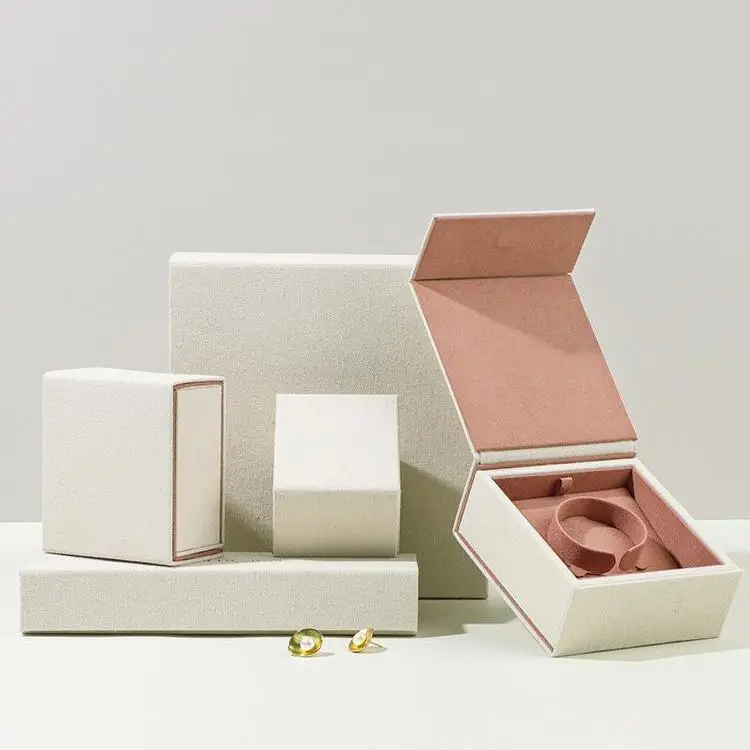
We own our 1,200 m² manufacturing facility with 220+ staff. Direct control of our production lines means no middlemen markup on your cotton filled jewelry boxes. You benefit from transparent pricing and rapid response to custom specifications.
- Owned production facilities eliminate subcontracting markup
- 17+ years refining our manufacturing processes
- Factory-direct pricing passed directly to your business
- Faster sampling and prototyping cycles
Low MOQ, Unlimited Customization
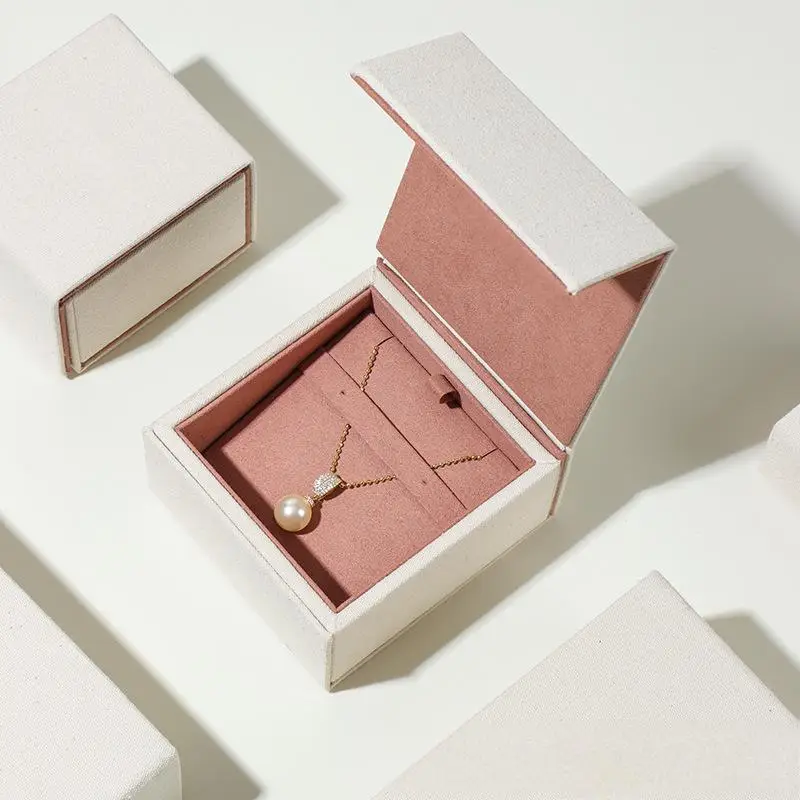
Scale from prototype batches to enterprise-level orders without minimum purchase pressure. Our cotton filled jewelry boxes are fully customizable—sizes, materials, padding thickness, magnetic closures, branding, and interior layouts—engineered for startups, independents, and established brands alike.
- Flexible minimums on all box styles and configurations
- Scale production in line with your business growth
- Custom sizing and interior layouts at any volume
- No long-term commitments or bulk-buy requirements
Multi-Stage Quality Assurance
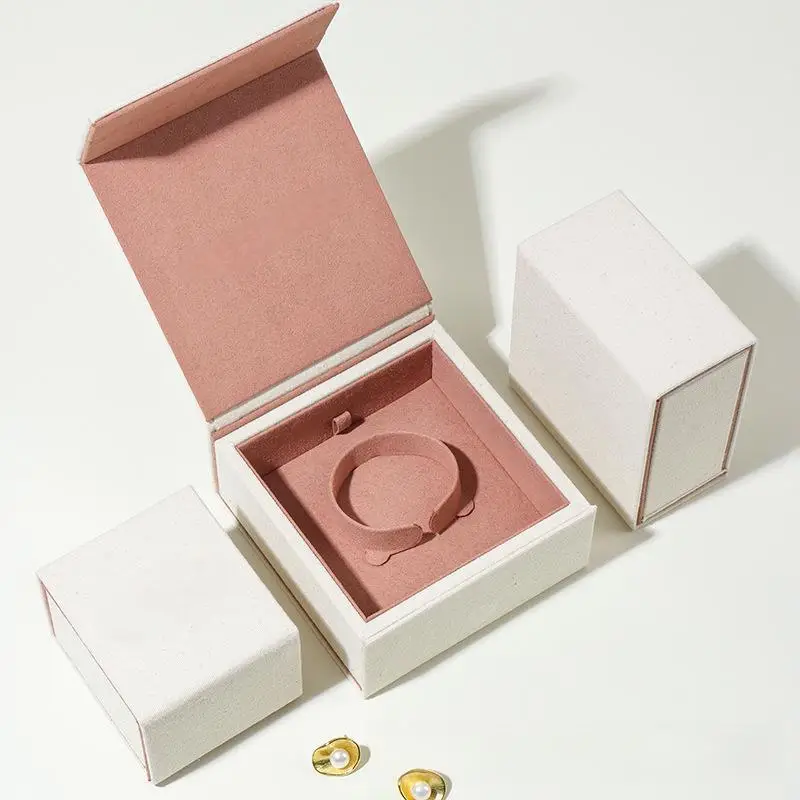
Quality defines survival. Every cotton filled jewelry box undergoes four-stage inspection—material validation, construction, finish, and packaging—before leaving our facility. This discipline has earned trust across 6,500+ projects for 300+ brands globally over 17 years.
- Four-point QC on materials, construction, finish, and packaging
- ISO-trained inspectors evaluate every detail
- Defect tracking and immediate corrective action
- Physical sample approval before mass production
FSC-Certified & Recycled Materials
Premium sustainability without compromise. Our cotton filled jewelry boxes use FSC-certified paper and recycled, reusable padding materials (cotton, microfiber, linen). Match your brand values to your packaging and appeal to eco-conscious consumers who expect luxury brands to be responsible.
- FSC-certified paper and cardboard on all rigid boxes
- Recycled and reusable padding options (cotton, microfiber, linen, satin)
- Compliance with EU and North American eco-standards
- Sustainability credentials that strengthen brand positioning
Our Manufacturing & Quality Advantages
See why 300+ brands choose factory-direct manufacturing for quality, speed, and cost savings
← Swipe left or right to view →
From Your Design to Packaged Jewelry Boxes
Our proven production process for cotton filled jewelry boxes — tracking your order from conception through shipping
Design Confirmation & Sampling
We produce premium cotton filled jewelry box samples reflecting your exact specs. Typical turnaround: 7-10 business days. Revisions welcome at this stage to perfect your design before full production.
Tooling & Production Setup
Once sampling is approved, we prepare production. Custom molds, dies, and setups are configured for your cotton filled jewelry boxes to ensure consistent quality. Lead time: 5-7 business days.
Full Production Run
Our 1,200 m² factory launches mass production. We optimize for efficiency without sacrificing the premium quality your cotton filled jewelry boxes demand. Typical production runs: 2-4 weeks depending on volume.
Multi-Stage Quality Control
Every piece undergoes rigorous inspection—material checks, assembly, finish, packaging. Our QC team ensures zero defects on your cotton filled jewelry boxes. We maintain the premium standards you expect.
Packing & International Shipment
Your cotton filled jewelry boxes are packed per your specifications in branded or neutral packaging. We arrange international shipping via trusted partners. Delivery typically takes 2-3 weeks to your destination.
How to Order Custom Cotton Filled Jewelry Boxes
Submit Design & Requirements
Share your design files, technical pack, material preferences, dimensions, and order quantity. Our team reviews everything within 24 hours and confirms all specifications with you.
Receive Competitive Quote & Sample
Get a factory-direct quote within 48 hours, plus a complimentary sample with zero obligation. We cover all sample costs—our quality speaks for itself every time.
Approve & Place Your Order
Approve your sample, confirm the quote, and authorize production. Our team confirms all specifications and begins manufacturing your custom boxes at our Dongguan facility immediately.
Enjoy On-Time Delivery
Track your shipment in real time and receive your boxes on schedule. Our multi-stage QC process ensures every custom cotton filled jewelry box meets your standards.
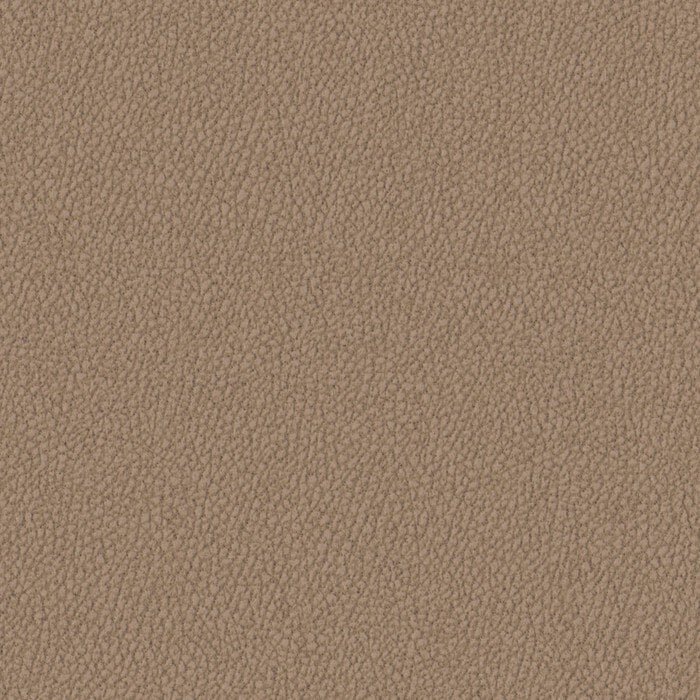
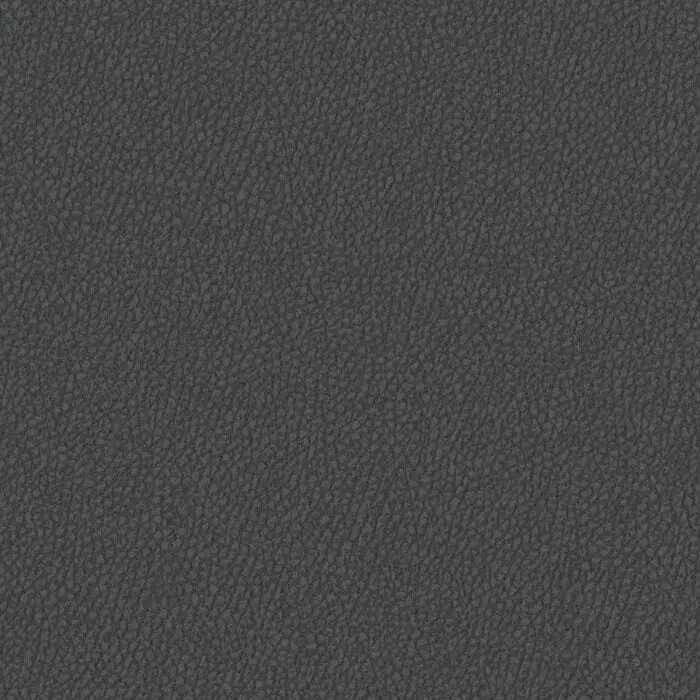
Cotton Filled Jewelry Boxes — Certified Quality Standards

What Jewelry Brands Say About Our Cotton Filled Jewelry Boxes
We needed custom cotton filled jewelry boxes for our launch without huge minimums. On The Way delivered 5,000 units in 4 weeks with zero defects. Their low MOQ and quality made our brand launch possible.
Switched from our previous supplier and saw a 32% reduction in packaging costs. On The Way’s eco-friendly cotton filled jewelry boxes maintain luxury feel while our margins improved significantly.
Working with On The Way across three collections totaling 50,000 units—every batch consistent, zero recalls. Their account management and on-time delivery have been exceptional.
Client Reviews & Testimonials
What are cotton filled jewelry boxes?
What’s your minimum order quantity (MOQ) for cotton filled jewelry boxes?
How long does it take to produce custom cotton filled jewelry boxes?
Can I customize cotton filled jewelry boxes with my branding?
Do you offer samples before I commit to a full production run?
What payment terms and shipping options do you offer?
Are your cotton filled jewelry boxes eco-friendly?
How do you protect my design and intellectual property?
Common Questions About Custom Jewelry Packaging
Learn how to select, customize, and source cotton filled jewelry boxes that elevate your brand. Understand materials, quality standards, manufacturer selection, and pricing strategies—plus avoid costly mistakes that first-time buyers make.
1. What Are Cotton Filled Jewelry Boxes?
400-600 GSM kraft or cardboard shells form the outer layer of cotton filled jewelry boxes, encasing a cotton padding core (2mm to 10mm thick, typically 100-180 GSM density) and an interior lining of fabric, kraft, or coated paper. The cotton absorbs mechanical shock during transit, prevents jewelry surface contact with the box interior, and is compressible enough for stacking without permanent deformation. This four-layer construction—outer shell, cotton padding, interior lining, and optional compartments—has become the industry standard because it balances protection, cost, and sustainability.nnStandard dimensions for single-item jewelry range from 45mm × 45mm × 30mm (small ring boxes) to 120mm × 120mm × 60mm (necklace/bracelet boxes), with total weights of 10–40g. Cotton filling outperforms foam or air-gap designs because it retains shape after compression, remains reusable across multiple shipments, and aligns with eco-material supply chains—OEKO-TEX and recycled options are now standard in production. Larger presentation sets or multi-piece collections reach 200mm × 150mm × 80mm dimensions and 80–120g weights, accommodating watches, jewelry sets, or curated collections.nnThree primary functions drive designer and retailer adoption of cotton filled jewelry boxes: product protection during transit and storage, brand communication at unboxing, and extended shelf life for customer collections. The soft touch and quality feel of cotton padding signal luxury positioning, while low MOQ compatibility and pre-assembled construction reduce production friction. Cotton padding also absorbs odors and moisture better than alternatives—a detail that extends jewelry appeal in customer homes and justifies retail positioning.
2. History of Cotton Filled Jewelry Box Packaging
Starting around the 1950s, luxury jewelry retailers began standardizing internal packaging to protect precious items during shipping and storage. Early jewelry boxes were simple cardboard designs with minimal cushioning—often just tissue paper or straw fill. The shift to cotton padding occurred gradually through the 1970s and 1980s, driven by the luxury industry’s demand for premium presentation that signaled value and care to customers.nnBy the 2000s, cotton padding had become industry standard for high-end jewelry, particularly in fine jewelry segments where brand perception directly impacts pricing. Jewelers discovered that soft, natural cotton fills created both superior product protection and an unboxing experience that justified premium price points. The material communicated quality before the customer even opened the box.nnThe 2010s saw a critical transition: major brands and independent designers began demanding customization and smaller production runs rather than committing to massive inventory. Traditional rigid manufacturers required minimum order quantities of 10,000+ units—unsustainable for boutiques and emerging designers. This gap created opportunity for low-MOQ, factory-direct suppliers offering flexibility on box size, cotton fill color, logo placement and materials.nnToday’s market favors sustainability alongside customization. FSC-certified cardboard and organic cotton fills now serve brands positioning packaging as part of their environmental commitment. The industry has shifted decisively: cotton filled jewelry boxes now function as both protection and brand storytelling, with custom solutions accessible to smaller players previously locked out by minimum order barriers.
3. Types of Cotton Filled Jewelry Boxes
Cotton filled jewelry boxes range from compact single-item formats to elaborate presentation sets. The right box type ensures product protection, brand perception, and proper positioning. Understanding cavity dimensions helps buyers select the ideal format for their jewelry.
Standard Ring and Pendant Boxes

Interior cavities typically measure 50-80mm square with 25-35mm depth, ideal for single rings or solitaire pendants. Cotton padding around all sides provides brand-standard cushioning.nnMost common format for engagement, fashion, and statement jewelry; accounts for approximately 40% of custom jewelry box orders.
Bracelet and Bangle Boxes
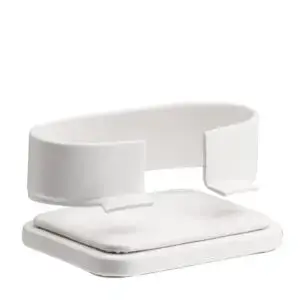
Designed with larger internal dimensions (120-180mm length, 80-120mm width), bracelet boxes accommodate bangles, cuff bracelets, and watches. Cotton-filled interiors feature integrated or removable compartments to prevent tangling.nnPopular for luxury watches and bangle collections requiring form-fitting presentation.
Tiered and Multi-Item Boxes
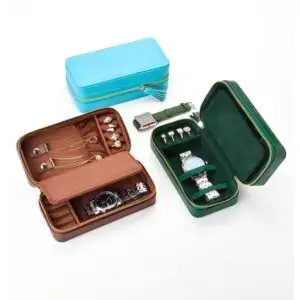
Tiered compartmentation suits coordinating jewelry sets—earrings plus necklace plus ring. Internal tray arrangements vary by jewelry type, with magnetic or friction-fit closure between layers.nnTypical external dimensions 200-250mm × 150-200mm × 80-120mm depth.
Custom-Shaped Boxes
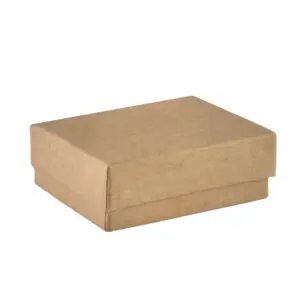
Hexagonal, oval, heart-shaped, and brand-specific silhouettes differentiate premium positioning. Die-cut production requires 500-1000 unit minimum order quantities; lead time typically 6-8 weeks.nnIdeal for luxury brands seeking distinctive unboxing experiences.
Luxury Presentation Sets

Multi-box collections paired with branded tissue, ribbon, and gift wrap create premium gift-ready packages. Magnetic closures, FSC-certified materials, and eco-friendly cotton alternatives align with luxury sustainability expectations.nnEntry price point typically 2-3x standard single-box pricing.
4. Premium Materials for Cotton Filled Jewelry Boxes
Material selection defines durability and brand perception in cotton filled jewelry boxes. On The Way sources certified materials—cotton batting, coated boards, premium linings—across quality tiers to match positioning and budget.
| Substrate | GSM Range | Durability | Sustainability | Cost Profile | Brand Tier |
|---|---|---|---|---|---|
| Kraft Paperboard | 80–150 | Basic protection | Recyclable | Low | Emerging/budget |
| Coated Paperboard | 250–350 | Premium | Recyclable/FSC | Medium | Contemporary luxury |
| Recycled Composite | 120–250 | Moderate | High eco-value | Low–Medium | Conscious brands |
| Specialty Finish | 200–300 | Premium | Limited options | High | Prestige editions |
Cotton Padding Specifications

Premium cotton batting ranges 70–300 GSM. Higher grades (200–300) deliver luxury heft and shock absorption; lower grades suit budget-focused designs.nnVirgin cotton outperforms recycled blends in brightness and aging resistance. Density, purity, and thickness determine cushioning performance and perceived quality at unboxing.
Inner Lining Materials

Velvet, silk, satin, and specialty papers create the interior impression. Each material offers distinct aesthetics and durability profiles.
- Velvet (240–350 GSM)—conveys luxury, requires careful production handling
- Silk and satin—premium visual appeal, lighter weight, lower cost
- Specialty papers—balance branding impact, economics, and perceived quality
Durability & Sustainability
FSC-certified and recycled materials meet GOTS/OEKO-TEX standards. Durable material combinations extend shelf life and collector resale value.nnOn The Way’s multi-stage QC ensures material consistency across production. Eco-messaging supports premium brand narratives and justifies price positioning in North America and Europe.
Cost Implications & Material Selection
Material tier selection directly impacts per-unit costs. Standard kraft with basic cotton (80–100 GSM) starts at entry-level pricing. Premium combinations—250+ GSM coated board, 200+ GSM cotton, velvet lining—add 60–120% to base costs.nnCustom finishes (embossing, metallic printing) carry premiums of 15–40% depending on volume and complexity. On The Way’s low-MOQ approach lets brands test tier combinations without inventory risk.
5. Customization & Branding Options
Premium customization transforms cotton filled jewelry boxes into brand ambassadors. Printing, foiling, and custom inserts elevate perceived value—but each choice impacts lead time and cost differently. Strategic finishing decisions can yield 3-5x ROI through enhanced unboxing experience.
Screen & Digital Printing
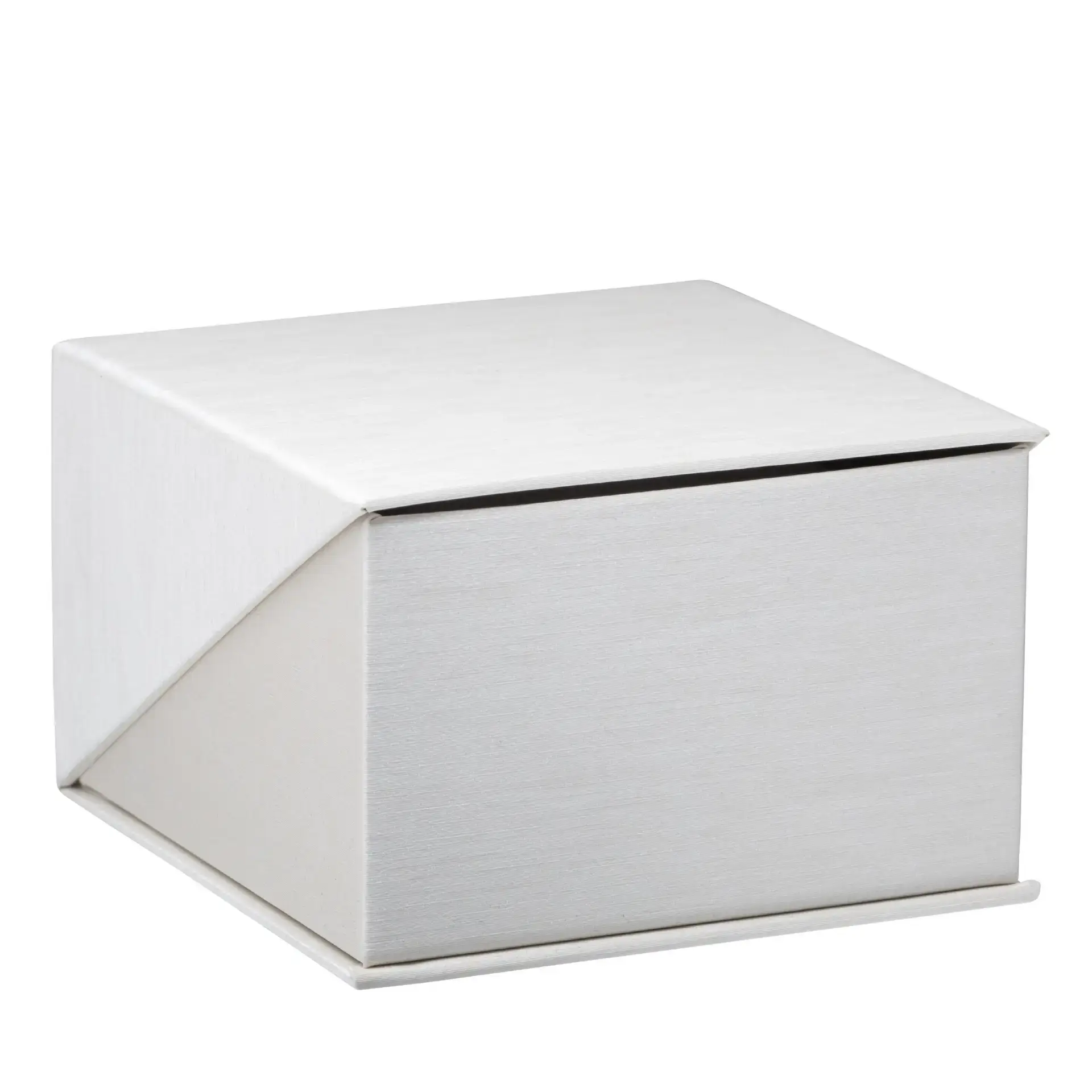
Digital printing enables unlimited color options and intricate logos without plate charges. Spot color (1-2 ink layers) costs 8-12% more than single-color base; CMYK full-color adds 18-25%.nnLead time: 5-7 days additional. Small brands benefit: no setup fees under 500 units, lowering per-unit cost vs. screen printing.
Embossing, Debossing & Hot Foil
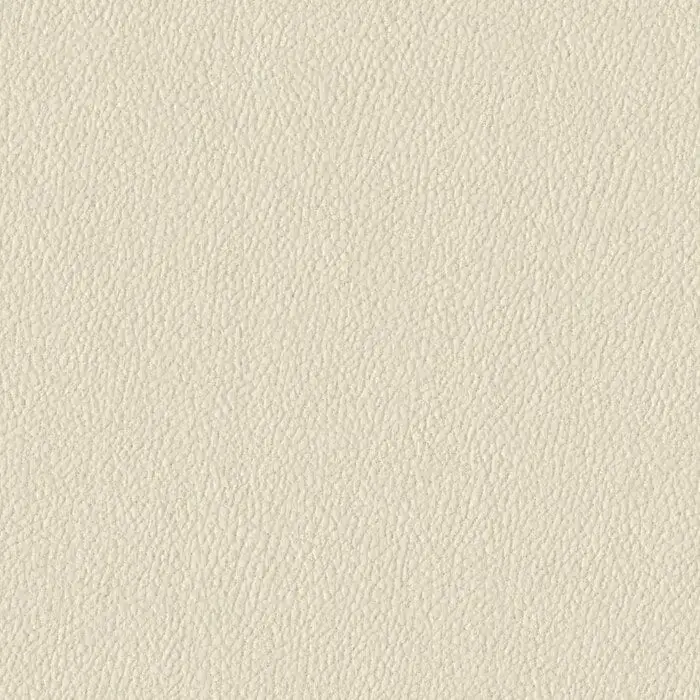
Embossing and debossing create tactile luxury—common on rigid boxes. Gold and silver hot-foil stamping costs 0.15-0.35 USD per unit for logo areas up to 8 cm².nnHolographic foiling premium: add 30-50% to foil cost. Lead time: 10-14 days (dies must be produced). ROI for luxury brands: justified—customers perceive 2-3x higher value.
Custom Tissue & Liners
Acid-free tissue in branded patterns or solid colors costs 0.08-0.15 USD per box when ordered at 1000+ qty. Satin or velvet liners add 0.20-0.40 USD.nnThese finishes trigger disproportionate perceived value—customers photograph packaging. Lead time: 7-10 days for patterned tissue stock. ROI: packaging photos drive 15-20% of Instagram engagement for jewelry brands.
Ribbon, Inserts & Hardware

Satin ribbon closures add 0.06-0.12 USD; velvet costs 0.18-0.28 USD per piece. Custom foam or cardboard inserts (ring holders, bracelet organizers) start at 0.12 USD/unit at 1000+ MOQ.nnMagnetic closure hardware: 0.08-0.20 USD. These finishing touches justify premium pricing and reduce returns by 5-8%.
Lead Time vs. Batch Size Strategy
Single technique (e.g., printing only) adds 5-7 days; combining 2-3 techniques (printing + foil + tissue) extends timeline to 18-21 days. MOQs: 500+ units absorb art/die setup; 1000+ unlock best per-unit pricing.nnRecommendation for launch brands: start with printing + tissue only (12-day lead time), reserve foil for reorders at higher volumes.
6. Quality & Construction Standards
Premium cotton filled jewelry boxes separate from budget alternatives through construction precision: stitching density, padding weight, lining durability, corner reinforcement, and closure mechanics. Requesting specific durability tests during sampling phase eliminates surprises at full production.
Stitching Standards

Double stitching—at least 6-8 stitches per inch (SPI)—is standard for luxury boxes; single stitch indicates budget construction.nnOn The Way conducts horizontal and vertical pull tests on seams at 5-10 kg load to verify integrity. Inspect sample seams for thread tension (no puckering) and consistent 2-3mm spacing.
Padding & Interior Lining

Cotton padding should maintain 200-400 GSM density to resist compression over time. Satin or velvet linings with 300+ thread-count prevent pilling and wear.nnRequest a compression test: pad quality after 100,000 cycles at 2 kg pressure. Poor padding flattens within 6 months of regular display use.
Corner & Closure Reinforcement

Corners require triple-folded board edges or reinforcement tape—never raw edges. Magnetic closures need tested hold strength (minimum 200g load for closure plates).nnInspect corners: no crushing, no adhesive seepage. Closure should snap firmly without resistance; loose magnets fail after 1,000 open-close cycles.
Hinge Durability Mechanics
Hinge sturdiness defines box longevity and customer perception. Inspect hinges under light: stitching should be multi-row (at least 3 rows minimum).nnTest the sample by opening-closing 50 times; hinges move smoothly without creasing the exterior. Cracking inside the hinge fold is a critical red flag.
Quality Checkpoints & Testing
Request samples with durability specs: tensile strength (seam-failure load in kg), crush resistance, color-fastness, and odor testing per ASTM standards.nnRed flags: loose threads, uneven padding thickness, scratches on finish, adhesive marks, or magnetic plate misalignment. Multi-stage QC—sample, pre-production, full run—is industry best practice.
7. Selecting Your Ideal Manufacturer
A manufacturer’s certifications, MOQ, lead times, and responsiveness determine whether cotton filled jewelry boxes meet brand standards. Evaluate customization depth, quality rigor, and geographic advantages beyond price.
| Supplier Question | Why It Matters |
|---|---|
| Are you factory-direct? | Middlemen add 20–40% margin. |
| What’s your defect rate and rework policy? | Accept 3–5% defect rate; demand rework credit if higher. |
| Can you sample fast and support test orders? | Flexibility signals confidence and customer focus. |
| Will you provide production photos before shipment? | Reduces logistics surprises and builds confidence. |
| What are payment terms? | Deposit + balance before FOB is standard. |
| Do you retain design files for reprints? | Saves time and cost on reorders. |
Certifications & Compliance
FSC-certified cotton-filled kraft boxes confirm responsible sourcing; ISO 9001 signals robust QC systems. OEKO-TEX or GOTS on organic cotton verifies chemical safety.nnRequest current certification copies and confirm scope covers your specific items—lids, liners, labels.
MOQ, Lead Times & Geography
China suppliers typically quote 500–5,000 units for cotton filled jewelry boxes; premium finishes raise minimums. Standard lead times: 25–45 days.nnChina offers cost advantage but longer shipping; India and Vietnam split price/speed. Confirm whether lead times include ocean freight or FOB factory.
Customization Capabilities
Premium manufacturers handle mid-order design changes, color-match to Pantone specs, and support low-volume test orders (100–250 units).nnSample policies offer 5–14-day turnarounds with $50–300 fees (refundable against production). Verify whether design files are retained for reprints.
Cost vs. Quality
The cheapest quote rarely yields lowest total cost. A 25% discount risks defective liners, high MOQs, or missed deadlines.nnPrioritize cost for commodity packaging only. For consumer-facing cotton filled jewelry boxes, invest 10–20% more for 3-stage QC, certifications, and account manager support.
8. Avoid These Common Ordering Mistakes
First-time buyers often overlook critical specifications that lead to costly rework or delayed launches. Understanding these pitfalls—and how to avoid them—ensures your cotton filled jewelry boxes arrive on schedule, on brand, and within budget.
Mismatched Box Dimensions
A bracelet box sized for a necklace creates poor product presentation and wasted shelf space.nnPrevention: Request detailed dimension specs for your jewelry category—bracelets, rings, pendants, watches—before finalizing the sample. On The Way provides a specification template to align internal design with production dimensions.
Underestimating Production Lead Times
Most cotton filled jewelry boxes require 4–6 weeks from approved sample to mass production start, plus 1–2 weeks shipping. Seasonal demand (holiday Q4) can extend this to 8–10 weeks.nnPrevention: Plan orders 10–12 weeks before your launch window; confirm lead time in writing with your manufacturer.
Skipping Physical Samples
Approving artwork on screen alone misses critical details: fabric texture, magnetic closure strength, lid fit, and print accuracy. A pre-production sample costs 3–5% of a full run but saves costly mid-production changes.nnPrevention: Always request and inspect a sample in natural light before greenlighting mass production.
Chasing the Lowest Price
Choosing lowest price often means substandard materials, inconsistent QC, or poor management. A 15% discount that triggers rework erases savings.nnPrevention: Compare total ownership cost: material quality, lead time, QC rigor, and support. Mid-tier pricing outperforms both extremes.
Vague Printing Specifications
Ambiguous pantone references, missing bleed requirements, or undefined finishes cause production delays or reprints. Printing errors are among the top causes of rejected shipments.nnPrevention: Provide print-ready artwork in PDF format, specify CMYK and pantone numbers, and confirm finishes in writing.
Overlooking Sustainability
Buyers increasingly expect eco-credentials—FSC certification, recycled content, or biodegradable materials. Launching with non-certified boxes risks brand reputation and retailer relationships.nnPrevention: Specify eco-material requirements upfront. Verify certifications (FSC, OEKO-TEX, or GOTS) on the sample; non-negotiable standards prevent last-minute surprises.
9. Launch Strategy for Your Brand
Launching custom cotton filled jewelry boxes requires coordinated timing across design finalization, sampling, MOQ negotiation, and inventory planning. Each step builds on the previous, and strategic unboxing integration amplifies your brand’s first impression.
Finalize Design & Specifications
Establish final dimensions, material (cotton fill thickness and density), closure type, and branding elements before requesting samples. Manufacturers recommend locking specifications 4-6 weeks prior to production to ensure accurate lead-time estimates. Pantone color matching reduces revision cycles.
Request & Evaluate Samples
Request 3-5 pre-production samples to validate color accuracy, cotton density consistency, box structure, and printing quality under real conditions. A 2-3 week sample turnaround allows time for revisions and final approvals before mass production begins.
Negotiate MOQ & Lead Times
Standard MOQs for custom cotton filled jewelry boxes range 500–2,000 units depending on complexity and decoration techniques. Lead times typically span 6-10 weeks from approved samples to delivery. Budget 2-3 weeks additional for international customs clearance if needed.
Plan Inventory Rollout
Stagger initial orders across markets; smaller first shipments (500–1,000 units) test reception before committing to full MOQ. Track fulfillment quarterly and adjust subsequent orders based on customer feedback and sales velocity to maintain premium positioning.
Integrate Unboxing into Marketing
Custom cotton filled jewelry boxes are a key brand touchpoint; leverage unboxing through social content, influencer collaborations, and professional packaging photography. A consistent unboxing experience reinforces perceived value and drives word-of-mouth marketing. Plan photography early to align digital marketing with physical launch.
10. Pricing Guide & Cost Analysis
At 100-unit minimums, most manufacturers impose one-time setup fees of $80–$200 per design, covering die-cutting, screen preparation, and initial sampling. In high-volume tiers (5,000 units and above), these fixed costs are typically amortized across the per-unit price, though transparent suppliers always itemize setup separately on quotes.nnMaterial grade is the second cost lever after volume. Rigid boxes with cotton-filled interiors (200-gram minimum flocking) cost 30–50% more than corrugated alternatives but justify premium shelf presence. Eco-certifications (FSC, OEKO-TEX) add 5–15% per-unit; metallic inks, embossing, and spot-UV finishes range 10–25% additional.nnLead times span 10–14 days for stock components to 35–45 days for bespoke designs with prototyping. Rush turnaround (7–10 days) typically incurs a 15–30% premium; orders above 10,000 units unlock complimentary design consultation and dedicated account management, which often offset bulk discounts for smaller players managing multiple SKUs.
| Quantity Tier | Per-Unit Cost | Lead Time | Includes |
|---|---|---|---|
| 100–249 units | $2.00–$2.50 | 35–45 days | Design sampling, setup |
| 250–999 units | $1.40–$1.80 | 28–38 days | First revision included |
| 1,000–4,999 units | $1.15–$1.50 | 20–30 days | Color matching, QC |
| 5,000–9,999 units | $0.95–$1.30 | 15–25 days | Dedicated account manager |
| 10,000+ units | $0.85–$1.15 | 12–20 days | Free design consult |
Get Custom Cotton Filled Jewelry Boxes — 48-Hour Quotes
Factory-direct pricing, zero MOQ requirements, dedicated account manager support. We respond to every quote within 48 hours. Start your luxury jewelry packaging project today.