
Linen Jewelry Display — Custom, Factory-Direct, Low MOQ
Elevate your brand with custom-made linen jewelry display solutions. Factory-direct pricing, low minimums, and private-label options for independent designers and luxury retailers.
Featured Linen Jewelry Display Cases
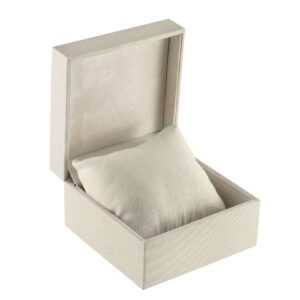

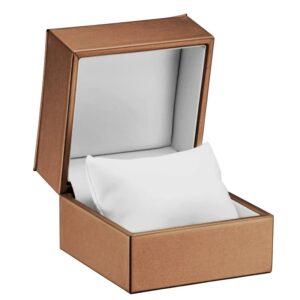
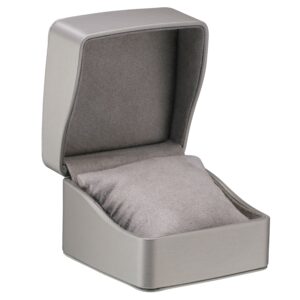
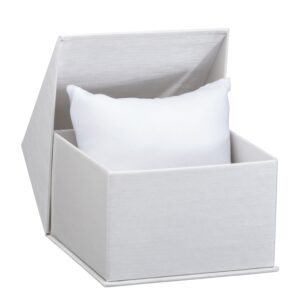
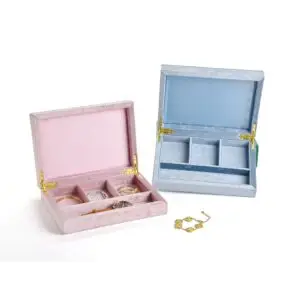
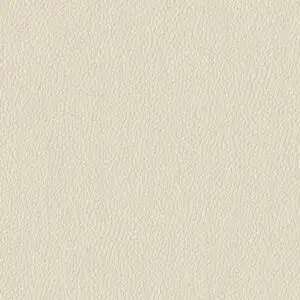
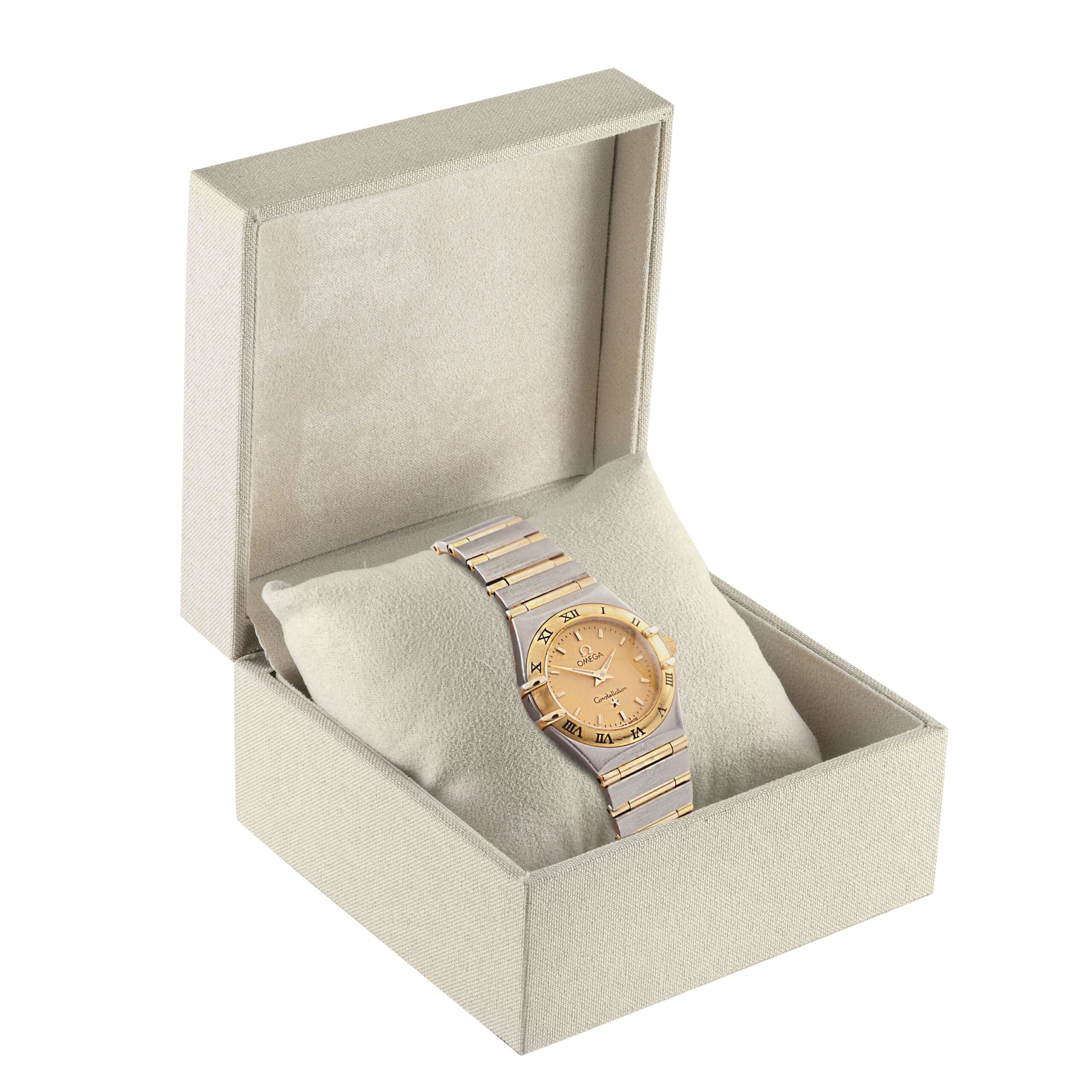
Our Jewelry Display Showcase


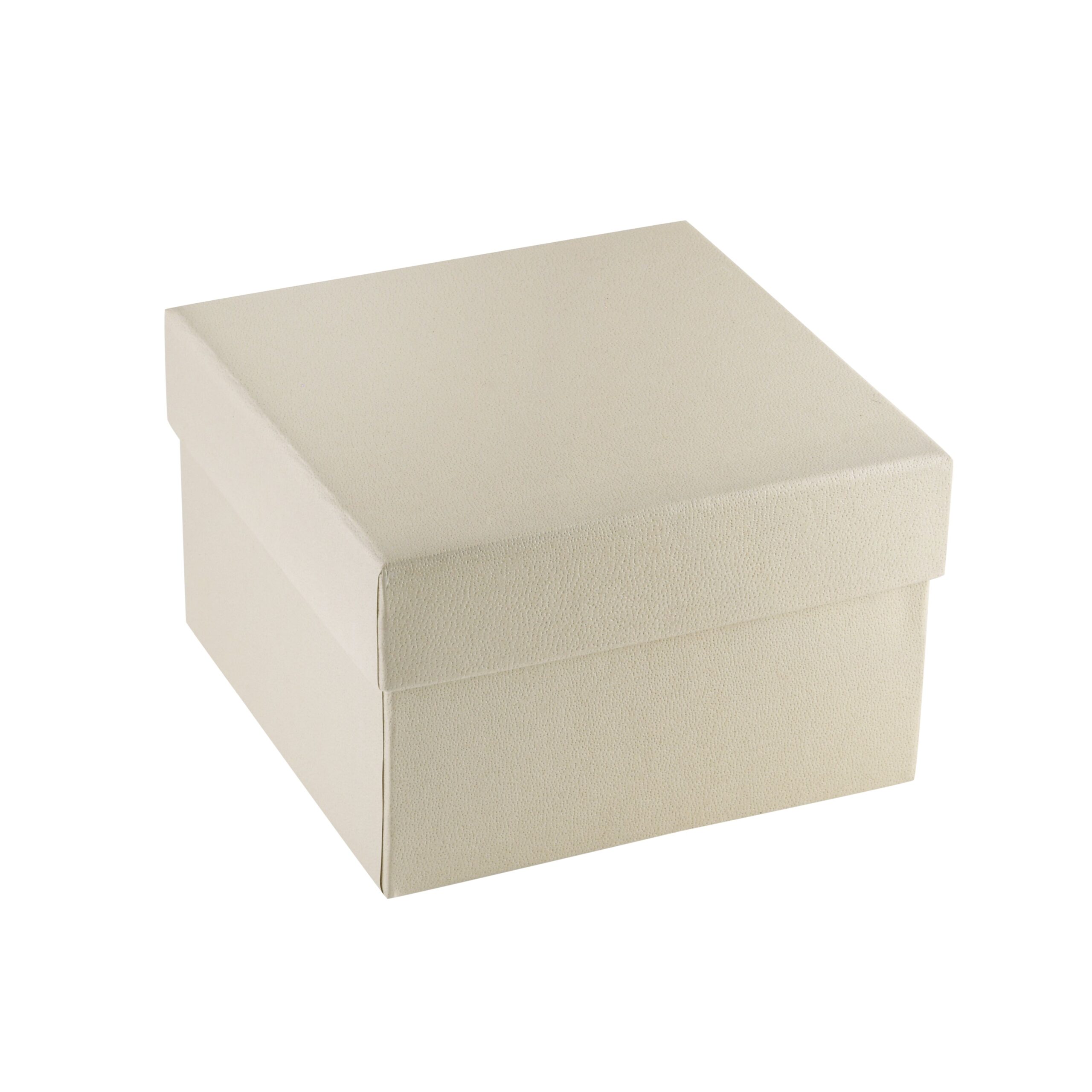

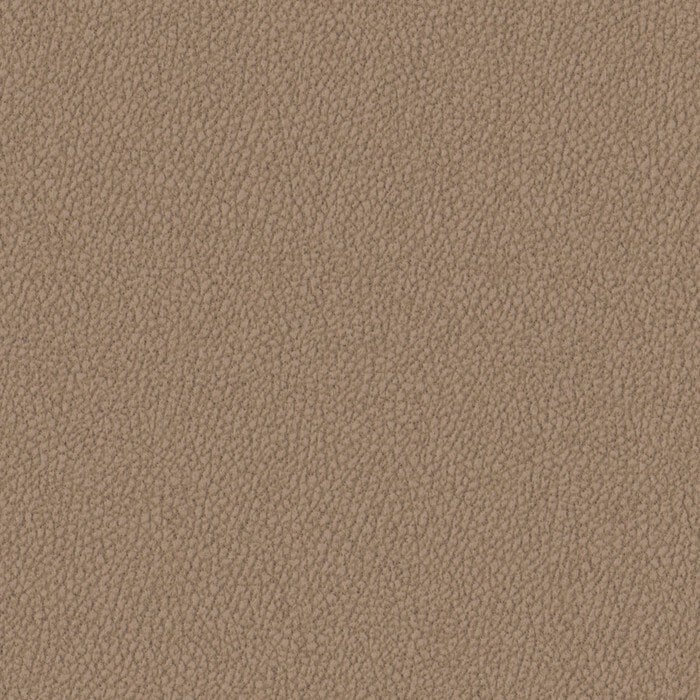
Why Brands Choose Our Linen Jewelry Display
Factory-Direct Pricing
Skip the middleman and save. We own our Dongguan factory, so you get competitive wholesale pricing directly—no distributor markup.
Low MOQ, Maximum Flexibility
Start with 100 units or less. We accommodate startups and small brands with full custom options on every order—no compromises.
Multi-Stage Quality Control
Every piece inspected through multiple QC stages. Our professional team ensures linen jewelry display quality meets luxury brand standards without exception.
Eco-Friendly Materials
FSC-certified paper and recycled linen options available. Build your linen jewelry display with sustainable materials that align with brand values and customer expectations.
Dedicated Account Manager
Your own dedicated account manager guides every step. From initial concept through mass production, you get personalized support and on-time delivery guaranteed.
17+ Years of Expertise
Trusted by 300+ brands across 30+ countries. Since 2007, we’ve completed 6,500+ custom linen jewelry display projects with proven reliability and precision.
Linen Jewelry Display Solutions for Every Retail Need
Premium Rigid Box Collections
High-end jewelry brands need packaging that elevates the unboxing experience and communicates brand prestige—but standard boxes feel generic and don't justify premium pricing.
Custom rigid linen jewelry display boxes with magnetic closures, LED lighting options, and bespoke branding transform unboxing into a luxury experience that builds brand loyalty.
Designer Pouches & Protective Packaging
Growing jewelry designers need professional, affordable packaging for retail partnerships—durable protective pouches and branded bags that don't require prohibitive minimum orders or derail margins.
Custom velvet and linen pouches paired with branded paper bags provide retail-ready packaging at low MOQs, protecting delicate pieces while building consistent brand presence.
In-Store Display & Presentation
Boutique retailers struggle to showcase fine jewelry effectively on retail floors—standard displays are uninspiring, waste floor space, and don't engage customers or support premium positioning.
Custom linen jewelry display trays, busts, and showcases create compelling in-store presentations that highlight product beauty, maximize space, and elevate the overall retail brand experience.
Watch Display & Protection
Watch brands and specialty retailers need display solutions that protect valuable timepieces, communicate luxury positioning, and adapt to diverse retail environments—generic watch boxes fall short.
Custom-engineered watch cases and display stands built to order protect valuable inventory while delivering the specialized aesthetics watch retailers demand, all at factory-direct pricing.
Omnichannel Packaging Suites
Established retailers expanding into e-commerce need cohesive, branded packaging across all touchpoints—boxes, pouches, tissue, bags—to reinforce identity and create a seamless customer experience.
Full-suite custom linen jewelry display and packaging solutions from a single OEM partner streamline operations, reduce vendor management, and ensure consistent brand experience everywhere.
Premium Fabrics for Linen Jewelry Displays

Linen
Natural, breathable linen fabric with a refined texture perfect for upscale jewelry displays. Offers elegant drape and durability. Eco-friendly and increasingly popular with luxury brands seeking sustainable, high-end presentation options.

Velvet
Luxurious soft-pile fabric with rich color saturation and premium feel. Ideal for high-end jewelry displays, velvet provides tactile elegance and enhances perceived value. Available in various pile weights for different presentation needs.
Satin
Smooth, lustrous weave creates an elegant, reflective surface ideal for luxury jewelry presentation. Satin’s drape and sheen elevate brand perception while remaining durable for repeated use. Available in standard and eco-friendly variants.

Microfiber
Ultra-fine synthetic fiber engineered for exceptional durability and easy maintenance. Microfiber offers a soft hand-feel while resisting staining and fading. Perfect for high-volume retail displays requiring frequent handling and cleaning.

Cotton
Versatile natural fiber with breathable properties and comfortable hand-feel. Cotton displays are ideal for eco-conscious brands and everyday wear jewelry. Soft, durable, and pairs well with minimalist or bohemian brand aesthetics.
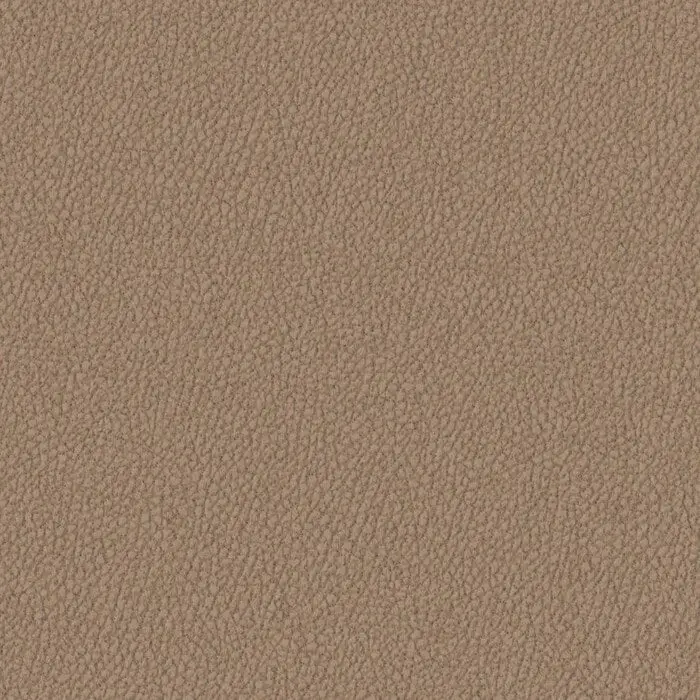
Recycled & Eco-Certified
FSC-certified and recycled fabrics reduce environmental impact while maintaining premium quality. These sustainable materials appeal to conscious consumers and support brand values around responsibility. Fully certified and traceable from source.
Linen Jewelry Display Customization Processes & Techniques

Hot Stamping
Creates elegant metallic logos and text on linen surfaces with precision. Delivers luxury finishes in gold, silver, or holographic effects, ensuring durability through years of use.
Embroidery
Adds branded logos and monograms directly onto linen fabric through precision stitching. Creates tactile luxury finishes that enhance brand identity and ensure lasting durability with refined aesthetics.

Screen Printing
Applies vibrant, multi-color designs onto linen jewelry display surfaces with precision registration. Offers excellent color saturation and durability, ideal for detailed branding and custom artwork reproduction.
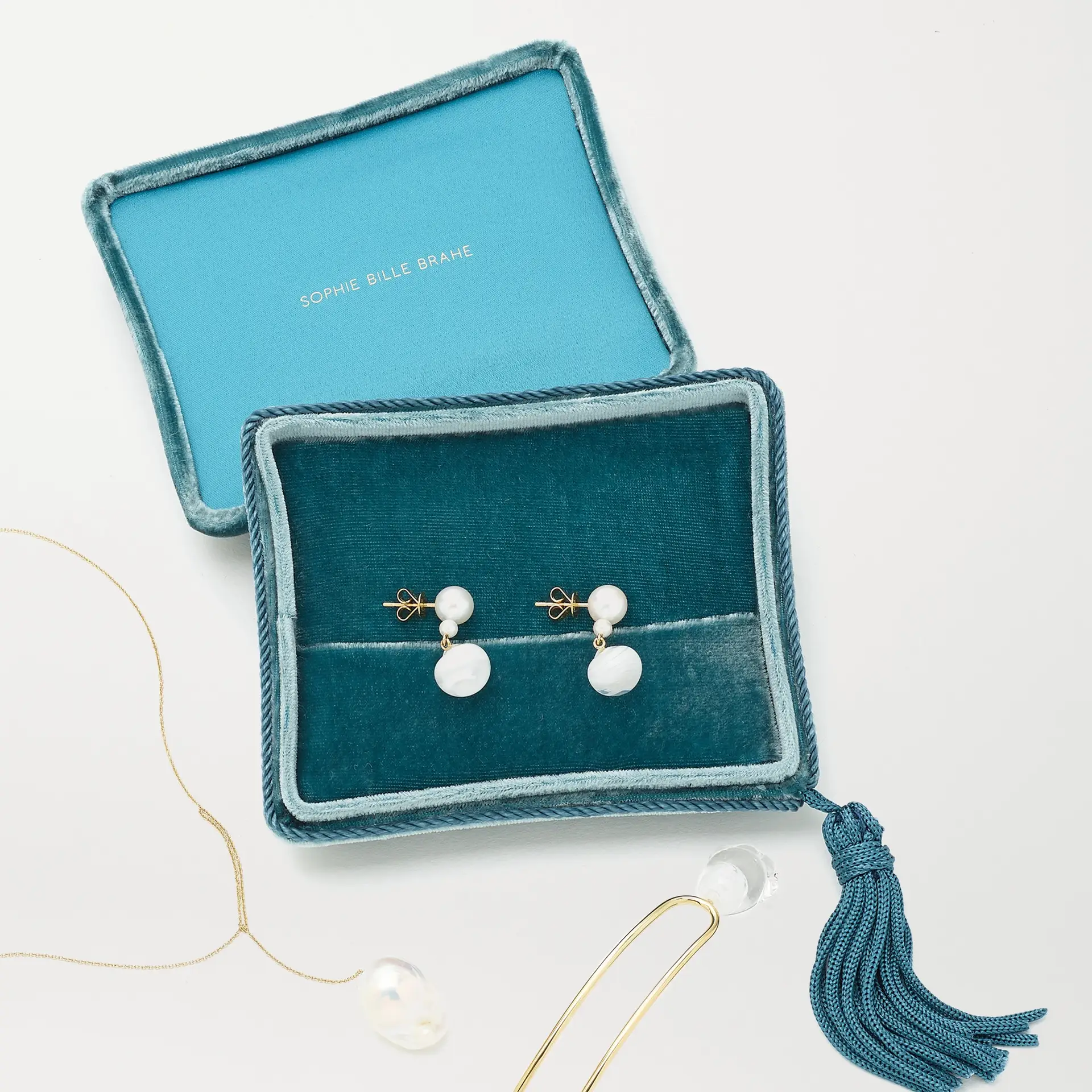
Sublimation Printing
Infuses designs directly into linen fibers using heat-activated dye transfer technology. Creates fade-resistant, photo-quality prints with excellent detail and durability for premium jewelry display packaging.
Custom Die-Cutting
Precisely cuts linen and supporting materials into unique shapes and compartments tailored to your jewelry display requirements. Enables versatile product configurations while maintaining structural integrity and professional appearance.
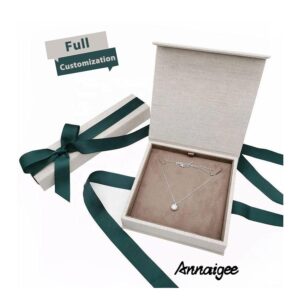
Magnetic Closures
Integrates secure magnetic closure systems into linen jewelry displays for a smooth, sophisticated opening experience. Optional LED lighting integration adds elegant ambient illumination that beautifully showcases jewelry and enhances premium brand perception.
Hardware & Finishing Options for Your Linen Jewelry Display
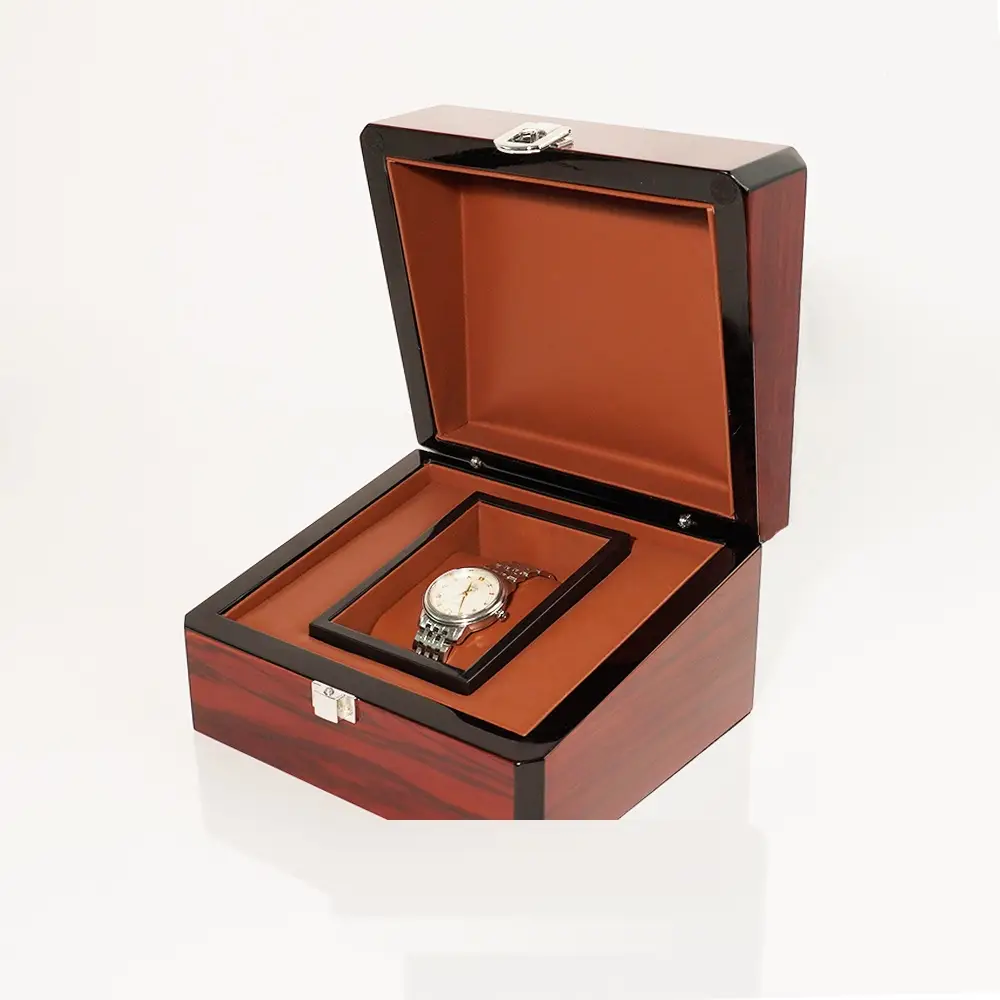
Magnetic Closures
High-strength magnetic closure systems designed for premium display boxes. Ensure reliable, elegant retention of contents with a satisfying click—hallmark of luxury packaging that elevates the unboxing experience.
Drawcords & Tipping
Soft drawcord systems paired with finished tipping (stopper ends) for linen jewelry display pouches. Branded or plain, they add functional elegance and enable customers to secure items between display uses.
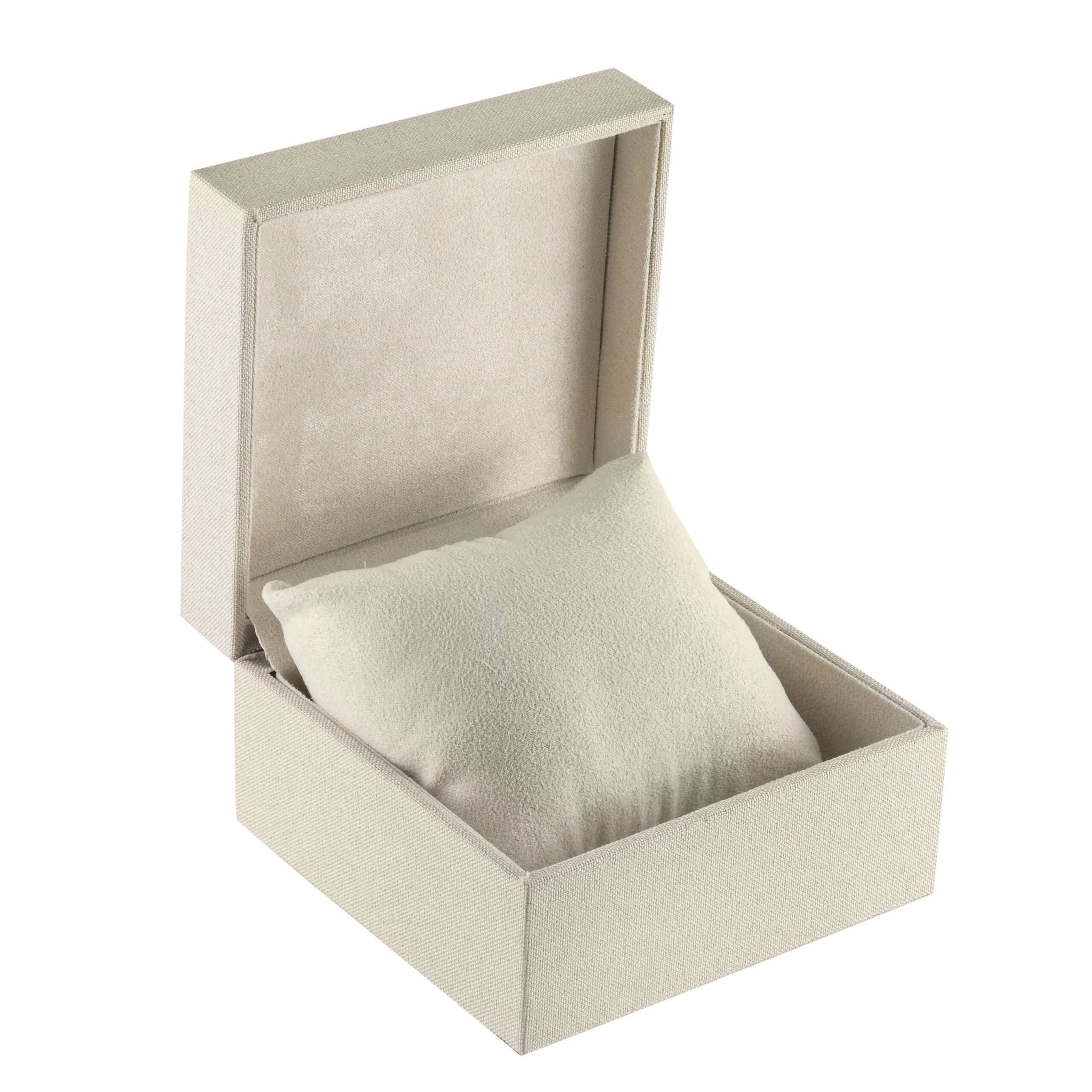
Premium Silk Ribbons
Premium silk ribbons transform linen jewelry display pieces into versatile presentation and carry solutions. Perfect for gift sets and branded packaging, they create an elevated luxury experience that extends brand storytelling.
Branded Labels
Custom woven labels and engraved metal tags add brand identity to your linen jewelry display. Discreet yet impactful, they authenticate luxury and communicate craftsmanship—essential finishing touches for designer portfolios.
Custom Hangtags
Branded hangtags attached to display pieces communicate product details, care instructions, or brand narrative. Printed with logo, product info, or QR codes, they transform displays into marketing touchpoints and enhance customer experience.
Precision Zippers
Precision YKK zippers and snap button closures integrate seamlessly into display cases and pouches. Reliable and elegant, they’re engineered for frequent use and add premium finishes that justify elevated pricing and customer trust.
Custom Jewelry Packaging Leaders Since 2007
Founded in 2007, On The Way was built on a core belief: quality defines survival in luxury jewelry packaging. We pioneered custom jewelry packaging solutions—velvet pouches, rigid boxes with magnetic closures, display trays, and branded paper bags—that set your brand apart from day one, establishing ourselves as partners to the world’s most discerning jewelry brands and independent designers.
Operating a 1,200 square meter factory with 220+ skilled staff, we’ve completed over 6,500 custom projects for more than 300 brands across 30+ countries. From independent startups to established luxury houses across North America, Europe, and Southeast Asia, our expertise spans rigid boxes, protective pouches, display and storage trays, branded custom paper bags, and comprehensive OEM solutions—all engineered to factory-direct pricing with low minimums and zero compromise on quality.
What sets us apart is our commitment to the details that matter: dedicated account managers, multi-stage quality control, FSC-certified and recycled materials, and OEM/white-label flexibility for brands of any size. We don’t just manufacture linen jewelry display cases—we partner with you to create the first impression your brand deserves, on time and within your vision.

Core Capabilities in Custom Linen Jewelry Display
Private-Label Linen Jewelry Display Production
Launch your branded linen jewelry display line without manufacturing overhead. We design, produce, and ship under your label. Full customization of materials, dimensions, closures, and finishes. Ideal for jewelry brands scaling from startup to multi-channel retail.
- Full white-label production from design to shipping
- Custom materials (linen, velvet, microfiber), dimensions, and hardware
- Private label or branded packaging included
- Starts at low MOQs for flexible growth
Expert Custom Design & Rapid Sampling
Collaborate with our design team to create a linen jewelry display that perfectly matches your brand vision. Fast sampling turnaround—typically 7–14 days. Unlimited revision rounds until your design is production-ready. From concept sketches to pre-production prototypes.
- Dedicated account managers guide the entire design process
- Rapid prototyping with unlimited design revisions
- 3D renderings and physical samples before bulk production
- Samples ship globally for final approval
Multi-Stage QC on Every Display
Every linen jewelry display passes through rigorous, multi-checkpoint quality control before shipping. Inspect material quality, stitching precision, magnetic closure function, and final finishing. Third-party testing available. Our QC team ensures consistent excellence across your entire order.
- Material inspection and durability testing at input
- In-process QC at cutting, assembly, and finishing stages
- Final inspection and spot-check sampling on every order
- ISO certifications and compliance documentation included
Fast, Reliable On-Time Delivery Worldwide
Meet your product launch and retail deadlines with our proven on-time delivery track record. 17+ years of reliable shipping to 30+ countries. Real-time production tracking and dedicated logistics support. Flexible shipping options—air, sea, express—tailored to your timeline.
- Production timeline managed end-to-end with real-time updates
- Proven on-time delivery across 6,500+ completed projects
- Flexible shipping to meet your retail launch schedule
- Backup contingency planning for high-priority orders

Linen Jewelry Display: On The Way vs. Traditional Suppliers
See why factory-direct manufacturing gives you faster samples, lower minimums, and better pricing
← Swipe left or right to view →
Our Linen Jewelry Display Production Process
From sourcing premium materials to final delivery, we manage every step with rigorous quality control and precision, ensuring your order arrives exactly on-spec and on-time.
Premium Material Sourcing
We source premium linen, hardware, and specialty materials from certified, eco-conscious suppliers, ensuring quality foundations from the very first step of your production run.
Design & Custom Sampling
Our expert design team collaborates with you to perfect every specification, creating detailed prototypes for your review and approval before commencing full production.
Cutting, Printing & Finishing
Advanced machinery handles precision cutting and custom printing. Our skilled artisans apply expert finishing touches to ensure every linen jewelry display meets your exact brand standards.
Multi-Stage Quality Control
Each piece passes through rigorous QC checkpoints examining materials, construction, and finishing. We catch defects early to guarantee every order arrives completely on-spec.
Packing & Logistics
We carefully package your linen jewelry display items in protective, branded materials and coordinate fast, reliable international shipping to destinations worldwide.
How to Order Your Linen Jewelry Display
A streamlined five-step journey from concept to delivery ensures your custom linen jewelry displays arrive on time, every time.
Submit Your Tech Pack & Specs
Provide your detailed specifications, including materials, dimensions, color options, and final artwork. Our team reviews your technical requirements and creates an initial assessment.
Review Your Custom Quote & Proof
Receive factory-direct pricing customized for your MOQ and timeline. We provide a visual design proof of your linen jewelry display layout and finishes.
Approve Your Production Sample
Examine and approve your production sample in hand. Request adjustments to materials, closures, hardware, or finishing details before scaling to full bulk production.
Begin Bulk Production
Once approved, we scale production with dedicated project management and oversight. Our multi-stage QC monitors quality at every manufacturing phase.
Track & Receive Your Shipment
Final QC inspection, professional packaging, and logistics coordination complete your order. Your linen jewelry displays ship factory-direct with guaranteed on-time delivery tracking.
Certifications & Standards for Linen Jewelry Display


Linen Jewelry Display Testimonials & Success Stories
We needed custom linen jewelry display cases ready for a trade show in 6 weeks. On The Way delivered samples in 2 weeks, and we locked in production immediately. Saved us from missing the event entirely.
Starting out, we couldn’t afford 5,000-unit minimums from other suppliers. On The Way’s 500-unit MOQ let us test our linen jewelry display line without massive investment. After 18 months and 3 successful orders, we’ve become a priority client.
Our luxury brand needed bespoke magnetic-closure display cases in two finishes. On The Way’s design team worked through 4 iterations with us and delivered production-quality samples in 3 weeks. Exactly what we envisioned.
Linen Jewelry Display — Frequently Asked Questions
What is the minimum order quantity (MOQ) for linen jewelry display?
How much does a linen jewelry display sample cost?
What is the lead time for custom linen jewelry display?
Can you customize linen jewelry display with our logo or branding?
Do you ship internationally for jewelry display orders?
How do you protect our design and IP for custom jewelry displays?
What payment terms do you offer for large orders?
Are eco-friendly materials available for linen jewelry display?
The Complete Buyer’s Guide to Linen Jewelry Display for Custom Branding
Discover how premium linen jewelry displays elevate your brand, with actionable frameworks for selecting manufacturers, material comparisons, customization options, and proven strategies to avoid costly sourcing errors.
1. What is Linen Jewelry Display?
Linen jewelry display refers to custom-designed display solutions—boxes, trays, busts, and pouches—constructed from 100% linen or linen-blend fabrics, typically specified at 175–250 GSM, used to showcase and protect delicate jewelry during retail presentation and customer handling. Its purpose is threefold: protection via linen’s tight weave (60–100 threads per inch prevents snagging), brand elevation via the fabric’s natural texture and tactile quality, and customer confidence in sustainability credentials.nnVelvet, the historical standard in jewelry retail, typically measures 400–600 GSM and collects dust readily; silk, equally premium in pricing, measures 30–50 GSM and is prone to snagging during customer contact. Linen outperforms both on durability and maintenance, offering a cleaner presentation. Leather alternatives introduce sustainability and ethical challenges (not biodegradable, complex sourcing), consolidating linen’s position as the industry standard for discerning brands.nnOEKO-TEX and GOTS certifications are readily available for linen suppliers globally, enabling brands to substantiate environmental claims credibly. Linen’s naturally tactile surface—cool, slightly textured, visibly natural, and fully biodegradable—communicates premium positioning at the critical unboxing moment. For luxury jewelry houses and independent designers, linen jewelry display functions as a packaging-first brand impression, translating material choice into perceived value before the customer ever touches the piece.
2. The Evolution of Linen Jewelry Display Solutions
The 1990s marked the transition from paper and cardboard to linen fabric in luxury jewelry packaging. Mid-to-premium brands adopted natural fiber drawstring pouches and flat sleeves as differentiation intensified and consumers began to associate packaging tactility with product quality.nnLinen outperformed competing materials—cotton, silk, and synthetics—because of superior durability, natural luster, reduced care requirements versus silk, and significantly lower cost. Ring-spun linen in 120-180 GSM weight became the specification standard for linen jewelry display solutions: box interiors, display trays, busts, and structured pouches. This convergence occurred by the early 2000s as sourcing became more consolidated.nnThe 2010s sustainability wave accelerated adoption. OEKO-TEX and GOTS certifications shifted from luxury differentiator to baseline expectation. Brands systematically replaced polyester microfiber with natural fibers. Regulatory pressure and consumer demand for transparent material sourcing reshaped procurement across jewelry, fashion, and luxury goods.nnManufacturing infrastructure evolved to match demand. Factories moved beyond simple pouches to modular systems: linen-wrapped rigid boxes, custom display busts with compartmented interiors, multi-SKU storage trays, and branded accessory bags. Precision pressing, embossing, and component-assembly capabilities—once economically impossible at low MOQs—became achievable by the mid-2010s through factory investment in automation and quality gates.
3. Types of Linen Jewelry Display for Different Brands
Linen jewelry display formats span protective pouches to retail showcases, each addressing brand positioning and sales channels. Matching format to product category and customer touchpoint maximizes packaging ROI.
| Format | Best For | Cost per Unit | MOQ |
|---|---|---|---|
| Linen Pouch | Daily wear, shipping | $0.45–$0.75 | 1,000 |
| Rigid Box | Premium gifts, unboxing | $1.20–$2.50 | 500 |
| Travel Case | Multi-piece, frequent travelers | $2.00–$3.50 | 500 |
| Display Tray | Retail POS, e-commerce | $0.60–$1.10 | 300 |
| Specialty Format | Ring stacks, necklace organizers | $0.35–$0.90 | 500 |
Linen Pouches

Standard sizes range 6×9 cm to 12×15 cm for daily-wear pieces. Single-string drawstring or flat-bottom designs cost 0.45–0.75 USD per unit at 1,000 MOQ.nnMicrofiber or raw linen outer layers protect against dust during shipping and retail handling. Most independent designers choose pouches as their entry-level packaging solution.
Rigid Presentation Boxes

8×12 cm to 15×20 cm rigid boxes with magnetic closure and foam interiors position premium collections as gifts—engagement rings, luxury watches, signature pieces. Cost: 1.20–2.50 USD per unit (500 MOQ).nnPremium brands justify 30–50% markup over pouches through the unboxing experience alone. These formats dominate luxury and fine jewelry segments.
Travel Jewelry Cases
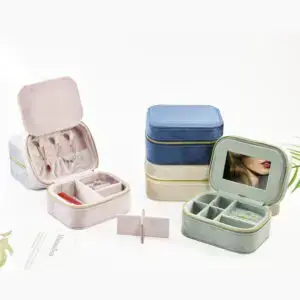
Compartmented cases 20×12 cm to 25×18 cm serve multi-piece sets or frequent travelers. Foldable or hinged-lid designs accommodate 5–15 pieces per case (500 MOQ).nnLead time: 20–30 days for custom tooling. Independent designers targeting luxury travel segments favor this format. Cost: 2.00–3.50 USD per unit.
Display Trays
Linen-lined wooden or cardboard trays 40×30 cm showcase rings and earrings in boutique or e-commerce unboxing videos. Tray-only: 0.60–1.10 USD per unit (300 MOQ).nnPaired with a branded paper bag, the complete solution reaches 1.50–2.00 USD. Used by 40% of North American independent jewelry designers for unboxing content marketing.
Specialty Formats
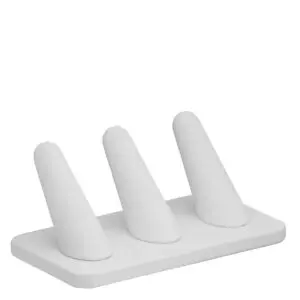
Ring stacks (5×8 cm, 3–8 rings), necklace organizers (12×15 cm folded), and watch cushions (12×10 cm, 15 mm height) serve niche SKUs. Cost: 0.35–0.90 USD per unit (500 MOQ).nnThese formats maximize perceived value for themed collections or gift sets. Brands targeting specific jewelry types (like ‘anniversary ring sets’) achieve higher price anchoring.
4. Linen Jewelry Display Materials & Fabric Specifications
Linen weight (GSM) and fiber composition directly determine display durability and luxury perception. Standard jewelry linen ranges 140–200 GSM, with blends and finishes influencing hand-feel, color retention, and longevity.
| GSM Grade | Primary Use | Hand-Feel | Lifespan | Cost Multiplier |
|---|---|---|---|---|
| 140–160 | Pouches, wraps | Soft, drapey | 3–4 years | 1.0x |
| 165–190 | Box interiors, trays | Refined, balanced | 5–7 years | 1.15x |
| 200+ | Rigid boxes, displays | Stiff, premium | 8–10 years | 1.25x |
GSM Weight Grades
Lightweight linen (140–160 GSM) suits pouches; mid-weight (165–190 GSM) balances structure with elegance for box interiors; heavy-weight (200+ GSM) delivers premium stiffness for rigid displays. Each 10 GSM increase adds roughly 8–12% to material cost but extends lifespan 40–60%.
Linen Blends & Weave Patterns
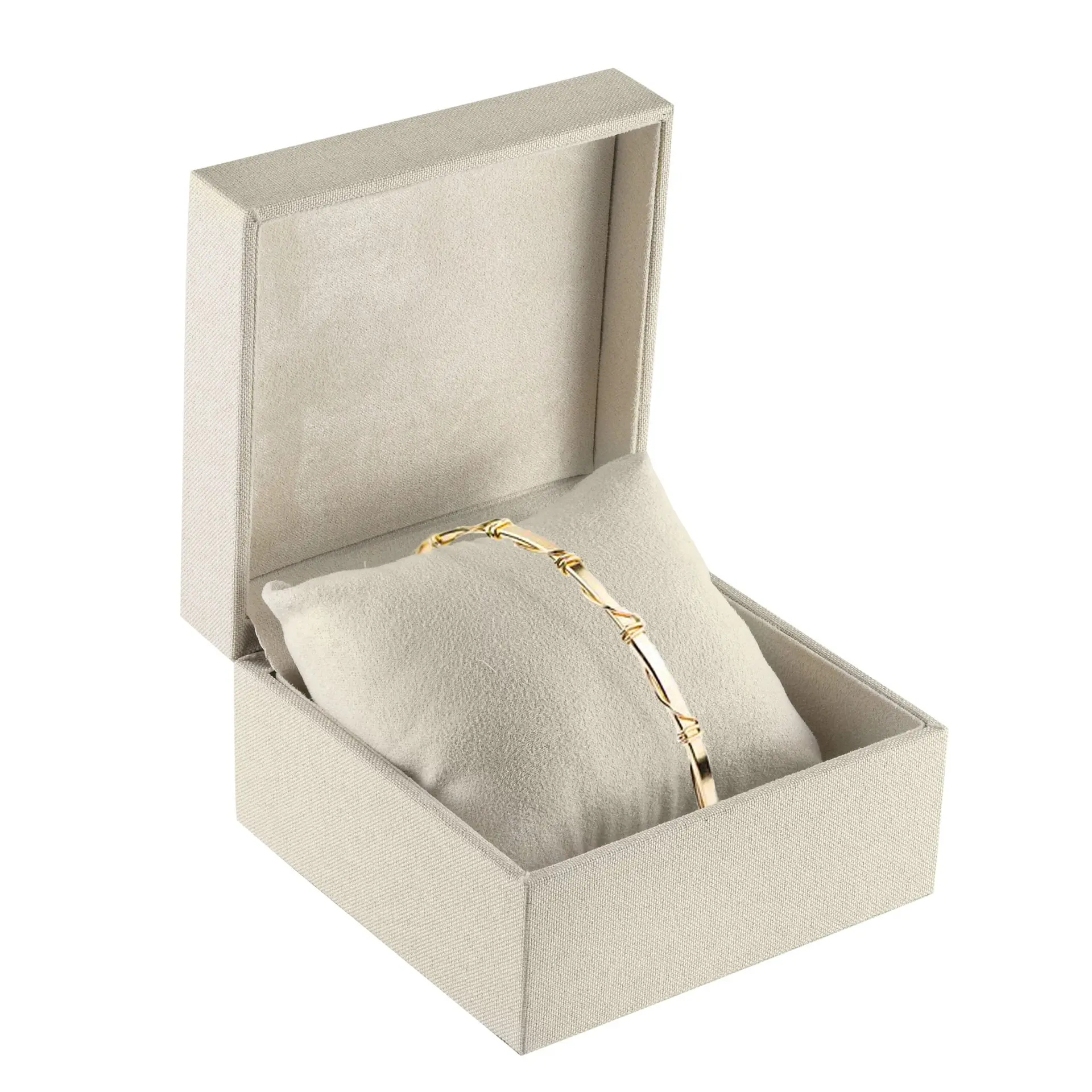
Pure linen (100%) showcases classic luster; linen-cotton blends (70/30 ratio) improve color fastness and reduce cost 12–20%. Plain weave creates smooth finishes for minimalist brands, while twill weave adds texture and structural rigidity—common for rigid box trays.
Finishing Techniques & Certifications
Calendering increases luster and prevents pilling; mercerization enhances dye uptake and adds sheen at 8–12% cost premium. OEKO-TEX 100 and GOTS certifications support eco messaging. Sanforizing limits shrinkage to ±2%, critical for rigid box fit and long-term stability.
Aging Characteristics & Longevity
Linen’s tensile strength increases when wet, supporting moisture-resistant interiors. Quality acid dyes achieve AATCC 4–5 crocking scores. Indoor linen displays retain vibrancy for 5+ years; aged linen develops refined patina appealing to heritage brands. Proper storage extends lifespan to 10+ years.
5. Customization & Decoration Options for Linen Displays
Five decoration techniques transform linen into branded displays: embossing, screen printing, embroidery, edge treatments, and custom cutting. Each carries distinct MOQ, lead-time, and durability profiles. Balance aesthetic impact against order volume and timeline.
Embossing & Debossing
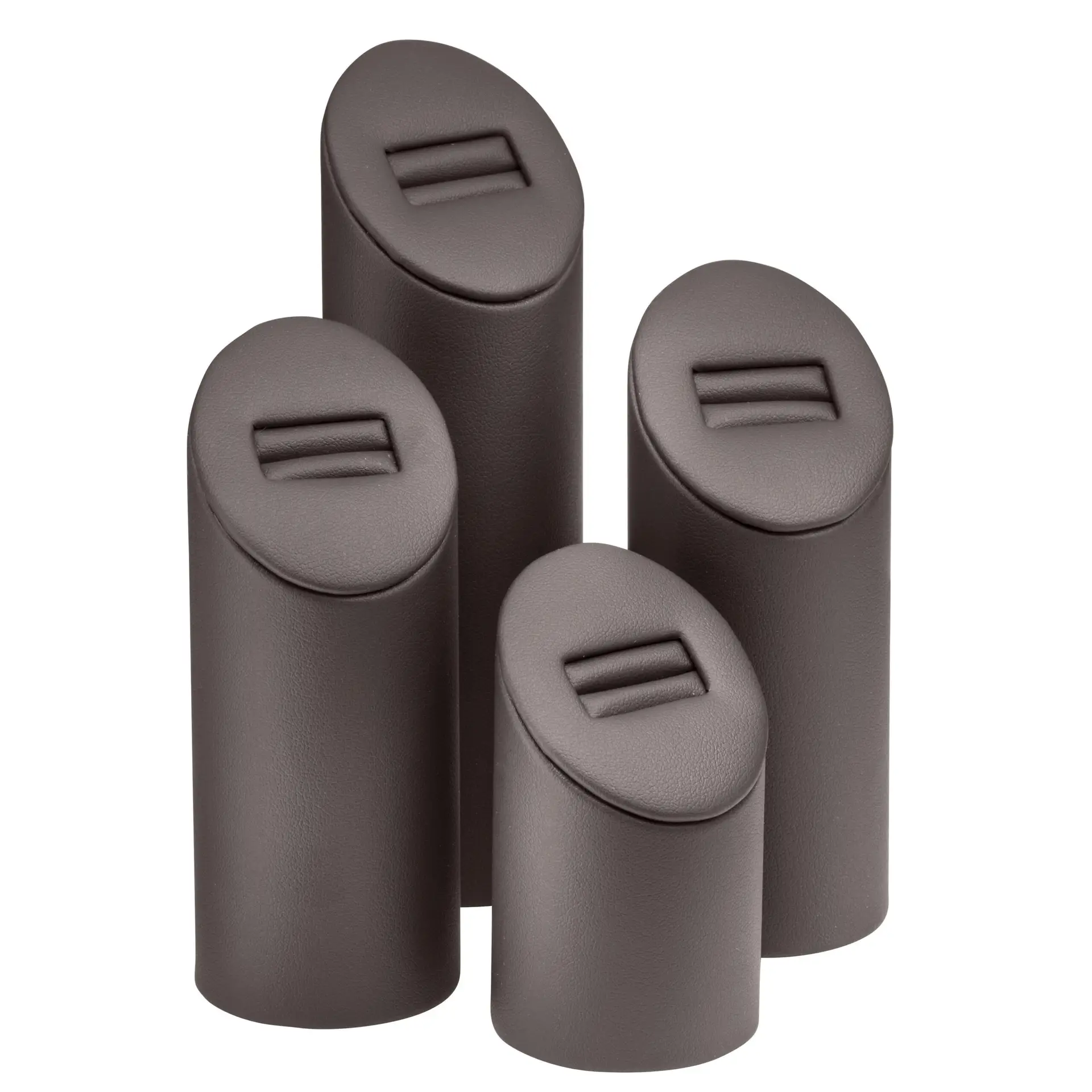
Embossing (raised) and debossing (recessed) create dimensional impressions without added materials, costing $150–$400 per die set. MOQ: 500–1000 units. Turnaround: 5–7 days.nnThe effect moderately wears on high-friction surfaces like bag handles; interior busts preserve finish indefinitely. Best for logos and geometric patterns.
Screen Printing on Linen
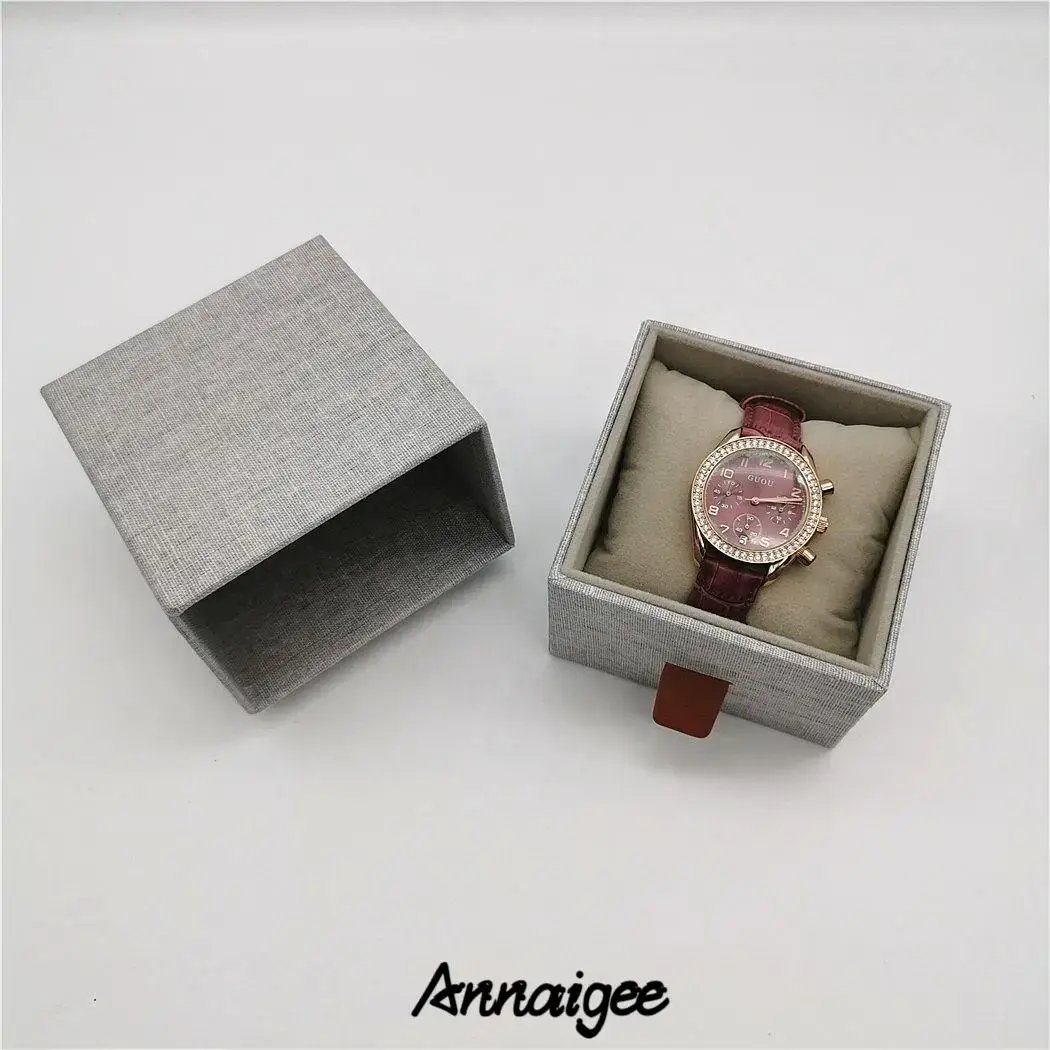
Screen printing delivers vibrant logos and text in 1–4 colors per pass. MOQ: 300–500 units per color. Cost: $0.40–$1.50 per piece depending on color count and ink type.nnPlastisol and discharge inks both work; discharge is breathable but costly. Lead time: 7–10 days. Durable for 50+ wash cycles if cured properly.
Embroidery & Thread Details

Embroidery adds tactile premium branding, running $2–$8 per piece depending on complexity and thread type. MOQ: 250–500 units. Turnaround: 10–14 days.nnExcellent durability—threads rarely shed on display pieces. Best reserved for logos or small motifs; large embroidery compromises structural integrity of delicate linen.
Edge Binding & Piping

Contrasting piping, satin binding, or grosgrain trim around edges elevates perceived quality. Cost: $0.60–$2.00 per unit depending on ribbon width and material. MOQ: 500–1000 units. Adds 3–5 days to production.nnBinding conceals raw edges, improving longevity in handling. Ideal for luxury busts and high-end pouches.
Custom Shape Cutting & Die-Cutting
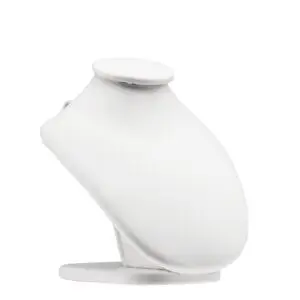
Laser or die-cutting shapes linen into busts, ovals, or branded silhouettes. Tool cost: $200–$600; piece cost: $0.30–$0.80. MOQ: 500–2000 depending on complexity. Lead time: 10–14 days.nnIntricate shapes raise scrap rates; simpler geometric cuts are cost-efficient. Laser offers finer edges than die-cutting.
Balancing Decoration with Cost & Timeline
Combining two techniques (e.g., embossing + screen printing) compounds lead time but multiplies impact; budget 15–21 days. Pantone color matching adds $50–$150 per order but guarantees consistency across runs.nnLogo placement on high-touch surfaces risks wear; reserve intricate details for protected zones (interior trays, backing).
6. Key Quality Elements in Linen Jewelry Display Construction
Premium linen jewelry displays distinguish themselves through deliberate construction choices that enhance durability and perceived luxury. Quality benchmarks in seam strength, edge finishing, padding, closures, and hardware directly correlate with customer satisfaction and product longevity.
Seam Strength and Stitching Quality
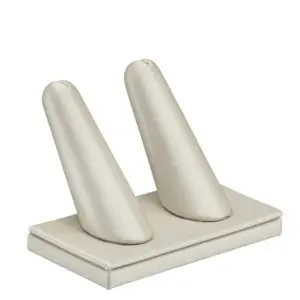
Double-needle stitching and chain stitch construction provide superior durability compared to single-needle methods. Premium displays specify 16–20 stitches per inch (SPI), ensuring reinforced seams that resist fraying and maintain structural integrity through years of handling and display cycles.
Edge Binding and Corner Reinforcement
Finished binding around linen edges—typically grosgrain or bias tape—prevents unraveling and extends product lifespan by 30–50%. Corner boxes (reinforced with cardboard or polyester webbing) absorb impact stress during shipping and retail handling, protecting jewelry from damage and preventing edge collapse.
Interior Padding Systems

High-density foam (15–25 kg/m³) or microfiber padding beneath ring cushions and pendant slots minimizes shifting during transport. OEKO-TEX certified padding materials ensure jewelry safety and meet luxury brand environmental standards while delivering tactile premium feel that justifies higher retail positioning.
Closure Mechanisms
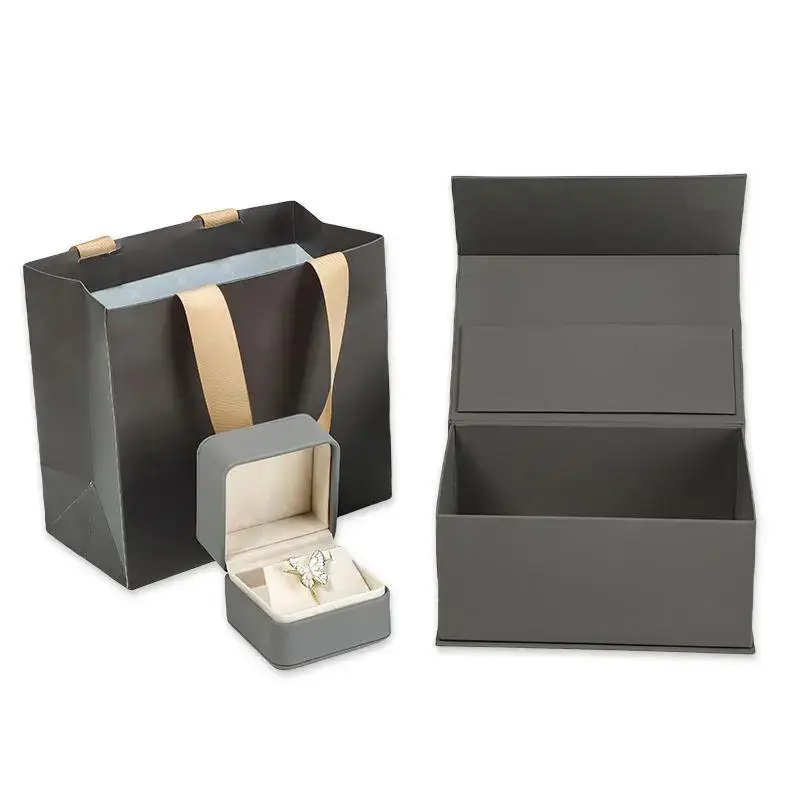
Magnetic closures (rated 800–1500 gauss) provide reliable sealing without visible fasteners, reinforcing luxury perception. Premium alternatives include hidden clasps and silk-screened ribbon pulls—each requiring precision alignment during production to ensure smooth operation over 500+ open-close cycles without wear.
Hardware Quality
YKK zippers, stainless-steel rivets, and zinc-alloy metal corners define premium hardware standards. Corrosion-resistant finishes (nickel-plated or powder-coated) resist tarnishing and maintain aesthetic appeal for 3–5 years, directly impacting resale value and customer brand loyalty when displays are reused or gifted.
7. Selecting the Right Linen Jewelry Display Manufacturer
Evaluating a linen jewelry display manufacturer requires due diligence beyond price quotes. Assess certifications, production capacity, customization flexibility, and quality control systems to identify a reliable partner capable of meeting current and future brand needs.
Certifications & Production Credentials
Request industry certifications to verify compliance beyond marketing claims. Cross-reference production credentials through customer references—established manufacturers should have 50+ completed projects and transparent case studies.
- OEKO-TEX (material safety and chemical compliance)
- GOTS (organic fiber certification standards)
- FSC (sustainable material sourcing)
- ISO 9001 (quality management systems)
- BSCI (ethical manufacturing practices)
Customization & Sampling Capability
Low MOQ is worthless without fast turnaround times. Request sample quotes with 2–3 week lead time—red flag if slower. Verify end-to-end customization capabilities: linen sourcing, embroidery, closures, branded inserts. Evaluate sample quality rigorously against specifications before committing to large production runs.
Quality Control Processes
Ask for detailed QC protocols: multi-stage inspection, defect rates, closure testing, durability specs. Request color-match data (Pantone standards) and rejection rates—transparent factories disclose these. Verify linen jewelry display samples meet durability and aesthetic expectations. Single-stage approval inadequate for luxury; expect three+ checkpoints before shipment.
Account Management & Communication
Dedicated account managers significantly reduce delays and communication misalignment. Confirm 48-hour inquiry response time and strong language/technical competency in your specifications area. Request written timelines and detailed communication protocols before entering the sampling phase. Poor initial responsiveness predicts production issues, missed deadlines, and specification misunderstandings.
Pricing Transparency
Factory-direct pricing should reflect actual manufacturing margins, not underselling followed by surprise charges. Request detailed itemized quotes: materials, labor, customization add-ons, packaging, shipping, and samples. Compare 2–3 suppliers at identical specifications; variance 40% suggests quality cuts or hidden fees.
8. Common Mistakes When Sourcing Linen Jewelry Displays
Most brands source their first linen jewelry display without understanding negotiation leverage or specification depth. Five common mistakes—from MOQ inflation to specification drift—create waste and delays. Learning where manufacturers cut corners saves thousands in rework.
Accepting High MOQs Without Negotiation
Standard minimums start at 5,000 units, but most linen jewelry display manufacturers accept 1,000-unit orders with transparent pricing structures. Agreeing to inflated MOQs locks you into unsellable inventory.nnRequest samples at 100-200 units first, then negotiate production tiers. Factory-direct partnerships reward incremental commitments.
Vague Specifications & Missing Documentation
80% of production delays stem from incomplete specs—linen GSM, thread color, lid closure mechanism, stitching pattern left undefined. Document everything in writing before sampling.nnCreate a 1-2 page spec sheet: fabric weight (150-200 GSM typical), color reference (Pantone codes), dimensions, hardware finishes, embroidery detail. Digital mockups prevent guesswork.
Skipping Sample Approval
Approving a single production sample delays defect detection until 10,000 units ship. Request 3-5 pre-production samples across color variants and linen sources.nnInspect seams, closures, embroidery alignment and fabric hand-feel. Formal sample sign-off protects both parties and prevents costly rework mid-production.
Over-Complicating Decoration & Finishes
Embroidery logos with >5 colors, foil accents on textured linen, and multi-step finishing add 15-30% to unit cost and extend lead times from 8 to 12+ weeks.nnSimplify: single-color embroidery, water-based ink printing, or tone-on-tone details. Complex specs fail QC more often and inflate scrap rates.
Ignoring Sustainability & Material Tradeoffs
100% linen is durable but wrinkles easily and costs 20-30% more than linen-cotton blends. Eco-certifications (OEKO-TEX, GOTS) add lead time without differentiating your brand if customers don’t verify.nnDefine your sustainability claim upfront. Choose materials that align with your messaging and customer expectations, not certification checklists.
9. Pricing, Cost Tiers & ROI for Linen Jewelry Displays
Factory-direct pricing scales dramatically with commitment level. A 500-unit linen display order costs $3.20 per unit with an 18–20 day lead time; that same unit price drops to $2.70 at 1,000 units and $1.95 at 5,000+ units, reflecting manufacturing efficiency and reduced overhead allocation.nnCustomization—embroidery, silk-screen printing, or heat transfer—typically adds $0.70–1.50 per unit, with one-time setup and artwork fees ranging $200–400. A boutique retailer ordering 1,500 custom linen pouches at $2.70 per unit, plus $1.20 decoration and $300 setup, achieves a landed cost of $4.30 per unit, supporting 35–45% retail margin at $7–8 retail.nnLead-time reductions improve cash flow: expedited 7–10 day turnaround adds 8–12% premium, but is rarely justified for planned collections. Most brands optimize via 12–18 month forward visibility, allowing 10–15 day standard lead times and capturing 10–15% cost savings versus rush production.
| Quantity Tier | Unit Price (Base) | Customization Add-On | Lead Time | Best For |
|---|---|---|---|---|
| 500–999 | $3.20 | $0.70–1.50 | 18–20 days | Brand launches, sampling |
| 1,000–2,499 | $2.70 | $0.70–1.50 | 15–18 days | Boutique collections |
| 2,500–5,000 | $2.30 | $0.70–1.40 | 12–15 days | Wholesale partners |
| 5,000+ | $1.95 | $0.70–1.20 | 10–12 days | Enterprise, high volume |
| Expedited (7–10 days) | Base + 8–12% | $0.70–1.50 | 7–10 days | Rush orders |
| Setup fee (per method) | — | $200–400 | One-time | Custom art/embroidery |
Ready to Transform Your Linen Jewelry Display?
Submit your tech pack, get a proof within 48 hours, samples in 7-10 days. Factory-direct pricing, low MOQ—start today.