
Custom Jewelry Box Inserts for Luxury Brands & Retailers
Exquisite jewelry box inserts that elevate your brand’s first impression. Custom designs, low MOQ, factory-direct pricing, and 17+ years of proven quality.
Featured Jewelry Insert Products


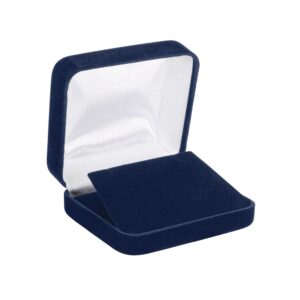
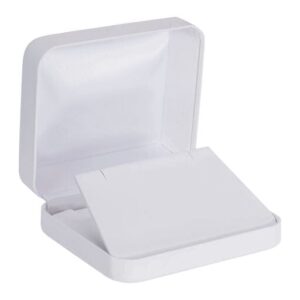

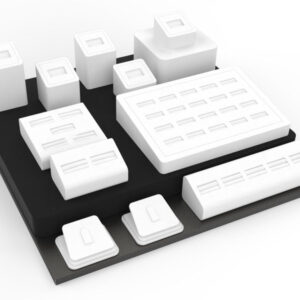

Design Gallery: Jewelry Insert Styles & Finishes


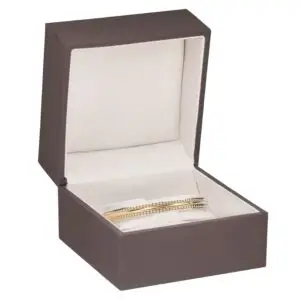
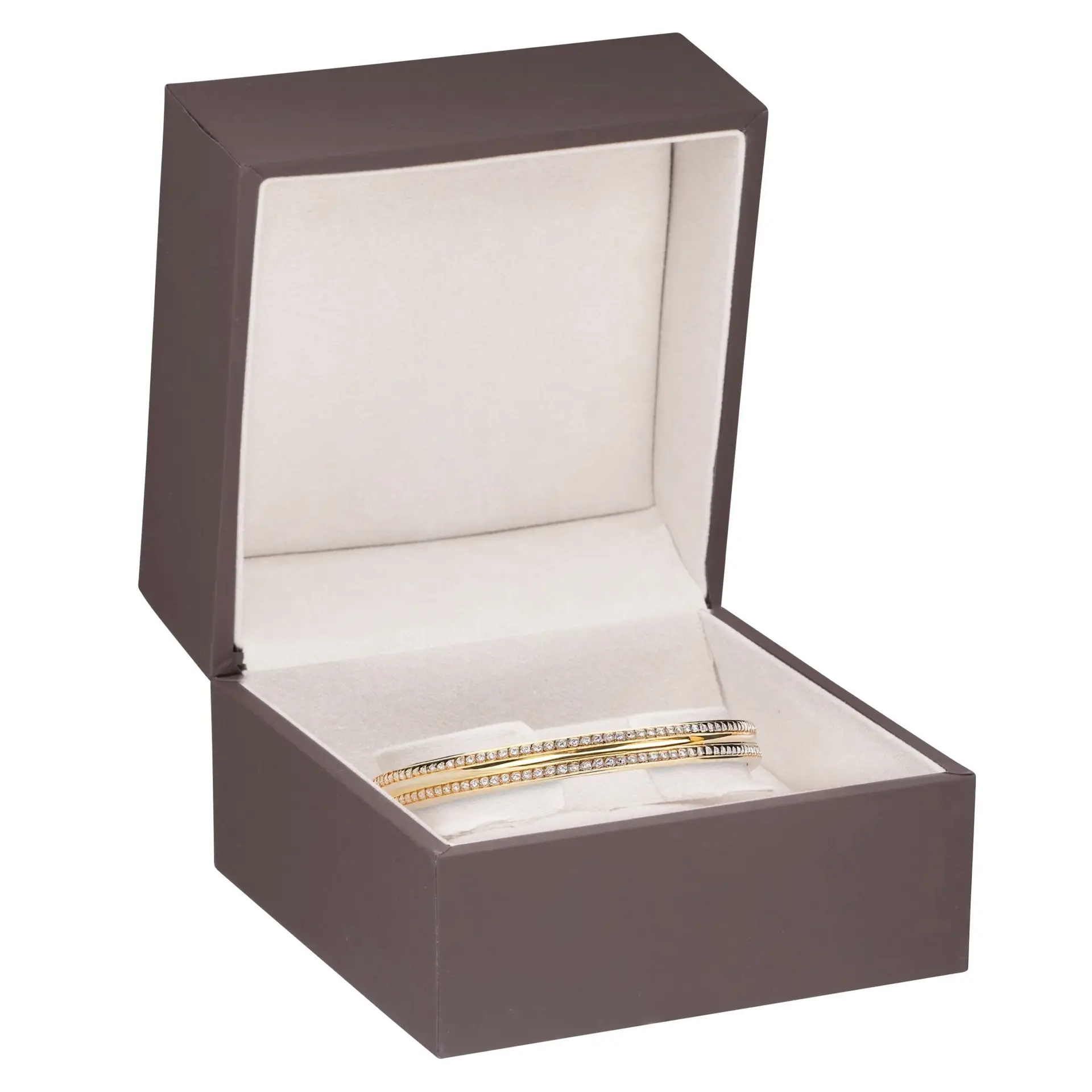
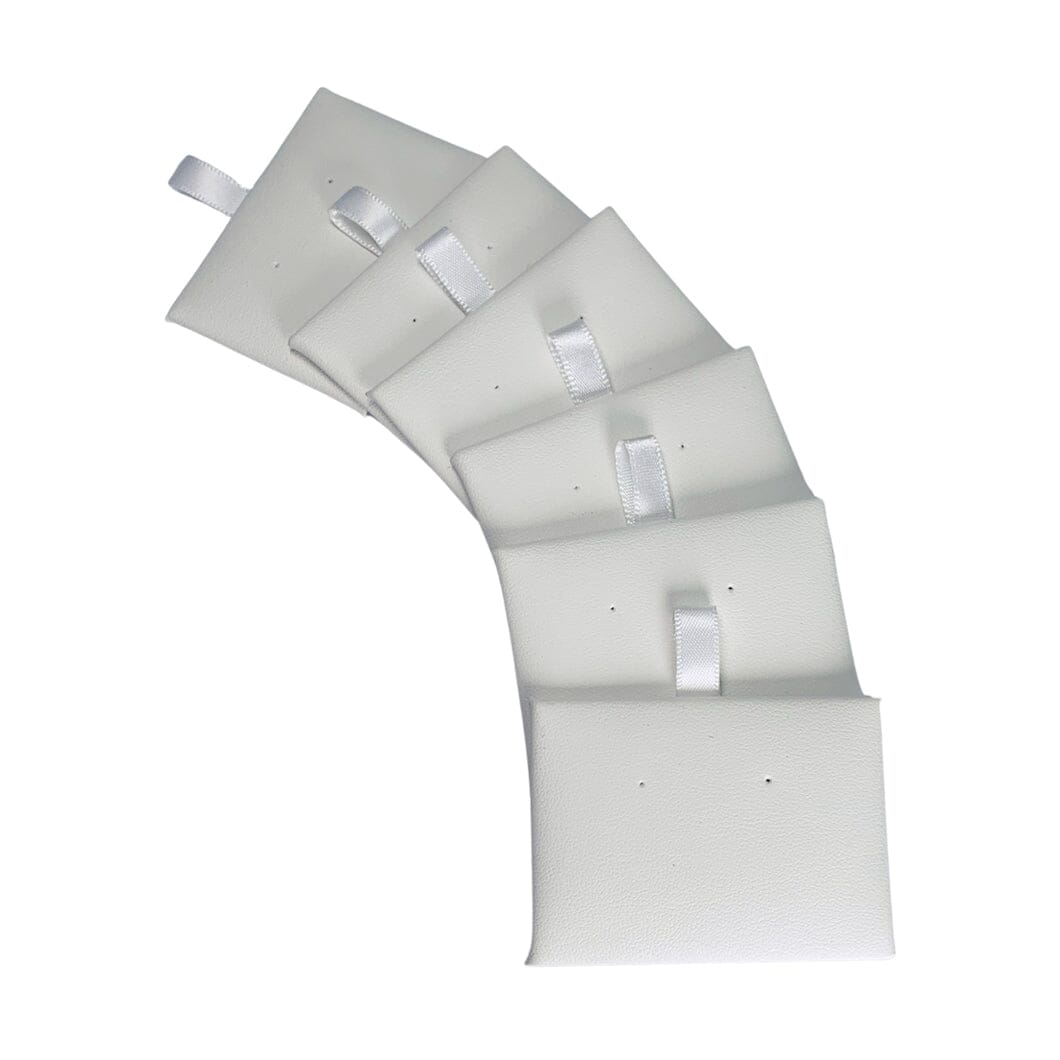
Jewelry Packaging in Action: Real-World Insert Designs
Full Custom Flexibility for Every Brand
Adapt jewelry box inserts to your exact specifications. From materials to dimensions, we accommodate your unique design—no compromise on quality.
Factory-Direct Pricing Without Middlemen
Own our production line means direct savings passed to you. Lower costs with no compromise on premium quality or service.
Low MOQ Starts Your Jewelry Brand
Launch faster with minimal order commitments. Whether launching or scaling, our low MOQ jewelry box inserts support your growth trajectory.
Multi-Stage QC on Every Piece
Professional QC at every production stage ensures premium quality. Each jewelry box insert meets rigorous standards before shipment to you.
Sustainable Materials for Conscious Brands
FSC-certified paper and recycled materials show your commitment. Premium sustainability options for conscious luxury jewelry brands.
17+ Years Serving 300+ Global Brands
Proven expertise across 30+ countries and 6,500+ custom projects. We’ve partnered with luxury brands, designers, and retailers worldwide.
How Brands Solve Packaging Challenges with Custom Inserts
Every jewelry brand faces different packaging challenges. Discover how our insert solutions solve yours.
Premium Branded Pouches & Unboxing Experiences
Luxury jewelry brands need custom-embroidered or branded velvet and satin pouches that reinforce brand identity and create a truly memorable unboxing experience for every customer.
Custom jewelry box inserts with embroidered logos and private-label options deliver a signature unboxing experience, strengthen brand recall, and increase perceived product value for luxury customers.
Low MOQ Custom Boxes
Independent jewelry designers face prohibitively high minimum order quantities from overseas manufacturers, forcing excess inventory investment and limiting their ability to test new collections efficiently.
Low MOQ jewelry box inserts from On The Way enable independent designers to launch multiple collections, test designs with minimal financial risk, and scale production as brand demand grows.
In-Store Display Solutions
Retail locations need organized, elegant display and storage solutions that effectively showcase jewelry inventory while maximizing limited counter and shelf space and protecting products from damage.
Custom display trays, busts, and watch cases organize inventory beautifully, create compelling in-store presentations, maximize counter impact, and significantly enhance perceived brand quality and customer shopping experience.
Eco-Friendly Jewelry Inserts
Premium brands prioritize sustainability but struggle to find luxury jewelry packaging that authentically meets environmental standards without compromising on product quality, durability, or brand prestige.
FSC-certified and recycled materials in custom jewelry box inserts align packaging with environmental commitments, meet customer sustainability expectations, reinforce brand values, and support premium positioning.
Scalable Custom Production
Established brands managing dozens of SKUs across multiple collections require flexible manufacturing partners who maintain consistency across product variations while reliably meeting tight production and delivery deadlines.
Dedicated account managers and rigorous multi-stage QC ensure every jewelry box insert meets exact specifications across large production runs while maintaining on-time delivery and cost consistency.
Fabric & Material Choices for Luxury Jewelry Packaging
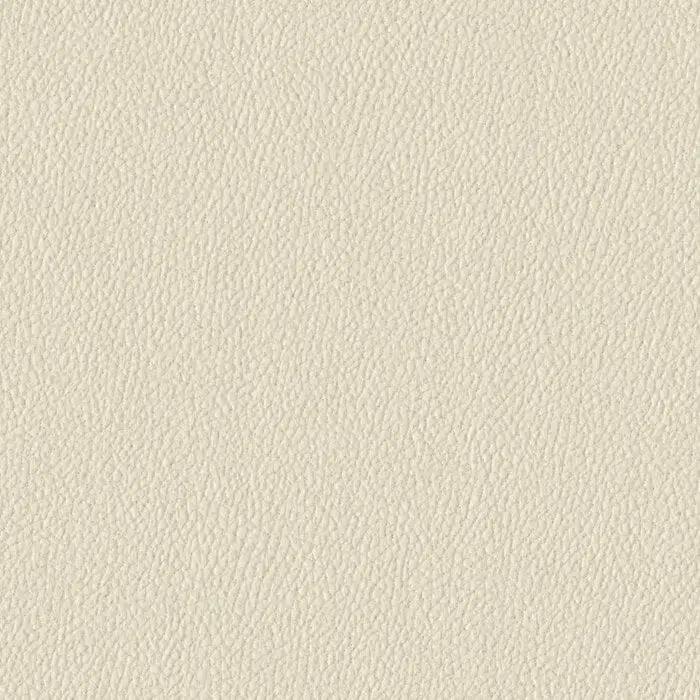
Premium Velvet
Soft, luxurious velvet with rich texture provides premium cushioning for fine jewelry. Ideal for rings, watches, and delicate pieces. Its dense pile offers superior protection and an elevated unboxing experience for luxury brands.
Silk Satin
Smooth silk-like satin with elegant sheen complements luxury jewelry perfectly. Creates a refined presentation for engagement rings, necklaces, and fine pieces. High-luster finish adds prestige while protecting delicate items from scratches.
Microfiber Lining
Engineered microfiber combines softness with exceptional durability and scratch resistance. Perfect for everyday jewelry boxes that require frequent handling. Superior stain resistance makes it practical for retailers serving diverse customer bases.
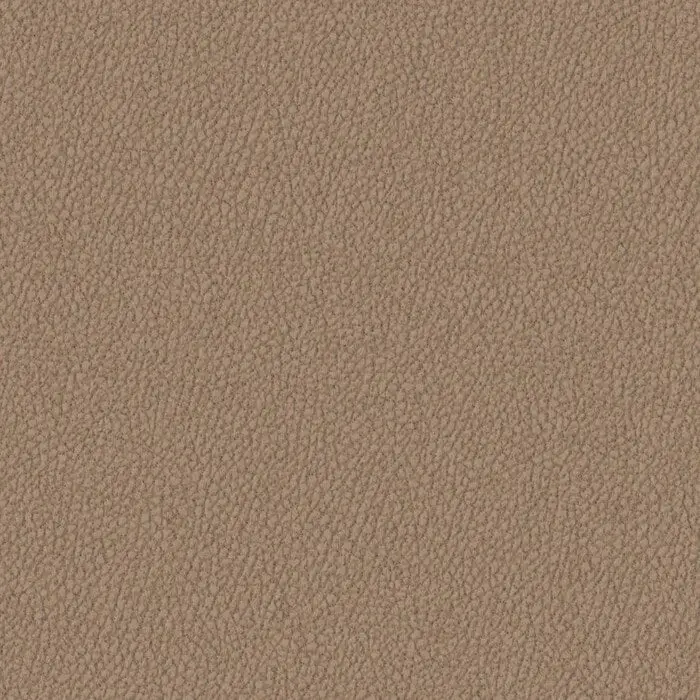
Natural Cotton
Soft, breathable cotton provides natural beauty for eco-conscious brands. Ideal for sustainable jewelry packaging without compromising luxury feel. Organic cotton options support green initiatives while protecting jewelry with natural fiber comfort.
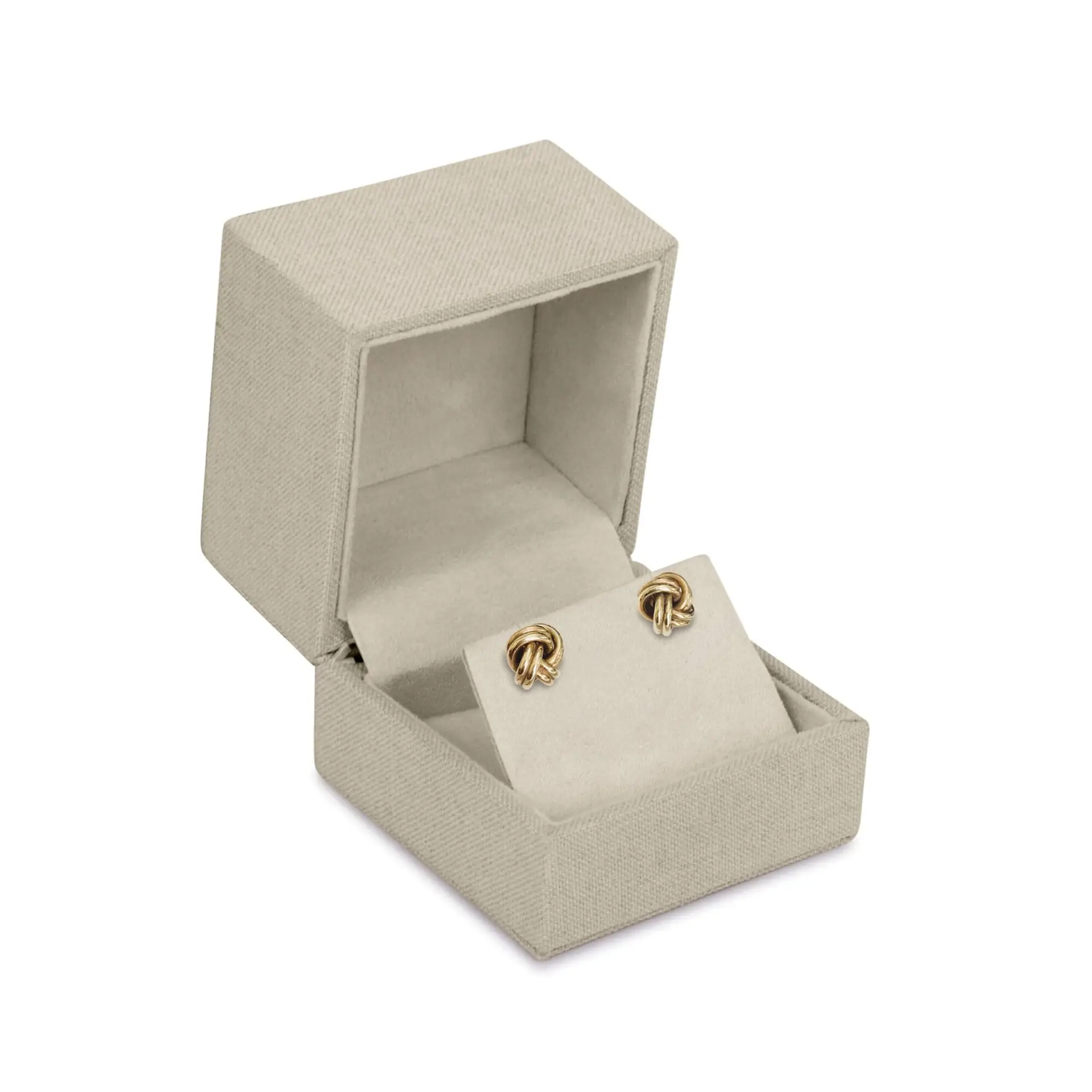
Pure Linen
Crisp, durable linen offers natural elegance with exceptional strength. Perfect for artisanal and premium brands seeking sustainable sophistication. Its distinctive weave texture adds tactile interest while maintaining rigidity for secure jewelry placement.
Recycled Felt
Made from recycled fibers, this sustainable felt maintains luxury aesthetics while reducing environmental impact. Perfect for brands prioritizing sustainability without sacrificing presentation quality. FSC-certified and fully recyclable end-to-end.
Jewelry Box Insert Customization Techniques & Premium Finishing
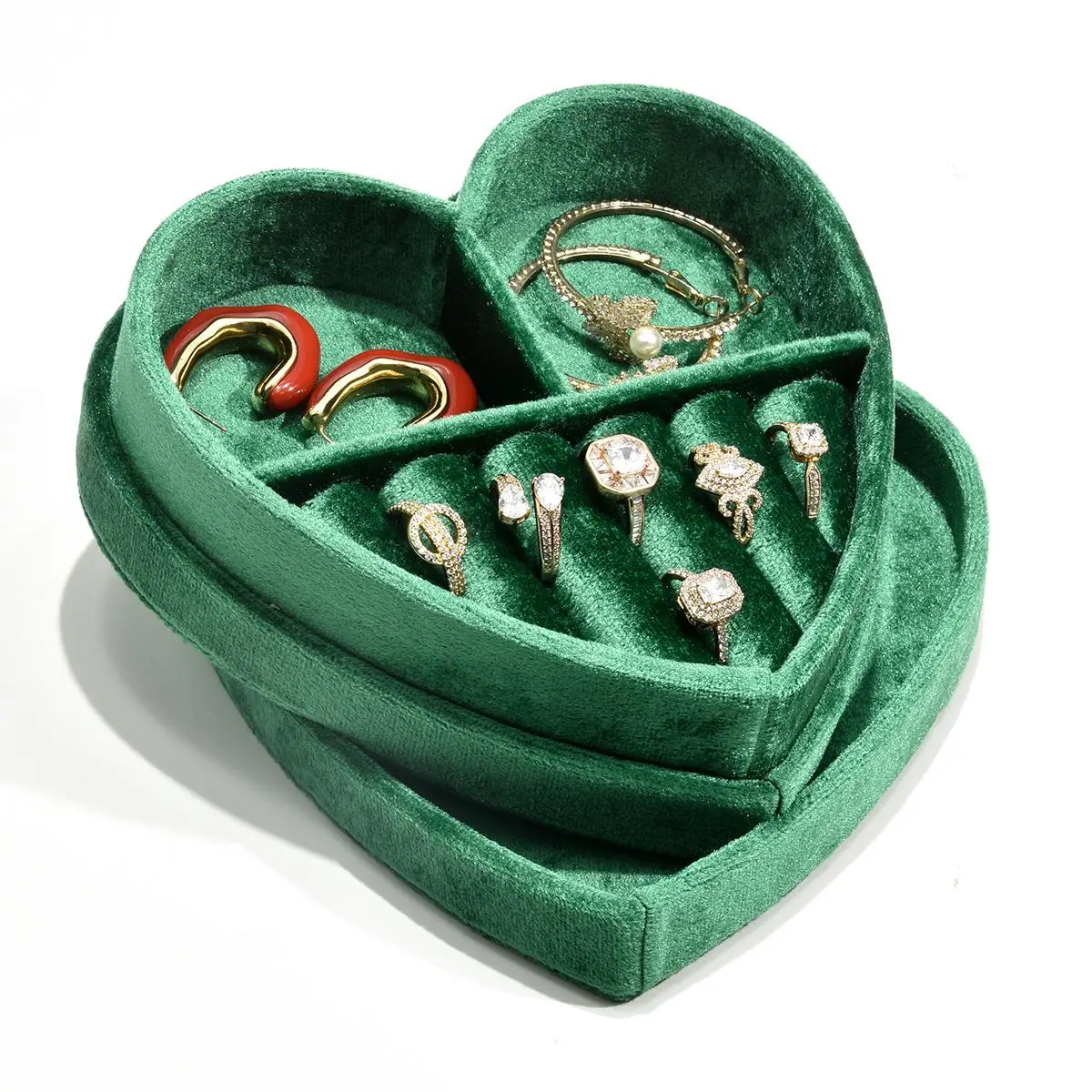
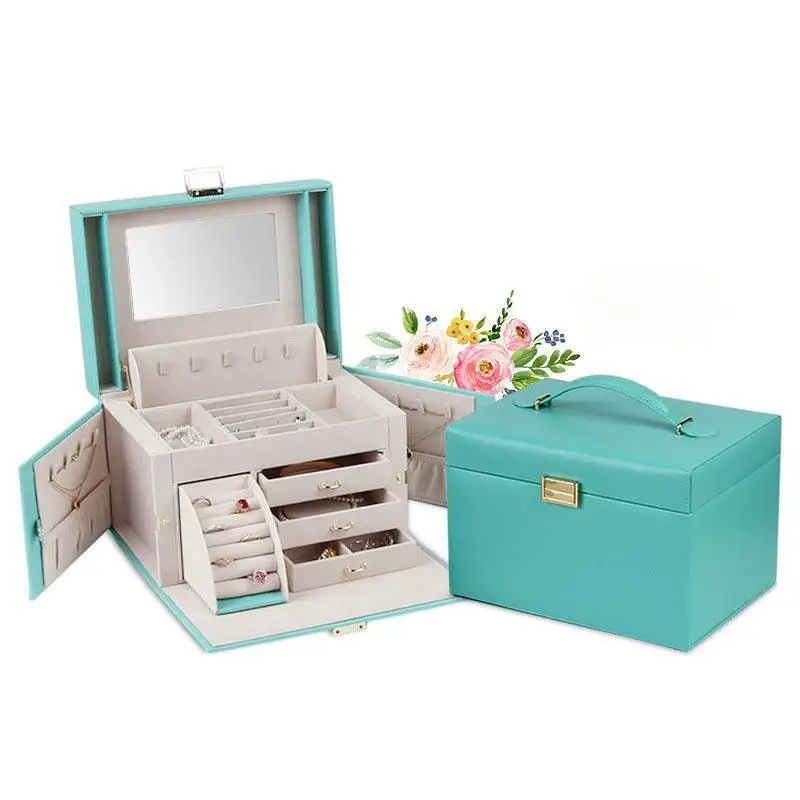
Embossing
Raised or recessed patterns create tactile texture and depth on insert surfaces. Elevates perceived value and adds sophisticated branding—perfect for velvet pouches and luxury rigid boxes.
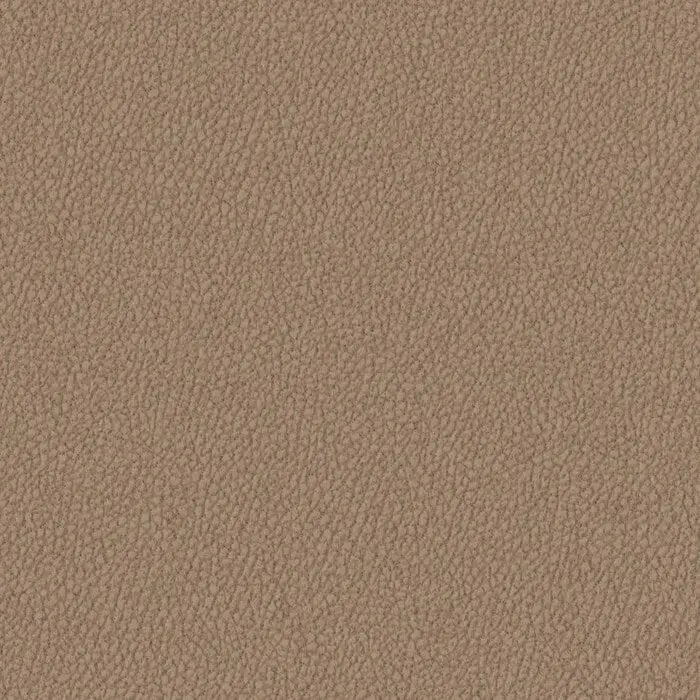
Embroidery
Thread stitching adds bespoke detail to fabric pouches and linings. Creates dimensional logos and patterns that showcase premium craftsmanship and reinforce brand identity through textile artistry.
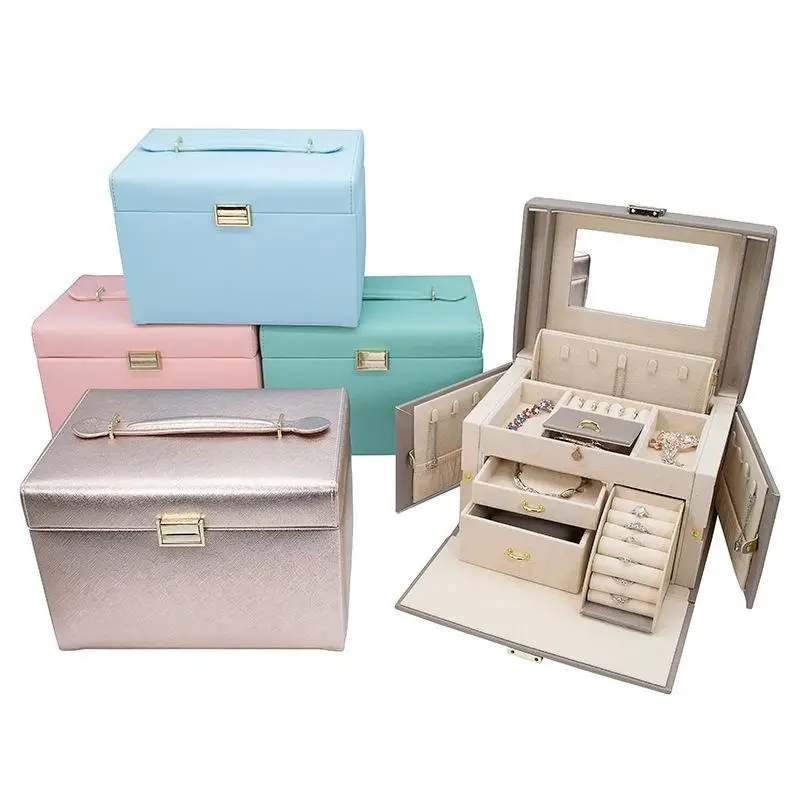
Hot Foiling
Metallic or pigmented foil transfer creates gleaming accents on paper and fabric. Gold, silver, and custom colors catch light and convey luxury—ideal for branded box inserts.
Laser Cutting
Precision-cut patterns in paper, cardboard, and thin materials enable intricate slot designs, windows, and geometric shapes. Delivers clean edges and complex detail impossible with traditional cutting methods.
Digital & Screen Printing
High-definition color printing captures vivid brand imagery on insert materials. Supports full-color artwork, fine text, and photorealistic images—from small runs to large-scale production without setup fees.
Edge Binding & Finishing
Professional edge treatments seal raw edges on fabric inserts with reinforced durability and refinement. Tape binding, cloth finishing, and lamination protection create a polished aesthetic that elevates the unboxing experience.
Accents & Hardware for Jewelry Box Inserts
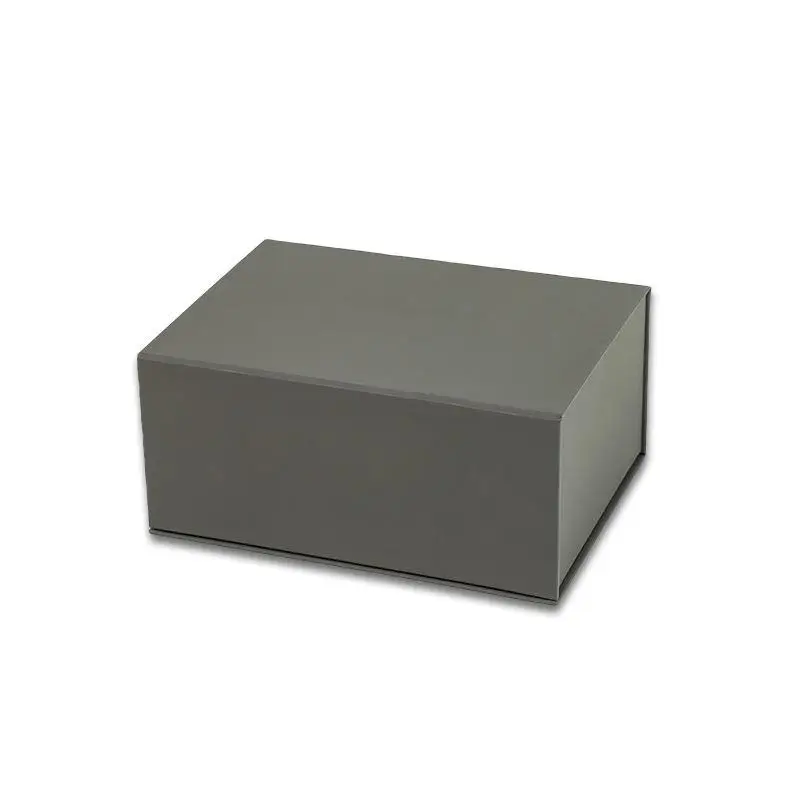
Magnetic Closures
High-strength magnets integrated into rigid boxes for effortless, satisfying closes that enhance unboxing experience and brand perception. Available in neodymium or ceramic varieties for custom strength.
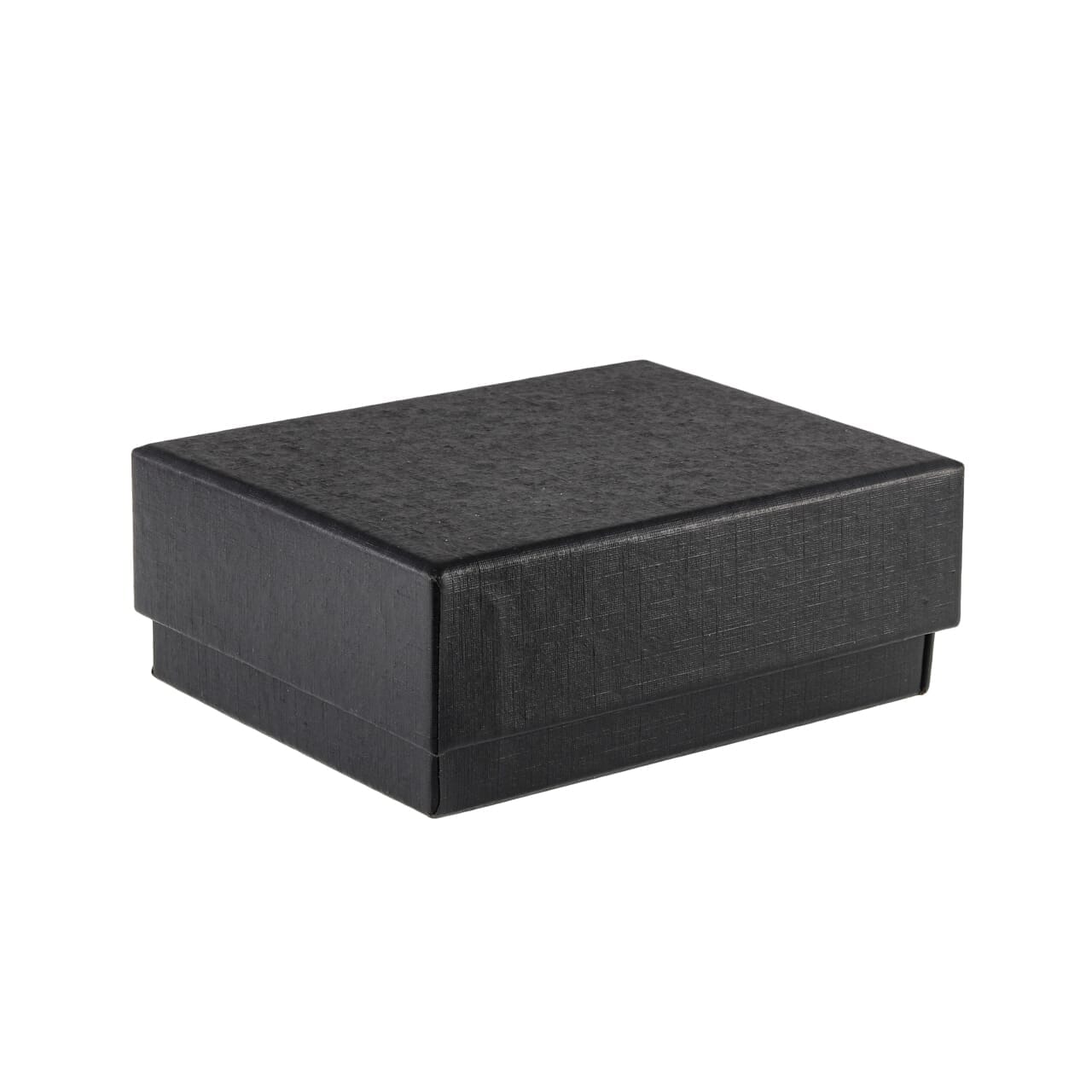
LED Lighting Modules
Battery-powered or wired LED units that illuminate jewelry displays inside rigid boxes or display trays. Creates dramatic product presentation and differentiates luxury positioning at retail and event venues.
Ribbon & Drawcords
Luxury ribbons with metal tipping, custom woven labels, or silk drawcords for pouches and boxes. Elevates the unboxing moment and reinforces brand identity with personalized branding options.
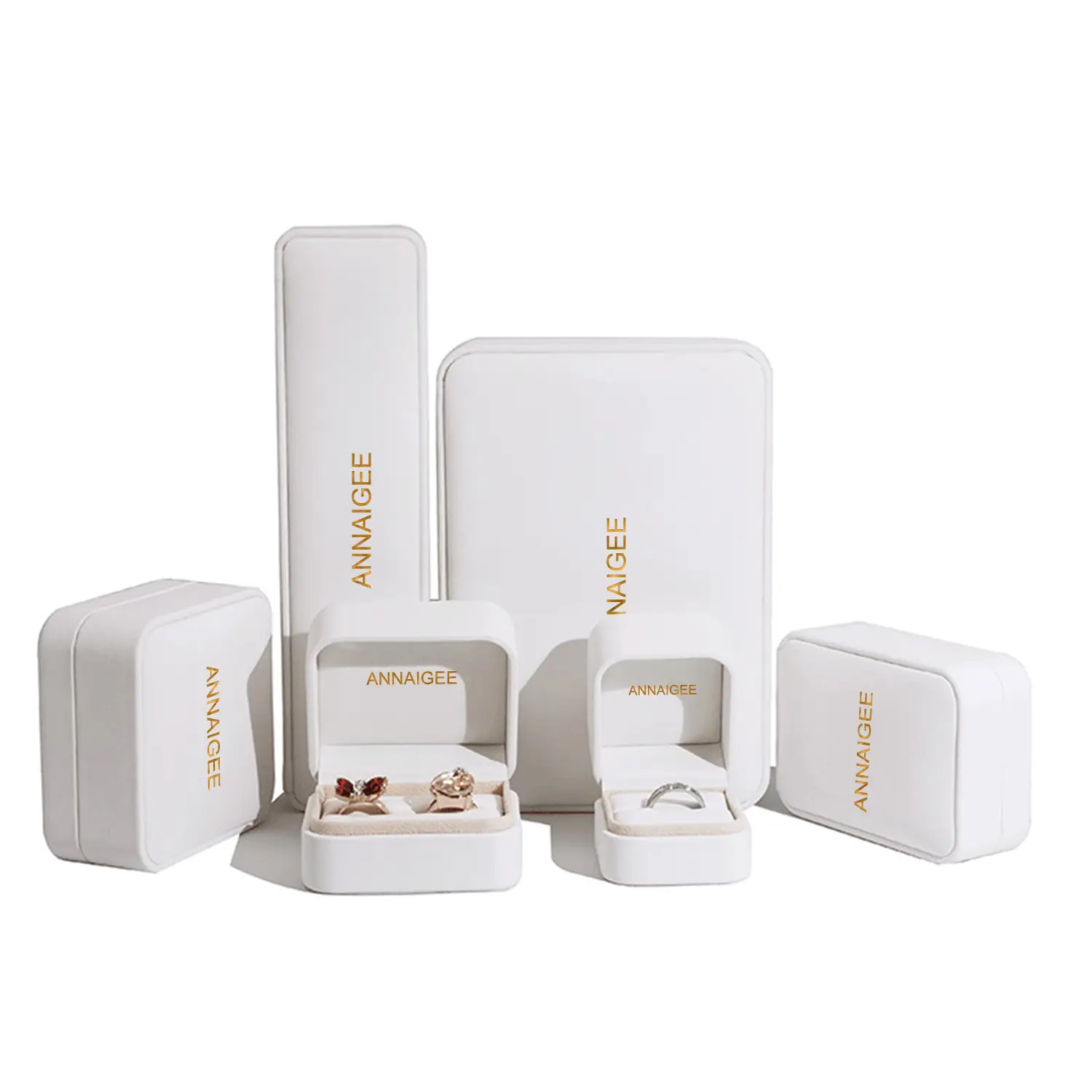

Premium Hinges & Clasps
Stainless steel, brass, or custom-finished metal hinges and clasp mechanisms for jewelry boxes. Ensures durability, smooth operation, and luxury aesthetic that justifies premium product positioning.
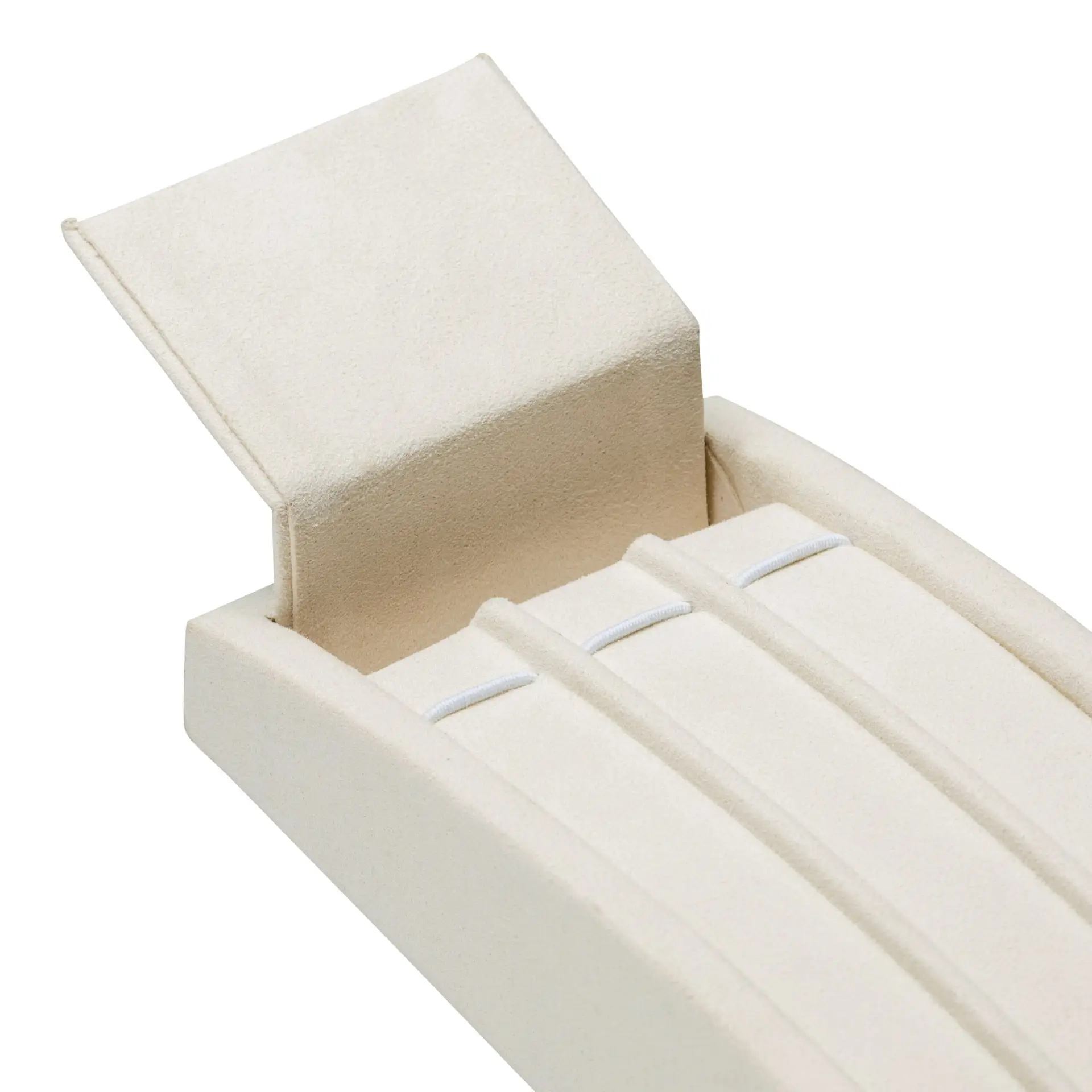
Protective Coatings & Finishes
UV gloss, matte, or soft-touch coating options for paper and rigid box surfaces. Protects jewelry inserts from scuffing and moisture while adding tactile luxury feel to packaging.
About On The Way: Custom Jewelry Box Inserts
Founded in 2007, On The Way was built on a simple principle: quality defines survival. Today, as a premier manufacturer of custom jewelry box inserts and packaging solutions, we design and produce premium pouches, rigid boxes, display solutions, and branded paper bags for jewelry brands worldwide.
Operating a 1,200 m² factory with 220+ skilled staff, we have completed over 6,500 custom projects for 3,000+ partners. Our jewelry box inserts and packaging solutions now support 300+ brands across 30+ countries—from luxury jewelry houses and independent designers to boutique retailers across North America, Europe, and Southeast Asia.
We compete on factory-direct pricing, low MOQ flexibility, and private-label white-label capabilities. Every jewelry box insert and packaging component undergoes multi-stage professional QC. We use FSC-certified paper and recycled, reusable eco-materials. Dedicated account managers, bespoke customization, and on-time delivery ensure your brand’s packaging is a lasting first impression.
Core Capabilities in Custom Jewelry Box Inserts
Unlimited Design Customization for Jewelry Box Inserts
Custom jewelry box inserts tailored to your brand identity. Choose from velvet, satin, microfiber, linen, cotton and eco-materials in endless color combinations. Our design team works directly with you to create inserts that reflect your brand’s luxury positioning and product specifications.
- Premium fabric selections: velvet, satin, microfiber, linen, cotton, recycled materials
- Custom dimensions, layouts, and compartment configurations to fit any jewelry piece
- Full design flexibility—from minimalist interiors to embossed logos and brand colors
- Direct collaboration with our design team from concept through production approval
Multi-Stage Quality Control on Every Jewelry Box Insert
17+ years of precision manufacturing means rigorous QC at every production stage. Raw materials inspected for quality, craftsmanship verified during assembly, finished jewelry box inserts undergo final inspection and testing. Your satisfaction and brand reputation are our standard.
- Three-tier inspection: materials sourcing, production workflow, and finished goods QC
- Each jewelry box insert batch tested for durability, stitching integrity, and finish quality
- Complete documentation and compliance reporting for every production run
- FSC and eco-certification verification included in QC process
Sustainable, Premium Materials for Jewelry Box Inserts
Premium materials sourced responsibly. FSC-certified paper and board, recycled microfiber, organic cotton, and biodegradable options ensure your jewelry box inserts align with modern brand values. Factory-direct sourcing cuts waste and cost without compromising luxury feel and durability.
- FSC-certified paper and boards, recycled fabrics, and organic cotton options
- Eco-friendly insert designs reduce environmental footprint without sacrificing luxury appearance
- Full material traceability and sustainability certifications provided
- Compliance with international eco-standards and packaging regulations
Fast Sampling & Scalable Production for Jewelry Box Inserts
From concept to sample in days, not weeks. Low MOQ starting points allow startups and established brands alike to test designs before committing to full production. Our 1,200 m² factory and 220+ team scale with you—whether you need 100 or 100,000 jewelry box inserts.
- Rapid sampling turnaround: iterate on your jewelry box insert design quickly
- Low minimum order quantities suitable for emerging brands and limited releases
- Production scales seamlessly: same quality and timeline whether you order 500 or 50,000 units
- Dedicated account manager assigned to every project for seamless communication and on-time delivery
What Sets Our Custom Inserts Apart: Feature-by-Feature Breakdown
See what sets our custom jewelry box inserts apart from generic suppliers
← Swipe left or right to view →
How We Manufacture Jewelry Box Inserts: From Design to QC
Complete transparency into our production workflow—from initial consultation through rigorous quality control and on-time delivery to 30+ countries.
Design Consultation & Sampling
Collaborate with your team to understand jewelry box insert specifications, material preferences, and branding requirements. Receive initial samples within 5-7 business days.
Premium Material Sourcing
Source eco-friendly, FSC-certified, and recycled materials for your jewelry box inserts. Every supplier meets our strict sustainability and quality standards.
Cutting, Molding & Finishing
Custom-cut and mold inserts with precision tooling. Add embossing, padding, dividers, and finishing touches tailored to your jewelry packaging requirements.
Multi-Stage Quality Control
Every batch undergoes rigorous multi-stage QC for materials, dimensions, finishes, and durability. Our zero-defect standard ensures your jewelry box inserts exceed expectations.
Packing & Secure Delivery
Carefully pack jewelry box inserts to prevent damage during transit. Arrange freight with dedicated logistics partners for on-time delivery worldwide.
Our 5-Phase Manufacturing Process: From Design to Delivery
From design submission to delivery—a straightforward five-step process for ordering custom jewelry box inserts.
Submit Your Technical Specifications
Share your design files, dimensional requirements, material preferences, and project scope. Our team validates feasibility and provides timeline estimates.
Receive Quote & Sampling Proposal
We calculate pricing based on your MOQ, customization complexity, and material choices. Our team proposes sampling options and production timelines.
Approve Custom Samples
Review your production samples for quality, color, finish, and fit details. Our QC specialists support any revisions. Once approved, production begins.
Authorize Production
Confirm final specifications and authorize mass production. We manage the entire manufacturing process with dedicated account support and multi-stage quality control.
Receive Your Shipment
Your completed jewelry box inserts ship to your destination on schedule. We handle logistics coordination and provide tracking for complete visibility.
Five Steps to Your Custom Packaging: A Simplified Ordering Process

Quality Certifications & Global Manufacturing Standards
We switched to On The Way‘s custom jewelry box inserts and saw a 35% increase in repeat purchases within three months. The quality rivals our previous supplier—at half the cost.
Their jewelry box inserts completely transformed how our clients perceive our brand. We get compliments on packaging every week now. Quick turnaround on custom sizes and zero defects across 5,000 units.
We went from a regional to a national brand partly because On The Way could handle our 300% production jump without compromising quality. Reliable partners like this are rare.
What Jewelry Brands Say: Customer Testimonials & Results
Answers to the questions jewelry brands ask most about custom jewelry box inserts, MOQ, samples, production, and more.
What is the minimum order quantity for jewelry box inserts?
How much do jewelry box insert samples cost and how long do they take?
What’s the production lead time for custom jewelry box inserts?
What payment terms and methods do you accept?
Can I customize my jewelry box inserts?
How do you protect my product designs and intellectual property?
What are your shipping options and delivery times?
Do you have the capacity to handle large orders?
Jewelry Packaging FAQ: MOQ, Samples, Production & Shipping
Discover everything jewelry brands and retailers need to know about selecting, customizing, and sourcing premium jewelry box inserts—from material options and decoration techniques to finding the right manufacturer and avoiding costly mistakes.
1. What Are Jewelry Box Inserts?
Jewelry box inserts are protective, custom-fitted padding materials placed inside jewelry boxes to cradle individual pieces—rings, necklaces, earrings, bracelets, watches—while creating branded visual presentation during unboxing; over 6,500 custom insert projects completed worldwide demonstrate their strategic importance. They perform two critical functions simultaneously: safeguarding jewelry against shifting, scratching, and tarnishing during shipping and storage, while amplifying perceived value and reinforcing brand identity at the moment of purchase.nnRing slots, necklace hooks, earring displays, bracelet pillows, and watch pedestals represent five primary insert categories; manufacturers typically work with foam densities ranging from 1mm to 5mm and materials spanning velvet, satin, microfiber, silk, cotton, linen, and recycled cellulose to match brand positioning. Unlike external boxes or rigid cases, jewelry box inserts are interior elements—visible the instant a customer opens the packaging—making them the first tactile brand touchpoint.nnAcross 300+ jewelry brands globally—from handmade designers to major luxury houses—custom inserts amplify brand perception; examples range from natural linen inserts chosen by independent designers to silk-wrapped, embossed gold-foil trays deployed by luxury retailers to custom die-cuts and colored fabrics used by boutique resellers. This flexibility in materials, construction, and personalization makes jewelry box inserts a strategic packaging investment—one that directly connects product protection to brand storytelling and customer loyalty.
2. The Evolution of Jewelry Box Inserts
For most of the 20th century, jewelry retailers relied on simple wrapped fabrics and loose paper padding to protect items during transit and retail display. The 1980s marked the first major shift, when rigid packaging manufacturers began introducing custom-cut foam inserts and EVA cushioning systems that offered superior protection and reusability over traditional wrapping. These engineered inserts allowed brands to create branded experiences while ensuring consistent product protection—a turning point that standardized jewelry box inserts as a category.nnMaterial innovation accelerated through the 2000s as manufacturers developed specialized foam densities (typically 20–60 kg/m³ for jewelry applications) and multi-layer cushioning techniques. Microfiber and velvet fabrics replaced basic cotton, and suppliers began offering custom embossing, die-cutting, and color matching to align inserts with brand identity. This era established jewelry box inserts as a design tool, not merely protective components.nnFrom 2015 onward, sustainability became a defining pressure in luxury packaging. GOTS-certified organic cotton, FSC-approved kraft paper, and recycled polyester now dominate insert specifications, driven by consumer demand and retailer procurement standards. Simultaneously, direct-factory models reduced lead times and minimum order quantities, enabling independent designers and boutique brands to commission custom eco-friendly inserts without prohibitive production commitments.nnToday, best-practice jewelry box inserts balance luxury aesthetics with environmental responsibility. Brands increasingly demand components that combine tactile opulence—soft microfiber, silk-like finishes—with transparent sustainability credentials (BSCI-audited production, plastic-free padding alternatives). This evolution reflects a maturing industry where packaging communicates brand values as powerfully as the product itself.
3. Types of Jewelry Box Inserts
Jewelry box inserts segment by material, construction method, and durability tier. Manufacturers offer five primary categories, each serving distinct price points, aesthetic profiles, and jewelry-type applications. Selecting the right type requires balancing visual impact, product protection, and unit economics.
Foam Compartments

Expanded polystyrene (EPS) and polyethylene (PE) foam inserts dominate entry-level and mid-market segments. Ring compartments typically measure 1.5–3 cm diameter; bead cavities 0.8–1.5 cm. Durability is 2–3 years under normal retail display; compression resistance rates 5–10 psi before permanent deformation.
Fabric-Lined Rigid Trays
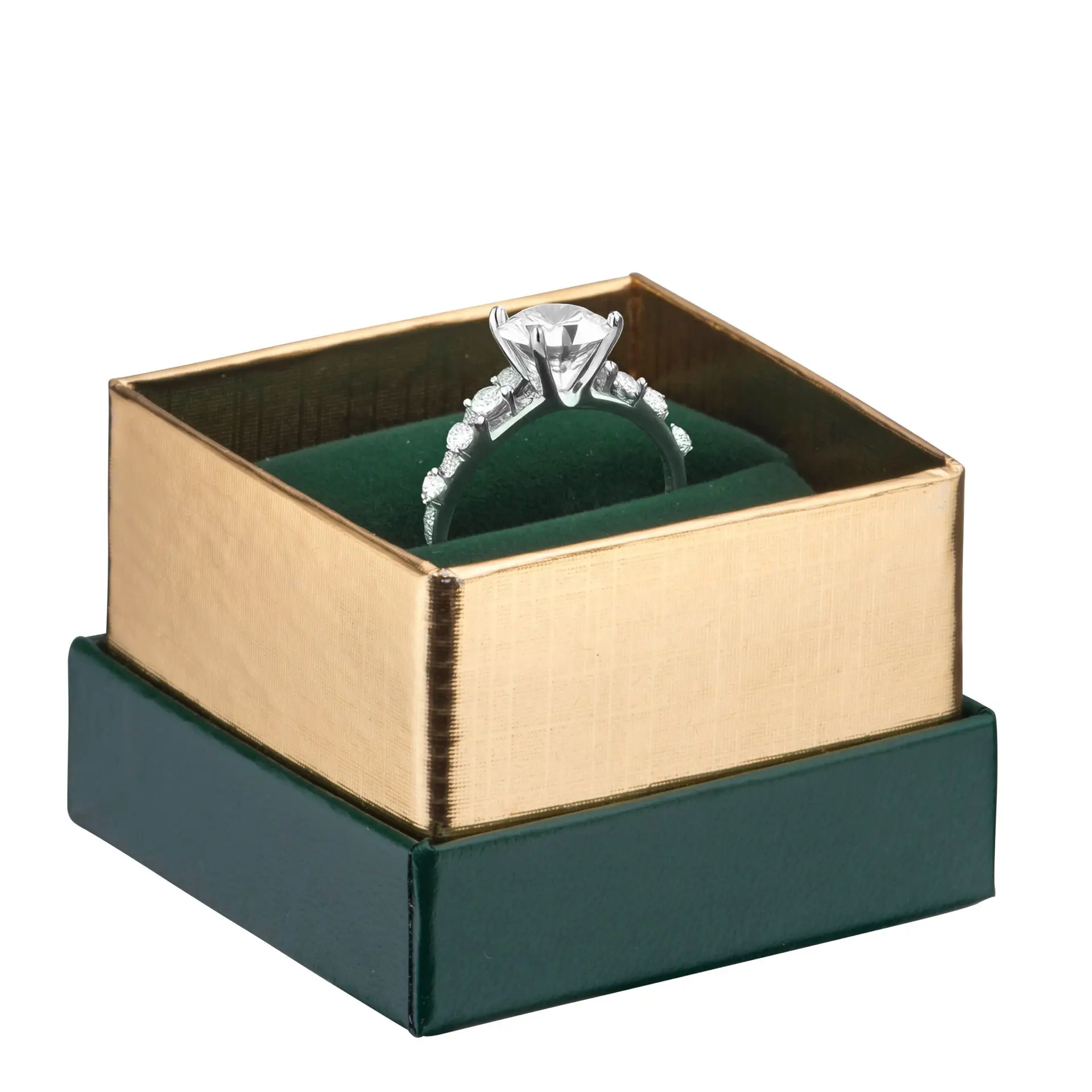
Rigid trays bonded with linen, cotton, or microfiber lining serve boutique and independent designers. Cardboard substrate (400–500 GSM) provides structure; fabric facing adds tactile premium feel. Compression strength 15–25 psi; shelf life 5+ years with minimal fabric pilling at OEKO-TEX or WRAP-certified mills.
Velvet Cushions and Ring Holders
Crushed-velvet cushions and standing ring holders define luxury brand expectations. 210–300 gsm velvet pile on rigid MDF core; often paired with satin ribbon or braided cord. Aesthetic appeal justifies 40–80% markup over foam; suited to brands positioning at $50+ per-item tiers.
Compartmentalized Organizers
Multi-compartment organizers feature 4–24 individual slots, serving watch sets, cufflink pairs, and mixed-jewelry collections. Common in gifting and heirloom contexts. Hybrid construction (rigid frame, foam dividers, fabric lining) costs 15–30% more than single-compartment trays. Support organizing workflow; appeal to buyers valuing quick retrieval.
Custom-Molded Inserts
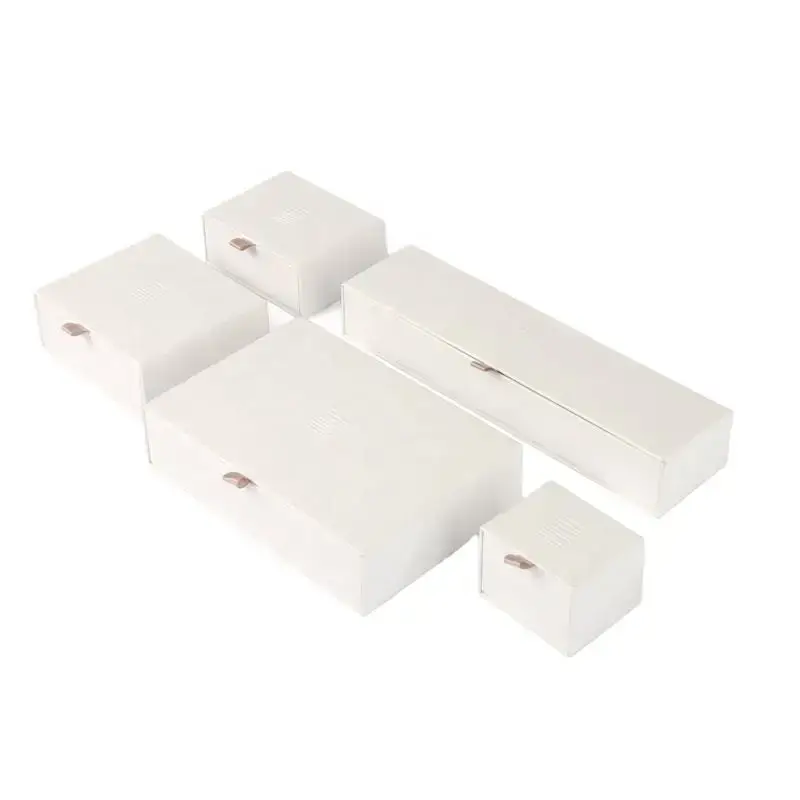
Thermoformed EVA and polyurethane molds deliver bespoke cavity profiles for branded or heirloom sets. Lead time 3–4 weeks post-sample approval; MOQ typically 500–1000 units. Cost 60–120% higher than stock foam but enables brand-signature unboxing. Durability 5+ years; surface finish supports embossing, foil stamping.
4. Materials and Fabrics for Jewelry Box Inserts
Material selection fundamentally determines insert durability, jewelry safety, and brand perception. Common substrates include foam composites, fabric linings, rigid backings, and eco-certifications. Lead times and minimum orders vary significantly by material type and supplier capability.
| Material | Durability | Cost Tier | Jewelry Safety | Lead Time | MOQ |
|---|---|---|---|---|---|
| EVA Foam | High | Low | Excellent | 10–15 days | 500–2K |
| Velvet | Medium | Medium | Good | 7–12 days | 1K–3K |
| Rigid Cardboard | Medium | Low | Good | 3–7 days | 2K+ |
| Plastic (PET/PVC) | High | Medium | Excellent | 15–20 days | 5K+ |
| Wood | High | High | Good | 20–30 days | 1K–5K |
| Eco-Certified | Medium–High | Medium–High | Good | 15–25 days | 2.5K+ |
Foam Composites
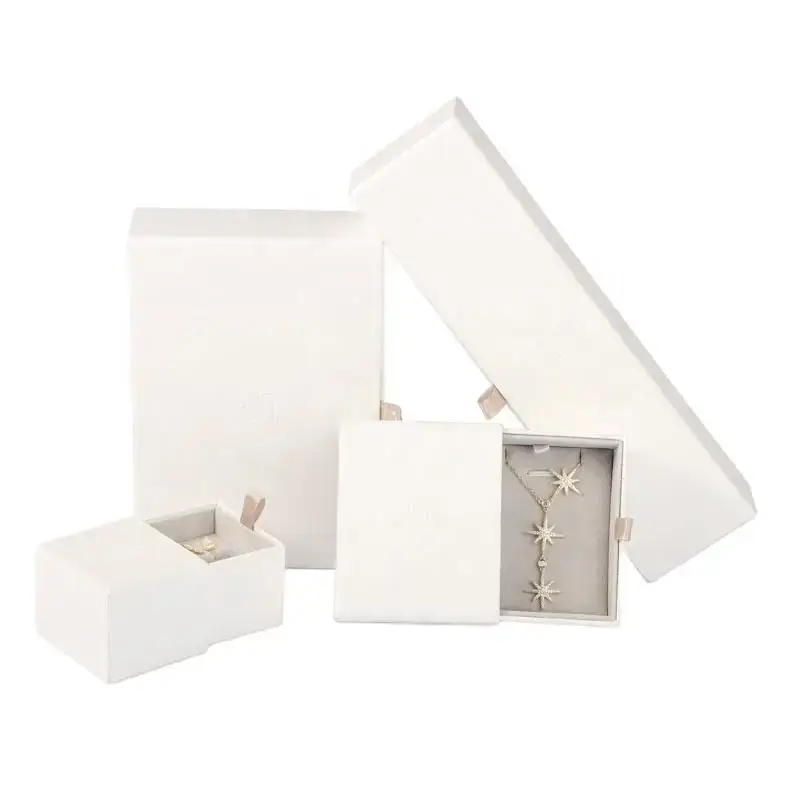
EVA foam (ethylene-vinyl acetate) dominates jewelry inserts; it’s lightweight, shock-absorbent, and food-grade safe. Polyethylene offers lower cost and firmness; polyurethane provides maximum cushioning for high-value pieces.nnTypical lead time: 10–15 days. MOQ: 500–2,000 units depending on density and color.
Fabric Linings
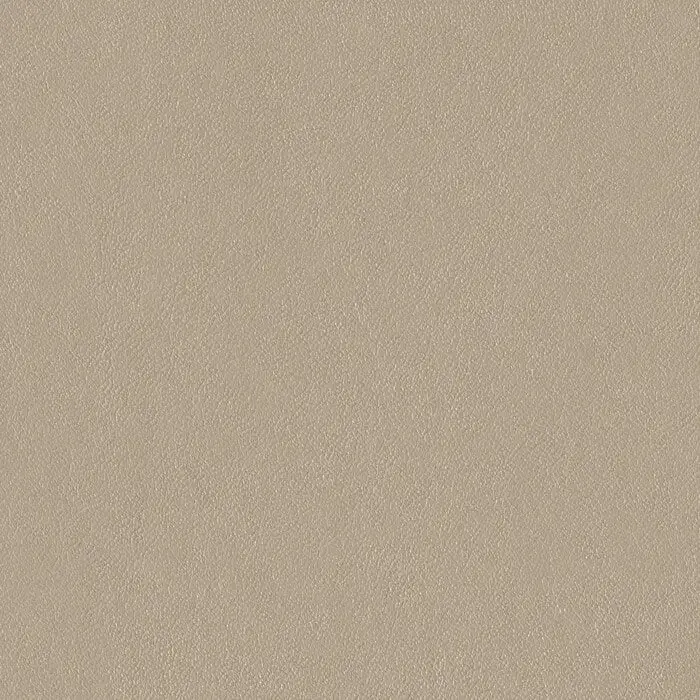
Velvet (microfiber or silk) is the luxury standard—soft feel, deep color range, anti-tarnish properties. Satin and linen cost less and work for mid-range brands.nnSilk linings command premium pricing. Lead time: 7–12 days for common colors. MOQ: 1,000–3,000 units.
Rigid Substrates
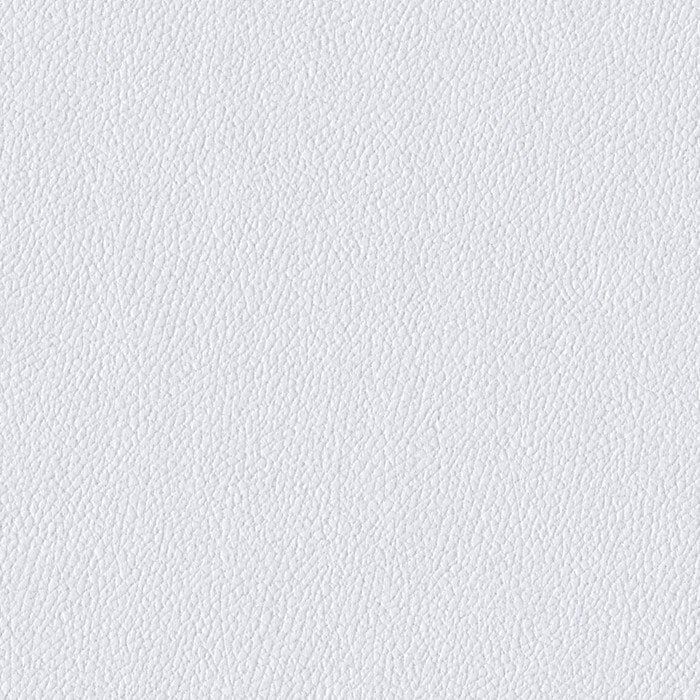
Rigid cardboard (300–350 GSM) balances cost and structure; plastic inserts (PET, PVC) offer clarity and reusability; wood trays suit ultra-luxury positioning.nnCardboard: fastest (3–7 days), MOQ 2,000+. Plastic: 15–20 days, MOQ 5,000+. Wood: 20–30 days, MOQ 1,000–5,000.
Eco-Friendly Options
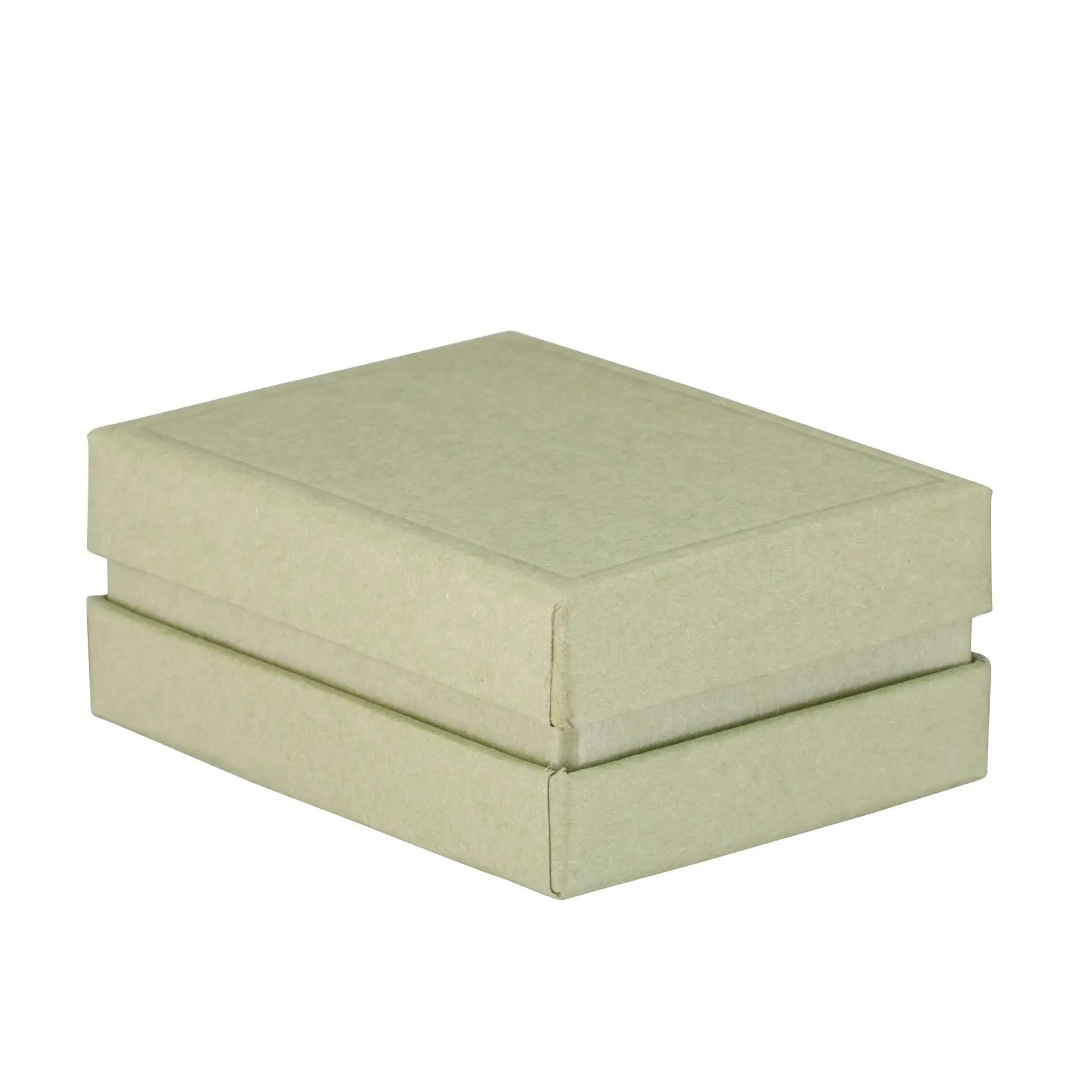
FSC-certified cardboard and recycled polyester linings meet sustainability mandates without sacrificing durability. GOTS-certified organic cotton and linen add environmental credentials.nnLead times extend 5–10 days; cost premium: 8–15% over standard materials. MOQ thresholds typically higher (2,500+).
5. Customization and Decoration Options
Embossing, foil stamping, and digital printing offer distinct aesthetics, costs, and lead-time trade-offs. Material compatibility and logo placement directly impact brand consistency and manufacturing complexity.
| Technique | Material Fit | Setup Cost | Unit Cost | Lead Time | Color Options |
|---|---|---|---|---|---|
| Embossing | Rigid boxes, firm materials | USD 200–800 | USD 0.05–0.15 | 10–15 days | No color |
| Foil Stamping | Rigid boxes, microfiber | USD 200–800 | USD 0.25–0.50 | 12–18 days | Metallic (gold, silver) |
| Digital Printing | Boxes, bags, cotton | No setup | USD 0.10–0.40 | 7–10 days | Full CMYK |
| Embellishments | Rigid boxes only | USD 100–500 | USD 0.50–2.00 | 20–25 days | Material-dependent |
Embossing and Foil Stamping

Embossing and debossing require steel dies (USD 200–800) and create tactile marks on rigid boxes (1200+ GSM). Soft fabrics limit depth to 0.5mm. Lead times: 10–15 days; unit cost USD 0.05–0.15.nnFoil stamping adds metallic finishes (gold, silver, rose gold) at USD 0.25–0.50 per unit on rigid boxes and select microfiber pouches. Velvet and satin foil adhesion is unreliable.
Digital Printing and Full-Color Graphics
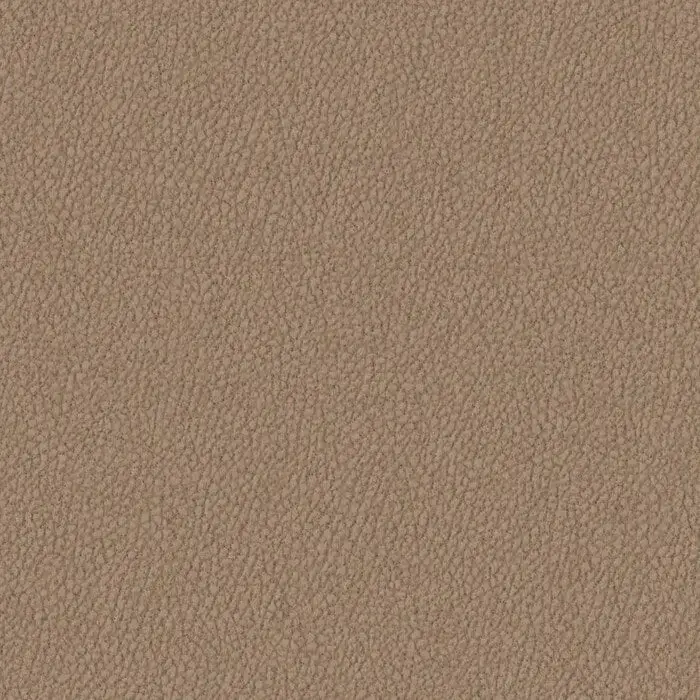
Digital printing enables full-color logos and imagery on rigid boxes, paper bags, and cotton pouches without tooling fees. Turnover: 7–10 days. Unit cost: USD 0.10–0.40.nnColor consistency requires Pantone reference samples and ICC profiles. Suits low MOQ (50–500 units) but costs more per unit for single-color designs where embossing is cheaper.
Logo Placement and Approval Workflows
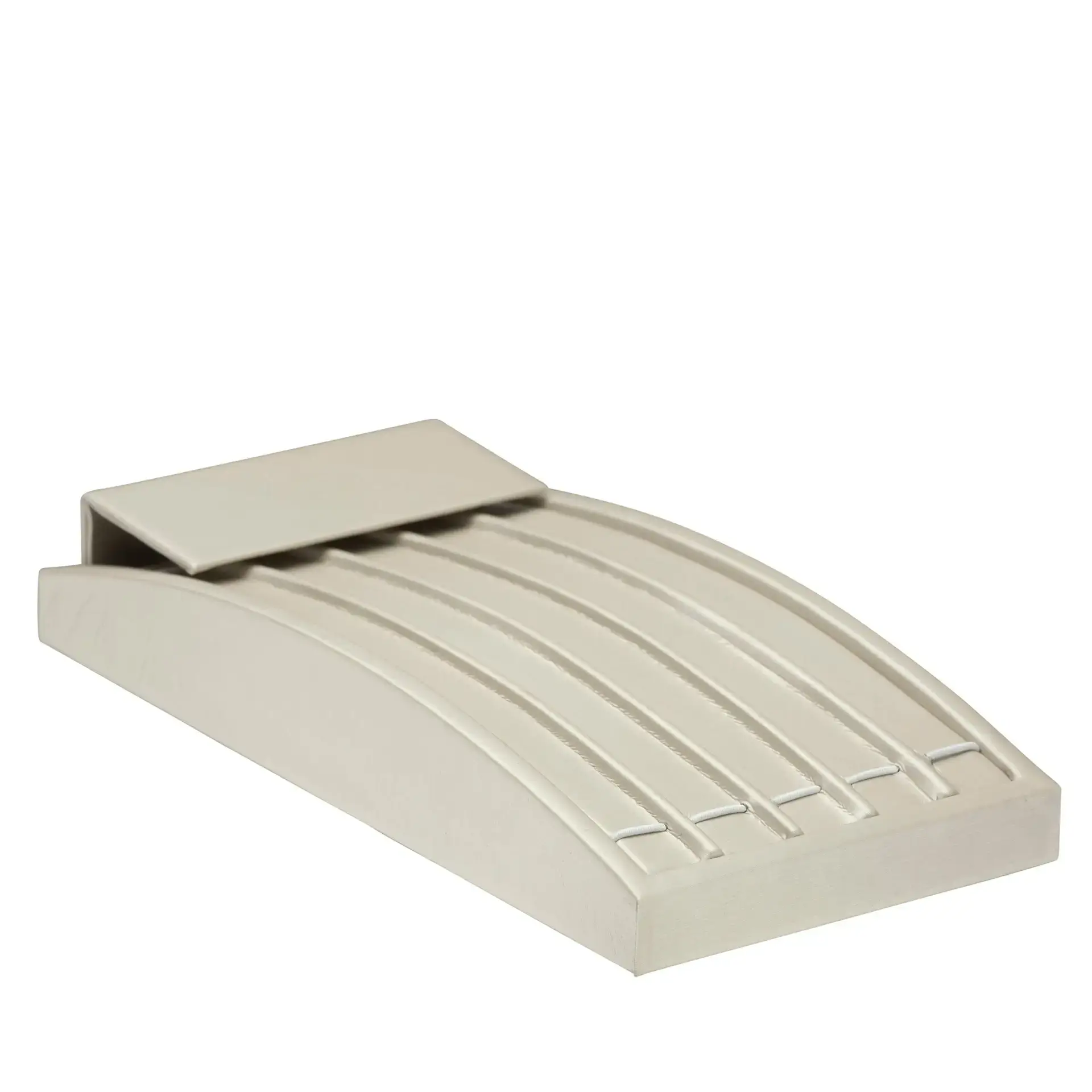
Industry standard: logos centered on lids or pouches, 15–25mm from edge, 1.5–2.5cm height for legibility. Approve Pantone solid colors (not CMYK) and request reference chips during sampling.nnApproval workflow: design → blank sample → decorated sample → sign-off. Allow 5–7 days for revisions. Embellishments extend lead times 20–25 days. On The Way guides placement and troubleshoots color across high-volume orders.
6. Key Construction and Quality Elements
Quality construction in jewelry box inserts directly impacts product protection and brand perception. Key markers—stitching precision, material density, corner reinforcement, edge finishing, and metal compatibility—require stringent inspection and clear acceptance criteria with suppliers.
Stitching and Seam Strength

Seam strength in jewelry box inserts requires 8-12 stitches per inch with consistent 40-50 weight thread tension. Tensile-strength testing should verify 15-25 pounds minimum breaking load.nnInspect 5-10% of production units per batch for skipped stitches, tension issues, and fraying. Failure rates over 2-3% require supplier rework.
Material Density and Weight
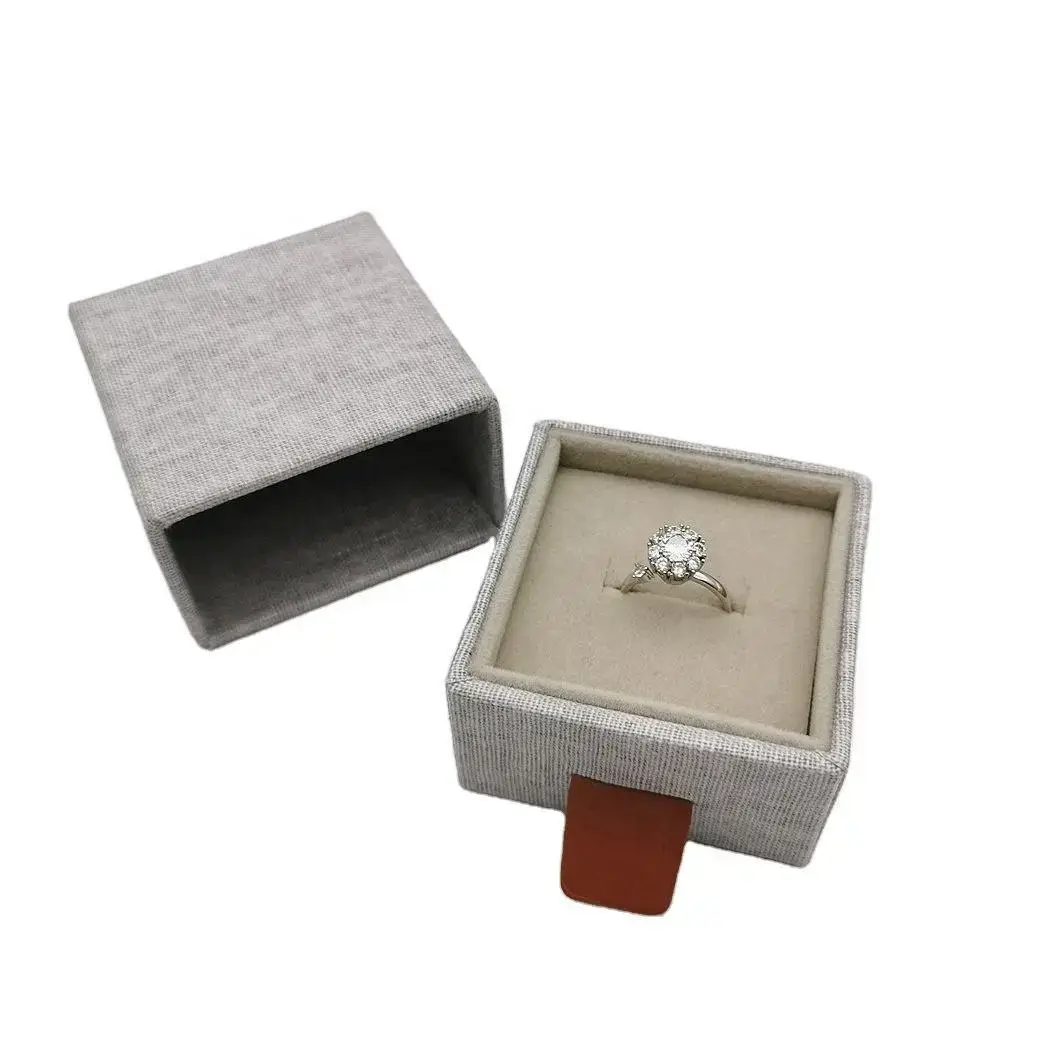
Velvet inserts typically measure 600-1,200 GSM, while satin and microfiber range 200-400 GSM. Higher density ensures durability and prevents crushing. Request lab-verified GSM certifications in purchase contracts.nnMaterial quality directly affects shape retention and jewelry protection. Specify minimum GSM thresholds. Cheap fabrics lose luster and compress within months, reducing effectiveness.
Corner Reinforcement and Edge Finishing
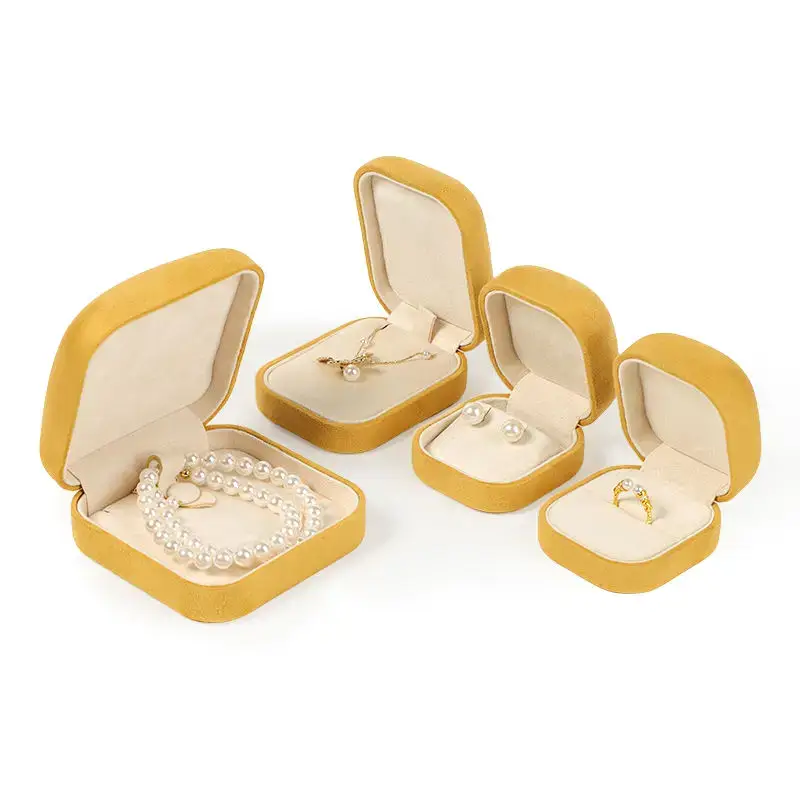
Corner reinforcement prevents fraying and extends durability by 20-40%. Reinforce all four corners with overlapping stitches or fabric tape.nnEdge finishing—grosgrain, serging, or hemstitching—must be straight, secure, and fully sealed. Inspect under magnification for loose threads and raw edges. Include edge-durability testing in acceptance criteria.
Color Fastness and Chemical Compatibility
Pantone color matching requires dye-fastness testing per AATCC 104 (washing) and AATCC 16 (crocking).nnJewelry metals—gold, silver, platinum—react with certain dyes; verify chemical compatibility. Inserts must not tarnish or stain precious metals. Request OEKO-TEX certification and material safety data sheets. Poor color fastness creates warranty and brand liability.
Quality Inspection Protocols
Multi-stage QC examines materials at arrival, post-cutting, post-stitching, and pre-shipment. Each stage targets specific defects: contamination, misalignment, seam failures, finish quality. Random sampling (5-10%) combined with 100% visual inspection of critical seams.nnEstablish acceptance criteria with clear defect thresholds. Critical defects—seam rupture, raw edges, staining—allow zero tolerance. Major defects—color variation, puckering—permit 2-3% rejection rate. Document inspections with photos for traceability.
7. How to Choose a Jewelry Box Insert Manufacturer
Selecting the right jewelry box insert manufacturer requires systematic vetting across MOQ flexibility, quality standards, and production capacity. The partnership shapes your brand’s unboxing experience and cost structure, making due diligence essential before supply commitments. Focus on demonstrated category experience, transparent communication, and verifiable track records.
Evaluate MOQ and Lead Times
Most jewelry box insert manufacturers set MOQs between 500–2,000 units per order, with rush options available at 15–25% premiums. Standard lead times typically run 6–10 weeks from approved samples to shipment.nnRequest sample turnaround timelines (2–3 weeks is standard) and clarify whether the factory operates rolling production or batch scheduling, as this affects mid-season order flexibility.
Verify Quality Certifications
Request certifications including OEKO-TEX (material safety), GOTS (organic fibers), FSC (recycled materials), and WRAP (labor standards). Ask for their Quality Control flowchart showing material testing, construction inspection, and final packaging verification.nnConfirm whether third-party audits—BSCI, annual factory inspections—are accessible to clients.
Assess Production Capacity
A factory with 50+ dedicated packaging staff typically handles 3,000–5,000 custom units monthly without capacity delays. Confirm whether they maintain inventory of common materials (velvet, microfiber, foam tray components) to accelerate sampling.nnProduction transparency and visibility into factory schedules reduce risk and signal a supplier’s confidence.
Confirm Customization and Pricing Clarity
Discuss available decoration methods (embossing, digital printing, foiling), material sourcing flexibility, and prototype revision policies. Request an itemized price breakdown—material, labor, packaging, logistics—rather than a single per-unit quote.nnThis transparency prevents cost surprises during scaling and identifies cost-saving opportunities.
Check References and Communication
Request at least three current customer references from brands in your market segment. Evaluate response speed (24–48 hours is standard for inquiries) and whether a dedicated account manager is assigned.nnA reliable supplier proactively flags potential delays and proposes solutions rather than waiting to be chased.
8. Common Mistakes Buyers Make When Selecting Inserts
Most jewelry brands encounter costly delays and quality mismatches by skipping critical sourcing decisions. Understanding common pitfalls during jewelry box inserts selection prevents rework cycles and launch failures.
Underestimating MOQ and Lead-Time Reality
Rigid jewelry box inserts carry 1,000–2,000 unit MOQs; custom embroidery requires 5,000+. Base production: 35–60 days plus 15–30 days shipping; specialty inks add 10–15 days.nnGet written MOQ tiers and timelines upfront. Delay compression costs spike 30–50%, so buffer 2–3 weeks into launch calendars.
Weak Material Specifications and Testing
Fabrics without durability data cause regret: 100g microfiber softens, velvet collects dust, silk creases. Specify GSM, fiber blend, and origin.nnRequest physical samples tested under real conditions—dust, handling, humidity—before approving color matching. Samples cost 5–10% of tooling but prevent 80% of production issues.
Skipping Prototype Validation
Many buyers skip white samples and fit trials before mass production. Embroidery placement, box closure tension, padding, and hand-feel errors remain invisible in photos. Always order a sample run and perform live trials before authorizing full production to catch fit and durability issues.
Vague Briefs and Poor Communication
Briefs like ‘make it luxe’ or ‘copy brand X’ trigger revision cycles because expectations are undefined. Document specs with Pantone swatches, technical drawings, tolerances, and reference photos.nnAssign one primary contact and confirm understanding in writing after every call. Red flag: suppliers who avoid written spec commitments.
Overlooking Sustainability Standards
Eco-materials cost 10–20% more but unlock retail access and brand credibility. FSC-certified paper and OEKO-TEX dyed fabrics are baseline expectations now, not premiums. Verify certifications with third-party documentation, never supplier claims alone. Missing credentials can block orders after tooling is complete.
9. Steps to Launch Your Jewelry Packaging Brand
Launching a successful jewelry packaging brand requires phased planning from specification to market. Coordinate design, manufacturing, quality assurance, and distribution to align your brand positioning with customer expectations.
Define Specifications and Audience
Establish MOQ requirements (typically 500–2,000 units per SKU), material preferences (velvet, satin, microfiber), and trim options.nnIdentify your core audience—independent designers, boutiques, or luxury retailers—to shape color palettes, insert configurations, and closure types (snap, magnetic, ribbon).
Develop and Test Prototypes
Request 2-3 sample iterations from your manufacturer over 2-3 weeks. Evaluate fit within the jewelry box, finish quality, edge treatment, and embellishment clarity.nnApprove the final prototype before committing to production minimums to avoid costly mid-run changes.
Finalize Design and Supplier Terms
Lock technical drawings, color specifications (Pantone or CMYK standards), and material certifications (FSC-certified, OEKO-TEX if eco-positioning matters).nnNegotiate per-unit pricing, payment terms, lead time (typically 30-45 days post-approval), and delivery schedule to align with your market launch date.
Plan Production and Quality Controls
Schedule multi-stage QC checkpoints at 25%, 50%, and 100% completion to catch defects early. Define acceptable reject rates (typically <2%), dimensional tolerances, and packaging standards.nnRequire AQL (Acceptable Quality Level) certifications per ANSI standards for high-end brands.
Coordinate Inventory and Launch
Calculate stock levels based on your sales forecast and supplier lead time (typically 30-45 days). Plan 3-4 weeks ahead for logistics and customs clearance if importing.nnCoordinate PR, email, and retail partner messaging to maximize launch impact and inventory turnover.
10. Pricing and Cost Structure for Jewelry Box Inserts
Factory-direct pricing at On The Way starts at MOQ as low as 100 units, with unit costs declining significantly from $3.50–$4.50 at volume 100–500 down to $0.70–$1.20 at volumes exceeding 10,000, depending on material grade and decoration method. Material costs (velvet, microfiber, cotton, linen, eco-alternatives) represent 35–55% of production cost; labor and cutting comprise 20–30%, while decoration techniques (embossing, foiling, screen printing, digital printing) add $0.30–$1.20 per unit. Setup fees (die-cutting dies, embossing dies, or digital design files) typically range $100–$500 depending on complexity and customization level.nnLogistics and packaging account for 5–10% of landed cost. Samples ship within 7–10 days at $50–$150; production lead times span 20–30 days for standard orders and 10–15 days for rush production (20% surcharge applied). Our multi-stage QC ensures quality across all volume tiers. Total cost of ownership improves dramatically above 5,000 units, where per-unit pricing drops 30–40% compared to small batches, making volume commitment the most effective cost lever for brands.
| Volume Tier | Unit Cost | Setup Fee | Lead Time | Decoration Included |
|---|---|---|---|---|
| 100–500 units | $3.50–$4.50 | $200 | 25–30 days | Embossing, 1 location |
| 501–2,000 units | $2.10–$3.00 | $200 | 20–25 days | Embossing, 2 locations |
| 2,001–5,000 units | $1.40–$2.10 | $150 | 18–22 days | Embossing + printing |
| 5,001–10,000 units | $0.90–$1.50 | $100 | 15–20 days | Full-color print |
| 10,000+ units | $0.70–$1.20 | Waived | 12–18 days | Custom multi-decoration |
Get Started With Custom Jewelry Box Inserts
From design submission to delivery—our five-step process streamlines custom packaging orders. Low MOQ, rapid sampling, dedicated support from start to finish.