
Premium Custom Aluminum Watch Cases — OEM Solutions from 50 Pieces
Factory-direct aluminum watch cases starting at 50 pieces. Full OEM customization, quality-driven manufacturing, and 17+ years serving 300+ global brands.
Featured Collection
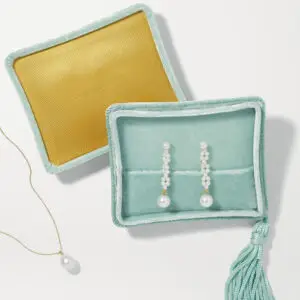


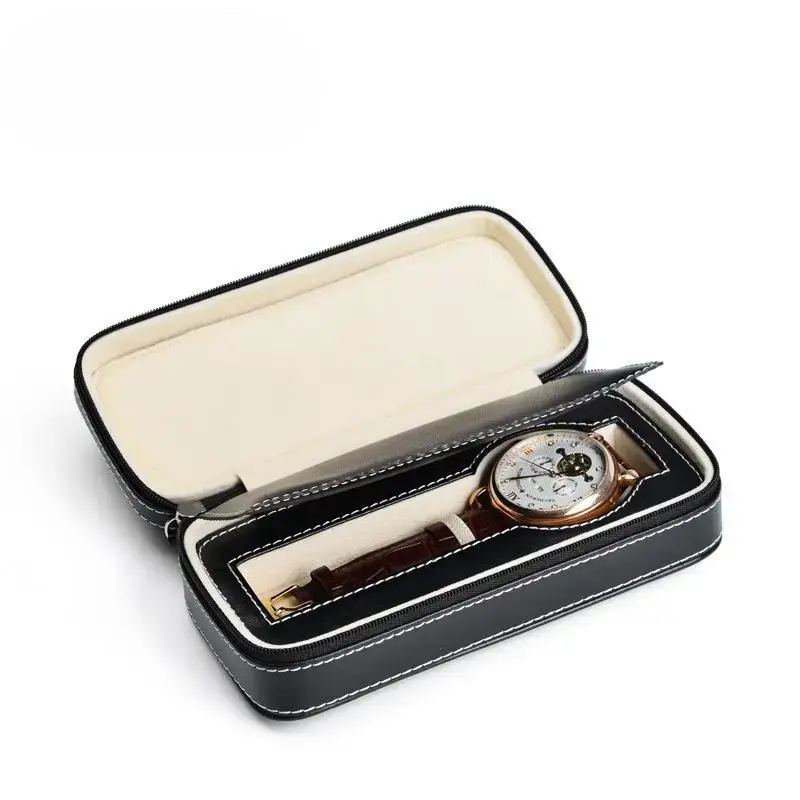
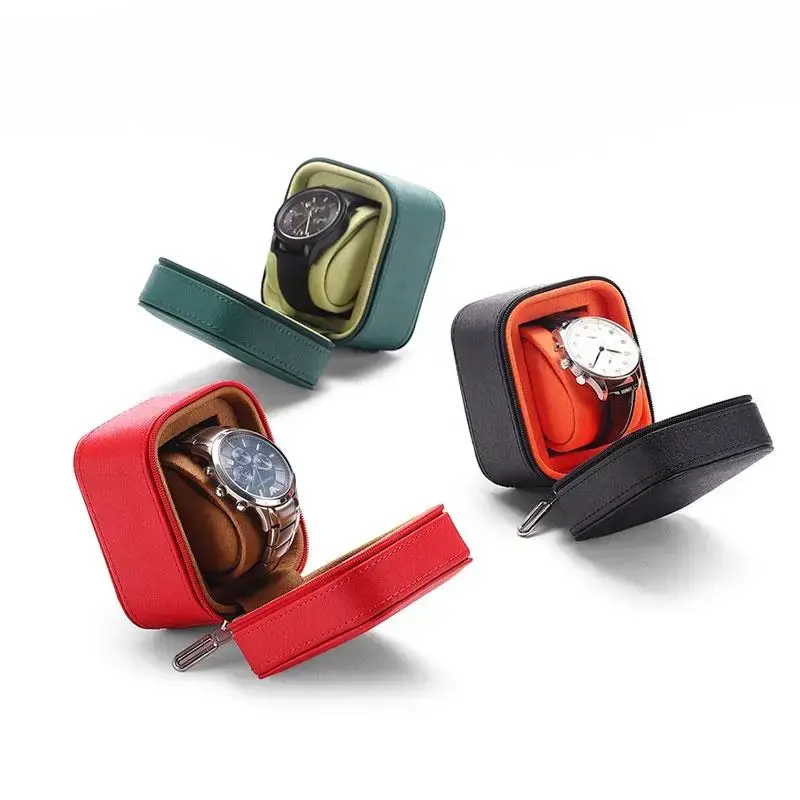
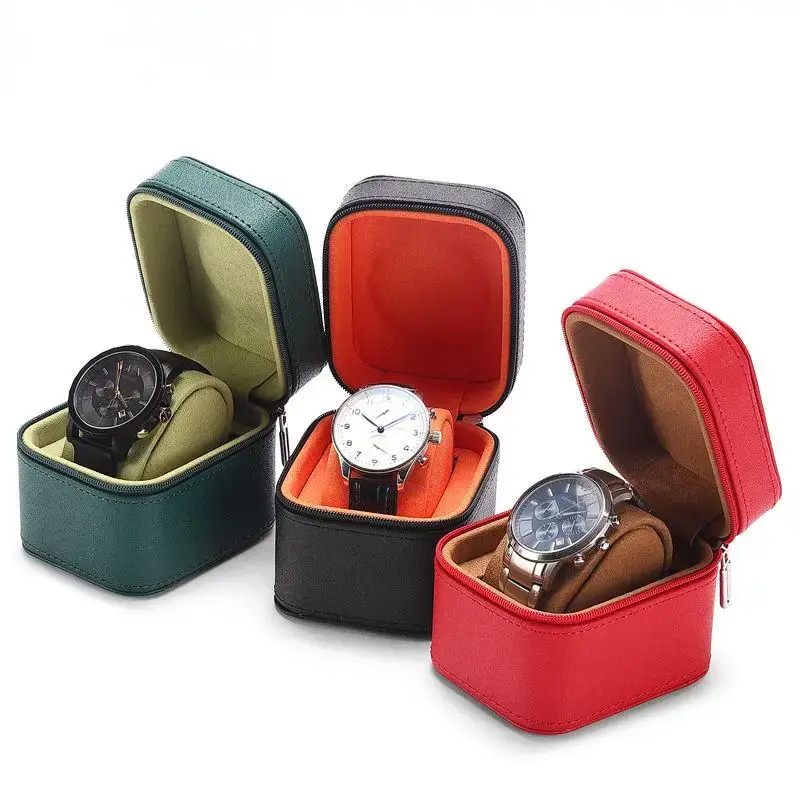
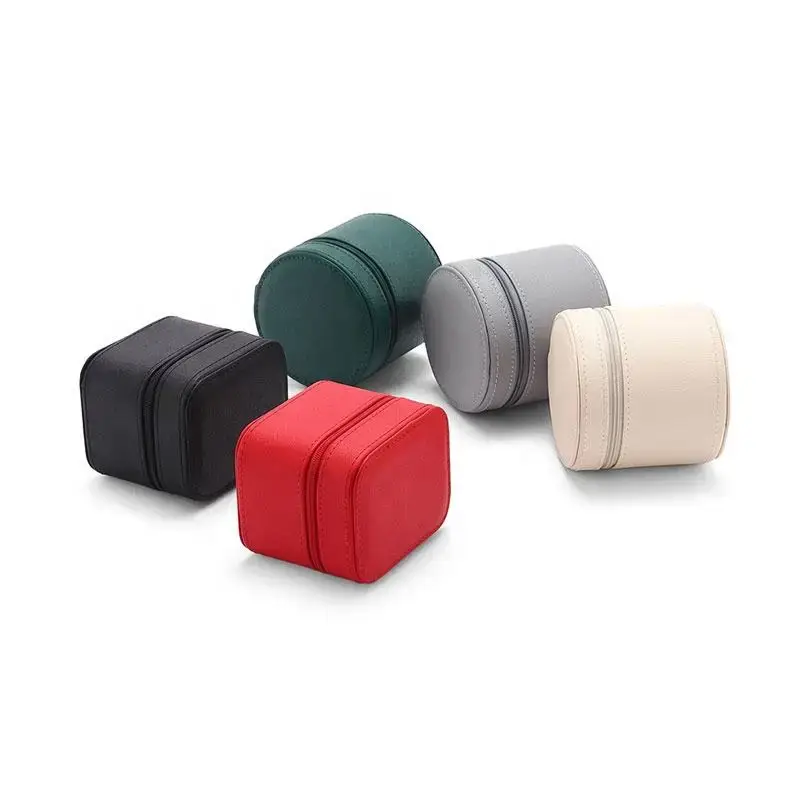
Aluminum Watch Case Gallery
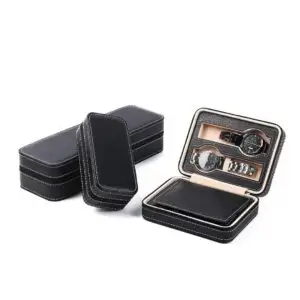


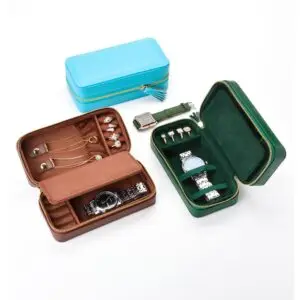
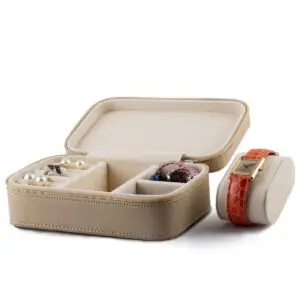


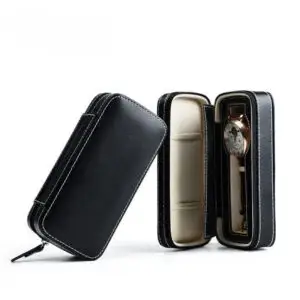
Why Choose On The Way
Six competitive advantages that reduce sourcing risk and maximize value
Low MOQ from 50 Pieces
Start small and scale up. No massive order minimums required. Perfect for new brands testing markets or boutique retailers managing inventory.
Factory-Direct Pricing, No Middlemen
We own our production lines. Cut out distributors and intermediaries. Get the best cost per unit from the source.
Complete Custom Flexibility
Design exactly what you need. From materials and finishes to dimensions and branding. We manufacture to your exact specifications.
Multi-Stage Professional QC
Every aluminum watch case inspected at multiple stages. Defect rates minimized. Consistent quality on every order, every time.
Eco-Friendly & Sustainable Materials
FSC-certified paper, recycled materials, reusable packaging. Align with brand values and customer expectations for environmental responsibility.
Dedicated Account Management
Personal support throughout your production journey. On-time delivery guaranteed. Your success is our priority from sampling to mass production.
Solutions for Every Jewelry Brand
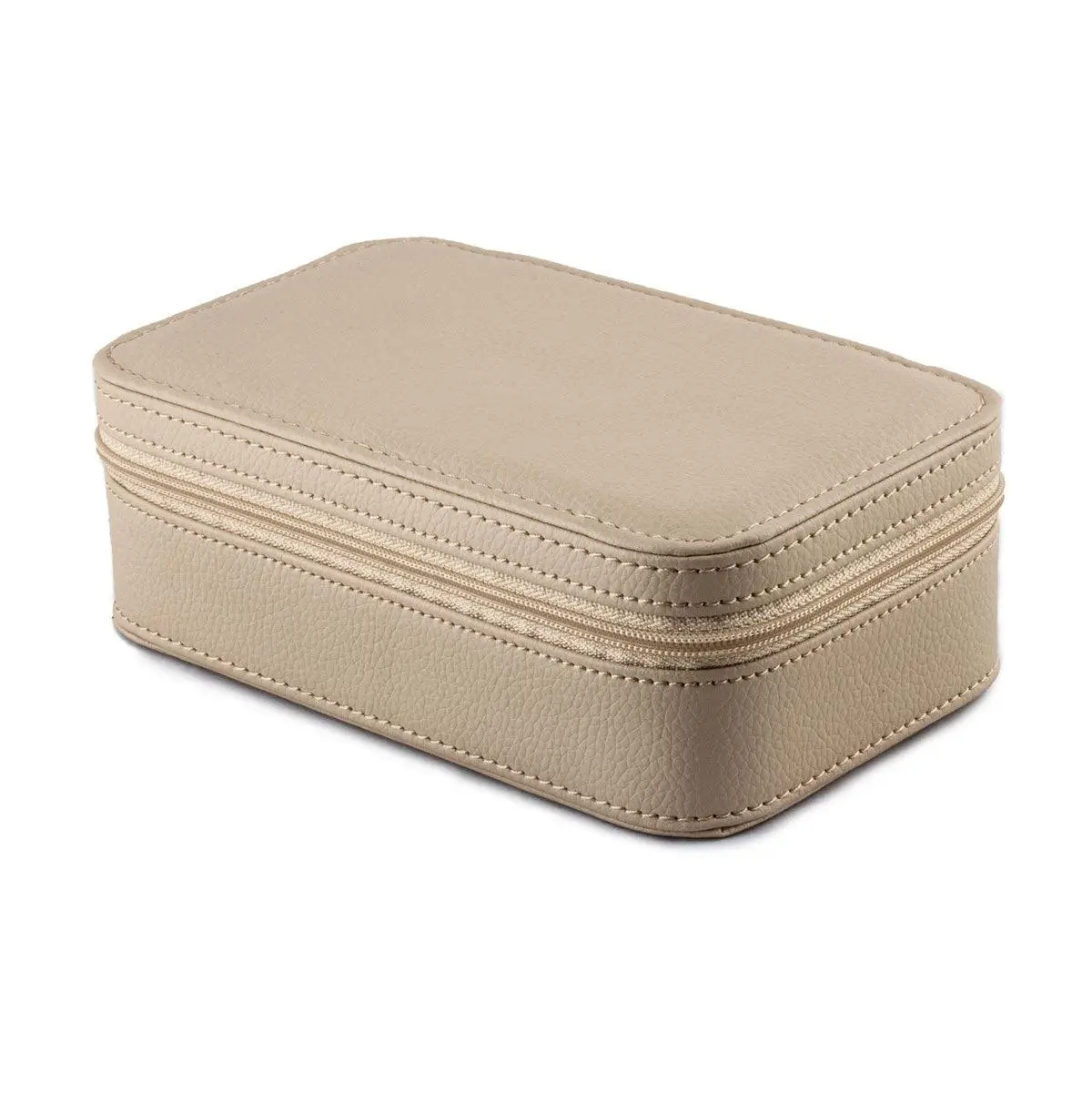
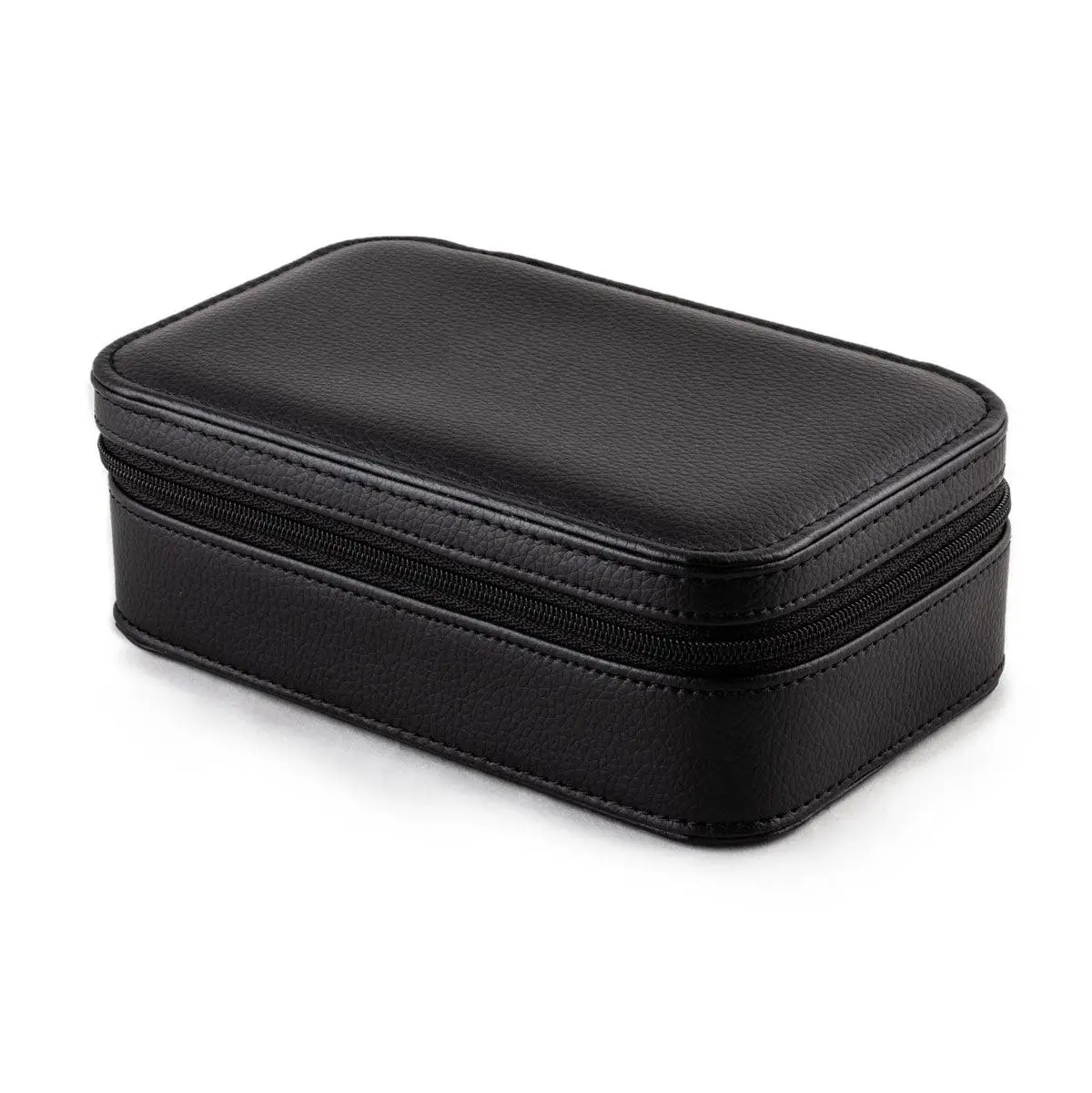
From luxury gift boxes to retail displays, we custom-manufacture aluminum watch cases that match your brand’s positioning and production volume.
Luxury Watch Brands
Premium timepieces demand packaging that matches their value. Clients expect an unboxing experience that reflects the quality of the watch inside—standard cases undermine brand perception.
Custom aluminum watch cases with magnetic closures, LED lighting, and embossed branding create a memorable luxury unboxing experience that justifies premium pricing and drives repeat purchases.
Independent Designers & Startups
Limited production runs and custom requirements often mean high MOQs and factory minimums that squeeze margins. Traditional suppliers make small-batch manufacturing financially unviable.
Low MOQ aluminum watch cases (from 50 pieces) with full customization; factory-direct pricing lets independent makers maintain healthy margins on limited releases and scale on their own terms.
Boutique & Luxury Retailers
Window displays and in-store presentation drive foot traffic and brand perception. Generic off-the-shelf cases fail to differentiate your store or showcase inventory effectively.
Custom display-ready aluminum watch cases showcase inventory attractively in-store; consistent OEM branding across all locations reinforces retail identity and creates a premium shopping experience.
E-Commerce & Direct-to-Consumer Brands
Unboxing experience drives social sharing, reviews, and brand loyalty. Standard packaging looks cheap and contradicts brand positioning. Customers expect an Instagram-worthy unboxing moment.
Branded aluminum watch cases create premium unboxing moments customers actually photograph and share; eco-friendly materials reinforce brand values and build lasting customer loyalty and word-of-mouth.
Established Brands Scaling Production
Rapid growth demands scaling from prototypes to mass production without sacrificing quality and consistency. Finding a reliable, capable manufacturing partner who maintains standards is critical.
OEM and white-label solutions scale seamlessly from 100 to 100,000+ units with consistent quality; multi-stage QC and on-time delivery ensure your brand experience remains flawless at volume.
Premium Materials & Finishes
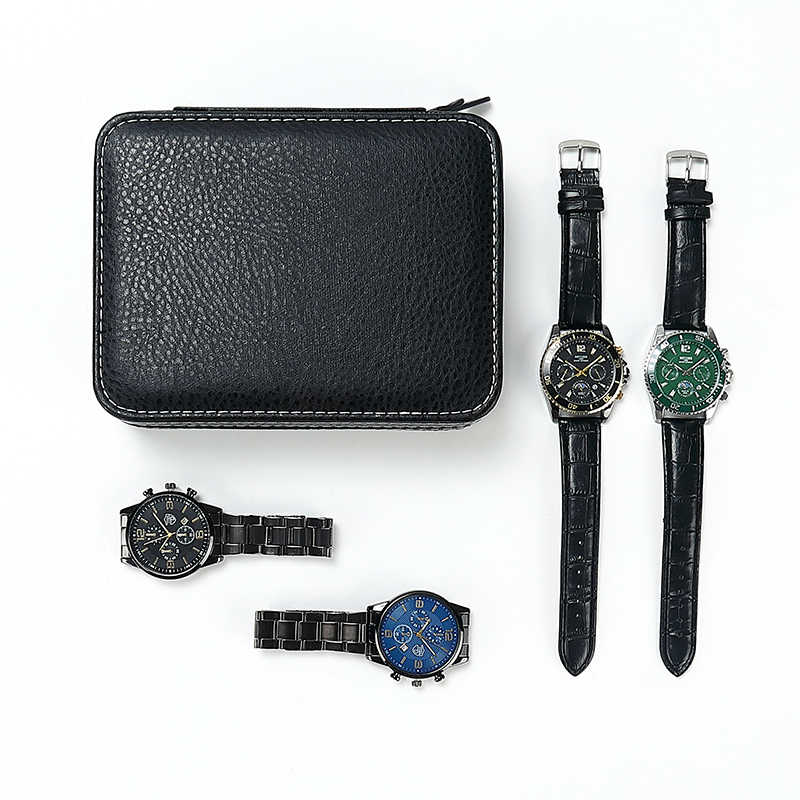
Brushed Aluminum Finish
Matte, soft-textured finish that resists fingerprints and scratches—the industry standard for professional watch cases. Non-reflective surface suits modern, minimalist aesthetics. Lightweight at 2.7 g/cm³ density with excellent corrosion resistance.

Anodized Aluminum Coating
Durable, colored oxide coating in 10+ custom colors; significantly more corrosion-resistant than standard aluminum. Creates distinct brand identity for luxury watch cases. Coating depth typically 25+ microns for premium durability.

Polished Aluminum Finish
High-shine mirror finish delivering premium, sophisticated appearance; pairs with protective interior lining to prevent scratches. Reflects light beautifully—perfect for luxury brand positioning. Hard-anodized variant reaches 60+ Rockwell hardness for enhanced durability.

Premium Velvet Lining
Luxurious, microfiber-backed velvet interior protects watch surfaces with silent, gentle cushioning. Standard in high-end watch cases. Available in black, burgundy, navy, and custom colors to complement brand identity.
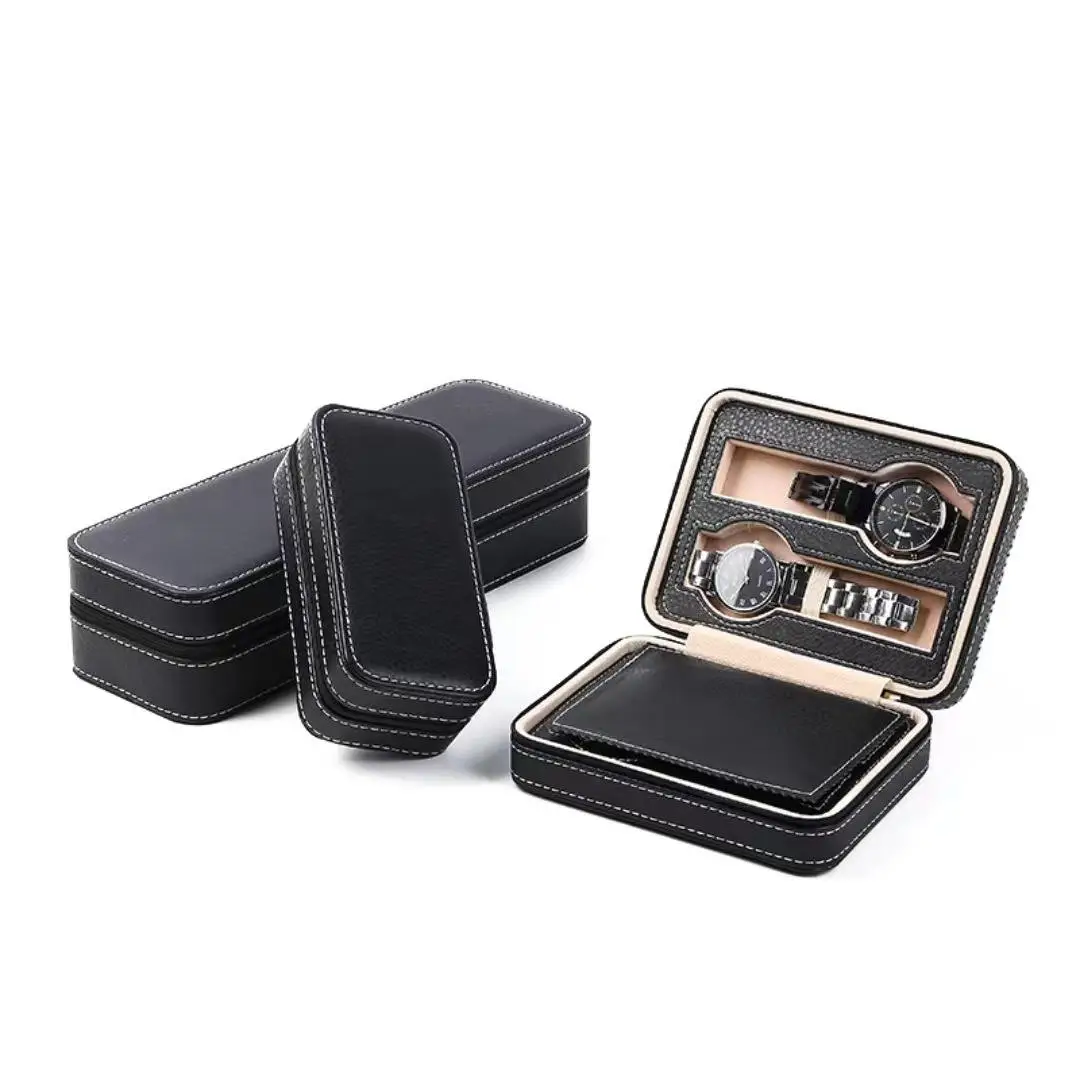
Microfiber Interior Lining
Durable, protective synthetic lining that withstands moisture and frequent use. Professional appearance with excellent cleanability. Typically 200+ gsm density ensures superior cushioning and long-term protection for luxury watch cases.
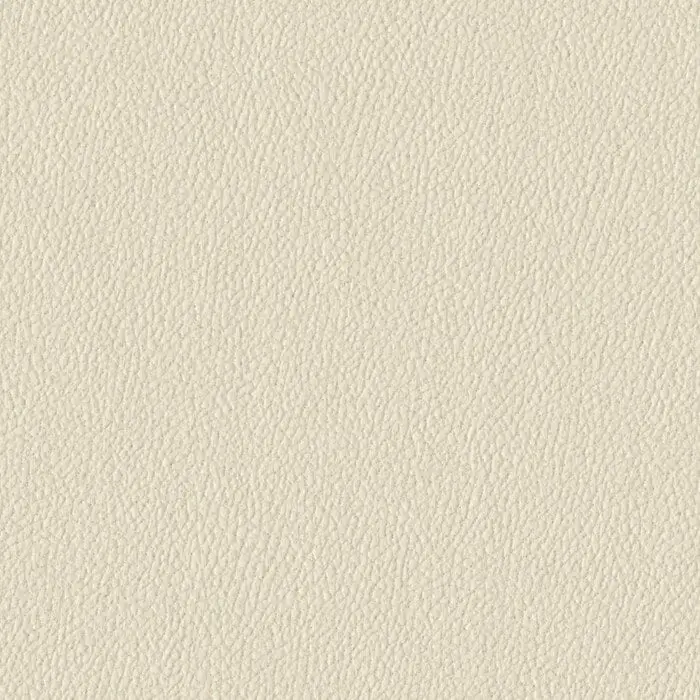
Eco-Fabric Lining
FSC-certified, recycled, or organic materials appeal to sustainability-focused brands without sacrificing protection. Biodegradable options available. Maintains full protective qualities while reducing environmental footprint for conscious luxury positioning.
Precision Manufacturing

CNC Machining
Precision computer-controlled machining delivers tight tolerances and smooth finishes for complex geometries. Creates durable, accurate aluminum watch cases with professional appearance and superior engineering precision for demanding applications.
Anodizing
Electrochemical process that hardens aluminum surfaces and adds protective coloring. Results in scratch-resistant, corrosion-proof watch casings with vibrant, lasting color that won’t fade over time.
Laser Engraving
High-precision laser cuts designs, logos, and serial numbers into aluminum surfaces with accuracy. Creates crisp, permanent details and personalization that enhances brand identity and increases product value.
Screen Printing
Applies vibrant inks and custom designs directly onto aluminum cases with sharp definition. Delivers bold branding, detailed graphics, and durable finishes that withstand daily wear and handling.
Aluminum Watch Case Customization & Add-On Options
Branded Magnetic Closures
Custom-imprinted magnets secure your aluminum watch case lid while adding luxury appeal. Brands can feature logos, QR codes, or messaging. Enhances brand presence at every unboxing moment.
Custom Foam Inserts
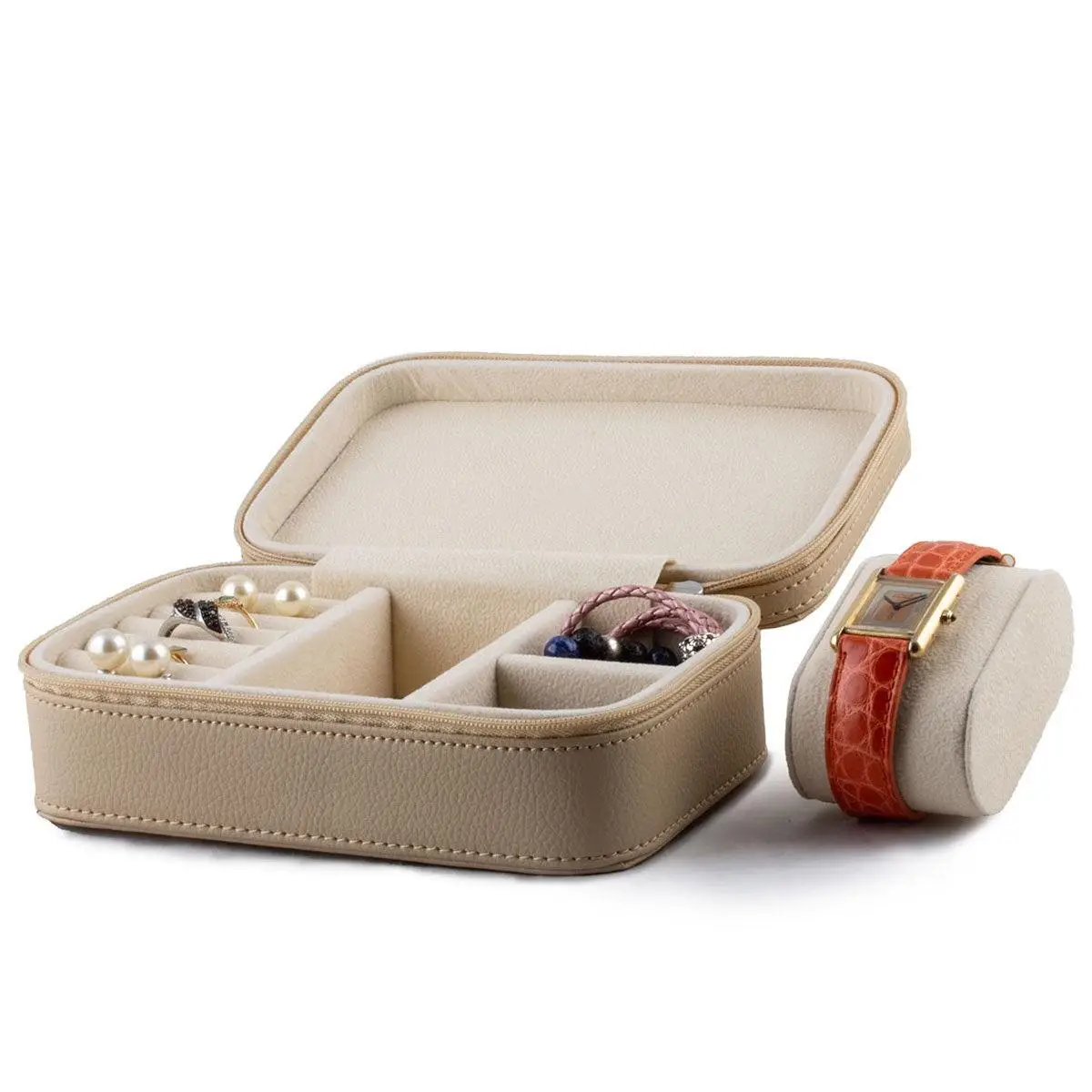
Precision-cut foam or microfiber inserts protect watches and position them perfectly in your aluminum watch case. Available in custom colors and configurations. Elevates perceived value and unboxing experience.

Satin Ribbon Handles
Premium ribbon handles attached to aluminum watch cases improve portability and gift presentation. Available in custom colors and widths. Ideal for luxury retailers and direct-to-consumer brands seeking premium feel.

Woven Brand Labels
Custom woven labels sewn into aluminum watch case pouches or inner panels authenticate your brand. Options include logo, QR codes, and care instructions. Reinforce brand identity at every touchpoint.
Printed Hangtags
Custom-printed hang tags on aluminum watch cases display SKU, branding, and product information. Durable cardstock with optional ribbon attachment. Essential for retail presentation and e-commerce unboxing moments.

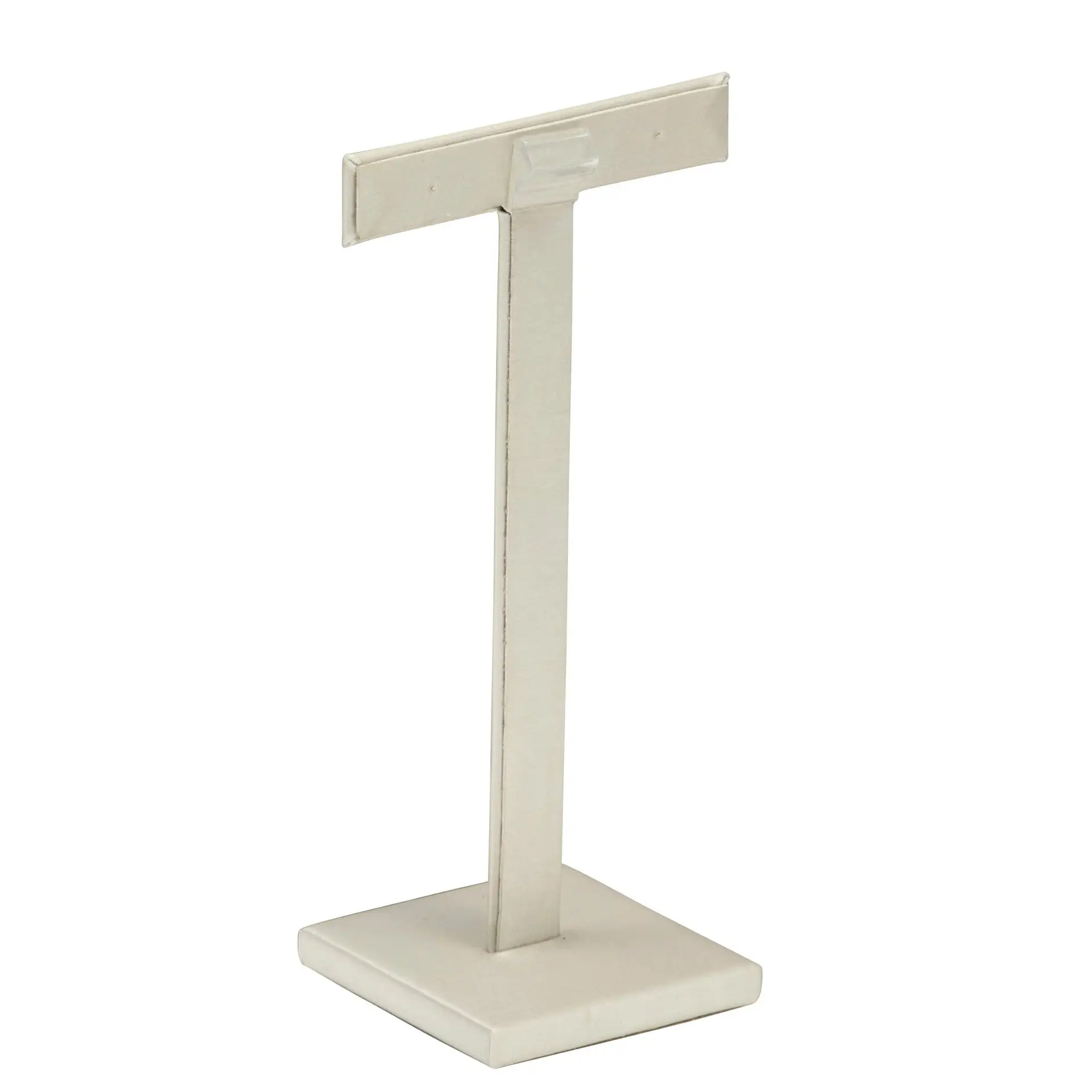
Protective Display Stands
Custom foam or acrylic display stands showcase watches within your aluminum watch case. Perfect for retail displays, trade shows, and high-end boutiques. Maximize visual impact and differentiation.
About On The Way — Aluminum Watch Case Experts
Founded in 2007, On The Way (Jewelry Box Supplier Ltd.) was built on a simple principle: quality defines survival. For 17+ years, we’ve manufactured custom jewelry packaging—including premium aluminum watch cases, rigid boxes, pouches, displays, and branded paper bags—for jewelry brands, independent designers, and luxury retailers worldwide.
Operating from our 1,200 m² factory in Dongguan, China, with 220+ skilled staff, we’ve completed 6,500+ custom projects for 3,000+ cooperative customers across 30+ countries. Our capabilities span full custom design and engineering of aluminum watch cases, OEM/private-label solutions, low MOQ production (50+ units), and factory-direct pricing that serves startups and major brands alike.
What sets us apart is our commitment to both product quality and service excellence. Every aluminum watch case undergoes multi-stage QC inspection. We offer FSC-certified and recycled materials, dedicated account managers, flexible customization at every production stage, and guaranteed on-time delivery. For 17+ years, we’ve proven that exquisite packaging defines a brand’s first impression.
Our Core Capabilities in Aluminum Watch Case Manufacturing
Custom Aluminum Watch Case Flexibility
Start with just 50 pieces. No tooling fees, no minimum brand requirements. Whether you’re a startup designer or an established luxury retailer, our factory-direct model lets you customize every detail—materials, finishes, closures, branding—with full private label white-label options and dedicated account management throughout production.
- Minimum 50-piece orders; no tooling fees or brand size requirements
- Full private-label & white-label OEM customization available
- Dedicated account manager from sampling through mass production
- Cost advantage of factory-direct manufacturing passed to you
Rigorous Quality Control & Standards
Our 220-person factory operates a proprietary four-stage QC process inspecting raw aluminum, component assembly, final finishing, and packaging—with 100% final inspection. We maintain zero-defect commitment through multi-disciplinary expert review, ensuring every aluminum watch case meets international standards and your brand’s exact specifications.
- Four-stage QC protocol from raw materials to final inspection
- 100% final inspection with zero-defect guarantee on all orders
- Compliance with FSC, ROHS, and international jewelry standards
- Dedicated QA team with 17+ years of expertise
Eco-Certified Materials for Aluminum Watch Cases
Sustainability is premium positioning. We offer FSC-certified paperboard, recycled aluminum, and eco-friendly microfiber linings—meeting luxury brands’ environmental commitments without compromise. Every sustainable material is sourced responsibly and tested for durability, ensuring your aluminum watch case packaging reflects your brand’s values.
- FSC-certified paperboard and recycled aluminum options
- Eco-friendly microfiber and sustainable material linings
- Full compliance with environmental certifications (RoHS, Reach)
- Sourcing transparency and sustainability reporting available

Speed to Market & Fast Delivery
Rapid sampling turnaround—prototype your aluminum watch case design in 7–10 business days. Our on-site capabilities and dedicated account manager ensure you hit market windows. With 17+ years serving 300+ brands, we’ve mastered the speed-to-quality balance that fast-growth brands demand.
- Rapid sampling: prototype to final approval in 7–10 business days
- On-time delivery tracking and production timeline guarantees
- Dedicated account managers reducing communication delays
- Expedited production runs available for seasonal demand
On The Way vs. Industry-Standard Suppliers
Factory-direct advantages that deliver real value
← Swipe left or right to view →
Our Production Process
From design approval to on-time delivery, we guide every step of your custom order with precision and transparency.
Design Approval & Sampling
We collaborate closely with you to refine designs, approve specifications, and produce initial samples. Each sample undergoes rigorous testing before full production begins to ensure your vision becomes reality.
Material Sourcing & Verification
We source premium-grade aluminum and materials that meet your specifications and compliance requirements. Each batch is verified for quality, durability, and sustainability standards before proceeding to production.
CNC Machining & Fabrication
Advanced CNC machinery cuts and shapes aluminum watch case components with micron-level precision. Our technical team monitors every cut to maintain dimensional accuracy and surface quality throughout production.
Finishing & Surface Treatment
We apply specialized finishing techniques including polishing, anodizing, coating, and brushing to enhance durability and appeal. Each aluminum watch case receives custom surface treatments matching your brand specifications and requirements.
Quality Inspection & Packaging
Multi-stage QC teams inspect every component for defects, dimensional accuracy, and finish quality. Approved pieces are carefully packaged to your specifications, ready for storage, display, or retail distribution.
Shipment & Delivery
We coordinate efficient shipping to your location worldwide, with tracking and documentation at every step. On-time delivery is guaranteed, with dedicated account managers ensuring your order arrives in perfect condition.
How to Order — 5 Simple Steps
From design submission to delivery in five simple steps — we handle the complexity so you don’t have to.
Submit Your Design
Share your technical specifications, design files, and material preferences for your custom aluminum watch case. Our team reviews everything to understand your vision.
Receive Quote & Timeline
Within 48 hours, receive your factory-direct quote, detailed sampling timeline, and production roadmap. We set clear expectations for your aluminum watch case project from the start.
Approve Your Samples
Evaluate pre-production samples of your aluminum watch case with our quality team. Suggest revisions or approve for full production with multi-stage QC assurance.
Place Your Order
Confirm your aluminum watch case production parameters, materials, and quantities starting at 50 pieces. Lock in factory-direct pricing with your dedicated account manager for the full engagement.
Enjoy On-Time Delivery
Receive your finished aluminum watch case units on schedule. Our factory delivers with full QC documentation, eco-friendly packaging, and ongoing account manager support.
Quality Certifications & Standards
What Jewelry Brands Say About Our Aluminum Watch Cases
We needed aluminum watch cases for our spring collection on a tight timeline. On The Way delivered sample proofs in 8 days and production within 3 weeks — without compromise on fit or finish. Their attention to detail is exceptional.
As a growing brand, we appreciated the 100-piece MOQ on aluminum watch cases. We tested three designs with zero waste, and the consistency across all batches exceeded our expectations. They’re our go-to partner now.
Custom aluminum watch cases at factory-direct prices — this is what we needed. Lead times are predictable, the team is responsive, and we’ve reduced packaging costs by 22% while boosting perceived quality.
Aluminum Watch Case FAQs
Clear answers to your most pressing questions about sourcing custom aluminum watch cases.
What is your minimum order quantity (MOQ) for aluminum watch cases?
What’s the lead time for custom aluminum watch case production?
Can you provide samples of aluminum watch cases before mass production?
How much custom design flexibility do you offer for aluminum watch cases?
What payment terms do you offer?
How do you ensure quality control on aluminum watch cases?
How do you protect my intellectual property and design confidentiality?
Do you handle international shipping and logistics?
The Complete Buyer’s Guide to Aluminum Watch Cases
Learn how to select premium aluminum watch cases for your brand, evaluate manufacturers by quality standards and production capacity, and avoid costly mistakes in sourcing, customization, and launch planning.
1. What is an Aluminum Watch Case?
Aluminum alloys—particularly 6061-T6 and 7075-T6 grades—now dominate premium watch case design across independent brands and luxury retailers. An aluminum watch case is a lightweight housing that provides the structural integrity, precision tolerances, and corrosion resistance required for quality timepieces, paired with a contemporary aesthetic that requires no heavy plating.
Stainless steel cases typically weigh 35–50% more than comparable aluminum equivalents and demand ongoing polishing to maintain their finish. Aluminum delivers a naturally refined appearance through anodizing while offering superior rigidity and temperature stability compared to plastic alternatives—at significantly lower production cost than traditional stainless solutions.
Mid-market and luxury brands increasingly adopt aluminum watch cases to achieve premium positioning without the manufacturing complexity of stainless steel or the durability compromises of plastic. The lightweight construction reduces shipping costs, while anodized and brushed finishes eliminate secondary plating expenses, enabling direct factory pricing that benefits retailers with tighter margins.
2. Evolution & History of Aluminum Watch Cases
1930s and 1940s pilot watches drove early aluminum adoption for aerospace applications, valued for lightweight durability and corrosion resistance in extreme environments. This military heritage positioned aluminum not as an economy material, but as a performance-driven choice for precision timekeeping.
At 2.7 g/cm³—roughly one-third steel’s density—aluminum enabled larger watch faces without increasing wrist burden, attracting luxury sports brands by the 1990s to premium casual and adventure segments. The material’s 100% recyclability and favorable cost structure accelerated adoption among independent designers and emerging luxury houses.
Japanese makers including Seiko and Citizen popularized aluminum sports watches in the 1970s-1980s, establishing production benchmarks for anodizing durability and case fitment tolerances. This standardization raised global expectations for micro-tolerances and surface treatment consistency across aluminum watch case manufacturing.
Contemporary aluminum watch case production now demands ISO 7049 casting tolerances and Type II/III anodizing standards across premium and mid-market segments. This manufacturing professionalization created global infrastructure that lowers barriers for boutique brands: tighter quality gates, faster iteration, and accessible MOQ entry points versus steel-exclusive competitors.
3. Types of Aluminum Watch Cases
Aluminum watch cases vary across four critical dimensions: styling, diameter, water-resistance, and surface treatment. Your choice determines market positioning, manufacturing complexity, and retail appeal. Matching case specifications to brand identity is essential before ordering tooling or negotiating MOQs.
| Style | Typical Size | Water-Resistance | Preferred Finishes |
|---|---|---|---|
| Sport | 42-44mm+ | 200-300m+ | Anodized, brushed, matte |
| Dress | 36-38mm | 30-50m | Polished, anodized |
| Vintage | 36-40mm | 50-100m | Brushed, polished |
| Contemporary | 38-42mm | 50-200m | Anodized, matte, mixed |
Style Categories
Sport cases feature reinforced crown guards and integrated bezels for rugged, active-use environments. Dress styles employ slim profiles and refined bezels, suited to formal occasions.
Vintage designs replicate heritage proportions with stepped bezels and applied indices. Contemporary cases blend minimalism with modern dimensions, appealing to today’s design-conscious buyers.
Size Ranges
38mm diameters suit dress and vintage segments; 40-42mm serve the broadest market. 44mm+ dominates sports chronographs and dive watches.
Lug-to-lug length spans 48-56mm. Case height ranges 11-15mm, defining bracelet compatibility and wrist presence on different wrist sizes.
Water-Resistance Ratings
Water-resistance ratings indicate functionality and manufacturing requirements. Each tier requires different sealing technologies, crystal thickness, and crown design.
- 30m: splash resistance only; unsuitable for immersion
- 50-100m: casual water exposure and light swimming
- 200-300m: snorkeling and pool activities
- 300m+: dive watches and sports models
Surface Finishes
Anodized aluminum adds color durability and scratch resistance via electrolytic coating. Brushed finishes mask scratches; polished cases project luxury.
Matte finishes reduce glare and hide fingerprints, popular in military and outdoor segments. Combinations—brushed case with polished lug tops—command premium positioning.
4. Aluminum Alloys & Finishes
Aluminum alloy selection and finish treatment define both durability and aesthetic appeal in watch cases. The right combination of grade and anodizing directly impacts corrosion resistance, cost, and luxury positioning.
| Alloy Grade | Tensile Strength | Corrosion Rating | Type II Cost | Type III Cost | Recommended Market |
|---|---|---|---|---|---|
| 6061-T6 | 310 MPa | Excellent | Baseline | +8–10% | Mid-market, general |
| 7075-T6 | 570 MPa | Good | +15–25% | +20–35% | Luxury, high-performance |
| 5083-H321 | 315 MPa | Superior | +20–30% | +28–40% | Luxury, marine/outdoor |
Aluminum Alloy Grades
6061-T6 is the workhorse alloy—excellent corrosion resistance, good machinability, and cost-effective for mid-market cases. 7075-T6 offers superior strength-to-weight but trades corrosion resistance, carrying 15–25% premium pricing. 5083-H321, marine-grade aluminum, delivers highest corrosion resistance for coastal markets; expect 20–30% cost premium.
- 6061: Best for mid-market brands seeking balance
- 7075: High-strength, premium-tier applications
- 5083: Marine-grade, luxury coastal/outdoor watches
Anodizing Types & Process

Type II (standard) anodizing creates 0.7–25 micron oxide layer, offering corrosion resistance and clean finishes. Type III (hard) anodizing builds 25–75 micron layers, delivering 50% greater hardness and scratch resistance; typical 8–12% cost increase.
Surface Finishes & Aesthetics

Brushed finishes mask fine scratches and suit sport watches. Polished surfaces demand Type III anodizing for durability. Matte and satin finishes, achieved via chemical pre-treatment, add premium feel with minimal cost; increasingly favored by independent designers.
Corrosion Resistance & Longevity
6061-T6 + Type II anodizing withstands 500–1000 hours salt-spray testing. Type III upgrade or 5083 selection exceeds 2000+ hours, critical for water-resistant claims. Lacquer or ceramic topcoats add 10–15% cost but ensure multi-decade durability.
5. Customization & Decoration Options
Custom decoration transforms an aluminum watch case into a brand signature. Laser engraving, anodizing, brushing, and inlay techniques each offer distinct lead times, costs, and visual impacts.
| Technique | Lead Time (Sampling) | MOQ | Est. Cost/Unit |
|---|---|---|---|
| Laser Engraving | 2–3 weeks | 50 | $1.50–$4.00 |
| Anodizing | 3–4 weeks | 200 | $0.80–$2.50 |
| Brushing | 2–3 weeks | 100 | $0.50–$1.20 |
| Printing/Inlay | 4–6 weeks | 500 | $0.60–$3.50 |
| Custom Dial | 4–8 weeks | 1,000 | $2.00–$5.00 |
Laser Engraving & Marking
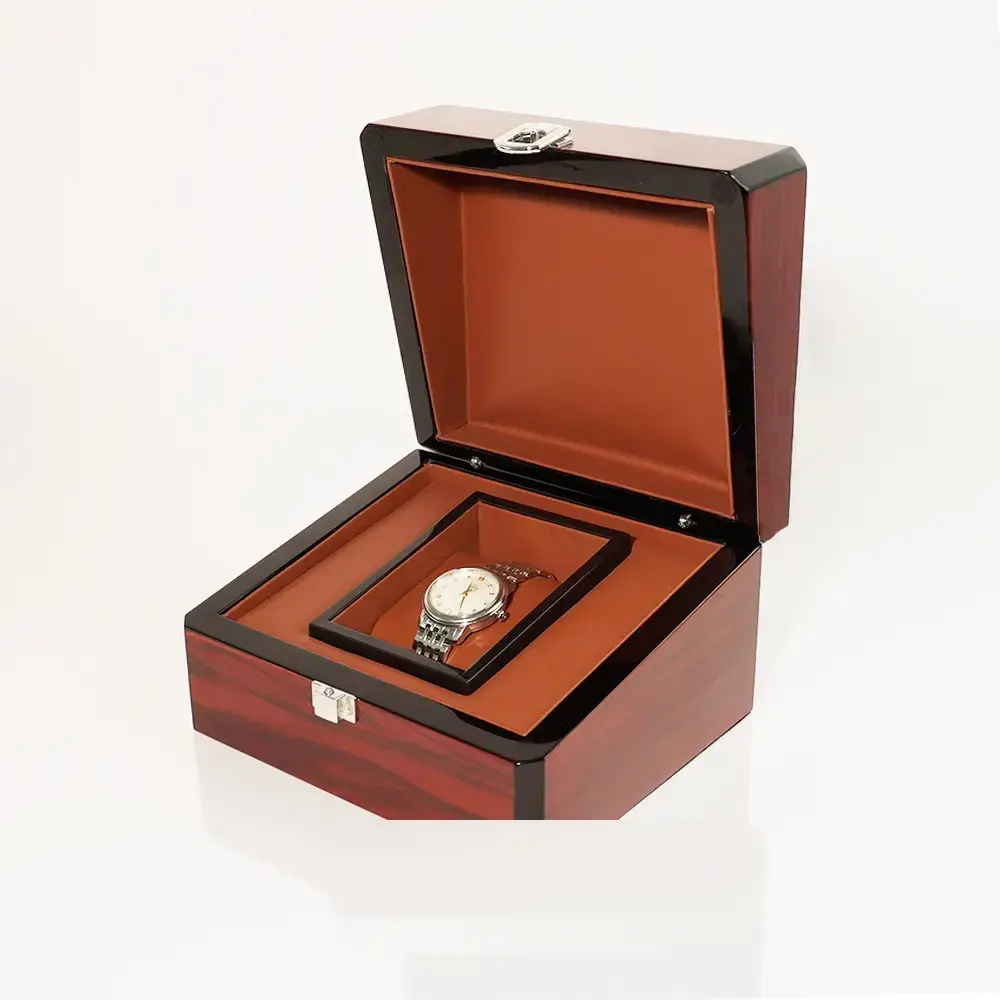
100-micron precision marks aluminum permanently, without tooling fees. Lead time: 2-3 weeks sampling, 4-6 weeks production. MOQ: 50 units. Cost: $1.50–$4.00 per unit depending on design complexity.
Anodizing & Color Customization

Type II anodizing delivers 40+ standard colors and custom Pantone matching. Lead time: 3-4 weeks sampling. MOQ: 200 units. Cost: $0.80–$2.50 per unit. Layer thickness: 15–25 microns.
Brushing & Surface Finishes

Directional brushing and sandblast textures reduce fingerprints and enhance luxury appeal. Lead time: 2-3 weeks. MOQ: 100 units. Cost: $0.50–$1.20 per unit. Includes wire and stone-wash options.
Printing & Inlay Methods
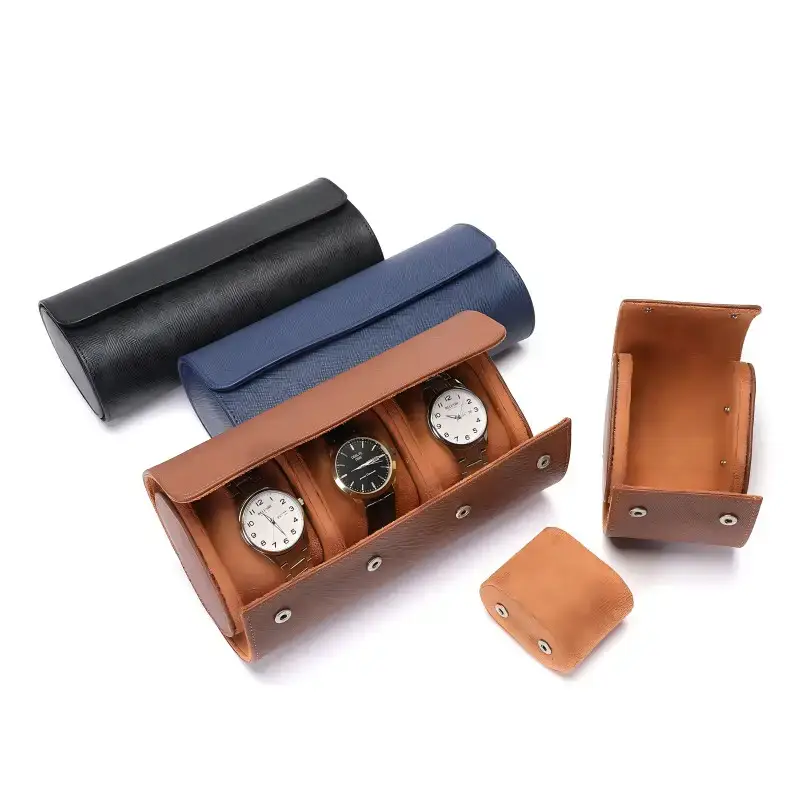
Silk-screen printing costs $0.60–$1.80/unit (500+ MOQ). Inlay techniques cost $1.50–$3.50/unit and create dimensional brand impact. Lead time: 4-6 weeks for custom inlay moulds. Suitable for premium positioning.
Custom Watch Face Design
Custom dial indices and numerals define the case centerpiece. Lead time: 4-8 weeks for custom moulds. MOQ: 1,000 units. Cost: $2.00–$5.00 per unit.
6. Key Construction Quality Elements
Construction quality in an aluminum watch case determines water resistance, durability, and perceived luxury. Each component—from case back to crystal—involves measurable tolerances that must align with your price point and market positioning.
Solid vs. Display Case Backs

Solid case backs (screw-down or press-fit) deliver 300m+ water resistance and reduce cost 15–30% vs. display backs.
Mass-market brands ($50–200 retail) use solid aluminum or titanium; luxury houses ($500+) employ transparent sapphire display backs to showcase the movement.
Crystal Types
Acrylic ($0.50/unit) is entry-level; mineral glass ($1.50–3.00) offers moderate scratch resistance; sapphire ($3.00–8.00) commands premium positioning.
Match crystal type to bezel finishing: polished aluminum bezels pair with mineral or sapphire; anodized finishes suit acrylic or mineral.
Bezel and Gasket Construction
Uni-directional bezels require ±0.2mm click-stop tolerances; bi-directional bezels demand tighter specs.
EPDM or Viton gaskets seal the case; specify marine-grade compounds ($0.10–0.30/unit) that resist seawater and chlorine. Anodized bezel crowns need hardness verification (HB 95–110 minimum).
Water-Resistance Testing
ISO 6425 certification confirms water resistance; independent lab testing costs $500–2,000 per batch.
Most brands omit rigorous testing—a failed seal or gasket damages reputation permanently and invites warranty claims. Budget for real QC testing, not just supplier claims.
Finishing Tolerances and Weight Balance
Case-side polishing flatness (±0.05mm) separates mass-market from luxury watches. Edge breaks prevent cuts and signal craftsmanship.
Balanced weight distribution (center-of-gravity centered on wrist lugs) requires symmetric case-back fastening. Thermal expansion testing (30–40°C cycles) ensures dial/bezel stability.
7. Selecting the Right Aluminum Watch Case Manufacturer
Selecting a manufacturer for aluminum watch cases requires verifying capabilities beyond price. Evaluate certifications, lead times, and quality control—ask specific questions about MOQ, water-resistance testing, and support. Suppliers hesitating on these fundamentals typically hide operational weaknesses.
Factory Capabilities & Lead Time
MOQ minimums range 500–2,000 units depending on case complexity. Lead times span 6–10 weeks from tooling through production. Verify capacity by asking about peak-season timelines; suppliers stretched thin often miss deadlines or cut quality corners.
Certifications & Testing Standards
ISO 9001 confirms documented quality systems. Request water-resistance test reports at your target depth (3ATM, 5ATM, 10ATM). Aluminum cases require salt-spray testing for corrosion resistance. Verify whether testing is third-party; independent labs carry more credibility than in-house results.
Sample Quality Assessment
Request a physical sample at MOQ pricing—not a showroom prototype. Evaluate case weight, finish uniformity, and bezel alignment. Confirm sample timeline: reputable suppliers deliver in 2–3 weeks. Ask whether post-sample revisions incur tooling fees; transparent suppliers itemize costs upfront.
Support & Communication Red Flags
Suppliers avoiding direct contact or offering only email support signal weak infrastructure. A dedicated account manager is non-negotiable. Poor English or delayed responses (>48 hours) indicate overextension. Request three client references and call them directly—most project failures stem from communication gaps, not capability limits.
Critical Vetting Questions
Ask: Warranty on defects? Color tolerance handling? Sub-supplier certifications (plating, anodizing)? Completed aluminum watch case projects in 12 months? Test certificates per batch? Hesitation on any signals risk. A solid manufacturer answers all in writing within 24 hours.
8. Common Mistakes Buyers Make
Most watch case launches fail from operational oversights, not design flaws. Five critical mistakes—each preventable with planning—routinely derail launches and erode margin.
Underestimating Lead Time
Most brands assume 8–12 weeks; actual timelines are 14–18 weeks. Lost market windows cost far more than early planning.
Mitigation: Lock timelines in writing. Build in 2–3 week buffer for material or quality delays.
Wrong Alloy Grade
Choosing 5083-H111 when 6061-T6 is required is common and expensive. Each alloy has distinct corrosion resistance and cost.
Mitigation: Work with the manufacturer’s materials engineer. Compare hardness specs (Brinell) and request coupons before tooling.
Skipping Sample Approval
Ordering 50,000 units without approving a production sample first is a classic error. Color, tolerances, and fit reveal only in reality.
Mitigation: Request production sample with all finishes, seals, and labeling. Inspect and approve when it matches your standard.
Weak Crystal & Seals
Low-cost acrylic crystal yellows under UV; weak gaskets fail within months, voiding water-resistance claims and damaging reputation.
Mitigation: Specify sapphire or high-grade mineral crystal and FDA-grade silicone. Test in UV and saltwater if marine-positioned.
No Price Benchmarking
Setting retail price without auditing 10–15 competitors often results in margin-crushing discounts or pricing out of market.
Mitigation: Map competitor watches by material, movement, and price. Build cost model with 3–5x markup. Adjust scope if needed.
Insufficient Inventory Buffer
Selling out in month one means 16-week replenishment delays, lost revenue, and channel frustration.
Mitigation: Produce 120–130% of 90-day forecast. Coordinate for expedited reorders at 10–15% premium.
9. Steps to Launch Your Aluminum Watch Case Brand
Launching an aluminum watch case brand spans 6-12 months. This roadmap outlines five gates—prototype validation, tooling investment, production scaling, regulatory clearance, and market launch—each with supplier milestones and budget allocation.
Prototype & Design Validation
Month 1-2. Commission 3-5 prototype units (USD 500-2,000 each) to validate case material, dial fit, and machining tolerances.
Decision gate: approve aluminum alloy grade (6061 or 7075), finish (anodized/brushed), and caseback design before tooling.
Sampling & Waterproofing Testing
Month 3-4. Order 50-100 pre-production samples (USD 2,000-4,000). Conduct water-resistance testing per ISO 6425 (dive watches) or ISO 20653 (water-resistant watches).
Validate crystal adhesive, gasket materials, and case assembly torque. Approve sample for full production.
Tooling Investment & Lead Time
Month 2-3 (parallel). Order dies and fixtures (USD 8,000-15,000 for aluminum). Factory requires 40-60% upfront payment, 40% at final inspection.
Lead time: 8-10 weeks. Budget total tooling at 12-18% of first-year COGS.
Production Run & Quality Gates
Month 5-6. Place PO for 500-5,000 units (MOQ typically 500). Production: 6-8 weeks.
Third-party inspection at 50%, 100% complete. Water-resistance spot-check on 2% of run. Document final batch certificates for regulatory claims.
Inventory & Market Launch
Month 7-8. Receive finished goods; budget 30-60 days for customs clearance and distribution hub staging.
Launch month 8-12. Allocate 10-15% inventory buffer for exchanges/returns. Budget total project at 18-24 months ROI, depending on volume and ASP.
10. Pricing & Cost Breakdown
500-unit minimum order quantities unlock competitive aluminum watch case pricing directly from our 1,200 m² factory, with tiered discounts scaling to 10,000+ units. Volume commitments below 5,000 units typically ship within 45–60 days; larger orders (5,000+) reduce lead time to 35–50 days and unit costs by 20–40% depending on finish complexity.
5083 and 6061-T6 aluminum alloys form the cost baseline; grade selection directly impacts material cost. Anodized and brushed finishes account for 15–25% of the per-unit price, while polished and color-matched PVD coatings push luxury cases into the $15–25 range at high volume.
Custom engraving, logo debossing, and logo stamping add $1–4 per unit; dial pad printing and full UV printing reach $3–7 per unit. Budget-tier cases (plain anodized, no custom) land at $5–8 per unit at 10,000-unit volume; mid-market (brushed, color options) run $8–15; luxury (polished, premium finishes) command $15–25.
Our account managers guide minimum tooling fees (typically $200–600 for custom dies) and sample costs ($50–200 per design) before production. Payment terms are negotiable for orders exceeding 5,000 units, and expedited 4-week leads are available at a 10–15% surcharge for qualifying projects.
| Quantity Tier | Per-Unit Price Range | Lead Time | Typical Finishes |
|---|---|---|---|
| 500 units | $18–35 | 60–75 days | Anodized, brushed |
| 1,000 units | $12–28 | 50–65 days | Anodized, brushed, polished |
| 5,000 units | $8–22 | 35–50 days | All standard finishes, color matching |
| 10,000+ units | $5–18 | 30–45 days | All finishes, premium PVD available |
11. Next Steps: Request Your Sample
Over 6,500 custom aluminum watch case projects completed by On The Way reveal that successful launches hinge on three variables: material specification, manufacturing consistency, and partnership flexibility. When evaluating your supplier, use the decision framework from this guide—alloy selection, finish durability, customization scope, and lead time—to benchmark against factory-direct pricing and low MOQ tiers (typically 100–500 units).
A 220-person factory with 1,200 m² of production space and multi-stage QC protocols demonstrates the infrastructure needed to scale from prototype to full production without compromise. Total cost of ownership includes not just unit price but sampling speed, design iteration support, defect rates, and on-time delivery; cheaper per-unit costs disappear when rework, delays, or warranty claims erode margin.
On The Way serves 300+ brands and independent designers across 30+ countries by prioritizing factory-direct transparency, dedicated account management, and rapid turnarounds. Request a sample or quote today—most requests receive responses within 48 hours, and sampling costs are credited toward production orders for committed partners.
Start Your Custom Aluminum Watch Cases Today
Join 300+ brands relying on On The Way for factory-direct aluminum watch cases. Low MOQ, rapid sampling, expert quality. Get your quote today.