
Custom Jewelry Packaging for Global Brands — Factory-Direct Pricing, Low MOQ
The jewelry tray factory delivers factory-direct custom packaging for 300+ global brands. Fast samples, low MOQ, 17+ years of excellence.
Featured Jewelry Packaging Solutions


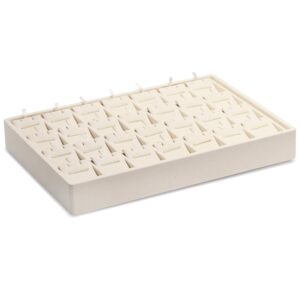
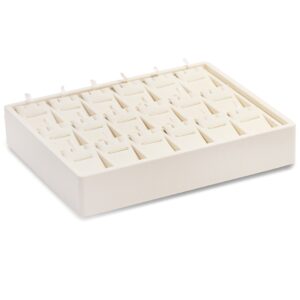
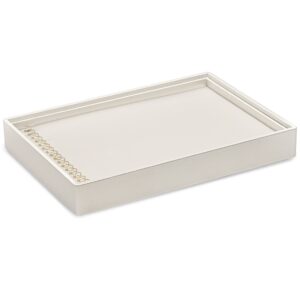

Our Custom Jewelry Packaging Range







Why We Stand Out: Six Core Advantages
Industry-leading advantages that deliver custom jewelry packaging excellence for global brands
Factory-Direct Pricing
Own production line means lower costs. No middlemen, better margins for your business, competitive pricing power.
Low MOQ & Full Flexibility
Start with smaller orders. Scale at your pace. Perfect for startups, independent designers, and established brands alike.
17+ Years of Proven Expertise
6,500+ custom projects, 300+ brands, 30+ countries. Proven track record delivering excellence in jewelry packaging worldwide.
Rigorous Multi-Stage Quality Control
Every item passes multiple QC checkpoints. Professional inspection from production through final packaging ensures consistency.
FSC-Certified Eco-Friendly Materials
Premium sustainable packaging options including FSC-certified paper and recycled reusable materials. Align your brand with environmental responsibility.
Private Label & OEM Solutions
White-label and OEM programs enable private-label production for established brands and distributors. Dedicated team manages production, branding, and logistics end-to-end—scale your brand without factory overhead.
Packaging Solutions for Every Brand Stage
Launching Your Jewelry Brand
Starting jewelry designers face a critical hurdle: custom pouches and boxes are essential for brand identity and protection, but manufacturing minimums are too high, and upfront costs risk inventory waste.
Access affordable, custom-branded packaging at low MOQ from the jewelry tray factory, launch confidently with professional presentation, and scale production as demand grows—without overcommitting capital.
Scaling Across Multiple Lines
Established brands juggle multiple product categories—rings, necklaces, bracelets, watches—each requiring distinct protective pouches, rigid boxes, and custom displays, and coordinating these across suppliers is complex and inconsistent.
One factory partner handles your entire portfolio: coordinated pouches, rigid boxes, displays, and paper bags—all custom-branded, all produced to the same exacting standards from the jewelry tray factory.
Premium In-Store Experience
Upscale retail and boutiques know packaging is a brand asset, not an afterthought. Standard boxes diminish perceived value, and luxury packaging from third-party suppliers is expensive and inflexible.
Custom magnetic-closure gift boxes, branded paper bags, and display trays from the jewelry tray factory elevate every touchpoint, create unforgettable unboxing moments, and justify premium pricing.
Protecting Sales Margins at Scale
Fast-growing DTC jewelry brands need protective packaging that ships efficiently, arrives undamaged, and communicates brand premium positioning—all while keeping per-unit costs competitive to protect thin online retail margins.
Factory-direct pricing and rapid turnaround from the jewelry tray factory protect your margins while quality and reliability protect your reputation, enabling sustainable growth without price-cutting.
High-End or Specialty Jewelry
Luxury watch makers, heirloom jewelers, and artisanal high-end brands demand innovative packaging—LED-lit display boxes, magnetic closures, foldable structures—that standard suppliers simply cannot deliver.
The jewelry tray factory manufactures specialized, custom-engineered packaging solutions: LED-integrated boxes, complex magnetic closures, and proprietary structures tailored to your brand's unique premium vision.
Premium Material Selection for Custom Jewelry Packaging

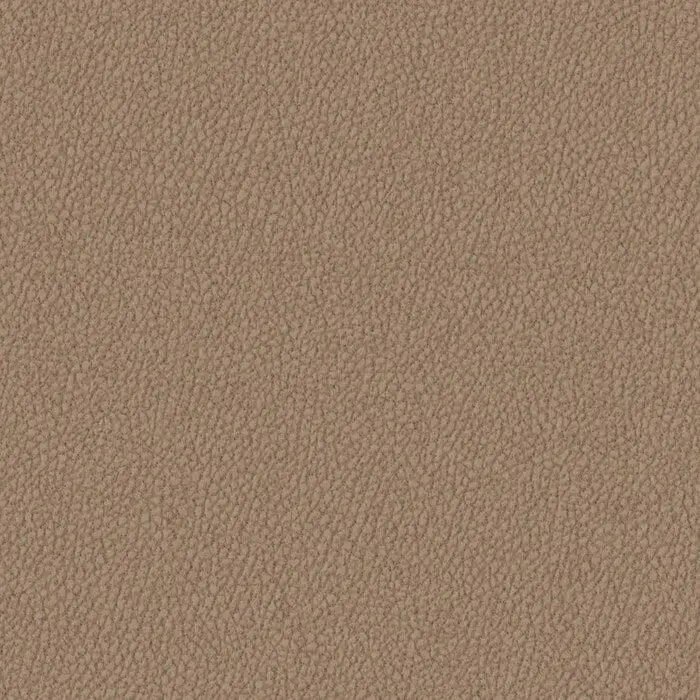
Premium Velvet
Luxurious, soft tactile lining for high-end jewelry presentation. Non-slip surface protects delicate pieces and enhances brand perception. Available in classic and custom colors. Weight: 450gsm for durability.
Satin Lining
Smooth, lustrous fabric that elevates perceived value of displayed jewelry. Creates sophisticated tactile experience during unboxing. Perfect for luxury collections and premium brand positioning. Ideal for rings and watches.

Microfiber Fabric
Ultra-soft, durable synthetic alternative to genuine leather. Hypoallergenic and stain-resistant for long-lasting appeal. Superior jewelry protection with premium hand-feel. Ideal for creating luxurious unboxing experiences and refined brand storytelling.
Natural Linen
Sustainable, textured fiber conveying eco-consciousness without compromising luxury appeal. 100% biodegradable natural material. Perfect for environmentally-conscious jewelry brands seeking authentic, responsible packaging solutions with natural elegance.

Recycled Cardboard
Eco-friendly rigid base material for sustainable tray construction. FSC-certifiable and fully recyclable to support circular economy branding. Maintains structural integrity during shipping and retail display. Customizable colors and finishes.

FSC-Certified Paper
Sustainably sourced, certified stock for wrapping and interior inserts. Premium finish options: matte, gloss, metallic. Tracks responsible sourcing in your packaging, building consumer trust and environmental commitment with discerning buyers.
Production Techniques & Finishing Options

Screen Printing
Apply precision brand logos and designs directly onto fabric pouches, rigid boxes, and paper bags. Durable, vibrant colors that withstand handling and showcase premium branding with sharp detail.
Embroidery
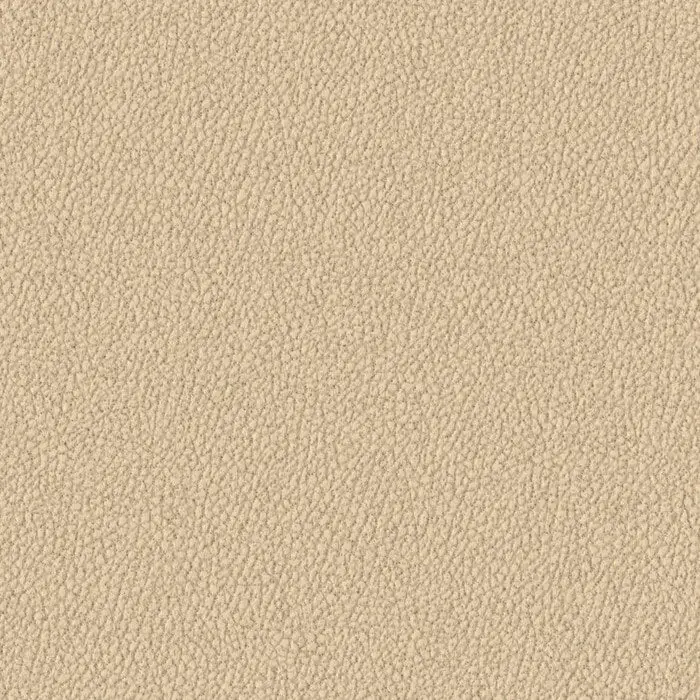
Create raised, textured logos and patterns on velvet, satin, and cotton pouches. Premium finishing that enhances tactile luxury while ensuring designs remain crisp through years of customer use.

Hot Stamping
Bond foil or metallic accents onto rigid boxes and rigid box lids using heat and pressure. Produces mirror-bright finishes that elevate perceived value and create memorable unboxing moments.

LED Integration
Embed rechargeable or battery-powered LED systems into rigid display boxes and trays. Illuminates jewelry with dramatic showcasing while adding sophisticated technology that dazzles retail presentations.
Magnetic Closures
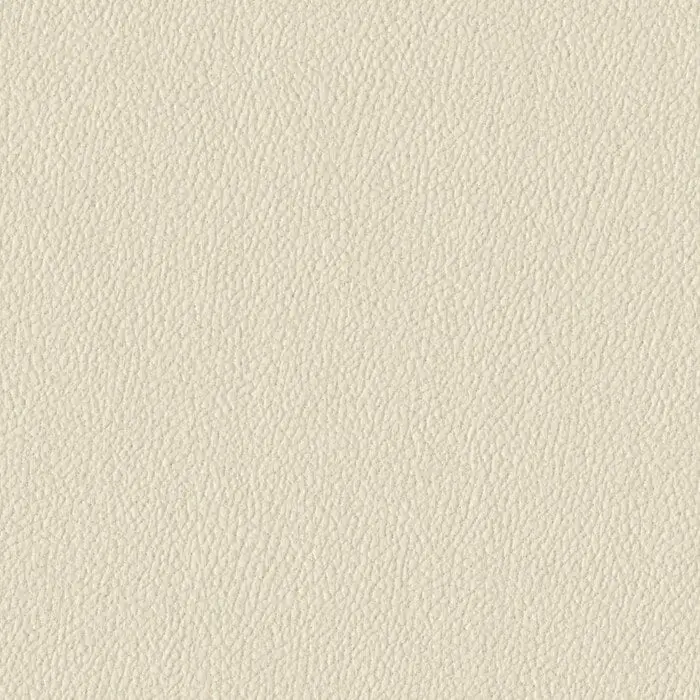
Install precision-engineered magnetic systems in rigid boxes for smooth, secure closing. Premium feel ensures lids stay shut during transport while delivering the high-end opening experience customers expect.
Custom Die-Cutting
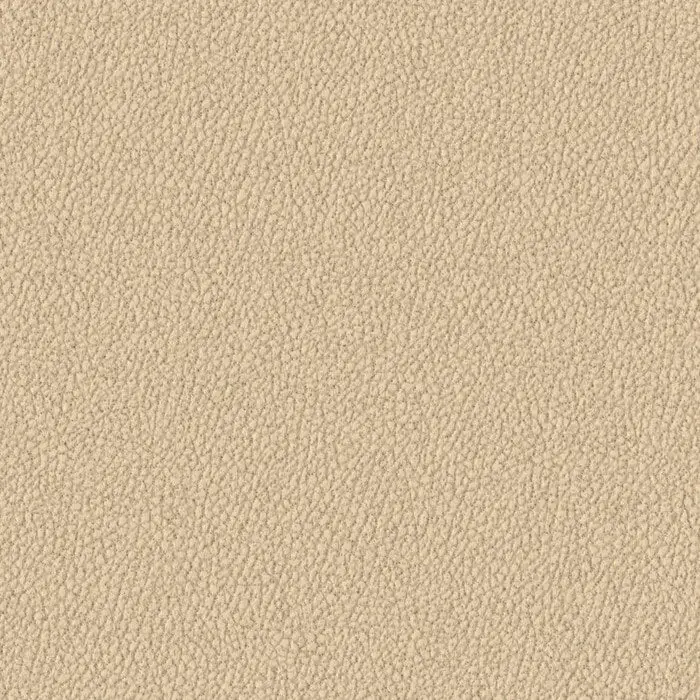
Cut trays and box components to bespoke shapes and dimensions using precision tooling. Enables unique silhouettes for product-specific fitment, tight tolerances, and brand differentiation at scale.
Premium Add-ons & Finishing Details to Elevate Your Brand

Drawcord & Tipping
Custom drawcords with metal or plastic tipping for secure pouch closures. Adds premium appeal to velvet, satin, and cotton pouches. Available in multiple colors and materials.
Woven Labels
Custom-woven labels featuring your brand logo or name, sewn into pouches or boxes for brand recognition at every touchpoint. Available in multiple weave densities and materials.

Custom Hang Tags
Branded hang tags featuring your logo and product information, die-cut to your specifications. Attach to pouches, bags, or boxes for enhanced branding and customer storytelling.

Ribbon Closures
Luxury ribbon accents and closures in silk, satin, or grosgrain for premium boxes and pouches. Custom color matching and width options available. Elevates unboxing experience.
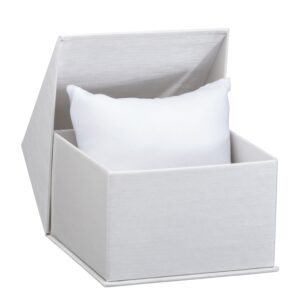
Tissue Paper
Custom-printed or solid-color tissue paper for boxes and pouches, elevating the unboxing experience. Choose from plain, logo-printed, or patterned designs. Recycled and eco-certified options available.

Branded Stickers
Custom-printed stickers for sealing boxes or personalizing packaging details. Available in any shape, size, and finish including matte, gloss, and metallic. Die-cut on eco-friendly adhesive.
17 Years of Excellence: Our Story
Founded in 2007, On The Way’s Jewelry Box Supplier Ltd. was built on a singular principle: quality defines survival. For over 17 years, we’ve manufactured premium custom jewelry packaging—pouches, rigid boxes, displays, and branded paper bags—for independent designers and luxury retailers who demand excellence at every touchpoint.
Our 1,200 m² Dongguan factory houses 220+ skilled staff and state-of-the-art equipment. We’ve completed 6,500+ custom projects for 3,000+ clients, serving 300+ brands across 30+ countries—from boutique startups to established luxury houses. This scale, combined with our multi-stage QC and dedicated account managers, ensures every order ships on time, flawlessly.
What sets the jewelry tray factory apart is factory-direct pricing, flexible low MOQ, and an unwavering commitment to sustainability. We invest in FSC-certified paper, recycled materials, and reusable packaging options—because a brand’s first impression shouldn’t come at the planet’s expense. Small orders, big ideas, and zero compromise on craft.
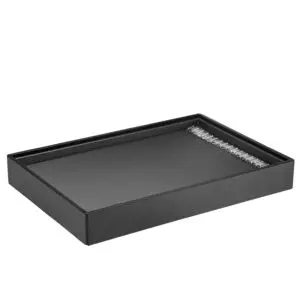
Core Capabilities: Design Flexibility, Materials & Quality
Full Design Flexibility, Any Brand Size
The jewelry tray factory delivers complete customization from concept to production. Whether you’re a startup with low MOQ needs or an established brand requiring complex modifications, we work directly with you—from zero-minimum orders through rapid sampling—to bring your packaging vision to life.
- Zero-minimum orders for startups and new launches
- Direct collaboration with our design team throughout
- Rapid sampling to validate concepts before production
- Full customization available: trays, boxes, pouches, displays
Luxury Materials Meets Sustainable Sourcing
The jewelry tray factory sources premium materials: FSC-certified paper, recycled options, and luxury fabrics including velvet, satin, microfiber, cotton, and linen. Material choices reinforce premium positioning while meeting sustainability standards. Rigid boxes feature advanced finishes—magnetic closures, LED lighting, foldable designs—that elevate every brand experience.
- FSC-certified and recycled material options available
- Premium pouch fabrics: velvet, satin, microfiber, linen, cotton
- Magnetic-closure and LED-lighting rigid boxes available
- Eco-certifications without compromising luxury aesthetics

Factory-Direct Production with Multi-Stage QC
Operating a dedicated 1,200 m² facility with 220 specialists, the jewelry tray factory maintains complete control over quality and timeline. Multi-stage professional QC inspects every tray and box before shipment. Factory ownership eliminates middlemen while dedicated account managers ensure direct communication, on-time delivery, and seamless mass production support.
- Multi-stage professional quality control on every product
- Factory-direct ownership means zero middleman markup
- Dedicated account manager for personalized project support
- 6,500+ completed projects with proven on-time delivery

Factory-Direct Advantage: How We Compare
Factory-direct sourcing beats middleman suppliers on cost, speed, customization, and support
← Swipe left or right to view →
Our Six-Phase Production Process
Design & Technical Review
Your design specifications and technical requirements are reviewed by our expert team. We validate materials, dimensions, and manufacturing feasibility, providing detailed feedback.
Premium Eco-Material Sourcing
We select FSC-certified papers and recycled materials aligned with your specifications. All sourcing complies with international environmental standards and sustainability requirements for your brand.
Sampling & Proofing
We produce your first samples using approved materials and specifications. You review and approve samples before mass production begins, ensuring perfect alignment.
Full-Scale Mass Production
Our 1,200 m² facility runs your full production order with dedicated machinery. We maintain consistent quality across all units while meeting agreed timelines.
Multi-Stage Quality Control
Every product passes rigorous inspection at three QC checkpoints. We verify materials, dimensions, printing, and assembly quality before shipment approval.
Packing & Global Shipping
Finished products are carefully packed for international shipping. We coordinate customs, choose optimal logistics routes, and ensure on-time delivery to your destination.
Five Steps to Partner With Us
From your first inquiry to delivery, we guide you through a straightforward partnership journey designed to make custom jewelry packaging sourcing simple and transparent.
Submit Your Design & Specifications
Provide your jewelry packaging specifications, design files, materials preferences, and order volume. Our team reviews your tech pack and identifies the best solutions for your brand’s requirements and timeline.
Receive Your Custom Quote
Get a factory-direct price quote with transparent costs. Our account manager discusses your project scope, materials, customization options, and minimum order quantities to ensure accuracy.
Approve Your Sample
We produce a limited sample of your design so you can evaluate materials, finish quality, printing, and fit. Your feedback guides refinements before full production commitment.
Confirm Production Details
Lock in bulk order specifications, delivery schedule, payment terms, and final pricing. Our team schedules production and coordinates logistics from our Dongguan factory to your destination.
Receive Your Production & Delivery
Your order moves through multi-stage quality control. We ship on schedule with full documentation and tracking. You receive custom jewelry packaging ready for your brands.
Quality Certifications & Global Standards



Trusted by 300+ Global Brands: Customer Stories
We reduced packaging costs by 35% and cut sampling time to just 10 days. The jewelry tray factory met our 1,500-unit MOQ requirement without compromise on quality or customization. Our new boxes elevated our brand presence significantly.
As a startup, I needed custom jewelry trays with my branding on a small order. The jewelry tray factory delivered 500 samples in 8 weeks at less than half the cost of other factories. Helped me launch my collection 2 months early.
Their custom velvet jewelry trays are now our signature packaging. Customers comment on the quality constantly—our online reviews jumped 30% since switching. Fast turnaround and consistent quality make them our go-to partner.
Frequently Asked Questions: Custom Jewelry Packaging
Everything you need to know about custom jewelry packaging, pricing, and production.
What is the minimum order quantity at the jewelry tray factory?
How long are lead times for sampling at the jewelry tray factory?
Do you charge for samples when ordering from the jewelry tray factory?
What payment terms does the jewelry tray factory offer?
Does the jewelry tray factory ship internationally?
How does the jewelry tray factory protect my design and intellectual property?
How much customization can I request from the jewelry tray factory?
Does the jewelry tray factory offer volume discounts?
Complete Buyer’s Guide: How to Source Custom Jewelry Packaging
Discover how to source premium custom jewelry trays from reliable manufacturers. Learn to evaluate quality, materials, customization options, and avoid costly procurement mistakes—all the criteria you need to choose the right factory partner for your brand.
1. What Is the Jewelry Tray Factory?
A jewelry tray is a protective, display-ready insert—typically lined with velvet, microfiber, or satin—that serves as the first tactile encounter between a customer and a brand’s product. These trays operate across three primary contexts: in-store display cases (holding inventory under shop lights), gift packaging inserts (cradling pieces during purchase), and home storage solutions (protecting jewelry between wears). The tray essentially becomes the brand’s first impression, often influencing perceived value before the product itself is examined.nnJewelry trays have become essential for independent designers and boutique retailers competing with mass-market chains, where packaging communicates brand positioning more than price. The differentiation lies in custom sizing, fabric selection (velvet, microfiber, linen, eco-materials, FSC-certified options), embossed logos, and protective geometry. Even commodity jewelry categories gain competitive advantage through thoughtful tray design.nnThe jewelry tray factory today operates as a critical enabler of low-volume, rapid-iteration production. On The Way operates with 220+ staff across 1,200 m² of production space, supporting 50-100 unit MOQs and sampling within 7 days—critical for brands testing designs before committing to inventory. This factory-direct approach has completed 6,500+ projects for 3,000+ clients, demonstrating how the jewelry tray factory has become a core component of brand strategy, not an afterthought.
2. Evolution and History
The 1960s and 1970s marked the shift from handmade velvet-lined jewelry boxes toward industrial production methods that could serve growing luxury brands at scale. Early manufacturers relied on hand-stuffing and manual embossing, with limited customization—typically offering standard sizes and limited color choices from natural fabrics like velvet and satin.nnBy the 1990s, digital printing technology revolutionized the industry, enabling cost-effective screen printing and foil stamping on packaging materials, allowing brands to print logos directly onto rigid boxes and paper components. The 2000s introduced precision die-cutting and automated lining equipment, which reduced labor costs and improved consistency across large production runs.nnSince 2015, jewelry tray manufacturers like the jewelry tray factory employ multi-stage laser cutting, embroidery automation, and UV digital printing to deliver customization at low minimum order quantities—capabilities that were impossible a decade ago. Modern innovations also include microfiber and eco-certified materials (FSC, recycled content, GOTS-compliant linen), expanding options beyond traditional velvet.nnModern lead times now reach 2–3 weeks, a dramatic reduction from the months that once characterized product development cycles. Brands can achieve intricate details, edge-painting, embossed logos, and multi-material combinations in these compressed timelines, unlocking faster innovation cycles.
3. Types of Custom Jewelry Trays from the jewelry tray factory
Custom jewelry trays serve specific display and storage needs for each jewelry category. The jewelry tray factory designs trays tailored to rings, pendants, bracelets, earrings, and mixed collections, each optimized for retail presentation and customer experience.
Ring Trays and Sizers

Ring trays typically measure 20–35 cm and feature 12–24 slots to display rings vertically. Retailers use them at point-of-sale and in windows.nnDepths range 4–8 cm, accommodating engagement rings, bands, and fashion pieces in one unit.
Pendant and Necklace Displays
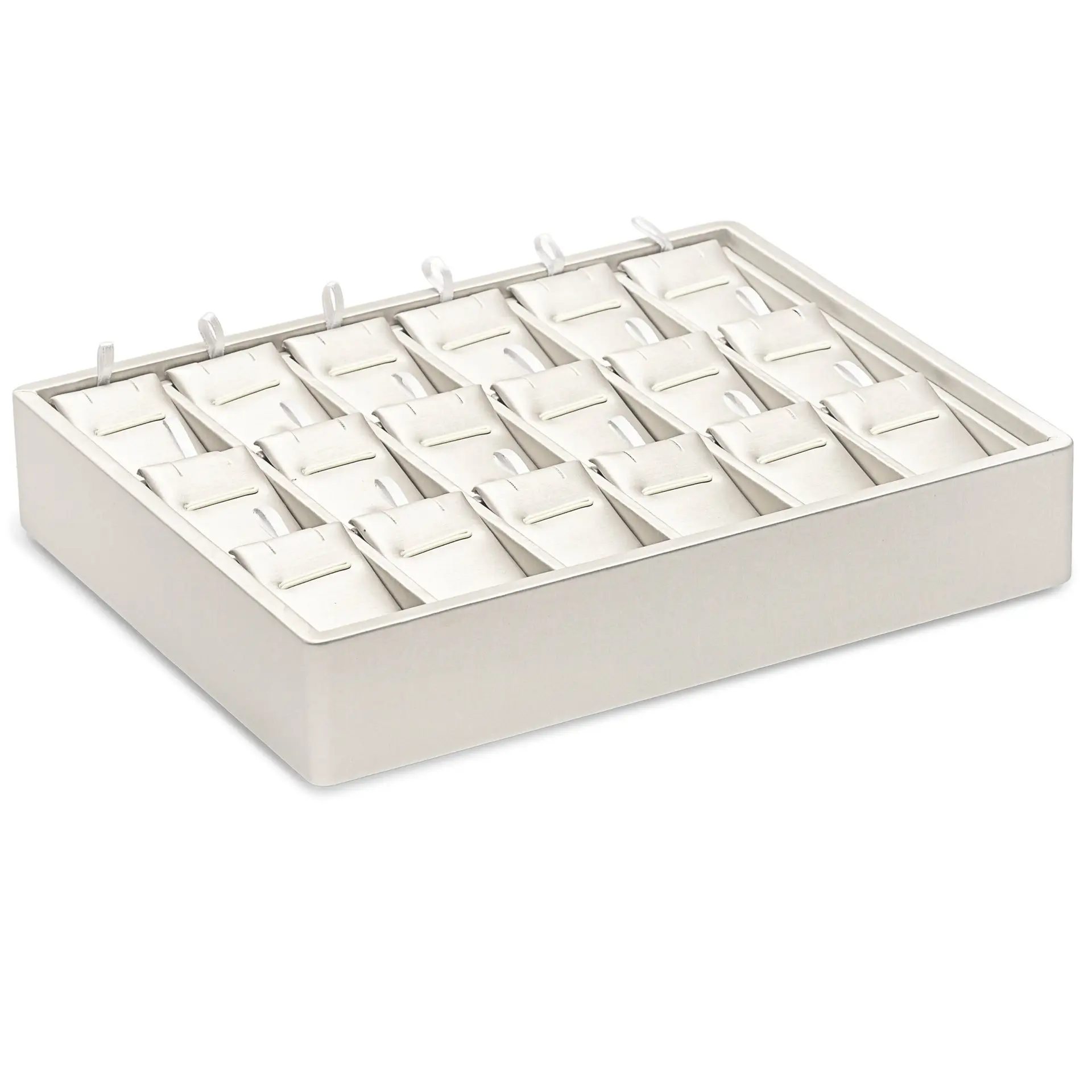
Pendant trays measure 25–40 cm with 8–16 T-shaped stands or hooks to hang and showcase pendants. Common depths are 5–10 cm.nnThese trays highlight single pieces for bridal lines or premium collections, protecting chains from tangling during retail display.
Bracelet and Bangle Trays
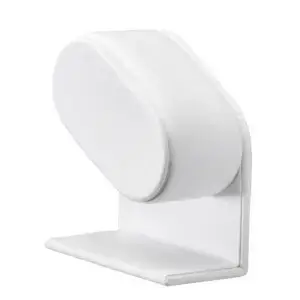
Bracelet trays span 30–50 cm with 10–20 C-shaped or padded stands to display bangle and link bracelets. Compartments hold 4–8 pieces per tray.nnDepths vary 4–7 cm. Retailers stack multiple trays vertically for high-volume bracelet displays in boutique settings.
Earring Organizers and Display
Earring trays come in 15–25 cm widths with 20–40 small holes or pockets to hold studs and drops. Standard depths are 2–4 cm.nnMicro-fiber or velvet lining prevents scratches on delicate posts and backs, and stackable design enables compact storage.
Combination and Multi-Purpose Trays
Multi-segment trays combine 2–4 jewelry types—rings, studs, pendant hooks—in one 35–50 cm unit. Flexible compartment layouts adapt to mixed collections.nnThese trays maximize counter space in boutique retail and serve emerging designers testing multiple segments in one display.
4. Materials and Fabrics Used
Material choice defines a jewelry tray’s luxury quotient, durability and environmental impact. The jewelry tray factory supplies five primary options, each with distinct tactile properties, lifespan expectations and cost implications for retail environments.
| Material | Durability | Tactile Quality | Sustainability | Cost |
|---|---|---|---|---|
| Velvet (Polyester) | High; 2–3 yr retail lifespan | Luxurious soft pile | Synthetic; recycled options | Premium |
| Velvet (Cotton) | Moderate; lighter duty | Soft; natural warmth | Natural fiber | Premium |
| Microfiber | Very high; pill resistant | Smooth suede-like | Synthetic; recycled blends | Mid |
| Faux Suede | High; flexible | Suede texture | Polyester-nylon blend | Mid |
| Linen | Moderate; softens with use | Textured weave | Natural; organic available | Mid |
| Cotton | Moderate; can wrinkle | Soft; breathable | Eco-friendly; GOTS available | Budget–Mid |
Premium Velvet for Luxury Positioning

Polyester and cotton velvet dominate luxury tray applications. Polyester velvet resists pilling and staining, supporting 2–3 years of retail display wear; cotton velvet offers softer hand-feel but requires gentler handling.nnBoth command premium pricing yet remain favorites among high-end jewelry houses for their unmatched tactile luxury.
Eco-Friendly Alternatives
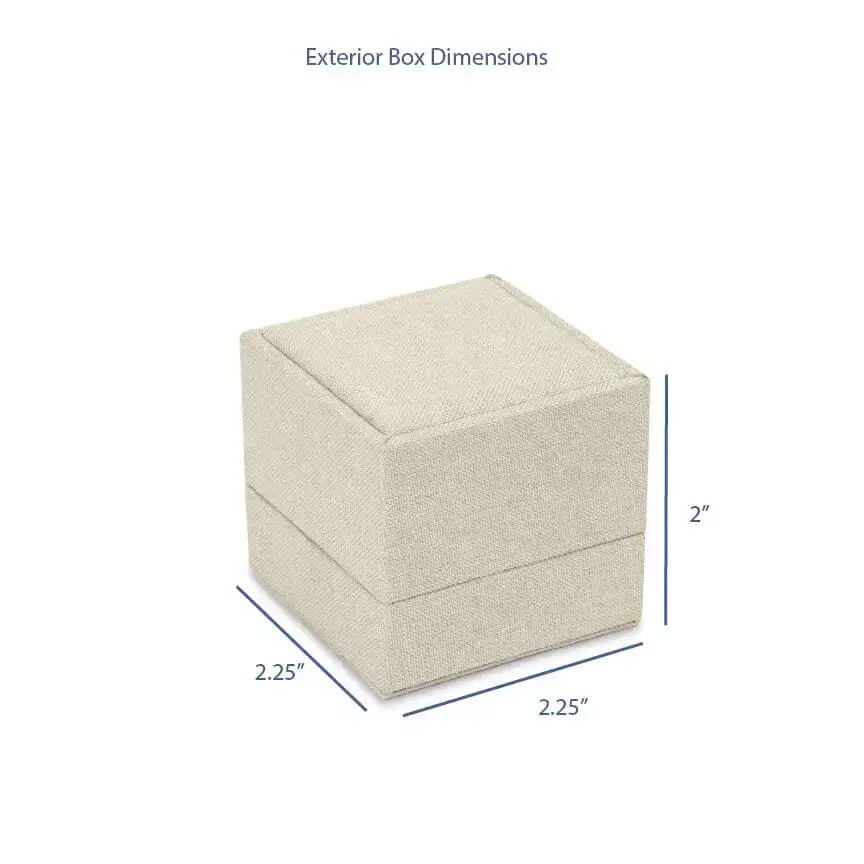
Linen and organic cotton appeal to sustainability-conscious brands. Linen’s natural texture improves with age, while GOTS-certified cotton ticking provides eco-credentials at budget-to-mid price points.nnThe jewelry tray factory sources FSC-certified fabrics and recycled polyester blends for eco-conscious buyers without sacrificing durability or perceived value.
Mid-Range Synthetic Options

Microfiber and faux suede occupy the mid-range segment, offering balance between luxury feel and durability. Microfiber outperforms all materials in stain resistance and pill resistance, making it ideal for high-traffic retail environments.nnFaux suede delivers authentic tactile appeal with moderate durability at accessible price points.
5. Customization and Decoration Options
On The Way offers five primary decoration techniques to bring your brand vision to life on jewelry packaging. Each method serves different aesthetic goals, material types, and production volumes, with MOQs and timelines tailored to your order scale.
| Decoration Method | MOQ | Lead Time |
|---|---|---|
| Screen Printing | 500–1,000 | 7–10 days |
| Digital Printing | 200–500 | 3–5 days |
| Foil Stamping | 300–500 | 5–7 days |
| Embossing | 250–400 | 5–7 days |
| Laser Engraving | 50–200 | 4–6 days |
Printing and Embroidery Techniques

Screen printing and embroidery both deliver durability and appeal on fabric pouches and trays. Screen printing requires 500–1,000-unit MOQs and 7–10 days, while embroidery starts at 200–400 units with 5–7 day production.nnDigital printing offers full-color photo-quality output with lower MOQs (200–500 units) and faster turnaround (3–5 days), ideal for limited-edition runs.
Foil Stamping and Embossing
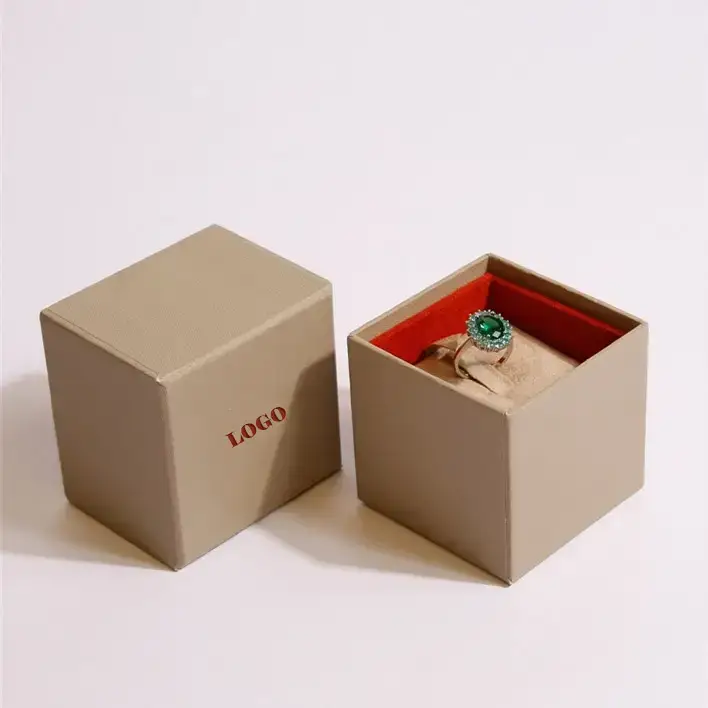
Foil stamping creates metallic accents (gold, silver, holographic) on rigid boxes and leather-like materials, with MOQs of 300–500 units and 5–7 day production.nnEmbossing presses a design into the surface without ink, ideal for minimalist branding on linen and cotton trays. Both preserve material texture while adding luxury perception.
Laser Engraving
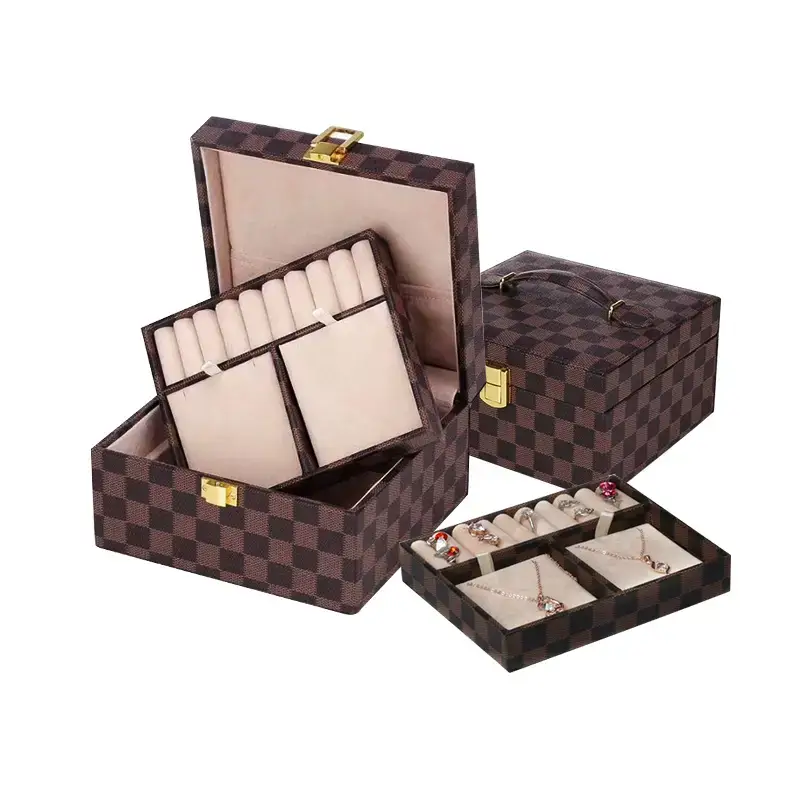
Laser engraving etches precise logos and text into leather, wood, and acrylic surfaces with permanent, professional results.nnMOQs start at 50–200 units with 4–6 day lead times, making it ideal for luxury boutiques or limited-edition collections. The technique prevents fading and allows intricate detail at small scale.
Color Matching and Logo Placement
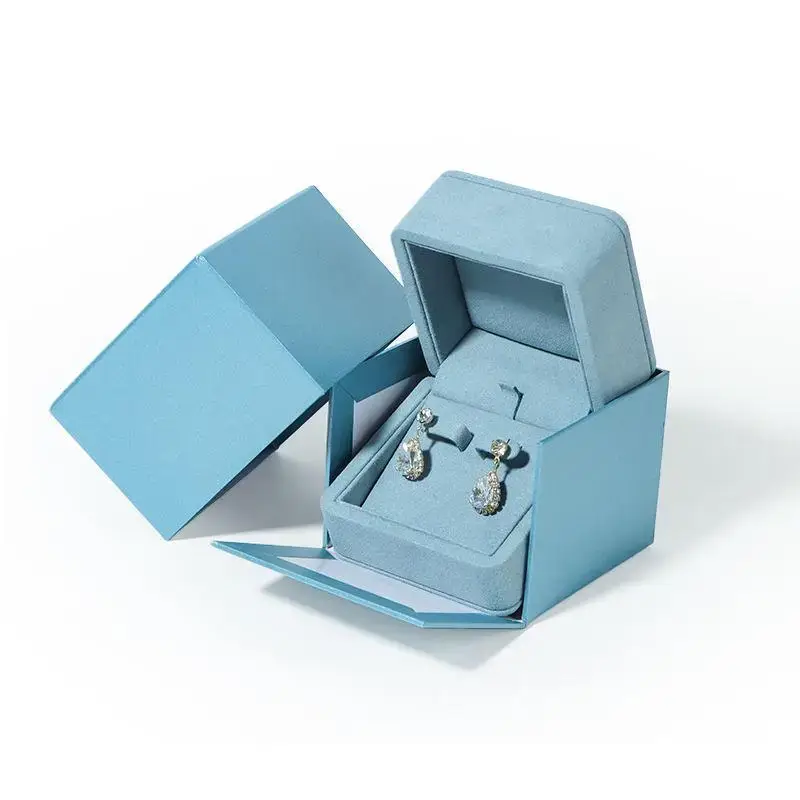
Pantone color matching ensures brand consistency across all packaging materials and decoration methods.nnThe jewelry tray factory supports placement on multiple surfaces: tray interiors, exterior box faces, paper bag tags, and pouch corners. Samples include your exact logo placement and color, allowing precise approval before full production.
6. Key Quality Elements for Jewelry Tray Inspection
Quality inspection during sampling and pre-production prevents costly errors at scale. Critical checkpoints—stitching, fabric properties, interior finish, and compartment precision—distinguish premium trays from commodity alternatives.
Stitching and Seam Quality

Jewelry tray stitching requires 180–240 stitches per inch with uniform thread tension. Inspect all seams under magnification for skipped stitches, puckering, or color mismatches indicating machine wear.nnDemand seam-strength testing (8–10 kgf minimum) before bulk runs. Request calibration records and first-article inspection reports from your supplier’s QC team.
Fabric Density and Fastness

Specify velvet at 200–350 GSM and request mill certificates confirming weight. Color fastness requires AATCC 61-2A testing for wet, dry, and light exposure.nnDemand grades 4–5 on the AATCC Gray Scale. Reject custom colors lacking third-party fastness certification before production.
Interior Finish and Edge Sealing

Inspect padding adhesion for wrinkles, gaps, or delamination under compression. Interior finishes (gloss, matte, embossed) must match approved samples via side-by-side comparison.nnEdge sealing prevents fraying and wear. Verify via durability testing (20-wash cycles) or pull-apart inspection at compartment corners.
Compartment Precision

Measure compartment depth, width, and height within ±2mm tolerance using digital calipers. Ring dividers and watch pillows must be centered, secure, and aligned perfectly.nnTest load-bearing capacity during durability checks. Each compartment should support 500g minimum without warping, separation, or permanent deformation.
Durability and Compliance
Conduct 1,000 open-close cycle testing on rigid trays to verify hinge integrity and closure longevity. Request OEKO-TEX or GOTS certification for eco-fabric claims.nnWater-resistance testing is critical for extended-wear storage. Confirm all certifications and test reports before approving production samples.
7. How to Choose Your Jewelry Tray Factory Partner
Selecting the right jewelry tray factory requires systematic evaluation: certifications, production capacity, sample responsiveness, and partnership culture. Superficial vetting risks delays, quality issues, and costly rework.
Certifications and Compliance
Verify FSC (responsible forestry) and OEKO-TEX (chemical safety) on all materials. Request current audit reports for GOTS (organic), WRAP, or BSCI standards matching your brand values. Certification documentation signals manufacturing discipline and reduces regulatory risk.
Production Capacity and Scalability
A credible jewelry tray factory operates 1,200+ m2 with 220+ dedicated staff, completing 6,500+ projects across multiple equipment types (embossing, magnetic closures, LED integration). Scalability from 500 to 5,000+ units per design defines partnership longevity.
MOQ Flexibility and Minimums
Sub-500-unit minimums distinguish custom factories from volume-only manufacturers. Compare MOQ policies across vendors; rigid minimums signal inflexible operations. Negotiate tiered pricing: higher volumes reduce unit cost, but minimums should not force overstock risk.
Sample Turnaround and QC Processes
Quality factories deliver initial samples within 7–14 days. Verify multi-stage QC: incoming material inspections, mid-production audits, pre-shipment verification. Request written defect thresholds (typically 0.5–2% acceptable quality levels) and rework protocols.
Factory Audits and Transparency
Schedule on-site visits before production—photos, video tours, and personnel interviews confirm workforce conditions and equipment maintenance. Factories welcoming inspection build confidence; evasiveness signals hidden problems. Plan 2–3 audits over your partnership lifecycle.
Communication and Account Management
Dedicated account managers streamline contact, resolve conflicts faster, and provide proactive production updates. Test responsiveness with sample questions before committing. Transparent milestones, dispute resolution, and regular reporting separate premium partners from transactional vendors.
8. Common Mistakes Buyers Make
Most buyers make avoidable sourcing mistakes that compound costs months into production. Understanding seven common pitfalls—and their long-term price—helps you negotiate smarter terms.
Price-First Mentality
Choosing suppliers by lowest cost alone courts hidden expenses. Suppliers undercutting by 40%+ typically cut corners—thinner materials, rushed tooling, minimal QC.nnA 15% price difference across 10,000 units costs less than restarting production due to defects or late revisions.
Overlooking Sample Quality
Sample approval gates production success; rushing this phase is costly. Buyers skipping rigorous inspection face runtime surprises: color drift, weak closures, poor embossing.nnSpend 2–3 weeks vetting samples. It prevents scrapping 5,000 finished units mid-shipment.
Vague Specifications
Unclear specs—’velvet trim’ without fabric weight, missing closure torque—invite costly interpretation errors. Rework cascades: restitching, refoil, reshipment.nnLock down GSM, Pantone matches, closure durability upfront in writing to block revision cycles.
Poor MOQ Negotiation
Accepting factory-quoted MOQs locks working capital unnecessarily. The jewelry tray factory typically quotes 500–2,000 unit minimums based on tooling; negotiate down if market data supports smaller batches.nnTiered pricing and step-buy models reward scale without overcommitting upfront.
Rushing the Timeline
Expecting 4-week turnaround on custom rigid boxes with embossing invites disaster. Standard lead: 6–8 weeks for sampling, 8–10 weeks for production.nnRushing adds 20–30% cost premiums and compounds quality risk exponentially.
Weak Supplier Communication
Silence during production invites drift from specification. Monthly progress calls and marked sample photos catch issues early—before tooling is locked.nnAmbiguous email chains cause rework; use written confirmation, marked diagrams, reference photos.
9. Steps to Launch Your Branded Jewelry Tray Line
Launching a branded jewelry tray line requires aligning design intent, supplier capability, and production timeline. A structured procurement workflow—from concept through delivery—minimizes rework and ensures on-time availability for launch.
Define Your Tray Specification & Design Brief
Document tray dimensions, compartment layout, material preference, and brand aesthetics before outreach. A 1-page design brief accelerates vendor evaluation.nnInclude finish type (velvet, microfiber, embossing), production quantity, and launch timeline. Clarity prevents sampling delays and rework.
Source & Vet Suppliers
Request quotes from 3-5 manufacturers with documented jewelry tray experience. Verify FSC certification, OEKO-TEX compliance, and sample turnaround capacity.nnA 2-week sample window is standard. Compare MOQ tiers—many specialty makers offer 500-2,000 for rigid boxes, 100-300 for pouches—and lead times (6-10 weeks typical).
Approve Samples & Confirm Specs

Evaluate 2-3 sample iterations for fit, finish, color matching, and printing accuracy. Request physical samples before committing to tooling.nnObtain written sign-off on final specifications, including emboss depth, velvet pile height, and hardware supplier. Document everything to prevent mid-production surprises.
Negotiate Terms & Deposit
Standard payment splits: 50% deposit upon PO, 50% balance pre-shipment. Confirm MOQ discount tiers at 1,000 / 5,000 / 10,000 unit volumes.nnLock in lead time, in-stock date, and penalty clauses for delays. Establish weekly production update cadence—this reduces surprise revisions and holds the supplier accountable.
Manage Production & Delivery
Set checkpoint reviews at tool approval (week 1-2), pre-production sample (week 3-4), and mid-production batch inspection. Request photos at each gate.nnCoordinate shipping early: sea freight (6-8 weeks) vs. air (7-10 days). Confirm customs documentation, labeling, and insurance. Assign a dedicated account manager to own timeline accountability.
10. Pricing, MOQ, and Lead Times
Prices from the jewelry tray factory for standard velvet and satin pouches start at 50-unit MOQs, with setup fees ranging from $80 to $200 depending on decoration method and complexity. Bulk discounts accelerate at 500+ units, where per-unit costs typically drop 40–50 percent from small-order rates; material grade, finish, and closure hardware details also influence final pricing.nnSamples from the jewelry tray factory take 5–7 business days to produce; full production runs typically ship within 3–4 weeks after approval. Chinese New Year (late January–early February) and Q4 peak season extend lead times by 1–2 weeks; designers booking holiday product launches should request quotes 8–10 weeks in advance for priority scheduling and confirmation.
| Quantity Tier | Per-Unit Cost (USD) | Setup Fee (USD) | Typical Lead Time |
|---|---|---|---|
| 50 | $9.50 | $150 | 5–7 days (sample) |
| 100 | $7.20 | $150 | 3–4 weeks |
| 500 | $4.10 | $100 | 3–4 weeks |
| 1,000 | $3.00 | $100 | 3–4 weeks |
| 5,000+ | $2.10 | $80 | 3–4 weeks |
11. Next Steps: Getting Started with Your Supplier
3,000+ existing cooperative customers began with a simple inquiry to the jewelry tray factory. Start by contacting your supplier with sample images, target materials (velvet, satin, microfiber), unit quantity, and desired delivery date. Most established suppliers, including On The Way, provide initial sampling within 7–14 days at reduced cost to validate your design before you commit to minimum order quantities.nnWhen submitting designs, specify Pantone color codes, fabric specifications (GSM, weave type), and any hardware requirements (magnetic closures, LED inserts, metal accents). Negotiate terms upfront: most jewelry tray factories offer tiered pricing at MOQs of 500, 1,000, and 2,500 units, with mass-production lead times of 25–35 days after approval. Ask about payment schedules—50% deposit, 50% on shipment is industry standard.nnDuring negotiations, verify multi-stage quality control, FSC-certified or recycled materials, and reference customers. Red flags: vague sample timelines, unlicensed manufacturing, reluctance to share facility details. On The Way’s 1,200 m² factory, 220+ staff, and 300+ publicly referenced brands signal stability and accountability—ask your supplier for similar proof.nnAfter your first order, establish a regular check-in rhythm with your account manager for feedback cycles, defect reporting, and seasonal planning. Track delivery timeliness, defect rates, and response speed to urgent requests. A stable supplier relationship reduces sampling overhead and accelerates reorders, protecting your brand’s seasonal timeline.
The Jewelry Tray Factory: Start Your Custom Project Today
Fast samples, competitive factory-direct pricing, dedicated account managers, and expert support. 6,500+ custom projects delivered for 300+ brands worldwide.