
Custom Foldable Jewelry Cases with Factory-Direct Pricing
Partner with On The Way for premium foldable jewelry cases that combine luxury aesthetics with factory-direct pricing. Low MOQ, full customization, and OEM solutions for global brands.
Featured Foldable Jewelry Cases


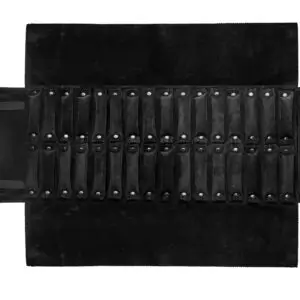


Product Gallery
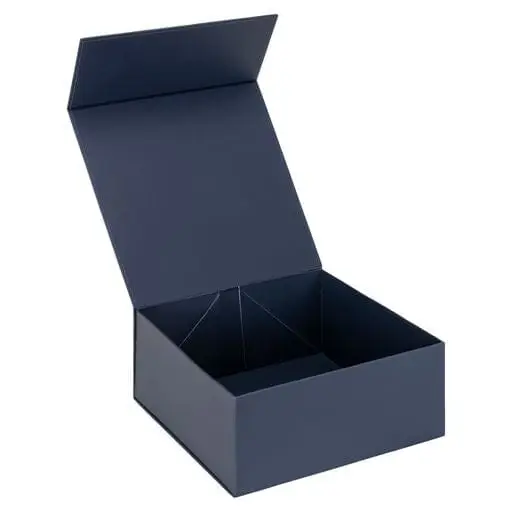
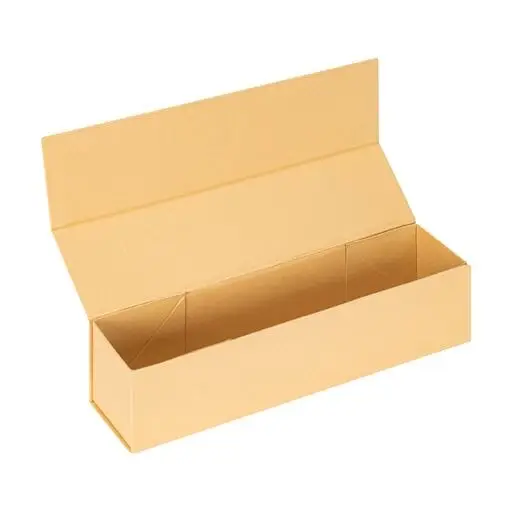
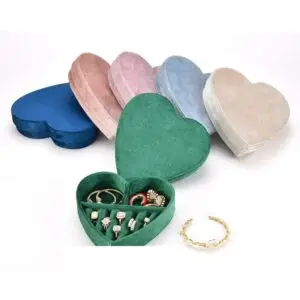
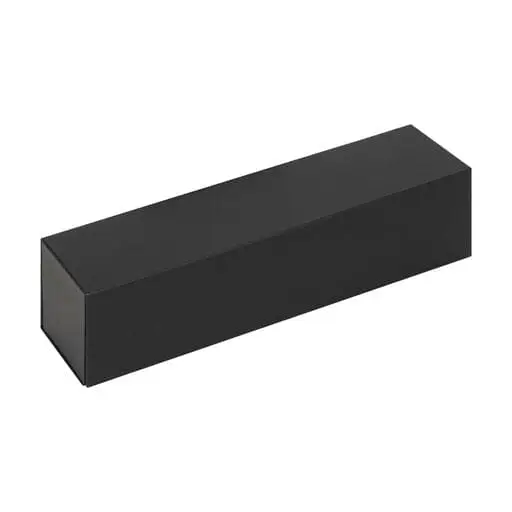
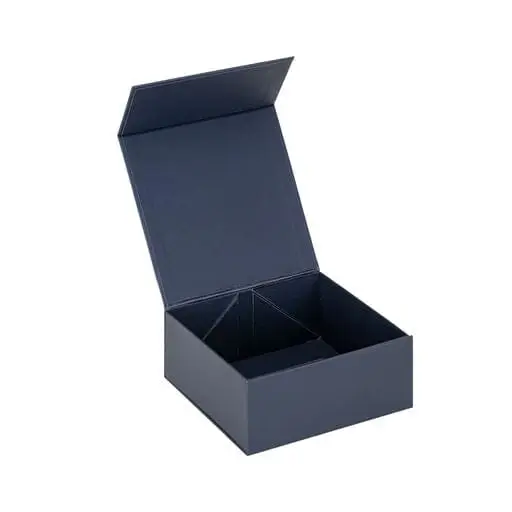
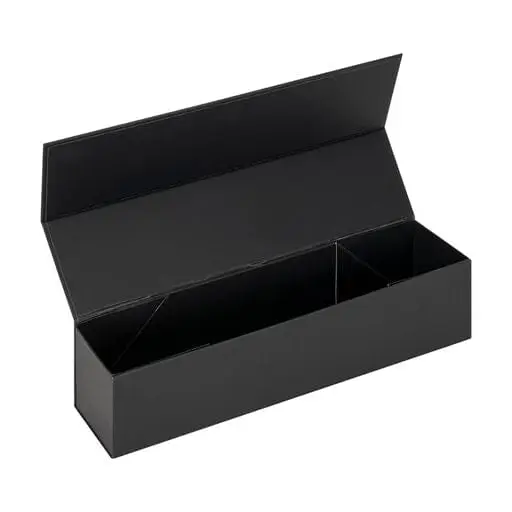
Why Our Custom Foldable Jewelry Cases Stand Out
Six concrete reasons why 300+ global brands trust us with their custom jewelry packaging production.
Factory-Direct Pricing
Skip middlemen. Manufacture directly from our Dongguan facility and own your margins on every foldable jewelry case order.
Low MOQ Flexibility
Start as small as 100 units. Custom designs and finishes with no minimums—perfect for startups and boutiques.
Multi-Stage Quality Control
6,500+ completed projects prove our commitment. Every foldable jewelry case passes rigorous inspection at each production stage.
FSC-Certified Eco-Materials
Sustainable and certified. FSC cardboard and recycled materials ensure your foldable jewelry case meets brand and regulatory standards.
Custom OEM Solutions
White-label perfection. We design and manufacture fully customized foldable jewelry cases carrying your brand from sample to mass production.
Dedicated Account Managers
One reliable contact from start to finish. Your dedicated manager ensures on-time delivery and zero communication gaps.
Foldable Jewelry Cases: Tailored Solutions for Every Brand
From velvet pouches to luxury gift boxes, we offer custom packaging that matches your brand identity and production needs.
Luxury Jewelry Brands
High-end brands need foldable jewelry cases reflecting premium positioning without undermining brand perception. Off-the-shelf packaging lacks customization for logos, finishes, and magnetic closures that luxury customers expect.
Custom rigid foldable jewelry cases with magnetic closures, embossing, and premium materials. Your brand's first impression is exquisite—every unboxing reinforces quality and justifies your price point.
Independent Jewelry Designers
Emerging designers need affordable, professional packaging without high minimums. Most suppliers demand MOQs of 1,000+ units, forcing capital investment before proving market fit. Finding a supplier with low order minimums is challenging.
Low MOQ custom velvet pouches and boxes start at quantities that fit your cash flow. Scale up as demand grows. Professional packaging at wholesale prices, factory-direct—no middlemen markup.
Boutique Retailers & Resellers
Boutiques need branded paper bags and packaging that reflect their identity and differentiate from competitors. Generic packaging erodes brand equity. Sourcing small quantities of custom packaging from traditional suppliers is expensive and slow.
Custom-branded luxury paper bags and foldable jewelry cases ready in weeks, not months. Low MOQ and factory-direct pricing mean you can afford branded packaging that enhances every sale.
Watch & Fine Jewelry Specialists
Watch retailers and premium jewelers need display trays, watch cases, and storage solutions that protect delicate items and showcase them beautifully. Generic display stands don't meet luxury standards or fit unusual product dimensions.
Custom display trays, watch cases, and storage solutions built to your exact specs. Premium materials and finishes protect products while creating an unboxing experience worthy of your brand.
E-Commerce & Subscription Brands
Online jewelry sellers and subscription boxes live on unboxing experience. Premium packaging reduces returns and drives social media sharing. Standard packaging gets lost in a crowded market and doesn't photograph well.
Custom gift boxes and pouches engineered for social impact. Magnetic closures, tissue wrap, and premium finishes turn deliveries into brand moments. Every unboxing tells your story.
Premium Materials for Custom Jewelry Packaging
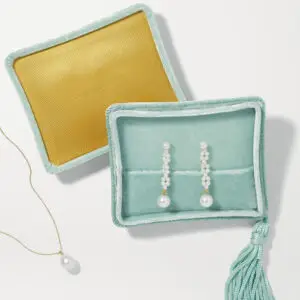
Velvet
Soft, luxurious plush finish with deep color saturation. Ideal for premium jewelry cases requiring tactile elegance. Superior light absorption minimizes glare, creating an upscale unboxing experience.

Satin
Smooth, lustrous finish delivering refined sophistication and brand prestige. Perfect for high-end foldable jewelry cases seeking subtle sheen. Our premium satin weave resists pilling while maintaining luxurious appearance.

Microfiber
Fine synthetic fiber offering exceptional softness and durability for daily-use packaging. Resists dust and fingerprints, maintaining pristine appearance. Ideal for professional retail jewelry case presentations.

Cotton Canvas
Natural, breathable textile with tactile charm and strong sustainability appeal. Durable weave supports embroidery and custom branding techniques. Perfect for eco-conscious jewelry brands, boutique retailers, and independent designers.
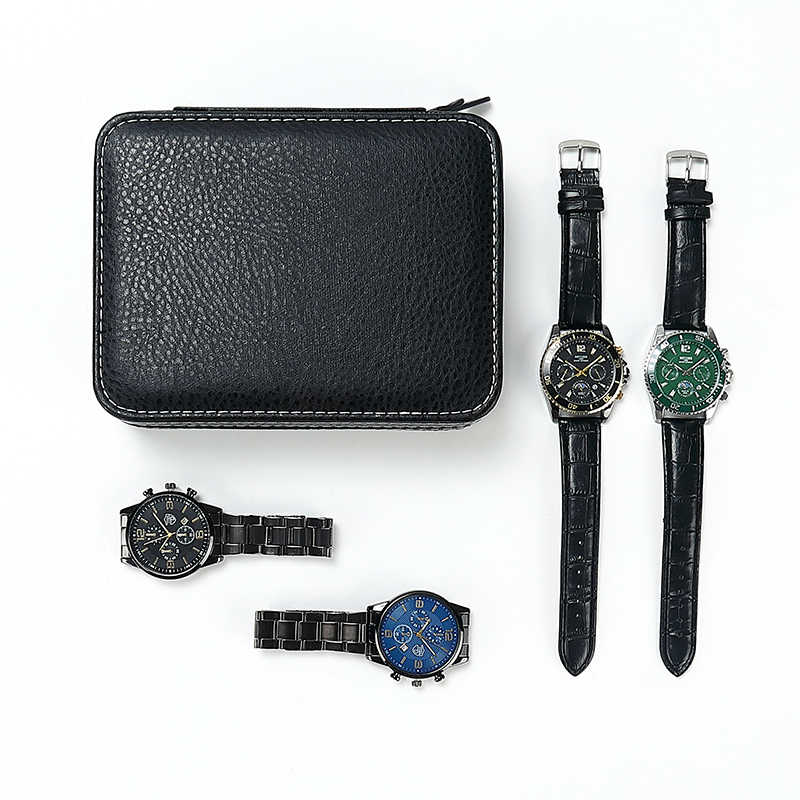
Linen
Premium natural fiber combining distinctive texture and elegance for sophisticated jewelry packaging. Excellent breathability prevents moisture and odor buildup. Ideal for luxury brands emphasizing traditional craftsmanship and design heritage.

Recycled Eco-Materials
FSC-certified and recycled fiber construction meeting luxury sustainability standards. Maintains premium feel and durability while reducing environmental impact. Increasingly preferred by conscious jewelry brands, boutique retailers, and independent designers worldwide.
Advanced Manufacturing Techniques for Foldable Jewelry Cases
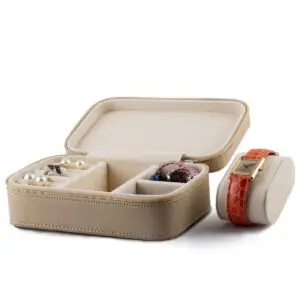
Custom Embroidery
Custom embroidered details elevate your foldable jewelry case with personalized logos and branding. Adds luxury tactile finish and durability for long-lasting brand impact on pouches and interior linings.

Screen Printing
Vibrant, full-color screen-printed designs on fabric and rigid surfaces. Creates sharp branding with excellent durability and fade resistance for high-volume production runs of foldable jewelry cases.
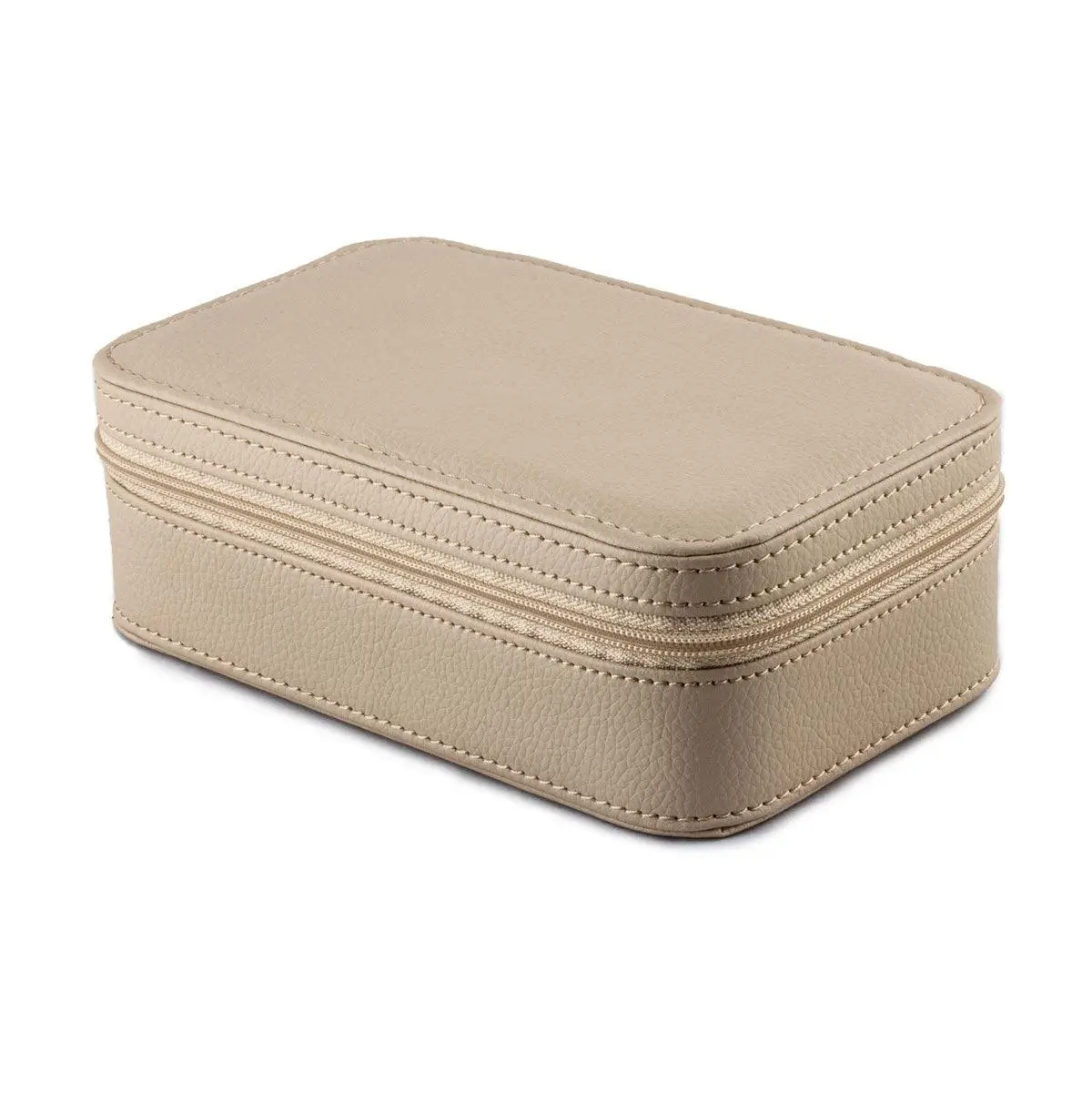
Hot Stamping
Gold, silver, and colored foil stamping creates premium embossed effects on lids and surfaces. Delivers sophisticated brand finishes with exceptional durability and luxury appeal for high-end foldable jewelry case packaging.
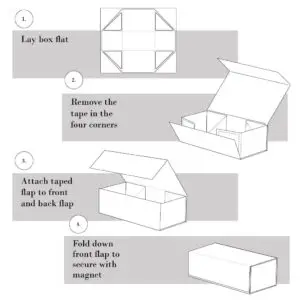
Magnetic Closures
Precision-engineered magnetic closure systems provide secure, seamless opening and closing. Delivers luxury feel and durability while protecting contents—essential component for professional foldable jewelry case functionality.
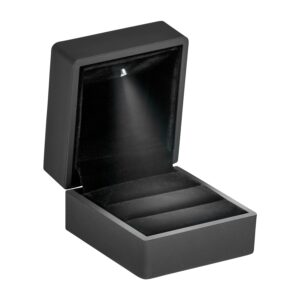
LED Lighting Integration
Custom LED systems illuminate product displays with warm, adjustable lighting. Creates premium unboxing experience and showcases jewelry elegantly—upgrade option for luxury foldable jewelry case presentations.

Custom Inserts
Precision-cut foam and velvet inserts designed for specific jewelry types. Protects products, enhances presentation, and creates organized compartments within your foldable jewelry case for maximum customer satisfaction.
Advanced Manufacturing Techniques for Custom Jewelry Packaging

YKK Zippers
Premium closure mechanism for foldable jewelry cases, ensuring smooth operation and reliable durability. Ideal for cases requiring secure, dependable fastening. Widely used in luxury jewelry packaging applications.

Magnetic Closures
Strong, seamless magnetic locks that keep your foldable jewelry case securely closed without visible fasteners. Adds a premium, minimalist finish that enhances brand perception and presentation.

Drawcords & Tipping
Satin or silk drawcords with metal tipping for elegant, easy access to jewelry contents inside your foldable jewelry case. Adds a luxury finishing touch that feels premium.

Woven Labels & Tags
Branded woven labels or custom hang tags that identify your foldable jewelry case with your logo and care instructions. Essential for brand identity and professional presentation.

Tissue Paper & Inserts
Custom tissue padding and branded inserts protect jewelry while adding striking visual impact when your foldable jewelry case opens. Creates an unforgettable unboxing experience for customers.

Ribbon Trim & Accents
Premium ribbon, piping, or silk trim that decorates seams and edges of your foldable jewelry case design. Elevates the overall luxury appeal and perceived quality.
Foldable Jewelry Case Experts Since 2007
Founded in 2007 on the principle that quality defines survival, On The Way is a China-based manufacturer specializing in custom foldable jewelry cases and premium jewelry packaging. We design and manufacture bespoke solutions for brands that demand excellence, from pouches to rigid boxes, displays, and branded paper bags.
Operating a 1,200 m² factory with 220+ staff, we’ve completed 6,500+ custom projects for 3,000+ cooperative customers, serving 300+ brands across 30+ countries. From startups to established luxury houses, our factory-direct model, low MOQ, and dedicated account managers enable partners to bring their unique visions to market without compromise.
What sets us apart is our unwavering commitment to quality at every stage. Multi-stage QC oversight, FSC-certified and recycled eco-materials, full customization flexibility, and on-time delivery ensure your brand’s packaging reflects the excellence your customers deserve. At On The Way, we believe exquisite packaging defines quality living.

How We Engineer Your Foldable Jewelry Cases
Precision Engineering for Rigid Boxes
Custom rigid box manufacturing for foldable jewelry cases with advanced technical capabilities. We control every aspect of production—from structural design to finishing—ensuring flawless magnetic closures, sustainable hinge systems, and bespoke dimensions that protect luxury goods while amplifying brand presence.
- Magnetic-closure and friction-fit mechanisms engineered for durability
- Full design control from prototype to mass production
- Multi-stage QC ensuring zero defects in structural integrity
- Custom sizing and internal configurations for any jewelry format

Fast Sampling, Rapid Turnaround
Accelerate your product launch with our rapid-sampling process. From concept approval to first sample, our dedicated teams deliver working prototypes in 7–14 days, reducing time-to-market for new foldable jewelry case designs.
- 7–14 day sample turnaround for foldable jewelry cases
- Multiple revision rounds included in sampling phase
- Dedicated account managers guiding every prototype iteration
- Cost-effective sampling without lengthy delays or minimum commitments
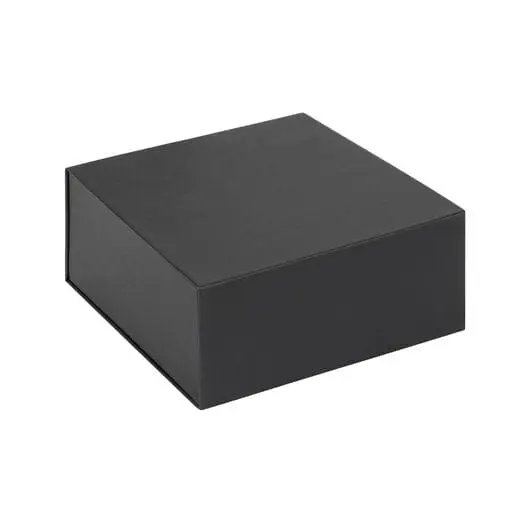
Premium Eco-Materials for Conscious Brands
Choose from FSC-certified paper, recycled cardboard, and sustainable lining fabrics for your foldable jewelry case without compromising luxury perception. Our material sourcing directly aligns your brand values with environmental responsibility, backed by certifications and transparent partnerships.
- FSC-certified and recycled material options available
- Sustainable velvet, linen, cotton, and microfiber linings
- Full transparency on material sourcing and carbon footprint
- Compliance with EU and North American environmental regulations
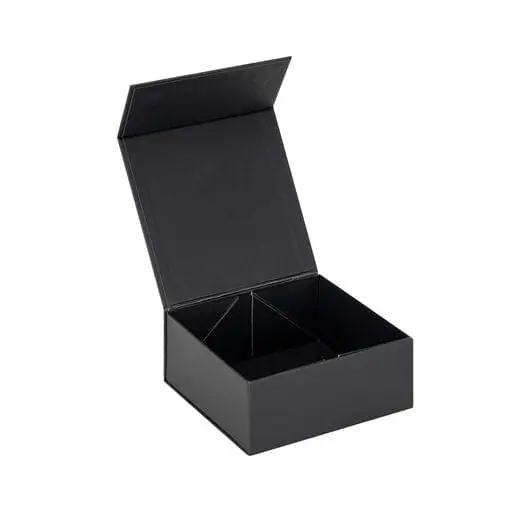
White-Label & Private Label Expertise
Launch your branded jewelry packaging line under your own brand name. Our OEM programs are built for independent designers, boutique retailers, and emerging jewelry brands—offering factory-direct pricing and design freedom.
- Confidential OEM manufacturing with your branding
- Factory-direct pricing without distributor markups
- Full custom flexibility from 50-unit MOQs
- Dedicated account manager for your private-label foldable jewelry case line

Why Our Foldable Jewelry Cases Outperform Traditional Suppliers
Factory-direct quality and flexibility that typical suppliers can’t match.
← Swipe left or right to view →
Our Proven Foldable Jewelry Case Process
From consultation to delivery, we orchestrate every detail. Six phases of precision manufacturing, quality control, and logistics expertise—designed to bring your custom jewelry cases to life on time and to spec.
Supplier & Material Selection
We vet all suppliers and materials to strict standards. You select from our premium library—FSC-certified papers, sustainable alternatives, leathers, and specialty fabrics. Custom options available.
Design & Sampling
Our team collaborates to refine your design. We produce samples with digital proofs, technical drawings, and physical prototypes. Rapid iterations ensure your specifications are captured before production.
Production Planning & Setup
We create production schedules and prepare custom tooling. Cutting dies, printing plates, and finishing equipment are configured. Supply chain coordination ensures on-time material delivery.
Manufacturing & Finishing
Our 220-person team executes cutting, folding, and precision printing. Each foldable jewelry case is formed, decorated, and assembled per specifications. Embossing and custom hardware application included.
Multi-Stage Quality Control
Every unit passes comprehensive QC checkpoints: material inspection, dimensional verification, print quality assessment, and functionality testing. Our team ensures brand compliance and zero defects.
Packing & Logistics
Orders are carefully packed with protective materials to prevent damage. We arrange freight, handle customs documentation, and coordinate worldwide delivery. Real-time tracking keeps you informed.
Why 300+ Brands Trust Our Custom Jewelry Packaging
From initial brief to delivery—we guide you through each stage with transparency and dedicated support.
Submit Your Design & Requirements
Share your tech pack, CAD files, specifications, and volume needs for your foldable jewelry case. Our account managers review and identify customization options.
Receive Customized Quote & Sampling Plan
Get factory-direct pricing, production timeline, and sample delivery schedule for your foldable jewelry case. Transparent quotes with no hidden fees—all specifications confirmed before production.
Approve Samples & Finalize Specifications
Review pre-production samples, request adjustments, confirm finishing, materials, and branding. Multi-stage QC ensures every detail meets your standards before bulk production begins.
Launch Production & On-Time Delivery
Approve final specs, place your production order, and track manufacturing progress. Receive finished foldable jewelry cases on schedule with QC documentation and secure packaging.
Quality Certifications & Standards for Foldable Jewelry Cases

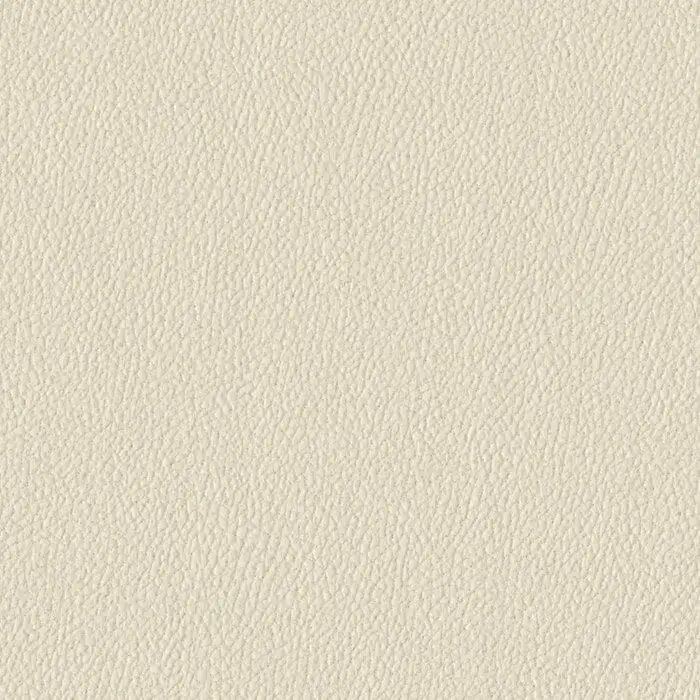

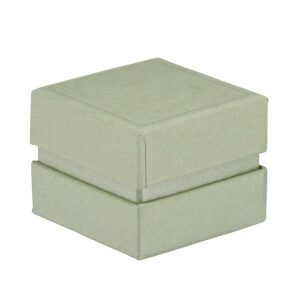
Why 300+ Brands Trust Our Foldable Jewelry Cases
We needed foldable jewelry case samples fast for our fall launch, and On The Way delivered in 10 days. Their 500-unit minimum is perfect for our boutique size, and honestly, the magnetic closure quality impressed everyone on our team.
Switching to their custom foldable jewelry case design cut our packaging costs by 32%. They handled every detail perfectly—velvet lining, branded logo, fast sampling—and delivered 2,500 units on schedule for our spring launch.
In three years, we’ve ordered six different foldable jewelry case variations for seasonal collections. On The Way’s design flexibility and dedicated account manager mean zero production delays—absolutely critical for maintaining our retail partnerships with boutiques across 12 countries.
Foldable Jewelry Cases: Frequently Asked Questions
What’s the minimum order quantity for foldable jewelry cases?
How long does sampling take for a custom foldable jewelry case?
Can you produce a rush order for my foldable jewelry case?
How do you protect our intellectual property and designs?
What payment terms and deposit amounts do you require?
What are the shipping costs for overseas orders?
How customizable are your foldable jewelry cases beyond standard designs?
Do you offer white-label or private label foldable jewelry cases?
What certifications and quality standards do you maintain?
The Complete Buyer’s Guide to foldable jewelry case Selection and Sourcing
Learn how to select, customize, and source foldable jewelry cases from vetted manufacturers. This guide covers material options, quality standards, pricing structures, common pitfalls, and proven strategies for launching branded packaging that elevates your jewelry retail experience.
1. What Is a foldable jewelry case?
Dedicated compartments and protective barriers define the foldable jewelry case: a collapsible, compartmentalized packaging solution that balances structural protection with compact transportability. Unlike rigid boxes that require permanent shelving space or soft pouches that offer minimal organization, the foldable format combines the architectural integrity of high-end packaging with the space-efficiency that appeals to both retailers and consumers. The format typically features dedicated slots, dividers, or elasticized sections to secure rings, earrings, necklaces, bracelets, and watches—preventing tangling, scratching, and shifting during storage and shipment.nnMultiple jewelry pieces—rings, earrings, necklaces, bracelets, and watches—each demand distinct organization within a single case, and the foldable design accommodates this through modular compartmentalization. Retailers favor this format because compartmentalized sections enable efficient visual merchandising at point-of-sale and create a premium unboxing narrative when branded with logos, tissue liners, or decorative closures. For end consumers, the fold-flat mechanism eliminates storage bulk while maintaining organizational structure, making it the practical alternative to both rigid boxes and flat pouches.nnThe luxury jewelry market has adopted the foldable case as the dominant packaging format across independent designers, boutique retailers, and established jewelry houses because it solves the core constraint of rigid packaging—space and weight—without sacrificing tactile sophistication. Manufacturing efficiency at this scale typically supports low minimums of 500–1,000 units, bringing customized packaging within reach for brands launching at all scale levels. This hybrid format, neither fully rigid nor fully soft, has become the default choice for positioning jewelry packaging as both a functional storage solution and a brand-identity touchpoint.
2. The Evolution of foldable jewelry case Packaging
The shift from paper envelopes to foldable jewelry cases began in the early 2000s as e-commerce penetration accelerated luxury retail. Jewelry brands needed packaging that protected items during transit while communicating brand prestige—simple paper envelopes no longer sufficed when parcels faced handling pressure and consumer expectations for unboxing experiences rose sharply.nnBy 2015, boutique jewelry retailers recognized foldable rigid boxes with magnetic closures as the gold standard, balancing durability, sustainability messaging, and space efficiency in warehouses. The foldable design—manufactured flat and assembled upon fulfillment—cut shipping costs by 40–60% versus pre-assembled rigid boxes while maintaining a premium feel retailers demanded.nnConsumer preferences shifted dramatically after 2018 as social media unboxing culture exploded; jewelry buyers began posting packaging on Instagram, making first-impression appeal a key sales driver. Foldable cases offered the customization flexibility that independent designers needed: small minimum order quantities (500–1,000 units) and rapid sampling cycles, enabling brands to iterate without large capital risk.nnToday, luxury boutiques and independent jewelry designers specify foldable cases as standard because they solve three simultaneous problems: protecting delicate pieces, reducing logistics overhead, and creating shareable brand moments. The design’s evolution reflects two decades of retail learning: packaging is no longer functional alone—it’s a brand touchpoint.
3. Types of foldable jewelry case Designs
Foldable jewelry cases divide into four structural types—each optimized for different product categories and retail segments. Format selection directly impacts brand perception, storage density, and how pieces present to end customers at point of sale.
Classic Hinged Clamshell
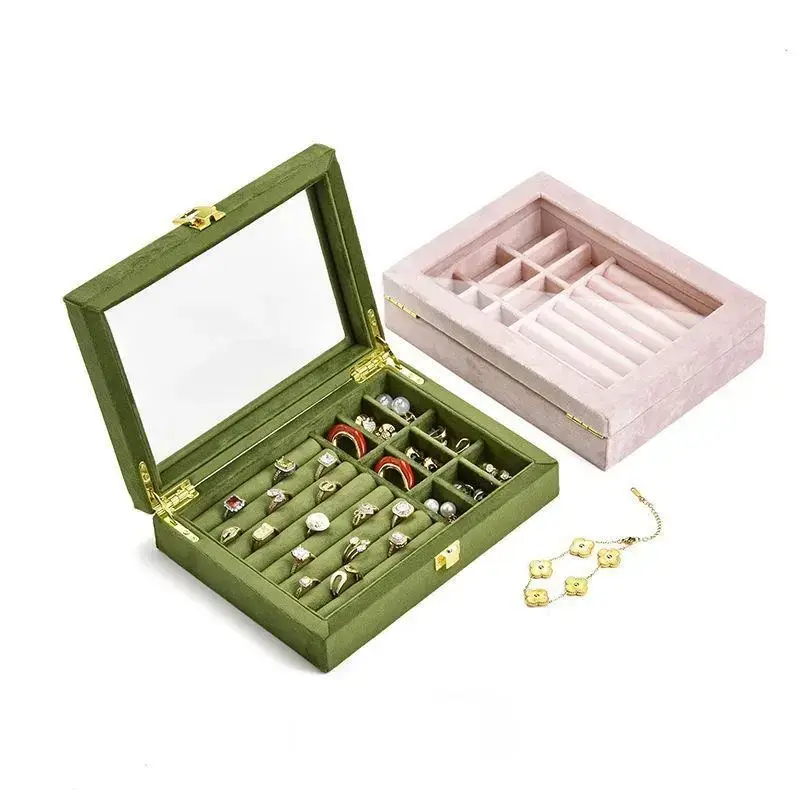
Single-opening hinged design remains the industry standard and most cost-effective option. Best for rings, earrings, and small items; provides controlled presentation and intuitive opening.nnAppeals to mass-market and mid-tier retailers prioritizing accessibility, recognizable form factor, and rapid production timelines.
Book-Style with Compartments
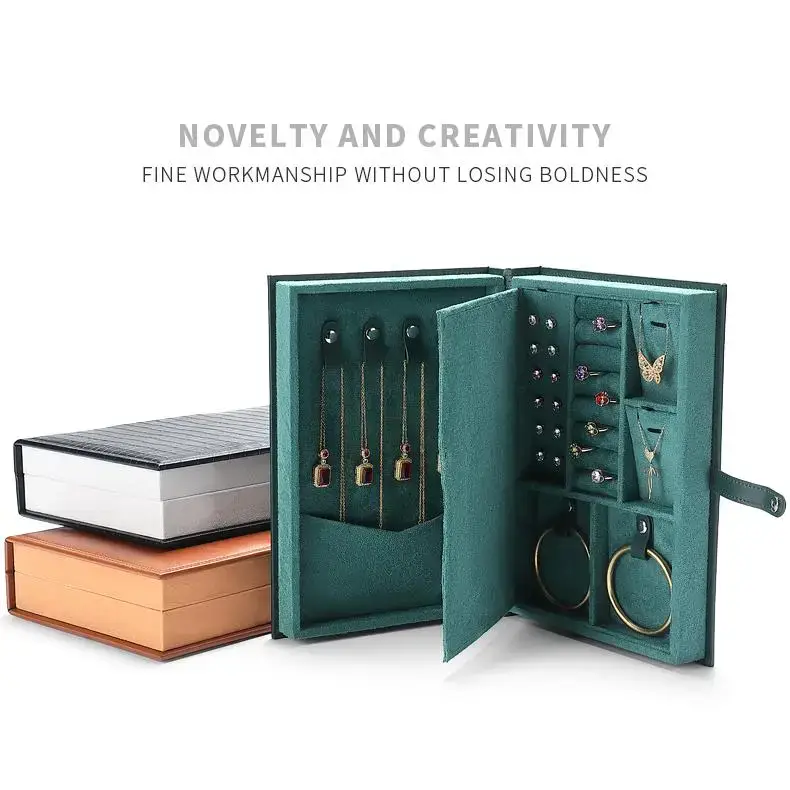
Opens like a manuscript with dedicated interior dividers—typically 4–8 separate compartments. Superior for curated collections, matched sets, and editorial storytelling.nnBoutique retailers and independent designers favor this format to create high-touch, luxe presentation and segment distinct pieces within a single case.
Magnetic Closure Variants
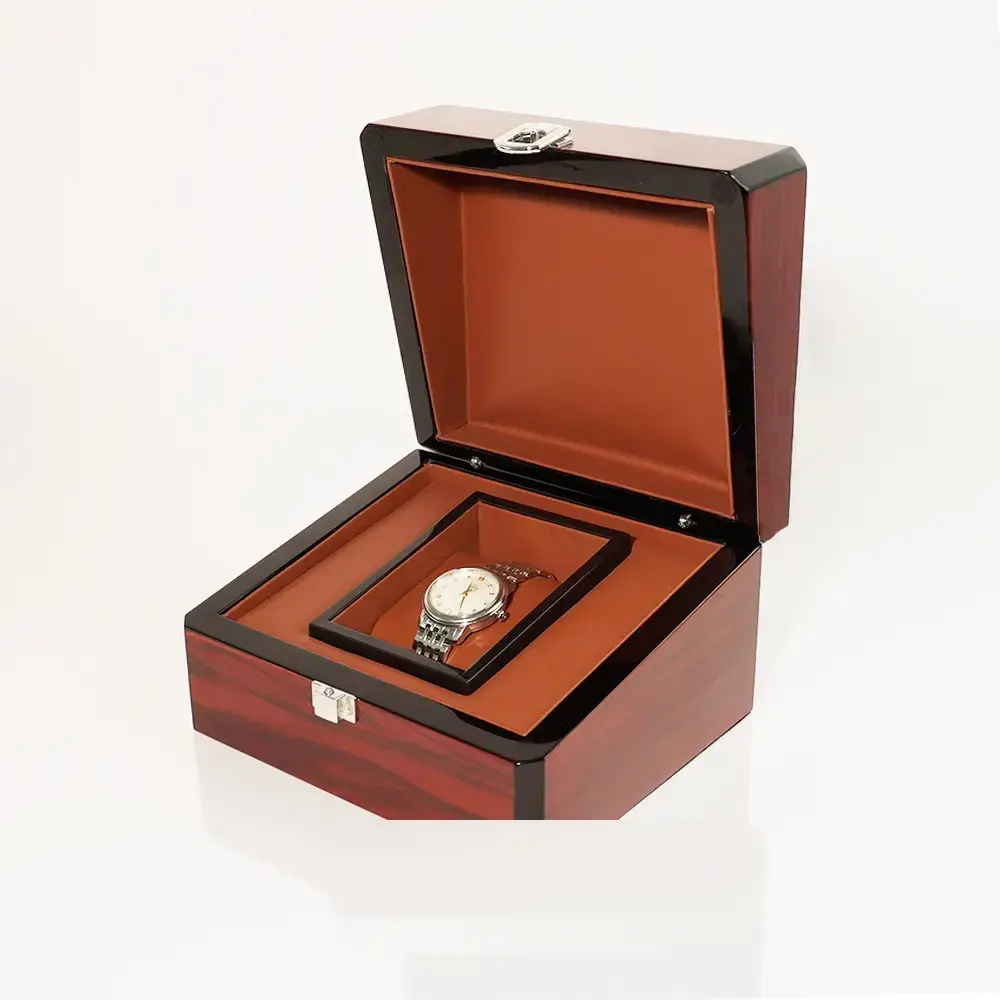
Concealed neodymium or rare-earth magnets replace traditional snap closures, signaling luxury and refined durability. Perceived value increases 15–25% through hardware perception alone.nnPremium and luxury segments adopt this variant for statement jewelry, flagship retail, and high-end brand identity reinforcement.
Expandable Accordion Formats
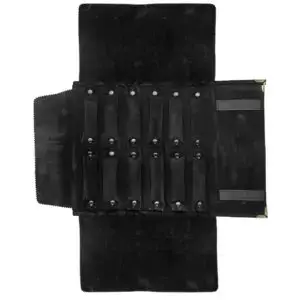
Foldable sections expand to 3–4× base storage capacity, maximizing density. Designed for watches, layered chains, and comprehensive collections.nnDesigners and wholesale partners favor this format to offer variety without multiplying packaging SKUs or warehouse inventory complexity.
4. Materials and Fabrics for foldable jewelry cases
Material selection determines both tactile experience and long-term brand perception in a buyer’s mind. The right combination of exterior structure, interior lining, and closure mechanism protects jewelry while signaling quality, craftsmanship, and consumer values. Cost and environmental impact vary significantly across options.
| Material Type | Perceived Luxury | Durability | Cost Index | Lead Time | Eco Credentials |
|---|---|---|---|---|---|
| Kraft Paper | High | Moderate | Low | 6–8 weeks | FSC available |
| Rigid Cardboard | High | High | Moderate | 6–8 weeks | FSC, recycled |
| Velvet Lining | Very High | Moderate | High | 8–10 weeks | OEKO-TEX |
| Microfiber Lining | High | Very High | Moderate | 6–8 weeks | Partial recycled |
| Vegan Leather | Very High | High | High | 8–12 weeks | Emerging standards |
| Cotton Lining | Moderate | Moderate | Low | 6–8 weeks | Organic, GOTS |
Exterior Materials and Positioning
Luxury kraft paper (250–350 GSM) conveys premium feel at moderate cost. Rigid cardboard with vegan leather overlays positions at higher luxury tiers. Recycled options signal sustainability without sacrificing durability, increasingly important to conscious consumers.
Interior Linings: Luxury and Protection

Velvet and satin interiors command 3–6x price premiums and feel luxurious. Microfiber offers durability with softer texture. Cotton and linen suit eco-conscious brands.nnPerformance varies: velvet shows wear faster; microfiber resists snags. Lining thickness (1.5–3 mm) affects perceived quality.
Sustainable and Eco-Certified Options
FSC-certified cardboard, OEKO-TEX velvet, and organic cotton reduce environmental footprint. Recycled materials cost 8–12% more upfront but unlock premium positioning for eco-conscious brands.nnLead time impact: conventional materials 6–8 weeks; eco-certified 8–10 weeks. Certifications (GOTS, WRAP) verify supply-chain compliance.
Aligning Materials to Brand Strategy
Budget segment ($0.50–$2 per unit): recycled cardboard + cotton interior. Mid-market ($2–$5): kraft + microfiber. Premium ($5–$15+): rigid box + velvet + vegan leather overlay.nnDiscuss material compatibility early; mixing incompatible materials extends lead time 2–4 weeks and risks structural issues.
5. Customization and Decoration Options
Customization transforms a foldable jewelry case from generic packaging into a brand asset. Surface decoration and interior elements work together to reinforce brand identity while enhancing the unboxing experience. Strategic placement and technique selection directly impact both production costs and customer perception.
Surface Decoration Techniques
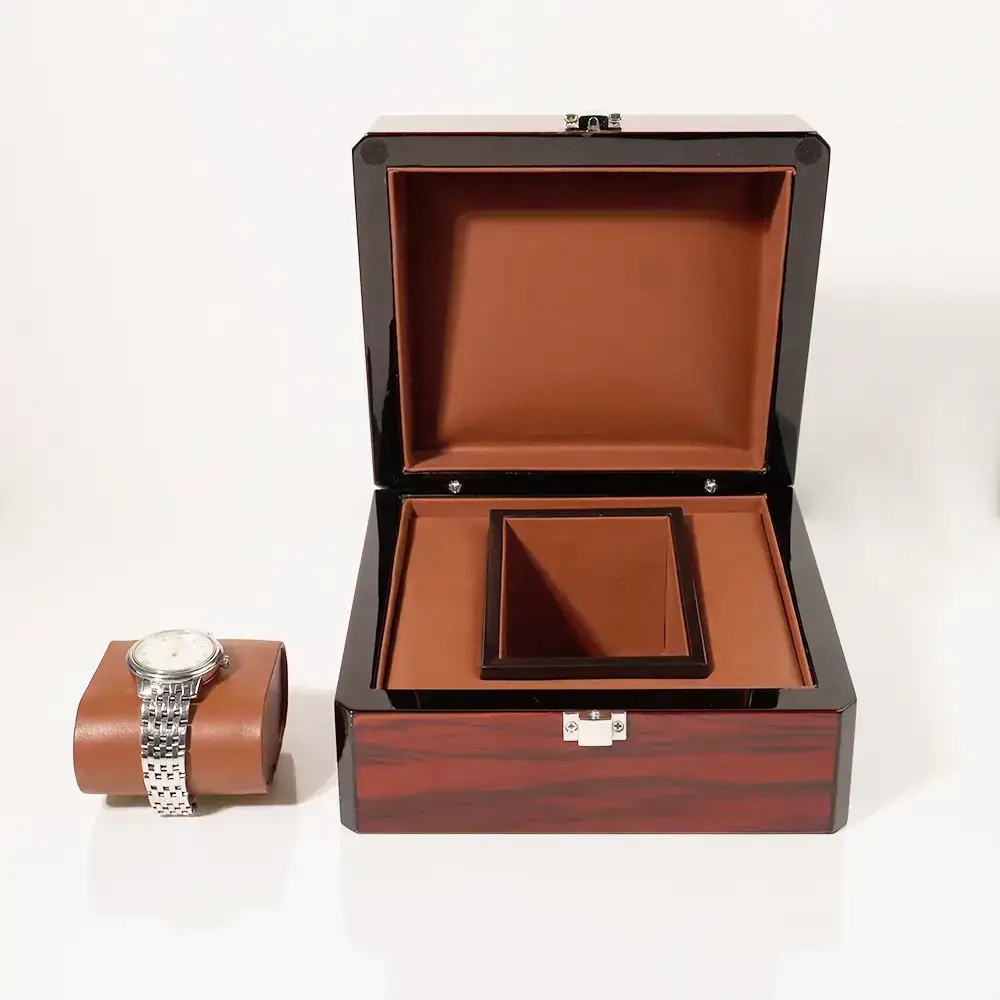
Hot-stamp foil embossing delivers luxury visual impact with dies costing $300–800 and MOQ 500 units. Thermographic embossing creates raised, tactile surfaces ideal for rigid boxes but requires setup above 1,000 units.nnScreen printing on soft materials (velvet, microfiber) starts at 300 units with 1–4 color passes. Custom die-cutting on rigid boxes costs $200–600 in dies but minimizes waste on precision cuts.
Logo Placement Strategies
Lid placement maximizes visibility on retail shelf and unboxing moments. Side or base logos reinforce branding during handling without competing with product display.nnCoordinate placement across multiple case styles (boxes, pouches, bags) for unified brand presence. Ensure adequate clear space around logos to maintain design integrity.
Interior Customization Elements
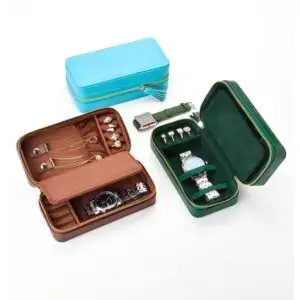
Tissue liners, silk ribbons, and compartment dividers elevate perceived value and protect items during shipping. Matching interior colors to brand palette strengthens visual cohesion.nnCustom die-cut inserts and embossed logos on dividers extend branding into the unboxing experience. These details justify premium pricing and encourage social media unboxing content.
Best Practices for Brand Consistency
Test decoration samples across all materials before production to ensure color and emboss depth consistency. Specify Pantone or RGB values for foil and printing inks to avoid mid-production variations.nnDocument placement standards and approve digital proofs at pilot stage. Request multiple case color samples to verify decoration visibility across your palette.
6. Quality Elements in foldable jewelry case Construction
Foldable jewelry cases live by their engineering details. Hinge durability, fold precision, interior reinforcement, and closure reliability determine repeat purchases. Poor construction at any point—hinges, adhesives, magnets—erodes customer confidence and brand reputation.
Hinge and Fold Durability
Test hinges through 10,000+ open-close cycles—industry standard for luxury rigid boxes. Zinc alloy or steel sheet metal hinges withstand repeated stress better than plastic substitutes.nnPoor hinge design causes corner separation, misalignment, and customer frustration within the first weeks of use. Over-tightened screws or under-riveted hinges accelerate failure.
Interior Reinforcement and Padding

EVA foam, 2–4 mm thick, retains its shape through hundreds of open-close cycles. Microfiber or velvet lining glued with contact cement prevents peeling and deterioration.nnReinforced corners and sealed edges block crushing and foam degradation. Without structural reinforcement, padding adhesive fails within months, compromising product protection.
Quality Inspection Before Shipment
Reputable manufacturers conduct three-stage QC: component inspection, assembly verification, and random sampling at 10% of batch minimum. Demand signed inspection certificates and photographic evidence.nnRed flags include missing documentation, unmarked batch numbers, or willingness to skip sample-approval cycles before production. These shortcuts predict quality failures downstream.
Red Flags in Production Quotes
Manufacturers quoting suspiciously low prices cut corners: thin hinge metal, undersized foam, incomplete gluing, and misaligned folds. If sample hinges fail within 1,000 cycles or padding peels within weeks, production-run quality will disappoint.nnRequest comparative photos of competitor samples to benchmark their construction claims objectively.
How to Stress-Test Samples
Before ordering 5,000+ units, stress-test samples through: 2,000 open-close cycles (fold precision loss or hinge loosening), drop tests from 3 feet (corner and hinge shock-resistance), and humidity/temperature cycling (padding adhesion and foam degradation).nnDocument all failures photographically to renegotiate tooling, tighten specifications, or reject the manufacturer entirely.
7. How to Choose a foldable jewelry case Manufacturer
Selecting a foldable jewelry case manufacturer hinges on production capacity, quality rigor, responsive communication, and transparent sampling. Due diligence—including facility documentation and reference checks—separates reliable partners from risky shortcuts.
Vet Capacity and Lead Times
Confirm factory footprint (800–1,500 m²) and staff size (80–250+).nnStandard custom sampling takes 7–14 days; mass production 4–8 weeks post-approval. Ask about current project load to assess concurrent capacity.
Certifications and QC Rigor
Require FSC, OEKO-TEX, or BSCI certification for material compliance.nnRequest QC protocol details and defect rate—industry standard is 1–3%; above 5% signals weakness. Verify their process for handling defective units.
Communication and Account Structure
Assign a dedicated account manager, not rotating staff support.nnTest responsiveness during vetting: expect 24–48 hour email replies, same-day for samples. Confirm channels (email, WhatsApp, WeChat) and timezone coverage.
Sampling and Prototype Control
Request formal sample agreement covering turnaround (7–14 days) and cost ($200–800 per setup).nnApprove 2–3 revision rounds before production; refusing iteration signals corners cut. Document all approvals in writing to prevent surprises.
Due Diligence and References
Request factory photos, video tour, or on-site visit covering production and QC areas.nnFor smaller orders, third-party audits (BSCI/WRAP) substitute for travel. Contact 3–5 past clients directly. Walk away from vendors avoiding transparency.
8. Common Mistakes Buyers Make When Sourcing Cases
Six frequent sourcing errors can derail custom foldable jewelry case projects before production begins. Recognizing these pitfalls—and their real-world consequences—helps buyers negotiate strategically, protect timelines, and preserve margins. Recovery strategies turn mistakes into learning opportunities.
Underestimating Lead Times
Typical sampling takes 10–14 days; production runs 25–40 days depending on complexity and decoration. Brands frequently assume faster turnarounds, missing peak selling seasons.nnRecovery: Build lead-time buffers into your calendar. Request timeline transparency upfront and confirm shipping logistics.
Skipping Sample Approval
Approving samples before mass production prevents costly rework. Skipping this step leads to dimensional errors, color mismatches, or finish surprises affecting 5,000+ units.nnRecovery: Inspect samples rigorously against your specifications. Request adjustments until production-ready.
MOQ Mismanagement
MOQs typically range 500–2,000 units depending on customization depth. Underestimating volume needs risks overstock; underestimating factory minimums triggers price penalties.nnRecovery: Model demand conservatively. Clarify all MOQ tiers and associated costs upfront.
Price-First Sourcing
Fixating on per-unit cost ignores quality, lead time, and MOQ flexibility. Cheapest suppliers often deliver slower, lower-quality results, eroding your brand value.nnRecovery: Compare total cost of ownership—including speed, customization, and quality standards.
Sustainability Overlooked
Eco-conscious buyers increasingly demand FSC-certified or recycled materials. Ignoring sustainability signals weak brand alignment and limits retail partnerships with sustainability-focused boutiques.nnRecovery: Confirm material certifications (OEKO-TEX, GOTS, FSC) early. Build sustainability into your sourcing brief.
9. Launching Your Branded foldable jewelry case Line
Strategic planning across customer profiles, brand positioning, and production workflows launches your branded foldable jewelry case line successfully. Packaging decisions directly influence brand perception and unboxing experiences—touchpoints that drive repeat purchases and social media visibility.
Define Your Brand Positioning
60% of luxury jewelry buyers cite packaging as influencing purchase decisions. Your case’s material, finish, and closure communicate brand value immediately.nnMicrofiber and velvet convey premium positioning; eco-materials signal sustainability values. Magnetic closures suggest luxury; snap closures align with accessible-luxury tiers.
Coordinate Materials and Aesthetics

MOQ minimums as low as 500 units enable boutique designers to launch branded lines. Select materials and finishes that reflect brand identity across product ranges consistently.nnPantone color matching and custom embossing (minimum 2mm depth) ensure professional finished goods. Plan 4–6 weeks for initial sampling and approval before mass production.
Timeline and Production Planning
Lead times for custom foldable jewelry cases typically span 8–12 weeks from approved sample to delivery, depending on complexity and order volume.nnLock supplier timelines early to align with product launch dates. Build a 2–3 week buffer into your timeline to accommodate revisions and unexpected supply chain delays.
Inventory and Logistics
Rigid cases stack efficiently in standard storage footprints; soft pouches compress during transport. Negotiate fulfillment options—drop-shipping, kitting, or consolidated shipments—directly with your manufacturer.nnTrack inventory monthly to avoid overstocking; coordinate restocking lead times with your supplier to maintain sales momentum during peak seasons.
Unboxing and Social Media Strategy
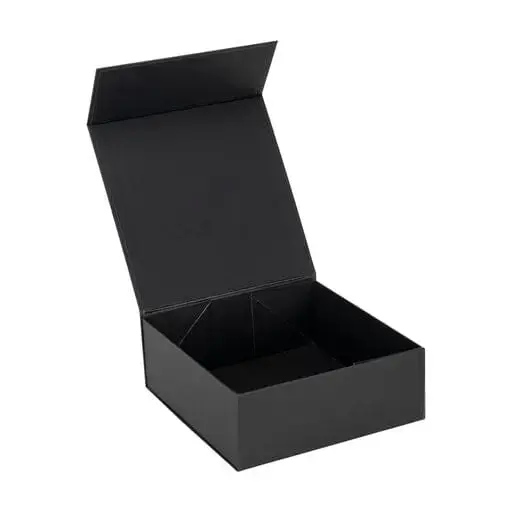
Unboxing videos drive 25–40% of brand discovery for luxury jewelry lines. Ensure your case opens smoothly, closes securely, and photographs beautifully in flat-lay and hand-held contexts.nnSustainability messaging—FSC-certified cardboard, recycled liners, plantable enclosures—resonates strongly on social channels. Commission 2–3 unboxing content pieces before launch to seed social and influencer partnerships.
10. Pricing and Cost Structure for foldable jewelry cases
On The Way’s minimum order quantity begins at 100 units, enabling boutique retailers and independent designers to launch branded lines without massive inventory commitment. Factory-direct pricing eliminates middleman markups, typically reducing per-unit costs by 30–50% compared to importing through trading companies.nnA standard foldable case in 210gsm rigid board with embossed logo ranges from $2.40–$1.60 per unit depending on quantity tier. Materials span budget-conscious options (210–250gsm board) to premium grades (300gsm+ board, microfiber linings, magnetic closures), each adding $0.50–$1.20 per case.nnFour core decoration methods—flat printing, spot color, full-color digital, and foil stamping—add $0.30–$0.80 per unit without extending lead times beyond 4–6 weeks from approved sample. Rush orders (15–20 days) incur a 20–25% surcharge; standard production runs complete within 25–35 days.
| Quantity Tier | Standard Board (210gsm) | Premium Board (300gsm+) | Lead Time (Std) |
|---|---|---|---|
| 100–500 units | $2.40 | $3.20 | 25–30 days |
| 501–2,000 units | $1.80 | $2.60 | 28–35 days |
| 2,001–5,000 units | $1.60 | $2.40 | 30–40 days |
| 5,000+ units | $1.40 | $2.10 | 35–45 days |
| Add-on: Foil stamping | +$0.60/unit | +$0.60/unit | No delay |
| Add-on: Full-color digital | +$0.80/unit | +$0.80/unit | +3 days |
Start Your Foldable Jewelry Case Project Today
Talk to our packaging specialists about your custom foldable jewelry case. Factory-direct pricing, low MOQ, and expertise serving 300+ brands in 30+ countries.