
Personalized Jewelry Trays — Custom Design & Manufacturing for Brands
Custom personalized jewelry trays designed and manufactured factory-direct. Low MOQ, full design flexibility, and 17+ years serving 300+ global brands.
Featured Jewelry Packaging Collection
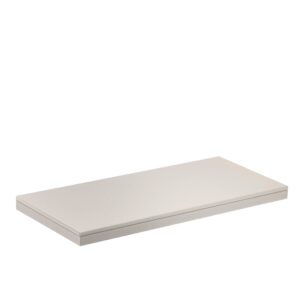






Personalized Jewelry Tray Gallery — Design & Sample Showcase





Why Brands Choose On The Way
Factory-Direct Pricing
Own production line means competitive pricing without middlemen. Direct from our Dongguan factory to you, every time.
Low MOQ & Custom Flexibility
Customize materials, dimensions, colors for every personalized jewelry tray project. Scalable from prototypes to high-volume runs.
Multi-Stage Quality Control
Professional QC inspects every personalized jewelry tray at production, finishing, and pre-shipment stages. Zero defects, guaranteed.
Eco-Friendly Materials
FSC-certified paper, recycled content, reusable components. Sustainable personalized jewelry trays that resonate with eco-conscious buyers.
Dedicated Account Managers
Your personal contact manages sampling, customization, production milestones. Direct support from quote through personalized jewelry tray delivery.
17+ Years & 300+ Brands
Proven expertise manufacturing 6,500+ custom projects for jewelry brands across 30+ countries. On-time delivery, since 2007.
Packaging Solutions for Retailers, Designers & Brands
Discover how leading jewelry brands use our custom personalized jewelry tray and packaging solutions to protect products, elevate unboxing experiences, and strengthen brand identity.
Boutique Retail Displays
Boutique retailers need display solutions that elevate brand perception in-store and handle premium products professionally, yet standard mass-production minimums and generic designs don't align with luxury positioning.
Custom personalized jewelry trays and display systems built to your exact specifications will showcase your products beautifully while reinforcing brand identity at every customer touchpoint.
Independent Jewelry Designers
Independent jewelry designers often face impossible choices: mass-production MOQs are too high, generic packaging doesn't match brand vision, and factory partnerships demand lengthy lead times.
With our low-MOQ personalized jewelry tray solutions and factory-direct pricing, you easily scale production on your terms while maintaining complete design control and brand integrity.
E-commerce Jewelry Brands
Online jewelry sellers need packaging that protects valuable products during shipping while creating unforgettable unboxing moments that turn buyers into repeat customers and brand advocates.
Our custom pouches, rigid gift boxes, and eco-friendly packaging options deliver both durability and luxury presentation—turning your unboxing experience into a powerful marketing tool.
Luxury Brand Partners
Premium jewelry houses require specialized packaging that communicates exclusivity and true craftsmanship, with full customization options, professional QC standards, and reliable on-time delivery at scale.
Our 17+ years serving 300+ global brands proves we understand luxury packaging demands—custom rigid boxes, branded paper bags, and personalized jewelry trays that elevate your market position.
Premium Material Selection

Luxe Velvet
Sumptuous soft-touch velvet with plush pile creates an instant premium feel. Ideal for high-end luxury jewelry and exclusive designer collections. Dense, durable construction withstands repeated handling while maintaining a sophisticated matte surface.
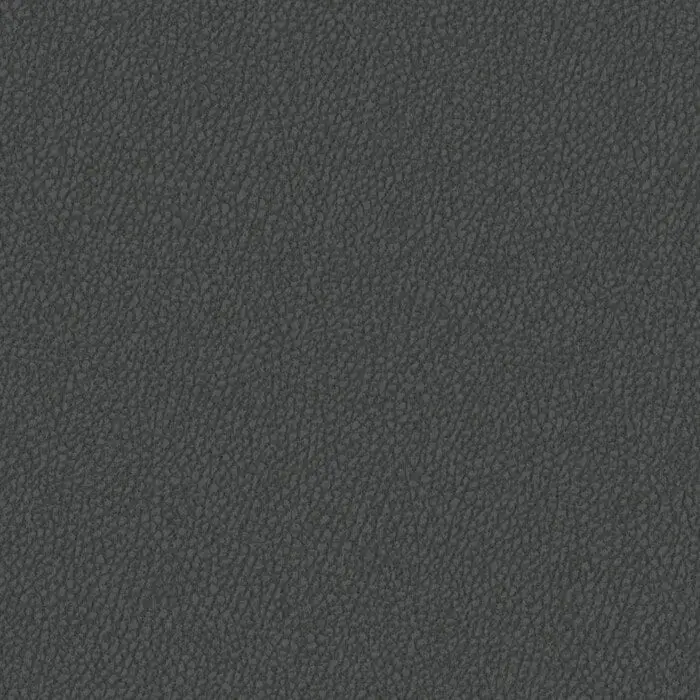
Premium Microfiber
Engineered microfiber offers exceptional durability with buttery-soft hand-feel, perfect for daily-wear jewelry and wholesale brands. Advanced fiber structure resists pilling and fading while providing superior protection for delicate pieces.

Silky Satin
Lustrous satin with smooth, elegant drape delivers luxury branding impact. Ideal for evening jewelry, special editions and gift packaging. Lightweight yet stable weave ensures crisp folds and a refined polished appearance.
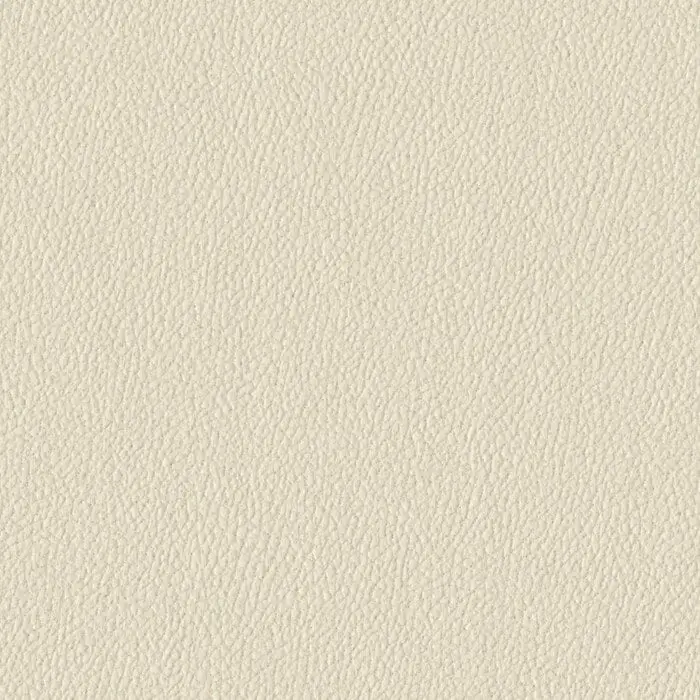
Organic Cotton
Natural, breathable cotton with soft hand-feel appeals to eco-conscious brands and everyday jewelry. Durable plain-weave structure offers reliable protection while maintaining sustainability credentials. Versatile for various jewelry categories and reusable designs.
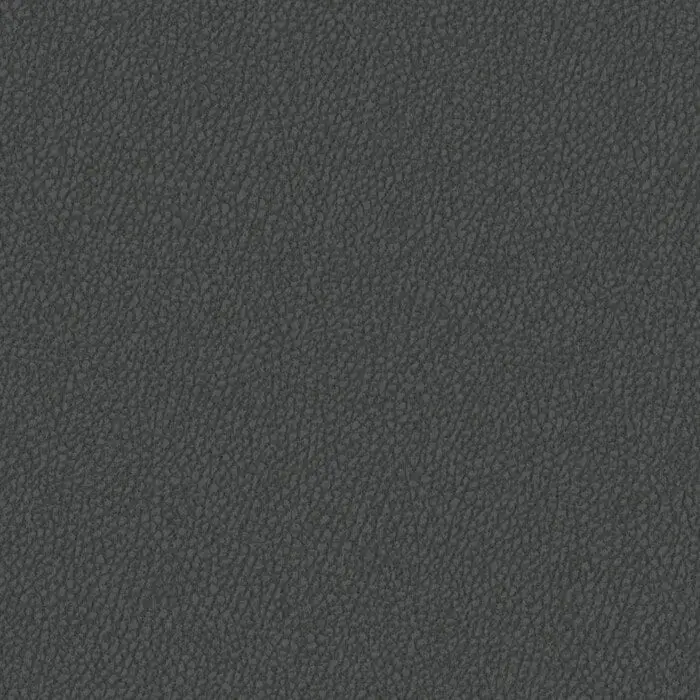
Natural Linen
Textured linen brings earthy authenticity with characteristic slubbed surface. Perfect for bohemian, artisanal, and eco-forward brands positioning jewelry as handcrafted. Medium-weight linen offers gentle cushioning with distinctive natural character.

Eco-Certified Materials
FSC-certified paper and recycled materials meet sustainability-first brands without compromising aesthetic or durability. Ideal for conscious consumers and eco-packaging initiatives. Customizable finish options—kraft, natural, or coated—adapt to any brand voice.
Customization Techniques & Finishes

Hot-Stamping
Applies metallic foil or pigments under heat and pressure to create luxurious, embossed branding. Delivers a premium, durable finish on leather, velvet, and microfiber with metallic shine and lasting impression.

Embossing
Uses precision dies and pressure to create raised or recessed patterns on tray surfaces. Adds tactile sophistication and visual depth, enhancing your brand presence with elegant dimension on leather and rigid materials.

Custom Printing
Full-color digital or offset printing enables photographic imagery, gradients, and complex brand graphics directly onto trays and packaging. Ensures precise color matching and durable, fade-resistant results for striking visual impact.

Sublimation
Heat-based dye transfer process for polyester and microfiber materials, creating vibrant all-over patterns and photo-realistic designs. Produces permanent, fade-resistant colors that won’t crack, ideal for personalized and custom decorative trays.

Laser Engraving
High-precision laser etching creates clean, detailed lines on wood, acrylic, and coated surfaces. Perfect for monograms, serial numbers, and intricate logos—offers permanent marking without paint, inks, or additional chemicals.
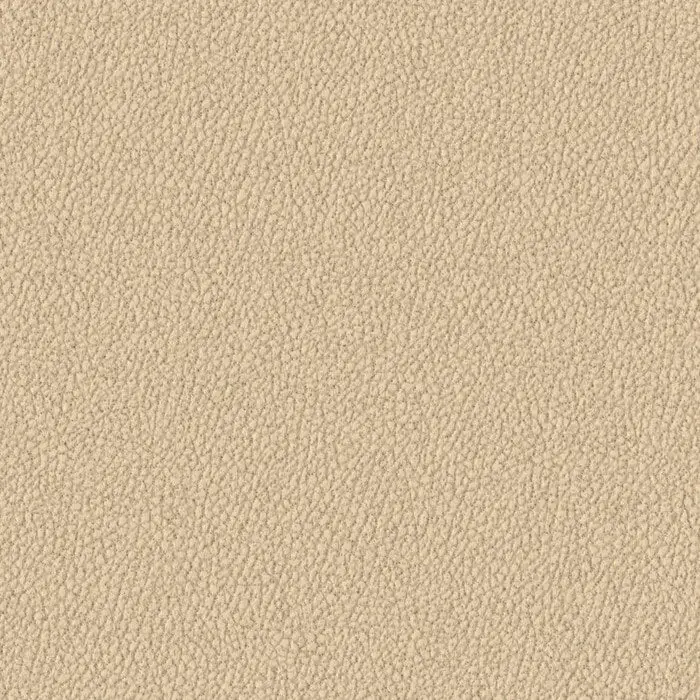
Personalization
Custom engraving, monogramming, or variable data printing adds individual names, dates, initials, or serial numbers. Creates bespoke luxury presentations and gift-ready personalized jewelry trays for premium client experiences.
Customizable Hardware & Finishing Options

Magnetic Closures
Professional magnetic closure systems for jewelry boxes and rigid trays. Creates a satisfying, secure snap opening for a premium brand feel. Available in various strengths—ideal for high-end presentation and protecting delicate jewelry.
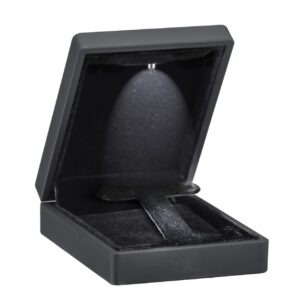
LED Lighting System
Integrated LED strips for jewelry tray displays. Illuminate pieces during customer presentations and unboxing. Runs on battery or USB—boosts perceived value and creates an unforgettable luxury unboxing experience for jewelry brands.
Woven Labels
Custom woven labels featuring your brand name, logo, or messaging. Sewn into pouches and bag interiors for authentic branding. Durable, color-fast, and adds perceived quality—perfect for luxury jewelry packaging.

Silk Ribbon Pulls
Elegant silk or satin ribbon drawcords with custom tipping for jewelry pouches and boxes. Adds tactile luxury and functional elegance. Available in your brand colors for cohesive, premium packaging that customers love to receive.
Custom Hangtags
Branded hangtags and card inserts for jewelry packaging. Use eco-friendly cardstock or premium materials—print logos, care instructions, brand stories. Creates multiple brand touchpoints and professional presentation for retail and e-commerce.

Snap Buttons
Metal snap buttons for pouches and drawstring bags in various sizes and finishes. Adds functional durability and premium hardware aesthetic. Perfect for jewelry storage pouches that require secure, reliable closure.
Your Jewelry Packaging Partner Since 2007
Founded in 2007 in Dongguan, China, On The Way was built on a simple principle: quality defines survival. From day one, we committed to crafting exceptional personalized jewelry tray solutions and premium packaging that elevates brands. Today, we’re a trusted partner to over 300 jewelry brands across 30+ countries worldwide.
Our 1,200 square-meter factory operates with 220+ skilled specialists and cutting-edge equipment. We’ve completed over 6,500 custom projects and maintain strict multi-stage quality control on every product. Whether you need custom personalized jewelry trays, pouches, rigid boxes, or displays, we deliver with factory-direct pricing, low MOQ flexibility, and dedicated account management.
We stand out through our commitment to sustainability, using FSC-certified paper and recycled materials. Every personalized jewelry tray and packaging solution is backed by rigorous QC testing and on-time delivery. Our approach is simple: exceptional quality at factory-direct prices. We’re always on the way to your success.

Personalized Jewelry Tray Design & Production Expertise
Custom Design & Rapid Sampling
We translate your brand vision into personalized jewelry tray samples in 7-10 days. Full custom flexibility from materials to finishes. Work with dedicated designers who understand luxury jewelry packaging requirements.
- 7-10 day sample turnaround with zero setup fees
- Custom dimensions, materials, finishes, and hardware options
- Dedicated design team fluent in jewelry brand expectations
- Flexible MOQ—startups to large-scale production

Premium Eco-Friendly Materials
Every personalized jewelry tray option features FSC-certified paper, recycled padding, and reusable materials certified for sustainability. We combine premium luxury aesthetics with environmental responsibility—no compromise on your brand’s first impression or values.
- FSC-certified cardboard and recycled kraft options
- Eco-padding alternatives (recycled foam, mushroom leather, cork)
- Sustainable material certifications (ISO, eco-labels)
- Zero waste production commitment

Rigorous Quality Control Process
Every personalized jewelry tray passes four inspection stages before shipment. Our multi-disciplinary QC team checks materials, construction, finish consistency, and packaging integrity to protect your brand’s reputation and delight your customers.
- Four-stage inspection: materials → construction → finish → packing
- 220+ QC-trained staff across our 1,200 m² factory
- Real-time photo documentation for every batch
- Zero-defect commitment backed by replacements

On-Time Delivery, Proven Track Record
We have delivered 6,500+ personalized jewelry tray projects on schedule for 300+ brands across 30 countries. Dedicated account managers ensure communication and supply chain predictability from sampling through bulk production runs.
- 99.2% on-time delivery rate over 17+ years
- Dedicated account managers and production tracking
- Ability to scale from prototypes to 500k+ units
- Factory ownership ensures control and reliability
What Sets On The Way Apart
See how On The Way stands apart from typical jewelry packaging suppliers across the features that matter most to procurement managers.
← Swipe left or right to view →
From Concept to Delivery
From custom design to final delivery—we guide you through every phase with dedicated account management, multi-stage quality control, and guaranteed on-time shipping.
Design & Sampling
Collaborate with our design team to refine your personalized jewelry tray. We create physical samples for approval before mass production begins.
Material Sourcing & Prep
Source premium, eco-friendly materials—FSC-certified paper, recycled components, and sustainable textiles. We prioritize quality and environmental responsibility in every choice.
Production & Manufacturing
Our 220+ team manufactures your personalized jewelry trays on-site using precision equipment and techniques. Real-time updates keep you informed throughout production.
Quality Control & Inspection
Each personalized jewelry tray passes through rigorous multi-stage quality control checks. We carefully inspect materials, craftsmanship, finishes, and branding for perfection.
Final Packing & Branding
Pack and brand your personalized jewelry trays with meticulous care. Custom inserts, protective wrapping, and precise logo application ensure brand-ready delivery.
Shipping & Delivery
Your finished personalized jewelry trays ship with tracking to 30+ countries. We guarantee on-time delivery and integrity at every shipment.
How to Order in Five Simple Steps
Five simple steps from specs to delivery—with dedicated support and factory-direct pricing every step of the way.
Submit Your Jewelry Tray Specifications
Share your custom requirements, reference designs, and material preferences with our team. We’ll discuss your vision and explore options to match your brand identity and timeline.
Receive Quote and Expedited Samples
Get transparent factory-direct pricing and production samples fast. Evaluate our quality, design accuracy, and finish options firsthand before committing to your full order.
Approve Your Design With Account Manager
Review samples, provide feedback, and refine your personalized jewelry tray design with your dedicated partner. We ensure every detail meets your brand standards perfectly.
Begin Production of Your Order
Your order enters our factory production line with multi-stage quality checks at every phase. Dedicated project management ensures consistent excellence throughout the entire manufacturing process.
Receive Your Order on Schedule
We handle all logistics and shipping with complete transparency. Your personalized jewelry tray arrives on time and in perfect condition, ready to impress your customers.
Quality Certifications & Industry Standards

Personalized Jewelry Tray Success Stories from Global Brands
We reduced our sourcing lead time from 12 weeks to 4 weeks. On The Way’s rapid sampling and low MOQ enabled us to launch new collections 3x faster. Their dedicated account manager kept everything on track and exceeded expectations.
By switching to On The Way’s factory-direct pricing, we improved our packaging margins by 28% while maintaining premium quality. Their FSC-certified materials aligned perfectly with our luxury brand values without the middleman markup.
Our custom personalized jewelry trays became a key brand differentiator. On The Way delivered all 50,000 units on time, and our customers loved the bespoke packaging so much that repeat orders increased by 40%.
Success Stories from Global Brands
What is the minimum order quantity (MOQ) for a personalized jewelry tray?
How long does it take to produce a custom personalized jewelry tray?
Can I order a sample before placing a full production order of personalized jewelry trays?
What materials are available for jewelry trays?
How do you protect my design and intellectual property (IP)?
What payment terms do you offer for custom jewelry packaging orders?
Do you have eco-friendly certification for jewelry packaging materials?
What customization options are available beyond standard personalized jewelry tray design?
Your Packaging Questions Answered
Discover essential sourcing criteria, customization options, and key quality factors for selecting the right personalized jewelry tray manufacturer. Learn what separates quality suppliers from common pitfalls.
1. What is a personalized jewelry tray?
With over 6,500 custom projects completed for 300+ brand partners, On The Way demonstrates that a personalized jewelry tray is a custom-designed storage and display component—typically molded, shaped, or padded—that holds individual pieces within a branded box or presentation case. Unlike standard foam inserts or generic compartments, a personalized jewelry tray is engineered specifically for a brand’s aesthetic, piece dimensions, and customer experience strategy.nnFounded in 2007 on the principle that quality defines survival, On The Way engineered personalized jewelry trays as the tactile centerpiece of premium unboxing moments, signaling craftsmanship, exclusivity, and brand authority before the customer touches the jewelry. Custom trays reinforce brand identity through material choice (velvet, microfiber, linen, recycled felt), embossed logos, and precision engineering, transforming perceived value into customer confidence.nnStandard mass-produced trays serve any retailer; personalized jewelry trays, by contrast, are engineered to fit your specific pieces, exact dimensions, and unboxing narrative. This distinction transforms packaging from a commodity cost into a strategic asset that differentiates your brand from competitors and justifies premium positioning in customer perception.
2. The Evolution of Jewelry Tray Design
Around 2010, jewelry brands began shifting away from generic kraft boxes toward branded packaging as a core part of the customer experience. The rise of e-commerce and social media unboxing videos created demand for memorable first impressions — plain cardboard simply did not differentiate premium brands anymore. By 2018, luxury packaging had become a measurable profit center; industry reports showed that 72% of consumers shared unboxing experiences online, making packaging design essential to brand identity and retention.nnThe ‘personalized jewelry tray’ emerged as the industry standard during the 2015–2020 period, replacing loose tissue-paper arrangements in rigid boxes. Rigid boxes with custom-molded compartments, LED lighting, and brand-embossed tops became baseline for luxury brands targeting $150+ retail items. Trays with velvet, microfiber, or satin linings allowed retailers to display each piece — rings, necklaces, bracelets — in dedicated sections, elevating perceived value and creating a curated presentation.nnToday’s customer expectations have shifted from unboxing novelty to sustainability and speed. Brands across North America, Europe, and Southeast Asia now demand FSC-certified materials, magnetic closures, and personalization capabilities within 4–6 week lead times and sub-500 piece MOQs. This shift has made low-cost, high-flexibility manufacturing essential: brands no longer accept one-size-fits-all solutions.
3. Types of personalized jewelry tray
Five core personalized jewelry tray types dominate packaging strategy. Each serves distinct brand positioning and customer segments—from ring storage to high-impact watch presentation. Choosing the right type amplifies unboxing experience and aligns with your margin targets.
Flocked Trays

50-micron velvet-flock linings (typical 150-350 GSM base) secure small items without shifting in 6-12 standard slots per tray. 200-unit MOQs suit boutiques; hot-foil branding on lid offers signature placement with 4-6 week lead time.
Velvet-Lined Trays

Natural silk velvet (120+ GSM, 3-5 mm pile depth) cradles luxury items with light-absorbing luster and secure positioning for necklaces, bracelets, brooches at typical 240 x 160 x 25 mm format. Independent designers order 300-500 units per design with 2-3 weeks for custom Pantone color matching.
Compartmentalized Display Trays
8-24 divided slots accommodate mixed SKUs—rings in smaller pockets, necklaces on center rails, bracelets in larger zones at standard 300 x 200 x 30 mm. Brands with broad assortments order 500-1,000 units for retail floor displays, leveraging stackable design to maximize shelf footprint.
Single-Item Presentation Trays
180-220 mm diameter minimalist pads showcase one premium watch or statement ring with optional LED-backlit options (battery or magnetic) adding theatrical unboxing at 20-40 unit premiums. Luxury watch brands typically order 150-300 units quarterly on FSC cardboard base with satin-finish coating.
Luxury Gift Sets

Complete kits pair lined tray with magnetic-closure outer box, tissue wraps, ribbon bands, and 50-60 gsm recycled kraft sleeve options at typical 350 x 250 x 80 mm closed depth. Major brands order 1,000-2,000 sets per seasonal launch with BSCI-audited assembly included.
4. Materials and Substrate Choices
Substrate choice defines durability and perceived value for a personalized jewelry tray. Selection spans rigid paperboard grades (800–1500 GSM), specialty substrates, and lining materials from velvet to eco-certified fabrics—each affecting cost-per-unit and unboxing experience.
Substrate Options
Kraft and chipboard form the rigid foundation, with 1200 GSM grades balancing structural integrity and cost. Specialty substrates like embossed gray board add tactile appeal for 15–25% premiums.nnLamination on the exterior improves print durability and environmental resistance during shipping and storage.
Lining Materials

Velvet claims a 20–30% cost premium but delivers luxury positioning and deeper color saturation. Satin (180–220 GSM) resists wrinkles and provides smooth visual appeal. Flocking (0.5–1.0 mm rayon-nylon blend) offers mid-tier appeal with 15–20% cost savings.
- Velvet: 40 GSM weight, premium tactile feel
- Satin: lustrous finish, 220 GSM durability
- Flocking: budget alternative, easier maintenance
Cost & Durability Comparison
Unit costs range from $1.80–$2.50 (flocking on standard board) to $4.50–$6.00 (velvet on premium rigid). Durability spans 5–6 years for budget flocking to 10+ years for premium velvet on rigid substrates. Material choice directly drives perceived quality and brand positioning.
| Material | Cost per Unit | Durability |
|---|---|---|
| Velvet on premium board | $4.50–$6.00 | 10+ years |
| Satin on rigid | $2.80–$3.80 | 7–9 years |
| Flocking on standard board | $1.80–$2.50 | 5–6 years |
| Linen on eco-board | $3.00–$4.50 | 8–10 years |
Environmental Certifications
FSC-certified kraft reduces carbon footprint by 30–40% versus virgin fiber, with only a 2–5% cost markup. OEKO-TEX and GOTS certification on organic cotton or linen appeal to eco-conscious brands seeking sustainable positioning.nnRecyclable and biodegradable substrates comply with EU directives and resonate strongly in North American and European markets where environmental compliance drives purchasing decisions.
5. Customizing Your personalized jewelry tray
Customization transforms a personalized jewelry tray into a brand signature. From embossing dies to compartment layouts, every choice—color, logo placement, print method—directly impacts your timeline, minimum order quantity, and cost structure.
Embossing and Foil Stamping
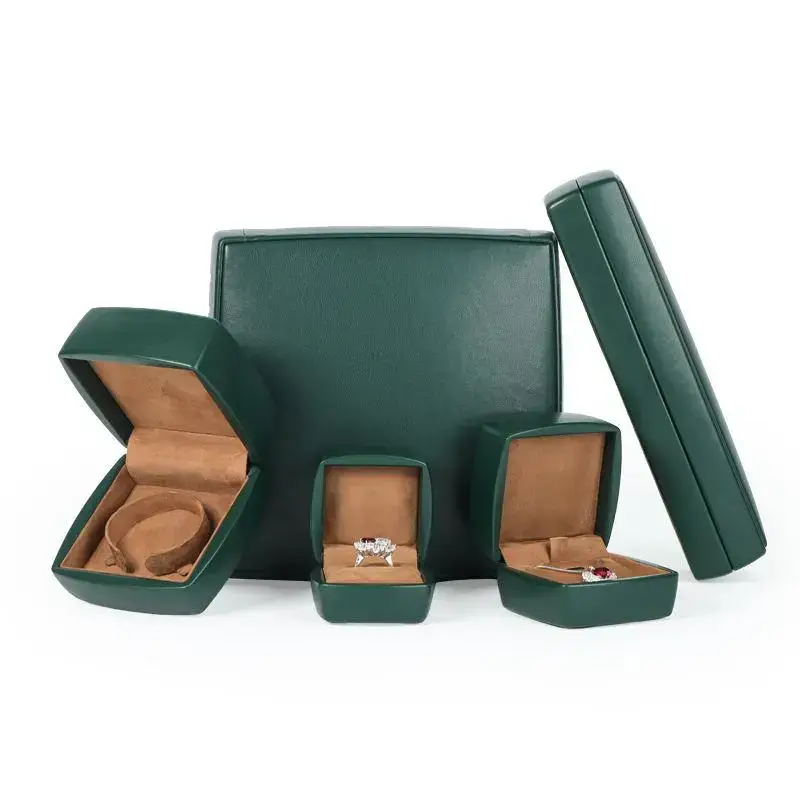
Hot-foil stamping and embossing are luxury standards. Hot-foil applies metallic film under heat; embossing creates tactile depth.nnBoth require custom dies ($200–500 per design, one-time cost). Die creation takes 5–7 days; full production adds 2–3 weeks.
Color Selection and Logo Placement

Pantone matching ensures brand-accurate colors; most manufacturers offer 50+ standard hues plus custom mixing (typically 500-unit minimum). Logo placement—centered, corner, or dispersed—affects visual hierarchy and production complexity.nnPlacement on lid and base strengthens brand presence but extends lead time by 3–5 days.
Compartment Configurations

Compartment layouts (single-well, multi-slot, modular) define function and luxury positioning. Custom configurations require tooling; MOQ ranges from 100 units for simple designs to 500+ for complex multi-material inserts.nnStandard templates reduce cost and lead time. Most manufacturers offer 10–15 proven layouts, cutting custom engineering by 50%.
Print Methods and Production Timelines

Screen printing suits high-volume runs (1,000+ units); digital printing accelerates smaller batches (1–2 weeks turnaround). End-to-end timeline: sampling (7–10 days), color approval (3–5 days), pre-production sample (5 days), mass production (2–4 weeks), QC (3–5 days).nnPlan 8–12 weeks from concept to bulk shipment for international orders.
Design Specifications and Approval Workflow
Artwork must be high-resolution (300 DPI minimum) in CMYK or Pantone. Vector files (AI, PDF, EPS) ensure precision. Approval workflow: sample review, color proof, pre-production sample (PP), mass production.nnManufacturers typically include 2 free revision rounds; additional changes cost $50–150 per round. Budget 1–2 weeks for design refinement.
6. Quality Standards and Construction Elements
Premium personalized jewelry trays demand rigorous dimensional tolerances, material consistency, and finish standards. Corner reinforcement must support 2–5 kg vertical load, lining adhesion must pass 90° peel tests, and print clarity must achieve 100% density. Inspect every sample against industry benchmarks before approving production.
Edge Finishing Standards

All exposed edges require 2mm beveling or 1mm radius corners to prevent product liability and damage. Burring or sharp edges indicate manufacturer shortcuts.nnTop-tier suppliers sand to 180+ grit and coat edges with matching ink to prevent delamination during shipment.
Corner Reinforcement and Load Capacity
Reinforced corners using cross-grain board direction or bracket-style reinforcement handle 3–5 kg vertical load without cracking. Request drop-test documentation; production samples must survive 36-inch concrete drops.nnMagnetic-closure personalized jewelry trays require corner stress testing under 10,000 open-close cycles.
Lining Adhesion and Print Standards
Velvet or microfiber linings demand zero air pockets or wrinkles with 100% surface coverage. Adhesive must pass 90° peel tests at 2 N/cm minimum per ASTM D6775.nnFull-color prints require Pantone or CMYK matching; acceptable color tolerance is ΔE < 3 per CIE Lab.
Certifications and QC Processes
Verify FSC-certified board, OEKO-TEX or GOTS certification on organic materials, and WRAP/BSCI labor audits. Multi-stage QC at 50%, 100%, and final inspection catches 99%+ defects before shipment.nnThird-party lab testing of adhesive shear strength and ink migration protects brand reputation.
Pre-Production Inspection Checklist
Request 5-piece pre-production samples and benchmark specs from each supplier before committing to larger orders.nnAvoid suppliers offering sub-500-unit MOQs without visible quality penalties or those vague on dimensional tolerances in writing.
- Uniform corner pressure marks and consistent lining seams across all samples
- Zero off-color ink spots or print dropout under magnification
- Corners hold 5 kg vertical load without visible cracking
- Edges and corners smooth to touch at 180-grit minimum
7. How to Choose a personalized jewelry tray Manufacturer
Selecting a personalized jewelry tray manufacturer requires evaluating multiple dimensions: production capacity, design flexibility, certifications, and communication quality. This section outlines a framework for vetting suppliers and negotiating terms that align with your brand’s volume and timeline.
Production Capacity & Minimum Orders
Most custom jewelry packaging manufacturers impose MOQ between 500–2,000 units per design, though factory-direct suppliers often negotiate lower thresholds. Lead times typically range 4–8 weeks for production runs; sample turnaround should not exceed 2–3 weeks.nnVerify whether the manufacturer stocks common materials to enable faster fulfillment.
Customization Flexibility
Ask prospective manufacturers what design elements are customizable: material choice, printing methods, hardware options, and packaging components. Quality suppliers provide 2–3 complimentary design revisions during sampling; premium partners iterate without limit.nnRequest examples of previous personalized jewelry tray work across different categories.
Certifications & Quality Standards
Verify ISO 9001 certification and FSC accreditation for eco-material suppliers. Request third-party test reports for materials (OEKO-TEX, GOTS where applicable).nnA reputable manufacturer maintains multi-stage QC: incoming material inspection, mid-production audits, and final pre-shipment verification. Ask for a defect rate or quality guarantee.
Communication & Account Management
Assign dedicated account managers to brands ordering 5,000+ units annually. Evaluate response time during RFQ and sampling phases—48-hour replies are standard; 24-hour is premium.nnConfirm communication channels (email, project portal, phone) and escalation procedures. Check references from existing customers in your region.
Evaluating Samples & Negotiating Terms
Request samples in your target material and finish. Evaluate consistency across units, surface quality, hardware durability, and print sharpness.nnNegotiate tooling fees (typically $200–$800 for custom dies), payment terms (50% deposit, 50% on completion), and price breaks at higher volumes. Get all terms in writing.
8. Common Mistakes Jewelry Brands Make
Jewelry brands launching trays often stumble on six avoidable pitfalls: lead-time miscalculations, vague design briefs, skipped samples, material shortcuts, price-focused supplier picks, and missing quality audits. Early awareness prevents costly delays and brand damage.
Underestimating Lead Times
Most jewelry brands expect 3–4 week turnarounds for custom rigid boxes. Reality: 6–10 weeks from approved samples to shipment, accounting for 2–4 weeks manufacturing plus 1–3 sampling iterations and transit time.nnSeasonal launches that ignore this buffer face expensive expedited charges or late-market launch penalties.
Incomplete Design Specifications
Vague briefs—’something elegant’ without Pantone colors, embossing depth, or material finishes—trigger revision cycles adding 2–3 weeks each.nnProvide technical drawings, color standards (Pantone/CMYK), embossing specs, and physical reference samples with initial requests. Written mock-up approval prevents production disasters.
Skipping Sample Approval
Bypassing pre-production samples to accelerate timeline creates 10,000-unit failures.nnAlways inspect padding density, stitch quality, magnetic closure strength, and print registration. Embossing misalignment or color drift caught at sample stage saves rework on full production batches.
Choosing Cheap Materials
Switching from 2mm rigid board to 1.2mm or polyester velvet to save $0.15–$0.30/unit broadcasts ‘budget’ quality.nnA $200 watch needs packaging that feels premium. FSC board and genuine microfiber justify margin uplift; customers notice and reward it.
Price-Only Supplier Selection
Lowest-cost suppliers often lack quality control, deliver late, or vanish post-invoice.nnFactory-direct manufacturers with documented QC teams and on-time track records cost more upfront but eliminate costly supply-chain surprises and reputation damage.
9. Steps to Launch Your Branded Trays
From design brief to warehouse inventory, most projects run 10-14 weeks. Our structured timeline—spanning concept, sample approval, artwork finalization, QC, production, and delivery—prevents bottlenecks and costly revision loops. Here’s each gate.
Design Brief & Kickoff
Provide tray dimensions, material choice (velvet, microfiber, ceramic, wood), slot layout, and imagery.nnOur design team delivers 2-3 concepts within 5-7 days. Expect 2-3 revision rounds before final approval—a standard gate in any custom project.
Sample Approval & Iteration
We ship hand-packed samples via DHL (5-7 days to North America/Europe). You approve or request modifications.nnMost samples clear in 1-2 rounds. Total window: 3-4 weeks from shipment to your final sign-off.
Artwork Finalization & Proofs
Submit logos, embroidery files, or print artwork as high-res PDFs (minimum 300 DPI).nnOur production team generates digital color proofs in 2-3 days. Approve positioning, text rendering, and embroidery density before production dies cut or film separations print.
Pre-Production Quality Checkpoint
7-10 days before production line start, our QC team inspects materials, fabric bolts, hardware, and print plates.nnWe photograph every component and email a detailed pre-prod report. This 4-stage checkpoint catches 95% of potential issues before your first tray ships.
Production & Delivery Timeline
Production typically runs 3-4 weeks. We stage shipments in 500-unit increments for partial orders and provide full DHL tracking.nnOrders over 5,000 units may qualify for white-glove consolidation and customs pre-clearance. Delivery to major ports: 5-7 days.
Scaling & Repeat Order Strategy
First order MOQ: 500-1,000 units (design complexity varies). Reorders cut lead time to 8-10 weeks—artwork and tooling are ready.nnPlan inventory for 3-6 months of sell-through. Many brands build 15-20% buffer for holiday peaks and seasonal demand.
10. Pricing Guide for personalized jewelry tray
Factory-direct pricing for personalized jewelry trays typically starts at $2.50–$3.50 per unit at 5,000+ MOQ, with progressively higher unit costs at lower order volumes (100 MOQ averages $7.00–$8.00 per tray). One-time setup fees for custom tooling (embossing dies, foil-stamping plates, or print screens) range from $150–$500 depending on design complexity, and are absorbed into the per-unit cost structure across the full order.nnCustomization methods carry distinct premiums: embossing adds $0.30–$0.60 per unit, hot-foil stamping adds $0.50–$0.85, and full-color digital printing ranges $0.70–$1.20 depending on coverage area and ink density. Material choice creates the largest variance: premium velvet and microfiber trays command $1.00–$1.50 more per unit than linen or cotton alternatives; FSC-certified recycled materials add 10–20% but strengthen brand positioning for eco-conscious luxury segments.nnLead times inversely correlate with order size and customization: plain stock-material trays ship in 35–45 days, while embossed or printed designs require 50–70 days; tight timelines cost 10–15% premiums. Calculating total landed cost requires multiplying per-unit price by quantity, then adding the one-time setup fee amortized across units—a 1,000-unit microfiber order with embossed logo at $4.20/unit plus $300 setup equals $4.50 true cost per tray. Retail margins of 200–400% are standard when these trays anchor unboxing experiences for jewelry collections retailing $500+.
| Quantity | Unit Cost—Velvet | Unit Cost—Linen | Emboss Add-on | Foil Add-on | Lead Time |
|---|---|---|---|---|---|
| 100 units | $7.50 | $6.50 | +$0.60 | +$0.85 | 55–70 days |
| 500 units | $5.00 | $4.20 | +$0.45 | +$0.70 | 45–60 days |
| 1,000 units | $4.20 | $3.50 | +$0.35 | +$0.60 | 40–50 days |
| 5,000+ units | $3.00 | $2.50 | +$0.30 | +$0.50 | 35–45 days |
The Complete Buyer’s Guide to Jewelry Packaging
Factory-direct manufacturer serving 300+ brands globally. Low MOQ, rapid samples, expert design support—from concept to production, we’re on the way.