
Custom Foam Inserts for Jewelry Boxes — Factory-Direct, Low MOQ
Precision-cut foam inserts for jewelry boxes — rings, necklaces, sets, and watches — made in our Dongguan factory for 17+ years with factory-direct pricing, low MOQ, and full private-label flexibility.
Featured Jewelry Packaging & Insert Solutions
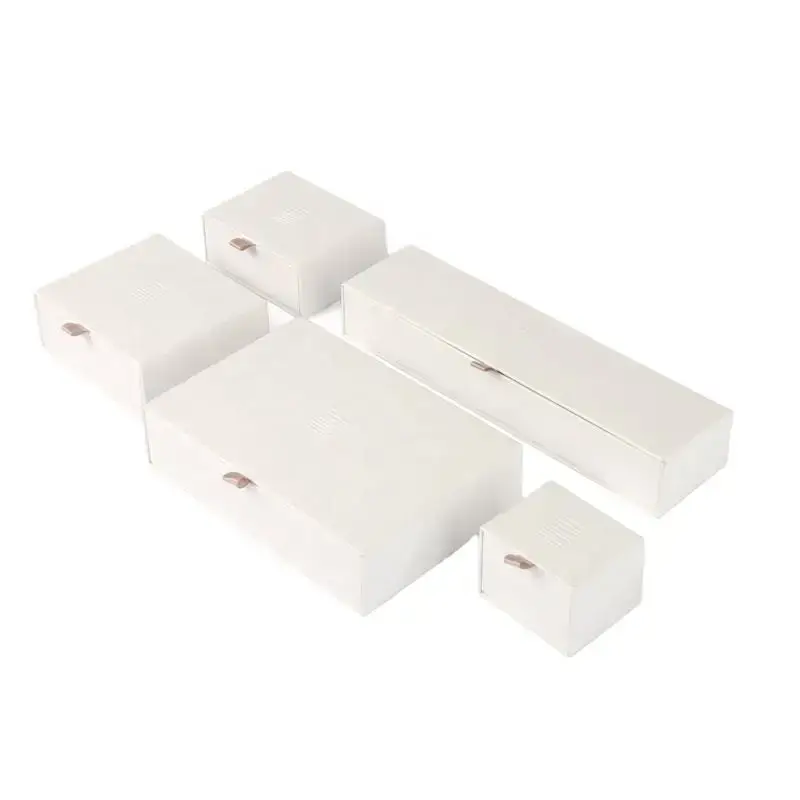
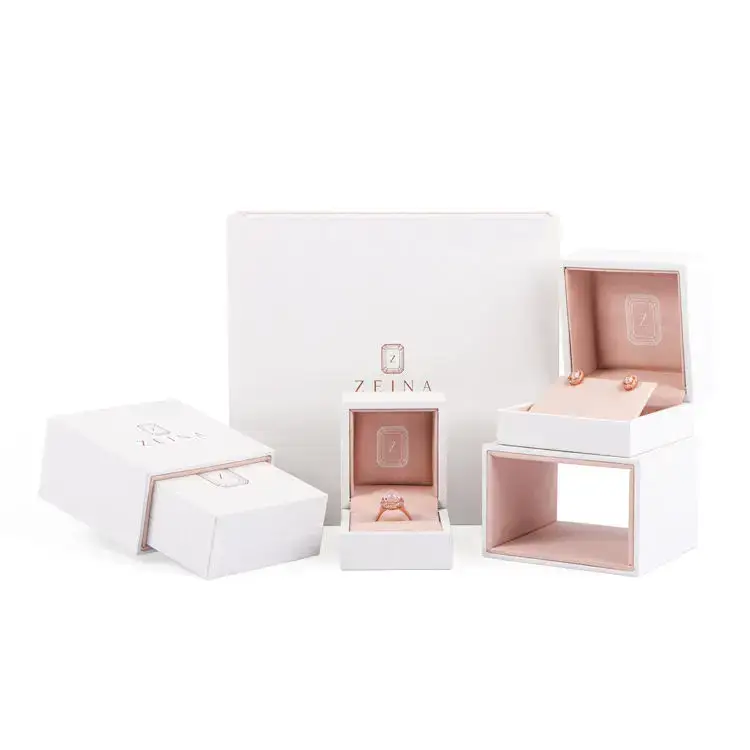
Browse wholesale jewelry boxes, velvet pouches, displays and custom paper bags for jewelry — every format available with a precision-cut foam insert.


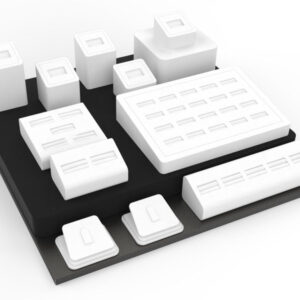
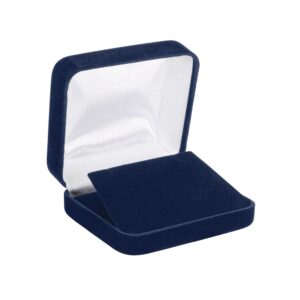
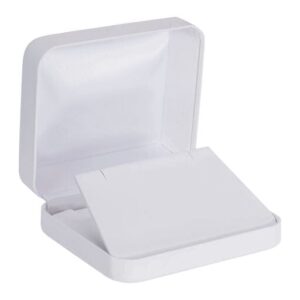

See Our Foam Insert Work Up Close




Why Brands Source Foam Inserts for Jewelry Boxes From Us
Factory-direct manufacturing, low minimums and multi-stage QC — the reasons 300+ brands trust us with their jewelry packaging inserts.
Factory-Direct Pricing
We own the production line in Dongguan, so your foam inserts for jewelry boxes ship at true manufacturer prices, no middleman markup.
Low MOQ for Every Brand
Startups and boutiques order small runs; established houses scale to volume. Custom flexibility without punishing minimums either way.
Private Label & OEM Ready
White-label programs put your logo on every insert, box and pouch — private label jewelry packaging delivered retail-ready under your brand name.
Multi-Stage Professional QC
A dedicated QC team inspects foam density, cut precision and lining at every production stage before your inserts ship.
Eco-Friendly Certified Materials
Choose FSC-certified paper, recycled foams and reusable linings that meet the sustainability standards your customers increasingly expect.
17+ Years, 300+ Brands
Since 2007 we have completed 6,500+ custom projects for jewelry brands and retailers across 30+ countries worldwide.
Foam Inserts for Jewelry Boxes, Pouches, Trays & Displays
One factory, every format. See how brands like yours use custom foam inserts for jewelry boxes and beyond to protect pieces, elevate unboxing, and keep presentation consistent worldwide.
Rigid & Magnetic Gift Boxes
A luxury ring or pendant sliding loose inside a premium magnetic-closure box undermines the entire unboxing moment — customers open a beautiful shell only to find their piece shifted, tangled, or scratched in transit.
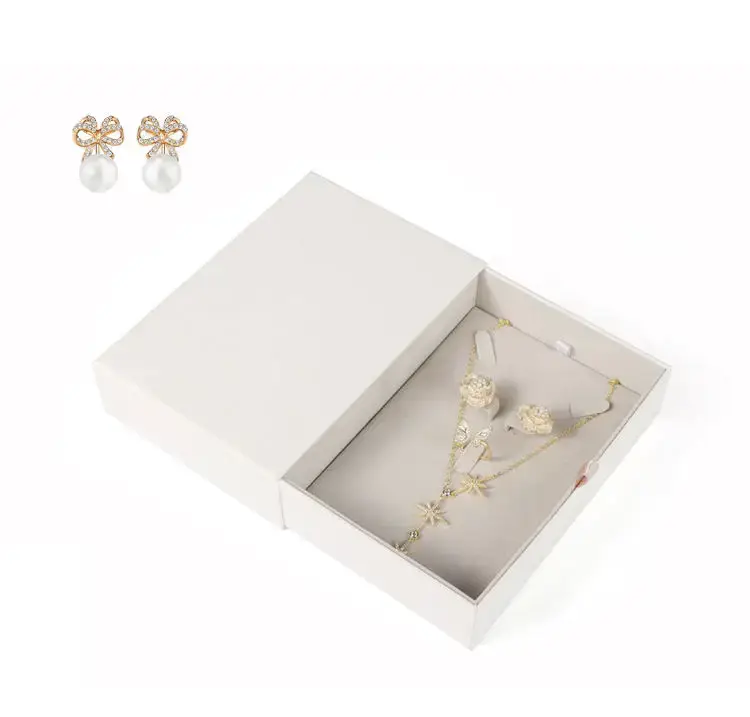
Die-cut foam inserts for jewelry boxes, wrapped in velvet or microfiber, hold each piece in a precise recess. The box opens to a perfectly centered jewel — secure through shipping, stunning on arrival.
Velvet Pouches for Delicate Sets
Independent designers shipping earrings and layered chains in soft pouches face constant tangling and stone-on-metal abrasion, leading to returns, remakes, and unboxing photos that never match the brand's careful aesthetic.
Slim foam pads and card-backed inserts sized to your pouch keep pairs separated and chains flat. Pieces arrive untangled and photo-ready, with low MOQ runs that fit a small studio's budget.
Counter Trays & Store Displays
Boutique retailers rotating collections daily struggle with generic trays — rings lean, stones knock together, and mismatched insert colors make a curated counter look improvised rather than intentional next to the brand's fixtures.
Custom-cut foam tray inserts in your exact slot layout and brand colors keep every ring upright and every stone spaced. Restocking is faster, and the counter reads as one cohesive display system.
Watch Cases & Display Sets
Watch and multi-piece jewelry brands need inserts that cradle heavy cases and full parures without sagging over time — soft linings alone let bracelets shift, crystals rub, and presentation boxes lose their shape.
High-density foam cores with cushioned pillows and contoured cavities support each watch and set piece firmly. Multi-stage QC checks every fit, so display cases hold form from our Dongguan factory to your showroom.
Private Label & OEM Programs
Global brands consolidating packaging across 30+ markets inherit inconsistent inserts from multiple traders — varying foam grades, off-shade linings, and no single accountable partner when a batch arrives wrong or late.
As a factory-direct OEM manufacturer with 17+ years and 300+ brands served, we standardize your foam inserts across every box format, with dedicated account managers and on-time delivery on every reorder.
Foam Cores & Luxury Linings: The Materials Behind Every Insert

EVA Foam
Closed-cell and firm, EVA holds precision die-cut cavities without sagging, keeping rings, earrings and pendants locked in place during transit. Typical densities of 38-60 kg/m3 suit structured rigid boxes and travel cases.
PU Sponge Foam
Soft, open-cell polyurethane with a gentle, cushioned rebound that cradles delicate chains, bracelets and layered necklaces. Its lower density compresses easily, making it ideal as a padding layer beneath satin or velvet in gift boxes.
Velvet Flocking
A plush flocked surface applied directly over cut foam for a seamless, luxury finish. Its dense, short-pile hand-feel prevents micro-scratches on polished gold, silver and gemstones, and color-matches to Pantone for private-label programs.

Satin Lining
Smooth, high-sheen woven satin wrapped over foam inserts for a refined, bridal-grade presentation. Its low-friction surface protects pearls and high-polish pieces, and takes subtle debossing or printed logos beautifully for boutique retailers.
Microfiber Suede
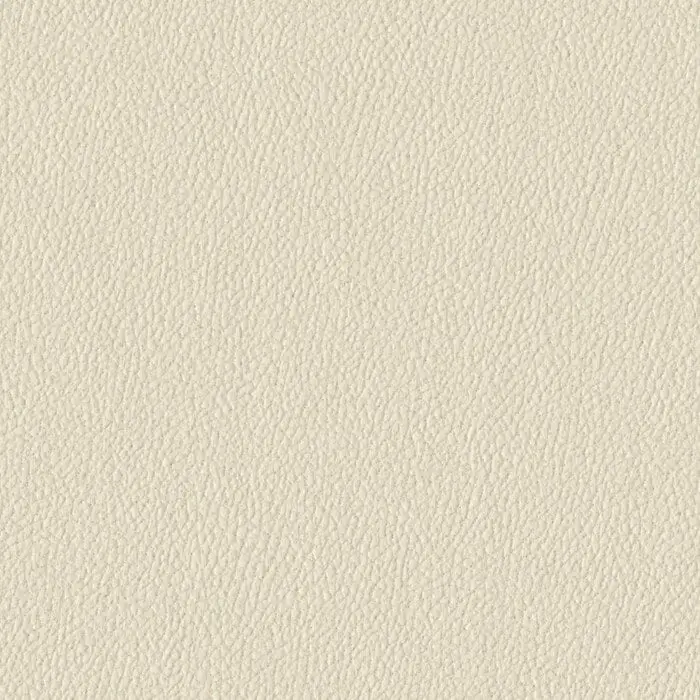
A soft-touch, suede-like knit with fine, even nap and excellent abrasion resistance. Slightly stretchy, it wraps tightly around complex cavity shapes, making it a favorite for watch pillows, ring slots and display trays.

Recycled Eco-Foam
Recycled-content foam paired with FSC-certified paper wraps for brands with sustainability commitments. It offers medium firmness comparable to standard EVA, protecting everyday jewelry lines while supporting recyclable, lower-impact packaging claims your customers can verify.
How We Craft Foam Inserts for Jewelry Boxes

CNC Precision Cutting
Computer-guided routers carve cavities to your exact piece dimensions, holding tight tolerances across the full run. The result is a snug, repeatable fit that secures rings, pendants, and watches through shipping and display.

Die-Cutting
Custom steel dies stamp cavity shapes at high volume with clean, uniform edges. Ideal for larger orders of foam inserts for jewelry boxes, it keeps unit costs low while every insert stays identical to the approved sample.

Velvet Flocking
Fine velvet fibers are electrostatically bonded to the foam surface, producing a soft, scratch-free finish in your brand color. Flocking resists shedding and gives inserts the plush, luxury look customers expect at unboxing.
Fabric Wrapping
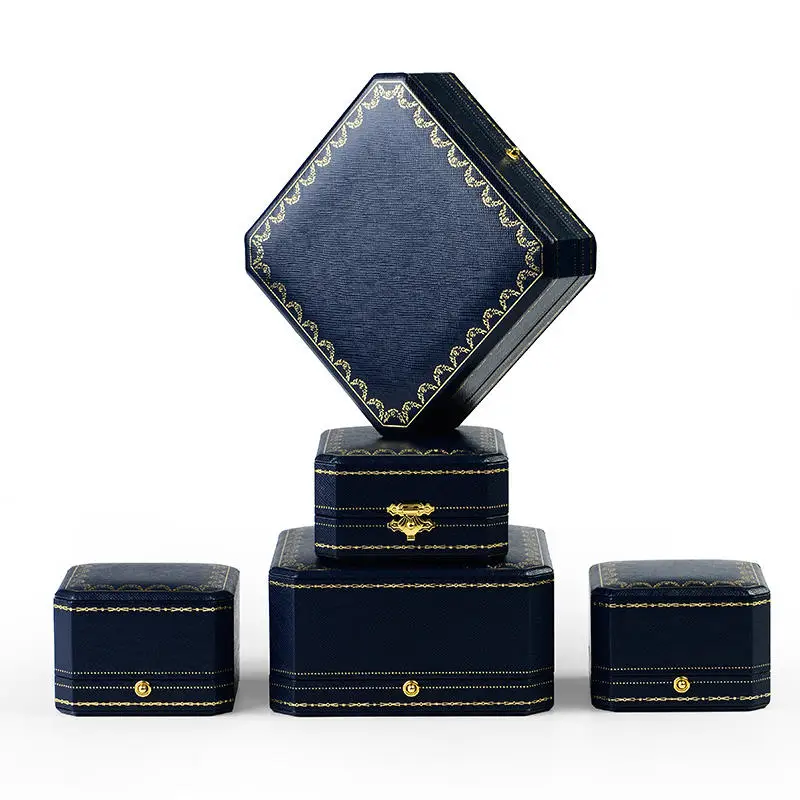
Skilled hands wrap inserts in velvet, satin, microfiber, or eco-linen with taut corners and hidden seams. Wrapped foam delivers a couture-level presentation and added durability, matching the lining of your pouch or rigid box.
Slot & Groove Cutting
Precision blades cut ring slots, earring grooves, and bangle channels sized to your product specs. Pieces sit upright and centered, so necklaces stay untangled and stud pairs present perfectly every time the box opens.
Hot Stamping & Debossing
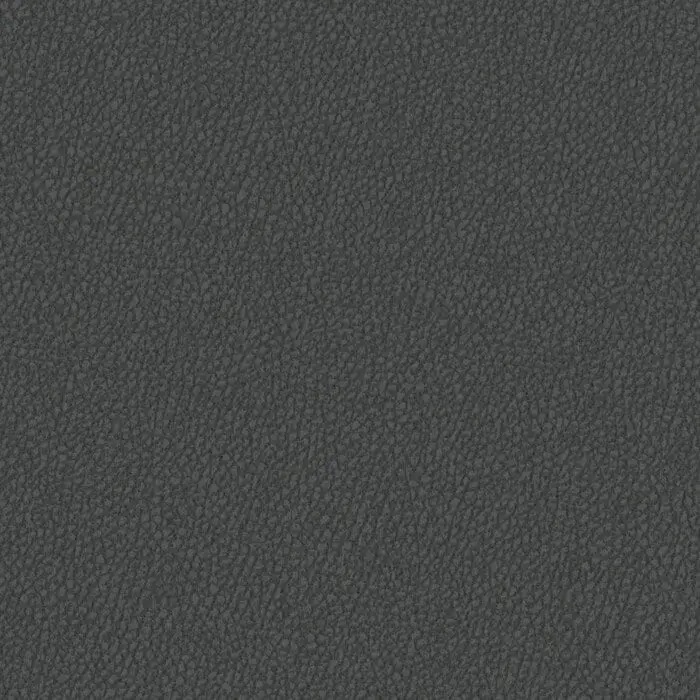
Your logo is foil-stamped or debossed directly onto the wrapped insert surface in gold, silver, or blind finishes. It is a subtle private-label touch that keeps branding visible even after the box lid comes off.
Accessories That Complete Your Foam Inserts for Jewelry Boxes

Ribbon Pull-Tabs
Satin or grosgrain tabs anchored into the foam insert let customers lift rings, pendants or trays out cleanly. A small detail that makes the unboxing feel deliberate and protects delicate settings from prying fingers.

Elastic Loops
Color-matched elastic bands stitched or embedded into the insert hold earrings, bracelets and chains firmly in place during shipping. Ideal for e-commerce brands that need pieces to arrive exactly as they were packed.

Magnetic Closures
Concealed neodymium magnets give rigid boxes a soft, confident snap that customers associate with luxury houses. We align closure strength with lid weight and insert depth so every opening feels engineered, not accidental.

LED Light Modules
Sensor-activated LED strips illuminate the piece the moment the lid lifts — a proven upgrade for engagement ring and high-jewelry boxes. Our team wires, tests and QC-checks every module before assembly.

Woven Labels
Damask-woven brand labels stitched onto pouches, insert linings or box interiors add a tactile signature that printing cannot match. A popular choice for private-label and OEM programs across our 300+ partner brands.
Hot-Stamped Logos
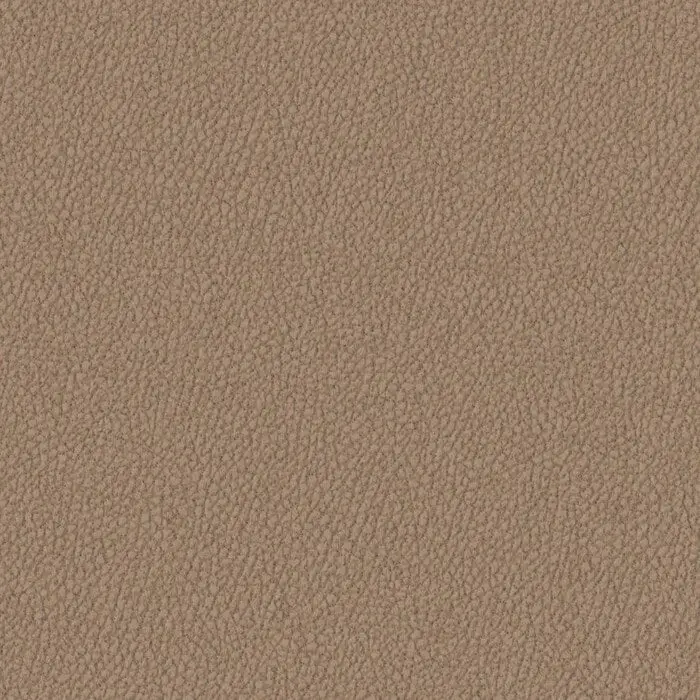
Gold, silver or custom-foil hot stamping applies your logo to lids, linings and paper bags with crisp, durable detail. We proof stamping plates during sampling so mass production matches your brand guidelines exactly.
Our Story: A Custom Jewelry Packaging Manufacturer Since 2007
On The Way was founded in 2007 on a simple principle: quality defines survival. Led by founder and CEO Joyce Linkwin, our Dongguan factory has grown from a small workshop into a full-service custom jewelry packaging manufacturer, producing pouches, rigid boxes, displays, paper bags and precision-cut foam inserts for jewelry boxes under one roof.
Today our 1,200 m2 facility and 220+ specialists have completed 6,500+ custom projects for 3,000+ cooperative customers, serving 300+ brands across 30+ countries. Because we own the production line, every insert is die-cut, wrapped and finished in-house, with a multi-stage QC team inspecting fit, lining and color at every step before shipment.
What sets us apart is flexibility. Low MOQs welcome independent designers, while private-label and OEM programs support global jewelry houses. From FSC-certified and recycled eco-materials to dedicated account managers and on-time delivery, we treat foam inserts for jewelry boxes as part of your brand’s first impression, not an afterthought.

Foam Inserts for Jewelry Boxes: Capabilities Beyond a Catalog
Precision Cavity Engineering for Any Set
Our in-house tooling team maps every ring, pendant, bangle, and earring pair to millimeter-accurate cavities, so foam inserts for jewelry boxes hold pieces snugly through shipping and present them cleanly at unboxing — no rattle, no shifting, no scratched metal.
- CAD-drawn cavity layouts matched to your exact SKUs and box dimensions
- Die-cut, CNC-routed, or hot-pressed cavities depending on foam density
- Mixed-set inserts for necklace, earring, and ring combinations in one tray
- Free structural sampling before mass production locks in the fit
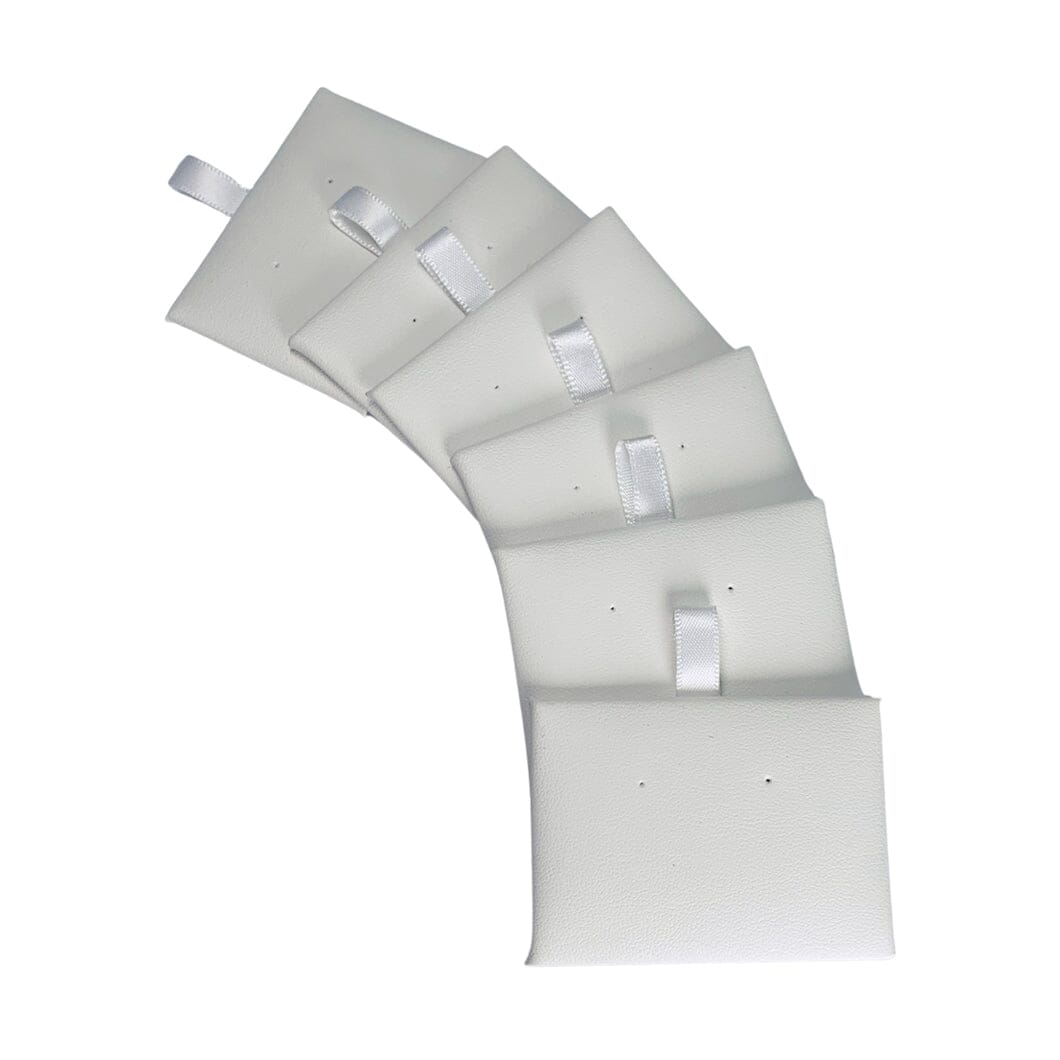
Full Private-Label and OEM Programs
As a factory-direct manufacturer with 17+ years of experience, we build white-label foam inserts for jewelry boxes under your brand — from velvet-wrapped surfaces debossed with your logo to complete boxed sets ready for your retail shelf.
- Logo embossing, debossing, foil stamping, or printed lining on insert surfaces
- Pantone-matched velvet, satin, microfiber, and leatherette wraps
- One supplier for inserts, rigid boxes, pouches, displays, and paper bags
- Low MOQ programs that scale from designer startups to global brands

Multi-Stage QC on Every Batch
A dedicated quality team inspects foam density, cavity tolerance, fabric adhesion, and color consistency at incoming, in-line, and pre-shipment stages — the same discipline behind 6,500+ completed custom projects for 3,000+ cooperative customers worldwide.
- Incoming inspection of raw foam and lining fabrics before cutting
- In-line checks on cavity dimensions and wrap alignment during production
- Pre-shipment AQL sampling with photo reports sent to your account manager
- On-time delivery tracked project by project across 30+ countries
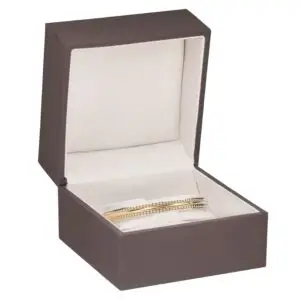
FSC-Certified and Recycled Eco-Material Options
Sustainability-minded brands can specify recycled-content foams, FSC-certified paper structures, and reusable fabric wraps without sacrificing the plush look luxury buyers expect — eco-conscious foam inserts for jewelry boxes that support your brand story.
- Recycled EVA and PE foam cores with equivalent cushioning performance
- FSC-certified paper trays and backing boards available on request
- Cotton, linen, and recycled microfiber wraps for plastic-reduced packaging
- Material documentation supplied for your compliance and retail audits
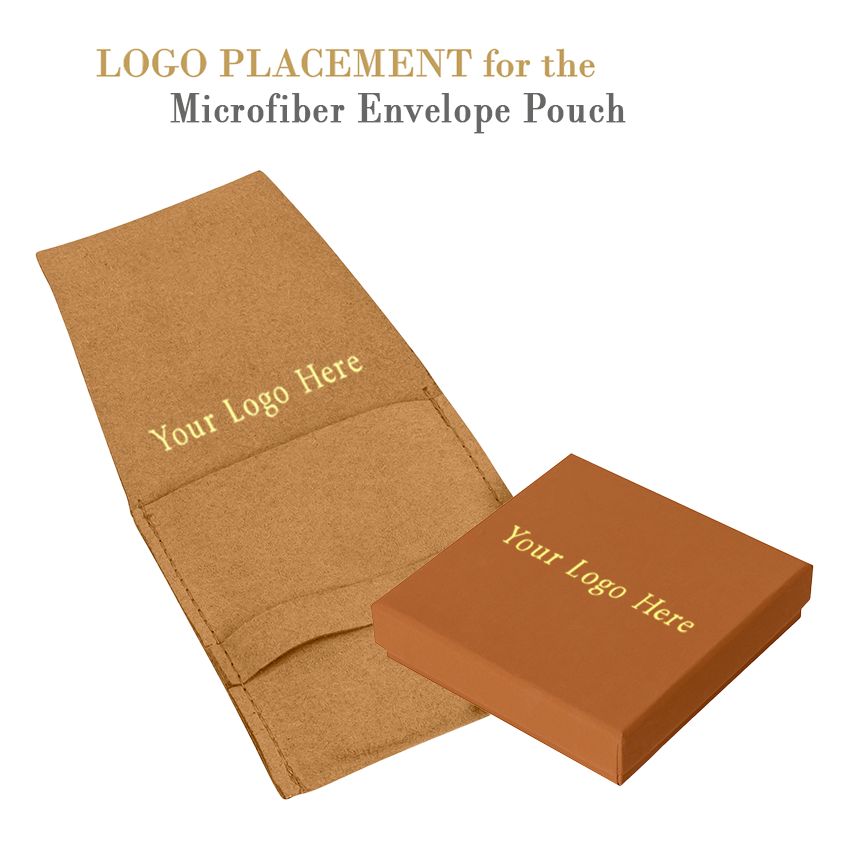
Factory-Direct Manufacturer vs. a Typical Packaging Trader
When you source foam inserts for jewelry boxes from On The Way, you buy straight from the production line in Dongguan — not through a middleman markup. Here is what that means in practice.
← Swipe left or right to view →
Production Timeline: Six Controlled Phases From Order to Delivery
From raw material to your warehouse, every batch of custom foam inserts for jewelry boxes moves through six controlled phases at our Dongguan factory — with a dedicated account manager tracking each milestone.
Material Sourcing & Approval
We source EVA, sponge and eco-friendly foams alongside velvet, microfiber and FSC-certified linings, then send swatches for your approval before any cutting begins.
CNC Cutting & Flocking
Precision CNC routing and die-cutting shape each cavity to your ring, pendant or watch dimensions, followed by flocking or fabric wrapping for a flawless finish.
Assembly Into Boxes
Skilled technicians fit every insert into its rigid box, gift box or tray by hand, checking cavity alignment, tension and lid clearance piece by piece.
Multi-Stage QC Inspection
Our dedicated QC team inspects at cutting, wrapping and final assembly — verifying dimensions, adhesion and finish so foam inserts for jewelry boxes arrive defect-free.
Protective Export Packing
Finished boxes are individually wrapped, cushioned and packed in reinforced export cartons to protect flocked surfaces and structure through long-distance freight.
On-Time Worldwide Shipping
We coordinate air, sea or courier freight to 30+ countries, share tracking through your account manager and hold to the delivery date we committed.
From Sketch to Shipment in 3 Steps
Sourcing custom foam inserts for jewelry boxes from our Dongguan factory is straightforward — one dedicated team guides you from first measurement to delivered order.
Send Your Dimensions or Tech Pack
Share jewelry measurements, box specs, or a full tech pack. Our engineers design foam inserts for jewelry boxes around your pieces and confirm feasibility within 24 hours.
Approve Your Quote and Sample
Receive factory-direct pricing and a pre-production sample. Test the fit, velvet or satin wrap, and finish, then request revisions until every cavity cradles your jewelry perfectly.
Move Into Bulk Production
Sign off and your dedicated account manager oversees mass production, multi-stage QC, and on-time delivery — even at low MOQs suited to startup jewelry brands.
Certifications Behind Every Foam Insert for Jewelry Boxes

What 300+ Brands Say About Our Foam Inserts for Jewelry Boxes
After switching to On The Way’s custom foam inserts for jewelry boxes, our transit damage claims dropped from roughly 4% to under 0.5% across two holiday seasons. Their QC team caught fit issues at sampling that our previous trader never flagged.
As an independent designer, I only needed 300 units to launch. They accepted my low MOQ, turned around three sample revisions in 12 days, and the velvet-wrapped inserts fit my ring collection perfectly. My unboxing videos now drive real repeat sales.
We consolidated boxes, foam inserts, and paper bags with one factory and cut our packaging costs by about 18% versus our old supplier chain. Our dedicated account manager kept all five SKUs on schedule — every shipment has landed on time for two years.
Foam Inserts for Jewelry Boxes: Your Sourcing Questions, Answered
Straight answers on MOQs, samples, lead times, payments, shipping and design protection — from the factory floor in Dongguan, not a trading desk.
What is the minimum order quantity for custom foam inserts for jewelry boxes?
How much do samples cost, and how long do they take?
Can you make foam inserts for jewelry boxes I already have from another supplier?
What foam materials and coverings can I choose from?
What are your payment terms for a first order?
How do you ship foam inserts from Dongguan, and what are typical lead times?
Will my private-label designs be protected if I manufacture with you?
Can foam inserts be custom-shaped for specific jewelry pieces?
The Complete Buyer’s Guide to Foam Inserts for Jewelry Boxes
A decision framework for sourcing foam inserts for jewelry boxes: compare types and materials, weigh customization and quality criteria, vet suppliers, avoid costly mistakes, and read transparent pricing tiers before you commit.
1. What Are Foam Inserts for Jewelry Boxes?
Die-cut from 3–20 mm EVA, polyurethane, or sponge foam and wrapped in velvet, satin, or microfiber, foam inserts for jewelry boxes are the shaped pads that sit inside a rigid or gift box and hold each piece in a fixed position. Their job is mechanical first: a snug slot or cutout stops a ring from rattling in transit, keeps chain links from tangling, and prevents plated finishes from scratching against raw board edges.nnEach jewelry category demands a different geometry. Rings grip inside a 2–3 mm compressed slit, stud earrings push through paired punch holes, necklaces lie on a contoured platform with a hook or flap anchoring the chain, and watches and bangles wrap around a foam pillow roll sized to the case diameter.nnBeyond protection, the insert carries the presentation. Founded in 2007, On the Way Packaging (Jewelry Box Supplier Ltd.) has built fitted inserts into 6,500+ custom projects because a velvet-wrapped pad visibly lifts perceived value the moment the lid opens — the piece arrives framed and centered like a showcase item, not loose merchandise dropped in a box.nnThe buyer question is practical: what problem must the insert solve for your specific line? A designer shipping 2 mm-band stackable rings needs a different slit tolerance than a retailer boxing 40 g statement necklaces or 42 mm watch heads. Map each SKU’s dimensions and weight to a cutout style before sampling — the type, material, and construction decisions covered later in this guide all flow from that fit.
2. Evolution & History of Jewelry Box Padding
For most of the 19th and early 20th centuries, jewelry box interiors relied on loose cotton batting, hand-stuffed velvet cushions, and satin pads tacked into wooden or paperboard cases. These interiors were labor-intensive, inconsistent from box to box, and offered limited protection — a ring could slide across a cushion in transit and scratch against the box wall.nnBetween the 1960s and 1980s, expanded polyurethane (PU) and EVA foams migrated from electronics and instrument casing into jewelry packaging, replacing hand-padding with molded and die-cut blanks. Steel-rule die-cutting made repeatable ring slots, earring cards, and pendant recesses possible at scale, cutting per-unit interior labor from minutes to seconds.nnCNC routing and digital knife-cutting, widespread since the 2000s, removed tooling as a barrier: a cavity layout can now be revised in CAD and re-cut the same day, often with no new die charge. That flexibility is why foam inserts for jewelry boxes dominate today — a velvet- or microfiber-wrapped EVA insert holds each piece in a tailored slot, presents it at a controlled angle, and survives e-commerce shipping in ways loose cushions never could.nnSince roughly 2015, sustainability pressure has reshaped the category again. Buyers should watch recyclable PET-fiber fills, recycled-content EVA, molded pulp platforms wrapped in GRS-certified recycled velvet, and FSC-certified paperboard bases — directions On The Way supports through its eco-material insert options for brands with plastic-reduction targets.
3. Types of Foam Inserts for Jewelry Boxes
Six insert formats cover roughly 90% of jewelry SKUs. Match the insert to your best-selling category first, then to box footprint — most foam inserts for jewelry boxes fit standard 45–90 mm rigid formats with minor die adjustments.
Ring-Slot Inserts
Single- or double-slot pads grip band widths of 1.5–8 mm and fit square rigid boxes from 45×45 mm.nnPros: fastest tooling and lowest cost per unit. Cons: slot tension can loosen on very thin stacking bands.
Necklace and Pendant Pads
Flat pads with two side notches or a hook-and-flap hold 40–45 cm chains in boxes from 70×70 mm.nnPros: clean presentation and tangle-free shipping. Cons: heavier pendants need an added elastic loop or clip.
Earring-Hole Inserts

Pierced pads use 1–2 mm punched holes on 10–25 mm centers for studs and hooks, compatible with slim 50×50×20 mm boxes.nnPros: secure post retention. Cons: clip-on and huggie styles require slots instead of holes.
Bracelet and Bangle Rolls

Cylindrical rolls of 30–50 mm diameter suit cuffs, bangles, and chain bracelets in rectangular boxes from 90×90 mm.nnPros: displays the piece fastened, as worn. Cons: tallest profile, pushing box depth to 35–40 mm.
Multi-Piece and Universal Inserts
Combination pads pair a ring slot with earring holes and a necklace notch for gift sets.nnPros: one SKU covers mixed assortments and cuts inventory. Cons: fit is a compromise versus dedicated inserts.
Die-Cut Custom Cavities

Die- or CNC-cut cavities are milled to your exact piece — watches, brooches, high-jewelry suites. On The Way cuts cavities from supplied CAD files or physical samples, typically at MOQs from 100–500 pieces.nnPros: zero movement in transit. Cons: tooling adds cost and 3–5 days of sampling time.
4. Materials & Fabrics for Foam Inserts
Foam core and fabric wrap together determine protection, feel, and shelf price. On The Way pairs four core foams with velvet, microfiber, suede, or satin coverings, matched to piece weight and brand tier.
| Material | Density / GSM | Feel | Typical Use | Relative Cost |
|---|---|---|---|---|
| EVA foam | 38–60 kg/m³ | Firm, precise | Ring, pendant cavities | $ |
| EPE foam | 20–40 kg/m³ | Soft, springy | Transit padding | $ |
| PU foam | 18–30 kg/m³ | Plush | Budget gift boxes | $ |
| Memory foam | 40–60 kg/m³ | Slow-recovery | Watch, bridal boxes | $$$ |
| Velvet wrap | 180–280 GSM | Deep pile | Luxury presentation | $$ |
| Microfiber wrap | 200–320 GSM | Smooth suede | Silver, daily lines | $$ |
| Satin wrap | 75–120 GSM | Sleek sheen | Lids, linings | $ |
EVA and EPE Foam Cores
EVA foam (38–60 kg/m³) is the industry workhorse: closed-cell, cleanly die-cut, and able to hold crisp cavity edges for rings and pendants.nnEPE polyethylene runs softer and cheaper, better suited to transit protection than retail presentation. Both are water-resistant and recyclable.
PU and Memory Foam

Polyurethane (PU) foam at 18–30 kg/m³ feels plush and costs least, but compresses and yellows faster than EVA.nnMemory foam adds slow-recovery luxury for watch and bridal boxes at roughly 2–3x EVA cost.
Velvet and Microfiber Wraps

Velvet at 180–280 GSM remains the classic presentation surface — deep pile and rich color under boutique lighting.nnMicrofiber suede (200–320 GSM) marks less and resists residues that tarnish silver, making it the practical default. Both accept Pantone-matched dyeing at MOQs around 300–500 units.
Suede and Satin Options
Faux suede delivers a matte, tactile finish favored by minimalist and eco-positioned brands.nnSatin (75–120 GSM) photographs with high sheen but snags easily, so reserve it for lids and pouch linings.nnFor most collections, an EVA core wrapped in 220 GSM microfiber best balances protection, luxury feel, and budget in foam inserts for jewelry boxes.
5. Customization & Decoration Options
Beyond basic protection, foam inserts for jewelry boxes are a branding surface. On The Way runs 6,500+ custom projects’ worth of tooling know-how, so most decoration options add cents — not dollars — per unit at 500+ MOQ.
| Technique | Effect | Typical Cost Impact |
|---|---|---|
| Custom die-cut cavity | Exact fit for odd shapes | $80–$150 tooling, one-time |
| Pantone fabric match | Brand-exact color | Dye-lot MOQ, ~300-500 m |
| Deboss / hot stamp logo | Premium branded wrap | $0.03-$0.10 per unit |
| Contrast stitching | Visual edge definition | Under $0.05 per unit |
| Full-slot ring channel | Multi-ring display | Included in die cost |
Custom Die-Cut Cavity Shapes

One-off steel-rule dies typically cost $80–$150 and cut EVA or PU foam to fit odd-shaped pieces — asymmetric cuffs, ear climbers, charm sets — with 0.5 mm tolerance.nnAmortized over 1,000 units, tooling adds under $0.15 per insert, far cheaper than redesigning the box itself.
Fabric and Foam Color Matching
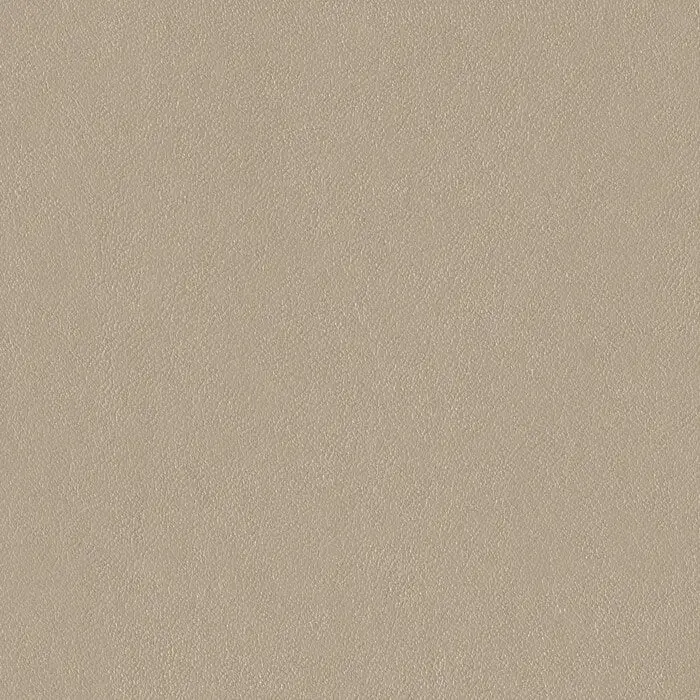
Pantone TPG matching on velvet, microfiber, or satin wraps usually requires a 300-500 m dye lot; stock palettes of 20-40 colors carry no upcharge.nnColored foam (black, white, gray, ivory) costs the same as natural — specify it when cavities stay exposed.
Logos, Stitching, and Ring Holds
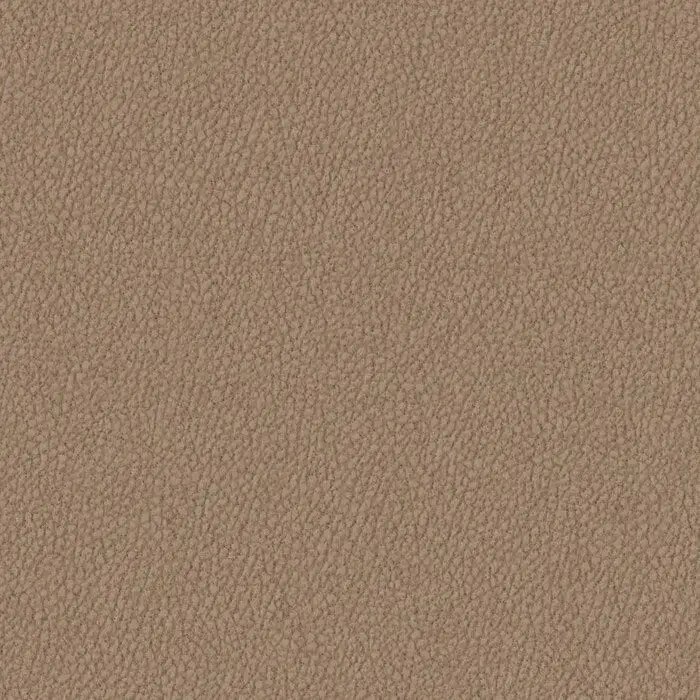
Hot-stamped or debossed logos on the fabric wrap run roughly $0.03-$0.10 per unit after a $50-$120 plate; UV printing suits multi-color marks.nnContrast stitching around cavity edges adds a couture cue for pennies. For rings, finger-slit holds grip single bands tightly, while full-slot channels display multiple sizes and speed retail restocking.
- Deboss: subtle, tone-on-tone luxury cue
- Hot stamp: metallic foil, strongest shelf impact
- Contrast stitch: visible at 3 feet, near-zero cost
- Finger slit: secure single-ring presentation
- Full slot: multi-ring trays and travel cases
6. Key Construction & Quality Elements
Six construction details separate foam inserts for jewelry boxes that last for years from ones that fail within a season. Inspect each marker on physical samples before approving production — On The Way’s multi-stage QC team verifies all of them pre-shipment.
Cutting Precision and Slot Tolerance

Die-cut and CNC-cut inserts should hold roughly ±0.5 mm tolerance against the box interior. Gaps over 1 mm let the pad shift in transit.nnTest fit on the sample: the insert should drop in flat and lift out cleanly without prying at the corners.
Foam Density Consistency
Quality inserts use 38–60 kg/m³ EVA or 18–30 kg/m³ polyurethane foam with uniform density across the sheet. Press a fingertip into several points; recovery should feel identical everywhere.nnSoft spots signal off-spec or blended foam that dents under a ring shank within weeks.
Fabric Adhesion and Wrinkle-Free Lamination

Velvet or microfiber must be heat- or glue-laminated with full-surface coverage, never spot-glued. Inspect slot walls and inside corners — the first places peeling starts.nnFabric should tuck cleanly into ring slots with no bubbles, puckers, or visible adhesive bleed.
Colorfastness
Rub a white cotton cloth firmly across the fabric 10 times; any dye transfer means flocking will mark silver, gold, or pearls.nnSpecify OEKO-TEX-tested fabrics and confirm fade resistance if boxes will sit in lit display cases.
Snug-but-Easy Piece Retention
Load your actual pieces into the sample. A ring should seat with light pressure and release with two fingers — and never fall out when the box is inverted.nnLoose fit is the top end-customer complaint; over-tight slots scratch plating and stress prongs.
Edge and Rebound Resilience
Compress a slot edge 20–30 times to simulate repeated opening. Quality foam rebounds fully; permanent indentation after 24 hours predicts a sagging insert within months.nnCheck cut edges for crumbling — a telltale marker of low-grade, shredded-fill foam.
7. How to Choose a Foam Insert Manufacturer
Vetting a supplier of foam inserts for jewelry boxes means testing six capabilities before you commit a purchase order. Factory-direct manufacturers like On The Way, founded in 2007, publish these benchmarks openly — treat vagueness as a red flag.
Low MOQ Flexibility
Trading companies often quote 5,000-unit minimums; factory-direct suppliers can start at 100–500 pieces per SKU. Ask whether MOQ applies per insert shape or per total order.nnRed flag: a ‘low MOQ’ offer paired with a 3–4x unit-price penalty.
Custom Die-Cutting Capability

Confirm in-house die-cutting, CNC contour routing, and waterjet capacity rather than outsourced tooling. Request tolerance specs — ±0.5 mm cavity accuracy is standard for ring slots.nnAsk for die-room photos; suppliers without one add 7–10 days per revision.
Material Sourcing and Eco Options

Ask for certifications up front: OEKO-TEX Standard 100 for velvet flocking, FSC for paper-wrapped inserts, RoHS reports for EVA and PU foams. On The Way stocks recycled and FSC-certified options.nnRed flag: no batch-level density documentation, such as 38–60 kg/m³ for EVA.
Sampling and Prototyping Speed
5–7 working days is a competitive pre-production sample turnaround; three weeks signals outsourcing. Ask whether the first cutting-die fee is credited against mass production.nnInsist on a physical sample, not renders, before approving tooling.
Quality Control and Defect Rates
Ask for the supplier’s AQL standard — 2.5 for major defects is the jewelry-packaging norm. A multi-stage QC team should inspect incoming foam, post-cutting fit, and final assembly.nnRequest the documented defect rate; above 1.5% warrants a third-party inspection clause.
Lead Times and Communication
15–25 days is a typical mass-production lead time for 1,000–5,000 inserts; add 25–35 days for sea freight. A dedicated account manager answering within 24 hours prevents costly spec drift.nnRed flag: quotes issued without a written production schedule.
8. Common Mistakes Buyers Make
Insert errors rarely surface until mass production, when a 500-unit rework can erase an entire launch margin. Six avoidable pitfalls account for most of the money brands lose when sourcing foam inserts for jewelry boxes.
Ordering Inserts Before Box Dimensions Are Final
A 1 mm change to a rigid box’s internal cavity can render an entire insert run unusable.nnFix: freeze internal dimensions in a signed tech pack first, and where possible have the same factory produce both box and insert so tolerances are matched at the source.
Skipping Physical Samples
Digital renders hide compression feel, fabric sheen, and slot grip — the three things customers actually touch.nnFix: approve a pre-production sample with your real jewelry seated inside; most factories deliver one in 5–7 days, with the sample fee typically credited against the bulk order.
Over-Tight or Too-Loose Slot Sizing

Slots cut 0.5 mm too tight can scratch rhodium or gold plating; slots too loose let rings shift and chains tangle in transit.nnFix: send exact SKU dimensions or physical product samples, and state slot tolerances explicitly on the drawing.
Choosing Cheap Foam That Yellows or Compresses

Low-density open-cell PU under roughly 25 kg/m³ can yellow within 12 months and lose slot memory after repeated use.nnFix: specify high-density EVA or EPE, and request an aging or compression-set test report before approving production.
Ignoring Fabric-to-Brand Color Match

Velvet, satin, and microfiber absorb light differently, so the ‘same’ navy can read two shades apart across materials.nnFix: reference a Pantone code, then approve a physical swatch under both daylight and store lighting before bulk cutting.
Underestimating MOQ and Lead Time
Custom fabric-wrapped inserts commonly start at 100–500 piece MOQs, with 15–25 days production plus 25–35 days ocean freight.nnFix: confirm MOQ tiers before finalizing the design, and place orders 60–90 days ahead of seasonal launches.
9. Steps to Launch Your Branded Insert Program
A branded insert program typically moves from spec sheet to delivered goods in 25–40 days. This seven-stage sequence keeps sampling, tooling, and production of foam inserts for jewelry boxes aligned from day one.
Define Product Mix and Box Specs
Start by listing every SKU the insert must hold — rings, pendants, bangles, watches — with exact piece dimensions.nnRecord internal box measurements to ±0.5 mm; a die-cut EVA insert needs a 0.2–0.5 mm friction-fit tolerance to sit flush without bowing.
Select Foam Material and Fabric
Choose density next: 38–60 kg/m3 EVA suits structured cavities, while softer PU foam works for cushion pads and necklace platforms.nnPair it with a velvet, microfiber, or satin wrap; On The Way also runs FSC-certified paper and recycled fabric options for eco-positioned lines.
Design Cavity Layout and Branding
Send a dieline or product photos; the factory returns a CAD cavity layout within 2–3 working days.nnApprove slot spacing, logo placement — hot-stamp, emboss, or printed card — and Pantone-matched fabric color before any cutting tooling is made.
Request and Approve Samples
Pre-production samples typically ship in 5–10 days. Test every SKU for fit, check fabric tension at cavity edges, and drop-test the loaded box.nnSign off in writing; the approved sample becomes the gold standard for mass-production QC.
Confirm MOQ, Pricing, and Place the Order
Factory-direct MOQs commonly start at 100–500 units per design, with unit prices dropping 20–40% at 1,000+ pieces.nnConfirm the 15–25 day production lead time, then release the order with multi-stage in-line QC and a pre-shipment inspection built into the PO.
Plan Reorders Early
Reorders skip sampling and tooling, cutting lead time to roughly 12–18 days.nnKeep dielines, foam specs, and Pantone codes on file with your dedicated account manager, and trigger reorders when 30–45 days of stock remain.
10. Pricing & Cost Breakdown
Expect $0.15–$2.50 per unit for foam inserts for jewelry boxes, with volume the single biggest lever — a 100-piece sampling run can cost 5x the 5,000-unit rate. One-time die-cut tooling runs $80–$150 per cavity layout and is typically amortized or waived at 1,000+ units by factory-direct manufacturers such as On The Way.nnMaterial choice moves price more than footprint: bare EVA is cheapest, flocked EVA adds pennies, and fully fabric-wrapped sponge inserts can double the unit cost. Budget freight separately — foam is light but bulky, so sea shipments are billed on volumetric weight rather than actual kilograms.
- Velvet flocking upgrade: add $0.05–$0.15 per unit over bare EVA
- Full fabric wrapping (satin, microfiber, velvet): add $0.20–$0.60 per unit
- CNC-routed multi-cavity layouts: add 15–30% over single-cavity die-cutting
- Anti-tarnish or non-abrasive lining treatment: add $0.03–$0.08 per unit
- Pre-production sample: $30–$80, usually credited against the bulk order
| Quantity Tier | Unit Price (USD) | Die-Cut Tooling | Lead Time |
|---|---|---|---|
| 100 units (low MOQ) | $0.80–$2.50 | $80–$150 one-time | 10–12 days |
| 500 units | $0.45–$1.20 | $80–$150 one-time | 12–15 days |
| 1,000 units | $0.30–$0.85 | Often waived | 15–18 days |
| 5,000+ units | $0.15–$0.50 | Waived | 20–25 days |
Ready to Fit Your Jewelry Perfectly? Get a Quote Today
Send your jewelry dimensions or tech pack — get factory-direct pricing, low-MOQ sampling, and a dedicated account manager for custom foam inserts for jewelry boxes.