
Custom Cotton Inserts for Jewelry Boxes — Factory-Direct, Low MOQ
OEM cotton inserts for jewelry boxes, made in our Dongguan factory with multi-stage QC — low MOQ, private-label flexibility, and on-time delivery for 300+ brands in 30+ countries.
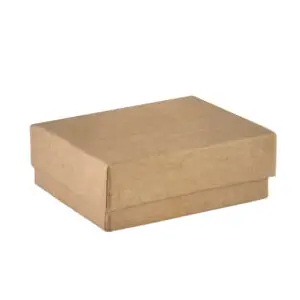
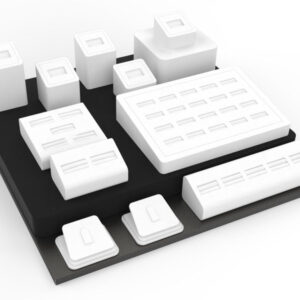
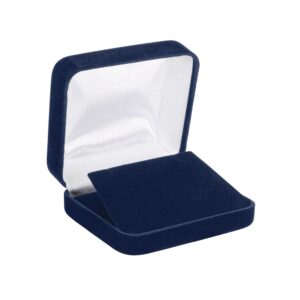
Featured Cotton Insert & Jewelry Packaging Products


See Our Cotton Inserts in Real Client Projects
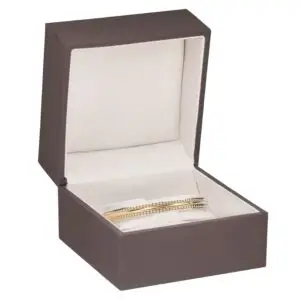


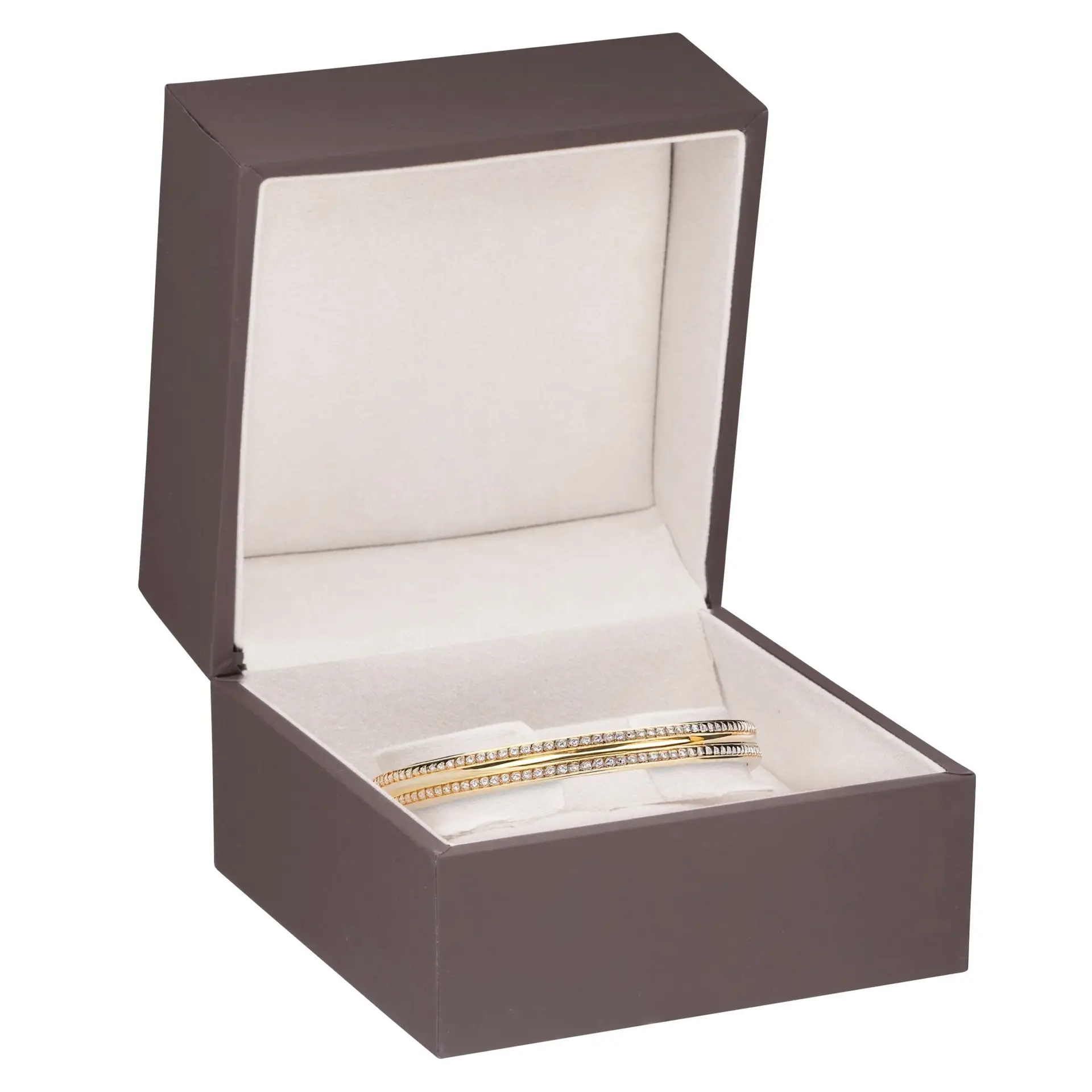



Why Brands Choose Our Cotton Inserts for Jewelry Boxes
From startups to global jewelry houses, 300+ brands source cotton inserts for jewelry boxes directly from our Dongguan factory — here is why.
Factory-Direct Pricing
We own the production line, so your cotton inserts ship at true manufacturer cost — no trading-company markups eroding your packaging budget.
Low MOQ, Full Customization
Order small runs of custom cotton inserts for jewelry boxes in any size, density, slot layout, or color — ideal for launches and boutiques.
Private Label & OEM Programs
White-label inserts with your logo, debossing, or printed liners. We manufacture quietly behind 300+ brands across 30+ countries.
Multi-Stage Quality Control
Every insert passes dedicated QC checkpoints for fit, density, stitching, and finish before packing — consistency your customers can feel.
Eco-Friendly Certified Materials
Choose FSC-certified paper cores, recycled cotton, and reusable constructions that support your sustainability story without sacrificing a luxury feel.
Dedicated Managers, On-Time Delivery
One account manager guides you from sampling to mass production, backed by 17+ years and 6,500+ completed custom projects.
Cotton Inserts for Jewelry Boxes in Every Packaging Format
From magnetic gift boxes to display trays, our factory cuts, wraps and fits cotton inserts for jewelry boxes around your exact pieces — one insert program across your entire packaging line.
Rigid and Magnetic Gift Boxes
A luxury retailer's rings and pendants slide inside off-the-shelf rigid boxes, arriving scratched or off-center. Generic foam pads look cheap and undermine a magnetic-closure box meant to feel premium at unboxing.
We die-cut cotton inserts to your exact box interior and jewelry dimensions, with slits and grooves that hold each piece firmly centered — a clean, soft presentation backed by multi-stage QC on every batch.
Pouches for Delicate Pieces
An independent designer ships fine chains in velvet and cotton pouches, but necklaces tangle and clasps snag in transit. Customers open a knotted mess instead of a considered, brand-worthy first impression.
Slim cotton insert cards with notches and elastic loops keep chains flat and separated inside the pouch. Low MOQ means designers can order small runs sized to each collection without overstocking.
Display Trays and Sets
A boutique needs counter trays that present dozens of earrings and rings neatly, but mismatched pads and inconsistent slot spacing make the case look cluttered and slow down staff during customer service.
Uniform cotton insert pads with precise slot layouts turn trays into organized, easy-to-shop displays. As the factory, we match color and density across trays, busts and full display sets for a cohesive counter.
Watch Cases and Cushions
A watch brand's cases arrive with pillows that are too firm or oversized, stretching straps and letting heads rotate during shipping — returns and complaints rise with every international order.
Custom-density cotton cushions and contoured inserts cradle each watch head and strap size. Seventeen-plus years of packaging engineering ensure a snug fit that survives export transit to 30-plus countries.
Private Label Insert Programs
A growing brand sources boxes, pouches and inserts from separate trading companies, fighting inconsistent whites, shifting lead times and markups that make cohesive branded packaging hard to scale profitably.
Our OEM program produces cotton inserts for jewelry boxes alongside the boxes, pouches and paper bags themselves — one factory, factory-direct pricing, a dedicated account manager and on-time delivery on every reorder.
The Materials Behind Our Cotton Inserts for Jewelry Boxes

Natural Cotton
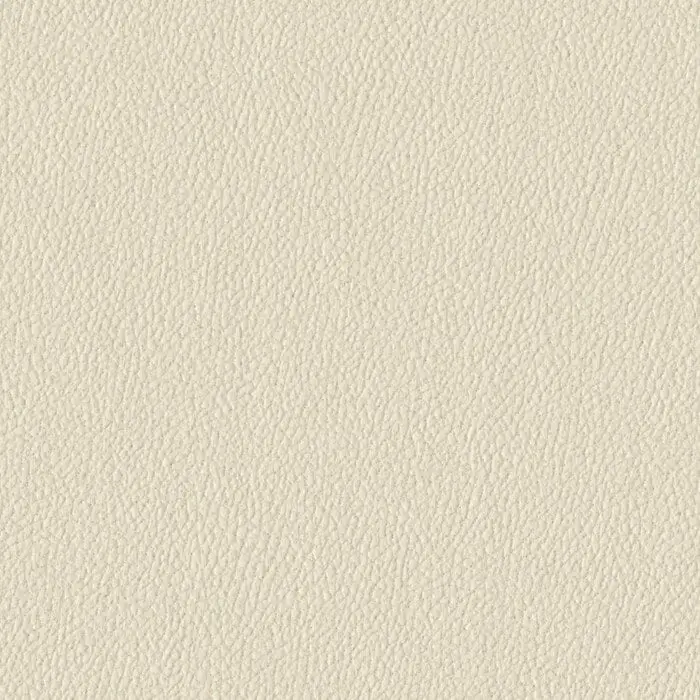
Soft, matte and breathable with a clean artisanal look. Our go-to base for cotton inserts for jewelry boxes holding rings, pendants and earrings, typically 180-260 GSM for a firm yet cushioned support.
Organic Cotton
GOTS-certified and grown without synthetic pesticides, offering the same gentle, lint-controlled hand-feel as conventional cotton. Ideal for eco-positioned jewelry brands that need verifiable sustainability claims printed on packaging and marketing.
Recycled Cotton
Made from reclaimed post-industrial fiber, giving inserts a subtly textured, natural surface at a lower environmental footprint. Pairs well with FSC-certified rigid boxes for a fully circular, audit-ready packaging story.

Washed Linen
Crisp, slubbed texture with an understated organic elegance favored by minimalist and heritage jewelry labels. Slightly firmer hand than cotton at 200-300 GSM, it holds die-cut slots and ring grooves with sharp definition.
Plush Velvet
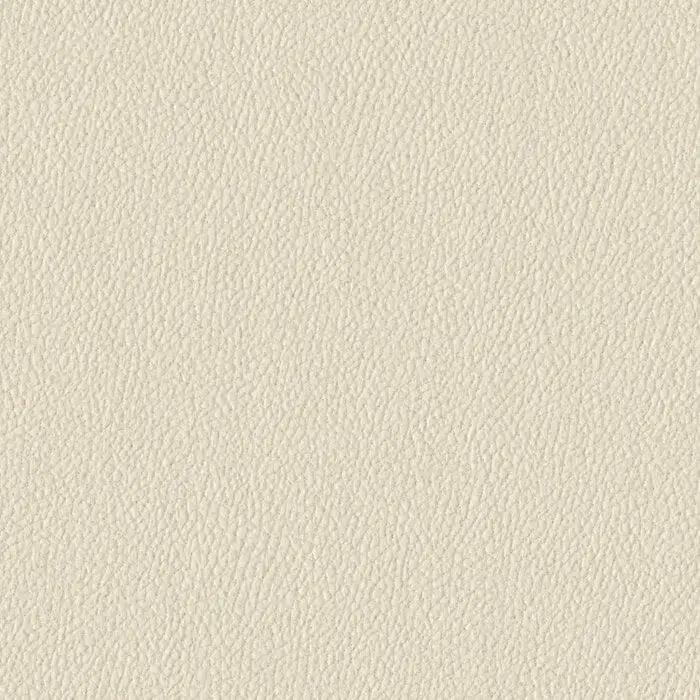
Deep, dense pile with a luxurious light-absorbing sheen that flatters diamonds and gold. A high-density short-pile construction resists crushing, making it the classic upgrade surface for premium ring and necklace inserts.

Smooth Microfiber
Ultra-fine suede-like surface that is scratch-safe on polished metals and plated finishes. Highly consistent dye uptake allows precise Pantone color matching, so insert linings align perfectly with your brand palette across production runs.
How We Shape, Print & Finish Cotton Inserts for Jewelry Boxes
Die-Cut Slotting
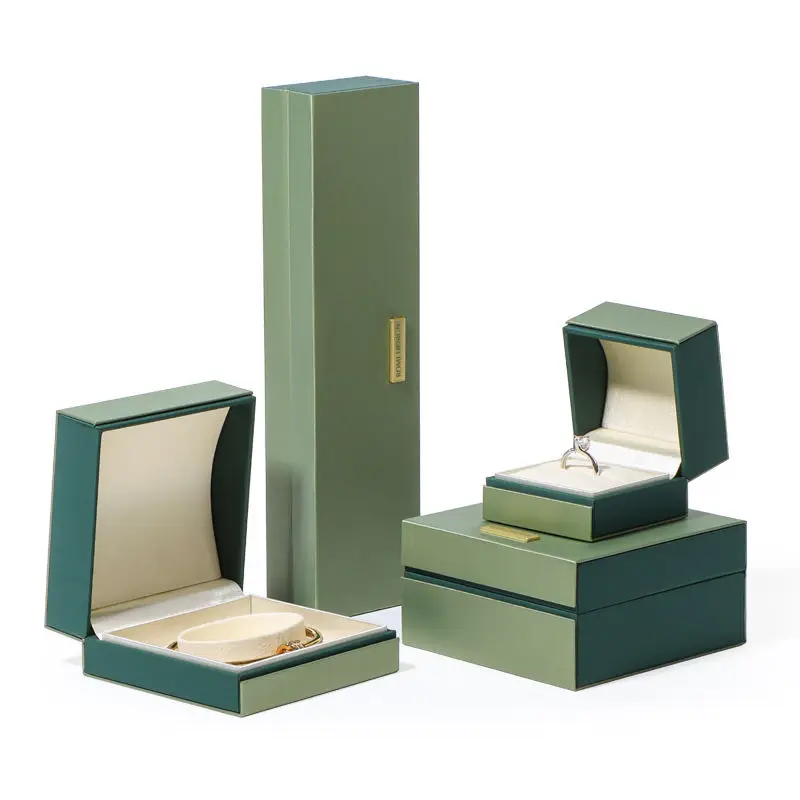
Precision steel-rule dies cut ring slots, earring holes, and pendant channels into cotton insert pads. The result is a clean, uniform cavity that grips each jewelry piece securely and repeats identically across thousands of units.

Foam-Backed Molding
We laminate cotton over EVA or sponge foam, then compression-mold it to your box interior. This gives inserts a plush, cushioned feel with lasting shape memory that protects delicate chains and stones in transit.
Cotton Wrapping & Lamination
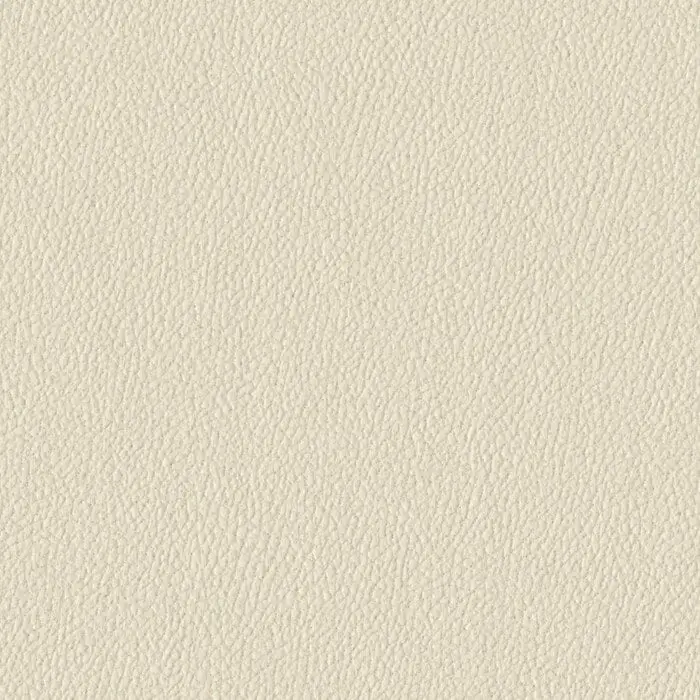
Skilled operators hand-wrap cotton fabric around cardboard or foam cores, gluing edges under tension for wrinkle-free coverage. Corners stay crisp and seams stay hidden, delivering a smooth, boutique-grade surface inside every jewelry box.
Logo Embroidery
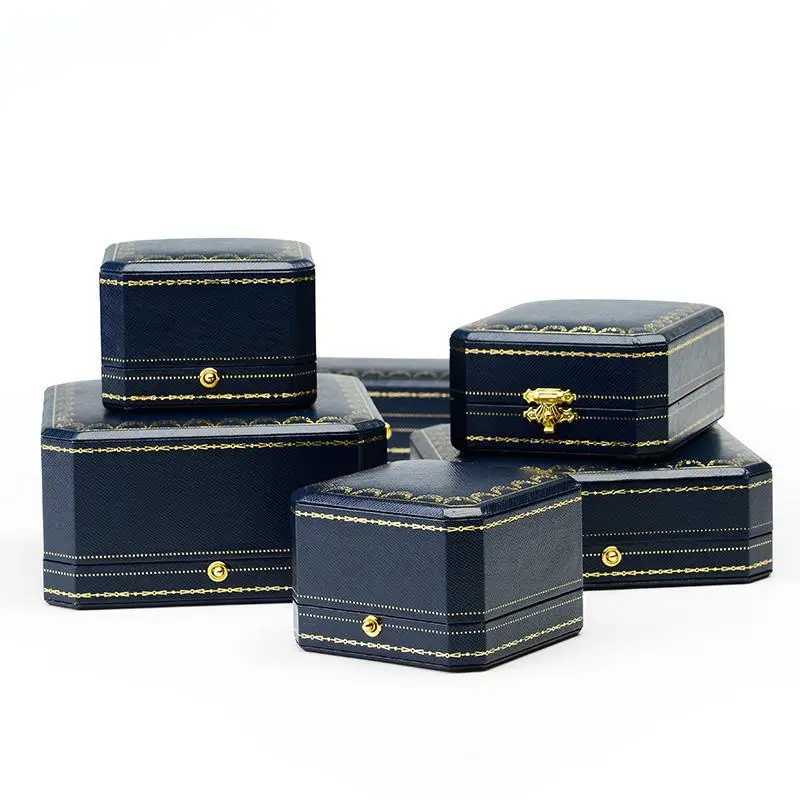
Computerized embroidery stitches your logo or monogram directly into the cotton surface in matching or contrast thread. The raised, tactile branding never rubs off, giving inserts a couture finish that withstands years of handling.
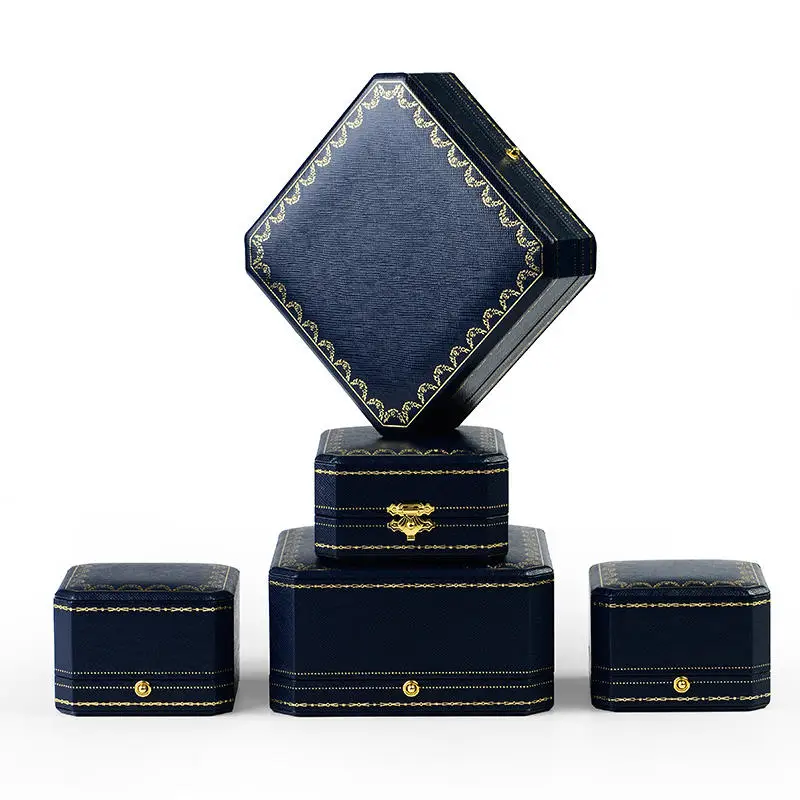
Screen Printing
Water-based inks are screen-printed onto cotton inserts for crisp logos, care icons, or patterns. Ideal for larger runs, it delivers sharp, color-accurate coverage that stays flexible and fade-resistant on natural fiber surfaces.
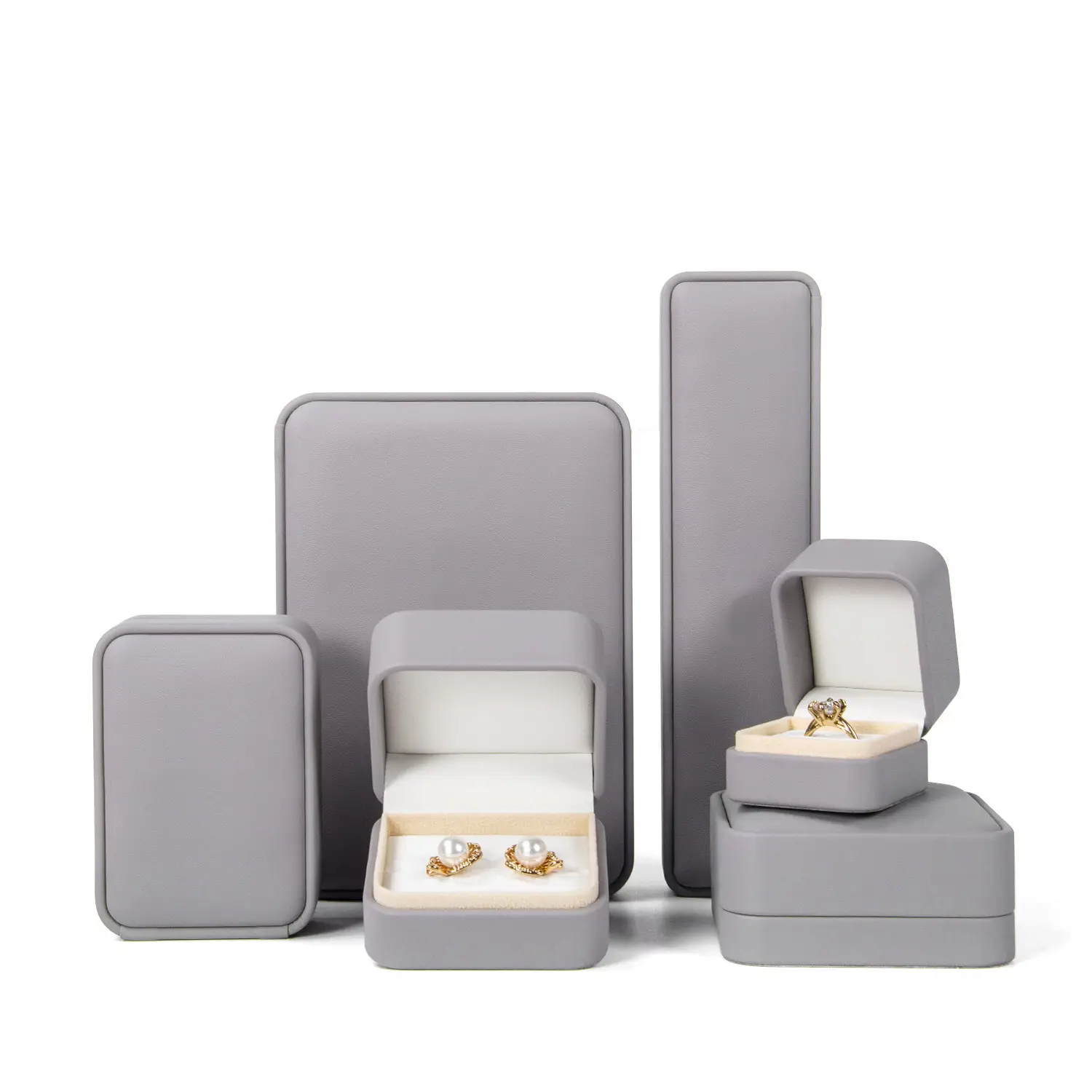
Hot-Stamp Branding
Heated metal dies press metallic gold, silver, or matte foil into the cotton weave. The debossed, light-catching mark adds instant luxury cues and holds its definition without cracking, peeling, or transferring onto jewelry.
Accessories That Elevate Your Cotton Inserts for Jewelry Boxes
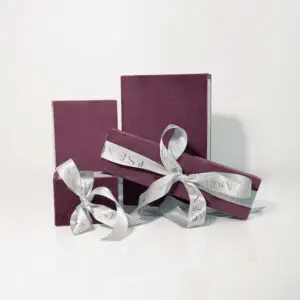
Satin Ribbon Pulls
Color-matched satin tabs stitched or glued into the insert edge, letting customers lift cotton inserts out of rigid boxes smoothly. A subtle luxury cue widely requested by boutique and fine jewelry brands.

Elastic Loops
Fine elastic bands sewn into cotton inserts to secure rings, bracelets, and bangles in place. Available in multiple widths and colors, they keep pieces centered during shipping and elegant at unboxing.

Snap Studs
Metal snap fasteners that anchor removable cotton pads or fold-over flaps inside travel cases and jewelry boxes. Ideal for multi-layer inserts where customers reconfigure compartments between necklaces, earrings, and rings.
Woven Brand Labels
Custom woven or printed labels stitched onto the insert surface for private-label and OEM programs. Your logo, thread colors, and placement are sampled and QC-checked before mass production begins.

Drawcord & Tipping
Braided drawcords with metal or resin tips for companion cotton pouches that pair with your boxed inserts. Choose cord thickness, tip finish, and color to complete a coordinated packaging set.

Magnetic Closures
Concealed magnets fitted into insert-lined lids and flaps for a soft, satisfying close. Our Dongguan factory aligns each magnet during assembly, with multi-stage QC verifying pull strength on every batch.
Crafting Cotton Inserts for Jewelry Boxes Since 2007
On The Way was founded in 2007 by CEO Joyce Linkwin on a simple conviction: quality defines survival. From our 1,200 m2 factory in Dongguan, China, our 220+ specialists design and manufacture high-end custom jewelry packaging — cotton inserts for jewelry boxes, pouches, rigid and gift boxes, displays, trays and branded paper bags.
That focus has carried us through 6,500+ custom projects for 3,000+ cooperative customers, serving 300+ brands across 30+ countries. Jewelry houses, independent designers and boutique retailers in North America, Europe and Southeast Asia trust us for private label and OEM programs backed by multi-stage QC on every production run.
Because we own the production line, you get factory-direct pricing, low MOQ and full custom flexibility — from FSC-certified and recycled eco-materials to precision-cut cotton inserts for jewelry boxes. A dedicated account manager guides you from sampling through mass production, with on-time delivery every step. We are always on the way.

The Capabilities Behind Our Cotton Inserts for Jewelry Boxes
In-House Production Line, Factory-Direct Pricing
We own every stage of manufacturing at our Dongguan factory, so your cotton inserts for jewelry boxes come straight off our line — no trading-company markup, no middlemen, and full control over lead times, tolerances, and cost from the first sample onward.
- 220+ staff across cutting, molding, wrapping, and assembly
- Direct-from-line pricing with low MOQ for startups and scaling brands
- Tight die-cut tolerances so inserts fit your boxes precisely
- Faster revisions because engineering and production share one floor
Multi-Stage QC on Every Insert Batch
A dedicated quality team inspects cotton inserts at incoming material, in-process, and pre-shipment stages. Density, color consistency, slot alignment, and box fit are checked against your approved sample, so every carton that leaves our factory matches what you signed off.
- Incoming inspection of cotton filling, fabric, and board stock
- In-process checks on slot placement, compression, and edge finishing
- Pre-shipment AQL sampling with photo and video reports
- 17+ years of QC discipline across 6,500+ custom projects
Eco-Material Program: FSC, Recycled, Reusable
Sustainability buyers get real documentation, not vague claims. We build cotton inserts for jewelry boxes with FSC-certified paper cores, recycled cotton and fabric options, and reusable constructions — helping your brand meet retailer and regional compliance requirements.
- FSC-certified paperboard and kraft substrates on request
- Recycled cotton filling and organic cotton fabric options
- Reusable insert designs that extend packaging life
- Certification paperwork supplied for audits and retail programs

End-to-End Service, Sampling to Mass Production
A dedicated account manager guides your project from concept sketches and structural samples through pilot runs and full production. One point of contact, clear milestone updates, and on-time delivery to 30+ countries — the same process trusted by 300+ brands.
- Structural design and pre-production samples before you commit
- Private label and OEM programs with your branding throughout
- Consolidated shipping with your boxes, pouches, and paper bags
- On-time delivery tracked by your dedicated account manager
Cotton Inserts for Jewelry Boxes: On The Way vs. a Typical Trading Company
Compare sourcing cotton inserts for jewelry boxes factory-direct from our Dongguan production line with buying through a middleman — the difference shows in pricing, QC, and delivery.
← Swipe left or right to view →
How We Make Cotton Inserts for Jewelry Boxes, Step by Step
From raw cotton to boxed and shipped, every insert follows a controlled five-phase production line we own end to end — the reason 300+ brands trust our factory-direct quality.
Cotton Sourcing & Grading
We select FSC-certified and recycled cotton stock by density, whiteness, and softness, matching each grade to your jewelry type before any cutting begins.
Precision Cutting & Slot Forming
Die-cutting machines shape each insert to your box’s exact interior, forming ring slots, necklace channels, and earring holes to tolerances of about one millimeter.
Wrapping, Printing & Branding
Inserts are wrapped, edge-finished, and branded with your logo via hot stamping, embossing, or printing — full private-label OEM treatment on every cotton insert.
Multi-Stage Quality Control
Our dedicated QC team inspects fit, color consistency, slot alignment, and finish at three checkpoints, so every cotton insert for jewelry boxes ships flawless.
Packing & Worldwide Shipping
Finished inserts are protectively packed and dispatched on schedule from Dongguan, with your account manager tracking delivery to 30+ countries door to door.
How to Order Custom Cotton Inserts for Jewelry Boxes
From first email to delivered order, our factory-direct team guides you through four simple steps — the same process trusted by 300+ brands in 30+ countries.
Send Your Box Dimensions
Email your jewelry box dimensions, tech pack, or reference photos. Our team confirms insert fit, cotton grade, and slot layout, then recommends the best construction for your budget.
Receive Your Quote and Sample
Get factory-direct pricing within 24-48 hours, then a physical sample so you can check color, density, and fit inside your actual jewelry box before committing.
Approve the Pre-Production Sample
Request revisions until every detail is right. Once you sign off, we lock specifications, tooling, and materials so mass production matches your approved cotton insert exactly.
Start Bulk Production
Your dedicated account manager oversees production, multi-stage QC, and on-time delivery, sending progress updates from our Dongguan factory until your cotton inserts for jewelry boxes arrive.
Certified Standards Behind Our Cotton Inserts for Jewelry Boxes

What 300+ Brands Say About Our Cotton Inserts for Jewelry Boxes
We needed cotton inserts for jewelry boxes at just 300 units per SKU, and On The Way met our MOQ without upcharging. Samples arrived in 6 days, and the fit on our ring boxes was perfect on the first run.
Across three reorders totaling 25,000 inserts, our defect rate has stayed under 0.5%. Their multi-stage QC actually shows — we stopped inspecting inbound shipments entirely, which saved our team roughly two days per order.
Our dedicated account manager turned around a custom logo-debossed cotton insert program in 21 days, sampling to delivery. Boutique customers noticed immediately — unboxing mentions in our reviews went up about 30% the following quarter.
Cotton Inserts for Jewelry Boxes: Your Sourcing Questions, Answered
Straight answers on MOQ, sampling, sizing, lead times, payment, shipping, and private labeling — direct from our Dongguan factory team.
What is the minimum order quantity for cotton inserts for jewelry boxes?
How much does a sample cost and how long does sampling take?
Can you make cotton inserts for jewelry boxes I already use from another supplier?
What is the production lead time after sample approval?
What payment terms do you offer for custom insert orders?
How do you ship cotton inserts for jewelry boxes from China, and what does it cost?
Do you offer private label or OEM programs, and is my design protected?
Are your cotton inserts eco-friendly and safe for direct contact with jewelry?
The Complete Buyer’s Guide to Cotton Inserts for Jewelry Boxes
A practical sourcing framework for cotton inserts for jewelry boxes: compare types, materials, and customization, learn how to vet suppliers, avoid costly mistakes, and price your order with confidence.
1. What Are Cotton Inserts for Jewelry Boxes?
Cotton inserts for jewelry boxes are pads, sheets, and rolls of cotton batting or filling — typically 2–10 mm thick — placed inside a rigid box, gift box, or mailer to cushion and present a piece. Buyers order them either die-cut to a box’s inner footprint (a 50×50 mm ring pad or 90×70 mm pendant sheet are common formats) or on continuous rolls for in-house cutting.nnThree jobs define the product: the soft, low-abrasion fiber prevents scratches on plated and polished metals; the batting’s loft creates a snug fit that stops pieces shifting in transit; and a clean white or dyed surface raises perceived value at the unboxing moment. In the packaging stack, the insert sits between the box shell and the jewelry itself — usually as a base cushion, sometimes paired with a lid pad — beneath any tissue, pouch, or card.nnRings, stud and drop earrings, pendants, and lightweight chains rely on cotton inserts most heavily; items are pressed into the loft or threaded through pre-cut slits so they arrive centered and untangled. Heavier bangles, cuffs, and watches typically move up to molded foam or flocked trays, a distinction covered later in this guide.nnSince 2007, On The Way has manufactured cotton inserts as one component of complete packaging programs — box, insert, pouch, and paper bag produced together — so color, density, and cut match the box interior exactly. Low MOQ tiers make that coordinated approach practical for independent designers as well as multi-store retail chains, starting from the first sample run.
- Scratch prevention: low-abrasion cotton fiber shields polished and plated finishes
- Snug fit: batting loft immobilizes pieces during shipping and handling
- Presentation: uniform pad surface signals quality before the jewelry is touched
2. Evolution and History of Jewelry Box Inserts
By the late 1800s, jewelers shipped rings and brooches on loose cotton wadding wrapped in tissue — cheap and protective, but messy and unbranded. The familiar ‘cotton-filled’ two-piece kraft box, still a US retail staple, standardized this approach in the early 20th century with pre-cut layers of non-woven cotton batting.nnFrom the 1950s onward, die-cut polyurethane and EVA foam plus flocked velvet pads introduced engineered slots, ring rolls, and necklace cards. These held pieces in fixed positions for retail display, but added tooling costs and, decades later, plastic-waste concerns.nnCotton nonetheless remained the default fill for value and mid-tier packaging because it is inexpensive, compressible, and universally compatible — one batting insert suits earrings, chains, or pendants without custom dies. As mall jewelry chains and then e-commerce unboxing raised presentation expectations through the 1990s-2000s, suppliers upgraded to fabric-covered cotton pads faced in satin, velvet, or microfiber.nnSince the mid-2010s, buyers have shifted toward recycled and certified materials — GRS-verified recycled cotton, OEKO-TEX-tested fabrics, and FSC-certified board. Factories like On The Way, founded in 2007, now produce cotton inserts for jewelry boxes spanning economy batting to branded, eco-certified pads — which is why today’s catalogs offer so many options at such different price points.
| Era | Dominant insert | Key tradeoff |
|---|---|---|
| 1880s-1920s | Loose cotton wadding, tissue | Protective but messy, unbranded |
| 1950s-1980s | Die-cut foam, flocked velvet pads | Fixed display; tooling cost, plastic waste |
| 1990s-2000s | Fabric-covered cotton and foam pads | Premium look; higher unit cost |
| 2010s-today | Recycled cotton, certified eco fills | Sustainability claims require certification lead time |
3. Types of Cotton Inserts for Jewelry Boxes
Cotton inserts for jewelry boxes ship in five main formats, each tied to a product type and cost tier. Matching the format to your piece — rather than over-specifying — typically trims 20-40% off insert unit cost.
Cotton Batting Sheets and Rolls

Batting in 80-200 gsm sheets or rolls is the entry tier, cut in-house by the buyer.nnIt suits kraft two-piece boxes and bulk e-commerce orders where speed beats presentation. Expect the lowest per-unit cost of any format, often under a cent per box.
Pre-Cut Cotton Pads
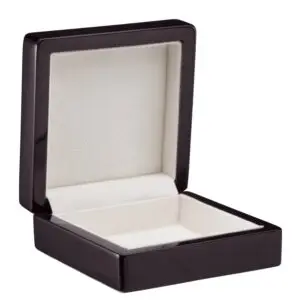
Die-cut pads arrive sized to the box interior, from 50×50 mm ring boxes up to 200×200 mm necklace formats, in low-to-mid cost tier.nnDrop-in fit means zero prep labor, and MOQs commonly start at 500-1,000 pieces — a fit for boutique retailers.
Slotted Ring and Earring Inserts

Cotton-wrapped chipboard with die-cut slots or punched post holes secures rings, studs, and huggies upright.nnThis mid-tier format fits rigid magnetic-closure and hinged boxes, and is the standard for engagement-ring presentation where the piece must sit angled toward the customer.
Cotton-Topped Foam Pads

A 5-15 mm EVA or PU foam core faced with cotton adds plush cushioning and a firmer hand than pure batting.nnIt sits in the mid-to-high tier, pairing with premium rigid, drawer, and LED boxes for necklaces, bracelets, and watch bands.
Eco and Recycled Cotton Fills
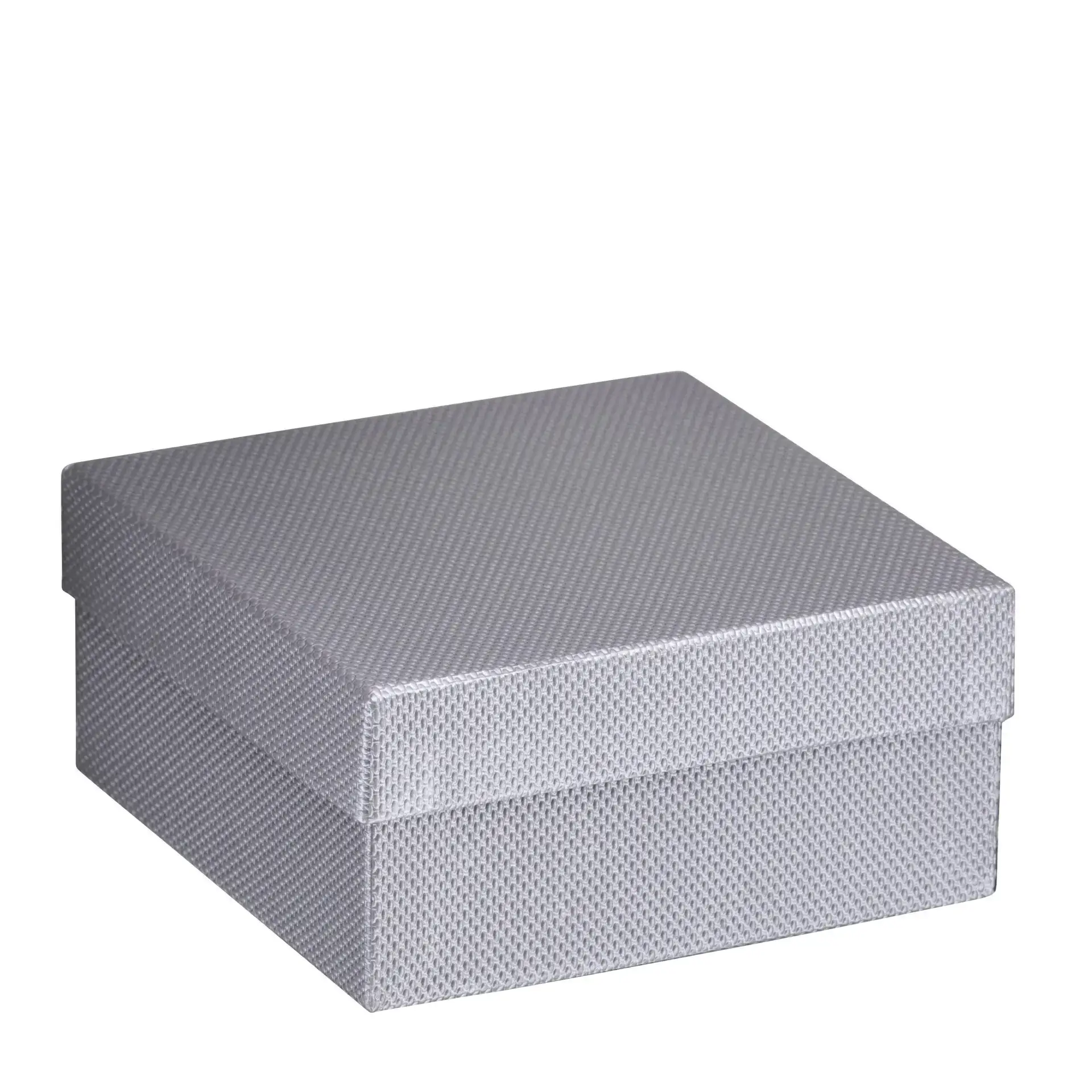
GRS-certified recycled cotton and OEKO-TEX-tested fills carry a 10-20% premium over conventional stock.nnThey pair naturally with FSC-certified or recycled-board boxes — the combination On The Way supplies for sustainability-led brands in North America and Europe seeking a fully recyclable unboxing.
4. Materials and Fabrics Compared
Two layers determine how cotton inserts for jewelry boxes perform: the fill that cushions and the facing fabric your customer touches. GSM, resilience, and moisture behavior vary widely, so match materials to your price tier before sampling.
| Material | GSM / Thickness | Feel | Relative Cost | Best Use |
|---|---|---|---|---|
| Pure cotton fill | 80–200 GSM | Soft, natural loft | $$ | Fine jewelry, premium boxes |
| Recycled cotton fill | 80–180 GSM | Soft, slightly denser | $ | Eco lines, GRS claims |
| Cotton-poly blend (70/30) | 100–220 GSM | Springy, resilient | $ | High-volume retail inserts |
| Nonwoven facing | 40–80 GSM | Smooth, lint-free | $ | Budget and mid-tier boxes |
| Velvet facing | 180–260 GSM | Plush, rich color | $$$ | Luxury presentation |
Pure Cotton and Recycled Cotton Fills

Virgin cotton wadding at 80–200 GSM delivers the softest loft and a natural, premium hand favored by fine jewelry houses.nnRecycled cotton fill runs 10–20% cheaper and supports GRS-certified sustainability claims, though its loft recovery after compression is slightly lower.
Cotton-Poly Blends for Resilience
A 70/30 or 60/40 cotton-poly blend adds spring-back, so ring slits and grooves hold their shape through repeated customer handling.nnPolyester content also resists humidity better than pure cotton — a real advantage for ocean freight and humid retail climates.
Facings: Nonwoven, Tissue, and Velvet Tops

Nonwoven facings at 40–80 GSM are the smooth, lint-free budget standard for mid-tier boxes.nnAcid-free tissue tops suit heritage-style presentation, while velvet or velveteen facings give the deepest color and softest touch at roughly 2–3x nonwoven cost.
Moisture and Anti-Tarnish Considerations
Untreated cotton absorbs ambient moisture, which can accelerate tarnish on sterling silver pieces.nnFor silver lines, specify anti-tarnish treated fill or acid-free, sulfur-free facings, and confirm pH-neutral materials during pre-production sampling.
5. Customization and Branding Options
Custom cotton inserts for jewelry boxes typically start at 500-piece MOQs and add 3–7 days to standard lead times. On The Way tools each element — size, slot layout, color, and logo — around your existing box program.
| Technique | Typical MOQ | Visual Impact | Lead-Time Add |
|---|---|---|---|
| Die-cut slot layout | 500 pcs | High — product-specific fit | 3–5 days (first order) |
| Pantone-dyed facing | 500 pcs | High — full brand color | 5–7 days |
| Blind emboss / foil logo | 1,000 pcs | Medium–high | 3–5 days |
| Printed tissue / sleeve | 1,000 pcs | Medium — swappable | 4–6 days |
Cut-to-Size and Die-Cut Slot Configurations
Steel-rule dies cut inserts to ±0.5 mm tolerance, fitting boxes from 50×50 mm ring cases to 300 mm necklace trays.nnSlot layouts — ring channels, paired earring punches, pendant hooks — are die-cut in one pass, so a new configuration adds only a one-time die fee reusable across reorders.
Pantone Color-Matched Facings
Cotton facings are dyed to Pantone TCX references, usually holding a Delta-E 1.5 tolerance after lab dips.nnPlan for 2–3 lab-dip rounds and 5–7 extra days; stock white, ivory, and black ship fastest at 500-piece MOQs.
Embossed and Debossed Logos

Blind embossing presses your logo into the padded cotton top with a brass die — no ink required, quietly premium.nnFoil stamping in gold or silver adds stronger contrast; both run from roughly 1,000 pieces with a one-time die charge.
Printed Tissue Tops and Branded Sleeves

Printed tissue overlays (17–22 gsm) and wrap-around sleeves carry full-color artwork the cotton surface itself cannot.nnOne-color logo tissue starts near 1,000 sheets; CMYK sleeves suit seasonal campaigns because they swap without retooling the insert.
6. Key Construction and Quality Elements
Two cotton inserts can look identical at sampling yet age very differently on the shelf. Turn the five checkpoints below into your sample-approval and pre-shipment inspection sheet for cotton inserts for jewelry boxes.
Cotton Density and Fill Uniformity
Premium inserts use 100–200 gsm carded cotton batting with even loft; cheap fills mix short-staple waste that thins at corners. Press each pad — it should recover within 2–3 seconds with no hard lumps or hollow spots.
Clean Cut Edges and Facing Adhesion

Die-cut slots and edges should be crisp, with zero fraying threads visible under the fabric facing. Peel-test one corner: hot-melt or water-based adhesive must cover the full board, since delaminating facings are the most common field complaint on budget inserts.
Colorfastness and Metal-Safe Chemistry
Request dry and wet crocking tests to ISO 105-X12; grade 4 or better prevents dye transfer onto pearls and gold-plated pieces. For sterling silver, specify pH-neutral, low-sulfur cotton — an OEKO-TEX Standard 100 fabric certificate is a reasonable baseline.
Dimensional Accuracy for Snug Box Fit
Hold cut dimensions to ±0.5 mm against the box’s inner size. The insert should drop in with light friction — no forcing, no rattle — and sit flush without bowing when the lid closes.
Lint Control and Run-to-Run Consistency
Sanforized, singed cotton facings shed far less lint onto dark velvet and rings. For production, inspect to AQL 2.5 and lock one dye lot per order, since off-lot fabric can drift a visible half shade across a single run.
7. How to Choose a Manufacturer
Vetting a supplier of cotton inserts for jewelry boxes comes down to five measurable criteria. Score every vendor on MOQ, sampling, certifications, lead time, and pricing before committing a purchase order — for launches and reorders alike.
| Criterion | Benchmark | Red Flag |
|---|---|---|
| MOQ | 100–500 pcs custom | 1,000+ pieces only |
| Sampling | 5–7 days, fee credited | No pre-production sample |
| Certifications | OEKO-TEX, GOTS, FSC, BSCI | No audit documents |
| Lead time | 15–25 days production | No confirmed schedule |
MOQ Flexibility and Sampling Process

MOQs for custom cotton inserts typically run 500–1,000 pieces; low-MOQ manufacturers like On The Way accept 100–300 units for boutique launches. Ask whether sample fees (commonly $30–80) are credited against the bulk order.nnRequest a pre-production sample in 5–7 days with your exact GSM, slot layout, and Pantone-matched dye lot. A vendor that resists sampling will resist QC later.
Material Sourcing and Certifications
Confirm which mill supplies the cotton and request OEKO-TEX Standard 100, GOTS for organic claims, and FSC certification on paper backing boards. BSCI or Sedex audits verify factory labor standards.nnSince 2007, On The Way has operated multi-stage QC with documented inspection reports — ask any candidate vendor to show theirs.
Lead Times and Communication
Standard production runs 15–25 days after sample approval; sea freight adds 25–35 days, air freight 5–8. A dedicated account manager who replies within 24 hours and shares in-line production photos is a leading indicator of reliability.
Pricing Transparency and Quality Guarantees
Factory-direct quotes should itemize fabric, die-cutting, printing, and tooling separately — trading companies typically add 20–40% markup. Insist on a written defect policy: replacement or credit for AQL 2.5 failures reported within 30 days of receipt.
8. Common Mistakes Buyers Make
Across 6,500+ custom projects since 2007, On The Way has seen the same sourcing errors repeat. Five avoidable mistakes account for most wasted budgets and delayed launches when buying cotton inserts for jewelry boxes.
Ordering the Wrong Dimensions
Inserts sized from a box’s exterior rather than its interior are the most common fit failure. A 2mm gap lets pads rattle in transit; oversized pads buckle at the corners.nnAlways spec internal length × width × depth, allow 0.5–1mm compression tolerance, and ship your actual box to the factory for a fit sample.
Ignoring Cotton Density and GSM

Low-density cotton filler collapses under heavier pieces like bangles and watch heads, leaving visible dents within weeks. Specify GSM for the cover fabric and padding thickness in millimeters — never adjectives like ‘firm’ or ‘plush,’ which factories interpret differently.
Skipping Samples and Over-Ordering
Approving from photos, then placing 5,000+ units, is how brands end up warehousing unusable stock. Sample fees typically run $20–80 and are often credited against the bulk order.nnTest a physical pre-production sample with your real jewelry, then start at a 300–500 unit MOQ tier before scaling.
Neglecting Color Match Across Components
Cotton takes dye differently from velvet or satin, so inserts ordered separately can clash with pouches, boxes, and paper bags. Lock one Pantone TPX/TCX reference across every component and request lab dips whenever items run on different production lines.
Underestimating Lead Times and Buying on Price Alone
Custom insert production typically runs 15–25 days, plus 7–35 days for air or sea freight; Q4 holiday programs need 60–90 days of runway.nnThe cheapest quote often omits multi-stage QC or substitutes thinner filler. Compare landed cost, sample quality, and on-time delivery record — not unit price alone.
9. Steps to Launch Your Branded Inserts
Eight decision points separate a concept sketch from finished cotton inserts for jewelry boxes in your warehouse. Most On The Way projects move from brief to bulk delivery in 25-40 days when specs are locked early.
Define Dimensions and Product Mix
Start with internal box measurements to 0.5 mm tolerance — length, width, and usable depth — since inserts are cut to fit, not the reverse.nnMap each SKU to a cavity style: ring slots, necklace hooks, earring flaps, or universal pads. One insert per box format keeps tooling simple.
- Measure inside the closed lid, not the outer shell
- List every SKU size the insert must hold
- Flag mixed-use boxes needing multi-slot layouts
Select Insert Type and Material

Choose between padded cotton pads, die-cut foam wrapped in cotton, or molded pulp with cotton facing based on product weight and brand feel.nnSpecify fabric weight (typically 120-200 GSM cotton), fill density, and any OEKO-TEX or GOTS documentation you need for retail compliance.
Sample, Test, and Approve
Request 2-3 physical samples; sampling usually takes 5-7 working days. Test fit with real jewelry, check color under store lighting, and run a drop test.nnSign off a golden sample — this becomes the QC reference for mass production.
Confirm MOQ, Pricing, and Pilot Order
Typical MOQs run 300-500 units for stock sizes and 500-1,000 for fully custom shapes; factory-direct pricing drops 15-30% at higher tiers.nnPlace a pilot run of one carton before committing annual volume.
Run QC and Scale Up
Multi-stage QC should cover fabric shade matching, stitch integrity, cavity fit, and packing method against the golden sample.nnAfter a clean pilot, lock a reorder schedule; repeat runs ship faster since dies and Pantone matches are already on file.
10. Pricing and Cost of Cotton Inserts
Since 2007, On The Way has quoted cotton inserts for jewelry boxes on a factory-direct basis, and unit cost is driven by four levers: order quantity, insert size, cotton grade (120–200 GSM fabric over 800–1200 GSM greyboard), and print method. Quantity is the biggest lever — moving from 100 to 5,000 units typically cuts per-unit cost by 60–75%.nnOne-color silk-screen logos add roughly $0.03–$0.08 per unit plus a $30–$60 screen fee, while hot-stamp foil runs $0.05–$0.12 per unit with a $50–$80 brass die charged once. Pantone-matched fabric dyeing usually requires a 500–1,000 unit minimum and adds 5–7 days for lab-dip approval; oversized necklace or multi-slot ring inserts price 20–40% above standard 8×8 cm pads.nnBudget $80–$150 for a pre-production sample round, credited against mass-production invoices on confirmed orders. Sea freight adds 25–35 days to the lead times below; air courier adds 3–7 days at a higher landed cost.
| Quantity Tier | Unit Price (USD) | Setup / Customization Cost | Production Lead Time |
|---|---|---|---|
| 100 units (low MOQ) | $0.80–$1.50 | $50–$100 die or screen fee | 7–10 days |
| 500 units | $0.45–$0.90 | $30–$60, partially amortized | 10–15 days |
| 1,000 units | $0.30–$0.60 | Often waived on repeat orders | 12–18 days |
| 5,000+ units | $0.15–$0.35 | Waived; free sampling typical | 18–25 days |
Ready to Source Cotton Inserts for Jewelry Boxes?
Send your box dimensions or tech pack and our Dongguan factory will start sampling — low MOQ, factory-direct pricing, and on-time delivery guaranteed.