
Premium Earring Display Cards — Factory Direct, Custom Solutions
Custom earring display cards designed and manufactured in-house. Factory-direct pricing, complete flexibility, and low MOQ. Transform how your jewelry customers experience your brand.
Featured Display Solutions


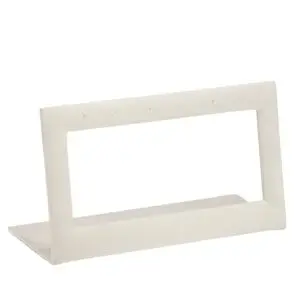

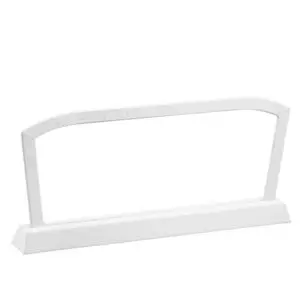

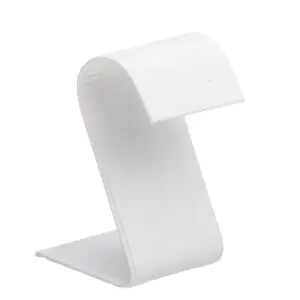
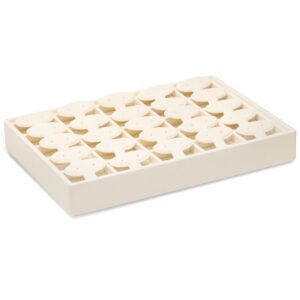
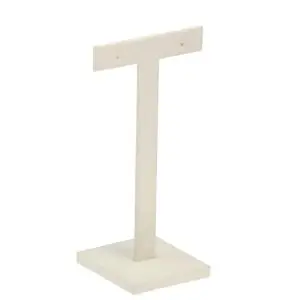
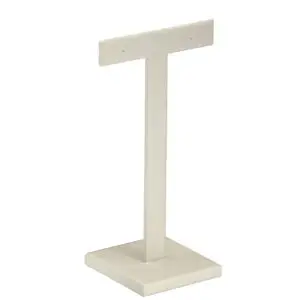
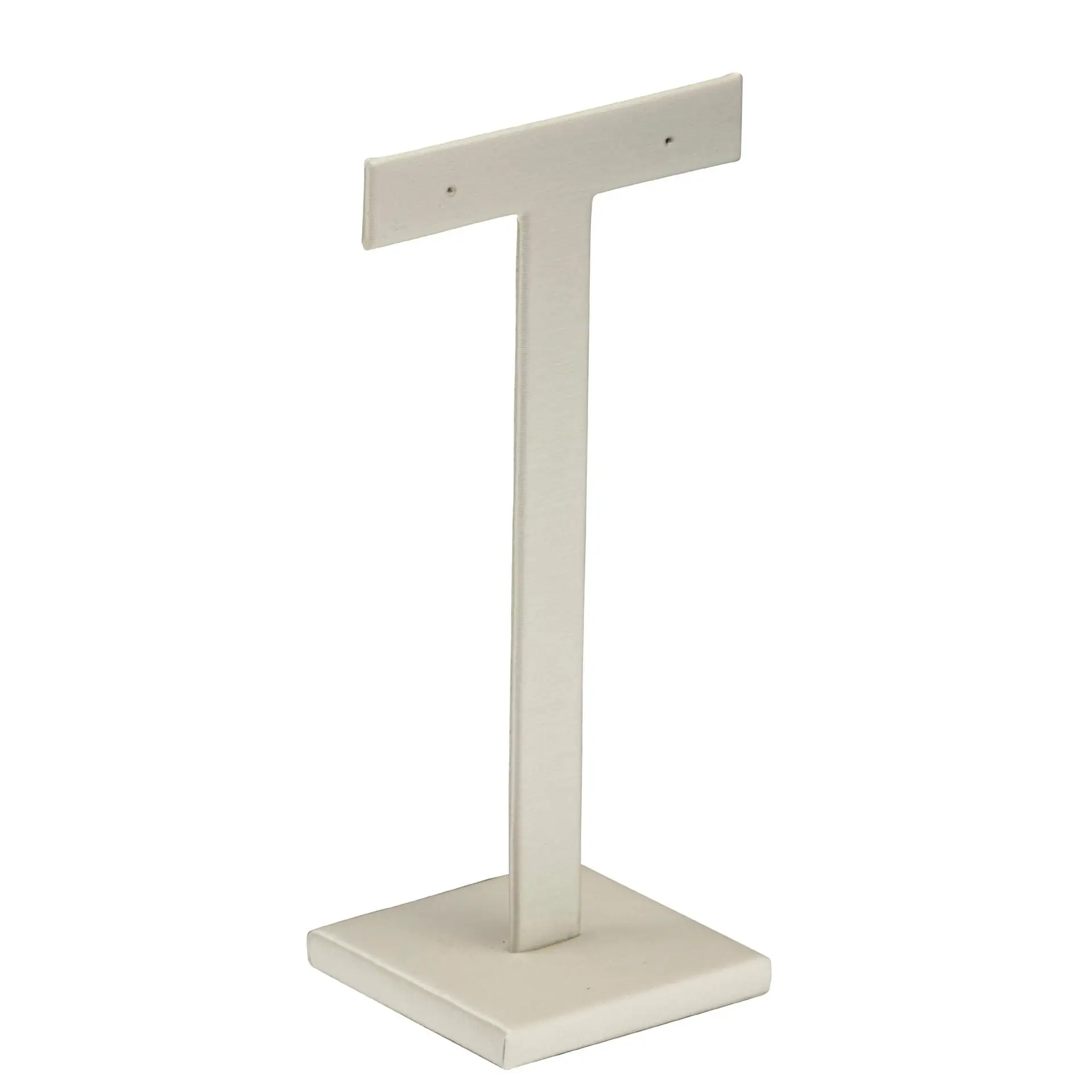
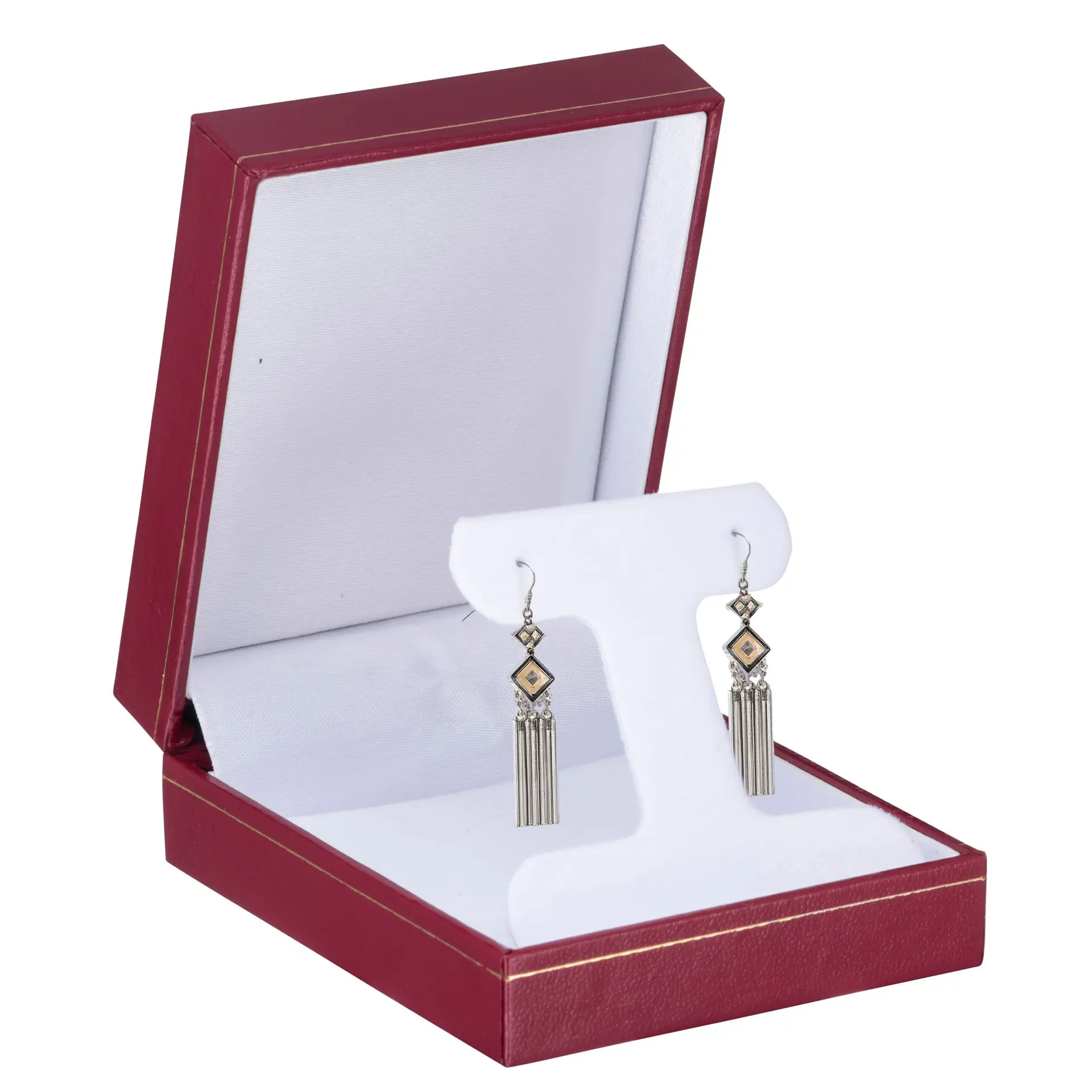
Earring Display Card Designs & Samples
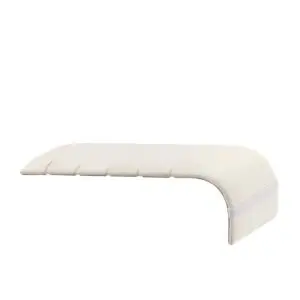
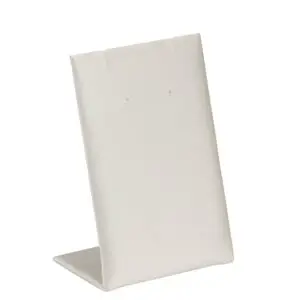



Why We Stand Out
Six competitive advantages that set On The Way apart from typical display card suppliers
Factory-Direct Pricing
Cut costs 30-40% with our owned production lines. No middlemen markup—direct savings on every order.
Low Minimum Order Quantity
Start with just 500 units. Scale your earring display card orders as your brand grows, without unnecessary bulk.
Fully Custom Earring Display Cards
Bespoke designs, sizes, materials, finishes, and printing. Every earring display card reflects your unique brand identity.
Multi-Stage Quality Control
Five+ QC checkpoints from raw materials to final packaging ensure flawless earring display cards every time.
Sustainable Eco-Friendly Materials
FSC-certified cardstock, recycled content, and biodegradable finishes. Earring display cards that align with brand values.
17+ Years of Proven Expertise
Trusted by 300+ jewelry brands across 30+ countries. 6,500+ successful projects prove our mastery of earring display cards.
Solutions for Every Business Model
From independent designers to luxury retailers, we offer earring display card options that match your brand, volume, and values.
Independent Designer Starting Out
New jewelry brands need custom earring display cards that build brand identity without requiring massive production minimums. Balancing affordability with a professional look is essential when margins are tight.
Low MOQ custom earring display cards with branded printing and premium finishes prove your brand is serious, without the investment burden of large-quantity manufacturing runs.
Luxury Boutique Premium Positioning
High-end retailers need earring display cards that reinforce luxury perception in-store and protect delicate jewelry pieces during handling. Generic or low-quality packaging undermines brand value and customer experience expectations.
Magnetic-closure earring display cards with premium materials and custom finishing elevate your retail display, protect delicate earrings during handling, and create the tactile luxury your high-end customers expect.
E-Commerce Brand Scaling Fast
DTC jewelry brands grow quickly and need reliable bulk earring display card supply with fast turnarounds, consistent quality, and dedicated support to keep pace with orders.
Factory-direct earring display cards at volume pricing with dedicated account managers ensure on-time delivery, quality consistency, and the flexibility to evolve designs as your brand grows.
Eco-Conscious Jewelry Retailer
Sustainability-focused jewelry brands need earring display cards that demonstrate environmental commitment. Mass-market generic packaging conflicts with eco-values and customer expectations for responsibly sourced, recyclable materials in luxury retail.
FSC-certified, recyclable earring display cards made from eco-friendly materials prove your sustainability promise, resonate with environmentally conscious consumers, and meaningfully reduce your packaging waste footprint.
Premium Materials for Earring Display Cards

Premium White Cardstock
High-quality bright white cardstock at 300gsm, ideal for luxury jewelry brands. Smooth finish provides excellent print clarity and professional appearance. Versatile for both embossed and flat design applications.

Kraft Cardstock
Natural brown kraft paper at 250–300gsm, perfect for eco-conscious brands. Provides rustic elegance and sustainable appeal. Minimalist aesthetic that emphasizes brand environmental values and craftsmanship.

Matte Finish
Soft, non-reflective surface reduces glare and emphasizes design details. Creates an elegant, sophisticated appearance favored by luxury jewelry retailers. Lets product photography and branding shine without distraction.
Gloss Finish
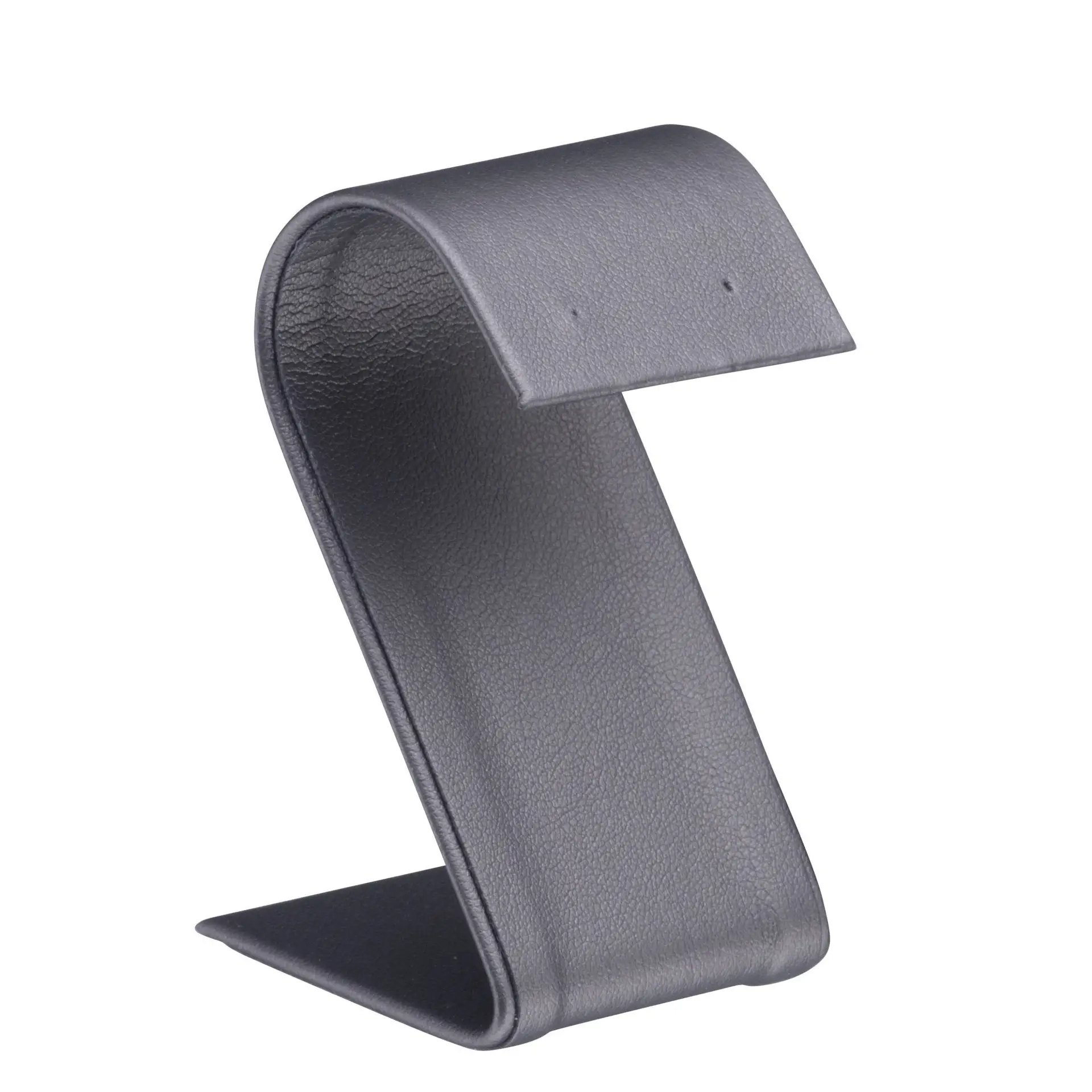
High-sheen surface enhances color vibrancy and creates premium, eye-catching displays. Provides durability and professional luxury feel. Ideal for bold designs, full-color photography, and vibrant brand identities.
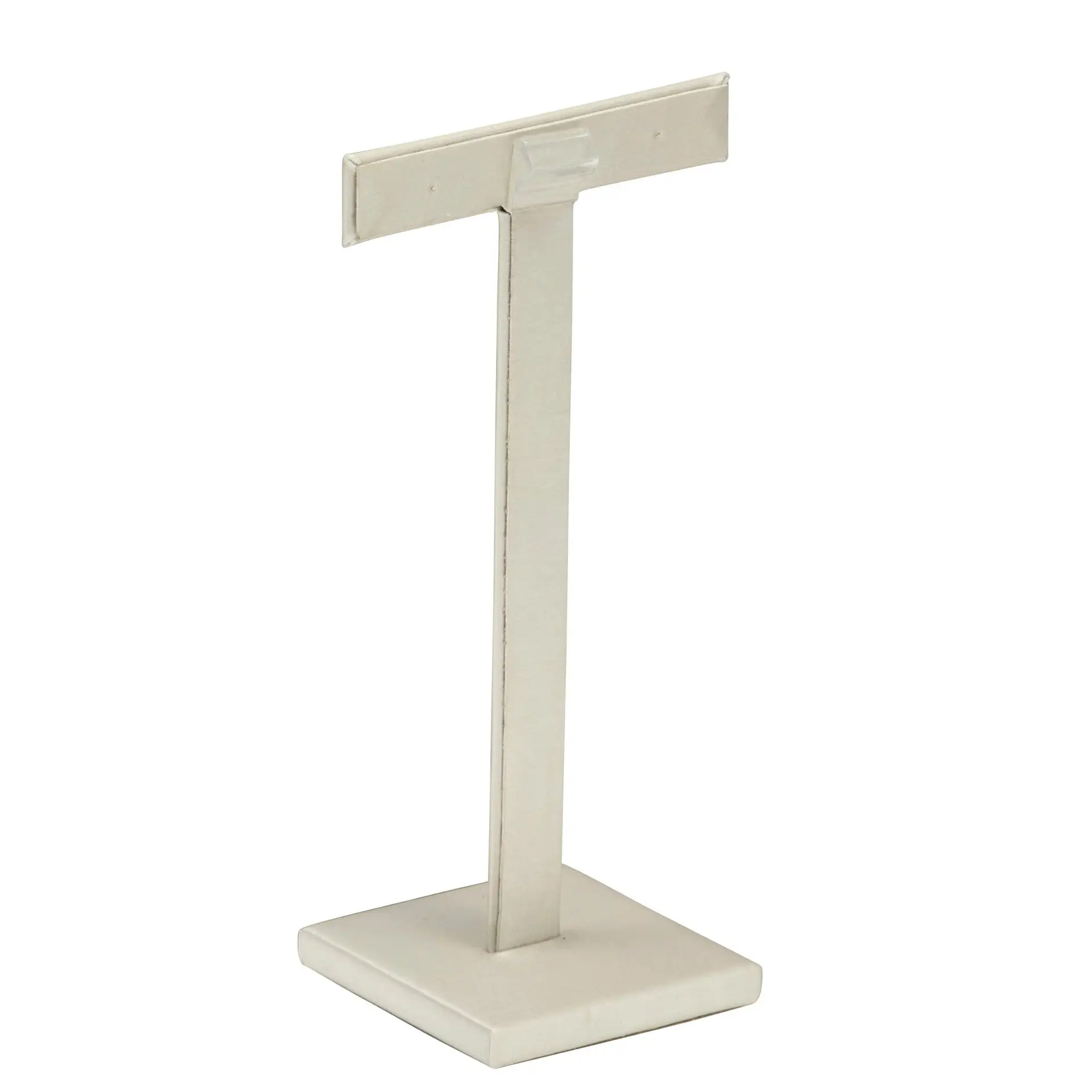
FSC-Certified Recycled
Eco-friendly cardstock made from 100% post-consumer recycled fiber with FSC certification. Demonstrates brand sustainability commitment without compromising quality. Available in natural white and kraft tones for maximum impact.
Printing & Finishing Techniques for Earring Display Cards

Offset Printing
High-volume production method delivering vibrant color accuracy and consistency. Creates sharp details and rich colors on earring display cards with professional finish—ideal for large runs.

Digital Printing
On-demand, full-color printing with no setup fees or plates required. Perfect for low MOQ and rapid sampling of earring display card designs without minimum order constraints.
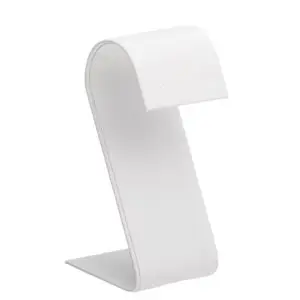
Hot Foiling
Metallic and holographic effects applied through heat and pressure. Elevates earring display cards with luxury finishes—gold, silver, rose gold foiling—for premium brand presentation.

Embossing
Raised, tactile patterns and text impressed on card surfaces. Delivers premium feel and improves branding impact on earring display cards for enhanced retail shelf presence.

Die-Cutting
Precision cutting to custom shapes, contours, and window openings. Produces unique earring display card formats that differentiate from standard rectangular designs and showcase products effectively.

Finishing & Lamination
Protective coatings, matte and gloss finishes, and edge treatments for durability. Enhances visual appeal and resilience of earring display cards for professional, polished retail appearance.
Earring Display Card Accessories & Enhancements
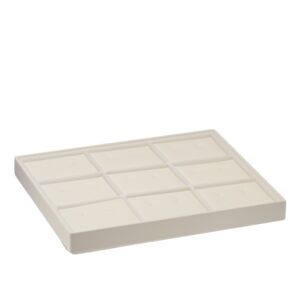
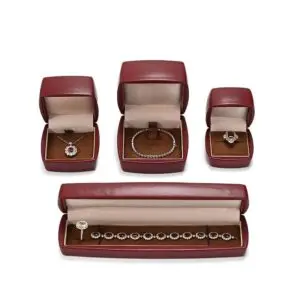
Premium Tissue Wrapping
Custom-printed or solid-color tissue paper for wrapping earring display cards. Adds luxury feel, protects from damage, and creates anticipation during unboxing. Available in bulk with your brand colors and patterns.
Branded Ribbon & Bow
Satin, grosgrain, or custom-woven ribbons with logo placement. Ties around earring display cards or boxes to elevate presentation and reinforce brand identity. Adds tactile luxury at every customer touchpoint.

Foam & Velvet Inserts
Custom-cut foam padding or velvet-lined inserts for earring display cards. Protects delicate items, organizes product display, and adds tactile luxury. Reduces shipping damage while enhancing the unboxing experience.

Branded Insert Cards
Custom-printed thank-you cards, care instructions, or product information on FSC-certified cardstock. Tells your brand story and adds perceived value to every order. Perfectly sized to nest inside earring display card packaging.

Luxury Paper Bags
Kraft or premium paper bags with custom printing, perfect for shipping or retail display. Complements earring display cards, protects products in transit, and extends brand presence throughout the customer journey.
17+ Years of Earring Display Card Excellence
Founded in 2007, On The Way started with a simple philosophy: quality defines survival. We designed our factory around this principle, building a manufacturing operation dedicated to crafting premium earring display cards and custom jewelry packaging that elevates brands at first impression. Today, our 1,200 m² Dongguan facility operates with a dedicated team of 220+ specialists.
We’ve completed 6,500+ custom projects for over 300 brands across 30+ countries. From independent jewelry designers launching their first collection to established luxury houses scaling production, we serve clients globally. Our earring display cards range from minimalist kraft designs to premium leather-embellished displays, custom-printed with your branding and finished to your exact specifications—all at factory-direct pricing with low minimum order quantities.
What sets us apart is our commitment to zero compromise. Every earring display card batch undergoes multi-stage quality control. We source FSC-certified and recycled materials, offer dedicated account management from inquiry to delivery, and guarantee on-time production. Your brand’s first impression matters—we treat every order with the precision and care it deserves.

Custom Manufacturing, Quality & Eco-Commitment
Private-Label OEM & White-Label Solutions
Whether you’re a startup designer or established luxury brand, we offer fully customizable white-label and private-label OEM solutions for earring display cards. Minimum order quantities start as low as 500 units, enabling you to scale production without massive upfront investment.
- 500-piece minimum orders for startups and independent designers
- Full design flexibility: custom sizes, materials, finishes, printing
- Dedicated account managers for each OEM partnership
- Volume discounts as your brand grows

Multi-Stage QC on Every Batch
Every earring display card undergoes rigorous multi-stage quality control from material inspection through final packing. Our in-house QC team of certified specialists verifies color accuracy, structural integrity, printing quality and packaging completeness before shipment, ensuring zero defects on arrival.
- Material and color inspection at intake
- Mid-production quality checks during manufacturing
- Final inspection and structural validation before packing
- Third-party audit-ready documentation for compliance
FSC & Recycled Materials for Premium Brands
Sustainability is built into every earring display card design. We use FSC-certified and recycled materials across our product line, helping luxury brands align with eco-conscious consumer values while maintaining premium aesthetics and durability.
- FSC-certified cardboard and paper for environmental responsibility
- Recycled and reusable material options across all designs
- Reduced plastic components and eco-friendly adhesives
- Full transparency on material sourcing and certifications
Rapid Sampling & Fast Production Cycles
From initial design to approved sample, we typically deliver prototypes within 5-7 working days. Full production batches follow quickly once approved, keeping your product launch timeline tight while maintaining our quality standards.
- 5-7 day turnaround on design samples
- On-time delivery guarantees backed by our production schedule
- Real-time order tracking and shipment updates
- Strategic factory partnerships for expedited production when needed

Why On The Way Beats Competitors
Factory-direct quality and customization at industry-leading price points.
← Swipe left or right to view →
Our Production Process for Earring Display Cards
From design to delivery—see exactly how we manufacture your custom display cards with precision, quality, and on-time delivery.
Design Review & Consultation
Collaborate with our dedicated account manager to finalize your earring display card design, artwork, specifications, and custom branding requirements for launch.
Premium Material Selection
We source FSC-certified paper, eco-friendly materials, and specialty stocks to match your earring display card specifications and sustainability goals worldwide.
Precision Printing & Finishing
State-of-the-art equipment applies your design with foiling, embossing, die-cutting, and finish options to bring your earring display cards to life.
Multi-Stage Quality Control
Professional inspection at every production step ensures your earring display cards meet international standards and our rigorous quality benchmarks consistently.
Professional Packing & Shipping
Secure, professional packing protects your earring display cards during transit. Factory-direct shipping delivers on time, worldwide, with complete tracking and insurance.
How to Order Custom Displays in 3 Steps
From Design Submission to Bulk Production — Our Simple, Factory-Direct Process
Submit Your Design & Specs
Send your earring display card specifications, artwork files, and reference samples. Our design team reviews and discusses customization options, material choices, and printing techniques to match your brand vision perfectly.
Receive Quote & Approve Sample
Get a detailed quote tailored to your specs, MOQ, and timeline. We provide digital proofs at no cost and a physical sample (typically $50–200 depending on materials and complexity) so you can evaluate quality, materials, and finishing before committing to full bulk production.
Launch Full-Scale Production
Once approved, we schedule production and maintain regular updates on progress. Our multi-stage QC team ensures every earring display card meets your standards. On-time delivery to your destination is guaranteed.
Quality Certifications for Earring Display Cards

What Jewelry Brands Say About Our Earring Display Cards
Since switching to On The Way’s earring display cards, we’ve increased repeat wholesale orders by 35%. The customization options and fast turnaround mean we can launch new collections every quarter. Our retail partners specifically praise the unboxing experience.
Our boutique switched to these custom earring display cards six months ago and saw a 28% lift in perceived brand value according to customer surveys. The quality is indistinguishable from high-end brands charging triple the price. Best packaging investment we’ve made.
We source packaging for 40+ jewelry brands across our distribution network. On The Way’s low MOQ on earring display cards eliminated our inventory bloat—we cut storage costs by 42% while maintaining the same brand experience. Their account management is exceptional.
Earring Display Cards — Frequently Asked Questions
What is the minimum order quantity for earring display cards?
How long does it take to produce earring display cards?
Do you offer samples of earring display cards before full production?
How much customization is available for earring display cards?
What are your payment and shipping terms?
Is our design protected and confidential when we order?
What materials do your earring display cards use?
Can you work with independent designers and boutique retailers?
The Complete Buyer’s Guide to Earring Display Cards
Navigate custom earring display card sourcing with expert criteria for materials, finishes, MOQs, sustainability, and branding options. Learn how to evaluate manufacturers, avoid costly mistakes, and create an unboxing experience that strengthens customer loyalty.
1. What Are Earring Display Cards?
Earring display cards are small cardstock substrates designed to hold, showcase, and brand a pair of earrings at the point of sale and through the shipping journey. Typically ranging from 2 by 3 inches to 3 by 4 inches, these cards use die-cut slots, adhesive tabs, or piercing holes to secure earrings—studs, dangles, hoops, or clips—against a branded surface while protecting the posts and findings during transit. Retailers estimate display cards account for 40% of jewelry impulse purchases, since a well-designed card turns a loose pair of earrings into a branded, shelf-ready unit in seconds.nnDisplay cards differ fundamentally from luxury rigid boxes, velvet pouches, and hanging sleeves. Boxes add protection but bulk; pouches imply gift wrapping and significant cost; sleeves hang from fixture rails but require hardware. Earring display cards compress all three—protection, visibility, and branding—into a single thin sheet, making them ideal for high-volume retail settings like boutiques and online unboxing experiences. A basic stock card (white 14-point cardstock, one-color logo print) costs $0.08–0.12 per unit at 5,000 MOQ, while custom die-cuts with full-color process, metallics, or integrated tissue backing run $0.18–0.35 per unit, depending on complexity and production run size.
2. The Evolution of Jewelry Display Solutions
1970s cardstock emergence: Early earring display cards were single-ply cardstock printed with minimal graphics, designed purely for product attachment and basic branding. This era established the retail standard of affixing earrings via pierced holes or adhesive tabs.nn1990s-2000s design expansion: The rise of mall retail and brand competition drove innovation in die-cuts, metallic foiling, and specialty papers (kraft, glitter-embedded cardstock). Brands realized earring display cards functioned as point-of-purchase marketing—transforming them from utilitarian hangers into branded storytelling tools.nn2010s sustainability pressure: GOTS and FSC certifications became industry expectations as retailers demanded eco-friendly sourcing. Recycled cardboard and unbleached kraft became standard materials. Simultaneously, luxury brands adopted premium options: embossed finishes, custom die-cuts with curves and tabs, and rigid backing for high-end collections.nn2020s onward personalization and digital integration: QR codes, variable printing, and micro-embossing enabled hyper-personalized campaigns. Small brands now access low-MOQ runs (100–250 units) with full customization—previously available only to large manufacturers. Eco-materials expanded beyond cardstock to include seed paper and biodegradable blends, driven by Gen-Z retail preferences and stricter EU packaging mandates.
3. Types of Earring Display Cards
Earring display cards are not one-size-fits-all. Your choice depends on earring type, target customer segment, brand positioning, and budget. Each format commands different production costs, retail footprint, and unboxing impact.
Hook and Hanger Cards

Standard hook-style cards feature a central circular opening or bar where earring posts insert. Typical dimensions range 55×85 mm to 65×95 mm, fitting most jewelry boxes and display stands.nnProduction cost: $0.08–0.15 per card at 1,000+ MOQ. High-volume commodity option.
Floral and Decorative Cards

Decorative finishes (foil stamping, embossing, die-cut floral shapes) elevate perceived value. Popular with independent designers and boutiques.nnSizes typically 60×90 mm to 70×100 mm. Cost ranges $0.12–0.22 per card depending on finishing complexity.
Minimalist and Luxury Cards
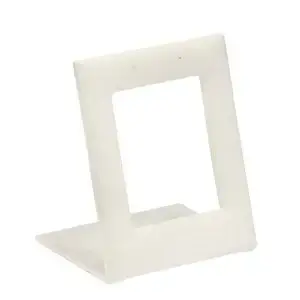
Clean typography, subtle texture (kraft, linen), minimal graphics convey premium craftsmanship. Standard format 65×95 mm.nnCost $0.10–0.18 per card. Often paired with luxury boxes or logo-branded pouches for cohesive unboxing experience.
Eco-Friendly Options
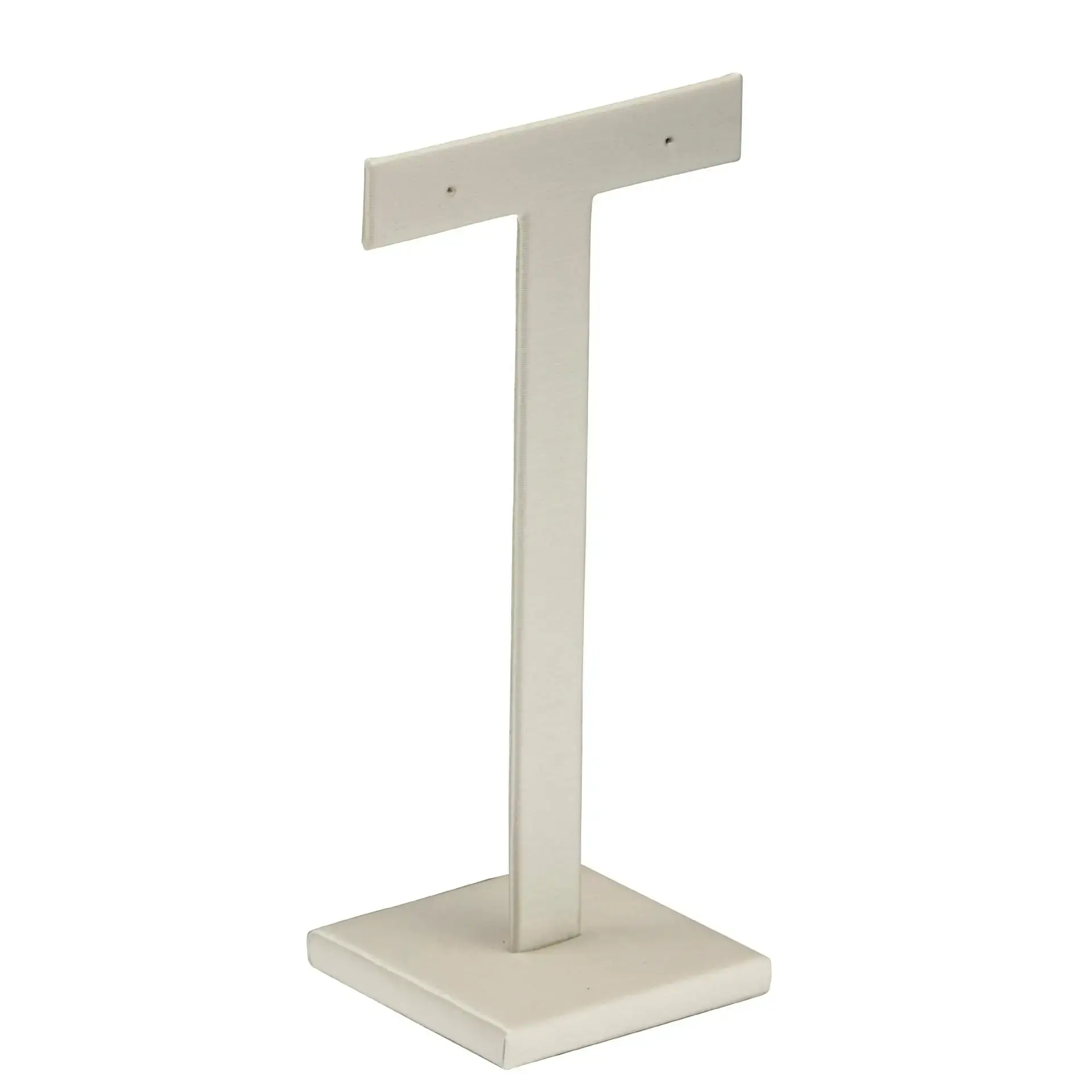
FSC-certified cardstock, kraft paper, recyclable coatings meet OEKO-TEX compliance for direct skin contact. Dimensions 60×90 mm standard.nnCost $0.09–0.16 per card—competitive with standard cards. Appeal to conscious consumers and align with brand sustainability messaging.
Specialty Formats

Magnetic-adhesive cards hold earrings without holes. Convertible designs fold into small pouch or stand. Suction-cup variants attach to glass displays.nnSizes 70×110 mm to 90×120 mm. Cost $0.18–0.35 per card. Premium segment; low volume typical.
4. Materials and Construction for Display Cards
Earring display card durability and perception hinge on cardstock grade, finish, and material. Options range from 14pt budget grades to 20pt premium stock, each with distinct cost and performance profiles. Finishes from matte to specialty foil and flocking define final brand positioning.
| Material | Weight/Grade | Cost vs. 18pt | Durability | Best Use |
|---|---|---|---|---|
| 14pt Uncoated | 270 GSM | −35% | Moderate | Budget, indie brands |
| 18pt Coated | 300 GSM | Baseline | High | Standard luxury positioning |
| 20pt Coated | 350+ GSM | +25% | Very High | Premium, flagship lines |
| FSC Recycled | 300 GSM | +12% | High | Sustainable-focused brands |
| Kraft | 80–120 GSM | Varies | Moderate | Rustic, eco aesthetic |
Cardstock Grades & Weight Standards
14pt (270 GSM), 18pt (300 GSM), and 20pt (350+ GSM) set industry benchmarks.nnHigher ply increases stiffness and perceived quality but raises per-unit cost 25–35%. 18pt is most popular—balances economy and premium feel.
Surface Finishes & Coatings

Matte finishes reduce glare; gloss adds visual impact but shows smudges.nnSoft-touch and spot UV add 15–20% cost but elevate brand perception. Spot UV on logo creates luxury positioning.
Recycled & Certified Materials
FSC-certified and recycled cardstock cost 10–15% more than virgin stock but signal strong environmental commitment.nnKraft (80–120 GSM) offers rustic aesthetic popular with indie brands but requires climate-controlled storage—humidity can warp unprotected cards within weeks.
Flocking, Foil & Embellishments
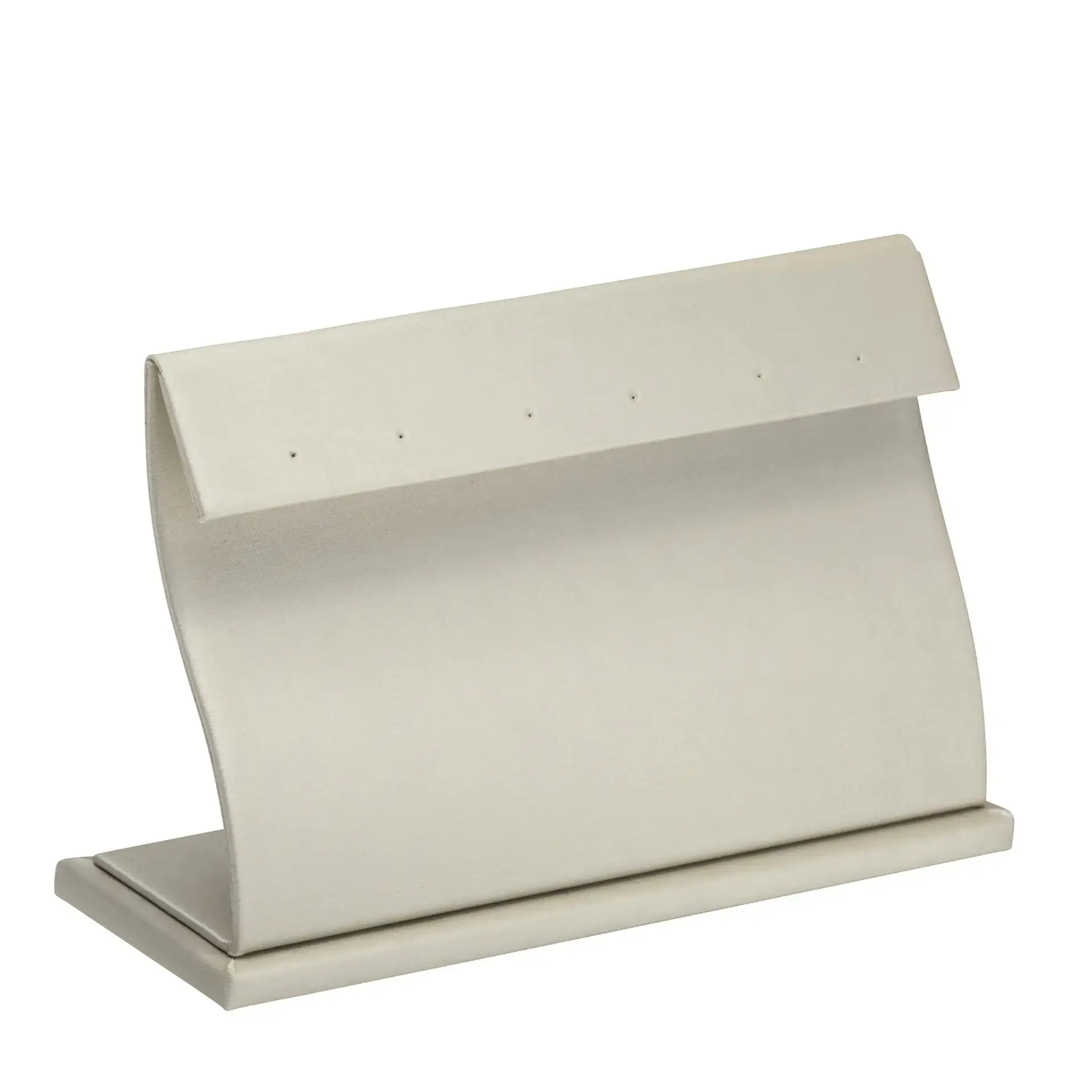
Velvet flocking ($0.20–0.30/unit), metallic foils ($0.15–0.25/unit), and suede coatings transform commodity cards into luxury tactile tools.nnThese embellishments justify 50–100% retail premiums when aligned with brand positioning and appeal to consumers seeking premium unboxing experiences.
5. Customization & Design Options for Earring Display Cards
Display card customization transforms packaging into a brand extension. Digital, offset, and screen-print technologies each serve distinct volume tiers, while finishing techniques—hot foil, embossing, die-cuts—reinforce premium positioning at production scale.
Print Methods & Technologies

Digital printing suits runs under 5,000 units; zero setup cost enables rapid sampling and small batches with fast 7–10 day turnaround. Offset printing delivers cost advantage at 10,000+ units with rich color saturation and precise Pantone matching across large volumes.nnScreen printing offers highest opacity for metallic inks and vibrant spot colors on textured stocks—ideal for luxury positioning when budget supports longer lead times.
Finishing Techniques & Embellishments
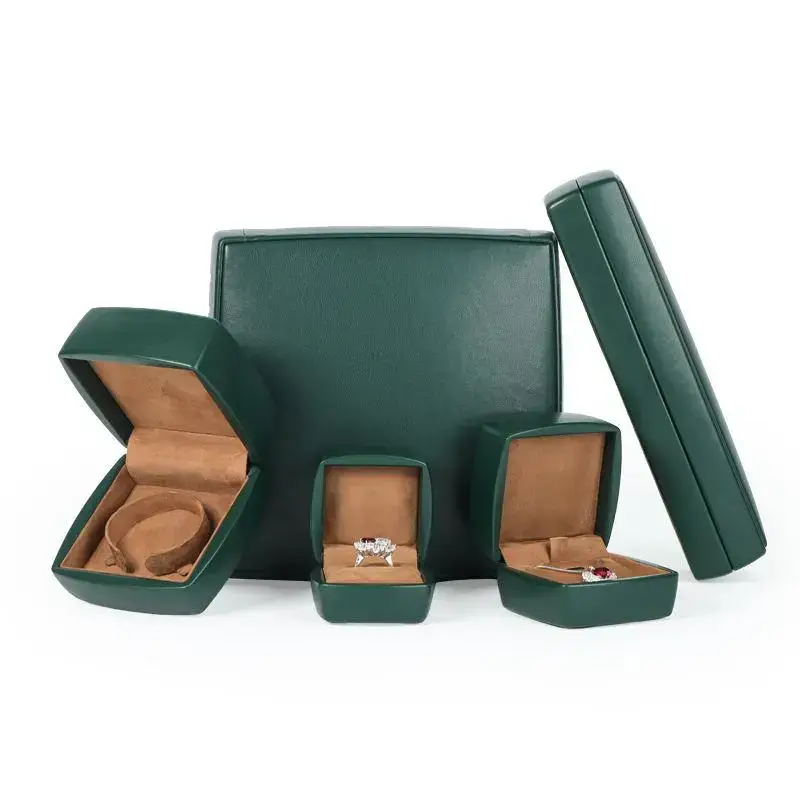
Hot foil stamping adds metallic accents—gold, silver, rose gold—at 0.05–0.15mm thickness; cost rises 15–30% per unit in batches under 50,000. Embossing creates tactile depth; die-cuts shape custom contours critical for shaped earring displays.nnPerforations ease tear-away sections for hang-loops or business card inserts, adding functional interaction to the unboxing experience.
Branding Elements & Sustainability
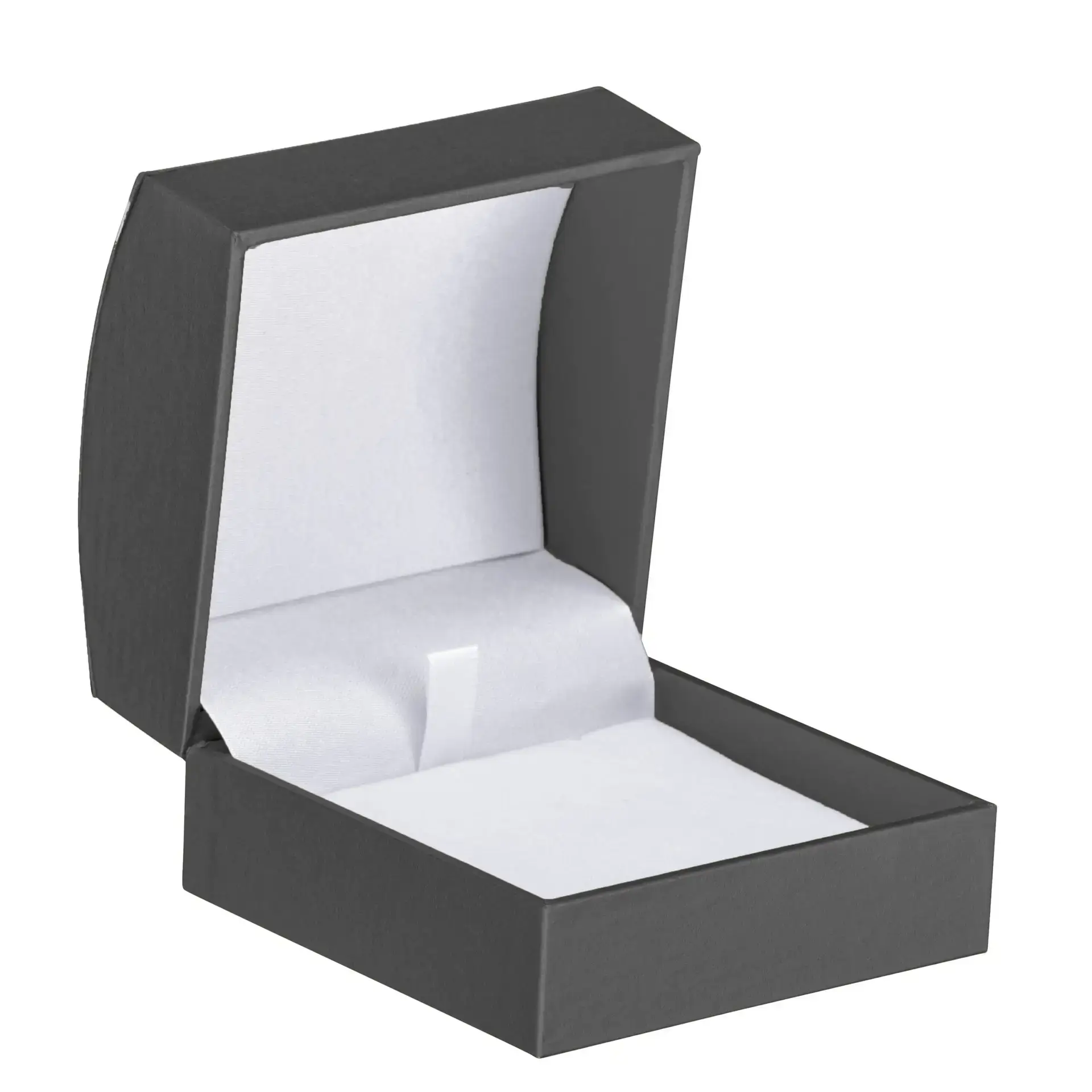
Logo placement on header or footer anchors brand recall; full-bleed designs maximize impact on 2×3.5-inch or custom formats. QR codes linking to care instructions, product stories, or brand pages add post-purchase engagement and data capture.nnFSC or recycled-content badges reinforce eco-positioning—now expected by 60%+ of luxury jewelry buyers—and communicate supply-chain transparency.
Custom Sizes & Functional Add-ons

Standard die sizes (2×3.5, 3×4 inches) cut production cost; bespoke contours add 5–10% lead time for custom earring display cards. Glued business card holders, clear PET windows for product preview, or magnetic closure flaps extend functionality beyond display.nnPaired inserts—tissue paper, branded stickers, hang-loops—complete the unboxing narrative and justify premium positioning to end consumers.
6. Quality Standards and Key Construction Elements
Quality separates first impressions from second-hand store mistakes. Structural precision, color fidelity, and material durability in earring display cards require multi-stage QC and certifications—standards that commodity producers skip to hit low prices.
Precision in Hole Placement and Edge Finishing
Earring holes misaligned by 1–2mm compound across a production run, turning display cards unusable. Premium manufacturers use punch-die tolerances of ±0.5mm and sand edges smooth (below 2µm surface roughness).nnCold-chain shipping tests confirm bend resistance above 180-degree folds without cracking. Edge defects are invisible at first glance but telegraph cost-cutting in the first customer handle.
Pantone Color Matching and Print Registration
Jewelry packaging demands Pantone accuracy within ΔE < 2 (imperceptible to the human eye). Multi-color earring display cards require print registration of ±0.2mm per color pass.nnHumidity-control during storage (40–60% RH) prevents ink bleeding and cardboard warping—standards most low-cost suppliers skip. Color shift under fluorescent retail lighting exposes quality gaps after shipment.
Material Stability and Durability Testing
300–400 GSM cardstock stabilizes across temperature swings (−10°C to +40°C) without buckling. FSC-certified and recycled pulp resist moisture absorption—critical in intercontinental shipping where container condensation is routine.nnMulti-week transit simulations confirm 0% delamination and zero ink migration into card edges. Material shrinkage beyond ±1% over 30-day cycles compromises hole fit and bend performance.
Certifications and QC Checkpoints
ISO 9001 and FSC certification signal systematic QC: incoming material audits, mid-run inspections at 10–20% intervals, 100% visual inspections, and final packaging tests.nnMulti-stage QC teams catch defects cost-cutting suppliers leave unchecked—lifted ink, warped corners, weak die-cuts. These invisible flaws compound across 1,000-unit boxes, turning fulfillment crises into brand damage.
7. How to Choose a Display Card Manufacturer
Selecting the right manufacturer for earring display cards requires vetting multiple criteria beyond price alone. Evaluate production capacity, MOQ flexibility, delivery timelines, quality consistency, and communication responsiveness to ensure your brand’s packaging aligns with your production roadmap.
Production Capacity & MOQ Alignment
Confirm the supplier can handle your target production volumes. Inquire about MOQ thresholds—most manufacturers require 500–2,000 units; negotiate for lower minimums on trial orders.nnRequest documented lead times for sampling (typically 2–4 weeks) and production runs (6–8 weeks). Verify scalability aligns with your growth projections.
Quality Standards & Certifications
Request certifications relevant to jewelry packaging: FSC for sustainable materials, OEKO-TEX or GOTS for textiles, and BSCI for ethical manufacturing.nnReview quality control documentation—look for multi-stage inspection protocols and defect rate thresholds. Ask for before-and-after samples from similar projects. Consistent quality separates partners from one-time vendors.
Communication & Responsiveness
Evaluate response times to inquiries—a supplier answering within 24 hours signals reliability. Confirm they assign a dedicated account manager for your project.nnTest their design-revision flexibility: how many rounds of mockups do they offer? Can they pivot quickly if you need urgent changes? Poor communication often predicts production delays.
Red Flags & Deal Breakers
Trust your instincts during early vendor conversations. Red flags often signal deeper operational or cash-flow problems that’ll resurface during production.
- Pricing lacks itemization—unclear what you’re paying for
- Refusal to provide samples before committing to volume
- Sporadic or vague communication patterns
- No portfolio or references from finished projects
- Inflexible payment terms (50%+ upfront required)
8. Common Sourcing Mistakes Jewelry Brands Make
Most jewelry brands overlook critical specs when sourcing earring display cards, leading to expensive re-runs and lost retail placement. Understanding common mistakes—from dimension errors to material oversights—prevents costly production failures and protects brand reputation.
Dimension & Hole Placement Errors
Most brands undersize cards or misalign holes, forcing retailers to reject inventory. Cards that don’t fit standard earring posts or display frames waste 30–40% of production runs.nnVerify hole diameter (typically 3–5mm) and placement distance from edges before sampling. Spec these precisely in your technical drawing.
Moisture, Color & Material Gaps
Cardstock exposed to humidity warps or delaminate; printed colors shift under light. Moisture ingress into glue lines causes delamination within weeks of retail display.nnRequire moisture testing per TAPPI T402 and specify FSC or recycled substrates with protective coatings. Validate Pantone matches in your sample before mass production.
Skipping Samples & Testing
70% of sourcing delays stem from brands skipping pre-production samples or requesting changes mid-run. A 1–2 week sample phase catches design flaws before tooling costs lock in.nnRequest a strike-off in your intended materials and finishes. Review durability, print quality, and stack strength before committing to volume.
Shipping Durability & Sustainability
Flimsy cards crease or split in transit, arriving damaged on retail shelves. Underestimating stacking strength and protective packaging adds 15–20% hidden costs post-production.nnSource cards with minimum 250–300 GSM, specify edge protection in cartons, and choose eco-certified materials to align with brand values and avoid retail rejection.
9. Launch Strategy: From Brief to Production
A structured workflow from concept to production ensures earring display cards specs are locked before manufacturing begins. Early coordination with account managers on materials, finishes, and print methods prevents costly mid-production revisions.
Define Your Specification Brief
A comprehensive brief documents product size (e.g., 85 × 55 mm), material (coated cardstock, kraft), finish (matte, gloss, soft-touch), and print method (offset, digital, flexo). Specify Pantone colors and FSC status.nnRequest technical samples to validate material weight and print quality. Typical turnaround: 5–7 business days; cost: $150–300 USD.
Design Iteration & Refinement
Most projects require 2–3 revision rounds before production sign-off. Early rounds address color matching and layout; later rounds focus on technical specs like emboss depth or foil placement. Provide detailed feedback with marked samples—ambiguous notes delay schedules.nnBudget 7–10 business days per revision cycle.
Pilot Order & Quality Lock
Place a pilot order—typically 500–2,000 units—to validate production settings before full volume. This run tests press settings, color consistency, and binding quality under real manufacturing conditions.nnQC includes visual inspection and dimensional sampling. Lock all specifications once the pilot run approves; any changes post-approval incur rework costs.
Scale to Production Volume
After pilot approval, transition to bulk production with established lead times—typically 25–45 days depending on volume and complexity. Your account manager monitors production milestones and inspects random samples from each batch per multi-stage QC.nnMaintain communication cadence with your manufacturer to ensure on-time delivery.
10. Pricing, MOQ & Cost Structure for Earring Display Cards
Most earring display card manufacturers enforce MOQs between 500 and 1,000 units for custom print orders, reflecting setup costs in die-cutting and printing. At On The Way, the 500-unit minimum on unlaminated cardstock allows independent designers to test designs without committing to bulk volumes—aligning with the ’80/20 rule’ many brands follow when launching new product lines.nnCustom printing adds lead time but minimal cost premium once MOQ is met. A standard 2–4 week production window (including design approval, proofing, and shipping) is industry standard for FOB Shanghai. Specialty stocks—like textured finishes or embossed surfaces—may trigger a $150–300 setup charge, absorbed across the order quantity.nnPricing scales significantly with volume: per-unit costs can drop 65–70% between 500 and 10,000 units. Most successful jewelry brands negotiate volume tiers at 2,500 and 5,000 units to secure better rates as their lines grow, reserving bulk orders for bestselling SKUs.
| Quantity Tier | Cardstock (100 GSM) | Premium Stock (200+ GSM) | Lead Time (Days) |
|---|---|---|---|
| 500 units | $0.58 per unit | $0.72 per unit | 12–15 |
| 1,000 units | $0.32 per unit | $0.42 per unit | 12–15 |
| 5,000 units | $0.15 per unit | $0.22 per unit | 14–18 |
| 10,000+ units | $0.09 per unit | $0.13 per unit | 15–20 |
Ready to Order Custom Earring Display Cards?
Get a custom quote on earring display cards—fast samples, factory-direct pricing, and dedicated support to bring your jewelry packaging vision to life.