
Custom Jewelry Inserts for Drawers, Made Factory-Direct for Your Brand
Source custom jewelry inserts for drawers from our Dongguan factory: low MOQ, private-label OEM, multi-stage QC and on-time delivery — 17+ years serving 300+ brands across 30+ countries.
Featured Jewelry Inserts & Packaging — Ready to Quote


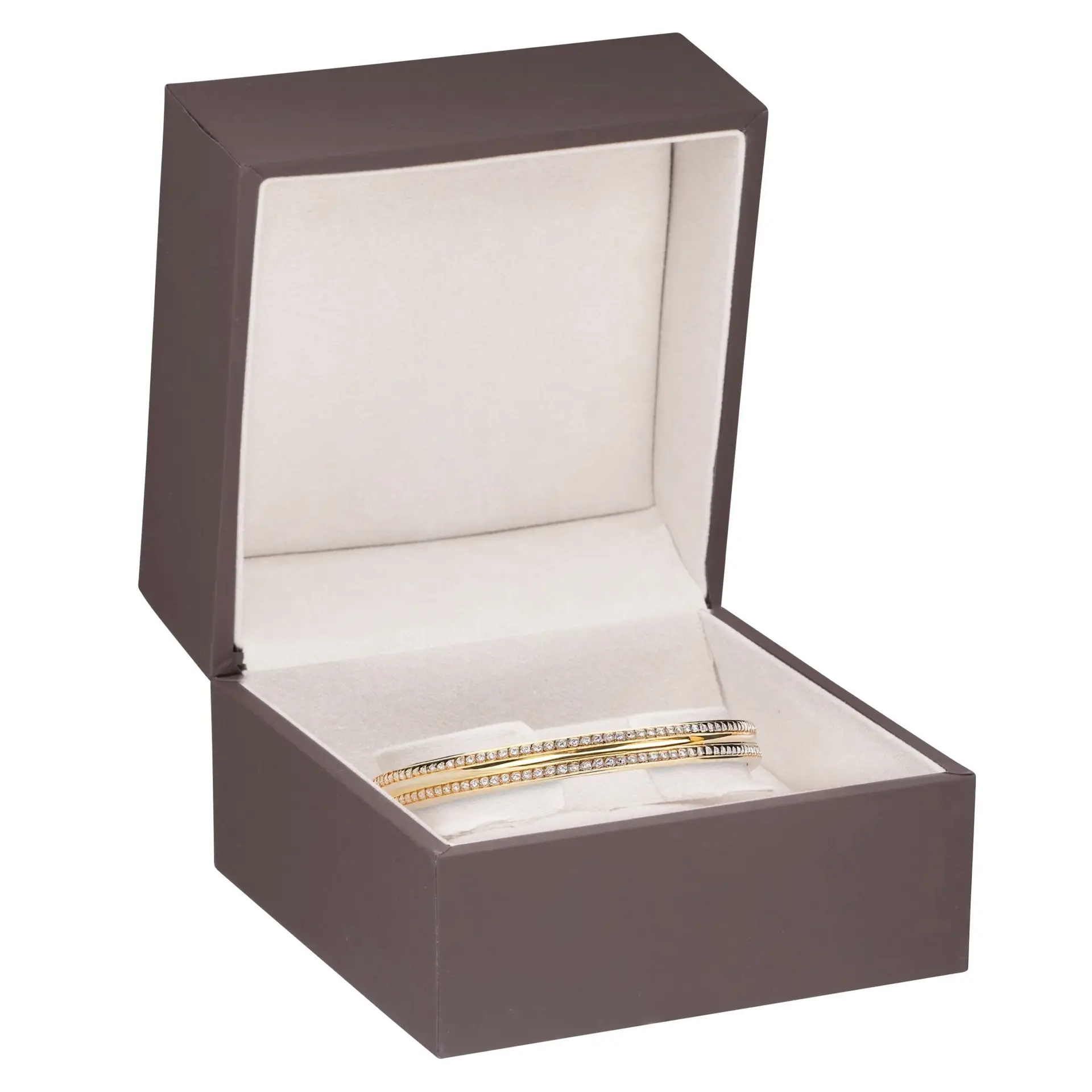
See Our Drawer Insert Craftsmanship Up Close



Why Brands Choose Our Custom Jewelry Inserts for Drawers
17+ years, 6,500+ custom projects, and 300+ brands served worldwide — here is what sets our drawer inserts apart.
Factory-Direct Pricing
We own the production line in Dongguan, so your custom jewelry inserts for drawers ship at true manufacturer pricing, no middleman markups.
Low MOQ, Full Custom Flexibility
From startup runs to large-brand volumes, we tailor insert dimensions, compartments, linings, and colors to fit your exact drawers.
Multi-Stage Quality Control
A dedicated QC team inspects every drawer insert at multiple production stages, so each piece arrives consistent, clean, and retail-ready.
Eco-Friendly Certified Materials
Choose FSC-certified paper, recycled velvet, and reusable eco-materials that align your jewelry packaging with the sustainability commitments buyers expect.
Private Label & OEM Programs
White-label inserts branded entirely as yours, from logo embossing to custom linings, trusted by 300+ brands across 30+ countries.
Dedicated Managers, On-Time Delivery
Your account manager guides sampling through mass production, keeping timelines transparent so inserts arrive exactly when your launch needs them.
Custom Jewelry Inserts for Drawers — and Every Category Around Them
One factory, five packaging categories. From custom jewelry inserts for drawers to branded paper bags, On The Way builds each program factory-direct, with low MOQ, multi-stage QC and 17+ years of OEM experience.
Drawer Inserts & Organizers
Retailers and jewelry houses need custom jewelry inserts for drawers that fit exact cabinet dimensions, but stock organizers leave rings loose, tangle chains and look nothing like the brand's interior standard.
We engineer made-to-measure drawer and tray inserts with velvet, microfiber or linen linings, precise slot layouts for rings, chains and studs, and finishes matched to your store fixtures — sampled before production.
Custom Jewelry Pouches
Independent designers want branded pouches in velvet, satin or eco-cotton, yet most suppliers demand high minimums, offer limited fabrics and ship inconsistent stitching that undermines a premium unboxing.
As a jewelry pouches supplier with our own production line, we deliver private-label pouches in velvet, satin, microfiber, cotton, linen and recycled materials at low MOQ, with embroidered or printed logos and multi-stage QC on every batch.
Rigid & Gift Boxes
Growing brands need magnetic-closure, LED or foldable rigid boxes with fitted interior inserts, but trading companies mark up pricing and cannot coordinate box, insert and lining as one engineered unit.
Because we own the production line, box shell, foam insert and lining are engineered as one unit — jewelry gift boxes wholesale at factory-direct pricing, with FSC-certified paper options and 6,500+ completed custom projects behind every structural recommendation.
Jewelry Displays, Trays & Storage
Boutique and luxury retailers sourcing display sets, busts, watch cases and stackable trays struggle to keep materials, colors and logo placement consistent across pieces bought from multiple vendors.
We manufacture complete display and storage collections under one roof, so trays, busts and cases share identical linings and branding — one dedicated account manager coordinating your entire counter presentation.
Branded Luxury Paper Bags
Packaging buyers need paper bags that match their boxes and pouches in color, texture and print quality, but separate print shops cause shade mismatches, long lead times and unpredictable stock.
Our custom paper bags for jewelry are produced alongside your boxes and inserts using FSC-certified and recycled stocks, color-matched in-house and shipped on schedule — the same OEM program trusted by 300+ brands in 30+ countries.
Lining Materials for Custom Jewelry Inserts for Drawers
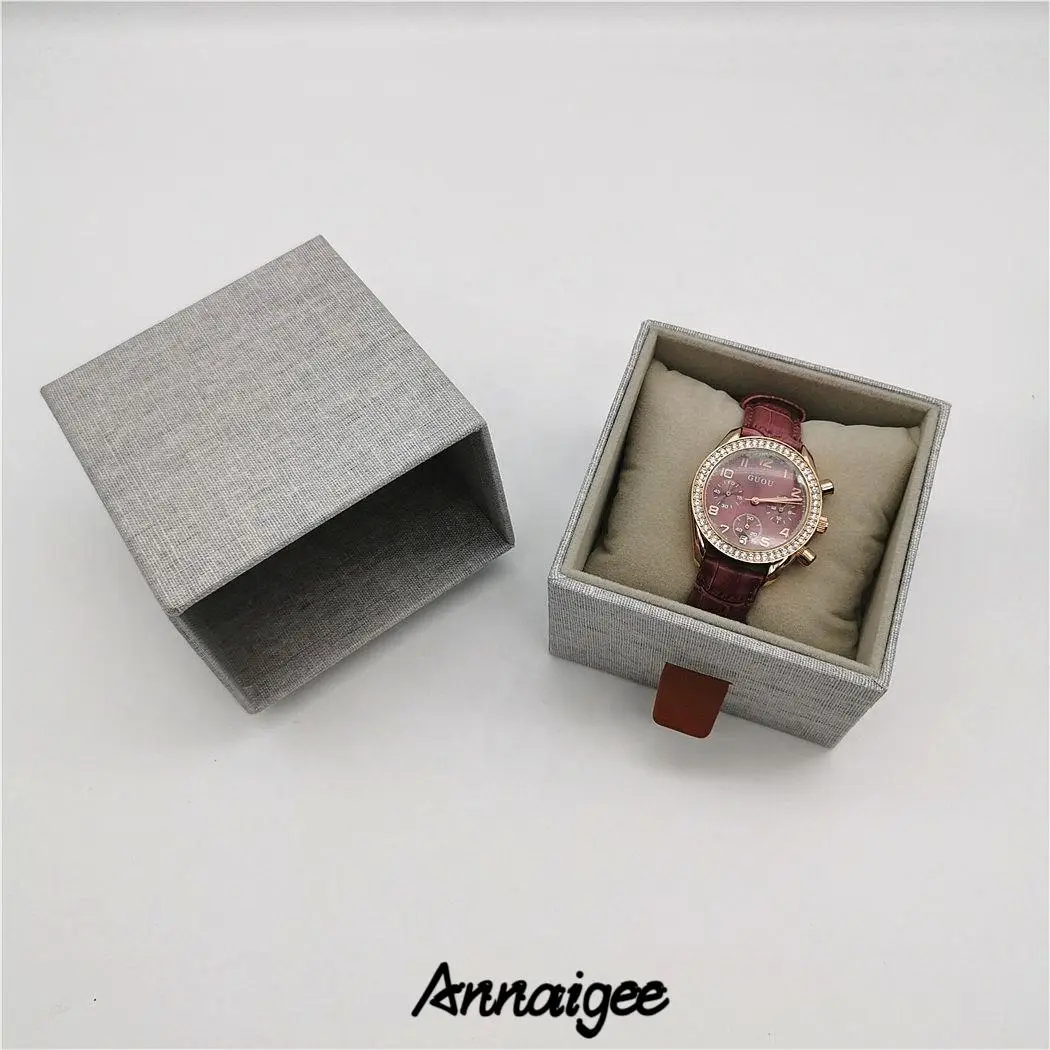
Plush Velvet
A dense, soft-pile lining with a deep luxury hand-feel, ideal for high-end ring slots and necklace channels. Available in 180-260 gsm weights with anti-tarnish backing options for fine metals.

Smooth Satin
A lustrous, low-friction weave that protects polished gemstones and delicate chains from micro-scratches. Its tight 75D-100D filament construction drapes cleanly over foam forms for pillow pads and pouch linings.

Microfiber Suede
A brushed, suede-like synthetic with a matte velvety touch, popular for modern minimalist drawer inserts and watch trays. Lint-resistant and colorfast, it wraps compound curves without creasing at roughly 220 gsm.

Cotton & Linen
Natural-fiber linings with a dry, organic texture suited to artisan and sustainable jewelry brands. Breathable 10s-21s count weaves resist static buildup, making them a safe choice for silver and heirloom storage.
Recycled Eco-Materials
GRS-certified recycled PET velvets and FSC-certified paper boards that deliver a premium feel with a lower footprint. Ideal for brands adding sustainability claims to custom jewelry inserts for drawers and retail packaging.

EVA Foam Core
The structural heart of most drawer inserts — a die-cut, closed-cell foam in 25-60 shore hardness that holds precise ring slots and compartments, then gets fully wrapped in your chosen surface lining.
Production Processes Behind Our Custom Jewelry Inserts for Drawers
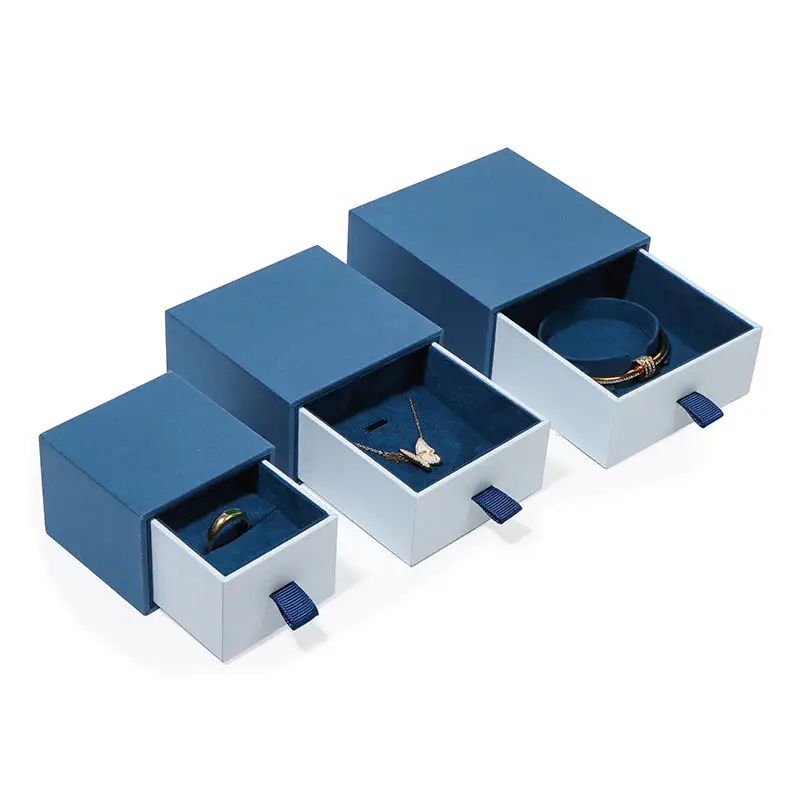
Foil Stamping
Heat and pressure transfer metallic foil onto insert panels, box lids and lining edges. Gold, silver or custom-tinted foils create a crisp, luxurious logo mark that resists fading and scuffing through daily drawer use.
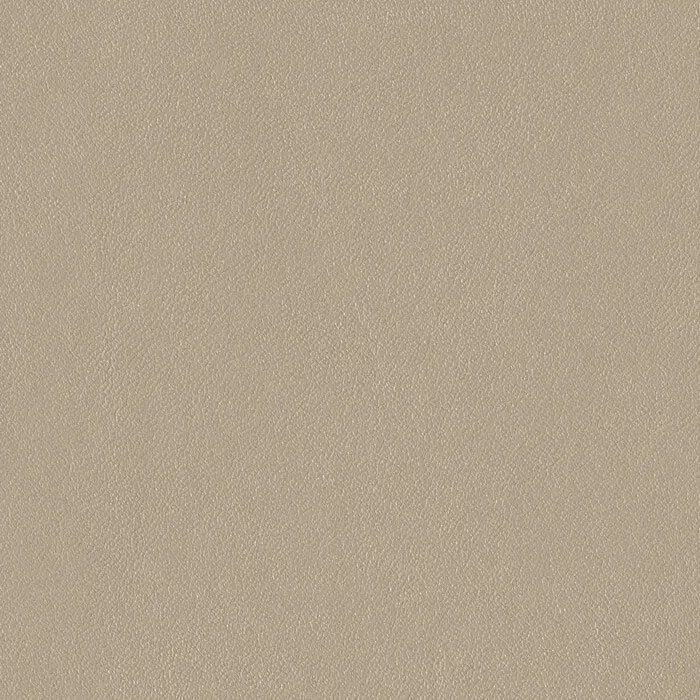
Embossing & Debossing
Precision dies raise or recess your logo directly into paper, leatherette or velvet-wrapped surfaces. The result is a tactile, dimensional brand impression that reads as premium and never peels, chips or wears away.
Silk-Screen Printing
Ink is pressed through fine mesh screens for sharp, opaque logos on velvet, microfiber, satin and cotton linings. Screen printing delivers rich, color-accurate branding that stays vivid even on dark, plush insert fabrics.

Laser Cutting
Computer-guided lasers cut EVA, foam and board cores to your exact drawer dimensions and jewelry layouts. Ring slots, necklace channels and watch wells come out clean-edged, repeatable and perfectly fitted across every production run.

Flocking
Fine velvet fibers are electrostatically bonded to molded insert trays, creating a soft, uniform, scratch-free surface. Flocking protects delicate metals and gemstones while giving custom jewelry inserts for drawers a seamless boutique finish.

Hand-Wrapped Lining
Our craftspeople hand-wrap each insert core in velvet, satin, linen or eco-fabrics, tucking corners and seams by hand. The result is a taut, wrinkle-free lining with the tailored look luxury jewelry brands expect.
Hardware & Accessories That Complete Custom Jewelry Inserts for Drawers

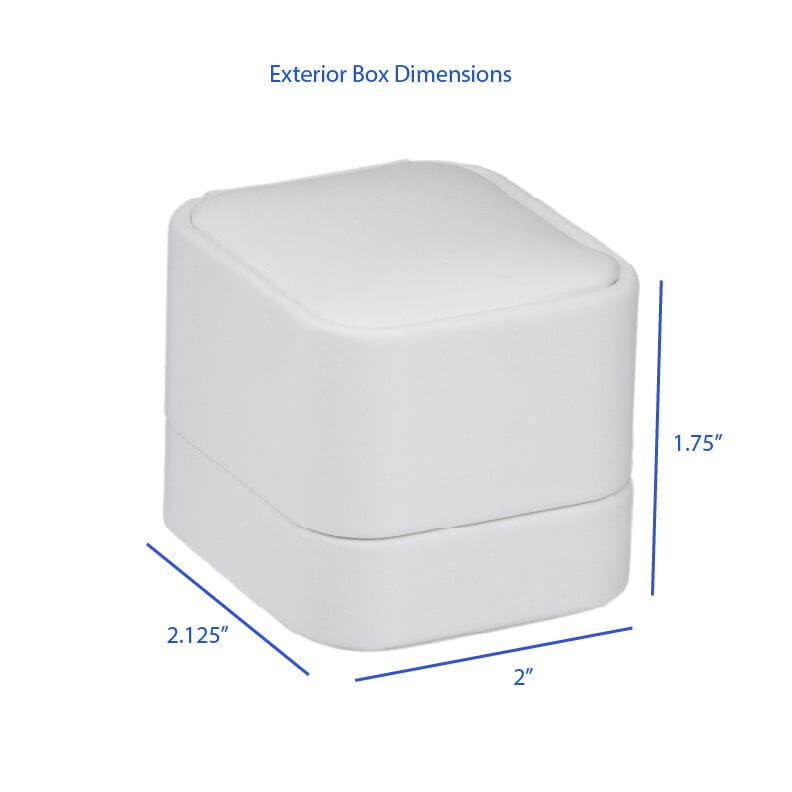
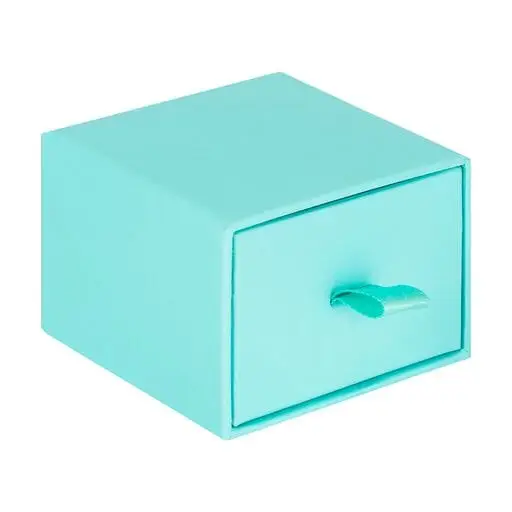
Ribbon Pulls
Grosgrain or satin ribbon tabs sewn into drawer fronts and tray recesses, giving customers a smooth, elegant way to lift inserts and open drawers without scratching linings or disturbing displayed jewelry pieces.
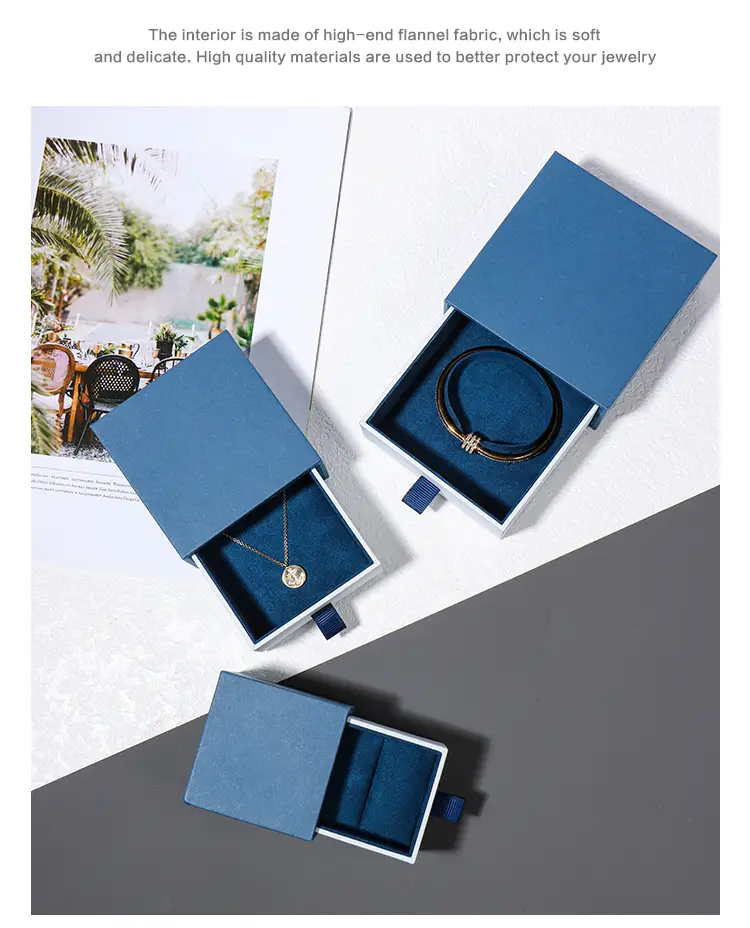
Magnetic Closures
Concealed neodymium magnets embedded in lids, flaps, and drawer faces for a soft, satisfying snap shut. Ideal for rigid boxes and slide-out drawer units where a secure, hardware-free look matters.
Metal Logo Plates
Zinc-alloy or brass plates engraved or enameled with your logo, fixed to insert surfaces, drawer fronts, or box lids. A private-label detail that instantly elevates perceived value at the counter.
Elastic Ring Bars
Padded, velvet-wrapped bars with tensioned elastic slots that hold rings and ear studs firmly inside drawer inserts, keeping collections organized in transit and beautifully presented in boutique display drawers.

Concealed Hinges
Low-profile metal or fabric hinges for lift-lid trays and tiered drawer inserts, engineered to open smoothly thousands of times while keeping the exterior clean and the mechanism invisible to customers.

Drawcord & Tipping
Custom-dyed drawcords with metal or resin tips for matching pouches that nest inside your drawer inserts — a coordinated finishing touch across your full jewelry packaging program, from drawer to gift pouch.
Custom Jewelry Inserts for Drawers Since 2007
On The Way was founded in 2007 on a simple principle: quality defines survival. From our Dongguan, China factory, we operate as a custom jewelry box manufacturer producing high-end custom jewelry packaging — pouches, rigid and gift boxes, displays, trays, branded paper bags, and custom jewelry inserts for drawers built to protect and present fine pieces beautifully.
Today our 1,200 m² facility and team of 220+ specialists have completed 6,500+ custom projects for jewelry houses, independent designers, and boutique retailers across North America, Europe, and Southeast Asia. Because we own the production line, every client gets factory-direct pricing, low MOQs, and full private-label OEM flexibility — from first sample to mass production.
Led by founder and CEO Joyce Linkwin, we treat packaging as your brand’s first impression. Multi-stage QC on every order, FSC-certified and recycled eco-materials, dedicated account managers, and on-time delivery are standard. Exquisite packaging, quality living — we are always on the way.

The Capabilities Behind Every Drawer Insert We Build
In-House Production Line, Factory-Direct Pricing
Because we own every stage of production at our Dongguan factory, your custom jewelry inserts for drawers are cut, wrapped, and assembled under one roof. No trading-company markup, no outsourced surprises — just direct pricing on 6,500+ completed projects’ worth of expertise.
- 1,200 m2 factory with 220+ trained staff
- Die-cutting, flocking, and lining handled in-house
- Low MOQ that works for startups and large brands
- Direct-from-factory quotes with no middleman margin
Multi-Stage QC on Every Insert
A dedicated quality-control team inspects each drawer insert at multiple checkpoints — incoming materials, mid-production, and pre-shipment. Slot dimensions, fabric tension, glue lines, and color matching are verified so every unit protects your jewelry and your brand reputation.
- Incoming material inspection before production begins
- In-line checks on slot fit and fabric wrapping
- Pre-shipment audits against approved samples
- Consistent tolerances across repeat orders

Eco-Material Sourcing, FSC and Recycled
Sustainability is built into sourcing, not added later. We supply custom jewelry inserts for drawers made with FSC-certified paperboard, recycled foams, and reusable fabric linings — so your packaging story aligns with the values your customers increasingly expect from jewelry brands.
- FSC-certified paper and board options
- Recycled and recyclable foam cores available
- Velvet, microfiber, cotton, and linen linings
- Documentation to support your sustainability claims

Sampling to Mass Production, One Manager
From your first drawer measurement to the final shipped carton, a dedicated account manager guides your project end-to-end. We prototype, refine, and confirm samples before scaling — the same process trusted by 300+ brands across 30+ countries since 2007.
- Free design consultation and drawer-fit engineering
- Physical samples approved before mass production
- One dedicated account manager per project
- On-time delivery tracked through every milestone
Custom Jewelry Inserts for Drawers: On The Way vs. Typical Suppliers
When you source custom jewelry inserts for drawers through a trading company or generic packaging supplier, you inherit markups, stock sizes, and slow communication. As a factory-direct manufacturer with 17+ years and 6,500+ completed projects, On The Way removes every one of those compromises.
← Swipe left or right to view →
From Raw Material to Delivered Insert: Our Six-Step Process
From raw material sourcing to worldwide delivery, every insert moves through six controlled stages in our Dongguan factory — the same process refined over 6,500+ custom projects since 2007.
Material Sourcing & Approval
We source FSC-certified boards, recycled substrates, and premium velvet, microfiber, or satin linings, then send swatches for your approval before any custom jewelry inserts for drawers enter production.
Die-Cutting & Forming
Precision die-cutting and CNC forming shape each compartment to your drawer dimensions and jewelry mix — ring slots, necklace channels, watch wells — with tolerances verified against approved samples.
Lining, Flocking & Branding
Skilled technicians hand-wrap or flock every surface, then apply your logo via hot stamping, embossing, or printing for a fully private-label, OEM-ready finish.
Multi-Stage QC Inspection
Our dedicated QC team inspects fit, lining adhesion, color consistency, and logo placement at three checkpoints, so every drawer insert leaving the line matches your approved sample.
Protective Packing
Inserts are individually wrapped, corner-protected, and carton-packed to survive long-haul freight, with labeling configured for your warehouse or retail distribution requirements.
Worldwide On-Time Shipping
Your dedicated account manager coordinates sea, air, or express shipping to 30+ countries, tracking every order from our factory floor to your door — on schedule.
Custom Jewelry Inserts for Drawers: How to Start Your Project
From first sketch to finished insert, our factory-direct team guides you through four simple steps — the same end-to-end process trusted by 300+ brands in 30+ countries.
Send Your Drawer Dimensions
Share your drawer measurements, tech pack, or rough idea. Our engineers review compartment layouts, lining materials, and jewelry types to scope your custom insert accurately.
Receive Your Factory-Direct Quote
Because we own the production line, you get transparent factory-direct pricing with low MOQ options — typically within 24 to 48 hours of your inquiry.
Approve a Pre-Production Sample
We craft a physical sample of your custom jewelry inserts for drawers so you can verify fit, velvet or microfiber lining, and branding before committing.
Launch Bulk Production
Your dedicated account manager oversees mass production with multi-stage QC on every insert, then coordinates on-time delivery to your warehouse or fulfillment partner.
Certifications & Compliance Behind Every Custom Jewelry Insert

What Jewelry Brands Say About Working With On The Way
As a two-person boutique, most factories turned us away. On The Way ran our first order of custom jewelry inserts for drawers at just 300 units, and our display cabinets went from cluttered to showroom-ready in six weeks.
We reordered the same velvet drawer inserts across 4 production runs and 12 retail locations, and the OEM color match and foam tolerances were identical every time. Their multi-stage QC clearly isn’t just a sales line.
Sampling took 9 days from drawing to my studio door, and mass production shipped exactly on the promised date — twice. My dedicated account manager handled everything from linen swatches to freight to three countries.
Custom Jewelry Inserts for Drawers: Your Questions, Answered
Straight answers on MOQ, sampling, sizing, materials, payment, shipping and private-label protection — from a factory that has completed 6,500+ custom projects since 2007.
What is the minimum order quantity for custom jewelry inserts for drawers?
Can you make custom jewelry inserts for drawers to fit my existing furniture or display cases?
How much does a sample cost and how long does sampling take?
What lead time should I expect for a production order of custom jewelry inserts for drawers?
What materials and eco-friendly options are available for drawer insert linings?
Do you offer private label or OEM production, and will my designs be protected?
What are your payment terms for custom insert orders?
How do you ship internationally, and can inserts ship inside my drawers or boxes?
Why buy custom jewelry inserts for drawers factory-direct instead of through a trading company?
The Complete Buyer’s Guide to Custom Jewelry Inserts for Drawers
A practical decision framework for sourcing custom jewelry inserts for drawers: compare types, materials, and finishes, learn the supplier criteria that matter, and avoid the costly mistakes that derail packaging launches.
1. What Are Custom Jewelry Inserts for Drawers?
Custom jewelry inserts for drawers are fitted trays and liners — die-cut EVA foam, vacuum-formed flocked plastic, or fabric-wrapped greyboard platforms — engineered to slot inside a drawer-style box at tolerances of roughly ±1 mm. Each cavity is shaped to a specific SKU: 3–5 mm ring slots, T-bar earring blocks, hooked necklace ramps, and watch pillows sized to 40–46 mm cases.nnSince 2007, Jewelry Box Supplier Ltd., the packaging division of On The Way, has built inserts of this kind into 6,500+ custom projects for jewelry houses, independent designers, and boutique retailers across 30+ countries. Buyers specify them to do three jobs at once: immobilize pieces in transit, choreograph the unboxing reveal, and signal quality the instant the drawer slides open.nnLoose tissue and generic foam blocks fail at all three. Chains tangle, plated surfaces abrade against neighboring pieces, and low-grade open-cell foams can off-gas sulfur compounds that accelerate tarnish on sterling silver. A fitted insert lined with anti-tarnish velvet, microfiber, or satin holds every item in a fixed position and turns the drawer itself into a retail-grade display.nnThe nine sections that follow map the full buying decision: the history of drawer inserts, tray types, lining fabrics, decoration and branding options, construction quality markers, manufacturer vetting, common sourcing mistakes, launch steps, and pricing — including typical MOQ tiers of 100–300 units and 15–35 day production lead times common at factory-direct suppliers.
2. Evolution and History of Drawer Inserts
By the mid-1800s, Victorian cabinetmakers were lining mahogany and walnut jewelry chests with silk velvet, hand-tacking padded compartments for rings and brooches. These one-off interiors came from furniture workshops rather than packaging suppliers, and they remained the standard for retail jewelers well into the early 20th century.nnFrom the 1950s onward, die-cut cardboard partitions wrapped in rayon flock brought insert costs down for mass-market retailers. By the 1980s, vacuum-formed polystyrene trays with sprayed flocking dominated store drawers, letting merchandisers standardize slot counts — 7-slot ring rows, 24-compartment grids — across entire showcase programs.nnThe 2000s shifted priorities twice. Luxury retail merchandising moved toward CNC-cut EVA foam (typically 38–60 hardness) wrapped in microfiber or velvet for a seamless, couture look, while e-commerce unboxing culture — accelerating after 2010 — demanded inserts that photographed well and survived parcel transit, favoring dense precision-cut foam over hollow thermoformed shells.nnSince roughly 2015, sustainability pressure has driven the latest turn: FSC-certified paperboard partitions, molded pulp cavities, and recycled-fiber velvets increasingly substitute for virgin plastics in retail and DTC programs. Founded in 2007, On The Way has manufactured through this transition, and today’s buyers of custom jewelry inserts for drawers effectively choose among all four eras — flocked plastic, cut foam, fabric-wrapped board, and paper-based formats — each examined later in this guide.
3. Types of Custom Jewelry Inserts for Drawers
Six core insert formats dominate custom drawer programs. Matching slot geometry to your product mix — ring count, chain length, drawer depth — determines protection, capacity, and unit cost before any fabric or foil decision.
| Insert Type | Best For | Key Limitation |
|---|---|---|
| Ring-slot tray | Ring-heavy assortments | Single-category use |
| Slotted pads | Earrings, necklaces, shallow drawers | Lower density |
| Divider tray | Mixed SKUs, bangles, watches | Items shift in transit |
| Molded EVA/flocked foam | Fragile, high-value pieces | Mold tooling cost |
| Stackable modular | Multi-location retailers | Higher unit price |
Ring-Slot Trays
Rows of foam channels wrapped in velvet or microfiber grip ring shanks upright; standard slots run 3-5 mm wide at 25-40 mm depth. Ideal for high-SKU ring lines, but wasted space if rings are under 20% of your assortment.
Earring and Necklace Slotted Pads
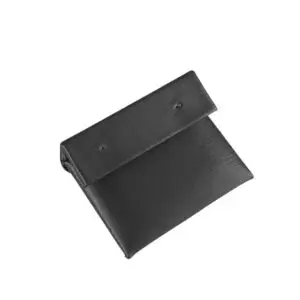
Flat pads with pierced holes, elastic loops, or hook bars hold studs, hoops, and pendants; necklace pads add 150-450 mm chain channels to prevent tangling. Low profile suits shallow 30-40 mm drawers, though capacity per square meter is lower than divider trays.
Multi-Compartment Divider Trays

Fixed or adjustable walls create 6-36 open cells for bangles, watches, and mixed goods. Most flexible for varied assortments; downside is pieces shift in transit, so they suit retail display and home storage over shipping.
Flocked Foam and Molded EVA Inserts
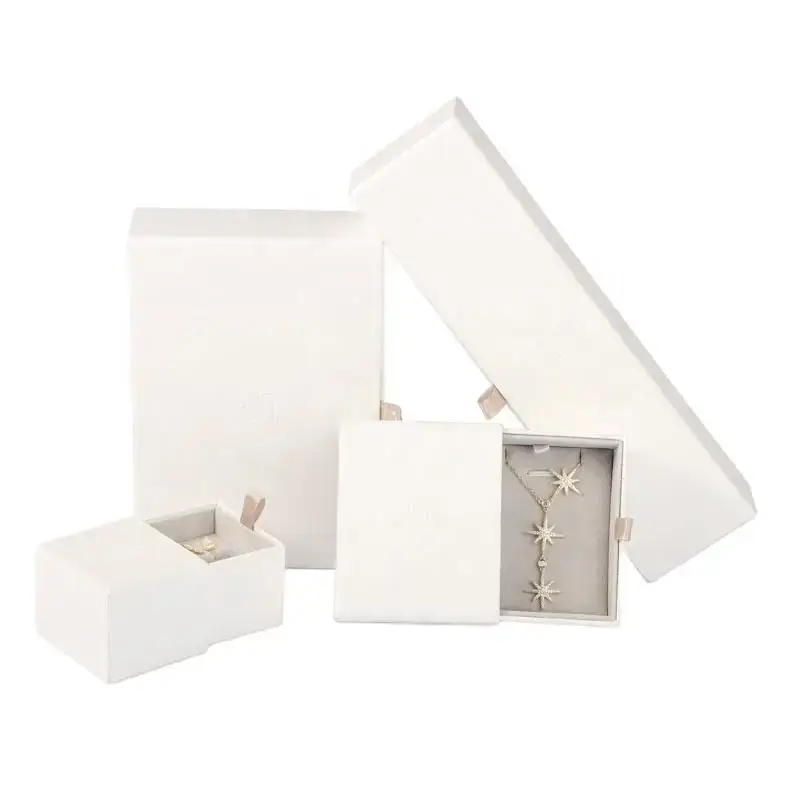
Die-cut EVA (typically 25-45 shore hardness) flocked in rayon nylon fiber cradles each piece in a shape-specific cavity — the tightest protection for high-value or fragile items. Tooling costs 1 mold per layout, so MOQs of 500-1,000 units amortize best.
Stackable Modular Systems

Interlocking trays in standard footprints (often 180 x 180 mm or 350 x 240 mm) let retailers reconfigure as collections rotate. Higher per-unit cost, but one tooling set serves multiple drawer sizes — the best choice when drawer dimensions vary across store fixtures.
4. Materials and Fabrics for Drawer Inserts
Since 2007, On The Way has wrapped drawer inserts in six core material families. The fabric-plus-core pairing determines protection, hand feel, and cost tier as much as the insert’s layout itself, so match material to brand positioning first.
| Material | Texture | Cost Tier | Durability | Best Use |
|---|---|---|---|---|
| Velvet | Deep plush pile | High | Medium; pile crushes | Fine jewelry, heritage brands |
| Microfiber suede | Smooth low pile | Mid | High; shed-resistant | Everyday luxury, retail |
| PU leather | Grained, firm | Mid-high | High; wipeable | Watches, men’s lines |
| Linen/cotton | Matte natural weave | Mid | Medium | Eco, artisan positioning |
| EVA foam (wrapped) | Firm, precise slots | Low core | High | Ring slots, travel trays |
| Recyclable paperboard | Crisp, printable | Low | Low-medium | Sustainable entry lines |
Velvet and Microfiber Suede

Velvet remains the luxury benchmark: deep pile, rich color saturation, and a soft cradle that will not scratch polished metal. It sits in the mid-to-high cost tier, and pile can crush under heavy rings over time.nnMicrofiber suede delivers a similar hand at roughly 10-20% lower cost, resists shedding and lint, and holds Pantone-matched colors consistently — a practical pick for high-turnover retail drawers.
PU Leather

PU leather suits watch-focused, masculine, and minimalist brands. It debosses crisply for logos, wipes clean in showroom use, and outlasts pile fabrics in daily-handling environments, though it reads firmer and less plush than velvet.
Linen, Cotton, and Recyclable Paperboard
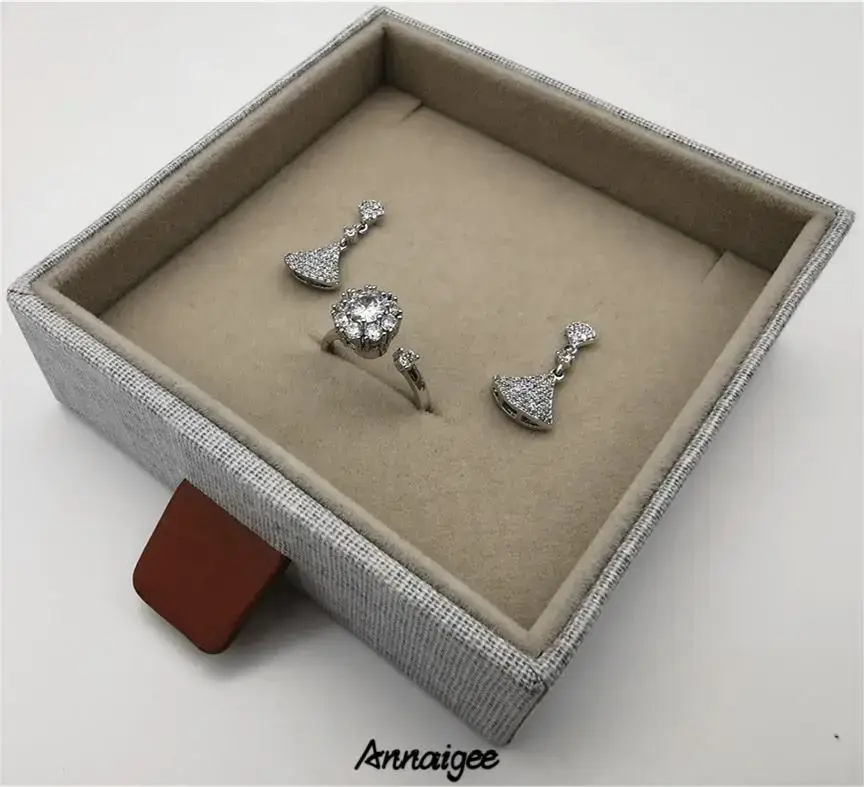
Linen and cotton give a matte, natural weave favored by artisan and eco-positioned brands at a moderate cost tier. FSC-certified and recycled paperboard inserts are the lightest, cheapest, and fully curbside-recyclable, trading some durability for sustainability claims.
Cores: EVA Foam and Rigid Board
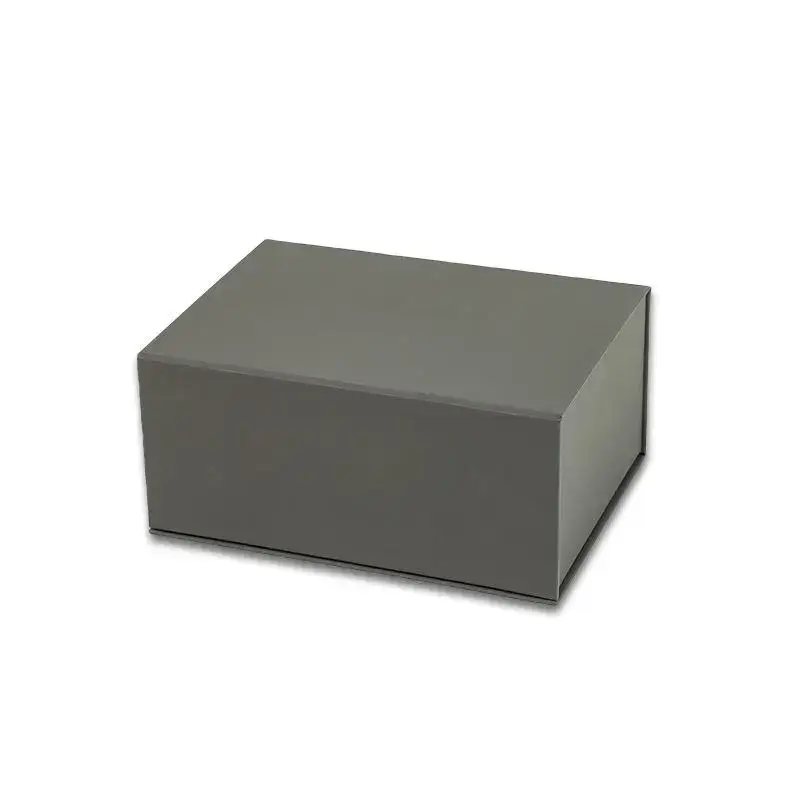
Every premium insert is a fabric skin over a core. Die-cut EVA foam allows precise ring slots and cushioning; rigid greyboard gives flat, structured compartments.nnFabric-wrapped edges — not glued-on flat panels — are what signal premium construction and prevent fraying at drawer contact points.
5. Customization and Decoration Options
Six proven techniques handle most branding on custom jewelry inserts for drawers, and all can be combined in one production run. Each adds tooling cost and 3–7 days to a standard 15–25 day lead time.
| Technique | Setup Cost (USD) | Typical MOQ | Durability |
|---|---|---|---|
| Deboss/emboss | 50–120 die | 100 pcs | Excellent |
| Foil stamping | 50–120 die | 300 pcs | Good |
| Screen/pad print | 30–60 per color | 200 pcs | Moderate |
| Pantone-dyed fabric | Fabric lot fee | 500 pcs | Excellent |
Logo Embossing and Debossing
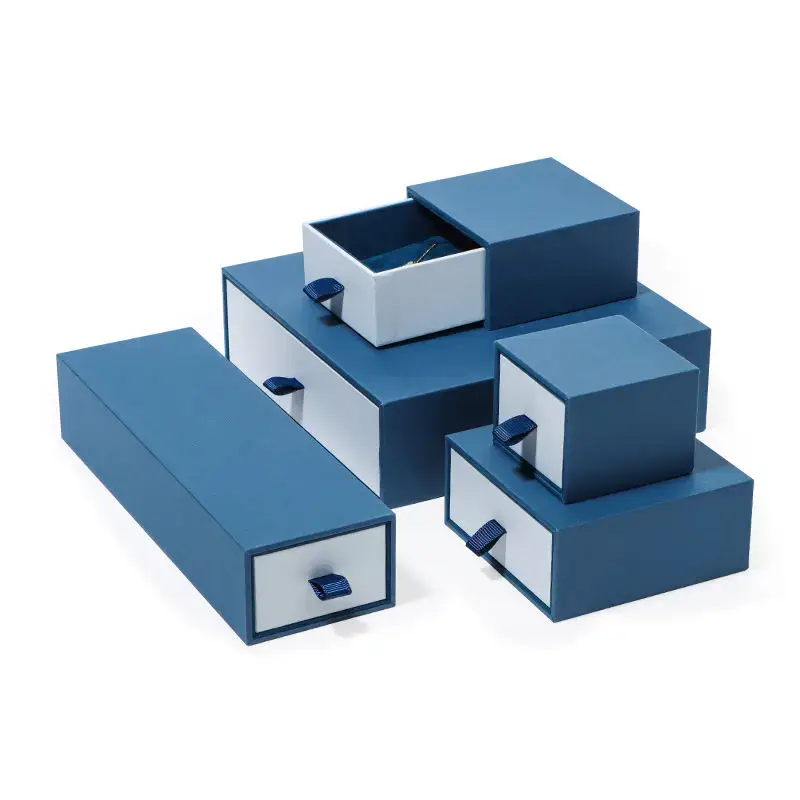
Brass dies press logos into velvet or leatherette surfaces, creating a tone-on-tone mark that never rubs off. Die fees run USD 50–120 and MOQs start around 100 pieces; allow 3–5 extra days for die making.
Foil Stamping

Gold, silver, or rose-gold foil delivers the highest-contrast logo on dark flocking. It uses the same brass die as debossing, so upgrading later is inexpensive. Expect 300-piece MOQs for metallic foils.
Screen and Pad Printing
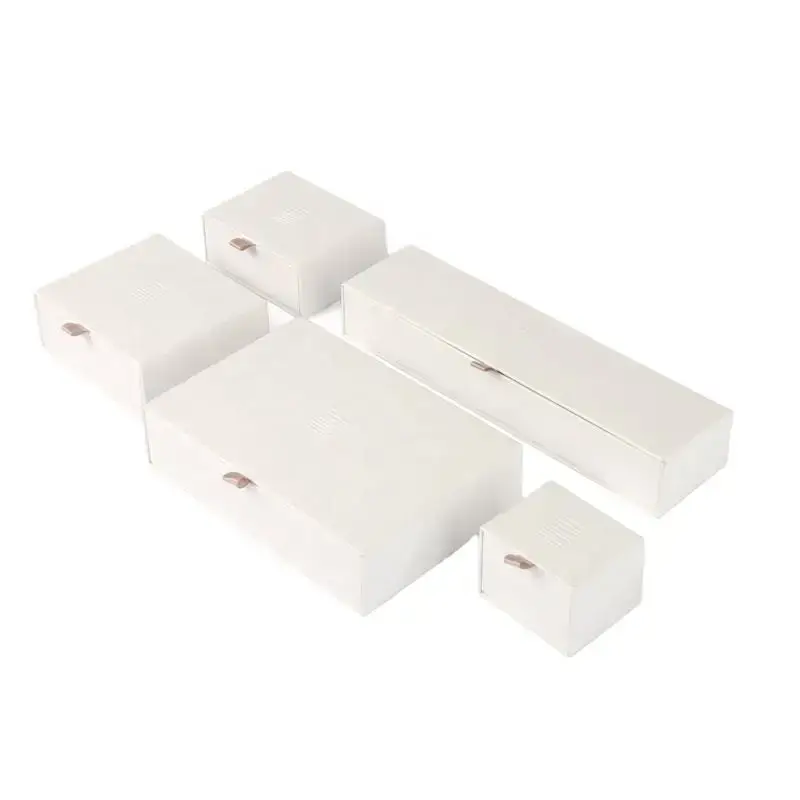
Screen printing suits flat tray pads, while pad printing reaches recessed slot bottoms. Per-color setup runs USD 30–60, with one or two colors typical. Best for interior care icons and ring-size markings.
Pantone-Matched Custom Colors
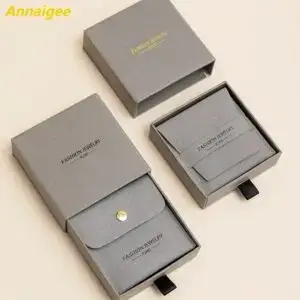
Custom-dyed velvet or microfiber matched to a Pantone TPG code usually requires a 500–1,000 meter fabric lot, the biggest MOQ driver here. Stock palettes of 20–40 shades carry no minimum penalty.
Die-Cut Slot Layouts
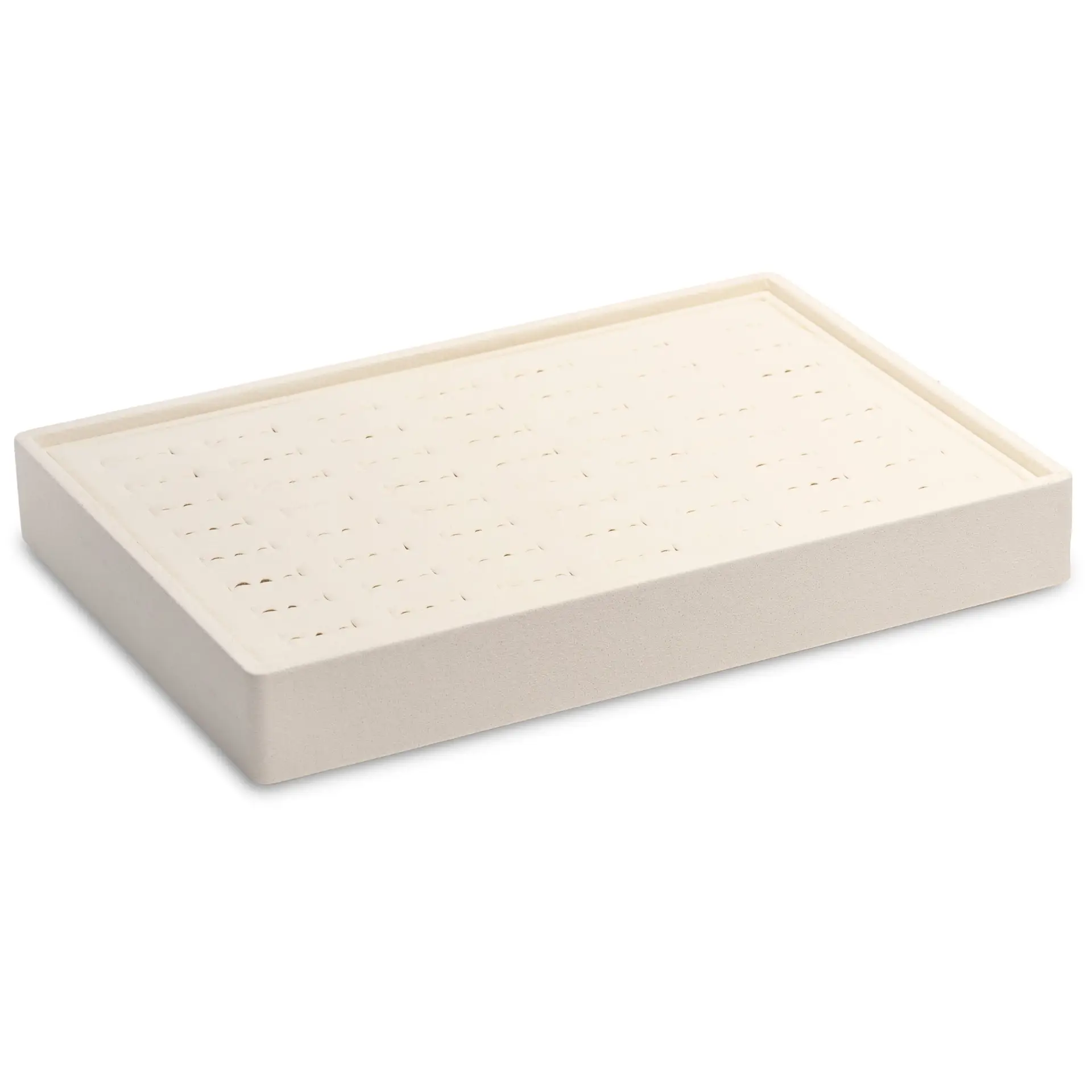
Slot configuration—ring rolls, earring flaps, necklace hooks—is near-free customization since every insert is die- or CNC-cut anyway. A new cutting die costs USD 80–150 and adds roughly one week.
Branded Lining and Trim

Repeat-pattern printed lining, woven labels, or contrast piping add a subtle luxury cue inside drawers. Custom-printed lining typically starts at 500 pieces; woven labels at 300, with minimal lead-time impact.
6. Key Construction and Quality Elements
Five inspectable criteria separate a durable insert from a disposable one: cut precision, fabric adhesion, foam quality, dimensional accuracy, and colorfastness. Request a pre-production sample and check each point below before approving mass production.
Precise Slot Cutting and Fit Tolerance

±0.5 mm is the working tolerance for die-cut and CNC-routed slots. Ring slots should grip a 2 mm band securely without creasing it; necklace channels need clean, perpendicular walls.nnReject samples showing torn slot edges, angled cuts, or slots that release rings when the tray tilts 45 degrees.
Fabric Adhesion and Edge Finishing

Hot-melt or water-based lamination should show zero glue bleed through velvet or microfiber pile. Edges must be fully wrapped and tucked into the substrate, never raw-cut.nnGently peel a corner — the fabric should resist lifting. Run a finger along every seam to catch fraying, bubbling, or loose flocking.
Foam Density and Rebound
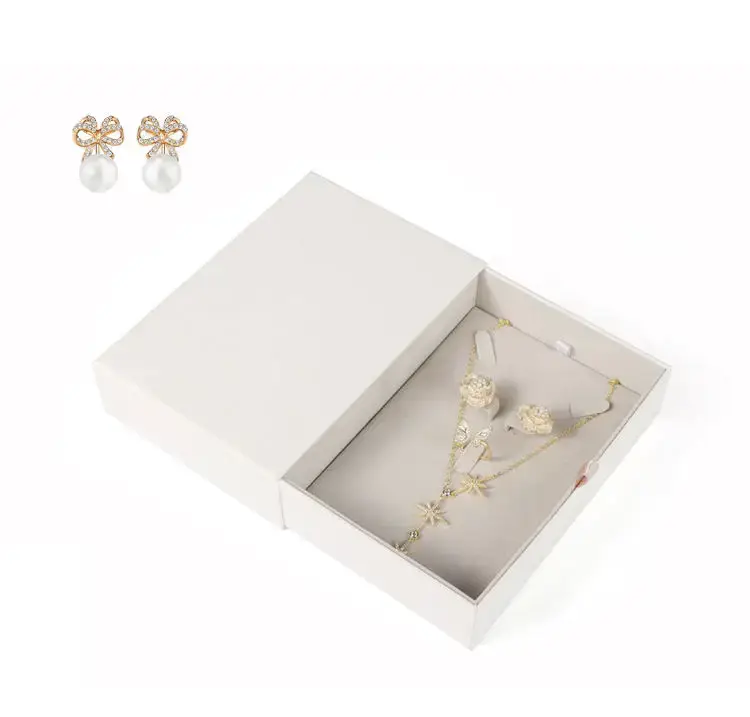
EVA foam at 38–60 kg/m³, or high-density polyurethane, holds slot shape through thousands of insertions. Press a thumb into the surface; quality foam rebounds within 3–5 seconds with no permanent dent.nnCrumbling edges, powdery residue, or a strong chemical odor signal cheap recycled foam.
Dimensional Accuracy to Drawer Cavity
1–1.5 mm clearance per side lets custom jewelry inserts for drawers seat flush yet lift out without prying. Verify against a signed technical drawing, measuring at three points per axis.nnA bowed base or corners that must be forced indicate substrate warping — a defect that worsens with humidity.
Colorfastness and Pile Consistency
A 10-rub dry crocking test with white cotton should transfer no visible dye — critical where black velvet contacts pearls or white gold. Nap direction must run one way across all cavities.nnCompare production lots against an approved Pantone reference to catch shade drift between orders.
7. How to Choose a Manufacturer for Custom Jewelry Inserts for Drawers
Since 2007, On The Way has completed 6,500+ custom projects, and one lesson holds: the factory matters more than the mockup. Vet suppliers of custom jewelry inserts for drawers against six criteria before requesting quotes.
OEM/ODM Capability
Ask whether inserts are cut in-house or subcontracted; trading companies add 15-30% margin without controlling tolerances. A true OEM factory — On The Way operates a 1,200 m2 facility with 220+ staff — can show live production video and existing tooling on request.
MOQ Flexibility for Small Brands
Typical insert MOQs run 500-1,000 units, while boutique brands often need 100-300. Factory-direct suppliers with low-MOQ programs let you trial two or three configurations before scaling.nnRed flag: a ‘no minimum’ claim paired with vague per-unit pricing that doubles at invoicing.
Tooling and Sampling Process

Expect a pre-production sample in 5-10 days, with dielines or 3D renders approved first. Sample fees of roughly $30-80 are standard and usually credited against the bulk order. A supplier refusing to sample before mass production is a walk-away signal.
Material Sourcing and Certifications
FSC-certified board, recycled fabrics, and OEKO-TEX velvet or microfiber matter to EU and North American retailers. Ask for certificate numbers, not logos on a website — On The Way supplies FSC and recycled eco-material documentation on request.
Quality Control Standards
A multi-stage QC process — incoming material checks, in-line inspection, and pre-shipment AQL 2.5 sampling — should be documented in writing. Ask how anti-tarnish lining, foam density, and slot dimensions are verified against your approved sample.
Lead Times and Shipping
Standard production runs 15-25 days after sample approval; sea freight adds 25-35 days to North America, air freight 5-8. Confirm on-time delivery terms and a dedicated account manager in the contract, not just the sales pitch.
8. Common Mistakes Buyers Make
Roughly one in three first orders for custom jewelry inserts for drawers requires costly rework, usually from avoidable errors. These five mistakes account for most failed launches — and each has a straightforward prevention step.
Ordering Before Confirming Drawer Dimensions
A 2-3 mm error in internal drawer measurement means inserts that rattle or won’t seat. Buyers often quote external cabinet dimensions instead of internal clearances.nnMeasure internal length, width, and usable depth to the millimeter, and send a dimensioned drawing or the drawer itself before tooling begins.
Skipping Physical Samples
Digital renders cannot show flocking density, foam firmness, or slot tension on a real ring shank. Approving from photos alone risks a full production run of unusable trays.nnBudget 5–10 days and a $30–80 sample fee; test with your actual jewelry before releasing mass production.
Underestimating Lead Times
Custom inserts typically need 15–25 days for production plus 25–35 days for sea freight. Buyers planning around a holiday launch often start 6 weeks too late.nnWork backward from your launch date and add a 2-week buffer for sampling revisions and customs clearance.
Choosing Material by Price Alone

A $0.40 flocked plastic insert under a $2,000 diamond ring undermines perceived value and can shed fibers onto polished metal. Cheapest rarely matches brand positioning.nnMatch material tier — velvet, microfiber, PU leather — to your retail price point, not the unit cost sheet.
Ignoring Sustainability and Compliance
EU and North American retailers increasingly require FSC-certified board, recycled fabrics, or REACH-compliant adhesives. Non-compliant inserts can be rejected at retail intake.nnRequest material certifications in writing during quoting, not after production, and confirm eco-material options if your brand markets sustainability.
9. Steps to Launch Custom Jewelry Inserts for Your Brand
From concept to delivered inserts, most custom projects run 25-40 days. On The Way’s process moves through six gated steps — specs, materials, artwork, sampling, pricing, and production — each requiring specific decisions from the buyer.
Define Product Mix and Drawer Dimensions
Start with exact internal drawer measurements — length, width, and usable depth in millimeters — plus a piece count per category. A 30-slot ring insert needs roughly 19-21 mm slot spacing; necklace hooks need 40 mm+ depth clearance.nnSupply drawer drawings or photos so slot layouts can be engineered before quoting.
Select Material, Format, and Layout
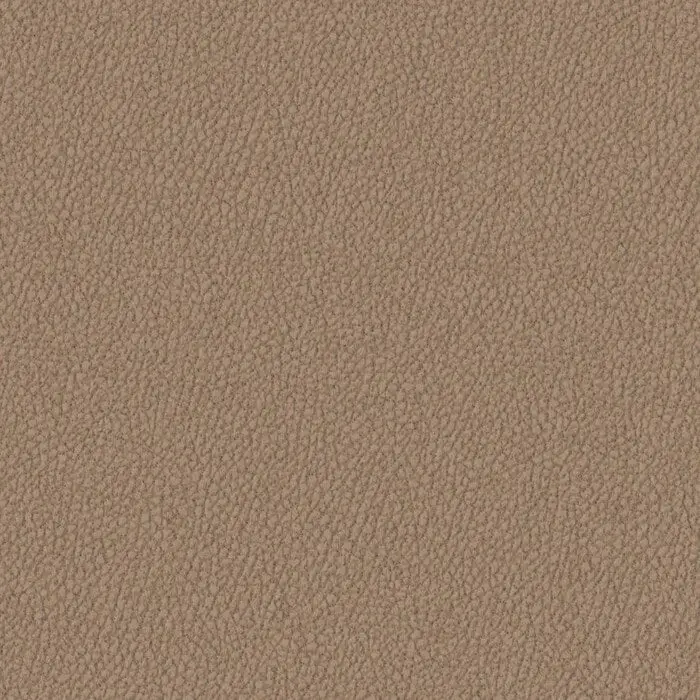
Choose the wrap fabric (velvet, microfiber, PU leather, or linen), core substrate (MDF, EVA foam, or greyboard), and format — fixed grid, modular tiles, or stackable trays.nnRequest FSC-certified board or recycled fabrics here if sustainability claims matter to your retail story.
Prepare Artwork and Branding Files
Submit vector logos (AI or EPS), Pantone color codes, and placement guides. Decide on hot stamping, embossing, or woven labels — decoration tooling typically adds 3-7 days to first sampling.
Request and Approve Pre-Production Samples
Expect a physical sample in 5-10 days; approve fit by loading your actual jewelry into every slot. One to two revision rounds are normal — sign off in writing before tooling is finalized.
Confirm MOQ, Pricing, and Production Terms
Factory-direct MOQs commonly start at 100-300 units for custom jewelry inserts for drawers. Lock unit price, lead time (typically 15-25 days after sample approval), packing method, and Incoterms.nnA dedicated account manager should share multi-stage QC reports and pre-shipment photos before dispatch.
10. Pricing and Cost of Custom Jewelry Inserts for Drawers
Five variables drive the unit price of custom jewelry inserts for drawers: base material, lining fabric, compartment count and die complexity, decoration method, and order volume. A one-time cutting-die or tooling charge of $80–$300 covers custom compartment layouts, while decoration adds per-unit surcharges — hot-foil logo stamping runs roughly $0.05–$0.15, debossed leatherette $0.10–$0.25, and embroidery $0.20–$0.50.nnMaterial choice swings cost 30–60% at identical dimensions: flocked plastic trays sit at the low end, velvet-wrapped MDF and microfiber-lined EVA foam mid-range, and genuine leather or FSC-certified hardwood at the top. Operating factory-direct since 2007, On The Way quotes MOQs from around 100 pieces, so per-unit pricing drops sharply as tiers rise — the table below shows typical ranges for a velvet-lined MDF insert.nnBudget $30–$80 per pre-production sample (typically credited against the bulk order) and add a 5–10% freight contingency. Reorders skip tooling entirely and usually ship 5–7 days faster than first runs, so lock your dieline early and reorder against approved specs.
| Quantity Tier | Price per Unit (velvet-lined MDF) | One-Time Tooling | Lead Time |
|---|---|---|---|
| 100–300 pcs (MOQ) | $4.50–$9.00 | $80–$300 | 15–20 days |
| 500–1,000 pcs | $3.00–$5.50 | $80–$300 | 20–25 days |
| 2,000–5,000 pcs | $1.80–$3.20 | Often waived | 25–30 days |
| 10,000+ pcs | $1.20–$2.50 | Waived | 30–35 days |
| Reorder (any tier) | Tier price less ~5% reorder discount | None | 10–25 days |
Ready to Line Your Drawers with Custom Jewelry Inserts?
Send your drawer dimensions or tech pack today — our Dongguan factory turns samples around fast, with low MOQ, OEM branding, and factory-direct pricing.