
Custom Chinese Jewelry Pouch Manufacturer — Factory-Direct, Low MOQ
Premium custom chinese jewelry pouches for global brands. Factory-direct pricing, 50-piece minimum, full design flexibility, and 17+ years serving 300+ jewelry brands across 30+ countries.
Featured Jewelry Packaging Collection
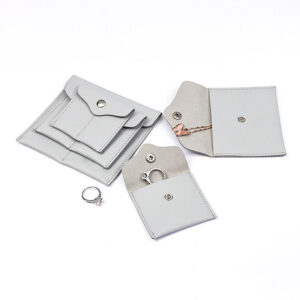

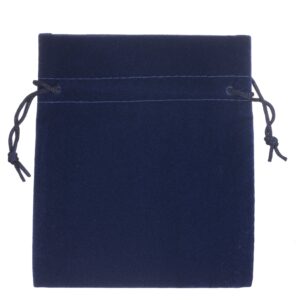
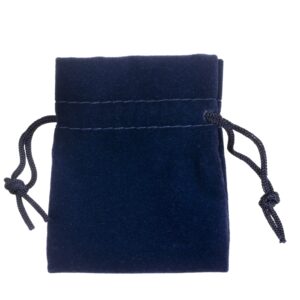

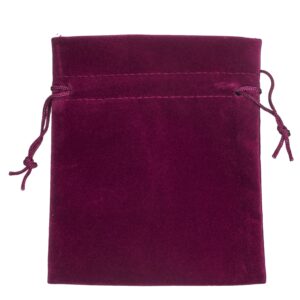
Jewelry Packaging Design Showcase

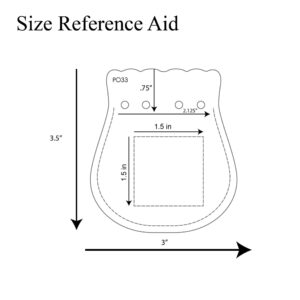


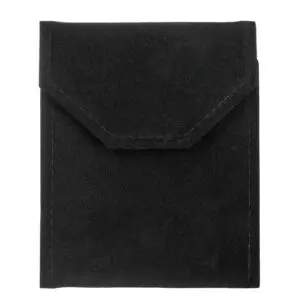
The Chinese Jewelry Pouch Advantage: Why Brands Choose On The Way
Six reasons leading jewelry brands trust On The Way for custom pouches and packaging solutions
Factory-Direct Pricing
We own the production line. No middlemen, no markups. Direct cost savings passed to you.
Start With Low Minimums
Order from 50 units minimum. Perfect for startups, emerging designers, and boutique retailers testing new markets.
Custom Private Label Options
White-label chinese jewelry pouches with your complete branding. Full customization from initial design through production.
Multi-Stage Quality Control
Professional inspection at every production step. Each pouch meets rigorous standards before shipment to you.
Sustainable Eco-Materials
FSC-certified paper, recycled fabrics, and reusable sustainable materials used throughout all production processes. Premium packaging honoring environmental values.
Dedicated Account Managers
Your dedicated account manager guides every project phase. On-time delivery guaranteed across 30+ countries served.
Chinese Jewelry Pouch & Packaging Solutions
Launch Your Brand Quickly
Independent designers need distinctive, branded pouches to match their aesthetic, but traditional manufacturers demand high minimums and long lead times that strain startup budgets and timelines.
Custom fabric pouches with low MOQ, 7-day samples, and factory-direct pricing let you launch branded packaging quickly without inventory risk, budget constraints, or lengthy manufacturing delays.
Elevate Your Unboxing Experience
Premium jewelry retailers compete on experience—customers expect luxury packaging as part of the purchase, but coordinating custom pouches, boxes, and bags across multiple suppliers is complex and costly.
One-stop custom packaging—rigid boxes, microfiber pouches, and branded bags—with dedicated QC oversight ensures every unboxing touchpoint reflects your brand's prestige, quality, and professionalism.
Scale Production Confidently
Scaling production means managing inventory, maintaining quality across batches, hitting deadlines, and keeping costs competitive—critical gaps in any area directly damage brand reputation and profit margins.
Private-label manufacturing with dedicated account managers, multi-stage QC, and guaranteed on-time delivery from our 1,200 m² factory—trusted by 300+ global brands across 30+ countries.
Custom Display & Storage Solutions
High-value watches and jewelry require specialized presentation—generic display cases don't adequately protect assets or communicate luxury, and reliable custom solutions are hard to source and afford.
Custom display busts, watch cases, specialized storage trays, and complete presentation sets—all tailored to your exact specifications with professional finishing and rigorous multi-stage quality controls.
Sustainable Premium Packaging Solutions
Eco-conscious jewelry brands need sustainable packaging that delivers premium appeal, but standard recycled or FSC materials often compromise on color options, luxury feel, and professional finishing standards.
FSC-certified, recycled, and reusable materials for fabrics and packaging that deliver luxury appeal and feel—with zero compromise on brand perception, quality standards, or environmental responsibility.
Chinese Jewelry Pouch Materials: Premium Fabrics & Sustainable Options
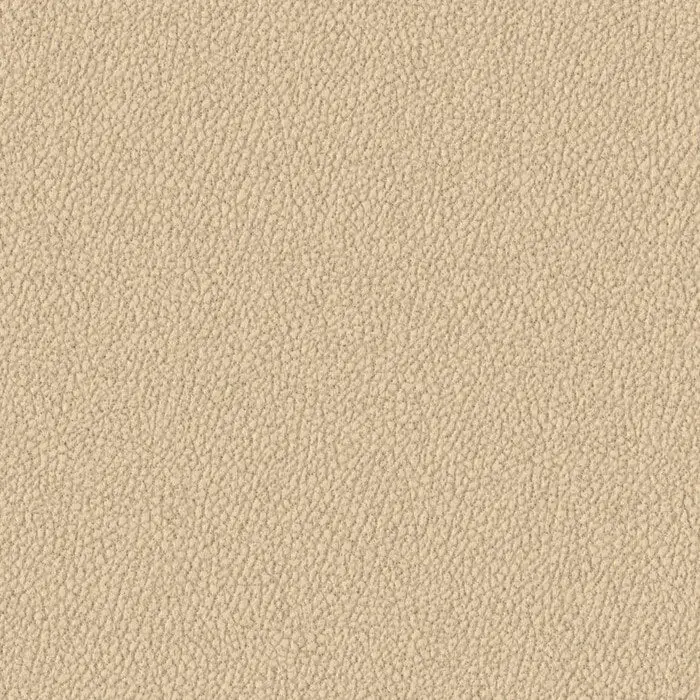
Luxury Velvet
Soft, plush hand-feel conveys premium positioning for high-end jewelry. Superior drape and light-absorbing properties enhance jewel appearance. Durable pile resists pilling; ideal for luxury brands seeking tactile luxury.
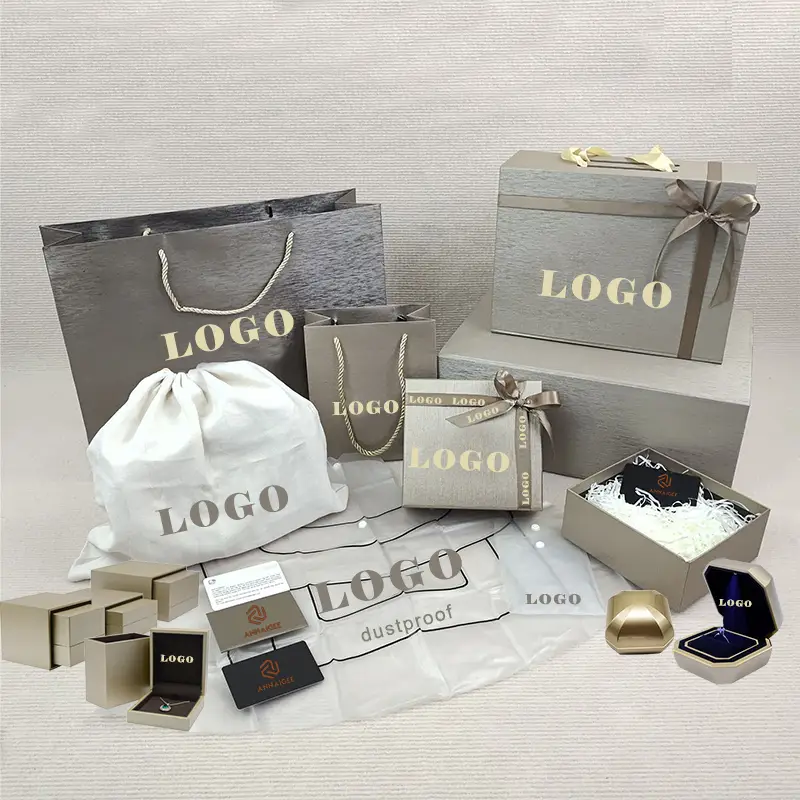
Premium Satin
Smooth, lustrous finish defines luxury perception and reflects light beautifully. High-gloss surface protects jewels during transit. Superior sheen and soft drape make satin ideal for fine jewelry and designer collections.

Microfiber
Soft synthetic alternative combines luxury feel with practical durability. Stain-resistant surface withstands handling; superior moisture and dust protection. Perfect for everyday luxury positioning without premium fabric costs.

Organic Cotton
Natural, breathable material signals eco-conscious brand values. Soft hand-feel builds customer trust. Durable weave withstands repeated use; hypoallergenic qualities appeal to sensitive-jewelry customers and sustainable-luxury brands.
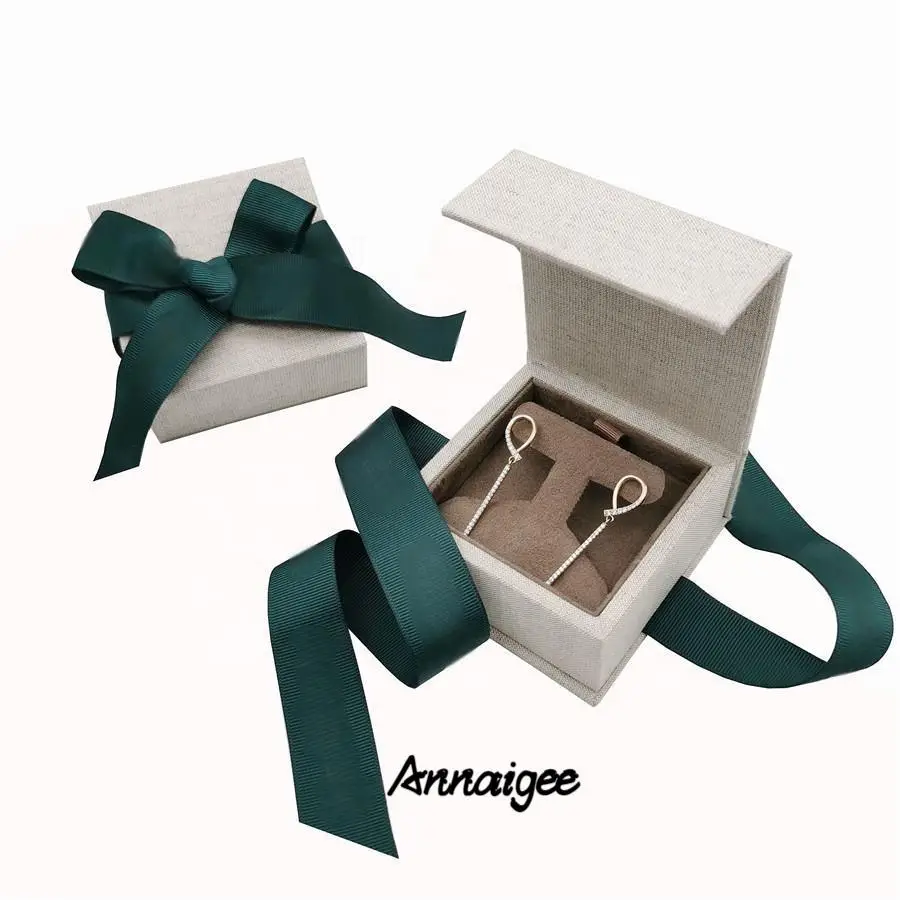
Premium Linen
Textured, natural weave conveys artisan craftsmanship and sustainability. Lightweight yet durable; fiber strength improves with washing. Ideal for bohemian, contemporary, and eco-conscious jewelry brands seeking distinctive tactile differentiation.

Recycled & FSC-Certified
Eco-certified materials demonstrate environmental commitment to conscious consumers. Recycled fibers reduce carbon footprint without compromising quality. Meets growing demand from sustainable-luxury brands and corporate buyers prioritizing ESG credentials.
Chinese Jewelry Pouch Finishing Techniques

Embroidery
Add monogrammed or decorative thread designs for luxury texture. Perfect for brand logos and personalization. Creates a premium, dimensional finish that elevates pouch sophistication and durability.

Screen Printing
Apply high-opacity colored ink designs directly onto fabric surfaces. Delivers crisp, vibrant branding with excellent opacity and durability. Ideal for bold logos, patterns, and detailed artwork.
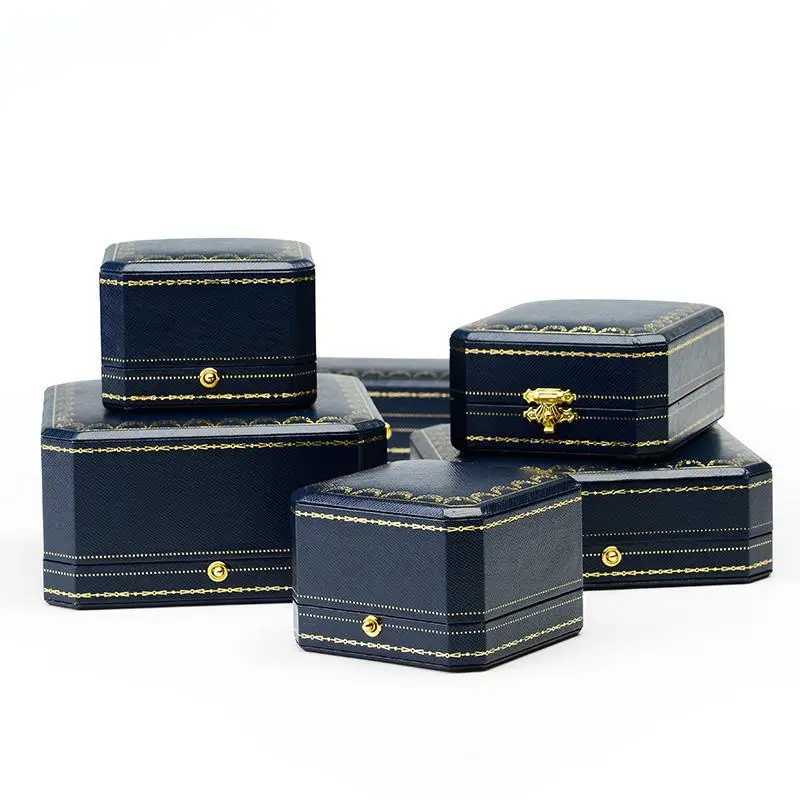
Sublimation Printing
Heat-transfer full-color, photorealistic designs into synthetic materials. Creates permanent, fade-resistant patterns without additional texture. Perfect for intricate artwork, gradients, and multi-color designs requiring museum-quality reproduction.
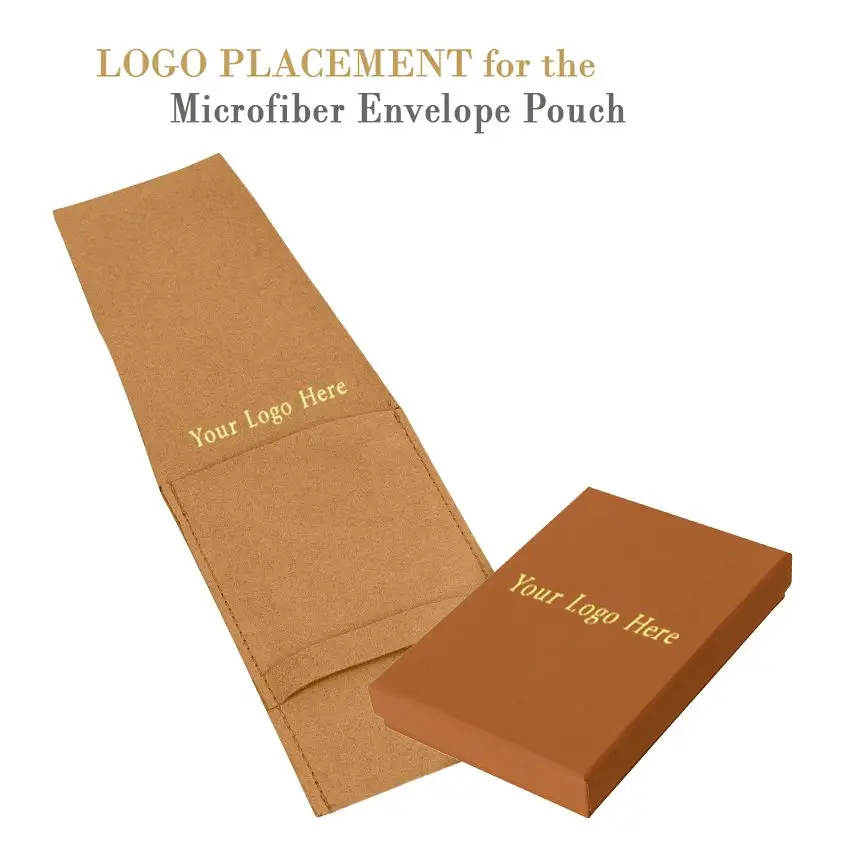
Metallic Stamping
Press foil or metallic accents in gold, silver, or copper onto pouches. Creates eye-catching, luxury branding with distinctive tactile appeal. Perfect for logos and embellishments commanding premium positioning.

Laser Engraving
Precision-etch logos and designs using laser technology. Creates permanent, high-contrast marks with no ink or adhesive needed. Ideal for sophisticated branding, serial numbers, and detailed artwork requiring professional permanence.
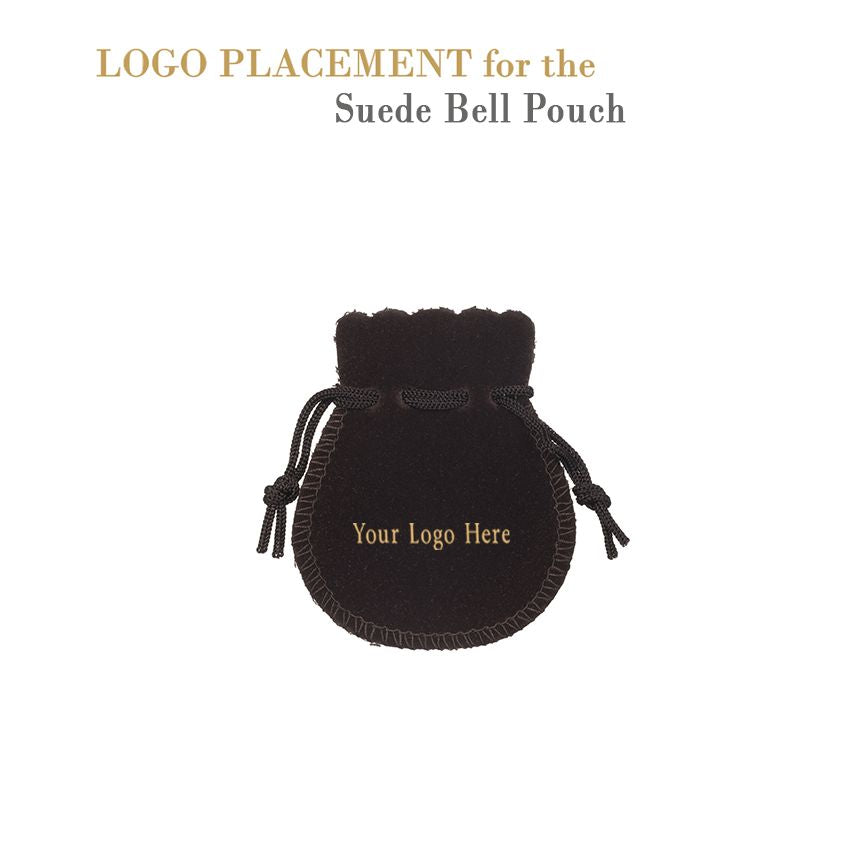
Silk Lining
Add premium silk interior linings for enhanced luxury feel and durability. Creates a soft, prestigious interior experience that protects jewelry. Elevates perceived value and brand perception with every unboxing.
Custom Hardware & Accessories for Your Chinese Jewelry Pouch

Premium YKK Zippers
Durable, smooth-operating zippers with premium branding options. Essential for pouch closures, available in multiple finishes and sizes to match your brand’s luxury positioning and functional requirements.
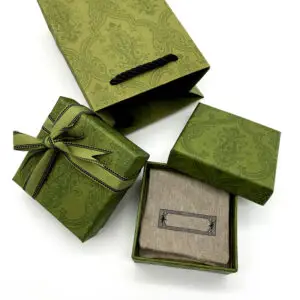
Drawcord & Tipping
High-quality cotton and polyester cords with protective tipping, perfect for drawstring pouches. Adds authentic closure detail while allowing brands to customize color and material for cohesive packaging identity.
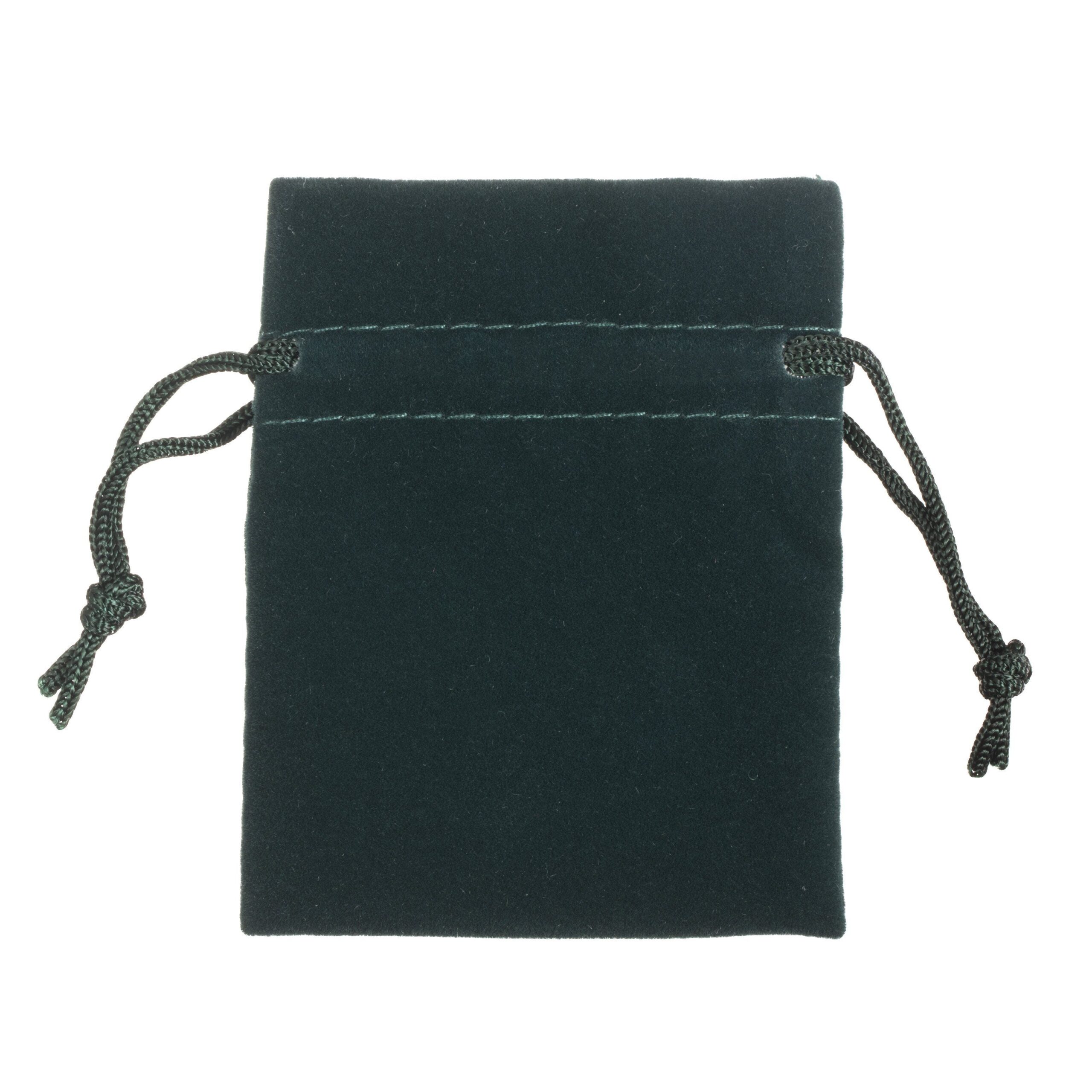
Woven Brand Labels
Custom-woven labels featuring your brand name or logo, sewn into pouch interiors. Creates permanent brand identity marker and professional detail that speaks to quality and attention to detail in every piece.


Magnetic Closures
Discreet magnetic snap systems for premium rigid boxes and magnetic-closure pouches. Offers refined functionality without visible hardware, perfect for luxury positioning and repeat-open durability.

Silk Ribbons & Trim
Premium silk ribbons in custom colors for tie-closure alternatives or decorative trim. Adds tactile luxury element and elevates unboxing experience, perfect for high-end jewelry brands targeting sophisticated markets.
17+ Years of Premium Chinese Jewelry Pouch Manufacturing
Founded in 2007 by Joyce Linkwin with a quality-first mission, On The Way has become a trusted manufacturer of premium Chinese jewelry pouches and luxury packaging. Driven by the philosophy that ‘Exquisite packaging, quality living,’ we’ve built a foundation where every pouch reflects our commitment to excellence and craftsmanship from our Dongguan factory.
Operating a 1,200 m² factory with 220+ skilled staff, we’ve completed 6,500+ custom projects and partnered with 300+ jewelry brands across 30+ countries. Our expertise spans custom jewelry pouches in velvet, satin, and eco-materials, alongside rigid boxes, displays, and luxury paper bags—all factory-direct with low MOQ and full design flexibility.
What makes our Chinese jewelry pouches stand out is our commitment to quality, sustainability, and partnership. Multi-stage QC teams inspect every piece, we use FSC-certified and recycled materials, and dedicated account managers guide you from sampling through mass production—ensuring on-time delivery and consistency that builds brand loyalty.
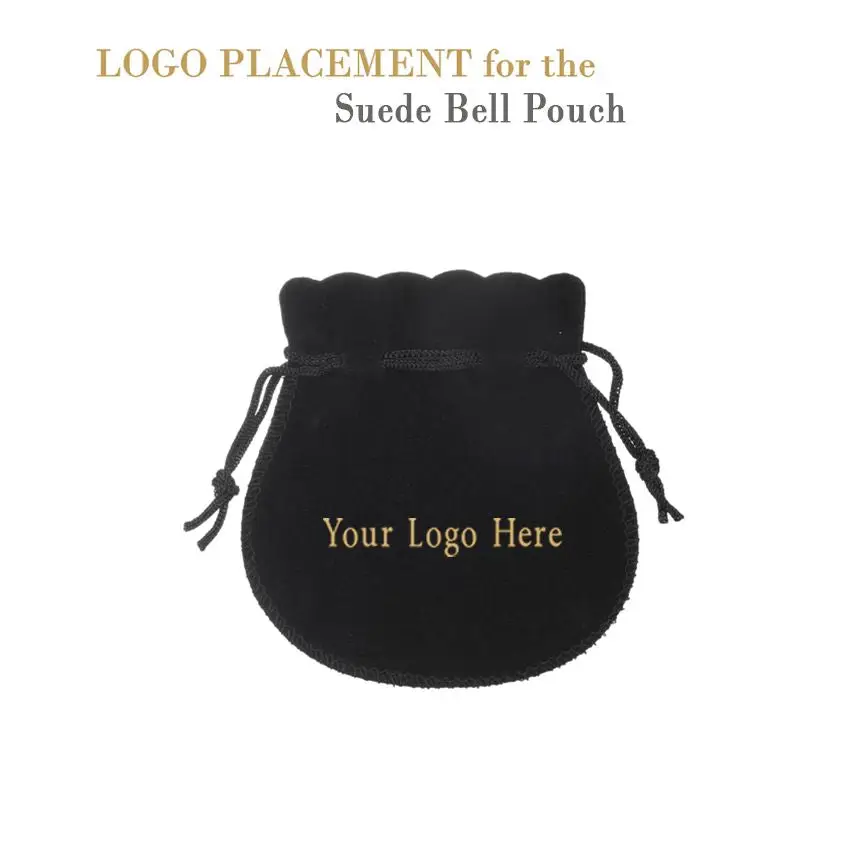
Our Core Manufacturing & Design Capabilities
Custom Chinese Jewelry Pouch Design & Fabrics
Design your perfect pouch with our extensive fabric library. We offer velvet, satin, microfiber, cotton, linen, and eco-materials, all customizable for your brand’s unique requirements. Our design team guides you from concept through production.
- Six premium fabric options (velvet, satin, microfiber, cotton, linen, eco-blends)
- Full custom sizing, embroidery, and logo placement
- In-house design consultation with dedicated account manager
- Rapid prototyping and sample approval within 7 days

Multi-Stage Quality Control for Chinese Jewelry Pouches
Every pouch undergoes rigorous inspection at multiple stages—from material receipt through final packing. Our QC team verifies fabric integrity, stitching precision, embroidery accuracy, and finish quality against strict standards. We ensure consistency across your entire production run.
- Four-point inspection: material, production, finishing, and pre-shipment
- Advanced stitching and embroidery QC with magnification
- Fabric durability and color-fastness testing
- 100% defect-rate tracking and corrective action logs

Eco-Friendly Chinese Jewelry Pouch Materials
Craft sustainable pouches with our FSC-certified and recycled material options. We source eco-friendly fabrics that meet global environmental standards without compromising quality or luxury appeal. Perfect for brands prioritizing sustainability and corporate responsibility.
- FSC-certified cotton and linen sourced from verified suppliers
- Recycled polyester and bio-based microfiber alternatives
- OEKO-TEX compliance and carbon-neutral production options
- Compostable and recyclable packaging materials
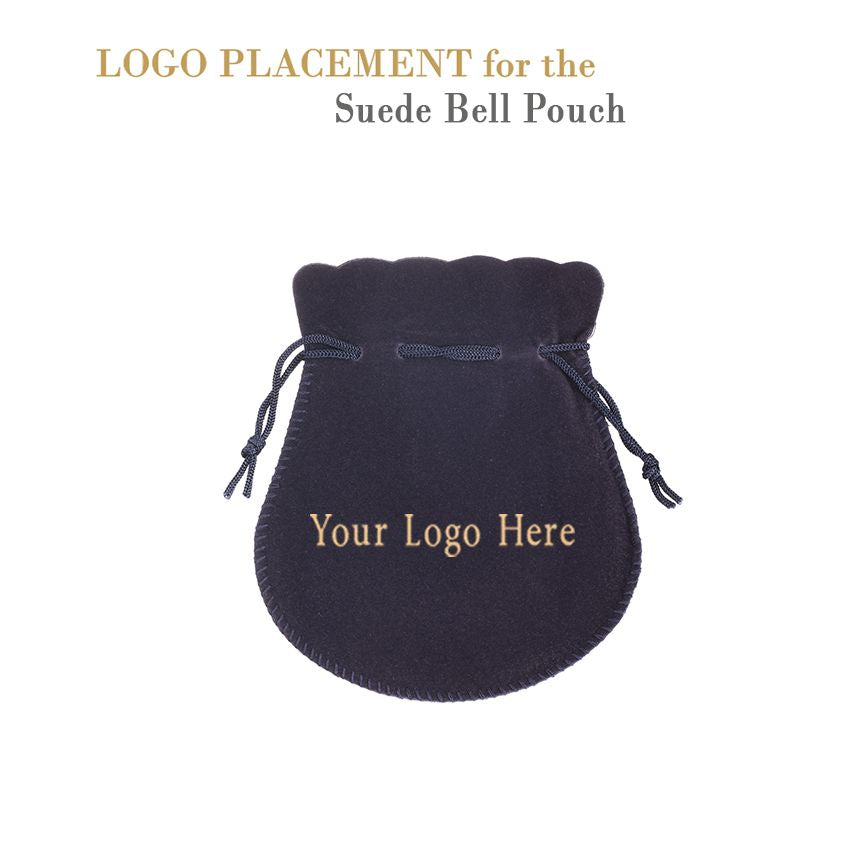
Private-Label & OEM Chinese Jewelry Pouch Solutions
Launch your branded pouch line with our white-label OEM program. We handle design, production, and quality control while you focus on sales and marketing. Flexible MOQs and dedicated account management scale with your business from startup to enterprise.
- Full white-label branding: custom logos, tags, packaging inserts
- Low MOQ support: start with 500 units per design
- End-to-end OEM service from sampling through mass production
- Dedicated account manager and on-time delivery guarantee
Chinese Jewelry Pouch Manufacturer Comparison
See why 300+ jewelry brands choose On The Way for low MOQ, fast samples, and certified quality.
← Swipe left or right to view →
Custom Chinese Jewelry Pouch Production Process — Design to Delivery
Every pouch passes through six production phases with transparent tracking, multi-stage quality control, and dedicated account management.
Design Review & Approval
Submit your tech pack and specifications. Our design team conducts detailed reviews, confirms dimensions, colors, and finishes. Receive approval within 48 hours.
Material Selection & Sampling
Source premium materials—velvet, satin, microfiber, FSC-certified, and eco-friendly options. Create physical samples matching your specifications. Test quality and durability standards.
Production & Finishing
Begin full production with cutting, printing, embossing, and finishing techniques. Monitor each step for consistency and quality alignment with your brand.
Quality Control Inspection
Multi-stage QC team inspects every batch—color accuracy, stitching, structural integrity. Detailed quality reports confirm standards before proceeding to packing.
Packing & Labeling
Add final touches—logo stickers, branded labels, and custom packaging. Organize orders per specifications and packaging requirements. Prepare for secure, on-time shipment.
Shipment & Delivery
Arrange logistics with shipping partners. Track every shipment. Deliver on schedule to your warehouse. Post-delivery support and order documentation provided.
How to Order Custom Chinese Jewelry Pouches in 5 Steps
Streamlined process from tech pack submission to on-time delivery, backed by dedicated account manager support.
Submit Your Design Specifications
Send us your technical specifications, material preferences, dimensions, and quantity requirements. Our account managers review your tech pack within 24 hours.
Receive Quote and Sample Options
Get factory-direct pricing and 2-3 sample variations within 7 days. We show multiple material and finish options so you can decide.
Approve Samples and Production Details
Confirm your preferred sample and finalize all bulk order details including MOQ flexibility, customization options, and production timelines. We handle technical adjustments.
Launch Production with Quality Control
Your order enters our production line with multi-stage QC checkpoints. Dedicated account manager provides progress updates at each manufacturing phase.
Receive On-Time Delivery
Your custom jewelry pouches ship on schedule with complete documentation and certification. We guarantee on-time delivery to your location across 30+ countries.
Quality & Compliance Certifications for Your Chinese Jewelry Pouch

Chinese Jewelry Pouch Success Stories
Our collection launch required 2,000 custom velvet pouches in 6 weeks. On The Way delivered not only on time but exceeded our expectations on quality. The embossing detail was flawless. We’ve since ordered for four more collections.
Starting a jewelry line with limited budget, the low 500-unit MOQ was a game-changer. Their design team understood my vision instantly and offered three iterations on the custom pouch design at no extra cost. My brand’s unboxing experience now stands out—sales increased 23% since launch.
We manage 15 store locations across Europe and Southeast Asia. On The Way’s consistency is unmatched—100% on-time delivery rate over three years and two major seasonal campaigns. Their dedicated account manager knows our requirements before we ask. That reliability is invaluable.
Chinese Jewelry Pouch Sourcing FAQs
Get direct answers on MOQ, samples, customization, payment terms, and global shipping from our manufacturing team.
What is the minimum order quantity (MOQ) for Chinese jewelry pouches?
How long does it take to get a sample of a custom Chinese jewelry pouch?
Can I customize the design of a Chinese jewelry pouch?
What payment terms and deposit do you require?
How do you protect my intellectual property and design?
What is the production lead time for bulk Chinese jewelry pouch orders?
Do you offer private label or white-label Chinese jewelry pouches?
What are your shipping options and lead times to my country?
What materials are available for custom jewelry pouches?
The Complete Buyer’s Guide to Chinese Jewelry Pouch
Discover how to source premium Chinese jewelry pouches with our complete guide—covering types, materials, customization options, quality markers, manufacturer selection, pricing strategies, and common pitfalls for global jewelry brands and boutique retailers.
1. What Are Chinese Jewelry Pouches?
Over 1.2 billion pouches ship annually from China’s jewelry packaging sector, with demand concentrated in North America, Europe, and Southeast Asia. A Chinese jewelry pouch typically refers to a small, protective fabric container—velvet, satin, microfiber, linen, or eco-material—designed to store, protect, or present jewelry items from manufacturers through retail consumers. These pouches range from simple drawstring bags to fully customizable branded versions with logo embroidery, hot foil stamping, or magnetic closures.nnJewelry brands treat pouches as the first physical touchpoint with customers; premium packaging drives perceived value, brand recall, and social-media unboxing moments. A single pouch costs $0.30–$2.50 at volume, but directly influences whether a $500 ring sale feels like a $5,000 experience. For independent designers and boutique retailers, the choice between mass-produced generic pouches and custom Chinese jewelry pouches determines whether packaging becomes a liability or a competitive asset.nnChinese jewelry pouch applications span gift wrapping at point-of-sale, secure travel storage, long-term retail display, and e-commerce fulfillment. Luxury brands use rigid silk pouches; contemporary lines opt for recycled cotton; fine jewelry houses pair custom embossing with microfiber interiors that protect gemstones and precious metals from tarnish.nnChina’s jewelry packaging ecosystem combines factory-direct pricing (40–60% lower than North American middlemen), low minimum order quantities (MOQs of 500–2,000 units vs. 10,000 elsewhere), rapid sampling (7–14 days), and material variety (OEKO-TEX certified, FSC recycled, linen blends). Established manufacturers operate multi-stage quality control, dedicated account managers, and transparent lead times—removing the perception that ‘made in China’ means corner-cutting.
2. Evolution of Chinese Jewelry Pouch Production
During the 2000s, Chinese jewelry pouch manufacturers transitioned from small craft workshops producing fewer than 500 pieces monthly to factory-scale operations serving international brands. This shift coincided with standardization of textile equipment and development of supply chains for premium materials like velvet, satin, and microfiber. Chinese pouch makers became the first to prove that high-volume production and affordable pricing could coexist with quality.nnBy the early 2010s, Chinese jewelry pouch suppliers pioneered low MOQ models that fundamentally changed sourcing. Traditional minimums of 5,000–10,000 units dropped to 500–1,000 pieces, enabling independent designers and boutique retailers to access custom packaging without massive capital outlay. Factory-direct pricing reduced per-unit costs by 30–50% versus Western distributors, making premium materials economically viable at smaller scales.nnCustom finishing techniques advanced rapidly through the 2010s—embroidery automation shifted from single-head machines to multi-needle arrays executing 1,200 stitches per minute, while digital printing for patterns and logos replaced screen-printing bottlenecks. Dyeing technology evolved to support 100+ Pantone matches with color consistency tolerances tightening to within 1 Delta-E unit, critical for brand-standardized pieces.nnQuality standards formalized through the 2020s as certification adoption accelerated: OEKO-TEX, GOTS, WRAP, and BSCI credentials moved from premium offerings to industry baseline. Modern manufacturers now operate multi-stage QC—fiber analysis, seam tensile testing, fastener verification—matching the rigor Western luxury brands historically demanded only from European suppliers.
3. Types of Chinese Jewelry Pouches
Chinese jewelry pouches fall into six primary form factors, each suited to specific applications, closure types, and price points. Size ranges typically span 3×4 inches to 6×9 inches, with materials varying from velvet and microfiber to eco-certified alternatives.
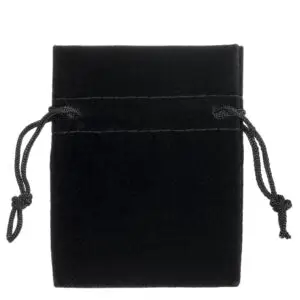
Drawstring Pouches
Drawstring pouches represent roughly 40% of Chinese orders, typically sized 4×6 to 6×9 inches.nnVelvet, cotton, and microfiber are standard; closures use cotton or silk cords.nnIdeal for gift packaging, travel storage, and retail at 500-unit MOQ.
Flat Pouches
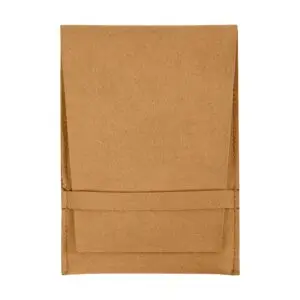
Flat coin pouches (3×4 to 5×7 inches) dominate earring and small pendant packaging.nnMicrofiber and satin enable cost-effective production and brand stamping.nnPerfect for retail counter displays with flap or magnetic closures.
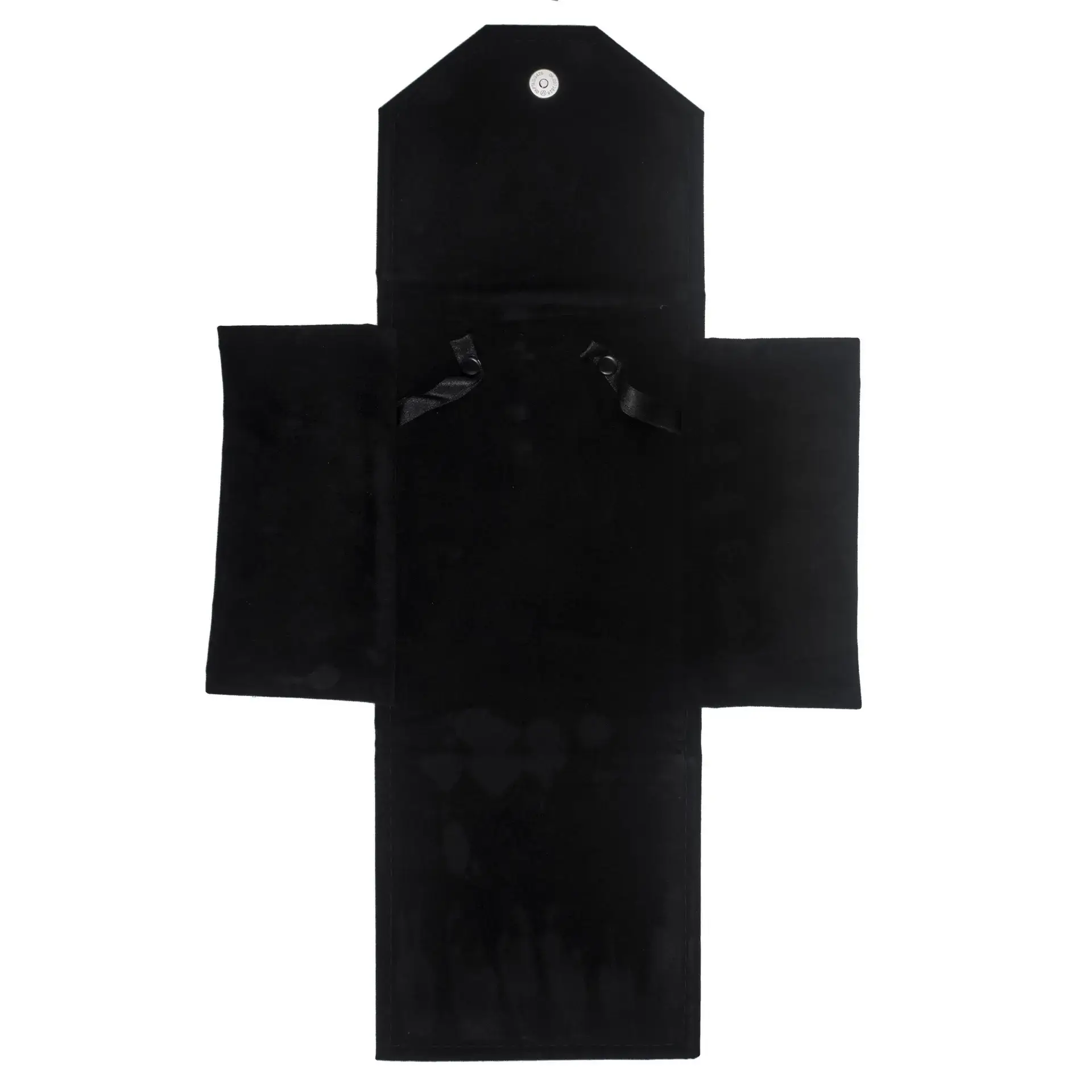
Envelope-Style Pouches
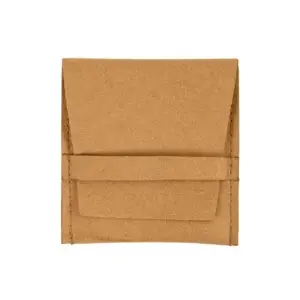
Envelope variants combine flat bases with triangular flaps (4×5 to 6×8 inches).nnVelvet and linen are preferred for premium brand positioning.nnMagnetic closures add perceived value; popular for e-commerce and mid-range retailers.
Zippered Pouches

Zippered designs (3×5 to 6×8 inches) feature YKK-grade closures rated 10,000+ open-close cycles.nnPolyester and microfiber dominate for durability and water resistance.nnTarget travel-conscious consumers and collectors; MOQ typically starts at 1,000 units.
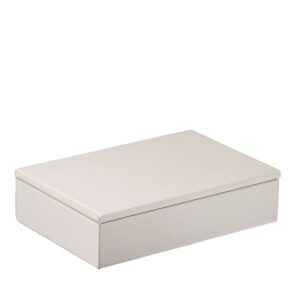
Specialty & Rigid Pouches
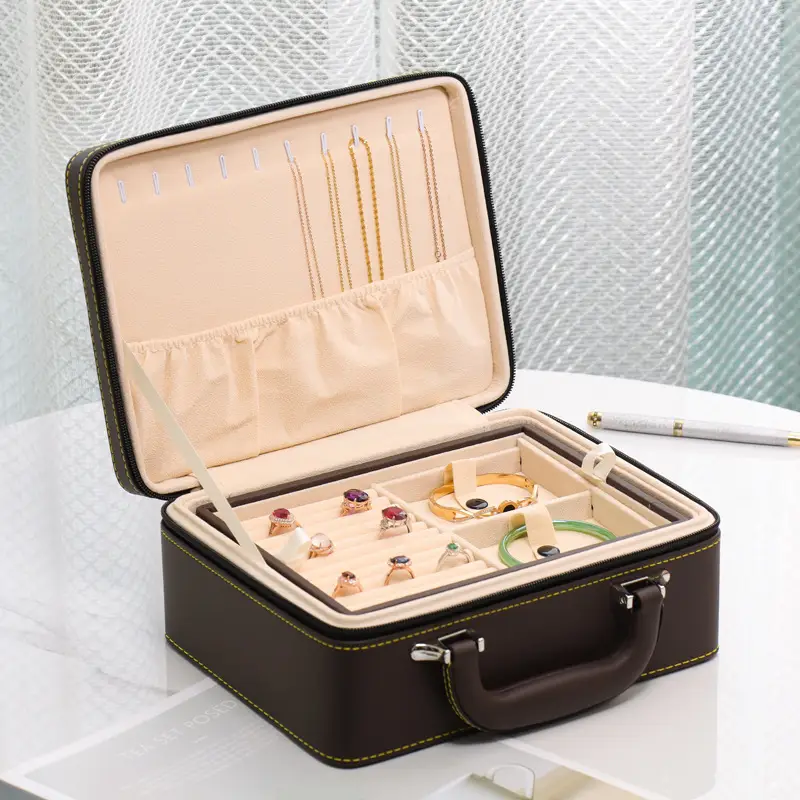
Pillow boxes, hinged watch cases, and custom-shaped designs represent 15–20% of orders.nnPremium materials (suede, kraft, composite) command higher per-unit costs; MOQ 2,000+.nnThese differentiate brands through form-factor innovation rather than closure mechanics alone.
4. Premium Materials Used in Chinese Jewelry Pouches
Material selection is the foundation of perceived luxury and functional durability in jewelry pouches. Natural fibers command premium pricing and brand perception, while synthetics offer cost efficiency without sacrificing quality. Weight—measured in grams per square meter (GSM)—directly correlates with protective capacity and tactile experience.
| Material | GSM Range | Texture Profile | Durability Tier | Cost Positioning | Brand Fit |
|---|---|---|---|---|---|
| Velvet (Polyester) | 200–320 | Soft & lustrous | High | Premium | Luxury jewelry |
| Cotton (Organic) | 150–200 | Natural weave | Medium-High | Premium | Eco-conscious brands |
| Linen | 120–180 | Textured/slubbed | Medium | Mid-premium | Artisanal heritage |
| Polyester Blend | 80–160 | Smooth | Medium | Budget-friendly | Volume retailers |
| Satin (Polyester) | 100–150 | Lustrous smooth | Medium | Mid-range | Mid-tier brands |
| Organza | 12–20 | Sheer/delicate | Low | Budget | Display/gift only |
Velvet & Premium Luxury Fabrics

Velvet ranges 200–320 GSM, dominating the luxury segment through tactile softness and lustrous finish. Polyester velvet (80% of market) offers prestige at lower cost; silk velvet commands 3x premium but requires vetting for crocking—color bleeding—that harms brand reputation.
Cotton, Linen & Sustainable Options
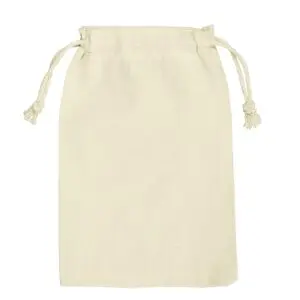
Organic cotton (150–200 GSM) and linen (120–180 GSM) appeal to eco-conscious brands via GOTS/FSC certifications. Both command 30–50% premiums over polyester. Linen’s natural creasing reads artisanal; cotton resists this but pills if lower grade.
Synthetic & Blended Materials
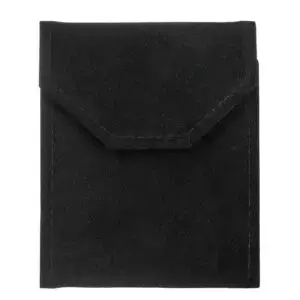
Polyester blends (80–160 GSM) balance affordability with perceived quality for the middle market. Organza (12–20 GSM) suits display-only pouches but lacks protection. Satin-finish polyester (100–150 GSM) mimics silk aesthetics at 30% of silk’s cost.
Material Weight & Performance Trade-offs
GSM directly signals positioning: below 120 reads budget; 150–250 reaches luxury perception. Natural fibers cost 2–4x polyester at volume but retain market premiums. Durability—seam strength, pilling, colorfastness—depends more on finishing and QC than fiber type.
5. Customization Options for Your Brand’s Jewelry Pouches
Decoration techniques transform basic pouches into branded assets. Screen printing, embroidery, heat transfer, foil stamping, woven labels, UV printing, and silk-screening each offer distinct cost-luxury-timing tradeoffs. Strategic Pantone color matching and logo placement maximize brand recognition.
Balancing Technique & Material
Screen printing and silk-screening suit high-volume runs (500+ MOQ) on canvas; cost 0.50–1.50 USD with 7–14 day lead. Embroidery on velvet (100–300 MOQ) conveys luxury at 8–15 USD per unit, 10–21 days.nnHeat transfer and UV printing (50–100 MOQ, 5–10 days, 1–4 USD) work on microfiber. Foil stamping delivers metallic finishes (500+ MOQ, 3–6 USD). Woven labels offer heritage branding at 1–3 USD. Each technique-material pairing affects cost, speed, and brand perception.
Pantone Matching & Logo Placement
Pantone Color Matching System (PMS) ensures color consistency across batches. Always communicate exact PMS codes to suppliers to prevent shade variance.nnLogo placement depends on pouch dimensions and material. Embroidered logos occupy 2–4 square inches; screen-printed graphics adapt to surface. Neck placement maximizes visibility; body placement integrates branding. Multiple logo positions increase setup costs but enhance premium perception.
MOQ & Lead Time Hierarchy
MOQ thresholds drive cost strategy. Screen printing, foil, and silk-screening require 500–1000 units. Embroidery starts at 100–300.nnHeat transfer and UV printing accept 50–100 (ideal for boutiques). Lead times range from 5–7 days (UV) to 21 days (embroidery). Rush surcharges add 20–40% to base cost. Negotiate sample fees (50–150 USD per design) upfront to lock pricing and validate color accuracy.
Luxury Positioning Strategy
Embroidery and foil stamping convey premium luxury—prioritize for high-end collections. Screen printing maximizes volume efficiency. UV printing enables on-demand personalization.nnWoven labels add heritage. Combine techniques for impact: embroidered logo plus woven label is luxury standard. Pair materials strategically: velvet + embroidery/foil; canvas + screen printing. Factor technique cost into margin; embroidery reduces per-unit margin but supports luxury pricing justification.
6. Quality Standards in Chinese Jewelry Pouch Manufacturing
Premium chinese jewelry pouches distinguish themselves through rigorous construction standards and materials testing. From seam type to hardware grade, each element directly affects durability and brand perception. Knowing these specific benchmarks helps buyers differentiate quality partners from budget suppliers.
Seam Construction & Durability
Flat-felled seams withstand 200+ pulls before failure, far exceeding simple chain-stitching (20-40 pulls). Budget pouches use open-seams that create loose threads and wear within months. Premium suppliers stitch at 2.0-2.5 mm density with polyester or nylon thread rated for jewelry abrasion.
Hardware Grade & Closure
YKK and Riri zippers outlast budget alternatives by 3x through 500+ open-close cycles. Metal hardware should be nickel-plated brass or stainless steel to prevent corrosion. Magnetic closures require minimum 2000 gauss strength; weaker magnets lose hold within 6-12 months.
Edge Finishing & Lining

Premium pouches feature overlock-finished edges that seal fraying. High-grade lining (40+ GSM microfiber or silk) resists snagging; budget linings use 20 GSM synthetics. Visual inspection reveals loose threads, puckering, or color bleed at seams in lower grades.
- Lining GSM: premium 40+, budget 20-25
- Overlock edges prevent fraying
- Microfiber protects jewelry from scratches
Testing Standards & Benchmarks
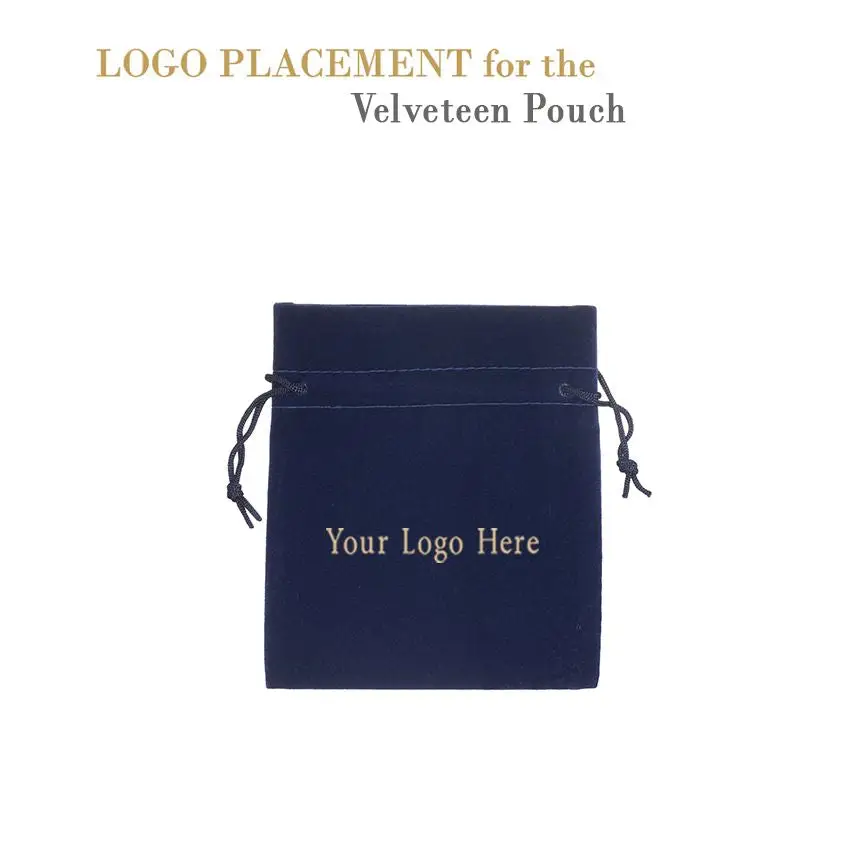
AATCC color fastness testing (minimum Grade 3) ensures dyes don’t transfer to jewelry. Shrinkage testing (ISO 6330) confirms fabrics hold dimension; premium pouches remain within 2% tolerance. Weight benchmarks: velvet 150-200g, microfiber 80-120g, linen 70-100g ensure proper structure.
Multi-Stage Quality Inspection
A 4-stage QC process—fabric audit, seam inspection, hardware testing, final packaging—identifies defects before shipment. Budget suppliers skip stages 2-3; premium partners document every batch. Premium pouches feel smooth; budget versions show visible thread pulls and rough edges.
- Fabric: GSM, weave density, color
- Seams: strength, overlock quality, no loose threads
- Hardware: open-close cycles, magnet strength, corrosion
7. How to Select a Chinese Jewelry Pouch Supplier
Selecting a reliable Chinese jewelry pouch supplier requires due diligence beyond price comparison. Evaluate certifications, production capacity, quality systems, communication responsiveness, and past client results. The right partner combines factory capability with transparent operations and on-time delivery reliability.
Verify Certifications & Compliance
ISO 9001, BSCI, and OEKO-TEX certifications signal quality commitment and ethical operations. Request documentation; don’t rely on claims alone.nnFSC-certified materials prove environmental responsibility. A supplier with 15+ years in business and third-party audits demonstrates established standards. Compliance isn’t negotiable for luxury brands.
Assess Sample Quality
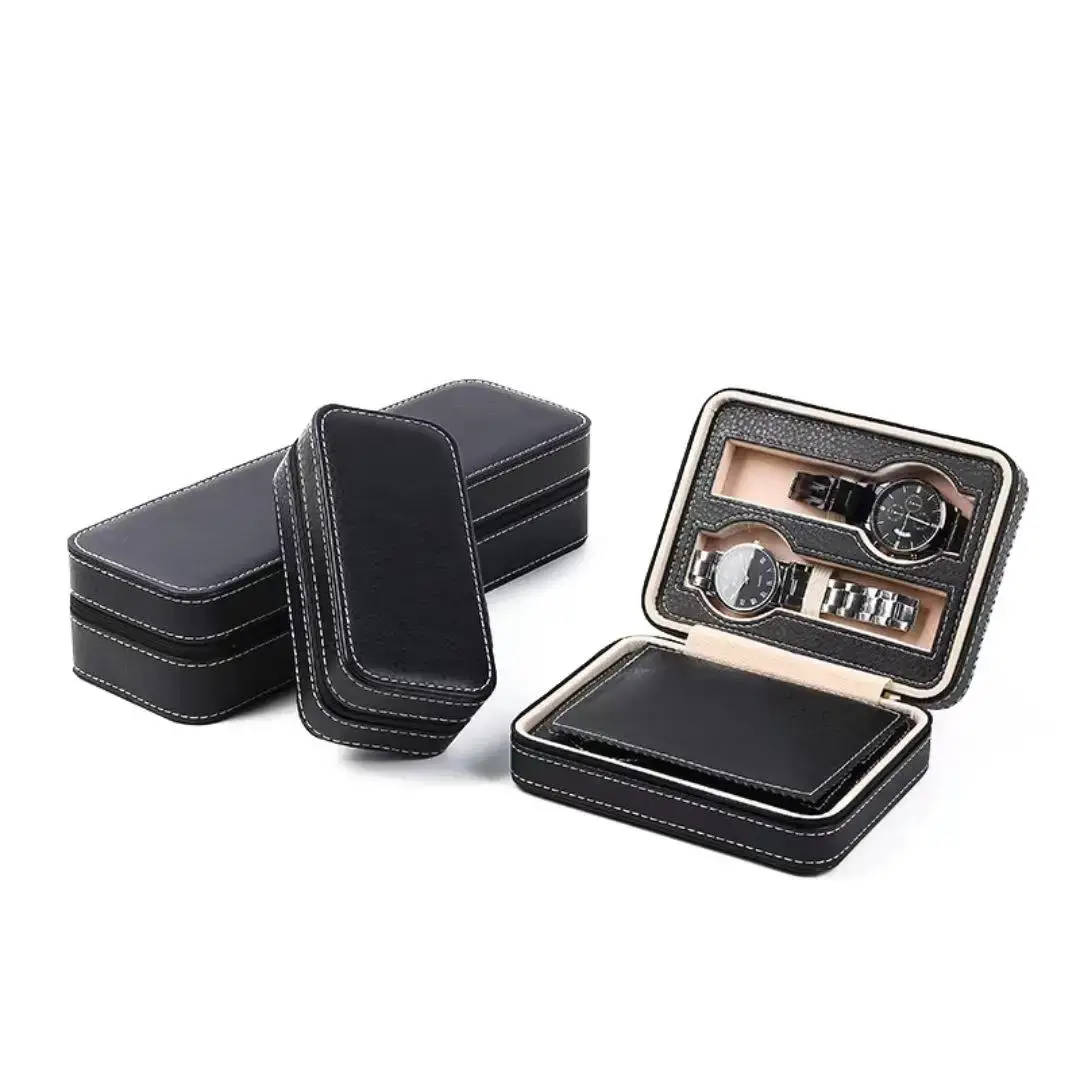
Request physical samples across your target materials—velvet, satin, microfiber—within 7 days if possible. Evaluate stitching consistency, seam strength, and dye stability.nnCheck magnetic closures, hardware durability, and finishing details. Poor samples predict poor production runs. Many suppliers offer complimentary first samples; this is standard practice.
Evaluate Production Capacity
Confirm factory size, staffing levels, and machinery capacity. A 1,200 m² facility with 220+ staff handles 500+ units monthly across multiple projects simultaneously.nnVerify machine specifications match your material requirements. Ask about concurrent projects and realistic lead times. Factories juggling 100+ simultaneous orders risk quality drops and delays.
Confirm Communication & Payment Terms
Dedicated account managers reduce friction and ensure priority handling. Verify response times—48 hours is industry standard for urgent queries.nnNegotiate payment terms: 50% deposit, 50% on completion is typical for custom orders. Bank transfers and letters of credit offer mutual protection. Clarify warranty coverage if defects emerge post-production.
Request References
Ask for 5–10 client references across different regions and order sizes. Contact them directly about on-time delivery, quality consistency, and responsiveness.nnA supplier handling 3,000+ projects carries risk; ask which 50–100 are most similar to yours. Check if clients re-order, indicating satisfaction. References bypass marketing claims.
8. Mistakes to Avoid When Sourcing Chinese Jewelry Pouches
Sourcing quality chinese jewelry pouches requires deliberate supplier selection and specification rigor. Common pitfalls—ignoring MOQ, skipping samples, vague design specs—cascade into delivery delays and brand damage.
Ignoring MOQ and Lead Times
Most Chinese manufacturers set MOQ at 500–2,000 units. Negotiating below typically triggers premium charges or deprioritization.nnLead times: 4–8 weeks for production, plus customs clearance. Sample orders typically ship in 7 days. Plan backwards from your launch date.
- Standard MOQ: 500–2,000 units
- Lead time: 4–8 weeks + clearance
- Samples: 7-day turnaround
Skipping Samples and Quality Inspection
Pre-production samples prevent costly mistakes in material, color, and construction. Inspect seam quality, fabric weight, Pantone accuracy, and logo placement before volume commitment.nnSample costs ($50–$200) are investment, not waste. Skipping this step invites expensive rework after delivery.
Underestimating Customization Complexity
Custom embroidery, magnetic closures, and metal hardware add 2–4 weeks and require tooling ($300–$800).nnCommunicate intent via technical drawings and material swatches, not mood boards. Vague specs breed revision cycles.
Material and Color Specification Errors
Specify materials by GSM (velvet 300–400, microfiber 250–350) and colors by Pantone number, not verbal descriptions.nnDye lots vary; order from a single batch for shade uniformity. Request color strike-offs before production approval.
- GSM and Pantone are non-negotiable
- Dye consistency requires batch control
- Swatches outperform verbal descriptions
Inadequate Supplier Vetting
Verify certifications (OEKO-TEX, FSC, BSCI) and request factory audit results and customer references.nnCheck production capacity and delivery track record via trade shows or third-party inspection. Low quotes without vetting signal corners cut on QC.
Misunderstanding Import and Customs
Textile duty rates vary by material blend and origin. Ensure suppliers provide HS codes, packing lists, and country-of-origin labels.nnBudget 10–15% for tariffs and clearance delays. Miscalculation here erodes your entire margin advantage from factory-direct sourcing.
9. Pricing & Cost Structure for Chinese Jewelry Pouches
Unit pricing for jewelry pouches varies dramatically by volume and customization—a 100-unit order incurs fixed setup costs spread across fewer units, resulting in significantly higher per-unit pricing than larger volumes. On The Way’s factory-direct manufacturing model eliminates intermediary markups, enabling competitive pricing even at low MOQs starting at 100 units.nnCost drivers include material selection (velvet and microfiber attract premiums; eco-materials like linen add 15–25% over basic cotton), decoration complexity (screen printing and heat transfer cost less at scale than embroidery or specialty finishes), hardware grade (YKK vs. generic zippers), and customization labor (bespoke die-cuts, logo placement, color matching). Project add-ons include setup fees ($80–$350), sample costs ($5–$15 per unit), and expedited lead-time surcharges (20–40% for 5–7 day production). Most suppliers also impose per-color charges ($15–$40) for print work and rush fees for orders requiring 10-day or faster turnaround.nnSamples typically arrive within 7–10 days at standard rates; expedited samples ship within 48–72 hours at higher per-unit charges. Total project timelines extend 3–5 weeks when including sampling, approvals, and production runs.
| Quantity Tier | Base Unit Price | Setup / Tooling | Standard Lead Time | Cost Factors |
|---|---|---|---|---|
| 100–500 units | $1.50–$2.80 | $80–$120 | 14–21 days | Small-batch production premium; primarily manual labor; higher per-unit overhead |
| 500–1,000 units | $0.95–$1.75 | $100–$150 | 12–18 days | Moderate-scale efficiency gains; partial line automation; reduced per-unit overhead |
| 1,000–5,000 units | $0.65–$1.25 | $150–$250 | 10–14 days | High-volume pricing; full automation; optimized production flow; material bulk discounts |
| 5,000+ units | $0.45–$0.85 | $200–$350 | 10–14 days | Maximum economy of scale; dedicated tooling and line optimization; supplier material rebates |
Get Your Custom Chinese Jewelry Pouch Now
Minimum order just 50 pieces. Samples in 7 days. Factory-direct pricing from Dongguan. 17+ years trusted by 300+ brands worldwide.