
Custom Plastic Jewelry Bags, Factory-Direct With Low MOQ
On The Way manufactures custom plastic jewelry bags and packaging in Dongguan — private label OEM, low MOQ, multi-stage QC, trusted by 300+ brands in 30+ countries.
Featured Plastic Jewelry Bags & Packaging — Quote on Request

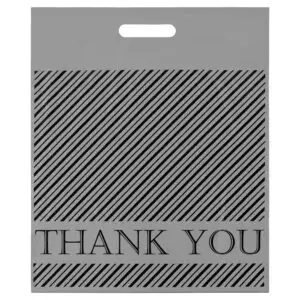

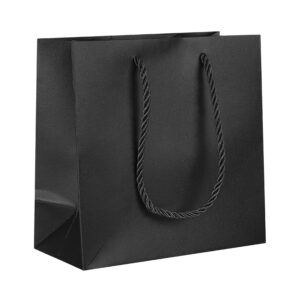

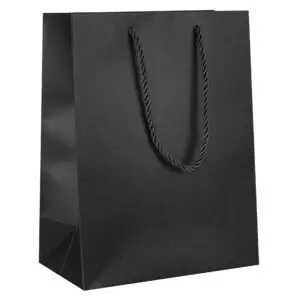
See Our Custom Pouch & Packaging Work Up Close


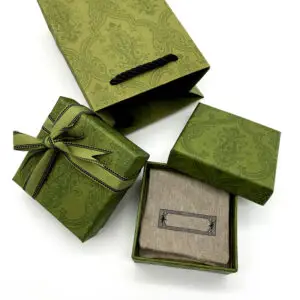


Why Brands Source Plastic Jewelry Bags From On The Way
From factory-direct pricing to multi-stage QC, here is what 300+ brands across 30+ countries count on when they order plastic jewelry bags from our Dongguan factory.
Factory-Direct Pricing
We own the production line, so your plastic jewelry bags come straight from our factory floor with no middleman markups.
Low MOQ, Full Customization
Order in quantities that fit your stage, from startup test runs to large-brand rollouts, with complete control over size, color, and finish.
Private Label / OEM Programs
White-label plastic jewelry bags printed with your logo and brand colors, produced under a dedicated OEM program built around your specifications.
Multi-Stage Quality Control
A professional QC team inspects every batch at multiple production stages, so each bag ships consistent, clean, and retail-ready.
Eco-Friendly Material Options
Choose recycled films and reusable constructions, backed by our FSC-certified paper lines, to keep your packaging aligned with sustainability goals.
17+ Years, 300+ Brands
Since 2007 we have completed 6,500+ custom projects, with dedicated account managers and on-time delivery to 30+ countries.
Plastic Jewelry Bags to Paper Bags: One Factory for Every Line
From frosted plastic jewelry bags to velvet pouches, wholesale jewelry boxes, display trays, and branded paper bags — brands at every stage consolidate their packaging with On The Way.
Scaling Jewelry Brands
Sourcing plastic jewelry bags from one vendor, boxes from another, and paper bags from a third creates inconsistent Pantone colors, mismatched logos, and three sets of lead times to manage.
One factory-direct partner produces your plastic jewelry bags, rigid boxes, and shopping bags under one QC standard, so every touchpoint matches and one account manager coordinates every shipment.
Independent Jewelry Designers
Most manufacturers demand volumes far beyond a small studio's budget, forcing designers into generic stock plastic jewelry bags that dilute a carefully built brand identity at the moment of unboxing.
Low MOQ and full custom flexibility let you order branded plastic jewelry bags and coordinated pouches in small runs, with sampling support that fits startup budgets and timelines.
Boutique & Luxury Retailers
Counter displays, watch cases, gift boxes, and protective plastic bags arrive from mixed suppliers with uneven finish quality, undermining the premium in-store experience customers expect from a luxury retailer.
Our multi-stage QC team inspects every tray, display, box, and bag before shipment, delivering a coordinated packaging system with the consistent, high-end finish your storefront demands.
E-Commerce Jewelry Sellers
Online orders need anti-tarnish protection and lightweight packaging that survives transit, but off-the-shelf plastic jewelry bags rarely balance product protection, branding, and shipping cost in one solution.
Custom frosted, zip-lock, and EVA plastic jewelry bags engineered for shipping protect each piece in transit, carry your logo, and pair with mailer-friendly boxes from the same production line.
Eco-Focused Packaging Buyers
Buyers under sustainability mandates struggle to verify supplier claims, needing recycled-content plastic jewelry bags and FSC-certified paper bags with documentation that actually holds up to audit.
We manufacture with recycled films, reusable designs, and FSC-certified paper across your full packaging line, backed by verifiable certifications and 17+ years of export documentation experience.
Plastic Jewelry Bags Materials: Frosted PVC, EVA, Recycled Films & More

Frosted PVC
A soft-touch, semi-translucent film with an upscale matte hand-feel that diffuses light beautifully. Ideal for boutique plastic jewelry bags and retail resealable pouches; typically supplied in 0.12–0.3 mm gauges for shape retention.
EVA Film
Supple, rubbery, and PVC-free with excellent cold-crack resistance, EVA drapes softly around delicate pieces. A popular pick for premium zip-lock jewelry bags, available in frosted or clear finishes from 0.15–0.4 mm thickness.

PE Zip Film
Lightweight, glass-clear polyethylene with a smooth, crinkle-soft feel — the workhorse of self-seal plastic jewelry bags for e-commerce and wholesale. Low-density grades around 0.05–0.1 mm keep unit costs down at high volumes.

Recycled rPET
Post-consumer recycled film with crisp clarity and a firm, structured hand, letting eco-conscious brands keep a polished look. GRS-traceable content supports sustainability claims; common gauges of 0.1–0.25 mm suit printed retail pouches.
Velvet Fabric
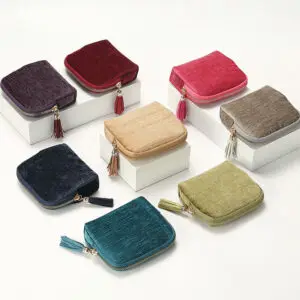
A plush, dense-pile textile with a signature luxury touch, often paired with plastic jewelry bags as an inner pouch or upgrade tier. Typical 180–260 gsm weights protect fine metals and stones from scratching.
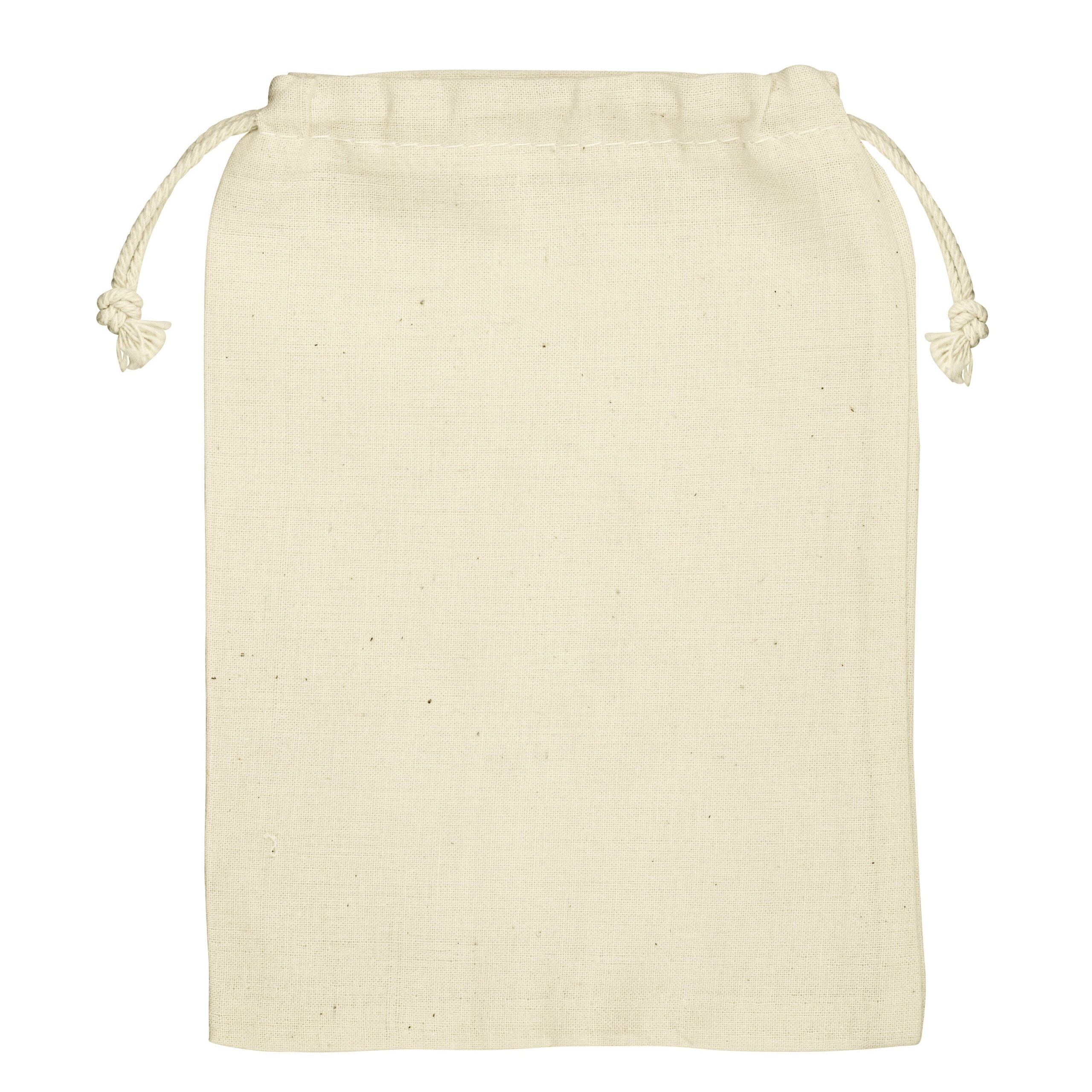
Satin & Eco-Cotton
Silky-smooth satin for glossy drawstring pouches, or FSC-aligned organic cotton and linen for natural, reusable branding. Satin runs 75–120 gsm for fluid drape; cotton canvas up to 280 gsm for structure and durability.
Printing & Finishing Processes for Custom Plastic Jewelry Bags

Silk-Screen Printing
Ink is pressed through a fine mesh stencil directly onto the bag surface, producing bold, opaque logos in precise Pantone colors. Delivers crisp one- to three-color branding with excellent scratch and rub resistance.

UV Printing
Digital inks are cured instantly under ultraviolet light, allowing full-color artwork, gradients and fine detail on frosted PVC and other films. The cured layer sits slightly raised, giving a durable, subtly tactile finish.
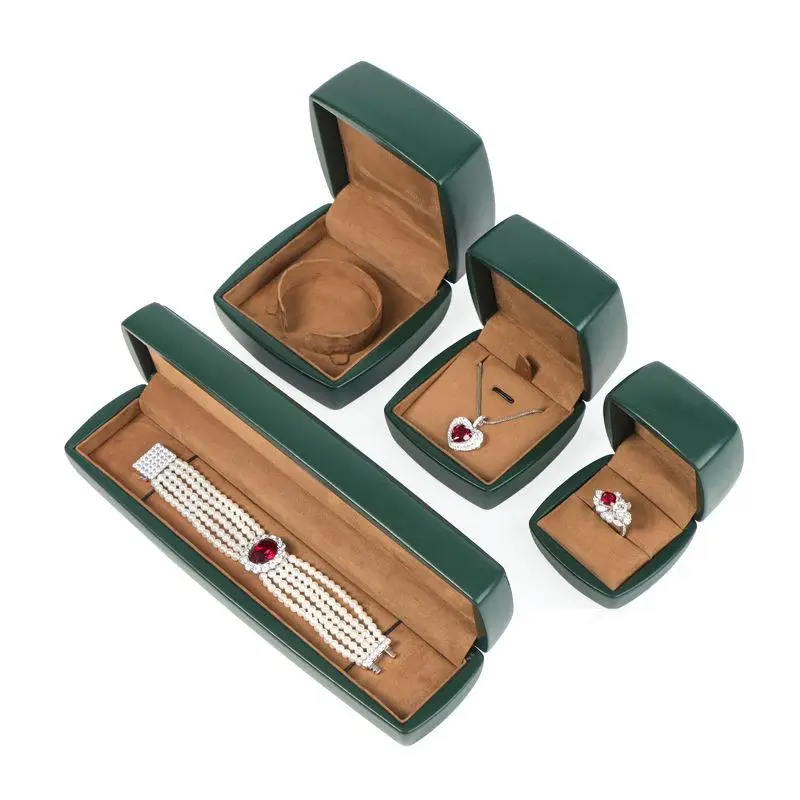
Hot Foil Stamping
A heated die presses metallic foil onto the bag, creating mirror-bright gold, silver or rose-gold logos. The result is a luxury, high-contrast mark that resists fading — ideal for premium plastic jewelry bags.
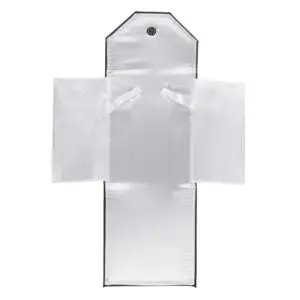
Embossing & Debossing
Custom dies raise or recess your logo into thicker films and laminated panels, adding a refined tactile dimension without ink. A quiet, sophisticated effect favored by boutique and luxury jewelry retailers worldwide.
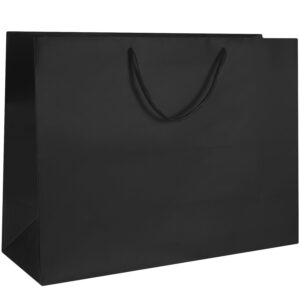
Matte & Frosted Finishing
Surface treatment softens gloss into an elegant frosted translucency or velvety matte feel that hides fingerprints and scuffs. Elevates plastic jewelry bags into private-label packaging that photographs beautifully at retail.
Plastic Jewelry Bags: Closures, Zippers & Branding Accessories
Resealable Zip Lock
A press-to-close seal that keeps chains, earrings and charms secure and tarnish-protected. The go-to closure for e-commerce plastic jewelry bags, letting customers reopen and reuse the bag after unboxing.

Slider Zippers
A smooth-glide slider tab that upgrades the standard zip lock with a premium, giftable feel. Ideal for frosted PVC and EVA pouches sold at boutique counters or included in luxury subscription boxes.
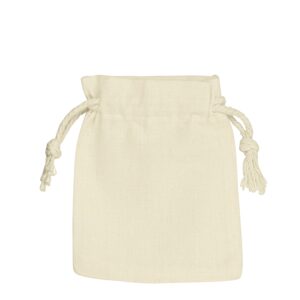
Drawcord & Tipping
Cotton, satin or waxed cords with metal or resin tips, matched to your brand palette. Perfect for frosted drawstring pouches that double as keepsake storage, encouraging reuse and repeat brand exposure.

Snap Buttons
Metal or coated snaps in gold, silver, gunmetal or custom finishes for flap-style pouches. A tactile, secure closure suited to travel jewelry bags and higher-end retail presentations that open and close daily.
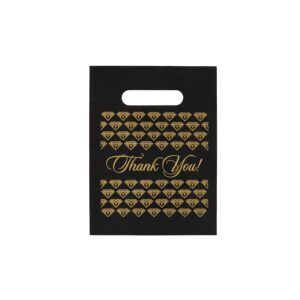
Euro Hang Holes
Reinforced hang holes punched to standard peg-hook dimensions, with optional header cards. Essential for plastic jewelry bags merchandised on retail display walls, spinner racks and point-of-sale fixtures worldwide.
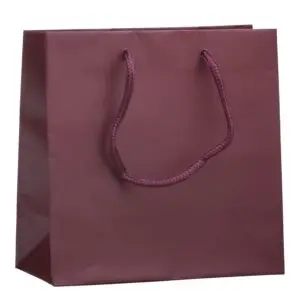
Woven Labels
Woven, printed or heat-transfer labels carrying your logo, care icons or QR codes. A low-cost private-label upgrade that turns plain poly bags into branded packaging your customers remember and photograph.
The Factory Behind Your Plastic Jewelry Bags
Founded in 2007 on the principle that quality defines survival, On The Way (Jewelry Box Supplier Ltd.) is a custom jewelry box manufacturer and jewelry pouches supplier producing high-end custom jewelry packaging — from plastic jewelry bags and velvet pouches to wholesale jewelry gift boxes, jewelry displays and trays, and custom paper bags for jewelry. Because we own the production line, brands get factory-direct pricing, low MOQs, and full private-label OEM flexibility.
Today our 1,200 m² Dongguan factory and team of 220+ specialists have completed 6,500+ custom projects for 3,000+ cooperative customers, serving 300+ brands across 30+ countries. Jewelry houses, independent designers, and boutique retailers across North America, Europe, and Southeast Asia rely on our multi-stage QC, FSC-certified and recycled eco-materials, and on-time delivery.
Founder and CEO Joyce Linkwin built the company on a simple belief: packaging is your brand’s first impression. That philosophy shapes every order — from sampling through mass production — backed by dedicated account managers who guide you at every step. Exquisite packaging, quality living. We are always on the way.

Core Capabilities Behind Our Plastic Jewelry Bags
In-House Production Line, Factory-Direct Pricing
Because On The Way owns its Dongguan production line, your plastic jewelry bags never pass through trading-company markups. You brief our team directly, we quote from real production costs, and every saving flows straight into your packaging budget.
- No middlemen — you buy from the factory floor
- 220+ staff across cutting, sealing, printing and finishing
- Transparent quotes based on actual material and labor costs
- Faster revisions because decisions happen in one building
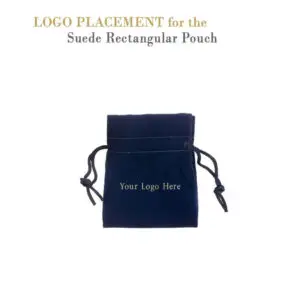
Multi-Stage QC on Every Bag
A dedicated quality-control team inspects plastic jewelry bags at incoming material, mid-production and pre-shipment stages. Seals, print registration, closures and film thickness are checked against your approved sample, so what arrives matches exactly what you signed off.
- Incoming inspection of PVC, EVA and recycled films
- In-line checks on seal strength and print alignment
- Pre-shipment audit against your approved golden sample
- 17+ years of QC discipline refined over 6,500+ projects
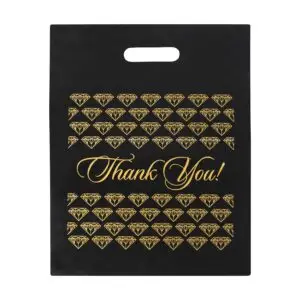
Low MOQ, Full Custom Flexibility
Startups and established houses get the same custom treatment. Order plastic jewelry bags in low minimums to test a launch, then scale to volume runs — with custom sizes, frosted or clear finishes, zipper or drawstring closures, and private-label branding throughout.
- Low minimums sized for independent designers and boutiques
- Custom dimensions, films, colors and closure styles
- Private label / OEM programs for white-label resale
- Eco options including recycled and reusable films
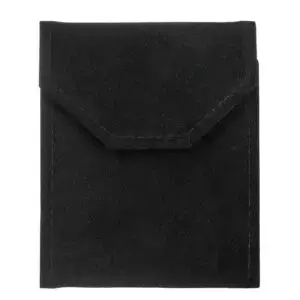
End-to-End Service, Sampling to Shipment
A dedicated account manager guides your project from first sketch to delivered cartons. We handle design feedback, physical sampling, mass production and logistics for brands in 30+ countries — one point of contact, clear timelines and on-time delivery you can plan around.
- Physical samples approved before any mass production
- One dedicated account manager for your entire order
- Proven on-time delivery across 300+ brands worldwide
- Support for repeat orders with stored specs and artwork

Plastic Jewelry Bags: On The Way vs. Typical Suppliers
Trading companies and generic suppliers resell someone else’s plastic jewelry bags. We own the production line in Dongguan — here is what that means for your brand.
← Swipe left or right to view →
How We Produce Plastic Jewelry Bags, From Material to Shipment
Every order of plastic jewelry bags moves through five controlled phases on our own production line — the factory-direct workflow behind 17+ years of on-time delivery to 300+ brands.
Material Sourcing & Approval
We source frosted PVC, EVA and recycled films from vetted suppliers, testing thickness, clarity and safety compliance before any plastic jewelry bags enter production.
Cutting & Custom Printing
Films are precision-cut to your approved dimensions, then printed with your logo and artwork using color-matched processes verified against your signed-off sample.
Bag Forming & Sealing
Our production team heat-seals seams, fits zippers or closures, and forms each bag on dedicated lines — the factory-direct step that keeps pricing and lead times under our control.
Multi-Stage QC Inspection
A dedicated QC team inspects seal strength, print accuracy and closure function at multiple checkpoints, so defective plastic jewelry bags never reach your shipment.
Packing & Worldwide Shipping
Approved orders are counted, protectively packed and dispatched to 30+ countries, with your dedicated account manager confirming tracking and on-time delivery.
How to Order Custom Plastic Jewelry Bags
From first inquiry to finished plastic jewelry bags, our end-to-end process keeps your project simple — guided by a dedicated account manager at every step.
Share Your Design or Tech Pack
Send your artwork, logo files, dimensions, and material preferences for plastic jewelry bags — or simply describe your idea and our design team will develop it with you.
Receive Your Factory-Direct Quote
Because we own the production line, quotes come straight from our Dongguan factory — transparent pricing, low MOQ options, and realistic lead times within 24 to 48 hours.
Approve Your Pre-Production Sample
We produce a physical sample of your custom bag for review. Refine material, print, and closure details until every element matches your brand standard.
Confirm and Start Bulk Production
Once you approve, mass production begins with multi-stage QC at every checkpoint. Your dedicated account manager keeps you updated from first run to final inspection.
Receive On-Time Global Delivery
After final quality checks, your order ships worldwide with full documentation. We coordinate logistics to 30+ countries so your packaging arrives ready for launch.
Certified Manufacturing Behind Every Order of Plastic Jewelry Bags


What 300+ Brands Say About Our Plastic Jewelry Bags
As a startup, most factories quoted 5,000-piece minimums. On The Way ran our frosted plastic jewelry bags at just 500 units, with our logo foil-stamped. Samples arrived in 9 days and the launch sold out.
We audited 12,000 zip-lock jewelry bags from their multi-stage QC line and found a defect rate under 0.3 percent. Print registration on our recycled-film pouches was flawless across the whole run. Best supplier switch we have made.
Our holiday drop needed 20,000 custom plastic jewelry bags plus matching paper bags on a tight window. Our account manager tracked every stage, and the full order landed 4 days early. Reorders now take one email.
Plastic Jewelry Bags FAQ: MOQ, Samples & Lead Times
Straight answers to the questions packaging buyers ask us most before ordering custom plastic jewelry bags from our Dongguan factory.
What is the minimum order quantity for custom plastic jewelry bags?
Do you provide samples of plastic jewelry bags before mass production, and what do they cost?
How long does production take for a bulk order of plastic jewelry bags?
What payment terms do you accept for custom packaging orders?
Can you ship to North America, Europe, and Southeast Asia?
Do you offer private label or OEM plastic jewelry bags, and is my design protected?
What plastic materials and finishes are available for jewelry bags?
How do you control quality on large packaging orders?
The Complete Buyer’s Guide to Plastic Jewelry Bags
A sourcing framework for jewelry brands and retailers: understand types, materials, and customization, learn how to vet suppliers, avoid costly mistakes, and scan real pricing tiers before you commit to an order.
1. What Are Plastic Jewelry Bags?
At 1.5 to 4 mil thick, plastic jewelry bags are small transparent pouches — typically low-density polyethylene (LDPE), polypropylene (PP), or PVC film — sized from roughly 2×2 inches for earrings and charms up to 6×9 inches for statement necklaces. They are the workhorse of jewelry packaging: the lowest-cost unit-level barrier between a finished piece and everything that can damage it.nnFour jobs define the category: shielding metal and stones from scratches, airborne sulfur compounds that cause tarnish, moisture, and dust; keeping the piece fully visible for picking, inventory counts, and merchandising; organizing SKUs in wholesale and fulfillment workflows; and, once printed with a logo, doubling as branded takeaway packaging. Anti-tarnish versions add VCI (volatile corrosion inhibitor) chemistry that measurably slows oxidation on sterling silver and brass.nnThree formats cover most buying scenarios: resealable zip-lock (grip-seal) pouches, self-seal bags with an adhesive lip for one-time closure, and drawstring plastic pouches for gift presentation. Independent designers use them at craft fairs and for studio storage; boutiques bag purchases at the counter; wholesalers and e-commerce sellers rely on them as protective unit packaging inside boxes and mailers.nnSince 2007, On The Way has completed 6,500+ custom packaging projects for brands across 30+ countries, and the first question buyers raise is fit: is a clear poly bag right for my product, or does it undercut a luxury positioning? This guide works through types, films, customization, quality checks, manufacturer selection, and pricing so you can answer that question with confidence.
- Zip-lock (grip-seal): resealable, best for storage, wholesale lots, and multi-wear customer use
- Self-seal adhesive: fastest to pack, suited to e-commerce fulfillment lines
- Drawstring plastic pouch: frosted or clear film with ribbon pull, gift-ready presentation
2. Evolution & History of Jewelry Packaging
For most of the 19th century, fine jewelry traveled in paper wraps, silk-lined cases, and drawstring cloth pouches — Tiffany’s blue box, introduced in the 1840s, made packaging itself a brand signature. These natural materials protected pieces from scratches but offered no barrier against moisture or airborne sulfur, the main drivers of silver tarnish.nnIn 1933, ICI chemists first synthesized low-density polyethylene (LDPE), and by the 1950s and 1960s resealable zip closures — commercialized through Minigrip and later Ziploc in 1968 — reached mass retail. Jewelers quickly adopted 2-mil clear PE zip bags for loose stones, chains, and findings because they were transparent, resealable hundreds of times, and cost fractions of a cent each.nnBy the 1980s and 1990s, anti-tarnish chemistry changed the category again. VCI (vapor corrosion inhibitor) films and anti-tarnish strip inserts let plastic jewelry bags actively slow sulfide reactions, while heavier 3-mil and 4-mil gauges became standard for sterling and gold pieces moving through wholesale and e-commerce channels.nnSince roughly 2018, sustainability regulation — from EU packaging directives to U.S. state plastic-bag laws — has reframed what buyers expect from this legacy of convenience. Sourcing teams now specify recyclable mono-material LDPE (#4), GRS-certified recycled content, biodegradable PLA or cornstarch-based films, and reusable zip designs that double as storage. On The Way, manufacturing custom jewelry packaging since 2007, reflects this shift by pairing conventional films with recycled and eco-material options across low-MOQ programs — proof that the industry’s history now points firmly toward circularity.
3. Types of Plastic Jewelry Bags
Six formats dominate custom orders for plastic jewelry bags, each balancing visibility, closure security, and cost. Matching the bag type to your product line and sales channel prevents both overspending and tarnish or scratch damage in transit.
| Type | Closure Security | Visibility | Best Fit |
|---|---|---|---|
| Zip-lock poly | High, resealable | Full clear | Rings, chains, e-commerce |
| Self-adhesive OPP | One-time seal | Full clear | Earring cards, mailers |
| Anti-tarnish | High, resealable | Clear | Silver, plated wholesale |
| Drawstring pouch | Moderate | Semi-opaque | Boutique bracelets |
| Frosted OPP | Moderate | Diffused | DTC necklaces |
| Header-card | Sealed | Full clear | Retail peg displays |
Zip-Lock Resealable Poly Bags
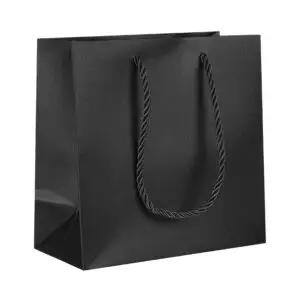
2–4 mil LDPE with an interlocking zipper track, sized from 2×2 in for rings up to 4×6 in for chains. Full clarity aids SKU checks; reclosable seals suit e-commerce, wholesale kitting, and studio storage.
Self-Adhesive Seal Bags

Crystal-clear OPP film with a peel-and-stick lip flap gives a one-time tamper-evident seal. Ideal for earring cards and pendants shipped flat; not resealable, so best for final retail or mailer inserts rather than storage.
Anti-Tarnish Bags
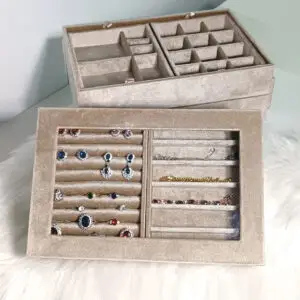
Poly film infused with vapor-corrosion inhibitors (VCI) protects sterling silver, brass, and plated pieces for 1–3 years sealed. Usually zip-lock construction; essential for silver chains and rings moving through slow wholesale channels.
Drawstring Plastic Pouches

Frosted PE or CPE pouches with ribbon or cord drawstrings mimic fabric pouches at lower cost. Semi-opaque for a gift feel; suited to boutique point-of-sale for bracelets and bangles, though closure security is moderate.
Frosted and Matte OPP Bags
40–60 micron matte-finish OPP diffuses light, hiding fingerprints while silhouetting the piece. Premium look for direct-to-consumer brands; pairs with a fold-over adhesive lip for necklaces and delicate earrings.
Hanging Header-Card Bags

Clear bag heat-sealed to a printed cardboard header with a euro-slot hang hole. Built for pegboard retail displays; full product visibility sells fashion earrings and charms in gift shops and chain stores.
4. Materials & Films Used in Plastic Jewelry Bags
Five film families dominate plastic jewelry bags, ranging from 1.5 mil economy poly to 8 mil archival grades. Matching resin, gauge, and coating to your product protects both metal finishes and margins.
| Material | Typical Gauge | Clarity | Best Use | Relative Cost |
|---|---|---|---|---|
| LDPE | 2–4 mil | Hazy clear | Zip-lock storage | $ |
| OPP | 25–40 µm | Crystal clear | Retail display | $ |
| PVC | 4–8 mil | Glossy clear | Heavy-duty pouches | $$ |
| EVA / PEVA | 3–6 mil | Frosted | Anti-scratch pouches | $$ |
| Recycled PE / PLA | 2–4 mil | Slight haze | Eco branding | $$–$$$ |
LDPE and HDPE Polyethylene
LDPE at 2–4 mil is the workhorse for zip-lock jewelry bags — soft, hazy-clear, and lowest cost per unit.nnHDPE runs stiffer and stronger at equal gauge but with a milky translucence, better suited to bulk transit than retail display.
PP and OPP Films

Polypropylene, especially biaxially oriented OPP at 25–40 microns, delivers glass-like clarity and higher tensile strength than PE.nnChoose crystal-clear OPP flap-seal bags when earring cards or branded inserts must read through the film.
PVC and EVA

PVC gives thick, glossy 4–8 mil pockets but can off-gas plasticizers that tarnish sterling silver over time.nnEVA and frosted PEVA are softer, chloride-free alternatives; verify REACH, Prop 65, and phthalate-free compliance on either resin.
Eco Alternatives: Recycled PE and Compostable Films

Recycled PE with 30–100% PCR content and GRS certification mirrors virgin LDPE performance at a 10–20% premium.nnCompostable PLA/PBAT films certified to EN 13432 suit eco-positioned brands but trade some shelf life and clarity.
Gauge, Anti-Tarnish Coatings, and Chemical Safety
Gauge is quoted in mils (1 mil = 25.4 microns): 1.5–2 mil suits lightweight retail, while 4 mil+ resists puncture from posts and clasps.nnAnti-tarnish bags embed copper-scavenging additives that protect silver for 1–3 years when sealed.
5. Customization & Branding Options
Turning a stock plastic jewelry bag into branded packaging comes down to five levers: print method, artwork placement, finish, sizing, and add-ons. On The Way handles each in-house, from free digital proofs through pre-production samples.
| Method | Relative Cost | Durability | Typical MOQ |
|---|---|---|---|
| Flexographic | Low per unit | Good | 10,000+ pcs |
| Gravure | High setup | Excellent | 50,000+ pcs |
| Screen | Moderate | Very good | 500–1,000 pcs |
| Digital | No plate fees | Fair–good | 100+ pcs |
Printing Methods and MOQ Impact

Four methods dominate. Flexographic suits 1–3 spot colors at 10,000+ units; gravure delivers photo-quality graphics above 50,000 units.nnScreen printing handles 500–1,000-piece orders with thick, opaque ink, while digital prints full CMYK from roughly 100 units with zero plate fees.
Logo and Artwork Placement
Printable area typically covers 60–70% of one face; keep artwork 10 mm clear of heat seals and zipper tracks, where ink distorts.nnOne-side printing is cheapest; adding a second side raises cost roughly 30–40%. Supply vector files (AI or PDF).
Color Matching and Finishes
Pantone-matched spot colors hold within Delta-E 2–3 on flexo and gravure; digital approximates PMS via CMYK.nnFinish options include gloss, matte, and frosted film. Frosted 40–60 micron PE softens logo contrast, so always approve a physical sample first.
Custom Sizing and Closure Types
Custom sizes run from 2×3 in for earrings to 6×9 in for boxed sets, in 60–100 micron gauges.nnClosures include zip-lock, self-adhesive lip-and-tape, drawstring, and permanent heat seal — choose by resale versus one-time gifting use.
Add-Ons That Elevate Perceived Value
Small extras convert a poly bag into retail-ready packaging at pennies per unit.
- Printed header cards stapled or heat-sealed above the closure
- Euro or round hang holes for peg-wall display
- QR codes linking to care guides or authenticity pages
- Bottom gussets for bangles and layered sets
6. Key Construction & Quality Elements
Six construction signals separate reliable plastic jewelry bags from stock that leaks, splits, or scratches product. Request written specs and a pre-production sample, then inspect each element below before approving mass production.
Seal and Seam Strength
Weak side seals are the leading cause of product loss in transit. Ask for seal strength tested to ASTM F88 — roughly 2 kg per 15 mm is a workable minimum — plus a burst or filled-bag drop test report before mass production.
Film Gauge Consistency

Gauge variation above ±10% creates thin spots that puncture under a ring shank or post. Verify micrometer readings at five points per bag; 2 mil (50 micron) is the practical floor for jewelry-weight items.
Zip-Track Reliability

A well-formed zipper closes with an audible click and survives 100+ open-close cycles without splitting. Reject tracks that misalign, gap at the ends, or need fingernail pressure to seat fully.
Clarity and Print Registration
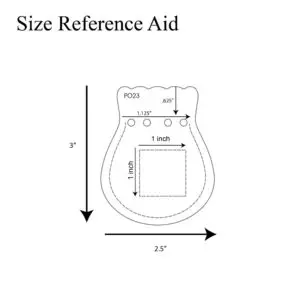
Haze below 5% keeps gemstones and hallmarks visible through the film. On printed bags, check registration within ±0.5 mm and Pantone matching under D65 lighting — smudged or drifting logos signal loose press controls.
Tear Resistance
Earring posts and clasp edges initiate tears in cheap film. LDPE stretches before it rips; specify Elmendorf tear values on the material datasheet and request a filled-bag drop test from 90 cm.
Material Safety Compliance
For US and EU sale, require REACH, RoHS, and California Prop 65 documentation confirming the film is free of restricted phthalates and heavy metals. Anti-tarnish bags also need non-corrosive certification for direct silver contact.
- Request third-party lab reports, not supplier self-declarations
- Confirm food-grade or virgin-resin claims in writing
- Ask for recycled-content certificates if marketing eco claims
7. How to Choose a Manufacturer
Six criteria decide which supplier delivers plastic jewelry bags on spec and on time: MOQ flexibility, certified materials, print range, lead times, QC, and support. Score every quote against all six.
MOQ Flexibility and OEM Capability
Traders often quote 5,000–10,000-piece minimums; factory-direct OEM makers accept 500–1,000. On The Way runs low-MOQ private-label programs from its own factory, letting independent designers test branded runs.nnRed flag: one flat unit price at every quantity — a classic reseller markup. Green flag: tiered pricing at 500, 1,000, and 5,000 units.
Material Sourcing and Certifications
Ask for REACH and RoHS test reports on films, plus phthalate-free documentation for EVA and PVC. FSC-certified paper components and GRS-verified recycled PE signal genuine eco-sourcing.nnRefusal to share test certificates within 48 hours is a walk-away signal.
Printing and Customization Range

Confirm the supplier prints 1–8 colors flexographically, matches Pantone, and foil-stamps in-house. Outsourced decoration adds 7–10 days and a coordination failure point.nnRequest printed production samples from past jewelry clients, not stock catalog photos.
Lead Times and Reliability
Standard custom runs ship 12–25 days after sample approval; sub-10-day promises usually mean stock bags with a logo. Ask for the supplier’s on-time delivery rate over the past 12 months.nnOn The Way commits ship dates in writing, tracked by a dedicated account manager.
Sampling and QC Process
A pre-production sample should cost USD 30–80, arrive in 5–7 days, and be credited against the bulk order. Insist on multi-stage QC: incoming film checks, in-line print inspection, AQL 2.5 final audit.nnOn The Way’s QC team signs off at each gate before shipment.
Communication and After-Sales Support
Sub-12-hour quote responses predict responsiveness when production problems hit. A dedicated account manager, not a rotating sales inbox, is the strongest green flag.nnConfirm a written defect-claim policy — replacement or credit within 30 days.
8. Common Mistakes Buyers Make
Six sourcing errors account for most of the complaints QC teams field on plastic jewelry bags. Each one is avoidable at the quote stage — here is the consequence and the fix for every pitfall.
Choosing Film Too Thin
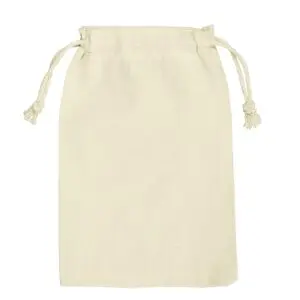
1.5 mil poly film punctures under earring posts and lets sulfur gases tarnish sterling silver.nnSpecify 2–4 mil for most pieces, and add an anti-tarnish additive or zip-top barrier film for silver-heavy lines.
Ignoring Size Fit
Oversized bags let chains slide and knot; undersized bags stress seams and scratch stones.nnMeasure your largest SKU, add 0.5–1 inch clearance on each side, and standardize on 2–3 sizes across the catalog.
Skipping Pre-Production Samples
A skipped sample stage is how misregistered logos reach 10,000-unit runs.nnApprove a physical pre-production sample — print, thickness, and closure — before mass production; capable factories turn samples around in 5–7 days.
Underestimating Lead Times and Reorder Cycles
Custom-printed runs typically need 15–25 production days plus 30–40 days of ocean freight.nnLate reorders cause pre-holiday stockouts, so trigger replenishment at 40–50% remaining inventory and keep approved artwork files on record for faster repeats.
Overlooking Sustainability and Compliance
The EU and several U.S. states now regulate single-use plastics and heavy-metal content in packaging, and non-compliant shipments get rejected at the buyer’s cost.nnRequest REACH, RoHS, or GRS recycled-content documentation upfront, and consider recyclable LDPE or bio-based films.
Picking Price Over Seal Quality
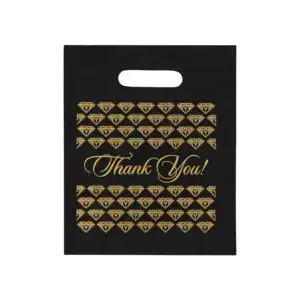
A $0.01-per-bag saving means little when weak zip tracks or skipped heat seals spill product in transit.nnPull-test seal strength on samples, ask for the factory’s multi-stage QC checklist, and compare cost per protected unit — not per bag.
9. Steps to Launch Your Branded Bags
Six decisions separate a first inquiry from finished plastic jewelry bags on your shelf. Most projects move from spec sheet to delivered goods in 4–6 weeks when each step is approved in sequence.
Define Product Specs and Quantities
Start with dimensions, gauge, and volume. A 3×4 in bag at 2 mil suits earrings; necklaces need 4×6 in or larger at 3–4 mil.nnProvide product weights and annual usage so quotes cover realistic reorder tiers, typically 1,000–10,000 units.
Select Material and Bag Type

Choose zip-lock LDPE for utility, frosted EVA or CPE for retail shelf appeal, and anti-tarnish film for sterling silver.nnConfirm REACH-compliant resin if selling into the EU, and specify recycled or biodegradable content upfront — it changes both price and lead time.
Develop Artwork and Branding
Supply vector artwork (AI, EPS, or PDF) with Pantone color callouts; screen printing handles 1–3 colors economically.nnDecide logo placement, print size, and whether you need hang holes or tamper-evident seals before requesting quotes.
Request and Approve Samples
Expect pre-production samples in 5–7 days. Check print registration, zipper seal strength, and film clarity against your approved digital proof.nnOn The Way runs sampling through dedicated account managers, so revisions typically close within one or two rounds.
Finalize MOQ and Pricing
Custom-printed runs from factory-direct makers like On The Way start as low as 500–1,000 pieces; plain stock bags far lower.nnLock unit price, plate fees (often $50–150 per color), payment terms — typically 30% deposit, 70% before shipment — and reorder pricing in writing.
Place the Order, Plan QC and Shipping
Production runs 15–25 days after sample approval. Require multi-stage QC — incoming film checks, in-line print inspection, final AQL audit — plus photos before release.nnBook sea freight 30–40 days ahead of your launch date; use air for urgent top-ups.
10. Pricing & Cost Breakdown
Four variables drive 80-90% of plastic jewelry bag cost: film gauge (moving from 2 mil to 4 mil roughly doubles material spend), print method (flexographic plates run $50-150 per color; digital skips plate fees but costs more per unit), order volume, and add-ons like hang holes, foil accents, or anti-tarnish treatment. A 1-color flexo print on a 3×4 inch, 2 mil zip-lock bag is the baseline most buyers price against.nnSince 2007, On The Way has quoted factory-direct tiers with low MOQs starting around 500 pieces, letting brands bypass the 30-50% distributor markup common in resold packaging. The figures below are indicative 2026 ranges for custom-printed poly zip bags — request a firm quote with your artwork, film spec, and destination port.nnBudget an additional 15-20% for freight and duties, and remember plate charges are one-time: repeat orders skip setup entirely, which lowers effective unit cost on reorders by 10-25% at small volumes.
| Quantity Tier | Unit Price (USD) | Setup / Plate Cost | Lead Time |
|---|---|---|---|
| 500-1,000 pcs | $0.18-0.35 | $50-150 per color | 10-12 days |
| 1,000-5,000 pcs | $0.10-0.18 | $50-150 per color | 12-15 days |
| 5,000-10,000 pcs | $0.06-0.10 | Often waived | 15-18 days |
| 10,000-25,000 pcs | $0.04-0.07 | Waived | 18-22 days |
| 25,000+ pcs | $0.02-0.05 | Waived | 20-25 days |
Get a Factory-Direct Quote on Custom Plastic Jewelry Bags
Send your design for low-MOQ sampling and factory-direct pricing from our 17-year Dongguan factory. We are always on the way.