
Custom Leather Jewelry Trays — Factory Direct, Low MOQ
Premium leather jewelry trays from a factory-direct manufacturer serving 300+ brands for 17+ years. Fast sampling, custom flexibility, low minimums.
Featured Leather Jewelry Trays Available to Quote

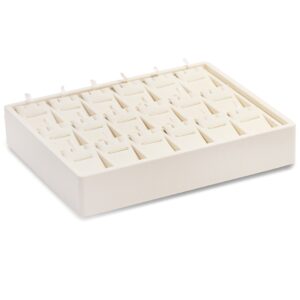
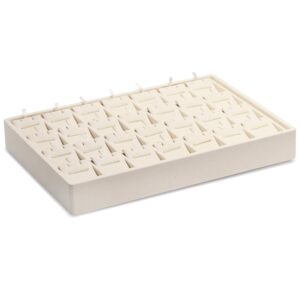
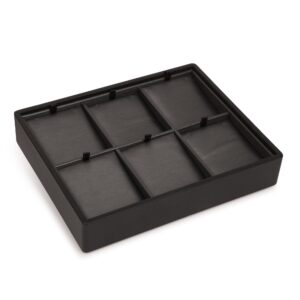
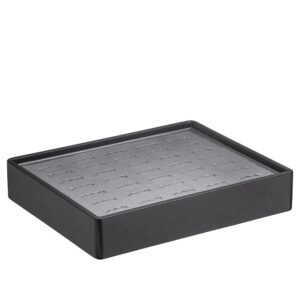
Leather Jewelry Tray Gallery





Why Our Leather Jewelry Trays Stand Out
Discover what makes our leather jewelry trays the choice of premium brands worldwide.
Low MOQ, Maximum Flexibility
Start with just 50 units for your custom leather jewelry tray. Perfect for independent designers and boutique retailers launching new collections.
Samples in 7-10 Days
Receive finished samples of your leather jewelry tray design in 7-10 days. Rapid iteration for tight product launch timelines.
Multi-Stage QC on Every Tray
Every leather jewelry tray passes through four quality inspection stages before shipment. Professional QC ensures consistent excellence every time.
Factory-Direct Pricing, No Middlemen
We manufacture your trays directly in-house. No middlemen markup means better leather jewelry tray pricing for your bottom line.
FSC-Certified, Eco-Friendly Materials
All leather jewelry tray materials are FSC-certified or recycled. Sustainable choices that align with premium brand values.
Dedicated Account Manager Support
Assigned account manager guides your leather jewelry tray project from sampling through production and delivery on schedule.
Leather Jewelry Tray Solutions for Every Brand
Whether you’re an emerging designer, established luxury brand, multi-category retailer, or e-commerce business, we have custom leather jewelry tray solutions designed for your specific needs.
Emerging Luxury Designer Brands
Independent jewelry designers need premium, customized leather jewelry trays but face prohibitive MOQ minimums and tooling costs. Competitors often force a choice between affordable production or true customization.
Low MOQ and factory-direct pricing mean emerging brands can order custom leather jewelry trays in smaller quantities, protecting cash flow and brand positioning without compromise.
Established Boutique Collections
Premium brands and boutiques must differentiate through exceptional unboxing experiences. Customers expect packaging that matches luxury positioning, but off-the-shelf options feel generic and undermine brand prestige.
Exclusive custom leather jewelry trays with premium materials, bespoke decorations, and branded finishes create memorable moments that justify luxury pricing and build lasting customer loyalty.
Multi-Category Retail Collections
Jewelry retailers handle diverse product types—rings, watches, earrings, bracelets, pendants. Sourcing specialized leather jewelry trays from multiple vendors creates complexity, inconsistent quality, and higher overall costs.
Our complete range of leather jewelry trays—magnetic-closure boxes, velvet-lined displays, watch cases, and ring stands—gives retailers one trusted partner for all display and storage needs.
Direct-to-Consumer Brands & Sellers
Online jewelry brands must protect products during shipping while creating brand moments at unboxing. Generic packaging wastes money and loses the opportunity to strengthen customer connection.
Custom printed leather jewelry trays protect products in transit, create memorable unboxing experiences, and reinforce brand identity at every delivery—building customer loyalty and repeat purchases.
Premium Watch & Accessories
High-value watch retailers need ultra-secure, professional display solutions that convey luxury and protect premium timepieces. Standard leather jewelry trays lack the security and prestige these clients demand.
Specialized leather jewelry trays for watches combine secure compartments, premium finishes, and exclusive materials—creating confidence in both product protection and elevated presentation for high-value sales.
Leather Jewelry Tray Materials: Premium & Sustainable Options

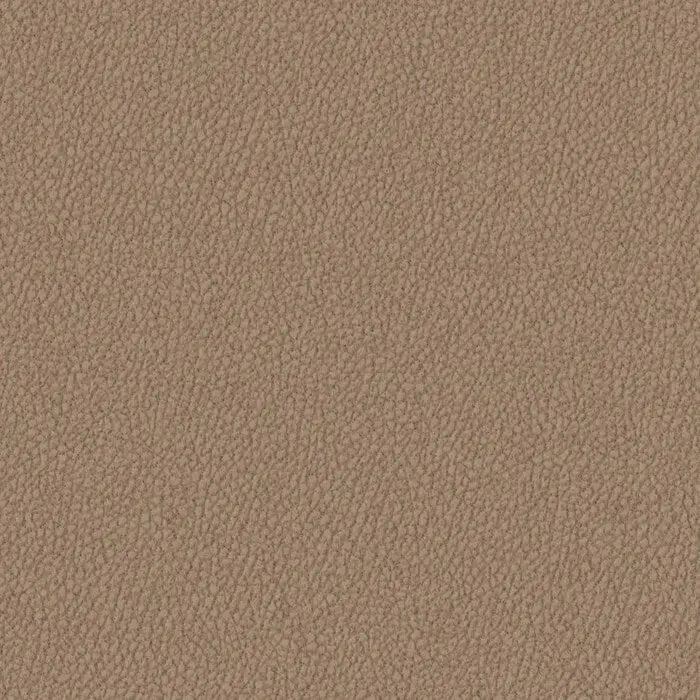
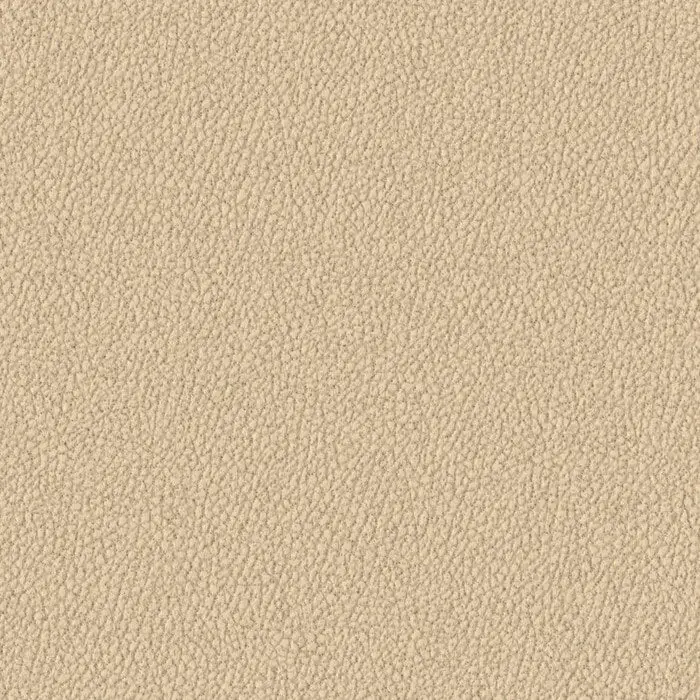
Genuine Leather
Authentic full-grain or top-grain leather exterior providing luxury aesthetics and durability. Natural patina develops over time. Premium choice for high-end jewelry brands seeking authentic, timeless appeal and longevity.
Microfiber Lining
Ultra-soft synthetic material protects delicate jewelry from scratches. Dense weave resists pilling and maintains soft hand-feel. Ideal for interior surfaces requiring non-abrasive contact and superior jewelry protection.

Velvet Insert
Luxurious, dense fabric with plush hand-feel and elegant sheen. Holds jewelry securely while offering premium tactile experience. Classic choice for luxury packaging, catches light beautifully for display.

Eco-Leather Alternative
Sustainable leather substitute derived from plant-based or recycled materials. Mimics genuine leather aesthetics while reducing environmental impact. Certified eco-material option for brands prioritizing sustainability without compromising premium appearance.

FSC-Certified Paper
Responsibly sourced paperboard from sustainable forests. Meets strict environmental standards for protective packaging components. Premium finish available in kraft, white, or specialty textures for branded exterior.

Recycled Fabric Lining
Repurposed textile fibers reduce waste while maintaining soft, durable surface for jewelry protection. Breathable weave prevents moisture buildup. Eco-conscious choice demonstrating brand commitment to circular economy.
Personalize Your Leather Jewelry Tray
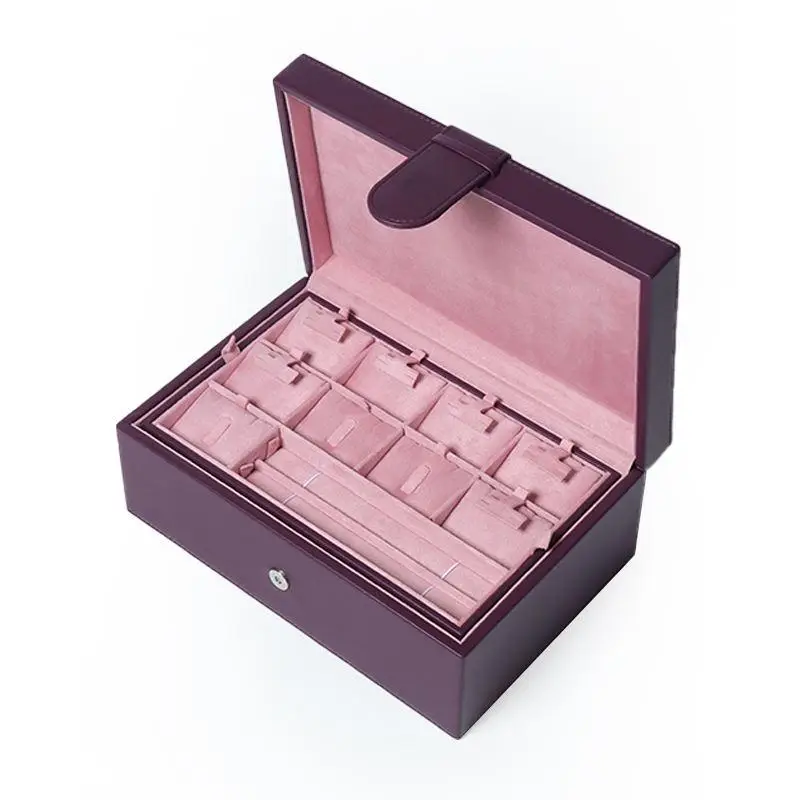
Leather Embossing
Creates raised or recessed designs on leather tray surfaces without adding color. Produces elegant tactile effects and dimensional branding that catches light beautifully. Durable and timeless for luxury presentations.
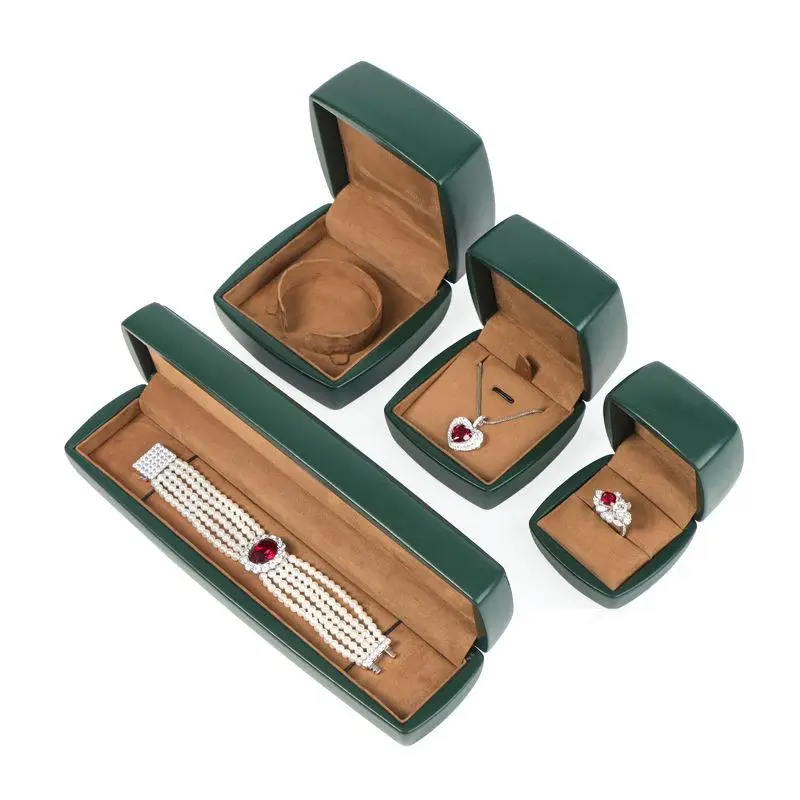
Hot-Foil Stamping
Applies metallic foil (gold, silver, copper) to leather with heat and pressure. Creates high-impact, mirror-bright logos and patterns with premium visual appeal and excellent durability on tray surfaces.

Laser Engraving
Uses precision laser technology to etch custom designs, logos, or serial numbers directly into leather. Produces sharp, permanent marks without chemicals, ideal for personalization and brand authentication.
UV Printing
Direct-to-surface ink printing with UV curing for vibrant, full-color designs on leather. Captures detailed artwork and photography with superior adhesion; environmentally friendly with zero VOC emissions.
Screen Printing
Traditional ink-based printing for bold, solid-color logos on leather tray surfaces. Cost-effective for large production runs, delivers durable finishes with excellent color coverage and tactile texture.

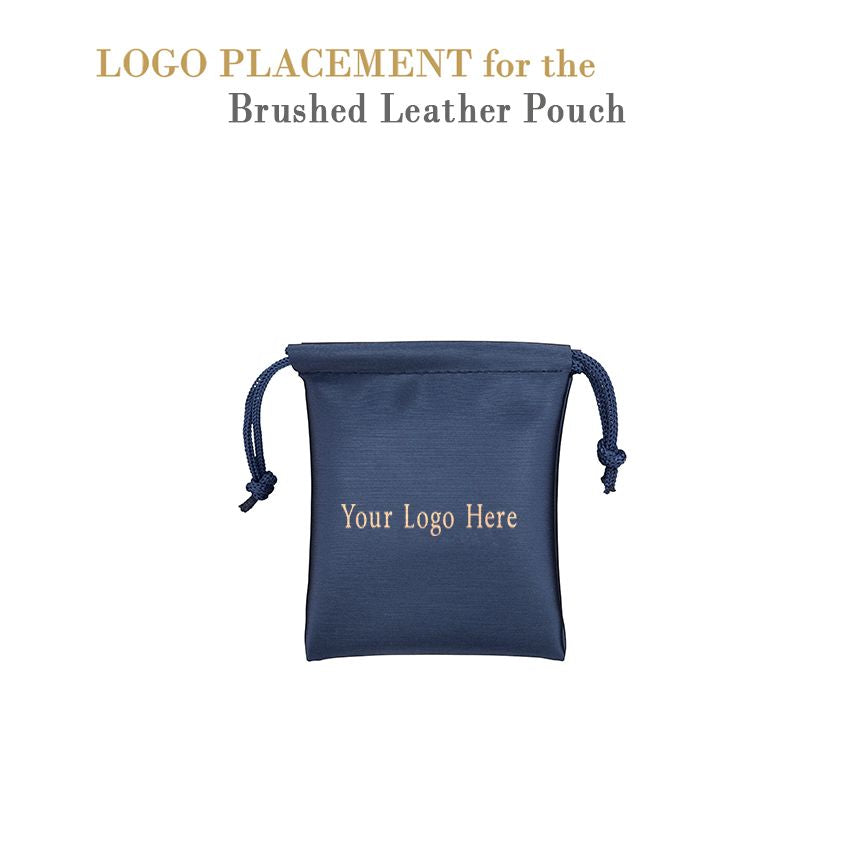
Custom Logo Placement
Flexible positioning of your brand mark—interior, exterior, corners, or multiple locations. Expert guidance ensures optimal brand visibility and aesthetic integration with your leather jewelry tray design.
Complete Your Leather Jewelry Tray with Premium Accessories & Upgrades
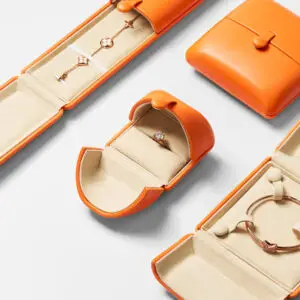
Magnetic Closures
Premium magnetic closure systems ensure secure, effortless opening while enhancing perceived luxury. Protects contents during shipping and retail displays. Ideal for high-end gift presentations.
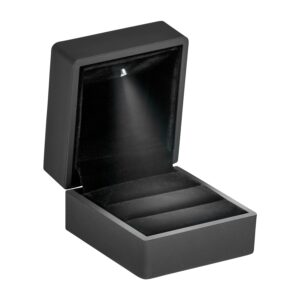
LED Lighting
Interior LED lighting illuminates your jewelry display with professional brilliance. Battery-powered or USB-rechargeable options available. Perfect for retail showcases, display cases, and premium presentations.
Velvet Dividers
Custom-fitted compartment dividers organize and protect multiple jewelry pieces. Soft velvet prevents scratching and tangling. Creates organized, professional presentation for retail or personal storage.

Custom Foam Inserts
Precision-molded foam cradles protect delicate jewelry during storage and transport. Custom-shaped compartments ensure perfect fit for rings, necklaces, bracelets. Branded or neutral options.

Branded Tissue
Luxury tissue paper with custom logo branding transforms the unboxing experience. Protects jewelry contents while reinforcing brand identity throughout packaging. Multiple color and finish options.

Custom Hang Tags
Branded hang tags or product cards showcase jewelry details and brand identity. Attach to trays or jewelry pieces. Premium cardstock with custom printing options available.
Leather Jewelry Trays — 17+ Years of Excellence
On The Way was founded in 2007 on a simple principle: quality defines survival. Today, our 1,200 m² factory and 220+ team members specialize in custom leather jewelry trays and premium packaging solutions. We’ve completed over 6,500 projects for 300+ brands across 30+ countries, proving that exceptional packaging truly is a brand’s first impression.
From independent designers to established luxury retailers, we serve brands of every size. Our factory-direct model eliminates middlemen—you work directly with our experienced team from prototype to production. We specialize in private-label solutions, offer flexible low MOQs, and maintain rigorous multi-stage quality control on every leather jewelry tray, every time.
Every leather jewelry tray, box, and pouch reflects our commitment to sustainability and craftsmanship. We source FSC-certified and recycled materials, employ dedicated account managers for each project, and guarantee on-time delivery. Because at On The Way, we believe your packaging should be as exceptional as your brand—your first impression matters.
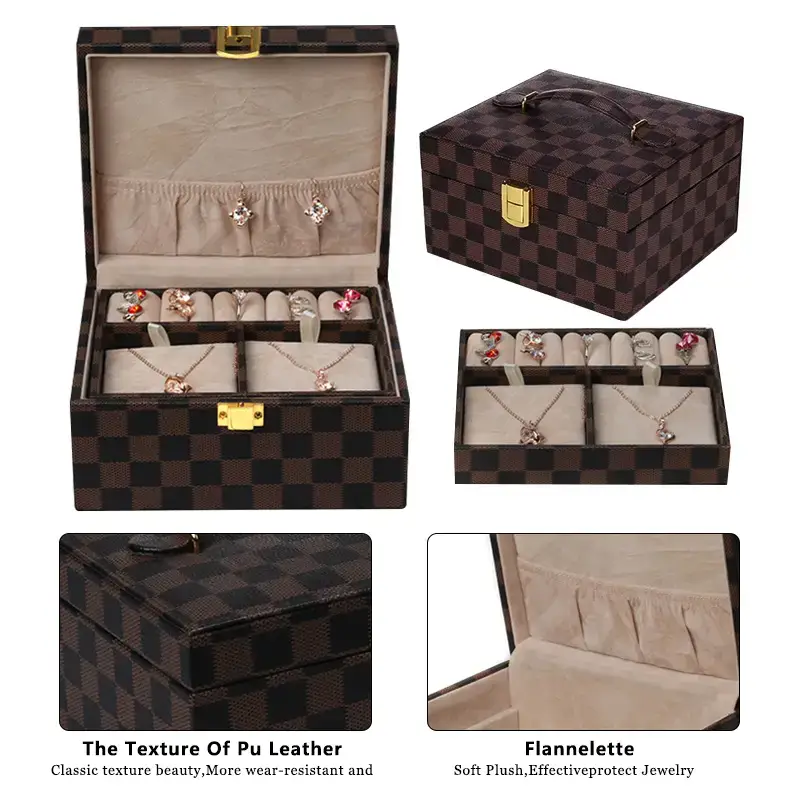
Manufacturing Excellence in Custom Leather Jewelry Trays
7-Day Leather Jewelry Tray Samples
Accelerate your product launches with rapid prototyping. From design approval to physical sample, we deliver custom leather jewelry tray prototypes in as little as 7 days, enabling fast iteration and faster market entry without sacrificing quality or precision.
- Expedited sampling without quality compromise
- Direct collaboration with design specialists
- Quick design refinement and adjustments

Four-Stage QC for Leather Jewelry Trays
Every leather jewelry tray undergoes rigorous four-stage quality control. Our dedicated QC team examines materials, construction, stitching, clasps, and finishing at four distinct checkpoints—material verification, structural testing, finish quality review, and final packaged product inspection—ensuring only flawless products ship to your customers.
- Material inspection before production
- Mid-production construction checks
- Final packaging and finish verification
Eco-Friendly Leather Jewelry Tray Options
Sustainability is non-negotiable. We source FSC-certified leathers and recycled materials, offering custom leather jewelry trays that align with your brand’s environmental commitments. Every material selection supports both luxury and responsible practices.
- FSC-certified leather sourcing
- Recycled and reusable material options
- Sustainability documentation for compliance
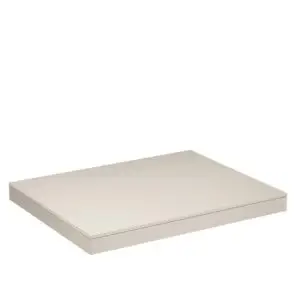
On-Time Delivery for Leather Jewelry Trays
Reliability is our reputation. With 17+ years serving 300+ brands across 30+ countries, we maintain an exceptional on-time delivery track record. Dedicated logistics planning ensures your leather jewelry tray orders arrive on schedule, every time, without compromise.
- Factory-direct production control
- Dedicated account manager oversight
- Real-time order tracking and status updates

Why Leading Brands Choose Our Leather Jewelry Trays
See how On The Way outperforms typical jewelry packaging suppliers across every dimension that matters
← Swipe left or right to view →
Custom Leather Jewelry Tray Manufacturing Process
Six precise stages ensuring your custom leather jewelry trays exceed expectations every time
Design Consultation
Review your tech pack, confirm material selections, discuss premium leather options, finalize dimensions, and approve all custom specifications for your leather jewelry tray.
Material Sourcing
Source premium leather hides and hardware, obtain FSC-certified materials, conduct multi-level supplier QC inspections, and secure your approval before crafting your custom leather jewelry tray.
Cutting & Assembly
Precision-cut leather and components using proprietary die tooling, hand-assemble compartments and dividers, install hardware fittings, and inspect every leather jewelry tray for structural integrity.
Decoration Methods
Apply custom hot stamping, embossing, engraving, or screen printing to personalize your tray design, verify color accuracy and alignment on every leather jewelry tray produced.
Quality Assurance
Conduct four-stage factory QC: material verification, structural testing, finish quality review, and final packaged product inspection to ensure every leather jewelry tray meets global standards.
Packaging & Delivery
Wrap in custom branded packaging, add protective padding and eco-friendly inserts, prepare cartons for international shipment, and provide tracking so you receive your leather jewelry tray safely.
How to Order Custom Leather Jewelry Trays
Get your custom leather jewelry tray manufactured with factory-direct pricing, low MOQ, and transparent timelines.
Submit Your Design & Tech Pack
Share your leather jewelry tray specifications, materials, quantities, and branding requirements. Include any custom finishes, dimensions, or special requests with our design team.
Receive Quote & Digital Samples
Within 7 days, get factory-direct pricing and digital samples. Our custom leather jewelry tray quotes include material breakdown, timeline, and shipping costs—transparent pricing.
Approve Your Production Sample
Review your physical leather jewelry tray sample before mass production. Verify materials, finish, embossing, and quality standards. Request modifications if needed at this stage.
Launch Production & Delivery
Confirm your bulk order and we manage full production. Multi-stage QC ensures every leather jewelry tray meets brand standards. On-time delivery via trusted logistics.
Leather Jewelry Tray Certifications That Matter



Success Stories: Custom Leather Jewelry Trays for Global Brands
On The Way reduced our packaging costs by 30% while maintaining premium quality. Their low MOQ and fast 4-week delivery helped us launch our spring collection on schedule.
We’ve reordered custom trays from them 5 times—100% consistency on every order. Their dedicated account manager made the entire private-label process seamless and stress-free.
Custom leather jewelry trays transformed our brand presentation. Wholesale inquiries increased 50% after switching to On The Way’s premium packaging. Highly recommended for luxury brands.
Leather Jewelry Tray Ordering FAQ
Get answers to common questions about MOQ, pricing, lead times, and more.
What is the minimum order quantity for a leather jewelry tray?
How much does a custom leather jewelry tray cost?
What is the lead time for leather jewelry trays?
Can you provide samples before full production?
What payment terms do you offer?
How much does shipping cost and how long does it take?
How do you protect my design and intellectual property?
What certifications and eco-credentials does your leather jewelry tray have?
Leather Jewelry Tray Guide: Complete Sourcing Strategy for Brands
Understand tray types, materials, customization options, and supplier selection criteria. Learn what separates premium leather trays from budget alternatives, which customization adds real value, and how to avoid costly sourcing mistakes when launching your brand’s packaging.
1. What Are Leather Jewelry Trays?
Leather jewelry trays typically measure 8–14 inches long and 5–8 inches wide, creating a shallow, open-top display and storage vessel for rings, necklaces, earrings, bracelets, and watches in organized compartments. Unlike jewelry boxes—which close and lock—or soft pouches, a leather tray combines visual presentation with functional storage: items remain visible and accessible while protected by premium materials.
Three core use cases drive demand among jewelry brands and retailers. First, in-store display: trays keep merchandise organized and aspirational, enabling customers to see and try pieces without handling loose items. Second, at-home luxury: consumers use trays on dressers and nightstands to display personal collections. Third, premium gifting: when a customer purchases high-value jewelry, brands pair it with a custom leather tray, elevating perceived value and creating a memorable unboxing experience.
Custom leather jewelry trays appeal primarily to independent jewelry designers, boutique retailers, and luxury brands seeking factory-direct pricing and low MOQ (minimum order quantities of 50–200 units). The tray’s tactile quality, rich finish, and personalization potential—embossed logos, custom compartment layouts, leather colors from natural to deep burgundy—position it as a first-impression tool for brand differentiation. For retailers, a branded tray reinforces brand identity at every transaction.
2. The Evolution of Leather Jewelry Tray Design
Early leather jewelry trays emerged in the 1920s as artisanal handcrafted pieces, when jewelry makers in European workshops began lining wooden boxes with leather to protect delicate pieces during storage and transport. These initial designs prioritized function over form, with simple compartmentalization and minimal aesthetic consideration.
During the 1970s and 1980s, leather jewelry trays transitioned from purely functional storage into status objects, as luxury brands recognized that packaging conveyed brand identity as powerfully as the product itself. Maximalist compartmentalization became standard, with trays featuring 8–12 dedicated slots for rings, earrings, bracelets and watches, often paired with velvet or silk linings to suggest premium craftsmanship.
The Scandinavian minimalism wave of the 2000s fundamentally reshaped the leather jewelry tray category, introducing clean lines, reduced compartmentalization, and muted color palettes that positioned trays as furniture-quality display objects rather than hidden storage. This shift reflected broader consumer preference for ‘visible luxury’—pieces designed to remain on dressing tables and bedroom shelves as design statements.
Today’s market reflects three competing aesthetics: minimalist single-slot designs, layered maximalist organizers with 15+ compartments, and a surging demand for vegan leather and recycled alternatives. Sustainable materials now account for approximately 25–30% of new luxury tray launches, driven by younger demographics and ESG-conscious brands that view packaging as extension of their environmental commitments.
3. Types of Leather Jewelry Trays
Leather jewelry trays come in purpose-built designs tailored to specific jewelry categories and retail environments. Understanding each type’s intended use, spatial configuration, and target customer helps buyers select optimal solutions for their product mix and brand positioning.
| Tray Type | Primary Use Case | Typical Dimensions | Ideal Customer |
|---|---|---|---|
| Ring Organizer | Dense ring display | 9 × 7 inches | Luxury boutiques |
| Bracelet Bar | Band showcase | 12–15 inches wide | Upscale retailers |
| Necklace Rest | Delicate chain display | 10–14 inches wide | Fine jewelry specialists |
| Earring Display | High-volume presentation | 6 × 8 inches | Volume retailers |
| Multi-Compartment | Mixed jewelry storage | 15 × 12 inches | Boutiques, independents |
| Stacking Tray | Flexible storage | 12–16 inches wide | Pop-ups, traders |
Single-Purpose Organizers
Ring organizers feature 20–40 slots in 9 × 7 inches, designed for luxury boutiques. Bracelet bars offer 8–12 rests on 12–15 inch bars, ideal for upscale retailers.
Necklace rests display 4–8 pieces on 10–14 inch frames for fine jewelry. Earring displays range from 20–48 holes on 6 × 8 trays for volume retailers.
Multi-Compartment Trays
Multi-compartment trays combine 2–4 jewelry categories in one tray, typically 15 × 12 inches with removable dividers. Popular with boutique retailers managing diverse SKUs with limited shelf space.
Custom configurations allow leather-lined or cushioned sections, supporting mixed-category merchandising and stronger per-unit margins.
Stacking Configurations
Stacking trays feature notched edges or rubber feet for secure nesting, each 12–16 inches wide. Ideal for temporary displays, trade shows, or compact retail spaces.
Stackable designs reduce storage footprint by 40–60% compared to fixed shelving, popular with pop-up brands and traveling jewelers.
Customization & Price Dynamics
Single-purpose trays start at MOQ 100 units; multi-compartment designs require MOQ 150–200 due to divider complexity. Stacking trays cost 8–15% more due to edge reinforcement.
Luxury brands invest in compartment customization; everyday brands choose standard configurations to meet price targets and volume needs.
4. Materials for Leather Jewelry Trays
Material grade is the primary value driver for leather jewelry trays.
Leather ranges from full-grain (premium, $8–15 per unit) through top-grain, genuine, to vegan alternatives.
Thickness (2–4 oz), lining choice (microsuede, velvet, felt), and certifications shape both cost and perceived quality.
| Material Type | Price Range | Durability | Use Case |
|---|---|---|---|
| Full-Grain | $8–15 | 2,000+ cycles | Luxury, high-end |
| Top-Grain | $4–8 | 600–1,200 | Mid-market |
| Genuine Leather | $2–4 | 200–400 | Entry-level |
| Microfiber/PU | $1.50–3 | 500–800 | Value, vegan |
Leather Grades and Market Tiers

Full-grain retains the natural surface, delivering 2,000+ flex cycles. Top-grain (sanded) manages 600–1,200 cycles. Genuine (multi-layer) offers 50–70% cost savings but only 200–400 cycles.
Color options range from classic blacks/browns (full-grain) to 15+ shades for top-grain and genuine leather. Each grade aligns with distinct market tiers and brand positioning.
Lining Materials and Thickness Specs

Microsuede linings cost $3–6 per tray and convey luxury; velvet ($4–7) requires crush-proof packaging; felt ($1–2) is budget-friendly.
Leather thickness is measured in ounces (1–2 oz flexible, 2–4 oz standard, 4–6 oz premium). Most trays use 2–3 oz bodies, with base reinforcement at 3–4 oz.
Vegan Materials and Certifications

Microfiber and PU leather alternatives cost 35–50% less than genuine, deliver 500–800 flex cycles, and pass OEKO-TEX easily.
Full-grain biodegrades in 15–20 years; synthetics persist 50+ years. Tannery certifications (LWG audit, vegetable tanning) add 8–15% cost but signal sustainability to conscious brands.
5. Customization and Branding Options
Customization transforms a leather jewelry tray from commodity packaging into a brand asset. Embossing, engraving, edge staining, and lining personalization embed brand identity while managing per-unit cost and lead time.
| Technique | Setup Cost | Per-Unit Cost | Lead Time | Perceived Value |
|---|---|---|---|---|
| Embossing (hotfoil) | $25–50 | $0.30–1.00 | 7–10 days | Premium |
| Debossing | $15–25 | $0.10–0.30 | 5–7 days | Mid-tier |
| Edge Staining | $0–10 | $0.15–0.50 | 3–5 days | High impact |
| Lining Upgrade | $0 | $0.50–2.00 | 2–3 days | Luxury feel |
Embossing and Hotfoil Techniques

Embossing die setup ranges $25–50 USD; per-unit costs run $0.30–1.00 based on complexity and volume. Hotfoil embossing (metallic) on the tray surface or lid creates immediate luxury perception.
Debossing offers a budget alternative: $15–25 setup cost, $0.10–0.30 per unit, 5–7 day lead time.
Edge Staining and Lining Personalization
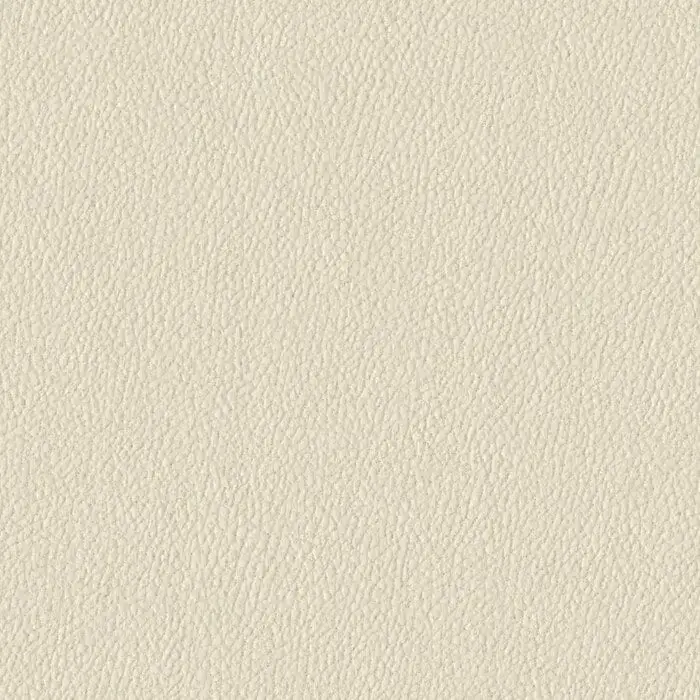
Hand-painted edge staining ($0–10 setup, $0.15–0.50 per unit) creates brand-signature colors—burgundy, forest green, 24k gold. Premium microsuede or silk lining ($0.50–2.00 per unit) signals luxury.
Printed logos on lining add $0.30–0.75 per unit; custom-dyed lining (500-unit minimum) requires 10–14 day lead time.
Lead Time and Sequencing Impact
Embossing die creation demands 7–10 days; rush tooling incurs 30% premium cost. Combining two techniques extends lead time 5–7 additional days but yields compounded perceived value.
Budget brands prioritize single-technique approaches (3–5 day timeline) to accelerate speed-to-market and control per-unit customization costs.
ROI Prioritization for Brands
Luxury tiers invest in embossing ($0.30–1.00) plus premium lining ($0.75–2.00), totaling $1.05–3.00 per tray. Budget lines select one signature technique—edge stain or deboss—at $0.15–0.50.
Independent jewelry designers optimize 1–2 high-impact customizations per seasonal launch to balance brand identity with unit economics and margin targets.
6. Quality Construction: What to Inspect
A leather jewelry tray’s longevity depends on construction details—stitching method, seam placement, and edge finishing—that separate luxury from disposable. Inspect these elements rigorously in prototypes before green-lighting production.
Stitching and Seam Quality
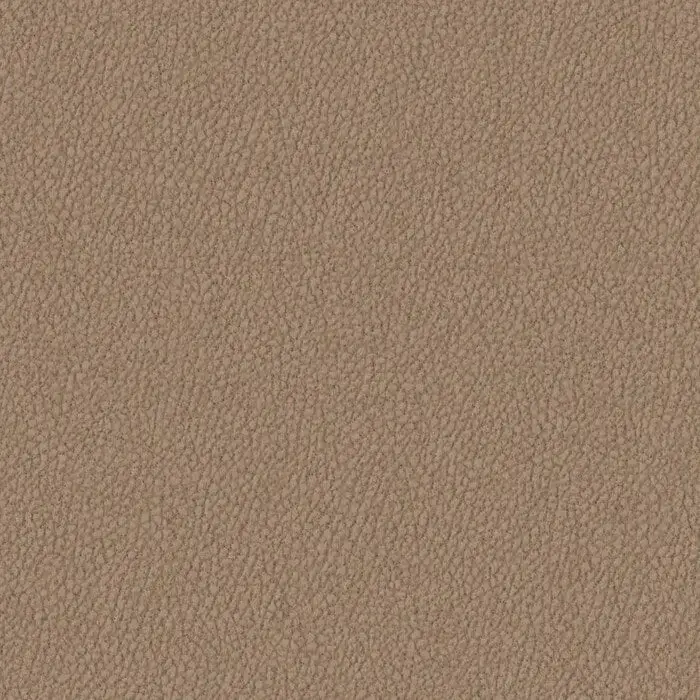
Double-stitch reinforcement along major seams carries 40–60% more load than single-stitch. Leather jewelry trays need reinforced stitching on edge seams and dividers to survive repeated handling.
Inspect thread tension: even spacing without puckering or slack indicates factory control. Loose or uneven stitching signals worn machinery or production rushing.
Corner and Edge Finishing

Corner reinforcement—a 5–8 mm box-stitch or fabric patch—prevents separation during retail handling. Raw edges fray and expose layers; sealed or piped edges indicate professional finishing.
Run your finger along all corners and edges. Sharp thread ends, visible gaps, and warped corners reveal inadequate reinforcement. Sealed edges should feel smooth, not rough.
Padding and Base Stability
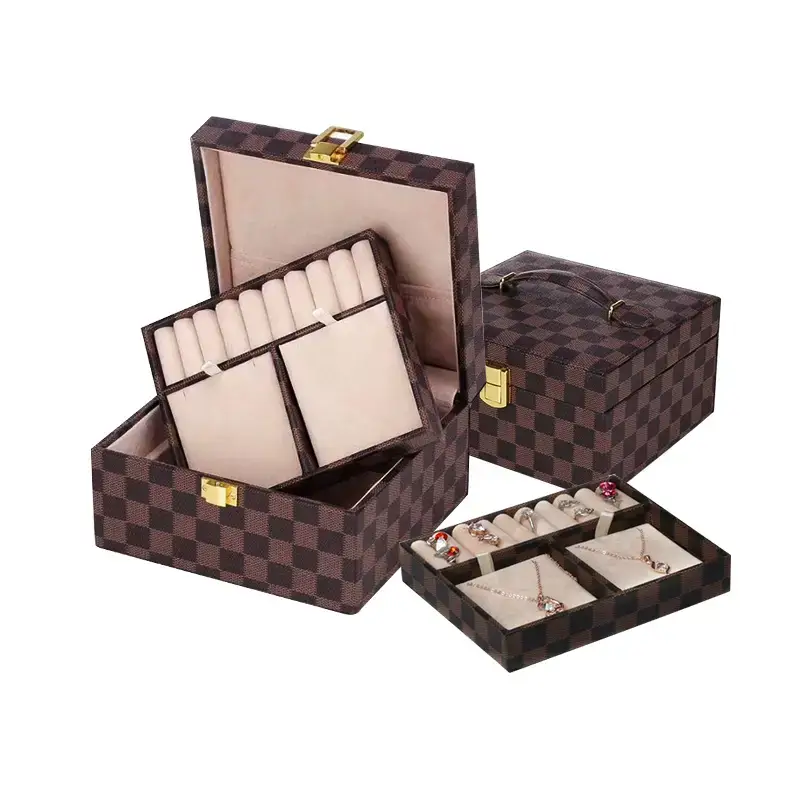
EVA foam or microsuede backing must be bonded securely throughout, not glued in patches. Loose padding shifts during shipment and use, compromising tray shape and customer experience.
Press the base and walls firmly. No movement, hollow spots, or air pockets indicate proper adhesion. Check interior corners—thick padding areas should feel uniform in density.
Quality Inspection Checklist
Before approving production samples, inspect these 5 elements systematically. A 10-minute hands-on review catches 95% of quality defects before mass production.
- Seams: double-stitch, even tension, no loose threads
- Corners: no gaps, reinforced patch, no puckering
- Edges: sealed or piped, smooth finish, no fraying
- Padding: firmly bonded, no air pockets, uniform density
- Overall: symmetric shape, no warping, walls square
7. How to Choose a Leather Jewelry Tray Manufacturer
Selecting the right leather jewelry tray manufacturer requires evaluating multiple factors beyond price. Factory capability, certification compliance, responsiveness, and verifiable track record determine whether your custom order arrives on time, on-budget, and brand-ready.
| Evaluation Criterion | Priority | What to Look For |
|---|---|---|
| MOQ Flexibility | High | Accepts lower minimums |
| Lead Time Accuracy | High | Meets 25–45 day window |
| Quality Control | High | Multi-stage inspections |
| Certifications | High | OEKO-TEX, GOTS, WRAP |
| Sample Policy | Medium | Unlimited iterations |
| Communication | High | 24-hour response time |
| Client References | High | Verified past projects |
| Customization | Medium | Design flexibility |
MOQ & Lead Time Clarity
MOQs range from 50–500 units across most suppliers; top-tier vendors offer lower minimums for new partners. Lead times typically span 25–45 days for custom orders. Confirm timelines include design revisions, sampling iterations, and quality checks.
Quality Control & Certifications
Multi-stage QC processes catch defects before shipment. Request proof of OEKO-TEX, GOTS, or WRAP certification for leather sourcing and labor standards. Verify that the factory conducts stitching inspections, finish audits, and material testing. Ask for reference samples matching your specifications.
Customization & Communication
Dedicated account managers and flexible design capabilities separate premium suppliers from commodity vendors. Confirm unlimited design iterations during the sampling phase and the ability to handle SKU changes mid-production. Slow email responses during samples predict project delays; test responsiveness before committing.
Domestic vs. International Sourcing
Domestic sourcing in North America and Europe cuts lead times by 7–14 days but increases per-unit costs 2–4x. International manufacturers in Southeast Asia and China offer 30–40% cost savings with 40–60 day timelines. Calculate total landed cost including inventory carrying charges.
Red Flags to Avoid
Avoid suppliers offering vague timelines (‘around 6 weeks’), no sample policy, delayed email responses, or unwillingness to share references. Request three customer references and verify past projects in your segment. Hesitation on these points signals future communication and delivery problems.
8. Common Mistakes Buyers Make
Most buyers overlook foundational decisions that lead to production delays, cost overruns, and quality compromises. Understanding these common pitfalls helps you navigate the leather jewelry tray sourcing process more effectively and protect your bottom line.
Prioritizing Price Over Material Quality
Selecting leather solely on cost invites durability issues and customer disappointment. Grade A and premium leather grades cost 15–25% more but resist cracking, fading, and wear.
Budget leather at 40–60 USD per tray often fails within months of retail handling. Always request material certification and wear samples before committing to volume production.
Underestimating Production Timelines
Standard leather jewelry tray production requires 6–8 weeks: design approval, tooling, sampling, revisions, and bulk manufacturing. Urgent requests add 20–40% to production cost.
Plan backwards from your retail launch date, including sea freight (2–3 weeks). Missing lead-time windows forces rushed quality checks or delayed product launches, damaging brand reputation.
Neglecting Prototype Evaluation
Approving designs without physical samples leads to structural surprises, lining shrinkage, and embossing misalignment. Prototyping typically costs 300–600 USD and requires 10–14 days.
Minor tweaks are far cheaper at the sample stage than mid-production. Insist on pre-production approval before committing 10,000+ units to tooling.
Unclear Customization Specifications
Ambiguous briefings—’luxury leather’, ‘black’, ‘premium lining’—breed interpretation gaps and costly rework. Specify leather grade (aniline, semi-aniline, pigmented), lining GSM (300–400), embossing depth (0.5–1mm), and hardware finishes by vendor drawing.
Detailed spec sheets with Pantone colors, stitch counts, and edge finishing prevent rework and ensure first-article approval.
Inadequate Quality Control Protocols
Accepting bulk shipments without spot-checking leather grain uniformity, lining attachment, and box alignment invites field returns. Multi-stage QC covers pre-production, mid-run sampling, and final inspection.
Request documented QC reports and defect thresholds (max 2% acceptable variance). Third-party inspection adds cost but protects brand integrity and prevents costly field returns.
9. Launch Strategy: From Concept to Shelf
Launching a custom leather jewelry tray requires coordination across six critical phases spanning 12-16 weeks from concept to shelf. Each phase builds on clear documentation, supplier evaluation, and quality checkpoints to ensure your design arrives as intended.
Define Your Specifications

Phase 1 spans weeks 1-2. Document the leather jewelry tray’s intended use, dimensions (length/width/depth in mm), leather type (full-grain, top-grain, suede), compartment configuration, and any personalization requirements like embossing, monogramming, or logo placement.
Clear specifications prevent costly revisions during production.
Source and Sample Selection
Phase 2 (weeks 3-4) involves vetting 2-4 suppliers and requesting production samples. Provide your detailed specifications and ask for a sample timeline of 5-7 days.
Evaluate samples against your brief: stitch quality, leather feel, hardware durability, and personalization execution. Request references from past jewelry projects.
Prototype Evaluation and Pricing
Weeks 5-6 focus on Phase 3. Compare prototypes against your technical brief, assess fit-and-finish, and request pricing at 500-unit, 1,000-unit, and 5,000-unit MOQ tiers.
Negotiate lead times and confirm 2-3 color options for your leather jewelry tray. Finalize packaging specifications before approval.
Finalize Files and Approve Production
Phase 4 (weeks 7-8) requires high-resolution artwork files (300 DPI minimum for embossing), Pantone or Lab color codes, and signed technical drawings.
Submit final material certifications (leather documentation, FSC paper if applicable) and approved production schedules. This phase prevents costly delays.
Production, QC, and Delivery

Weeks 9-16 cover Phase 5-6. Your production run begins after material procurement. Multi-stage QC inspects leather grain, hardware alignment, embossing precision, and stitching uniformity.
Final audits follow AQL 2.5 standard before shipment. Coordinated logistics and shelf-ready labeling ensure your leather jewelry tray launches on time.
10. Pricing and Cost Structure
On The Way’s leather jewelry tray pricing accommodates all scale levels from 100-unit boutique launches to 2,500+ wholesale orders, with true factory-direct rates and no hidden markup layers.
Setup fees for custom embossing and edge tooling decrease substantially with volume, while per-unit customization costs apply to premium finishes like silk linings, special edge staining, and interior embroidery.
Our expedited production timelines—ranging from 3 to 8 weeks depending on order size—support your seasonal launch schedule.
Connect with a dedicated account manager for rush production options, bulk material upgrade discounts, and full sample-to-production support.
| Quantity Tier | Unit Cost | Setup Fee (Emboss/Custom) | Per-Unit Custom Cost | Lead Time | Best For |
|---|---|---|---|---|---|
| 100–300 units | $12.50 | $80 | +$0.75 per unit | 6–8 weeks | Testing/boutique launch |
| 500 units | $8.75 | $60 | +$0.50 per unit | 5–6 weeks | Seasonal collections |
| 1,000 units | $6.50 | $50 | +$0.35 per unit | 4–5 weeks | Core inventory |
| 2,500+ units | $5.25 | $40 | +$0.25 per unit | 3–4 weeks | White label/wholesale |
Start Your Custom Leather Jewelry Tray Order Today
Get factory-direct pricing with zero hassle. Free design support, rapid samples, and low MOQ on custom leather jewelry trays. Request your quote now.