
Custom Jewelry Packaging—Display Cases, Boxes, Pouches, Paper Bags—Factory-Direct
Partner with a factory-direct manufacturer of custom jewelry packaging: display cases, rigid boxes, pouches, and paper bags. Low MOQ, unlimited design flexibility, rapid sampling—from concept to delivery.
Featured Custom Jewelry Packaging Solutions
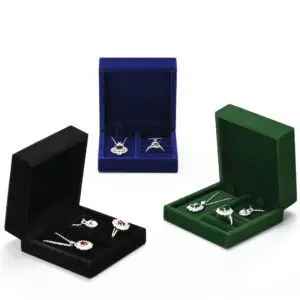
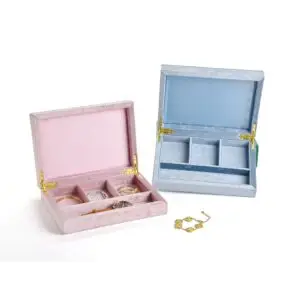
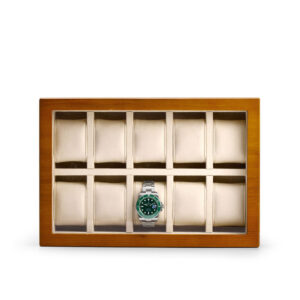
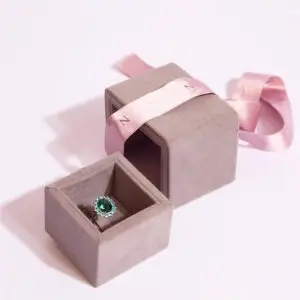
Display Cases in Retail Settings
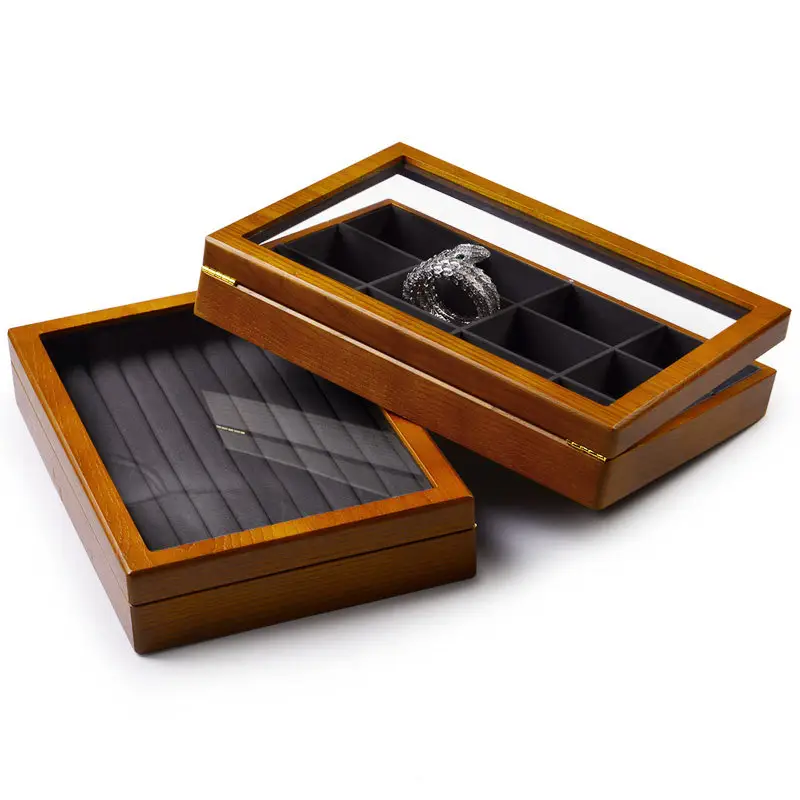

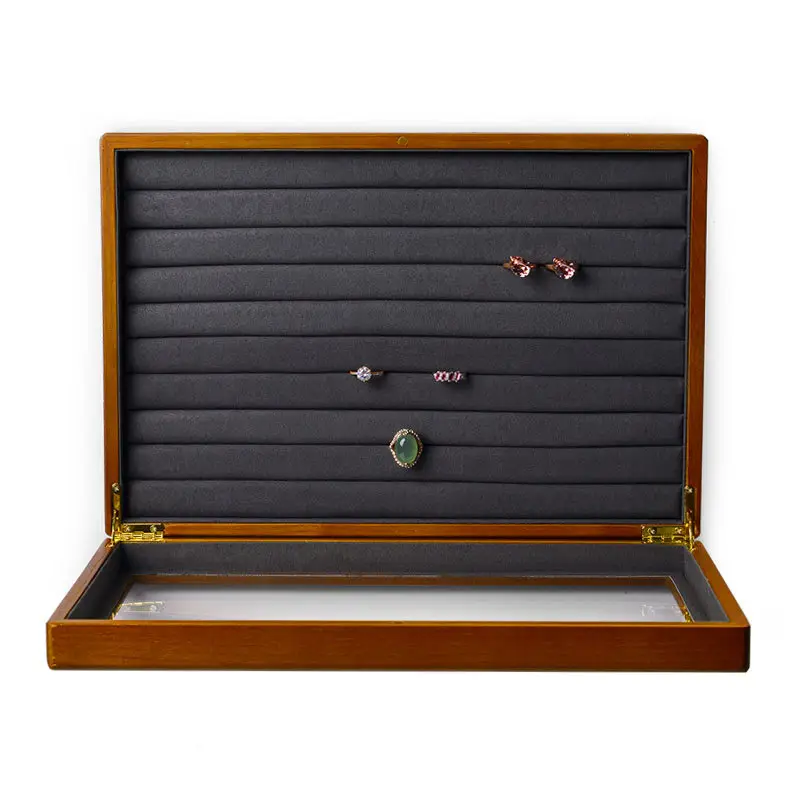


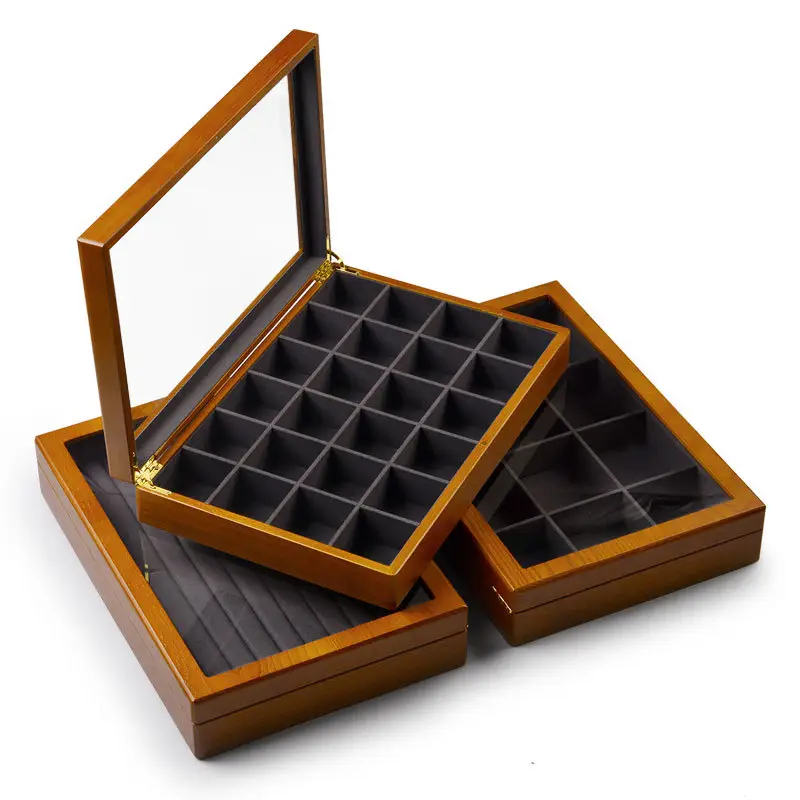
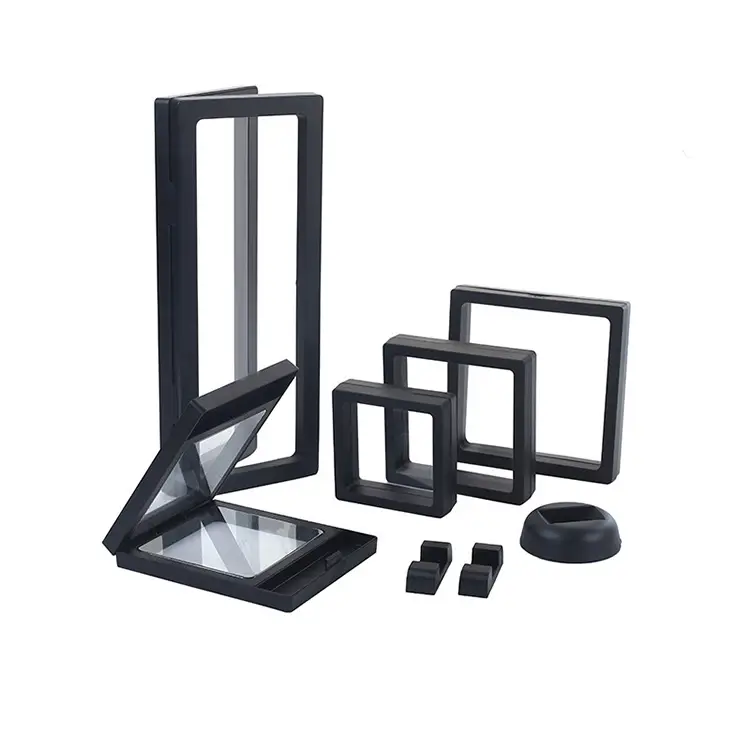
Why 300+ Global Brands Choose On The Way for Custom Jewelry Packaging
Factory-direct quality with the customization and speed your brand deserves.
Factory-Direct Pricing
Own our production line. Zero middleman markup. Get premium custom packaging at manufacturer costs.
Low MOQ, High Flexibility
Start with just 50 pieces. Custom packaging scales from startup to large-scale production.
Free Samples in 7-10 Days
Approve your design before production. We create custom samples quickly—no guessing required.
Multi-Stage Professional QC
Every custom package undergoes four inspection phases. Defects caught early. Your customers get perfection.
FSC-Certified Eco Materials
Sustainable custom packaging with FSC-certified and recycled materials. Meet brand values. Appeal to eco-conscious buyers.
17+ Years, 300+ Global Brands
Serving 300+ jewelry brands across 30+ countries since 2007. Proven reliability. When you partner with On The Way, you join industry leaders.
Custom Jewelry Packaging Solutions by Type
Countertop Jewelry Display Cases
Independent jewelers and boutique retailers struggle to showcase delicate pieces safely while maximizing limited counter space. Standard displays clutter surfaces or fail to protect valuable inventory from damage and theft.
Sleek glass jewelry display cases fit perfectly on service counters, protecting pieces behind tempered glass while drawing customer attention. Low MOQ custom options let you start with what you need.
Wall-Mounted Display Solutions
Luxury retailers facing space constraints need elegant vertical displays that don't consume counter real estate. Off-the-shelf wall cases often look industrial or fail to match premium brand aesthetics, diminishing store ambiance.
Custom wall-mounted glass jewelry display cases maximize vertical space with sophisticated designs that complement your brand. Factory-direct pricing and full customization let luxury retailers create gallery-like presentations at competitive costs.
LED-Lit Showcase Display Cases
High-end jewelry brands need dramatic lighting to highlight stone brilliance and craftsmanship. Many LED display cases overheat, dim quickly, or consume excessive power—damaging pieces and inflating operational costs without proper thermal management.
LED-lit glass jewelry display cases with engineered cooling showcase your pieces under optimal lighting. On The Way's multi-stage QC ensures reliable performance and component durability across 300+ premium brand partnerships worldwide.
Rotating Jewelry Display Stands
Trade show exhibitors and showroom managers need to capture buyer attention from multiple angles without constantly repositioning pieces. Static displays get overlooked; motorized options are expensive and often unreliable.
Custom rotating glass jewelry display cases with smooth, quiet motors let buyers view every detail from all sides. Low MOQ manufacturing means even independent designers can access premium rotating stands without bulk commitments.
Custom Bust & Tabletop Cases
Pop-up jewelry retailers and independent designers need portable, brand-aligned displays that fold or pack efficiently. Generic busts lack customization; bespoke options have high minimums and long lead times that strangle startup growth.
Custom bust and tabletop glass jewelry display cases with your branding or specifications. On The Way's 17+ years and 6,500+ projects mean rapid prototyping, low MOQs, and on-time delivery for emerging brands.
Glass Jewelry Display Case Materials & Construction
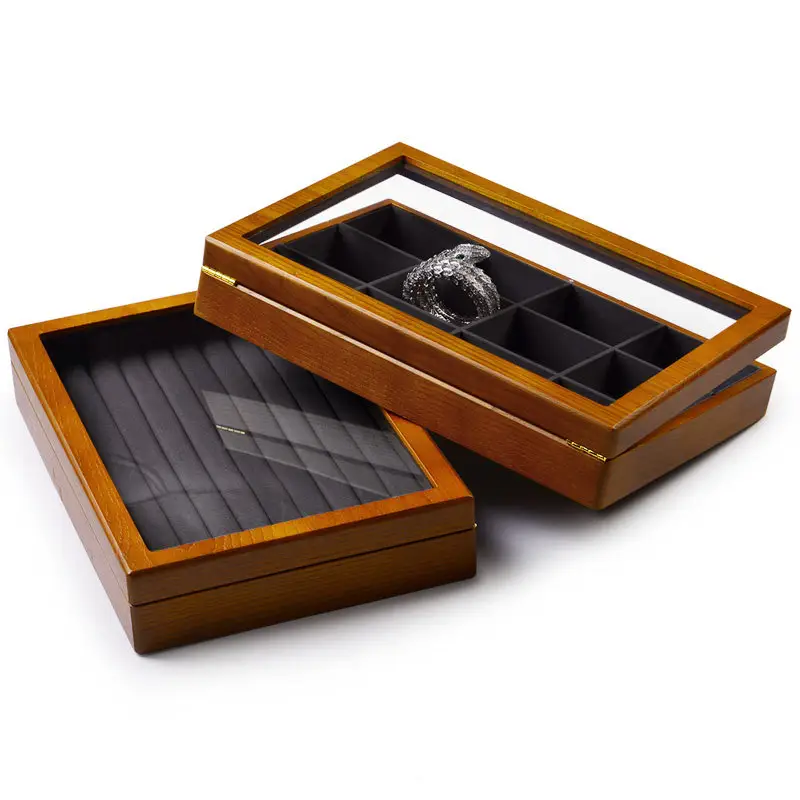
Tempered Clear Glass
UV-resistant tempered glass provides superior clarity and durability for showcasing jewelry. Impact-resistant construction ensures your display withstands daily use while maintaining pristine transparency and light refraction properties.
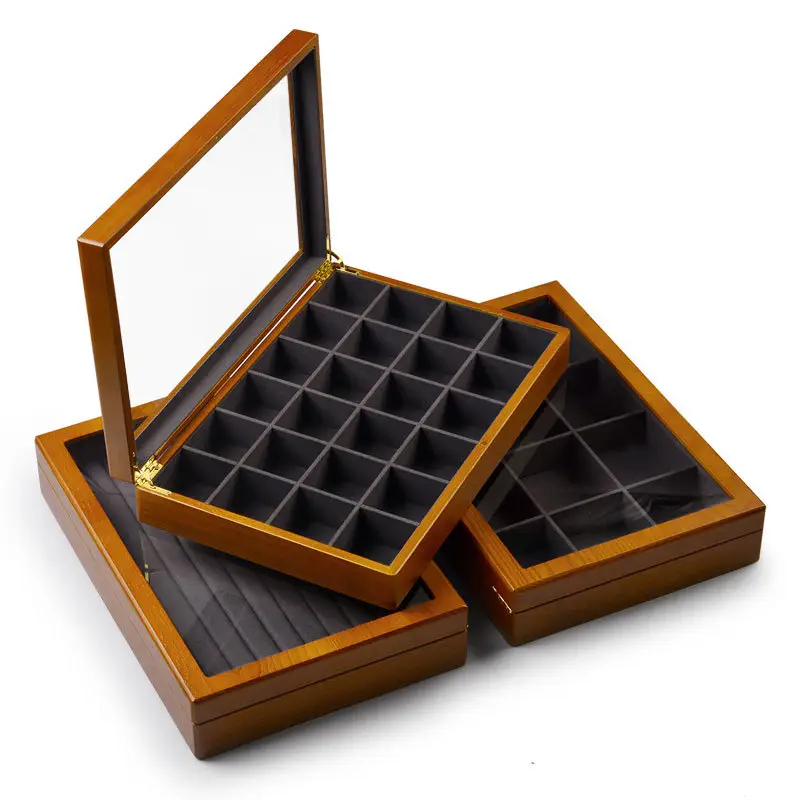
Mirror Backing
Reflective backing amplifies light and enhances jewelry presentation, creating eye-catching displays. Silver or copper mirror options reflect brilliance and add dimensional depth to featured pieces.

Premium Hardwoods
Walnut, oak, and cherry solid wood bases provide stable, beautiful construction. Hand-finished surfaces showcase natural grain patterns while offering lasting durability and timeless aesthetic appeal.
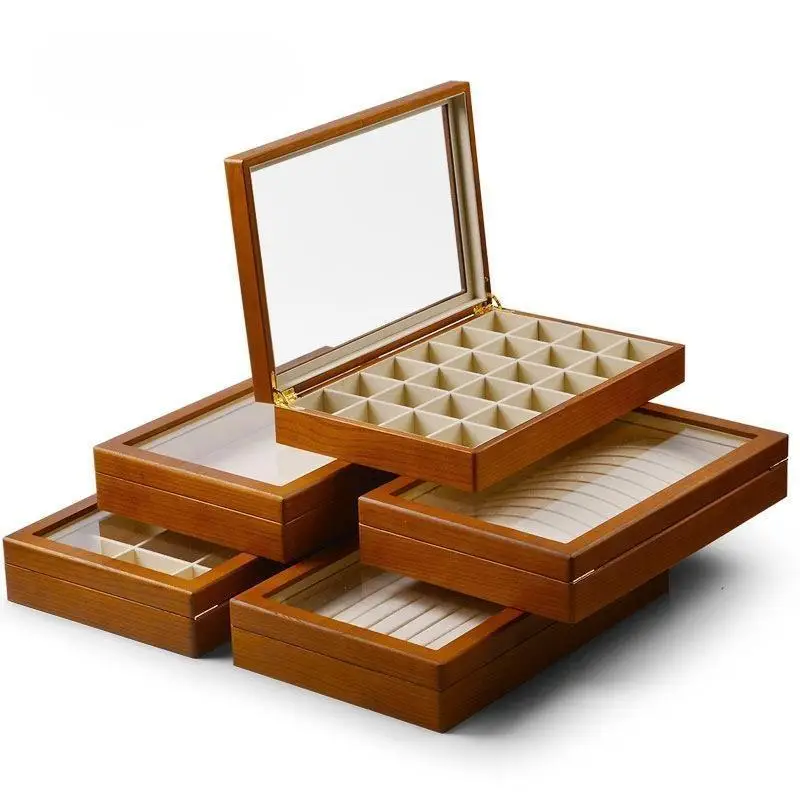
Metal Hardware
Chrome, brushed nickel, and brass plating finishes for hinges and hardware. Corrosion-resistant, hand-polished options complement your display’s design while ensuring smooth, reliable operation.
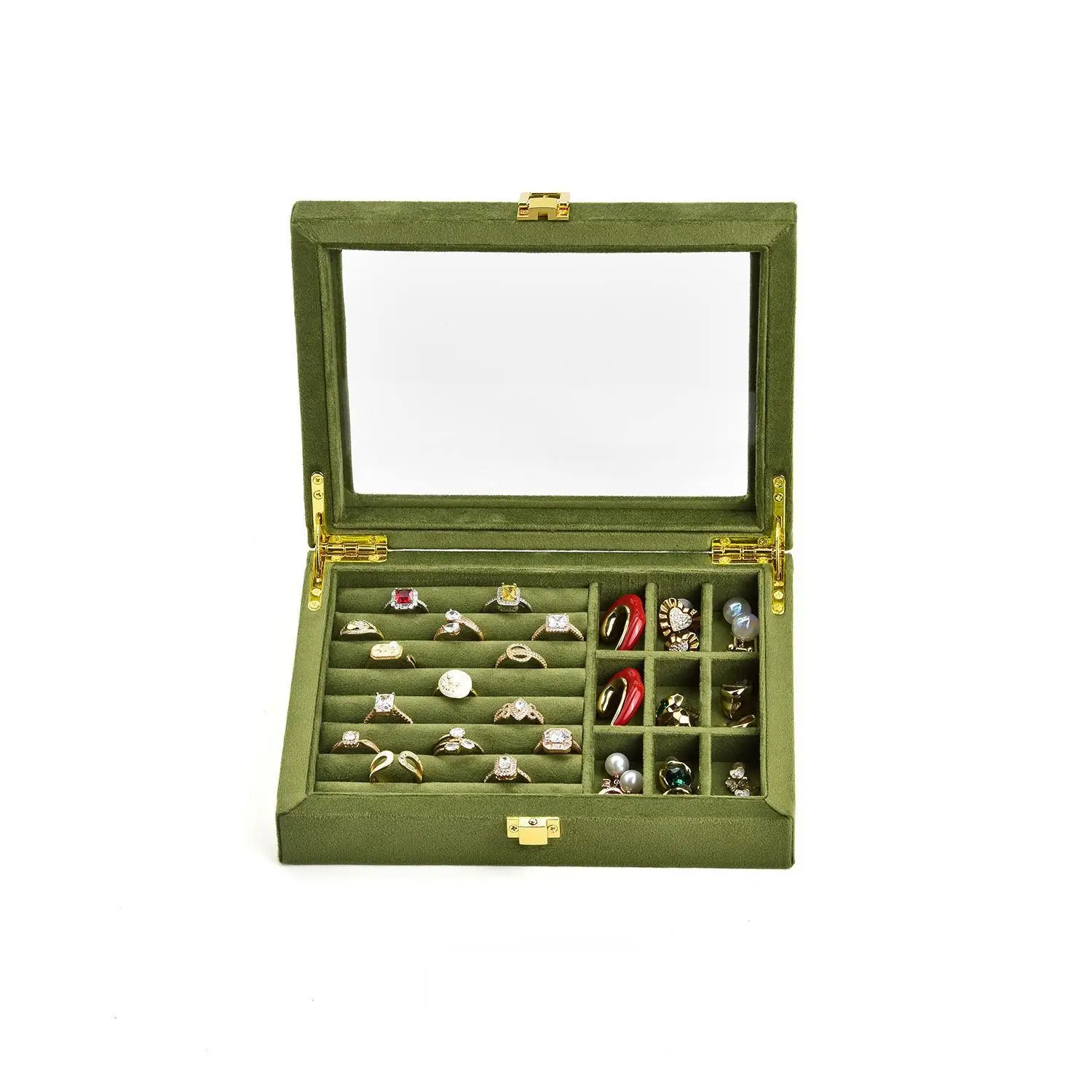
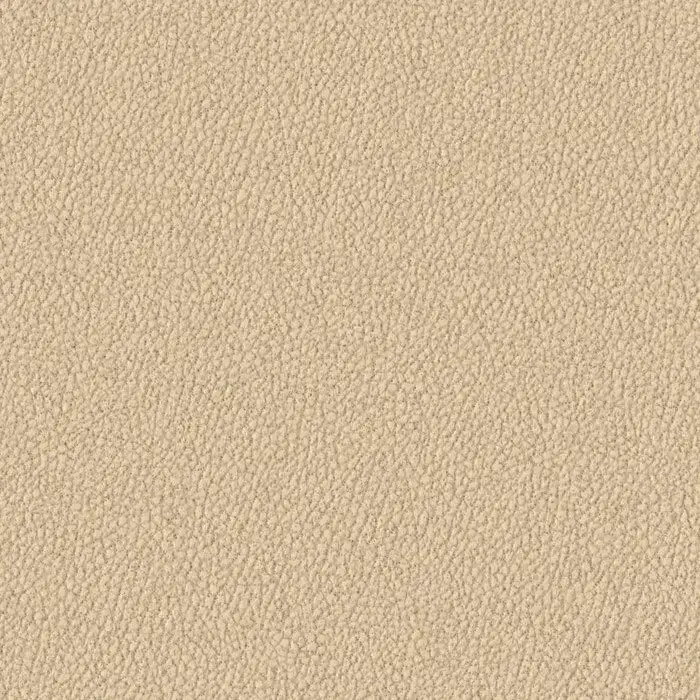
Velvet Lining
Luxurious microfiber velvet interior protects delicate jewelry and enhances presentation. Soft, cushioned surface prevents scratching while offering rich color options that highlight featured pieces beautifully.

Leather Lining
Premium real leather interior lining ages beautifully and conveys luxury. Hand-stitched options create custom compartments, adding sophistication while providing superior protection for fine jewelry.
Custom Jewelry Packaging Manufacturing & Finishing

Precision Glass Cutting
Industrial-grade cutting equipment produces exact dimensions and custom shapes for your glass jewelry display case design. Tolerances held to ±0.5mm ensure perfect fit with hardware and components, every unit.

Beveled Edge Polishing
Heat-polished or hand-beveled edges deliver elegant aesthetics while reducing sharp corners. Frosted or clear finishes available; improves durability and professional appearance of display cases.
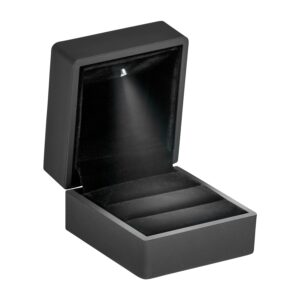
LED Module Installation
Pre-assembled LED strips are integrated during production for even illumination inside display cases. Dimmable options available; wiring remains concealed for premium finish and functionality.

Mirror Coating
UV-resistant mirror coating applied to selected glass surfaces enhances depth perception and product visibility. Professional-grade adhesion ensures long-term durability and reflective quality without peeling.

Custom Logo Engraving
Precision laser or sandblast engraving embeds your brand mark directly into glass. Permanent, elegant finish strengthens brand identity while maintaining display case clarity and visual appeal.

Metal Hardware Assembly
Stainless steel or brass hinges, handles and corner protectors are professionally fitted and finished. Each component tested for smooth operation and durability; enhances structural integrity and luxury appearance.
Enhance Your Glass Jewelry Display Case
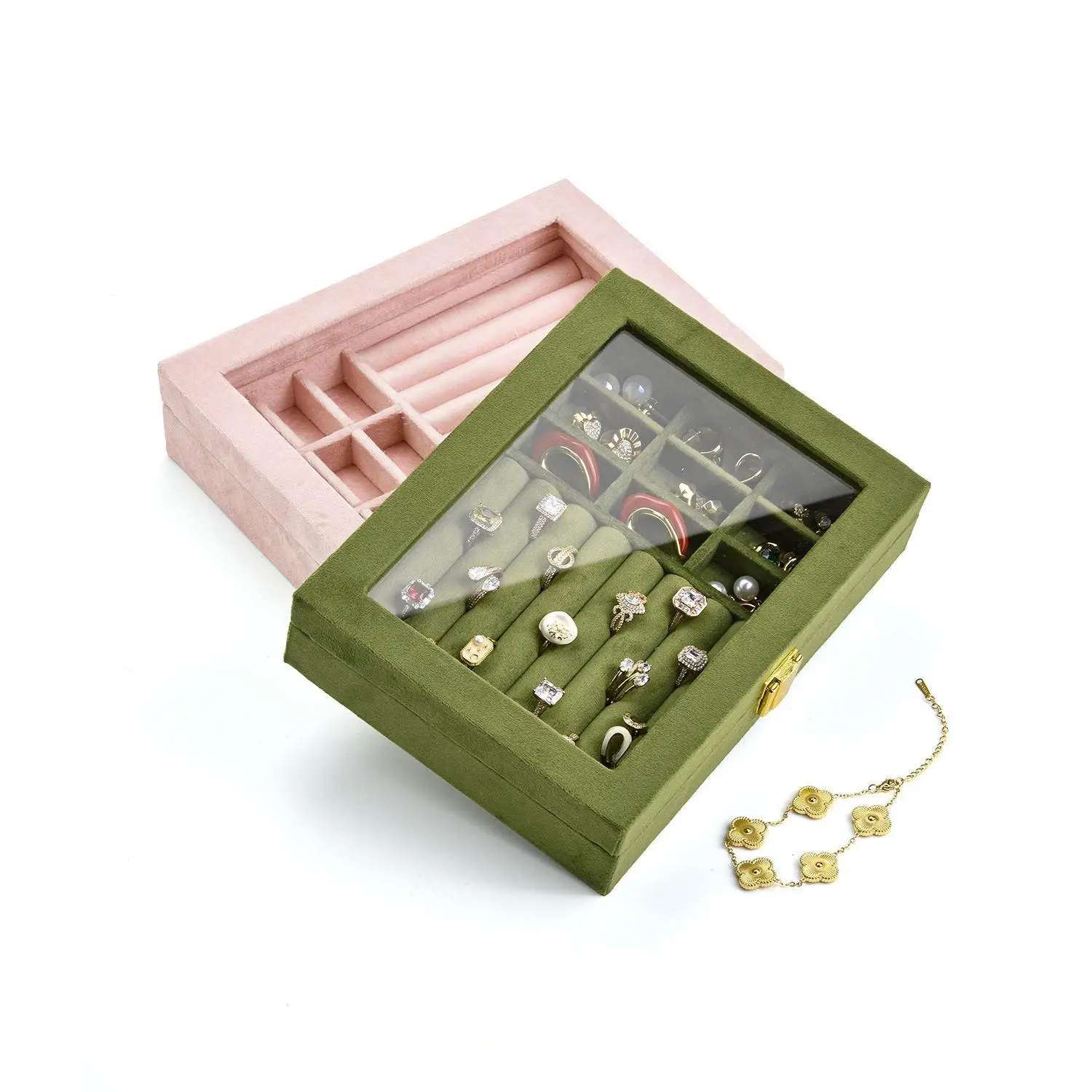
Velvet Interior Lining
Luxurious velvet, microfiber, and satin linings protect jewelry while elevating presentation. Customizable colors and textures to match your brand aesthetic and enhance the luxury appeal of your glass jewelry display case.
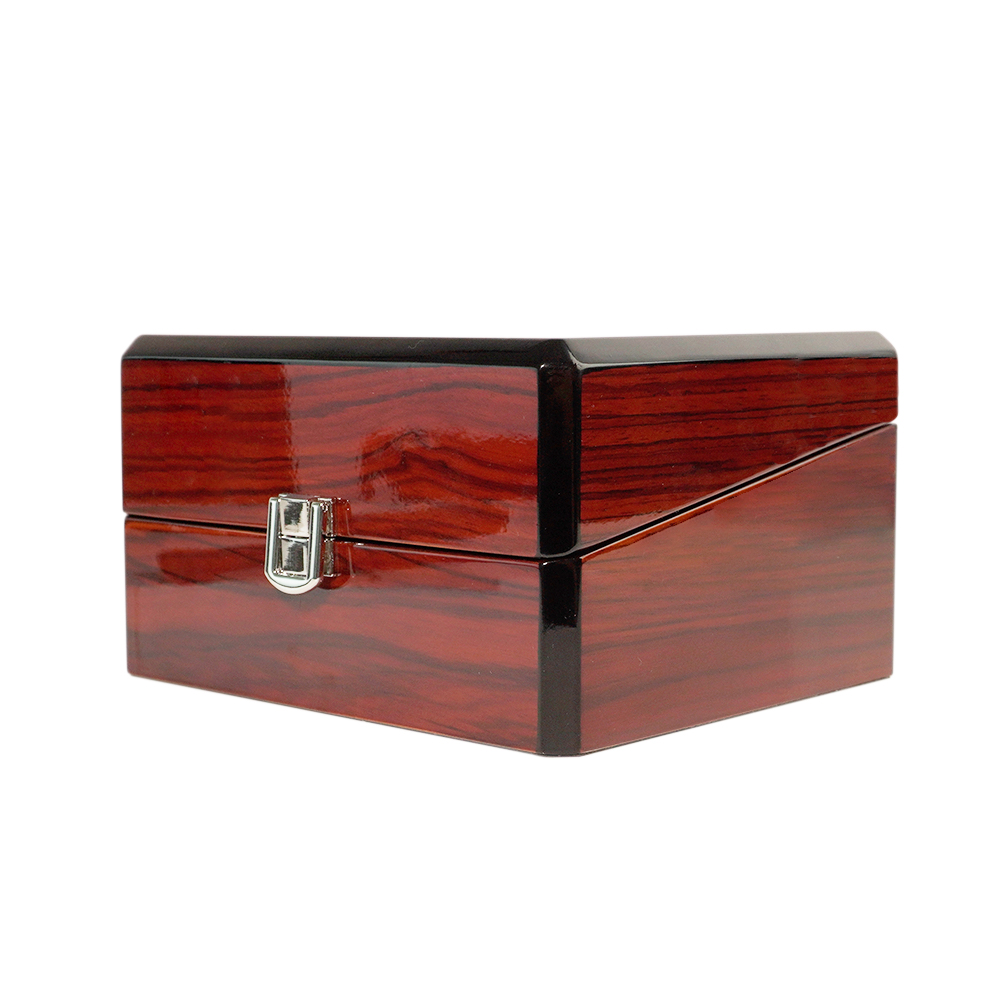
Premium Security Locks
Magnetic or key-operated locking systems protect high-value inventory in your glass jewelry display case. Brushed gold, silver, and matte black finishes. Built to withstand retail environments while maintaining elegant aesthetics.
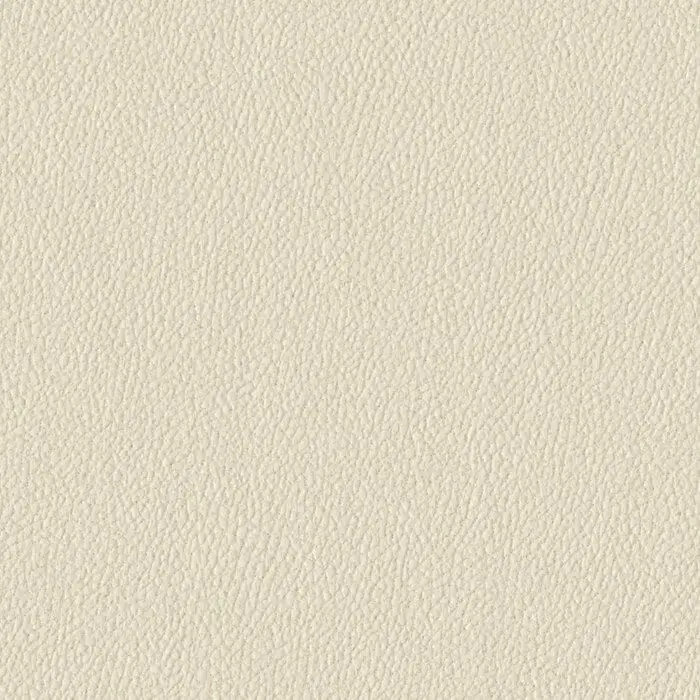
Custom Logo Engraving
Laser-engrave your brand name, logo, or messaging onto glass jewelry display case surfaces. Creates premium brand recognition and personalized presentation across retail, trade show, and boutique environments.

LED Spotlighting System
Integrated LED spotlights with adjustable brightness highlight gems and jewelry pieces inside your glass jewelry display case. Warm white tones, low-power operation, and durable systems for retail and trade show impact.
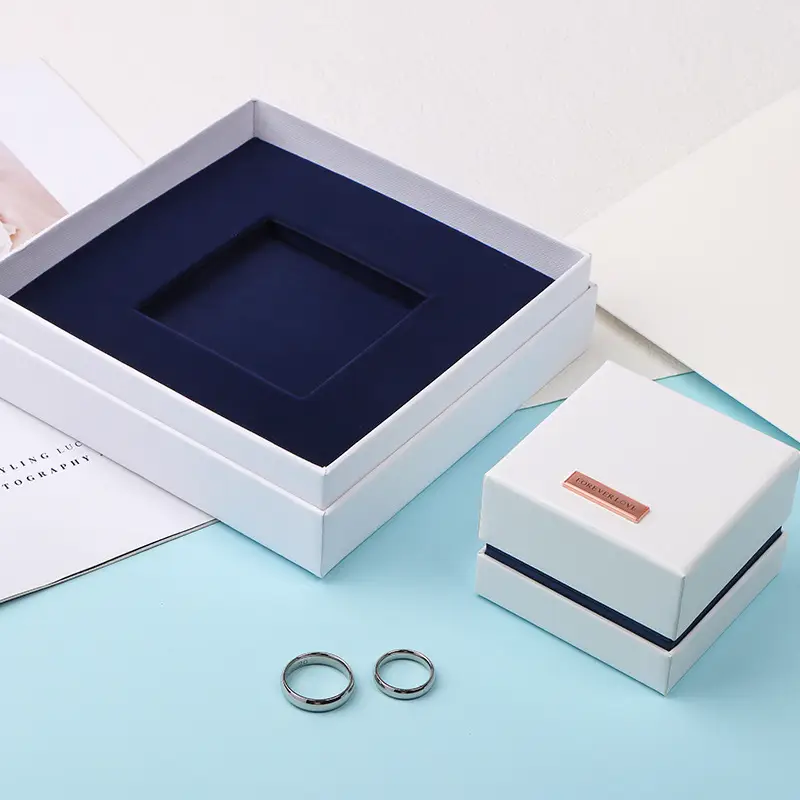
Protective Shipping Packaging
Custom foam inserts, branded shipping cases, and impact-absorbing cushioning protect your glass jewelry display case during transport. White-glove packaging options create premium unboxing experiences and reinforce brand presence.

Metal Hardware & Hinges
Stainless steel, brass, and gold-plated hardware add durability and elegance to glass jewelry display cases. Custom corner reinforcements, premium hinges, and finishes that combine functionality with luxury aesthetics.
About On The Way: Glass Jewelry Display Case
Founded in 2007, On The Way was built on a single conviction: quality defines survival. Today, we design and manufacture premium custom jewelry packaging—including glass jewelry display cases—for independent designers and luxury retailers worldwide. Our mission remains unchanged: Exquisite packaging, quality living. We believe your packaging is your brand’s first impression.
Operating a 1,200 m² factory with a dedicated team of 220+ staff, we have completed 6,500+ custom projects for 300+ brands across 30+ countries. From jewelry pouches and rigid boxes to custom glass jewelry display cases and branded paper bags, we handle every detail—sampling through mass production. Our portfolio spans North America, Europe, and Southeast Asia, serving independent designers and boutique retailers of all sizes.
We compete on factory-direct pricing, low MOQ, and unlimited custom flexibility—whether you’re launching a startup or scaling an established brand. Every glass jewelry display case undergoes multi-stage professional QC. We prioritize sustainability with FSC-certified and recycled materials, and assign each client a dedicated account manager to ensure on-time delivery and transparent communication. Your success is our success.
Our Glass Jewelry Display Case Capabilities
Custom Glass Jewelry Display Case Design
We collaborate with your design team through advanced CAD modeling to create bespoke glass jewelry display case solutions. Our in-house prototyping services let you visualize designs before production. Rapid sampling ensures your glass display case meets exact specifications without costly revisions.
- Full CAD and 3D rendering services for custom glass displays
- Rapid prototyping with physical samples within 7–10 business days
- Dedicated design team reviews all specifications and material choices
- No minimum order quantity—perfect for startups and luxury brands
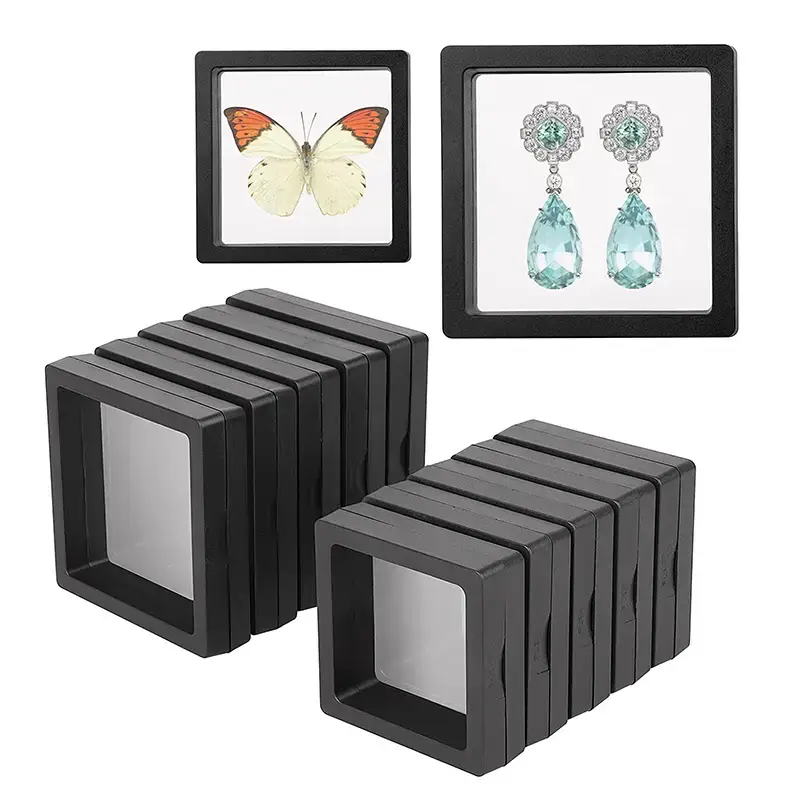
Precision Glass Processing & Edge Finishing
Our glass jewelry display case manufacturing employs state-of-the-art cutting and polishing equipment. Every edge receives multi-stage finishing—from beveling to mirror-polished surfaces—ensuring safety and luxury aesthetics. Precision tolerances guarantee perfect fit with your display case’s hardware and internal components.
- CNC precision cutting with tolerances ±0.5mm for perfect fit
- Multi-stage edge finishing: beveling, polishing, and safety treatment
- UV-resistant coatings protect glass clarity and color integrity
- Anti-fingerprint and anti-static treatments available
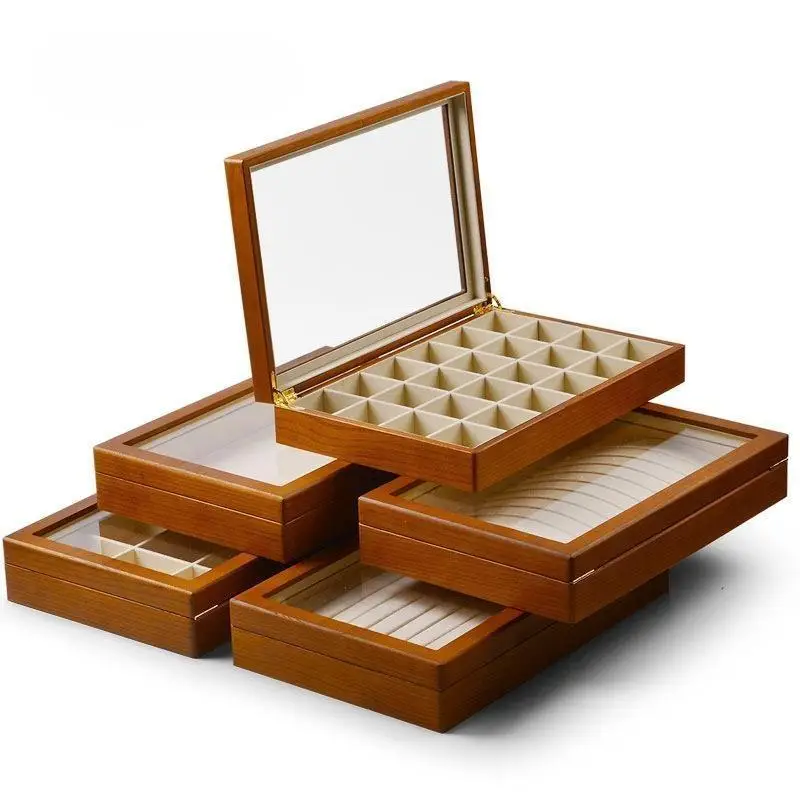
Integrated LED Lighting for Glass Cases
Transform your glass jewelry display case with our integrated LED lighting solutions. We design custom lighting systems that mount seamlessly within your display structure, creating dramatic accent lighting that highlights jewelry. Options include warm white, cool white, RGB color-changing, and motion-sensor controls.
- Custom LED mounting within glass frames, rails, or edges
- Temperature control: warm white (2700K) to daylight (6500K)
- Advanced options: RGB dynamic lighting and sensor-activated displays
- Energy-efficient designs with 50,000+ hour LED lifespan
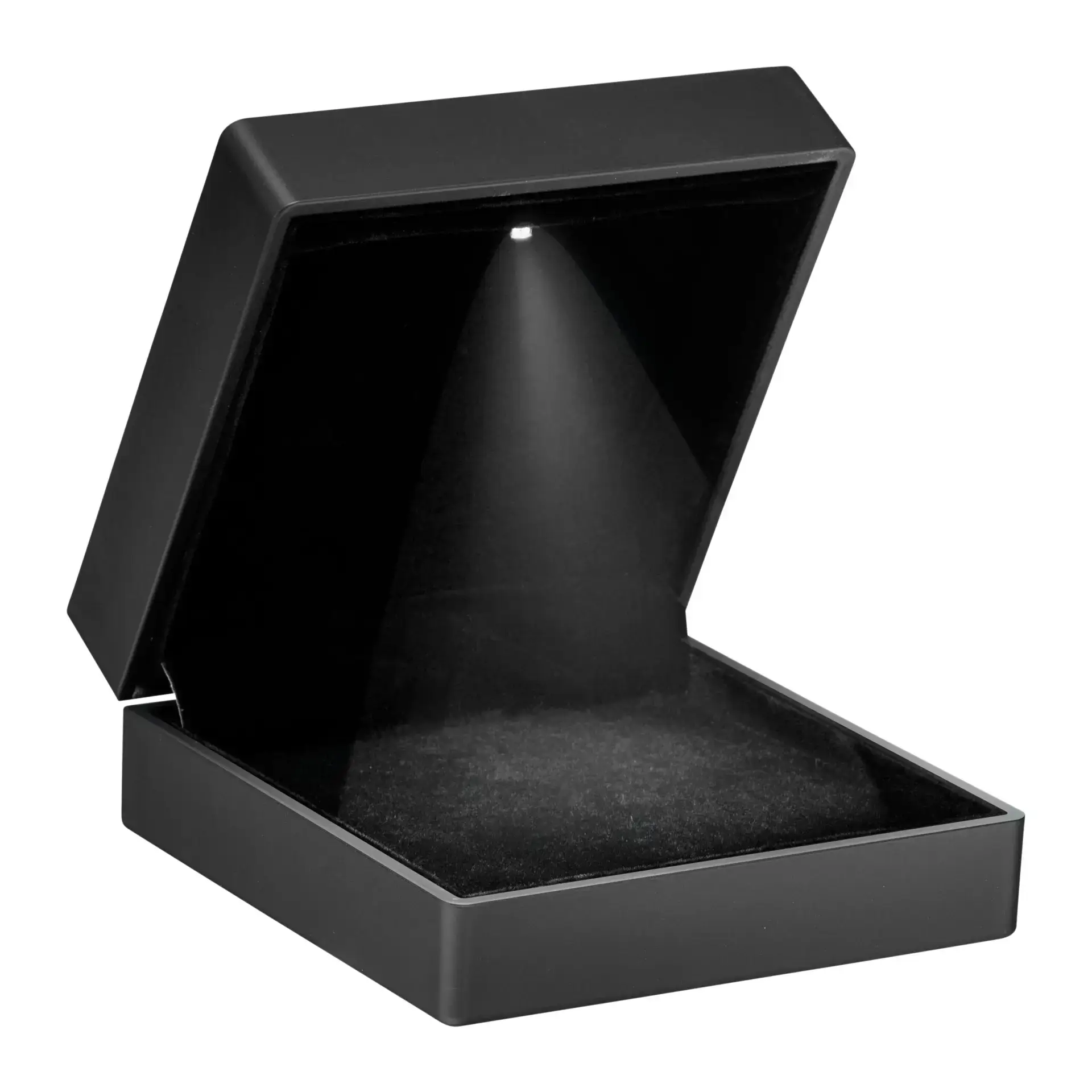
Multi-Stage QC & Compliance Testing
Every glass jewelry display case undergoes rigorous multi-stage quality control before shipment. Our testing includes dimensional verification, surface inspection, edge safety checks, and structural integrity assessment. Compliance certifications include CE marking, FSC certifications on wood components, and RoHS compliance for electronic components.
- 4-point inspection: dimensions, surfaces, safety, and structural strength
- CE and RoHS certifications for all electronic components
- Drop-test and impact-resistance testing for durability assurance
- FSC-certified materials and eco-compliance documentation included
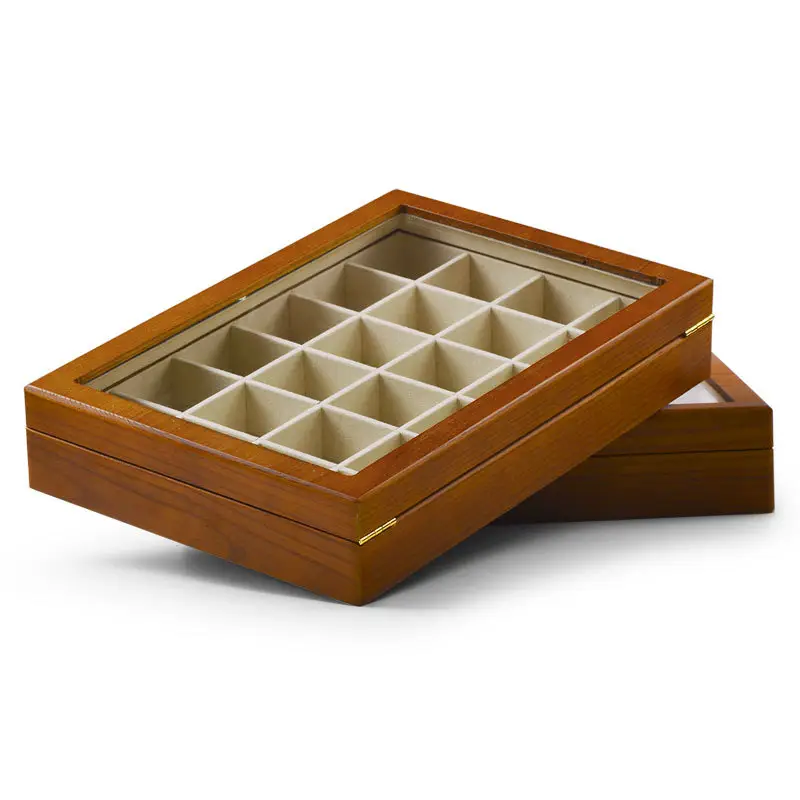
On The Way vs. Standard Glass Jewelry Display Case Suppliers
See why 300+ brands trust On The Way for custom glass jewelry display cases and sustainable packaging
← Swipe left or right to view →
Custom Jewelry Packaging: From Concept to Delivery
Quality control at every stage—from design approval through multi-stage QC inspection and on-time worldwide shipment with full tracking.
Design Approval & CAD Confirmation
Collaborate on your design specifications and technical requirements. We review your CAD files, approve final dimensions, and confirm all production-ready details before sourcing begins.
Sustainable Material Sourcing
Source premium glass, hardware, and eco-friendly materials. We partner with certified suppliers and select FSC-certified packaging to meet your brand’s sustainability standards.
Precision Glass Work & Assembly
Our skilled artisans cut, temper, and shape premium glass to exact specifications. We assemble components with precision tooling to ensure structural integrity and quality.
Finishing, Customization & Branding
Apply custom finishes, engravings, logos, and branded elements. We deliver the final visual impact that reflects your brand identity and market positioning.
Multi-Stage QC Inspection
Every piece undergoes rigorous quality checks at five inspection stages. We verify dimensions, finish quality, structural strength, and branding precision before final approval.
Final Packaging & On-Time Shipment
Protective packaging secures each display case for worldwide delivery. We provide tracking and on-time shipment to your destination, ensuring safe arrival every time.
How to Order Your Custom Jewelry Packaging
Five straightforward steps from design to delivery
Submit Your Design for Review
Send us your technical pack, design files, or reference sample. Include dimensions, materials, finishes, and custom branding requirements. Our team reviews submissions within 24 hours and contacts you with next steps.
Get Your Personalized Quote
Receive a detailed quote for your custom glass jewelry display case order, including production timeline. Free sample turnaround: 7-10 days. Factory-direct pricing—no markups, no surprises.
Approve Your Free Sample
Review your sample within 7-10 days. Check quality, dimensions, finishes, and fit. Request refinements at no cost. Approved samples trigger bulk production; feedback integrated before manufacturing begins.
Confirm Bulk Order Terms
Finalize specifications, MOQ, unit pricing, and payment terms with your account manager. We support flexible production schedules and accept multiple payment methods for your convenience.
Receive Tracked Shipment
Your glass jewelry display case order ships on schedule with full tracking. Multi-stage QC ensures premium quality. Documentation and certificates of authenticity included with delivery.
Certifications & Standards for Premium Custom Jewelry Packaging


Glass Jewelry Display Case Success Stories
On The Way’s custom glass jewelry display cases transformed our retail presence. We expanded from 8 to 15 store locations, and the co-branded displays elevated our brand positioning significantly.
Switching to On The Way’s OEM solution reduced our packaging costs by 30% while maintaining the premium quality our customers expect. Their factory flexibility was crucial for our growth.
Our LED-lit glass jewelry display cases from On The Way increased average transaction value by 18%. Customers engaged more with the highlighted pieces, and our staff closure rates improved dramatically.
Frequently Asked Questions About Glass Jewelry Display Cases
From MOQ and timelines to customization and shipping — get clarity on how On The Way works.
What is the minimum order quantity (MOQ) for a glass jewelry display case?
How long does it take to produce and ship a glass jewelry display case?
Can I get a free sample of a glass jewelry display case before ordering?
What are your payment terms and deposit requirements?
How much design customization is possible?
Do you ship globally and handle customs?
How do you protect my intellectual property and design?
What materials and glass options are available?
The Complete Buyer’s Guide to glass jewelry display case: Suppliers, Materials, and Customization
Discover how to select premium glass jewelry display case suppliers, evaluate materials and customization options, navigate pricing tiers, and avoid costly sourcing mistakes when launching your jewelry brand.
1. What Is a Glass Jewelry Display Case?
Tempered glass has become the retail jewelry standard for premium display because of its clarity, durability, and security properties. A glass jewelry display case is a transparent, protective enclosure—typically constructed from tempered glass, acrylic, or hybrid materials—designed to showcase jewelry while securing inventory and elevating brand perception. These cases serve dual functions: merchandise presentation and loss prevention, making them essential infrastructure in retail jewelers’ operations and increasingly critical for e-commerce brands operating physical pop-ups or flagship stores.nnLED-integrated glass jewelry display cases have become the de facto standard for luxury jewelry retail differentiation. Professional jewelry brands invest in custom designs because the enclosure itself conveys premium quality, trust, and permanence—attributes directly associated with fine jewelry. Unlike standard plastic containers or open shelving, glass eliminates visual clutter and enables 360-degree product visibility. Customization options—from LED lighting integrated into the frame to branded base plates, adjustable display trays, and precision-fitted dimensions—allow independent designers and established houses alike to create cohesive, Instagram-worthy retail environments that communicate brand identity before customer contact.nnTempered glass provides measurable functional advantages over acrylic, plastic, and open-shelf alternatives in retail settings. Glass delivers distortion-free 360-degree visibility, resists fingerprints and scratches that plague acrylic, distributes LED lighting evenly across gemstones, and maintains structural integrity under heavy use. A properly designed glass jewelry display case reduces product damage, deters theft, accommodates space-efficient layouts for boutiques with limited square footage, and protects merchandise condition during shipping—critical requirements for independent sellers and wholesale distribution channels.
2. Evolution of Glass Jewelry Display Cases in Retail
During the 1980s and 1990s, retail jewelry displays were adapted directly from museum-style cabinets—flat-topped glass boxes with fixed shelving designed purely for protection and containment. When e-commerce emerged in the 2000s, brick-and-mortar retailers faced new pressure: displays had to become experience engines, not mere storage vaults. Lighting, spatial arrangement, and visibility became competitive advantages.nnModern manufacturing shifted the economics between 2010 and 2020, introducing LED integration, modular acrylic and tempered-glass systems, and low-MOQ custom production. These innovations allowed independent designers and mid-tier brands to afford branded displays without minimum orders of 500+ units. Factories now embed lighting, magnetic locks, and RFID-compatible interiors in custom designs.nnContemporary glass jewelry display cases balance security (tempered glass, audited lock mechanisms, RFID monitoring) with brand narrative—shelving angles, material finishes, and color palettes now signal brand identity. A luxury jewelry house might specify hand-painted backdrops and curved glass; a contemporary designer brand might choose minimalist matte-black aluminum frames with clean sightlines.nnThe rise of omnichannel retail (2015 onward) has created demand for displays that photograph well in-store and online, driving adoption of LED-lit modular systems that scale across multiple locations. Brands now view their glass display cases as portable brand ambassadors, moving beyond fixed showroom cabinets to pop-up and temporary retail installations.
3. Types of Glass Jewelry Display Cases
Glass jewelry display cases come in several distinct configurations, each designed for specific retail environments and security requirements. Understanding the differences helps brands select the ideal format for product visibility, customer access, and brand positioning.
Countertop Display Cases
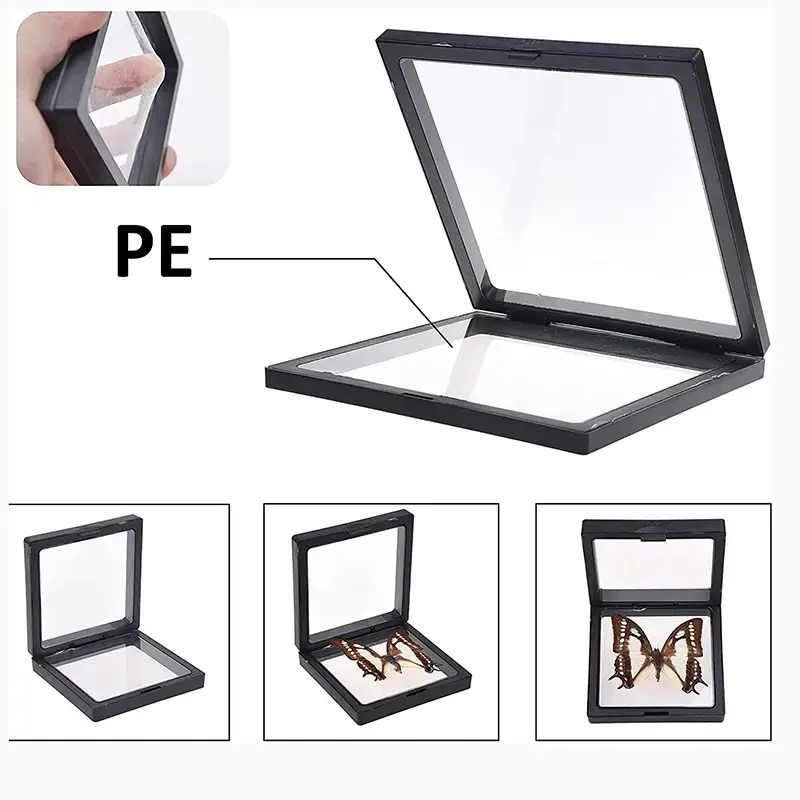
These compact glass cases sit on retail counters and tables, typically 24–36 inches wide. Direct sightlines make them ideal for boutique environments where customers engage closely with inventory.nnAccess is seamless: open-top or sliding-door designs enable quick sales transactions and easy restocking. Cost range: $400–$1,200 per unit.
Wall-Mounted Vitrines
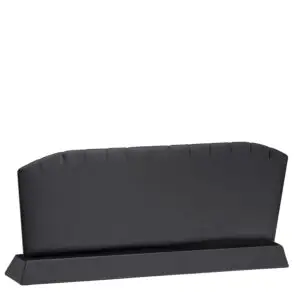
Mounted fixtures maximize premium visual impact while preserving floor space—typically 18–30 inches wide. This configuration suits luxury boutiques and brand-focused retail where wall real estate commands high traffic.nnSecurity hinges and tempered glass are standard features. Cost range: $600–$1,800 per unit.
Pedestal Display Stands
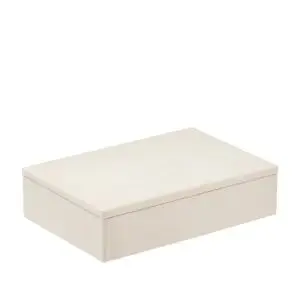
Freestanding pedestals (48–72 inches tall) create focal-point displays ideal for flagship stores and upmarket installations. Single-tier or multi-tier configurations suit jewelry lines requiring layered visibility.nnCompact footprint delivers premium impact without dominating floor space. Cost range: $800–$2,000 per unit.
LED-Integrated Displays
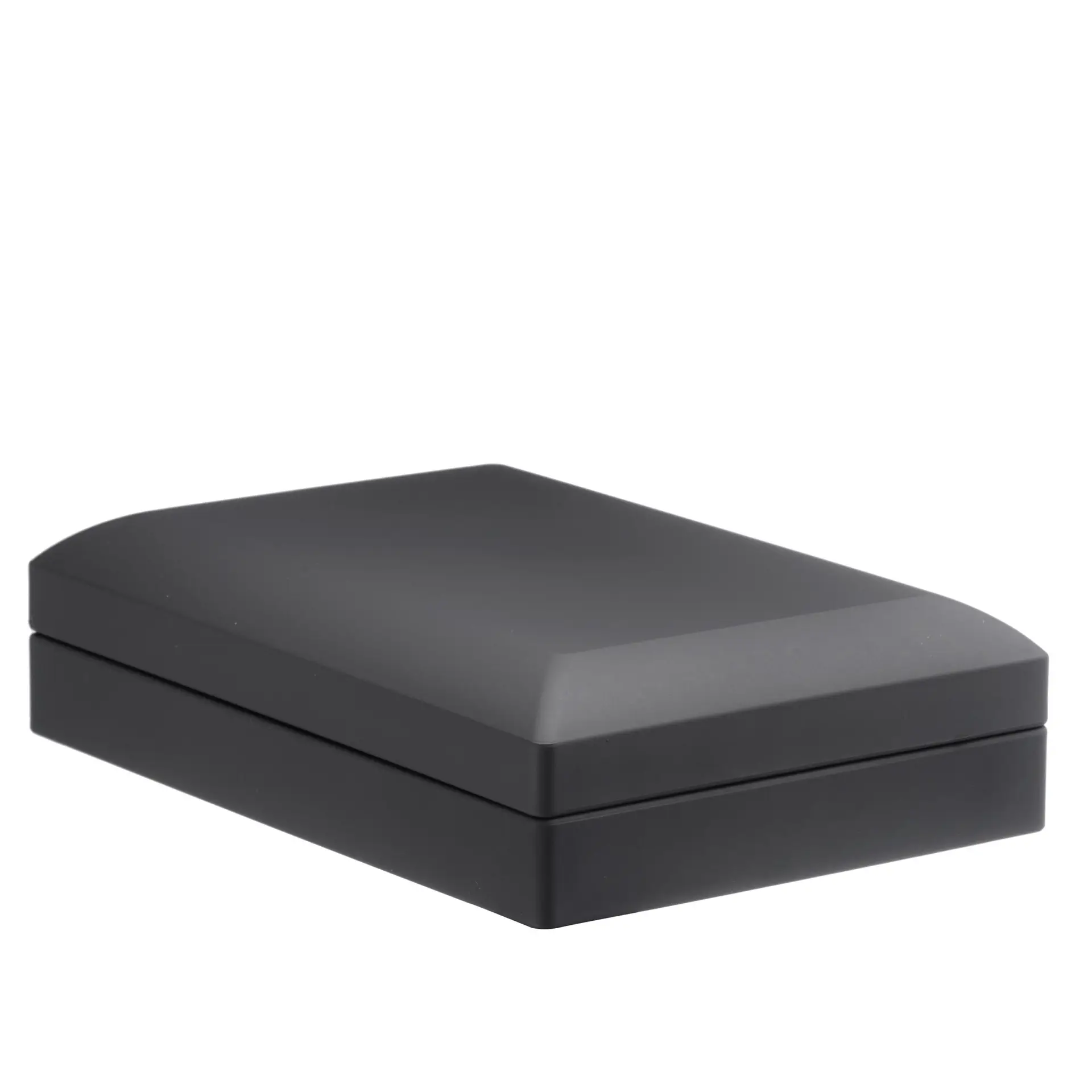
Built-in LED accent lighting enhances gemstone brilliance and perceived value in mid-range and luxury settings. The uplift justifies 30–50% premium pricing through improved customer perception and sales velocity.nnThese systems work best when paired with premium finishes and minimal obstructions. Cost range: $1,200–$3,000 per unit.
Museum-Grade Secured Cabinets
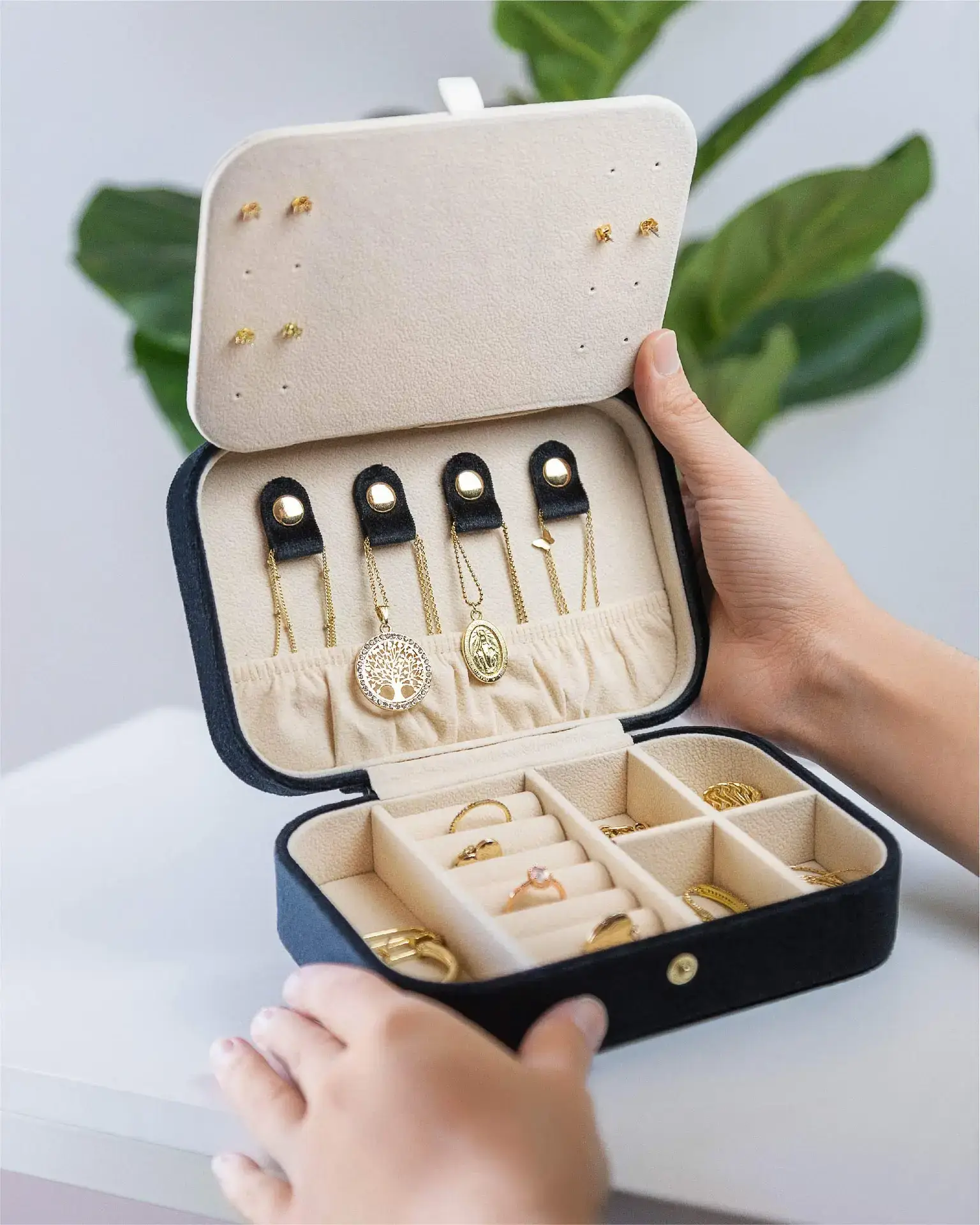
Heavy-duty construction with reinforced frames, multi-point locks, and motion sensors protects high-value inventory in ultra-luxury and high-volume retail. Footprint is substantial (36–48 inches wide).nnSecurity certification (optional upgrade) is available on request. Cost range: $2,500–$5,000+ per unit.
4. Materials and Construction in Glass Jewelry Display Cases
Material choice determines durability, aesthetics, and cost. Glass clarity, frame rigidity, lining texture, and hardware quality define how a display case performs under retail conditions. Factory flexibility allows component customization at low MOQ.
| Glass Type | Clarity | Durability | Cost Variance | Thermal Performance |
|---|---|---|---|---|
| Float | 90–92% | Low (scratches) | Baseline | Standard |
| Tempered | 88–90% | High (8–9 Mohs) | +20–30% | Shock-resistant |
| Tinted | 75–85% | Medium | +10–15% | Standard |
| Laminated | 80–88% | Very High | +40–60% | Standard |
Glass Types and Optical Properties

Float glass (4–6 mm) offers 90% light transmission at lowest cost but scratches easily.nnTempered glass (5–8 mm) resists thermal shock and abrasion; costs 20–30% more. Tinted varieties reduce glare.nnLaminated glass bonds two panes for safety at 40–60% premium.
Frame Construction and Durability
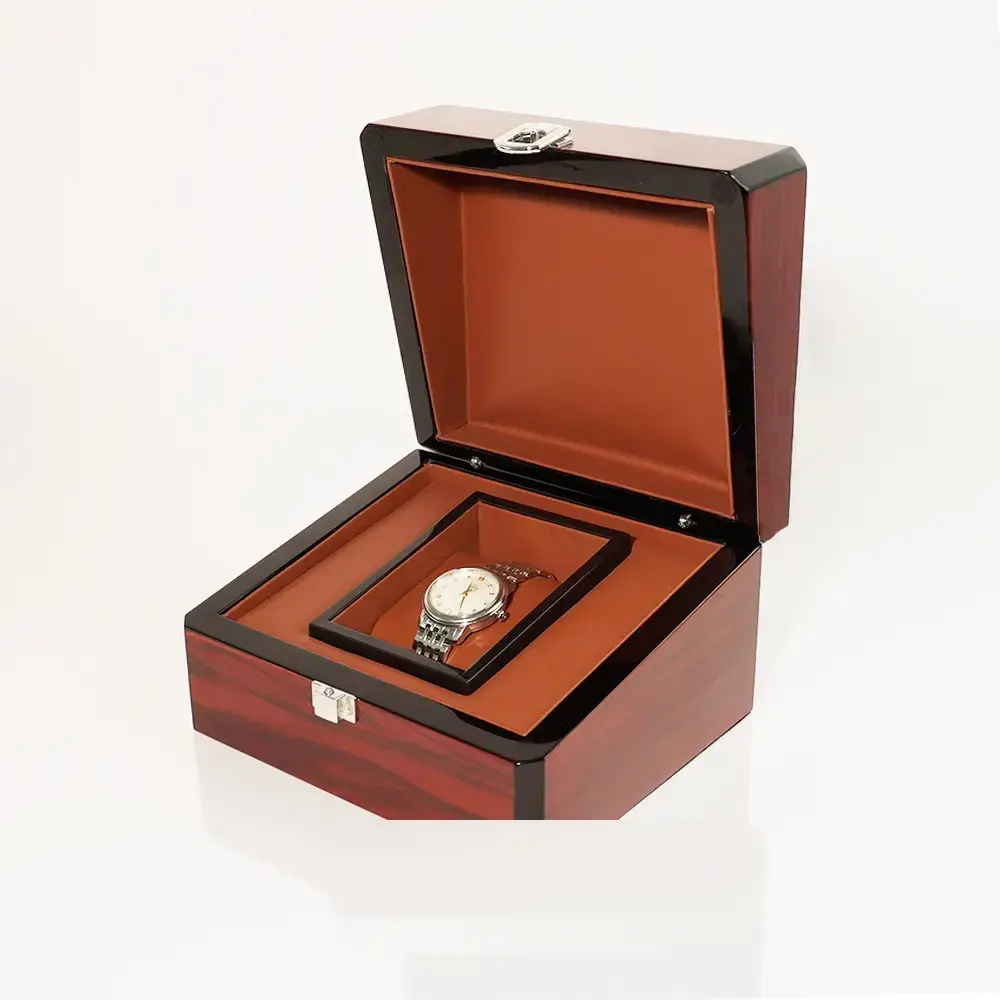
Solid wood (oak, walnut) conveys luxury but requires finishing; $8–15 per linear inch.nnAluminum extrusions (anodized, powder-coated) resist corrosion and run $4–8 per inch.nnStainless steel (304/316) suits high-humidity retail and jewelry’s moisture sensitivity at $10–18 per inch.
Interior Lining and Backing

Velvet and microfiber create luxury backdrop at $0.80–1.50 per m². Felt (300 GSM, wool-blend) offers mid-range durability at $1.20–2.00 per m².nnMirror or matte backing enhances visibility; LED cove lighting adds $8–15 per case with 24V wiring.
Hardware and Closures
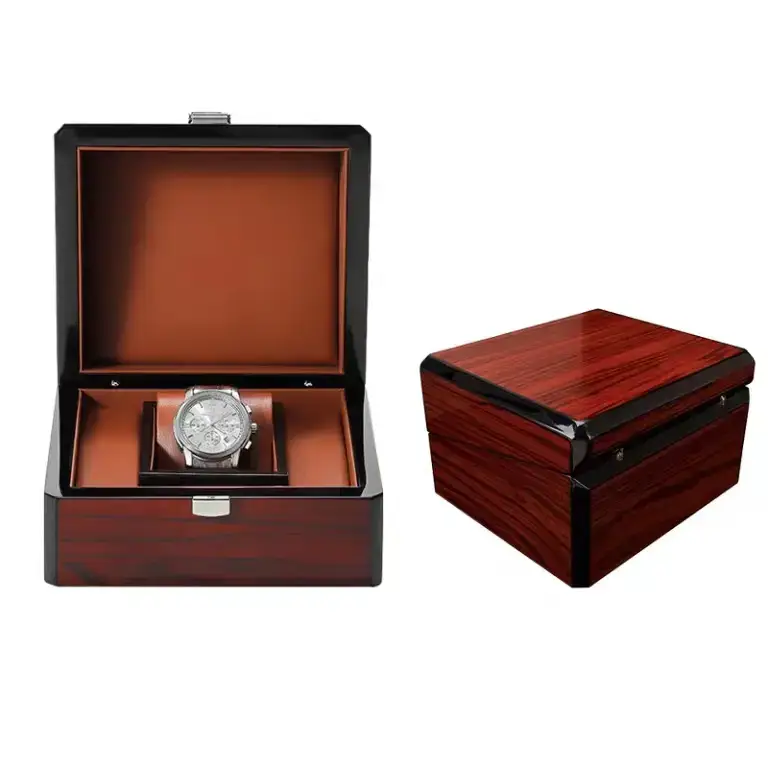
Stainless-steel hinges withstand 10,000+ opening cycles; soft-close dampers add $2–3 per hinge.nnMagnetic locks cost $1.50–3.00; keyable cylinder locks ($4–6) suit high-value brands.nnCorner brackets (zinc, stainless) protect edges. Specify fastener type (screw, rivet, glue) to match QC.
5. Customization and Branding Options
Your display case’s aesthetic must amplify your brand identity. On The Way delivers customization across glass surfaces, framework materials, interior finishes, and integrated lighting—enabling retail environments and unboxing moments that reinforce brand perception and perceived value.
Logo Engraving and Surface Printing
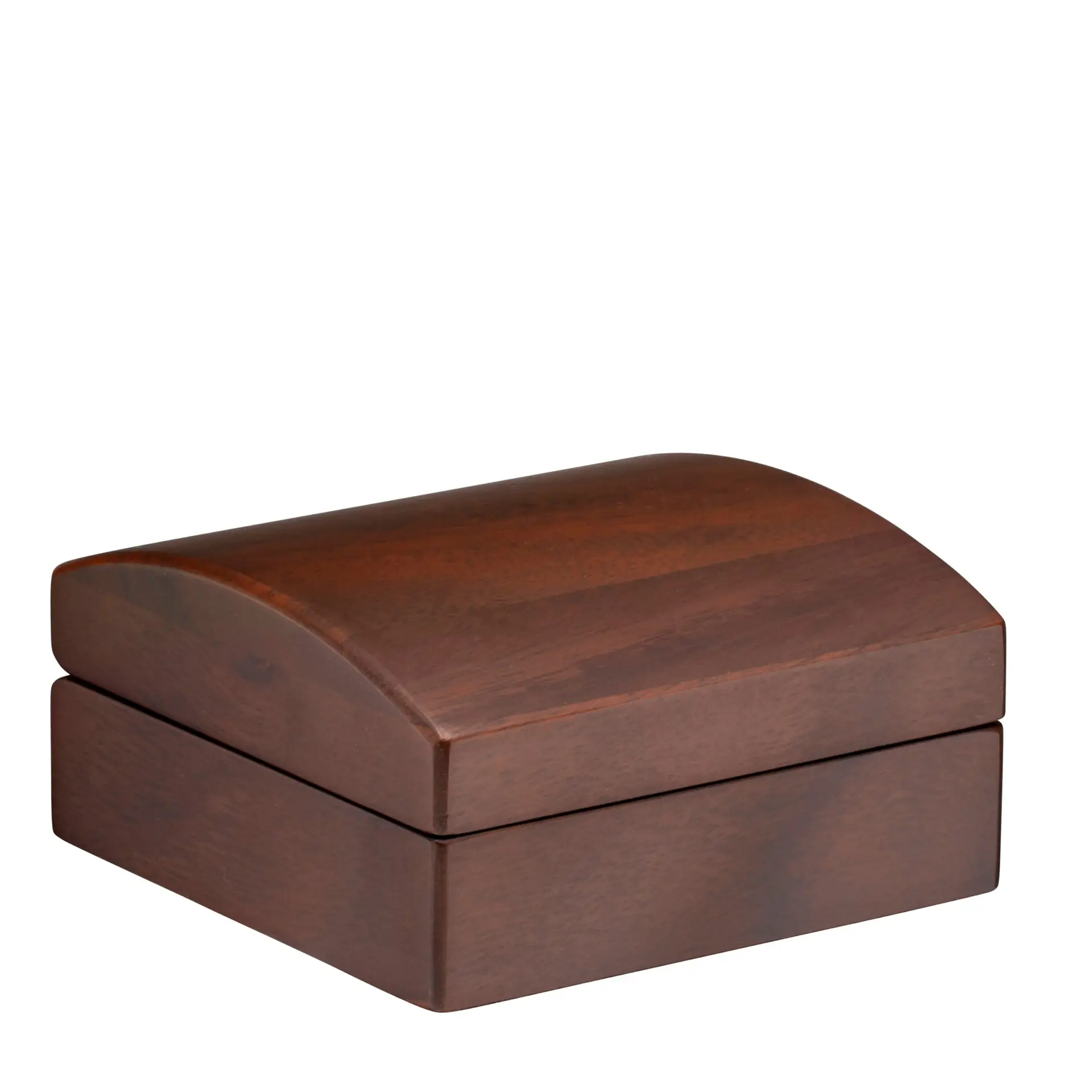
UV offset printing and deep-glass engraving accommodate brand marks on tempered glass and frame materials. Precision application ensures legibility at standard 0.5–1mm line weights and withstands retail handling without fading. Custom Pantone matching adapts case aesthetics to seasonal campaigns or collection launches.
Custom Dimensions and Shelf Configuration
Width, height, and depth adapt to display-specific product ranges—rings, necklaces, watches, bracelets—without structural compromise. Adjustable shelf rails and removable dividers maximize flexibility for product restocking and seasonal recuration. Multi-stage QC ensures dimensional tolerances of ±2mm across completed installations.
Interior Finishes and Fabric Colors
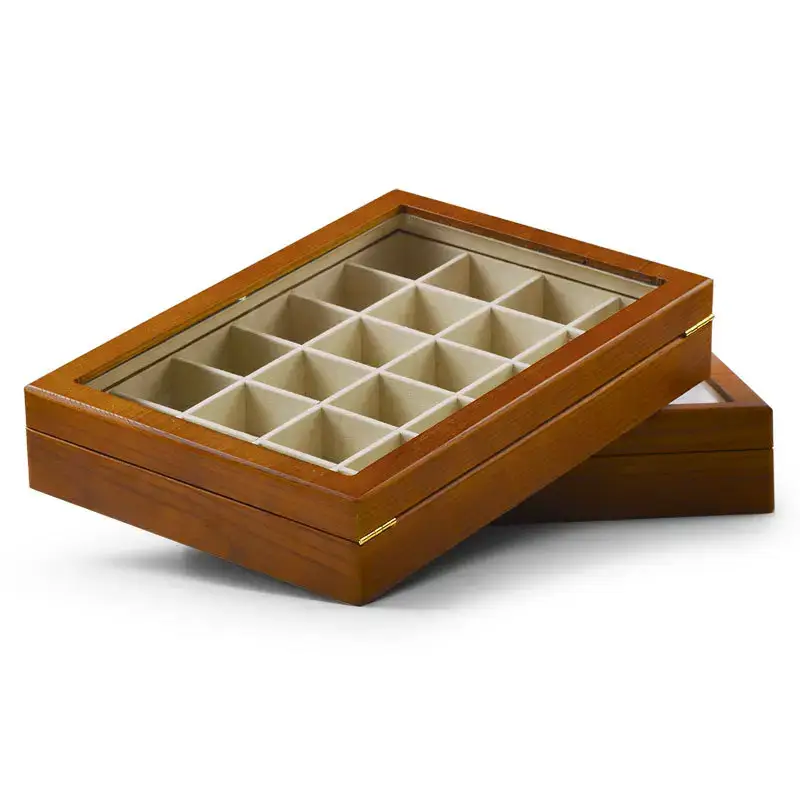
Microfiber, velvet, and satin cushioning in coordinated color options align case interiors to brand guidelines or seasonal themes. FSC-certified, eco-material backings reduce environmental impact for sustainability-minded retailers. Protective foam layers and edge-binding techniques preserve delicate item surfaces during transport and display placement.
Integrated Lighting and Reflection
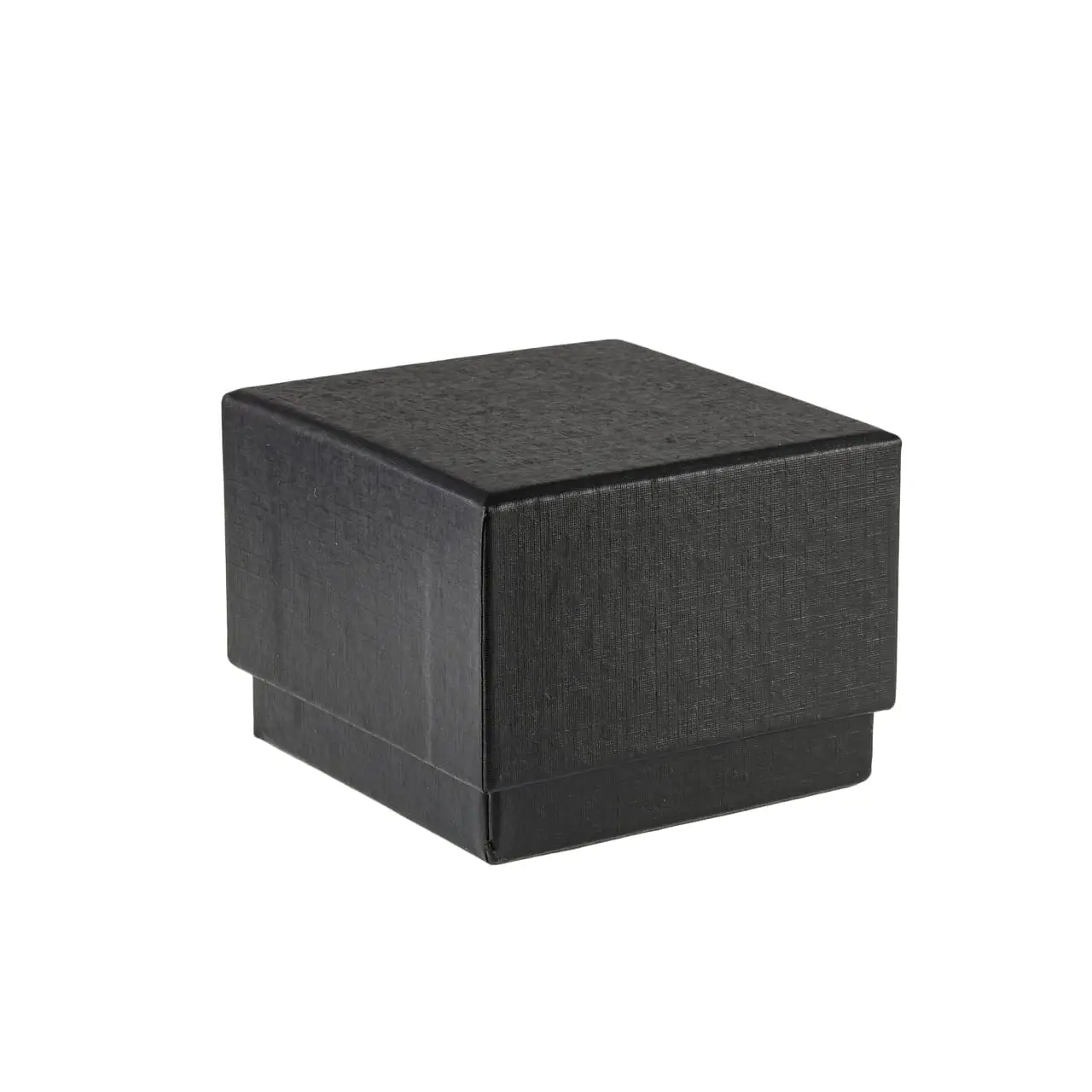
LED accent lighting embedded into frame edges or undershelves highlights product contours and elevates perceived value. Mirror backing multiplies light distribution and creates depth illusion, enhancing visual impact in dimly lit retail zones. Warm 3000K color temperatures enhance precious metal tones; cool 5000K suits diamonds and gemstones.
Ventilation and Environmental Protection
Ventilation slots and moisture barriers protect sensitive items from humidity damage and dust accumulation. Case placement guidance and ambient-light recommendations align display positioning to retail floor layouts for optimal brand presence and customer sightlines.
6. Key Quality Elements to Evaluate
Premium glass jewelry display cases require rigorous quality standards across materials and mechanics. Evaluating tempered glass, frame precision, and operational reliability protects your inventory and brand reputation.
Tempered Glass Strength and Safety
Tempered glass provides 4–5 times greater impact resistance than annealed glass—a critical safety metric for retail environments. ISO 12337 and ANSI Z97.1 define safety thresholds; request test certificates showing edge strength, thermal shock resistance, and breakage patterns.nnVerify heat treatment logs document quenching at 650–700°C and cooling sequences. Under-tempered glass fails catastrophically under pressure, endangering staff and customers.
Frame, Hinges, and Locks
Measure frame diagonal corners—they must match within ±1 mm to prevent dust infiltration and seal compromise. Hinges must operate through 10,000+ cycles without grinding; request torque testing (1.5–2.5 Nm).nnBrass or stainless hinges outperform plated steel in high-traffic retail. Test locks for smooth engagement; cheap locks jam after 500 cycles. Verify ball-bearing systems prevent play.
Interior Finish and Edge Quality
Polish all visible glass edges to 120–240 grit (fine satin); rough edges scratch products and pose safety risks. Beveled or polished edges (±2–3 mm chamfer) add visual sophistication.nnCorner reinforcement—rubber pads or metal guards—prevents chipping during transport. Inspect samples for incomplete polishing or chips; poor edge work signals suppliers cutting corners on finishing.
Supplier Verification and Red Flags
Request ISO 9001 and ISO 12337 test reports before large orders. Reputable suppliers conduct multi-stage QC: incoming material checks, dimension verification, and functional testing on hinges and locks.nnReview 5–10 production samples; third-party lab testing ($500–$1500 per test) verifies claims. Red flags: missing test certificates, hinges that rattle after 10 cycles, visible frame gaps, or vague promises. Commit to small pilot orders before scaling.
7. How to Choose a Glass Jewelry Display Case Supplier
Selecting a glass jewelry display case supplier requires vetting beyond price. Evaluate MOQs, lead times, certifications, sample policies, production capacity, and post-sale support through structured due-diligence to avoid costly delays and quality mismatches.
Minimum Order Quantities and Lead Times
Many suppliers impose MOQs of 500+ units, excluding boutiques and independents from custom options. Ask upfront: What is your minimum? Does it vary by product type or complexity? Can you expedite production, and at what cost premium?nnLead times typically range 6–10 weeks from design approval; expedited options may compress to 3–4 weeks for 15–20% surcharge.
Quality Certifications and Safety Standards
Verify ISO 9001 certification for quality management systems. Request independent test reports confirming tempered glass meets ANSI/NFPA strength standards and finish durability (scratch, UV resistance).nnFor metal hardware (brass, stainless, aluminum), confirm compliance with toxicity and corrosion standards. Suppliers should furnish MSDS documents for all finishes, adhesives, and sealants.
Sampling, Customization, and Technical Support
Ask for sample timeline and cost upfront—$150–$400 per custom prototype is typical. Ensure they provide CAD renderings and approve finishes, dimensions, hardware, and spacing before tooling.nnDedicated account managers reduce costly spec misalignments and accelerate revision cycles during development.
Production Capacity and Reference Verification
Large factories with 1,200+ m² capacity and 220+ staff can absorb 50–500 unit runs without delays. Request 3–5 customer references with similar volumes and lead-time windows.nnAsk: Monthly SKU production capacity? Typical reject/defect rate? How do you handle peak-season (Nov–Dec) commitments? Verify they’ve met timelines consistently.
Payment Terms and Warranty Coverage
Standard payment: 50% deposit, balance on shipment; net-30 available for established accounts. Confirm 12-month warranty on glass, hardware, and assembly defects.nnClarify post-sale service: bulk replacement options, response SLA, shipping cost allocation. Factory-direct operators typically excel in responsiveness and cost-effective issue resolution.
8. Common Mistakes When Sourcing Glass Jewelry Display Cases
Manufacturing a custom glass jewelry display case involves dozens of decisions where vague briefs, overlooked details, or misaligned timelines compound into costly rework. Understanding the most frequent sourcing pitfalls—and implementing early safeguards—protects both budget and delivery schedule.
Dimension Miscommunication
Dimension errors account for 70% of custom rework requests. Tolerance stacking—where millimeter variations compound across shelves and frames—renders a glass jewelry display case incompatible with your display counter.nnProvide 2D CAD drawings with critical measurements (interior height, shelf spacing, frame thickness) and explicit tolerances in both metric and imperial. Always request prototype approval before mass production.
Quality Control Oversight
FAI (first-article inspection) isn’t optional—omitting it costs 8–12 weeks and 20–35% budget loss when bulk defects emerge. Mandate checks for glass thickness uniformity, coating adhesion, lock/hinge cycling (5 cycles), sealing integrity, and finish consistency.nnRequire FAI in contract language. Schedule a live QC video call with the supplier’s team. Request detailed inspection reports with measurements and photographs before bulk shipment.
Lead Time Underestimation
Custom glass jewelry display cases require 6–10 weeks from order to shipment at mid-range volumes (MOQ 10–50 units), plus 2–4 weeks for novel tooling. Rush fees of 15–25% apply when expediting; many suppliers refuse 2-week turnarounds.nnAsk your supplier for a detailed timeline by phase (design, tooling, production, QC, packing, shipping). Plan backwards from your retail launch date to avoid costly delays.
Lighting Integration Gaps
LED integration fundamentally changes electrical design, waterproofing, and power requirements—decisions made late drive cost escalations of 12–20% and 3–4 week delays. Specify upfront whether you need internal spotlights, edge backlighting, or integrated shelf lights, along with voltage (110V, 220V, USB) and dimming.nnAttach a lighting schematic to your brief. Confirm electrical certifications for your markets (UL, CE). Request a lighting prototype before bulk production.
9. Pricing and Cost Breakdown
Glass jewelry display case pricing from Asian manufacturers typically ranges from $18–65 per unit depending on volume, material grade, and customization complexity. Setup fees for custom molds, printing, or finishing generally run $200–800, recouped across your order quantity. Low-MOQ suppliers like Jewelry Box Supplier Ltd. absorb tooling into upfront costs rather than per-unit surcharges, making small initial orders economically viable for independent brands testing market demand.nnYour total cost-per-unit shrinks significantly as volume grows: a 1-unit order ($350–600 delivered) includes full setup costs, while 100+ units average $18–24 per unit plus shipping. Customization level—glass thickness, frame material (aluminum vs. stainless steel), LED integration, branding—directly impacts pricing. Lead times compress from 4–6 weeks at 1–10 units to 2 weeks at 100+ units. Sourcing from factory-direct suppliers eliminates distributor markups.nnMaterial sourcing and production timeline significantly affect final cost. Standard aluminum frames with tempered glass carry lower setup costs, while stainless steel or custom designs require specialized tooling. Shipping distance also matters: domestic orders within Asia enjoy lower freight, while North American or European delivery adds 15–30% to landed cost.
| Order Quantity | Unit Cost (USD) | Setup Fee (USD) | Lead Time | Sample Total |
|---|---|---|---|---|
| 1–10 | $45–60 | $400 | 4–6 weeks | $850 |
| 11–50 | $32–40 | $200 | 3–4 weeks | $1,800 |
| 51–100 | $24–32 | $150 | 2–3 weeks | $2,550 |
| 100+ | $18–26 | Negotiable | 2 weeks | Quote |
10. Launch Your Jewelry Brand with Professional Displays
Launching professional displays requires assessing retail readiness, evaluating samples, building brand narratives around your glass jewelry display case, and training teams to coordinate displays, packaging, and logistics.
Assess Store Readiness
Map store footprints by location and brand positioning. Boutique retailers dedicate 6-12 linear feet; flagship stores warrant 15-24 feet. Evaluate sightlines, checkout proximity, and climate control for display unit selection and inventory planning.
Sample Evaluation and Testing
Order 2-3 sample units of your glass jewelry display case design before production. Test in pilot stores for 2-4 weeks, assessing customer interaction, staff usability, and lighting performance.nnRefine dimensions based on real-world feedback before large MOQ orders.
Brand Display Narrative
Develop styling guidelines tied to your brand story. Document product arrangements, lighting angles, and seasonal themes. Show how your glass jewelry display case elevates brand perception.nnAlign with packaging—box materials and color consistency—for cohesive customer experience.
Staff Training and Styling
Train retail teams on setup, styling, and product rotation. Provide quick-reference cards for display mechanics and brand messaging. Ensure staff understand how the glass jewelry display case positions your brand at premium tiers.nnWell-trained teams maximize display impact.
- Product arrangement and seasonal rotation schedules
- Lighting optimization and sightline positioning
- Brand narrative alignment and messaging
Measure and Optimize
Track performance via dwell time, conversion rates, and feedback. Plan logistics around store hours and availability. Measure 30-60 days before expanding locations.nnCoordinate display placement with packaging timelines and campaigns. Use data to refine ordering strategy and scale.
Ready to Create Your Glass Jewelry Display Case?
Custom jewelry packaging from our factory, not middlemen. Display cases, boxes, pouches, paper bags. Low MOQ, 48-hour quotes, dedicated account manager. No compromises on quality or speed.