
Custom Velvet Jewelry Tray Manufacturer — Low MOQ, Factory-Direct
Luxury velvet jewelry trays designed for discerning brands. Factory-direct pricing, 100-unit MOQ, full customization, and dedicated account support. Trusted by 300+ jewelry brands across 30+ countries.
Featured Jewelry Packaging Products






Design & Customization Options





Why We Stand Out
Premium Velvet Luxury Feel
Hand-selected velvet delivers exquisite tactile experience. Each velvet jewelry tray creates an unforgettable first impression during customer unboxing moments.
Fast Sampling & Turnaround
Rush samples in days, not weeks. Production-ready custom trays within 3–4 weeks after sample approval, keeping your launch timeline on track.
Eco-Friendly & Sustainable Materials
FSC-certified paper, recycled fabrics, and reusable options. Show your brand’s environmental commitment without sacrificing luxury, quality, or sustainability standards.
Low MOQ, Full Customization
Starting quantities as low as 100 units with unlimited custom designs for velvet jewelry trays. Perfect for startups, designers, and established brands.
Multi-Stage Professional QC
Every velvet jewelry tray passes rigorous inspection at sampling, production, and final packaging stages to ensure flawless delivery every single time.
Factory-Direct Pricing & Value
Own production line means no middlemen. Maximum savings passed directly to you with transparent, competitive pricing for velvet jewelry trays always.
Solutions for Every Brand & Use Case
Discover how custom velvet jewelry trays solve packaging challenges across retail, branding, storage, and wholesale distribution.
Retail & In-Store Displays
Luxury boutiques and department stores need display solutions that protect delicate jewelry, prevent shrinkage, and command customer attention. Standard displays communicate discount pricing and undermine premium brand positioning.
Custom velvet jewelry trays create secure, prestigious displays that increase perceived value, reduce shrinkage, and justify premium pricing—directly boosting margins and brand prestige in-store.
Premium Unboxing & Brand Differentiation
Luxury jewelry designers and brands compete fiercely on first impressions. Customers forget generic packaging instantly, but premium, branded packaging becomes memorable, drives social sharing, and communicates brand values.
A custom velvet jewelry tray transforms unboxing into a brand experience, boosts perceived value, increases social sharing, and builds emotional loyalty—turning packaging into a strategic brand asset.
Premium Storage & Collector Solutions
Watch collectors and jewelry retailers need storage solutions that protect delicate pieces from damage and dust while keeping inventory beautifully organized and easily accessible for display or safekeeping.
Custom velvet trays provide elegant, protective storage that extends jewelry lifespan, enhances customer satisfaction, and creates premium upselling opportunities for storage accessories—increasing average order value and long-term loyalty.
Private Label & OEM Solutions
Packaging resellers, distributors, and retailers want to offer premium velvet trays without massive minimum orders. Low MOQ options are rare, making it hard to enter the luxury segment or test new products.
Our low-MOQ private-label program lets you launch custom velvet jewelry trays under your brand within weeks—expanding product lines, capturing wholesale margins, and entering the premium packaging market with minimal risk.
Premium Fabrics & Materials

Classic Velvet
Luxurious, soft-to-touch fabric with rich, lustrous surface. Ideal for premium jewelry boxes and display trays. Velvet offers excellent durability at 500+ gram weight and rich color absorption for brand-defining presentations.

Crushed Velvet
Contemporary variation featuring crinkled, textured surface that hides fingerprints and dust. Perfect for high-touch displays and retail environments. Durable at 450+ grams with superior stain resistance and visible dimension.
Embossed Velvet
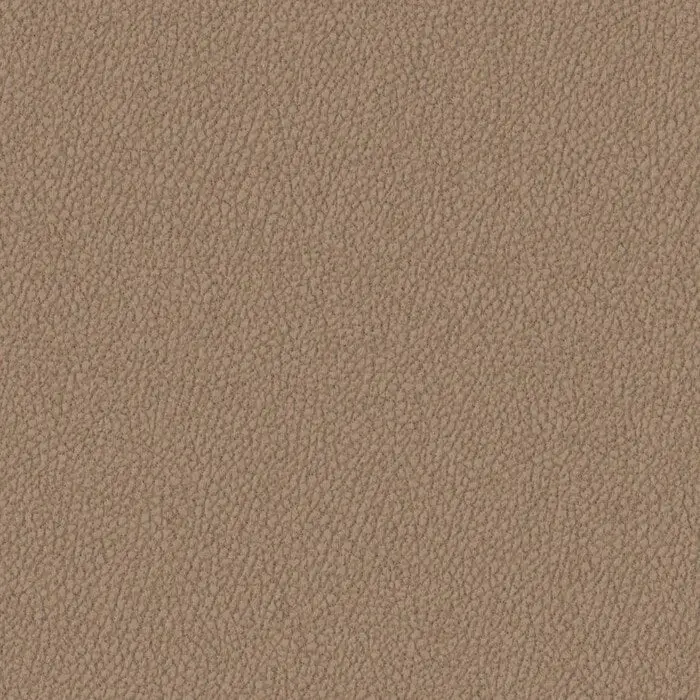
Velvet with intricate surface patterns that add visual depth and tactile interest. Widely used in luxury jewelry presentations. Embossing creates lightweight yet durable finish at 400+ grams, enabling custom logo integration.

Microfiber
Ultra-soft synthetic alternative mimicking velvet’s luxe feel. Ideal for boutique jewelry trays requiring washable, stain-resistant materials. Lightweight at 250 grams, microfiber offers durability, easy maintenance, and cost-effectiveness without sacrificing premium aesthetics.

Satin
Smooth, glossy fabric with elegant drape and luxurious appearance. Excellent for premium jewelry displays and gift presentations. Satin weighs 200+ grams, reflects light beautifully, and pairs seamlessly with other luxury materials.

Eco-Linen
Sustainable, natural-fiber alternative from FSC-certified sources. Perfect for eco-conscious brands seeking premium packaging without environmental compromise. Eco-linen at 250+ grams offers durability, breathability, and natural aesthetic for modern luxury packaging.
Production Processes & Unlimited Customization

Emboss Finishing
Create raised or recessed design details on velvet surfaces using precision dies. Adds tactile dimension and sophisticated visual depth to your custom velvet jewelry tray, enhancing logos and creating memorable brand experiences.
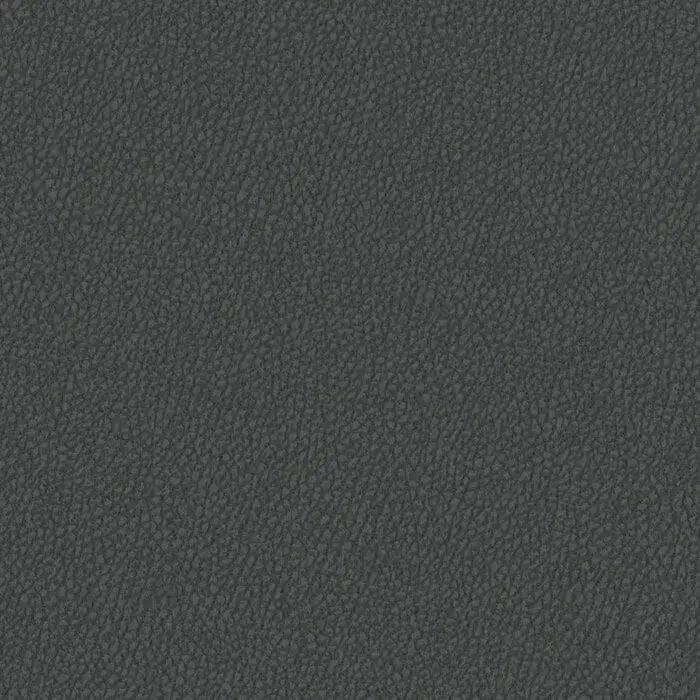
Screen Printing
Apply multi-color designs directly onto velvet surfaces with vibrant, durable inks. Ideal for detailed artwork and branding on your velvet jewelry tray packaging, offering excellent color fidelity and lasting impact.

Hot Foil Stamping
Transfer metallic foils (gold, silver, rose gold) onto velvet with heat and pressure. Delivers luxury appeal and eye-catching finishes to elevate your velvet jewelry tray’s premium brand positioning and visual impact.

Custom Dyeing
Achieve any color specification by custom-dyeing velvet fabric before production. Ensures your velvet jewelry tray matches your exact brand palette and stands out with unique, signature colorways unavailable off-the-shelf.
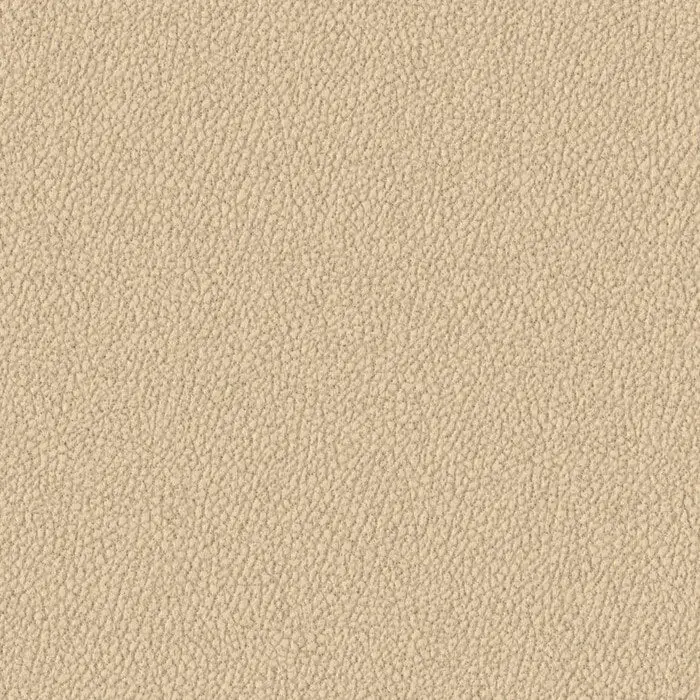
Embroidery
Stitch custom logos, initials, and intricate patterns directly onto velvet surfaces. Adds premium handcrafted appeal and durability to your velvet jewelry tray, creating a memorable unboxing moment for your end consumers.
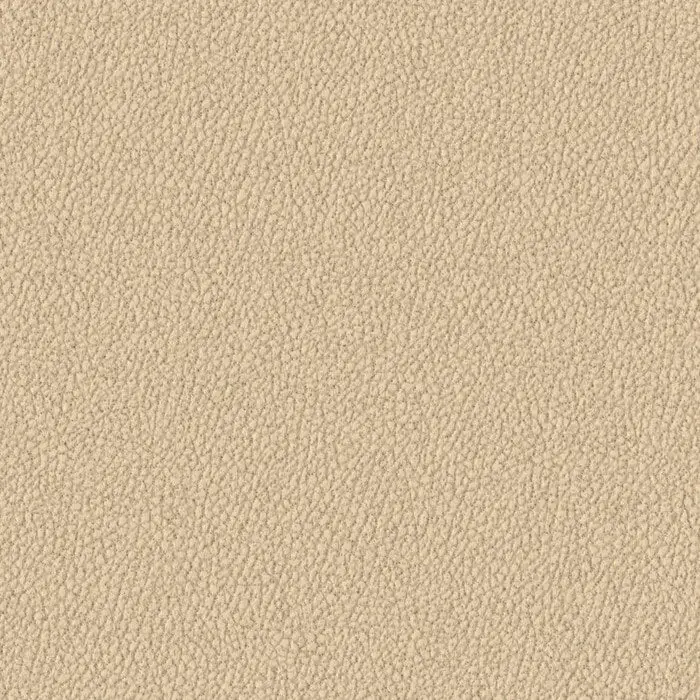
Edge Binding
Finish velvet tray edges with contrasting fabric tape, leather, or cord trim. Provides polished, professional finishes that enhance structural integrity while adding elegant decorative detail to your velvet jewelry tray.
Luxury Hardware & Finishes for Velvet Jewelry Trays
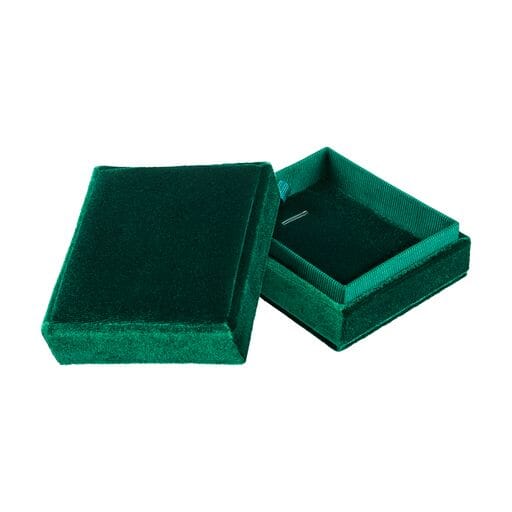
Magnetic Closures
Premium magnetic fasteners for velvet tray lids that provide secure, sophisticated closure without visible hardware. Creates a luxury unboxing experience while ensuring contents stay protected during shipping and handling.

Silk Ribbon Handles
Reinforced silk or satin ribbon handles sewn onto velvet tray sides for elegant carrying and presentation. Elevates the gift-giving experience while adding functionality for customers who want portable, display-ready trays.
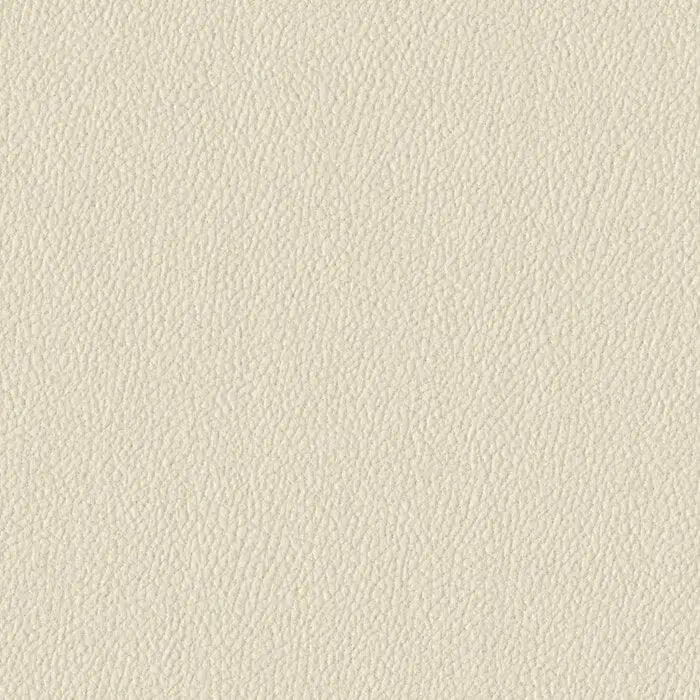
Metal Corner Protectors
Decorative brass or stainless steel corner reinforcements for velvet trays that protect edges during transit while adding premium metallic accents. Industry-standard for luxury jewelry packaging, these enhance both durability and aesthetic appeal.
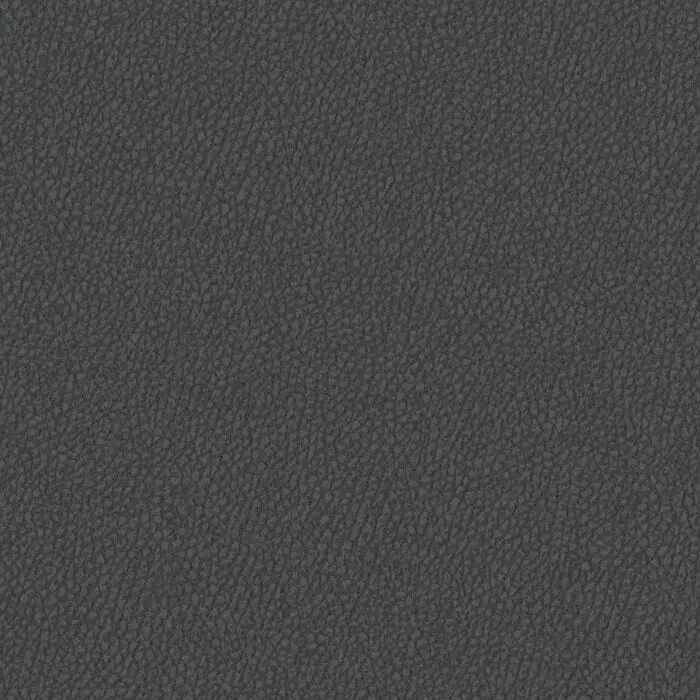
Custom Metal Nameplate
Engraved or embossed metal plate (brass, nickel, copper) mounted on the velvet tray for brand logo or signature. Creates a personalized, high-end finishing touch that reinforces brand identity and perceived value.

Protective Dust Bag
Custom-made satin or microfiber dust bag sized to fit your velvet jewelry tray, included for storage and premium presentation. Protects trays from dust and scratches while adding perceived value to the complete packaging solution.

Padded Drawer Dividers
Custom-cut fabric-wrapped dividers that organize jewelry compartments within velvet trays. Maximizes tray functionality for retailers and customers, preventing jewelry movement and adding luxury to the unboxing experience.
Velvet Jewelry Tray Manufacturer — Trusted by 300+ Brands
Founded in 2007, On The Way was built on a simple principle: quality defines survival. We began our journey as a premium jewelry packaging manufacturer, and today we’re recognized as a trusted partner for luxury brands seeking custom velvet jewelry tray solutions and complete packaging ecosystems. Our commitment to excellence has never wavered.
Operating a 1,200 m² factory in Dongguan, China, with 220+ dedicated team members, we’ve completed 6,500+ custom projects for 3,000+ cooperative customers. Our work spans 300+ global brands across 30+ countries—from independent jewelry designers to luxury retailers in North America, Europe, and Southeast Asia. This scale, paired with our factory-direct model and low MOQ flexibility, allows us to serve startups and established brands alike.
What sets us apart is our unwavering commitment to quality at every stage. From multi-stage professional QC to FSC-certified materials and eco-conscious manufacturing, we ensure every velvet jewelry tray reflects your brand’s values. Our dedicated account managers, on-time delivery, and end-to-end service—from sampling through mass production—make us more than a supplier: we’re your partner in building lasting brand impressions.
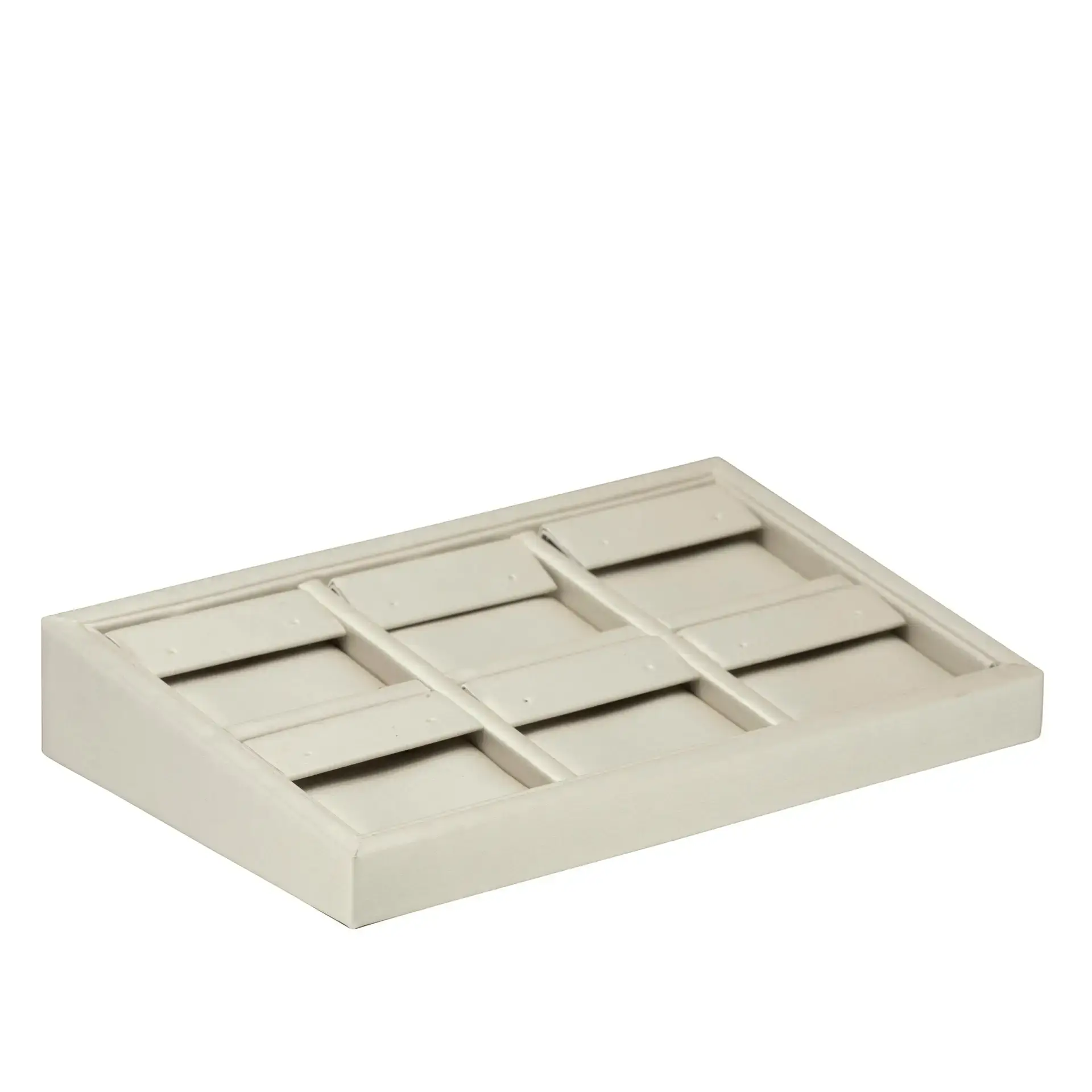
Our Core Capabilities in Custom Velvet Jewelry Trays
Expert Design & Rapid Sample Turnaround
Work with our dedicated design team to perfect your custom velvet jewelry tray specifications. We deliver samples within 7–10 days and include unlimited revision rounds. Your vision becomes reality faster than industry standard.
- Dedicated design team reviews all specifications in detail
- Sample approval typically within 7–10 business days
- Unlimited revision rounds included at no extra cost
- Complete design templates provided for your project

Multi-Stage QC for Premium Velvet Trays
Our professional QC team inspects every velvet jewelry tray at material intake, during production, and before final shipment. Photography documentation and physical sample approval ensure zero defects and full brand compliance.
- Three-point inspection: material, production, and pre-shipment stages
- Photo documentation of every batch
- Physical sample approval before mass production starts
- Full liability coverage and replacement guarantee

Sustainable Materials for Luxury Velvet Trays
We source FSC-certified paper, recycled velvet, and organic fabrics for every custom velvet jewelry tray. Biodegradable packaging options available. Full transparency on all material sourcing and environmental certifications included.
- FSC-certified sustainable paper and cardboard
- Recycled velvet, organic cotton, linen alternatives
- Biodegradable eco-packaging materials available
- Complete material sourcing transparency

White-Label OEM & Private Branding
Grow your brand with our seamless private-label and OEM solutions. Customize every velvet jewelry tray with your logo, custom printing, and brand colors. Low MOQ starting at 100–500 units, with dedicated account support.
- White-label production under your brand name
- Custom logo, printing, and color options on trays
- Flexible MOQ from 100–500 units depending on specifications
- Dedicated account manager for your entire project

Why On The Way Leads the Industry
See how On The Way‘s factory-direct model, custom flexibility, and quality standards outpace typical suppliers.
← Swipe left or right to view →
Our Production Process
Understand how we transform premium materials into flawless velvet jewelry trays through rigorous multi-stage production and quality control.
Premium Material Sourcing
We source premium velvet and eco-friendly materials globally, testing each batch against rigorous standards. Every material meets sustainability certifications before entering production.
Precision Cutting & Assembly
Using precision laser-cutting technology, our team hand-assembles each velvet jewelry tray component. Custom dimensions and layouts ensure exact specifications for your brand.
Custom Embellishment & Design
Custom embroidery, logo placement, magnetic closures, and luxury hardware elevate your tray. Every embellishment reflects your brand’s premium positioning and attention to detail.
Rigorous Quality Checks
Our multi-stage QC team inspects every tray for defects, color accuracy, and finish quality. We catch and correct issues before they reach you.
Secure Packing & Prep
Each tray is carefully protected with premium packing materials. We prepare shipments to prevent damage during transit and ensure arrival in perfect condition.
Final QA & Shipping
Final quality verification before dispatch. Every order ships on schedule with full tracking. Reliable delivery worldwide—backed by 17+ years of on-time performance.
Order in 3 Simple Steps
Submit Your Design & Specs
Send us your technical specifications, artwork, materials preferences, or product samples. We accept tech packs and sketches to create your perfect custom velvet jewelry tray.
Review Quote & Approve Sample
Receive a detailed quote and free sample of your custom velvet jewelry tray within days. Review, refine, or approve — we’ll manufacture samples until you’re satisfied.
Confirm Order & Ship
Once approved, finalize order quantities and enter bulk production. Our multi-stage QC team ensures every velvet jewelry tray meets your standards, shipped on-time to your location.
What Jewelry Brands Say
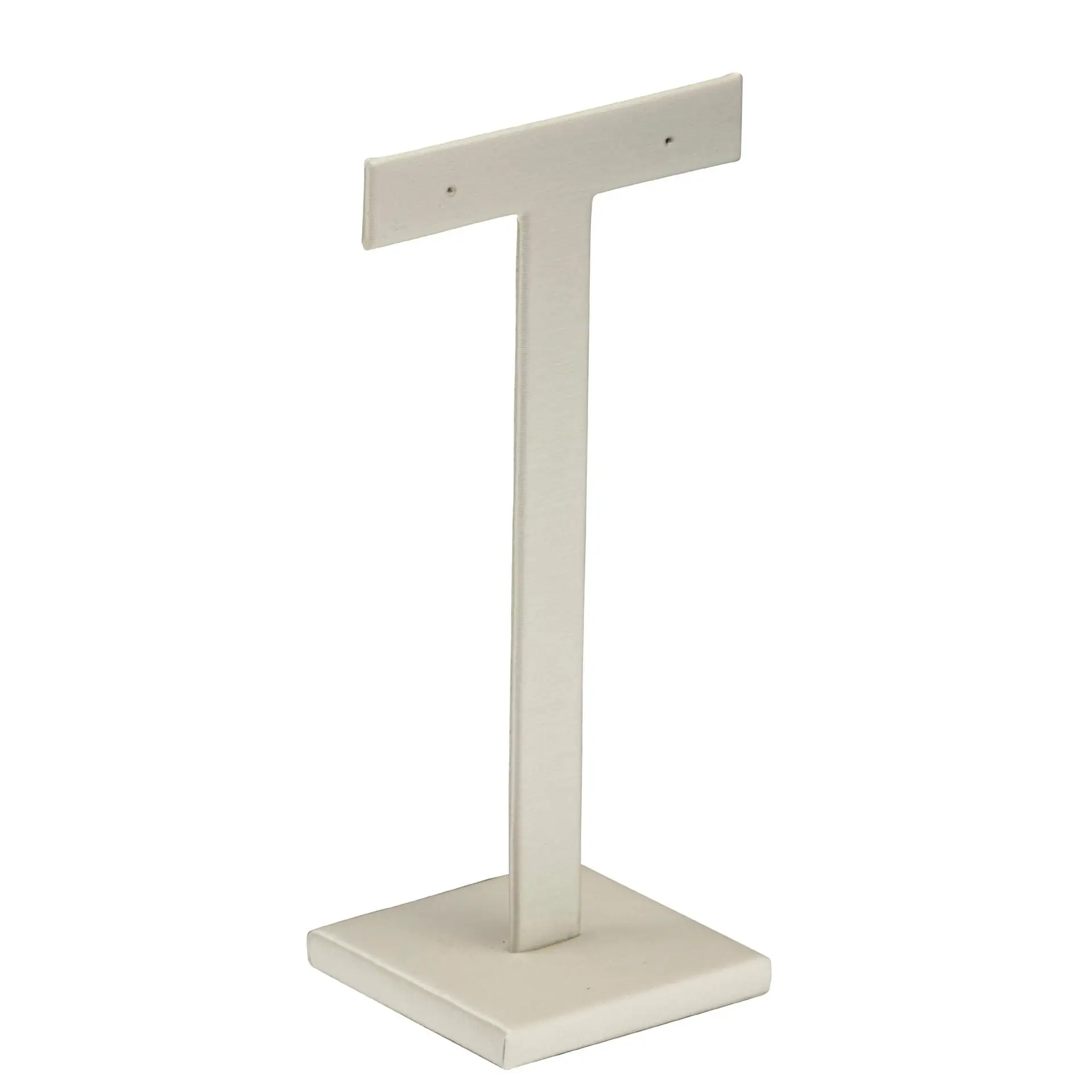
Frequently Asked Questions
On The Way customized our velvet jewelry tray in 3 weeks with zero MOQ restrictions. Their design flexibility let us launch our rose-gold collection on schedule. Impressive quality-to-price ratio.
We compared four suppliers before choosing On The Way. Factory-direct pricing saved us 28% versus wholesalers, and their QC is meticulous. Our customers love the luxury feel—repeat orders up 42% in six months.
Shipped 8,000 custom velvet jewelry trays across three colorways to Singapore without a single delay. Their account manager flagged logistics risks proactively. Quality consistency across all shipments exceeded our compliance standards.
The Complete Buyer’s Guide
Answers to Your Most Common Questions About Sourcing Premium Custom Jewelry Packaging
What is the minimum order quantity for velvet jewelry trays?
How long does it take to produce velvet jewelry trays?
What is your sampling process for custom velvet jewelry trays?
What are your payment terms?
What shipping and delivery options do you offer?
How do you protect our intellectual property and designs?
What material and color options are available for velvet jewelry trays?
Can I customize the size and design of velvet jewelry trays?
What is your return and quality guarantee?
The Complete Buyer’s Guide to velvet jewelry tray
Learn how to select premium velvet jewelry trays, evaluate manufacturer quality standards, understand materials and customization options, and avoid costly purchasing mistakes when sourcing for your jewelry brand.
1. What is a velvet jewelry tray?
A velvet jewelry tray is a fabric-lined shallow storage and display insert, typically 3–5 mm thick and ranging from 10×10 cm to 30×40 cm, designed to organize and present jewelry pieces in a controlled, protective environment. The construction consists of a rigid base layer (chipboard, MDF, or plastic), topped with soft velvet fabric (usually polyester or natural velvet at 250–350 GSM) that cushions rings, earrings, necklaces, and bracelets without surface damage.nnRetailers and brands deploy velvet jewelry trays in two primary contexts: as standalone storage solutions within drawers or safes, and as integrated inserts within rigid boxes or gift packaging. Unlike pouches (loose and stackable) or display busts and stands (single hero pieces), trays maximize horizontal organization and multi-piece presentation in a compact footprint. A single tray holds 10–30 pieces depending on density, making them essential for boutique counters, e-commerce unboxing, and branded gift sets.nnJewelry Box Supplier Ltd. has manufactured custom trays for 6,500+ projects since 2007, finding that trays with 4–8 compartments (created via embroidered or sewn dividers) address 60% of orders, while open-surface trays suit mixed collections. Standard dimensions like 20×25 cm and 15×20 cm fit common box bases, reducing lead times. Custom tray depth, compartment configuration, and velvet color typically progress from sampling (2–3 weeks) to mass production (30–45 days) depending on base material and fabric selection, with custom flexibility a core strength for independent designers and boutique retailers.
2. The evolution of velvet jewelry tray design
1960s luxury retailers first adopted velvet-lined jewelry boxes as the industry standard for fine jewelry display, recognizing that tactile premium materials directly influenced consumer perception of quality. The soft nap of natural velvet conveyed exclusivity and protected delicate gemstones and precious metals from scratching during storage and shipping.nnMinimalist aesthetic trends across luxury retail from the 2010s onward shifted expectations toward understated elegance—neutral color palettes (charcoal, sage, ivory) replaced ornate brocades. This alignment between modern design sensibility and timeless velvet material gave high-end brands a material that felt both contemporary and heirloom-worthy, elevating unboxing experiences that had become central to brand differentiation.nnE-commerce unboxing content growth since 2018 has made velvet jewelry trays social-media assets—the texture and matte finish photograph exceptionally well and signal luxury before a customer touches the piece inside. Real velvet (100% viscose or cotton-backed) outperforms synthetic microfiber alternatives in tactile feedback, longevity, and perceived value, even as sustainable viscose and organic cotton options address environmental concerns.nnBuyers today increasingly specify natural fibers (OEKO-TEX certified viscose, GOTS organic cotton) over polyester or acrylic synthetics, recognizing that premium materials align with brand storytelling. Velvet’s staying power—six decades as the luxury standard—reflects a material truth: nothing replicates the visual depth and hand-feel of genuine velvet, making it irreplaceable in high-end jewelry presentation.
3. Types of velvet jewelry tray
Velvet jewelry trays vary significantly in form and function, designed for three distinct use contexts: retail display, gift packaging, and personal storage.nnUnderstanding each type’s capacity, construction, and ideal customer segment ensures you select packaging that aligns with your brand’s positioning and the end customer’s needs.
Stackable Multi-Level Trays
Stackable trays feature 2-4 horizontal levels separated by rigid dividers, maximizing display density in compact spaces. Jewelers use them for in-store presentation or storage.nnHolding 40-80 pieces per unit depending on compartment size, typical MOQ is 500-1,000 units. Common among mid-tier retailers managing high SKU volume without expanding floor space.
Single-Layer Display Trays

Single-layer trays present jewelry at eye level without stacking, ideal for high-value pieces or brand boutiques emphasizing visual hierarchy. They typically hold 12-20 items.nnThe open velvet design encourages customer touch and engagement. Lower production complexity than multi-level designs results in MOQ of 300-800 units.
Drawer Inserts and Organizers

Custom-fit drawer inserts transform existing furniture into branded storage solutions. These flat or slightly domed trays measure 24-50 cm to fit standard jewelry boxes or retail drawers.nnEnd customers appreciate organized, protected storage; retailers value low-cost integration into premium collections. Typical MOQ: 400-1,200 units.
Specialized Forms: Ring Rolls and Necklace Rests
Ring rolls feature conical or cylindrical posts sized for band stability; necklace rests include channels or hooks to prevent tangling. These purpose-built designs cater to specific jewelry categories.nnCommon in travel packaging and high-end gift sets, specialized forms require complex tooling. Typical MOQ: 800-2,000 units.
Retailer Display Trays vs. Gift Packaging Trays
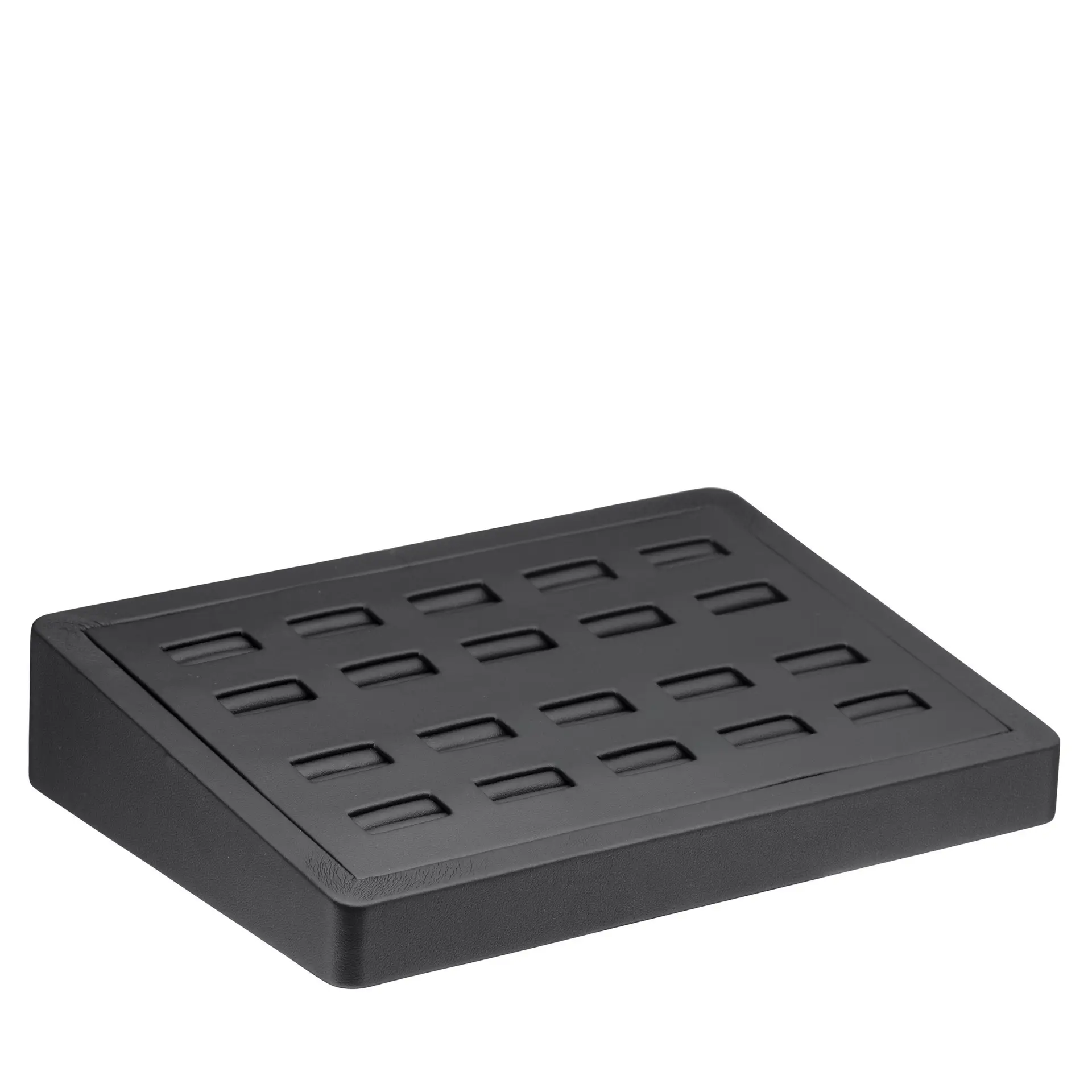
Retailer display trays prioritize durability, refillability, and repeated customer contact—reinforced corners, high-GSM velvet (800-1,200 GSM), rigid backing. Unboxing experience matters less than lifespan.nnGift and packaging trays emphasize aesthetics, unboxing experience, and single-use value—often foldable, custom printing, coordinated tissue or ribbon. Retailer trays ROI over 1-3 years; gift trays focus on cost-per-unit and visual impact.
4. Materials and fabrics used in velvet jewelry tray
The material composition of a velvet jewelry tray—fiber type, GSM weight, backing support, and interior lining—determines both its performance and cost structure. Each variable influences durability, tactile appeal, stain resistance, and shelf life in retail or personal use.
| Fiber Type | Typical GSM | Durability | Relative Cost |
|---|---|---|---|
| Cotton Velvet | 350–400 | Moderate; stains easily | Standard-High |
| Polyester Velvet | 400–500 | High; stain resistant | Standard |
| Silk Blend | 350–380 | High; premium feel | Premium (+30–50%) |
Velvet Fiber Types

Cotton velvet delivers natural softness but stains more easily; polyester offers superior durability at lower cost and is standard for retail applications. Silk blends provide luxury feel and sheen, typically commanding 30–50% price premiums for high-end brands.
GSM and Pile Density
Jewelry tray velvet typically ranges 350–500 GSM; weights below 350 feel thin and cheap, while above 500 drive costs without proportional durability gains. Pile density between 120–180 ends per inch creates the luxury hand-feel most brands target, but increases manufacturing complexity 8–12%.
Backing Materials

Tray bases use cardboard (2–3mm, budget-friendly), hardboard (5mm+, rigid), or compressed wood (premium feel, stability). Plastic backing suits high-humidity environments. Material choice affects structural integrity, perceived quality, and production time; hardboard is industry standard for luxury retail.
Interior Lining Protection

Cotton or polyester lining on the underside prevents velvet pile snags and protects the tray base during shipping and use. FSC-certified cardboard liners appeal to eco-conscious makers; microfiber lining (optional upgrade) adds luxury tactile quality and cost premium of 2–5%.
5. Customization and decoration options
Customization transforms velvet jewelry trays from generic storage into branded experiences. Five core decoration techniques—embossing, screen printing, heat transfer, and embroidery—each offer distinct cost-to-impact tradeoffs. Selection depends on logo complexity, order volume, and brand positioning.
Embossing and Hot Stamping

Embossing and hot-stamp foiling (gold or silver) create luxury tactile effects on velvet. Entry MOQs start at 500 units with 10-14 day lead times; premium multi-color applications require 1,000+ units and 3-week windows. Per-unit costs range 0.40-1.20 USD based on design complexity and finish.
Screen Printing

Screen printing delivers cost-effective multi-color branding on velvet tray bases. Standard single-color applications support 1,000-unit MOQs and 7-10 day turnaround; four-color designs require 2,000+ units. Unit costs drop from 0.60 to 0.20 USD at scale, making this ideal for retailers needing seasonal volume.
Heat Transfer and Embroidery

Heat transfer enables photorealistic logos on velvet but requires 1,500+ units and 2-week lead times. Embroidery adds premium hand-crafted perception, typical at 2,000+ units and 3-week production. Both carry 0.80-1.80 USD per-unit costs, positioning them for luxury tier or limited-edition collections.
Logo Placement and Color Matching
Pantone color specification ensures 99%+ match accuracy for branding. Logo placement on tray lids, edges, or interiors requires CAD mockups and 3-5 day sample approval. Lead samples (50 units, 5-7 USD each) incur no additional fees in master production.
6. Key construction quality elements to evaluate
A velvet jewelry tray’s durability depends entirely on construction quality — stitching integrity, seam strength, and base stability determine whether it protects jewelry through retail handling and customer transport. Systematic inspection for manufacturing defects, combined with durability testing data, ensures your tray investment withstands real-world conditions.
Stitching Quality and Seam Strength

Premium velvet jewelry trays use 1.2–1.6 mm lockstitch or reinforced stitching along all seams. Examine seam density (minimum 3 stitches per cm) — loose or skipped stitches signal QC gaps.nnOn trays with high-value contents, reinforced corner stitching and double-stitched seams prevent seam splitting during handling. Test seam integrity by gentle tension; quality construction resists fraying.
Corner Construction and Base Stability

Velvet trays must have rigid or reinforced corners to prevent crushing during stacking and transport. Base boards (typically 2–3 mm chipboard or MDF) should feel solid with no soft spots or buckling.nnEdges should be fully wrapped or sealed to prevent moisture ingress and pile degradation. Examine joints for gaps or lifting — poor bonding signals inadequate adhesive or assembly shortcuts.
Defect Inspection Protocol
Inspect for loose threads, pilling, or uneven pile that signal poor velvet quality or rough handling. Discoloration spots, watermarks, or staining indicate exposure to moisture during storage.nnRun a white cotton cloth over the pile in direction and against the nap; snags or excessive lint suggest low colorfastness or weak fiber bonds. Check for bent corners, dents, or creases that survive first inspection.
Durability Testing Standards
Industry durability benchmarks include abrasion resistance (ASTM D4157 — minimum 3,000 cycles before visible wear), colorfastness to light (AATCC 16–B, Grade 4 or above), and moisture resistance. Request third-party test reports from your manufacturer.nnHigh-volume retail environments require Grade 5 colorfastness; luxury brands often specify ISO 12103 dust resistance. Verify that your supplier conducts pre-shipment sample testing on every production batch.
7. How to choose the right velvet jewelry tray manufacturer
Suppliers of velvet jewelry trays range from small batch operations to factory-direct producers with 200+ staff. Evaluate production volume, MOQ flexibility, quality certifications, and communication reliability to prevent costly delays and disappointing samples.
Production Capacity and MOQ Minimums
Factories with 200+ staff and 1,200 m² operations handle 500–5,000-unit runs efficiently; smaller shops often demand 2,000+ minimums. Request annual output, typical project size, and equipment count.nnSuppliers completing 500+ custom projects yearly have proven iterative capacity for adjustments and reorders.
Quality Certifications and Standards
Require OEKO-TEX for fabric safety, FSC for material sourcing, and WRAP or BSCI for labor compliance. Request test reports for velvet GSM weight and stitching durability.nnMulti-stage QC protocols—fabric inspection, hardware testing, color matching—signal audited processes and reduce defect risk.
Total Cost of Ownership
Compare unit price against defect rates, freight costs, and reorder flexibility terms. A velvet jewelry tray at $2.50 with 8% defects costs more than one at $3 with free reshipment.nnRequest itemized quotes breaking down material, labor, and overhead. Factor MOQ thresholds into calculations: 1,000 units at $2.20 may cost less than 5,000 units at $1.80.
Red Flags to Avoid
Watch for unrealistic promises and evasive responses that signal corner-cutting. Major red flags include prices dramatically below market, delayed sample delivery, and refusal to cite certifications or production specs. Request written timelines, dedicated account managers, and itemized quotes. Hold suppliers accountable in writing before production begins.
- Prices 40%+ below market without justification
- Delayed or substandard sample quality
- Evasive answers about certifications or specs
- No dedicated account manager assigned
- Vague production timelines or capabilities
Communication and Delivery Standards
Reliable suppliers assign one account manager, provide written project specs, and deliver physical samples within 5–7 days. Standard lead times are 30–45 days; anything shorter raises concerns about quality corners.nnTest responsiveness during sampling: slow replies to certification or specification questions predict production communication failures. Verify delivery guarantees in writing before committing.
8. Common mistakes when buying velvet jewelry tray
Most velvet jewelry tray orders fail due to preventable specification gaps and quality oversights. The six mistakes below—from price-focused sourcing to vague communication—share a common root: insufficient detail at the sampling and specification stage.
Choosing Based on Price Alone
Manufacturers quoting 30–40% below market rates typically cut material grade, pile density, or finishing rigor. These cost corners surface only at bulk inspection or in returned inventory.nnDemand itemized cost breakdowns: materials, labor, QC, finishing. This transparency reveals where premium pricing delivers real value and prevents mid-production surprises.
Ignoring MOQ and Skipping Samples
Standard MOQs range 100–500 units per design; orders below trigger 25–40% rush fees. More critically, skipping sample approval guarantees mismatches in pile density or dye lot—velvet’s tactile properties cannot be assessed from photos.nnInvest 1–2 weeks in sample approval with marked proofs and lighting checks. Approve stitching quality, edge finishing, and closure mechanics before releasing bulk production.
Poor Communication and Spec Gaps
Ambiguous closure specs (‘magnetic’ without pull-force data), missing pile density tolerances, or unclear lining materials cause 40% of disputes. Language barriers and async email chains amplify confusion.nnAssign a single technical contact and exchange formal spec sheets—not email threads. Request production photos at first-off and mid-run inspection to verify alignment.
Underestimating Customization Add-Ons
Embossing, monogramming, or custom closures add 8–15% to per-unit cost and 2–4 weeks to lead time—expenses discovered late in negotiation. Shared tooling fees and re-setup charges multiply when designs change mid-production.nnDocument all customization in the purchase order before design finalization. Request itemized lead-time and cost impacts for each add-on to prevent scope creep and surprise invoicing.
9. Pricing and cost analysis for velvet jewelry tray
Tooling and setup fees for velvet jewelry trays typically range from $80 to $350 depending on customization complexity, with minimum order quantities starting at 100 units for standard designs. Most suppliers offer tiered pricing that rewards volume — quantities under 500 often carry a per-unit premium of 30–50% compared to bulk orders of 5,000+. The tooling cost becomes negligible at larger volumes; a $200 setup fee amortizes to just $0.04 per unit at 5,000 pieces.nnPlain velvet trays — undecorated with standard colors like black, burgundy, or navy — represent the lowest cost tier and qualify for the fastest turnaround, typically 20–25 days ex-factory. Embossed designs add 15–25% to base costs but require custom dies ($150–250); printed or logo-embossed trays incur an additional 20–35% premium and extend lead times to 28–35 days. Color customization beyond standard Pantone palettes may trigger small upcharges ($0.05–$0.15 per unit).nnIndustry wholesale markups for jewelry packaging average 2.5x–4x factory cost, depending on brand positioning and distribution channel. Direct-from-factory buyers negotiate better rates via volume commitments; purchasing 10,000+ units annually typically unlocks 15–20% cumulative discounts beyond published MOQ pricing. Payment terms, fabric grade selection (standard vs. premium velvet), and design complexity are leverage points in rate discussions.
| Quantity Tier | Plain Velvet (per unit) | Embossed (per unit) | Printed/Logo (per unit) | Lead Time | Setup Fee |
|---|---|---|---|---|---|
| 100–250 | $1.85–$2.10 | $2.15–$2.50 | $2.50–$3.00 | 20–22 days | $200 |
| 250–500 | $1.45–$1.70 | $1.70–$2.00 | $2.00–$2.50 | 22–25 days | $200 |
| 500–1,000 | $1.15–$1.40 | $1.35–$1.65 | $1.65–$2.10 | 23–26 days | $150 |
| 1,000–5,000 | $0.95–$1.20 | $1.15–$1.45 | $1.40–$1.85 | 25–28 days | $100–150 |
| 5,000+ | $0.75–$1.00 | $0.95–$1.25 | $1.15–$1.60 | 28–35 days | $80–100 |
Get Your Velvet Jewelry Tray Sample in 7 Days
No long-term commitment. No setup fees. Get production-quality samples of your custom velvet jewelry tray design within 7 days.