
Custom Organza Jewelry Bags for Global Brands
Exquisite organza jewelry bags, crafted factory-direct with full customization. Low MOQ from 50 pieces, premium materials, on-time delivery. Trusted by 300+ jewelry brands across 30+ countries.
Featured Organza Jewelry Bags Collection
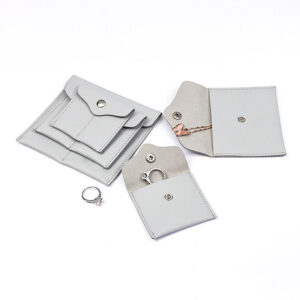
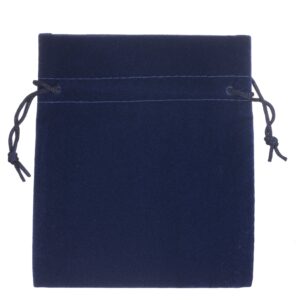

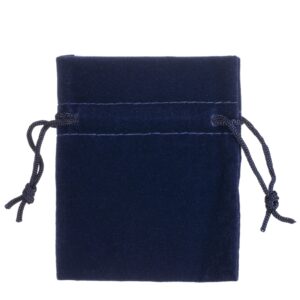


Organza Bags in Action — Product Gallery

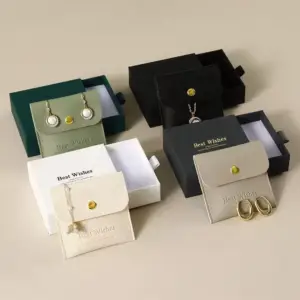
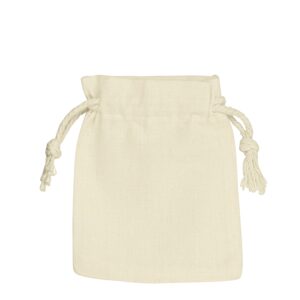
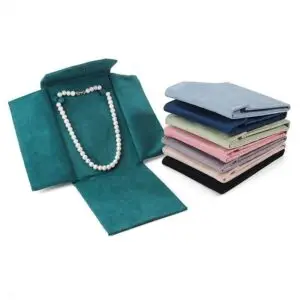
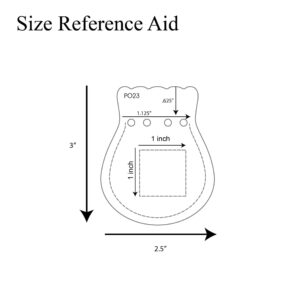

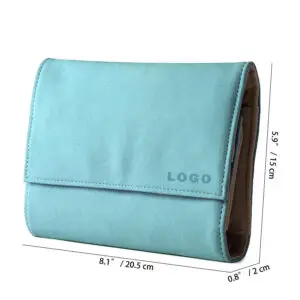

Why Our Custom Organza Jewelry Bags Stand Out
Six reasons leading jewelry brands trust us for their custom organza jewelry bags
Factory-Direct Pricing, No Middlemen
Own our production line and pass savings directly to you. Transparent pricing with no hidden costs or broker markups.
Low MOQ Starts at 50 Pieces
No massive minimums required. Order in smaller quantities, perfect for startups, seasonal launches, or testing new designs with confidence.
Professional QC at Every Stage
Our multi-stage quality control team inspects every bag. Raw materials, production, and finished goods—we guarantee excellence before shipment.
FSC-Certified & Eco-Friendly Materials
Sustainable materials from FSC-certified sources and recycled fibers. Align with your brand values and delight eco-conscious customers who care about packaging impact.
White-Label & OEM Solutions Ready
Private-label solutions with your branding. Custom printing, logos, and packaging design—complete customization for jewelry brands wanting truly unique solutions.
Dedicated Account Manager Support
From sampling to mass production, your account manager guides every step. On-time delivery, transparent communication, and personalized service for organza jewelry bags and more.
Organza Jewelry Bags for Every Brand Type
From independent designers to high-volume retailers, find the right custom organza jewelry bags solution for your business
Custom Organza Jewelry Bags
Independent jewelry designers struggle to source packaging that reflects their brand identity and tells their customer story without expensive minimum quantities. Generic pouches undermine premium positioning and customer loyalty.
Custom organza jewelry bags with your logo, colors, and sizing elevate the unboxing experience, strengthen brand recall, and build customer loyalty without large volume commitments.
Boutique Retail Consistency
Boutique retailers need custom organza jewelry bags that match their premium brand aesthetic across seasonal collections and product launches, but traditional suppliers have prohibitive minimums or slow production timelines.
Consistent, custom-branded organza jewelry bags with rapid sampling and flexible low MOQ ensure your in-store presentation stays perfectly cohesive, on-brand, and readily adaptable to emerging market trends.
Scale Production Efficiently
Large-volume jewelry brands need true factory-direct pricing and guaranteed on-time delivery for custom organza jewelry bags while maintaining strict quality standards and complete customization flexibility and control.
Direct access to our 220-person production team ensures consistent multi-stage quality control, competitive factory-direct pricing, and reliable on-time delivery for orders of any scale without distributor markups.
Launch with Low MOQ
Emerging jewelry brands have tight budgets and order volumes too small for traditional manufacturers to consider. They need affordable custom organza jewelry bags to launch professionally.
Low-MOQ custom organza jewelry bags let you launch with professional, branded packaging immediately, then scale as your business grows—without long-term commitments or middleman markups.
Unboxing Creates Loyalty
Direct-to-consumer jewelry brands ship hundreds of orders monthly and require custom organza jewelry bags that embody brand values like sustainability and luxury while maintaining cost-efficiency and production scalability.
Branded, eco-certified organza jewelry bags create an Instagram-worthy unboxing experience that drives social sharing, improves perceived value, and significantly boosts repeat purchase rates and customer referrals.
Premium Materials for Organza Jewelry Bags
Silk Organza
Lustrous and lightweight silk organza offers premium hand-feel with exceptional drape. Ideal for luxury jewelry presentations. 95 gsm, hypoallergenic, and naturally luminous—perfect for high-end brands seeking elegance and sophistication.

Cotton-Blend Organza
Breathable cotton-blend organza combines durability with natural texture. Versatile for mid-range to premium collections. 120 gsm weight provides superior strength while maintaining softness and eco-friendly credentials.
Recycled Organza
Sustainable recycled-fiber organza meets modern brand values without compromising quality. FSC-certified materials deliver durability and environmental responsibility. 100 gsm, fully recyclable, ideal for eco-conscious jewelry labels.

Microfiber Organza Blend
Protective microfiber-blend offers enhanced stain resistance and longevity. Premium feel with practical durability for daily-use jewelry storage. 130 gsm, anti-snag protection, and machine-washable for customer satisfaction.

Linen-Blend Organza
Natural linen fibers woven into organza create textured elegance. Strong yet graceful, ideal for artisanal and boutique jewelry brands. 110 gsm, inherent anti-bacterial properties, and timeless aesthetic appeal.
Customization & Printing Techniques for Organza Jewelry Bags

Screen Printing
Ink is applied through fine mesh screens onto organza, producing vibrant, flat-color logos and text. Ideal for large brand marks with bold visual impact and excellent wash fastness.
Heat Transfer
Pre-designed images transfer permanently onto organza under heat and pressure, capturing fine details and photographic quality. Perfect for intricate logos, gradients, and multi-color brand marks on jewelry pouches.
Color Sublimation
Sublimation dyes convert to gas and bond directly with organza fibers, creating vibrant, fade-resistant full-color designs. Enables photographic quality imagery and unlimited color combinations without cracking or peeling.

Laser Engraving
Precision laser technology etches logos and designs directly into organza surface, creating sharp, permanent marks without ink or thread. Ideal for minimalist branding and high-volume custom orders with zero setup time.
Premium Accessories for Organza Jewelry Bags

Silk Ribbons & Drawcords
Premium silk ribbon drawcord closures in custom colors. Keeps bags securely fastened while adding luxury tactile appeal. Perfect for high-end jewelry collections and elevating brand perception.
Woven Labels
Custom woven brand labels sewn into interior or exterior of organza jewelry bags. Reinforces brand identity and authenticity. Essential for luxury positioning and retail differentiation.

Custom Tissue Liners
Soft tissue paper inserts in branded colors or patterns. Protects delicate jewelry while adding visual appeal during unboxing. Enhances perceived value and creates memorable brand moments.

Snap Button Closures
Premium snap button closures for added security and functionality. Keeps bags closed during shipping and handling. Available in various finishes to match your brand aesthetic.
Custom Hangtags
Branded hangtags or insert cards featuring your logo and story. Displayed with packaged jewelry to create cohesive unboxing experience. Builds brand narrative and customer connection at point of purchase.

Security Tags
Integrated RFID or traditional security tagging for retail environments. Protects inventory while maintaining premium aesthetic of organza jewelry bags. Ideal for boutique and luxury retailers.
Organza Jewelry Bags: 19 Years of Excellence
Founded in 2007 by Joyce Linkwin, On The Way was built on a single conviction: quality defines survival. We’ve evolved from a small operation into a trusted factory-direct manufacturer of custom organza jewelry bags, rigid boxes, display solutions, and branded paper packaging. Today, 300+ brands across 30+ countries trust us for their most important brand moments.
Our 1,200 m² Dongguan factory houses 220+ staff and cutting-edge equipment capable of handling projects at any scale. We’ve completed over 6,500 custom orders—from bespoke organza jewelry bags for independent designers to full packaging lines for luxury retailers. Our dedicated account managers oversee each project with multi-stage quality control, ensuring on-time delivery every time.
We compete on factory-direct pricing, unlimited customization, and low minimum orders—making premium packaging accessible to startups and established brands alike. Every custom design in our organza jewelry bags collection is printed, finished, and inspected by our expert team. We’re committed to eco-friendly materials, transparent timelines, and partnerships built on trust.
Organza Jewelry Bags Expertise in Depth
Fast Sampling: 7–14 Days
Get your custom organza jewelry bags design to reality quickly. Our streamlined sampling process delivers production-ready prototypes in just 7-14 days, allowing global brands and independent designers to validate designs with confidence before mass production begins.
- Full-sample production run with your exact specifications
- Dedicated sampling account manager for priority tracking
- Iterate quickly with low revision costs (MOQ applies to final orders only)
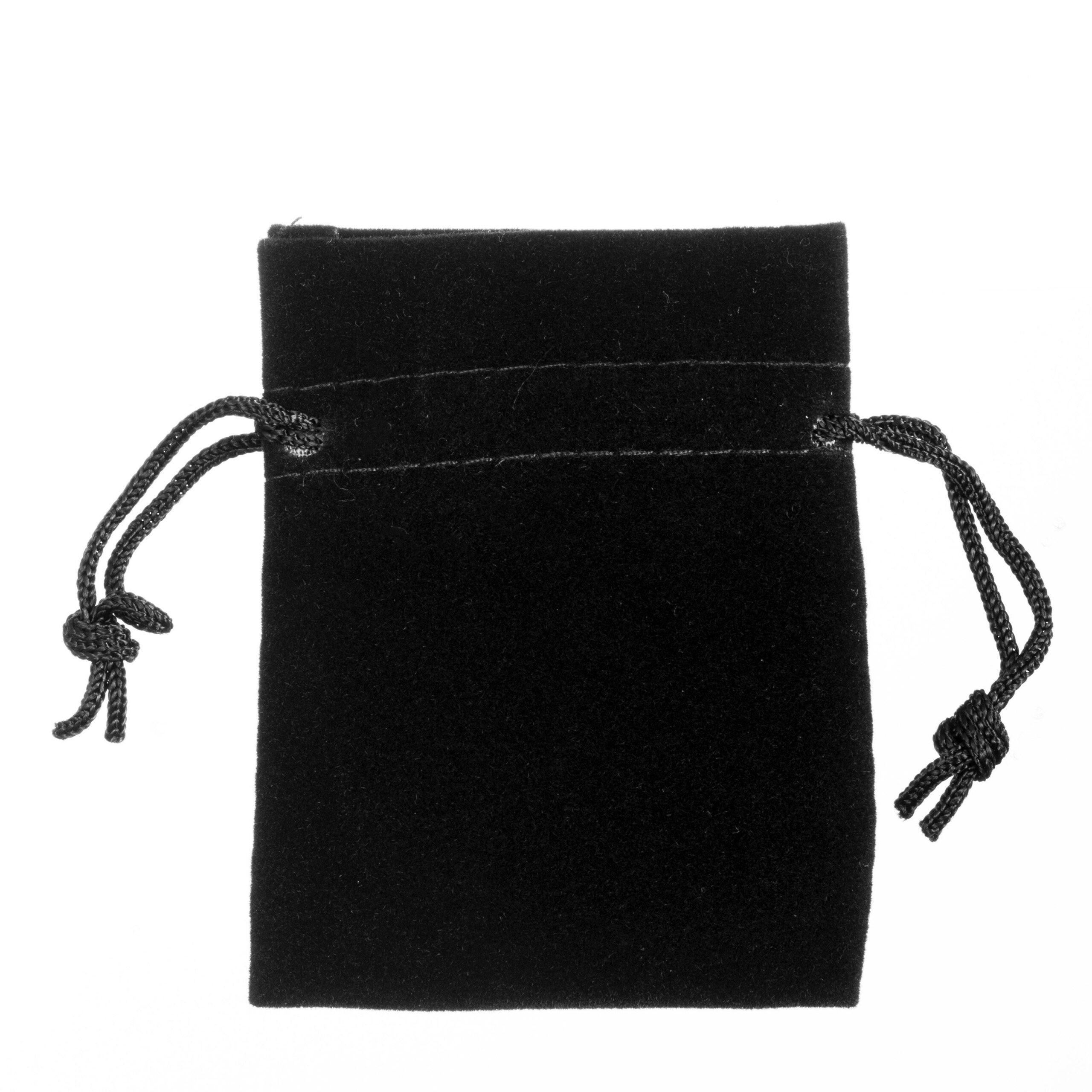
Premium Materials for Every Vision
Choose from an extensive range of materials for your custom organza jewelry bags: velvet, satin, microfiber, cotton, linen, organza, and eco-friendly alternatives. Our factory partners with trusted suppliers to source the right material that matches your brand’s luxury positioning and sustainability goals.
- Velvet, satin, microfiber, cotton, linen, and organza options
- Fabric weight and texture customization for your brand's aesthetic
- Sourcing expertise—we recommend materials that balance luxury, durability, and cost
- Sample material swatches provided before committing to bulk orders
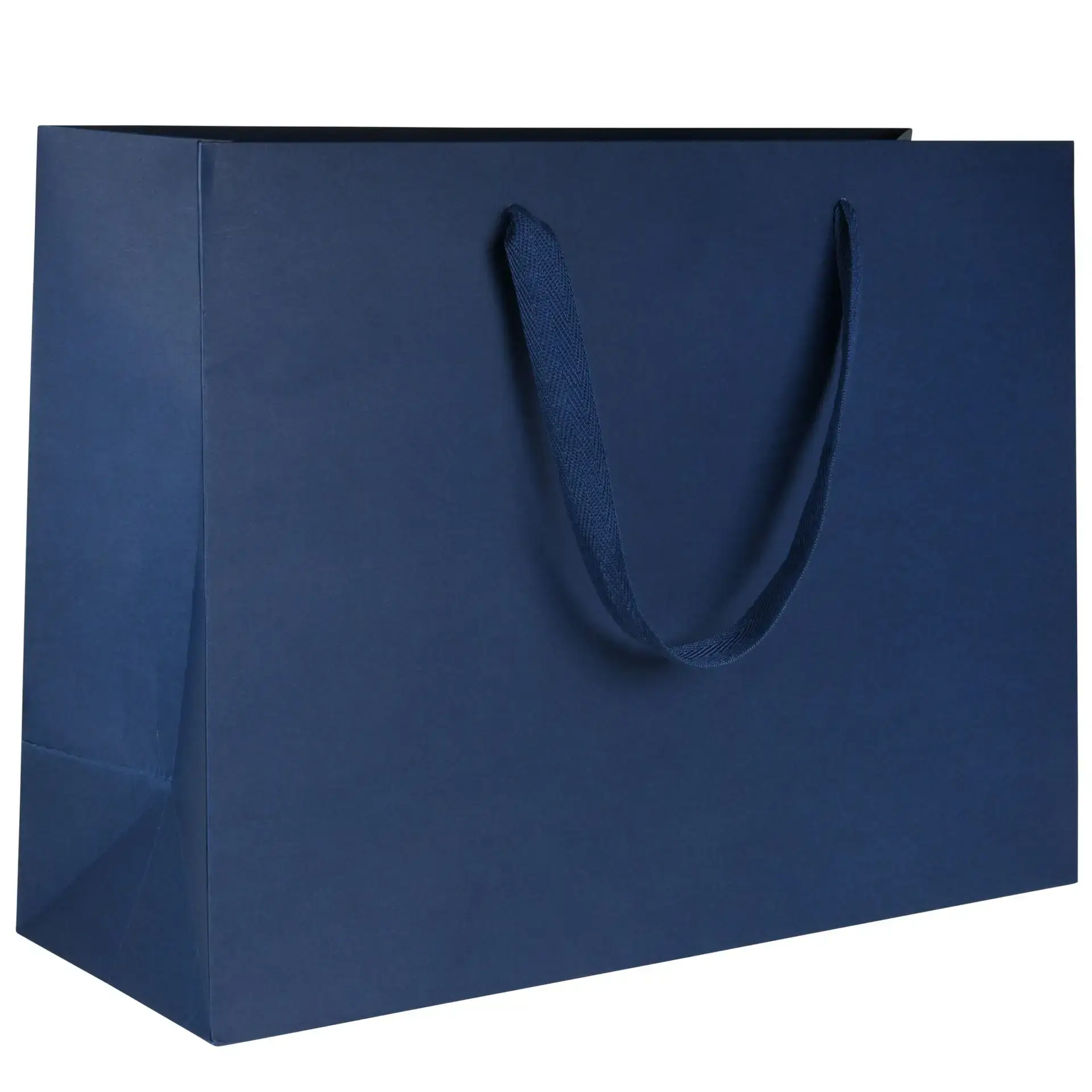
Rigorous Quality Control at Every Stage
Quality defines survival at On The Way. Every custom organza jewelry bag undergoes rigorous inspection across incoming materials, in-production stages, and final output. Our multi-stage QC team verifies fabric quality, printing clarity, stitching precision, and closure function to ensure every bag meets luxury brand standards.
- Incoming material inspection for fiber integrity and color consistency
- Mid-production checkpoints for printing, embroidery, and closure assembly
- Final QC: 100% defect screening before shipment
- Certification records provided with every batch

FSC-Certified & Eco-Conscious Sourcing
Serve brands that care about the planet. We source from FSC-certified suppliers and offer recycled, biodegradable, and reusable materials for your organza jewelry bags and packaging. Custom designs on eco-materials reinforce your brand’s commitment to sustainability without compromising on luxury or durability.
- FSC-certified paper and organic cotton sourcing partnerships
- Recycled polyester and plant-based materials for modern eco-conscious brands
- Carbon-neutral shipping options and compostable packaging alternatives
- Certification documentation (FSC, OEKO-TEX, recycled credentials) provided for marketing

Why Our Organza Jewelry Bags Lead the Market
Factory-direct manufacturing, certified quality, 17+ years of expertise, and complete customization set On The Way apart in organza jewelry bags.
← Swipe left or right to view →
Our Production Process for Organza Jewelry Bags
Understand lead times, quality gates, and what makes our organza jewelry bags exceptional from sourcing to shipment.
Material Sourcing & QC
We source premium organza and fabrics from certified suppliers, with incoming inspection to ensure every batch meets our strict standards before production begins.
Design & Printing Setup
Your custom design is digitally proofed and test-printed. We refine colors and placement with you before committing to full production, ensuring pixel-perfect organza jewelry bags.
Cutting & Assembly
Precision cutting and machine assembly produce consistent bags. Our equipment handles organza jewelry bags at scale while maintaining the hand-finished quality your brand demands.
Multi-Stage Quality Inspection
Every organza jewelry bag passes three independent QC checkpoints: dimensional accuracy, stitching integrity, and print quality. We reject anything below premium standards.
Final Packing & Branding
Bags are carefully packed with branded inserts, tissue, and custom labels. We apply finishing touches that elevate unboxing and protect your jewelry bag shipment.
Global Shipping & Tracking
Your order ships via reliable international carriers with full tracking. We handle customs documentation and logistics so your jewelry bags arrive on time, every time.
How to Order Custom Organza Jewelry Bags from On The Way
Order directly from our Dongguan factory for fast turnaround and better pricing.
Submit Your Design & Specifications
Provide samples, measurements, fabric preferences, and printing details. Share reference images or design files for your organza jewelry bags specifications.
Receive Your Customized Quote & Samples
Our team calculates pricing and creates production samples. You’ll review options and make refinements to perfect your organza jewelry bags.
Approve Samples & Authorize Production
Confirm sample design, colors, and specifications. Once approved, we lock your order and begin full production of organza jewelry bags.
Track Production With Real-Time Updates
Your organza jewelry bags enter production. You receive detailed progress photos and milestone updates throughout manufacturing every step at no extra cost.
Receive Final Shipment After QC
Multi-stage quality control ensures every piece meets our standards. Your completed organza jewelry bags are packaged and shipped directly from our factory.
Global Standards for Organza Jewelry Bags



Trusted by 300+ Jewelry Brands for Custom Organza Jewelry Bags
On The Way delivered our custom organza jewelry bags two weeks early at 28% less than our previous supplier. Quality exceeded expectations and our customers love the packaging.
Switching to On The Way’s organza jewelry bags transformed our brand presentation. Customer reviews on our packaging jumped 4.2 stars in three months.
The low MOQ allowed us to launch three new collections without massive inventory risk. On The Way’s team guided us through every step with professionalism.
Organza Jewelry Bags — Common Questions
Get answers to MOQ, sampling, customization, and confidentiality questions
What is the minimum order quantity (MOQ) for organza jewelry bags?
Can I get a sample of organza jewelry bags before ordering in bulk?
How much do organza jewelry bags samples cost?
How long does it take to produce custom jewelry bags from order to delivery?
What payment terms do you offer for organza jewelry bags orders?
Can you customize organza jewelry bags with our logo and branding?
How do you protect our intellectual property and design confidentiality?
The Complete Buyer’s Guide to organza jewelry bags
Discover how to source premium organza jewelry bags that reflect your brand, compare materials and manufacturers globally, understand key quality elements, avoid costly sourcing mistakes, and launch a successful jewelry packaging strategy with factory-direct pricing and flexible MOQs.
1. What Are Organza Jewelry Bags?
Organza is a lightweight, semi-transparent plain-weave fabric traditionally made from polyester, nylon, or silk, typically ranging from 30–75 GSM. When crafted into organza jewelry bags, the material’s sheer texture combined with delicate drape and slight stiffness makes them ideal for premium jewelry packaging where visual appeal and ease of opening matter equally. Unlike velvet (10–15 GSM, plush and absorbent), satin (20–30 GSM, smooth and lustrous), or cotton (50–200 GSM, versatile but bulkier), organza jewelry bags offer transparency that showcases product while maintaining structural integrity.nnPrimary use cases include small organza jewelry bags for rings, earrings, and delicate pieces, as well as gift wrapping in luxury retail settings. Brands choose organza jewelry bags for their perceived elegance—the semi-transparent quality signals premium positioning without obscuring the piece—and their cost efficiency relative to velvet or specialty materials. The material resists wrinkling better than pure cotton and requires minimal care post-purchase.nnStandard organza jewelry bag configurations range from 4×6 inches (rings and single earrings) to 8×10 inches (necklaces, bracelets). Common closure methods include drawstring tops (nylon or satin ribbons) or self-sealed edges achieved via heat-sealing or stitching. Polyester organza dominates the market due to its durability and dyeability across Pantone-matched color ranges; silk organza commands premium prices for ultra-luxury positioning but requires handling care that limits retail appeal.
2. Evolution and History of Organza Jewelry Bags
Organza originated as a silk fabric in 18th-century textile centers of Asia, prized for formal wear and bridal gowns. Polyester organza emerged as the cost-effective alternative by the 1990s, but jewelry packaging adoption remained minimal until the early 2000s, when independent designers sought lightweight, elegant alternatives to rigid jewelry boxes for gift packaging and retail presentation.nnThe category’s pivot to mainstream jewelry use occurred between 2005 and 2008, as organza jewelry bags demonstrated clear advantages: perceived luxury through transparency and tactile hand-feel, effective dust protection for delicate pieces, and per-unit costs 60–70% lower than rigid boxes. Boutique retailers leveraged organza bags to maintain brand prestige on smaller price-point items without heavy packaging costs.nnManufacturing capacity and customization capability accelerated from 2008 onward. Chinese and Vietnamese suppliers reduced minimum order quantities from 5,000–10,000 units to 500–2,000 units, making custom organza jewelry bags accessible to independent designers. Embroidery, silk-screen printing, and Pantone color matching became economically viable at mid-volume production.nnToday’s organza jewelry bag market reflects ongoing advances in eco-material organza (recycled polyester blends) and direct-to-fabric printing. These innovations have positioned organza bags across price tiers—from indie makers to heritage houses—as a core packaging format that balances luxury perception with operational efficiency and sustainability.
3. Types and Styles of Organza Jewelry Bags
Organza bags are available in multiple structural formats optimized for different product types and brand positioning. Understanding these variants ensures packaging aligns with customer experience expectations.
Drawstring and Gusset Formats
Drawstring pouches dominate the market in sizes 3×4 inches (rings) to 5×7 inches (bracelets), offering cost efficiency at 500-1000 piece MOQs.nnFlat gusset variants expand when filled, creating premium silhouettes best for necklaces and watches. Gussets of 0.5-1 inch add 35-50% to per-unit cost but justify luxury positioning.
Specialty Closures
Velcro, magnetic snaps, and buttons replace traditional drawstrings. Velcro enables convenient reopening for everyday wear; magnetic snaps convey silent luxury closure.nnButton variants suggest artisanal craftsmanship. Each closure type requires custom tooling, increasing MOQ by 15-25% but supporting 20-30% price premiums.
Premium vs. Standard Quality
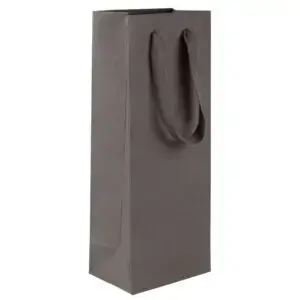
Standard bags use 52-60 GSM fabric with basic closure and minimal finish. Premium variants employ 80-100 GSM organza, flatlock seam reinforcement, and silk-twist drawstrings.nnPremium variants cost 40-60% more but align with luxury brand positioning and significantly elevate unboxing perception.
Custom Shaped Variants

Beyond rectangular formats, custom die-cut shapes (rounded-top, envelope-style, logo cutouts) create memorable unboxing moments and strengthen brand recall.nnMinimum orders of 2000-5000 units apply. Most suitable for established brands with repeat commitments seeking differentiation through distinctive packaging form.
4. Materials, Fabrics, and GSM Options
Organza jewelry bags derive their signature transparency and sheen from specific fabric compositions and weights measured in GSM (grams per square meter). Selecting the right blend and density directly impacts drape, durability, and perceived value at retail.
| Fabric Type | GSM | Transparency | Durability | Typical Use |
|---|---|---|---|---|
| Silk Organza | 80–110 | High (sheer) | Delicate; 6–12 mo. | Premium brands |
| Polyester Organza | 90–130 | Medium–high | Standard; 12–18 mo. | Mid-market retail |
| Nylon Organza | 100–140 | Medium | Robust; stain-resistant | Multi-use events |
| Polyester-Silk Blend | 95–120 | High | Moderate; 10–15 mo. | Balanced luxury |
Organza Fabric Composition
Organza is a plain-weave fabric from twisted filament yarns—historically silk, now polyester or nylon. High twist creates crisp hand and transparency. Thread count ranges 120–200 per inch, yielding structural rigidity and light weight.
Fiber Blends and Properties
Silk-organza delivers superior luster and drape but commands premium pricing—typical for luxury brands. Polyester-organza offers cost efficiency at 30–50% lower cost while retaining transparency and sheen. Nylon blends provide enhanced durability for high-traffic retail environments.
Weight and GSM Ranges
GSM measures fabric weight per square meter; organza jewelry bags range from 70 GSM (maximum transparency) to 150+ GSM (opaque, rigid). Lightweight (70–90) suits sheer appeal; standard (90–130) balances transparency and protection; heavyweight (130+) ensures durability for frequent handling.
Transparency and Sheen Profiles
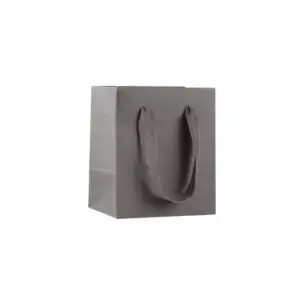
High-thread-count silks achieve luminous, pearl-like sheen; polyester organza delivers sharper luster with slight static.nnTransparency inversely correlates with GSM—lightweight bags reveal product shape and ring outlines, enhancing perceived delicacy. Heavier weights obscure contents while maintaining shimmer.
Durability and Color Fastness
Silk-organza requires gentle handling; susceptible to water marks and UV fading over 6–12 months of retail display.nnPolyester organza resists fading 12–18 months under standard indoor lighting.nnNylon blends withstand folding and humidity without brittleness, ideal for multi-use workflows. Dye fastness (AATCC) ranges 3–5 on Blue Wool scale.
5. Customization and Decoration Techniques
Customization transforms organza jewelry bags into brand assets. On The Way offers screen printing, embroidery, heat-sealed logos, ribbon attachments, and custom dyeing—each with distinct cost tiers and MOQ profiles.
Logo Placement and Heat-Sealing
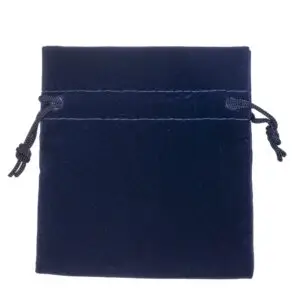
Heat-sealing reproduces logos with photographic precision on organza with MOQ 300–500 units. Placement options include center, corner, or full-surface coverage. Withstands washing and wear.nnCost: $0.15–$0.40 per unit; 2–3 week lead time.
Screen Printing Techniques
Ink deposits directly on organza fibers for crisp detail. MOQ 500–1,000 units; cost $0.08–$0.25 per unit.nnOne-color prints standard; multi-color adds screen cost. Heavier organza (20+ GSM) improves durability; 10–15 day turnaround.
Embroidery and Ribbon Attachments

Embroidery adds premium tactile branding with thread detail and durability. MOQ 100–300 units; cost $0.50–$1.50 per unit.nnSilk/satin ribbon attachments (MOQ 200+ units) complement logos. Combined: elevated perceived value.
Color Options and Custom Dyeing

Factory stock offers 40+ standard colors including ivory, rose gold, sage, and black. Custom dyeing requires MOQ 1,000+ units and 4–6 week lead times.nnBatch sampling enables color verification before production. Dyed organza pairs with printing or embroidery for brand coherence.
Finish Effects: Matte and Glossy
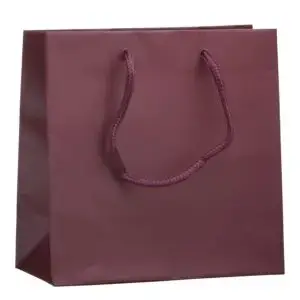
Matte coatings (urethane or wax-based) reduce glare with premium feel. Glossy finishes amplify color saturation and light reflection.nnMOQ 500+ units; cost $0.05–$0.12 per unit; adds 1–2 weeks to lead time. On The Way’s multi-stage QC ensures even coating without color bleed.
6. Quality Elements: Construction and Durability
Durability separates premium organza jewelry bags from commodity products. Quality markers—from stitching density and seam strength to gusset width and drawstring quality—reveal how a bag will perform in transit and over time. Auditing samples across construction, finishing, and QC standards before commitment protects your brand reputation.
Seam Strength and Stitching Standards
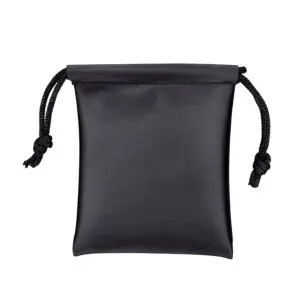
Organza jewelry bags rely on precision stitching to resist tears and handle weight. Industry standard for fine jewelry pouches calls for 16-20 stitches per inch (SPI), using polyester core or trilobal polyester thread for UV resistance and color stability. Off-center seams or loose tension indicate poor tooling; inspect at least 3 sample bags under magnification for consistent stitch length and thread pull.
Gusset, Weight, and Handle Construction

Gusset width ranges from 0.5 to 2 inches depending on bag depth and intended contents. Organza bags typically weigh 8-18 grams when unfilled; heavier bags signal thicker, more durable fabric. Drawstring quality matters equally—nylon cord (3mm minimum) should exit through reinforced eyelets (brass or aluminum), not punched holes prone to fraying.
Edge Finishing and Colorfastness

Raw edges fail quickly in luxury settings. Premium organza bags finish hems with rolled or bound edges, sealed with heat or adhesive to prevent raveling. Color fastness (AATCC standards 1-4 minimum) confirms dyes won’t bleed onto jewelry or packaging. Request fastness data for custom dye lots before approving production quantities.
QA Inspection and Audit Standards
On The Way and comparable tier-one manufacturers implement three-stage QC: inline inspection during stitching, post-production spot-checks (typically 2-5% sampling), and pre-shipment full-piece review. Request audit reports documenting dimension tolerance (±2mm), seam integrity, and defect rates. Certifications like OEKO-TEX or GOTS add assurance for eco-materials.
7. How to Choose a Manufacturer
Manufacturer vetting requires evaluating scale, certifications, and QC rigor before committing to production. Factory-direct suppliers offer pricing and MOQ advantages, but only after confirming compliance, lead times, and sample quality. Site visits and customer references eliminate surprises.
Key Certifications
ISO 9001 (quality management) and BSCI (ethics/labor) are industry standards. FSC certification for paper/cardboard components signals environmental responsibility.nnVerify certificate dates; anything older than 3 years requires renewal. Ask for audit reports as proof of ongoing compliance.
Sizing Manufacturers to Your Needs
Boutique workshops (under 100 staff) accept MOQs of 500–2,000 and excel at bespoke work but carry higher per-unit costs. Mid-scale factories (100–300 staff) handle MOQs of 1,000–5,000 and balance flexibility with efficiency.nnLarge operations (300+ staff) require 5,000+ minimums but deliver volume discounts and faster turnaround. Choose based on your order volume and timeline.
Quality Control and Lead Times
Multi-stage QC (incoming material inspection, in-process audits, final verification) catches defects early. Standard lead times: 2–3 weeks for samples, 4–8 weeks for production depending on decoration complexity.nnRequest written SLAs and penalty clauses for delays. Ask how often QC audits occur and review defect rates.
Vetting and Due Diligence
Request samples (budget $100–$500 per design) and assess quality firsthand. Ask for 2–3 customer references in your segment; follow up directly on communication, quality issues, and delivery reliability.nnVisit the factory in person or via video tour if remote. Red flags: vague timelines, no quality documentation, reluctance to share references, or staff turnover.
8. Common Mistakes Buyers Make
Purchasing organza jewelry bags involves navigating lead times, technical specifications, and supplier relationships. Common buyer missteps—vague specifications, MOQ mismatches, overlooked QA—cascade into delays and cost overruns. Understanding these pitfalls protects your brand.
Lead Times and Sample Delays
Most buyers assume 4–6 week lead times; reality runs 8–12 weeks from order to delivery. Customs clearance and quality inspection add weeks often overlooked.nnOrder samples immediately and specify timeline expectations in writing. Confirm realistic milestones before committing to retail launch dates.
Specification Clarity and MOQ
Vague specifications—missing thread color or Pantone reference—create costly revisions. MOQ mismatches (500 units versus 2,000 minimum) derail entire projects.nnDocument fabric type, GSM, dimensions, closure style, and color standard. Confirm MOQ in writing before design investment. On The Way accommodates MOQ as low as 500 units for qualified projects.
Quality Assurance Gaps
Skipping pre-production sampling or inspection costs far more than typical 3–5% QC fees. Thread pulls, dye inconsistencies, and stitching flaws must be caught during production.nnInsist on multi-stage QC: fabric inspection, sample sign-off, in-process checks, and final inspection. Request certifications (OEKO-TEX, BSCI, WRAP) if your brand requires third-party compliance.
Red Flags and Due Diligence
Reject suppliers demanding 50%+ prepayment, ignoring timelines, or avoiding written specifications. Legitimate manufacturers offer dedicated account managers, flexible sampling, clear QC protocols, and phased payment terms.nnVerify factory certifications (FSC, OEKO-TEX, ISO compliance), request references from 3+ established brands, and conduct video calls before signing. Ask for facility documentation to confirm actual capacity and quality systems.
9. Steps to Launch Your Branded Bag Program
Launching a branded organza jewelry bag program requires a structured roadmap from concept through delivery. This timeline ensures you define specifications clearly, test prototypes thoroughly, and establish supplier relationships that can scale with your business growth.
Define Your Brand Position
Clarify how organza jewelry bags represent your brand identity. Document your target customer segment, price point tier (luxury typically $1–3 per unit retail markup), and core positioning—whether eco-conscious, minimalist, or decorative.
Create Technical Specifications
Specify material (virgin or recycled polyester organza), GSM weight (15–25 GSM standard for jewelry bags), dimensions, closure type (drawstring, ribbon tie, button), and decoration needs (heat transfer, embroidery, screen print). Collaborate with your supplier to validate feasibility and lead time impact.
Request Samples and Review Quality
Order 3–5 pre-production samples before committing to MOQ. Review fabric hand, closure durability, print quality, and color accuracy against your Pantone standard. Provide documented feedback; iterate until samples meet brand standards. Most suppliers complete sampling in 2–3 weeks.
Negotiate Pricing, MOQ, and Terms
MOQ for custom organza bags typically starts at 500–1,000 units. Confirm lead time (8–12 weeks standard), payment terms (50% deposit, 50% on shipment), unit cost per volume tier, and penalties for late delivery. Lock price and capacity for your year-one forecast.
Place Your Production Order
Place your first run with built-in quality gates: pre-production approval, mid-line check, and final inspection before handoff. Establish a timeline with your supplier: production (6–8 weeks), QC (3–5 days), packaging (2–3 days), customs/transit (variable). Confirm logistics well ahead.
Establish Reorder and Inventory Systems
Implement real-time tracking for stock levels and reorder triggers (typically 20–30% of current inventory). Establish storage to protect organza from moisture and direct sunlight. Plan seasonal demand forecasting to optimize cash flow and minimize overstock. Lock in a standing supplier relationship for year-two volume.
10. Pricing and Cost Structure
On The Way manufactures organza jewelry bags with a 50-piece minimum order, applying quantity-based pricing that rewards bulk commitments and scaling. Setup fees ($80–$300) reflect decoration complexity—embroidery, heat-transfer, custom dyeing, and specialty finishes each require separate tooling and design preparation.nnFabric grade significantly impacts per-unit cost; premium 10–12 GSM organza costs 15–20% above standard 8 GSM, while certified OEKO-TEX eco-materials (cotton-organza blends) command an additional 10–15% premium. Standard lead time is 3–5 weeks; expedited production (10–14 days) incurs a 15–20% rush surcharge.nnTotal cost of ownership must account for inland freight ($0.10–$0.15 per unit), import duties, warehouse storage, and handling labor. Smart retailers achieve maximum value through quarterly or semi-annual bulk ordering, which balances working capital constraints against per-unit savings of 35–50% compared to small orders.
| Quantity Range | Unit Cost | Setup Fee | Lead Time |
|---|---|---|---|
| 500–999 units | $1.20–$1.80 | $150 | 4–5 weeks |
| 1,000–2,999 units | $0.85–$1.25 | $150 | 4–5 weeks |
| 3,000–4,999 units | $0.65–$0.95 | $100 | 3–4 weeks |
| 5,000+ units | $0.50–$0.75 | $100 | 3–4 weeks |
Get Your Custom Organza Jewelry Bags Quote Today
Submit your tech pack, request samples, or book a call. We respond within 24–48 hours—guaranteed confidentiality.