
Custom Jewelry Box Hinges — Premium OEM Manufacturing
Factory-direct custom jewelry box hinges and rigid packaging from a trusted manufacturer serving 300+ brands globally. Low MOQ, full customization, premium quality.
Featured Jewelry Box Solutions

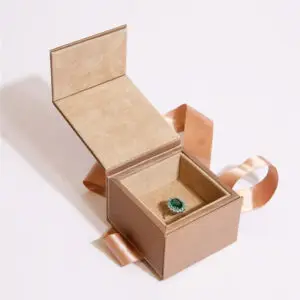
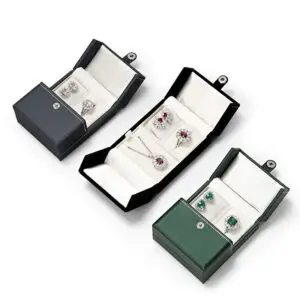
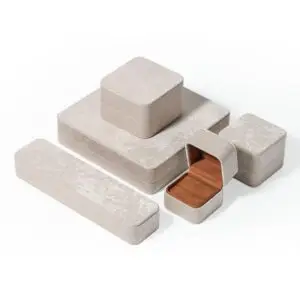
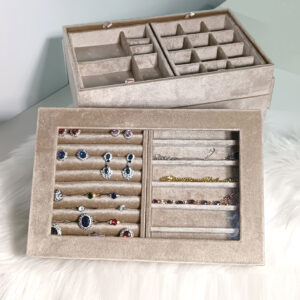


Jewelry Box Design Showcase
Why Our Jewelry Box Hinges Stand Out
Factory-direct manufacturing with custom flexibility—for brands that demand more.
Factory-Direct Hinge Pricing
We own our production line. No middlemen, no markups—we pass factory savings directly to you.
Low MOQ, High Flexibility
Start small, scale big. Order from just 500 units. Perfect for startups, boutiques, and emerging brands.
Fully Custom Jewelry Box Hinges
Complete design freedom. Specify hinge type, finish, size, materials. Our team brings your vision to life.
Multi-Stage Quality Control
Professional QC at every step. From raw materials to final packaging, we guarantee premium jewelry box hinges.
FSC-Certified & Eco-Materials
Sustainable luxury packaging. FSC-certified paper, recycled materials, eco-friendly finishes for jewelry box hinges. Align with your brand values.
Dedicated Account Manager Support
Personal partnerships, not transactions. Your account manager handles design, production, and logistics from start to finish.
Custom Jewelry Box Hinges for Every Brand
Whether you’re launching independently or scaling at volume, we have the perfect hinged box solution for your business model.
Small-Run Custom Boxes
You're launching your jewelry line but can't justify big orders. Traditional suppliers demand 10,000+ units minimum, making startup packaging costs impossible. You need professional boxes in small quantities.
With low MOQs and custom flexibility, get beautifully hinged boxes for 500-1,000 units. Launch with branded packaging that looks luxury without the enterprise budget.
Premium Hinged Box Collections
Your customers expect exquisite unboxing. Generic packaging doesn't match your brand's prestige. You need distinctive, high-quality jewelry box hinges with custom branding that reflect your luxury positioning.
Our custom rigid boxes with precision hinges, magnetic closures, and leather embossing deliver the first-impression impact luxury buyers demand. Your packaging becomes a brand differentiator.
Scalable Hinged Box Production
You're shipping thousands of units monthly. You need a reliable manufacturer that can scale production, maintain quality consistency, and hit tight delivery windows without compromising your margins.
Our factory handles full production scaling with multi-stage QC and dedicated account managers. Get factory-direct pricing on mass orders while maintaining quality that protects your brand reputation.
Fully Custom Hinged Designs
Your signature pieces deserve equally distinctive packaging. Off-the-shelf boxes won't work. You need custom jewelry box hinges, materials, and closures tailored to your unique aesthetic and brand story.
From concept through production, our design team works with you on fully custom boxes. Get exactly what you envision—custom hinges, premium materials, specialty finishes—without compromise.
Reliable OEM Supply Partner
You're responsible for sourcing packaging for multiple internal brands or clients. You need a factory you can trust for quality, delivery, private-label compliance, and competitive pricing across multiple SKUs.
17+ years, 300+ brands, and thousands of completed projects prove our reliability. We manage complex orders, handle private-label setup, ensure compliance, and deliver on time—every time.
Premium Materials for Custom Jewelry Boxes & Pouches
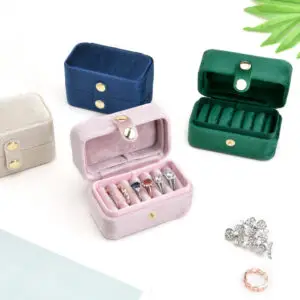
Premium Velvet
Plush, densely-woven velvet delivers luxurious tactile experience ideal for high-end jewelry pouches and box interiors. Soft pile construction conveys elegance and premium quality. Standard weights: 280-400 gsm, with natural color depth and refined finish.
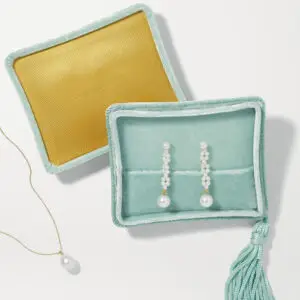
Luxury Satin
Smooth, lustrous satin features a tight weave construction ensuring durability and refined appearance. Perfectly suited for premium box interiors and luxury pouches. Elegant drape and sophisticated hand-feel. Typical weight: 200-300 gsm for optimal performance.

Microfiber Construction
Advanced synthetic microfiber offers superior stain resistance and durability compared to natural fabrics. Ideal for travel jewelry cases and active-use pouches. Ultra-fine filament structure creates soft hand-feel with practical durability benefits.
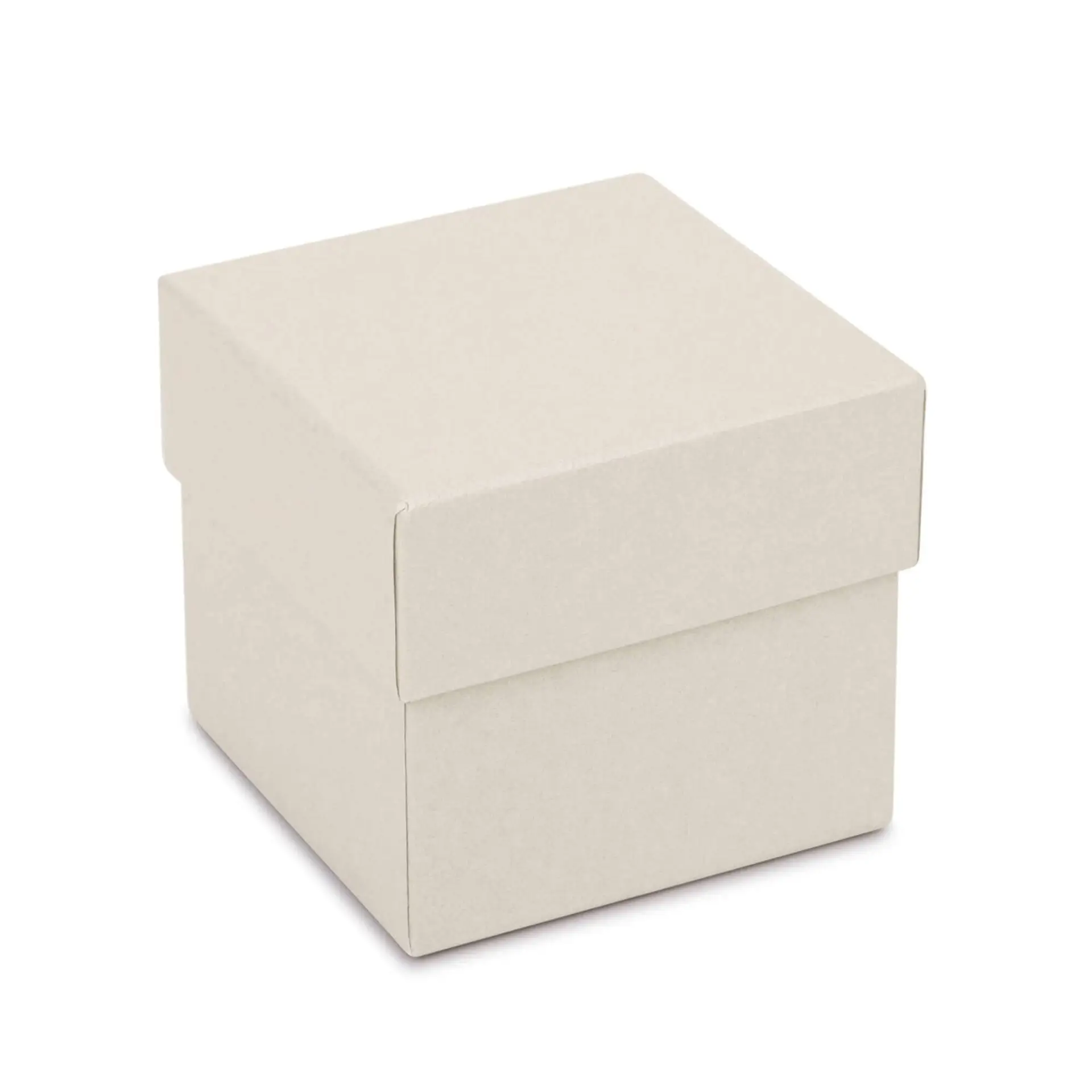
Organic Linen
Natural linen provides breathable, eco-conscious appeal for sustainable jewelry packaging solutions. Medium-weight construction ensures structural integrity while maintaining authentic natural aesthetic. Ideal for eco-focused brands. Typical weights: 200-350 gsm.
Recycled Cardboard
Eco-friendly recycled cardboard delivers rigid box construction and protective cushioning for valuable jewelry items. Sustainable alternative with cost-efficiency advantages. Typical thickness: 2-3mm, offering structural strength and environmental responsibility.
FSC Kraft Paper
Certified sustainable FSC kraft paper combines premium box construction with natural strength and aesthetic appeal. Emphasizes environmental responsibility without compromising quality. Typical weights: 200-400 gsm with authentic grain and proven durability.
Custom Production Processes for Jewelry Packaging
Embossing & Debossing
Creates raised or recessed designs on box surfaces using precision dies. Adds luxury tactile elements and brand identity with professional depth and durability.
Foil Stamping
Applies metallic foil (gold, silver) to paper and leather surfaces for premium branding. Delivers high-impact visual appeal with exceptional durability and luxurious finish.
UV Printing
High-definition digital printing with UV-cured finishes for vibrant, photo-quality designs on various materials. Enables detailed artwork reproduction with moisture and scratch resistance.
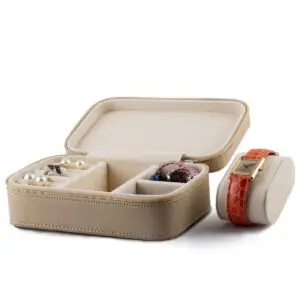
Laser Cutting & Engraving
Precision laser technology cuts intricate patterns and engraves detailed designs on wood, acrylic, and paper. Delivers sharp edges, clean details, and custom geometric precision.
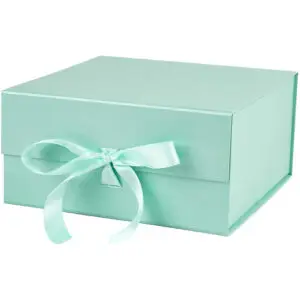
Magnetic Installation
Professional installation of strong magnets in box closure systems for seamless, reliable opening and closing. Ensures quality hinge performance and repeated secure sealing.

Hinge Assembly & Finishing
Expert assembly and finishing of jewelry box hinges and hardware. Applies protective coatings, polishing, and quality checks for flawless, durable hinge mechanisms.
Jewelry Box Hinges, Magnetic Closures & Hardware Solutions
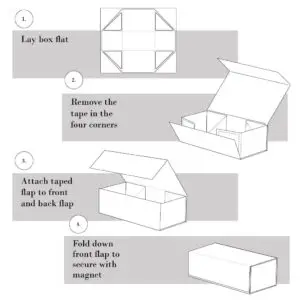
Magnetic Closures
Secure, elegant magnetic closures for premium jewelry boxes. These ensure soft-close action and keep boxes reliably sealed during shipping and storage, enhancing the unboxing experience for your customers.

Metal Hardware Accents
Decorative and functional metal accents including corner protectors, feet, handles, and trim. Available in brass, stainless steel, gold-plated, and custom finishes to elevate your jewelry box’s perceived value and durability.
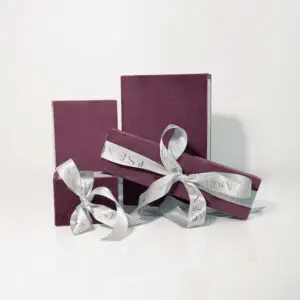
Ribbon & Drawcords
Premium silk, satin, or cotton ribbons and drawcords in any color. Ideal for carrying loops, closure ties, or decorative accents. Branded tipping and custom weaving available for maximum brand impact.

Interior Linings
Luxurious velvet, silk, or microfiber linings that protect jewelry and enhance perceived quality. Full customization including custom printing, embossed logos, or fabric-matched jewelry organizer pads to showcase your brand’s attention to detail.
Branded Labels
Woven or printed labels, hang tags, and embroidered patches featuring your logo or brand messaging. FSC-certified sustainable options available. Add authenticity and brand recognition to every jewelry box you ship worldwide.
Premium Jewelry Box Hinges: 17+ Years of Excellence
On The Way Packaging was founded in 2007 with a singular principle: quality defines survival. Today, our 1,200 m² factory and team of 220+ specialists design and manufacture premium jewelry box hinges, rigid boxes, luxury pouches, and display solutions for independent designers, boutique retailers, and established jewelry brands worldwide. Every project reflects our founding commitment to exquisite packaging that elevates brands.
We have delivered over 6,500 custom projects to 300+ brands across 30+ countries, serving North America, Europe, and Southeast Asia. Our factory-direct model eliminates middlemen, offering private-label and OEM solutions with low minimum orders, full custom flexibility, and competitive pricing. From initial sampling through mass production, dedicated account managers ensure on-time delivery and multi-stage quality control on every jewelry box hinge.
What sets us apart: FSC-certified and recycled materials aligned with luxury sustainability standards, rigorous multi-stage quality inspection, custom hardware options, and a team that treats every brand—startup to established—as a strategic partner. We believe exquisite packaging creates a brand’s first impression. That philosophy guides every jewelry box hinge we produce.
Custom Jewelry Box Hinges: From Concept to Production
Flexible Hinge Design & Rapid Sampling
Work directly with our design team to create custom jewelry box hinges tailored to your specifications. We provide rapid sampling across multiple materials—magnetic closures, soft-close mechanisms, and sustainable options—with quick iterations based on your feedback.
- Rapid 2-3 week sampling turnaround for custom hinge prototypes
- Full material selection: magnetic, soft-close, metal alloy, eco-friendly options
- Direct collaboration with our engineering and design team
- Unlimited prototype iterations during development phase

Multi-Stage QC for Jewelry Box Hinges
Every jewelry box hinge passes through rigorous quality checkpoints from production through shipping. Our QC team inspects dimensional accuracy, hinge mechanism function, coating durability, and assembly quality at multiple stages to ensure perfection in every unit delivered.
- Raw material inspection before production begins
- In-process checks during hinge manufacturing and assembly
- Final inspection and stress-testing of all mechanisms
- Shipping verification to ensure no damage in transit
Sustainable Jewelry Box Hinge Materials
We source FSC-certified wood, recycled metals, and biodegradable eco-materials for sustainable jewelry box hinges. Our commitment to environmental responsibility meets the growing demand from luxury brands for packaging that reflects their values without compromising quality or durability.
- FSC-certified and sustainably-sourced wood components
- Recycled and responsibly-sourced metal hinges and hardware
- Eco-friendly finishing and non-toxic coating options
- Full material certifications and sustainability documentation provided
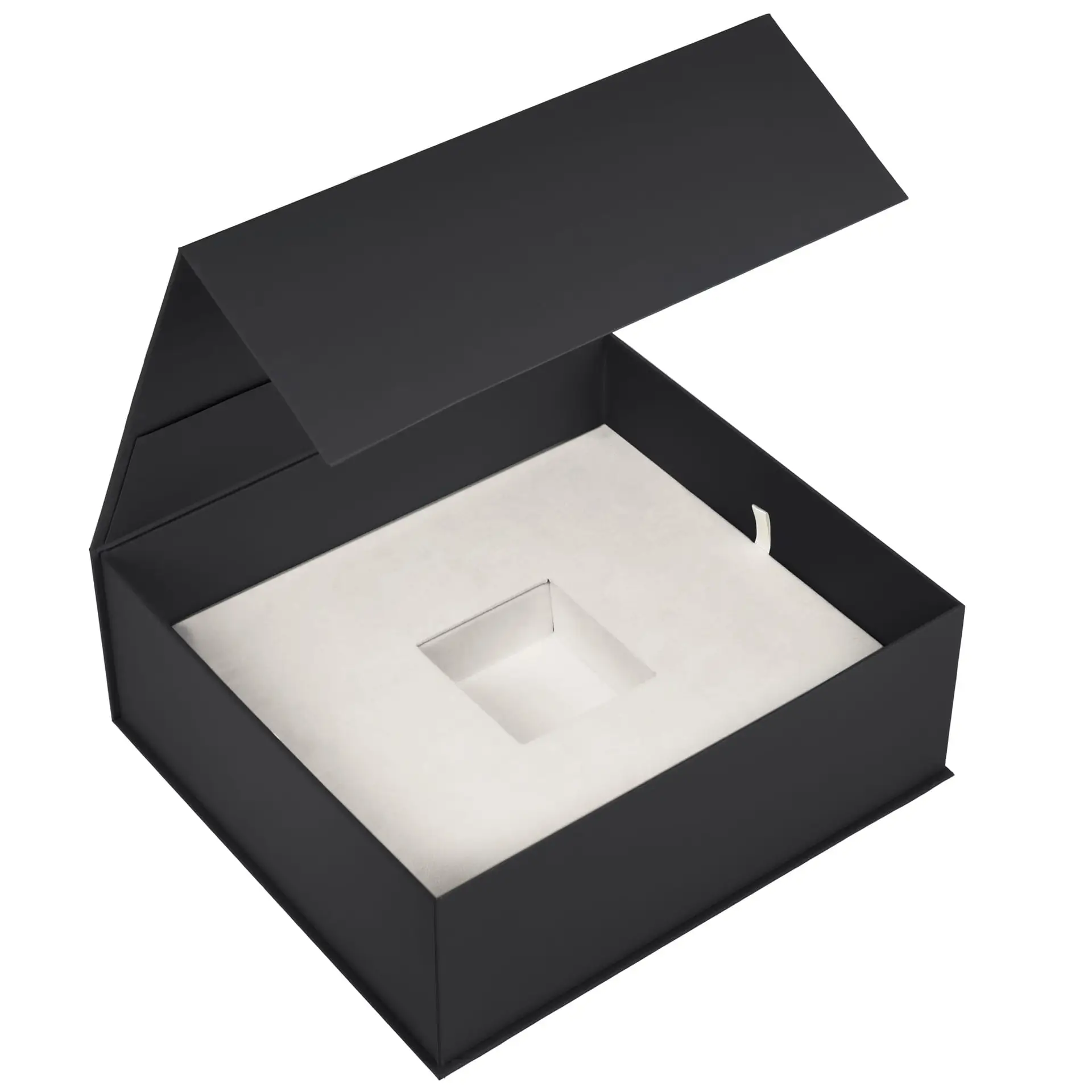
White-Label OEM Hinge Manufacturing
Develop your own branded hinge line under full OEM partnership. From private-label design to mass production, we handle manufacturing while your brand owns the product. Low MOQ makes it possible for startups and established brands alike to launch proprietary jewelry box hinges.
- Custom branding and private-label manufacturing at low MOQ
- Full design ownership—your brand, our production expertise
- Confidential production agreements and protected designs
- Dedicated account manager for seamless OEM partnership

How Our Jewelry Box Hinges Outpace Traditional Suppliers
See why 300+ brands choose factory-direct manufacturing for custom hinges
← Swipe left or right to view →
Our Complete Jewelry Box Hinges Production Process
From premium material sourcing to reliable global delivery—discover how we transform your vision into market-ready jewelry packaging.
Material Sourcing & Vetting
We source premium materials—FSC-certified wood, recycled cardboard, luxury fabrics—from vetted suppliers worldwide, ensuring every component meets our strict quality standards before production begins.
Cutting & Construction
Using state-of-the-art machinery, our team cuts and constructs rigid and foldable box structures with precision tolerances, creating the foundation for durable jewelry packaging.
Jewelry Box Hinges Installation
We expertly install high-quality jewelry box hinges, magnetic closures, or clasps—each secured and tested for smooth operation, ensuring your boxes close and open reliably.
Multi-Stage Quality Control
Our dedicated QC team conducts comprehensive inspections at every stage—material checks, construction verification, hinge function tests, and final aesthetics review—ensuring zero defects.
Protective Packing & Prep
We carefully pack finished jewelry boxes with protective materials, apply branding labels, and prepare shipment-ready pallets according to your specifications and shipping requirements.
Global Shipping & Delivery
We arrange reliable, on-time shipment to your location worldwide, with full tracking and documentation. Our logistics partners ensure your jewelry box hinges arrive pristine.
How to Partner for Custom Jewelry Box Hinges
From initial requirements to on-time production and beyond, we streamline custom jewelry packaging for brands of all sizes.
Submit Your Brand Requirements
Share your jewelry box hinge specifications, design preferences, and production volume with our team. We dive deep into your brand identity and packaging vision.
Receive Your Quote & Sample
Within 48 hours, get a detailed quote and complimentary jewelry box hinge sample. Evaluate quality, materials, and craftsmanship before you commit to bulk production.
Approve the Final Design
Work with your dedicated account manager on production artwork and specifications. Make final refinements to jewelry box hinges and sign off with complete confidence.
Launch Bulk Production
Your jewelry box hinges enter manufacturing with our multi-stage QC team overseeing every detail. We deliver the precision and consistency your luxury brand demands.
Get Fulfillment & Support
On-time delivery of your jewelry box hinges to your warehouse or partners. Your dedicated account manager remains your partner for reorders, customizations, and future packaging innovations.
Quality & Sustainability Certifications for Jewelry Box Hinges
Why 300+ Jewelry Brands Trust Our Jewelry Box Hinges
On The Way reduced our time-to-market by 8 weeks on custom velvet pouches and jewelry box hinges. We went from concept to 3,000-unit production in just 6 months. Their design flexibility was key.
We needed exactly the right magnetic closure and custom hinge geometry. On The Way delivered 2 samples in 14 days, then production at 40% below our previous supplier. Game-changer for margins.
After switching to On The Way’s custom jewelry box hinges, we expanded to 47 new wholesale accounts in one year. The consistency and presentation set us apart. They’ve become our trusted partner.
Jewelry Box Hinges: Frequently Asked Questions
What is the minimum order quantity for jewelry box hinges?
How long does production take for custom jewelry box hinges?
Do you offer free samples for jewelry box hinges?
What material options are available for jewelry box hinges?
What are your standard payment terms?
How do you protect our designs and intellectual property?
Can I request design changes after placing an order?
What shipping and logistics options do you provide?
Can I see examples of jewelry box hinges you’ve produced?
The Complete Buyer’s Guide to jewelry box hinges
Discover how to evaluate, source, and customize jewelry box hinges for your brand. Learn material options, construction quality markers, manufacturer selection criteria, and critical mistakes that derail product launches.
1. What Are Jewelry Box Hinges?
Jewelry box hinges are precision-engineered fasteners that bridge a rigid box body to its lid, enabling smooth opening and closing while protecting contents. Unlike standard cabinet hinges designed for larger, heavier applications, jewelry box hinges must operate with minimal friction over thousands of open-close cycles while maintaining precise alignment—critical when the box contains delicate pieces worth hundreds or thousands of dollars.nnSoft-close mechanism and ergonomic lid positioning directly influence purchase decisions in the $500–$5,000+ luxury jewelry box segment. Premium hinges allow lids to stay open at ideal viewing angles for displaying rings, earrings, and necklaces, while preventing lid slamming and jewelry shifting—details that signal quality to high-end consumers.nnJewelry box hinges differ fundamentally from residential door hinges or furniture hinges in scale, load distribution, and finish. A residential hinge may span 3–4 inches and support 20–40 pounds; jewelry box hinges typically measure 0.5–1.5 inches and carry only ounces, but must withstand 50,000+ open-close cycles with zero perceptible wear.nn50,000+ open-close cycles is the standard durability benchmark for quality jewelry box hinges in global luxury markets. Independent designers and boutique retailers invest in quality hinges because they define brand perception and customer retention; a squeaky hinge on a $500 ring box damages trust, while seamless operation encourages repeat purchases. Jewelry box hinges are essential in magnetic-closure boxes, rigid gift boxes with velvet or satin lining, LED-lit display cases, and multi-drawer jewelry storage systems.
2. The Evolution of Jewelry Box Hinges
Jewelry box hinges before the 1900s consisted of simple brass or iron mechanisms—purely functional, with no aesthetic consideration and frequent failures under repeated use. Early manufacturers prioritized only cost and basic structural function, leaving luxury retailers to accept inferior components as an inevitable compromise.nnThe post-1950s luxury goods boom transformed hinge engineering when high-end jewelry houses demanded packaging worthy of their products. Manufacturers adopted precision machining and began testing hinges for durability over thousands of cycles, inspired by automotive and aerospace industries’ quality standards. Japanese manufacturers pioneered fatigue testing in the 1980s, establishing benchmarks that influenced global specifications and introduced consistent torque and corrosion-resistant finishes as non-negotiable baseline requirements.nnModern jewelry box hinges are engineered to withstand 15,000+ opening cycles with consistent performance and incorporate soft-close mechanisms, stainless steel 304/316 components, or precision zinc alloys. Manufacturing standards now include CNC machining, ASTM-spec electroplating, multi-stage QC inspection, and environmental stress testing—practices that emerged from aviation and luxury automotive sectors.nnThe 1980s and 1990s saw quality standards codify around engineering benchmarks—quiet operation, smooth closure, consistent torque, corrosion resistance—that remain baseline expectations for premium jewelry hinges today. Understanding this history matters because it explains why cheap hinges fail and why sourcing from suppliers with ASTM-certified materials, documented fatigue testing, and rigorous QC protocols ensures your packaging reflects the quality and longevity your brand demands.
3. Types of Jewelry Box Hinges
Five primary hinge mechanisms serve the jewelry market, each balancing durability, aesthetics, cost, and brand perception. Selecting the right type directly influences product positioning. Luxury brands prioritize smooth operation and finish; independent designers balance cost against premium positioning.
Piano (Continuous) Hinges
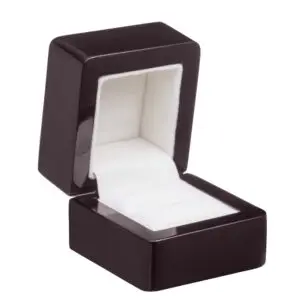
Full-length continuous hinges running the box edge define premium positioning. Cost: 15–25% of box price. Luxury brands favor them for jewelry watch cases and fine jewelry sets due to smooth 180° operation.nnLead time: 6–8 weeks for custom profiles. Visible quality justifies premium price point across boutique retail and high-end e-commerce channels.
- Smooth operation, minimal stress on box
- Custom profiles for brand differentiation
- Ideal for jewelry watches and heirloom boxes
Butt Hinges
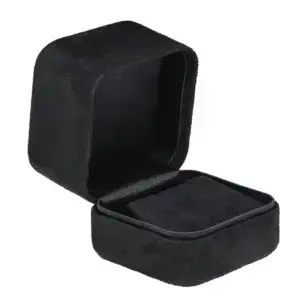
Two-point hinges remain the most common choice across segments. Cost: 3–6% of total box price. Standard for mid-market gift packaging and retail jewelry boxes.nnAvailable in brass, zinc alloy, and stainless steel finishes. No special tooling required; lead time 2–4 weeks. Compatible with most rigid box wall thicknesses.
- Most cost-effective option
- Proven durability in retail environments
- Compatible with MOQ 100+ units
Barrel & Concealed Hinges
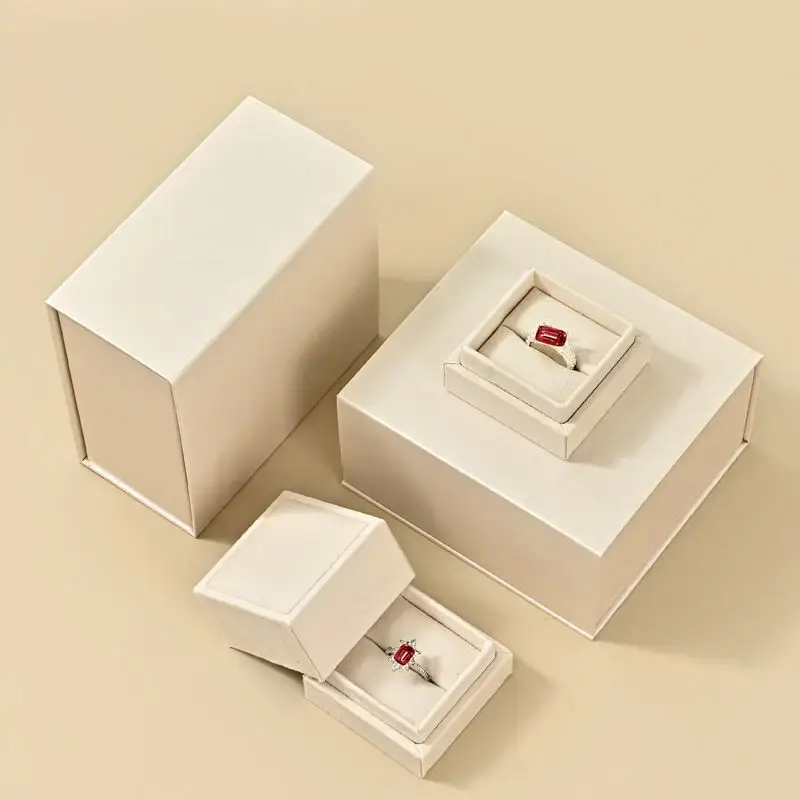
Concealed hinges hide mechanisms for modern minimalist aesthetics; ideal for pendant boxes and compact storage. Barrel hinges are recessed cylindrical, cost 5–10% of box price.nnBoth require precision CNC tooling. Rising adoption among contemporary jewelry designers and D2C brands targeting younger demographics. Lead time: 3–5 weeks due to setup complexity.
- Cleaner visual aesthetic, no visible hardware
- Compact design for small boxes
- Requires precision tooling investment
Magnetic Closures
Magnetic systems eliminate traditional hinges, offering snap-closure convenience and contemporary looks. Cost: 8–12% of box. Premium brands use rare-earth magnets for 1,000+ cycle lifespan.nnKey trade-off: unsuitable for items requiring frequent retail staff opening and closing. Quality directly impacts perceived durability after 500+ uses. Growing adoption in high-end packaging.
4. Materials for Jewelry Box Hinges
Hinge material drives performance, cost, and brand perception. Four metals dominate: brass, stainless steel, zinc alloy, and copper. Understanding material tradeoffs and finish strategies aligns with brand positioning and durability requirements.
| Material | Durability | Corrosion Resistance | Weight | Typical Cost/Unit | Best For |
|---|---|---|---|---|---|
| Brass | 10+ years | Excellent | Medium | $0.50–1.50 | Luxury, heritage brands |
| Stainless Steel | 10+ years | Excellent (Grade 316) | Medium-High | $0.40–1.20 | Coastal, humid environments |
| Zinc Alloy | 3–5 years | Fair (w/ plating) | Low | $0.15–0.35 | Entry-level, cost-sensitive |
| Copper | 15+ years | Excellent | Medium | $0.60–1.80 | Heritage, antimicrobial focus |
Brass Hinges
Brass is the preferred choice for high-end boxes, prized for its warm tone and corrosion resistance. Brass (60–70% copper, 30–40% zinc) develops a natural patina, which luxury brands embrace as a mark of authenticity.nnBrass hinges cost 2–3× zinc alloy but justify the premium through durability. A brass hinge in regular use lasts 10+ years. Yellow, red, and antique finishes are achievable without specialty coatings.
Stainless Steel Hinges

Stainless steel (304 or 316) is the standard for humid or salt-air environments. Grade 316 outperforms 304 in chloride resistance, essential for coastal boutiques.nnStainless hinges are slightly heavier than brass, adding perceived quality. Cost sits between brass and zinc. Stainless resists patina, so finishes rely on brushing, polishing, or PVD coating.
Zinc Alloy Hinges
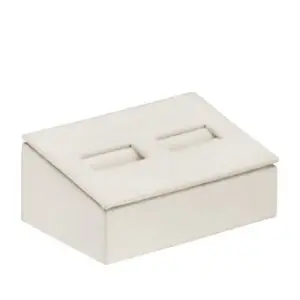
Zinc alloy dominates entry-level markets, offering the lowest material cost at $0.15–0.35 per unit in small volumes. Zinc is easy to cast and finish, supporting rapid prototyping.nnThe tradeoff: zinc is softer and susceptible to white corrosion. Protective plating—nickel, chrome, or lacquer—is essential. Most zinc alloy hinges last 3–5 years with proper coating.
Material & Finish Strategy
Pair material choice with finish for performance and aesthetics. Brass + lacquer extends life 5–10 years; zinc + nickel adds 2–3 years; stainless + brushed finish ensures 10+ years.nnFor mid-market brands, brass with powder-coat lacquer offers best cost-to-durability. For luxury positioning, brass or copper with natural patina commands premium margins. Always specify finish in sourcing RFQs.
5. Customization & Branding for Jewelry Box Hinges
Jewelry box hinges represent a critical touch point in your brand’s unboxing experience. Custom plating finishes, engraving, and sizing options transform hinges from functional hardware into distinctive brand markers. Understanding lead times and minimums for personalization ensures your packaging timeline aligns with production realities.
Plating & Finishes
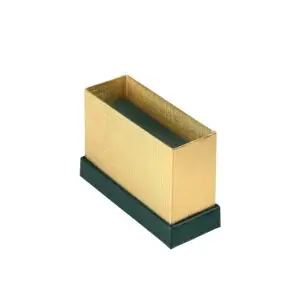
Gold, silver, and antique finishes are industry standards. 24K gold plating adds perceived premium value; brushed silver suits contemporary design. Antique brass develops character over time.nnCustom plating adds 2–4 weeks to lead time and requires MOQ of 500–1,000 units. Nickel-free plating is mandatory under EU RoHS directives.
Engraving & Embossing

Laser engraving and die embossing personalize hinges with logos or brand text. Laser achieves 0.5mm line width; embossing creates tactile markers without removal.nnEngraving MOQs start at 200 units; embossing tooling costs $300–$800 upfront. Both add 1–2 weeks to production.
Custom Sizing & Configuration
Hinge dimensions dictate box opening angle and closure feel. Standard widths range 15–35mm; custom sizing fits boutique geometries. Adjustable leaf length and barrel diameter ensure precision.nnCustom sizing adds $500–$2,000 in tooling and extends lead time 3–6 weeks. Requires 1,000+ unit MOQ for bespoke configurations.
Color & Brand Integration

Match jewelry box hinges to box colorways using anodizing or powder coating. Pantone matching is standard; coordinated hardware strengthens brand cohesion.nnAnodized finishes require 500-unit MOQ and add 2 weeks. Plan 8–12 weeks pre-launch to avoid bottlenecks.
Lead Times & Minimums
Lead times vary significantly by customization depth. Planning ahead is critical for retail launch schedules and seasonal campaigns.
- Standard silver hinges: 2–3 weeks, 100–300-unit MOQ
- Gold/antique plating: 4–6 weeks, 500–1,000-unit MOQ
- Engraving/embossing: 3–5 weeks, 200–1,000-unit MOQ
- Custom sizing: 5–8 weeks, 1,000–2,000-unit MOQ
Perceived Value & ROI
Custom hinges signal craftsmanship and attention to detail. A $0.80 hinge upgrade yields 8–15% perceived value uplift in consumer research.nnSmaller brands use custom hinges to compete visually. Factory-direct sourcing reduces custom tooling by 30–40% versus traditional distributors, improving ROI on design.
6. Quality Markers in Jewelry Box Hinges
Premium jewelry box hinges perform consistently across thousands of open-close cycles. Distinguishing quality hinges from mediocre alternatives requires testing for smoothness, tolerances, finish durability, and load capacity—criteria that separate manufacturers serious about longevity from cost-cutters.
Smoothness and Noise Performance
Smooth operation indicates precision hinge pin fit and bearing surfaces. Quality hinges open and close with no grinding, clicking, or squeaking after 10,000+ cycles; cheap hinges develop audible friction within 2,000 cycles.nnListen during sample testing—audio clues reveal manufacturing shortcuts and inadequate bearing lubrication or alignment.
Tolerances and Dimensional Accuracy
Hinge tolerances typically ±0.1 to ±0.2 mm determine alignment and durability. Loose hinges (>0.3 mm play) cause binding, misalignment, and premature wear.nnMeasure sample hinges against specification; verify hinge-to-box bore fit is snug but not forced, and check that leaf parallelism stays within ±0.05 mm.
Finish Durability and Plating Quality
Nickel plating thickness 15–25 microns is industry standard for brass hinges; thinner plating corrodes within 6 months in humid climates. Salt-spray testing per ASTM B117 (500–1000 hours) confirms corrosion resistance.nnInspect plating for pits, discoloration, or bare spots on samples. Polished finishes resist scratches better than rough or sandblasted alternatives.
Load Testing and Durability Standards
ISO 4414 and DIN 65151 govern hinge durability; premium hinges sustain 50+ kg vertical load without deflection or failure. Drop-cycle testing (10,000+ open-close cycles under load) reveals fatigue weakness.nnDemand load-test certificates from suppliers; inferior hinges fail under 30 kg, and suppliers avoiding third-party verification are high-risk.
Red Flags During Inspection
Watch for manufacturing defects and supplier evasion during sample evaluation.
- Uneven screw slots or rough edges—tooling wear or inadequate finishing
- Inconsistent plating color across samples—batch contamination or process drift
- Hinge pin edges rough to touch—poor machining or deburring
- No load-test or durability certificates—supplier avoids accountability
- Resistance to sample testing or specification requests—hiding manufacturing limits
7. How to Select a Jewelry Box Hinge Manufacturer
Selecting a jewelry box hinge manufacturer is a critical decision that affects delivery timelines, product consistency, and cost control. Leading suppliers operate certified facilities with documented quality systems, multi-stage inspection protocols, and transparent lead times.
Production Capacity & Certifications
Verify production capacity and annual output. Leading hinge manufacturers operate 1,000–2,500 m² facilities with 100–300 staff and complete 3,000+ projects yearly.nnRequire ISO 9001 certification, OEKO-TEX standards, and FSC documentation. These validate quality systems and reduce supply chain risk.
Customization & Lead Times
Ask about minimum order quantities (MOQs) and typical production timelines. Flexible suppliers accept 100–500 unit MOQs with 4–8 week lead times for custom hinges.nnConfirm if tooling fees apply and whether the manufacturer accommodates design revisions during sampling phases.
Quality Control & Testing
Quality systems should include multi-stage inspection at raw material, assembly, and finished goods stages. Request data on defect rates and testing protocols (salt spray, wear cycles, dimensional accuracy).nnAsk for sample batches before committing to production runs.
Key Questions to Ask
Before committing, ask these critical questions: What is your 5-year production history? How do you manage supply chain disruptions? Can you provide customer references? What is your approach to cost negotiations and volume discounts?
- Defect rates and corrective action procedures
- Geographic production and inventory locations
- Lead time buffer for urgent orders
Site Visits & References
Request customer references and third-party certifications. If feasible, visit the facility to observe manufacturing processes, equipment condition, and workforce.nnReputable OEM suppliers welcome facility inspections and readily share customer testimonials. Request SLA (service level agreements) for defect rates, lead time adherence, and responsiveness to design changes.
Building Long-Term Relationships
Establish clear communication channels and assign a dedicated account manager. Negotiate annual volume commitments in exchange for preferential pricing and faster lead times.nnSet quarterly business reviews to assess performance against agreed-upon metrics and plan for capacity expansion.
8. Common Mistakes When Sourcing Jewelry Box Hinges
Sourcing jewelry box hinges requires balancing cost, lead time, and quality. Rushed decisions and incomplete due diligence create costly failures—delayed fulfillment, damaged reputation, inflated unit costs. Understanding the most common pitfalls helps you avoid them.
Prioritizing Price Over Quality
The lowest quote rarely delivers. Cheap hinges (typically ≤$0.12/unit from unvetted suppliers) exhibit misalignment, brass oxidation, or premature failure after bulk shipment. A 2–3% premium for vetted, tested hinges proves far cheaper than recalls or reputational damage.
Underestimating Lead Times
Standard sourcing averages 12–16 weeks (sampling + approvals + production + QC). Brands planning 6–8 weeks discover mid-production delays when tooling requires rework or material batches arrive late. Build 3–4 week buffers into your timeline and communicate revised deadlines to retail partners early.
Poor Supplier Communication
Vague specifications—’gold hinges,’ ‘strong,’ ‘luxury look’—create mismatches across language barriers. Approved samples may not match production runs. Provide engineering drawings, Pantone codes, and metallurgical specs; confirm understanding with photo approval at every production milestone.
Skipping Pre-Production Testing
Approving samples without stress-testing (open/close cycles, weight load, temperature exposure) means defects surface at scale. Request a 50–100 unit pilot batch; test hinge stiffness, noise, finish durability, and alignment. A $500 test run prevents $5,000+ waste.
Choosing Wrong Hinge Type
Piano hinges suit heavy lids; ball-bearing hinges suit frequent-open jewelry boxes; barrel hinges handle mid-range weights. Wrong hinge type—e.g., cheap butt hinges for 500g lids—guarantees flex and early failure. Consult supplier engineering data before finalizing specs.
Neglecting Sample Inspection
Many brands assume samples are representative and skip detailed review before authorizing production. Inspect for finish uniformity, dimensional accuracy (±0.5mm), hinge gaps, and visual defects. If samples are flawed, production samples will be worse. Request replacements if issues are found.
Over-Customizing Without Validation
Bespoke hinge designs add 6–8 weeks and 15–25% to unit cost. If demand doesn’t materialize, you own obsolete inventory. Validate sales forecasts before committing to custom tooling; semi-custom finishes on existing hinge families often suffice.
9. Pricing & Cost Structure for Jewelry Box Hinges
Most jewelry box hinges operate on a 300–500 unit minimum order quantity (MOQ), with setup and tooling fees ranging from $150 for standard finishes to $500+ for custom plating, embossing, or proprietary die-cut shapes. Volume discounts kick in at each tier; businesses ordering 10,000+ units can reduce per-unit costs below $0.38 while absorbing all tooling fees into the production run.nnLead times compress with order size: MOQ orders typically ship in 25–30 days, while 10,000+ unit commitments drop to 12–15 days production plus 3–5 days inland transit to Shanghai port. Sample costs run $50–$150 per design and arrive within 10–14 days, allowing brands to approve finishes and fit before committing to full production. Payment structures typically require 50% deposit upfront and 50% on shipment; FOB Shanghai is the standard incoterm for international buyers.
| Order Volume | Standard Material | Unit Price (USD) | Setup / Tooling Fee | Production Lead Time |
|---|---|---|---|---|
| 300–500 units (MOQ) | Polished brass | $0.90–1.10 | $150 (standard) | 25–30 days |
| 500–1,500 units | Brushed stainless steel | $0.65–0.80 | $180 (standard) | 22–25 days |
| 1,500–5,000 units | Gold-plated zinc alloy | $0.48–0.62 | $250 (plating) | 18–20 days |
| 5,000–10,000 units | Polished or custom finish brass | $0.35–0.45 | $300–500 (custom finishes) | 15–18 days |
| 10,000+ units | Any material (volume discount) | $0.25–0.38 | Tooling included; samples $50/design | 12–15 days |
Ready to Create Your Custom Jewelry Box Hinges?
Start with professional sampling, custom specifications, and factory-direct pricing. Our dedicated team moves your project from concept through production.