
Custom Jewelry Drawer Inserts — Factory-Direct, Low MOQ
Premium custom jewelry drawer inserts from On The Way — 100-unit minimum orders, factory-direct pricing, and 17 years of expertise serving 300+ brands globally.
Featured Drawer Inserts


Drawer Inserts in Action



Why We Stand Out
Factory-Direct Pricing
Own your production line. No middlemen, no markups. Negotiate directly with our manufacturing team for competitive rates on every order.
Low MOQ, Maximum Flexibility
Start with just 100 units. Scale from startup to enterprise without compromise. Custom jewelry drawer inserts tailored exactly to your brand.
Fast Sampling in 7–14 Days
Review prototypes quickly. Our rapid sampling process gets your custom jewelry drawer inserts approved and in production within two weeks.
Multi-Stage Professional QC
Every unit inspected. Our dedicated QC team checks custom jewelry drawer inserts at each production stage to ensure flawless quality.
Eco-Certified & Recyclable Materials
FSC-certified paper and recycled fabrics. Your custom jewelry drawer inserts meet sustainability standards without sacrificing premium look or durability.
Dedicated Account Managers
Your personal advocate. Each brand receives a dedicated manager who ensures on-time delivery and handles all custom jewelry drawer insert specifications.
Complete Jewelry Packaging & Storage Solutions
Coordinated packaging systems that protect your jewelry and elevate your brand across every customer touchpoint, from storage to retail display.

Jewelry Drawer Inserts
Protective foam and fabric drawer inserts for residential storage. Custom-fit compartments accommodate rings, necklaces, bracelets and earrings. Available in EVA foam, velvet, suede and cotton. Prevent scratches, tarnish and tangling with precision-cut layouts designed for your jewelry dimensions.
Get a Quote
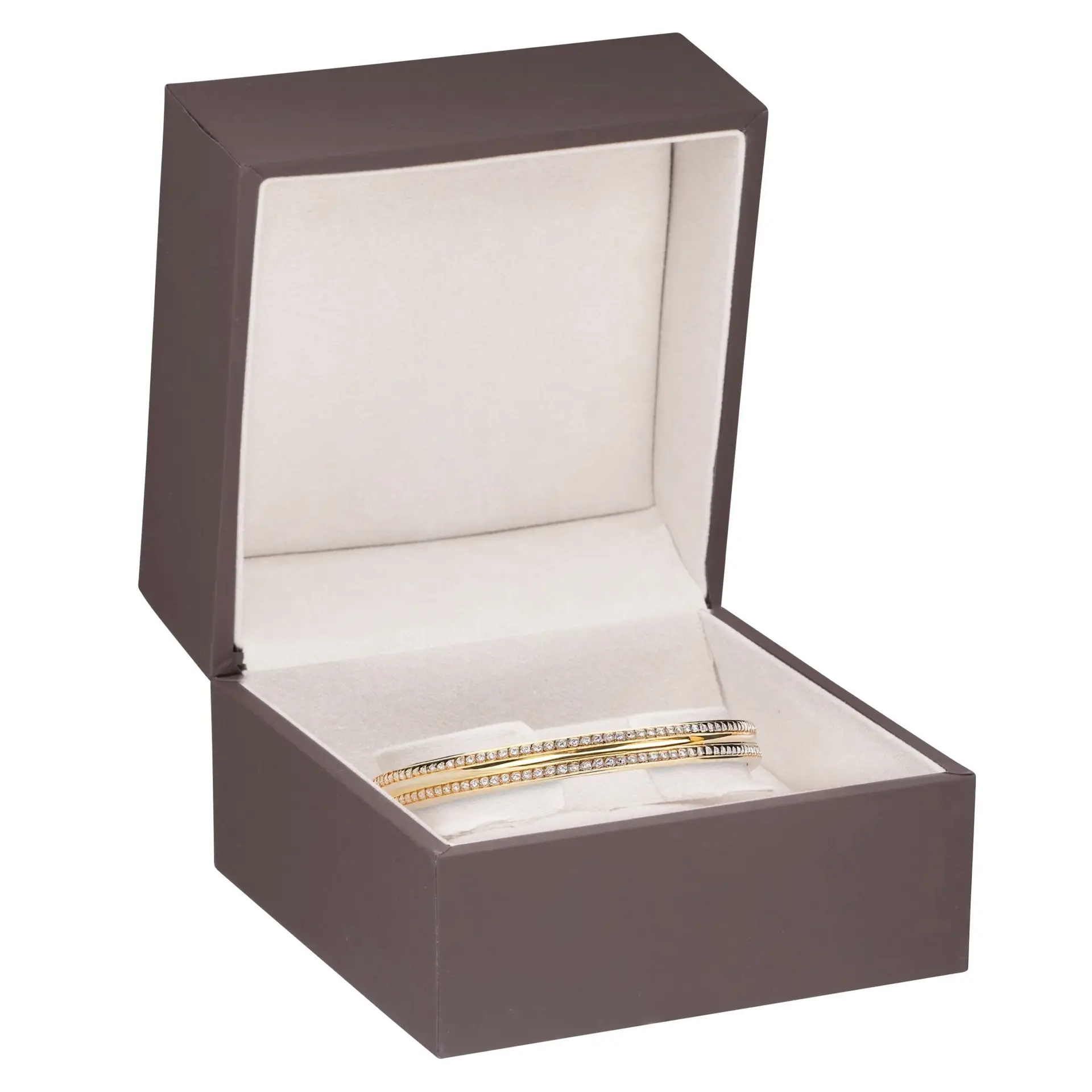
Jewelry Box Inserts
Interior lining systems for rigid and gift boxes. Velvet, microfiber and fabric-lined inserts transform standard boxes into premium packaging. Custom-cut compartments, cushioned surfaces, and secure placement prevent product movement during shipping. Elevate unboxing experiences for retail and gifting.
Get a Quote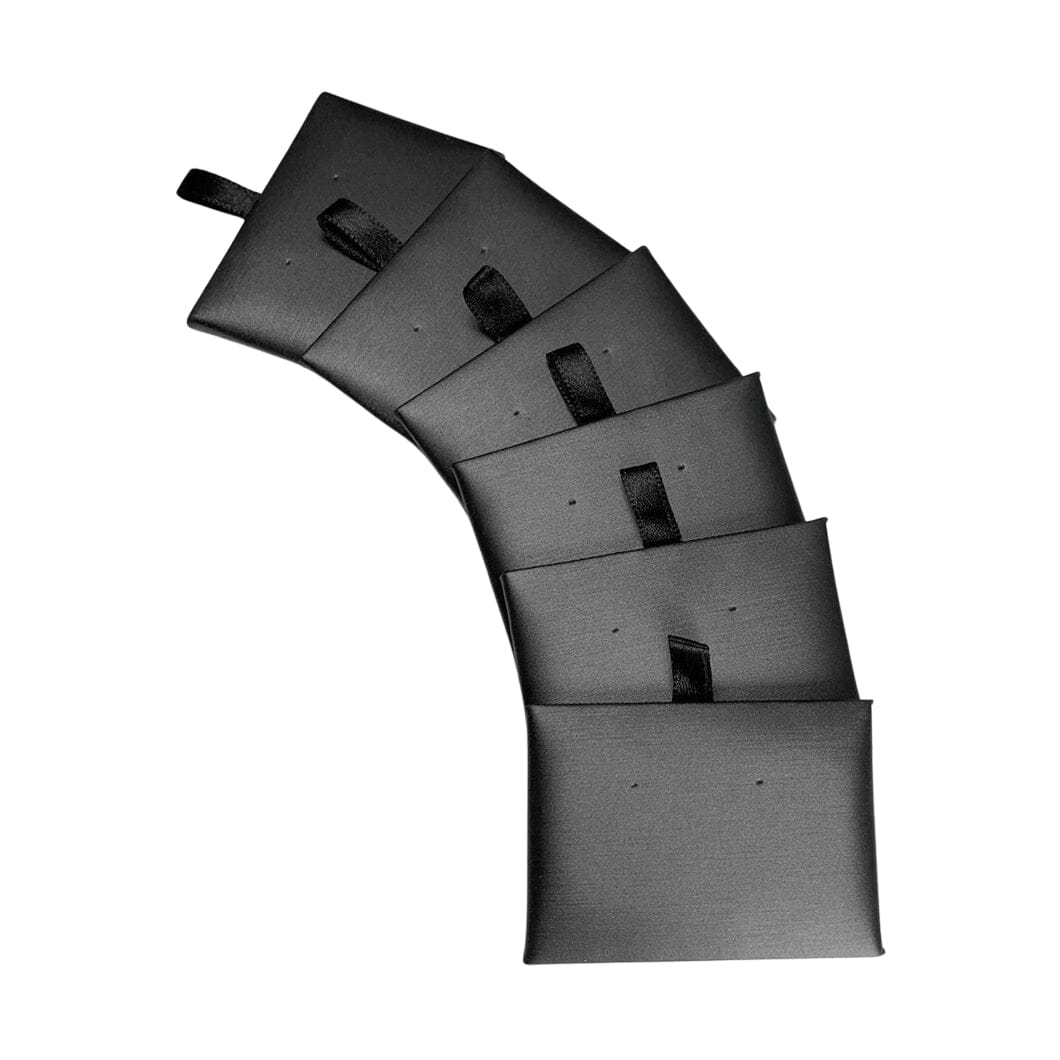
Watch Pillows
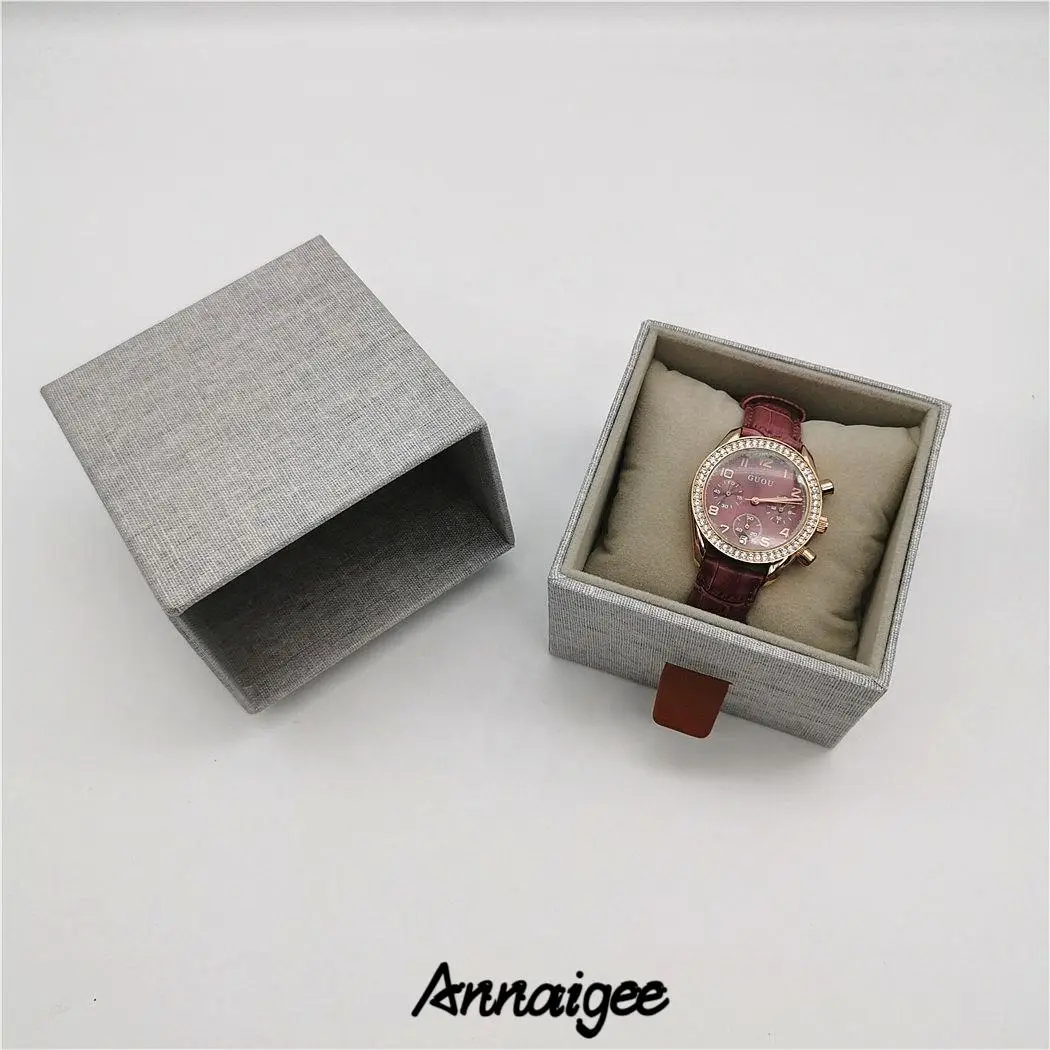
Specialized cushioning for wristwatch and timepiece presentation. Flexible suede, leather and microfiber pillows cradle watch cases securely without pressure marks. Custom-sized to fit your collection from sports models to luxury chronographs. Reusable presentation and storage solution.
Get a Quote
Jewelry Tray Inserts
Compartmentalized trays for countertop and retail display. Velvet-lined, foam-based and leather inserts organize rings, bracelets, and necklaces for boutique counter presentation. Custom layouts maximize visibility while protecting merchandise. Professional retail organization and brand storytelling at point of sale.
Get a Quote
Foam & EVA Inserts
High-density EVA and closed-cell foam inserts engineered for shock protection and precision fit. Custom die-cut compartments accommodate any jewelry profile. Lightweight yet durable; non-reactive with precious metals. Wholesale bulk options with white-label branding available.
Get a Quote
Velvet Jewelry Inserts & Trays
Luxurious velvet-lined inserts in black, burgundy, white and custom colors. Soft-touch surface prevents scratches on delicate pieces. Custom die-cutting creates personalized compartments. Wholesale options available; FSC-certified bases with velvet facing for sustainable luxury packaging.
Get a Quote
Custom Jewelry Inserts & Trays
Full-design flexibility for bespoke insert solutions. Choose materials (velvet, suede, foam, leather), dimensions, compartment layouts and finishes. Low MOQ from 100 units. Dedicated account managers guide from sampling through production. Private-label options available for brands and retailers.
Get a Quote
Wholesale Jewelry Inserts & Trays
Bulk ordering with competitive factory-direct pricing. Velvet, foam and microfiber inserts for wholesale gift boxes. Customizable branding, large-order discounts and on-time delivery. Supports 1,000+ unit orders with consistent quality across all shipments.
Get a Quote
Cotton Jewelry Inserts & Trays
Eco-friendly cotton and linen-blend inserts for sustainable packaging. Breathable fabric prevents tarnish on silver and precious metals. Custom layouts protect against scratches and movement. FSC-certified paper bases pair with natural fiber facings for environmentally conscious brands.
Get a Quote
Suede Jewelry Inserts & Trays
Premium suede surface with cushioned backing for soft-touch presentation. Flexible yet supportive, ideal for watches, bracelets and statement pieces. Color options include charcoal, burgundy and natural. Custom sizing ensures perfect fit in any box or drawer.
Get a Quote
Plastic & Acrylic Jewelry Inserts & Trays
Clear acrylic and PET plastic inserts for transparent product visibility. Ideal for retail display and e-commerce unboxing. Lightweight, durable and easy to clean. Custom die-cutting for precise compartments; perfect for high-volume wholesale and direct-to-consumer brands.
Get a Quote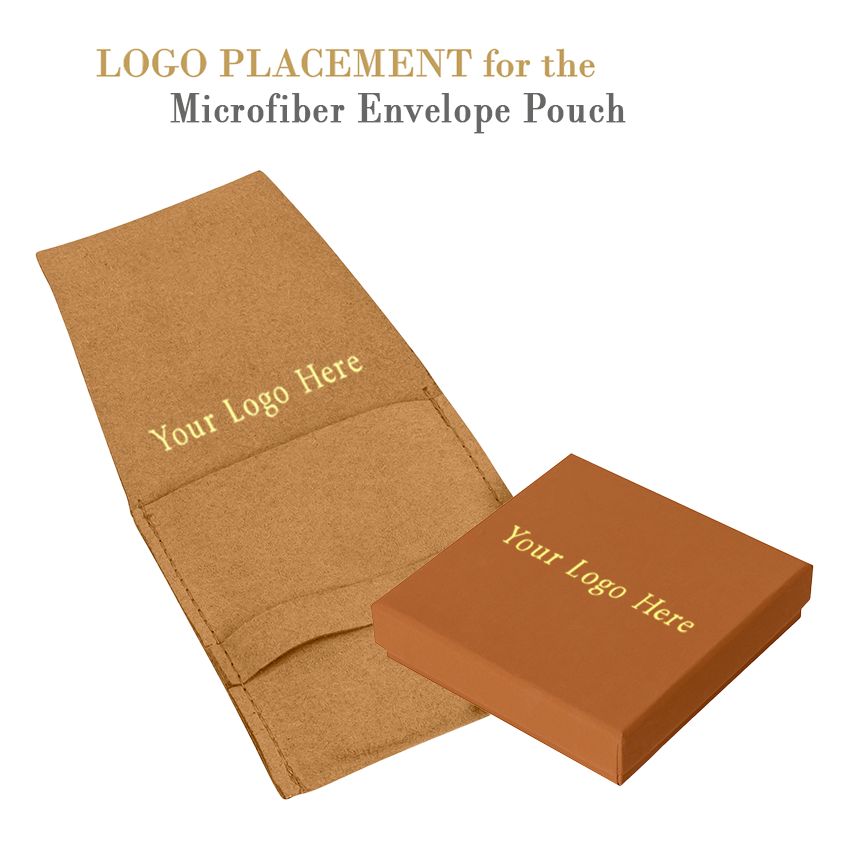
Leather & PU Leather Jewelry Inserts & Trays
Genuine leather and PU leather-faced inserts for premium positioning. Rich texture and durability withstand frequent handling and storage cycles. Supports watches, cufflinks and jewelry with elegant presentation. Custom finishes available including embossing and edge painting.
Get a Quote
Jewelry Insert Factory
Direct from our Dongguan factory: 1,200 m² production, 220+ staff, 6,500+ custom projects completed. Multi-stage QC on all inserts ensures flawless finish and durability. Private-label and OEM programs available. 17+ years serving 300+ brands across 30+ countries.
Get a Quote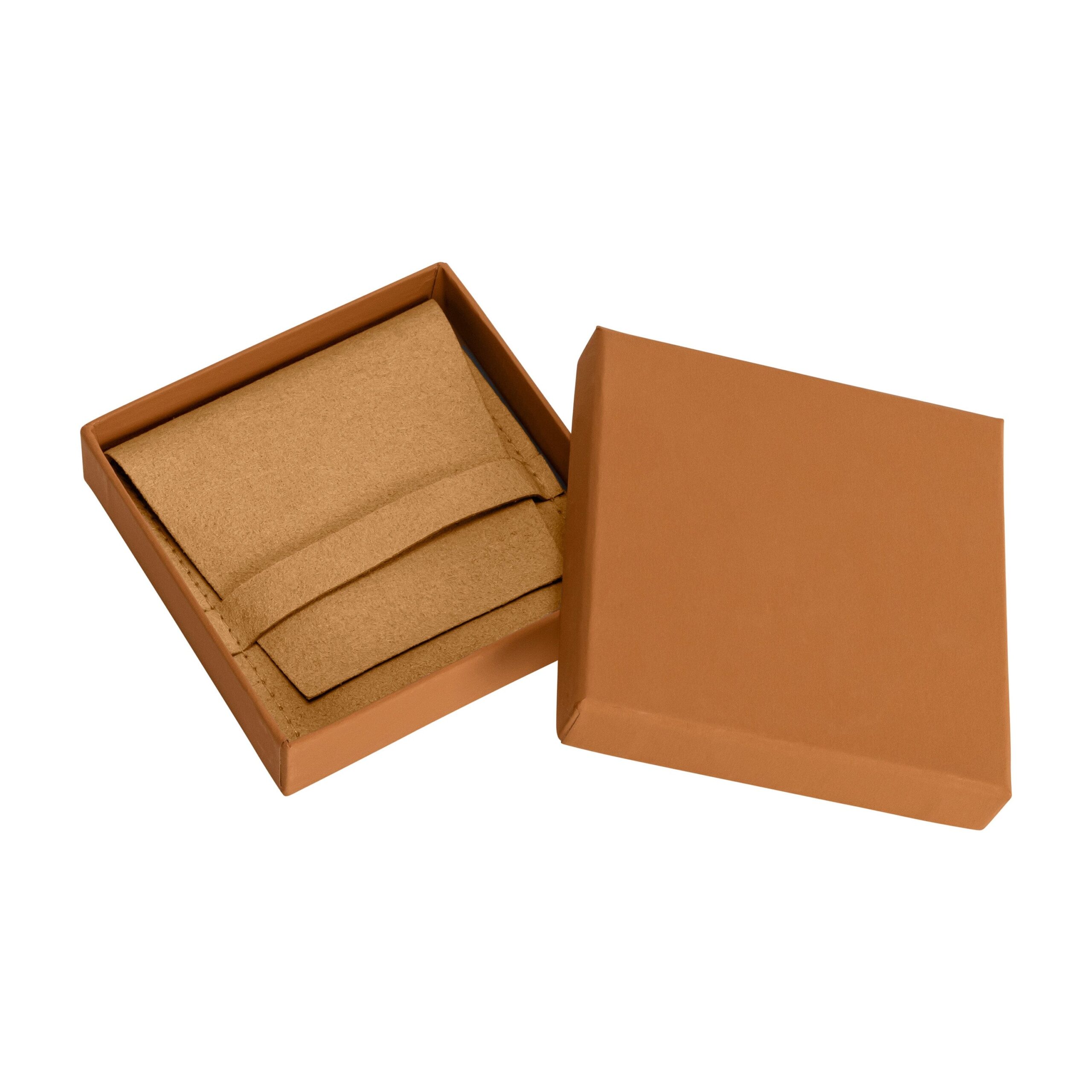
Paper & Cardboard Jewelry Inserts & Trays
Rigid cardboard and specialty paper inserts for lightweight, sustainable packaging. Die-cut compartments hold rings, pendants and small items securely. FSC-certified options available. Recyclable and reusable; ideal for eco-conscious brands seeking affordable custom solutions without plastic.
Get a QuotePremium Materials & Finishes

Velvet
Luxurious, tactile finish provides superior jewelry protection. Deep color retention and premium visual appeal. Industry-standard for luxury drawer inserts; provides soft touch and protective cushioning for delicate pieces and stone settings.
Satin
Smooth, lustrous surface enhances visual elegance while protecting jewelry surfaces. Wrinkle-resistant finish requires minimal maintenance. Combines luxury aesthetic with practical durability for contemporary drawer insert designs.

Microfiber
Ultra-soft, durable synthetic fabric offers superior abrasion resistance and stain protection. Non-slip surface prevents jewelry movement during storage and handling. Ideal for premium, high-traffic drawer solutions requiring durability.
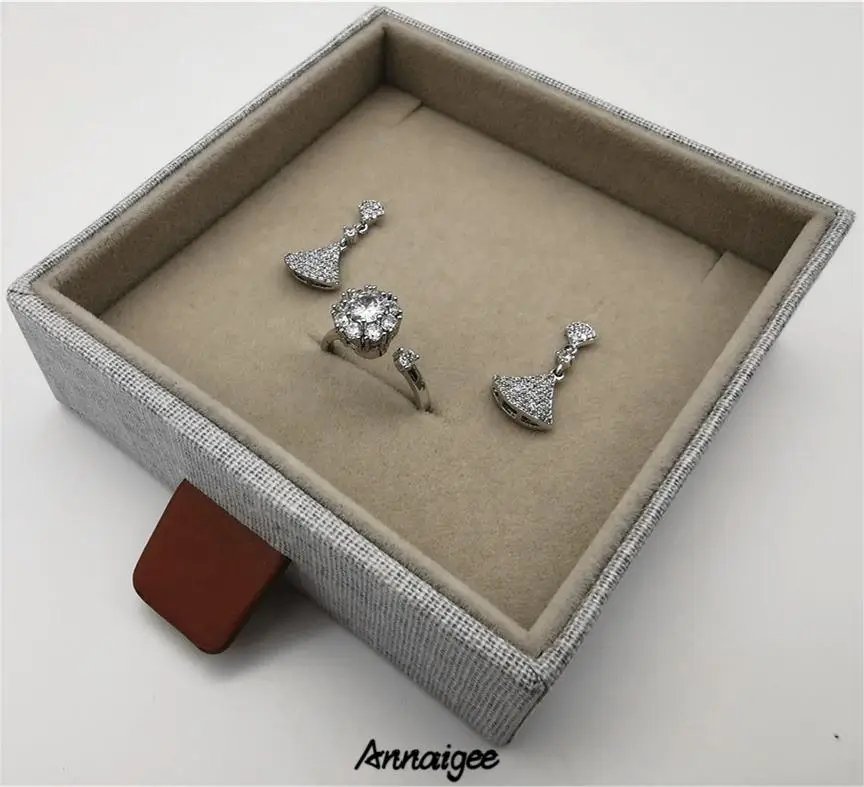
Cotton
Natural fiber with breathable properties; FSC-certified options available. Eco-conscious choice without compromising luxury feel. Sustainable alternative for brands prioritizing environmental responsibility in drawer insert materials.
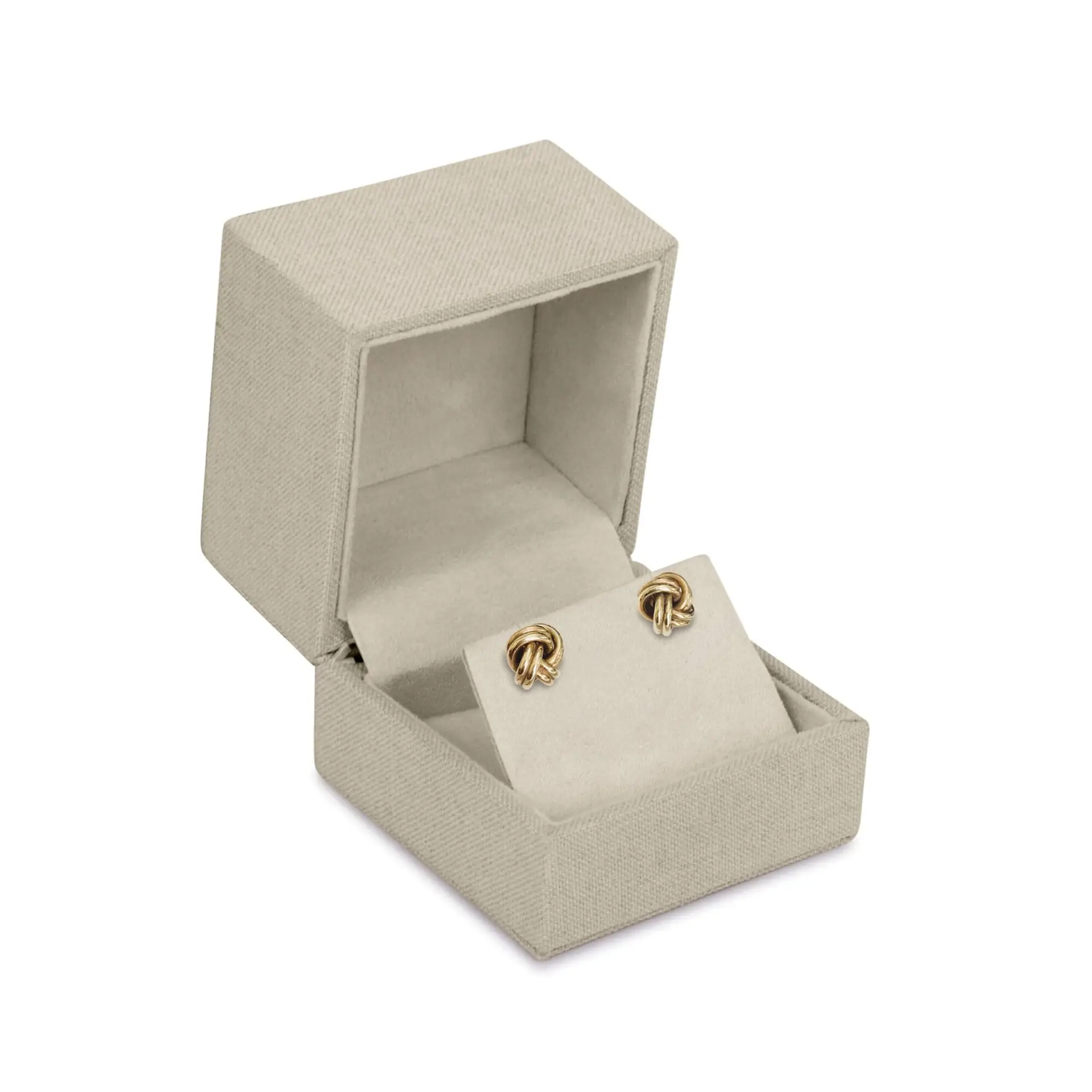
Linen
Premium natural fiber with distinctive texture and strength. Inherent durability improves with use while maintaining luxury positioning. Increasingly popular eco-friendly choice for upscale, sustainable jewelry packaging and drawer solutions.

Recycled Blend
Sustainable composite using reclaimed fibers and FSC-certified materials. Delivers premium hand-feel while reducing environmental footprint. Perfect for brands seeking luxury performance with certified eco-credentials.
Customization Techniques

Embroidery & Embellishment
Add monograms, logos, or decorative patterns to velvet, satin, and fabric drawer inserts. Creates premium, personalized finishes with long-lasting durability and tactile luxury appeal suitable for high-end jewelry brands.
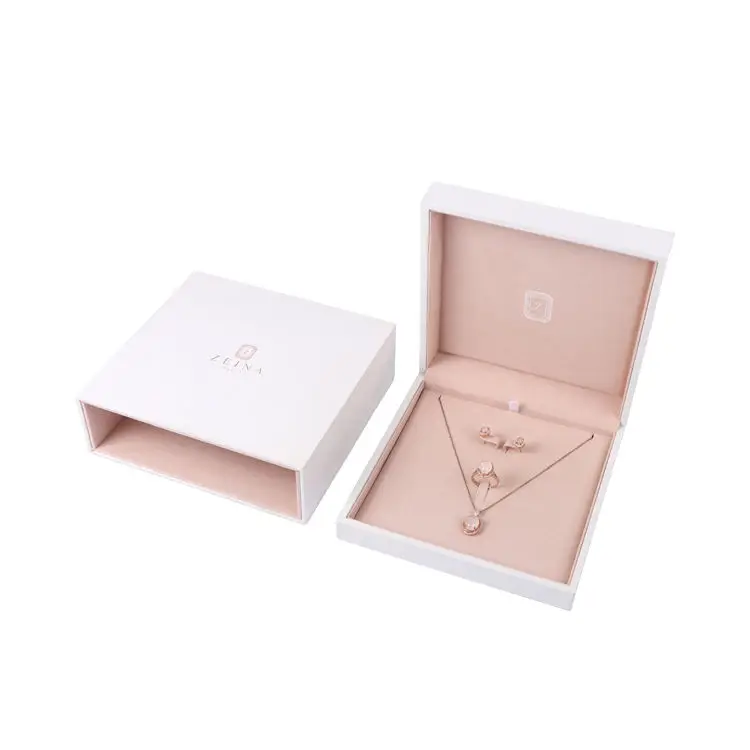
Magnetic Closure System
Integrate precision-engineered magnetic closure mechanisms into drawer inserts for secure, seamless opening and closing. Ensures protection of delicate jewelry while maintaining refined aesthetics and brand consistency.

Laser Engraving
Precision laser-cut and engraved custom jewelry drawer inserts with sharp, detailed branding, serial numbers, or decorative elements on wood, acrylic, or specialty materials. Delivers professional finishes with exacting accuracy.

Screen Printing & Silk Print
Apply vibrant multi-color logos and brand messaging directly to drawer insert surfaces with fade-resistant inks. Ideal for custom branding on fabric, leather, or coated materials.
Specialty Hardware & Hinges
Install premium hinges, metal fittings, and hardware components to custom jewelry drawer inserts for enhanced durability and luxury functionality. Supports multi-tier, compartmentalized designs and premium positioning.
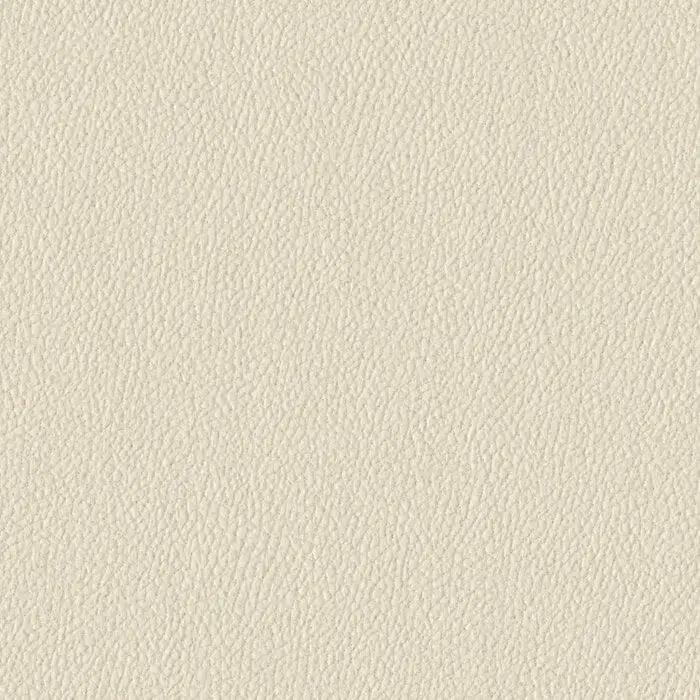
Sustainable Material Processing
Source and process eco-friendly materials—FSC-certified cardboard, recycled paper, and biodegradable fabrics—for environmentally responsible custom jewelry drawer inserts without compromising quality or aesthetic appeal.
Premium Protective Add-Ons
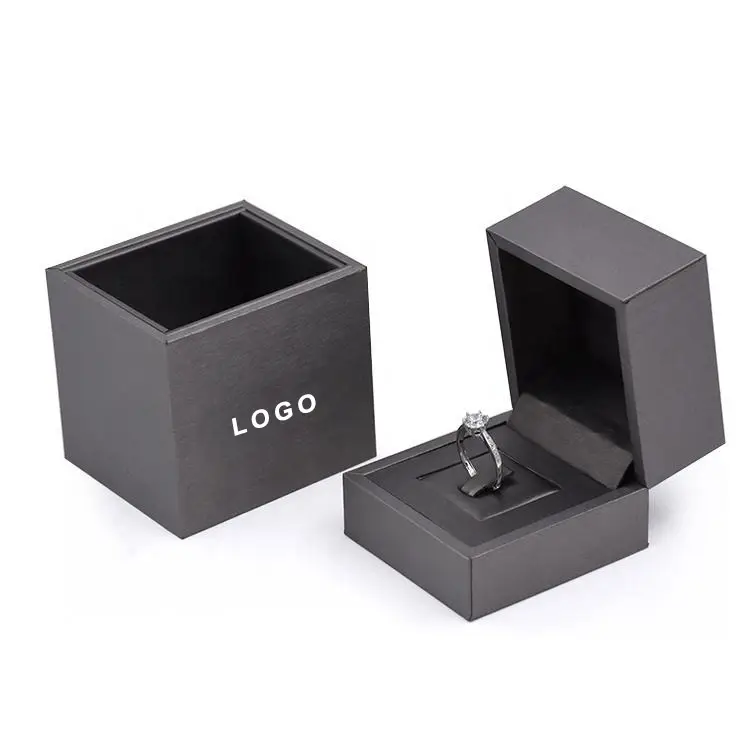
Woven Labels
Custom-woven fabric labels with your brand name and logo, permanently attached to drawer inserts for professional brand identity. Essential for luxury retail and OEM orders requiring permanent, sophisticated finishing touches.

Branded Hangtags
Custom-printed hang tags display your brand messaging, care instructions, or promotional QR codes on drawer inserts. Ideal for retail packaging and premium gift sets to maximize brand touchpoints at unboxing.
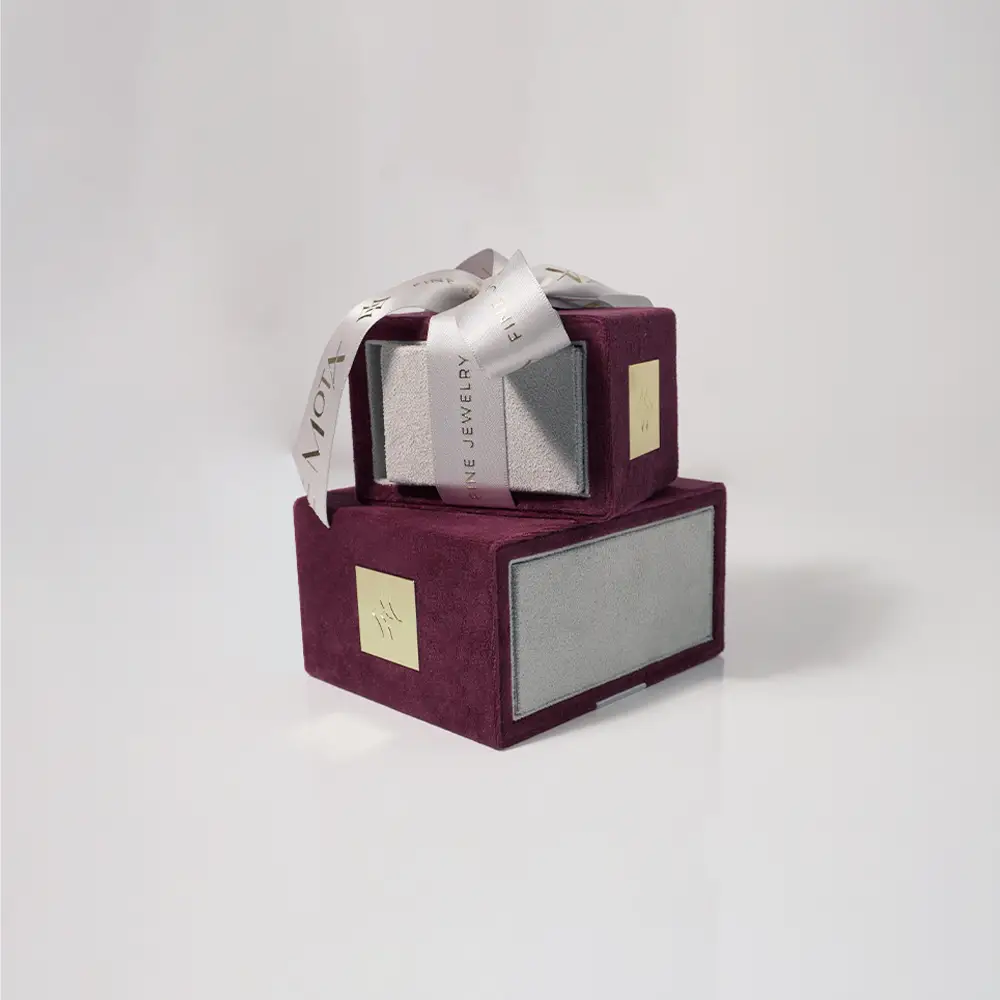
Protective Tissue
Acid-free tissue sheets layer inside drawer inserts to protect jewelry from friction and oxidation. Essential for luxury packaging, these liners elevate the unboxing experience while safeguarding precious items during transport.
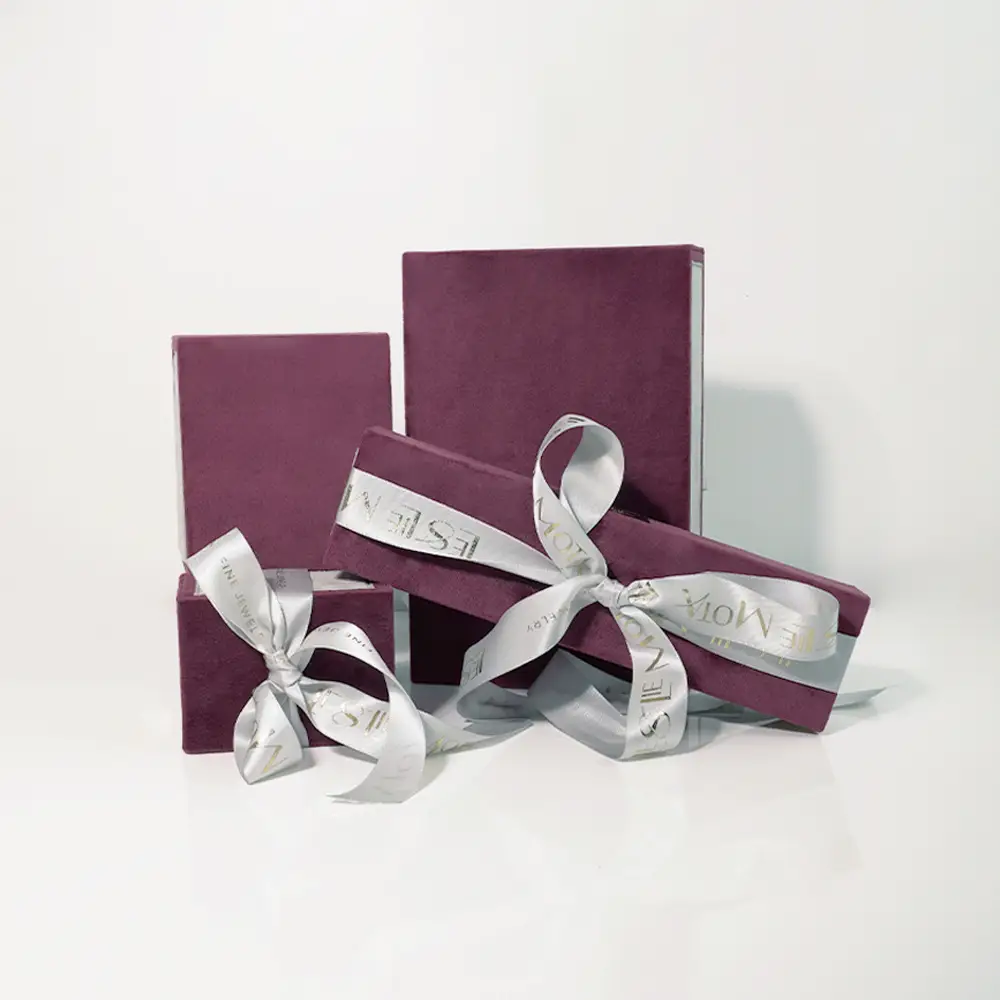
Silk Ribbon Ties
Premium silk or grosgrain ribbons and custom drawcords add elegance and functionality to drawer inserts. Perfect for luxury unboxing moments, brand differentiation, and creating memorable retail experiences in high-end jewelry markets.

Custom Padding
EVA foam or silk padding custom-cut to jewelry shapes, protecting items during storage and handling. Industry standard for luxury jewelry packaging, ensuring pristine product condition and enhanced perceived value upon delivery.
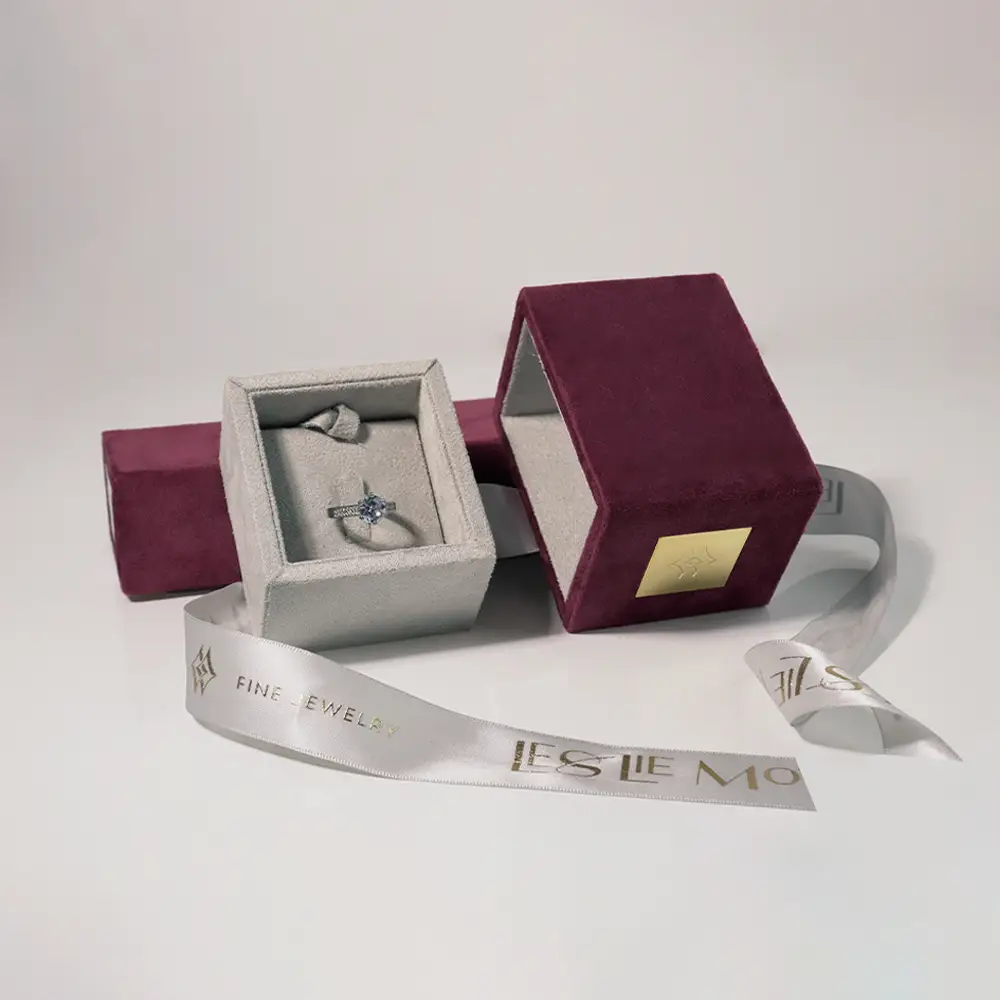
Protective Coatings
Clear or UV-protective coatings shield drawer inserts and jewelry from light damage, oxidation, and dust. Particularly valuable for silver, pearls, and gemstones requiring preservation during extended storage and display.
17 Years of Manufacturing Excellence
Founded in 2007, On The Way began with a simple principle: quality defines survival. Today, we’re a factory-direct manufacturer of premium custom jewelry drawer inserts and packaging solutions, serving independent designers, boutique retailers, and jewelry brands worldwide. Every project reflects our commitment to excellence and precision.
Our Dongguan, China factory spans 1,200 m² and operates with 220+ specialized staff. We’ve completed over 6,500 custom projects for 300+ global brands across 30+ countries. This combination of dedicated team, proven track record, and sustained growth demonstrates our capacity to handle projects of any scale—from startup to established luxury house.
What sets us apart: factory-direct pricing, low MOQ flexibility, multi-stage QC on every custom jewelry drawer insert, FSC-certified eco-materials, and dedicated account managers ensuring on-time delivery. We treat packaging as your brand’s first impression—exquisite packaging, quality living. We are always on the way.
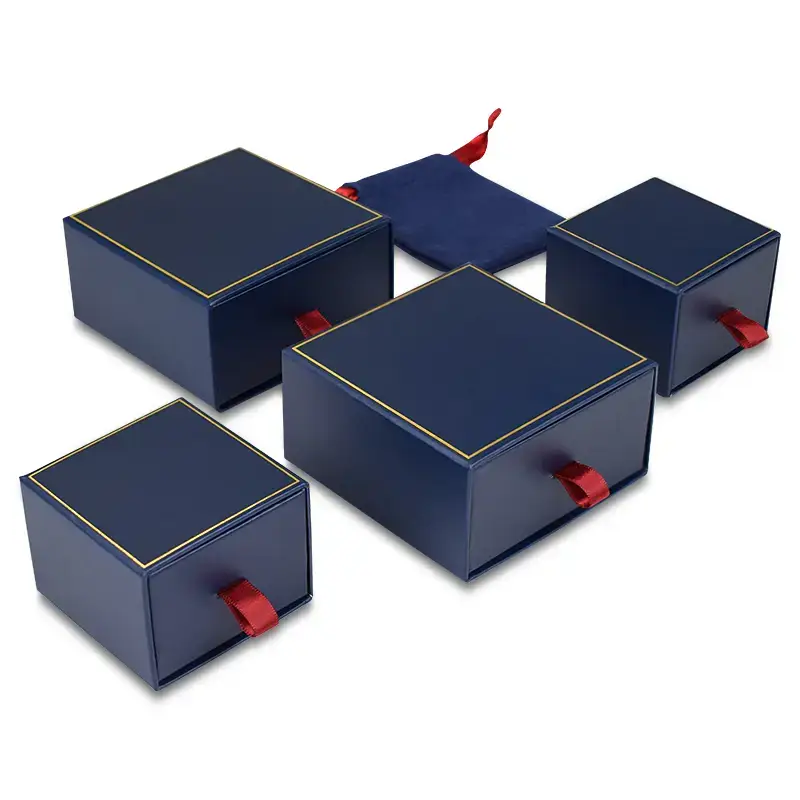
Manufacturing Precision & Partnership
Multi-Stage Quality Control Protocols
Every custom jewelry drawer insert undergoes rigorous inspection at raw material receipt, during assembly, and at final packing stages. Our professional QC team identifies defects before packaging, ensuring premium products. With 17+ years of expertise, we guarantee consistency across every order.
- Inspection at materials, assembly, and final stages
- Expert defect detection prevents customer complaints
- Consistency standards across all custom inserts
- Backed by 17+ years of quality expertise
Rapid Sampling & Fast Prototyping
Test your designs quickly before full production. Our rapid sampling capability lets you iterate your custom jewelry drawer inserts with confidence, minimize market risk, and accelerate launch timelines. Quick turnaround keeps you competitive in luxury retail.
- Quick turnaround on custom prototypes
- Iterate designs cost-effectively before mass production
- Reduce time-to-market for your brand
- Validate customer appeal before large orders

FSC-Certified Eco-Materials & Sustainability
FSC-certified paper, recycled fabrics, and reusable options are available for every custom jewelry drawer insert. Align your premium packaging with sustainability commitments. Our eco-sourcing supports circular luxury practices and meets the values of environmentally conscious brands worldwide.
- FSC-certified paper and recycled material options
- Biodegradable and reusable insert alternatives
- Reduce environmental footprint of luxury packaging
- Certifications for eco-conscious brand partners
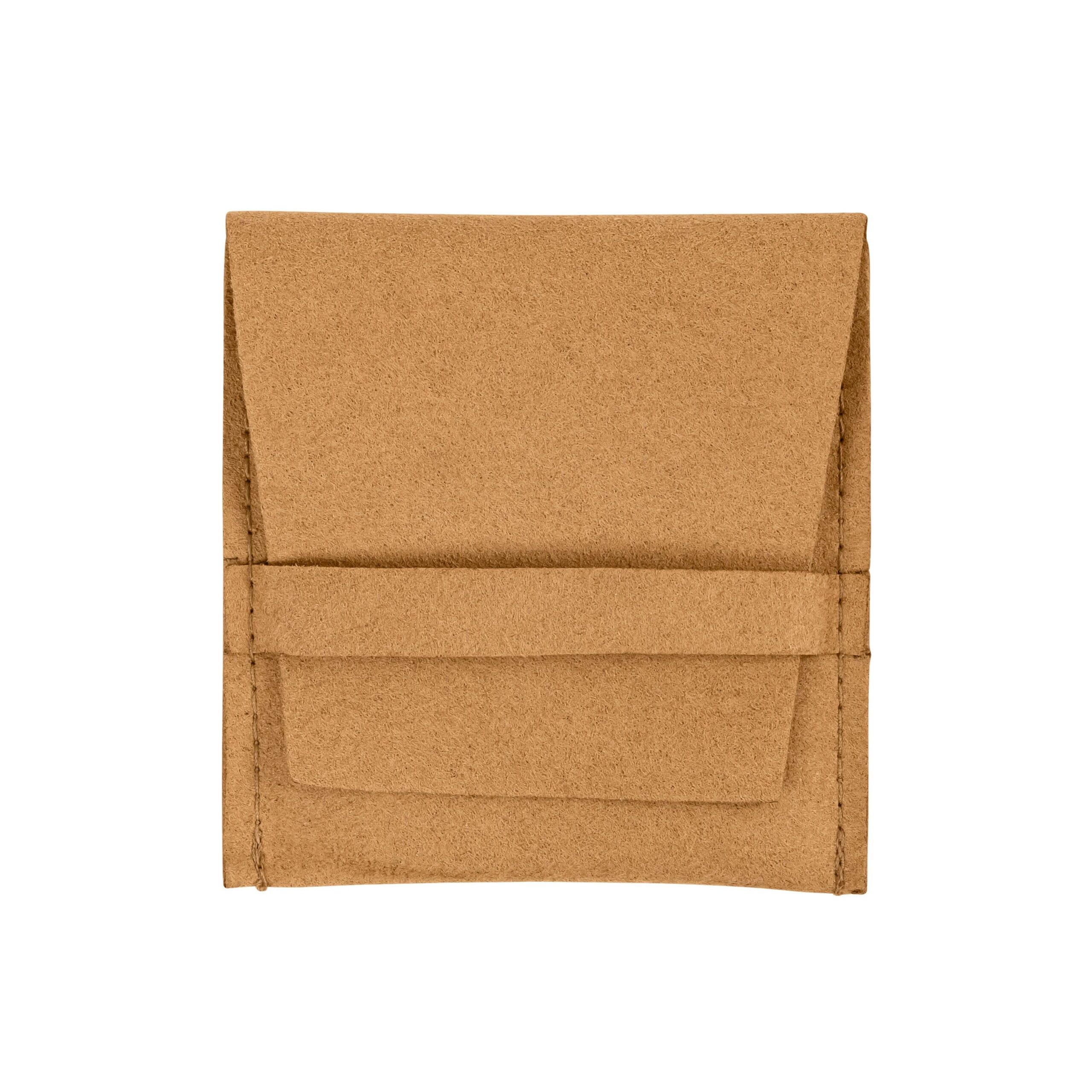
Dedicated Account Manager & Support
Your personal account manager guides your custom jewelry drawer inserts from design conception through final delivery. Seamless communication, technical expertise, timeline management, and on-time fulfillment are guaranteed. One dedicated point of contact, full accountability, every project.
- Assigned account manager for your entire project
- End-to-end guidance from sampling to production
- Transparent communication and real-time updates
- Guaranteed on-time delivery and fulfillment
On The Way vs. Typical Suppliers
Factory-direct advantages across pricing, customization, quality, and speed.
← Swipe left or right to view →
Our Manufacturing Process
From initial design through delivery, we maintain multi-stage quality control on every order
Design & Material Selection
Your dedicated account manager guides you through custom drawer dimensions, layout, and premium materials—velvet, satin, microfiber, or eco-friendly options—ensuring perfect brand alignment.
Sample Creation & Review
We manufacture a physical sample of your custom jewelry drawer inserts at factory-direct pricing, allowing full review and refinement before committing to full production runs.
Full Production Run
Once approved, your custom jewelry drawer inserts enter our production line. Our 220+ skilled team manufactures your order with precision-tooling and consistent quality across all units.
Quality Control & Testing
Multi-stage QC inspects every batch for material integrity, stitching precision, and dimension accuracy. Each drawer insert is tested for durability and meets luxury retail standards.
Packing & Delivery
Your finished custom jewelry drawer inserts are carefully packed with protective materials and shipped directly from our Dongguan factory on schedule to your destination worldwide.
How to Order
From initial design submission to final delivery—each step explained, with realistic timelines and dedicated support.
Submit Your Design & Tech Pack
Upload your jewelry design files, technical specifications, and material preferences. Our team reviews everything within 24 hours and assigns a dedicated account manager to guide your project.
Review Quote & Sample Approval
Receive a detailed quote within 3–5 business days. Request production samples to evaluate materials, finishes, and fit. Sample turnaround: 7–10 days. No surprise costs—transparent pricing from start to finish.
Finalize Specifications & Production Timeline
Approve final specifications: dimensions, materials, finishes, branding, and packaging details. Lock in production timeline and confirm low MOQ minimums. Your account manager handles all coordination.
Launch Bulk Production Run
Your custom jewelry drawer inserts enter production at our Dongguan factory. Multi-stage quality checks monitor every unit. Real-time updates keep you informed throughout manufacturing.
Receive QC-Approved Order & Delivery
Final QC inspection ensures every insert meets your exact specifications and our quality standards. Secure packaging for shipment to your location. On-time delivery guaranteed.
Quality & Sustainability Certifications


Trusted by Global Jewelry Brands
On The Way’s custom drawer inserts cut our packaging lead time by 40% while reducing costs per unit. Their attention to detail and factory-direct pricing made scaling our brand feasible without compromising quality.
As a boutique jeweler, I needed custom inserts that matched my brand aesthetic. The team delivered exactly what I envisioned in just 3 weeks—with zero compromises on material quality or design.
We switched to On The Way for our drawer inserts and immediately saw better consistency, faster production, and premium eco-friendly materials. Supporting a factory-direct partner simplified our entire supply chain.
Frequently Asked Questions
Everything you need to know about ordering, customization, lead times, and costs.
What is the minimum order quantity (MOQ) for custom jewelry drawer inserts?
How long does it take to receive custom jewelry drawer inserts?
Are there sampling fees for custom jewelry drawer inserts?
What payment terms and shipping options do you offer?
How do you protect intellectual property and custom designs?
What materials are best for durable custom jewelry drawer inserts?
How much customization flexibility do you provide?
Can you handle rush or expedited orders?
The Complete Buyer’s Guide to Drawer Inserts
Learn essential criteria for selecting quality drawer inserts, evaluating manufacturers, and avoiding sourcing mistakes. This guide equips jewelry brands with expert frameworks for confident purchasing decisions.
1. What Are custom jewelry drawer inserts?
Modern luxury brands invest an average of 10-15% of production costs in packaging to communicate quality and value at first touchpoint. Custom jewelry drawer inserts—removable, compartmentalized organizational solutions designed to fit within jewelry boxes, trays, or drawers—serve as the silent custodian of that investment. They protect delicate pieces while creating a curated unboxing experience that speaks to brand identity and customer care.nnBeyond aesthetics, custom jewelry drawer inserts perform a critical storage function for retailers and end consumers alike. With 3,000+ jewelry brands globally competing for shelf and digital presence, inserts differentiate through material selection (velvet, microfiber, linen, FSC-certified paper) and precision compartmentalization tailored to ring, necklace, earring, and bracelet dimensions. This functional elegance transforms ordinary packaging into a platform for brand storytelling.nnIn the contemporary jewelry packaging ecosystem, drawer inserts bridge retail display and consumer storage—a dual role that traditional packaging rarely fulfills. For independent designers and boutique retailers, custom inserts lower the perceived barrier to professional presentation; for luxury houses, they codify brand experience from sale through long-term jewelry care. This versatility explains why 3,000+ jewelry clients across 30+ countries have adopted custom solutions as non-negotiable elements of their packaging strategy.
2. Evolution & History of Drawer Inserts
Early 19th-century jewel boxes featured simple fabric-lined compartments—velvet or silk draped over wood—that protected rings and bracelets from scratches. These basic designs reflected the jewelry storage practices of the wealthy, but offered no real customization or brand differentiation. The rise of luxury houses in the late 1800s and early 1900s changed that calculation: Cartier, Van Cleef & Arpels, and other European maisons recognized that packaging expressed brand identity. Custom-fitted boxes with embroidered silk linings and branded closures became a competitive asset, not an afterthought.nnPost-World War II retail consolidation and the emergence of department store jewelry departments accelerated demand for standardized, cost-efficient drawer inserts. Manufacturers began molding simple cardboard and felt compartments for mass-market brands. However, the luxury segment continued to demand handcrafted details, driving a split market: commodity solutions for volume retailers, bespoke inserts for premium houses.nnThe 1990s and 2000s brought material innovation. Microfiber fabrics replaced velvet in mid-market offerings; recycled materials and FSC-certified papers appeared as sustainability concerns gained traction. Computer-aided design enabled custom molding at lower costs, and independent jewelry designers—previously unable to afford custom packaging—gained access to affordable, personalized custom jewelry drawer inserts.nnToday’s market reflects dual pressures: luxury brands demand heirloom-quality materials and precise customization, while independent designers and boutique retailers seek eco-friendly, low-MOQ solutions that communicate brand values without luxury price tags. Personalization—monogramming, bespoke colorways, custom die-cuts—has become table stakes, not premium features.
3. Types of custom jewelry drawer inserts
Custom drawer inserts serve distinct functions based on jewelry type and storage needs. Understanding the differences between insert structures—from single-purpose trays to flexible modular systems—helps brands select the optimal solution for their product categories and customer expectations.
Ring Trays
Ring trays dominate fine jewelry packaging, with individual compartments sized for solitaire and multi-stone rings.nnPremium brands typically use 12-24 slot configurations to showcase each piece. Velvet or suede-lined compartments prevent sliding and add tactile luxury.
Earring Holders
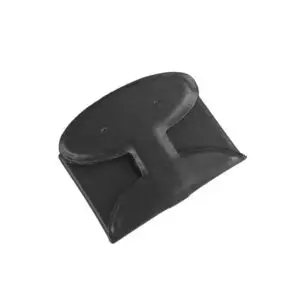
Earring-specific inserts feature parallel posts or slots to display pairs symmetrically.nnFashion jewelry brands often use 6-12 slot designs to maximize box capacity. Some premium versions include angled holders to highlight stone settings or metalwork.
Pendant and Chain Displays
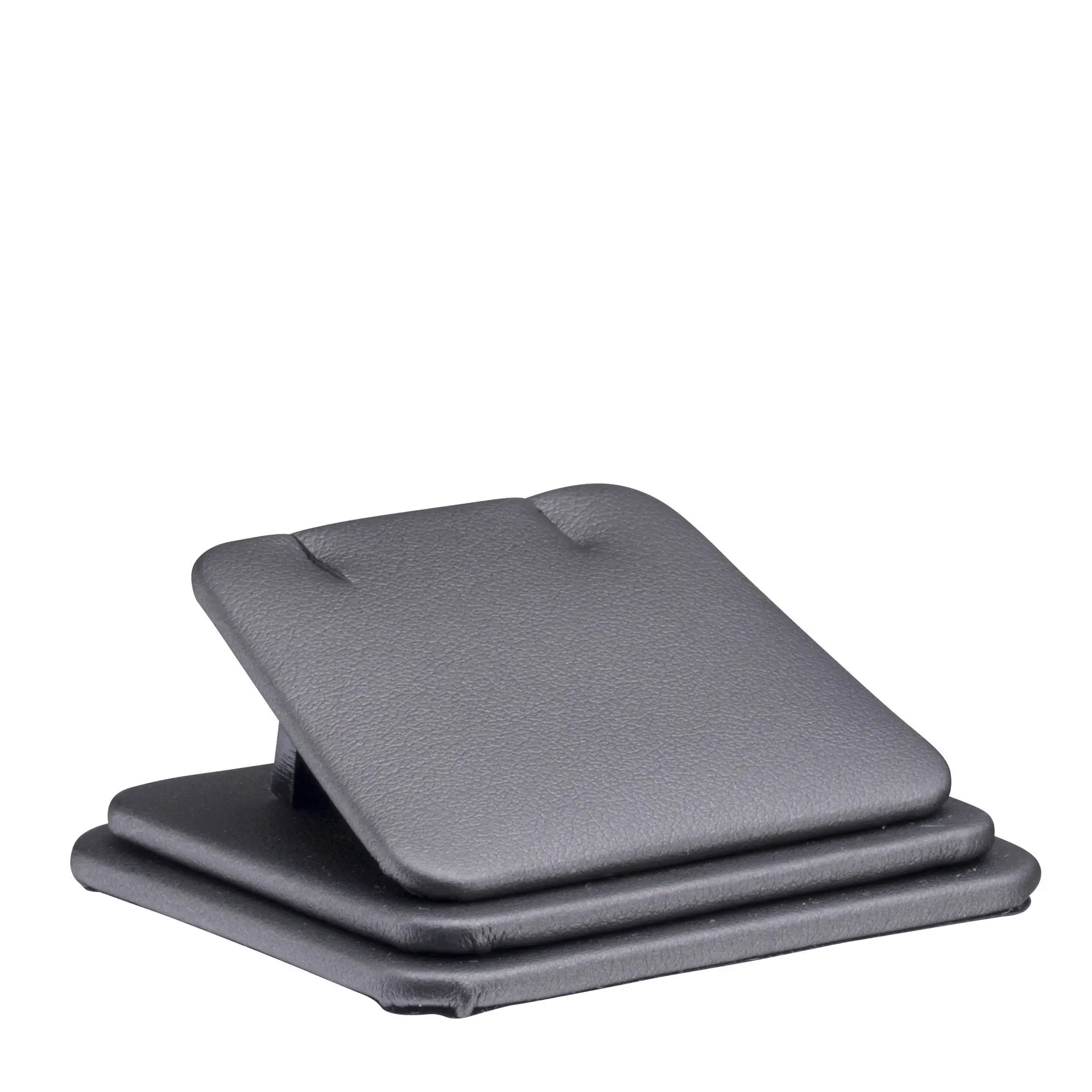
Pendant inserts typically use angled stands or T-shaped holders to prevent tangling and showcase pendant cuts.nnLuxury brands prefer single-piece displays for statement necklaces. Chain-specific inserts include grooves or hooks to prevent knotting during storage and transit.
Watch Rolls and Compartmented Trays

Watch rolls protect faces and bands with padded sleeves or leather wrapping, ideal for luxury timepieces.nnCompartmented trays combine multiple jewelry types in a single insert for versatility. This hybrid approach appeals to contemporary lifestyle brands seeking functional elegance.
Modular Insert Systems
Modular systems offer interchangeable tray configurations that adapt to seasonal collections or product mix changes.nnFine jewelry retailers and independent designers favor this flexibility for low-MOQ production runs. Each module slots into a standard frame, reducing tooling costs and inventory needs.
4. Materials for custom jewelry drawer inserts
Material selection is the foundation of custom jewelry drawer insert quality. Fabric properties, substrate durability, and sustainability drive luxury positioning, cost structure, and market fit.
| Material | Durability | Luxury Perception | Cost Index | Best For |
|---|---|---|---|---|
| Velvet (60–100 GSM) | High | Premium | $$–$$$ | Fine jewelry, heritage brands |
| Microfiber (80–120 GSM) | Very High | Modern-luxury | $–$$ | High-volume, custom printing |
| Linen | Moderate | Artisan-natural | $$–$$$ | Designer, eco-conscious |
| FSC Cardboard | Very High | Minimal-functional | $ | Budget, secondary storage |
| Plastic/Wood Composite | Very High | Tech-forward | $$–$$$ | Reusable, multi-use appeal |
Fabric Options & GSM Standards

Fabric weight (GSM – grams per square meter) directly correlates with luxury perception. Premium velvet ranges 60–100 GSM; microfiber 80–120 GSM. Higher GSM means thicker feel, better durability, and higher cost. Consumer research shows fabrics below 50 GSM read as budget-tier.nnVelvet remains the gold standard for fine jewelry—soft hand feel, light reflection, prestige heritage. Microfiber offers durability 25% higher than velvet at 15–20% lower cost, favored by high-volume retailers. Linen appeals to artisan and eco-conscious designers; silk suits ultra-premium positioning but demands care instructions.
Rigid Substrates & Composites
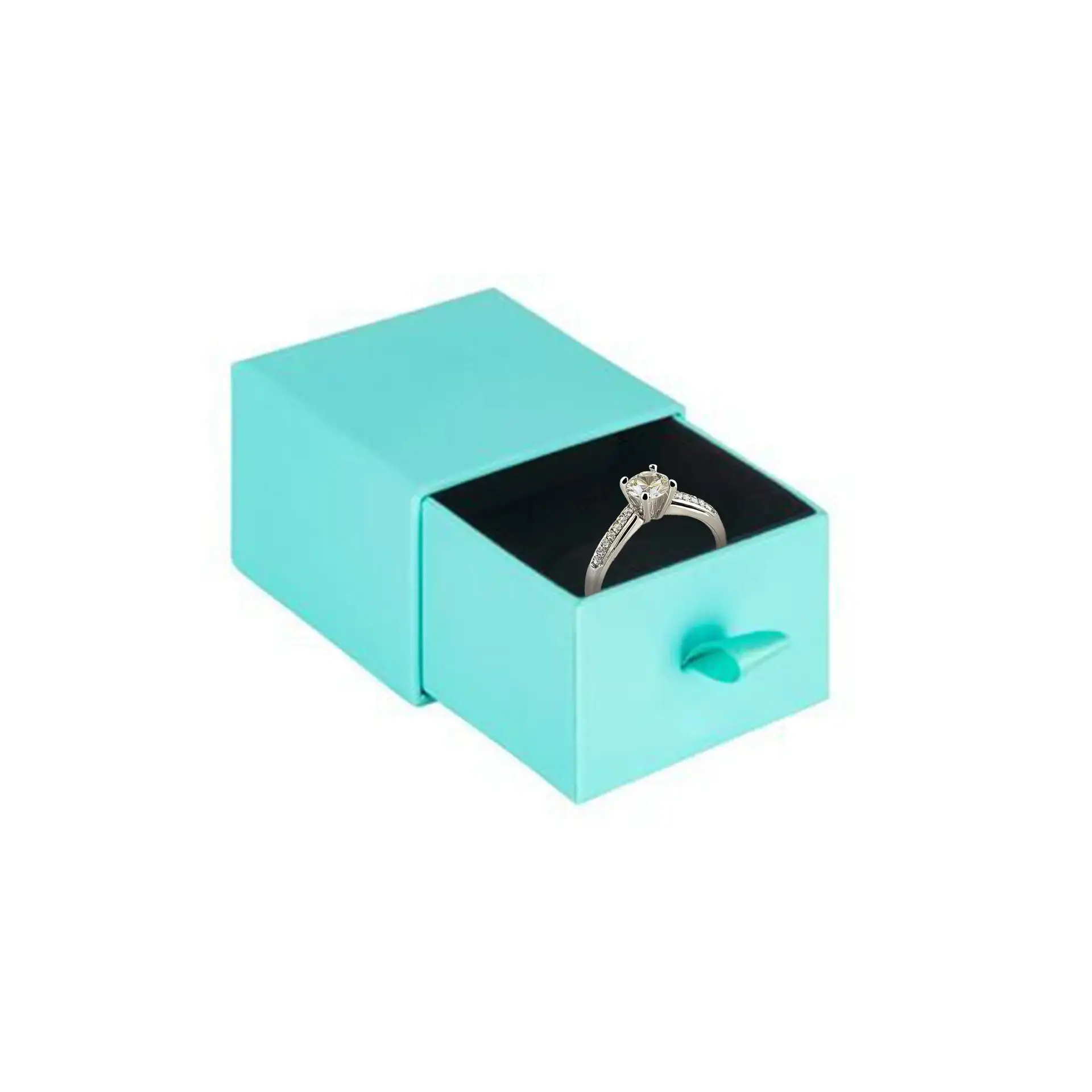
FSC-certified paperboard (1.5–3 mm thickness) balances rigidity, stackability, and eco-compliance. Plastic composites and wood-particle substrates enable complex geometries, LED integration, and multi-use appeal. Paperboard costs 30–40% less; composites justify premium pricing through durability and reusability.
Customization & Sustainability Trade-offs

Smooth fabrics (microfiber, satin) enable digital printing and complex dye work; textured surfaces (linen, canvas) limit pattern complexity but suit embroidery and screen printing. Recycled polyester and FSC-certified board meet sustainability mandates without sacrificing perceived quality. Lead times for eco-certified materials add 7–10 days; plan inventory accordingly.
Material Selection by Target Market
Luxury/fine jewelry houses: velvet, silk, or linen—command heritage positioning and justify 25–35% premiums. Independent designers: microfiber—balances premium feel with production speed and customization flexibility. Mass-market retailers: rigid cardboard—cost-efficient, eco-certifiable, suitable for secondary storage. Eco-brands: recycled materials, water-based dyes, and minimal dyestuff waste.
5. Customization & Decoration Options
Six primary decoration methods transform custom jewelry drawer inserts into branded assets, each offering distinct lead times, minimums, and cost implications. Factory-direct production at scales from 500 to 5,000 units accommodates small independent designers and large retail networks alike. Smart selection balances timeline pressure, order volume, and the tactile or visual impression your brand demands.
| Technique | Lead Time | MOQ | Cost Impact | Best For |
|---|---|---|---|---|
| Embossing | 10-15 days | 500+ | +15-25% | Luxury tactile branding |
| Debossing | 10-15 days | 500+ | +10-15% | Minimalist, soft touch |
| Hot Foiling | 12-18 days | 1,000+ | +8-12% | Metallic, holographic |
| Screen Printing | 8-12 days | 2,000-5,000 | ±10% | High-volume, multi-color |
| Digital Printing | 5-8 days | 500+ | +20-35% | Detailed, bespoke artwork |
| Beading/Trim | 20-30 days | 100-500 | +35-50% | Ultra-premium, handcraft |
Embossing, Debossing & Foiling
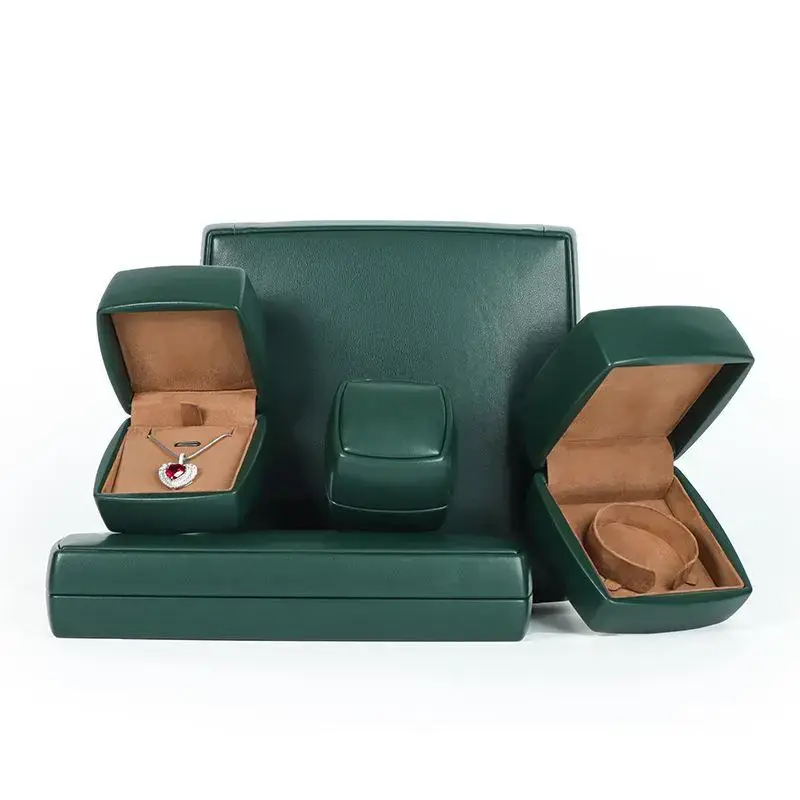
Hot stamping creates raised (embossing) or recessed (debossing) logos in velvet, microfiber, and cotton with 10-15 day lead times and 500+ unit minimums. Embossing costs 15-25% more than debossing; both enhance perceived luxury without ink. Hot foil stamping adds metallic gold, silver, or holographic effects—1,000+ MOQ, 12-18 days, 8-12% cost premium.
Printing Methods

Screen printing (2,000-5,000 MOQ, 8-12 days, ±10% cost) suits high-volume multi-color designs; digital UV printing (500+ MOQ, 5-8 days, +20-35% cost) handles intricate artwork and fast delivery. Hybrid approaches—screen base + digital details—balance cost and creative flexibility. PANTONE color matching ensures on-brand precision across all print runs.
Bespoke Embellishments & Trim

Hand-applied beading, silk ribbon trim, and embroidered accents position drawer inserts as ultra-premium, collectible items (100-500 MOQ, 20-30 days, +35-50% cost). These techniques create Instagram-worthy unboxing moments that drive brand loyalty and justify retail price premiums. Artisanal finishes particularly resonate with independent designers and heritage jewelry brands.
Sustainability in Decoration
Eco-friendly inks (OEKO-TEX approved, water-based screen printing) and FSC-certified material bases ensure decoration aligns with luxury brands’ sustainability pledges. Recycled paper labels, soy-based inks, and minimal chemical processing add 5-8% to costs but strengthen brand perception among conscious consumers. Lead-time impact: negligible for embossing; 2-3 extra days for eco-compliant printing.
6. Construction Quality & Durability Standards
Luxury drawer inserts must withstand decades of daily handling without degradation. Construction quality benchmarks—seam strength, fabric weight retention, corner reinforcement, and color fastness—directly impact perceived value and customer retention in high-end retail.
Seam Strength & Corner Reinforcement

Double-stitched seams resist fraying and separation after thousands of drawer cycles. Premium drawer inserts feature corner boxstitching or gusset reinforcement at high-stress junctures.nnBinding or piping edges (silk, satin, or polyester) protect against wear and lint transfer to jewelry.
Fabric Weight Standards

Velvet drawer inserts typically range 320–450 GSM to retain loft and prevent compression. Microfiber inserts often run 200–280 GSM for durability without bulk.nnHeavier weights (400+ GSM) resist pilling and creasing but increase material cost and box footprint.
Color & Abrasion Testing

AATCC 8 colorfastness testing (ISO 105-B02 equivalent) ensures dyes resist fading after repeated washing and light exposure—critical for white or pastels in retail displays.nnMartindale abrasion resistance (ASTM D4157) measures surface wear; 100,000+ cycles signal luxury-grade durability.
Quality Assurance Questions
Ask suppliers about testing certifications, defect rates on seams and corners, and GSM consistency across batches. Request documented colorfastness grades and abrasion test results.nnSerious manufacturers provide verified test reports and SPC (statistical process control) data—the gold standard for luxury sourcing.
Durability & Brand Perception
Construction flaws—loose threads, faded colors, compressed fabric—erode luxury positioning within the unboxing moment. High-quality inserts reduce returns and warranty claims, directly boosting customer lifetime value.nnLuxury retailers expect 3–5 year durability from premium drawer solutions. Poor durability reflects on the jeweler, not the insert supplier.
7. Selecting the Right Manufacturer
Your custom jewelry drawer insert manufacturer shapes both product quality and supply chain reliability. Vetting suppliers on production capacity, certifications, communication, and flexibility prevents costly delays and quality issues. Industry-grade manufacturers emphasize transparency before mass production.
Production Capacity & Experience
A 1,200+ square-meter facility with 220+ staff indicates serious capacity. Verify jewelry packaging experience — velvet pouches, rigid boxes, display inserts.nnConfirm minimum order quantities (typically 50–500 units per SKU) and request their portfolio: how many custom jewelry projects completed, which brands they serve.
Certifications & Sustainability
FSC-certified and recycled materials align with luxury standards. Request ISO 9001, OEKO-TEX or GOTS for textiles, and WRAP or BSCI labor audits.nnAsk about supply chain transparency, worker conditions, and completed sustainability audits. Ethical sourcing is non-negotiable for premium jewelry packaging.
Lead Times & Communication
Lead times typically range 2–8 weeks depending on complexity and order size. Verify the manufacturer assigns a dedicated account manager who responds within 24 hours.nnConfirm their post-sale support: quality complaints, reorder timelines, and design adjustments. Poor communication early signals problems at scale.
Red Flags & Vetting Questions
Avoid manufacturers with vague timelines, no quality control documentation, or unwillingness to share references. Factories that rush sampling or pressure large MOQs before prototyping are risky.nnRed flags: no multi-stage QC process or NDA refusal. Request detailed timelines, failure rates, and testimonials from comparable brands.
- Slow response times or lack of dedicated account contact
- Refusal to provide customer references or case studies
- Inability to produce samples within 2–4 weeks
- No documented quality assurance protocols
- Pressure to commit to MOQ before seeing samples
Request Samples & References
Before mass production, order sample sets in your exact material and finish specifications. Inspect touch, weight, color accuracy, and seam quality.nnContact at least three current customers to verify on-time delivery, quality consistency, and responsiveness. A manufacturer confident in their work welcomes reference calls.
8. Common Mistakes When Sourcing Inserts
Jewelry brands frequently make preventable sourcing errors—from misreading low MOQ pricing to poor vendor communication. These mistakes surface mid-production, forcing costly changes and delays. Understanding common pitfalls protects both budget and brand reputation.
Confusing Low MOQ With Low Cost
Most buyers assume MOQs below 1,000 units yield rock-bottom pricing on custom jewelry drawer inserts. In reality, low MOQs don’t scale pricing proportionally.nnSmall-run production costs 40–60% more per piece than 5,000-unit runs due to tooling and setup labor. Budget for this reality upfront.
Skipping Sample Validation
Skipping physical samples is high-risk. Specs on paper don’t capture feel, closure function, or color rendering.nnBrands skipping samples report 30–40% higher revision rates. A $200–$400 sample in 2–3 weeks costs far less than production rework.
Misaligned Insert Styling
Cheaper insert materials clashing with brand aesthetic undermine packaging impact. Ring-spun cotton signals luxury; open-end polyester doesn’t.nnAlign inserts with brand guidelines—palette, texture, and sustainability—before production.
Neglecting Lead-Time Reality
Standard lead times for custom jewelry drawer inserts are 6–8 weeks from sample approval to shipment, plus 2–4 weeks for customs and logistics.nnPlan backwards from launch date, not forwards from urgency. Late-stage panic forces expensive air freight and quality concessions.
Unclear Specifications
Vague briefs (‘luxury feel,’ ‘eco-friendly’) trigger delays and rework. Specify color (Pantone), fabric (GSM), closure (gauss), and embossing (depth in mm).nnWrite specs down and share design files to prevent costly interpretation errors.
9. Pricing & Cost Models
Minimum order quantities of 100–500 units define the threshold at which custom drawer inserts become economically viable; below 100 units, per-unit costs rise 40–60% due to fixed labor and tooling amortization. Setup and die-tooling fees typically range $300–$800 depending on insert depth, cavity count, and material—one-time charges that dissolve into negligible per-unit cost at quantities above 500 units.nnMaterial selection drives per-unit cost variation by 15–35%: velvet and linen inserts cost 20–30% less than microfiber or performance eco-materials (OEKO-TEX certified cotton blends). Custom compartmentalization (dividers, grid patterns, embossed branding) adds $0.15–$0.40 per unit; printing or edge-binding specialty treatments push costs up another $0.20–$0.50.nnLead times compress as volume rises: 500 units typically ship in 25–30 days from tooling approval; 1,000+ unit orders often arrive in 20–25 days due to production-line efficiency. Negotiation strategies that succeed: consolidate designs into fewer SKUs (reduces setup fees), commit to multi-year annual volumes (unlocks tiered discounts of 8–12%), and pair drawer inserts with complementary items (boxes, pouches) to hit higher volume brackets faster.
| Quantity Tier | Per-Unit Cost (USD) | Setup / Tooling Fee (USD) | Lead Time (days) | Best For |
|---|---|---|---|---|
| 100–250 units | $0.85–$1.20 | $400–$600 | 30–35 | Small brands, test runs |
| 250–500 units | $0.65–$0.95 | $350–$500 | 25–30 | Indie designers, seasonal |
| 500–1,000 units | $0.45–$0.70 | $300–$400 | 20–25 | Mid-tier retailers, annual stock |
| 1,000–2,500 units | $0.35–$0.55 | $250–$350 | 18–22 | Boutique chains, volume orders |
| 2,500+ units | $0.25–$0.40 | negotiable | 15–20 | Large retailers, OEM programs |
Start Your Project Today
Factory-direct pricing, low MOQ, and expert support. Submit your design brief today for a competitive quote and complimentary sample.