
Custom Jewelry Tray Inserts, Factory-Direct With Low MOQ
Design and manufacture custom jewelry tray inserts with a 17-year factory partner — private-label OEM, multi-stage QC, and on-time delivery trusted by 300+ brands across 30+ countries.
Featured Jewelry Tray Inserts — Quote Any Design


Inside Our Insert Workshop: Samples & Finished Projects


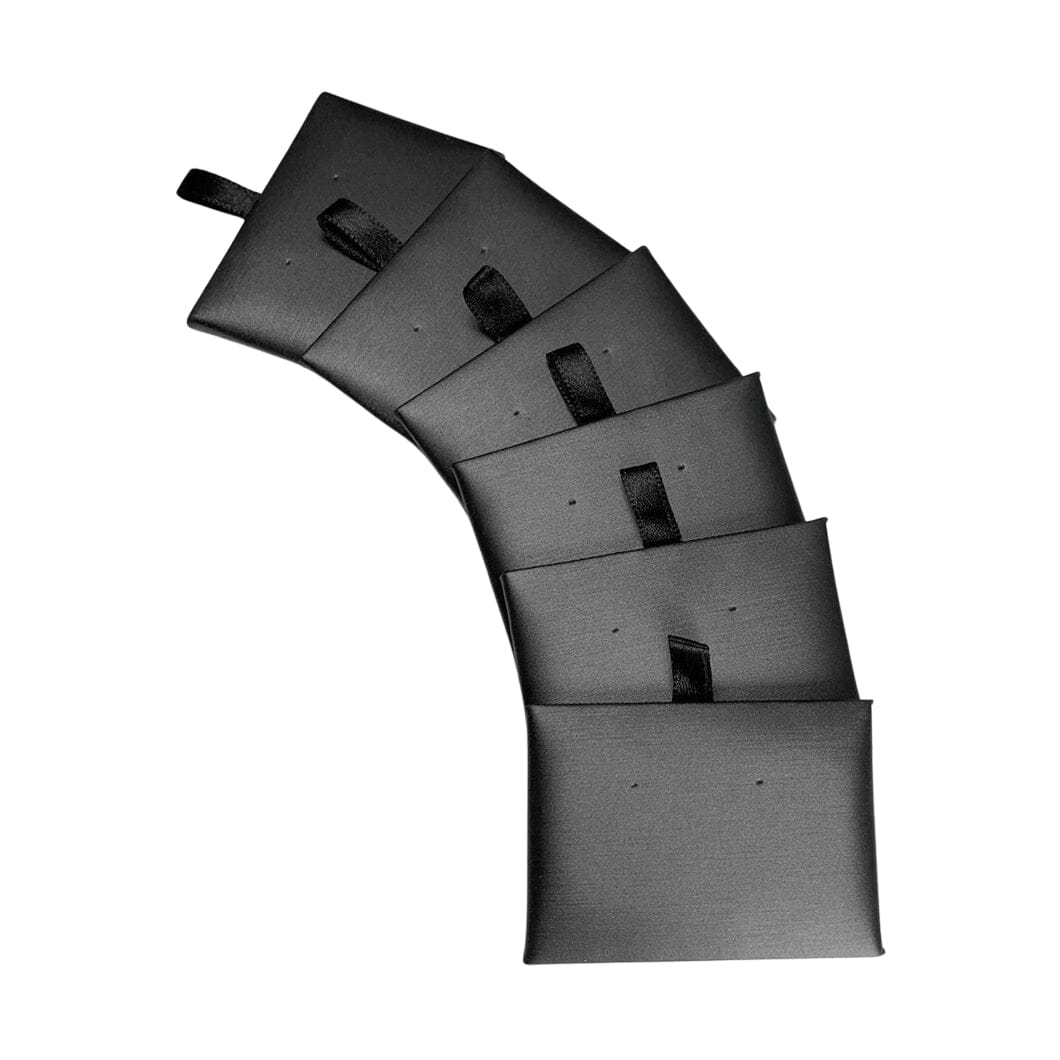


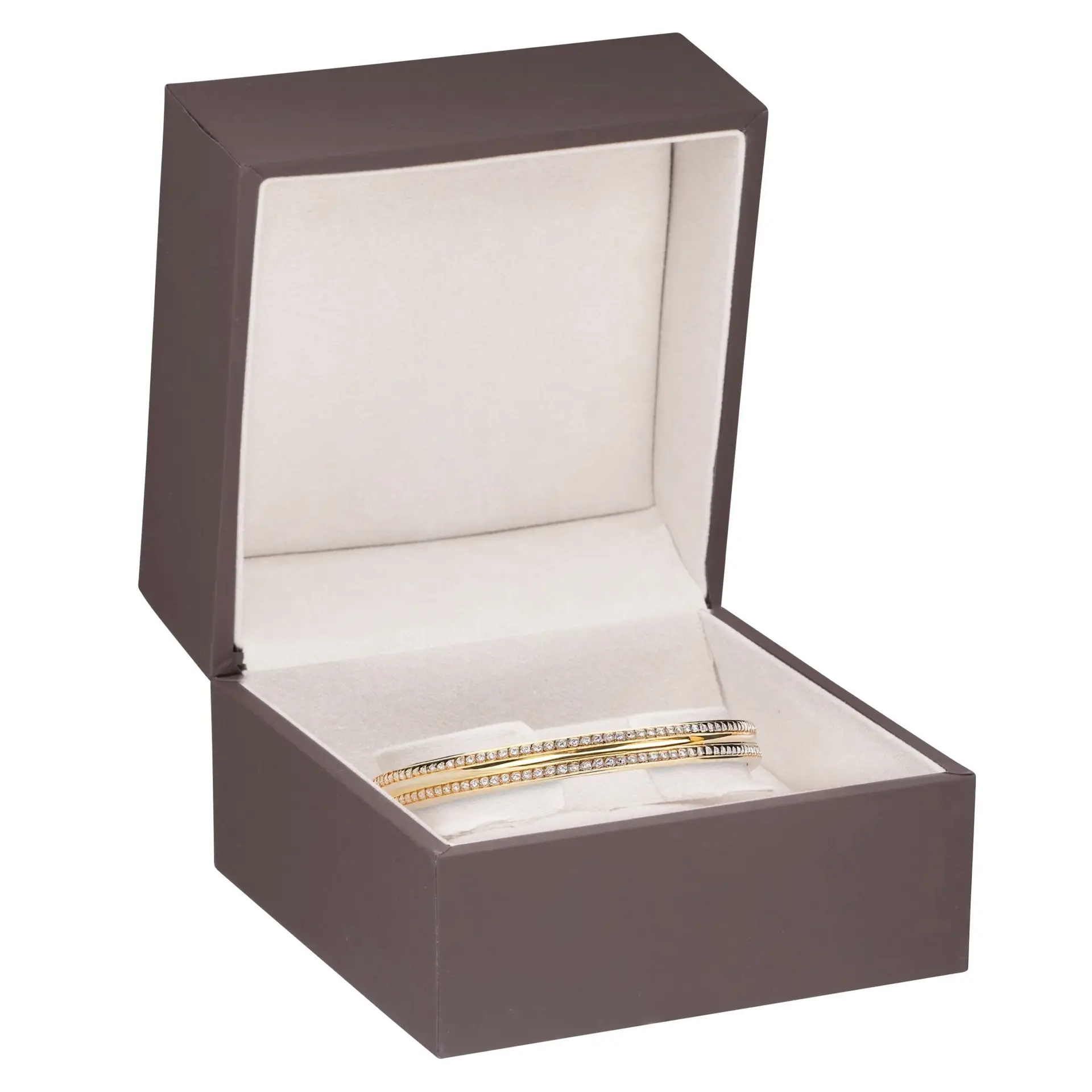
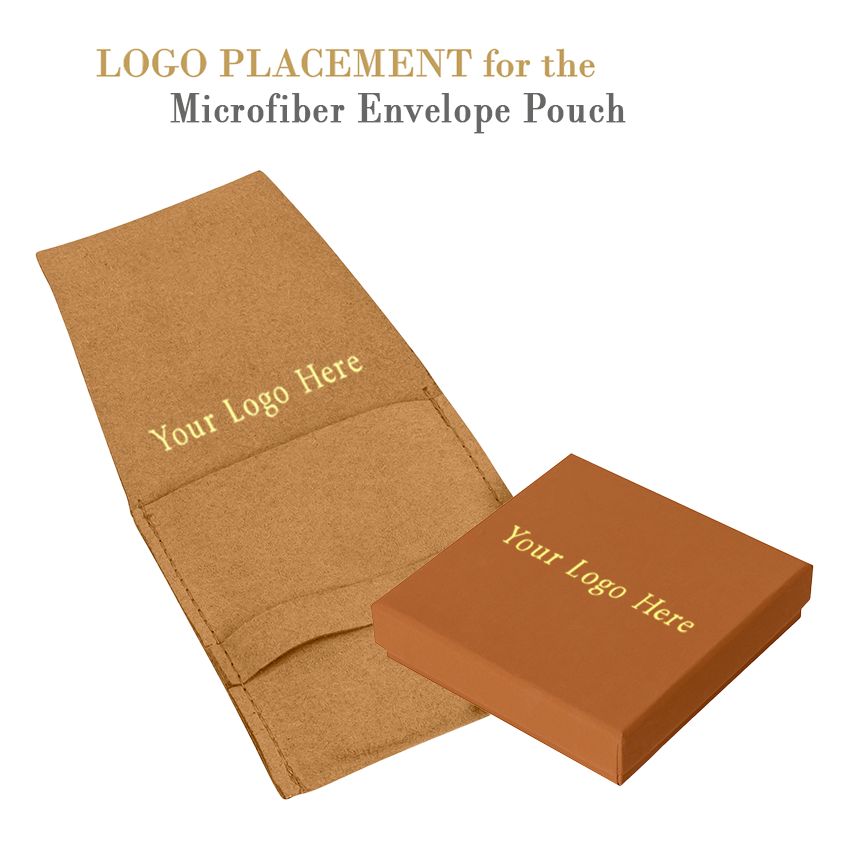
Why Brands Source Jewelry Tray Inserts From On The Way
From our Dongguan factory floor to your boutique shelves, every insert is built for brands that treat packaging as a first impression.
Factory-Direct Pricing
We own the production line, so your jewelry tray inserts come without trading-company markups — the same quality at a manufacturer’s price.
Low MOQ, Full Flexibility
Order small runs or full-scale production. Startups and established houses alike get custom sizes, slots, and layouts without punishing minimums.
Private Label & OEM
White-label inserts made to your tech pack, logo, and brand colors — a seamless extension of your packaging line, not ours.
Multi-Stage Quality Control
A dedicated QC team inspects every insert at multiple production stages, so slots, wraps, and stitching arrive consistent, batch after batch.
Eco-Certified Materials
Choose FSC-certified paper, recycled fibers, and reusable fabrics for tray inserts that meet the sustainability standards your customers expect.
Dedicated Managers, On-Time Delivery
One account manager guides you from sampling to mass production — 17+ years and 300+ brands across 30+ countries delivered on schedule.
Jewelry Tray Inserts for Every Product Category
From ring slots to full mixed displays, we engineer custom jewelry tray inserts around your pieces, your counter space, and your fulfillment workflow — factory-direct, with low MOQ.
Ring Inserts for Boutique Counters
Boutique retailers display dozens of rings in limited counter space, but generic foam pads leave stones loose, rows uneven, and the presentation far below the price point of the jewelry itself.
Custom velvet or microfiber ring inserts with precision-cut slots hold every band upright and secure, so your counter reads as one curated collection — sized exactly to your existing trays and cases.
Earring Cards and Stud Inserts
Independent designers struggle to keep pairs together and posts protected; mismatched studs, tangled hooks, and scratched finishes cost time at every market, pop-up, and customer appointment.
Slotted and punched jewelry tray inserts keep every pair matched and visible at a glance, with soft-touch linings that protect plating — produced at low MOQ so small collections stay affordable.
Necklace and Bracelet Trays
Chains tangle in transit and drape poorly in flat trays, forcing staff to untangle and restyle pieces before every viewing — a slow, damage-prone routine for luxury retailers.
Contoured inserts with hooks, channels, and bust-style curves keep chains separated and elegantly draped from stockroom to showcase, cutting handling time and protecting delicate clasps and links.
Mixed Displays for Trade Shows
Trade-show teams need to pack, transport, and restage entire collections overnight; loose pieces shift in transit, and rebuilding a cohesive multi-category display each morning wastes selling hours.
Modular mixed-format jewelry tray inserts hold rings, earrings, and pendants in one stackable system, so your booth sets up in minutes and every piece arrives showroom-ready — trip after trip.
E-Commerce Fulfillment Inserts
Online jewelry brands see returns and complaints when pieces shift inside boxes during shipping — and plain filler undermines the premium unboxing moment customers now expect and share.
Die-cut inserts sized to your rigid boxes lock each piece in place through global transit while elevating unboxing, with FSC-certified and recycled options plus OEM branding on every private-label run.
Jewelry Tray Insert Materials We Work With

Plush Velvet
Soft, deep-pile velvet with a luxurious hand-feel that protects polished metals from micro-scratches. The go-to lining for ring and pendant tray inserts; available in 300-450 gsm weights and 40+ stock colors.

Smooth Satin
High-sheen satin with a cool, silky surface that photographs beautifully under retail lighting. Ideal for bridal and fine jewelry presentation inserts; its tight 75-100 gsm weave resists snagging on chains and clasps.

Microfiber Suede
A matte, suede-like microfiber with a velvety touch and excellent tarnish resistance, making it a favorite for silver jewelry tray inserts. Durable, lint-free and colorfast, it withstands daily handling in boutique counters.

Linen & Cotton
Natural-texture linen and cotton weaves that give inserts an organic, artisanal look suited to eco-positioned and minimalist brands. Breathable and dye-friendly, typically 180-280 gsm, with visible grain that pairs well with kraft trays.

EVA Foam Core
Precision die-cut or CNC-routed EVA foam forms the structural heart of most jewelry tray inserts. Available in 25-60 shore hardness grades, it holds slot, groove and cavity shapes cleanly through years of use.
FSC Recycled Board
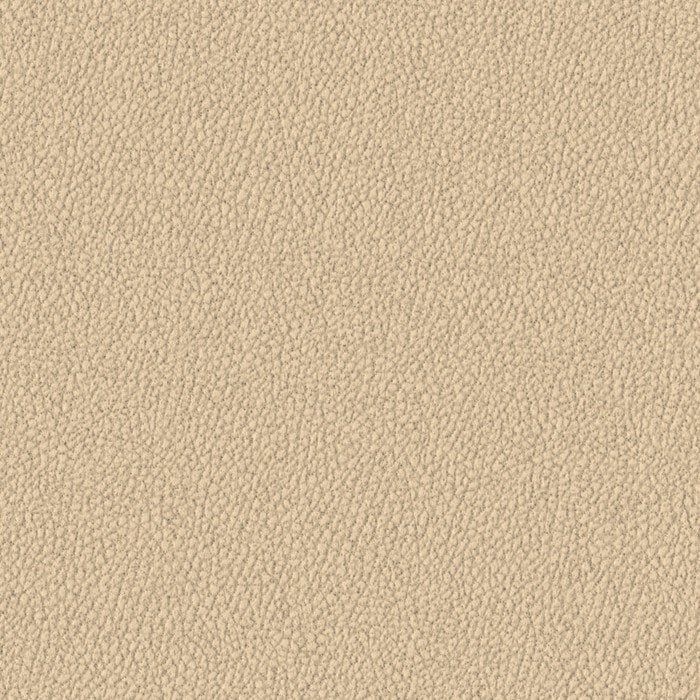
FSC-certified paperboard and recycled molded-pulp cores for brands with sustainability commitments. Fully wrappable in any of our fabrics, these 1.5-3 mm boards deliver rigid support while keeping your packaging story genuinely eco-friendly.
Production Processes Behind Every Jewelry Tray Insert

Precision Die-Cutting
Steel-rule dies cut foam, EVA, and board blanks to your exact tray dimensions with clean, repeatable edges. The result is a snug drop-in fit and consistent tolerances across every unit in mass production.

CNC Foam Shaping
Computer-controlled routing carves ring slots, pendant recesses, and bangle channels directly from your tech pack. CNC shaping delivers complex, accurate cavities that hold each piece securely without pressure marks or movement in transit.

Velvet Flocking
Fine velvet fibers are electrostatically bonded to the shaped insert surface, creating a soft, uniform, scratch-free finish. Flocking gives jewelry tray inserts a plush luxury look while cushioning delicate metals and gemstones.
Fabric Wrapping
Skilled hands wrap inserts in velvet, microfiber, satin, linen, or PU leather with tensioned, wrinkle-free coverage and tucked corners. Wrapping elevates durability and delivers a seamless, boutique-grade presentation surface.
Hot Stamp Branding
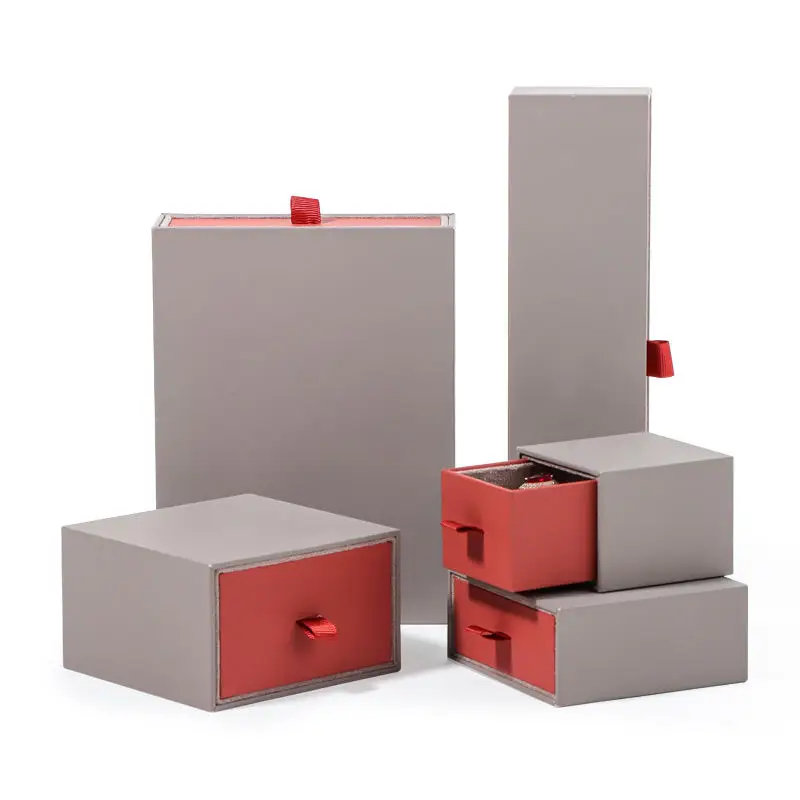
Heated brass dies press your logo in gold, silver, or blind deboss onto the insert or tray edge. The mark is crisp, permanent, and rub-resistant — turning functional jewelry tray inserts into branded touchpoints.

Hand-Finished Slots
Artisans construct and inspect ring rolls, earring flaps, and necklace hooks by hand, verifying tension and alignment piece by piece. This final stage ensures every slot grips securely and passes our multi-stage QC.
Finish Your Jewelry Tray Inserts With the Right Accessories

Stackable Tray Frames
Wood or MDF frames wrapped in velvet, PU leather or linen that hold your inserts and stack securely. Ideal for retail counters, trade shows and back-of-house storage where vertical space matters.

Ribbon Pulls
Grosgrain or satin ribbon tabs sewn or glued into each insert slot, letting staff lift rings and earrings out cleanly. Color-matched to your brand palette for a refined unboxing and display experience.
Woven Logo Labels
High-density woven labels stitched onto insert pads or tray edges for soft, tactile branding. A popular private-label choice for designers who want visible brand presence without metallic hardware.

Metal Logo Plates
Engraved or embossed zinc-alloy plates in gold, silver or gunmetal finishes, applied to tray fronts or insert surfaces. They give jewelry tray inserts a luxury signature worthy of flagship boutiques.

Elastic Retention Bands
Slim elastic loops fitted into slots to hold rings, bangles and watches firmly during transport. Essential for travel trays, sales-rep kits and e-commerce brands shipping pre-styled assortments.

Protective Dust Covers
Fitted lids or microfiber covers that shield inserts and pieces from dust, scratches and light exposure. Recommended for boutique storage, overnight counter cover-downs and long-haul shipments.
The Factory Behind Your Jewelry Tray Inserts
On The Way was founded in 2007 on a simple principle: quality defines survival. From our 1,200 m² factory in Dongguan, China, our 220+ specialists operate as a full custom jewelry box manufacturer and jewelry pouches supplier — designing and manufacturing high-end custom jewelry packaging, from jewelry tray inserts and rigid gift boxes to displays and branded paper bags, with multi-stage QC on every production run.
Over 17+ years we have completed 6,500+ custom projects for 3,000+ cooperative customers, serving 300+ brands across 30+ countries — jewelry houses, independent designers, and boutique retailers throughout North America, Europe, and Southeast Asia. Because we own the production line, you get factory-direct pricing, low MOQs, and full private-label OEM flexibility from sampling through mass production.
Founder and CEO Joyce Linkwin built the company around one belief: packaging is your brand’s first impression. That is why every project — from a single tray insert prototype to a full retail rollout — comes with a dedicated account manager, FSC-certified and recycled material options, and on-time delivery. Exquisite packaging, quality living. We are always on the way.

Jewelry Tray Inserts: From Tech Pack to Mass Production
Full Custom Design and Rapid Prototyping
Send a tech pack, a sketch, or just your jewelry pieces — our in-house design team engineers jewelry tray inserts around your exact SKUs, stackable trays, and retail displays, then delivers pre-production samples for approval before any tooling begins.
- Free design consultation with dedicated account managers
- Die-cut layouts engineered to your ring, pendant, and bangle dimensions
- Physical samples typically ready in 5–10 working days
- Unlimited revisions until the fit and finish are approved

In-House Production Line, Factory-Direct Pricing
We own the production line at our Dongguan factory — 1,200 m² and 220+ staff — so there is no trading-company markup on your jewelry tray inserts. You get transparent per-unit costs, low MOQs, and the flexibility to scale from sample runs to volume orders.
- Factory-direct quotes with no middleman margin
- Low MOQs that work for startups and boutique retailers
- Cutting, wrapping, flocking, and assembly under one roof
- 6,500+ custom projects completed since 2007

Multi-Stage QC on Every Insert
A dedicated quality-control team inspects your order at incoming materials, mid-production, and pre-shipment stages. Slot dimensions, foam density, fabric tension, and color matching are checked against your approved sample so every tray insert arrives retail-ready.
- Incoming inspection on foams, velvets, and microfiber
- In-line checks for slot accuracy and wrap consistency
- AQL-based pre-shipment inspection before every dispatch
- On-time delivery backed by 17+ years of export experience

Eco-Material Sourcing and Private Label Programs
Source FSC-certified paper, recycled velvet, and reusable eco-materials for your jewelry tray inserts without compromising a luxury hand-feel. Pair them with full OEM white-label service — logos, custom colors, and branded packaging that ships ready for your shelves.
- FSC-certified and recycled material options on request
- Pantone-matched fabrics and foils for brand consistency
- Debossing, hot stamping, and printed logo placement
- White-label programs trusted by 300+ brands in 30+ countries
Jewelry Tray Inserts: Factory-Direct vs. Trading Companies
When you source jewelry tray inserts from On The Way, you buy straight from the production line in Dongguan — not through a middleman markup. Here is what that means for your brand.
← Swipe left or right to view →
How Our Jewelry Tray Inserts Are Made
From raw material to your warehouse door — the factory-direct process behind every custom insert, refined over 17+ years and 6,500+ projects.
Material Sourcing & Approval
We source velvet, microfiber, PU, EVA foam and FSC-certified boards direct from vetted suppliers, then send swatches for your approval before any jewelry tray inserts enter production.
Die-Cutting & Precision Shaping
CNC and die-cutting stations shape each insert to your tech pack — ring slots, necklace channels, earring grids — with tolerances tight enough for a flawless tray fit.
Wrapping, Flocking & Finishing
Skilled hands wrap and flock every surface, aligning seams and corners so your jewelry tray inserts feel as luxurious as the pieces they hold.
Multi-Stage Quality Control
Our dedicated QC team inspects dimensions, color consistency, adhesion and fit at three checkpoints, rejecting any insert that falls short of your approved sample.
Protective Packing
Inserts are cleaned, individually protected and carton-packed to survive international freight, arriving retail-ready with zero crushing, dust or color transfer.
On-Time Worldwide Shipping
Your account manager books air or sea freight and tracks it to your door — the on-time delivery record trusted by 300+ brands across 30+ countries.
How to Start Your Jewelry Tray Inserts Project
From tech pack to bulk delivery, our factory-direct team guides your custom jewelry tray inserts through sampling, approval, and production in four simple steps.
Send Your Tray Dimensions
Share your tray measurements, tech pack, or reference photos. Our engineers review compartment layouts, materials, and finishes, then confirm feasibility for your jewelry tray inserts within 24 hours.
Receive Quote and Sample
Get factory-direct pricing with low MOQ options, followed by a pre-production sample so you can inspect fit, fabric, stitching, and branding before committing to bulk.
Approve and Confirm Production
Sign off on your sample and specifications. Your dedicated account manager locks in materials, colors, and logo placement, then schedules your order on our Dongguan production line.
Track QC and Delivery
Multi-stage quality control inspects every insert during production. We share progress updates and photos, then ship on time to your warehouse, fulfillment center, or retail locations.
Certified Quality Behind Every Jewelry Tray Insert


What Global Brands Say About Our Jewelry Tray Inserts
As a one-person studio, I only needed 150 velvet jewelry tray inserts for my launch. On The Way accepted the low MOQ, sampled twice, and shipped in 22 days. My rings finally present like a luxury line.
We reordered three times this year. Their factory-direct pricing cut our insert cost by roughly 30% versus our old trading company, and every batch passed our incoming QC without a single rejected tray.
For our holiday collection we needed 8,000 custom microfiber tray inserts across 12 SKUs, all logo-debossed. Our account manager kept production on schedule and the full order landed two days early. Zero markdowns from packaging delays.
Jewelry Tray Inserts FAQ: MOQ, Sampling & Lead Times
Straight answers to the questions procurement teams and jewelry brands ask us most before ordering custom jewelry tray inserts.
What is the minimum order quantity for custom jewelry tray inserts?
How much does a sample cost and how long does sampling take?
Can you make jewelry tray inserts to fit trays I already own?
What eco-friendly materials are available for jewelry tray inserts?
What are your payment terms for custom insert orders?
How do you ship internationally and what are typical lead times?
Will my designs be protected if I order OEM jewelry tray inserts?
Can you brand the inserts with my logo and colors?
The Complete Buyer’s Guide to Jewelry Tray Inserts
A decision framework for sourcing custom jewelry tray inserts — covering types, materials, customization, construction quality, supplier vetting criteria, pricing tiers, and the common buyer mistakes that quietly wreck margins and brand presentation.
1. What Are Jewelry Tray Inserts?
Jewelry tray inserts are molded or die-cut interior panels — usually EVA foam, flocked polyurethane, paper pulp, or velvet-wrapped MDF, typically 10–35 mm thick — that drop into standard trays, drawers, and display cases. Each insert is cut with slots, grooves, or cavities sized to hold rings, earrings, bracelets, watches, pendants, and loose stones firmly in place. The insert is the removable component; the tray is simply the shell that carries it.nnTwo jobs justify the spend: protection and presentation. In transit and storage, a snug cavity stops pieces from sliding, scratching, and tangling — the leading cause of returns on shipped fine jewelry. On the counter, a fabric-wrapped insert in velvet, microfiber, or linen angles each piece toward the customer, so the same component that survives a freight lane also merchandises at retail.nnBuyers new to the category often confuse inserts with adjacent products. A tray is the outer frame (commonly a 2-inch or 1.5-inch standard stackable format); a pad is a flat, unstructured cushion; a roll is soft travel storage with no rigid geometry. Inserts sit between them — structured, swappable, and configurable, letting one tray SKU serve ring day, earring day, or a seasonal reset by changing only the insert.nnWithin a full packaging system — pouch, gift box, display, paper bag — inserts are the organizing layer, and since 2007 On The Way has produced them alongside its trays and rigid boxes across 6,500+ custom projects. Practically, you are buying a die-cut or molded panel, a fabric wrap, and a cavity layout matched to your assortment — and getting the layout right determines whether the rest of the display works.
2. Evolution & History of Jewelry Inserts
For most of the 19th and early 20th centuries, jewelry tray inserts were handmade: velvet or silk glued over hand-cut wooden and cardboard forms, produced by cabinetmakers for jewelry houses in one-off runs. Configurations were limited to simple ring slots and flat pads, and only large maisons could afford bespoke work.nnBy the 1950s-1970s, injection-molded plastic trays and flocked vacuum-formed inserts brought mass production, standardizing formats like the 7-row ring tray and 24-slot earring pad for department-store counters. Die-cut EVA and polyurethane foam followed in the 1980s-1990s, allowing precision cavities cut to a specific ring shank or bangle diameter at a fraction of hand-crafted cost.nnThe 2000s-2010s e-commerce boom shifted requirements again: inserts now had to survive parcel shipping, so suede-wrapped foam blocks, snug friction-fit cavities, and inserts doubling as photo-ready display surfaces became standard. Since roughly 2015, sustainability expectations have pushed molded paper-pulp, recycled PET flocking, and FSC-certified board inserts into mainstream sourcing briefs, especially for European and North American brands.nnThe most consequential shift for buyers is access. Digital die-cutting and CNC foam routing cut tooling costs dramatically, and factory-direct manufacturers such as On The Way now run custom inserts at MOQs of 100-500 pieces instead of the 5,000+ once typical. Bespoke jewelry tray inserts — sized to a specific collection, in brand-matched Pantone velvets — are now realistic for independent designers, not just global houses.
3. Types of Jewelry Tray Inserts
Five insert formats cover roughly 90% of jewelry SKUs, and most retailers mix two or three per tray program. Match each format to the piece it secures before specifying fabric, foam density, or slot count.
| Insert Type | Best For | Primary Use | Key Limitation |
|---|---|---|---|
| Slotted ring roll | Rings | Display + drawer | Fixed slot width |
| Carded/hole-punched | Stud earrings | Shipping + storage | Weak for hoops |
| Curved bar/rest | Bangles, cuffs | Display | Low density |
| Hooked/ramped pad | Necklaces, pendants | Display + shipping | Uses vertical height |
| Universal grid | Mixed SKUs | Drawer + fulfillment | Pieces shift in transit |
Ring Inserts: Slotted Rolls and Bars

Slotted ring rolls hold 5–100 rings between padded foam channels, typically 12–18 mm wide per slot. They suit countertop display and drawer storage equally well.nnPros: highest density per square inch and fast restocking. Cons: fixed slot widths can pinch wide bands or let thin stacking rings tilt.
Earring Inserts: Carded and Hole-Punched

Carded pads hold studs on removable flocked cards; hole-punched flat inserts secure posts directly through foam. Both keep pairs matched during transit and drawer storage.nnPros: excellent for shipping and pair integrity. Cons: hoops and heavy drops need hybrid slot-plus-hole designs, raising tooling cost.
Bracelet and Bangle Inserts: Curved Rests
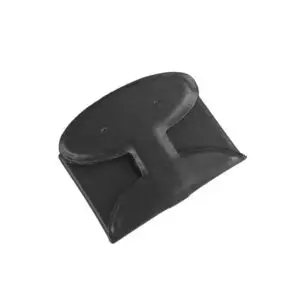
Curved half-round bars and T-bar rests support bangles, cuffs, and chain bracelets at a 20–40 degree viewing angle, mainly for display.nnPros: strong visual presentation. Cons: low density — often 3–6 pieces per standard tray — so pair them with flat compartments for backstock.
Necklace and Pendant Inserts: Hooked or Ramped

Hooked inserts clip the clasp at the top edge; ramped (easel-style) pads drape chains at 30–45 degrees. Both prevent tangling, the top complaint in chain storage.nnPros: tangle-free display and shipping. Cons: ramps consume vertical tray height, limiting stackability.
Multi-Compartment and Universal Grid Inserts

Grid inserts divide a tray into 8–36 uniform cells for mixed or rotating SKUs, ideal for drawers, stock rooms, and e-commerce fulfillment.nnPros: lowest cost per cell and maximum flexibility. Cons: loose pieces shift in transit unless foam plugs or lids are added.
4. Materials & Fabrics for Jewelry Tray Inserts
Five material families dominate jewelry tray inserts: EVA/PU foam, molded paper pulp, velvet and microfiber facings, suede and leatherette wraps, and plastic or acrylic. Each trades off tactile feel, durability, cost, and eco-credentials differently.
| Material | Texture/Finish | Durability | Relative Cost | Eco-Profile |
|---|---|---|---|---|
| EVA/PU foam | Smooth or flocked | High | $ | Low unless recycled-content |
| Molded paper pulp | Matte, fibrous | Medium | $ | High — FSC, compostable |
| Velvet/microfiber | Plush nap | Medium-high | $$ | Medium; recycled-yarn options |
| Suede/leatherette | Soft grain | High | $$$ | Medium; PU-based |
| Plastic/acrylic | Glossy, rigid | Very high | $$ | Low; rPET improves it |
EVA and PU Foam
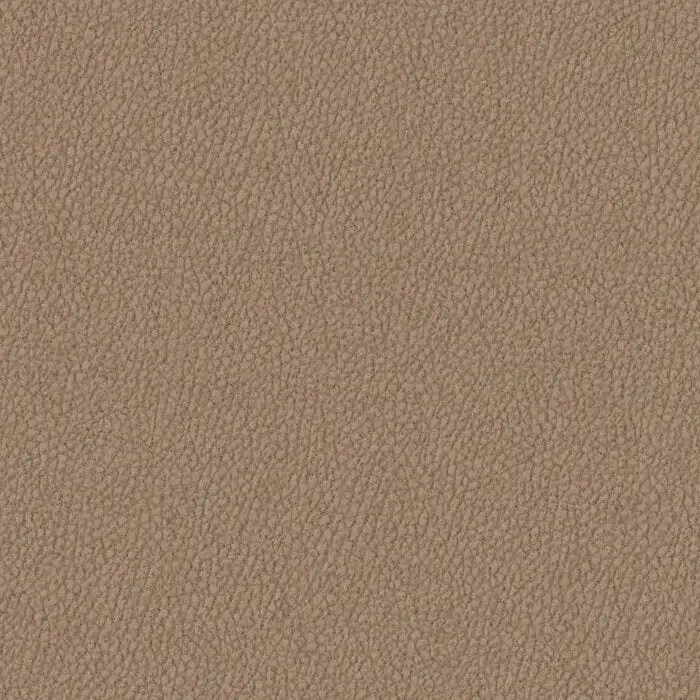
25–60 shore-hardness EVA foam is the workhorse core: die-cut or CNC-routed, then flocked or fabric-laminated. PU foam is softer but compresses over time.nnBest fit: high-volume retail trays where cost per unit matters most.
Molded Paper Pulp

100% recycled fiber pulp, molded to shape and often FSC-certified, is the strongest green story — curbside recyclable and compostable.nnBest fit: eco-positioned brands and e-commerce shipping inserts; pair with a cotton or linen facing for a softer touch.
Velvet and Microfiber Facings

300–450 GSM velvet or microfiber delivers the plush nap buyers associate with fine jewelry and resists scratching gold and gemstones.nnBest fit: mid-to-luxury countertop trays; microfiber pills less and holds Pantone-matched dye more evenly.
Suede and Leatherette Wraps

PU leatherette and micro-suede wraps offer the most durable, wipe-clean surface — a 3-5 year showroom life is typical.nnBest fit: boutique display sets and watch trays needing daily handling.
Plastic and Acrylic
Vacuum-formed PS or PET and cut acrylic are rigid, stackable, and washable, but read as commercial rather than luxury.nnBest fit: back-of-house storage and trade-show transport; specify rPET to soften the eco-profile.
5. Customization & Decoration Options
At 100–300 units, buyers can specify cavity layout, Pantone-matched fabric, and a foil-stamped logo without heavy tooling fees. Setup charges — not per-unit costs — drive early budgets, so sequence customizations by branding impact.
| Technique | Setup Cost | Per-Unit Add | Durability |
|---|---|---|---|
| Custom die-cut layout | $50–150 die; CNC often free | $0.05–0.20 | High |
| Pantone fabric dyeing | Dye lot; 1,000+ pc MOQ | $0.10–0.30 | High |
| Foil stamping | $30–80 die | $0.05–0.15 | High |
| Debossed logo | $30–80 die (shared) | $0.05–0.10 | High |
| Screen print | $20–50 per screen | $0.03–0.10 | Medium |
Cavity Layout and Custom Die-Cutting

Send exact SKU dimensions — ring shank width, bangle diameter, chain drop — and the factory CNC-cuts or die-cuts EVA and sponge cavities to a snug 0.5–1 mm tolerance.nnA new steel-rule die runs roughly $50–150 one-time; CNC-routed layouts often carry no tooling fee at all, making layout the cheapest customization to start with.
Pantone Color Matching and Fabric Wrapping
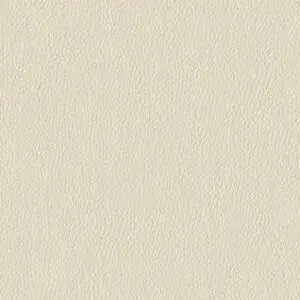
Stock velvet and microfiber ranges cover 20–40 shades at no upcharge, so matching a near-Pantone stock color is the low-MOQ route.nnCustom Pantone dyeing typically requires a 500–1,000 m fabric lot, pushing order minimums to 1,000+ inserts. Hand wrapping itself adds $0.30–0.80 per insert depending on cavity count.
Foil Stamping and Debossed Logos

Hot foil stamping needs a brass or magnesium die ($30–80 one-time) and adds $0.05–0.15 per unit in gold, silver, or matte black finishes.nnDebossing on leatherette or paper facings uses the same die and reads more understated. Both outlast printed marks under daily tray handling.
Branded Print and Where Costs Escalate
Silk-screen printing on satin or cotton facings suits one- to two-color marks from roughly 300 units, at $20–50 per screen.nnCosts escalate with custom-dyed fabric, multi-position foil, and mixed-material facings — each adds tooling or MOQ thresholds. A proven low-budget stack: stock fabric color, custom cavity layout, single foil logo.
6. Key Construction & Quality Elements
Six construction checks separate premium jewelry tray inserts from ones that fail within 90 days. Inspect each on a pre-production sample — signed off as a golden sample — before you release mass production.
Cavity Tolerance and Fit Precision
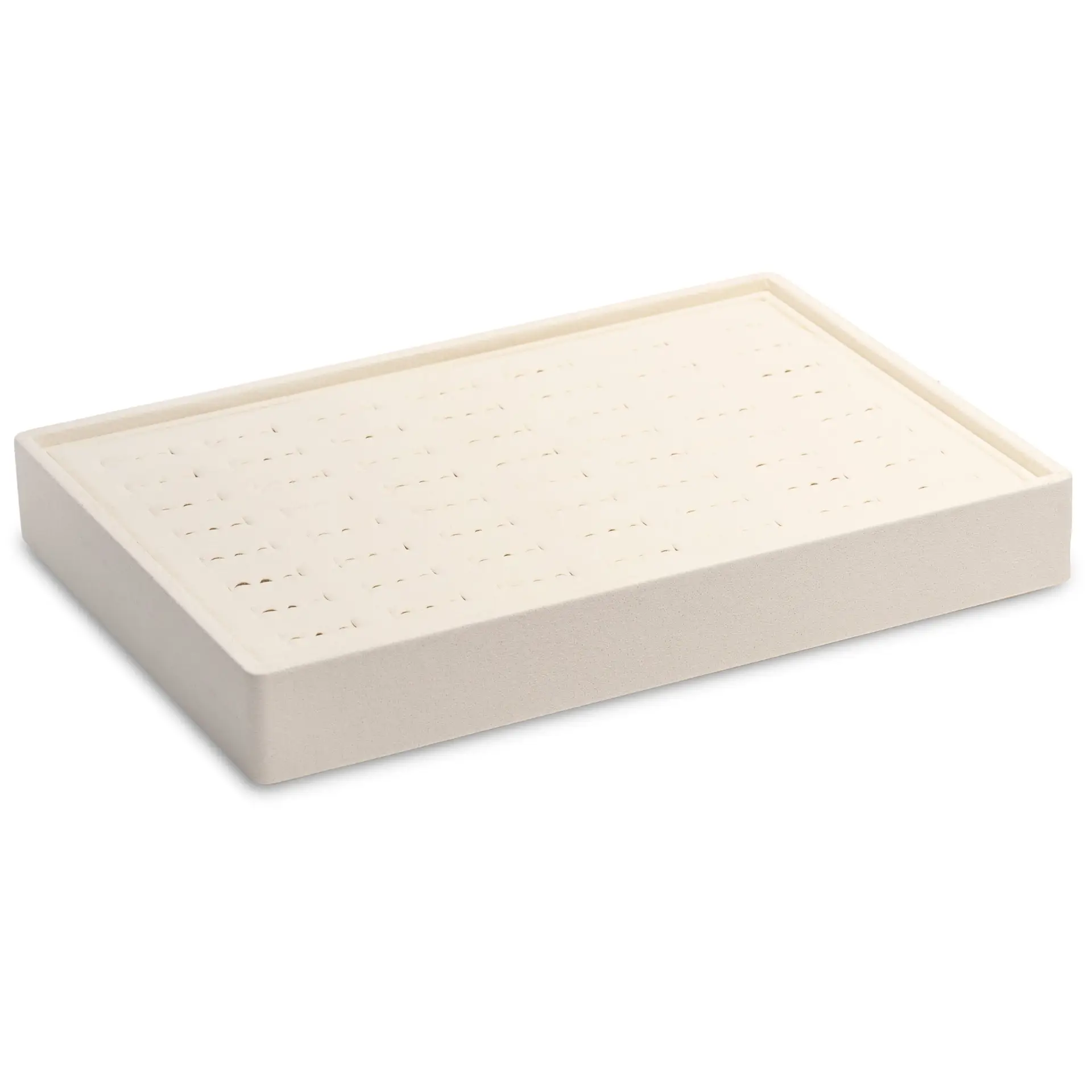
A ±0.5 mm cavity tolerance keeps rings seated; anything looser lets pieces rotate or drop in transit. Test-fit your actual SKUs on the sample — a ring should release with light finger pressure yet never shake loose when the tray is inverted.
Foam Density and Rebound
Premium inserts use 25–45 kg/m³ EVA or polyurethane foam; below 22 kg/m³, slots sag within months. Press a slot for 10 seconds — it should rebound fully in 3–5 seconds with no permanent dent.
Facing Adhesion and Wrinkle-Free Wrapping
Hot-melt or water-based lamination should bond velvet or microfiber smoothly across every cavity wall. Peeling corners and bubbling at slot edges are the first failure points — pull gently at each corner and run a finger inside every cavity to feel for lift.
Edge Finishing
Edges should be heat-sealed or fully wrapped, with fabric tucked 5–8 mm under the base; raw foam or frayed pile signals rushed die-cutting. Flip the sample over — exposed cut lines on the underside telegraph through after weeks of handling.
Dimensional Accuracy to Tray or Case
A finished insert should sit with 0.5–1 mm clearance inside its tray — rattling gaps and forced bowing both fail. Drop the sample into your production tray, invert it, and confirm it neither shifts nor lifts at the corners.
Colorfastness
Rub the facing with a dry, then damp, white cloth (a crocking test); dye transfer onto pearls or plated metal is unrecoverable. Specify OEKO-TEX-certified fabric dyes and confirm UV stability if trays will sit in window displays.
7. How to Choose a Jewelry Tray Inserts Manufacturer
Six criteria separate a capable jewelry tray inserts partner from a risky one: tooling, MOQ policy, material sourcing, quality control, lead times, and communication. Vet each with documents and samples, not promises.
| Supplier Type | Strengths | Risks |
|---|---|---|
| Large factory | Deep tooling, stable capacity | High MOQs, slow revisions |
| Boutique workshop | Flexible, fast sampling | Limited QC, capacity ceilings |
| Factory-direct specialist | Custom tooling plus low MOQ | Verify certificates and references |
OEM/ODM Capability and Cavity Tooling

OEM capability starts with tooling: ask whether cavities are CNC-routed, die-cut, or thermoformed in-house. A capable partner supplies CAD dielines and holds roughly ±0.5 mm cavity tolerances so rings and pendants seat consistently across the run.
Realistic MOQs and Sampling Policy
MOQs of 100–500 trays are realistic for custom cavities; quotes far below that often signal stock molds rebranded as custom. Expect pre-production samples in 5–10 working days, with sample fees credited against the bulk order.
Material Sourcing and Sustainability Certifications

FSC-certified board, GRS-recycled velvet, and OEKO-TEX or REACH-compliant fabrics should be documented with current certificates, never claimed verbally. Since 2007, On The Way has run FSC and recycled eco-material programs alongside standard velvet and microfiber lines.
Quality Control and Inspection Process
Multi-stage QC — incoming fabric checks, in-line cavity gauging, and AQL 2.5 pre-shipment inspection — is the minimum standard. Request past inspection reports plus glue-strength, lint, and colorfastness test records before committing.
Lead Times, Reliability, and Communication
Production of 15–25 days after sample approval is standard; add 25–35 days for sea freight. A dedicated account manager who returns Pantone-matched proofs and dielines within 48 hours signals a communication process you can scale with.
8. Common Mistakes Buyers Make
Seven avoidable errors account for most insert reorders, delayed launches, and wasted deposits. Each one below pairs the hidden cost with a fix you can apply before signing a purchase order.
Ordering Before Dimensions Are Final
A 1 mm change to a tray or magnetic-closure box interior can make an entire insert run unusable. Foam and flocked plastic inserts cannot be trimmed cleanly after molding.nnFix: lock outer packaging dimensions first, then have the insert built to the confirmed internal cavity — On The Way sizes inserts against approved box samples, not drawings alone.
Skipping Physical Samples

Renders hide flocking shade shifts, glue lines, and loose cavity grip. Approving from photos alone risks a full production run of misfit inserts.nnFix: order a pre-production sample — typically 5–10 days — and test it with your actual rings, pendants, and bangles before mass production.
Vague Cavity Tolerances and Cheap Foam
Under-specified slot widths let rings spin and chains tangle; low-density EVA or PU foam yellows within 6–12 months and compresses under stacked trays.nnFix: specify tolerances of ±0.5 mm on cavities and request anti-yellowing, higher-density foam or flocked MDF cores.
- State ring-slot width to the millimeter (standard bands: 2–4 mm)
- Ask for foam density specs in writing
- Request an aging or compression test report
Ignoring MOQ, Color, and Shipping Fit
Committing to a 3,000-piece MOQ when you sell 200 units a quarter ties up cash; a near-miss velvet shade cheapens the unboxing. Low-MOQ factory-direct suppliers and Pantone-matched flocking solve both.nnFix: for e-commerce, confirm inserts hold pieces immobile in drop tests — loose stones and scratched metal drive returns.
9. Steps to Launch Your Branded Inserts
Launching branded jewelry tray inserts typically takes 6–10 weeks from brief to delivered goods. Sequencing matters: lock dimensions before sampling, and approve a physical prototype before committing to tooling, bulk fabric, or deposits.
Define SKU Dimensions and Quantities
Start by measuring every SKU the insert must hold — ring shank widths (1.5–8 mm), pendant chain lengths, bangle diameters (55–70 mm).nnMap annual volume per size so cavity counts match real sell-through, not guesswork. This spec sheet anchors every later step.
Select Material and Insert Format

Choose flocked EVA, velvet-wrapped MDF, wrapped foam, or FSC-certified paperboard based on price point and store environment.nnConfirm pile fabric weight and foam density (25–45 kg/m³) in writing before sampling begins, so quotes stay comparable.
Request Samples and Prototypes
Expect 5–10 working days for a first prototype and USD 30–80 in sample fees, often credited against the bulk order.nnTest-fit actual jewelry, check pile direction under store lighting, and photograph any fit issues for a second revision round.
Finalize Cavity Layout and Branding
Sign off a dimensioned cavity drawing plus a Pantone-matched fabric swatch before tooling starts.nnApprove logo placement — hot-stamped, embroidered, or debossed — on the pre-production sample; branding changes after tooling add cost and 1–2 weeks.
Confirm MOQ, Pricing, and Lead Time
Typical MOQs run 100–300 pieces for standard formats and 300–500 for fully custom cavities; bulk lead times average 15–25 working days after sample approval.nnRequest pricing tiers at 500, 1,000, and 3,000 units, and confirm Incoterms before paying a deposit.
Pilot Order and Pre-Shipment Inspection
Place a pilot run of 300–500 units and audit it against your approved golden sample.nnBuild in an AQL 2.5 pre-shipment inspection checkpoint — dimensions, color match, glue strength — before releasing full production and freight booking.
10. Pricing & Cost of Jewelry Tray Inserts
Four factors drive insert cost: base material (flocked EVA foam runs cheapest, wrapped microfiber and velvet mid-range, PU leather and genuine suede top-tier), cavity count and complexity, foam density, and order volume. A one-time CNC tooling or die charge of USD 50–200 applies to custom cavity layouts and is typically waived or credited on reorders.nnAt factory-direct pricing from a China-based manufacturer such as On The Way, most buyers land between USD 0.80 and USD 4.50 per unit; MOQs start around 100 pieces for standard tray footprints (typically 35 × 24 cm). The table below shows representative tiers for velvet-wrapped, multi-cavity jewelry tray inserts.nnBudget beyond unit price: sampling runs USD 30–80 per pre-production sample (usually credited against the bulk order), plus sea versus air freight and a 3–5% allowance for multi-stage QC and replacements. At 5,000+ units, amortized tooling adds under USD 0.04 per piece — negligible against per-unit savings of 40–50% versus the 100-unit tier.
| Quantity Tier | Price per Unit (USD) | Tooling / Setup | Lead Time |
|---|---|---|---|
| 100 units | $2.50–$4.50 | $50–$120 | 10–15 days |
| 500 units | $1.60–$3.00 | $50–$120 | 15–20 days |
| 1,000 units | $1.20–$2.20 | Often waived | 20–25 days |
| 5,000+ units | $0.80–$1.50 | Waived | 25–35 days |
Get a Factory-Direct Quote on Jewelry Tray Inserts
Send your tray dimensions or tech pack and our Dongguan team will start sampling — low MOQ, OEM-ready, on-time delivery worldwide.