
Custom Jewelry Box Velvet Lining, Factory-Direct From Our Dongguan Facility
Get jewelry box velvet lining tailored to your brand — OEM programs, low MOQs, and multi-stage QC from a custom jewelry box manufacturer trusted by 300+ brands across 30+ countries.
Featured Velvet-Lined Jewelry Packaging — Quote Any Item
Wholesale jewelry gift boxes, velvet pouches, and display packaging — request a factory-direct quote on any item below.


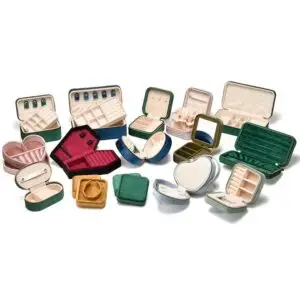
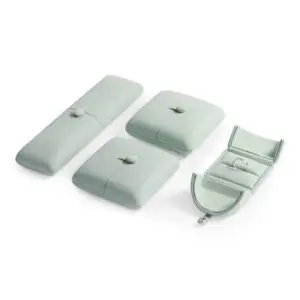
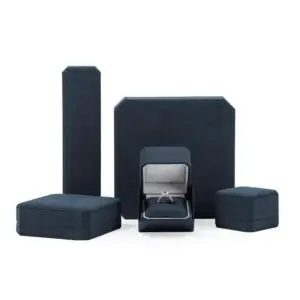
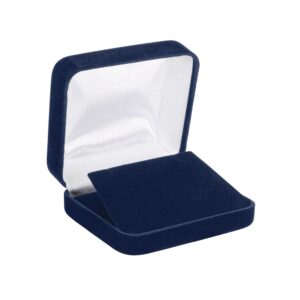

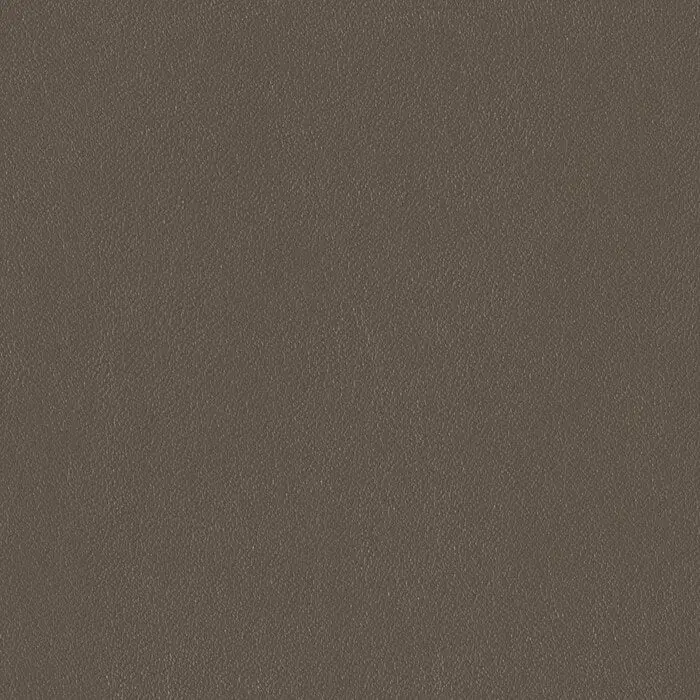
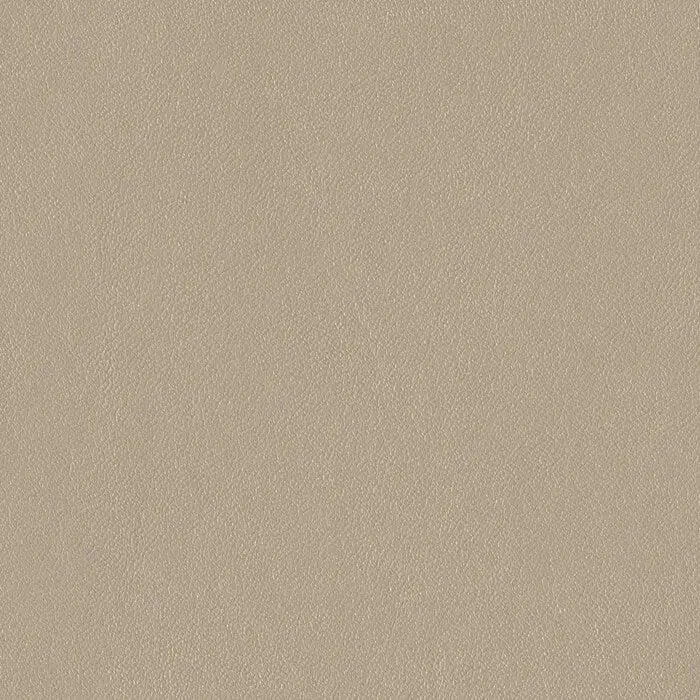
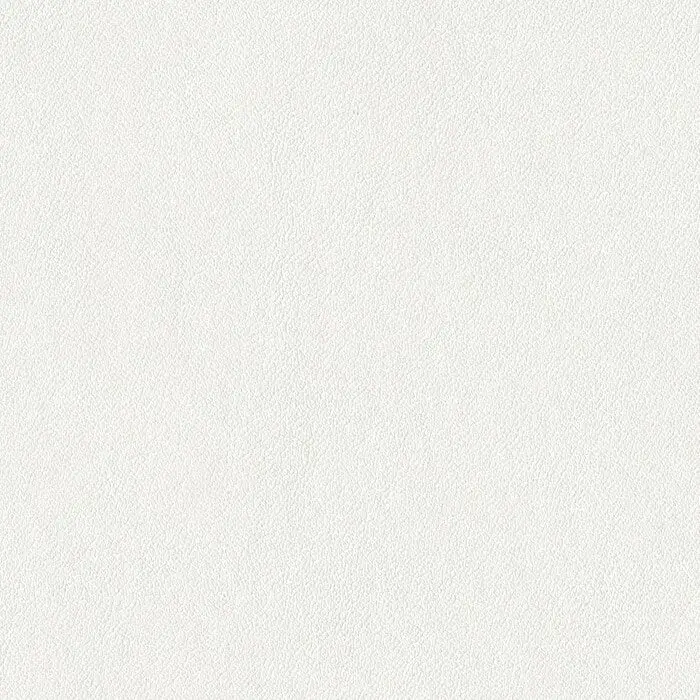
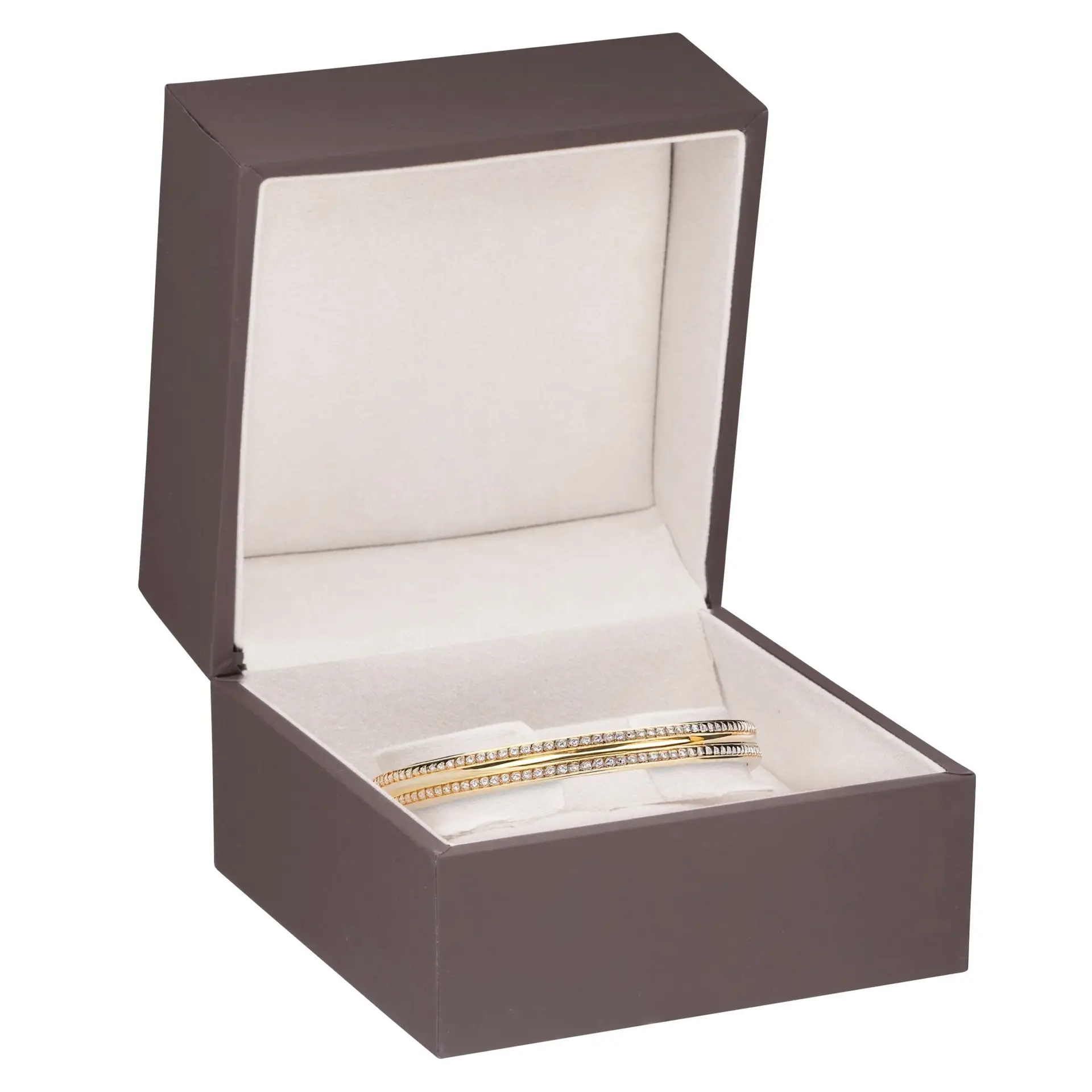
See Our Velvet Lining Craftsmanship Up Close

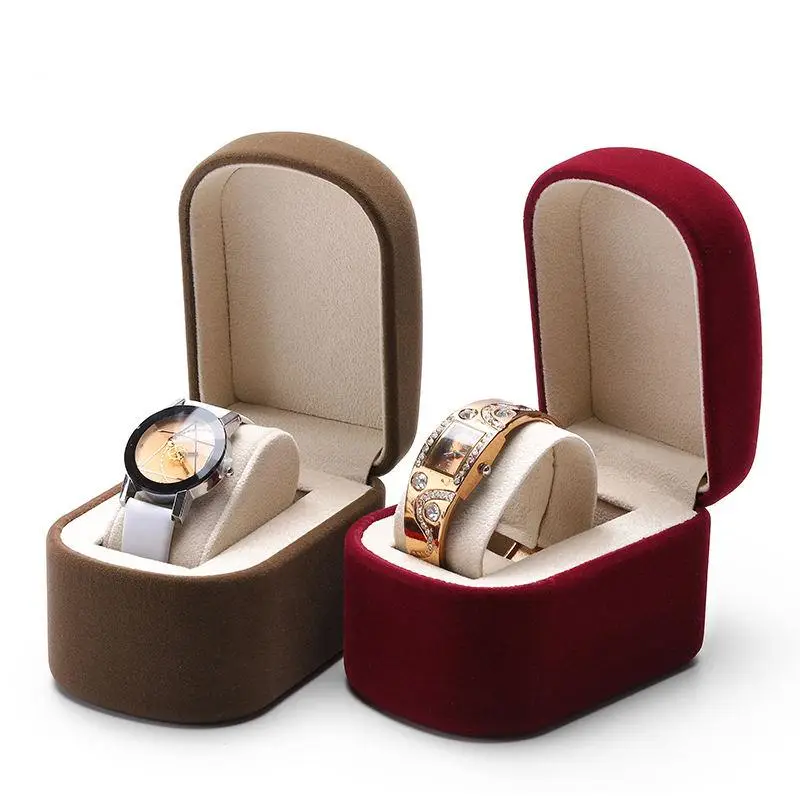
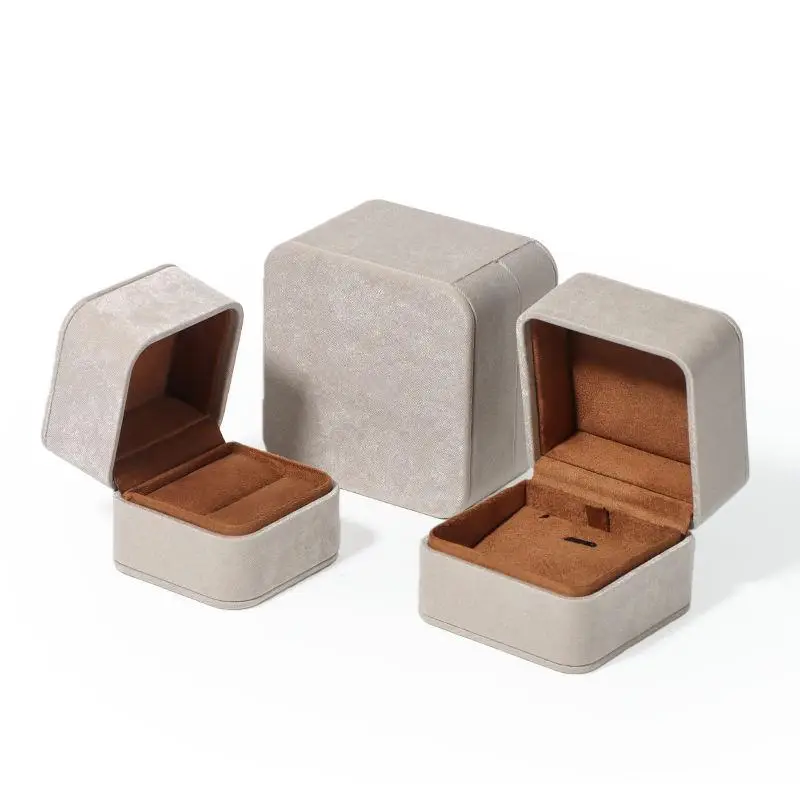
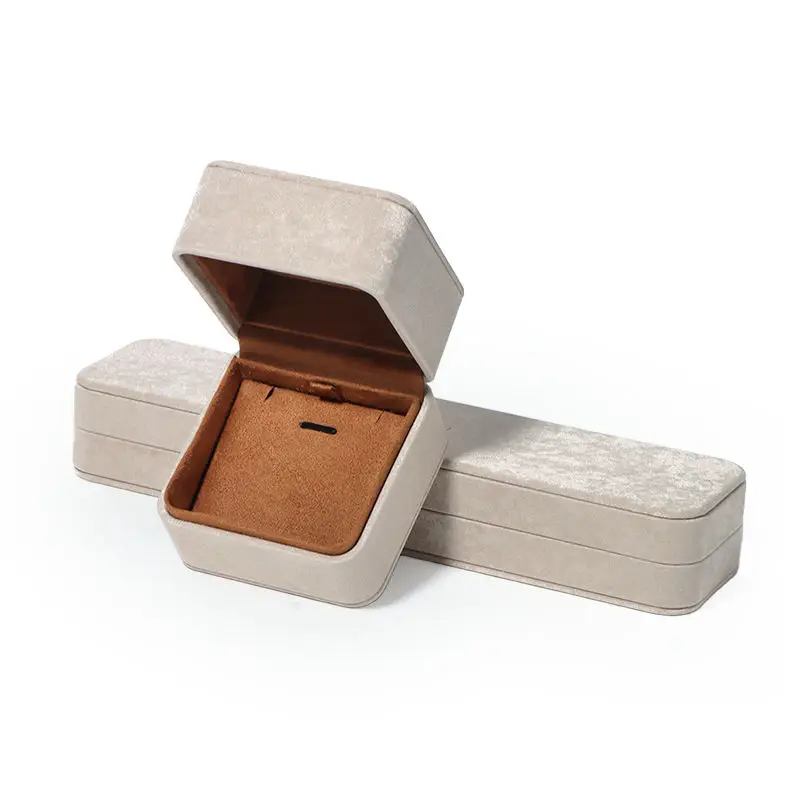
Why Brands Choose Our Jewelry Box Velvet Lining
From factory-direct pricing to multi-stage QC, every jewelry box velvet lining project is built to protect your pieces and elevate your brand.
Factory-Direct Pricing
We own the production line in Dongguan, so your velvet-lined boxes skip middleman markups without compromising luxury-grade finish.
Low MOQ, Full Customization
Startups and established brands alike can order custom velvet lining colors, densities, and insert shapes at accessible minimums.
Private Label & OEM
White-label programs put your logo on every box, pouch, and velvet interior — from first sample through full production run.
Multi-Stage Quality Control
A dedicated QC team inspects every jewelry box velvet lining for pile consistency, glue lines, and flawless corners before shipping.
Eco-Friendly Materials
Choose FSC-certified paper, recycled velvets, and reusable constructions that meet the sustainability standards your customers expect.
Dedicated Managers, On-Time Delivery
One account manager guides you from sampling to mass production, with 17+ years and 6,500+ projects behind every deadline.
Jewelry Box Velvet Lining for Every Product Line
From velvet pouches to LED presentation boxes, our factory-direct velvet lining work covers every product line. Find the scenario that matches yours.
Velvet Pouches for Designers
Independent designers need soft, brand-worthy velvet pouches in small runs, but most factories demand high MOQs and offer only stock colors that clash with carefully built brand palettes.
As a jewelry pouches supplier running one factory-direct line since 2007, we deliver low-MOQ custom velvet, satin, or microfiber pouches color-matched to your brand, with logo embroidery or printing.
Rigid Magnetic Gift Boxes
Boutique retailers want magnetic-closure rigid boxes with flawless jewelry box velvet lining, yet imported stock boxes arrive with wrinkled interiors, loose inserts, and inconsistent color between batches.
Multi-stage QC inspects every velvet-lined interior before packing, so your rigid and foldable gift boxes arrive with taut, uniform lining and precision-cut inserts that hold each piece securely.
LED Boxes for Proposals
Bridal and engagement brands need LED ring boxes where light, velvet, and hardware work together, but few suppliers can integrate electronics with premium lining at a workable unit cost.
As the manufacturer, we engineer LED modules, hinges, and jewelry box velvet lining as one assembly, giving you factory-direct pricing on presentation boxes that make every proposal moment shine.
Jewelry Displays and Trays for Retail
Luxury retailers refreshing counters need matching velvet trays, busts, and watch cases across dozens of stores, and mismatched fabric tones across suppliers cheapen the entire visual merchandising story.
We cut every tray, bust, and watch case from the same dyed velvet lot, so your full display set reads as one cohesive brand statement, delivered on time by a dedicated account manager.
Branded Paper Bag Programs
Global jewelry brands sourcing OEM packaging want paper bags, boxes, and pouches from one accountable partner, plus FSC-certified materials to satisfy retail sustainability commitments across multiple markets.
Our private-label program pairs FSC-certified, recycled custom paper bags for jewelry with velvet-lined boxes and pouches under one roof, streamlining sourcing the way 6,500+ completed custom projects have already proven.
Velvet & Lining Fabrics We Stock, Dye, and Wrap In-House
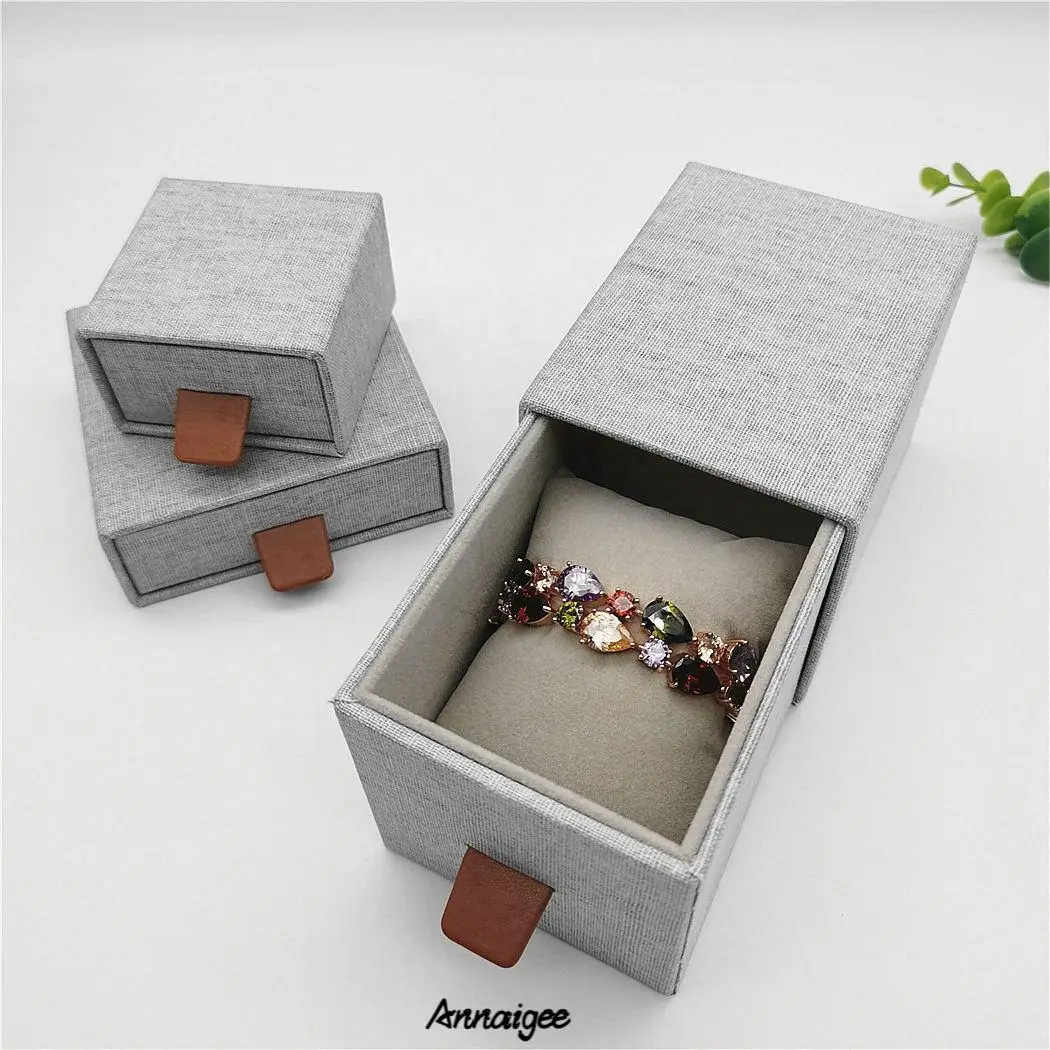
Classic Velvet
Dense, plush pile with a deep matte sheen — the signature jewelry box velvet lining. Typically 180-260 gsm, it cushions rings, pendants, and watches while photographing beautifully in luxury unboxing content.
Spray Flocking
Electrostatically applied velvet fibers bonded directly to molded inserts, creating a seamless soft-touch surface with no seams or wrinkles. Ideal for ring slots, tray compartments, and complex curves, with fiber lengths of 0.5-1.0 mm.
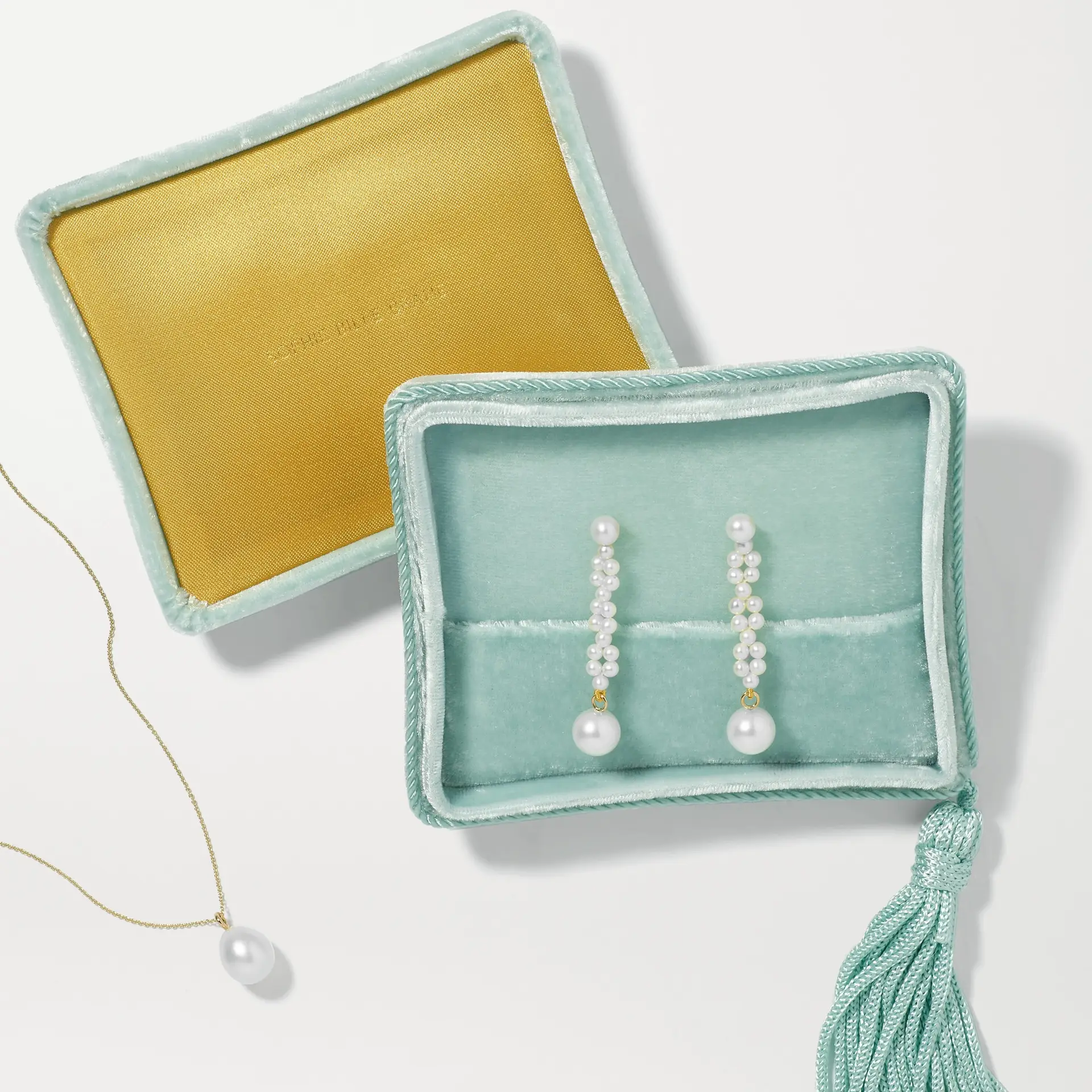
Smooth Satin
Lustrous, cool-to-the-touch weave with an elegant drape, favored for pillow inserts, pouch interiors, and bridal collections. Its tight 75D construction resists snagging on delicate chains and prong settings.
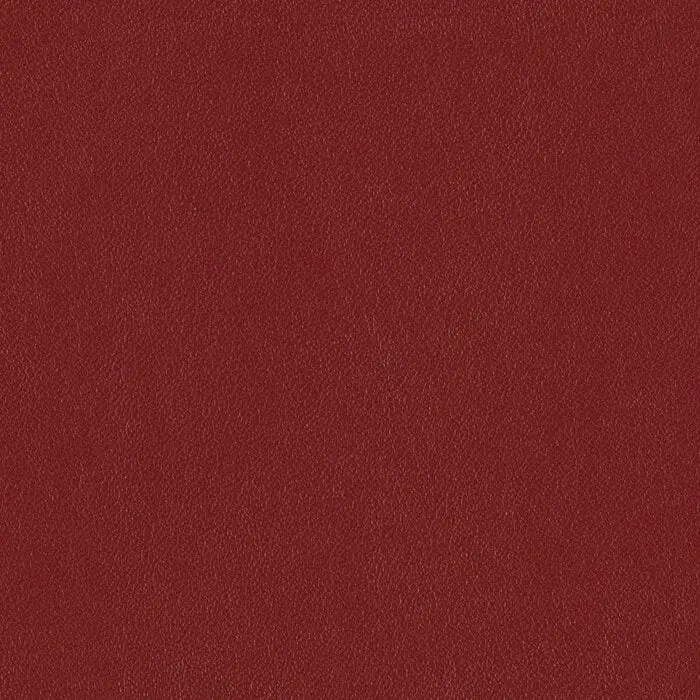
Microfiber Suede
Ultra-fine synthetic suede with a soft brushed hand-feel and excellent scratch protection for polished metals and gemstones. Highly abrasion-resistant and colorfast, it is a durable modern alternative to traditional velvet lining.

Cotton & Linen
Natural woven textures with a warm, organic hand-feel, suited to artisan, minimalist, and demi-fine jewelry brands. Breathable 140-200 gsm weaves take custom dyeing and logo printing cleanly across pouches and box interiors.
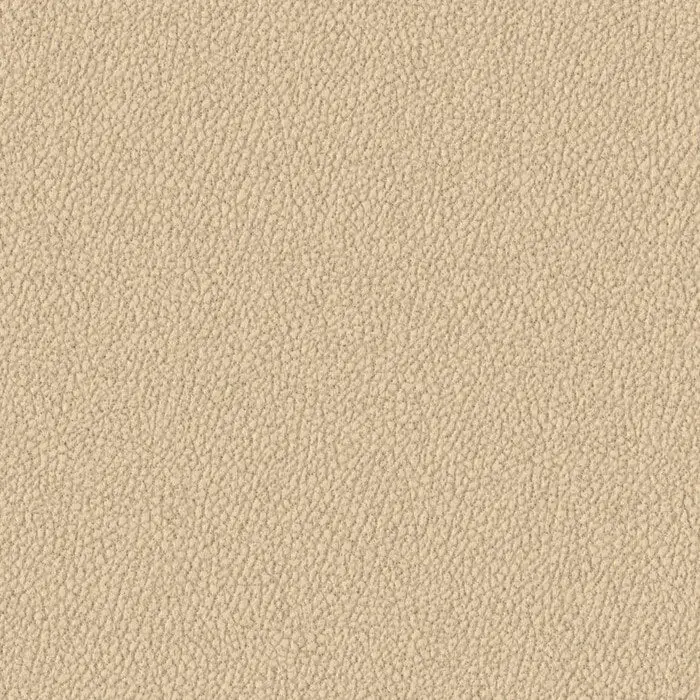
Recycled Eco-Fabrics
GRS-recycled polyester velvets and plant-based blends paired with FSC-certified paper structures for sustainability-led brands. They deliver the same plush jewelry box velvet lining feel while supporting verifiable eco-packaging claims.
Interior & Finishing Processes We Master, From Flocking to Foil

Velvet Flocking
Fine velvet fibers are electrostatically applied to inserts and interior panels, creating a uniform, plush surface that cushions gemstones and precious metals while giving every jewelry box velvet lining a rich, luxurious feel.
Foam Insert Wrapping
Precision-cut foam cores are hand-wrapped in velvet, satin, or microfiber with clean, tucked edges. The result is a firm, scratch-free cradle that holds rings, pendants, and bracelets securely in place during transit.

Hot-Foil Stamping
Heated metal dies press metallic or pigment foil onto lids, lining panels, and paper bags. Gold, silver, or custom foils deliver a crisp, durable logo that resists fading and elevates perceived brand value.
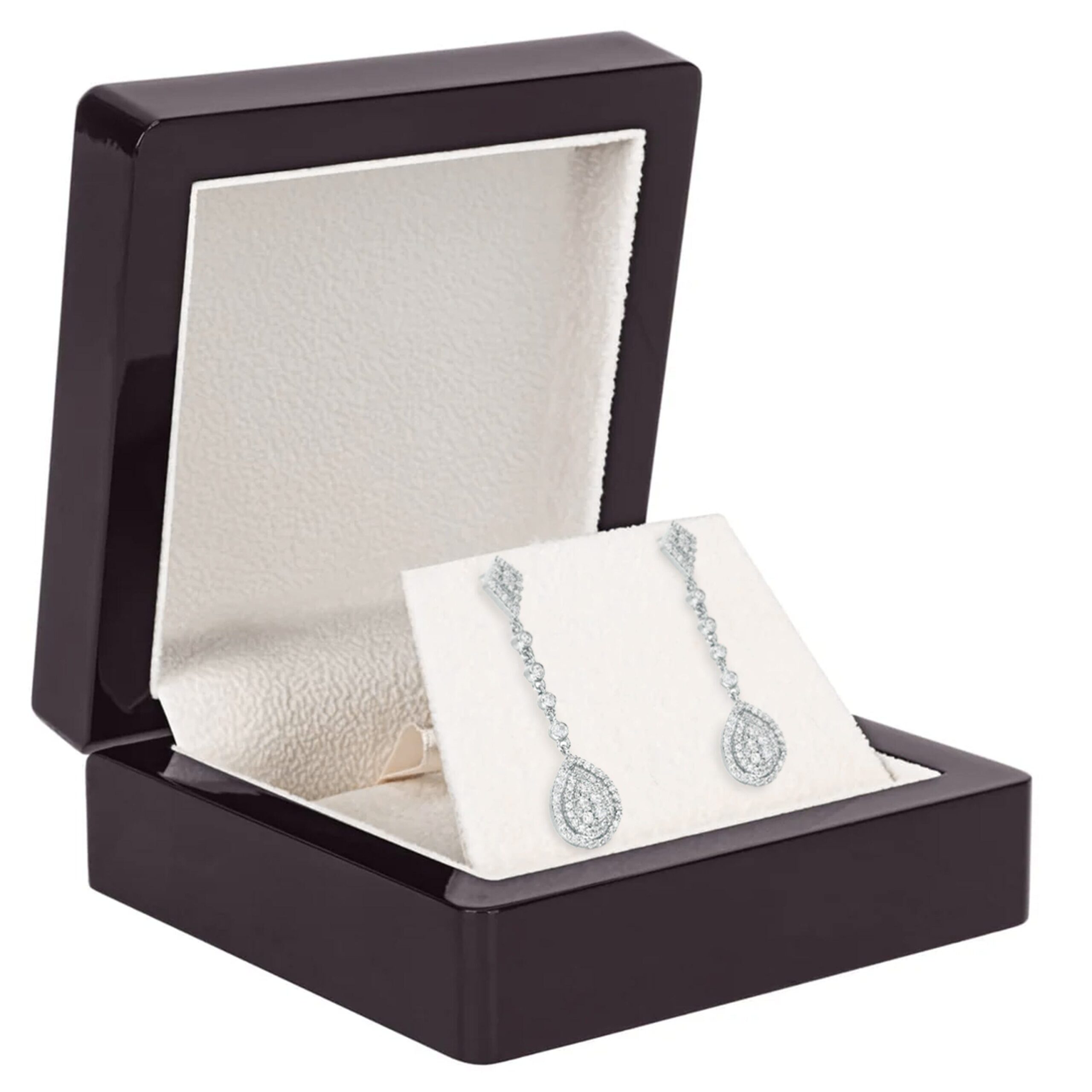
Embossing & Debossing
Custom dies raise or recess your logo into rigid box surfaces and wrapped lids, producing a tactile, dimensional mark. A subtle, lasting finish favored by luxury houses that prefer texture over printed color.

Silk-Screen Printing
Ink is pushed through a fine mesh screen directly onto velvet pouches, box exteriors, and inner lids. It delivers vivid, opaque logos with excellent rub resistance, ideal for repeated daily handling at retail.
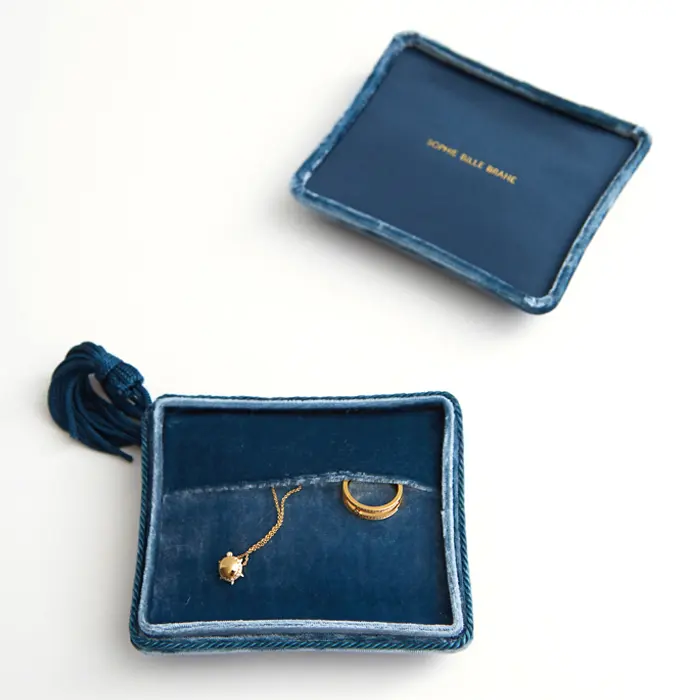
Accessories That Complete Your Jewelry Box Velvet Lining

Magnetic Closures
Concealed neodymium magnets give rigid box lids a soft, confident snap that complements plush jewelry box velvet lining. We embed and align them in-house for necklace, ring, and bracelet boxes where the unboxing feel matters.
Ribbon Pulls
Satin or grosgrain ribbon pulls lift trays and drawers smoothly without disturbing the velvet interior. Pantone-matched to your brand palette, they add a tactile cue that guides customers through every layer of a multi-tier box.
Metal Clasps
Polished, plated, or brushed clasps and locks secure heirloom-style cases and watch boxes. We source tarnish-resistant hardware and test every closure so it seats cleanly against the velvet-lined interior through years of daily use.

LED Light Modules
Battery-powered LED modules illuminate rings and pendants against dark velvet lining the moment the lid opens. Popular for proposal boxes and premium launches, each module passes switch and battery QC before final assembly.

Drawcord & Tipping
Braided cotton, waxed cord, or satin drawcords with metal tipping finish the velvet pouches that travel with your boxes. Choose cord colors and end caps that carry your brand identity across the complete packaging set.
Woven Brand Labels
Woven or embroidered labels stitch your logo onto pouches, tray liners, and box interiors. A subtle private-label OEM detail that keeps your name in view every time the jewelry box velvet lining is revealed.
On The Way: Jewelry Box Velvet Lining Experts
Founded in 2007 by CEO Joyce Linkwin on the principle that quality defines survival, On The Way is a factory-direct manufacturer of high-end custom jewelry packaging. From our 1,200 m² facility in Dongguan, China, our 220+ specialists craft velvet-lined rigid boxes, pouches, displays, trays and branded paper bags for jewelry brands worldwide.
Jewelry box velvet lining is where our craftsmanship shows most. Every insert is cut, wrapped and seated by trained hands, then checked by a multi-stage QC team before shipment. With 6,500+ completed custom projects for 300+ brands across 30+ countries, we know how to translate a brand’s identity into the interior of a box.
Because we own the production line, you get factory-direct pricing, low MOQs and full private-label OEM flexibility — whether you are an independent designer or a global jewelry house. A dedicated account manager guides you from sampling through mass production, with FSC-certified and recycled material options and on-time delivery on every order.
Inside Our Jewelry Box Velvet Lining Capability
Precision Velvet Insert Engineering
Every jewelry box velvet lining starts with a die-cut EVA or cardboard core engineered to your exact SKUs, so rings, pendants, and bracelets sit securely with clean slot geometry, tight corners, and no fabric puckering on curved surfaces.
- CAD-drafted insert dies matched to your product dimensions before sampling
- Slot, groove, and cushion configurations for rings, earrings, necklaces, and sets
- Hand-wrapped edges and heat-set corners for wrinkle-free velvet coverage
- Free structural revisions during the sampling stage until fit is approved
Private Label and OEM Lining Programs
As a factory-direct manufacturer, we run true white-label production: your logo, your Pantone-matched velvet, your construction specs. Startups order at low MOQs while established brands scale the same jewelry box velvet lining across full packaging lines.
- Pantone color matching across velvet, microfiber, and satin linings
- Logo embossing, debossing, hot stamping, and printed inner lids
- Low MOQs that let independent designers launch branded packaging
- One dedicated account manager from sampling through mass production
Multi-Stage QC on Every Lining
Our in-house QC team inspects at fabric intake, insert forming, wrapping, and final assembly. Since 2007, that discipline has carried 6,500+ custom projects to 300+ brands in 30+ countries with consistent, on-time delivery.
- Incoming velvet checked for shade consistency, pile density, and defects
- In-line inspection of glue coverage, edge wrapping, and insert fit
- Pre-shipment audits against your approved sample and spec sheet
- Batch records kept so reorders match your first production run
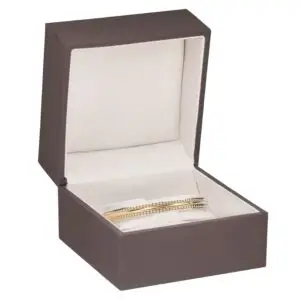
Eco-Material Sourcing You Can Verify
Sustainability claims need documentation, not slogans. We source FSC-certified paper and board, recycled velvet and microfiber options, and reusable constructions, supplying the certificates global retailers and compliance teams increasingly require from packaging vendors.
- FSC-certified paperboard cores available for boxes and inserts
- Recycled-content velvet and microfiber lining fabric options
- Reusable, giftable constructions that extend packaging life
- Material certificates and test documentation provided on request

On The Way vs. a Typical Velvet Lining Supplier
When you source jewelry box velvet lining from a factory-direct manufacturer instead of a trading company, the differences show up in your margins, your minimums, and your finished product.
← Swipe left or right to view →
How Your Jewelry Box Velvet Lining Is Made
From fabric sourcing to worldwide delivery, every velvet-lined box moves through five controlled phases at our Dongguan factory — with multi-stage QC and a dedicated account manager keeping your order on schedule.
Velvet Sourcing & Approval
We source premium velvet, microfiber, and eco-friendly lining fabrics, matching your Pantone color and pile density, then send physical swatches for your sign-off before cutting begins.
Precision Cutting & Flocking
Die-cut panels are flocked or hand-wrapped with consistent tension, so your jewelry box velvet lining shows clean edges, uniform nap direction, and no visible seams or glue marks.
Insert Assembly & Fitting
Technicians assemble ring slots, necklace pads, and cushions, then test-fit each insert inside the rigid box to confirm snug placement, correct depth, and smooth lid closure.
Multi-Stage Quality Control
Our dedicated QC team inspects lining adhesion, color accuracy, stitching, and structure at three checkpoints — the same standard behind 6,500+ completed custom projects since 2007.
Packing & Worldwide Shipping
Finished boxes are protectively packed and dispatched to 30+ countries with tracked logistics, while your account manager confirms on-time delivery against your agreed production schedule.
How to Order Your Jewelry Box Velvet Lining
From first sketch to finished boxes, our end-to-end process makes custom velvet-lined packaging simple — guided by a dedicated account manager at every step.
Share Your Design Brief
Send your tech pack, sketches, or a reference box — with dimensions, velvet color, and logo files — and a dedicated account manager scopes your jewelry box velvet lining project.
Receive Your Factory-Direct Quote
Because we own the production line, you get transparent factory-direct pricing and low MOQs fast, followed by a physical sample so you can evaluate quality firsthand.
Approve the Pre-Production Sample
Inspect the velvet lining color, insert fit, stitching, and finish in hand. We refine until you sign off — nothing enters mass production without your written approval.
Launch Bulk Production and Delivery
Our Dongguan factory of 220+ specialists runs your order through multi-stage QC, then ships on schedule — the on-time delivery 300+ brands in 30+ countries count on.
Certified Quality Behind Every Jewelry Box Velvet Lining

What 300+ Brands Say About Our Jewelry Box Velvet Lining
On The Way delivered 5,000 velvet-lined magnetic boxes for our spring collection with zero color variance across the run. Their multi-stage QC caught a foil issue at sampling, and we still launched two weeks early.
As an independent designer, a 300-piece MOQ on custom jewelry box velvet lining was a game changer. Samples arrived in 7 days, the navy velvet matched my brand Pantone exactly, and reorders have been effortless.
We switched from a trading company to On The Way’s factory-direct program and cut packaging costs by 22%. Three seasonal orders in, every velvet-lined box and pouch has shipped on time to our two boutiques.
Jewelry Box Velvet Lining: Your Questions Answered
Straight answers on MOQ, sampling, customization, payment, shipping, and private-label protection — from a factory-direct manufacturer with 17+ years of experience.
What is the minimum order quantity for jewelry box velvet lining?
How much does a sample cost and how long does sampling take?
Can I choose custom velvet colors for my jewelry box velvet lining?
Do you offer private label or OEM jewelry packaging?
What are your payment terms for custom jewelry boxes?
Do you ship jewelry packaging to North America, Europe, and Southeast Asia?
How is jewelry box velvet lining applied and quality-checked?
Can you make eco-friendly velvet-lined jewelry boxes?
The Complete Buyer’s Guide to Jewelry Box Velvet Lining
A decision framework for sourcing jewelry box velvet lining: compare fabrics and construction, learn customization and branding options, evaluate suppliers against clear criteria, and avoid the costly mistakes that derail packaging launches.
1. What Is Jewelry Box Velvet Lining?
Jewelry box velvet lining is the plush interior fabric layer—typically a 0.5–2 mm pile of flocked, woven, or knitted velvet—bonded over paperboard, MDF, or foam forms inside a jewelry box. It covers the base, the underside of the hinged lid, and every insert or slot a piece touches, turning a rigid outer shell into a protective, gift-ready interior.nnFour functions justify the spec. The dense pile prevents micro-scratches on 14K–18K gold, sterling silver, and plated finishes; it cushions pieces against transit shock; it grips rings and studs so they stay seated in their slots; and it delivers the soft, matte tactile impression consumers associate with fine jewelry, lifting perceived value before the piece is even seen.nnCommon applications include ring rolls and slot pads, earring and pendant pads, stackable tray inserts, watch pillows, necklace hooks, and full lid-and-wall wraps in hinged and magnetic-closure boxes. Because velvet takes dye deeply and reads rich under retail lighting, brands also specify it in Pantone-matched colors as a deliberate visual brand cue, not just a protective layer.nnSince 2007, On The Way has produced velvet-lined interiors across 6,500+ custom packaging projects for 300+ brands, pairing flocking or fabric lamination with die-cut inserts sized to each SKU. For a packaging buyer, sourcing jewelry box velvet lining means specifying four things—pile material and height, substrate, insert geometry, and color—and this guide breaks each decision down section by section.
2. Evolution & History of Velvet-Lined Jewelry Boxes
Silk velvet, first woven at scale in 13th-century Italy, was lining royal jewel caskets by the 1500s — its dense pile cushioned gemstones while its light-absorbing surface made them appear brighter. Because a single meter of hand-woven silk velvet could cost a craftsman’s monthly wage, velvet lining became shorthand for value long before modern branding existed.nnVictorian presentation cases (roughly 1840–1900) standardized the format buyers still recognize: a hinged wooden shell, a fitted silk-velvet pad, and a recessed slot shaped to a single ring or brooch. London and Birmingham case makers supplied the great jewelry houses of the era, cementing the consumer reflex that a velvet interior signals a serious piece.nnThree manufacturing shifts then democratized the look. Rayon velvet arrived in the 1920s and polyester velveteen by the 1950s, cutting fabric cost by roughly 60–80% versus silk; electrostatic flocking — spraying 0.5–2 mm nylon or rayon fibers onto adhesive-coated substrates — let factories ‘velvet’ virtually any shape; and injection-molded plastic inserts from the 1960s replaced hand-built wooden platforms, turning flocked trays into a mass-market commodity.nnToday a jewelry box velvet lining spans hand-glued cotton velvet at the couture end to 180–220 GSM microfiber suede at scale, and low-MOQ factory-direct programs like On The Way’s put custom linings within reach of independent designers, not just heritage maisons. Velvet endures as the standard because 500 years of accumulated association between soft pile and precious contents cannot be replicated by any newer material.
3. Types of Jewelry Box Velvet Lining
Five formats dominate jewelry box velvet lining, from full-wrap interiors to economical flocked inserts. Construction method drives 30–60% of interior cost, so match the format to your product mix and price point.
| Lining Type | Best For | Relative Cost |
|---|---|---|
| Fully lined box | Fine rings, high-jewelry sets | Highest |
| Flocked insert | Mid-market rings, pendants | Low |
| Molded tray | Sets, displays, watches | Medium plus tooling |
| Padded roll | Travel, multi-ring storage | Low–medium |
| Slotted pad | Rings, stud earrings | Lowest |
Fully Lined Velvet Boxes
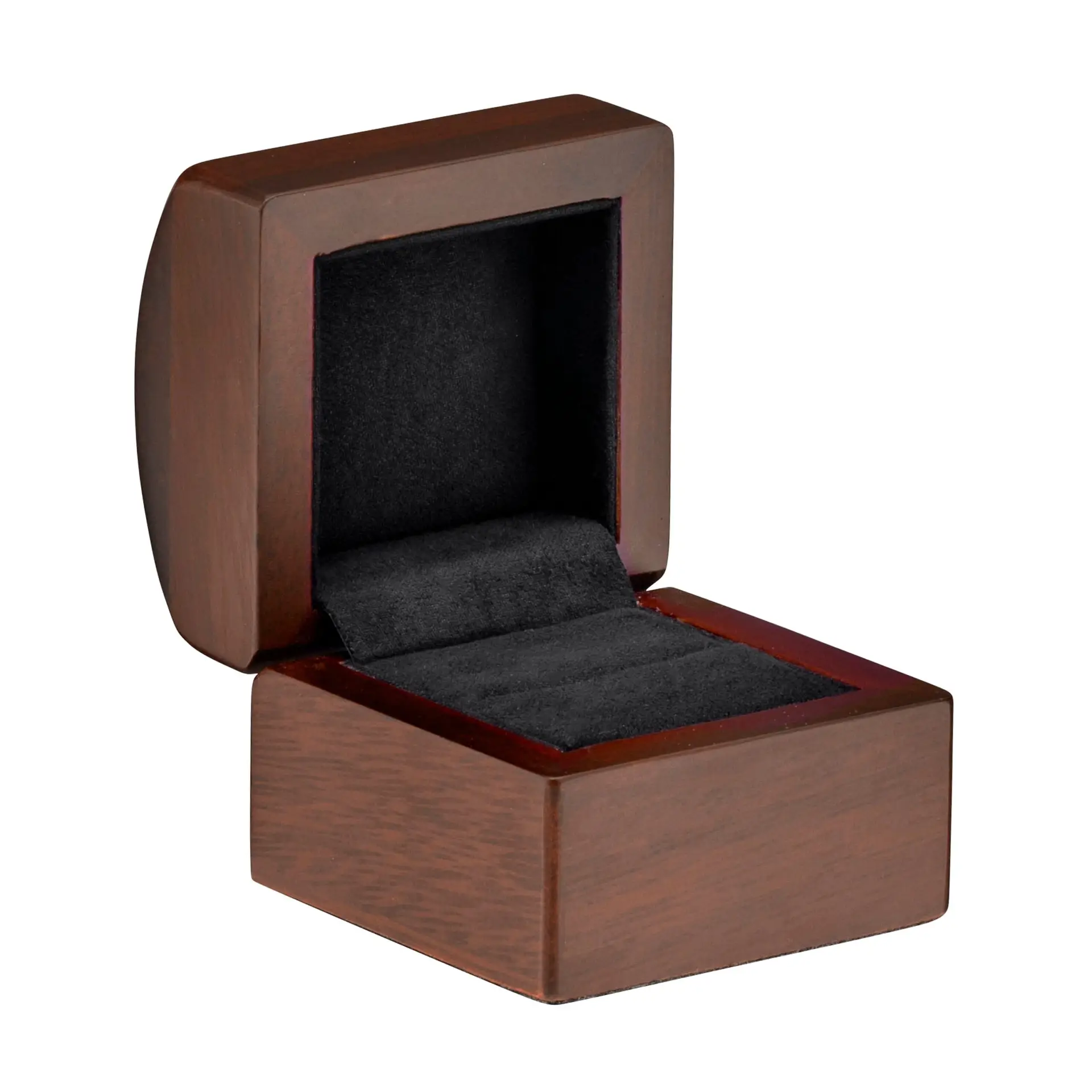
Full lining wraps every interior surface — base, walls, and lid — in 120–180 GSM velvet over greyboard.nnIt signals fine-jewelry positioning and suits pieces retailing above $200. Hand-wrapped construction typically adds 15–25% versus flocked alternatives.
Flocked Velvet Inserts
Flocking sprays nylon or rayon fibers onto adhesive-coated molded plastic or EVA foam, mimicking velvet at roughly half the cost.nnIt is the standard for mid-market boxes at MOQs from 500 units. Fiber length of 0.5–1.0 mm determines perceived softness.
Molded Velvet Trays
Molded trays thermoform velvet or microfiber over contoured EVA, creating recessed cavities for rings, pendants, or watch pillows.nnThey excel at multi-piece sets and counter displays. Tooling adds a one-time mold fee, usually amortized above 1,000 units.
Padded Ring and Earring Rolls
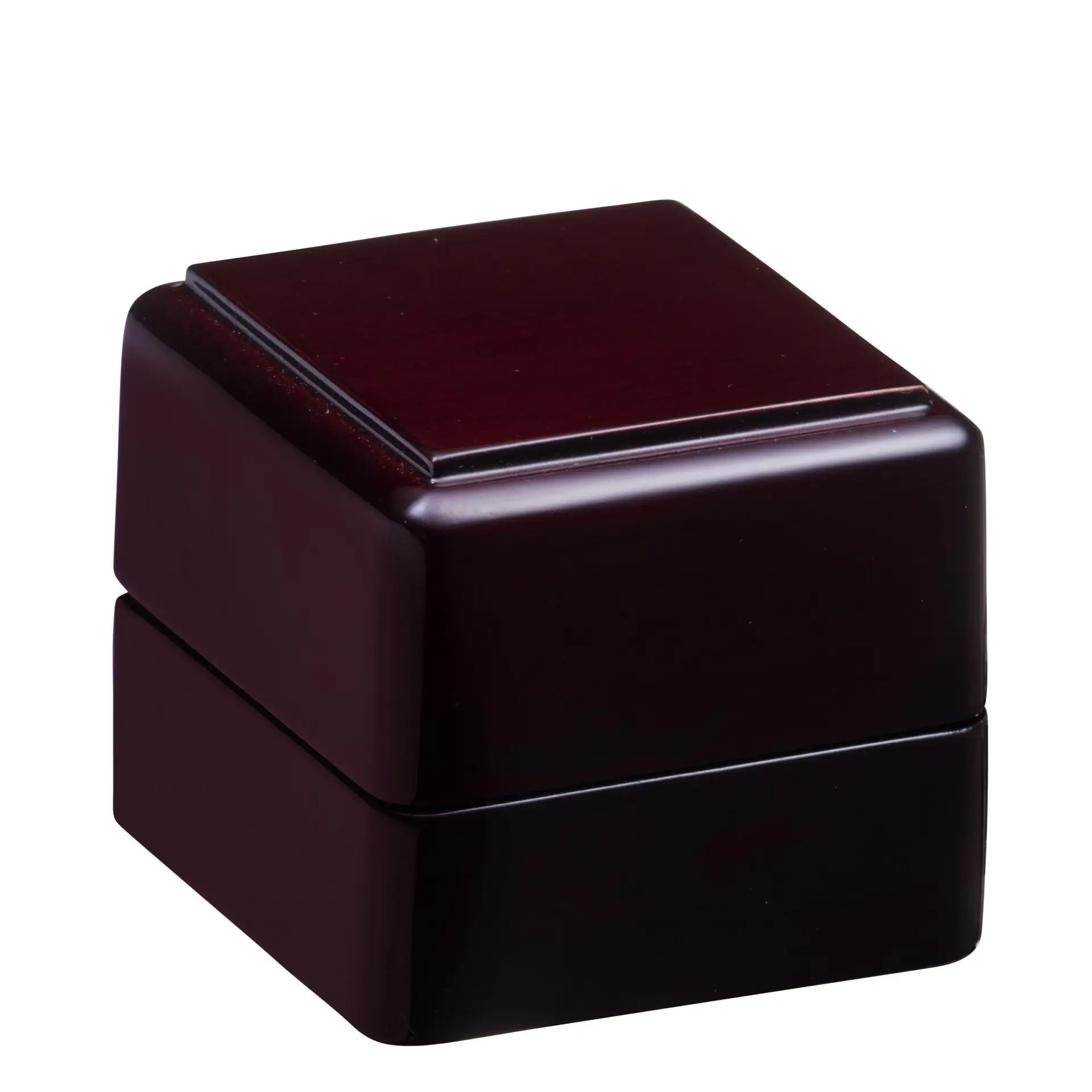
Padded rolls use foam-backed velvet strips with slotted grooves that grip ring shanks or earring posts.nnThey suit travel cases and drawer organizers holding 6–12 pieces per row.
Slotted Pads and Pillows
Slotted pads — velvet-wrapped foam with die-cut slits — secure rings and stud earrings at the lowest cost per unit.nnWatch pillows and necklace boards extend the same construction to bracelets, watches, and chains.
4. Materials & Fabrics for Velvet Lining
Five fabrics dominate jewelry box velvet lining: cotton velvet, polyester velvet, silk velvet, microfiber suede, and flocking. Pile height, GSM, and colorfastness — not appearance alone — determine which fits your durability needs and budget.
| Fabric | GSM / Pile | Feel | Cost Tier | Best Use |
|---|---|---|---|---|
| Cotton velvet | 250–320 / 2–3 mm | Matte, dry, plush | $$$ | Heritage and luxury boxes |
| Silk velvet | 200–280 / 1.5–2 mm | Lustrous, fluid | $$$$ | Ultra-luxury, low volume |
| Polyester velvet | 180–260 / 1–2 mm | Soft, slight sheen | $$ | Mainstream retail boxes |
| Microfiber suede | 200–300 / low nap | Smooth, crush-resistant | $$ | Trays, displays, inserts |
| Flocking | 0.5–1 mm fibers | Short, velvety | $ | Budget boxes, ring wells |
Cotton and Silk Velvet: Premium Naturals

Cotton velvet runs 250–320 GSM with a 2–3 mm pile, giving the matte, dry hand favored by heritage jewelry houses.nnSilk velvet, at 1.5–2 mm pile, drapes with unmatched luster but costs 5–8x polyester and fades faster under UV exposure.
Polyester Velvet and Microfiber: The Workhorses

Polyester velvet (180–260 GSM, 1–2 mm pile) delivers most of the visual effect at the lowest woven-fabric cost, with grade 4–5 colorfastness.nnMicrofiber suede and velour resist crushing and fingerprints, making them the default for trays and inserts handled daily in retail.
Flocking: The Budget Velvet Effect

Flocking electrostatically bonds 0.5–1 mm nylon or rayon fibers onto adhesive-coated board — no fabric wrapping required.nnIt cuts labor cost 30–50% versus wrapped velvet but wears at corners within 1–2 years of heavy handling. Best for mid-market boxes and interior wells.
Backing Materials and Adhesives
Most linings laminate to 800–1,200 GSM greyboard, MDF, or EVA foam via water-based PVA or hot-melt adhesive.nnWater-based glues avoid VOC odor inside closed boxes; solvent adhesives can yellow pale velvets. Specify OEKO-TEX certified fabric and low-VOC glue for export markets.
5. Customization & Decoration for Velvet Linings
Interior customization turns a stock jewelry box velvet lining into a brand signature. On The Way offers six core decoration routes, most starting at 300–500-piece MOQs and adding 2–10 days to standard lead times.
| Technique | Typical MOQ | Added Lead Time | Relative Cost |
|---|---|---|---|
| Pantone-dyed velvet | 500–1,000 m | 7–10 days | $$ |
| Debossed logo | 300 pcs | 3–5 days | $ |
| Hot foil stamp | 300 pcs | 3–5 days | $$ |
| Custom-molded insert | 500 pcs | 5–7 days | $$ |
| Printed satin ribbon | 1,000 m | 2–3 days | $ |
| Contrast piping | 500 pcs | 2–3 days | $ |
Pantone Color Matching
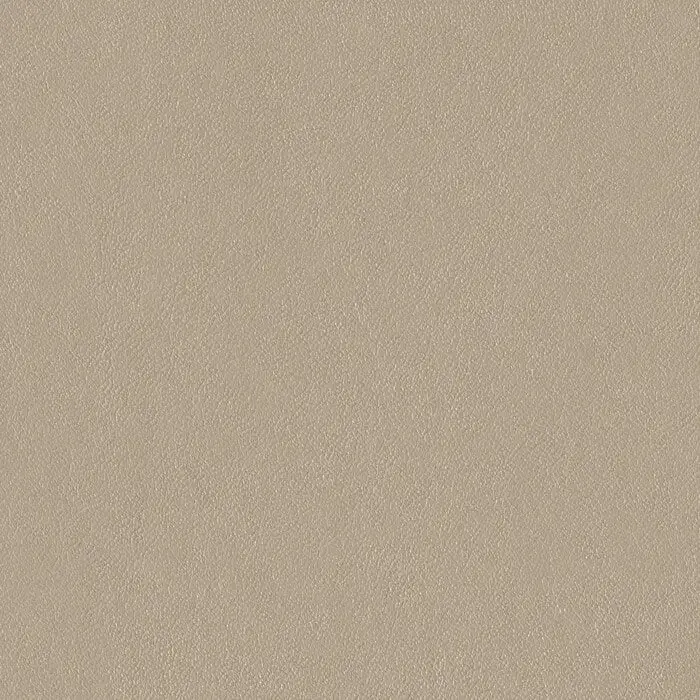
Pantone TPG/TCX matching lets brands dye velvet to an exact house color instead of choosing from 20–40 stock shades. Custom dye lots typically require 500–1,000 meters of fabric and add 7–10 days for lab dips and approval.
Debossed and Hot-Stamped Logos
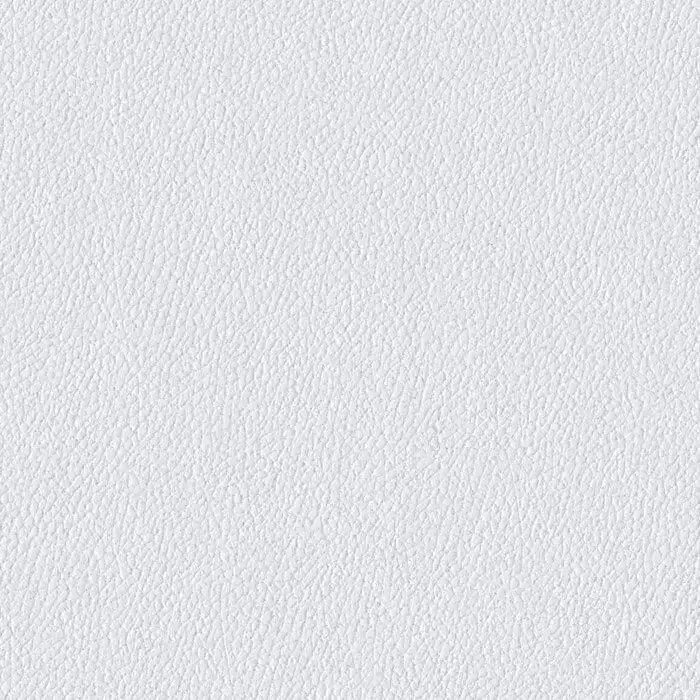
Heat debossing presses a brass die into the pile, leaving a tone-on-tone mark suited to understated luxury lines. Hot foil stamping adds metallic gold or silver for stronger contrast.nnOne-time die fees run roughly $30–$80, with MOQs starting near 300 pieces and 3–5 days added.
Custom-Molded Slots and Inserts
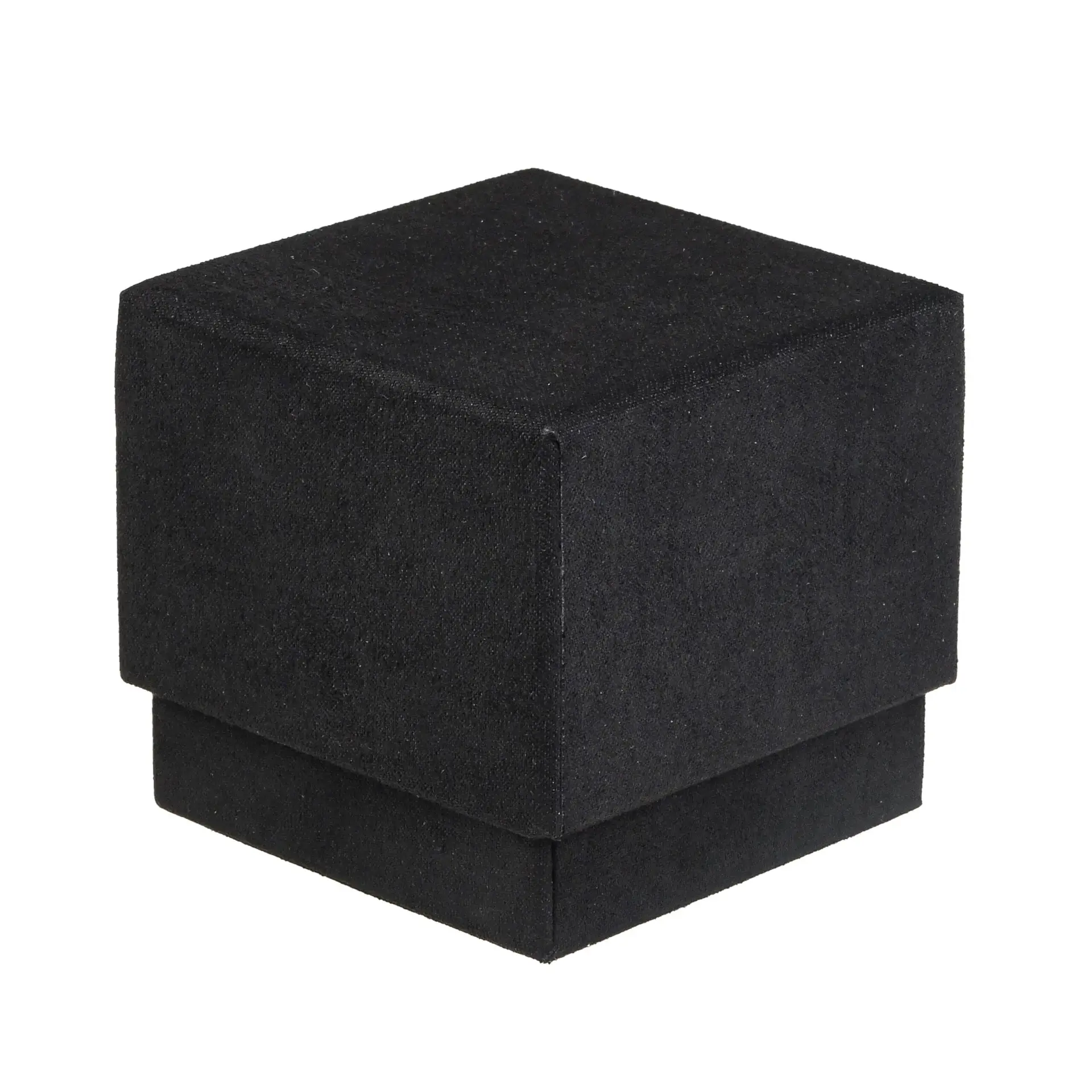
Flocked EVA or MDF inserts can be CNC-cut to cradle a specific ring shank, bangle diameter, or earring pair. Supply CAD files or physical samples at sampling stage; new insert tooling adds 5–7 days before mass production.
Piping, Printed Ribbons, and Pillow Inserts

Contrast piping along tray edges, satin ribbons screen-printed with a logo, and branded velvet pillows for watches or bangles complete the interior. Printed ribbon usually carries a 1,000-meter roll minimum but adds only 2–3 days.
6. Key Construction Quality Elements
Premium jewelry box velvet lining is judged in millimeters: pile evenness, corner wraps, adhesion, and hardware. Before committing to 1,000-piece runs, inspect samples against the checkpoints below — flaws at sample stage multiply at scale.
Pile Density and Nap Consistency
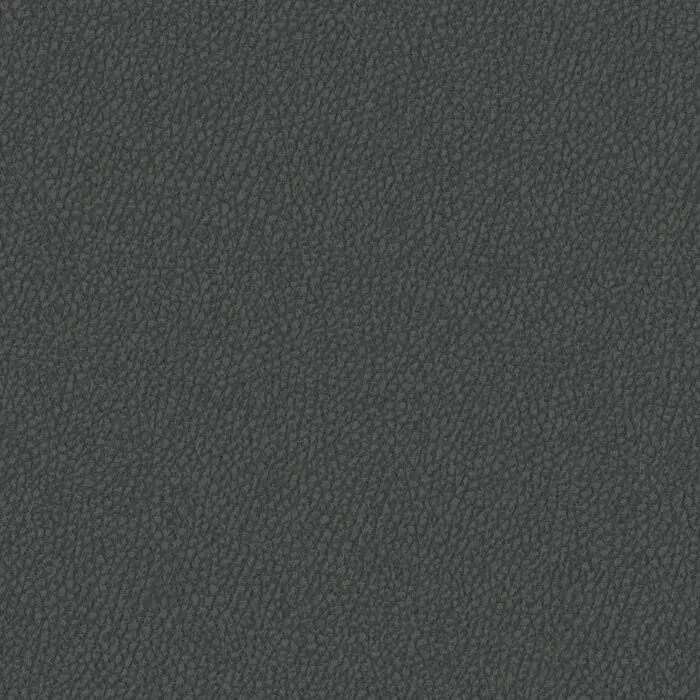
Quality flocking runs 0.5–1.0 mm pile at uniform density; cheap work shows bald spots under raking light. Brush the surface against the nap — premium velvet recovers evenly, while thin flock exposes the substrate.nnCheck nap direction too: it should run one consistent way per panel to avoid shade banding.
Corner Wrapping and Seam Placement
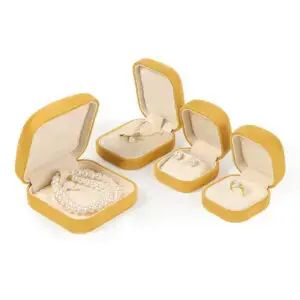
Corners reveal craftsmanship first. Hand-wrapped linings should show tight 45-degree tucks with no overlap ridges, fraying, or exposed board edges.nnSeams belong on hidden faces — inside back walls or beneath inserts — never across the visible floor of a compartment.
Adhesion, Glue Bleed, and Batch Color
Water-based adhesives applied by roller prevent strike-through, which stiffens pile and leaves shiny patches. Press each panel edge; lifting or bubbling signals under-glued lamination.nnDemand Pantone-matched lab dips and retain approved swatches — velvet dye lots drift between batches, so specify a Delta-E tolerance of 1.5 or tighter.
Insert Fit and Box Hardware
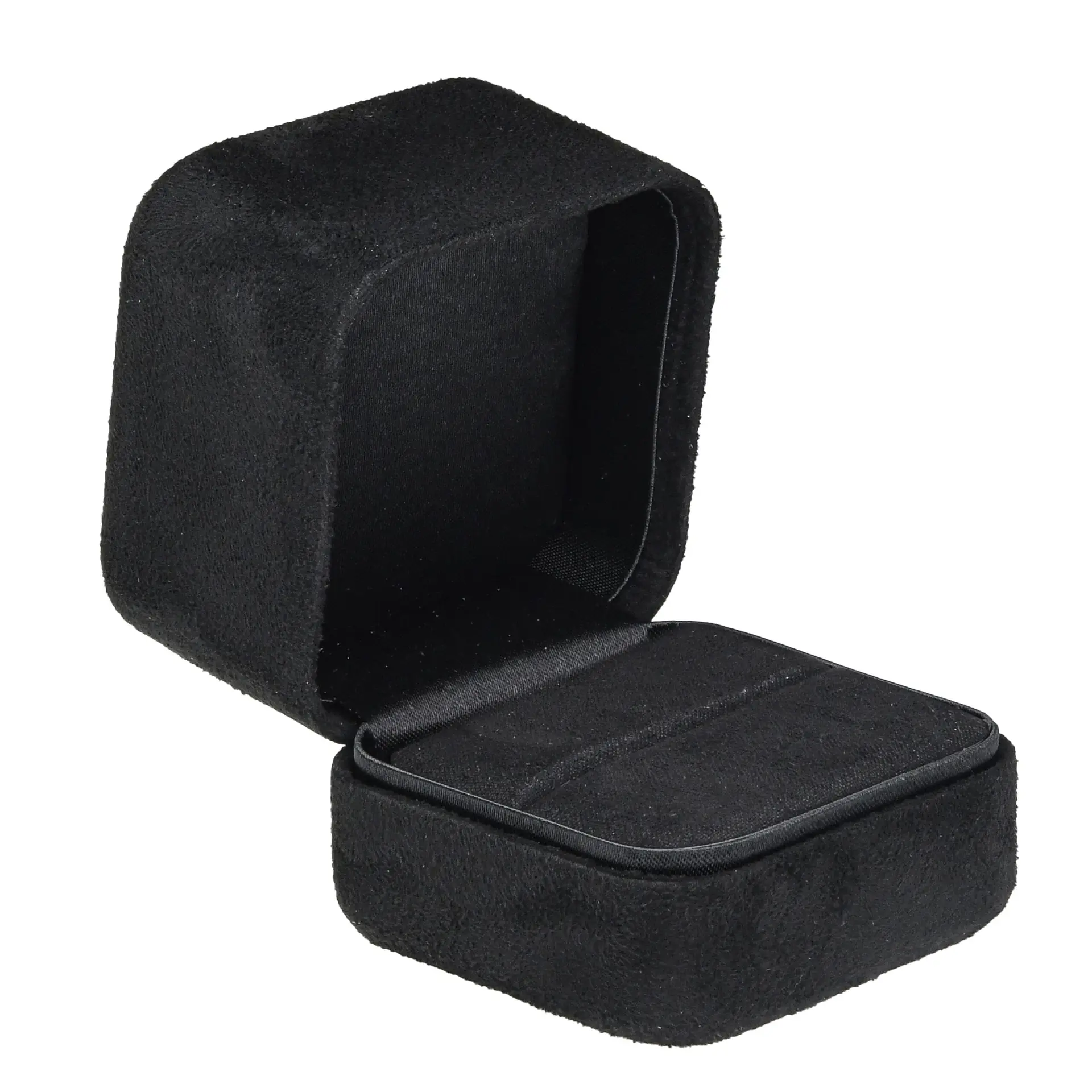
Inserts should seat with light friction — no rattling, no forced compression that wrinkles the wrap. Ring slots must grip a 1.5 mm shank without deforming.nnOn the surrounding box, cycle-test hinges through 500+ openings and confirm magnets hold the lid closed at a 45-degree tilt.
Inspection Checkpoints to Demand
On The Way runs multi-stage QC from sampling through mass production; require the same written protocol from any supplier before scaling.
- Raking-light scan for bald spots, glue shine, and wrinkles
- Corner and seam review on 100% of pre-production samples
- AQL 2.5 batch inspection against retained color standards
- Fit test: every insert seated and removed twice
7. How to Choose a Velvet Lining Manufacturer
Choosing a jewelry box velvet lining supplier is a five-to-ten-year decision, not a one-order transaction. The criteria that predict reliability are verifiable: audit reports, sample turnaround, and documented color-matching tolerances.
OEM/ODM Capability and Product Range
A true OEM/ODM partner engineers inserts, dies, and molds in-house rather than outsourcing. On The Way, founded in 2007, has completed 6,500+ custom projects across pouches, rigid boxes, displays, and paper bags.nnRange matters: a factory covering velvet, satin, microfiber, and FSC-certified eco-materials lets you consolidate SKUs under one QC system and one account manager.
Sampling, Color Matching, and Pilot Orders
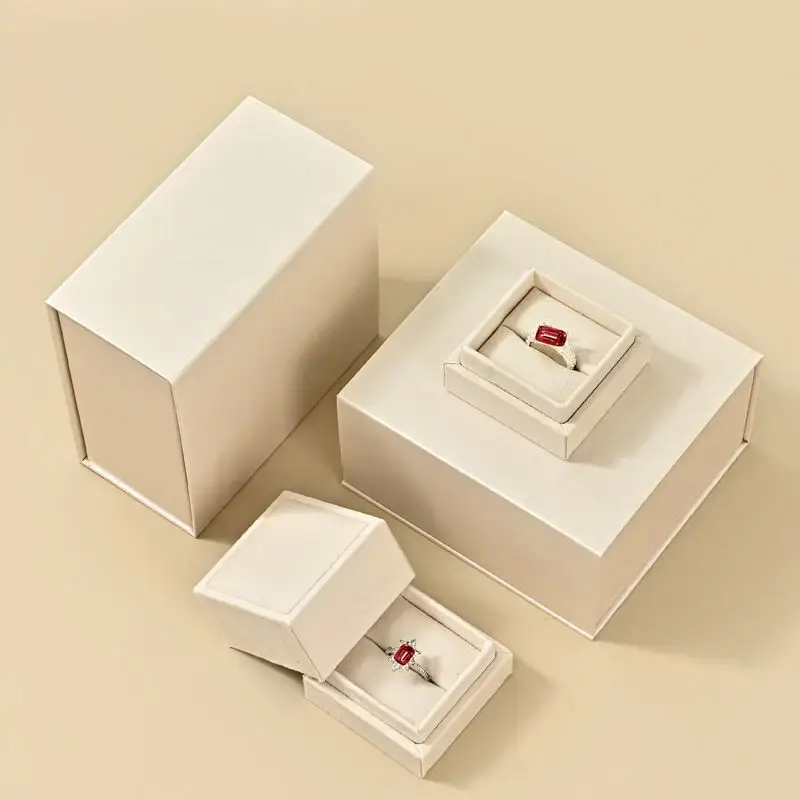
Request a pre-production sample within 5–10 days, matched to a Pantone TPG/TCX reference. Ask for the supplier’s Delta-E tolerance — ≤1.5 is a reasonable standard for flocked and velvet surfaces.nnRun a 300–500-unit pilot order before committing to mass production. It exposes glue bleed, pile crushing, and insert-fit issues a single sample cannot.
Compliance, Audits, and Sourcing Transparency
Ask for BSCI or Sedex social-audit reports and OEKO-TEX or REACH documentation on dyed velvet. Suppliers using FSC-certified board and recycled fibers should provide chain-of-custody paperwork.
- BSCI/Sedex audit dated within 24 months
- OEKO-TEX Standard 100 or REACH test reports on fabrics
- FSC chain-of-custody for paperboard components
- Named fabric mills, not anonymous traders
MOQ, Communication, and Lead-Time Reliability
Factory-direct suppliers can hold MOQs near 100–500 pieces per SKU; traders typically demand 1,000+. Confirm standard lead times in writing — 15–35 days for production is typical after sample approval, depending on volume.nnA dedicated account manager responding within 24 hours predicts long-term reliability better than the lowest quote.
8. Common Mistakes Buyers Make
Seven recurring errors account for most velvet lining failures — and most eroded margins. Each one is preventable at the sampling or purchase-order stage for a fraction of what a rejected shipment costs.
Skipping Physical Samples

Screen renders shift velvet color by one to two Pantone steps, and pile density cannot be judged digitally. Approving from photos risks running full production in the wrong shade.nnAlways approve a physical pre-production sample; On The Way turns sample rounds in days, not weeks.
Ignoring Colorfastness and Pile Durability
Uncertified dyes can transfer onto gold-plated pieces and pearls, triggering returns. Request rub-test (crocking) results and specify OEKO-TEX certified velvet.nnPress a ring into the insert on the sample — quality pile rebounds within seconds.
Mismatching Insert Dimensions
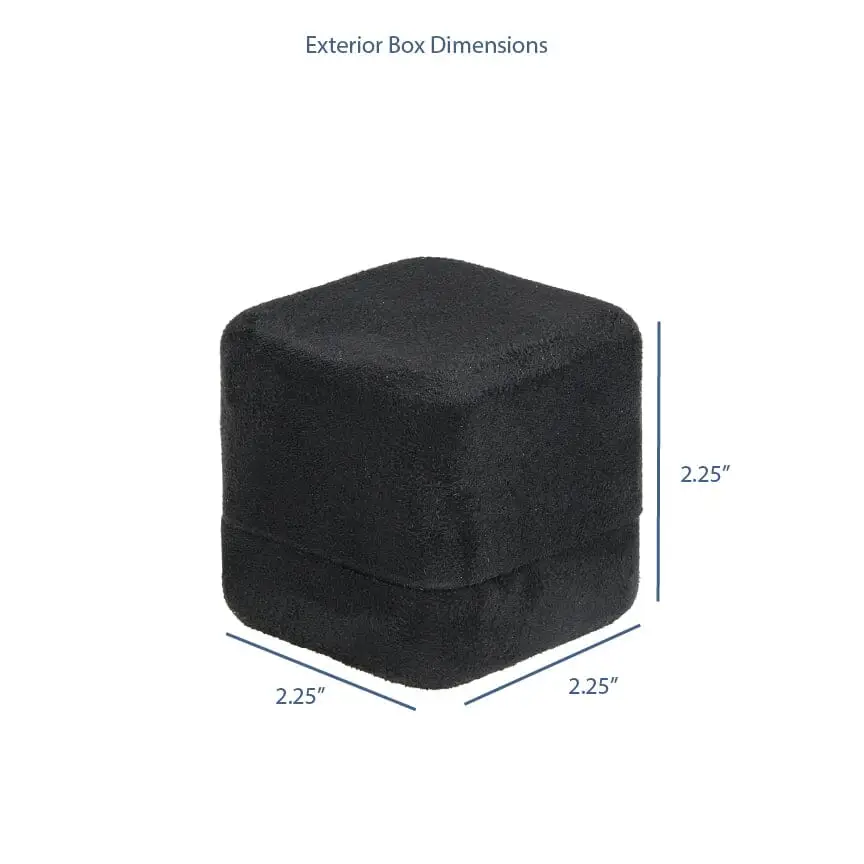
A ring slot cut 1 mm too wide lets pieces rotate in transit; too tight scuffs prongs and pavé settings. Send physical product or exact CAD dimensions before die-cutting, and confirm fit on the sample, not the drawing.
Choosing Cheap Flocking That Sheds

Low-grade flocking sheds fibers onto polished metal, reading as dust at unboxing. Insist on electrostatic flocking with proper adhesive backing.nnRun a simple tape-pull test on every sample before approving mass production.
Underestimating Lead Times
Custom jewelry box velvet lining typically runs 15-35 days in production plus 15-40 days ocean freight. Buyers ordering six weeks before launch pay 3-5x air-freight premiums. Book Q4 holiday orders by July.
Over-Ordering One SKU and Breaking Brand Consistency
Committing 10,000 units to one box size to chase price breaks strands capital if the collection shifts; spread orders across two or three SKUs at 500-1,000 units each.nnLock one Pantone-matched velvet across ring, pendant, and bangle boxes — mismatched linings between lines reads as counterfeit to customers.
9. Steps to Launch Your Branded Packaging
A typical launch runs 8–12 weeks from first brief to shipped goods. On The Way assigns a dedicated account manager to sequence every stage, from spec sheet through sampling, pilot run, and mass production.
Define Product Mix and Insert Needs
Week 1–2: list every SKU the box must hold — rings, pendants, bangles, watch sets — and map insert geometry for each. A shared spec sheet covering box dimensions, cavity layouts, and 12-month volume forecasts prevents costly retooling later.
Choose Lining, Colors, and Logo Treatment
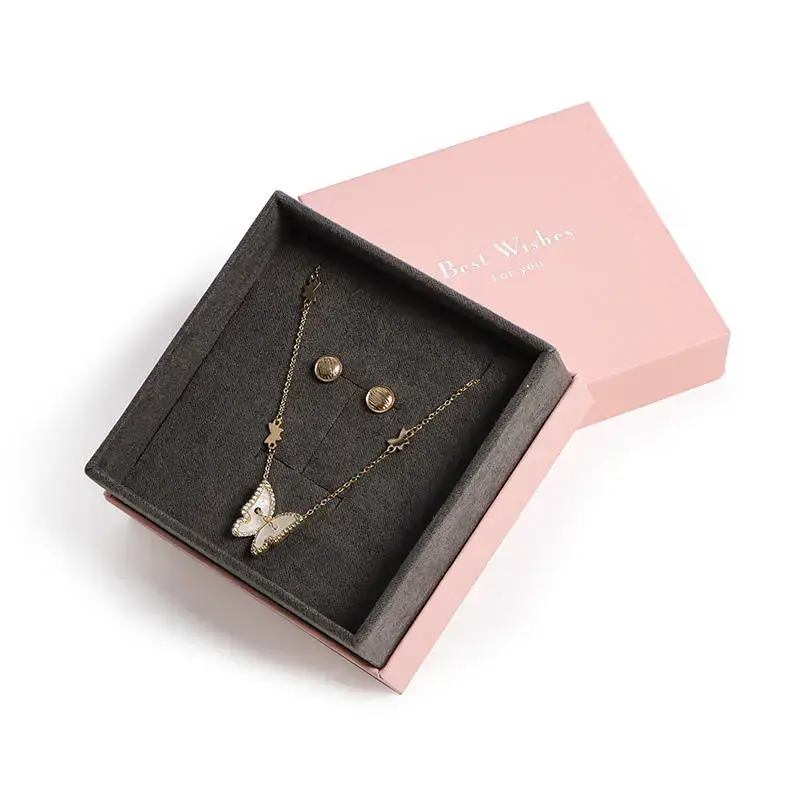
Week 2–3: select velveteen, flocked, or microfiber jewelry box velvet lining, then lock Pantone-matched fabric colors against physical swatches. Confirm the logo method — hot-stamp foil, deboss, or printed satin ribbon — since each carries different plate costs and lead times.
Sample, Approve, and Finalize Pricing
Week 3–5: pre-production samples take 7–12 days plus courier transit. Approve one physical sample per SKU, then confirm MOQ tiers in writing — commonly 100–500 units for stock structures, 500–1,000 for fully custom tooling — along with unit pricing and payment terms.
Run a Pilot Order and Inspect Quality
Week 6–8: a pilot run of 300–500 units validates tooling at production speed. Multi-stage QC checks — fabric shade, glue lines, corner wrap, insert fit — plus optional AQL 2.5 third-party inspection precede shipping release.
Scale Production and Set Reorder Cadence
Week 9 onward: full production runs 15–25 days, plus 30–35 days by sea or 5–8 by air. Plan reorders 45–60 days before projected stockout; repeat runs skip sampling and ship faster because dies, plates, and dyed fabric lots are retained.
10. Pricing & Cost of Jewelry Box Velvet Lining
Expect $0.85–$6.50 per velvet-lined box depending on volume, with the steepest price break between 300 and 1,000 units. Flocked-paper lining runs 20–40% cheaper than woven rayon or silk-blend velvet, while memory-foam ring slots or spring-loaded inserts add roughly $0.30–$0.80 per unit.nnOne-time tooling stays modest: a brass hot-stamp die for an interior logo typically costs $50–$120, and Pantone-matched custom velvet dye lots usually carry a 500-unit fabric minimum. On The Way’s factory-direct model starts custom programs at low MOQs, with digital proofs first and physical samples in about 5–7 days before mass production.nnSpend where hands touch: upgrade the lid interior and insert to premium velvet, and economize on the outer wrap paper. Sea freight adds roughly $0.10–$0.30 per box at pallet volume, while air freight can triple that — so confirm lead times against your launch date early.
| Quantity Tier | Unit Price (velvet-lined rigid box) | Typical Lead Time | Notes |
|---|---|---|---|
| 100–300 units | $2.80–$6.50 | 15–20 days | Sampling tier; stock colors only |
| 500–1,000 units | $1.90–$4.20 | 20–25 days | Custom Pantone velvet unlocks |
| 3,000–5,000 units | $1.20–$2.80 | 25–30 days | Hot-stamp die amortized fully |
| 10,000+ units | $0.85–$1.80 | 30–35 days | Best per-unit; staged deliveries possible |
Get Your Jewelry Box Velvet Lining Quote Today
Send your tech pack or request samples — factory-direct pricing, low MOQ, and 17+ years serving 300+ brands across 30+ countries.