
Custom Jewelry Displays for Vendors: Factory Direct, Premium Quality
Premium jewelry displays for vendors at factory-direct pricing. Low MOQ, complete customization, OEM white-label options, and guaranteed on-time delivery. Trusted by 300+ brands worldwide.
Featured Jewelry Display Solutions







Jewelry Display Showcase






What Makes Our Jewelry Displays for Vendors Stand Out
Factory-Direct Pricing
Cut out middlemen costs. We own our production line, so you get factory-direct pricing passed directly to you.
Low MOQ, Transparent Pricing
Start with just 100 units per design. No setup fees, no surprise costs—complete transparency guaranteed.
Unlimited Custom Flexibility
Sizes, colors, materials, finishes, branding—design exactly what your brand needs, not what’s in stock.
Multi-Stage Quality Control
Every piece inspected at raw materials, production stages, and final packaging. Defect-free delivery absolutely guaranteed.
FSC-Certified Eco-Materials
FSC-certified paper, recycled and fully reusable materials included. Appeal to eco-conscious brands and customers worldwide.
Dedicated Account Manager
17+ years serving 300+ brands globally. Your dedicated partner from sample approval through final delivery.
Jewelry Displays for Vendors — Solutions for Every Business Model
Whether you’re launching collections, scaling production, or elevating retail presence, discover custom displays and packaging designed for your specific challenges.
Boutique Brands Launching Collections
Need distinctive packaging to launch new collections fast, but traditional suppliers demand high minimums and long lead times that delay your market entry and momentum.
Custom velvet pouches, magnetic-closure boxes, and branded displays arrive on schedule. Low MOQ means launching collections in weeks, not months. Premium unboxing elevates brand perception.
Independent Designers Scaling Production
Rigid pricing from traditional vendors shrinks margins as production grows. You need custom packaging that doesn't cannibalize profit, but competitors quote high per-unit costs.
Factory-direct pricing means custom pouches, boxes, and display trays cost significantly less. Scale faster, keep margins healthy, and invest more in design and growth.
Luxury Retailers Elevating Presentation
Generic packaging undermines brand prestige and contradicts the luxury experience customers expect. You need jewelry displays that look as premium as the pieces inside.
Custom magnetic-closure boxes, LED-lit display cases, velvet busts, and branded paper bags transform unboxing into a signature moment. Packaging becomes part of your brand story.
Multi-Brand Retailers Managing SKUs
Balancing custom displays for multiple brands while keeping inventory lean is difficult. Most suppliers require high minimums, forcing overstock or settlement for generic options.
Low MOQ jewelry displays for vendors means stocking exactly what each brand needs. Dedicated account managers coordinate all product lines. No waste, full control, no compromise.
E-commerce Vendors Optimizing Margins
Packaging costs eat into your thin e-commerce margins. You need cost-effective custom displays—velvet pouches, boxes, paper bags—without sacrificing the quality that drives repeat customers.
Custom jewelry display solutions at factory-direct pricing improve your bottom line while maintaining premium presentation. Multi-stage QC ensures every order meets your exacting standards.
Premium Materials for Jewelry Displays for Vendors
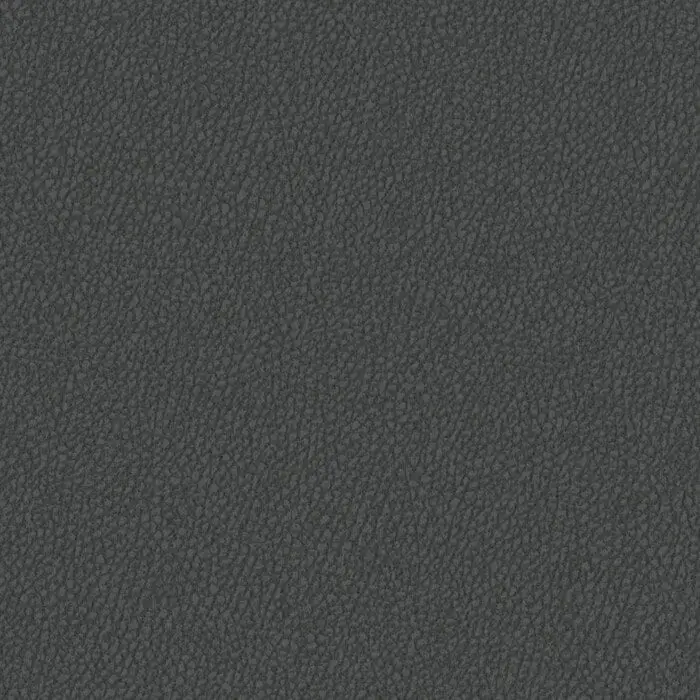
Luxe Velvet Finish
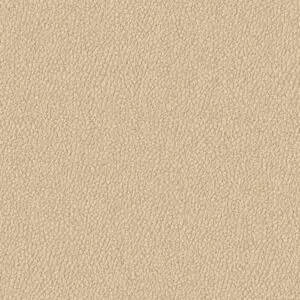
Plush, ultra-soft microfiber velvet creates a premium tactile experience. Ideal for display trays and jewelry pads in luxury retail. High pile density ensures durability and color retention through extended use.
Satin-Lined Display
Smooth, lustrous finish with elegant sheen that enhances perceived value. Perfect for lined boxes and premium display cases. Sophisticated appearance resists wear from jewelry contact while maintaining brilliance.

Microfiber Durable Cloth
Synthetic, stain-resistant material with soft hand-feel and exceptional durability. Ideal for high-traffic retail displays and e-commerce unboxing moments. Non-abrasive weave protects delicate jewelry while remaining easy to clean.

Natural Linen Texture
Woven natural fiber with subtle texture and artisanal character. Perfect for boutique and independent designer brand expressions. Inherent durability and breathability make it ideal for long-term retail display environments.

FSC-Certified Paper Base
Sustainable, responsibly-sourced paper supporting environmental certifications for eco-conscious brand positioning. Rigid core construction maintains display structure and structural integrity. Ideal foundation for premium packaging solutions.

Recycled Premium Composites
Eco-friendly composite made from post-consumer recycled materials aligning with sustainable brand values. Maintains luxury appearance while reducing environmental footprint. Durable, reusable construction appeals to conscious retail buyers.
Advanced Finishing Techniques for Jewelry Displays for Vendors

Hot Stamping
Apply lustrous metallic foil or embossed lettering to rigid boxes and leather cases for premium branding. Creates durable, high-impact logos that reflect light and elevate perceived value dramatically.

Magnetic Closures
Precision-engineered magnetic closures for rigid gift boxes deliver a satisfying snap and secure fit. Premium tactile experience signals luxury quality and protects jewelry safely during storage and shipping.

Embroidery
Precision embroidered logos and designs on velvet and satin pouches add artisanal luxury appeal. Durable thread work withstands repeated use while creating distinctive brand identity that feels handcrafted.

Custom Printing
High-definition full-color printing on paper bags, boxes, and tissue covers delivers vibrant branded messaging. Eco-friendly inks and precision registration ensure professional results at volume production scale.
LED Integration
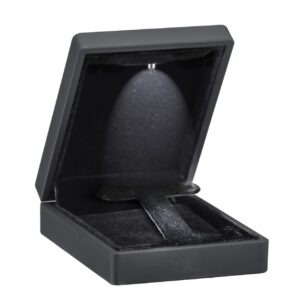
Embedded LED strips and light modules illuminate display cases and luxury watch boxes for dramatic product showcase. Battery-powered systems activate on opening, creating memorable unboxing moments that enhance perceived value.
Foldable Mechanisms
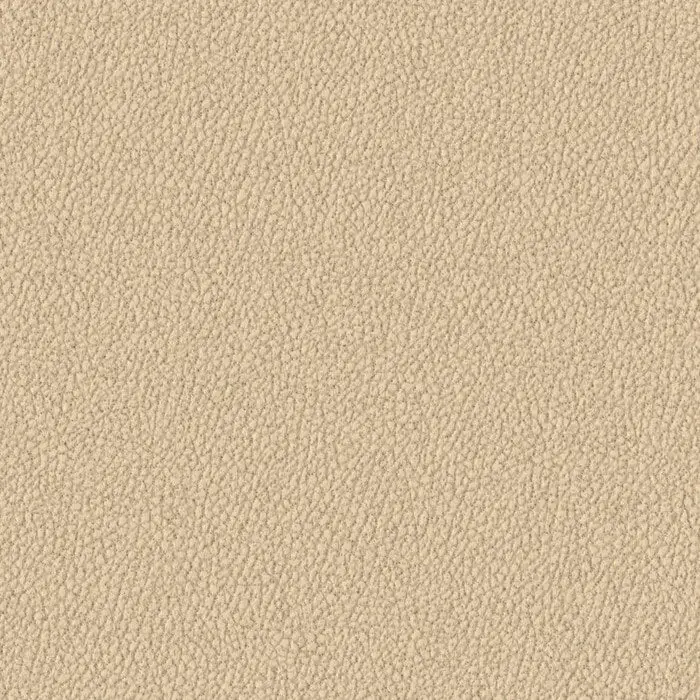
Custom-engineered folding inserts and collapsible display stands maximize space efficiency for vendors and retailers. Robust construction ensures repeated fold cycles while maintaining structural integrity and professional appearance.
Premium Hardware & Accents for Jewelry Displays for Vendors
Snap Buttons
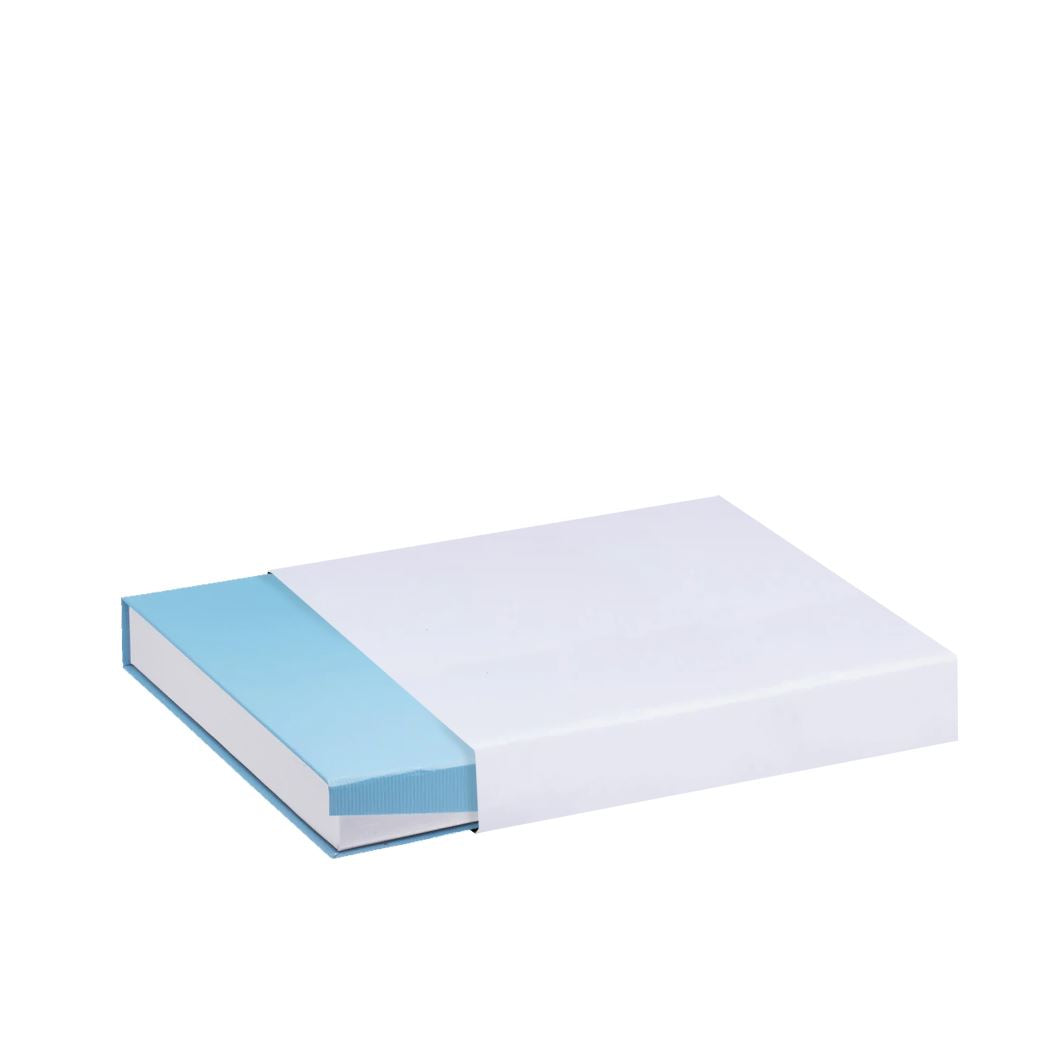
Durable magnetic or snap fasteners for pouches and boxes. Quick-close design ensures secure closure while adding premium tactile experience. Ideal for repeat opening without wear.

Silk Ribbons & Drawcords
Elegant silk, satin, or cotton drawcords and ribbon closures add luxury appeal and practical functionality. Perfect for pouches and gift boxes, enabling easy opening while protecting contents.
Woven Labels
Custom woven labels with your brand logo and text reinforce brand identity on every piece. Available in various materials and finishes for seamless integration into your packaging design.
Custom Tissue Paper
Premium tissue paper with branded prints or solid colors elevates unboxing experience. Creates professional presentation layer and adds cushioning protection for delicate jewelry items inside.

Branded Hang Tags
Customizable hang tags communicate product details, pricing, and brand story directly to customers. Cards, kraft tags, or luxury materials available with full-color printing and specialty finishes.

Foam & EVA Inserts
Custom-cut foam and EVA inserts protect jewelry during transit and display. Shaped compartments hold items securely while providing professional presentation and organized unboxing experience.
About On The Way: Jewelry Displays for Vendors
Founded in 2007, On The Way was born from a singular vision: to elevate jewelry packaging into an art form. Led by founder and CEO Joyce Linkwin, we believe that exquisite packaging isn’t just protection—it’s your brand’s first impression. From humble beginnings to serving luxury brands worldwide, our mission drives everything: quality defines survival.
Today, we operate a 1,200 m² factory with 220+ skilled staff, completing 6,500+ custom projects and serving 300+ luxury and independent jewelry brands across North America, Europe, and Southeast Asia. Our factory-direct model means direct access to production lines—no middleman markups, just honest pricing and rapid turnaround for low MOQ orders from emerging designers to established luxury houses.
What sets us apart? Uncompromising quality control at every stage, FSC-certified and recycled eco-materials, dedicated account managers, and a commitment to on-time delivery. Every project—from sampling through mass production—receives our multi-stage QC inspection and 17+ years of manufacturing expertise. We don’t just produce displays; we partner with brands to build packaging that tells their story.
How We Deliver Premium Jewelry Displays for Vendors
Unlimited Custom Design Flexibility
We design displays without limits. From initial concept through final production, our expert team collaborates directly with your vision, offering complete customization for your unique brand identity, aesthetic requirements, and customer experience preferences.
- Zero design limits or restrictions
- Collaborative concept-to-production process
- Flexible sizing and specification changes
- Compatible with any brand aesthetic

100% Multi-Stage Quality Control
Every display undergoes rigorous inspection at multiple production stages. Our professional multi-stage QC team conducts comprehensive final inspections on every single unit, ensuring flawless quality and durability before shipment to your customers and end-users.
- Multi-stage inspection protocols
- 100% final unit inspection
- Professional QC team oversight
- Zero-defect commitment

Sustainable Materials & Practices
We prioritize environmental responsibility with every display we create. All our jewelry displays utilize FSC-certified paper, recycled materials, and reusable components, supporting your brand’s sustainability goals and meeting the expectations of eco-conscious customers worldwide.
- FSC-certified eco-friendly paper
- Recycled and recyclable materials
- Reusable display components
- Zero-waste manufacturing processes

Dedicated Account Managers
Your success is our priority and primary commitment. Each client receives a dedicated account manager, personalized support throughout production, responsive communication, and guaranteed on-time delivery of your custom jewelry display orders without exception.
- Assigned account manager per client
- Personalized production support
- On-time delivery guarantee
- Responsive communication throughout
Jewelry Displays for Vendors — On The Way vs. Traditional Suppliers
See why 300+ jewelry brands worldwide choose us for custom displays, premium materials, and unbeatable factory-direct pricing.
← Swipe left or right to view →
How We Produce Jewelry Displays for Vendors
Every jewelry display for vendors goes through rigorous design, sourcing, production, and quality controls—delivered on time, every time.
Design Consultation & Approval
We meet with your team to understand your jewelry display requirements, brand vision, materials preferences, and complete specifications to create accurate sampling.
Premium Material Sourcing
We source FSC-certified, recycled, and premium materials—velvets, microfibers, rigid substrates—and create custom tooling to match your exact jewelry display specifications.
Production & In-Process QC
Full-scale manufacturing begins with multi-stage quality checkpoints embedded throughout. Our QC team inspects materials, work-in-progress, and assembly to guarantee premium results.
Final Inspection & Packing
100% final quality inspection ensures every jewelry display meets our standards. We pack securely with your branding and prepare for immediate shipment.
On-Time Shipment & Support
Fast fulfillment with complete tracking. Your dedicated account manager coordinates logistics, confirms delivery, and remains available for any future custom jewelry display reorders.
How to Order Custom Jewelry Displays for Vendors
From concept to delivery in 5 transparent steps, with dedicated support at every stage of the way.
Submit Your Brand Specifications
Upload your tech pack, brand guidelines, and design requirements. Our team reviews your specs and discusses customization options with you within 24 hours.
Request Your Quotation & Samples
Provide quantity and timeline. We’ll generate a competitive factory-direct quote and send you sample kits showcasing our material and finish options for your approval.
Approve Samples & Lock Design
Review samples with your team. Make any refinements needed. Once approved, we finalize your design specifications and production timeline with dedicated account support.
Track Your Production & Inspection
We manufacture your jewelry displays with multi-stage quality control. Real-time progress updates keep you informed; samples at key stages ensure standards match your expectations.
Receive Finished & Packaged Order
Completed jewelry displays are inspected, packaged, and shipped with tracking. We handle logistics and documentation so your order arrives on schedule and in perfect condition.
Quality Certifications for Jewelry Displays for Vendors
Why 300+ Brands Trust Our Jewelry Displays for Vendors
Our jewelry displays from On The Way completely transformed customer perception. The premium presentation increased perceived value by 35% within our first quarter. The investment paid for itself immediately.
We reduced per-unit packaging costs by 22% switching to On The Way’s jewelry displays for vendors. Factory-direct pricing with quality we trust has been a game-changer for our margins.
On The Way delivered custom display samples in 7 days—the fastest turnaround we’ve experienced. From initial quote to full production took just 3 weeks. Their speed and quality are industry-leading.
Common Questions About Jewelry Displays for Vendors
Expert answers to procurement, customization, and logistics questions from jewelry brands worldwide.
What is the MOQ for jewelry displays for vendors?
How long does it take to produce custom jewelry displays for vendors?
What does sampling cost for jewelry displays for vendors?
What payment terms and options do you offer?
Do you offer DDP shipping and international delivery options?
How do you protect our designs and intellectual property?
What is your design revision policy for jewelry displays for vendors?
Can you produce custom branded packaging with our logo and colors?
The Complete Buyer’s Guide to Jewelry Displays for Vendors
Learn what makes quality jewelry displays for vendors work, compare material options and customization techniques, discover criteria for selecting the right manufacturer, and avoid costly buyer mistakes when sourcing displays for your brand.
1. What are Jewelry Displays for Vendors?
Velvet, satin, microfiber, and linen have become standard pouch materials for branded jewelry displays, replacing basic plastic sleeves across luxury retail and independent designer channels. Jewelry displays for vendors encompass custom-engineered solutions: rigid boxes with magnetic closures or LED components, branded pouches, point-of-sale display trays and busts, and premium unboxing sets combining tissue and branded paper bags. These solutions serve a unified purpose — protecting products while creating memorable brand touchpoints.nnFour core functions distinguish jewelry displays for vendors from commodity packaging: physical protection against damage and tarnishing; brand storytelling through material, finish, and custom print selection; customer experience enhancement via unboxing ritual and tactile premium materials; and retail shelf differentiation in competitive jewelry categories. For independent designers and luxury retailers, these functions drive perceived product value, customer loyalty, and direct purchase decisions.nnEnd-to-end retail and e-commerce touchpoints drive distinct applications: branded rigid gift boxes with magnetic or LED closures for retail presentation and premium unboxing; custom velvet pouches with logo embroidery for branded jewelry storage and repeat gifting; point-of-sale display trays and busts for window and case merchandising; and coordinated branded paper bags for online shipment and return presentations. This integrated display strategy communicates brand professionalism and builds customer confidence across all channels.
2. Evolution and Market Trends in Jewelry Packaging
Over the past 15 years, jewelry packaging has shifted from pure logistics—protective cardboard and poly bags—to a critical brand asset. The luxury segment now expects unboxing experiences that echo the product’s value: magnetic-closure boxes, velvet pouches, and curated tissue presentations became baseline expectations by 2020.nnE-commerce has accelerated this transformation, with direct-to-consumer channels making the unboxing moment a primary brand touchpoint. Competitors increasingly differentiate through tactile experience—weighted boxes, microfiber interiors, embossed logos—because digital listings cannot convey the emotional resonance of holding premium packaging.nnSustainability demand has reshaped material sourcing fundamentally. OEKO-TEX, FSC-certified papers, and recycled microfiber are now standard across luxury brand portfolios, driven by both consumer preferences and regulatory pressure in key markets. Minimalist design—matte finishes, reduced ink, single-color embossing—paradoxically elevates perceived luxury through aesthetic restraint.nnPersonalization trends—monograms, bespoke colorways, hand-written insert cards—now drive repeat purchases and social sharing. Modern vendors understand that success requires premium jewelry displays for vendors; investment in custom, tactile solutions is essential for competing in the luxury market. Unboxing experiences that prioritize tactile quality and brand coherence demonstrably increase customer lifetime value and word-of-mouth referrals.
3. Types of Jewelry Displays for Vendors
Jewelry displays fall into four categories: rigid boxes, soft pouches, retail cases, and form-fitted displays. Each serves distinct product types, customer segments, and price points. Selecting the right format requires aligning packaging protection, brand perception, and distribution strategy with your target market.
Rigid Boxes & Folding Cartons

Rigid boxes serve premium brands and engagement rings, using 1.5–2.5 mm chipboard with magnetic closures (300–400 GSM). Folding cartons suit budget retailers. MOQ: 500–2,000 units; lead time: 30–45 days; cost: $1.50–$4.00 (rigid) or $0.25–$0.80 (folding) per unit.
Soft Pouches & Drawstring Bags

Velvet, satin, microfiber, and cotton pouches serve mass-market jewelry and independent designers. Materials range from polyester microfiber to dense velvet (400+ GSM). MOQ: 300–500 units; lead time: 25–35 days; cost: $0.35–$1.20 per unit.
Ring Cases & Earring Cards

Ring cases use rigid cardboard inserts with EVA foam for point-of-sale retail. Earring cards are 350–400 GSM printed stock with die-cut windows. Ring cases: MOQ 1,000+, $0.15–$0.50 each; earring cards: MOQ 2,000+, $0.08–$0.25 each. Lead time: 20–30 days.
Busts, Stands & Trays

Necklace busts (thermoplastic resin or velvet-wrapped foam, $2.00–$8.00) and bracelet stands (plastic or wood, $1.50–$5.00) display multiple pieces for retail. Ring trays use plastic or velvet-lined wood ($0.50–$3.00). MOQ: 100–500 units; lead time: 35–50 days.
4. Materials and Construction for Jewelry Displays for Vendors
Material selection fundamentally shapes both customer perception and your supply chain. The choice between cardboard, rigid board, textiles, and plastics determines durability, cost, sustainability credentials, and manufacturing timeline—each positioning your jewelry displays for vendors differently in the market.
Coated Cardboard and Folding Boxes
Coated cardboard (350–450 GSM) is the budget-to-mid-market standard for flat-fold boxes. Costs $0.15–$0.35 per unit at scale, with 5–7 day turnaround.nnFSC/PEFC certified stock and full recyclability support eco-positioning. Professional finishes—embossing, foil, coatings—elevate mid-market perception, though edge crush limits stacking to ~2–3 kg.
Rigid Chipboard and Luxury-Grade Gray Board
Rigid chipboard (2–3 mm) and gray board deliver premium durability through repeated opening, stacking, and 5+ year storage. Costs $0.45–$1.20 per unit; MOQ 500+.nnLead time extends 10–14 days for finishing. Recycled content and 95%+ recyclability meet luxury-brand ESG expectations. Rigid structure and finish signal quality to consumers.
Textiles—Velvet, Satin, and Eco-Linen
Velvet, satin, and linen define the ultra-premium segment. Costs $0.50–$2.50 per pouch; MOQ 100 units.nnVelvet and microfiber retain tactile appeal 5+ years; natural linen offers OEKO-TEX certification. Custom dyes add 10–15% to lead time but unlock brand identity. Textile tactile experience justifies luxury positioning.
Specialty Plastics for Transparency and Function
Acrylic, PET, and PETG serve mid-range applications—display risers, busts, cases—at $0.20–$0.60 per unit, MOQ 250+.nnAcrylic’s UV sensitivity limits outdoor durability; PET is more eco-credible. Transparency showcases product but can signal lower value without careful design. Plastics face sustainability perception drag despite recyclability.
5. Customization and Branding Options
Six core decoration techniques—hot foiling, embossing, screen printing, digital printing, UV coating, and custom die-cutting—transform jewelry packaging into brand storytelling. Selecting finishes that balance visual impact, production timelines, and budget constraints ensures displays reinforce brand identity without eroding margins.
| Technique | Visual Impact | MOQ | Cost per Unit | Lead Time |
|---|---|---|---|---|
| Hot Foiling | Metallic sheen & luxury | 500–1000 | $0.20–0.50 | 3–4 weeks |
| Embossing | Raised tactile logo | 500–1000 | $0.15–0.40 | 3–4 weeks |
| UV Coating | Gloss/matte finish | 500–1000 | $0.10–0.30 | 2–3 weeks |
| Screen Printing | Bold color, cost-efficient | 1000+ | $0.08–0.20 | 2–3 weeks |
| Digital Printing | Full-color flexibility | 100+ | $0.25–0.60 | 1–2 weeks |
| Custom Die-Cut | Structural differentiation | 500–2000 | $0.15–0.40 | 5–7 weeks |
Premium Surface Finishes
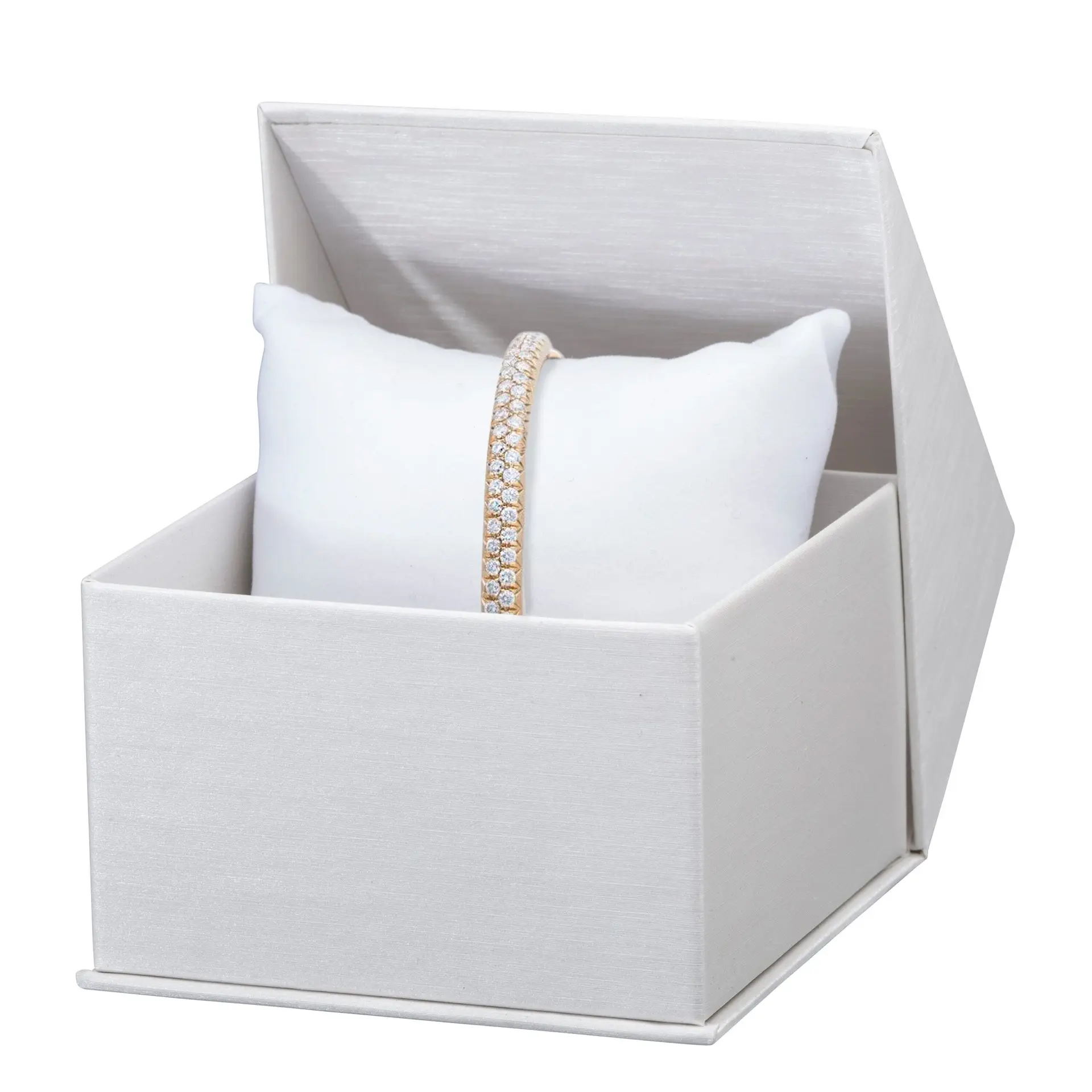
Hot foiling, embossing, and UV coating create luxury tactile impressions on rigid and flexible packaging. Typical MOQ: 500–1000 units; costs $0.15–0.50 per application; lead time 3–4 weeks.nnUV coating adds durability with gloss or matte finishes at lower cost ($0.10–0.30).
Printing Methods

Screen printing reaches cost efficiency at 1000+ units ($0.08–0.20 per print) with 2–3 week turnaround. Digital printing offers low MOQ (100 units minimum) at $0.25–0.60 per print and 1–2 week lead times.nnScreen optimizes high-volume orders; digital suits brand testing and limited-edition releases.
Custom Die-Cutting & Details

Bespoke die-cuts add structural differentiation through window cutouts, shaped flaps, and custom compartments. Typical MOQ 500–2000 units; 5–7 week lead time including die tooling.nnEdge finishes (gold foiling, beveling, embossed edges) enhance perceived luxury at minimal cost premium ($0.10–0.20 per unit).
Interior Personalization Elements
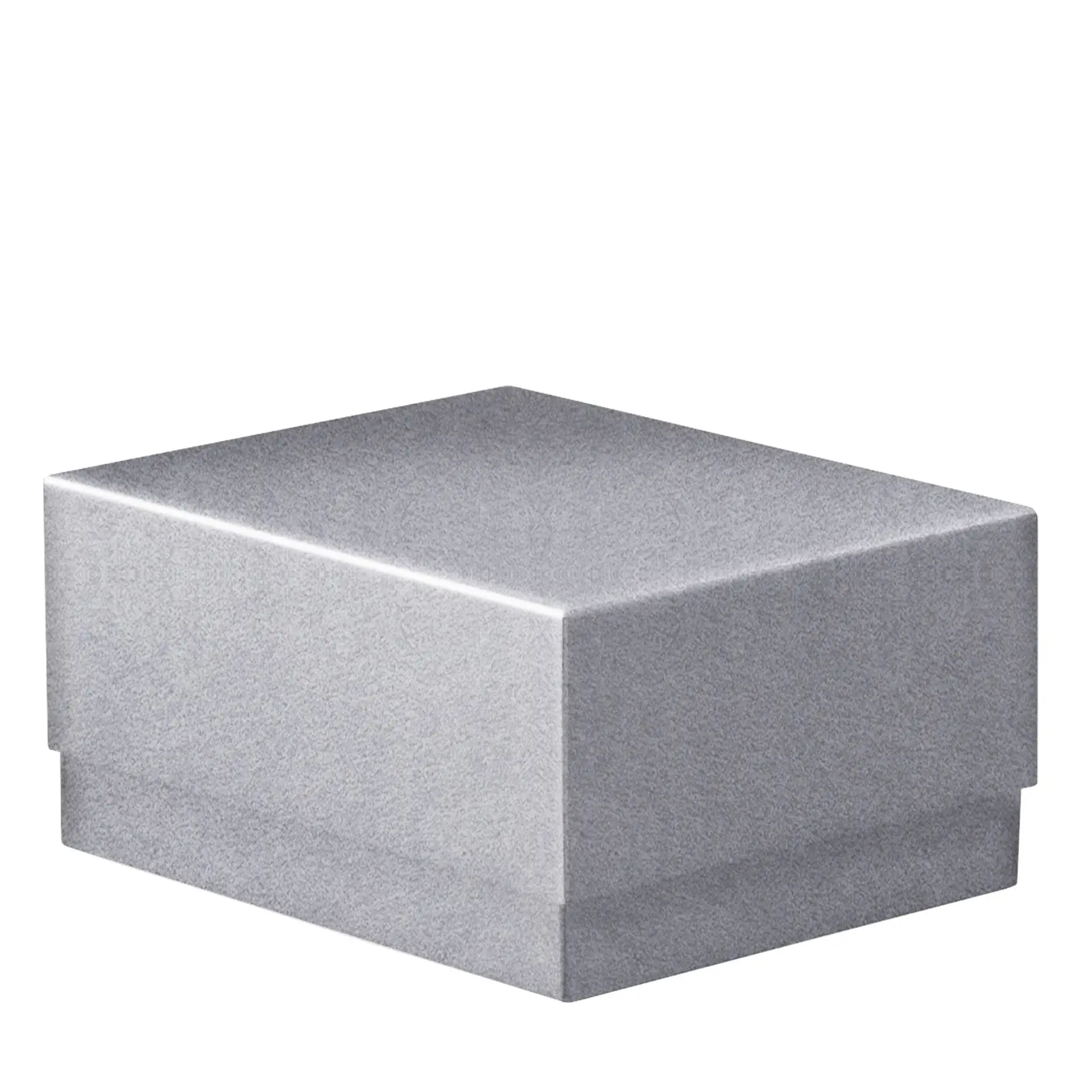
Tissue wraps, ribbon pulls, and custom inserts elevate unboxing experience at low cost ($0.05–0.15 per unit) with 2-week lead times. Interior customization drives repeat purchases and social sharing without substantial budget impact.nnCombine interior elements with base finishes (embossing) to create layered luxury perception cost-effectively.
6. Quality Standards and Construction Excellence
Premium jewelry displays demand rigorous quality standards to protect brand value during transit and retail display. Key differentiators include closure durability, corner rigidity, hinge strength, and insert precision. Reputable manufacturers employ multi-stage QC and certifications to ensure consistent excellence.
Closure and Hinge Durability

Magnetic closures must withstand 5,000–10,000 open-close cycles without degradation. Test protocols verify magnet strength (measured in Gauss) and plate retention after thermal cycling.nnHinge quality directly impacts perceived value—reinforced hinges in rigid boxes should rotate smoothly through 180+ degrees without stress marks or separation.
Corner Rigidity and Material Consistency
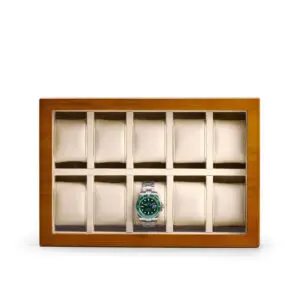
Rigid box corners require reinforced construction to prevent collapse during handling. Standard testing involves corner-drop tests from 1.2–1.5 meters and edge compression to verify cardboard caliper (GSM ranges 1,500–2,500 for premium boxes).nnFinish consistency—embossing depth, foil coverage, spot-lacquer precision—separates luxury packaging from mediocre alternatives.
Sustainable Materials and Compliance
FSC certification verifies sustainable sourcing; OEKO-TEX Level 1 (for contact materials like velvet linings) confirms chemical safety. BSCI and WRAP audits ensure ethical labor practices.nnRequest CoC (Chain of Custody) documents for recycled content. Thermal stability testing confirms materials withstand storage temperature swings (-10°C to +50°C) without degradation.
Your Quality Checklist
Empower your sourcing process with concrete inspection protocols. These checkpoints verify that pre-production and ongoing production samples meet your brand’s exacting standards.
- Inspect pre-production samples for color match (Pantone specs), weight (±5% tolerance), and dimensional accuracy (±2mm)
- Verify seam strength, insert alignment, and hardware finish on 100% of pre-production units
- Request salt-spray testing (24h) for closures and hardware to simulate coastal shipping
- Verify tactile weight consistency (±3–5%) and material feel against pre-approved samples
- Establish multi-stage QC gates: sampling at 0%, 30%, 70%, 100% production milestones
7. How to Choose a Jewelry Display Manufacturer
Manufacturer selection shapes your timeline, cost structure, and brand story. Evaluate partners systematically across factory standards, sample quality, order flexibility, sustainability alignment, and pricing to identify a supplier who delivers consistent excellence and scales with your growth.
Verify Manufacturing Standards
Request certifications (ISO 9001, WRAP, FSC, OEKO-TEX). Site visits or audits assess infrastructure, staff training, and QC rigor.nnDirect dialogue with facility managers reveals their commitment to consistency and responsiveness to custom requests. Set baseline expectations early.
Assess Sample Quality
Request pre-production samples and evaluate color, finish, and structural integrity against your standards. Examine seams, edges, and hardware closely.nnSample execution directly predicts full-scale run quality; budget time for adjustments before committing to production volumes.
Compare MOQ and Lead Times
Most vendors require 500–2,000 units minimum for custom work; standard lead times range 35–50 days. Rush options typically add 15–30% premium.nnConfirm tooling costs, die handling, and setup fees. Ask whether the vendor supports staged orders or low-MOQ pilots for testing new designs before scaling.
Verify Sustainability Alignment
Confirm the vendor uses FSC-certified or recycled materials matching your specs. Request material safety data sheets and inquire about waste reduction protocols.nnTransparent sourcing strengthens your brand’s sustainability narrative. Align vendor eco-practices with your market positioning early in the partnership.
Benchmark and Score Your Vendors
Create a weighted scoring matrix that ranks vendors against multiple dimensions. Factor your business priorities to identify which partner aligns best with your brand standards and timeline.
- Manufacturing certifications (ISO 9001, WRAP, FSC, OEKO-TEX)
- Sample turnaround time and quality consistency
- MOQ flexibility and minimum order thresholds
- Lead times, rush options, and technical capabilities
- Sustainability alignment and material sourcing
- Pricing per unit benchmarked against 3+ suppliers
- Communication responsiveness and account management
8. Common Mistakes When Sourcing Jewelry Displays for Vendors
Rushing specifications, skipping samples, and underestimating durability trap many brands sourcing jewelry displays for vendors. Strategic planning, staged sampling, and clear material specs prevent costly production errors and brand damage.
Undersized Boxes and Incompatible Closures
Many brands order display boxes without verifying internal dimensions. Velvet-lined inserts reduce usable space by 20 percent; standard magnetic closures fail above 200–300g within 100 open-close cycles. Always spec and sample exact dimensions and closure rating before mass production.
Non-Durable Inserts and Material Degradation
Cheap polyester inserts pill after 30–50 cycles; velvet and microfiber perform better. Latex backing fails in humid climates (60%+ RH), causing staining and stiffness. Specify insert material and environment rating; virgin microfiber or FSC-certified kraft sustain 12+ months of retail use.
Skipping Color and Finish Proofs
Relying on digital renderings and single proofs misses metallic finish, embossing depth, and foil variations. Pantone matching requires 2–3 physical samples across materials. A second production-run proof confirms tooling depth and ink coverage meet brand specs before committing the full MOQ.
Insufficient Sampling and Rushing MOQ
Rushing to 5,000-unit MOQs after one sample introduces unacceptable risk. A staged plan—500-unit pilot, inspection, 2,500-unit phase-two—lets vendors adjust tooling before full production. Low-MOQ suppliers (typically 500–1,000 units) enable phased sourcing; skipping 2+ sample rounds often results in 20–40 percent production scrap.
Overlooking Sustainability and Climate Factors
Unvetted ‘eco-friendly’ materials often underperform. FSC-certified cardboard and OEKO-TEX-verified microfiber are verifiable; untested ‘biodegradable’ latex yellows in humid storage (60%+ RH, 25°C+). Always request material certificates on samples before committing MOQ. Climate-controlled shipping preserves finish in tropical markets.
Shipping Damage and Contingency Planning
Water damage and box compression are top vendor complaints. Unprotected shipments suffer 5–15 percent moisture ingress; double-wall boxes, desiccant packets, and moisture barriers cut loss to <2 percent. Specify packaging specs and shipping route; negotiate 5–10 percent contingency overage for replacements in the MOQ.
9. Steps to Launch Your Branded Jewelry Display
Success requires clear communication and realistic timelines. Branded jewelry display projects span 8–16 weeks through five phases: specification, sampling, proofing, production, and launch.
Define Specifications and Materials
Your brief must name dimensions, materials, finishes, and brand guidelines. Submit technical drawings (CAD or detailed specs) to accelerate definition by 1–2 weeks.nnClear specifications lock in 3–5 days with synchronous communication between your design and our engineering teams.
- Exact dimensions and weight tolerances
- Material choice (velvet, magnetic, LED)
- Brand colors and logo files
Request and Approve Samples
First samples arrive in 14–21 days. Expect 2–3 rounds: form validation, finish adjustments, final approval before tooling commits.nnDelayed feedback from your internal teams is the top cause of schedule slips. Budget 3–5 days per review cycle.
- First sample: form and construction
- Second sample: color and texture
- Final sample: production-run match
Color and Artwork Proofing
Proofing delays are the leading timeline killer. Pantone matching takes 5–7 days; artwork and screen setup add 3–5 days. Submit materials upfront to avoid multiple revision cycles.
- High-resolution artwork (300 dpi minimum)
- Pantone swatches or physical fabric samples
- Approve digital proof before production
Production Trial and Quality Control
A 3–5 day trial validates cutting, stitching, printing, assembly, and inspection. Fixes here cost far less than discovering defects at shipment. Multi-stage QC inspects materials, dimensions, print, stitching, and packaging per OEKO-TEX standards.
- Trial produces 10–20% of MOQ volume
- Formal factory QC inspection report issued
- Written production authorization required
Launch Timeline and Shipping
Full production at typical MOQ (500–5,000 units depending on design) takes 15–25 days. Add 5–7 days for packing, labeling, and international shipment.nnTotal end-to-end timeline: 8–16 weeks from spec lock to your warehouse. Build buffer time for proofing adjustments.
- Confirm shipping address and incoterms
- Track packing and departure
- Verify arrival and inventory
10. Pricing and Cost Structure for Jewelry Displays
Custom jewelry displays for vendors require upfront tooling costs—dies, embossing plates, trim templates—typically $300–$800. These amortize from $0.60 per unit at 500-unit MOQ to under $0.05 at 10,000 units. Understanding this allocation helps you budget accurately and compare vendor quotes fairly.nnPer-unit material costs scale sharply by volume: velvet pouches drop from $1.80–$2.40 (500 units) to $0.95–$1.30 (10,000 units). Decoration premiums for foil, embroidery, or screen printing add $0.25–$0.75 per piece. Expedited lead times cost 15–25% extra.nnMost quotes omit freight, customs, and duties—critical to budget. Ocean freight from China runs $0.08–$0.12 per unit on 10,000+ orders; air freight for samples, $0.30–$0.60. Always confirm whether quoted unit price covers sampling, inspection, and packaging for resale.
| Quantity Tier | Unit Price Range | Setup Cost Allocation | Lead Time | Typically Includes |
|---|---|---|---|---|
| 500 units | $2.50–$3.80 | $0.60 | 6–8 weeks | Basic packaging, single color imprint |
| 1,000 units | $1.90–$2.80 | $0.30–$0.40 | 6–8 weeks | Upgraded materials, 2-color print |
| 5,000 units | $1.20–$1.95 | $0.15–$0.20 | 5–7 weeks | Foil or embroidery, bulk discount |
| 10,000+ units | $0.85–$1.40 | <$0.05 | 4–6 weeks | Full customization, free sampling |
Start Your Custom Jewelry Displays for Vendors Today
Factory-direct pricing, 7-day samples, and zero-friction ordering. Premium jewelry displays for vendors, from sampling to scale.