
Custom Bracelet Box Cardboard Packaging for Global Jewelry Brands
Get premium bracelet box cardboard solutions from a factory-direct manufacturer serving 300+ brands globally. Custom design, low MOQ, and competitive pricing—backed by 17+ years of expertise.
Featured Bracelet Box Cardboard Solutions & Jewelry Packaging
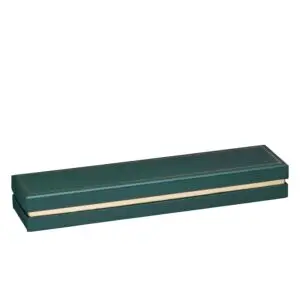



Our Jewelry Packaging Design Gallery


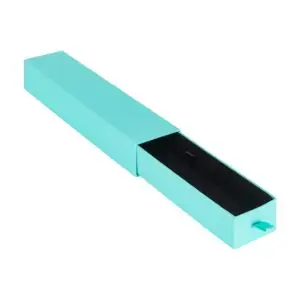
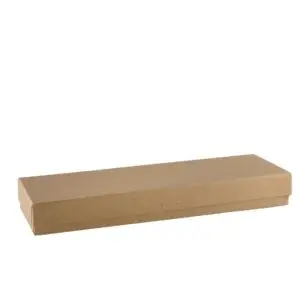


Why Our Bracelet Box Cardboard Packaging Leads the Market
Discover why 300+ leading jewelry brands worldwide trust us for premium packaging solutions.
Factory-Direct Pricing
We own our 1,200 m² factory in Dongguan. No middlemen—you get the best pricing directly from our production line.
Low MOQ & Custom Flexibility
From startups to Fortune 500 brands, we accommodate orders from sample runs to mass production with full bracelet box cardboard customization.
Multi-Stage Quality Control
Every bracelet box cardboard item undergoes rigorous inspection across design, production, and finishing. We guarantee premium quality on every shipment.
FSC-Certified & Eco-Materials
FSC-certified paper, recycled content, and reusable materials ensure your jewelry packaging aligns with sustainability commitments. Premium and responsible.
17+ Years of Expertise
Since 2007, we’ve completed 6,500+ custom jewelry packaging projects for 300+ brands across 30+ countries. Proven excellence in every detail.
On-Time Global Delivery
Dedicated account managers track every order from sampling to final shipment. Reliable delivery to 30+ countries—consistently, on schedule.
Bracelet Box Cardboard & Custom Jewelry Packaging Types
Velvet & Satin Pouches
Independent jewelry designers need protective, branded pouches to elevate the unboxing experience, but custom orders at low minimums with fair pricing are rare in the market.
Our factory produces custom velvet, satin, and microfiber pouches starting at low 500-unit minimums with zero tooling fees, direct factory pricing, and guaranteed on-time delivery to your door.
Magnetic-Closure Gift Boxes
Boutique retailers and premium brands struggle to find bracelet box cardboard solutions with magnetic closures, LED lighting, and custom inserts that do not require astronomical minimum orders or long lead times.
We deliver luxury rigid bracelet box cardboard with magnetic closures, optional LED inserts, and custom branding in as little as 10 days—low MOQ, zero tooling, factory-direct pricing.
Display Trays & Busts
Jewelry showrooms need professional display solutions—tiered trays, velvet busts, watch cases—that organize inventory elegantly and keep merchandise visible, but sourcing multiple vendors creates logistical headaches.
Order custom display trays, busts, and watch cases from one factory partner. Coordinate materials, finishes, and branding across your entire showroom setup in one seamless production run.
Luxury Paper Bags
Growing jewelry brands want branded paper bags to reinforce identity at point-of-sale, but custom luxury options are typically expensive, require high minimums, and involve lengthy vendor negotiations.
Get factory-direct luxury paper bags branded with your logo, starting at just 500 units, with FSC-certified materials, zero setup fees, and eco-friendly options built in from the start.
Premium Materials for Custom Bracelet Box Cardboard Packaging
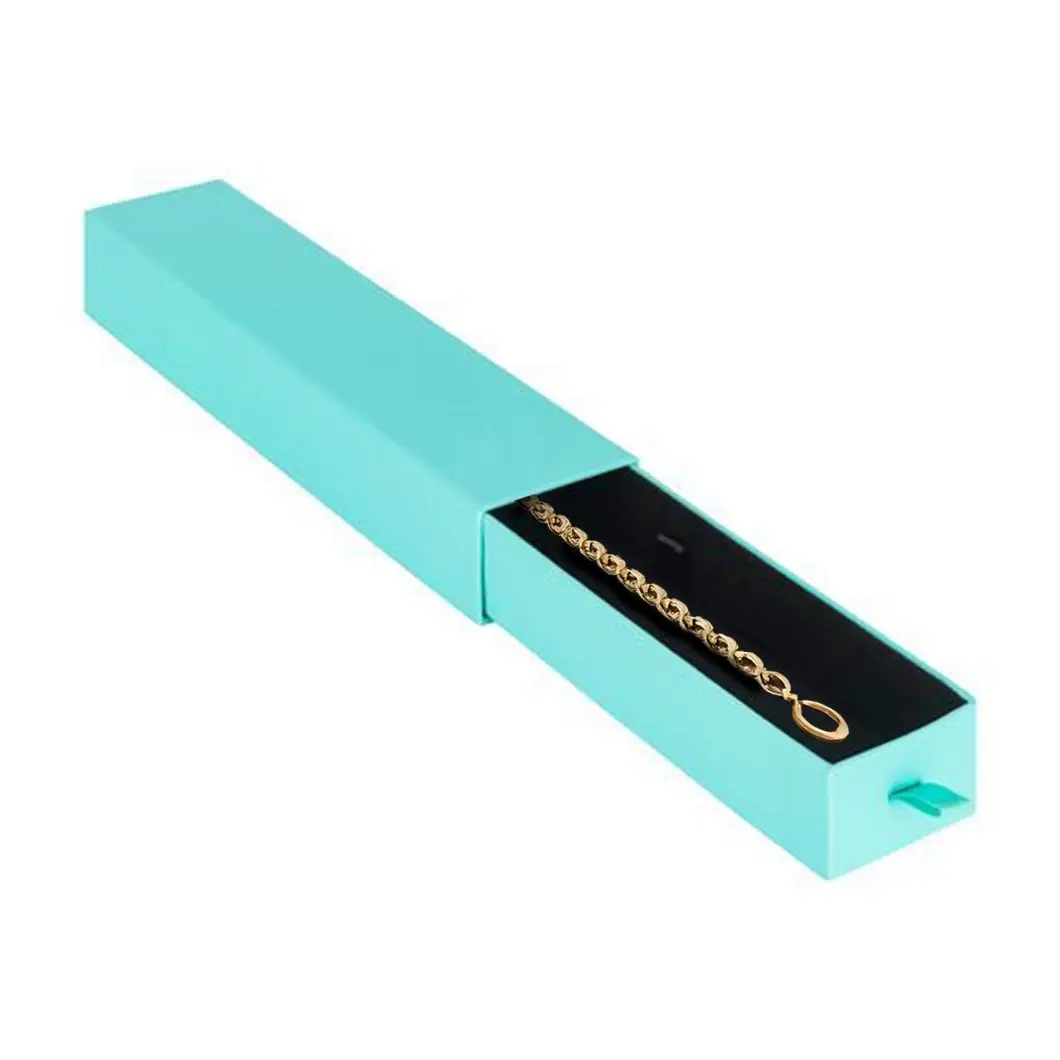
Velvet Pouch Material
Luxurious, soft hand-feel for premium jewelry brands. Velvet-lined bracelet box cardboard creates sophisticated unboxing moments. Available in 20+ colors, wrinkle-resistant treated, hypoallergenic, enhances perceived value.

Satin Lining
Smooth, lustrous finish; elegant alternative to velvet. Satin-lined bracelet box cardboard ideal for formal collections. Silky-smooth protective surface, excellent color retention through 100+ wash cycles, wrinkle-resistant.

Microfiber Fabric
Modern, ultra-soft yet highly durable; resists wear exceptionally. Microfiber-wrapped bracelet box cardboard perfect for high-volume retailers. Maintains premium appearance over time, hypoallergenic, superior grip, stain-resistant finish.

Cotton-Linen Blend
Natural, eco-conscious fibers with breathable, artisanal aesthetic. Cotton-linen pouches complement bracelet box cardboard solutions for sustainable luxury brands. FSC-certified thread, biodegradable, zero-plastic construction, environmentally responsible.

FSC-Certified Cardboard
Sustainably sourced rigid board ensuring structural integrity and environmental stewardship. Bracelet box cardboard manufactured from responsibly managed forests, 100% recyclable, supports FSC/PEFC certifications. Available in white, kraft, specialty finishes.
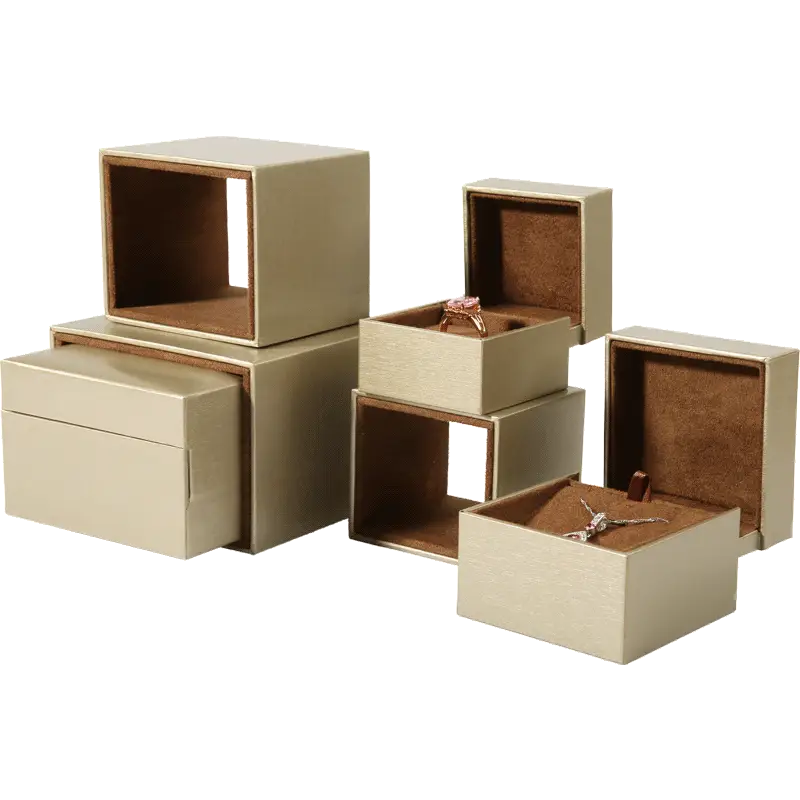
Recycled Eco-Paper
Premium recycled content supporting circular economy without compromising aesthetics. Bracelet box cardboard printed on 80%+ post-consumer waste paper with water-based inks. Biodegradable, carbon-neutral certified, compostable.
Bracelet Box Cardboard Production Techniques & Finishing Processes

Embossing
Creates tactile raised patterns on bracelet box cardboard surfaces, adding premium dimensionality and brand recognition. Requires precise pressure calibration for consistent output across high-volume production runs.

Foil Stamping
Applies metallic or holographic foil to bracelet box cardboard using heat and pressure. Delivers luxurious, eye-catching finishes that enhance brand prestige and jewelry packaging premium positioning.

UV Printing
High-resolution digital printing cured by ultraviolet light for vibrant, photorealistic imagery on bracelet box cardboard. Offers full-color customization, spot gloss effects, and instant adhesion without ink bleed.

Magnetic Closure Installation
Precision automated installation of magnetic closures into bracelet box cardboard structures. Delivers premium unboxing experience with secure, silent retention. Scalable from small batches to mass production.
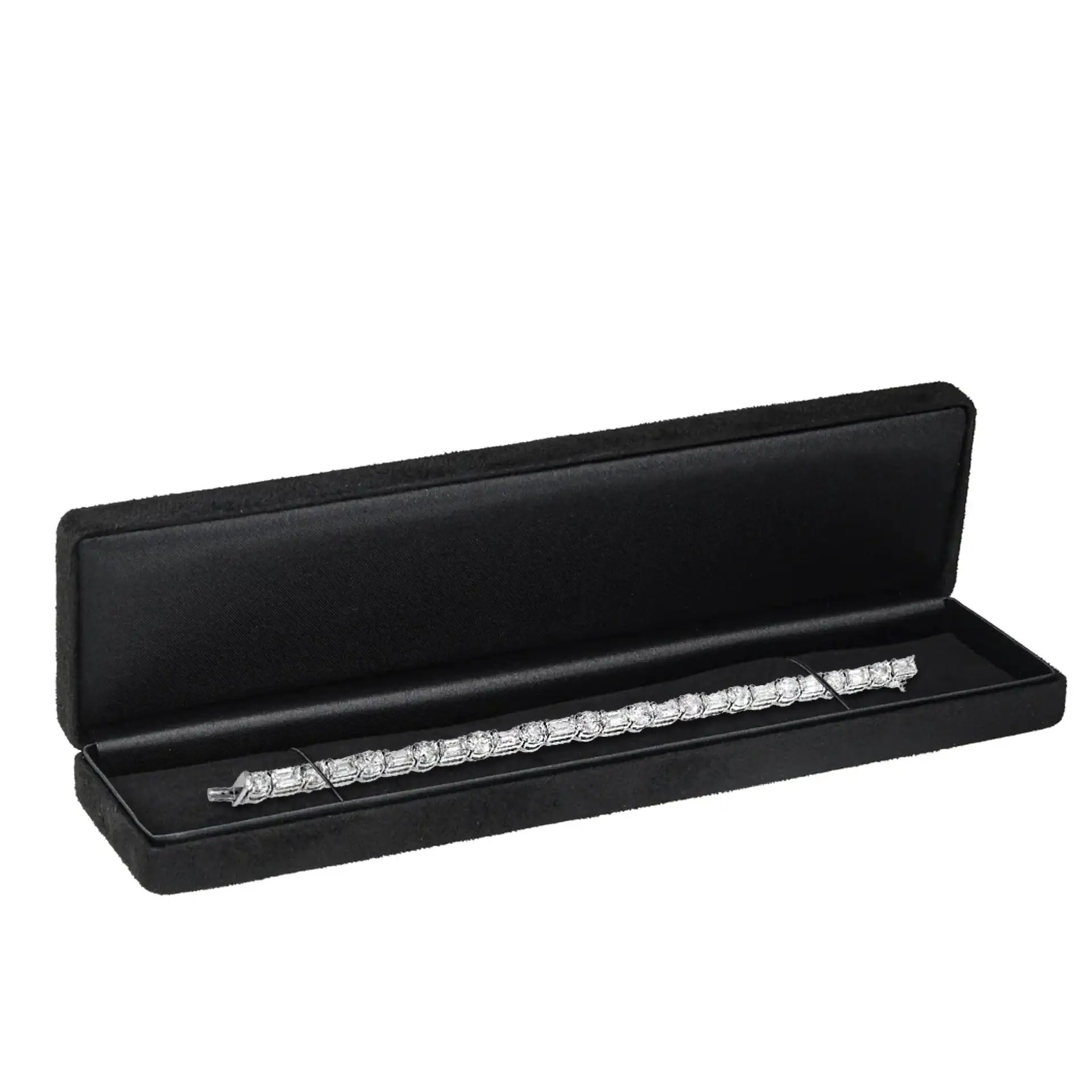
Fabric Lamination
Bonds premium fabrics—velvet, linen, microfiber—to bracelet box cardboard substrates. Creates sophisticated, tactile luxury finishes that enhance perceived value and brand differentiation for jewelry packaging.

Hot-Stamp Branding
Transfers metallic or pigmented foils onto bracelet box cardboard using precise heat application. Produces crisp, durable brand marks and decorative elements with consistent color across production batches.
Enhance Your Bracelet Box Cardboard with Custom Add-Ons & Hardware

Magnetic Closures
For premium rigid boxes with secure, satisfying click-close functionality. Magnetic closures enhance perceived quality and provide a luxurious unboxing experience. Standard neodymium options with custom strength available.

Embossed & Printed Labels
Custom woven or printed labels featuring your brand logo and design. Applied to pouches, boxes, and bags for brand recognition. Options include embossed, full-color printing, and metallic finishes.

Premium Ribbons & Drawcords
Satin, grosgrain, or custom-woven ribbons add elegance to bracelet boxes and pouches. Enhance gift presentation and brand experience. Available in any Pantone color with custom branding options.

Tissue Wrap & Gift Wrap
Acid-free tissue paper and luxury gift wrapping options for complete bracelet box cardboard packaging solutions. Creates premium unboxing moments and protects delicate jewelry during storage and transport. FSC-certified eco-friendly materials available.
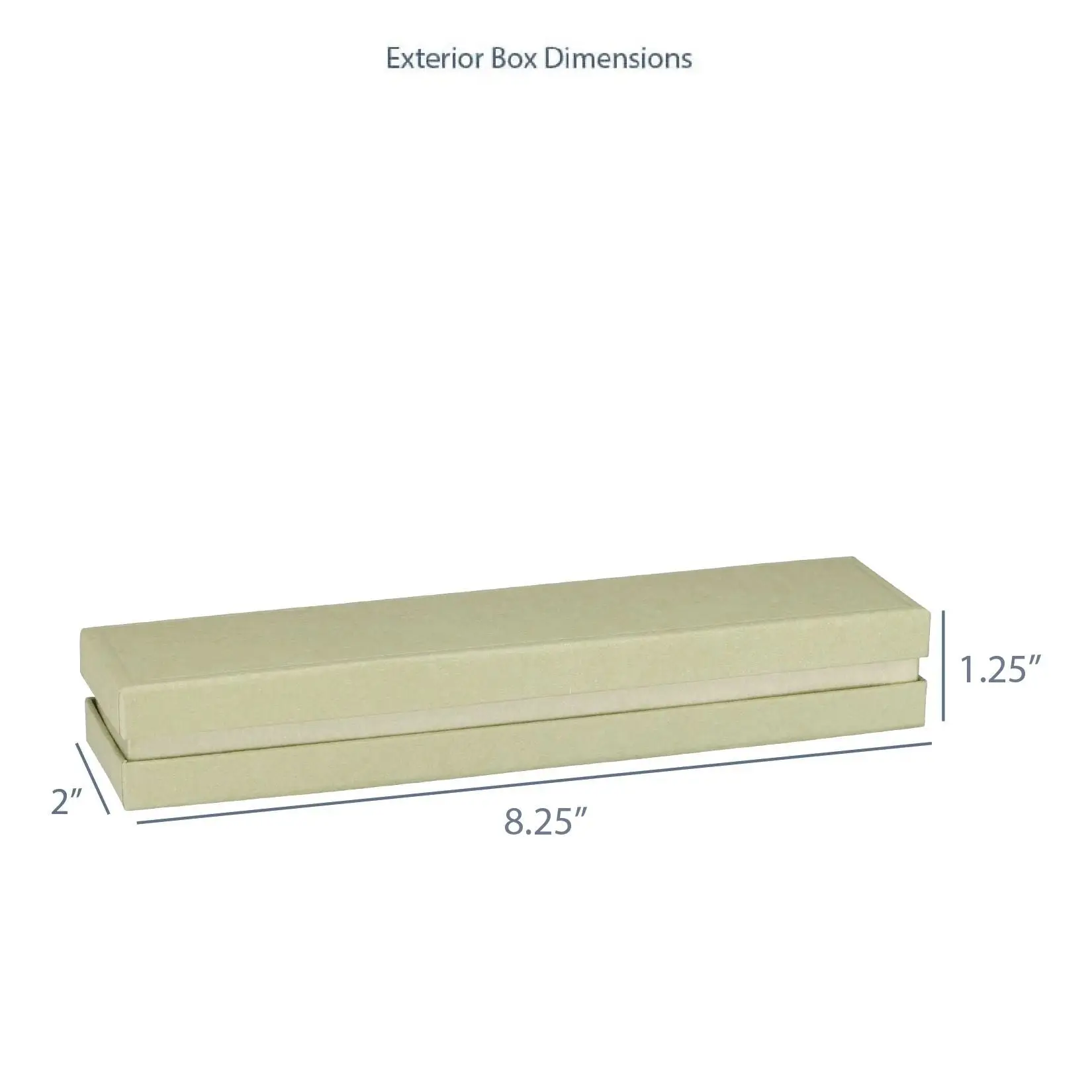

Branded Paper Bags
Custom luxury paper bags in kraft, white, or specialty finishes. Perfect retail packaging with your logo and brand story. Reinforced handles and eco-friendly material options.
Premium Bracelet Box Cardboard: 17 Years of Innovation
Founded in 2007, On The Way was built on a simple principle: quality defines survival. We pioneered custom bracelet box cardboard solutions when few manufacturers understood that packaging is a brand’s first impression. Today, we’ve refined that philosophy into every box, pouch, and branded paper bag we produce for jewelry brands worldwide.
Operating from our 1,200 m² factory in Dongguan, China, our team of 220+ specialists has completed over 6,500 custom projects for 300+ jewelry brands across 30+ countries. Whether you’re a startup designer launching your first collection or an established luxury retailer, we scale our production to match your needs—because low MOQ and custom flexibility are non-negotiable.
What sets us apart? Factory ownership means true direct pricing. Dedicated account managers own your project from sampling through mass production. Multi-stage QC catches every imperfection. And our commitment to FSC-certified, recyclable materials ensures your bracelet box cardboard reflects both luxury and sustainability. We don’t just manufacture packaging—we partner in your brand’s story.

Core Bracelet Box Cardboard Packaging Capabilities
Private Label & White-Label Solutions
Customize every element of your bracelet box cardboard with your brand identity. We manufacture fully branded packaging for startups to established jewelry brands, with flexible MOQ starting at 500 units and complete design control from concept to production.
- 100% custom branding and design
- Flexible MOQ (500+ units minimum)
- Scalable production from samples to mass orders
- Dedicated production line for your brand

Multi-Stage Quality Control & Inspection
Every bracelet box cardboard item undergoes rigorous multi-stage QC by our professional inspection team. From pre-production sampling through final shipment, we guarantee defect-free products that reflect your brand’s premium standards and market expectations.
- Pre-production prototyping and approval process
- Mid-run quality checks during manufacturing
- Final inspection before packing and shipment
- Optional third-party testing and certifications

FSC-Certified & Eco-Friendly Materials
Sustainable bracelet box cardboard solutions made from FSC-certified paper and recycled content options. We deliver eco-conscious packaging without compromising premium appearance or durability, meeting the environmental standards of luxury jewelry brands worldwide.
- FSC-certified cardboard and paper stock
- Recycled and reusable material options
- Biodegradable inks and water-based finishes
- Full transparency on material sourcing

Dedicated Account Managers & Delivery
A single account manager owns your bracelet box cardboard project from sampling through delivery, ensuring clear communication and consistent quality throughout production. Our 17+ years serving 300+ brands across 30+ countries demonstrates our reliable execution.
- Personal account manager for your brand
- Real-time project status and updates
- Rush-order and expedited delivery available
- 99%+ on-time delivery track record

Why On The Way Leads in Bracelet Box Cardboard
See the concrete differences that make us the factory partner 300+ jewelry brands trust.
← Swipe left or right to view →
Bracelet Box Cardboard Manufacturing Process
Discover how we manufacture premium jewelry packaging with rigorous quality control at every production stage.
Design Brief & Approval
We review your detailed specifications, create digital mockups, gather your feedback, and finalize designs together. Ensures your vision becomes packaged reality.
Material Sourcing & Planning
Sourcing premium FSC-certified papers and eco-friendly materials to your exact specifications. Planning detailed cutting patterns and optimized production sequences for maximum efficiency.
Cutting, Printing & Assembly
State-of-the-art machinery cuts custom shapes, prints your designs with precision, and assembles all components with care. Every step overseen by expert production teams.
Multi-Stage Quality Control
Every bracelet box cardboard piece inspects against color, finish, and construction standards at multiple checkpoints. Our QC team guarantees flawless output.
Packing & Labeling
Final jewelry boxes carefully packed with premium protective materials, labeled per your exact requirements, and organized for efficient shipment. Professional presentation throughout.
On-Time Global Shipping
We ship directly from our Dongguan factory to your location worldwide, on schedule, with full tracking and documentation. Reliable delivery guaranteed.
How to Order Custom Bracelet Box Cardboard Packaging
From inquiry to delivery in five clear steps. No surprises, no delays.
Submit Your Design and Requirements
Provide your tech pack, artwork, dimensions, and packaging specifications. Our team reviews everything and confirms materials, finishes, and production timeline immediately.
Receive Your Quote and Sample
Get a competitive, factory-direct quote within 48 hours. We’ll send a complimentary sample so you can approve quality before committing to bulk production.
Approve and Finalize Production
Sign off on the sample and specifications. Our account manager coordinates production start, timeline, and any final customizations or adjustments needed.
Track Manufacturing and Quality
Your bracelet box cardboard is produced in our facility with multi-stage QC. Every unit is inspected for defects, print quality, and durability.
Receive Your Custom Order
Your custom bracelet box cardboard ships on schedule with full tracking. Our team ensures on-time delivery and supports you post-delivery if needed.
Certifications for Premium Bracelet Box Cardboard Packaging


What Jewelry Brands Say About Our Bracelet Box Cardboard
The bracelet box cardboard quality exceeded our expectations. Our customers comment on the premium feel constantly. We’ve increased orders 40% year-over-year and our product return rate dropped to less than 1%.
We needed custom samples in 10 days for our holiday launch. On The Way delivered in 8 days. Their low MOQ meant we could test the market risk-free. We’re now in 12 boutiques across three states.
We’ve been ordering from On The Way for 4 years across three product lines. Their quality control is impeccable and they’ve never missed a deadline. We place orders worth $150k+ annually and plan to expand further.
Frequently Asked Questions About Custom Bracelet Box Cardboard
What are your MOQ minimums for bracelet box cardboard orders?
How long does it take to produce and ship bracelet box cardboard packaging?
Do you charge for samples of bracelet box cardboard?
What payment terms and deposit requirements do you offer?
How much does international shipping cost for bracelet box cardboard?
How do you protect my design and IP when I order custom bracelet box cardboard?
What material certifications do your jewelry boxes have?
How many design revision rounds are included before production?
Can you produce custom bracelet box cardboard in different colors, sizes, and materials?
The Complete Buyer’s Guide to bracelet box cardboard Packaging
Discover how to source premium bracelet box cardboard that elevates your brand. Learn the key quality metrics, material options, supplier evaluation criteria, and critical mistakes to avoid when selecting packaging partners for your jewelry business.
1. What Is Bracelet Box Cardboard?
Bracelet box cardboard represents a specialized category of rigid packaging engineered specifically for wrist jewelry—distinct from standard kraft or shipping board through its construction, wall thickness, and finish specifications. A typical bracelet box uses 2–3 mm cardboard core (compared to 1.5 mm in general retail boxes), offering superior crush resistance while maintaining an elegant hand-feel.
Most bracelet box cardboard construction employs a tri-ply laminated system: outer decorative paper (coated, 180–250 GSM), a rigid cardboard substrate, and an inner lining (often cotton, linen, or specialty paper). This layered approach isolates the product from structural materials—wrist bracelets require protection from both external impacts and interior abrasion.
General shipping boxes prioritize volume cost and damage resistance; bracelet box cardboard prioritizes the unboxing moment and tactile brand experience. A 12 × 10 × 5 cm bracelet box typically commands 2–4× the per-unit cost of commodity corrugated mailers, justified by magnetic closures, embossing, and protective interior cushioning.
Most luxury jewelry retailers mandate a minimum wall thickness of 2.5–3 mm for bracelet boxes—a specification driven by the need to protect delicate clasps and gemstones while conveying the rigid, substantial feel that signals quality. This thickness requirement reflects the structural demands unique to wrist jewelry, where minor dents or crushing can compromise both product integrity and perceived value.
2. The Evolution of Jewelry Bracelet Box Cardboard Packaging
In the 1990s, bracelet boxes were predominantly single-wall kraft cardboard, typically 250–350 GSM, offering minimal differentiation and cost-driven construction. Today, luxury jewelry packaging operates at 300–600 GSM using 2–4 layer structures, with magnetic closures and specialty finishes that command 3–5× price premiums over basic stock.
The shift toward eco-materials accelerated after 2015 as major jewelry houses adopted FSC-certified and recycled cardboard in response to consumer demand and regulatory pressure in North America and Europe. Brands like Cartier and Van Cleef now publish sustainability commitments; manufacturers investing in FSC-certified supply chains and water-based ink systems gained competitive edge, though 10–15% cost premium remains standard.
Modern die-cutting and embossing techniques enable rigid bracelet boxes with 180° magnetic closures, debossed logos, and multi-color digital printing—feats impossible with 1990s equipment. Facilities with in-house tooling and multi-stage QC can produce sophisticated designs (foil stamps, embroidery-ready fabric linings) while holding tighter tolerances (±0.5 mm) and deliver prototypes in 5–7 days instead of 3 weeks.
On The Way’s 1,200 m² factory exemplifies this evolution: equipped with precision die-cutting, embossing, and full-color printing, it has produced 6,500+ projects for 3,000+ clients, sourcing from FSC and recycled vendors and offering flexibility with low MOQ—reflecting how competitive manufacturing has democratized luxury packaging standards.
3. Types of bracelet box cardboard Constructions
Bracelet box cardboard constructions range from single-wall to triple-wall, each balancing durability, cost, and brand positioning. Selection depends on bracelet weight, protection needs, and shipping distance. Construction choice directly impacts perceived value and product safety.
Single-Wall Cardboard
Single-wall construction (E-flute or B-flute, 2-3mm) represents the most economical option, typically costing 30-40% less than double-wall. Suitable only for lightweight bracelets under 50g in controlled retail environments.
Edge crush strength under 2 kN/m limits shipping durability; rarely specified for brands targeting premium perception.
Double-Wall Cardboard

Double-wall (BC-flute, 4-5mm thickness) dominates jewelry packaging, specified in roughly 80% of custom projects globally. Edgewise crush strength of 4.5-6.5 kN/m handles multi-tier stacking and general shipping.
Cost premium of 15-25% over single-wall justifies the durability and perceived quality uplift—the industry standard for mid-to-premium brands.
Triple-Wall Cardboard

Triple-wall (5-7mm) delivers edge crush strength exceeding 8 kN/m, ideal for luxury bracelets, heavy gift sets, and international export.
Cost premium of 35-50% versus double-wall justifies premium positioning and maximum edge protection. Recommended for brands positioning above $100 USD retail and shipping globally.
Specialty and Custom Constructions
Magnetic-closure rigid boxes, LED-lit compartments, and bespoke die-cuts transcend standard flute grading. Require custom steel tooling, adhesive systems, and insertion machinery; typical MOQ 5,000+ units.
Premium per-unit cost (100-150% above cardboard equivalents) offset by brand differentiation, unboxing experience, and perceived luxury.
4. Materials and Substrates for bracelet box cardboard
Material selection defines bracelet box performance and brand perception. GSM weight, fiber composition, and finish directly influence durability, unboxing experience, and cost. Sustainable sourcing increasingly shapes buyer decisions across North America and Europe.
| Material Type | GSM Range | Strength Rating | Sustainability | Cost Factor | Best For |
|---|---|---|---|---|---|
| Kraft Paper | 150–300 | Medium | High (natural) | Low | Eco-conscious brands |
| Bleached Board | 250–350 | High | Medium | Medium–High | Luxury positioning |
| Recycled Content | 200–330 | Medium–High | Very High | Medium | Eco-focused market |
| Specialty Papers | 200–350 | Variable | Variable | High | Premium finishes |
Kraft Paper Substrates

Kraft paper ranges 150–300 GSM for bracelet box construction, offering natural aesthetics and inherent strength from long-fiber cellulose. Warmth and texture align with eco-conscious branding. Costs run 20–30% below bleached board, enabling competitive retail pricing while maintaining premium tactile presence.
Bleached and Coated Boards
Bleached board (250–350 GSM) presents pristine white surfaces for vibrant color printing and metallic applications. Coating thickness (10–20 microns) sharpens image detail and gloss. Premium positioning justifies 15–20% cost premiums. Ideal for luxury jewelry houses targeting high-end retail environments.
Recycled Content Options
Recycled fiber boards (30–100% post-consumer waste) achieve equivalent strength at competitive weights. FSC or PEFC certification verifies forestry stewardship. European and North American luxury brands increasingly require recycled substrates. Environmental positioning supports 5–8% retail markup among sustainability-focused consumers.
Specialty Papers and Finishes

Specialty papers (200–350 GSM) including colored, textured, and embossed varieties enable brand differentiation. Embossed finishes add perceived luxury at 10–15% cost premiums. Sustainability varies by coating chemistry; verify certifications with suppliers. Best for premium boutiques seeking distinctive unboxing experiences.
5. Customization and Decoration Techniques
Decoration transforms bracelet box cardboard from basic to premium, but each method carries distinct setup costs, per-unit pricing, and lead times. Matching technique to volume, timeline, and budget maximizes visual impact without overspending. Layering effects elevates perceived value across production volumes.
| Technique | Setup Cost | Per-Unit Cost | Lead Time | Best For |
|---|---|---|---|---|
| Digital Printing | $0 | $0.15–$0.60 | 5–10 days | Low-MOQ, fast turnaround |
| Offset Printing | $80–$200/color | $0.05–$0.25 | 10–15 days | Volume (2,000+), cost-savings |
| Embossing | $150–$300 | $0.02–$0.08 | 7–12 days | Tactile luxury, premium perception |
| Hot Foiling | $200–$400 | $0.10–$0.40 | 10–14 days | High-impact logos, shimmer effects |
| Spot UV | $100–$250 | $0.05–$0.15 | 7–10 days | Selective coating, contrast effects |
Digital Printing

Zero setup cost; ideal for low-MOQ (250–1,000 units) and multi-color designs. Per-unit: $0.15–$0.60. Turnaround: 5–10 days.
Colors are vibrant; apply gloss laminate post-press ($0.05–$0.15/unit) for durability and premium feel.
Best for fast-turnaround orders and testing designs before higher-volume runs.
Offset Printing

Setup cost $80–$200 per color; minimum runs 2,000–5,000 units. Per-unit: $0.05–$0.25 at volume, undercutting digital.
Turnaround: 10–15 days post-approval. Colors are laboratory-precise and more durable than digital.
Ideal for large-scale production where per-unit savings justify setup investment.
Embossing and Hot Foiling

Embossing (raised) and debossing (recessed) add tactile luxury via metal dies. Setup: $150–$300. Per-unit: $0.02–$0.08.
Hot foiling (gold, silver) imparts shimmer. Setup: $200–$400. Per-unit: $0.10–$0.40. Lead time: 10–14 days.
Both often layered with print or UV for premium, multi-sensory impact.
Spot UV and Finishing
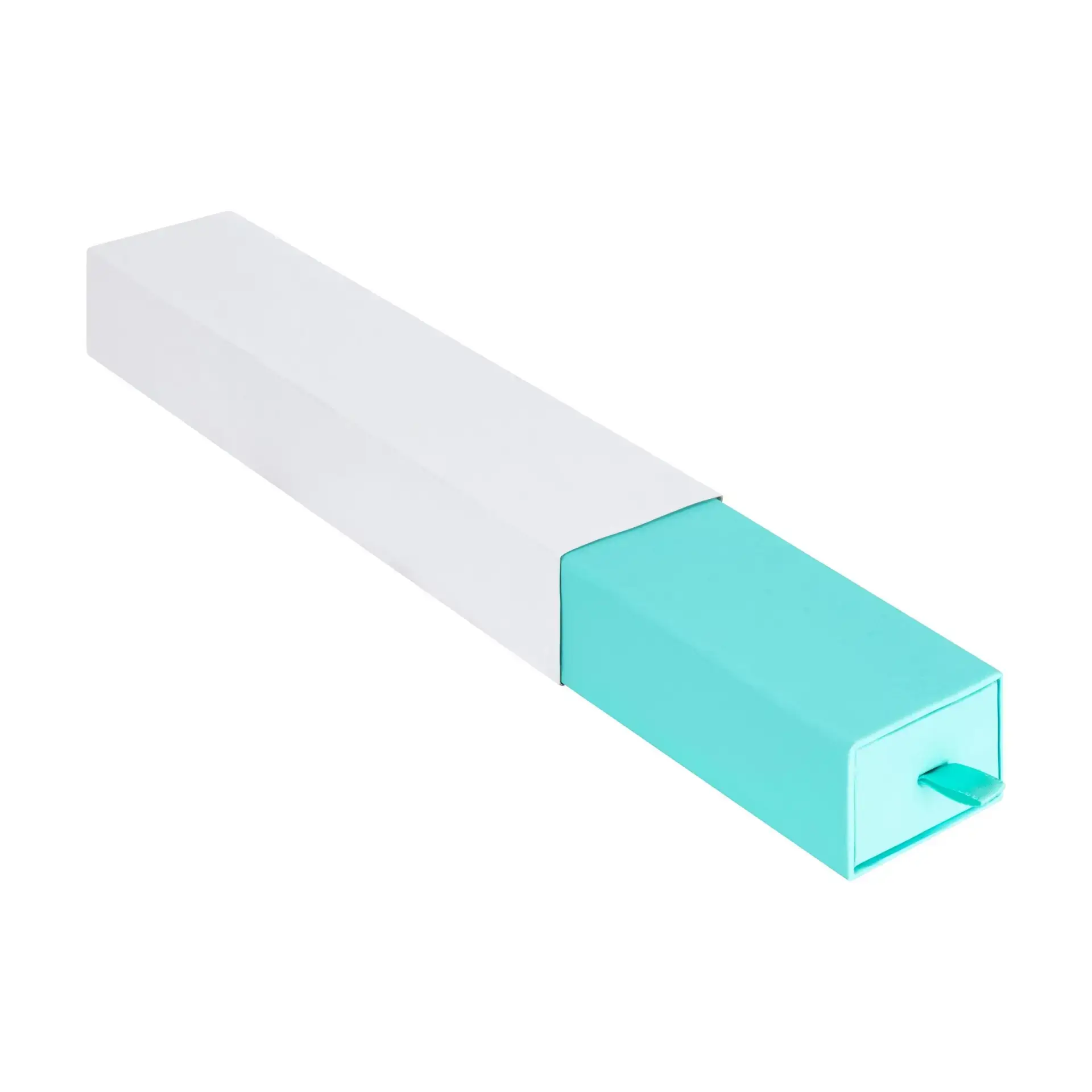
Spot UV selectively coats logos and text, creating gloss-matte contrast. Setup: $100–$250. Per-unit: $0.05–$0.15.
Turnaround: 7–10 days. Signals premium craft on mid-range budgets.
Pairs well with digital or offset print for layered visual effects.
6. Quality Standards and Construction Elements
Bracelet box cardboard quality rests on measurable construction standards. Key metrics—ECT, burst strength, caliper consistency, and die precision—define structural integrity and assembly reliability. Rigorous sample testing and finishing verification prevent field failures.
Edge Crush Strength and Burst Tests
ECT (Edge Crush Strength) in lbs/in/ream indicates cardboard’s compressive resistance; rigid bracelet boxes typically require 32–44 lbs/in/ream depending on wall thickness.
Burst strength (psi, ASTM D774) tests puncture resistance. Request mill test reports for every batch to verify specs are met.
Caliper Consistency and Die-Line Precision
Caliper (thickness) variation must not exceed ±0.05 mm for consistent stacking. Use precision calipers (0.01 mm accuracy) on random samples from head, center, and tail of each roll.
Die-line precision ensures exact creases; specify tolerance within ±0.5 mm. Micro-creasing (secondary fold near main crease) improves hinge durability by up to 30%.
Hinge and Crease Durability

Hinges must withstand 10,000+ open-close cycles without cracking or white creasing. Hand-cycle test samples while inspecting the crease line for splits.
Magnetic closure systems add stress; use reinforced board or dual-layer construction at the hinge zone. Specify hinge testing per ISTA or custom flexure testing.
Glue Application and Edge Finishing

Hot-melt and water-based adhesives are standard; verify curing time (4–24 hours) matches production speed. Edge tape must show no gaps, overlaps, or puckering.
Over-gluing weakens cardboard; under-gluing causes separation. Inspect edges under raking light to detect raised fibers, adhesive beading, or micro-tears that degrade unboxing experience.
Sample Testing and Verification Protocol
Request samples from pre-production and each full run; test a minimum of five units per batch. Check ECT via press tests or lab verification, hinge flex cycles, and water-resistance for eco-materials.
Document all results in a QC sheet signed by the factory’s QC manager. Establish clear nonconformity tolerance (e.g., ‘zero critical defects, max 2% minor’) before mass production.
7. How to Choose a Bracelet Box Cardboard Manufacturer
Selecting the right bracelet box cardboard manufacturer requires evaluating technical capabilities, certifications, and service reliability. Leading suppliers balance low MOQs with production capacity, offering factory-direct pricing while maintaining customization and on-time delivery standards.
Certifications and Standards
ISO 9001 and FSC certification provide baseline quality and sustainability assurance; verify scope covers custom production. Leading manufacturers maintain OEKO-TEX material certifications for compliance-sensitive brands.
Request current renewal documents and verify audit coverage extends to printing and assembly, not just raw materials.
Production Capacity and MOQ Flexibility
Factory size correlates with capability: a 1,200 m² facility with 220+ staff typically handles 50–500 unit minimums on semi-custom designs within 15–25 days. Suppliers negotiating MOQs below the industry standard (usually 500–1,000 units) balance flexibility with semi-automated processes.
Confirm whether quoted minimums apply per design variation or per total order to avoid surprises on multi-color or multi-design runs.
Sample Quality and Turnaround
Sample lead times of 7–10 business days signal efficient processes; longer timelines suggest capacity constraints. Request pre-production samples matching final specifications in material, finish, and print quality—not simplified prototypes.
Validate color accuracy and structural integrity before committing to full production runs.
Quality Control and Audits
Multi-stage QC during cutting, printing, assembly, and final inspection reduces defect rates below 2%. Third-party audits or factory visits verify environmental standards and labor practices; reputable suppliers welcome routine audits.
Request ISO audit reports or BSCI compliance documentation as evidence of third-party verification.
Reliability and Account Management
Dedicated account managers and documented on-time delivery records (>95%) indicate relationship maturity. Request client references from comparable brands; lead times should remain consistent during seasonal demand peaks.
Long-term partnerships require transparent communication on capacity planning and early notification of material changes or EOL.
8. Common Mistakes When Sourcing bracelet box cardboard
Buyers often overlook critical factors beyond cost reduction, leading to failed launches and wasted investments. Common missteps center on insufficient communication, unrealistic speed expectations, and failure to validate quality before production scaling. Understanding these pitfalls protects time, budget, and brand reputation.
Skipping Sample and Testing Phase
Skipping structural testing during sampling wastes weeks in revision cycles. Brands often approve bulk orders without confirming closure durability, magnetic strength, or print alignment.
One designer lost $8,500 to misaligned logos discovered post-shipment. Always request durability testing on prototypes before production commitment.
Choosing Suppliers by Price Alone
Lowest-cost suppliers often cut corners on materials and QC, causing 15–20% defect rates. One retailer saving 30% received misaligned printing and weak magnets—recovery costs exceeded savings by 3x. Evaluate suppliers on factory infrastructure, QC rigor, team experience, and production capacity alongside unit pricing.
Underestimating Lead Time
Assuming 6–8 week production kills seasonal launches. Suppliers quote 4 weeks but exclude sampling, revisions, and clearance delays—often adding 8+ weeks. A designer targeting Q4 lost market share launching late. Build 12–16 week timelines from initial inquiry through warehouse delivery.
Neglecting Sustainability and Brand Guidelines
Vague ‘eco-friendly’ requests without FSC certification or recycled % specs lead to supplier assumptions and non-compliance. Skipping detailed brand guidelines (logo placement, Pantone colors, embossing depth) causes reprints costing 40% of original order value.
Always provide written specs: sustainability certifications, material details, design files, and exact brand standards.
9. Pricing and Cost Structure
Factory-direct pricing for cardboard bracelet boxes ranges from $0.25 to $2.50 per unit, depending on volume tier, material grade, and decoration complexity. Minimum order quantities typically begin at 500 units for standard kraft with single-color printing, though low-MOQ suppliers offer custom projects starting at just 100 units with setup fees. Lead times compress from 35–40 days at small volumes to 14–20 days at 10,000+ units; expedited rush orders command 15–20% price premiums.
Undecorated kraft cardboard costs 30–40% less than printed options, while 4-color offset printing, hot-stamping, and embossing techniques add $0.15–$1.20 per box. Rigid magnetic-closure boxes cost 2.5–3x the price of standard folding cartons due to internal hardware components. FSC eco-certification materials add 10–15% to base costs, and volume discounts activate at 2,500 units (5–8% reduction), 5,000 units (10–12%), and 10,000+ units (15–20%).
| Quantity Tier | Unit Cost (USD) | Material & Finish | Lead Time |
|---|---|---|---|
| 100–500 | $1.80–$2.50 | Kraft, no print | 35–40 days |
| 500–2,500 | $0.85–$1.50 | Kraft + 1-color print | 28–35 days |
| 2,500–5,000 | $0.50–$1.00 | Kraft + 4-color offset | 22–28 days |
| 5,000–10,000 | $0.35–$0.70 | Premium cardboard + emboss | 18–25 days |
| 10,000+ | $0.25–$0.50 | Rigid/magnetic + multi-technique | 14–20 days |
Get Your Custom Bracelet Box Cardboard Quote Today
Rapid turnaround, factory-direct pricing, low MOQ, and complete customization. Request a quote or free sample—our team responds within 24 hours.