
Custom Jewelry Trays — Low MOQ, Factory-Direct OEM
Premium custom jewelry trays with factory-direct pricing, low MOQ, and complete OEM white-label solutions. Trusted by 300+ brands across 30+ countries.
Custom Jewelry Trays Collection






Jewelry Tray Design Showcase


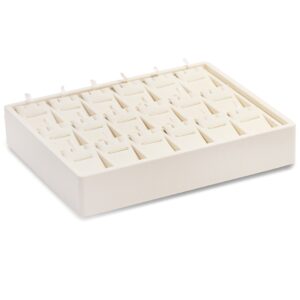




Why Choose Our Custom Jewelry Trays
Factory-direct manufacturer serving luxury brands for 17+ years
Factory-Direct Pricing
Eliminate middleman costs. As the manufacturer, we pass factory savings directly to you for better margins.
Low MOQ, Full Flexibility
Start small or scale large. We work with startups and established brands—no restrictive minimums on custom jewelry trays.
17+ Years, 300+ Brands
Proven track record across 30+ countries. Trusted by independent designers, boutiques, and luxury jewelry houses globally.
Multi-Stage Quality Control
Every tray inspected at multiple stages. Our dedicated QC team ensures flawless custom jewelry trays every production run.
FSC-Certified Eco-Materials
FSC-certified paper and recycled materials included. Sustainable custom jewelry trays that align with luxury brand values.
Dedicated Account Managers
On-time delivery guaranteed. Your dedicated manager owns the timeline from sampling through mass production of your custom jewelry trays.
Custom Jewelry Trays for Every Jewelry Packaging Scenario
Whether you’re launching a brand, scaling a retail footprint, or streamlining wholesale operations, our complete range of custom solutions delivers the right packaging at factory-direct pricing.
Independent Designer Going to Market
You're launching a jewelry line and need premium packaging at startup budgets, but traditional suppliers demand MOQs that tie up working capital and force overproduction.
Low MOQ custom jewelry trays, pouches, and boxes let you test market fit without massive inventory commitments—then scale production as demand grows, all factory-direct.
E-commerce Jewelry Brand Building Loyalty
Your online customers expect luxury unboxing and brand immersion that reinforces value, but off-the-shelf packaging dilutes identity, adds unnecessary weight to shipping, and undermines your premium positioning.
Custom pouches, branded paper bags, and presentation boxes transform every order into a branded experience—delivered on-time, every time, supporting repeat purchases and brand advocacy.
Luxury Boutique Retailer Unifying Identity
Display and storage solutions across your boutique locations are fragmented, creating inventory headaches and making it impossible to reinforce consistent brand identity and control the in-store experience.
Custom jewelry trays, display busts, and storage solutions designed to your aesthetic unify your retail footprint, streamline staff workflows, and elevate the customer experience across all locations.
Wholesale Distributor Managing Multiple Brands
You source for dozens of jewelry brands, each requiring private-label flexibility, tight turnarounds, and bulk pricing—coordinating across multiple vendors becomes a logistical nightmare.
Dedicated account managers, OEM white-label custom jewelry trays, and low MOQ production let you consolidate all brands under one factory-direct partner with consistent quality and on-time delivery.
Jewelry Brand Expanding Product Categories
Your brand mastered packaging for rings, but now you're adding necklaces, watches, earring sets, and bracelets—each demanding different custom trays, boxes, and storage specifications.
One partner for all categories: custom jewelry trays, rigid boxes, pouches, displays, and storage solutions. No vendor juggling, unified sourcing, and consistent quality across every SKU and product type.
Premium Materials for Custom Jewelry Trays

Luxury Velvet
Premium velvet lining offers an exceptionally soft, luxurious tactile experience. Ideal for high-end diamond and gemstone presentations, with excellent light absorption that enhances stone brilliance. Available in jewel tones; superior durability with professional finishing.

Premium Satin
Smooth, lustrous satin creates an elegant backdrop for fine jewelry. Gentle sheen catches light beautifully, perfect for pearls, watches, and delicate pieces. Highly customizable in colors; resists wrinkles and maintains pristine appearance through repeated handling.

Microfiber Lining
Durable, soft microfiber provides premium feel with exceptional resistance to wear, fading, and staining. Engineered for everyday retail and showroom use without compromising luxury aesthetic. Available in matte or subtle sheen finishes; easy to clean and maintain.
Natural Linen
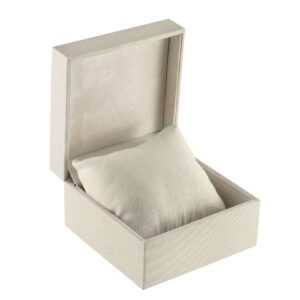
Eco-conscious linen weave brings understated elegance and authenticity. Natural texture and neutral tones appeal to modern, sustainability-minded brands. Breathable and naturally hypoallergenic; gains character with use while maintaining structural integrity and professional presentation.

Sustainable Materials
FSC-certified recycled fabrics and plant-based options for conscious luxury brands. Reduces environmental impact without compromising quality or aesthetics. Available in organic cotton, recycled polyester, and bio-based blends; supports premium positioning with eco-aware consumers.

Luxury Metal Accents
Polished, brushed, or plated metal finishes (gold, silver, rose gold, black) elevate perceived value. Durable accents for corners, handles, and logo plaques add finishing touches. Customizable materials: stainless steel, brass, zinc alloy; withstands daily retail use.
Production Techniques for Custom Jewelry Trays

Embroidery
Thread-stitched logos and designs on fabric tray exteriors for premium tactile branding with three-dimensional texture and lasting durability ideal for luxury packaging.

Screen Printing
Vibrant ink application for bold color reproduction and precise logo placement on trays, offering cost-effective batch personalization with sharp detail and rich colors.
Hot-Stamping
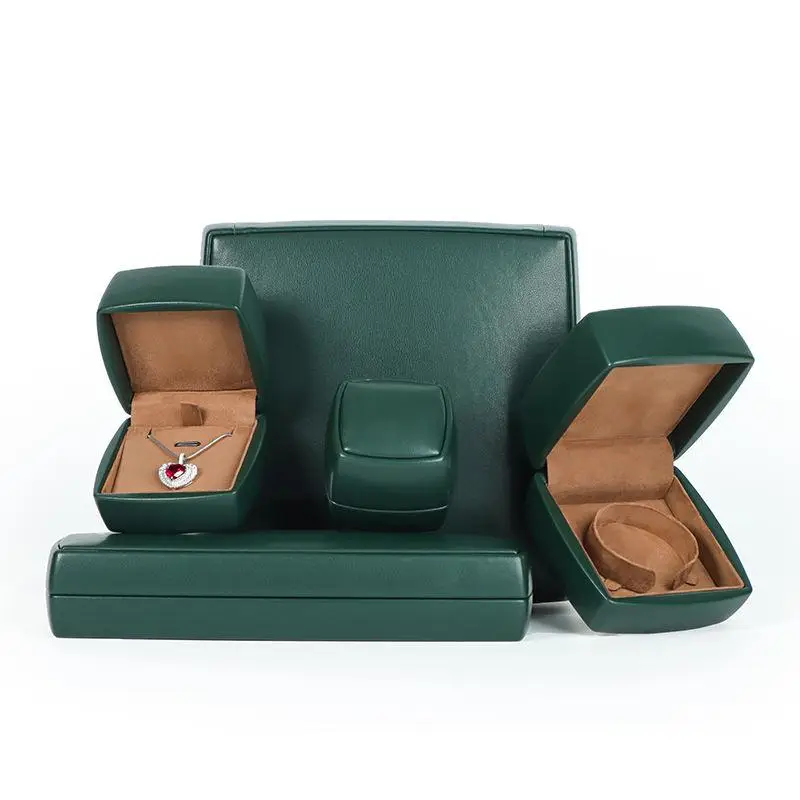
Metallic foil or pigment pressed onto trays under heat for luxury embossed logos with premium visual appeal, high-end finish, and tactile depth.
Embossing
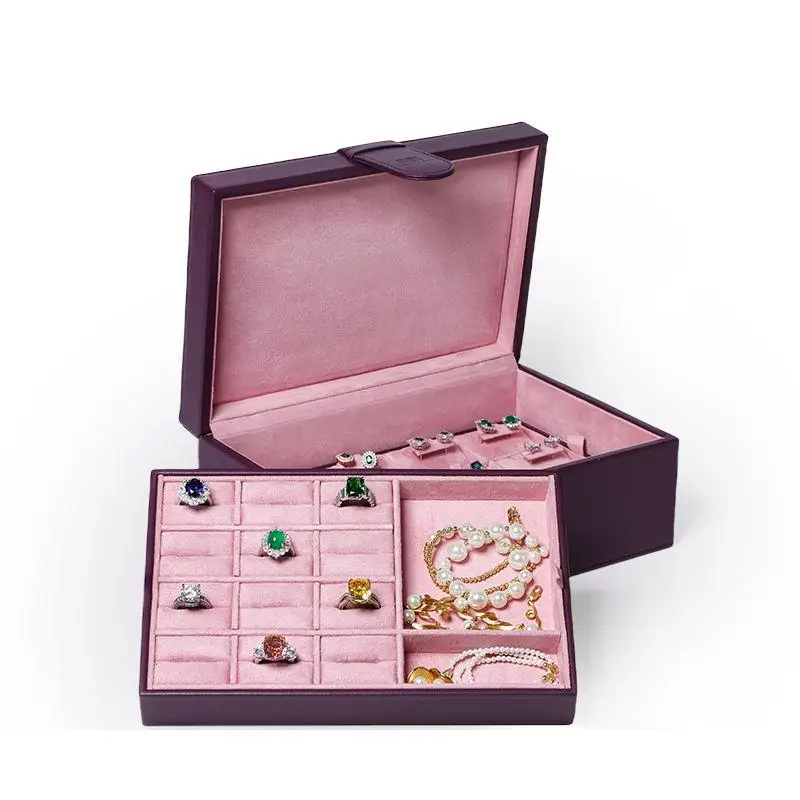
Custom designs raised or debossed into tray surfaces, creating dimensional tactile branding that catches light and conveys premium craftsmanship without added materials.

Sublimation Printing
Heat-transfer full-color designs onto synthetic tray materials for photo-quality results, vibrant fade-resistant colors, and all-over personalization without traditional ink limitations.

UV Printing
High-definition digital printing with UV-cured inks for sharp detail, rich colors, and instant production without setup delays, tooling costs, or production constraints.
Premium Accessories to Elevate Custom Jewelry Trays

Magnetic Closure Systems
Precision magnetic closures elevate custom jewelry trays with secure, luxury closure that enhances the unboxing experience. Perfect for high-end retail packaging where first impression defines brand perception.

Custom Foam Inserts
Protective foam dividers and compartments custom-cut to secure and display jewelry pieces within your tray. Prevents movement during shipping, protects against damage, and enables organized presentation.

Metal Hinges & Hardware
Premium stainless steel hinges and metal clasps add durability and luxury to folding tray designs. Essential for flip-top jewelry trays that demand flawless mechanics and lasting brand credibility.

Ribbon & Drawstring Handles
Custom-branded ribbon handles and drawstring closures enhance portability and unboxing appeal for jewelry trays. Transform your tray into a complete gift experience, reinforcing luxury brand positioning.

Velvet & Microfiber Lining
Luxurious interior lining in velvet, microfiber, or specialty fabrics protects jewelry while elevating perceived value. Custom-selected materials align with brand aesthetic and reflect premium positioning.

Branded Woven Labels & Hangtags
Custom woven labels, hangtags, and printed branding elements integrate your logo directly into the tray packaging. Build retail shelf presence and ensure brand recall with personalized labeling.
The Story Behind Our Custom Jewelry Trays
Founded in 2007 on the principle that quality defines survival, On The Way Packaging has grown into a trusted manufacturer of custom jewelry trays and packaging solutions. From our 1,200 m² factory in Dongguan, China, we’ve built a reputation for excellence, serving jewelry brands, independent designers, and boutique retailers worldwide.
Today, our team of 220+ specialists has completed over 6,500 custom projects for 300+ global brands spanning 30+ countries across North America, Europe, and Southeast Asia. We manufacture custom jewelry pouches, rigid boxes, trays, displays, and branded paper bags—each backed by multi-stage quality control and factory-direct pricing.
What sets us apart is our commitment to customization without compromise. We work with startups and Fortune 500 brands alike, offering low MOQ, rapid sampling, dedicated account managers, and eco-friendly materials including FSC-certified paper. At On The Way, we believe exquisite packaging is a brand’s first impression—and quality defines survival.

Our Core Capabilities in Custom Jewelry Trays
Precision Custom Tooling for Trays
Custom jewelry trays require exact dimensions and finishes. Our in-house design and tooling team creates bespoke molds and dies for each project, from prototype to production-ready samples. We guarantee dimensional accuracy and rapid design iteration.
- Dedicated design team with 17+ years CAD expertise
- Rapid prototyping from concept to approval in weeks
- Custom molds and dies for any tray dimension or finish
- Dimensional tolerance control to 0.5mm specifications
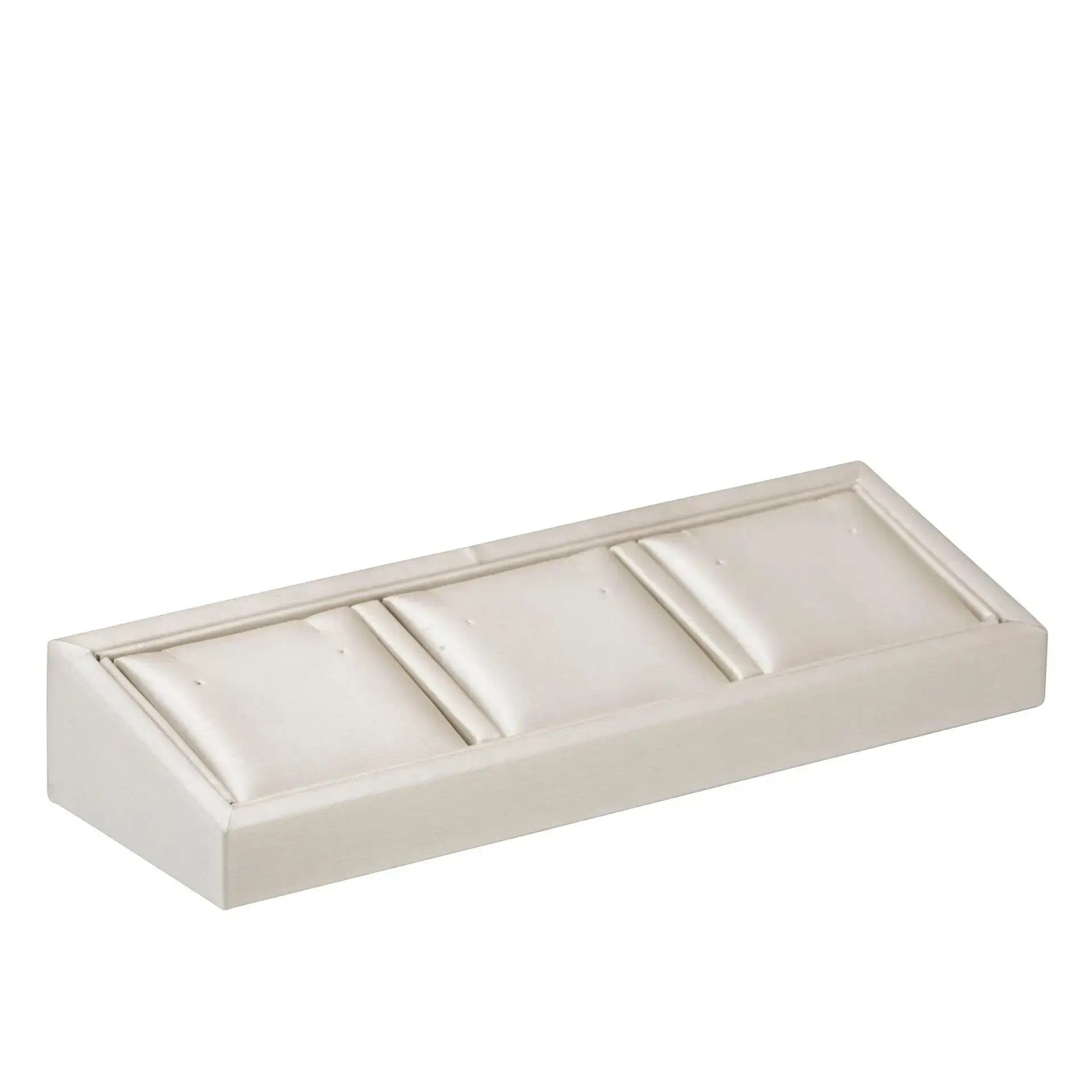
Sustainable Materials for Luxury Trays
Premium custom jewelry trays deserve eco-conscious materials. We source FSC-certified papers, recycled leathers, and biodegradable microfibers. Each tray balances luxury aesthetics with environmental responsibility. Our material innovations maintain brand prestige while reducing carbon footprint.
- FSC-certified and recycled material options
- Premium finishes: velvet, microfiber, satin, linen
- Compliance with EU and RoHS environmental standards
- Custom color matching and sustainable embossing techniques

Multi-Stage QC for Premium Trays
Every custom jewelry tray passes rigorous inspection. Our multi-stage QC team inspects materials, production, finishing, and packaging. We test durability, color consistency, and dimensional accuracy. No product ships without sign-off from our quality director.
- Material inspection upon arrival at factory
- In-process quality checks at each production stage
- Final inspection by dedicated QC team
- Zero-defect commitment with corrective action protocols

White-Glove Account Management Service
Your success is our mission. Each brand receives a dedicated account manager fluent in your business needs. We coordinate from sample approval through full production and on-time delivery. Our team ensures seamless communication across all 30+ countries we serve.
- Personal account manager assigned to your brand
- On-time delivery guarantees and real-time production tracking
- 24/7 support across multiple time zones
- Ongoing partnership for repeat orders and new designs
Why Our Custom Jewelry Trays Outpace Generic Suppliers
Factory-direct advantage across every dimension
← Swipe left or right to view →
Our Custom Jewelry Trays Production Process
From design approval to delivery, we maintain multi-stage oversight at every step to ensure your custom jewelry trays meet our exacting standards.
Design & Approval
Collaborate with our design team on your custom jewelry tray mockups and specifications. Receive samples for approval before committing to full production.
Material Selection & Testing
Source premium materials—wood, fabric, hardware—and conduct rigorous quality tests. Verify finishes, durability, and compliance with your brand standards.
Tooling & Test Runs
Prepare production line, configure tooling for your exact specifications, and run test batches. Ensure equipment settings match approved samples perfectly.
Full Production Run
Manufacture your custom jewelry trays at full scale with continuous oversight. Our team monitors every station to maintain consistency and meet your timeline.
Multi-Stage QC & Assembly
Execute rigorous inspections at multiple checkpoints, install hardware, and perform final assembly. Identify and resolve any defects before packaging your order.
Packaging & Shipment
Pack finished custom jewelry trays with protective materials, label per your specifications, and prepare shipment documentation. Deliver factory-direct to your door.
How to Partner with Us on Custom Jewelry Trays
From concept to production, we guide you through every step with care and precision.
Submit Your Technical Specifications
Provide your jewelry tray specifications, desired materials, quantities, and timeline. Our team reviews your tech pack within five to seven business days and responds with detailed customization options and quotes.
Review and Approve Sample
We create your first custom sample at no charge, incorporating your exact specifications and branding. Review with your dedicated account manager, request revisions freely, and approve production-ready designs.
Finalize Your Order Details
Confirm your order quantity and unit pricing. Our low minimum order quantities and factory-direct rates make custom trays accessible to startups and established brands alike.
Receive Your Complete Production
We execute your full production with multi-stage quality control, track progress in real time, and deliver on schedule. FSC-certified and eco-friendly materials are standard across all orders.
Certifications & Compliance Standards for Custom Jewelry Trays

Why Luxury Brands Trust Our Custom Jewelry Trays
Our custom tray designs elevated our retail presence dramatically. Within 6 months of launch, we saw a 35% increase in in-store inquiries and a 28% boost in premium tier sales. The factory-direct pricing saved us over $12,000 annually.
On The Way helped us scale from a 3-person studio to supplying 40+ retail locations. Their low MOQ and custom flexibility meant we could launch signature packaging without massive upfront investment. Our packaging became a key differentiator.
Our custom velvet trays won a packaging design award and reduced production lead times from 16 weeks to 8 weeks. On The Way’s multi-stage QC ensured zero defect rates across 50,000 units. Their account manager was instrumental throughout.
Frequently Asked Questions About Custom Jewelry Trays
Address Your Top Questions — MOQ, Lead Times, Sampling, Certifications & More
What is the minimum order quantity for custom jewelry trays?
How much do custom jewelry trays typically cost?
Can I order a sample before committing to full production of custom jewelry trays?
What is the lead time for custom jewelry trays production?
Do you offer white-label or private-label solutions?
What materials can be used for custom jewelry trays?
How do you protect our design and intellectual property?
What are your international shipping options and costs?
Are your materials certified eco-friendly?
The Complete Buyer’s Guide to Custom Jewelry Trays
Learn how to source premium custom jewelry trays that elevate your brand. This guide covers everything from materials and manufacturing processes to supplier selection criteria, quality benchmarks, and common pitfalls to avoid when launching custom jewelry tray products.
1. What Are custom jewelry trays?
The jewelry packaging market spans protective inserts, branded boxes, and display solutions—but custom jewelry trays occupy a unique position at the intersection of protection and brand storytelling. These trays serve dual essential functions: safeguarding delicate pieces during storage and transit while shaping the unboxing experience that communicates brand identity. Unlike mass-produced alternatives, branded trays extend your product’s narrative from the moment a customer opens their order.nnCustom jewelry trays are not generic inserts. They reflect thoughtful design decisions—material choice, color palette, finish, and layout—that align with your brand’s aesthetic and values. When a ring, pendant, or bracelet rests on a customized velvet or microfiber surface embossed with your logo, customers perceive higher value and care than standard paper sleeves—a distinction that matters to independent jewelry designers and boutique retailers competing in a crowded market.nnFor jewelry brands, investment in quality trays directly impacts brand recall and repeat purchases. The unboxing moment creates emotional resonance; luxury packaging signals that your pieces deserve premium treatment. Whether sourced locally or factory-direct from overseas manufacturers, the trays you choose represent your brand’s commitment to excellence. This guide explores how to select, customize, and source the right custom jewelry trays for your business.
2. Evolution of custom jewelry tray Design
Prior to 2010, most jewelry retailers relied on commodity packaging—generic velvet boxes and plain trays with minimal differentiation. The shift toward branded custom jewelry trays began as luxury houses recognized that unboxing had become a critical touchpoint in brand storytelling. Today, custom packaging is recognized as a key factor in customer perception of quality and brand value.nnThe rise of Instagram and direct-to-consumer retail fundamentally accelerated this evolution. Consumers increasingly expect packaging to reflect brand voice, materials, and values—not simply protect the product. Custom trays with embossed logos, signature fabrics, or personalized compartments have become a baseline expectation rather than a luxury add-on for established jewelry brands.nnModern luxury standards now demand that packaging embodies brand identity as a visual first impression. Custom jewelry trays serve as silent storytellers: a microfiber insert, a signature color, or a bespoke layout signals craftsmanship and exclusivity to customers. This shift has transformed packaging personalization from a cost center into a driver of customer loyalty and brand differentiation.
3. Types of custom jewelry trays for Every Use
Custom jewelry trays come in five primary formats, each optimized for distinct retail and storage workflows. Understanding these categories helps brands align packaging with their distribution model and customer touchpoint strategy.
Drawer Inserts

48–60-compartment inserts with velvet-lined or microfiber padding maximize storage within rigid boxes and luxury drawers. These protect pieces from scratching during inventory and shipping. Standard depth: 20–35mm.
Stackable Display Trays
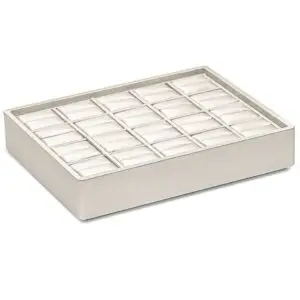
16–24-compartment modular formats enable flexible retail displays supporting both in-store showcases and flat-lay photography. Independent designers favor stackable designs for pop-up and trunk-show versatility, where vertical stacking reduces footprint by 30–40%.
Display Busts and Stands

12–20-piece necklace busts and earring trees elevate brand presentation. Retail environments report 20% higher engagement with vertical versus flat display — critical for premium positioning and in-store impulse purchase lift.
Travel and Jewelry Cases

Rigid or EVA-lined carrying cases with modular compartments serve in-transit, trunk-show, and market-booth formats. Demand growing 12–15% annually among independent artisans and pop-up retailers requiring portable, protective storage.
Specialty Storage Solutions
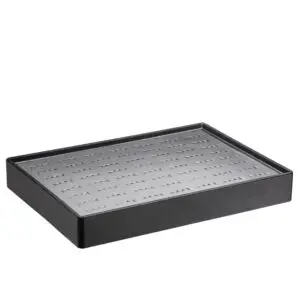
Watch case trays, tiered earring holders, and ring displays support back-of-house inventory and premium gifting scenarios. Recycled cardboard and microfiber inserts reflect growing sustainability trend — 35% of global jewelry brands now prioritize eco-materials.
4. Materials and Fabrics for custom jewelry trays
Material choice shapes perceived luxury and functional performance. Velvet and silk command premium positioning; felt and foam serve eco-conscious and budget tiers. The right material aligns with brand positioning and price point.
| Material | Durability | Hand-Feel | Cost |
|---|---|---|---|
| Velvet | Moderate; pilling risk | Luxe, soft | $$$$ |
| Silk | Low; creases easily | Refined | $$$$ |
| Felt | High; grade-dependent | Soft, matte | $$ |
| Linen | High; strengthens with use | Natural, tactile | $$ |
| Foam (EVA) | Very high; chemical resistant | Cushioned | $ |
| Plastic (PET) | Very high; waterproof | Slick, industrial | $ |
| Wood (MDF) | Very high; rigid | Structured | $$–$$$ |
Premium Luxury Fabrics

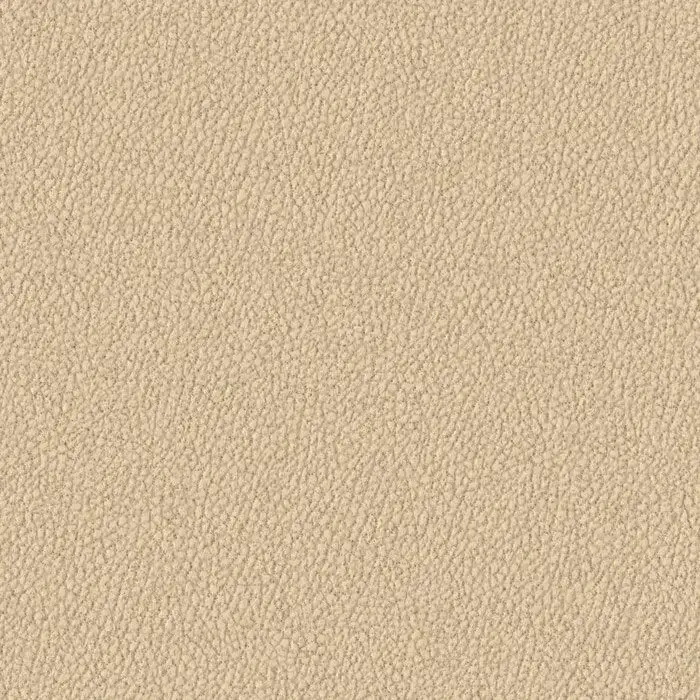
Velvet (320–600 GSM) retains jewelry via pile and accepts embossing. Silk feels refined but creases easily. Both run $3–$6 per tray (MOQ 500) and suit premium positioning.
Eco-Friendly and Budget Options

Felt (200–400 GSM) costs 30–50% less than silk. OEKO-TEX and FSC certifications add 5–10%. Felt pilling decreases with wool blends; linen softens with use, supporting artisan narratives.
Foam and Plastic for Protection
EVA foam (1–3 cm) cushions jewelry and resists moisture; PET plastic adds waterproofing. Plastic signals budget, while foam suits delicate pieces. Combined: $0.50–$1.50 per tray, maximum protection.
Wood and Composite Frames

3–5 mm MDF or birch veneer creates rigid multi-compartment designs. Wood + fabric inlay elevates value; adds 15–25% to cost. FSC plywood supports eco-positioning.
Selecting Materials by Brand Tier
Luxury tier ($50+ retail): velvet + silk + wood. Mid-market ($20–50): felt + microfiber + MDF. Budget ($5–20): foam + plastic. Certifications (FSC, GOTS) signal values at modest markup.
5. Customization and Decoration Options
Decoration methods directly shape brand identity on custom jewelry trays. The right technique balances durability, budget, production minimums, and aesthetic impact against target market preferences and sustainability values.
| Technique | Durability | Cost | MOQ | Visual Impact |
|---|---|---|---|---|
| Screen Printing | 5–8 years | $ | 250+ | Flat, bold colors |
| Hot Foil Stamping | 10+ years | $$$ | 250+ | Metallic luxury |
| Embossing | 10+ years | $$$ | 250+ | Tactile premium |
| Laser Engraving | 20+ years | $$ | 100+ | Monochrome precision |
Screen Printing

Screen printing dominates small-to-medium orders under 500 units on rigid trays, offering strong ROI. Durability: 5–8 years on sealed surfaces; prone to cracking on fabric under repeated flexing.
- Cost-effective for simple, single-color logos
- Suitable for plastic and wood trays
- Not ideal for photorealistic gradients
Foil Stamping & Embossing

Hot foil stamping applies metallic finishes (gold, silver, rose gold) with exceptional luxury impact. Embossing creates tactile raised surfaces. Both require 250-unit minimum orders and exceed 10-year durability.
- Debossing offers subtle, understated alternative
- Premium cost justified by brand perception
- Perfect for jewelry luxury segment
Laser Engraving
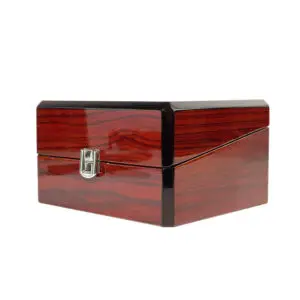
Laser marking delivers permanent, photographic designs on hardwood and acrylic with zero pigment migration. Exceptional precision without ink costs makes it economical at scale. MOQ: 100 units.
- Limited to monochrome or two-color designs
- Best for minimalist, sustainable aesthetics
- Premium durability: 20+ years
Logo Placement & Trending Design

Center logos on tray lids for maximum brand visibility; side placement suggests restraint. Avoid stress corners where embossing may crack. Trending: minimalist single-color designs, sustainability symbols, and understated metallics outperform ornate multi-color schemes.
- On fabric pouches: place 2–3 cm below fold line
- Consider brand voice: luxury vs. accessible
- Eco-certified materials amplify sustainability messaging
6. Key Construction and Quality Elements
Premium custom jewelry trays demand rigorous construction standards. Quality separates brand perception from budget competitors, while measurable factors — material weight, seam integrity, edge finishing — guide buyer assessment and factory accountability.
Stitching and Seam Quality
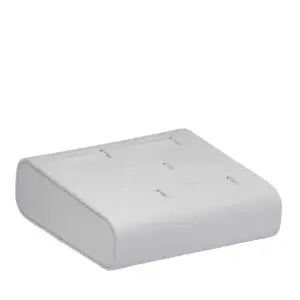
Premium trays use 3-4 stitches/cm with backstitch at corners, preventing fraying after 100+ cycles.nnBudget versions use 1-2 stitches/cm, causing separation within 50 uses. Consistent tension and color matching signal professional construction.
Material Thickness and Durability

Velvet requires 250+ GSM to resist pilling; satin needs 140-180 GSM to maintain sheen.nnMaterials under 150 GSM compress within 3-6 months, losing shape and function. Compare GSM weight across quotations and measure samples with a gauge.
Edge Finishing and Reinforcement
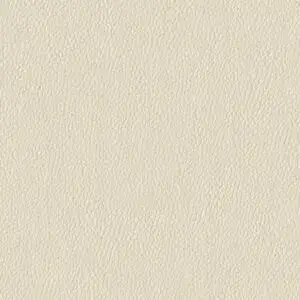
Raw edges fray within weeks; premium trays use serged edges or binding tape.nnReinforced corners (folded, glued, top-stitched) prevent cracking during handling. Inspect base perimeter for even coverage and secure adhesion before shipment.
Protective Linings and Interior Cushioning

Premium trays feature 5-10 mm cotton padding or microfiber to cushion jewelry without snagging chains or gemstones.nnBudget offerings use single-layer fabric with no padding, risking scratches. Ask about lining weight (GSM), adhesion method, and delamination warranty.
Quality Control Inspection Checklist
Suppliers should provide certifications (OEKO-TEX 100, GOTS for organics) and destructive testing data.nnVerify that corner pull-strength exceeds 2 kg and seams hold under repeated opening/closing without splitting.
- Loose threads, color bleeding on fabrics, uneven stitching.
- Adhesive seeping at seams or edge gaps.
- Pull-strength at corners must exceed 2 kg.
- Seams survive 100+ open/close cycles without failure.
7. How to Choose the Right Manufacturer
Selecting a manufacturer for custom jewelry trays requires evaluating certifications, production capabilities, and communication quality. A factory’s responsiveness and sample quality directly impact your launch timeline and brand perception. Verify credentials, compare quotes with identical specs, and identify unrealistic pricing early.
Certifications and Compliance
ISO 9001 (quality management) and BSCI (labor practices) are baseline credentials for custom jewelry tray manufacturers serving global brands. FSC or recycled material certifications ensure sustainability claims hold up.nnVerify these are current and audited by third parties, not self-declared.
Production Capacity and Lead Times
A factory’s footprint and staff size determine how quickly it scales orders. Manufacturers with 1,200+ square meters and 200+ employees typically handle multiple parallel projects without delays.nnConfirm lead times in writing—standard sampling takes 5–10 days, mass production 20–35 days depending on complexity.
MOQ and Flexibility
Leading manufacturers offer low MOQs (500–1,000 units per design) without hidden fees. Confirm they can split color or material variants across the same order and adjust dimensions within reason.nnAvoid factories that force high minimums or charge proportionally for sampling.
Sample Quality and Turnaround

Request samples matching final specs—same material, print method, hardware, and finish. Poor sampling signals weak QC downstream; pristine samples suggest rigorous multi-stage inspection.nnFactories sampling in 5–10 days indicate streamlined processes. Slow or low-quality samples are red flags.
Communication and Responsiveness
Dedicated account managers who respond within 24 hours separate professional factories from transactional ones. Confirm they provide regular production updates and handle revisions transparently.nnSlow email response or missing details in quotes suggest operational issues.
Quote Comparison and Red Flags
Always request identical specs (material, size, print, finishing) from three to five factories. Quotes 30–40% below market rate often hide corner cuts or hidden costs.nnVerify payment terms, shipping included status, and warranty clearly before committing.
8. Common Mistakes When Sourcing custom jewelry trays
Many brands rush to market without understanding the true cost of sourcing mistakes. These pitfalls—from chasing lowest price to ignoring lead times—can derail launches and damage brand perception. Learning to avoid them ensures quality, cost efficiency, and on-time delivery.
Competing on Price Alone
Selecting suppliers based solely on unit cost often masks hidden expenses. A low quote may hide rushed production, material shortcuts, or unreliable lead times. Brands lose more on delays, rework, and customer dissatisfaction than they save upfront.
- Compare total cost of ownership, not quote alone
- Review supplier QC reports and past project references
- Request samples from shortlisted vendors before committing
Overlooking Lead Time Impact
Holiday or seasonal campaigns demand precise timing. Underestimating production + logistics windows (typically 30–60 days from production start to warehouse receipt for custom jewelry trays) forces air freight or delayed launches. A 2–3 week miss can cost thousands in lost sales.
- Map campaign timeline backwards from launch date
- Confirm lead time includes sampling, approvals, production and shipping
- Account for MOQ minimums and longer reorder lead times
Inadequate Sample Review
Many buyers approve first samples too quickly without testing durability or fit for their actual products. A single prototype may not reveal production issues that affect the whole order. Proper sample vetting prevents costly mid-production corrections.
- Request multiple samples in actual colors and materials
- Test fit with real jewelry pieces from your collection
- Review dimensions and finishes against brand guidelines
Misaligned Materials & Branding

Choosing microfiber for a luxury eco-brand, or flimsy foam for a premium jeweler, undermines brand perception. Material choice must align with brand positioning, target price point, and product category. An underestimated detail costs far more in brand credibility than material upgrade.
- Define material hierarchy before sampling and vendor discussions
- Request samples in all proposed materials and finishes
- Verify material certifications (FSC, GOTS, OEKO-TEX) match brand values
9. Launching Your Brand with custom jewelry trays
Launching branded custom jewelry trays requires defining your aesthetic, sourcing suppliers, and planning production cycles. This section covers the workflow from brand positioning through initial production and reordering.
Brand Identity and Specifications
Your brand positioning drives material selection—velvet, satin, microfiber, or eco-materials at 200–400 GSM. Document Pantone colors, dimensions, and finishes in a detailed spec sheet.nnThis specification sheet becomes your manufacturer’s blueprint. Include competitor references, target cost, and desired embossing. Custom tray projects typically require 10–15 specification pages before sampling begins.
Supplier Evaluation and Iterative Sampling
Request samples from 3–5 manufacturers—compare quality, timelines, MOQ (typically 500–2,000 units for custom trays), and certifications (FSC, OEKO-TEX). Build supplier relationships early.nnMost factories offer 2–3 free sample iterations. Refine dimensions, color, embossing, and branding across cycles. Approve samples in writing before production—this gates the project and prevents costly errors.
Production Planning and Logistics
Order 8–12 weeks ahead for custom tray production. Most factories run 4–6 week cycles after tool-up; add 1–2 weeks for QC and packaging.nnMonitor via production photos and progress reports. Arrange logistics early—sea freight typically requires 3–4 weeks for international delivery. Domestic options are faster but carry higher per-unit costs.
Reordering and Scaling
Plan reorders 6–8 weeks before inventory depletion. Second and third productions typically cost 5–15% less per unit due to eliminated tooling fees and optimized manufacturing.nnBuild forecast data from your first 3–6 months of sales. Brands typically reorder 2–4 times annually. Use lower costs to improve margins or pass savings to retailers, differentiating your brand.
10. Pricing and Cost Structure
Minimum order quantities for custom jewelry trays start at 100 units, with setup fees typically $150–$300 depending on material, mold complexity, and decoration method. This fixed cost spreads across order volume, making bulk orders exponentially cheaper per piece—a 100-unit tray order might carry $450–$850 total investment, while 1,000 units costs only $1,650–$3,250 despite triple the quantity.nnMaterial and finish drive per-unit cost more than quantity alone. Microfiber-lined trays with basic presentation start at $2–$4 per unit; velvet or satin options run $3–$6; rigid display trays with compartments and premium finishes command $4–$8. Adding embroidery, metallic stamping, or custom branding adds $0.50–$1.50 per unit depending on coverage and complexity.nnStandard lead time is 14–21 days for verified orders; expedited production (7–10 days) typically costs 15–25% extra. ROI for retail partners is compelling: order 1,000 custom jewelry trays at $2.50 per unit plus $250 setup ($2,750 total), then retail at $10–$15 per piece, generating $7,250–$11,250 gross revenue while building brand differentiation and customer loyalty.
| Quantity Tier | Setup Fee | Unit Cost | Lead Time | Total Investment |
|---|---|---|---|---|
| 100 units | $150–250 | $3–6 | 14–21 days | $450–850 |
| 500 units | $150–250 | $2–4 | 14–21 days | $1,150–2,250 |
| 1,000 units | $150–250 | $1.50–3 | 10–14 days | $1,650–3,250 |
| 5,000+ units | $150–250 | $1–2.50 | 7–10 days | $5,150–12,750 |
Start Your Custom Jewelry Trays Project Today
Join 300+ global brands sourcing custom jewelry trays from our factory. Factory-direct pricing, low MOQ, rapid sampling. Let’s get started.