
Custom Metal Jewelry Boxes — OEM Packaging for Luxury Brands
Factory-direct custom metal jewelry boxes, 50-piece MOQ minimum. 17+ years expertise serving 300+ global brands. Premium materials, professional QC, dedicated support, on-time delivery.
Featured Metal Jewelry Box Solutions
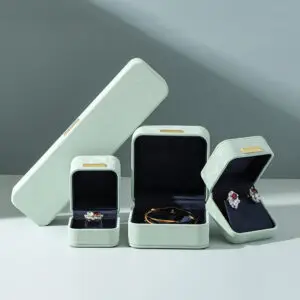


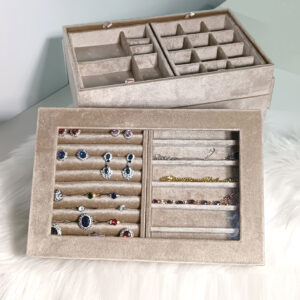

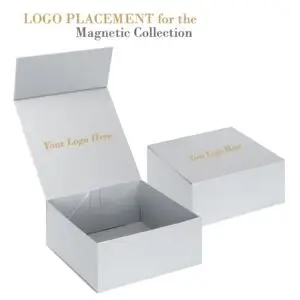


Product Gallery
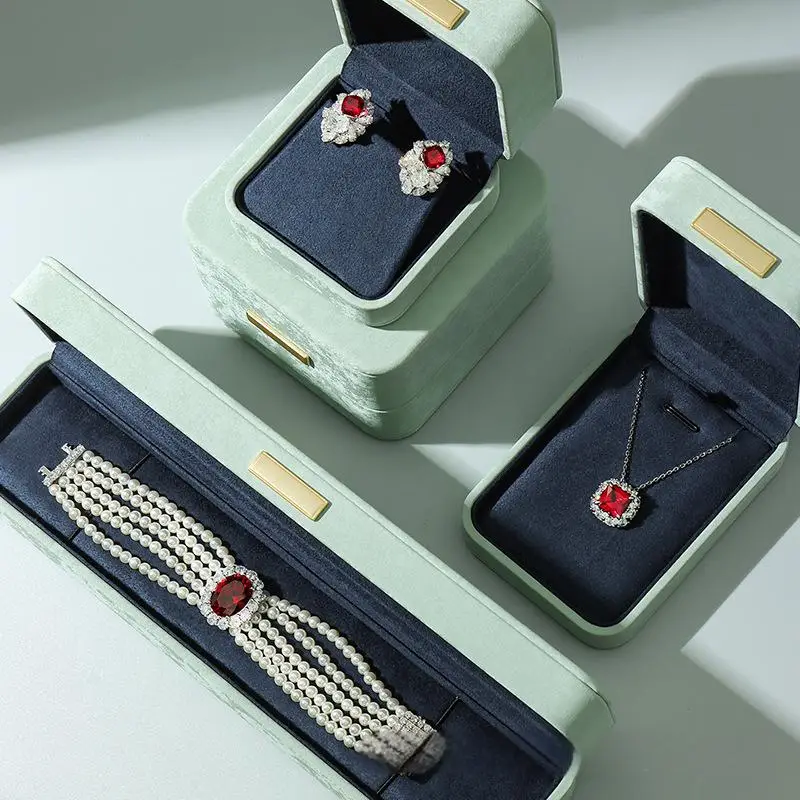

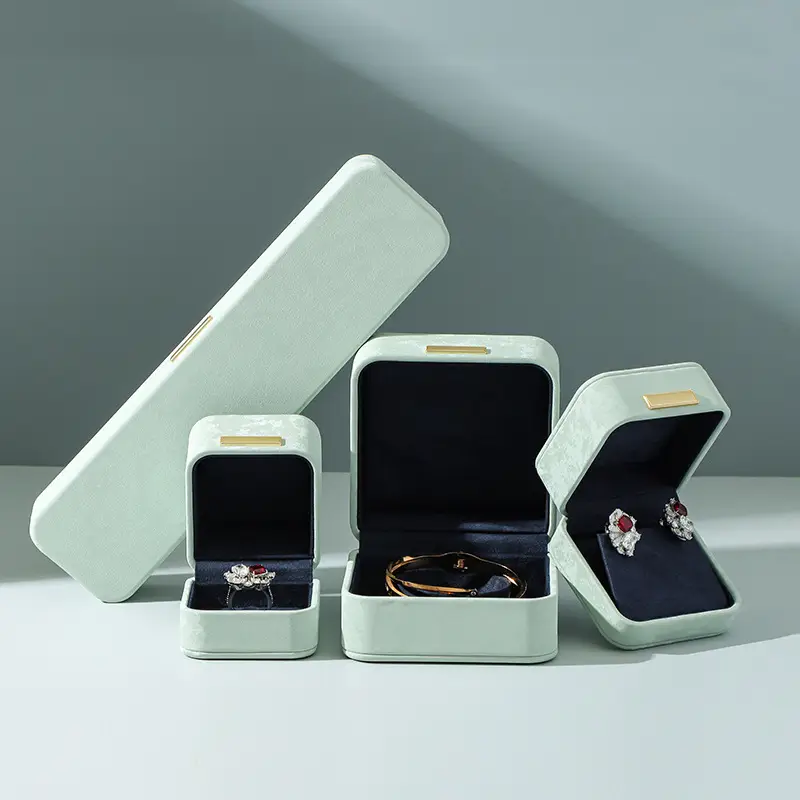
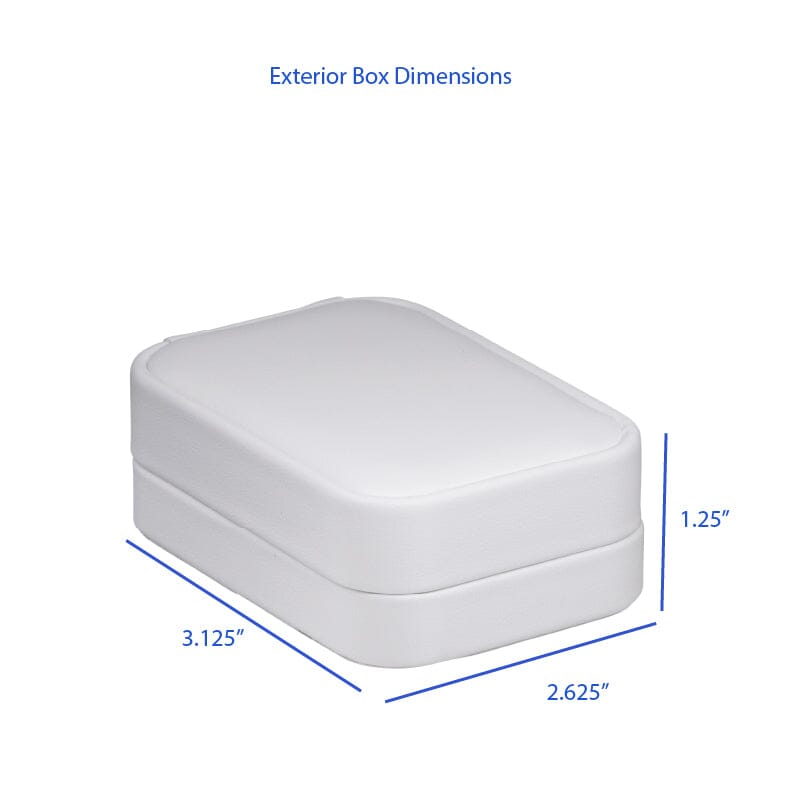

Why Choose On The Way
Industry-leading features that set us apart from standard packaging suppliers
Factory-Direct Pricing
Own our production line and pass savings directly to you—no middleman markup. Get luxury metal jewelry boxes at wholesale cost.
50-Piece Minimum Order
Start small with just 50 units minimum. Perfect for emerging brands and design testing without overcommitting inventory.
Full Private-Label OEM
Complete branding freedom—custom logos, packaging designs, and finishes. White-label solutions tailored entirely to your brand identity.
17+ Years of Expertise
6,500+ completed projects, 300+ trusted brands, 30+ countries served. Proven expertise in luxury metal jewelry box production.
Multi-Stage QC Certified
Professional quality control inspects every metal jewelry box at multiple stages. Certified standards ensure flawless luxury packaging.
FSC-Certified Eco-Materials
FSC-certified paper and recycled materials deliver sustainability without compromising luxury. Premium eco-friendly options for conscious brands.
Metal Jewelry Box Solutions for Every Brand
Discover how luxury brands, designers, and retailers use our custom packaging solutions to stand out
Premium Brand Launch
Launching a premium jewelry line requires sophisticated packaging that reflects your brand's luxury positioning. But rapid prototyping and customization with traditional suppliers can take weeks and cost thousands.
Custom magnetic-closure rigid boxes with your brand embossing, delivered in 10–14 days with expedited sampling. Private-label OEM options let you scale without inventory risk. Factory-direct pricing maximizes your margins.
Designer Growth Stage
Growing from handmade to boutique retail means stepping up your packaging—but MOQ minimums and high unit costs can eat into margins. You need affordable, branded pouches that don't compromise quality.
50-piece minimum orders of custom velvet/satin pouches with your logo—priced 35% lower than traditional suppliers. Scale as you grow, with dedicated account support ensuring consistent quality every order.
E-Commerce Unboxing Experience
Online jewelry sales rely on first-touch brand experience. You need packaging that's Instagram-worthy and reinforces brand identity. LED gift boxes and branded paper bags must be cost-effective at scale.
LED-lit metal jewelry boxes paired with custom branded paper bags create unforgettable unboxing moments. Multi-stage QC ensures every unboxing is consistent. Factory-direct pricing improves profit margins by 25–30%.
In-Store Retail Display
Jewelry boutiques need multi-format display solutions—busts for necklaces, trays for rings and bracelets, watch cases for timepieces. Sourcing these separately creates supply headaches and inconsistent aesthetics.
Custom modular display trays, busts, and watch cases from one manufacturer. Coordinated design and materials unify your in-store presentation. Professional QC guarantees retail-quality finish that reflects your brand.
Eco-Conscious Jewelry Brand
Sustainability-focused brands need packaging that matches their values—but eco-friendly options often lack luxury appeal or certifications. Balancing environmental responsibility with premium presentation is challenging.
FSC-certified paper and recycled materials in luxury designs. Full eco-certifications documented. Your metal jewelry boxes tell customers your brand cares—differentiating you while maintaining margin and aesthetic appeal.
Premium Materials & Finishes

Premium Velvet Lining
Luxurious soft velvet interior provides superior jewelry protection and elegant tactile luxury. Available in multiple colors. Weight: 200-300 gsm. Ideal for high-end rings, necklaces, and premium collections.
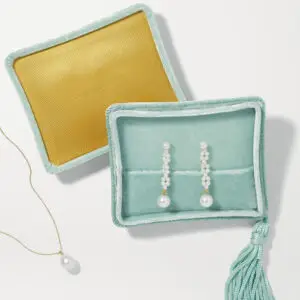
Satin Lining
Smooth satin interior reduces friction on jewelry surfaces, delivering classic luxury appeal. Available in silk and poly-blend finishes. Adds premium perception to every unboxing experience and protects delicate pieces.

Microfiber Interior
Ultra-soft microfiber delivers durability and premium feel while resisting scratching and wear. Professional-grade, washable surface. Ideal for high-volume luxury retailers. Superior jewelry protection compared to standard fabrics.
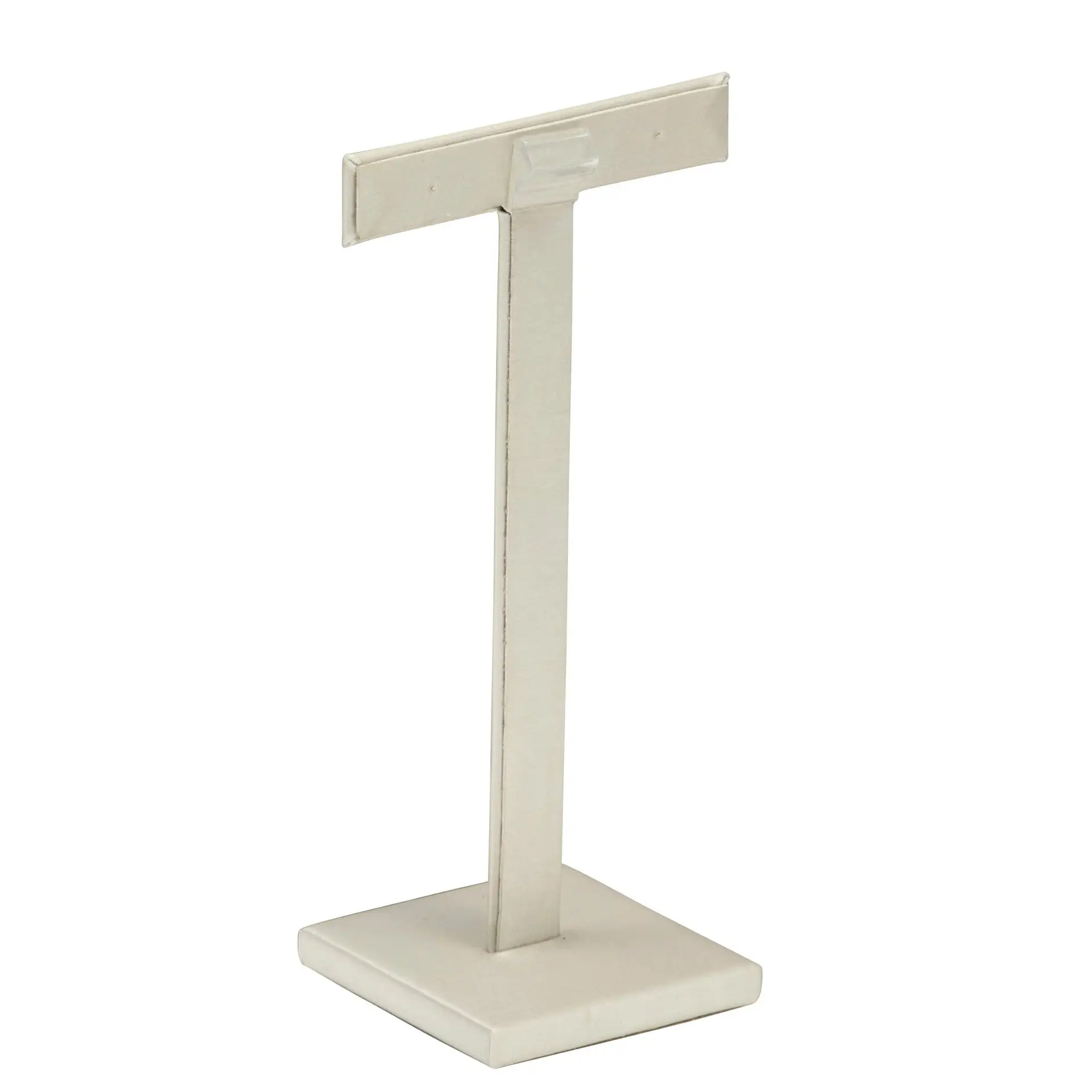
FSC-Certified Paper Exterior
Eco-conscious premium paper sourced from responsibly managed forests. Accepts high-quality printing and embossing. Certifications visible to end customers. Weight: 250-350 gsm. Aligns brand with sustainability commitments.
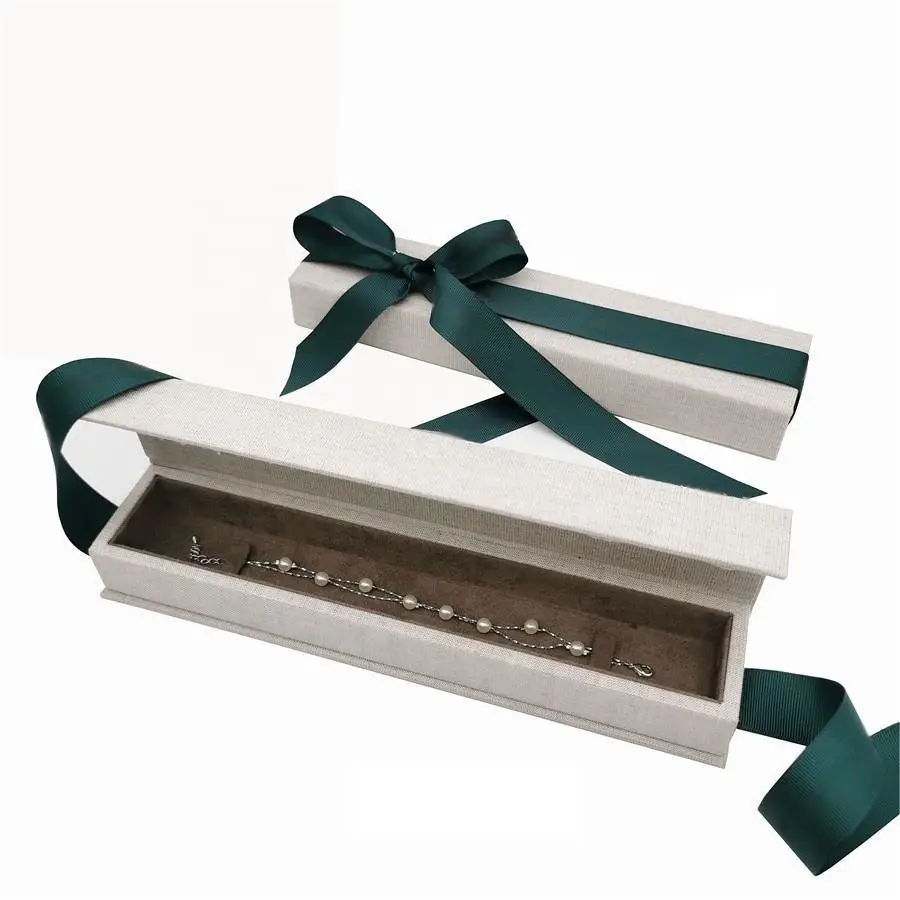
Magnetic Metal Closures
Strong neodymium magnets provide secure, silent closure. Premium stainless steel or titanium options available. Requires custom tooling. Creates seamless, luxury unboxing experience. Durable across 100+ open-close cycles.
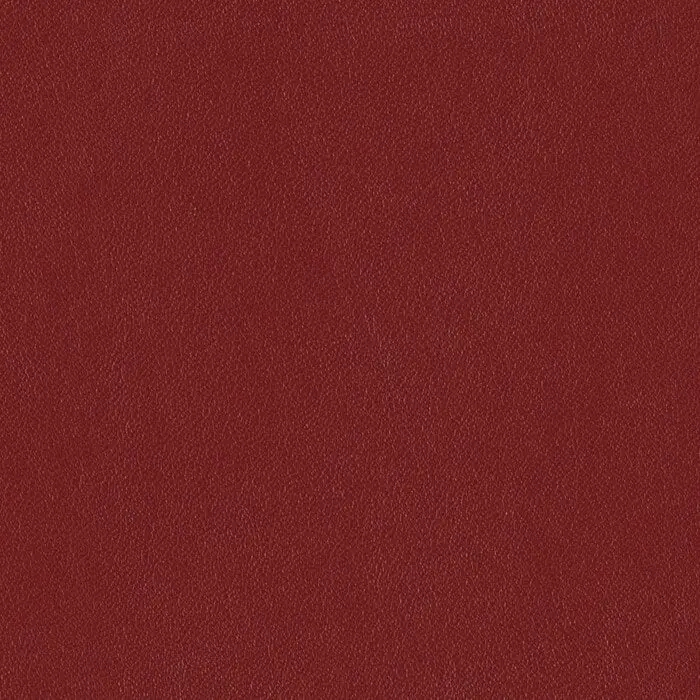
Recycled Eco-Materials
Biodegradable recycled paper and plant-based materials align luxury packaging with environmental responsibility. Reduces carbon footprint significantly. Supports brand sustainability messaging to conscious consumers globally.
Production Processes & Techniques
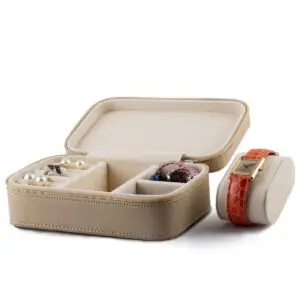
Hot-Stamping
Application of metallic foil or pigment onto box surfaces using heat and pressure. Creates luxurious raised metallic logos, text, or designs with lasting shine and tactile dimension—essential for premium metal jewelry box branding.
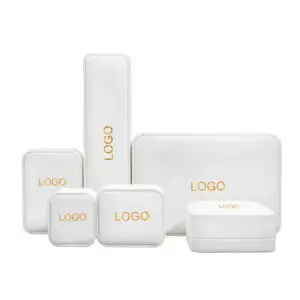
Screen Printing
Precision ink application through fine mesh screens for vibrant, detailed graphics on rigid boxes or pouches. Delivers sharp color registration and durability, ideal for branded jewelry box patterns and custom artwork.
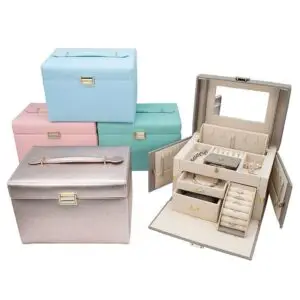
Embroidery
Needle-and-thread stitching of logos, patterns, or decorative elements onto velvet, satin, or microfiber pouch surfaces. Produces tactile, luxury detailing that elevates the unboxing experience on high-end jewelry box pouches.
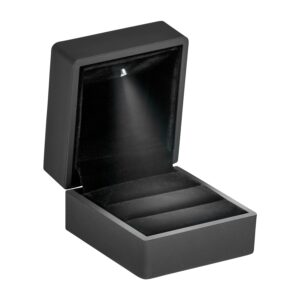
LED Assembly
Integration of discreet LED lighting into rigid box interiors with battery-operated or USB controls. Illuminates jewelry contents upon opening, creating dramatic visual impact and enhancing the premium unboxing moment for luxury jewelry boxes.
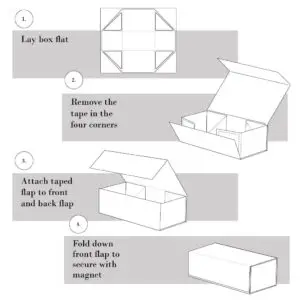
Foldable Box Die-Cutting
Precision die-cutting and creasing of rigid board to create hinged, collapsible jewelry box structures without hardware. Enables flat-pack shipping efficiency while maintaining structural integrity and aesthetic appeal in compact metal jewelry box designs.
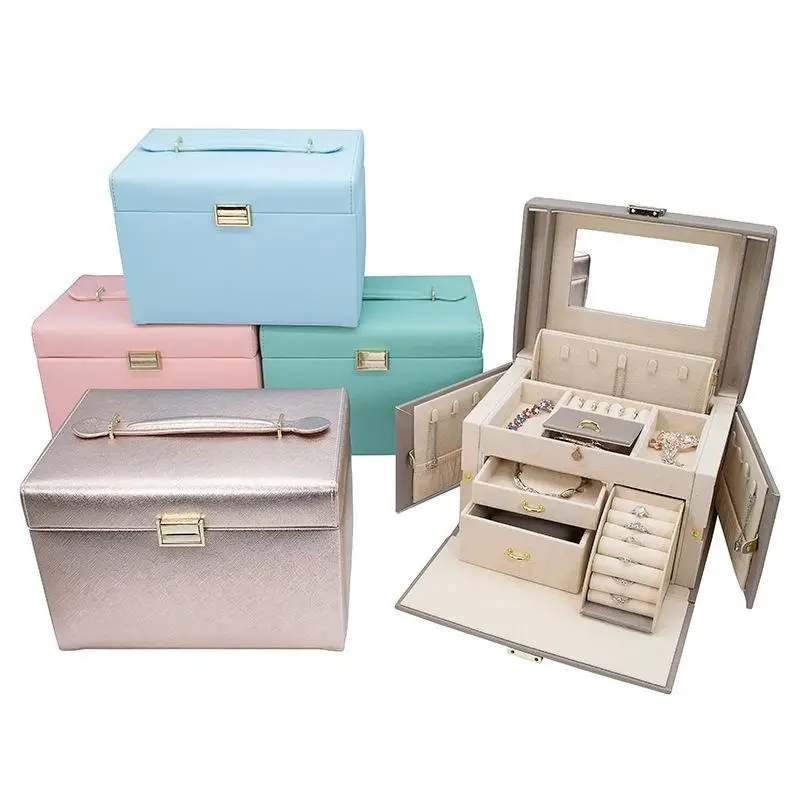
Custom Insert Fabrication
Hand-crafted or machine-molded padding, compartments, and velvet/satin liners tailored to jewelry piece geometry. Protects contents during transit and enhances perceived value, transforming any metal jewelry box into a bespoke presentation vessel.
Premium Hardware & Finishing
Magnetic Closures
Premium magnetic closure systems provide secure, silent fastening for luxury metal jewelry boxes. Engineered for smooth operation and lasting durability, ideal for high-end brands demanding sophisticated presentation.

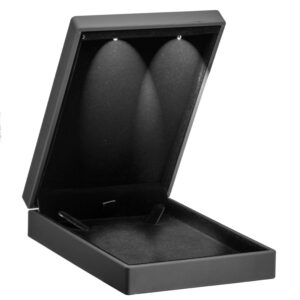
LED Lighting Systems
Interior LED illumination showcases jewelry elegantly inside custom metal jewelry boxes. Warm or cool-tone options enhance product appeal, creating an unboxing experience that impresses luxury retailers and end consumers.
Custom Woven Labels
Branded woven labels add identity and authenticity to your packaging. Available in custom sizes and designs, these labels reinforce brand presence on metal jewelry box exteriors or interiors, enhancing perceived value.
Luxury Drawcords & Tipping
Premium drawcords and reinforced tipping elevate the unboxing experience for metal jewelry boxes. Choose from silk, cotton, or specialty materials that complement your brand aesthetic while ensuring durability through repeated use.

Premium Interior Liners
Custom velvet, microfiber, or satin liners protect jewelry and create luxury tactile experience. Fully customizable colors and embossing make these liners essential for high-end metal jewelry box branding and product protection.

Branded Hang Tags
Custom hang tags provide the finishing touch for brand storytelling. Crafted from premium materials with embossed logos or printed details, they enhance the perceived value of your metal jewelry box packaging.
On The Way: Your Metal Jewelry Box Manufacturer
Founded in 2007 in Dongguan, China, On The Way was built on a simple principle: quality defines survival. From our 1,200 m² factory with 220+ skilled staff, we’ve completed 6,500+ custom metal jewelry box projects, establishing ourselves as a trusted partner for jewelry brands worldwide seeking premium OEM packaging solutions.
Today, we serve 300+ jewelry brands across 30+ countries—from North America to Europe and Southeast Asia. Our factory specializes in custom metal jewelry boxes, rigid gift boxes, luxury pouches, and branded packaging. We maintain factory-direct pricing, low minimum order quantities, and rigorous multi-stage quality control on every production run.
What sets us apart is our commitment to sustainable manufacturing and dedicated support. We use FSC-certified paper, recycled materials, and offer private-label solutions tailored to your brand. Every project—from sampling to mass production—is guided by a dedicated account manager ensuring on-time delivery and exceptional results.

Our Metal Jewelry Box Manufacturing Capabilities
Custom Design & Rapid Sampling
Work directly with our design team to realize your custom metal jewelry box vision. We produce high-quality samples in just 7 days, enabling rapid iteration and fast-track to production. Our flexible approach supports brands at every scale.
- Direct collaboration with experienced design consultants
- 7-day sampling turnaround from brief to prototype
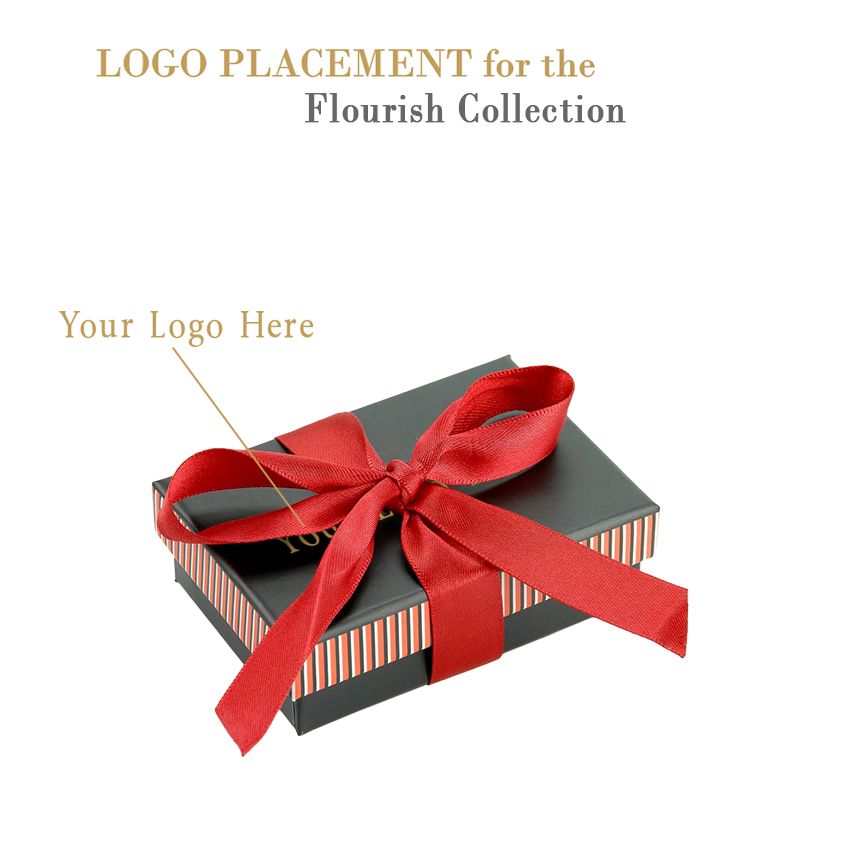
- Full custom flexibility—logo placement, dimensions, colors
- Fast-track to production once design approved

Multi-Stage Quality Assurance Process
Every metal jewelry box undergoes rigorous multi-stage inspection from raw materials through final packaging. Our dedicated QC team employs advanced testing protocols to ensure premium quality standards. We catch imperfections early and maintain consistency across all production batches.
- Material inspection at receipt and pre-production
- In-process QC at critical manufacturing stages
- Final inspection and functional testing before shipment
- Documentation and traceability for every batch
Sustainable Metal Jewelry Box Materials
We prioritize environmental responsibility in every metal jewelry box we manufacture. Our materials include FSC-certified paper, recycled metals, and reusable components sourced from verified sustainable suppliers. Premium quality and ecological values go hand-in-hand.
- FSC-certified and recycled material options
- Verified eco-friendly suppliers and sourcing partnerships
- Reusable, biodegradable, and responsibly-sourced components
- Full transparency and certifications for sustainability claims
Reliable On-Time Delivery & Fulfillment
Dependable on-time delivery is built into our operations. With dedicated account managers, advanced scheduling, and production capacity across our 1,200 m² factory, we consistently meet deadlines. Serve your customers confidently with our proven track record.
- Dedicated account manager assigned to every project
- Advanced production scheduling and real-time tracking
- 17+ years serving 300+ brands across 30+ countries
- Proven on-time delivery track record
Our Manufacturing Capabilities
Factory-direct quality, certifications, and dedicated service set On The Way apart from typical jewelry packaging suppliers.
← 左右滑动查看 →
Metal Jewelry Box Manufacturing Timeline
6 phases of precision production—from design approval to worldwide delivery
Design Review & Approval
Submit your specifications and design files. Our team reviews technical requirements and provides feedback within 48 hours. Design approval gates mass production.
Material Sourcing & Sampling
We source premium FSC-certified, recycled materials matching your specifications. First samples arrive within 14 days for your approval before production begins.
Cutting, Assembly & Printing
Our CNC cutting and automated assembly lines produce precision components. Full-color printing and branding applied to metal jewelry box surfaces with exact specifications.
Multi-Stage Quality Control
Every metal jewelry box passes three inspection stages: component quality, assembly integrity, and final finish verification. Zero-defect targeting with full documentation.
Packing & Labeling
Products are carefully packed with protective materials. Custom labels, logos, and branding applied. Boxes prepped for immediate shipment to your destination.
Worldwide Courier Delivery
Shipment tracking provided from factory to your warehouse. DHL, FedEx, or Sea Freight options available. Delivery to 150+ countries with customs support.
Why On The Way Outperforms Standard Suppliers
Five straightforward steps from initial inquiry to on-time delivery.
Submit Your Tech Pack & Specs
Share your design specifications, material preferences, and production volume. Our team reviews every detail to ensure we can deliver exactly what you need.
Receive Free Sample & Quote
We’ll send a complimentary production sample and detailed price quote within 7 days. Inspect the sample in hand before committing to full production.
Confirm Order Specifications
Review and approve final specs, pricing, timeline, and delivery terms. Our dedicated account manager guides you through each detail to eliminate surprises.
Production Begins & Progresses
Once confirmed, we schedule production and keep you updated at each stage. Multi-stage QC checks ensure every box meets our exacting standards.
Receive Your Order On Schedule
We coordinate logistics and deliver on-time, every time. Packaging is secure and ready for your retail shelves or direct distribution.
Manufacturing Timeline

Why 300+ Global Jewelry Brands Trust Our Metal Jewelry Boxes
On The Way helped us source packaging for our new luxury line with just a 50-piece MOQ. They sampled our custom metal jewelry box design in 14 days, cut our per-unit cost by 28%, and have delivered 15 orders on time since launch.
We needed to scale from 5,000 to 45,000 units annually. On The Way’s dedicated account manager understood our brand needs and delivered 98% on-time performance. Their metal jewelry box quality and OEM flexibility made scaling painless.
As a startup, MOQ restrictions were a barrier. On The Way’s 50-piece minimum for their custom metal jewelry box let us launch without overstock. The multi-stage QC is visible in every piece, and our retail partners noticed immediately.
Common Questions About Metal Jewelry Boxes
What is the minimum order quantity (MOQ) for a metal jewelry box?
How long does it take to produce a metal jewelry box order?
Do you charge for sampling a metal jewelry box design?
Can you fully customize a metal jewelry box to our exact specifications?
What are your standard payment terms?
Do you offer international shipping for metal jewelry box orders?
How do you protect our design and intellectual property?
What happens if we need revisions to our metal jewelry box after sampling?
Quality & Compliance Certifications
Learn how to source premium metal jewelry boxes with confidence. Explore materials, finishes, customization options, quality standards, manufacturer vetting criteria, and pricing strategies to avoid costly mistakes and find the right packaging partner for your jewelry brand.
1. What is a Metal Jewelry Box?
The luxury jewelry market demands premium packaging that reflects brand prestige. A metal jewelry box is a rigid, protective storage and presentation container, typically constructed from aluminum, stainless steel, or brass-plated materials, designed to house fine jewelry while reinforcing brand identity. Unlike soft-pouch or cardboard alternatives, metal jewelry boxes deliver durability and a tactile unboxing experience that communicates exclusivity—critical for jewelry houses, independent designers, and boutique retailers competing on first impression.nnOver 3,000 jewelry brands globally now source custom metal jewelry boxes as a core brand asset, particularly in North America, Europe, and Southeast Asia. The market segment spans independent jewelers with 50-piece MOQs to multi-brand retailers needing 5,000+ units annually, each seeking customization options—embossed logos, soft-touch lacquer finishes, magnetic closures, or integrated LED lighting—to differentiate at retail and online checkout.nnPremium packaging is not an afterthought; it’s the first physical touchpoint a customer has with a jewelry brand. A professionally manufactured metal jewelry box elevates perceived value, protects merchandise, enables reusable storage (extending brand presence in the home), and justifies price-point positioning in the luxury segment—making it essential for retailers targeting high-margin, design-conscious buyers.
2. Evolution and History of Metal Jewelry Boxes
The shift from bespoke metalwork to mass-produced metal jewelry boxes accelerated in the 1980s and 1990s when CNC machining and precision stamping replaced hand-finishing as industry standards. This democratized luxury packaging, lowering per-unit costs while maintaining the rigid structure and protection that precious items demanded.nnLuxury brands’ demand for differentiation drove two major innovations: magnetic-closure systems (which became standard by the 2010s) and integrated LED lighting for retail displays. These features pushed metal box specifications beyond simple lids and compartments into functional brand assets. A metal jewelry box is no longer a passive container—it’s a touchpoint that signals quality and controls unboxing experience, shifting what designers and retailers prioritize when sourcing.nnThe last decade saw a parallel shift toward sustainable sourcing practices. Recycled aluminum and responsibly sourced steel now compete with virgin metals, while eco-coatings and water-based finishes replace toxic chrome plating in high-volume production. FSC-certified packaging for inserts and materials transparency across the supply chain have become baseline expectations for luxury-market buyers, not premium add-ons.
3. Types of Metal Jewelry Box
Jewelry box designs vary primarily by opening mechanism and internal structure. Each type serves distinct retail, personal storage, and gifting scenarios. Manufacturers categorize them by hinged lids, sliding drawers, multi-tier systems, and portable travel cases—each optimizing for different customer needs.
| Type | Primary Use | Capacity | Ideal Customer Segment |
|---|---|---|---|
| Hinged Lid | Personal storage, premium gifting | 4–6 compartments | Jewelry houses, luxury retail |
| Sliding Drawer | Retail display, e-commerce | 4–8 compartments | Boutique retailers, online brands |
| Multi-Tier | Large personal storage, showrooms | 12–20+ pieces | Large jewelry retailers, collectors |
| Travel Case | Transit, trade shows | 10–20 pieces | Luxury brands, pop-up vendors |
Hinged-Lid Boxes
Hinged lids are the classic metal jewelry box design, ideal for personal storage and retail display. The full-opening mechanism provides easy access while keeping contents secure when closed.nnUpscale brands favor this style for premium gifting and retail presentation. Best for jewelry houses and luxury retailers targeting gift sets.
Sliding Drawer Boxes
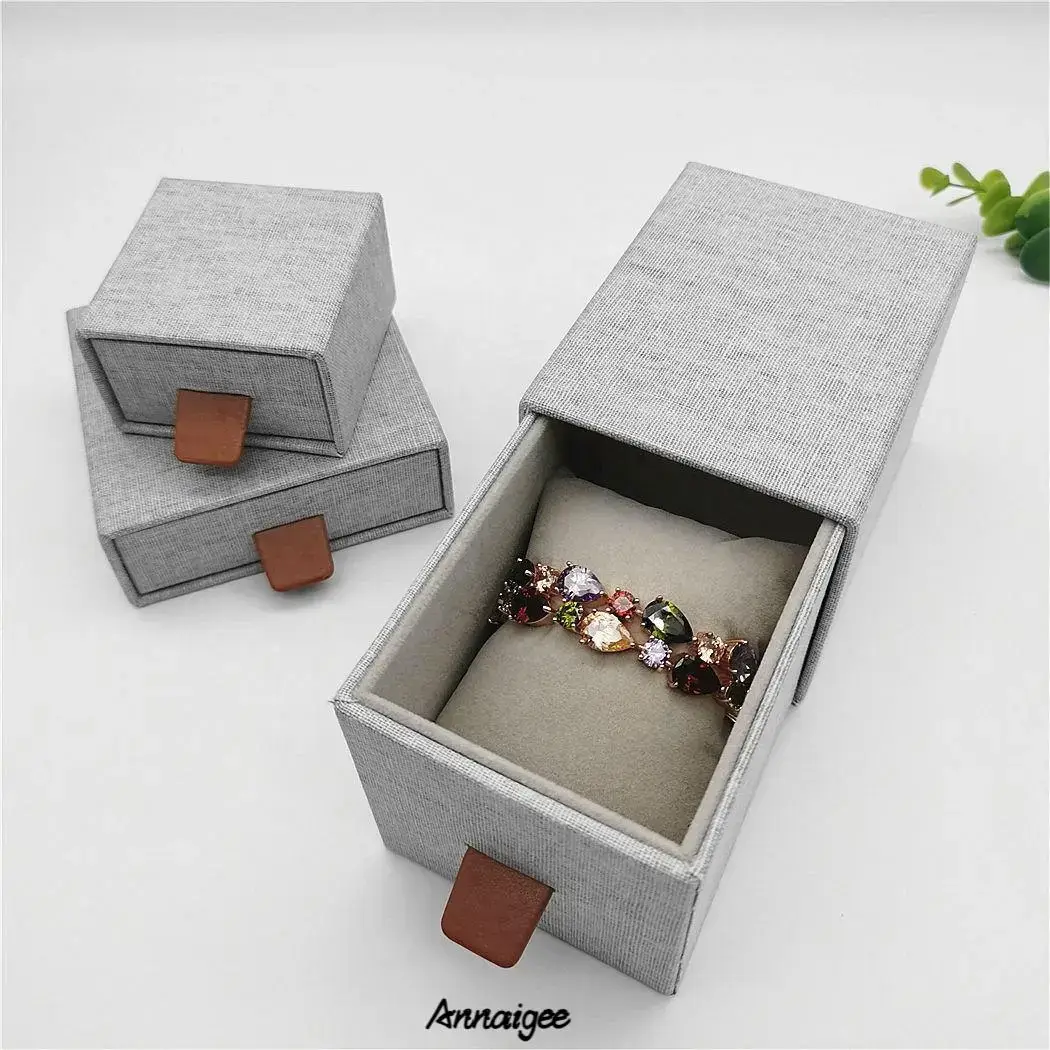
Sliding drawers require less vertical space and suit modern, minimalist retail environments. The drawer mechanism compacts compartments horizontally for efficient storage.nnIndependent designers prefer this format for brand-differentiated packaging and e-commerce unboxing experiences. Typical capacities range 4–8 compartments.
Multi-Tier Systems
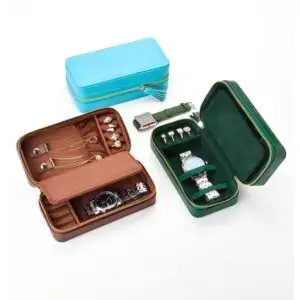
Multi-tier boxes stack 2–4 layers internally, maximizing capacity without expanding the footprint. Each tier lifts independently for organized storage by jewelry type.nnLarge retailers and jewelry houses use these systems for personal storage and showroom displays. Higher production MOQs typically require 100+ units.
Travel Cases
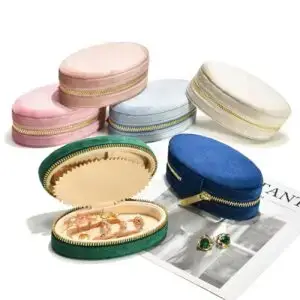
Travel cases are compact, portable metal boxes designed for jewelry storage during trips or showroom traveling. Latch closures, handles, and reinforced corners ensure durability through transit.nnLuxury brands and independent jewelers use these for brand presence at pop-ups and trade shows. Typical capacity is 10–20 pieces.
4. Materials and Protective Finishes
A metal jewelry box’s durability and visual appeal depend on material and finish selection. Steel, brass, aluminum, and zinc alloy dominate the market, each with distinct cost-to-durability tradeoffs. Finishes—from powder coating to precious-metal plating—further define brand positioning and product lifespan.
Steel and Zinc Alloy
Steel and zinc-alloy diecastings anchor the budget-to-midrange segment. Steel offers excellent hardness and thread retention for hinges; zinc alloy permits tight tolerances at low tooling cost. Both are ferrous and require plating or powder coating to prevent rust.nnTypical cost: $2–6 USD per unit for zinc shells; steel typically costs 10–20% more.
Brass and Aluminum
Brass (60/40 copper/zinc standard) and aluminum command premium pricing—$4–12 for brass, $3–9 for aerospace aluminum—but deliver distinctive aesthetics. Brass naturally resists corrosion and develops a warm patina. Aluminum’s lightweight profile suits minimalist designs and anodizes to 10–25 µm for tarnish resistance.nnBoth appeal to brands positioning above commodity, typically supporting 15–25% retail premiums.
Protective Finishes
Powder coating (polyester, epoxy) runs $0.50–2 per unit and delivers matte or satin aesthetics. Chrome and nickel plating cost $1–4 per unit; gold plating ($2–6) elevates luxury positioning at 0.5–3 µm thickness. Polished finishes require hand buffing, adding 20–40% labor. Matte hides fingerprints; polished appeals to formal/occasion wear.
Pricing and Durability Tiers
Entry-tier ($8–15 retail): zinc alloy + powder-coat matte. Mid-tier ($15–40): steel + chrome plating. Premium ($40+): brass or aluminum + polished or gold overlay.nnDurability: 3–5 years (zinc+coat), 5–10 years (steel), 10+ years (brass/aluminum). Request ASTM B117 salt-spray testing for coastal markets.
5. Customization and Branding Options
Custom branding transforms metal jewelry boxes into luxury touchstones. Decoration techniques—engraving, embossing, silk-screen printing, and inlay—each carry distinct lead times, MOQ thresholds, and cost profiles.
Decoration Techniques
Engraving and embossing cut or raise metal—MOQ 30–100 pieces, 5–10 working days, tooling USD 50–150. Silk-screen printing (1–2 colors) requires 100–200 pieces minimum, 7–12 days, screen setup USD 80–120.nnInlay with precious metal foils demands 200+ pieces and 12–18 working days but yields premium luxury impact. Each technique suits different brand positioning: engraving for minimalist luxury, silk-screen for large-area coverage, inlay for ultra-premium lines.
Lining and Interiors
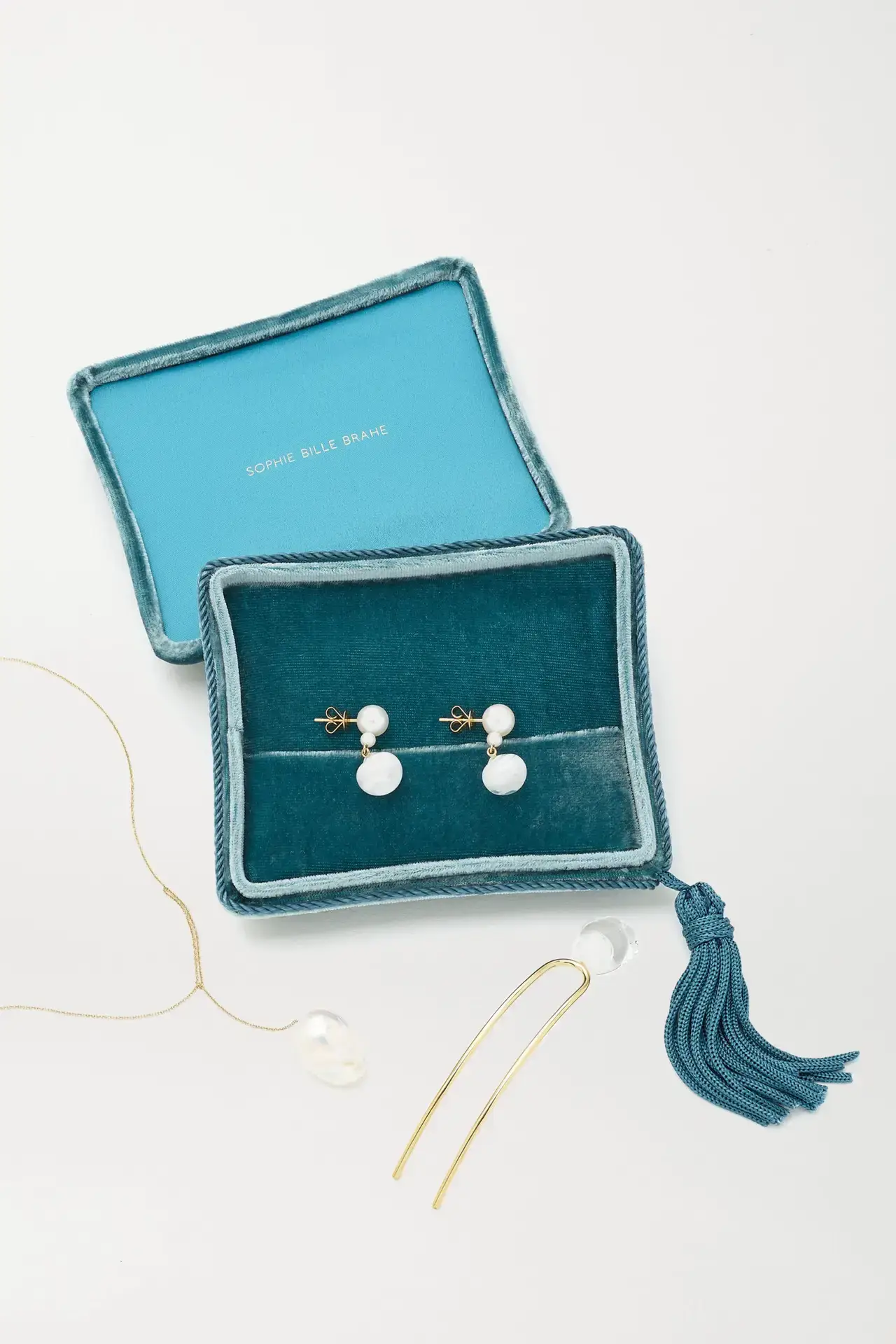
Velvet, satin, microfiber, and linen linings (150–300 GSM) add USD 0.80–2.50 per unit. Custom color matching requires 100–200 MOQ, 10–15 working days.nnFSC-certified or OEKO-TEX recycled materials cost 8–12% more and appeal to sustainability-conscious brands—a key differentiator in luxury markets. Choosing premium lining elevates perceived value and justifies higher retail positioning.
Strategic Cost and Lead Time Optimization
Embossing offers fastest turnaround (5–7 days); combining techniques extends timelines cumulatively but yields volume discounts. Factory-direct sourcing (50-piece MOQ across finishes, dedicated account managers) collapses sampling cycles from 6–8 weeks to 2–3 weeks.nnBundling multiple decoration methods unlocks 10–15% cost reductions on bulk orders. Negotiate tooling costs as per-unit amortization across planned SKU runs to optimize margins.
6. Construction Quality and Durability
Superior metal jewelry boxes rest on hinge durability, closure security, interior finish, edge sealing, and multi-stage quality control. When sourcing, inspect samples carefully and request documented QC checkpoints to confirm consistent craftsmanship across your entire run.
Hinges and Magnetic Closures
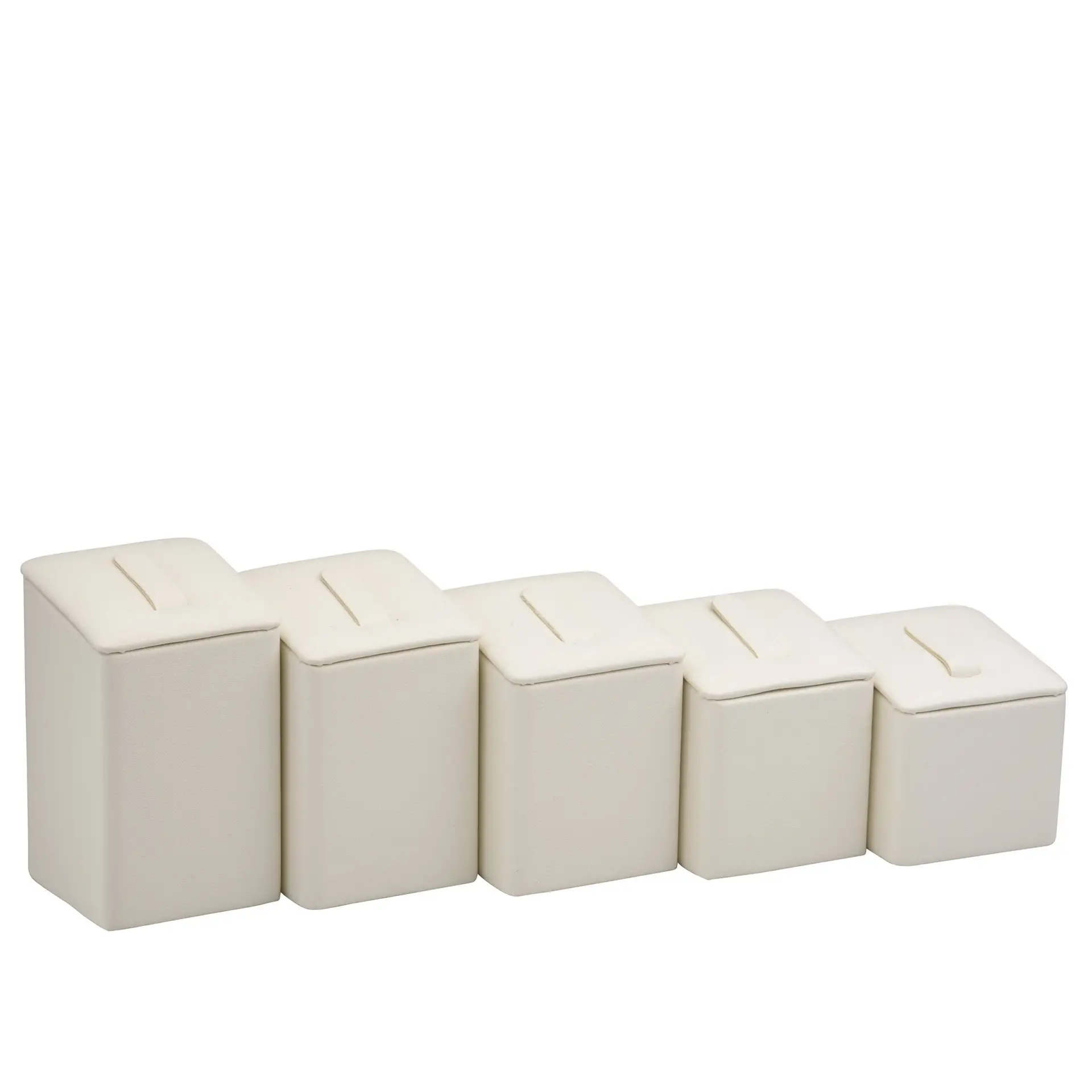
Leading manufacturers test hinges for 10,000+ cycles. Check for smooth operation without play or creaking.nnMagnetic closures should use neodymium N50 or higher. When comparing samples, open and close each box 20 times—misalignment and over-closure appear immediately.
Interior Padding and Velvet Quality
Premium options include microfiber (400–500 GSM), satin, or cotton velvet, each offering different durability. FSC-certified and recycled materials meet luxury brand expectations.nnRun a fingernail across samples; superior velvet won’t pill, and padding returns to shape after compression.
Edge Finishing and Metal Integrity

Edges reveal labor investment. Gaps between lid and base should be uniform (under 1 mm) and sealed to prevent dust ingress.nnCheck corners for sharp burrs. A well-constructed metal box feels heavier and solid, not hollow.
Quality Control Inspection Stages
Professional suppliers inspect color against Pantone standards, hardware alignment, interior placement, and finish at three stages: pre-assembly, post-closure, and pre-shipment.nnRequest third-party inspection reports or video walkthroughs before volume production. This transparency reduces rework and customer returns.
Spotting Defects in Sample Review
Shake the closed box—nothing should rattle. Press interior corners; padding should not compress unevenly.nnLook for loose rivets, misaligned magnets, fabric pilling, and color inconsistency. Ask how defects will be prevented in volume production and document the answer.
7. How to Choose a Metal Jewelry Box Manufacturer
Sourcing a metal jewelry box manufacturer requires evaluating production capacity, customization depth, and quality standards before committing to bulk orders. Most suppliers operate with minimum order quantities (MOQs) ranging from 50 to 500 units; vetting their processes, certifications, and track record separates reliable partners from generic manufacturers.
Certifications and Compliance
FSC certification for cardboard and wood proves sustainable sourcing. OEKO-TEX or GOTS on textile pouches ensures dye safety. Verify audits: BSCI or WRAP demonstrate fair labor practices and factory compliance with international standards.
Production Capacity and Lead Times
Ask suppliers for factory floor size, staff count, and concurrent projects under production. Lead times typically range 6 to 12 weeks from sampling to mass production, depending on complexity. Request references from current clients on delivery reliability.
MOQ Flexibility and Negotiation
Standard MOQs start at 50 units for custom metal jewelry boxes; some factories offer lower quantities at premium pricing. Negotiate by volume: orders of 500+ often unlock 10–15% discounts. Transparent pricing breakdowns by size, material, and finish prevent hidden fees.
Sample Quality and Evaluation
Request paid samples (typically $200–$500 per design) before committing to production. Evaluate finish quality, closure integrity, interior lining durability, and engraving/embossing precision. Poor sample quality signals manufacturing discipline gaps; do not overlook finish defects or inconsistent tolerances.
Customization Depth

Verify capabilities: laser engraving, embossing, hot-stamp branding, Pantone color matching, and custom hardware sourcing. Multi-stage customization (printing + embossing + hardware assembly) requires coordinated tooling. Ask for past project portfolios to assess design complexity handled.
Quality Guarantees and Payment Terms
Establish defect thresholds in contracts: reject rates >3% allow returns. Standard payment: 50% deposit at order, 50% before shipment. Confirm warranty coverage and the process for addressing damage in transit. Clear communication reduces disputes over quality acceptance criteria.
8. Common Mistakes When Sourcing Metal Jewelry Boxes
Most sourcing failures stem from overlooking production timelines, material specifications, and regulatory requirements early in the process. These mistakes compound downstream, affecting brand launches and profit margins.
Lead Time Compression
Standard lead times for custom metal jewelry boxes range from 8–12 weeks, depending on customization complexity.nnMost factories require 2–4 weeks for sampling before mass production begins. Brands that compress timelines without adequate buffer risk delayed market launches or quality shortcuts.
Poor Hinge Selection

Hinges fail within 3–6 months when cast from low-grade brass or zinc alloy.nnReputable manufacturers test hinges for minimum 10,000 open-close cycles before production commitment. Premium brass or stainless-steel hinges cost 15–20% more but prevent costly returns and brand reputation damage.
Insufficient Interior Padding

Velvet or microfiber padding thinner than 2–3mm allows precious items to shift and scratch during transit.nnSpecify exact padding density and placement in your technical brief. Custom foam inserts deliver superior protection versus generic blanket linings.
Misaligned MOQ Strategy
MOQ set too low (under 150 units) erodes per-unit cost savings; too high (over 500) creates inventory burden.nnMost profitable brands order 150–300 units per style. Align MOQ against actual sales forecasts and product shelf-life expectations.
Vague Technical Specifications
Ambiguous design briefs trigger 2–3 revision cycles, extending delivery 4–6 weeks and eroding margins.nnSubmit technical drawings, fabric swatches, and Pantone color codes at the outset. Written sign-off on dimensions, closure type, and interior layout prevents rework.
Missing Sustainability Certifications
FSC certification for cardboard and OEKO-TEX for interior textiles are mandatory for retailers serving eco-conscious markets, especially in Europe and North America.nnCertified materials require 2–4 weeks longer to source. Verify certifications with audited documentation, not supplier claims alone.
9. Pricing and Cost Structure
Metal jewelry box pricing tracks four key drivers: material grade (aluminum, steel, tin), finish complexity (matte, gloss, electroplated), customization scope (printing, velvet lining, magnetic closure), and order volume. A 50-unit order for a basic rigid metal box averages $4–7 per unit; at 1,000+, unit costs drop to $1.50–3, reflecting setup amortization and material economies of scale.nnTypical cost structure: material (45–55%), labor and assembly (18–25%), manufacturing overhead (12–18%), and manufacturer margin (8–15%). Lead times span 2–3 weeks for samples to 4–6 weeks for production runs of 500+, depending on customization complexity and international freight routing.nnShipping and customs fees add 15–35% to landed cost for overseas orders; consolidation of 500+ units typically secures ocean freight rates versus air. Custom MOQ thresholds—typically 50, 100, or 500 units depending on print method and material—balance setup costs against inventory carrying costs.nnFactory-direct sourcing eliminates distributor markups and reduces buyer costs. Low MOQs (50 units and up) unlock competitive production economics without warehousing burden or long-term inventory commitments.
| Box Type | Qty 50 | Qty 100 | Qty 500 | Qty 1000+ |
|---|---|---|---|---|
| Small Rigid Box (50×50mm, plain finish) | $4.50 | $3.80 | $2.20 | $1.80 |
| Medium Box (80×80mm, magnetic closure) | $6.50 | $5.20 | $3.40 | $2.80 |
| Custom Print/Logo Box (80×100mm, matte) | $8.00 | $6.50 | $4.20 | $3.50 |
10. Getting Started: Launch Your Branded Box
Launching a custom metal jewelry box requires clear specifications and disciplined project management. This roadmap moves you from concept through production while ensuring quality checkpoints and planning for scaling.
Specify, Sample, and Evaluate
Detail material, dimensions, closure type, and finish expectations. Request 2–3 samples to assess fit, hardware durability, and edge quality. Most suppliers quote within 24–48 hours. Evaluate each sample against your cost target and production feasibility before committing.
Design Iteration and Approval
Allow 2–3 design rounds with your supplier. Provide clear, written feedback on color, logo placement, padding material, and hardware finish. Once you formally approve the production sample in writing, the factory locks tooling and setup begins—this is your point of no return for design changes.
Terms, Minimums, and Timeline
Factory minimums typically range 50–500 pieces with volume discounts kicking in at 1,000+ units. Negotiate a 50/50 payment split (upfront, balance on ship). Confirm lead time: 4–6 weeks production plus 2–4 weeks shipping. Lock your quantity 3–4 weeks before your target delivery window.
Quality Checkpoints Through Production
Specify multi-stage QC: material inspection on arrival, mid-production photos at 50% completion, and 100% final inspection before packing. Define acceptable defect rates using AQL 2.5 standard or equivalent. Request weekly progress updates. Strong oversight prevents costly post-delivery surprises and protects your brand reputation.
Plan for Reorders and Growth
Retain your approved production sample and purchase order on file for future runs. For repeat orders, confirm pricing and lead time with your account manager—volume discounts typically apply at 500+ units. Reputable suppliers prioritize established customers on production scheduling, reducing risk for your reorder timeline.
Start Your Metal Jewelry Box Project Today
Get factory-direct pricing with 7-day samples and a dedicated account manager guiding your metal jewelry box from concept to production.