
Premium Custom Stackable Jewelry Boxes | Factory-Direct Manufacturer
Stackable jewelry boxes that make a lasting first impression. Factory-direct OEM manufacturing with low MOQ, custom design, and 17+ years of expertise.
Browse Our Stackable Jewelry Box Collection
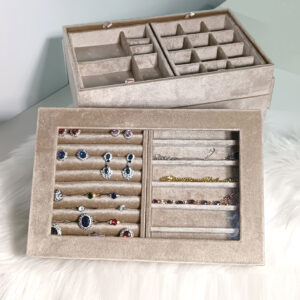


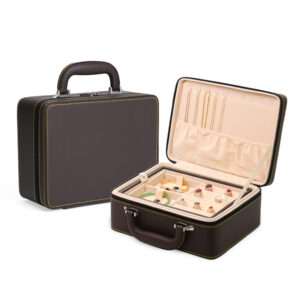
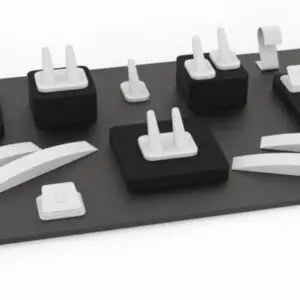
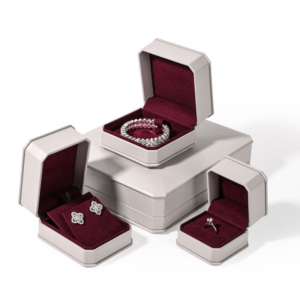
Product Showcase in Detail


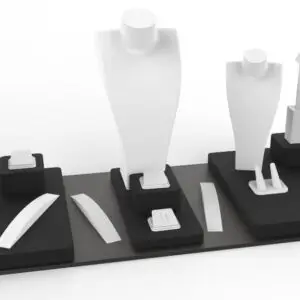

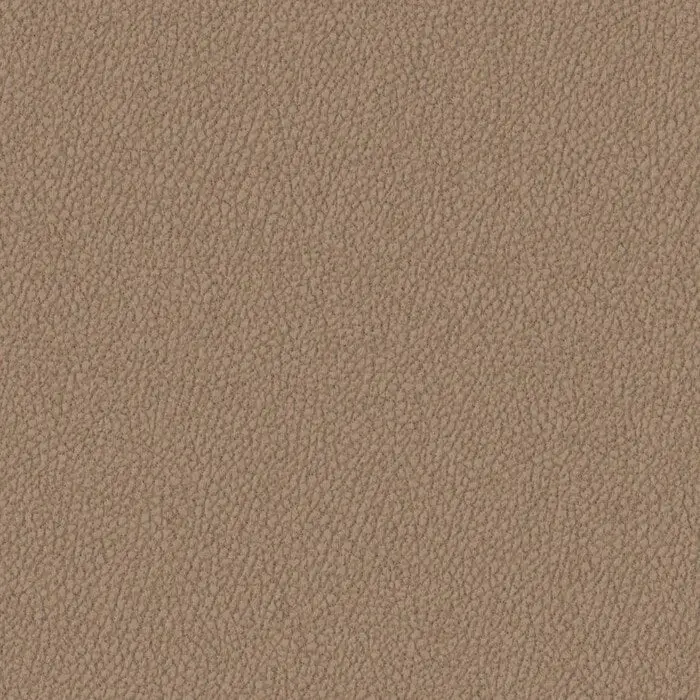
Why Our Stackable Jewelry Boxes Stand Out
Advantages that deliver better margins, faster samples, and production reliability
Factory-Direct Pricing
Own production line means no middlemen. You pay manufacturing cost plus margin, not markup from distributors.
Low MOQ, Full Flexibility
Stackable jewelry boxes from minimum order quantities starting at just 100 units, with flexible minimums as low as 50 units for select configurations. Custom designs for startups and scaling brands alike.
Multi-Stage Quality Control
Every stackable jewelry box passes through 3+ QC checkpoints before shipment. We catch defects so your brand reputation stays pristine.
FSC-Certified Eco Materials
Use FSC-certified paper and recycled materials for your stackable jewelry boxes. Impress conscious customers while reducing your environmental footprint.
Rapid Sampling & Tooling
Get first samples of your custom stackable jewelry box design within 5–7 business days for standard designs, 10–14 days for fully custom configurations. Test before committing to bulk production.
Dedicated Account Managers
Each client gets a single point of contact who manages your project from sampling through mass production and delivery.
Stackable Jewelry Box Solutions for Every Brand
From indie designers to global luxury retailers—discover how 300+ brands use our custom solutions to drive growth and reduce costs
Premium Retail Unboxing
Boutique retailers need high-end packaging that matches their luxury brand positioning, creates memorable unboxing moments for social sharing, yet doesn't require massive order commitments that strain cash flow.
Custom rigid stackable boxes with magnetic closures, printed branding, fast delivery with low MOQ—creating premium experiences that drive social sharing, customer loyalty, and repeat business.
Independent Designers’ First Impression
Small jewelry designers need professional, affordable packaging that fits their budget and production scale, while still protecting delicate pieces during shipping and storage and reflecting brand quality.
Custom velvet and satin stackable pouches in any color, private-label branding options, low MOQ sampling runs—giving indie designers a professional, affordable first touchpoint without bulk commitments.
Stackable Shipping & Unboxing
Online jewelry retailers need branded, stackable packaging that optimizes warehouse storage and shipping costs while still delivering a premium, shareable unboxing experience to customers.
Foldable gift boxes that stack flat for warehousing, custom branded paper bags, reduced logistics overhead—boosting brand presence and unboxing moments at customer doorsteps without excess inventory costs.
Professional In-Store Display
Multi-location showrooms and jewelry retailers need coordinated display solutions—trays, watch cases, busts—that maximize limited floor space, stack efficiently, and create cohesive, professional brand environments.
Modular stackable display trays and custom jewelry cases that nest efficiently, coordinated branding, professional presentation that increases customer confidence, engagement, and average order value across locations.
Omnichannel Private-Label Packaging
Rapidly scaling luxury brands need coordinated packaging across channels—boxes, pouches, paper bags, hardware—with consistent branding, low MOQ flexibility, and reliable on-time delivery across 30+ countries.
Private-label OEM stackable jewelry boxes with dedicated account managers, rigorous multi-stage QC, eco-friendly FSC-certified materials, and proven delivery to 30+ countries—consolidating all packaging needs with one factory-direct partner.
Premium Materials for Custom Stackable Jewelry Boxes

Velvet
Luxurious micro-fiber pile with deep color saturation and exceptional soft hand-feel. Ideal for premium jewelry pouches and presentation boxes. Elevates the unboxing experience for high-end jewelry brands seeking tactile luxury.
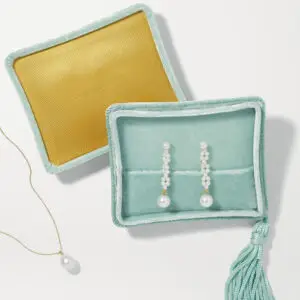
Satin
Smooth, glossy finish with subtle sheen and elegant drape. Perfect for box linings and refined jewelry pouches. Provides a professional, elevated look that complements luxury jewelry collections.
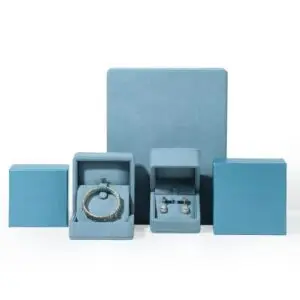
Microfiber
Dense, durable synthetic fabric with soft hand-feel and excellent color retention. The industry standard for jewelry storage and travel pouches. Stain-resistant and wear-resistant for daily-use packaging.

Cotton
Natural, breathable fabric with sturdy weave and neutral aesthetic. Suits eco-conscious brands and minimalist designs. FSC-certified options available as a sustainable, responsible alternative to synthetics.

Linen
Premium natural fiber with distinctive textured surface and gentle hand-feel. Ideal for artisanal and eco-friendly jewelry brands. Breathable, durable, and pairs beautifully with Scandinavian and minimalist aesthetics.
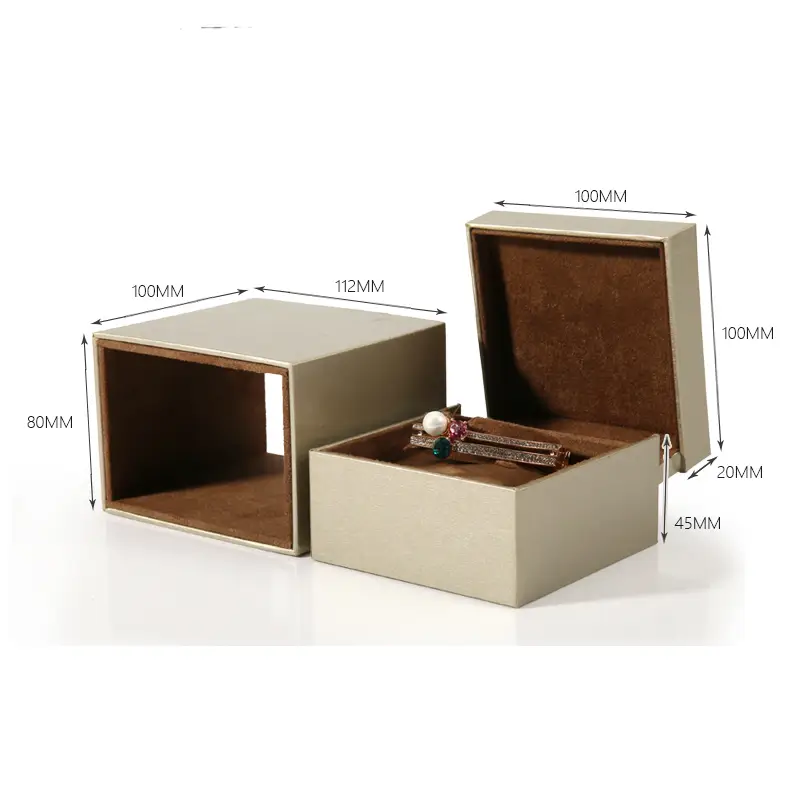
Recycled & Eco-Materials
Post-consumer recycled content and FSC-certified paper board. Meets sustainability commitments without compromising durability or visual appeal. Perfect for brands prioritizing environmental responsibility and circular packaging solutions.
Custom Production & Finishing Processes
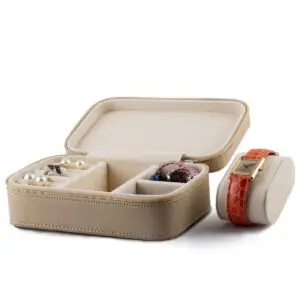
Hot Stamping
Apply precise metal foil and embossed logos to stackable jewelry box exteriors. Creates luxurious, mirror-finished metallic details that enhance brand presence and product perceived value.

Screen Printing
High-volume color printing for custom artwork and logos on box surfaces, lids, and pouches. Durable ink adhesion ensures vibrant graphics withstand handling while maintaining sharp brand identity.
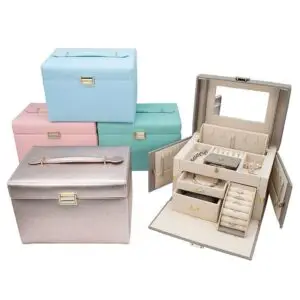
Embroidery
Add dimensional texture to velvet and fabric pouches with custom thread embroidery. Perfect for luxury jewelry boxes, this process creates premium, tactile brand experiences that elevate product positioning.
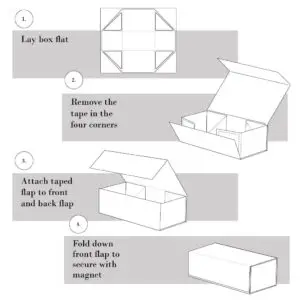
Magnetic Closures
Precision-engineered magnetic closure systems for rigid stackable jewelry boxes ensure secure, seamless operation. Adds tactile luxury and improves perceived quality, essential for high-end jewelry and timepiece packaging.
Custom Finishing
Specialized surface treatments including spot UV, matte lacquer, gloss varnish, and texture application. Achieves distinctive visual and tactile finishes that differentiate stackable jewelry boxes in retail and gift scenarios.
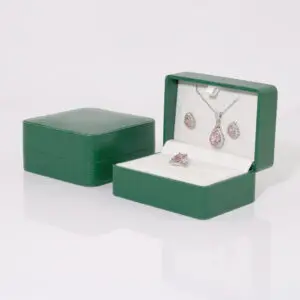
Eco-Coating
Water-based, non-toxic protective coatings that safeguard jewelry boxes while meeting environmental standards. FSC-certified materials with eco-friendly finishes appeal to conscious luxury brands seeking sustainable packaging solutions.
Custom Hardware & Accessories for Stackable Jewelry Boxes

Magnetic Closures
Seamless closure system for stackable jewelry boxes ensuring secure stacking and effortless opening. Maintains structural integrity through repeated use and stacking cycles while providing luxury-grade functionality.

YKK Zippers
Premium Japanese zippers integrated into jewelry box compartments for secure closure and smooth operation. Durable, corrosion-resistant, and perfect for luxury packaging applications requiring exceptional reliability.
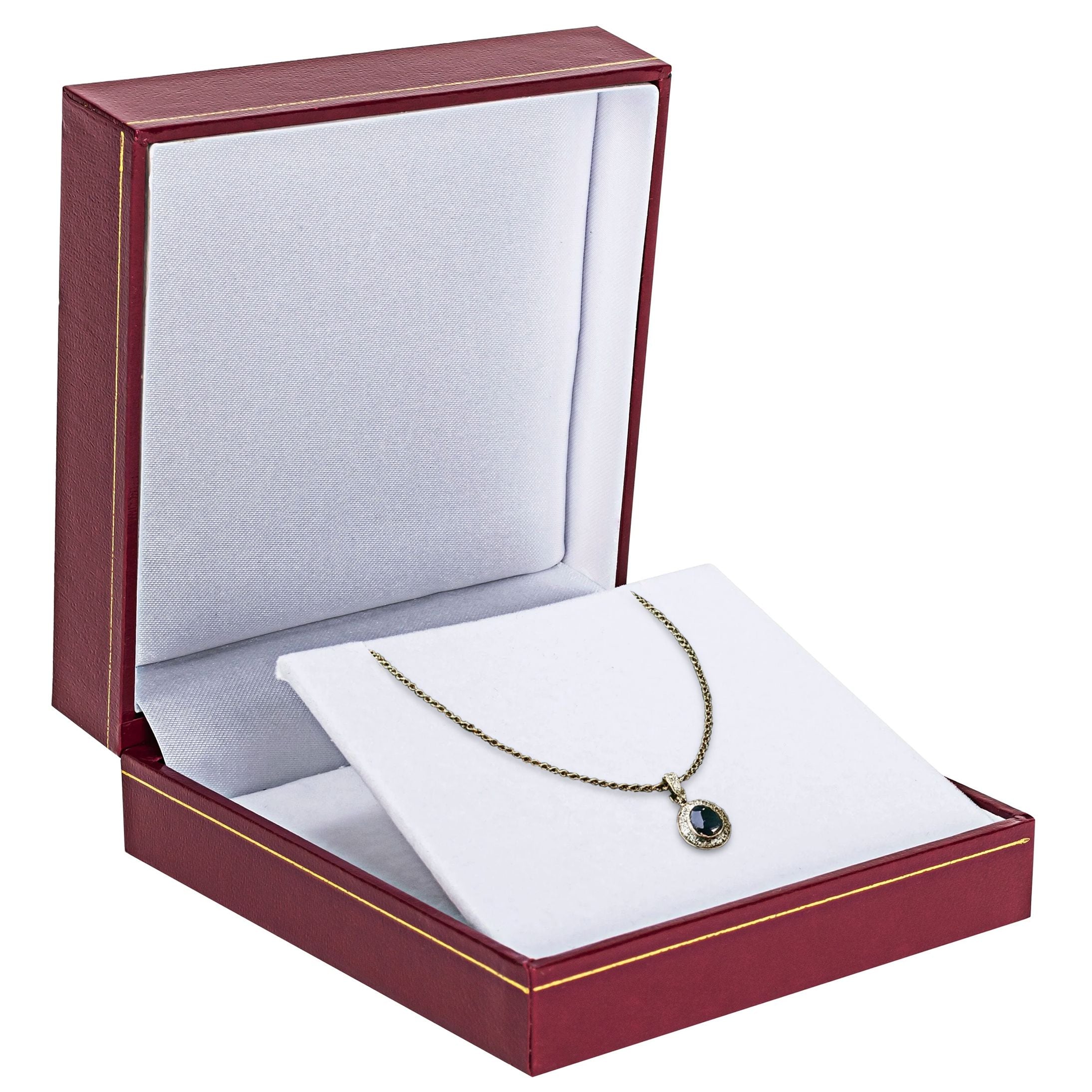
Padded Compartments
Custom-molded foam or fabric-lined inserts protect precious jewelry from movement and damage during storage and stacking. Maximizes storage efficiency while safeguarding contents throughout shipping and handling.
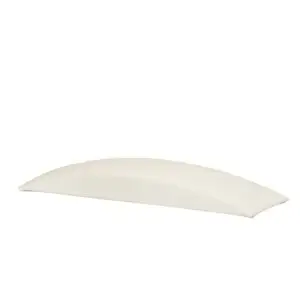
Woven Labels
Custom-branded woven labels add luxury branding touches to your stackable jewelry boxes. Perfect for logo placement and reinforcing brand identity on exterior or interior surfaces.

Drawcord & Tipping
Premium drawcord systems with metal aglets enhance jewelry pouches and bag accessories. Provides elegant closure solution complementing your stackable jewelry box packaging for complete brand presentation.
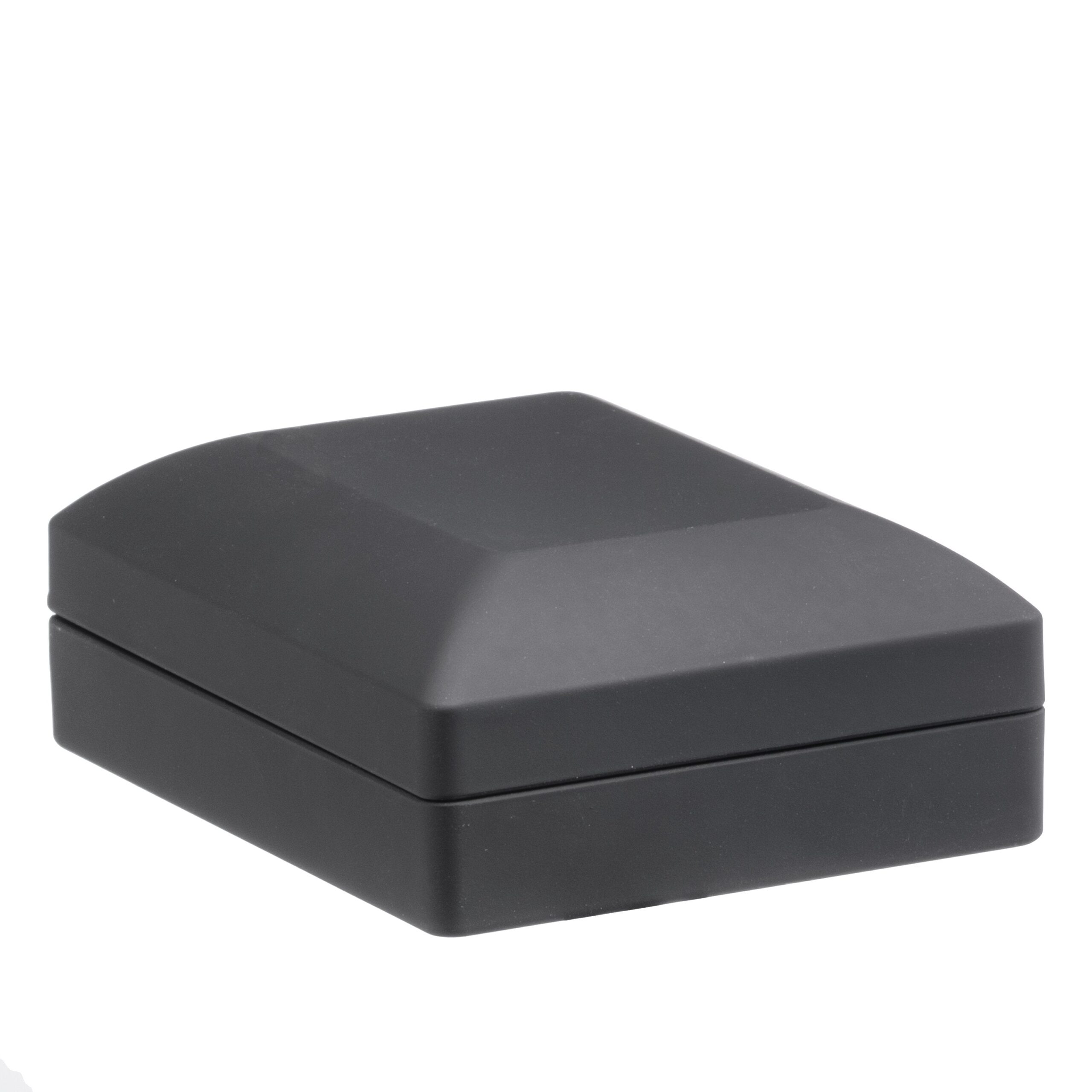
LED Lighting Inserts
Transform your stackable jewelry box into a premium display solution with optional LED modules. Battery-powered and customizable, perfect for luxury brand presentations and retail counter displays.
Stackable Jewelry Boxes — Factory-Direct Since 2007
Founded in 2007, On The Way was built on a simple mission: quality defines survival. From our Dongguan factory, we’ve become a trusted partner for jewelry brands worldwide, designing and manufacturing stackable jewelry boxes, pouches, displays, and luxury paper bags that make your brand’s first impression unforgettable.
With a 1,200 m² factory, 220+ skilled staff, and 6,500+ completed projects for 300+ brands across 30+ countries, we’ve proven our ability to scale. We serve everyone from independent designers to established houses—low MOQ, full custom flexibility, and OEM/private-label solutions mean every stackable jewelry box comes to life exactly as you imagine it.
We own our production lines—factory-direct pricing with no middlemen. Every piece undergoes multi-stage QC, using FSC-certified and eco-materials. Dedicated account managers ensure on-time delivery. Founded by Joyce Linkwin on the principle that packaging is your brand’s first impression, we’re committed to making yours exquisite.

Our Stackable Jewelry Box Capabilities
Rapid Custom Design & Sampling
From concept to production-ready sample in days, not weeks. Our in-house design team translates your vision into stackable jewelry boxes with precision CAD, material testing, and rapid prototyping. Collaborate directly with dedicated account managers throughout the sampling phase to refine every detail.
- Concept-to-sample in days with zero setup fees
- Unlimited revision rounds on designs and prototypes
- Direct collaboration with dedicated design engineers
- Production-ready technical drawings before mass manufacturing
Multi-Stage Quality Control & Compliance
We don’t compromise on quality. Every stackable jewelry box passes through a rigorous multi-stage QC process—material inspection, dimensional verification, durability testing, and finish inspection—backed by industry certifications and compliance documentation. Your brand’s reputation is protected by our meticulous attention to detail.
- Multi-stage QC at each production phase
- Full compliance with international packaging standards
- ISO and FSC certifications on file
- Third-party testing available for premium collections
Sustainable Materials & Eco Design
Luxury meets responsibility. We craft stackable jewelry boxes from FSC-certified paper, recycled materials, and sustainable finishes—without compromising elegance. From microfiber-lined interior trays to biodegradable packaging components, every choice reflects environmental stewardship while elevating your brand’s eco-conscious positioning.
- FSC-certified and recycled paper options
- Eco-friendly coating and finishes (water-based, non-toxic)
- Sustainable material sourcing from vetted suppliers
- Reusable, recyclable, and biodegradable components
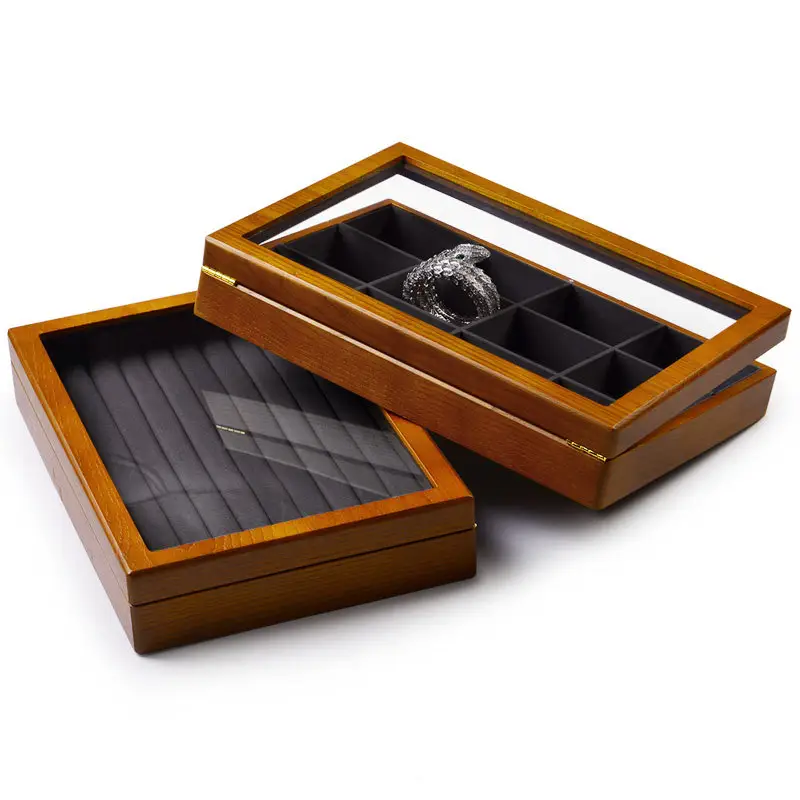
White-Label & OEM Programs
Scale from startup to major brand with our flexible private-label solutions. We handle everything—design, production, packaging, and compliance—under your brand identity. Low MOQ, no minimums on logo variations, and turnkey OEM programs let you focus on growth, not manufacturing logistics.
- Private-label solutions with full brand customization
- Flexible MOQ—scale from 50 to 50,000 units
- Complete OEM package: design, production, delivery
- Dedicated account management for every partner
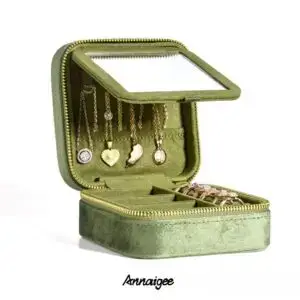
Why Choose On The Way for Stackable Jewelry Boxes
Discover what sets our custom jewelry box manufacturing apart from traditional suppliers
← 左右滑动查看 →
Our Stackable Jewelry Box Production Process
From initial design consultation through final shipping, we maintain rigorous quality standards and factory-direct efficiency at every stage.
Design & Sampling
Collaborate with our team to finalize stackable jewelry box specifications and design. We create production samples and iterate until your vision aligns with our quality standards and production capabilities.
Premium Materials Selection
Source and inspect FSC-certified paper, recycled materials, and custom fabrics. Prepare all raw materials to exact specifications for production precision.
Cutting, Printing & Assembly
Cut box components with laser precision, apply custom printing and branding, assemble boxes using automated and manual techniques for consistent quality.
Multi-Stage Quality Inspection
Inspect at every production stage, verify stackability and durability, test lids and closures, ensure all boxes meet our exacting standards.
Packing & Final Branding
Pack finished stackable jewelry boxes with protective materials, apply custom labels and branded inserts, and prepare shipment cases for worldwide delivery with tracking.
Logistics & Fulfillment
Coordinate shipment through trusted logistics partners, track all orders in real-time, and ensure on-time delivery of your stackable jewelry boxes to customers worldwide.
How to Order Custom Stackable Jewelry Boxes
From tech pack to production—work with our dedicated account team every step of the way.
Submit Your Design & Tech Pack
Work with our account manager to submit your design specs, materials preferences, and specifications. Include sizing, color, hardware, and customization details. Free sample service available.
Receive Quote & Proof Samples
Get a detailed quote within 48 hours. Order complimentary sample pieces to review quality, finishes, and custom details before committing to bulk production. No hidden fees.
Approve Design & Refine Details
Review your samples, request adjustments, approve final specifications. Our team makes unlimited design refinements to ensure your custom stackable jewelry boxes meet brand standards perfectly.
Place Your Bulk Order
With approved samples in hand, lock in your production timeline and order quantity. We offer flexible MOQs and factory-direct pricing for all order sizes.
Track Production & Receive Shipment
Your custom stackable jewelry boxes enter multi-stage quality control. We handle FSC-certified materials, eco-finishes, and on-time delivery globally. Full production tracking available.
Stackable Jewelry Box Certifications & Quality Standards

Why Global Brands Trust Our Stackable Jewelry Boxes
On The Way delivered 2,400 custom stackable jewelry boxes in 6 weeks without delays. Their factory-direct pricing saved us 28% versus local suppliers, and every piece met our standards.
Starting with just 500 units, we found a true partner in On The Way. Their stackable jewelry boxes proved durable through three collection launches. Dedicated support and flawless QC made scaling easy.
Over three years, we’ve ordered 8,500 stackable jewelry boxes across six designs. On The Way’s consistency, eco-friendly materials, and on-time shipping to Southeast Asia proved invaluable to our growth.
Stackable Jewelry Box FAQs
Get answers to common questions about custom stackable jewelry boxes, lead times, materials, and white-label solutions.
What is the minimum order quantity (MOQ) for a stackable jewelry box?
How long does it take to receive a sample of a custom stackable jewelry box?
Do you offer white-label or OEM stackable jewelry box solutions?
Can I customize the design and materials of my stackable jewelry box order?
What are the typical lead times for bulk production of stackable jewelry boxes?
How do you protect my intellectual property and maintain confidentiality?
Are your stackable jewelry boxes eco-friendly and sustainably sourced?
Do you ship stackable jewelry boxes internationally?
The Complete Buyer’s Guide to Stackable Jewelry Boxes
Master stackable jewelry box selection with expert insights on types, materials, customization options, manufacturer criteria, pricing strategies, and common purchasing pitfalls. A complete decision framework for brands and retailers sourcing custom packaging.
1. What Is a Stackable Jewelry Box?
Modular stackable jewelry boxes with 3 to 12 compartments per level and tray heights ranging from 20mm to 35mm have become standard in jewelry retail because they allow individual trays to stack vertically or nest together, expanding storage capacity on demand. Each compartment isolates specific jewelry types—rings, earrings, necklaces, bracelets—preventing tangling and maintaining presentation quality.nnIn North America and Europe, boutique retailers and independent designers deploy stackable jewelry boxes as dual-purpose fixtures that combine functional storage with active showroom display. The tiered compartment design creates visual merchandising hierarchy, drawing customer focus to curated collections while reinforcing the premium brand positioning essential for luxury jewelry retail.nnBehind-counter operations benefit from consolidating 8 to 15 individual boxes into a single 40-50cm tower, freeing 2-3 square meters of valuable workspace. Staff retrieve specific styles in seconds without opening entire inventory, reducing handling damage and accelerating customer transactions—a critical efficiency gain for boutiques managing 200+ SKUs.nnGift and retail consumer versions—typically 1 to 4 trays per box—serve as keepsake organizers that strengthen customer loyalty and resale cycles. When stackable jewelry boxes match brand identity in material, color, and closure mechanism, repeat customers continue building collections, transforming packaging into a retention tool alongside a storage solution.
2. The Evolution of stackable jewelry box Design
Early jewelry packaging relied on solid wooden boxes—hand-crafted, single-unit containers designed purely for safe storage rather than display. Between the 1980s and 2000s, retail transformation forced a reckoning: independent jewelers and luxury boutiques needed packaging that worked both in the stockroom and at the point of sale, demanding materials that stayed consistent through handling. Microfiber, velvet, and satin linings became industry standards because they balanced perceived luxury (the tactile experience) with durability and cost-predictability at scale.nnThe rise of e-commerce and pop-up retail in the 2010s accelerated demand for stackable jewelry boxes specifically. Retailers discovered that tiered, modular systems reduced shipping costs—multiple pieces could nest into a single footprint—while maximizing visual impact on crowded shelves or display tables. This drove adoption of foldable rigid boxes and, later, purpose-built stackable designs with magnetic closures and interlocking features.nnToday’s stackable jewelry box balances three competing forces: luxury unboxing (the customer expectation), warehouse efficiency (the retailer pressure), and unit economics (the designer’s margin). Modular, interchangeable systems emerged as the solution—a base tier that scales from 2 to 6+ compartments, mixing fixed and removable trays, with consistency in dimensions and finish. This approach lets jewelry brands customize presentation without custom tooling costs.nnThe shift from single-box to modular reflects a broader truth in luxury packaging: one-off solutions don’t scale. Stackable systems allow independent designers to maintain brand identity while competing on cost with mass-market production, a balance that drives adoption across boutiques in North America, Europe, and Southeast Asia.
3. Types of stackable jewelry box Configurations
Stackable jewelry box configurations vary significantly in form and function, each engineered for specific retail environments and product categories. Understanding the structural differences—from drawer-style trays to modular systems—helps brands select solutions that maximize product visibility while optimizing storage density and customer experience.
Drawer-Style Trays

Drawer-style boxes feature sliding compartments with individual slots for rings and earrings. Ideal for retail counters, they accommodate 20–60 pieces per tray.nnInterior linings of velvet or satin with rigid bases protect merchandise during stacking while maximizing visibility.
Tiered Pedestal Displays
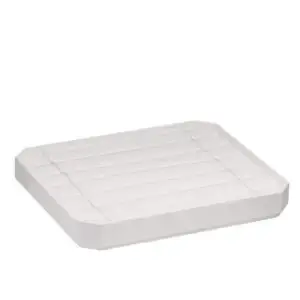
Tiered pedestals stack vertically with 3–5 tiers, each 2–4 inches tall. Popular in jewelry store windows and trade shows, they display 40–80 pieces and create dramatic focal points.nnMost use fabric-wrapped MDF bases with adjustable busts or pin discs for rings and pendants.
Lidded Nested Boxes
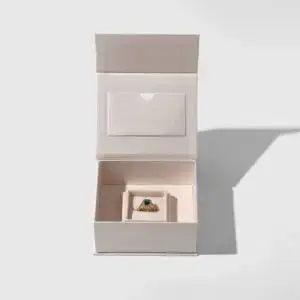
Nested boxes with magnetic or friction-fit lids stack flush when empty and support weights up to 15 lbs when stacked. Common in luxury gift sets, they hold 15–30 pieces each.nnKraft, white cardboard, and custom-printed exteriors allow brand differentiation, while padded microfiber interiors ensure piece protection.
Modular Organizer Systems
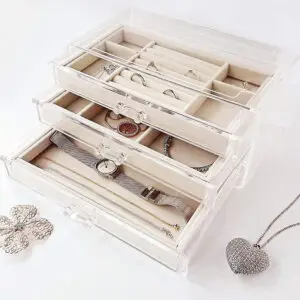
Modular systems combine interchangeable drawer units, shelving dividers, and wall-mount rails, scaling from 6 to 80+ compartments. Suited to studios and independent designers managing diverse inventory, they offer flexibility to reconfigure as collections evolve.nnMaterials include plywood frames, FSC-certified kraft dividers, and fabric-lined containers.
Watch-Specific Designs
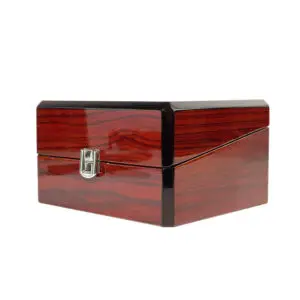
Watch cases with 4–12 individual cushioned slots protect timepieces while displaying dials and bezels. Available in soft-close and locking mechanisms for security, they suit retail environments and premium gift packaging.nnVegan leather, wood veneer, and fabric exteriors range from 0.5–2 kg in weight, accommodating display and storage simultaneously.
4. Materials & Durability in stackable jewelry box
Material selection defines both luxury perception and long-term durability in stackable jewelry boxes. Wood substrates, lining fabrics, metal hardware, and sustainability certifications each carry distinct cost, customization, and maintenance profiles.
| Material | Durability | Cost Tier | Eco-Friendly |
|---|---|---|---|
| MDF Lacquered | 5–7 years | $$ | Recycled options |
| Plywood Veneer | 7–10 years | $$$ | FSC-certified |
| Solid Hardwood | 15+ years | $$$$ | FSC-certified |
| Velvet Lining | 5–7 years | $$ | Synthetic base |
| Microfiber Lining | 10+ years | $ | Recycled available |
| Acrylic Display Window | 3–5 years | $$ | Recycled acrylic available |
Wood Substrates
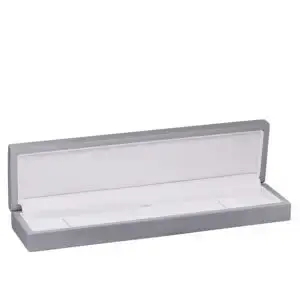
MDF at 6–12 mm lacquered thickness suits entry-to-mid luxury; plywood veneers (birch, walnut) cost 15–30% more with superior edge stability and veneer options.nnSolid hardwood (maple, ash) delivers premium perception and heirloom durability at 2.5–4x MDF cost, with superior moisture resistance for long-term storage environments.
Lining & Hardware

Velvet and suede lining (100–300 GSM) establish luxury expectation; microfiber offers 60–80% cost savings with superior durability.nnZinc-alloy hinges ($0.15–0.40/pair) suit mid-market stackables; brass ($0.60–1.50) and stainless steel deliver corrosion resistance and premium appearance.nnAcrylic display windows on hybrid designs maximize brand visibility, though they risk scratching with heavy use (3–5 year lifespan).
Sustainability & Certification

FSC-certified plywood and solid wood add 8–15% cost but unlock B2B buyer preference across North America and Europe.nnRecycled MDF and biodegradable lining options (kraft, eco-linen) attract D2C luxury brands.nnOEKO-TEX and GOTS certification on lining materials signals environmental stewardship; typical MOQ 500+ units for access.
5. Customization & Branding Opportunities
Custom stackable jewelry boxes transform packaging into branded assets through logo embossing, color matching, interior layouts, and material selection. Customization directly affects lead times, MOQ, and costs, but luxury brands increasingly leverage fully tailored stackable jewelry boxes as retail tools and customer loyalty drivers.
Logo Embossing & Finishing Techniques

Foil stamping (gold, silver, holographic), hot embossing, blind embossing, screen printing, heat transfer, and UV printing deliver distinct luxury finishes for stackable jewelry boxes. Embossing and foil stamping add 15–30% to per-unit cost but anchor premium brand positioning.nnSample approval requires 7–14 days. Production MOQ ranges 500–5,000 units depending on technique complexity.
Color, Material & Metal Finishes

Pantone-matched colors across velvet, satin, microfiber, linen, and eco-materials signal brand consistency across collections. Custom dye lots require MOQ 500–2,000 units with 3–7 day lead time.nnMetal finishes—brass, rose gold, matte, glossy—further differentiate stackable jewelry boxes. Custom material combinations add 10–20% per unit cost.
Custom Interior Layouts

Custom foam compartments, velvet pads, adjustable dividers, ring cushions, and watch trays transform packaging into functional brand tools that support retail margins. Design-to-production requires 2–4 weeks for custom molds and tooling.nnInterior customization raises cost 20–40% but increases perceived value 50%+, directly anchoring premium positioning and driving unboxing social-media moments.
Lead Times, MOQ & Cost Scaling
Standard MOQ begins at 300–500 units; custom orders range 500–2,000+ depending on complexity level. Customization extends lead time 2–6 weeks for design approval and tooling setup.nnCost scaling: baseline stackable jewelry box = 1x per-unit cost; two or more colors plus embossing = +20–35%; full interior customization = +40–60%.
Luxury Adoption & Sampling Process
Luxury jewelers worldwide leverage embossed stackable jewelry boxes with custom linings and compartments as signature unboxing moments, increasing brand recall 60%+ and repeat-purchase intention.nnSample costs range $200–$800 with 2–3 revision rounds included. Low-MOQ flexibility enables independent designers and boutique retailers to test color, material, and layout variants risk-free before committing to volume production runs.
6. Construction & Quality Standards
A stackable jewelry box’s perceived luxury and retail longevity hinge on construction precision. Three core elements define durability: joinery strength, hardware reliability, and interior lining integrity. Precise manufacturing controls stack weight capacity, alignment tolerances, and product protection—separating premium from commodity packaging.
Joinery & Structural Integrity
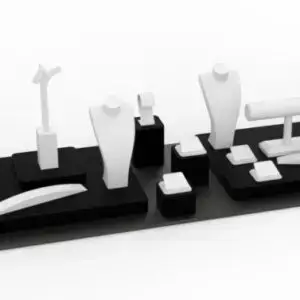
Rigid boxes typically employ butt joints, dovetail corners, or edge-banded seams. Dovetail construction resists shear on stacked loads; butt joints work for lighter designs. Quality manufacturers test stack-load tolerances per FEFCO 0701 compression standards, ensuring boxes withstand warehouse stacking without crushing or delamination.
Hardware & Fasteners

Magnetic closures, hinges, and metal accents define premium stackability. YKK-grade magnets hold alignment under repeated opening; low-grade magnets weaken after 200–300 cycles. Stainless-steel or plated-zinc hinges resist corrosion in humid retail environments. Verify fastener installation—loose hardware signals poor QC and warranty liability.
Lining & Interior Durability
Microfiber, velvet, or satin linings must resist pilling and fading under 500+ hours of fluorescent light exposure (ASTM D4674 colorfastness). Adhesive bonding between cardboard and fabric determines lining durability; solvent-based adhesives outlast hot-melt in high-humidity retail settings. Loose or peeling lining indicates failed QC and premature customer returns.
Quality Control Checkpoints
Reputable suppliers conduct multi-stage QC: box flatness within 2mm tolerance, hinge articulation through 1,000+ cycles, magnet pull-force calibration (300–500g target), lining adhesion via peel-test (ASTM D3359), and stack-compression under realistic retail weight (25–50 lbs per box). Third-party lab testing adds credibility; request CoC (Certificate of Compliance) before bulk order.
Certifications & Standards
Avoid suppliers who skip printed CoC, mock-up QC samples, or stack-load documentation. FSC or PEFC certification confirms sustainable wood/pulp sourcing; REACH/RoHS compliance ensures non-toxic materials and heavy-metal absence. ISO 9001 audits validate process discipline. Transparent QC data—not marketing claims—separates trustworthy manufacturers from cut-rate rivals.
7. Selecting the Right Manufacturer for stackable jewelry box
Finding the right stackable jewelry box manufacturer requires evaluating production capacity, quality standards, and reliability. The sourcing decision—domestic versus overseas—hinges on MOQ requirements, lead times, and customization flexibility. Critical evaluation prevents costly delays and quality compromises.
Capacity & MOQ Assessment
Verify production capacity with documentation showing plant size and staff count. MOQ thresholds range 500–2,000 units depending on customization complexity. Request lead-time schedules for your volume tier and references from clients with comparable orders.nnCompare domestic (6–8 weeks, higher MOQ) against overseas (8–12 weeks, lower MOQ) sourcing tradeoffs.
Quality & Credential Verification
ISO 9001, FSC/PEFC, and OEKO-TEX accreditation signal compliance infrastructure. Request lab reports for structural durability (drop tests), color fastness, and magnetic-closure strength. Require multi-stage QC documentation: incoming inspection, mid-production, and pre-shipment.nnCertificates of conformance must be issued within 48 hours of shipment.
Sampling & Contract Terms
Order pre-production samples before tooling commitments. 60–75% of disputes stem from sample approval miscommunication; insist on written sign-off for color, finish, and weight tolerance. Secure contractual guarantees: delivery deadlines with penalty clauses, defect thresholds (≤2%), and IP protections.nnClarify tooling ownership and reorder pricing.
Site Visits & Red Flags
Schedule facility audits during peak production to assess machine calibration and staff training. Modern cutting equipment, humidity control (50–65%), and organized material storage indicate maturity. Red flags include incomplete batch records, workers without gloves, vague sourcing answers, and disorganized tooling.nnRequest an unannounced follow-up audit within 6 months.
Sustainability & Ethics
Verify eco-claims independently; demand supply-chain transparency for recycled or FSC-certified materials. Request chemical compliance reports for inks and adhesives (REACH/SVHC). Confirm water treatment and waste protocols.nnBSCI or SA8000 certifications strengthen labor-practice assurances and reduce reputational risk.
8. Common Purchasing Mistakes & How to Avoid Them
Four out of five custom packaging orders encounter delays or quality issues that could be prevented. The root causes fall into predictable categories: unclear requirements, inadequate planning, and rushed decision-making. Avoid these pitfalls by following industry best practices from concept to delivery.
Ignoring Stacking Reality
Many retailers underestimate MOQ by focusing only on immediate display stock, not warehouse and shipping reality. Stackable jewelry boxes must handle 8–12 deep stacks at 45 lbs per unit without crushing contents or damaging closures.nnTest stacking durability with samples before committing to full production. Defects in mid-stack units ripple through your entire supply chain.
Material-Performance Mismatch
Selecting materials by price alone overlooks durability requirements. Microfiber pouches can pill after 6 months of handling; satin tarnishes; inexpensive magnetic closures weaken over time.nnDefine performance standards upfront—colorfastness (AATCC 8), abrasion resistance (ASTM D4157), humidity tolerance. Request material test certificates and include performance specs in your RFQ.
Vague Specifications
Phrases like ‘nice finish’ or ‘premium feel’ invite misinterpretation and production delays. Specify exact dimensions (length × width × depth ± 1 mm), Pantone colors, print dpi, and closure specs (magnet strength in Gauss).nnProvide reference samples and detailed spec sheets. Ambiguous specs delay production 2–4 weeks and multiply remake costs.
MOQ & Sampling Mistakes
Skipping pre-production samples or ordering large runs (5,000+) without validation is expensive. A sample catches print misalignment, color drift, and texture issues before full production.nnCalculate realistic MOQ against actual sales velocity: if you sell 200 boxes monthly, a 2,000-unit order represents 10 months of inventory. Partner with manufacturers offering 500–1,000 minimums.
Weak Supplier Communication
Miscommunication stems from assuming specs are understood without documentation or follow-up. Misaligned expectations lead to missed deadlines and rework.nnDesignate one point of contact. Document all changes in writing. Confirm final specs 4 weeks before production. For orders >2,000 units, request weekly production snapshots.
9. Pricing, Lead Times & Cost Optimization
Minimum order quantities for stackable jewelry boxes typically range from 100 to 500 units, with On The Way’s low-MOQ pricing allowing smaller boutiques to access factory-direct costs traditionally requiring 1,000+ minimums. Unit cost drops accelerate at tier thresholds: expect 40–60% reductions from MOQ to 1,000 units, with additional 15–25% savings at 5,000+ volumes as tooling and setup fees amortize.nnMaterial and customization dictate production costs as much as volume; microfiber and velvet boxes carry 1.5–2.5× premiums over cardboard, while magnetic closures add 20–40%. Custom printing setup fees ($150–$400 per SKU) apply once; per-unit surcharges for offset, embossing, or foil stamping range $0.15–$0.50 depending on method.nnLead times span 3–4 weeks for MOQ orders with stock materials; bespoke designs or specialty eco-materials extend to 6–8 weeks. Payment is typically 50% deposit on order confirmation, 50% balance pre-shipment, with NET 30 available for established accounts. Factor landed-cost calculations at 12–18% above factory price when adding freight, tariffs, and insurance for North America.
| Quantity Tier | Material | Customization | Per-Unit (USD) | Lead Time (weeks) |
|---|---|---|---|---|
| 100–250 | Rigid cardboard | Printing only | $3.20–$3.80 | 3–4 |
| 500–1,000 | Cardboard | Embossing + color | $2.10–$2.80 | 3–4 |
| 1,000–2,500 | Microfiber lined | Full foil stamp | $2.50–$3.20 | 4 |
| 5,000+ | Microfiber satin | Complex multicolor | $1.80–$2.50 | 4–5 |
Order Your Custom Stackable Jewelry Box Today
Factory-direct pricing, zero setup fees, complete customization for your stackable jewelry box project. Get a sample or quote—dedicated account managers standing by.