
Custom Jewelry Drawer Inserts, Built by the Factory Itself
On The Way manufactures custom jewelry drawer inserts, trays and linings with low MOQ, OEM private-label options and multi-stage QC — trusted by 300+ brands across 30+ countries.
Featured Jewelry Drawer Inserts — Quote Any Style


See Our Inserts, Trays & Linings Up Close




Why Brands Source Jewelry Drawer Inserts From On The Way
17+ years of factory-direct manufacturing, 6,500+ custom projects, and 300+ brands served across 30+ countries — here is what sets our jewelry drawer inserts apart.
Factory-Direct Pricing
We own the production line in Dongguan, so your jewelry drawer inserts come at true manufacturer cost — no trading-company markups.
Low MOQ, Full Customization
Order small runs or full production. Choose dimensions, compartments, linings, and colors — built for startups and established jewelry brands alike.
Private Label & OEM
White-label jewelry drawer inserts under your own brand, with custom logos, linings, and finishes handled entirely by our OEM team.
Multi-Stage Quality Control
A dedicated QC team inspects every insert at multiple production stages, so compartments, seams, and linings arrive perfectly retail-ready.
FSC-Certified Eco Materials
Recycled boards, FSC-certified paper, and reusable eco fabrics help you meet sustainability goals without compromising a luxury look and feel.
Dedicated Managers, On-Time Delivery
One account manager guides your project from sampling through mass production, keeping timelines on track for brands in 30+ countries.
Jewelry Drawer Inserts & Packaging Lines We Manufacture
From ring trays to branded paper bags, see how brands like yours use our factory-direct jewelry drawer inserts and packaging programs to solve real merchandising problems.
Retail Ring & Earring Trays
Boutique retailers cram rings and earrings into generic trays that shift in transit, scratch plated finishes, and make counter displays look cluttered instead of curated for higher-ticket sales.
Custom jewelry drawer inserts with precision-cut slots and velvet or microfiber linings hold every SKU securely, protect finishes, and give showcases a uniform, luxury presentation that lifts perceived value.
Necklace Display & Storage Sets
Jewelry houses managing large necklace and bracelet collections fight constant tangling, slow inventory counts, and mismatched storage that wastes staff time and damages delicate chains during handling.
Matched display busts, stackable trays, and drawer insert sets organize entire collections by category, so pieces stay tangle-free, counts go faster, and back-of-house storage matches front-of-house polish.
Eco-Conscious Designer Pouches
Independent designers want sustainable unboxing — cotton, linen, or recycled pouches — but most factories demand high minimums and offer no real eco-material options at startup-friendly pricing.
Low-MOQ custom pouches in cotton, linen, and eco-materials, plus FSC-certified paper options, let small brands launch responsibly sourced packaging with private-label branding and factory-direct pricing from day one.
Luxury Rigid Gift Boxes
Luxury retailers need magnetic-closure and LED rigid boxes with fitted interior inserts, but trading companies deliver inconsistent quality, loose-fitting foam, and no accountability when batches vary between orders.
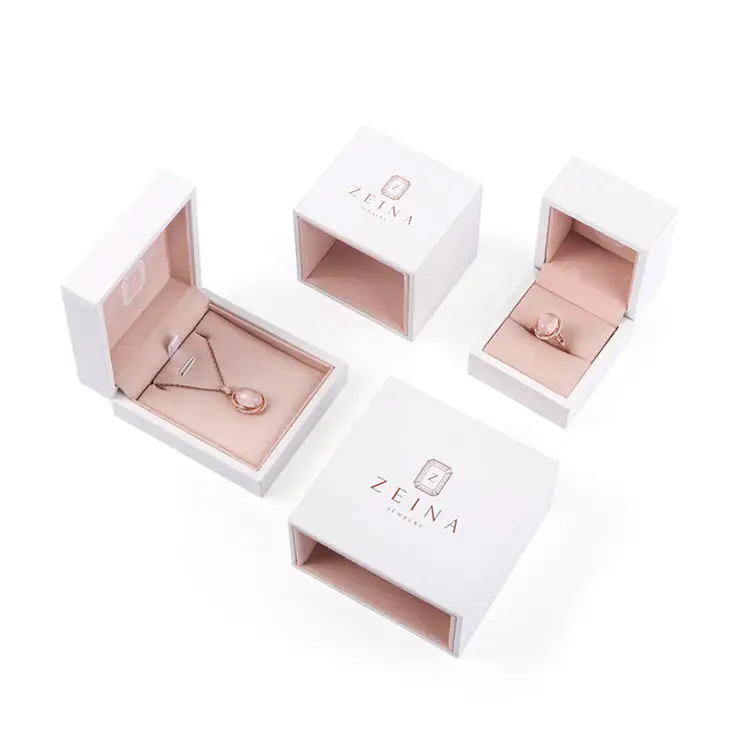
As the actual manufacturer, we build wholesale jewelry gift boxes and their drawer inserts together under multi-stage QC, so fit, color, and finish stay consistent across every production run, order after order.
OEM Private-Label Programs
Packaging buyers sourcing for global brands juggle multiple vendors for inserts, boxes, pouches, and paper bags — creating brand inconsistency, longer lead times, and complicated QC across suppliers.
One OEM partner produces your complete packaging line — jewelry drawer inserts, boxes, pouches, and custom paper bags for jewelry — with a dedicated account manager, unified branding, and on-time delivery worldwide.
Lining Materials for Jewelry Drawer Inserts: Velvet, Microfiber & Eco Boards

Plush Velvet
Deep-pile velvet with a soft, luxurious hand that cushions fine metals and gemstones. Ideal for luxury drawer inserts and ring rolls; the dense 1.5-2mm pile resists scratching on polished gold and platinum.
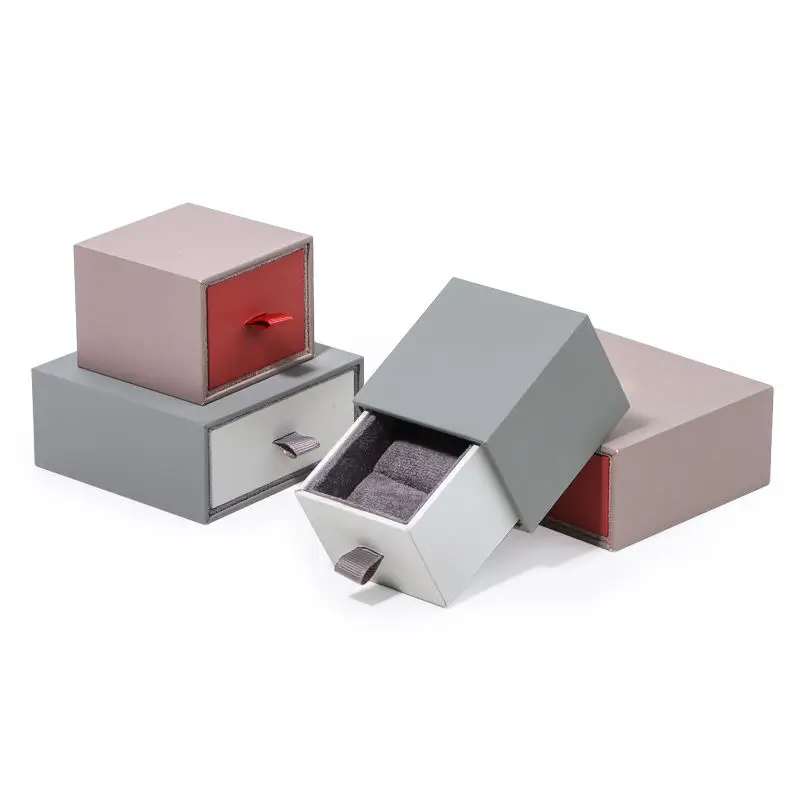
Smooth Satin
Glossy, low-friction satin that lets chains and bracelets glide without snagging. A classic lining for bridal and heirloom inserts, its tight weave gives an elegant sheen and gentle contact surface for delicate clasps.
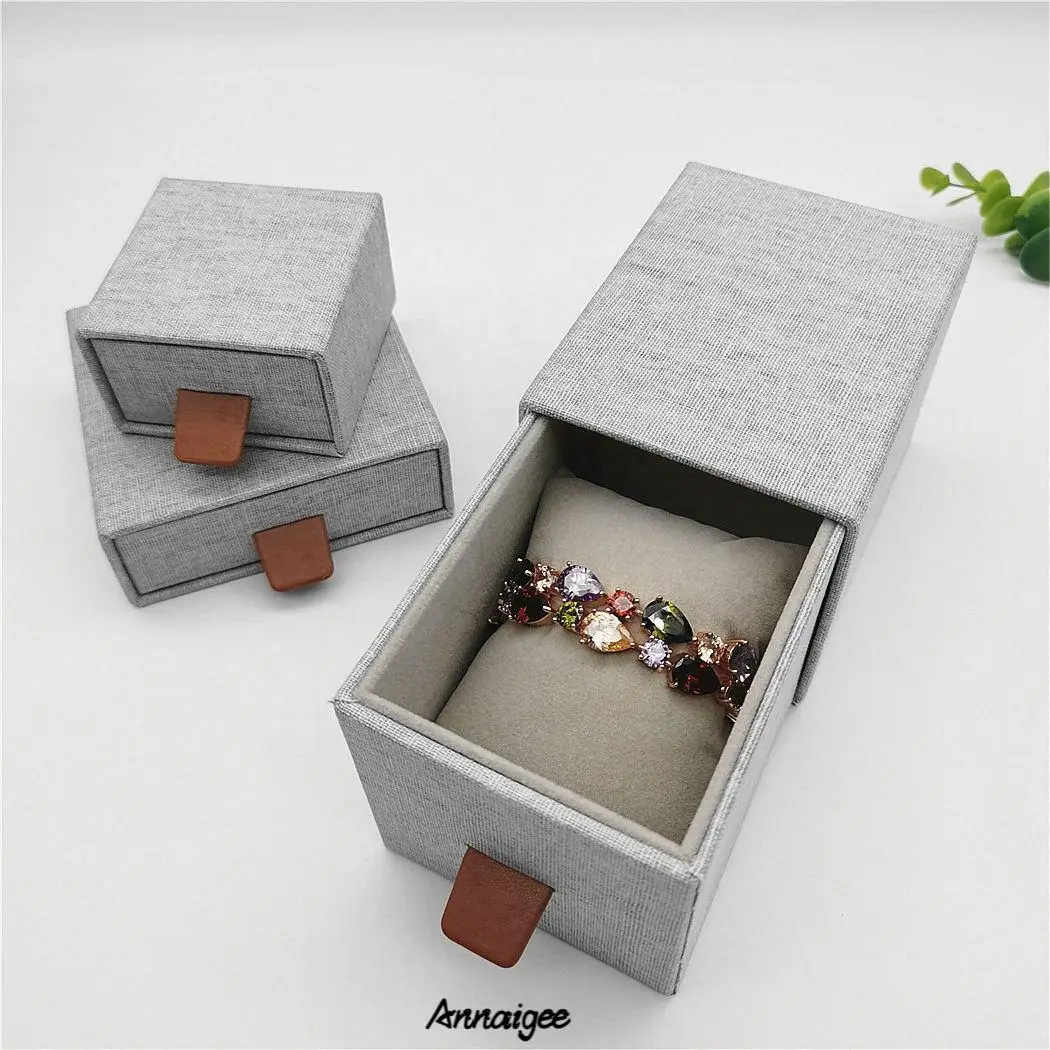
Fine Microfiber
Suede-like microfiber with a velvety touch and excellent durability for retail drawer inserts. Its ultra-fine 0.1-denier fibers trap dust, buff surfaces, and help slow tarnish on sterling silver pieces.

Cotton & Linen
Natural-fiber linings with a warm, matte, organic texture suited to artisan and eco-positioned brands. Breathable 180-280gsm weaves reduce trapped moisture around silver, and both dye beautifully for custom brand palettes.
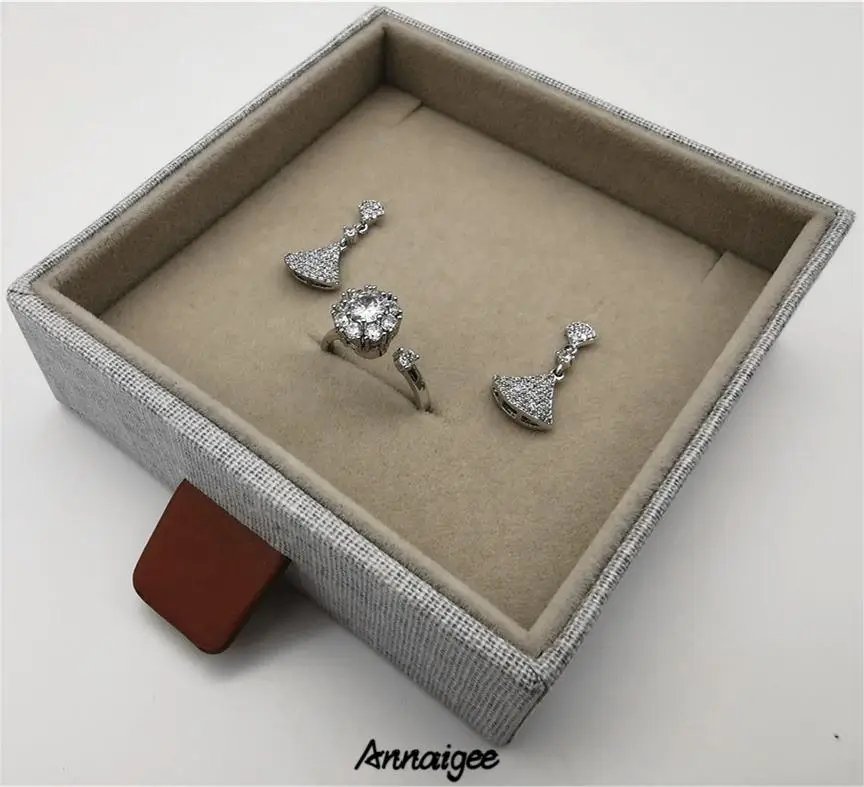
Recycled Velveteen
Short-pile velveteen made from recycled PET fibers, delivering a plush look with a lower footprint. Popular for sustainable jewelry drawer inserts, it offers velvet-grade scratch protection with certified recycled content.

FSC Eco Board
FSC-certified grey board and kraft cores that form the structure beneath every lining. Rigid 1.5-3mm thicknesses hold compartment shapes precisely, keeping trays flat and retail-ready through years of daily drawer use.
Production Techniques Behind Our Jewelry Drawer Inserts
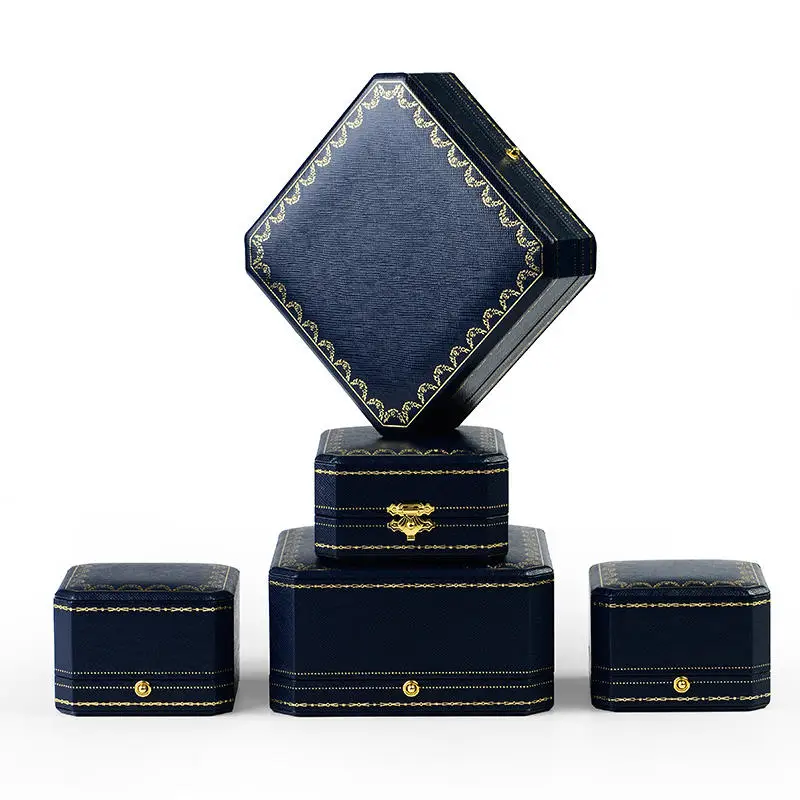
Die-Cut Foam Shaping
High-density EVA and sponge foam is die-cut to your exact drawer dimensions, creating a snug, protective base layer that keeps jewelry drawer inserts stable and prevents pieces from shifting in transit or display.
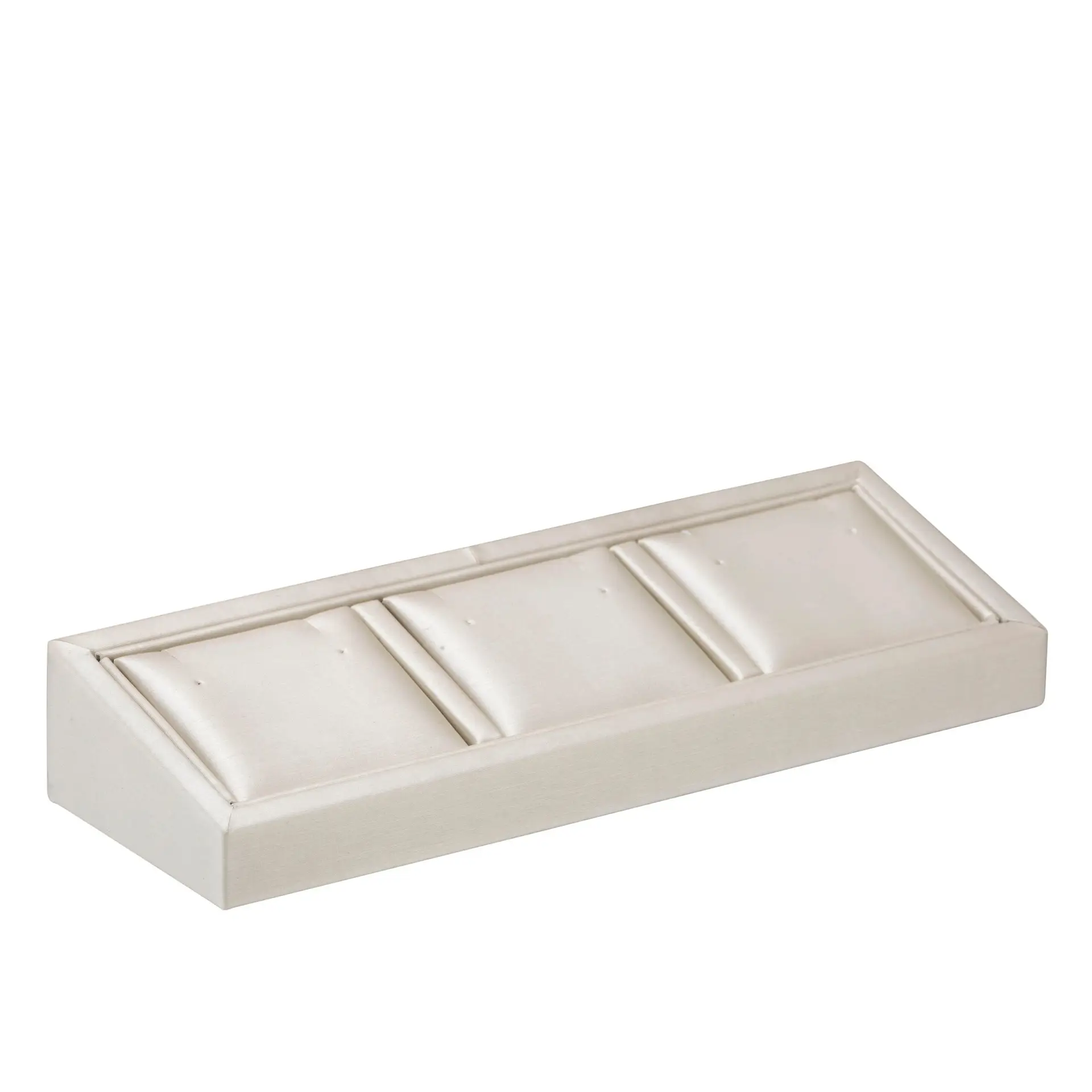
Precision Compartment Molding
CNC-guided molds form ring slots, necklace channels, earring grids and watch cradles to tight tolerances, so every compartment holds its piece securely and repeats identically across your full production run.
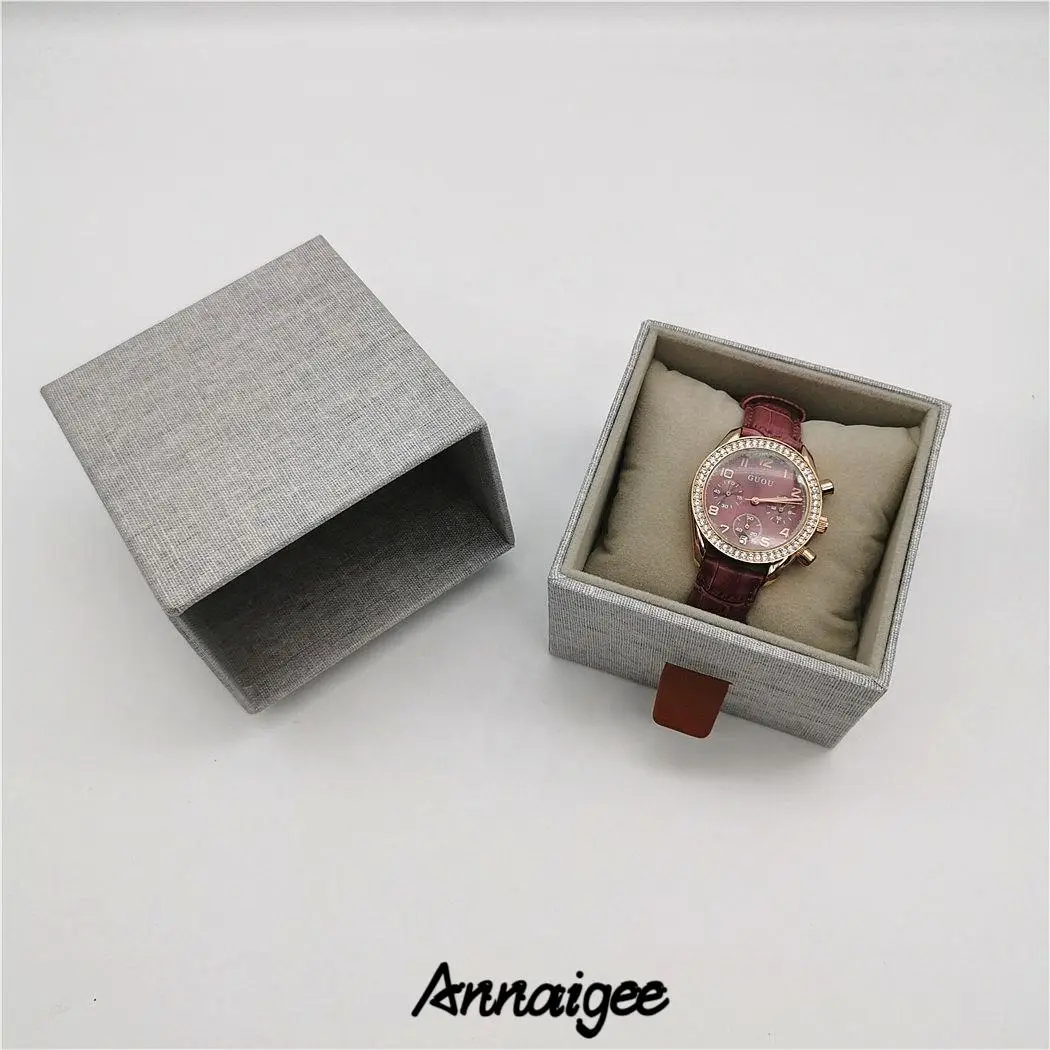
Fabric Wrapping
Skilled hands wrap each molded core in velvet, microfiber, satin or eco-linen with clean seams and tucked corners, delivering the smooth, luxury surface finish boutique retailers and jewelry houses expect.

Flocking
Fine velvet fibers are electrostatically applied to insert surfaces for a seamless, scratch-free suede texture that protects polished metals and gemstones while giving trays a rich, uniform color at lower cost than wrapping.

Hot-Stamp Logo Branding
Metallic gold, silver or custom foil logos are heat-pressed onto lining fabric or trim, producing a crisp, rub-resistant mark that turns each insert into private-label packaging for your brand.

Deboss & Emboss
Heated dies press your logo into wrapped surfaces or paperboard edges, creating a subtle, tactile impression that reads as understated luxury and holds its definition through years of daily drawer use.
Fittings We Can Add to Your Jewelry Drawer Inserts
Ring Rolls
Padded velvet or microfiber rolls sewn into insert channels to hold rings and bands upright. Ideal for boutique display drawers and retail trays where customers browse pieces at a glance.

Earring Pads
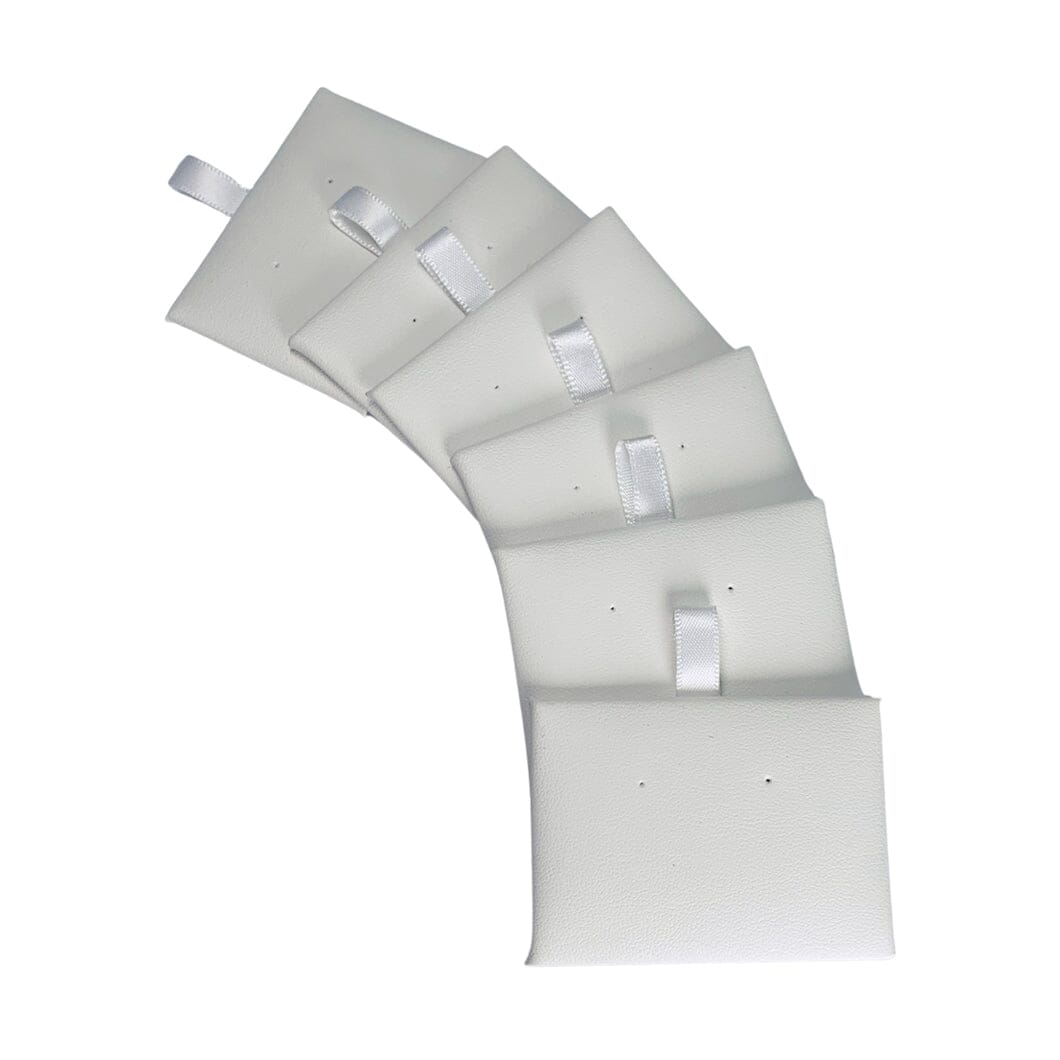
Pierced foam pads wrapped in your chosen lining fabric, sized to your stud and drop earring collections. We match pad color and hole spacing to your existing jewelry drawer inserts.
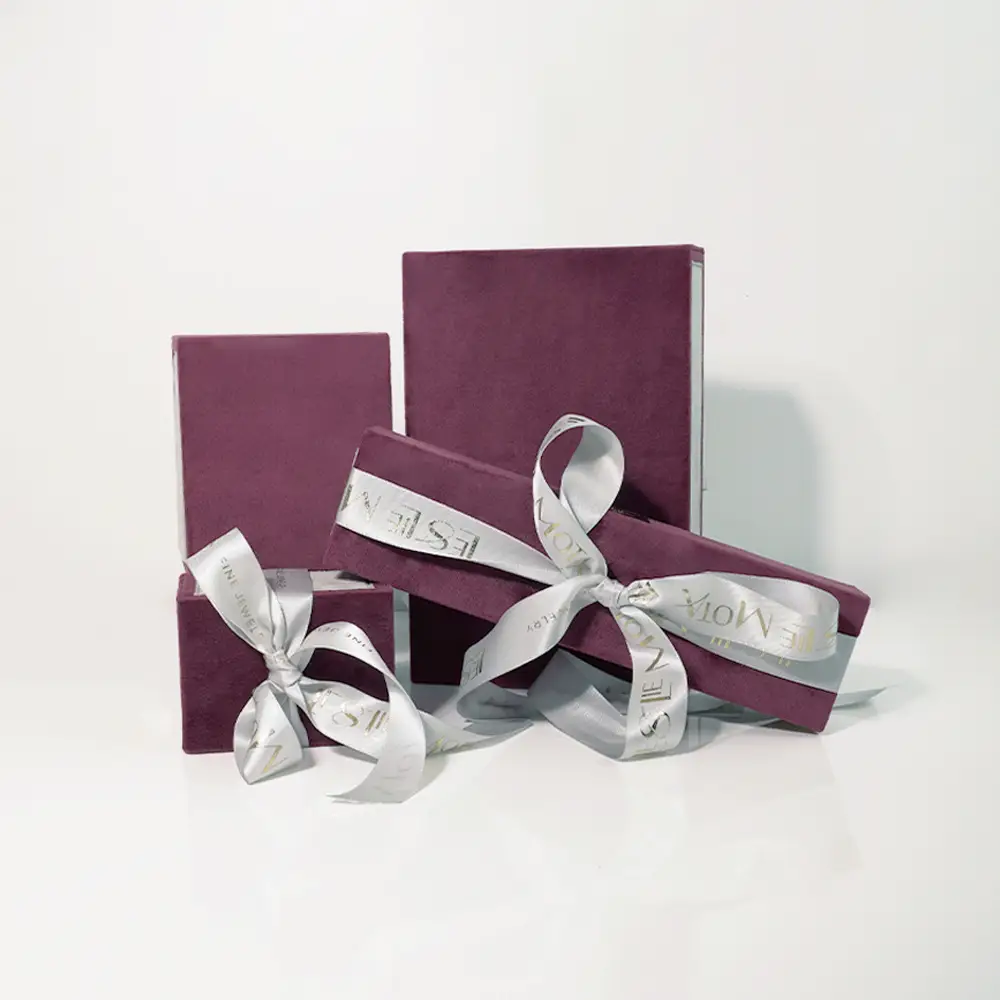
Ribbon Pulls
Grosgrain or satin ribbon tabs that lift trays and insert layers smoothly from deep drawers and stacked boxes. Available in custom Pantone colors with optional foil-stamped branding.
Elastic Loops
Sewn-in elastic bands that secure bangles, watches, and delicate chains during shipping and daily storage. Tension and spacing are tuned to your product dimensions during our sampling stage.

Woven Labels
Damask-woven brand labels stitched onto insert linings, pouches, and tray edges for a private-label finish. A subtle signature that keeps your brand visible every time the drawer opens.
Magnetic Closures
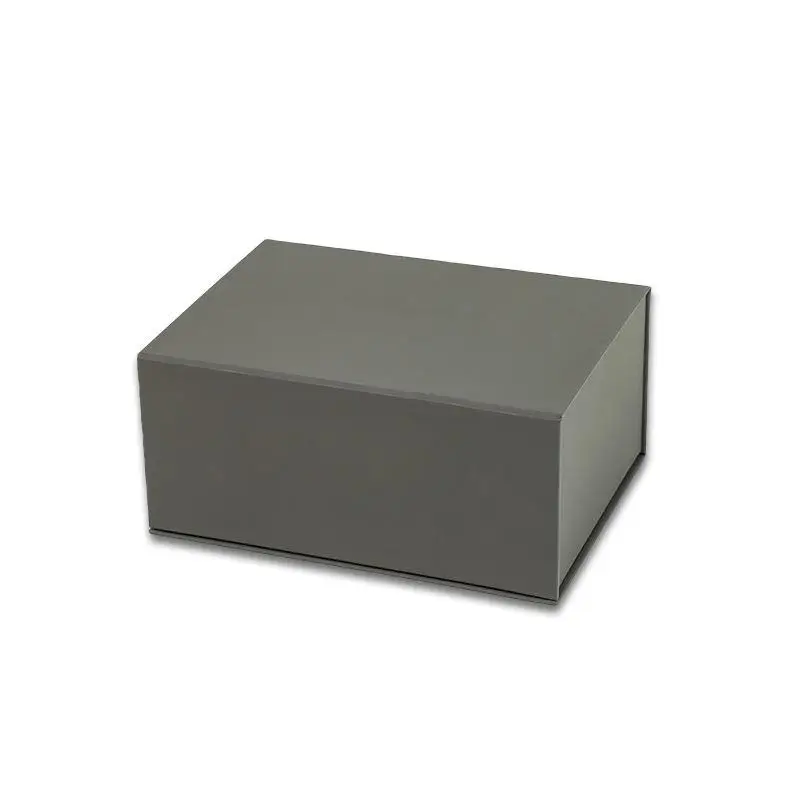
Concealed neodymium magnets fitted into companion rigid boxes and lidded trays for a satisfying, secure close. Our multi-stage QC team tests pull strength and alignment on every batch.
17+ Years Behind Your Jewelry Drawer Inserts
On The Way was founded in 2007 by CEO Joyce Linkwin on a simple principle: quality defines survival. As Jewelry Box Supplier Ltd., our core packaging division, we are a custom jewelry box manufacturer and jewelry pouches supplier — designing and manufacturing custom jewelry drawer inserts, rigid and gift boxes, displays, trays, and branded luxury paper bags for jewelry houses, independent designers, and boutique retailers worldwide.
From our 1,200 square meter factory staffed by a team of 220+, we have completed 6,500+ custom projects for 3,000+ cooperative customers — serving 300+ brands across North America, Europe, and Southeast Asia. Owning the production line means factory-direct pricing, low MOQs, and full private-label OEM flexibility, whether you are a startup or an established luxury house.
What sets us apart is end-to-end accountability. Every set of jewelry drawer inserts passes a multi-stage QC team, dedicated account managers guide you from sampling through mass production, and FSC-certified papers and recycled, reusable materials keep your packaging responsible. Exquisite packaging, quality living — we are always on the way.
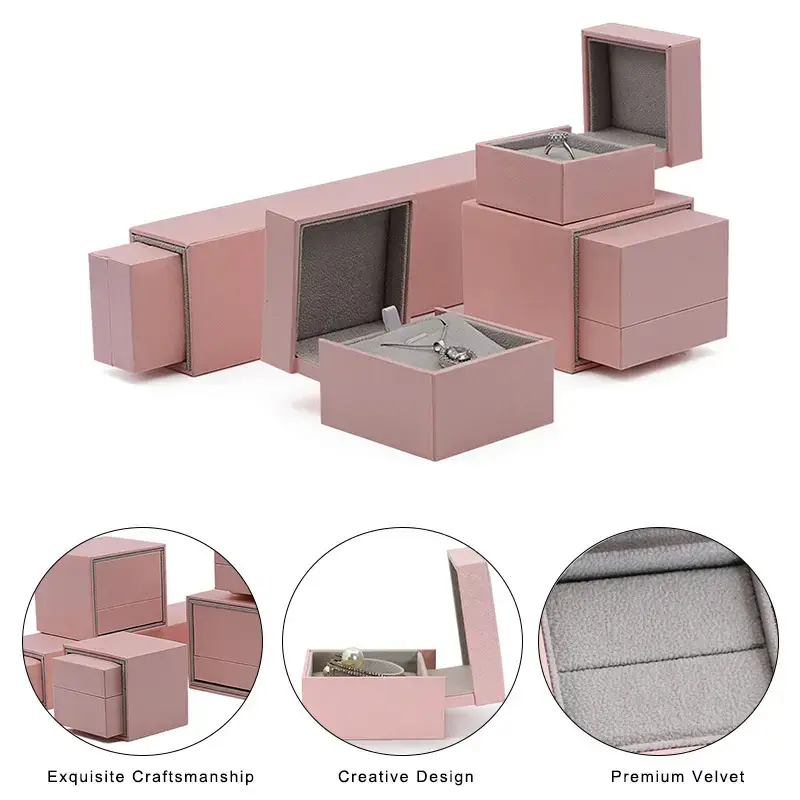
Jewelry Drawer Inserts: From Custom Molds to Retail-Ready Trays
In-House Design and Rapid Sampling
Our design team turns your drawer dimensions, sketches, or reference photos into production-ready jewelry drawer inserts. Because we own the line, sampling moves fast — no trading-company delays between your revision notes and the workshop floor.
- Free structural drawings based on your exact drawer measurements
- Physical samples typically ready in 5–7 working days
- Unlimited revisions before mass production sign-off
- Private label and OEM branding built into the sample stage

Precision Compartments for Any Jewelry Mix
Every collection stores differently. We engineer compartment layouts to fit your assortment — ring slots, necklace hooks, watch pillows, earring pads — so each jewelry drawer insert protects pieces from tangling, scratching, and shifting in transit or display.
- Custom slot counts and depths for rings, bangles, and studs
- Mixed-format trays combining hooks, pillows, and flat wells
- Stackable and modular designs for retail drawer systems
- Tolerances held tight so inserts sit flush in your drawers

Multi-Stage QC on Every Production Run
Quality defines survival — the principle we were founded on in 2007. A dedicated QC team inspects materials on arrival, checks dimensions and lining during assembly, and audits finished jewelry drawer inserts before packing and dispatch.
- Incoming inspection of velvet, microfiber, and board stock
- In-process checks on compartment sizing and lining adhesion
- Final AQL audit before every shipment leaves Dongguan
- Consistency maintained across reorders for 300+ brands worldwide

Eco-Material Programs, Factory-Direct Pricing
Sustainability without the markup. Source jewelry drawer inserts in FSC-certified paperboard, recycled fibers, and reusable fabric linings — at factory-direct prices with low MOQs that work for independent designers and global jewelry houses alike.
- FSC-certified paper and recycled board options on request
- Eco fabric linings including cotton, linen, and recycled microfiber
- Low MOQs so startups can launch sustainably from day one
- Dedicated account manager tracking your order through on-time delivery

Jewelry Drawer Inserts: Factory-Direct vs. Trading Company
Sourcing jewelry drawer inserts through a middleman adds cost and risk. Compare what On The Way’s owned production line delivers against a typical trading company.
← 左右滑动查看 →
How We Manufacture Your Jewelry Drawer Inserts
From material sourcing to worldwide shipping, every order of jewelry drawer inserts moves through a controlled, factory-direct process at our Dongguan facility — with multi-stage QC and on-time delivery built in.
Material Sourcing & Approval
We source velvet, microfiber, satin, and FSC-certified eco-materials directly, then send swatches for your approval — locking in color, texture, and density before production begins.
Cutting & Compartment Forming
Precision dies and custom molds cut boards and form ring slots, necklace channels, and watch compartments to your drawer dimensions, ensuring a snug, retail-ready fit.
Lining, Wrapping & Assembly
Skilled technicians hand-wrap each compartment, apply linings without wrinkles or exposed seams, and assemble inserts complete with logos, ribbon pulls, and finishing accessories.
Multi-Stage Quality Control
Our dedicated QC team inspects at cutting, lining, and final assembly — checking dimensions, adhesion, colorfastness, and finish so every insert meets your approved sample.
Packing & Worldwide Shipping
Inserts are protectively packed, labeled to your specifications, and dispatched on schedule. Your account manager tracks every shipment to 30+ countries until delivery.
How to Order Custom Jewelry Drawer Inserts
From first spec to delivered stock, our factory-direct process keeps your jewelry drawer inserts on brief, on budget, and on time — with a dedicated account manager at every step.
Share Your Specs
Send drawer dimensions, slot layout, lining material, and branding requirements — or a full tech pack. Your dedicated account manager reviews every detail within one business day.
Receive Quote and Sample
Get factory-direct pricing with low MOQ options, then approve a custom sample of your jewelry drawer inserts before committing to any production run.
Approve Pre-Production Sample
Confirm the final pre-production piece — fit, lining, color, and logo placement — so mass production matches exactly what your brand signed off on.
Start Bulk Production
Our 220+ staff factory manufactures your order under multi-stage QC inspection, checking materials, construction, and finishing at every stage of production.
Take On-Time Delivery
We pack, consolidate, and ship worldwide — as we have for 300+ brands across 30+ countries — with your account manager tracking delivery to your door.
Certifications Behind Our Jewelry Drawer Inserts


Trusted by 300+ Brands in 30+ Countries
As a new designer, most factories turned me away. On The Way accepted an order of just 200 velvet jewelry drawer inserts, matched my brand’s blush Pantone exactly, and had samples to me in 9 days. My account manager handled everything.
We refit 12 boutique locations with custom microfiber drawer inserts before our holiday launch. On The Way delivered all 4,800 units on time, and their multi-stage QC meant zero defective trays across the entire shipment. Sell-through was up 18% that quarter.
Consistency was our biggest concern with OEM jewelry drawer inserts across three annual reorders. Working factory-direct with On The Way, color and foam density have stayed identical for over 20,000 units, and their FSC-certified materials passed our sustainability audit without a single revision.
Jewelry Drawer Inserts FAQ: MOQ, Sampling & Lead Times
Straight answers to the sourcing questions we hear most from brands, designers, and packaging buyers ordering custom jewelry drawer inserts from our Dongguan factory.
What is the minimum order quantity for custom jewelry drawer inserts?
How much do samples cost and how long do they take?
Can jewelry drawer inserts be made to fit my existing drawers or display cases?
Do you offer private label or OEM jewelry drawer inserts?
What lining materials are available, and do you have eco-friendly options?
What are your payment terms for bulk orders?
How do you ship from Dongguan, and what are typical lead times?
Why buy jewelry drawer inserts factory-direct instead of through a trading company?
The Complete Buyer’s Guide to Jewelry Drawer Inserts
A decision framework for sourcing custom jewelry drawer inserts: compare types, materials, and finishes, learn supplier vetting criteria and pricing tiers, and avoid the costly mistakes brands make before their first order.
1. What Are Jewelry Drawer Inserts?
Jewelry drawer inserts are fitted trays, liners, and pads engineered to hold rings, earrings, necklaces, bracelets, and watches in fixed positions inside showcase drawers, retail cabinetry, safes, and rigid packaging boxes. A typical insert combines a structural core — MDF, greyboard of 1,200–2,000 GSM, EVA foam, or injection-molded plastic — with a flocked, velvet, microfiber, or suede-touch surface that cushions metal and stone. Since 2007, On The Way has produced these inserts as standalone drawer systems and as interior fitments for its magnetic-closure and LED gift boxes.nnThree formats dominate the category. Loose liners are flat, cut-to-size velvet or foam sheets that stop pieces sliding but offer no compartments; molded trays are vacuum-formed or wrapped-board units with dedicated ring slots, earring pads, and necklace hooks shaped to one drawer size; modular grid systems use interlocking dividers — often in 2 in / 50 mm increments — so retailers reconfigure layouts as inventory changes.nnFunctionally, inserts prevent the two costliest handling losses: scratching from metal-on-metal contact and chain tangling, which slows staff presentation at the counter. Commercially, a flocked or leatherette insert signals the same perceived-value cues as the outer box, which is why luxury retailers spec matching Pantone colors across drawer interiors, trays, and packaging.nnFor boutiques, luxury houses, and packaging buyers, inserts are a low-cost lever: they typically add 10–30% to a display program’s budget while protecting stock worth thousands per drawer. Factory-direct suppliers such as On The Way offer them at low MOQ tiers, custom-cut to exact drawer dimensions rather than off-the-shelf sizes.
2. Evolution & History of Drawer Organization
Victorian-era jewelers of the 1800s stored pieces in single-cavity wooden caskets lined with cotton-backed velvet — protective, but with no separation between rings, chains, and brooches. Tangling and abrasion losses were simply accepted, and organization depended on the shopkeeper’s memory rather than the case itself.nnMid-20th-century showcase retail changed the equation. Department-store counters demanded compartmentalized presentation, and standardized tray footprints (roughly 350 x 240 mm) emerged so trays could stack, slide into drawers, and interchange across fixtures. By the 1960s-70s, vacuum-formed flocked plastic inserts made multi-slot ring rows and earring pads cheap enough for mass retail.nnThe 2000s brought OEM customization to the mid-market. CAD-driven die-cutting, laser-cut MDF and EVA foam cores, and Pantone-matched velvet, suede, or microfiber wraps let brands specify slot counts, cavity depths, and logo placement instead of buying stock trays. Founded in 2007, On The Way built its factory-direct model around exactly this shift, completing 6,500+ custom projects across 30+ countries.nnTwo forces now define sourcing: sustainability and accessible minimums. FSC-certified boards and recycled fabrics answer retailer ESG mandates, while MOQs that once started at 1,000+ units have dropped to low-MOQ tiers of 100-300 pieces. The takeaway for buyers: jewelry drawer inserts are no longer a stock commodity — treat them as a configurable, brand-specific product, because every dimension you see today exists to be customized.
3. Types of Jewelry Drawer Inserts
Five formats cover nearly every product mix, from solitaire rings to 45 cm chains. Matching insert type to your assortment determines drawer capacity, restock speed, and how merchandise reads in a showcase or safe drawer.
Ring Trays and Rolls

Slot-roll trays hold 50-100 rings per standard drawer using continuous velvet or microfiber rolls over foam.nnBest for engagement and fashion rings in showcases and safes. Pro: highest density per square inch. Con: fixed slot width can pinch wide or ornate bands.
Earring Pads With Slots

Flocked pads use pierced slits for studs or peg holes for hoops, typically 12-48 pairs per insert.nnIdeal for retail drawers and travel cases. Pro: pairs stay matched. Con: heavy drops and chandeliers need deeper compartments instead.
Necklace and Pendant Boards

Angled or flat boards with hooks and snap tabs keep 16-24 inch chains tangle-free, usually 6-12 pieces per board.nnSuited to safe drawers and boutique showcases. Pro: zero tangling. Con: lowest storage density of any format.
Bangle and Watch Rolls

Padded bars and removable pillows sized 40-60 mm in diameter cradle bangles, cuffs, and watch heads.nnCommon in watch cases and vault drawers. Pro: protects clasps and crystals. Con: bulky, so fewer units per drawer.
Modular Grid and Adjustable Systems

Velvet-wrapped MDF or EVA grids with movable dividers reconfigure compartments from 25 mm squares to full-width channels.nnBest for mixed collections and seasonal resets. Pro: one SKU serves many categories. Con: 15-30% higher unit cost than fixed inserts.
4. Materials & Fabrics for Drawer Inserts
Jewelry drawer inserts are built in three layers: a rigid or foam core, a padding layer, and a covering fabric. Each layer trades cost against durability, so specify all three on your purchase order.
| Material | Feel | Durability | Relative Cost | Best Use |
|---|---|---|---|---|
| Velvet (180–280 GSM) | Plush, deep pile | Medium — pile can crush | $ | Classic ring and earring trays |
| Microfiber suede | Smooth, matte | High | $$ | Fine jewelry, anti-tarnish programs |
| PU faux leather | Firm, wipeable | High | $$$ | Boutique display drawers |
| Linen / cotton blend | Natural, textured | Medium | $$ | Eco and minimalist brands |
| Flocked EVA | Soft, precision-cut | Medium | $ | High-volume cavity inserts |
Core Substrates: MDF, Plywood, and EVA
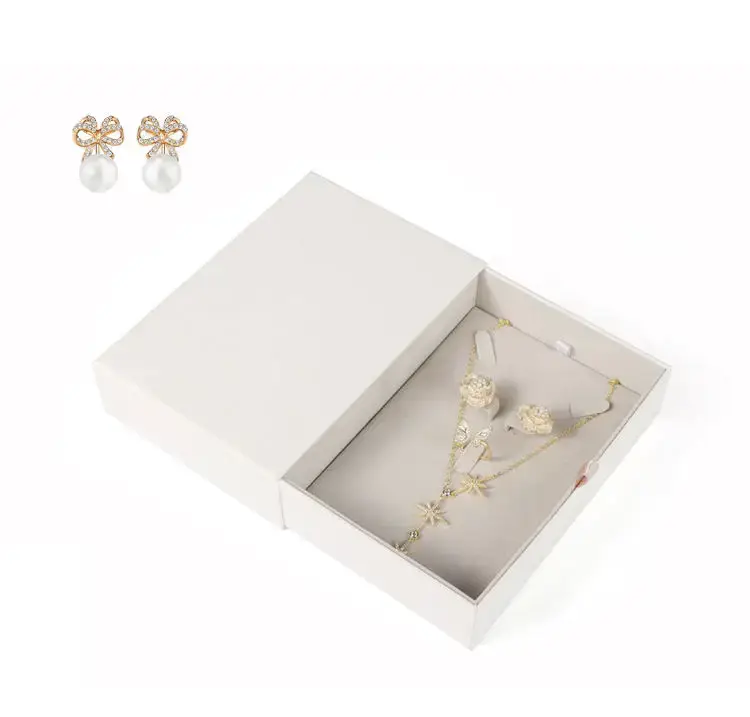
3–5 mm MDF is the standard frame for structured inserts; plywood adds screw-holding strength for heavy retail fixtures. 38–60 kg/m³ EVA foam, die-cut or CNC-routed, forms lightweight cavity cores.nnMost production inserts combine an MDF base with an EVA cavity layer — rigid where it must be, soft where jewelry sits.
Velvet and Microfiber Suede

Velvet at 180–280 GSM remains the default jewelry surface: deep pile, strong color saturation, mid-range cost.nnMicrofiber suede (170–230 GSM) resists crushing and shedding, photographs matte, and passes anti-tarnish specs more consistently — the reason fine-jewelry brands increasingly request it.
Faux Leather, Linen, and Recycled Options

PU faux leather (0.6–1.0 mm) gives a wipeable, boutique-grade surface but runs 30–60% above velvet. Linen and cotton blends suit organic, minimalist positioning.nnGRS-certified recycled velvet and RPET suede now match virgin fabrics in hand feel; On The Way offers FSC-certified and recycled stock as standard.
GSM, Thickness, and Colorfastness Checks
Request colorfastness testing to ISO 105 (rubbing and light) — dark velvets can crock onto pearls and white gold.nnFor padding, 2–4 mm foam under fabric reads plush; 1 mm reads economy. Confirm GSM in writing: a 40 GSM drop is visible to customers.
5. Customization & Decoration Options
Decoration choices drive both unit cost and shelf presence. On The Way customizes jewelry drawer inserts end to end — compartment layout, Pantone-matched fabric, and logo finish — with sampling in 5–7 days and MOQs from 100–300 pieces.
| Technique | Cost Add (per unit) | Durability | Typical MOQ |
|---|---|---|---|
| Blind debossing | $0.05–0.15 | Permanent | 300 pcs |
| Hot foil stamping | $0.08–0.20 | High; foil can wear | 300 pcs |
| Screen printing | $0.03–0.10 | Medium | 500 pcs |
| Pantone fabric dyeing | $0.10–0.30 | Permanent | 300–500 pcs |
| Die-cut foam | $0.20–0.60 | High | 100–500 pcs |
Custom Compartment Layouts and Tray Sizing

Tray dimensions are cut to fit existing cabinetry — supply internal drawer measurements to ±1 mm and layouts are engineered around them. Typical grids include 7-slot ring rows, 24-cell earring matrices, and 55 mm-deep watch wells.nnStackable half-trays let boutiques reconfigure by season without re-tooling.
Logo Debossing and Hot Foil Stamping

Blind debossing presses a logo 0.3–0.5 mm into velvet or leatherette for a tone-on-tone luxury cue; hot stamping adds gold, silver, or custom-color foil. Both suit high-end lines.nnEach uses a one-time brass die (roughly USD 50–150), so per-unit cost drops quickly at volume.
Screen Printing and Pantone Color Matching

Screen printing fits volume retail: 1–2 ink colors, fast turnaround, lowest unit cost. Fabrics and flocking are matched to Pantone TCX/TPG references, with a lab-dip approval round adding 7–10 days.nnCustom dye lots for microfiber typically start around 300 linear meters.
Die-Cut and CNC Foam Inserts
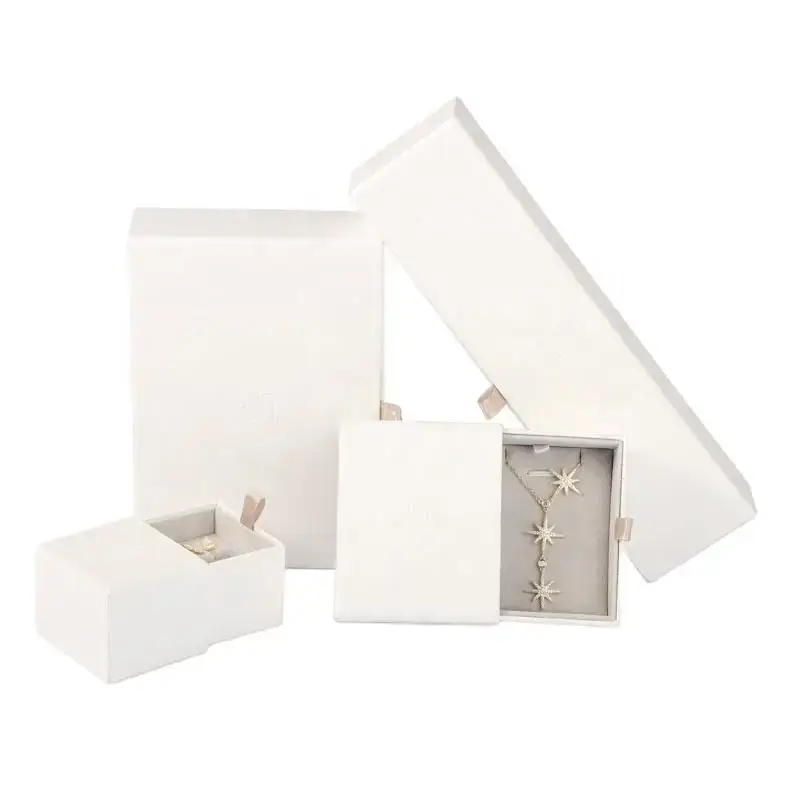
Die-cut EVA or PU foam (38–60 kg/m³ density) cradles specific SKUs — signet rings, bangles, watch heads — for zero movement in transit.nnCNC routing handles prototypes with no tooling cost; steel-rule dies pay off above roughly 500 units.
6. Key Construction & Quality Elements
Six construction details separate premium jewelry drawer inserts from bargain ones. Use the quality markers below — the same points a multi-stage QC team checks — to audit samples before approving a production run.
Precision Cutting and Compartment Tolerances
CNC-routed or die-cut cavities should hold a ±0.5 mm tolerance so ring slots grip uniformly across the grid. Inspect corners for clean, square edges with no crushed foam or torn lining.nnCompartment walls thinner than 3 mm tend to collapse after repeated use — reject samples with flexing dividers.
Seamless Fabric Wrapping

Velvet, microfiber, or suede should wrap each cavity in one continuous piece with no overlap ridges. Run a finger along slot walls to feel for puckering.nnExposed adhesive, lifted corners, or inconsistent nap direction signal rushed hand-wrapping and early delamination.
Foam Density and Core Material

EVA foam at 38–60 kg/m³ is the premium standard; polyurethane below 25 kg/m³ compresses permanently. Press a thumb into a slot wall — it should rebound within about two seconds.nnMDF or 1,200 gsm greyboard cores add rigidity for drawers wider than 40 cm.
Edge Finishing and Non-Slip Base
Top edges should be fabric-rolled or heat-sealed, never raw-cut. A 1–2 mm flocked or rubber-dot underside keeps the insert from sliding when drawers open and protects lacquered drawer bottoms.
Dimensional Accuracy to Drawer Size
Fit clearance of 2–3 mm per side against internal drawer dimensions is the target — snug, never forced. Request a dimensioned CAD drawing at sampling; On The Way supplies one with every pre-production sample for sign-off.
Sample Inspection Checklist
Run these five checks on every pre-production sample before releasing a deposit:
- Caliper-measure three cavities; variance over 0.5 mm fails
- Confirm fabric nap direction is consistent across all compartments
- Press-test foam rebound; permanent dents indicate low-density fill
- Flip the insert — base pad flat, no adhesive bleed
- Test-fit in the actual drawer; no rocking or forced insertion
7. How to Choose a Manufacturer
Vetting a supplier for jewelry drawer inserts comes down to eight checkpoints: OEM/ODM depth, MOQ policy, materials, sampling, tooling, lead time, QC, and communication. Score every vendor on all eight before requesting final quotes.
OEM and ODM Capability
Ask whether the factory offers true ODM (in-house design) or only OEM replication of your drawings. On The Way runs private-label programs end-to-end, from CAD tray layouts to finished inserts.nnRequest 3-5 completed projects in your product category — rings, watches, or mixed collections — as proof of relevant tooling.
MOQ Flexibility and Sampling Process
Typical insert MOQs run 300-1,000 units; low-MOQ factories accept 100-300 for standard foam shapes. Confirm sample fees ($30-80, usually credited against production) and sampling time.nnA 5-10 day pre-production sample turnaround signals a responsive workshop; 3+ weeks predicts slow revisions later.
Material Sourcing and Certifications
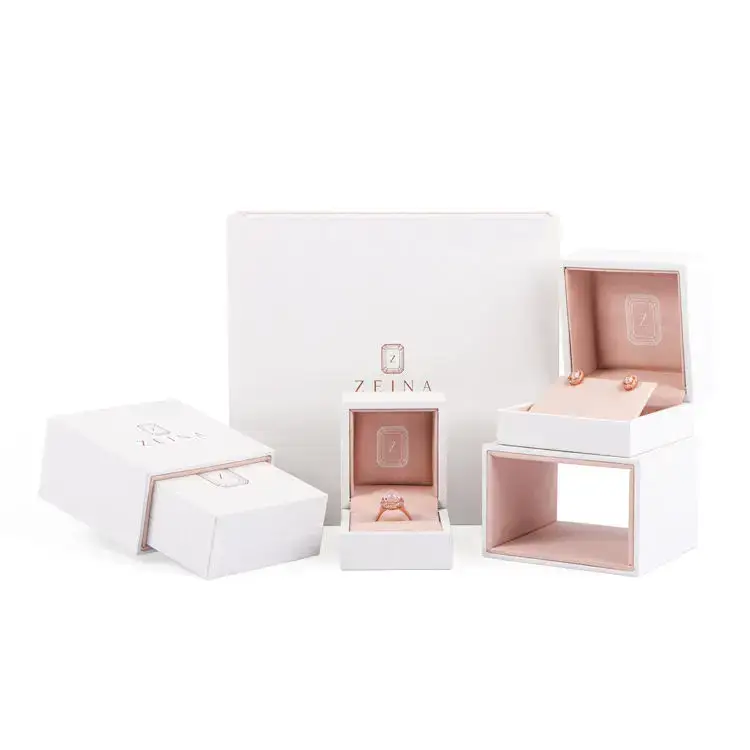
Verify FSC-certified board, OEKO-TEX or GRS-certified velvet and microfiber, and REACH-compliant adhesives before committing. On The Way stocks recycled eco-materials alongside standard flock and suede.nnAlways request current test reports rather than accepting certification claims on a website.
Tooling, Lead Times, and QC Systems
Die-cut foam tooling costs roughly $50-200 per shape and takes 3-7 days to produce. Bulk lead times average 15-25 days from China versus 7-10 days domestically.nnInsist on multi-stage QC: incoming material checks, in-line inspection, and pre-shipment AQL 2.5 audits with photo reports.
Domestic vs. Overseas Trade-Offs
Domestic suppliers win on freight speed and easy site visits; China-based manufacturers like On The Way win on price, tooling range, and low MOQs. Either way, a dedicated account manager and sub-24-hour replies are non-negotiable.
| Factor | Domestic Supplier | Overseas (China) |
|---|---|---|
| Unit cost | Higher | 30-50% lower |
| Lead time | 7-10 days | 15-25 days plus freight |
| MOQ | Often 500+ | 100-300 possible |
| Customization | Limited tooling | Full OEM/ODM range |
8. Common Mistakes Buyers Make
Most first-order failures with jewelry drawer inserts trace back to six avoidable errors made before production ever starts. Each has a known consequence — and a preventive step that costs days, not the thousands a remake does.
Ordering Before Confirming Drawer Dimensions
A 2–3 mm oversize makes an insert bow or refuse to seat; undersize leaves visible gaps that shift in transit.nnMeasure internal drawer width, depth, and height at three points, note slide hardware intrusions, and put tolerances (typically ±1 mm) on the drawing before quoting.
Skipping Physical Samples

Approving from renders alone hides foam density, flocking hand-feel, and slot grip. A pre-production sample usually costs USD 30–80 and ships in 7–10 days.nnAlways load the sample with your actual rings, chains, and bangles before releasing mass production.
Choosing Fabric From Photos Alone

Velvet, microfiber, and suede photograph nearly identically, yet differ in pile height, snag resistance, and tarnish behavior.nnRequest swatch cards in your target colors and test them against sterling silver and plated pieces for at least two weeks.
Ignoring MOQ Versus Cash-Flow Fit
Typical insert MOQs run 100–500 units; chasing a lower unit price at 2,000 pieces can lock up months of working capital in dead stock.nnModel sell-through first, then negotiate a low-MOQ pilot with a reorder price break.
Under-Specifying Compartment Sizes
A generic 25 mm ring slot will not hold a 2 mm-band stacking ring or a signet securely.nnSend actual product dimensions — band widths, chain lengths, watch case diameters — so each cavity is cut to fit, not averaged.
Overlooking Color and Batch Consistency
Fabric dye lots drift, so a reorder can arrive visibly warmer or grayer than launch stock.nnLock a Pantone reference, keep a signed golden sample, and require lot-matching or full-batch dyeing on every repeat order.
9. Steps to Launch Your Branded Line
Launching a branded jewelry drawer insert line typically takes 30-60 days from concept to delivery. This step-by-step roadmap moves you from first measurements to shelf-ready product without costly mid-production revisions.
Define Product Mix and Measure Cabinetry
Start by listing every SKU the inserts must hold — rings, studs, bangles, watches — and the compartment count each requires.nnThen measure interior drawer dimensions to the millimeter, subtracting 2-3 mm per side for lining clearance so trays seat without binding.
Select Materials and Finishes
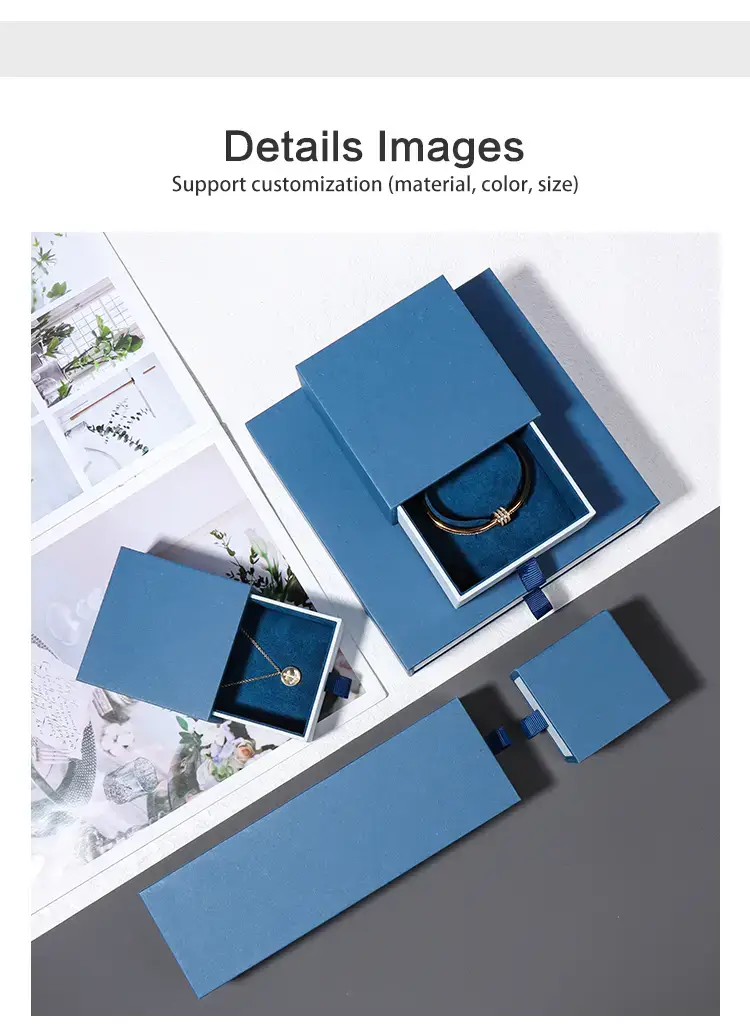
Match materials to price tier: microfiber or velvet flocking for retail lines, FSC-certified kraft board with recycled foam cores for eco collections.nnConfirm Pantone-matched fabric swatches before tooling begins, since dye lots vary noticeably between fabric suppliers.
Request Samples and Prototypes
Budget 7-10 days for a pre-production sample; On The Way includes sampling in its end-to-end program.nnTest ring slots and earring pads with your actual product — a 3 mm slot-width error can void an entire run.
Finalize Branding and Artwork
Supply vector logos (AI or EPS files) plus Pantone codes for foil stamping, embossing, or metal logo plaques.nnApprove a digital proof first, then a physical branded sample before final sign-off.
Confirm MOQ, Pricing, and Place the Order
Typical custom-insert MOQs run 100-500 units, and factory-direct pricing drops 15-30% at 1,000+ pieces.nnLock unit price, tooling fees, and a 15-35 day production lead time (scaling with order volume) into the purchase order before deposit.
QC on Delivery
Inspect incoming goods against an AQL 2.5 standard: check slot dimensions, lining adhesion, and color match to your approved sample.nnDocument any defects with photos within 7 days to preserve replacement or credit claims.
10. Pricing & Cost Breakdown
Factory-direct pricing from a 1,200 m² facility means custom jewelry drawer inserts typically land 30-50% below trading-company quotes, with MOQs starting around 100 units for standard velvet or microfiber trays. Three variables drive the unit price: material grade (flocked EVA at the entry level, satin-lined MDF mid-range, genuine microfiber over dense-board at the top), compartment complexity, and order volume — tooling amortizes quickly past 1,000 units.nnOne-time costs are separate from unit price: a cutting die or CNC template runs $80-$200, and a hot-stamp or deboss logo plate adds $50-$150, both waived or credited on reorders by most factories including On The Way. Decoration add-ons — gold foil stamping, embroidered logos, Pantone-matched linings — add $0.15-$0.60 per unit depending on coverage.nnSampling runs $30-$80 per pre-production sample with 5-7 day turnaround, credited against mass-production invoices. Use the tiers below to budget; quotes firm up once drawer dimensions, compartment count, and fabric are locked.
| Quantity Tier | Indicative Unit Price | Tooling / Setup | Decoration Add-On | Lead Time |
|---|---|---|---|---|
| 100 units (MOQ) | $4.50-$8.00 | $150-$350 | $0.40-$0.60/unit | 12-15 days |
| 500 units | $3.20-$5.50 | $100-$250 | $0.30-$0.45/unit | 15-20 days |
| 1,000 units | $2.40-$4.20 | $80-$150, often credited | $0.20-$0.35/unit | 20-25 days |
| 5,000+ units | $1.60-$3.00 | Typically waived | $0.15-$0.25/unit | 25-35 days |
Get a Quote on Custom Jewelry Drawer Inserts
Send your specs or request samples today — factory-direct pricing, low MOQ, and a dedicated account manager from sampling through mass production.