
Custom Satin Jewelry Rolls — Premium OEM & Private Label Solutions
Factory-direct OEM satin jewelry rolls with low MOQ and full custom flexibility. Trusted by 300+ global brands for 17+ years.
Custom Satin Jewelry Rolls in 40+ Colors & Fabrics
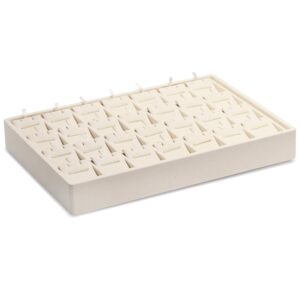
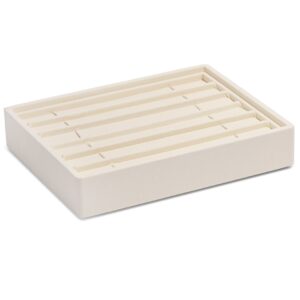
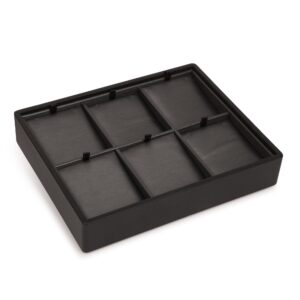

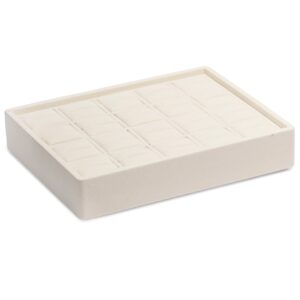


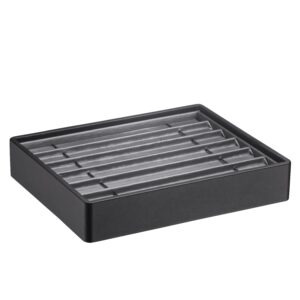
Satin Jewelry Roll Designs Across 40+ Styles
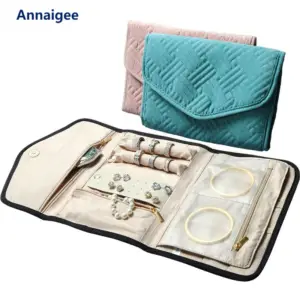



What Sets Our Rolls Apart
Low MOQ, No Minimums
Start with just 100 units. Scale your satin jewelry roll orders as your brand grows. We support emerging designers and established brands.
Complete Custom Flexibility
Fully customizable satin jewelry rolls with endless color, size, lining, and printing options. Design exactly what your brand needs.
Factory-Direct Pricing
Own our production lines. Zero middlemen. Get wholesale prices on custom satin jewelry rolls starting from your first order.
Multi-Stage Quality Control
Every satin jewelry roll passes through professional inspection at each production stage. Defect-free delivery guaranteed or we remake at no cost.
48-Hour Sample Turnaround
See your custom satin jewelry roll design in hand within 48 hours. Our dedicated team keeps samples moving fast.
Eco-Certified Materials
FSC-certified paper and recycled fabrics in every satin jewelry roll. Premium quality that matches your brand’s environmental values.
Satin Jewelry Roll Types & Applications
Bridal Collections & Luxury Packaging
Bridal collections demand premium packaging that justifies high price points. Brides expect exceptional presentation, and competitors offer equally sophisticated solutions. Packaging differentiation is essential to stand out in this competitive segment.
Custom satin jewelry rolls in classic bridal colors with personalized branding create an unforgettable unboxing experience. Your packaging becomes part of the heirloom story, increasing perceived value and customer loyalty.
Designer Collections, Small Batches
Emerging designers face prohibitive costs: high MOQs and setup fees from traditional suppliers block access to custom packaging. You need design control and brand identity without warehouse inventory burden or budget strain.
Low MOQ custom satin rolls with your logo are now accessible. Start small, test market response, and scale without re-tooling—all with dedicated support that treats emerging designers as priority partners.
Luxury Boutique Retail Curation
Unifying 20+ independent designer lines under one aesthetic requires coordinated packaging. Sourcing rolls from each designer's separate supplier creates logistical complexity and cost. A single, flexible partner who adapts to any vision is essential.
Custom satin jewelry rolls matching your boutique's signature aesthetic arrive from one partner. We handle small emerging-designer runs and large-volume orders seamlessly, giving your clients a cohesive luxury experience.
Corporate Gifts & Employee Awards
Volume gifting requires flawless on-brand consistency across hundreds or thousands of pieces. You need guaranteed production timelines, rigorous quality control, and a partner committed to your reputation on large-scale orders.
Bulk custom satin rolls with corporate branding—logo, colors, messaging—deliver polished presentation at scale. Factory-direct pricing makes premium packaging affordable for large runs, with on-time delivery guaranteeing your gifting calendar.
Direct-to-Consumer Jewelry Brands
Unboxing moments drive social media buzz and repeat purchases for DTC brands. Generic packaging weakens your online brand presence and competitive edge. You need distinctive, shareable packaging—but traditional suppliers' setup costs are prohibitive.
Custom-branded satin rolls at factory-direct pricing make premium unboxing affordable from your first order. Your packaging tells your story, appears in customer photos, and builds loyalty. Scale as demand grows without re-tooling costs.
Premium Materials for Satin Jewelry Rolls

Polyester Satin
Lustrous polyester satin delivers elegant sheen and smooth texture. Ideal for high-volume production and mainstream luxury brands. Resists wrinkles, maintains luster through use, and offers excellent value.

Silk-Blend Satin
Premium silk-polyester blend combines unmatched softness with natural elegance. Perfect for ultra-luxury collections targeting discerning customers. Superior drape and refined finish enhance premium unboxing experiences.

Velvet
Rich, tactile velvet creates ultra-premium unboxing experiences with deep color absorption. Sophisticated hand-feel appeals to luxury segments. Durable pile construction resists compression and maintains character.

Microfiber
Ultra-soft microfiber offers exceptional durability and low maintenance for everyday jewelry rolls. Ideal for active-use collections and performance-focused environments. Stain-resistant and machine-washable; engineered for maximum longevity.

Cotton
Natural, breathable cotton provides clean aesthetics for sustainability-minded brands and eco-conscious collections. Soft initial hand-feel with gentle, authentic aging over time. Zero synthetic coatings support transparent eco-positioning.

Linen & Blends
Sustainable linen combines natural texture with sophisticated appeal for eco-conscious jewelry brands. Characteristic slubs add distinctive visual interest; controlled wrinkles enhance authentic charm and timeless character.
Customization Techniques for Satin Jewelry Rolls
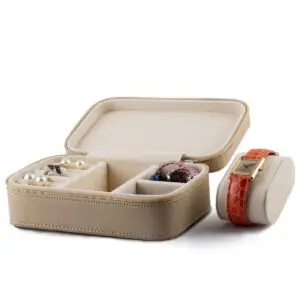
Embroidery
Add custom embroidered logos or designs to satin roll exteriors. Creates dimensional texture, enhances brand perception, and adds durability. Ideal for high-end luxury positioning and brand differentiation.
Screen Printing
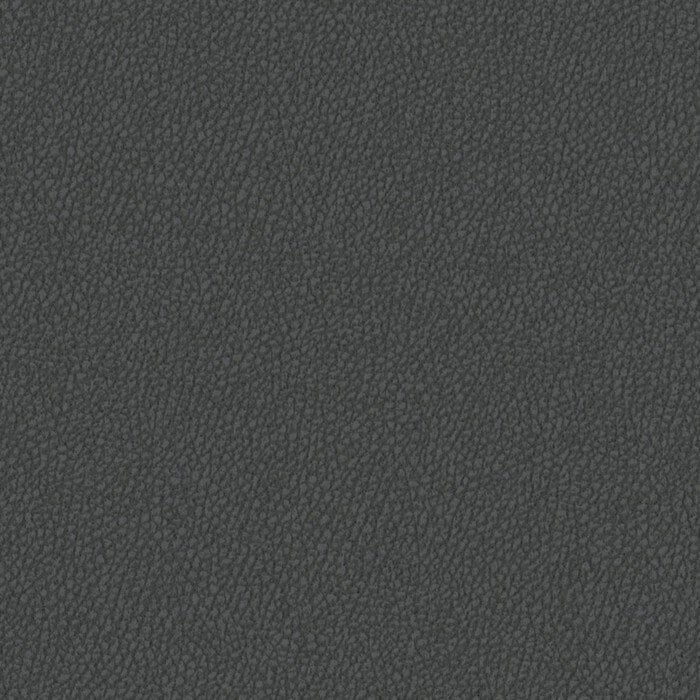
Precision printing of logos and patterns directly onto satin surfaces. High-definition graphics with fade-resistant inks, cost-effective for large production volumes. Perfect for bold brand messaging.
Edge Binding
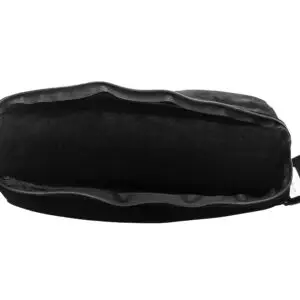
Reinforced edge finishing on roll perimeters using complementary materials or threads. Prevents fraying, extends durability, and adds refined aesthetic polish. Professional closure elevates perceived quality.
Padding & Quilting
Interior and exterior cushioning layers protect delicate jewelry from impact and movement. Quilted patterns add luxury texture and sophistication. Enhances both protection and brand perception.
Magnetic Closures
Integrated magnetic fastening systems ensure secure, effortless sealing of jewelry rolls. Premium feel, prevents accidental opening, and protects precious contents. Elevates user experience and trust.
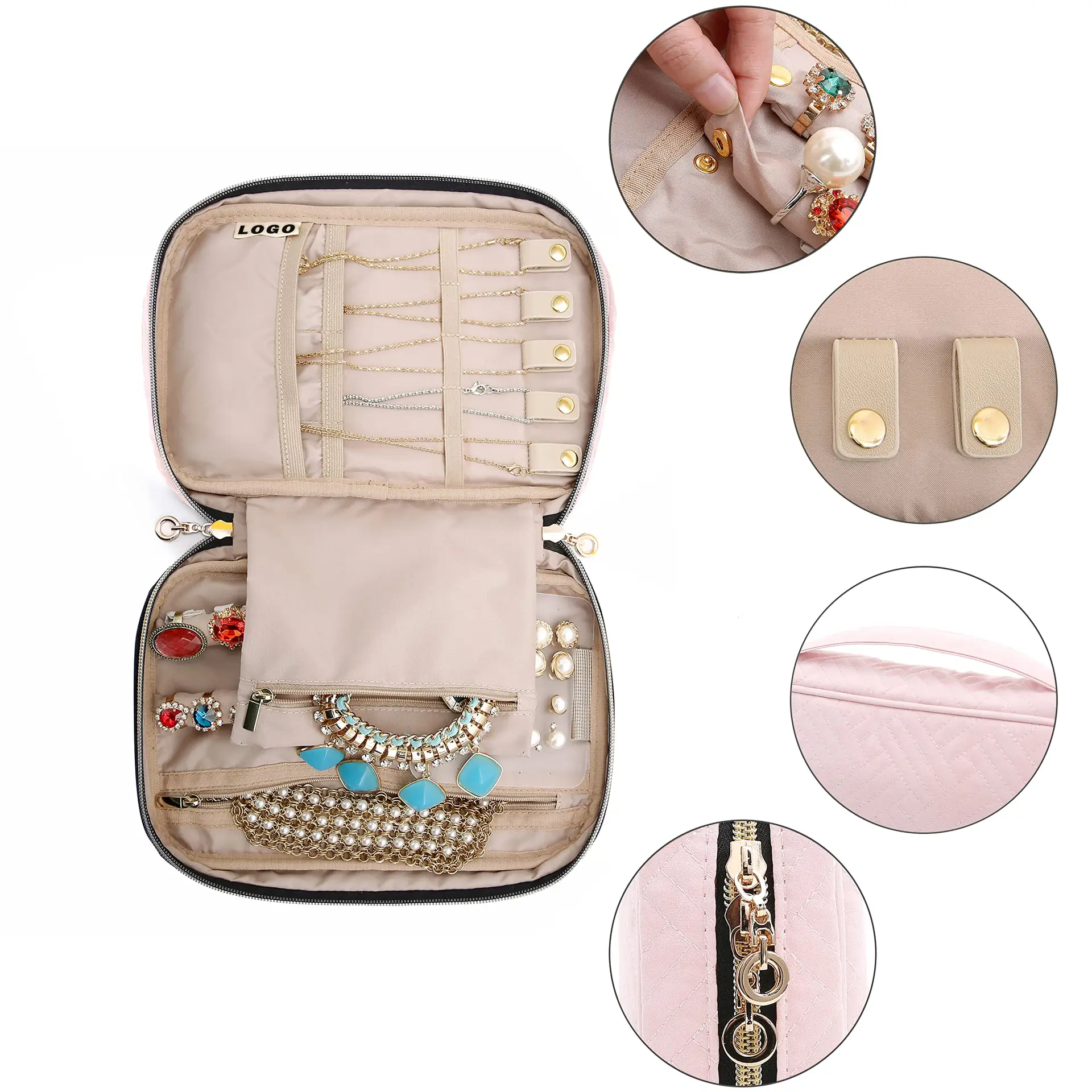
Eco-Coating
Sustainable protective sealant applied to satin surfaces for enhanced water resistance and color retention. Environmentally conscious finish demonstrates strong brand values. Extends product longevity and appeal.
Premium Accessories for Your Satin Jewelry Roll
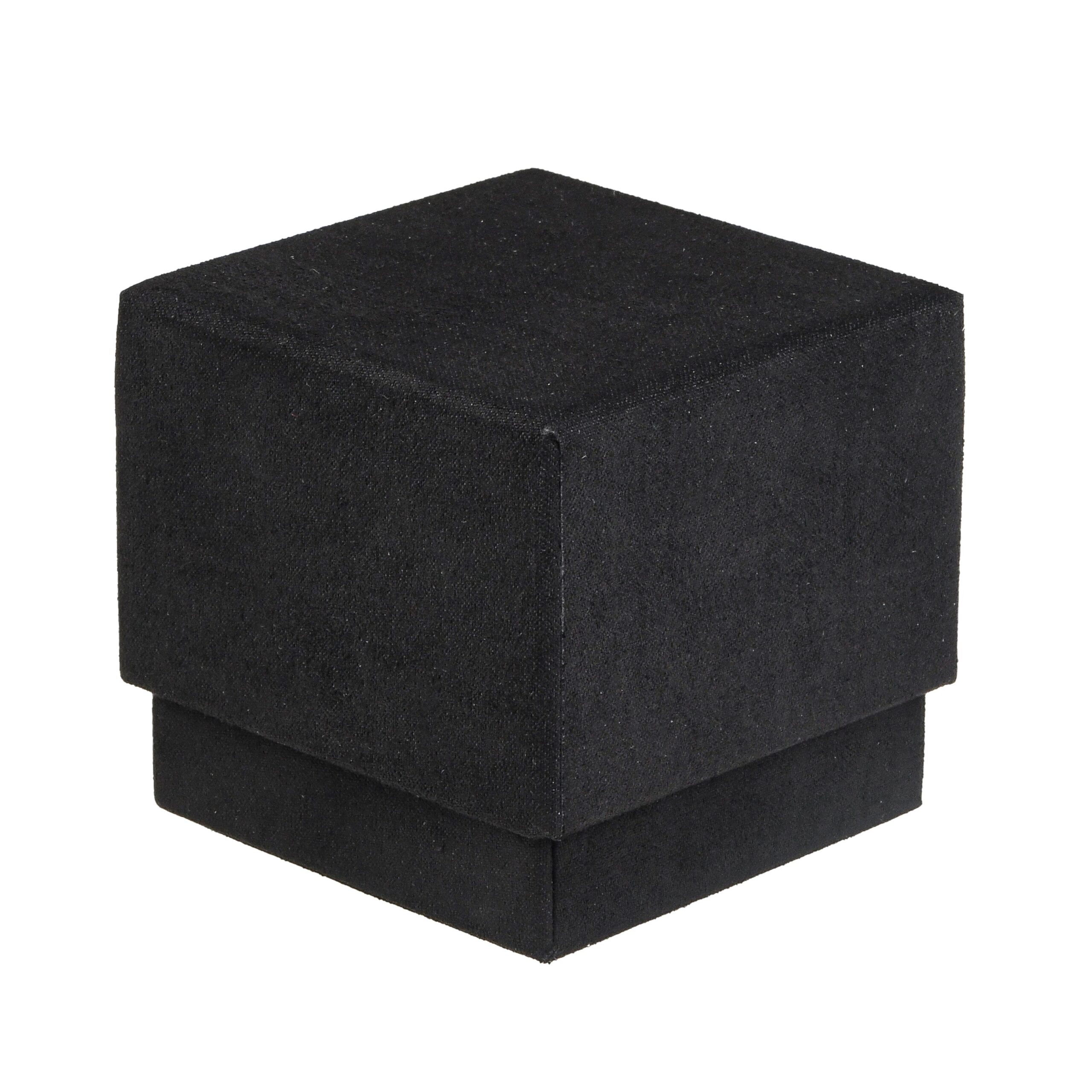
Premium Zipper Closures
Upgrade your satin jewelry roll with smooth YKK zippers for secure, reliable closure. Metal or nylon options available. Ensures items stay protected during storage and travel. Professional appearance for luxury brands.

Snap Button Fasteners
Add elegant snap button closures to your satin jewelry roll for smooth, one-handed operation. Durable metal snaps maintain appearance through repeated use. Ideal for premium gift sets and boutique collections seeking tactile luxury.
Custom Woven Labels
Personalize your satin jewelry roll with custom woven labels featuring your brand logo or name. Authentic branding touch elevates perceived value. Available in various sizes and custom colorways to match your packaging aesthetic.
Luxury Drawcords
Upgrade your satin jewelry roll closure with silk-screened or embroidered drawcords in custom colors. Adds premium feel and improves functionality for on-the-go use. Metal tipping options provide durability and luxury finish. Perfect for high-end brand positioning.

Removable Compartments
Integrate removable velvet-lined trays into your satin jewelry roll for organized storage. Sections accommodate rings, earrings, necklaces, and watches. Flexible interior design maximizes utility while maintaining elegant appearance for luxury retail presentation.

Protective Interior Lining
Add premium interior lining in velvet, microfiber, or silk to your satin jewelry roll to protect delicate jewelry from scratches. Custom color matching available. Enhances luxury unboxing experience and differentiates your brand in competitive jewelry markets.
Our 17-Year Track Record in Luxury Packaging
Founded in 2007, On The Way (Jewelry Box Supplier Ltd.) was built on a single principle: quality defines survival. Today, our Dongguan factory operates as a dedicated custom jewelry packaging manufacturer, producing premium satin jewelry rolls, pouches, rigid boxes, displays, and branded paper bags for independent designers and luxury retailers worldwide.
Our 1,200 m² facility houses 220+ skilled staff who have completed 6,500+ custom projects for 3,000+ cooperative customers. We now serve 300+ brands across 30+ countries—from North America to Europe and Southeast Asia. Factory-direct pricing, low MOQ flexibility, multi-stage QC, and dedicated account managers ensure every satin jewelry roll meets exquisite standards while protecting your timeline.
We believe exquisite packaging is a brand’s first impression. That’s why we invest in FSC-certified and recycled materials, rigorous multi-stage QC, and the flexibility to customize from design through mass production. Whether you’re a startup or established luxury house, we’re committed to the principle that founded us: quality defines survival.
Deep Dive: Our Satin Jewelry Roll Expertise
Custom Satin Jewelry Roll Sampling
From concept to production, we offer rapid sampling and unlimited design revisions. Our in-house design team collaborates with you to perfect every detail—materials, colors, dimensions, and branding—before full production begins.
- Digital mockups & design consultation included
- 2-3 week sampling turnaround
- Unlimited design revisions until approved
- Seamless transition to mass production
White-Label OEM & Packaging Solutions
Manufacture custom jewelry roll packaging under your own brand with complete confidentiality. From private-label design to full-scale production, we handle every step while you maintain complete brand ownership and control.
- 100% private-label OEM services
- No minimum order restrictions
- Dedicated account manager for each project
- Flexible MOQ from 500 units upward

Quality Control at Every Stage
Our multi-stage QC protocol ensures consistent excellence across every product. Dedicated inspectors verify materials, stitching, finishes, and packaging at raw-material intake, mid-production, and final pre-shipment checkpoints, backed by 17+ years of manufacturing expertise.
- 5-point inspection process at each stage
- ISO-certified factory & trained QC team
- 6,500+ completed projects with 99%+ approval rate
- Third-party compliance testing available

Sustainable Satin Jewelry Roll Solutions
Eco-conscious packaging starts with premium, sustainable materials. We source FSC-certified papers, recycled fabrics, and reusable components, ensuring your satin jewelry rolls meet environmental standards without compromising on luxury, durability, or brand impact.
- FSC & OEKO-TEX certified materials
- 100% recyclable & biodegradable options
- Carbon-neutral shipping available
- Supporting responsible sourcing globally

Why On The Way Leads in Satin Jewelry Roll Manufacturing
On The Way consistently outperforms competitors on lead time, customization depth, quality rigor, and factory-direct pricing. Here’s the detailed comparison.
← Swipe left or right to view →
Satin Jewelry Roll Production Process
From concept to delivery, see how we transform your vision into premium custom satin jewelry rolls in 4-6 weeks.
Design Consultation & Sampling
Our design team collaborates with you to refine satin jewelry roll specifications. We produce initial samples for approval, incorporating your branding, dimensions, and material preferences.
Material Sourcing & Inspection
We source premium satin, microfiber, and eco-certified materials for your jewelry rolls. All materials undergo rigorous inspection to ensure they meet our strict quality and durability standards.
Cutting, Sewing & Embellishment
Our production line cuts and sews your satin jewelry roll designs with precision. We add embellishments, logos, and custom details using automated and hand-finishing techniques.
Multi-Stage Quality Inspection
Every satin jewelry roll passes through four stages of quality control. Our QC team inspects dimensions, stitching, material condition, and finishing details against approved samples.
Packing & Preparation
Finished satin jewelry rolls are carefully packed into protective packaging to prevent damage. We prepare shipment documentation and organize inventory by order for seamless delivery.
Shipping & Delivery
We partner with reliable logistics providers to ship your order on time. Full tracking and customs documentation are provided for international satin jewelry roll deliveries.
How to Order Custom Satin Jewelry Rolls
From concept to delivery in weeks, not months
Submit Your Requirements & Tech Pack
Share your design specifications, dimensions, material preferences, and quantity needs. Our team reviews your brief and confirms manufacturing feasibility within your budget.
Approve Your Sample Satin Jewelry Roll
We create a custom sample matching your specifications. Review the quality, finish, and design—request revisions until your sample meets your standards.
Confirm Quote & Production Timeline
Finalize pricing, lead time, and production schedule. Approve artwork and confirm all specifications before your custom satin jewelry roll enters manufacturing.
Enter Production with Progress Updates
Your order enters our 1,200 m² facility with dedicated QC at every production stage. Receive milestone photos and status reports as we progress.
Receive Delivery & Ongoing Support
Fast worldwide shipment with complete documentation and certificates. Our account manager supports you post-delivery for future reorders and design refinements.
Certified Quality for Every Satin Jewelry Roll

What Global Brands Say About Our Satin Jewelry Rolls
We’ve ordered custom satin jewelry rolls from On The Way for three years now. Their quality is exceptional—our customers compliment the packaging as much as the jewelry. We’ve increased our orders by 40% and they handle it seamlessly.
As a small designer, I needed quick turnaround on custom satin jewelry rolls without minimum order commitments. On The Way delivered samples in two weeks and mass production within six weeks. They’ve been incredible partners.
We supply 15 boutique locations across North America and rely on On The Way for consistent, premium satin jewelry rolls. Their QC is outstanding—defect rate under 0.5%. We wouldn’t trust our brand to anyone else.
Satin Jewelry Roll FAQs
What is the MOQ for satin jewelry rolls?
Can I customize the colors and materials of my satin jewelry roll?
How long does sampling take for a satin jewelry roll?
What are your lead times for satin jewelry roll production?
What payment terms do you offer?
Do you ship worldwide, and what about shipping costs?
How do you protect our custom satin jewelry roll designs?
What quality guarantees do you provide?
Do you offer volume discounts?
The Complete Buyer’s Guide to satin jewelry roll
Learn what makes quality satin jewelry rolls, discover key materials and customization options, understand manufacturer vetting criteria, and avoid costly ordering mistakes. This guide provides global jewelry brands and retailers with the decision framework to source premium satin jewelry rolls with confidence.
1. What is a Satin Jewelry Roll?
A satin jewelry roll is a compact, fabric-lined storage and travel case designed to organize and protect multiple jewelry pieces simultaneously. Satin construction provides a soft surface that prevents scratching while maintaining a luxury aesthetic, distinguishing it from rigid jewelry boxes or velvet pouches that serve single pieces or collections. Over 3,000+ custom projects across 30+ countries, manufacturers have refined rolls to combine presentation and functionality.
Jewelry brands and retailers deploy satin jewelry rolls across four primary use cases: as in-store display solutions that showcase curated collections, branded packaging that elevates customer unboxing experiences, complimentary gifts with purchases that encourage brand loyalty, and travel-friendly storage that allows customers to carry valuables safely. Unlike standard jewelry boxes, rolls feature integrated compartments, pockets, and elastic slots that keep earrings, bracelets, rings, and necklaces from tangling or shifting during movement.
The practical advantages address three core needs. Satin rolls hold 15–30 pieces in a footprint that folds to 8–12 inches, suiting luggage and retail shelves alike. Integrated compartments and elastic slots prevent tangling and breakage, reducing returns and elevating the unboxing experience for customers across any channel—retail, gifting, or personal travel.
2. The Evolution of Satin Jewelry Rolls
1970s luxury jewelry houses favored hand-crafted leather storage cases and wooden boxes—premium but costly and labor-intensive. Introduction of synthetic fabrics in the 1980s lowered production costs while maintaining aesthetic appeal, opening premium packaging to mid-market brands.
Satin emerged as the material of choice because it delivered the ‘elegance-durability-affordability’ trifecta buyers demanded. Its smooth, lustrous finish mimics luxury silk while offering superior abrasion resistance; the tight weave protects delicate jewelry from scratches and tarnish. Compared to leather or microfiber alternatives, satin-lined rolls cost 30–40% less to produce at scale while preserving perceived value.
By the early 2000s, as e-commerce exploded and direct-to-consumer jewelry brands proliferated, demand for customizable yet affordable packaging skyrocketed. Manufacturers invested in advanced jacquard looms, automated embroidery, and flexible low-MOQ systems to serve independent designers and boutique retailers worldwide. Today, satin jewelry rolls represent the industry standard—chosen by premium brands seeking the balance of cost efficiency, luxury perception, and reliable item protection that sophisticated buyers expect.
3. Types of Satin Jewelry Rolls
Satin jewelry rolls come in multiple configurations suited to different storage needs and brand positioning. Understanding each type helps select the format that best aligns with customer base and product range.
Flat Rolls

Simplest format with single fold. Accommodates 3–5 pieces; ideal for gift sets and travel. Low production cost and compact dimensions reduce shipping weight—a key advantage for brands prioritizing affordability and minimalist presentation.
Nested Multi-Compartment Rolls
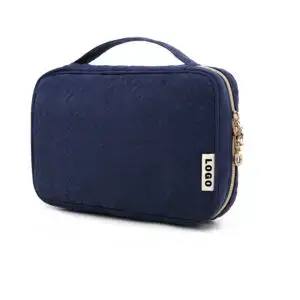
Four to eight pockets prevent tangling and organize rings, earrings, bracelets separately. Appeals to jewelry professionals and collectors. Capacity 8–12 pieces. Construction cost rises due to multiple seams and dividers, but storage efficiency justifies the premium for discerning customers.
Book-Style Rolls
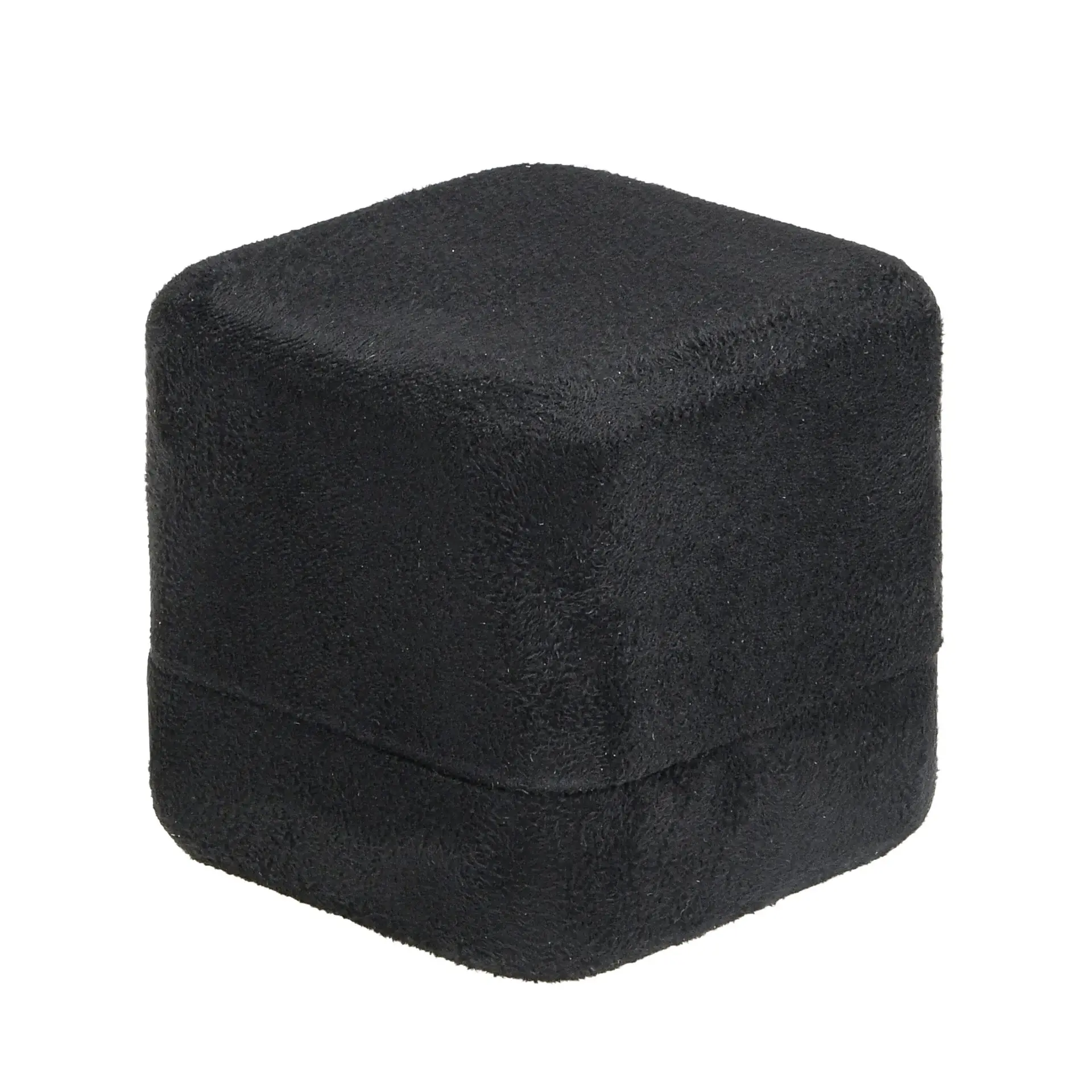
Opens like hardcover book with rigid spine and magnetic closure. Projects premium positioning; commands higher retail prices. Capacity 8–12 pieces. Boutique retailers and luxury brands favor this format for displays, point-of-sale packaging, and gift-with-purchase promotions.
Roll-Up Pouches

Cylindrical form with ribbon tie or snap closure; compact and gift-friendly. Capacity 4–6 pieces. Emerging brands favor this format for affordability and promotional versatility—easy to brand with logos for seasonal or collection-specific packaging.
Drawer Organizers
Flat compartmented trays, often without lids, for residential storage or in-store display. Capacity 12–20 pieces. Appeals to brands targeting retail partners with open-case merchandising or consumers building wardrobes with organized home storage solutions.
Travel Cases
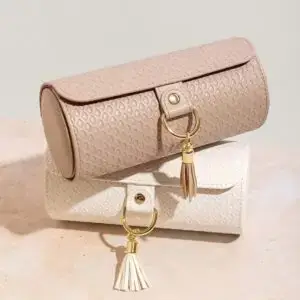
Hard-shell or reinforced fabric designs with protective dividers; premium tier solution. Holds 15–30 pieces; offers maximum protection and durability. Luxury brands and high-net-worth clientele prioritize this option for destination-travel markets despite higher unit costs.
4. Materials & Fabrics for Satin Jewelry Rolls
Material selection defines a satin jewelry roll’s durability, sheen, and cost. Options range from polyester satin to silk blends and eco-friendly alternatives, each with distinct GSM ratings and performance profiles.
| Fabric | GSM | Cost Index | Sheen | Durability |
|---|---|---|---|---|
| Polyester Satin | 75–150 | 1.0× | Medium–high | Excellent |
| Cotton-Satin | 100–140 | 1.3–1.6× | Medium | Good |
| Pure Silk | 75–90 | 3.5–5.0× | High | Good |
| Weighted | 120–180 | 1.2–1.4× | Medium–high | Excellent |
| Organic/Recycled | 80–150 | 1.4–1.8× | Medium | Good–excellent |
Polyester Satin

Polyester satin (75–150 GSM) dominates due to cost and versatility. Accepts any Pantone color, resists wrinkles, and tolerates multiple laundries. Lower perceived luxury than silk but industry-standard for custom satin jewelry rolls.
Premium Options: Silk & Cotton-Satin
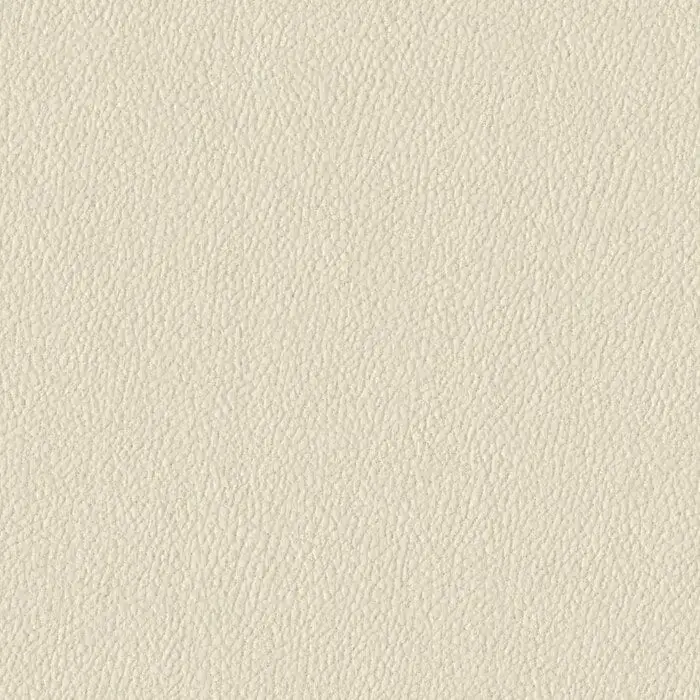
Pure silk (75–90 GSM) delivers premium sheen at 3–5× polyester cost. Cotton-satin blends (65/35 ratio) offer softness and natural feel at 1.3–1.6× cost, balancing luxury perception with budget realities.
Interior Linings
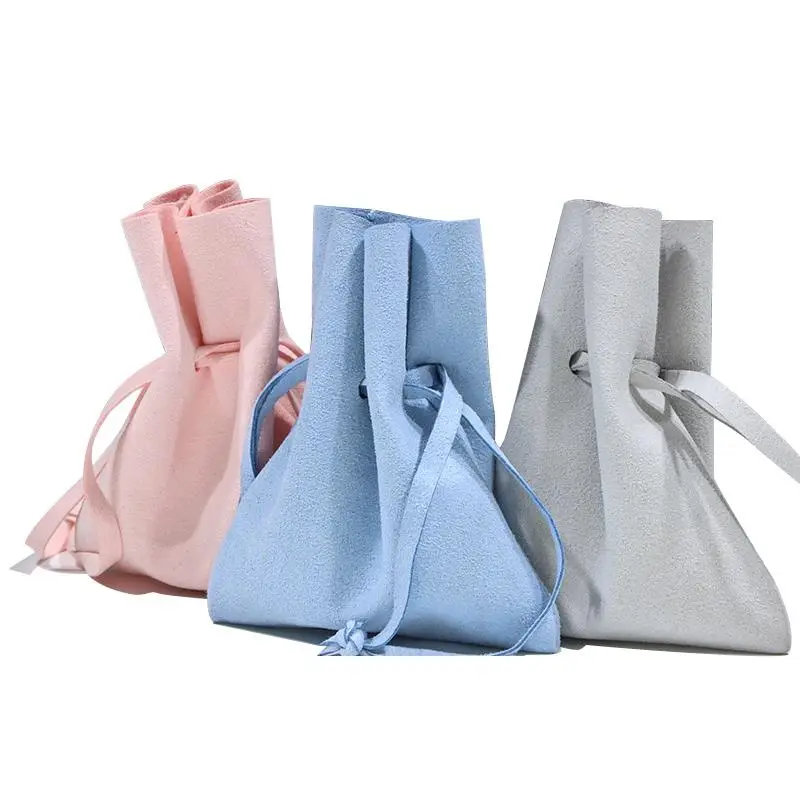
Suede microfiber (100–150 GSM) prevents scratches and feels premium but shows wear. Velvet (120–180 GSM) adds softness; felt (200+ GSM) provides affordability and durability. Choice impacts perceived quality and production cost.
- Suede: premium scratch protection
- Velvet: soft luxury, delicate handling
- Felt: affordable durability
Weighted Fabrics
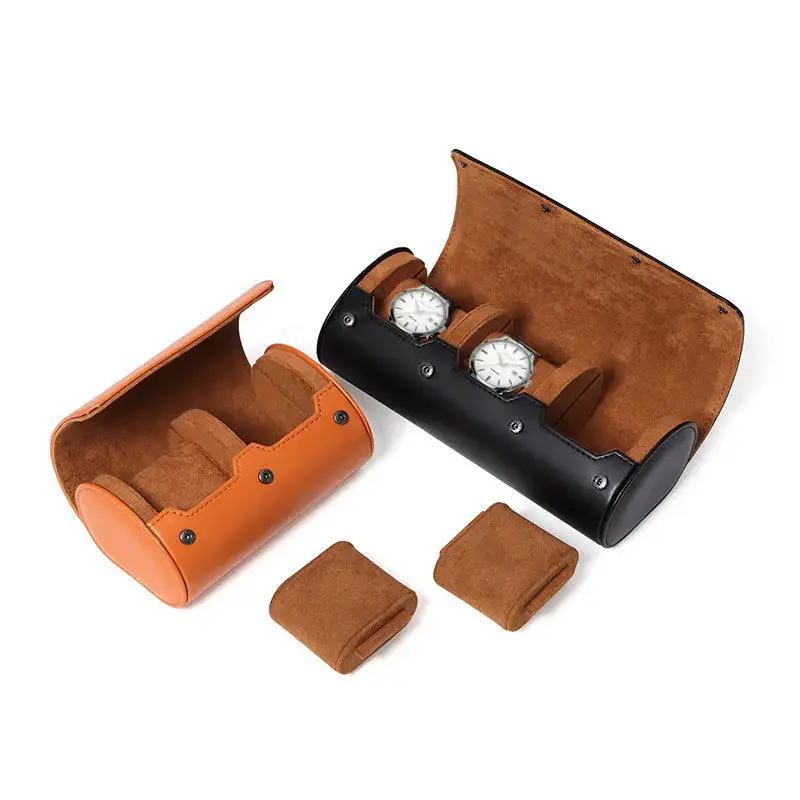
Weighted satin (120–180 GSM) adds metal threads or density for structure. Signals quality to end consumers but increases cost 15–25% and adds 5–10 grams per roll. Assess ROI against brand positioning.
Eco-Friendly Materials
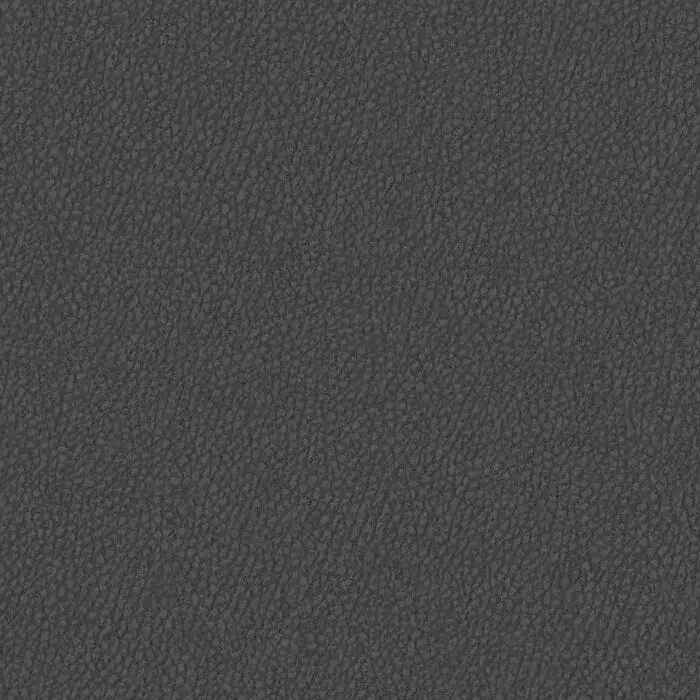
Organic cotton and recycled polyester address sustainability mandates. Organic cotton runs 40–60% premium; recycled polyester adds 15–25% but reduces plastic waste. OEKO-TEX and GOTS certification available. On The Way stocks these materials for eco-focused brands.
5. Customization & Decoration Options
Customization transforms a satin jewelry roll into a brand ambassador. Five techniques—embroidery, screen printing, foil stamping, woven labels, and monogramming—each offer distinct cost, MOQ, and timeline trade-offs. Selecting the right method depends on volume tier, budget, and brand positioning.
Embroidery for Premium Positioning
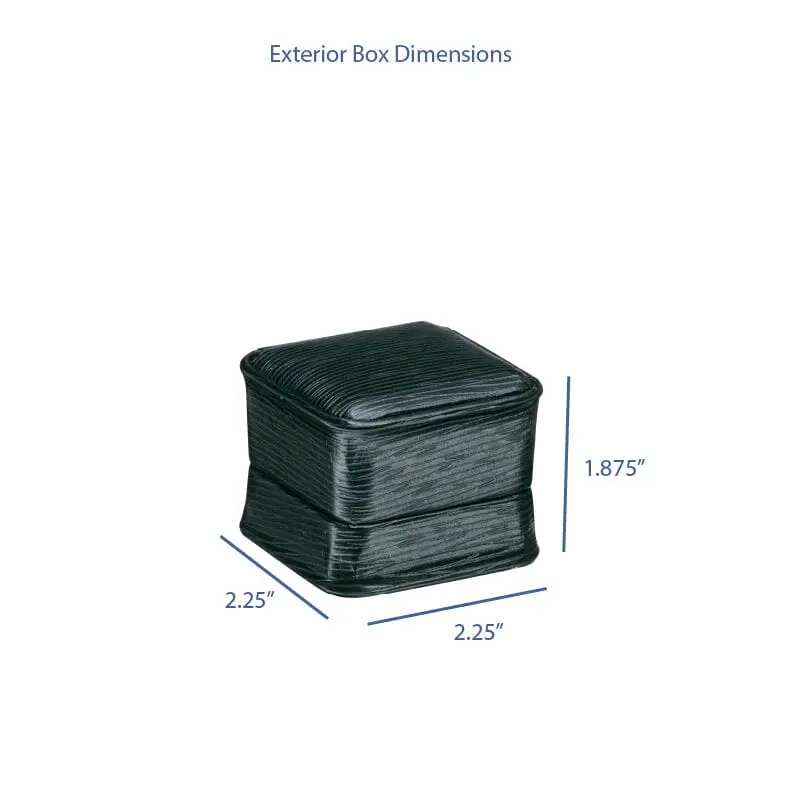
Three- to five-color embroidery requires 1,000-2,500 MOQ and 4-6 week lead time.
Costs $0.40-$1.20 per unit; premium brands favor it for durability and tactile luxury that signals quality before opening.
Screen Printing: Volume & Cost

Screen printing suits 500+ MOQ with 2-3 week turnaround at $0.15-$0.40 per unit.
Digital printing reduces MOQ to 50-100 but costs $0.50-$1.00 each—choose screen for scale, digital for short runs.
Foil Stamping: Metallic Impact

Foil stamping delivers premium metallic finish with 1,000+ MOQ and 3-4 week lead time.
$0.30-$0.80 per unit, ideal for minimalist logos; hot transfer offers flexibility at 200-500 MOQ and $0.40-$0.70 cost.
Woven Labels & Monogramming

Woven labels embedded during production require 2,000+ MOQ at $0.20-$0.50 per label.
Hand monogramming (50-200 MOQ, $0.80-$2.00 each) personalizes boutique orders; combine both for luxury differentiation.
Volume & Budget Matching
Emerging brands (50-500 units) favor digital printing; growth-stage brands (500-2,000) shift to embroidery and foil.
Established brands (2,000+) commit to woven labels and multi-color embroidery for consistency. Customization adds 15-25% to base cost but lifts perceived value 40-60%.
6. Key Construction Quality Elements
Construction quality separates premium satin jewelry rolls from mass-market alternatives. Five elements—seams, edges, closures, padding, and compartments—determine durability, jewelry safety, and perceived luxury.
Seam Quality and Strength
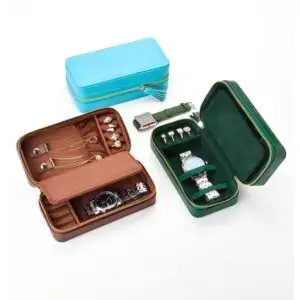
Lockstitch construction (0.5–1mm spacing) prevents unraveling and handles repeated opening/closing.
Double-stitched seams on stress points—corners, closures, handle attachments—extend roll lifespan by 40–60%. Test samples by tugging seams at 45-degree angles; they should not pucker or separate.
Edge Finishing Techniques
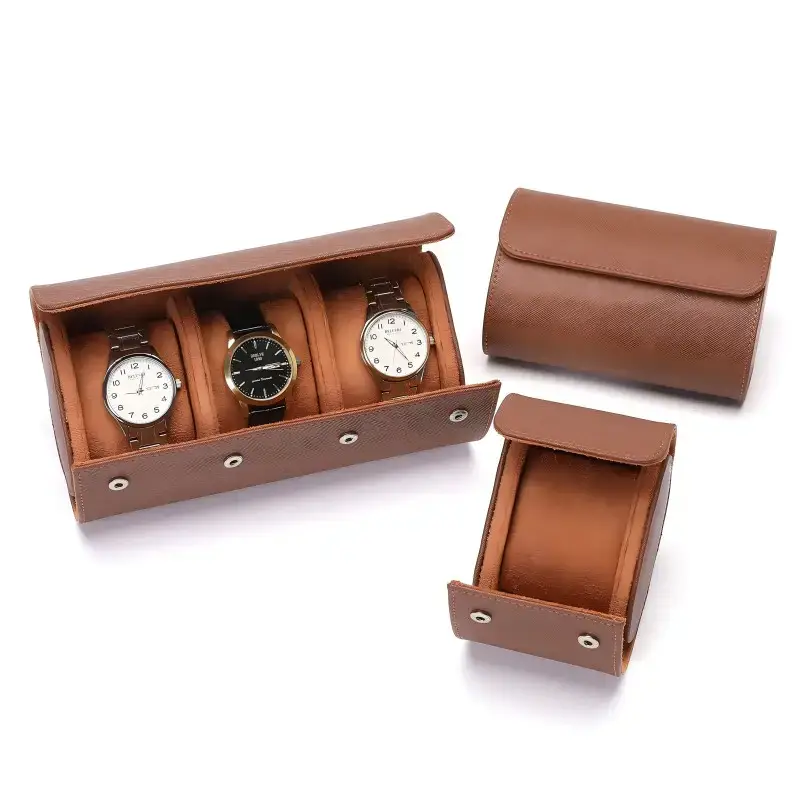
Serging (thread-wrapped edges) prevents fraying and gives luxury perception.
Bias binding or piping adds visual polish and protects edge thread. French seams hide raw edges, critical for visible panel edges. Specify finishing method in design brief.
Closure Systems

Magnetic closures (neodymium, 2000+ gauss) stay secure through repeated use.
YKK or equivalent metal zippers resist sticking and corrosion. Velcro ages visibly; retest at 500+ cycles. Specify closure type based on use frequency.
Interior Padding and Lining

Padding density (2–5mm, 60–100 GSM) cushions delicate jewelry without collapse.
Premium linings (silk, cotton sateen, 100+ GSM) prevent scratching and shifting. Bond padding to base fabric with grid-pattern stitching. Confirm lining adhesion in mockups.
Compartment Design
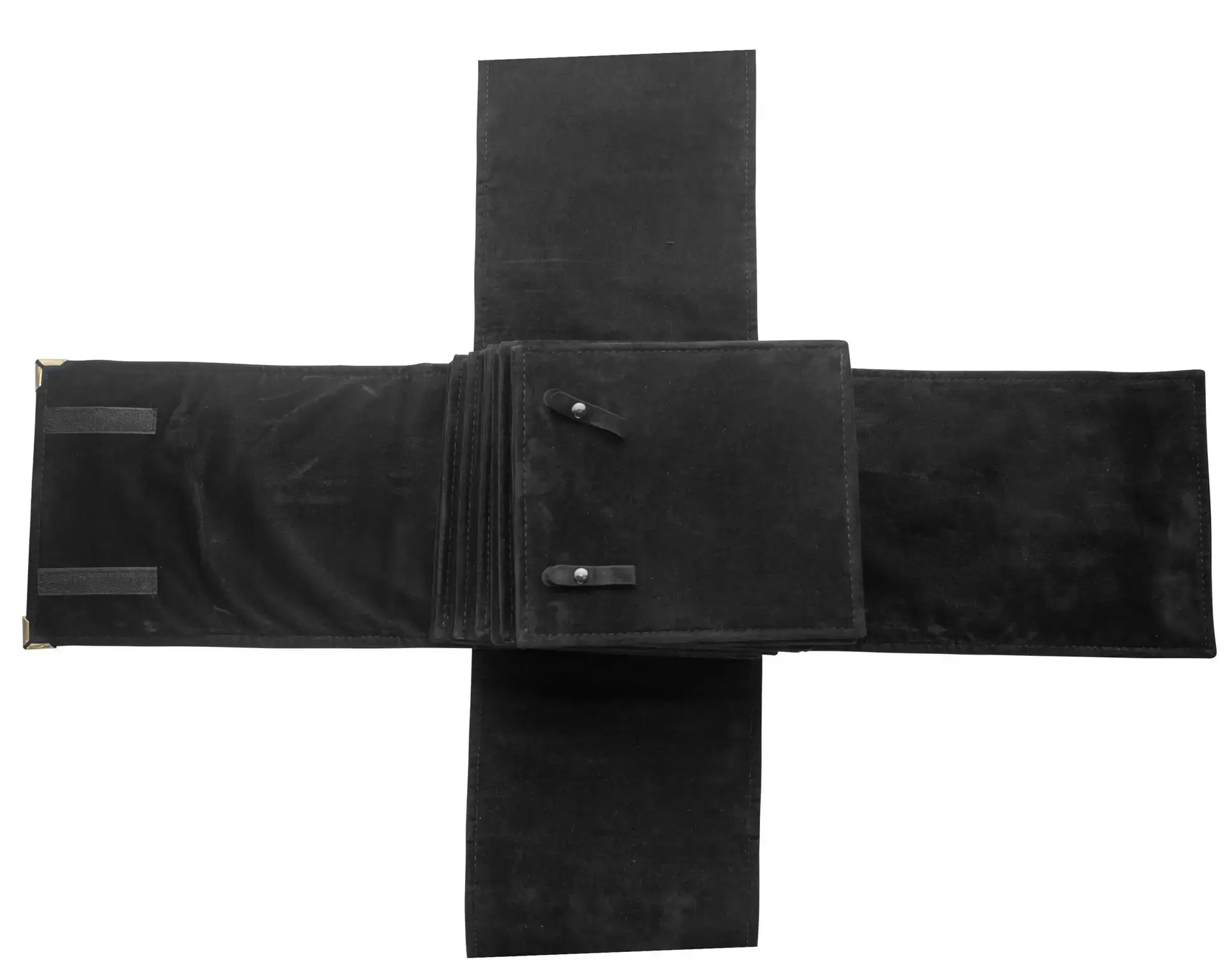
Reinforced divider seams prevent tearing under jewelry weight.
Compartment spacing (2–4cm) accommodates rings, earrings, and chains without tangling. Test divider strength by hand-tugging; weak stitching indicates quality shortcuts.
Quality Evaluation Checklist
Inspect 5–10 samples per batch.
Check seam spacing, edge alignment, closure function, padding resilience, and lining adhesion. Require destructive testing on retained samples. Document standards in writing with your factory.
7. How to Choose a Satin Jewelry Roll Manufacturer
Selecting a satin jewelry roll manufacturer requires evaluating production credentials, quality systems, and supplier relationships. Factory capacity, MOQ, certifications, and lead times should guide your decision. Request references from existing customers to validate claims.
Certifications & Production Capacity
OEKO-TEX 100, GOTS, and BSCI certifications validate material safety and labor standards. Verify issuance dates and request test reports.
A factory’s scale affects flexibility. 1,200 m² with 220+ staff indicates capacity for both small and large orders. MOQ typically ranges 500–2,000 units for boutiques.
Sampling, Lead Times & Communication
Request a production sample before mass orders. A quality sample reveals fabric, stitching, hardware, and embellishment accuracy. Allow 10–15 days for initial sampling.
Factory-direct suppliers typically deliver 45–60 days for custom orders. Dedicated account managers and responsive communication prevent misalignment. Test vendor responsiveness early.
Geographic Sourcing & Red Flags
China-based manufacturers offer lowest MOQ and fastest sampling. Southeast Asia provides mid-tier options; European makers command premium pricing. Each region trades off lead time, shipping costs, and tariffs.
Red flags include vague MOQ, no samples, refusal to sign NDAs, unresponsive communication. Request customer references and verify certifications independently.
8. Common Mistakes When Ordering Satin Jewelry Rolls
Experienced buyers learn from others’ costly missteps. Avoiding six common pitfalls—from underestimating minimum orders to finalizing artwork too late—cuts delays, rework costs, and supply-chain friction with your satin jewelry roll manufacturer.
Underestimating Minimum Order Quantities
Most satin jewelry roll suppliers enforce 300–500-unit MOQs. Requesting below-MOQ volumes triggers 100–200 USD setup fees or 20–40% unit-cost premiums.
Clarify MOQ before finalizing design to avoid late-stage negotiation or delays.
Neglecting Written Specifications
Vague briefs (‘I want a nice roll’) cause sampling delays of 2–4 weeks. Provide a written spec sheet: dimensions in mm, GSM range, hardware list, closure type.
Assign one contact per side to avoid lost emails and redundant cycles.
Skipping Pre-Production Samples
80% of bulk rework stems from skipped golden samples. Request a pre-production unit (50–100 USD) to verify color, seam quality, and closures before ordering 1,000+ units.
This step prevents Pantone mismatches and defective inventory shipments.
Choosing Vendors on Price Alone
A 20% lower unit rate often hides weak QC and missed deadlines. Verify supplier credentials: request 3 client refs, check OEKO-TEX certifications, review production schedules.
Upfront audits save you from liquidating defective stock.
Ignoring Lead Time Buffers
Standard production lead time is 4–8 weeks; adding sampling, proofs, and customs clearance pushes it to 10–14 weeks.
Plan backward from launch and communicate non-negotiable dates upfront. Missing deadlines costs pre-orders and retail slots.
9. Steps to Launch Your Branded Satin Jewelry Roll Line
Moving a satin jewelry roll from concept to market requires a structured workflow spanning 8-12 weeks. This section walks through each operational gate—from specification to fulfillment—so brands and retailers can launch with confidence.
Specify Product Details
Document material (satin, microfiber, cotton blend), dimensions, closure type, and Pantone palette (3-8 colors). Create technical sketches showing seam placement and hardware positioning.
Establish a 12-week calendar with gates at weeks 2 (spec sign-off), 4 (sample approval), and 8 (production launch).
- Material weight (95-140 GSM) and fiber content
- Closure hardware: magnetic, snap, or tie; dimensions with tolerance specs
- Pantone color palette and decoration method (embroidery, print, foil stamp)
Develop & Evaluate Samples
Order 3-5 sample units specifying exact materials, dimensions, and decoration. Allow 2-3 weeks for production and feedback.
Evaluate seam tensile strength, closure durability, color accuracy (spectrophotometer delta-E < 2.0 vs. Pantone), and lining. Request OEKO-TEX, GOTS, or recycled-content certificates if required for brand positioning.
Finalize Production Terms & MOQ
Negotiate MOQ (typically 500-2000 units), unit price, and payment terms (50% deposit, 50% on shipment). Lock lead time: 4-6 weeks from PO to production-ready.
Confirm artwork revisions and quality acceptance—luxury typically demands AQL 2.5 (max 2.5% defect) or tighter. Define inspection: 100% visual vs. statistical sampling.
Execute Fulfillment & Launch Marketing
Place production order after all gates are approved. Coordinate fulfillment: storage location (factory, 3PL, or warehouse), delivery schedule, and outer packaging. Typically 1-2 weeks post-production.
Activate marketing: product photography (flat-lay, detail, lifestyle), brand narrative, wholesale pricing, and retail positioning via email, website, and trade shows (JCK, IJL).
10. Pricing, Costs & Ordering Timeline
50-unit minimum order quantities set industry entry for custom satin jewelry rolls, though volume pricing unlocks progressively at 100, 500, and 1,000+ unit tiers. Ex-factory costs typically range from $5.00–$6.50 per unit at 50–100 units, dropping to $2.50–$3.50 at 500–1,000 units and $1.50–$2.20 at 2,000+ volumes—a 65–75% reduction at scale.
8-week production timelines cover sampling, pattern approval, and mass production under standard customization; rush builds compress to 4–6 weeks when embroidery, metal closures, or bespoke fabric changes are minimal. Expedited air freight adds 12–18% to freight costs but accelerates delivery to 7–10 days versus 21–28 days via sea container.
Premium fabric weights (500+ GSM microfiber, silk-lined interiors) add $0.40–$0.90 per unit; embroidery (single or multi-color, metallic threading) runs $0.25–$0.75 depending on stitch density. Magnetic closures, interior dividers, and custom dimensions each command $0.35–$1.20; combined customization on a luxury roll can push per-unit add-ons to $2.00–$3.00.
Ocean freight via 20-foot container (20,000–25,000 units) costs $2,500–$3,500 total—roughly $0.10–$0.14 per unit at volume but $0.80–$1.20 on sub-500 unit runs. Total landed cost often runs 18–25% higher for 100-unit orders versus 2,000+ volumes, making commitment to higher quantities the most significant lever on margin.
| Order Quantity | Ex-Factory Unit Cost | Production Timeline | Common Customization Costs |
|---|---|---|---|
| 50–100 units | $5.00–6.50 | 8–10 weeks | Embroidery +$0.25–0.75 |
| 101–500 units | $3.50–4.50 | 8–10 weeks | Premium fabric +$0.40–0.90 |
| 501–1,000 units | $2.50–3.50 | 8 weeks | Magnetic closure +$0.35–1.20 |
| 1,001–2,000 units | $1.80–2.50 | 8 weeks | Multi-color logo +$0.50–1.00 |
| 2,000+ units | $1.50–2.20 | 6–7 weeks | All options standard inclusion |
Start Your Custom Satin Jewelry Roll Project Today
Factory-direct pricing, rapid turnarounds, and 17+ years of expertise. Our team responds to inquiries within 24 hours. Start sampling today.