
Jewelry Portfolio: Premium Custom Packaging, Factory Direct
Trusted by 300+ luxury jewelry brands worldwide, our jewelry portfolio collections deliver premium custom packaging—pouches, rigid and gift boxes, displays, and paper bags—all factory-direct with low MOQ.
Featured Jewelry Portfolio Collections







Showcase Our Collections





Why Choose Our Jewelry Portfolio Solutions
Premium custom packaging with factory-direct pricing, quality assurance, and global expertise.
Factory-Direct Pricing
We own our production lines, eliminating middlemen costs. Premium quality at wholesale rates.
Low MOQ, Full Customization
Start with small orders or scale to millions. Flexible minimums and complete design freedom.
Multi-Stage Quality Control
Every jewelry portfolio detail is verified through rigorous QC processes. Professional standards ensure flawless results every time.
Eco-Friendly Materials & Fabrics
FSC-certified paper, recycled materials, and reusable options for brands committed to sustainable jewelry portfolio packaging.
17+ Years Packaging Expertise
Over 6,500 custom projects completed for 300+ global brands. Deep experience designing jewelry portfolio solutions that sell.
Dedicated Account Management
Personal attention from sampling through delivery. Your account manager ensures on-time jewelry portfolio production and seamless communication.
Solutions for Every Jewelry Brand
From independent designers to heritage houses, find the perfect packaging solution for your brand.
Independent Designer Packaging
Need professional packaging that reflects your brand identity without committing to massive order quantities. Custom designs and eco-friendly materials matter to your emerging brand story.
Low MOQ custom velvet and satin pouches with branded labels and FSC-certified eco-friendly materials establish your luxury brand identity without the inventory risk of massive upfront orders.
Premium Brand Unboxing
Premium clients expect unboxing experiences that match your brand's prestige. Multi-stage quality control and premium materials are non-negotiable for maintaining your luxury positioning and brand heritage.
Magnetic-closure rigid boxes and LED-lit display solutions create premium unboxing moments that encourage sharing. Our multi-stage QC process ensures every detail meets your exacting international quality standards.
Multi-Location Boutique Retail
Need display solutions that showcase jewelry professionally, branded paper bags matching your store aesthetic, and inventory consistency across multiple retail locations without sacrificing quality standards.
Custom display trays, watch cases, and branded luxury paper bags create cohesive retail environments across all locations. Our dedicated account managers ensure on-time delivery everywhere.
E-Commerce Jewelry Seller
Online customers judge first by unboxing experience. Delicate pieces need protection while your packaging must look premium and encourage social sharing with flexible order quantities.
Microfiber and satin custom pouches with premium branding protect your jewelry, elevate the unboxing experience, and drive word-of-mouth marketing with flexible low MOQ production runs.
Established Jewelry House
Decades of brand reputation depend on consistency. Sourcing custom packaging meeting strict quality standards and material specifications from reliable global suppliers is complex and risky.
Our 17+ years serving 300+ jewelry brands with multi-stage QC and factory-direct pricing deliver premium packaging that honors your heritage while keeping costs competitive globally.
Premium Materials & Fabrics
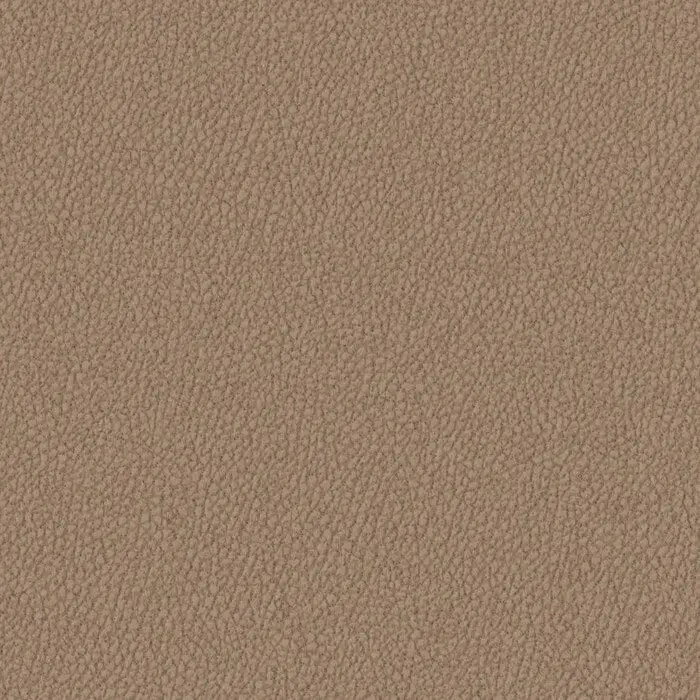
Premium Velvet
Soft, luxurious natural fiber with rich matte texture. The standard for high-end jewelry pouches and luxury box interiors. Delivers superior hand-feel, protective cushioning, and prestigious brand positioning. Weight: 400+ gsm, densely woven.

Silk Satin
Smooth, lustrous fabric with elegant drape and refined sheen. Ideal for jewelry box linings and luxury wrapping applications. Gentle on delicate pieces, premium appearance, and timeless sophistication. Offers brilliant light reflection.

Microfiber Suede
Synthetic ultra-soft material engineered for protective cushioning and durability. Excellent for jewelry pouches requiring water-resistance and easy maintenance. Scratch-resistant, long-lasting softness, and sophisticated appearance. Ideal for travel pouches.

Organic Cotton
Natural, breathable fabric with eco-conscious appeal and neutral aesthetic. Perfect for sustainable jewelry packaging and branded paper bags. Certified organic, biodegradable, and reusable. Weight: 280–350 gsm for versatile luxury positioning.
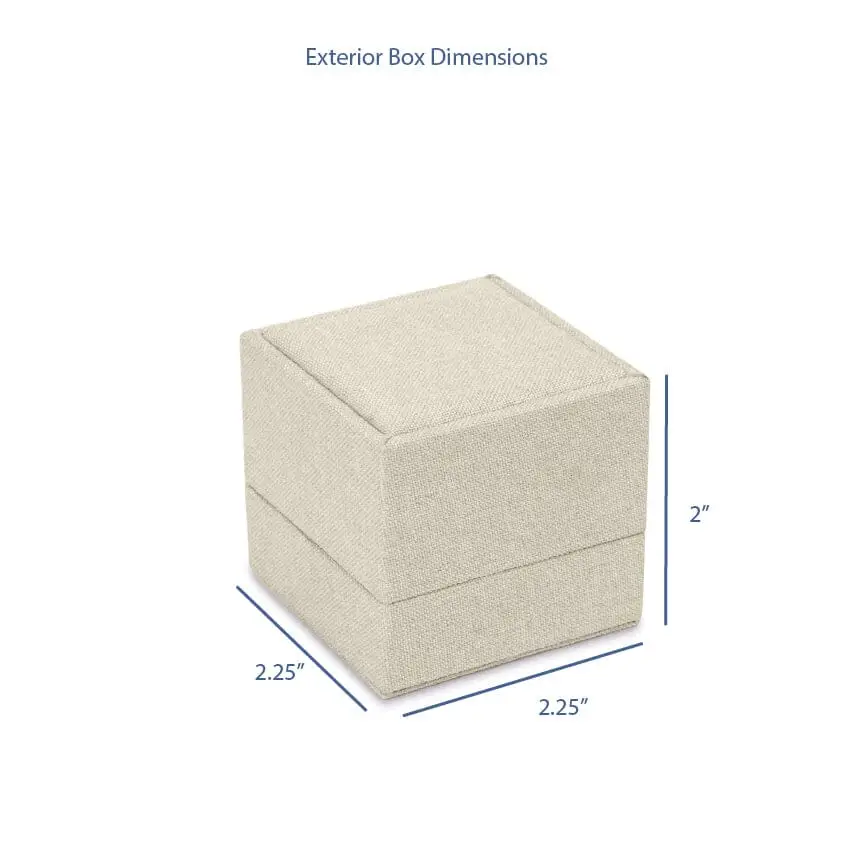
Natural Linen
Premium natural fiber with subtle texture and organic character. Ideal for heritage brands and sustainable portfolio displays. Durable, naturally lustrous, and inherently eco-friendly. Breathable construction supports high-end positioning with environmental responsibility.

Recycled Materials
Eco-friendly options including FSC-certified paper and recycled polyester blends. Maintains premium appearance while supporting environmental commitments. Perfect for conscious luxury brands. Fully recyclable, sustainable production, and third-party certifications included.
Production Processes for Your Jewelry Portfolio
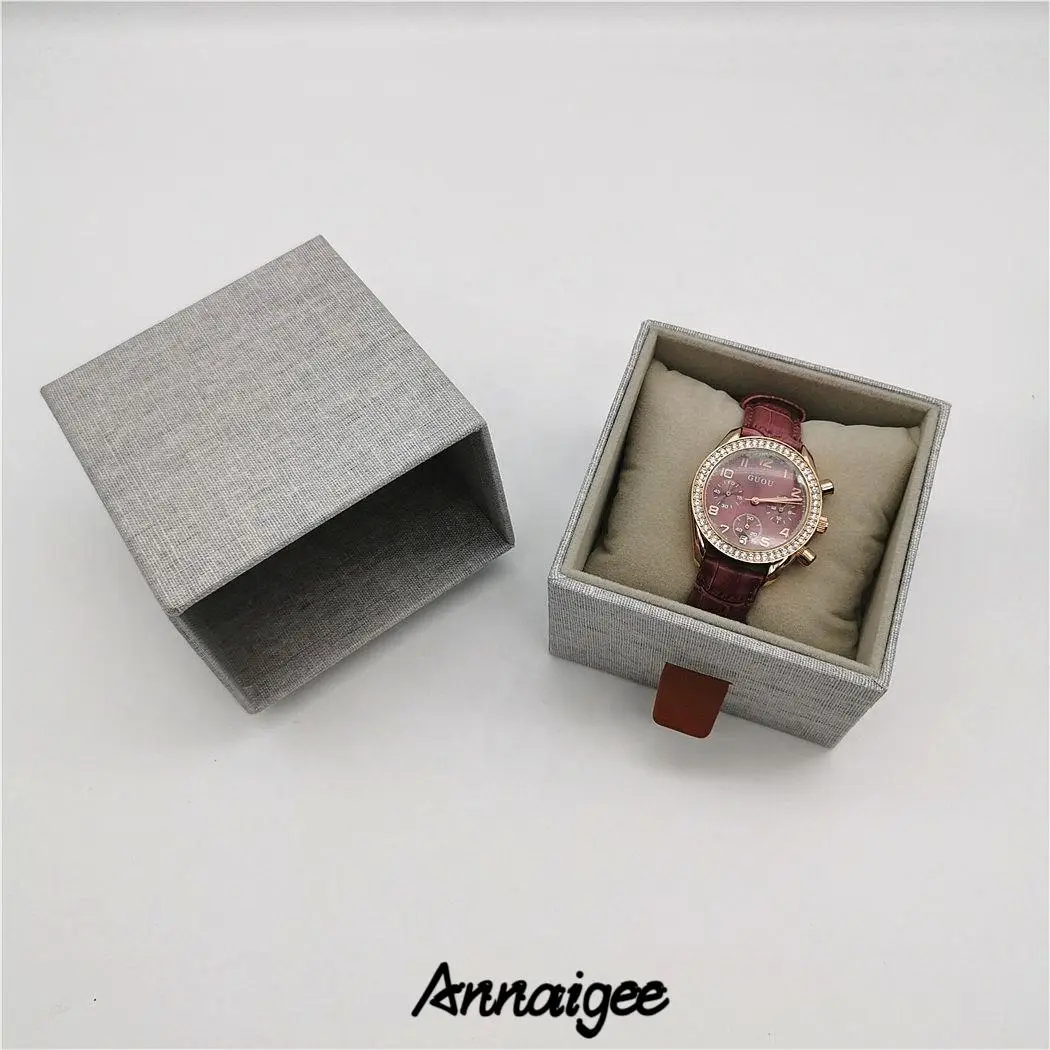
Hot Foil Embossing
Creates raised metallic or matte designs on fabric and paper surfaces. Delivers premium tactile branding that catches light and conveys luxury, perfect for high-end jewelry boxes and pouches.

Screen Printing
Applies precise, vibrant colors directly onto fabrics and materials. Ideal for custom logos, patterns, and branding on velvet pouches and paper bags with excellent color fastness.
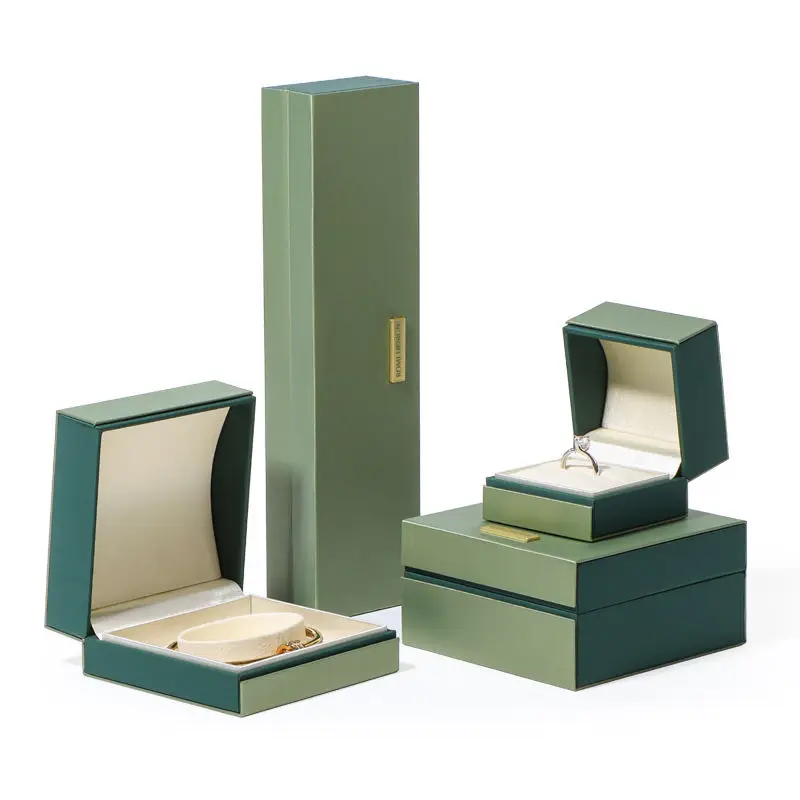
UV Printing
High-definition digital printing technology producing sharp images and gradients. Creates stunning visual effects on rigid boxes and display materials with exceptional color accuracy and durability.
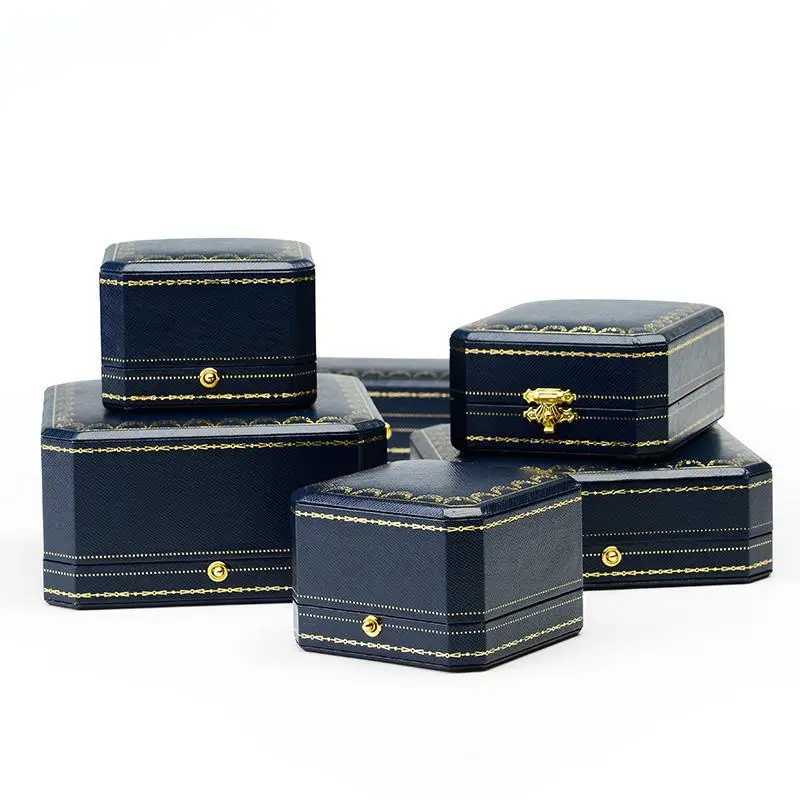
Sublimation Printing
Transfers dyes directly into polyester and synthetic materials at the molecular level. Results in fade-resistant, washable designs with full-color photographic quality on premium pouches.

Magnetic Closures
Premium closure systems using embedded neodymium magnets for smooth, silent operation. Adds sophisticated touch and ensures secure fastening for luxury rigid boxes and gift packaging.
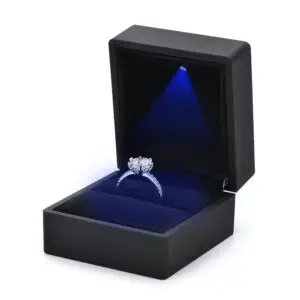
LED Integration
Embedded lighting systems that illuminate jewelry displays and rigid boxes. Creates eye-catching retail presence and enhances product presentation for luxury brands and boutique displays.
Jewelry Portfolio Hardware & Accessories
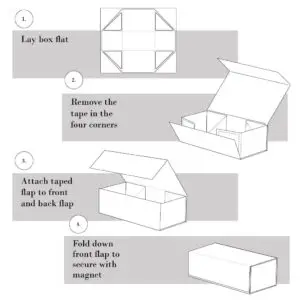
Magnetic Closure Systems
Premium magnetic closures for rigid jewelry portfolio boxes. Ensures secure closure with premium feel. Ideal for high-end jewelry and luxury brands seeking soft-close elegance and repeat customer touchpoints.

Silk Ribbon & Drawcord
Luxury drawcords and silk ribbons elevate jewelry portfolio presentation. Available in custom colors and materials. Perfect for pouches and gift boxes—adds premium tactile experience that reinforces brand positioning.

Woven Labels & Hangtags
Custom woven labels, printed hangtags, and branded patches personalize your jewelry portfolio packaging. Embossed or printed options available. Essential for brand recognition and retail shelf presence.
Eco-Friendly Padding
FSC-certified recycled padding and tissue paper protect jewelry while reflecting sustainability values. Customizable colors and densities for jewelry portfolio protection. Aligns with modern consumer expectations for eco-responsible packaging.

YKK Premium Zippers
Genuine YKK zippers and slider hardware for jewelry portfolio pouches. Smooth operation and durability ensure jewelry stays secure. Available in multiple colors and metals for custom aesthetic alignment.
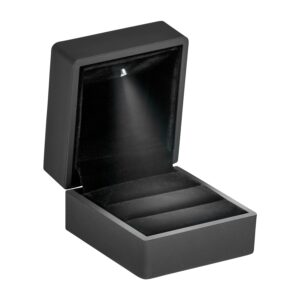
LED Lighting Systems
Premium LED-lit jewelry portfolio display boxes create dramatic retail impact. Battery or USB-powered options. Transforms your jewelry packaging into an interactive brand experience that drives in-store engagement.
About On The Way: 17+ Years of Packaging Expertise
Founded in 2007, On The Way built the jewelry portfolio business on a single principle: quality defines survival. As a factory-direct manufacturer based in Dongguan, China, we’ve spent 17 years perfecting custom jewelry packaging—pouches, boxes, displays, and branded paper bags—for independent designers, boutique retailers, and established jewelry brands worldwide.
Today, our 1,200 m² factory and 220-person team have completed over 6,500 custom jewelry packaging projects for more than 300 brands across 30+ countries in North America, Europe, and Southeast Asia. We’ve built expertise in every material—velvet, satin, microfiber, linen, eco-materials—and every format: rigid boxes, foldable gift boxes, magnetic closures, LED lighting, display trays, and more.
What sets us apart is unwavering commitment to your jewelry brand’s success. Factory-direct pricing, low minimum orders, full custom flexibility, multi-stage quality control, FSC-certified materials, and dedicated account managers—paired with on-time delivery and end-to-end support from sampling to mass production. We believe your jewelry portfolio packaging is your brand’s first impression: exquisite packaging, quality living.

Four Pillars of Packaging Excellence
Limitless Design Customization & Flexibility
Your jewelry brand deserves packaging that’s uniquely yours. We design and manufacture bespoke jewelry pouches, boxes, displays and paper bags in unlimited colorways, materials, closures and dimensions. From micro-batch to mass production, our flexibility and low MOQs let you scale without compromise.
- Custom velvet, satin, microfiber, cotton, linen & eco-fabric pouches
- Rigid, magnetic-closure, LED & foldable gift boxes
- Branded paper bags, trays, display busts & watch cases
- No design constraints—private label & OEM solutions

FSC-Certified & Eco-Friendly Materials
Sustainability is embedded in our jewelry portfolio manufacturing. We source FSC-certified cardboard and recycled materials, design reusable packaging structures, and reduce waste across production. Your packaging communicates brand values without compromising quality or environmental responsibility.
- FSC-certified paper & recycled cardboard for all boxes
- Reusable, biodegradable & compostable material options
- Reduced plastic use & water-efficient production methods
- Certifications: FSC, ISO 9001, CE compliance

Multi-Stage Quality Control Process
Quality defines survival—our philosophy since 2007. Every jewelry portfolio project undergoes rigorous multi-stage QC: material inspection, print validation, structural testing and final pack review. Our 220+ staff and dedicated account managers ensure every unit meets luxury standards before it ships.
- Pre-production & material quality inspections
- Print accuracy & color matching verification
- Structural strength & durability testing
- Final pack review & documentation
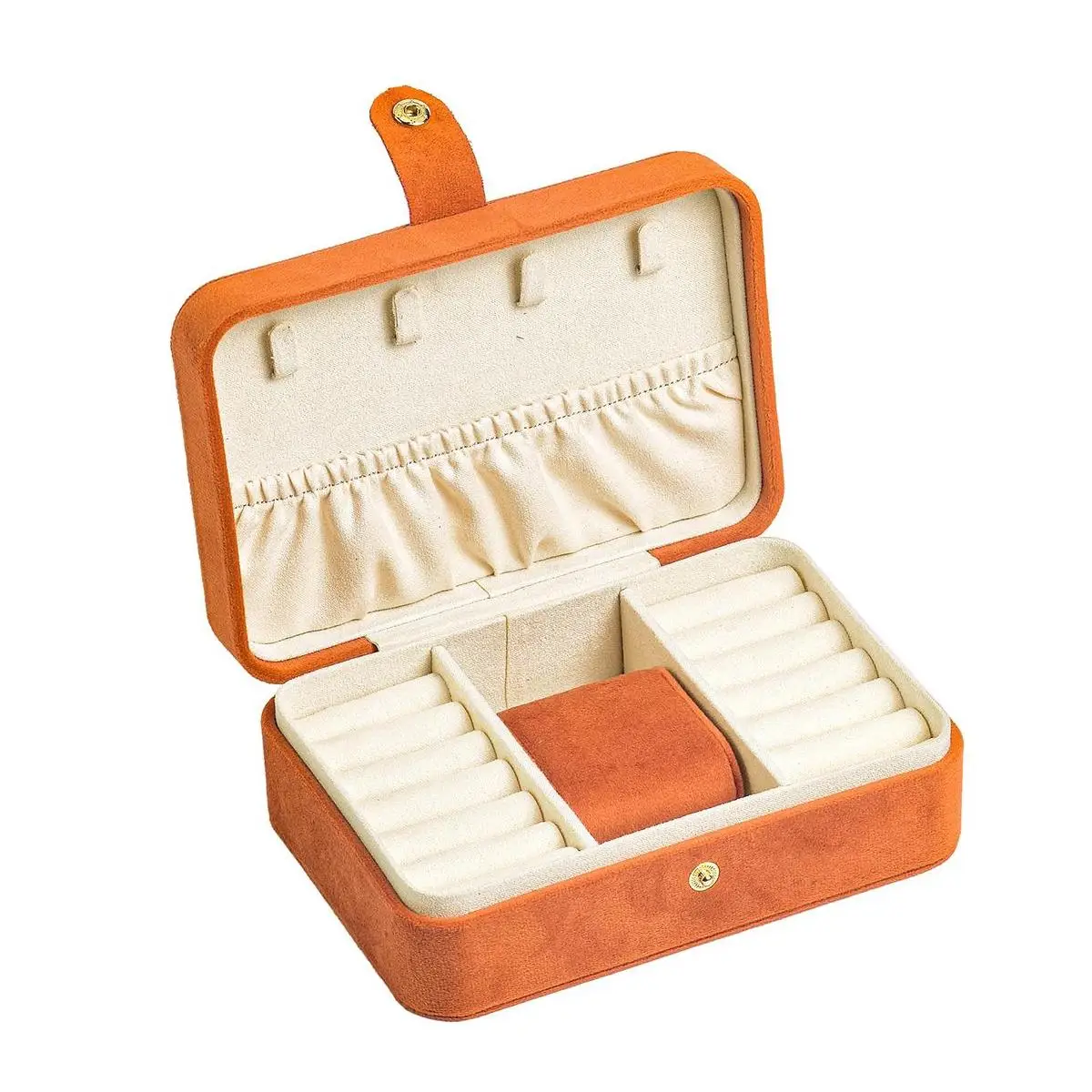
Reliable Global Manufacturing & Delivery
Operating a 1,200 m² factory in Dongguan, China, we ship custom jewelry packaging to 300+ brands across 30+ countries. On-time delivery is non-negotiable. Dedicated account managers track your project from sampling through mass production, ensuring transparent timelines and consistent communication.
- 17+ years, 6,500+ completed projects worldwide
- Factory-direct pricing & no middleman markup
- Dedicated account managers for every client
- On-time delivery backed by professional logistics
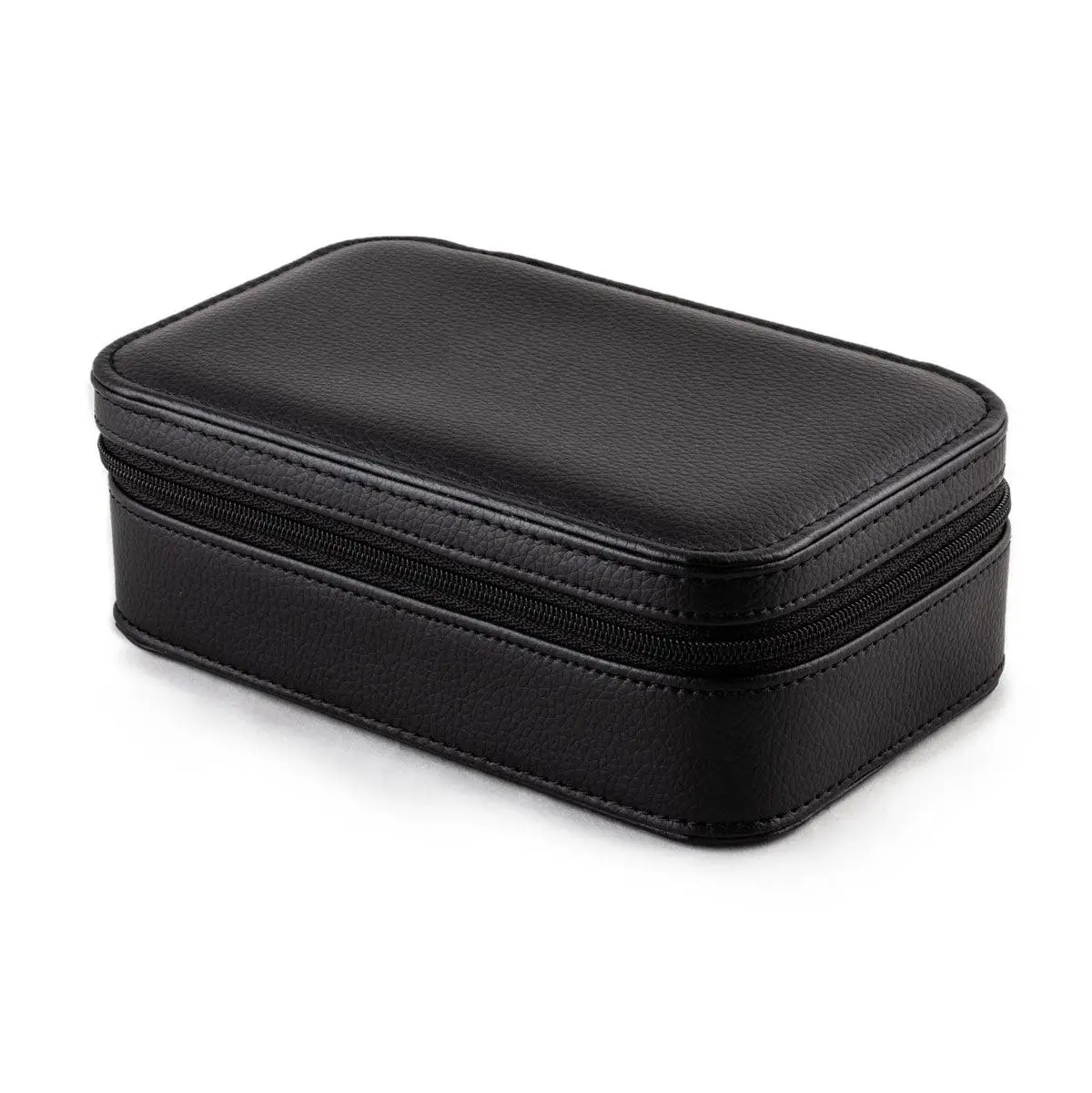
On The Way vs. Traditional Suppliers
See how factory-direct luxury packaging manufacturing compares to traditional middlemen suppliers.
← 左右滑动查看 →
Your Production Journey
Our proven six-phase manufacturing approach ensures your custom packaging meets the highest standards of quality, sustainability, and on-time delivery.
Initial Design Consultation
We begin with a discovery call to understand your vision, quantity needs, timeline, and budget, then propose tailored jewelry portfolio solutions.
Prototype Design Sampling
Our design team creates prototypes and samples, incorporating your feedback on materials, finishes, and branding for your jewelry portfolio packaging.
Eco-Friendly Material Sourcing
We source premium materials—FSC-certified papers, eco-friendly fabrics, and sustainable components—ensuring your jewelry portfolio meets quality and environmental standards.
Custom Production Run
Our 220-person factory team manufactures your jewelry portfolio at scale, utilizing state-of-the-art equipment and precision techniques for consistent quality.
Multi-Stage Quality Control
Every jewelry portfolio item undergoes rigorous inspection at raw materials, mid-production, and final stages to ensure zero defects before shipping.
Final Packaging & Delivery
We carefully package your jewelry portfolio products with protective materials and arrange international shipping via trusted logistics partners to your destination worldwide.
How to Order
From initial inquiry to final shipment, our streamlined process ensures quality, transparency, and on-time delivery.
Submit Your Tech Pack and Samples
Share design specifications, materials, and quantity requirements. Our team reviews your package to understand your jewelry portfolio needs and factory capabilities.
Receive Custom Quote and Sample
Our account manager provides detailed pricing, production timeline, and a working sample. We ensure your custom jewelry portfolio meets brand standards before committing to bulk production.
Approve Design and Confirm Specifications
Review the sample, approve artwork, and finalize all details—materials, finishes, hardware, branding. Once confirmed, your jewelry portfolio design is locked for production. No hidden surprises.
Begin Bulk Production at Our Factory
Production starts immediately on our lines. Your dedicated account manager provides real-time updates. Multi-stage quality control ensures every jewelry portfolio unit meets our high standards and your specifications.
Verify Quality and Ship with Traceability
Final QC inspection, packaging, and shipment. Full tracking and documentation provided. Your jewelry portfolio arrives on time with certification of quality and eco-friendly materials used.
Jewelry Portfolio Certifications & Quality Standards


Frequently Asked Questions
On The Way realized our most intricate custom jewelry box designs in three prototypes. The magnetic closures and LED lighting integrated seamlessly. Our luxury positioning strengthened immediately—15 boutiques reordered within a quarter.
Their low MOQ let me launch my brand without heavy inventory investment. Custom velvet pouches arrived in 6 weeks. I went from concept to market in under four months—something impossible with traditional suppliers.
We repackaged across our five locations with matching custom displays and branded paper bags. Customer perceived quality increased—gift wrapping requests up 42%, and average transaction values grew 28% in three months.
The Complete Buyer’s Guide to Jewelry Packaging
Everything you need to know about ordering custom jewelry packaging with flexible minimums and rapid turnaround.
What is the minimum order quantity (MOQ) for jewelry portfolio packaging?
How long does it take to sample a jewelry portfolio design?
What are your payment terms for jewelry portfolio orders?
How long is the production lead time after samples are approved?
Do you offer white-label or private-label solutions?
What are your international shipping options for jewelry portfolio orders?
How do you protect my design and intellectual property?
Can I make changes to my order once production has started?
The Complete Buyer’s Guide to Jewelry Portfolio Solutions
Navigate custom jewelry portfolio options with expert selection criteria, comprehensive material comparisons, and proven sourcing strategies to avoid costly mistakes when selecting packaging manufacturers and solutions.
1. What Is a Jewelry Portfolio?
6,500+ custom jewelry projects completed by On The Way reveals a critical distinction: a jewelry portfolio is not generic packaging. It’s a branded protective and presentation system—pouches, boxes, display trays, and accompanying materials—specifically engineered for jewelry’s unique fragility and the luxury unboxing ritual. For brands from independent designers to multi-store retailers, a jewelry portfolio transforms the first tactile interaction into a brand signature.nnUnlike stock cardboard boxes, premium jewelry portfolio solutions address dual demands. Functionally, they protect delicate rings, necklaces, and watches during shipping and display through materials ranging from velvet and satin to microfiber and eco-certified alternatives—each chosen for durability, aesthetic cohesion, and brand positioning. Aspirationally, they communicate exclusivity: magnetic-closure boxes, LED-lit display cases, and custom branded paper bags telegraph luxury before the jewelry itself is revealed.nnAcross 30+ countries, jewelry brands using portfolio solutions report that packaging directly influences perceived value and repeat purchase intent. A jewelry portfolio isn’t an afterthought—it’s a brand asset. Customization depth—from embossed logos to color-matched interiors to sustainable materials—means your portfolio becomes an extension of your brand narrative, not a container sourced from a commodity supplier.
2. The Evolution of Jewelry Packaging
The jewelry industry’s packaging evolution accelerated starting in the 1980s as prestige brands recognized that rigid boxes, branded tissue, and refined presentation elevated the unboxing experience from functional to aspirational. This shift proved that packaging directly influenced perceived value and customer loyalty—establishing presentation as a profit center, not just an afterthought.nnBy 2010, custom jewelry portfolios—unified display and storage systems—emerged as a competitive necessity for independent designers and boutiques seeking differentiation. Forward-thinking brands recognized that presentation, not just the piece, defined customer memory and social-media shareability.nnBetween 2015 and 2023, sustainability certifications—GOTS for organic cotton, FSC for rigid boxes, OEKO-TEX for dyed materials—shifted from niche to mainstream buyer expectations in jewelry packaging. Suppliers who mastered low-MOQ custom runs with eco-certified options captured brands wanting to align premium positioning with environmental responsibility without sacrificing exclusivity.nnUnderstanding this evolution clarifies why modern jewelry portfolio strategy balances three priorities: aesthetic differentiation through bespoke design, cost efficiency via factory-direct ordering, and material integrity that matches brand values. History shows that packaging shortcuts eventually erode brand perception and customer lifetime value.
3. Types of Jewelry Portfolio Solutions
Each portfolio type serves distinct moments—retail displays, unboxing, travel, storage. Selection hinges on jewelry category, presentation philosophy, and desired customer experience. Five core types dominate the market.
Rigid Display Boxes
Rigid display boxes anchor luxury retail moments and unboxing experiences. 250–350 GSM cardstock with magnetic closures, LED lighting, and custom foam inserts signal premium positioning.nnCustomization spans silk-screened logos, velvet liners, and foil stamping. Inconsistent finishes undermine perception; cohesion drives luxury brand value.
Soft Velvet Pouches

Velvet pouches serve everyday storage, travel, and gift-wrapping. 15–18 mm pile velvet or microfiber with drawstring closures enable 8–15 custom colors.nnEmbroidered logos and branded tags deepen tactile luxury. Fast lead times (4–6 weeks) and low MOQ make pouches accessible entry points.
Multi-Piece Presentation Trays

Trays transform bulk orders into curated narratives—bridal sets, watch collections, jewelry suites. FSC-certified cardboard bases with custom foam inserts and silk or velvet liners retain pieces and enable brand storytelling.nnInterior layouts control perceived value, shipping protection, and unboxing drama. Compartment density reflects brand attention to detail.
Luxury Travel Sets
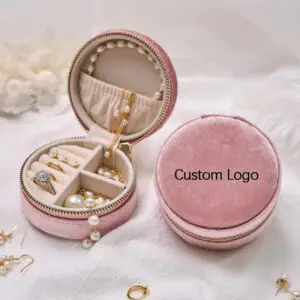
High-net-worth customers expect travel protection proportional to jewelry value. Hard-shell cases with shock-absorbent foam, magnetic closures, interior monogramming, and custom foam cutouts extend brand experience and reduce transport anxiety.nnTravel sets command 2–3x tray pricing; they retain customers and signal heirloom-worthy positioning. Lead times average 6–8 weeks for custom cutouts.
Display Cases and Busts
Acrylic cases, wooden frames, and aluminum risers become in-store focal points. Interior lighting, custom risers, and branded signage drive brand recall and anchor product-centric retail design.nnProfessional photography relies on neutral, consistent presentation; display systems typically require longer lead times but justify investment through retail presence.
4. Materials and Finishes
Materials define both the unboxing experience and lifecycle cost of a jewelry portfolio. Premium substrates—cardboard, liners, and specialty papers—must balance durability, aesthetic impact, and sustainability with your brand positioning.
| Material | Durability | Tactile Feel | Cost Impact |
|---|---|---|---|
| 1.5 mm grey-board | 2 years | Functional | Base tier |
| 2.5 mm chipboard | 5 years | Professional | +20% |
| Velvet liner (100 GSM) | 5+ years | Luxury | +$0.40–0.70 |
| FSC kraft paper | 3–5 years | Organic | +5–8% |
| Silk-screened panel | 5+ years | Premium texture | +$0.60–1.00 |
| Recycled grey-board (80%) | 4+ years | Sustainable | +$0.05–0.10 |
Cardboard & Liners

Industry-standard rigid boxes use 1.5–3.5 mm grey-board (300–400 GSM).nnVelvet liners (80–150 GSM) signal luxury at mid-market pricing; microfiber offers washable durability at 40% lower cost.nnLaminated kraft-exterior cardboard delivers 5-year durability while maintaining aesthetics.
Papers & Finishes
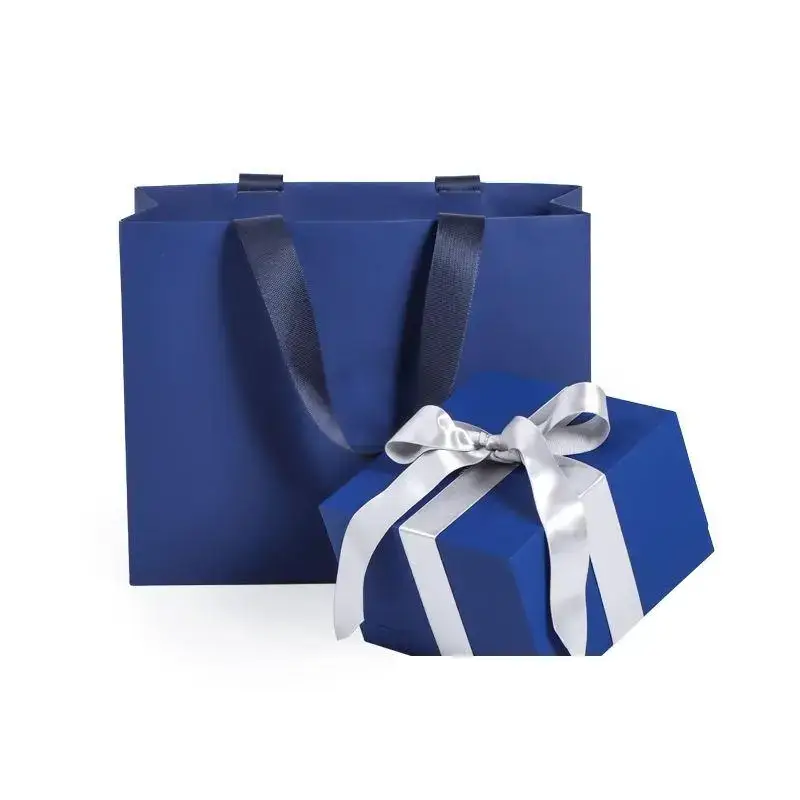
Uncoated kraft (120–170 GSM) conveys eco-positioning; gloss/matte coatings add visual impact.nnFoil-stamped edges or debossed logos (+$0.08–0.15 per unit) justify 18–22% retail markup.nnTexture papers (laid, linen) engage multiple senses at manageable cost.
Sustainable Options

FSC-certified cardboard and paper add 5–8% cost but resonate with eco-conscious buyers.nnOEKO-TEX-certified liners ensure chemical safety.nnRecycled-content grey-board (70–100% post-consumer waste) achieves sustainability without compromising structural integrity.
Cost-to-Quality Matrix
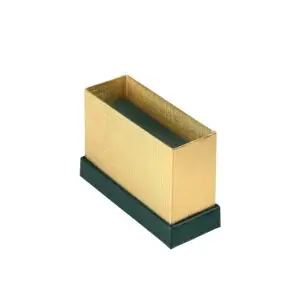
Budget tier: 2 mm grey-board + satin liner ($0.65–1.10/unit).nnMid-market: 2.5 mm chipboard + velvet ($1.40–2.20/unit).nnLuxury: 3.5 mm premium substrates + silk liners ($2.80–4.50/unit). Higher GSM and specialized liners consistently justify 15–25% retail markup.
5. Customization and Branding Options
Strategic customization elevates jewelry portfolio packaging from functional to iconic. Logo embossing, foil stamping, and interior finishing are perception drivers commanding premium pricing. Understanding cost-to-impact trade-offs and MOQ thresholds aligns techniques with your launch timeline and budget.
Logo Embossing and Foil Stamping
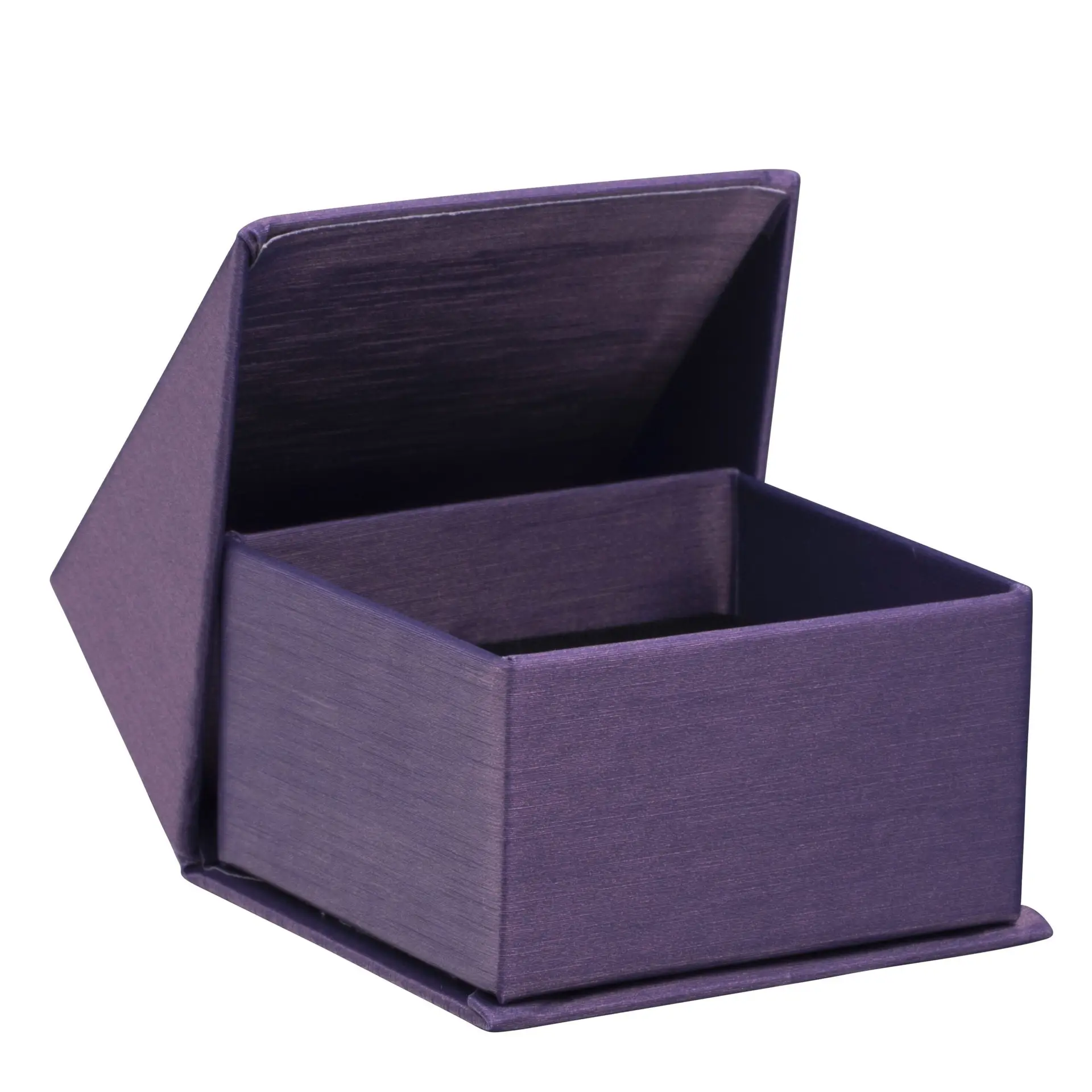
Embossing and foil stamping are foundational branding techniques for jewelry packaging. Embossing starts at 500–1,000 MOQ with 1–2 week lead times, costing $0.15–$0.50 per unit.nnFoil stamping (metallic or holographic) costs $0.20–$0.60 per unit. Both techniques create immediate visual impact and are perception drivers that justify premium positioning.
Interior Branding and Custom Inserts

Custom linings and inserts define the unboxing experience—a high-impact touchpoint in brand perception. Velvet or satin linings with monograms, leather straps, and compartment dividers start at 300–500 MOQ.nnInterior customization costs $0.30–$0.80 per unit and drives perceived value far beyond material cost. This perceived luxury justifies premium pricing.
Die-Cutting and Tissue Finishing

Die-cut shapes and branded sleeves elevate visual distinction on retail shelves. These techniques require higher MOQ (1,000+) and longer timelines (3–4 weeks), with die-cutting adding $0.10–$0.25 per unit.nnTissue wrapping and satin ribbons cost only $0.05–$0.15 per unit with minimal MOQ impact. Despite low cost, these finishing touches deliver high emotional ROI during unboxing.
Sequencing for Maximum Impact
Combine multiple techniques strategically to control costs and timelines. Embossing plus ribbon costs less than two separate SKUs, so prioritize high-impact combinations during sampling.nnStart with logo embossing and tissue wrapping; add interior branding once volume reaches 2,000+ units. Quality suppliers offer tiered sampling to test approaches before committing to mass production.
6. Quality Elements in Jewelry Portfolio Design
Quality separates premium portfolios from commodity packaging. Box rigidity, closure durability, liner specification, and print precision are the four construction pillars. Systematic sample evaluation against tier-specific benchmarks prevents costly production errors.
Structural Integrity and Reinforcement
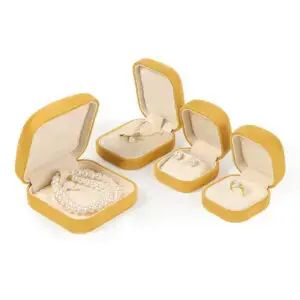
Box rigidity depends on board density and caliper. FSC-certified 2.0mm–3.2mm gray board provides 20–30% better compression resistance than thinner stock. Corner reinforcement—via laminated blocks or multi-ply construction—prevents edge crush during stacking.nnWeight perception typically increases 15–25% per 0.5mm board thickness, signaling quality to end customers.
Closure and Hinge Performance

Magnetic closures and hinges drive 40% of quality issues in premium portfolios. Premium systems withstand 10,000+ open-close cycles; test samples for 5,000+ cycles before approval. Magnet strength (800–1,200 gauss for jewelry) affects security and perceived quality.nnVerify hinge attachment strength via controlled pull tests before mass production.
Liner Quality and Print Standards

Premium liners (velvet 200–300 GSM, microfiber 180–240 GSM) drive perceived luxury. Color registration must hold ±2mm tolerance; Pantone matching to ∆E ≤ 2 ensures consistency across production runs.nnRequest physical Pantone swatches from suppliers—digital mockups mask printing drift and color inaccuracy that appear only in production.
Quality Tiers and Inspection Benchmarks
Quality tiers span premium (5+ test categories, ±1mm tolerances) to economy (2 categories, ±3mm). Each tier jump increases cost 10–15% and extends lead time 1–2 weeks. Pilot samples must verify compression, closure cycles, and visual standards before tooling commitment.nnInline quality control during production—board inspection, closure assembly verification, final visual audit—catches defects before shipping.
Pre-Production Verification Checklist
Box opening force (50–150g is ideal for jewelry) prevents accidental spills while maintaining tactile quality. Test liner adhesion, magnet positioning, and corner integrity across samples in controlled conditions. Multi-stage QC protocols ensure samples match production run specifications, protecting brand consistency from first customer touchpoint to repeat orders.
7. Selecting a Jewelry Portfolio Supplier
Selecting the right supplier requires assessing production capacity, customization capability, and commitment to quality. Key factors include MOQ flexibility, lead-time transparency, quality certifications, and communication responsiveness.
Capacity, Lead Times & Communication
Verify factory size and monthly output; quality suppliers operate 1,000–2,000 m² with 50–200+ staff.nnRequest customer references and lead-time windows—reliable partners deliver standard orders in 20–30 days, complex work in 45–60 days.
Customization & MOQ Flexibility
Low MOQ (under 500 units) essential for launching collections. Confirm in-house design and tooling (screen-print, embossing, foiling). Seek prototypes within 10–14 days with revision capability.
Quality & Sustainability Credentials
Request FSC-certified or recycled materials and OEKO-TEX/GOTS compliance.nnVerify multi-stage QC and durability test reports (color fastness, seam strength). Certifications prove quality commitment and reduce liability.
Critical Vetting Questions
Use these key questions to systematically evaluate suppliers.
- What is monthly production capacity, and what lead time do you guarantee for standard vs. custom orders?
- Do you operate in-house tooling, design, and production—or outsource any stages?
- What is your minimum MOQ and sample turnaround time, with revision capability?
- What material certifications and quality audits do you hold?
- Can you provide three customer references and typical delivery performance metrics?
Red Flags to Avoid
Common warning signs to identify in supplier proposals.
- Vague timelines or no customer references available
- Requires full MOQ payment before providing sample approval
- No in-house design or tooling (high outsourcing risk)
- Pricing varies widely for identical specs (quality shortcuts)
- Poor communication or no dedicated account support
8. Mistakes to Avoid When Sourcing
Sourcing errors during jewelry portfolio selection compound downstream. Common mistakes—price-driven decisions, vague specs, inadequate supplier vetting—trigger rework, delays, and brand damage. Early diligence prevents costly failures. Course-corrections mid-project are possible but costly.
Price-Over-Quality Decisions
Cheap velvet liners pill; thin cardboard crushes; budget hardware tarnishes. Returns and brand damage cost far more than initial savings.nnCompare total value, not per-unit price. Quality suppliers prevent costly rework and protect customer trust. Ask for durability guarantees.
MOQ and Design Complexity
Underestimating MOQ traps brands in overstock. Overly complex designs delay production 8–12 weeks; modular designs ship in 3–4 weeks.nnAlign design complexity with supplier capabilities before locking specs. Simple geometries reduce tooling costs and lead times. Start conservative.
Print and Color Samples
Skipping proofs guarantees mismatches. Pantone colors on screen differ from printed velvet under retail lighting. Verify samples in hand before production.nnRequest multiple finishes—matte, gloss, metallic—and approve them physically. Small color shifts sink jewelry sales. Approve printed color standards in advance.
Specifications and Supplier Vetting
Vague specifications cause endless rework. Provide detailed technical drawings, material grades, and hardware finishes with inspection checkpoints mapped out.nnVet suppliers thoroughly—case studies, reference checks, QC audits. Negotiate fair timelines upfront. Mid-project supplier changes multiply delays and costs exponentially.
9. Pricing and Cost Structures
Jewelry packaging costs are driven by four factors: material grade, customization depth, order volume, and lead time requirements. Premium materials—velvet, microfiber, linen, rigid board—combined with complex finishes (embossing, dye-sublimation printing, foiling) command higher per-unit pricing; volume discounts typically emerge at 1,000+ units.nnMost jewelry portfolio suppliers enforce MOQs of 100–500 units for pouches and 250–1,000 units for rigid boxes. Setup fees ($150–$600 per design) are amortized across your full order volume, making larger orders substantially more cost-efficient per unit.nnMargin planning: jewelers typically target 35–50% markup over landed cost, though luxury brands sustain higher margins through premium positioning.
- Embossing, printing, or foiling: add $0.10–$0.50 per unit.
- Rush delivery (72-hour or 5-day): 15–30% premium on base cost.
- Custom hardware (clasps, chains): typically $0.20–$1.00 per unit.
- Payment terms: standard 50/50 split (deposit with order, balance before ship).
| Order Volume | Velvet Pouch | Rigid Box | Setup Fee | Lead Time |
|---|---|---|---|---|
| 100–500 units | $1.20–$1.50 | $2.50–$3.50 | $250–$350 | 14–21 days |
| 500–1,500 units | $0.85–$1.10 | $1.80–$2.40 | $200–$300 | 14–21 days |
| 1,500–5,000 units | $0.60–$0.85 | $1.40–$1.80 | $150–$250 | 10–14 days |
| 5,000+ units | $0.45–$0.70 | $1.00–$1.40 | $150–$200 | 7–10 days |
10. Steps to Launch Your Portfolio
Launching your jewelry portfolio requires a methodical journey from strategy to feedback. Follow these five critical steps to ensure product quality, brand alignment, and reliable delivery timelines with your chosen supplier.
| Step | Key Activities | Timeline |
|---|---|---|
| Strategy Definition | Brand aesthetic, specs, pricing requirements | 1 week |
| Supplier Research | Portfolio review, certifications, capacity check | 2 weeks |
| Sample Request & Evaluation | Identical samples, multiple iterations | 3 weeks |
| Negotiation & Design Approval | Confirm terms, design sign-off, PPS | 2 weeks |
| Production & Quality Control | Material QC, mid-stage checks, final verification | 4-8 weeks |
Define Your Packaging Strategy
Outline your jewelry portfolio requirements before contacting suppliers. Document aesthetic direction, target price, material preferences, and unit volume.nnSpecify durability standards, unboxing experience goals, and sustainability priorities to guide supplier evaluation effectively.
Research and Shortlist Suppliers
Identify 4-6 manufacturers with jewelry packaging expertise. Request portfolio examples, customer references, and certifications (BSCI, FSC).nnEvaluate production capacity, MOQ minimums, and geographic location. Narrow to 3 finalist suppliers before requesting samples.
Request and Evaluate Samples
Order samples with identical specifications from each finalist. Compare material quality, finish consistency, hardware durability, and presentation.nnPlan 2-3 sample iterations; early communication prevents production errors. Most suppliers complete sample cycles in 2-3 weeks.
Negotiate and Approve Designs
Confirm pricing, lead time (typically 4-8 weeks for jewelry packaging), payment terms, and MOQ before production. Provide written design approval with Pantone color references and material samples.nnRequest pre-production samples (PPS) for final verification.
Execute Production and Quality Control
Implement multi-stage QC: inspect materials upon arrival, conduct mid-production check-ins, and verify 10-15% of final shipment.nnCollect customer feedback within 30 days and maintain supplier contact for future optimization and reorder planning.
Start Your Project Today
Get your custom packaging quote within 24 hours—no obligation. Our dedicated team will work with you from sampling to full-scale production.