
Premium Custom Cotton Pouches for Jewellery — Factory-Direct, Low MOQ
In-house manufacturing at factory-direct pricing. Start with just 50 pieces, scale with confidence. Trusted by 300+ jewelry brands across 30+ countries.
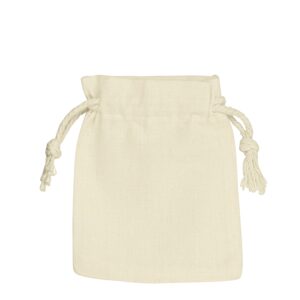
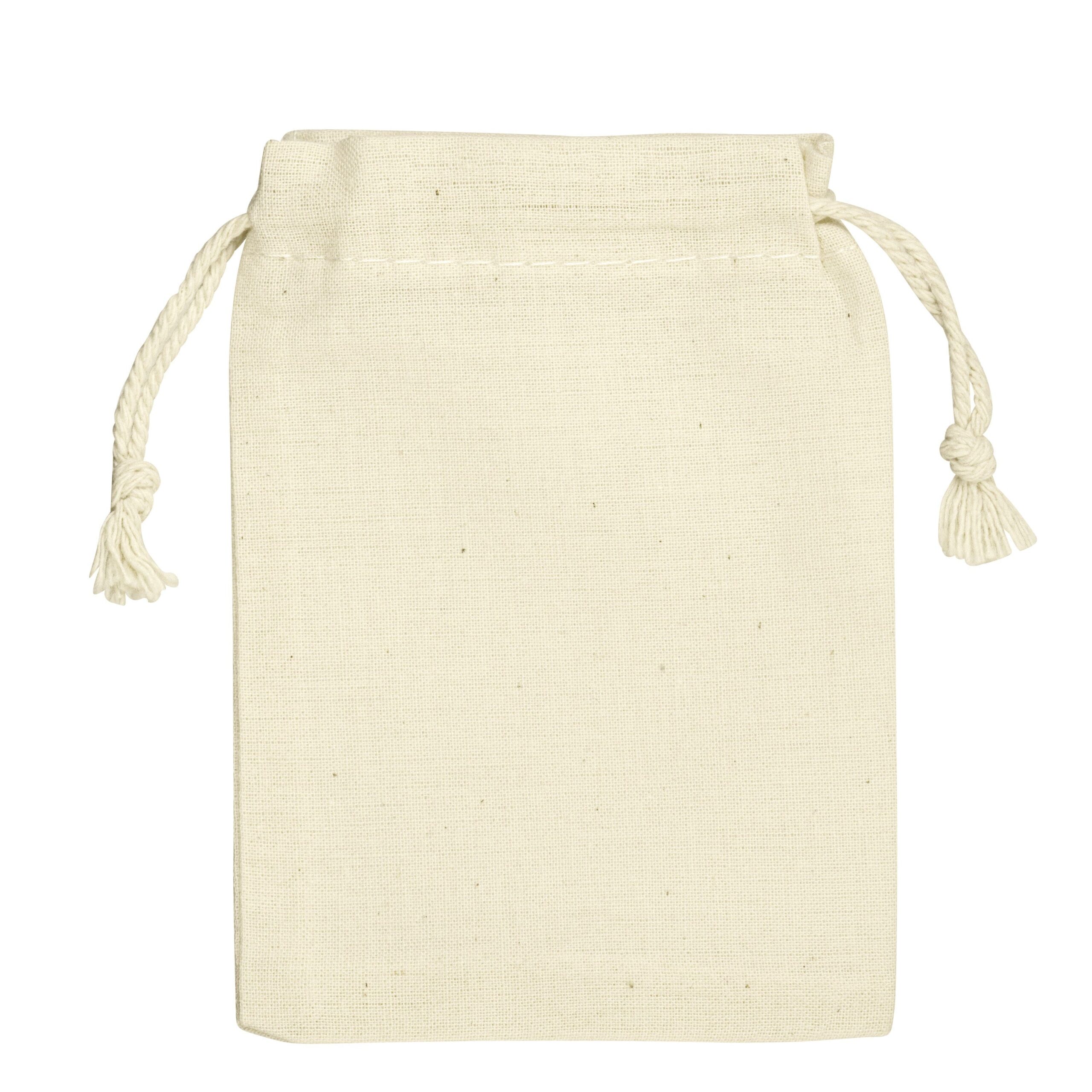
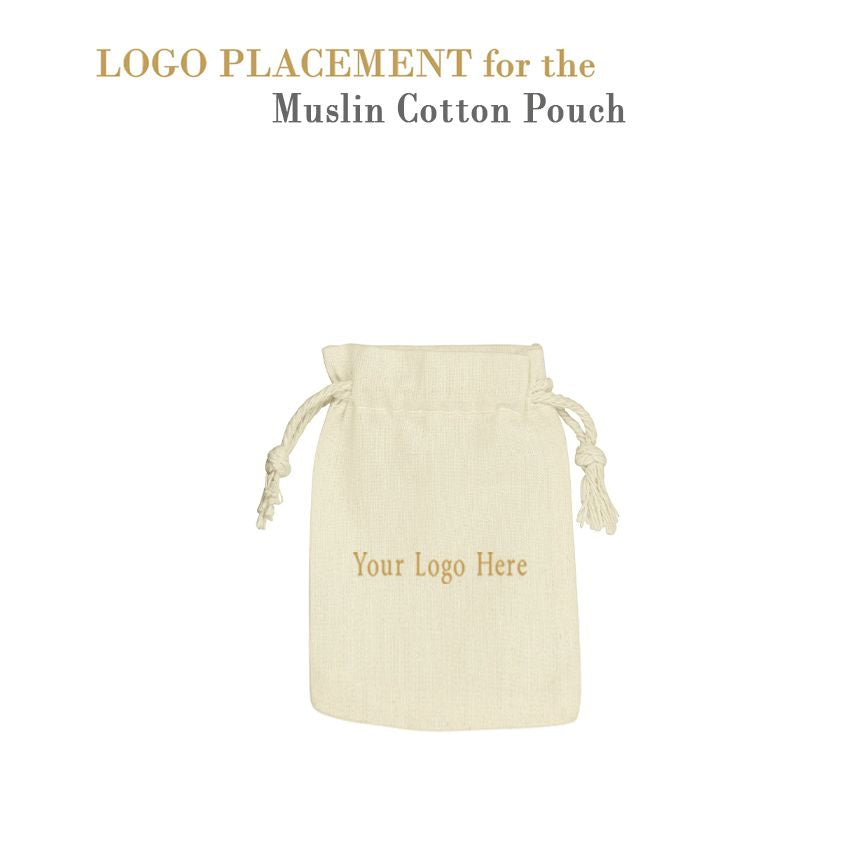
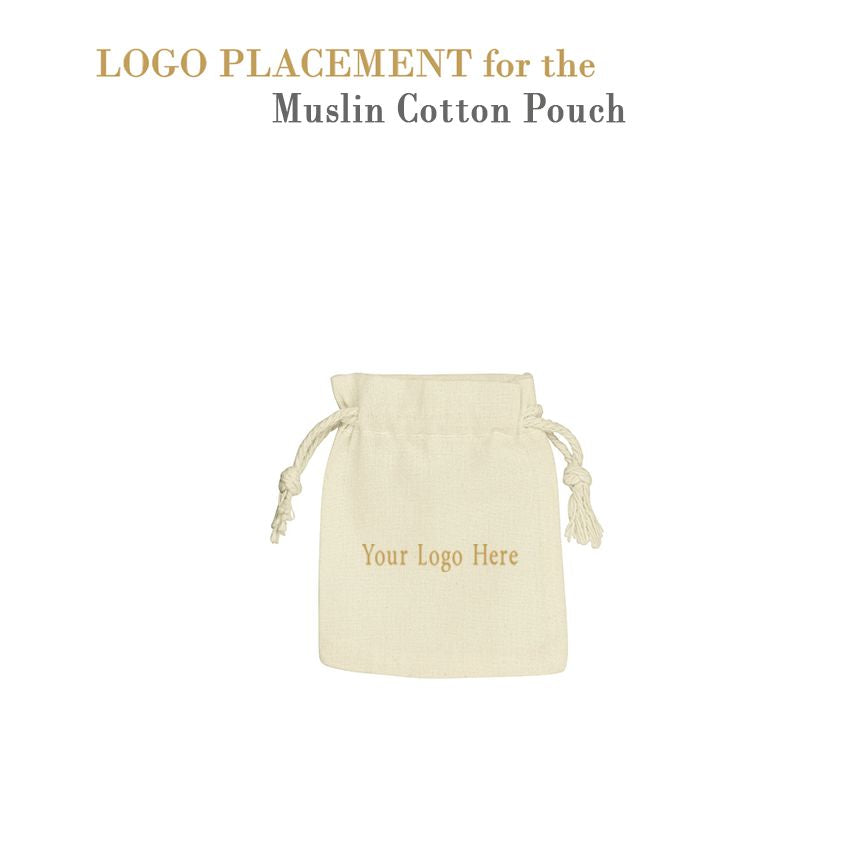
Featured Jewelry Pouches


Jewelry Packaging Gallery


Why Our Jewelry Pouches Stand Out
Factory-direct quality, competitive pricing, and proven reliability trusted by jewelry brands worldwide.
Factory-Direct Pricing, No Middlemen
Cut costs with factory-direct pricing on cotton pouches for jewellery. Zero middleman markup means transparent, competitive rates without compromising premium quality.
Low MOQ, Startup to Scale
Start with minimums as low as 50 pieces. Full custom flexibility for emerging designers and established brands sourcing cotton pouches for jewellery.
Professional QC on Every Order
Multi-stage quality assurance on every batch. Our dedicated QC team inspects cotton pouches for jewellery at each production stage for flawless results.
17+ Years, 300+ Trusted Brands
Nearly two decades of expertise serving 300+ brands across 30+ countries. Proven manufacturer of premium cotton pouches for jewellery trusted globally.
FSC Certified, Eco-Friendly Materials
FSC-certified paper and recyclable fabrics are standard. Premium sustainable materials for cotton pouches for jewellery that align with your brand values.
Dedicated Managers, On-Time Delivery
Personal account managers guide every project from sampling through production to shipping. Reliable on-time delivery of your custom cotton pouches for jewellery.
Cotton Pouches for Jewellery & Custom Packaging Solutions for Every Brand
From independent designers to established luxury brands, discover how jewelry businesses use our packaging to elevate their brand.
Designer Starting Out
Independent jewelry designers often struggle to find truly affordable, professional packaging that matches their brand identity without committing to prohibitive minimum orders or sacrificing on quality.
Source custom cotton pouches directly from our factory with low MOQ, full color customization, and your branding—at factory-direct pricing that scales with your business.
Established Luxury Brand
Premium jewelry houses need distinctive, memorable rigid packaging that creates powerful unboxing moments, differentiates retail presence, and reflects their luxury positioning in today's competitive market.
Custom rigid boxes with magnetic closures, specialty finishes, LED lighting, and branded inserts—produced from design sampling through full production at our dedicated facility with multi-stage QC.
Boutique Retailer
Boutique jewelry retailers need professional display and storage solutions that protect delicate pieces while matching their unique aesthetic and creating a seamless, cohesive in-store presentation experience.
Get custom-designed display trays, busts, watch cases, and storage solutions in materials and finishes tailored to your boutique's aesthetic—professional protection and visual impact combined.
Shipping & Brand Identity
Jewelry brands need every touchpoint—including packaging for shipping and retail—to reinforce their identity and create consistent brand experience from warehouse to customer hands.
Custom-printed luxury paper bags with your logo, design, and messaging—factory-direct production at volumes that work for your business from small orders to high volume.
Premium Fabrics for Jewelry Pouches

Organic Cotton
Soft, breathable natural fiber ideal for fine jewelry storage. Hypoallergenic and gentle on delicate gemstones and metals. 280-320 GSM weight offers durability without excessive bulk, perfect for everyday luxury presentation.
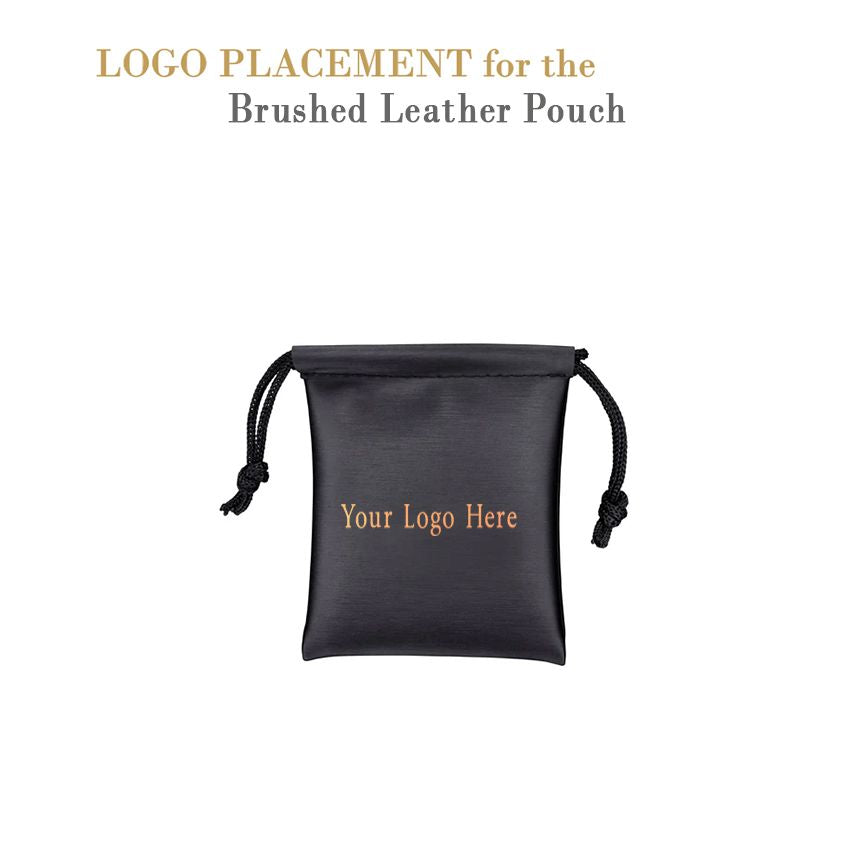
Premium Velvet
Luxurious plush surface with exceptional tactile softness; signature choice for high-end jewelry packaging. Provides superior grip and elegant visual appeal. Deep color retention and 400+ GSM weight ensure lasting quality and prestige.

Satin Lining
Smooth, lustrous finish enhances perceived luxury and sophistication. Gentle surface protects delicate jewelry from scratching. Lightweight yet durable at 200-250 GSM; ideal for premium pouches requiring refined presentation and easy care.

Microfiber Blend
Ultra-fine synthetic fiber delivers exceptional softness and durability for frequent-use pouches. Superior stain and water resistance; 300+ GSM weight supports heavy jewelry without wear. Professional-grade choice for retail and corporate gifting.

Natural Linen
Premium, breathable plant fiber with distinctive texture and rustic elegance. Lightweight at 200-280 GSM yet remarkably strong; perfect for eco-conscious luxury brands. Develops unique patina over time, adding character and heritage appeal.
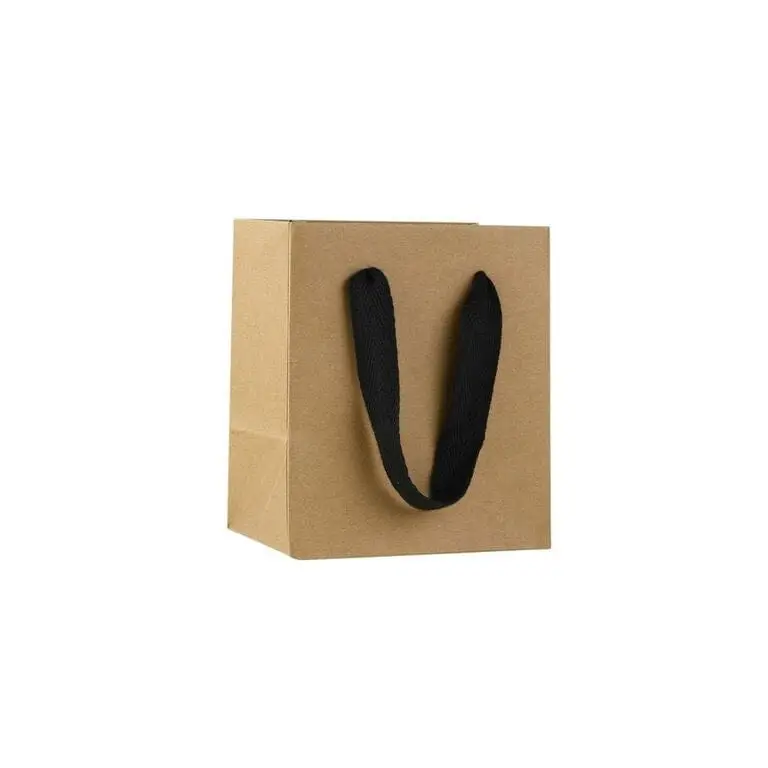
Recycled Eco-Blend
Sustainable mix of post-consumer recycled fibers offering premium feel without environmental cost. Meets FSC-certified eco-standards; 250-300 GSM provides strength and durability. Ideal for brands prioritizing corporate responsibility and modern luxury positioning.
Production Techniques & Finishing

Screen Printing
Cost-effective screen printing for cotton pouches adds vibrant, sharp logos to your jewelry packaging. Creates bold, flat-color designs with excellent wash-fastness and longevity. Ideal for single-color or multi-color brand marks on pouches at scale.
Heat Transfer
High-fidelity logo placement via heat transfer technology. Applies detailed graphics onto cotton pouches with precision and durability. Supports multi-color designs and photographic elements. Water- and UV-resistant finish maintains quality through handling and storage.
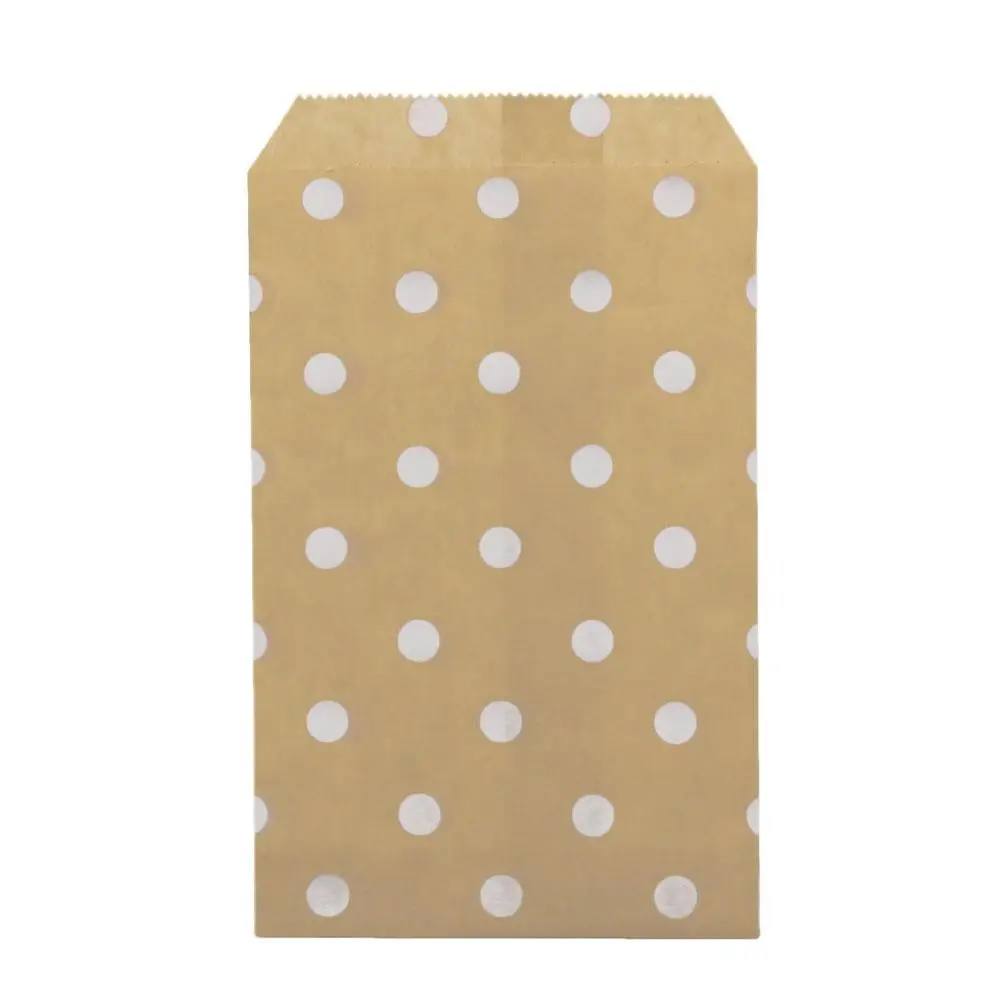
Custom Drawcord
Branded or custom-spun drawcords transform functional closures into brand extensions for your cotton pouches. Integration is seamless with pouch design. Choose materials, colors, and cord thickness to match your brand aesthetic and jewelry packaging requirements.
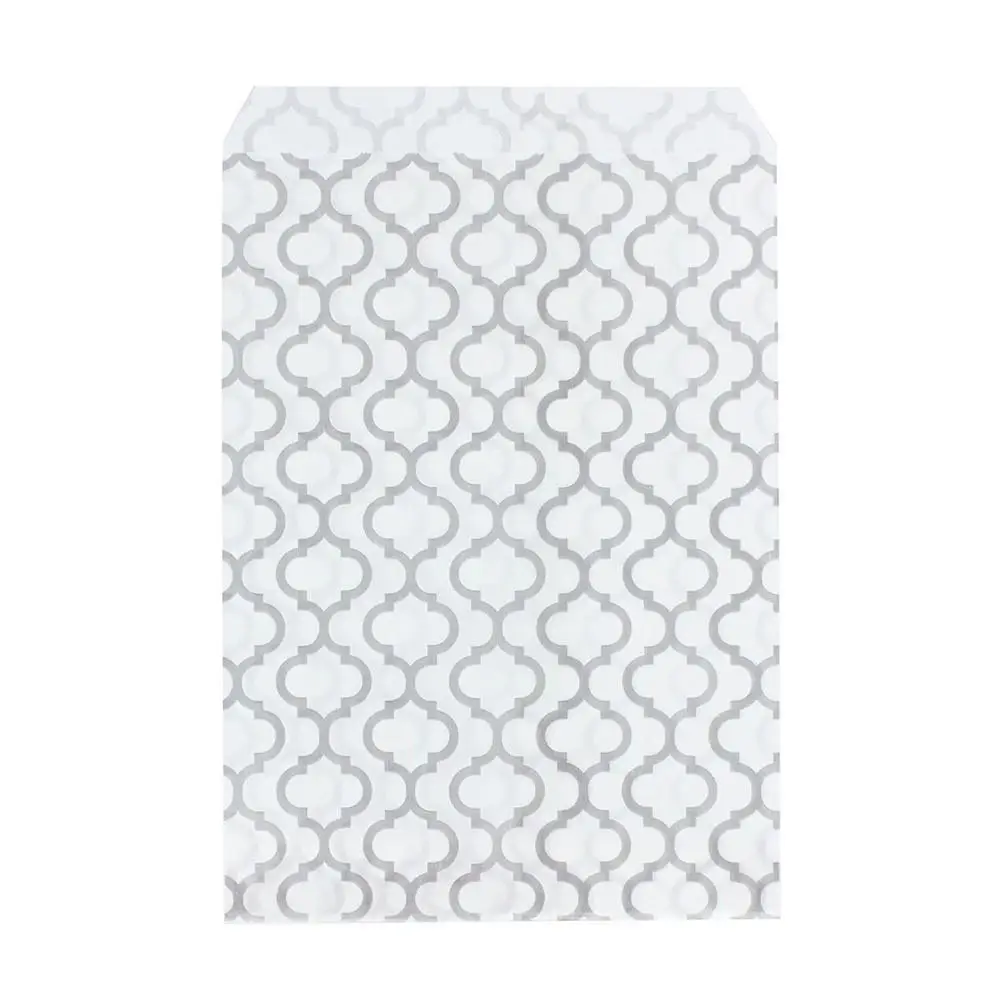
Edge Binding
Neat, finished edges define quality packaging. Our edge-binding process adds cotton or silk bias tape around pouch openings for a polished, professional look. Reinforces durability and creates premium tactile experience customers expect from luxury jewelry pouches.
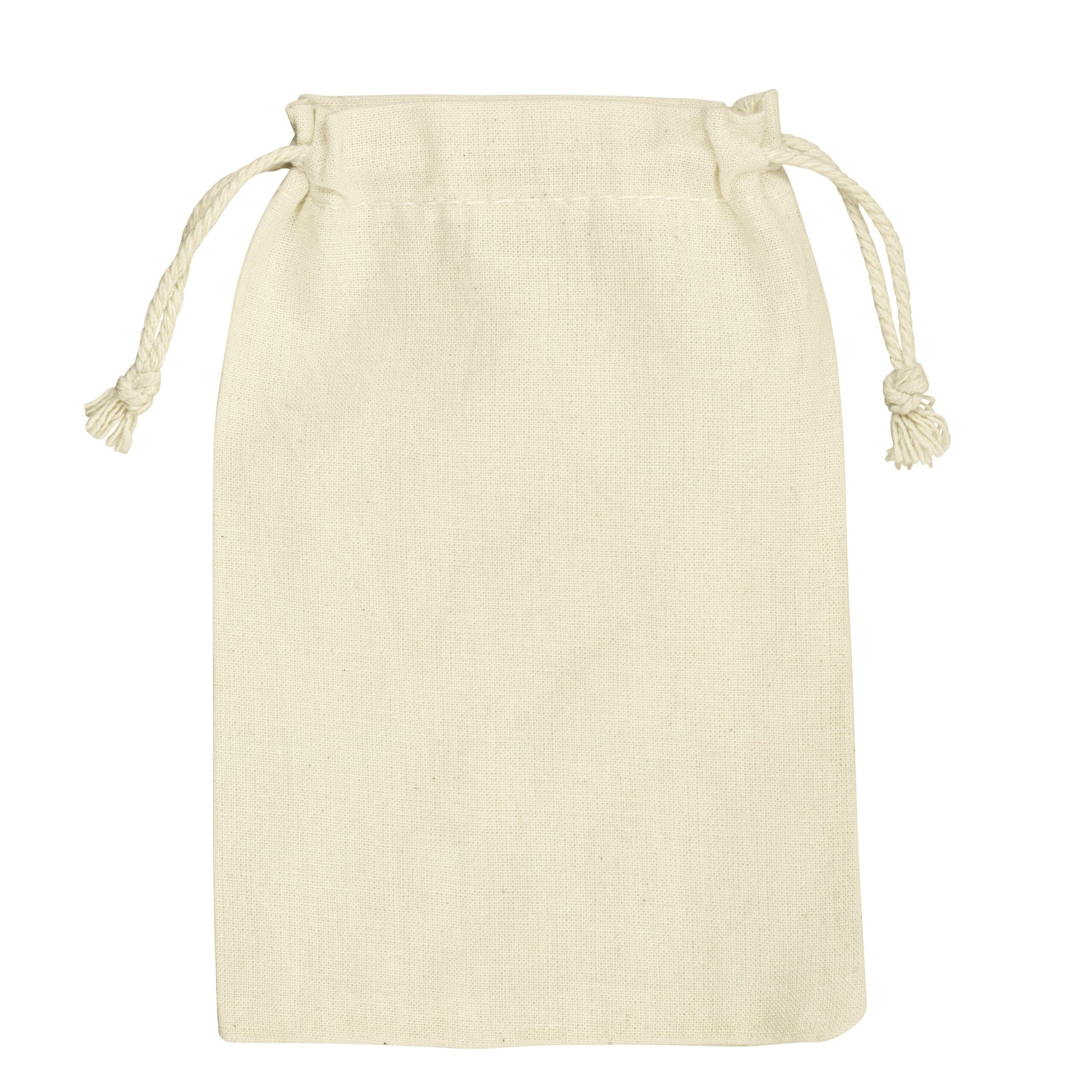
Sublimation Printing
Full-color, photographic-quality designs via dye sublimation. Ideal for complex artwork on cotton pouches without color limitations. Vibrant, fade-resistant results integrate seamlessly with fabric. No minimum color count—cost-effective for intricate jewelry brand imagery and packaging designs.
Premium Hardware & Accessories for Jewelry Pouches
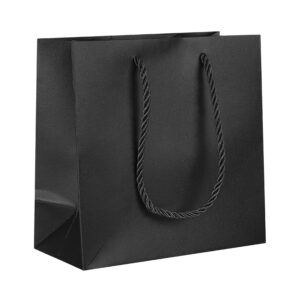
Premium Drawcords & Tipping
Metallic and silk-blend drawcords with matching tipping create elegant closures while adding luxury appeal. Fully customizable in color to coordinate with your jewelry pouch branding and design aesthetic.
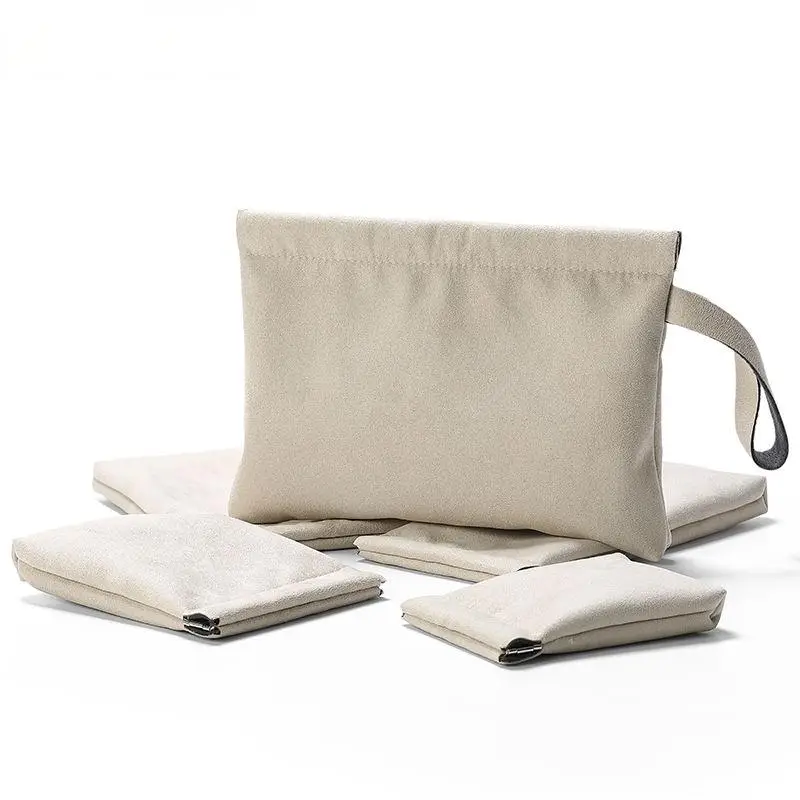
Magnetic Snap Buttons
Powerful neodymium magnets housed in durable metal capsules provide seamless, secure closures. Premium feel and reliable functionality make these ideal for luxury jewelry retail packaging applications.

YKK Premium Zippers
Japanese-quality YKK slider hardware in polished nickel, gold, or gunmetal finishes. Smooth, durable operation withstands thousands of cycles—perfect for high-end jewelry packaging durability requirements.

Woven Brand Labels
Custom woven labels sewn or heat-fused onto fabric showcase your logo, materials, and care instructions. Authentic textile labels enhance perceived value and brand prestige in luxury jewelry retail.

Silk-Screen Printing
Direct logo and text application onto fabric creates seamless brand integration without visible labels. Professional silk-screen finishing delivers minimalist luxury appeal ideal for premium jewelry packaging.
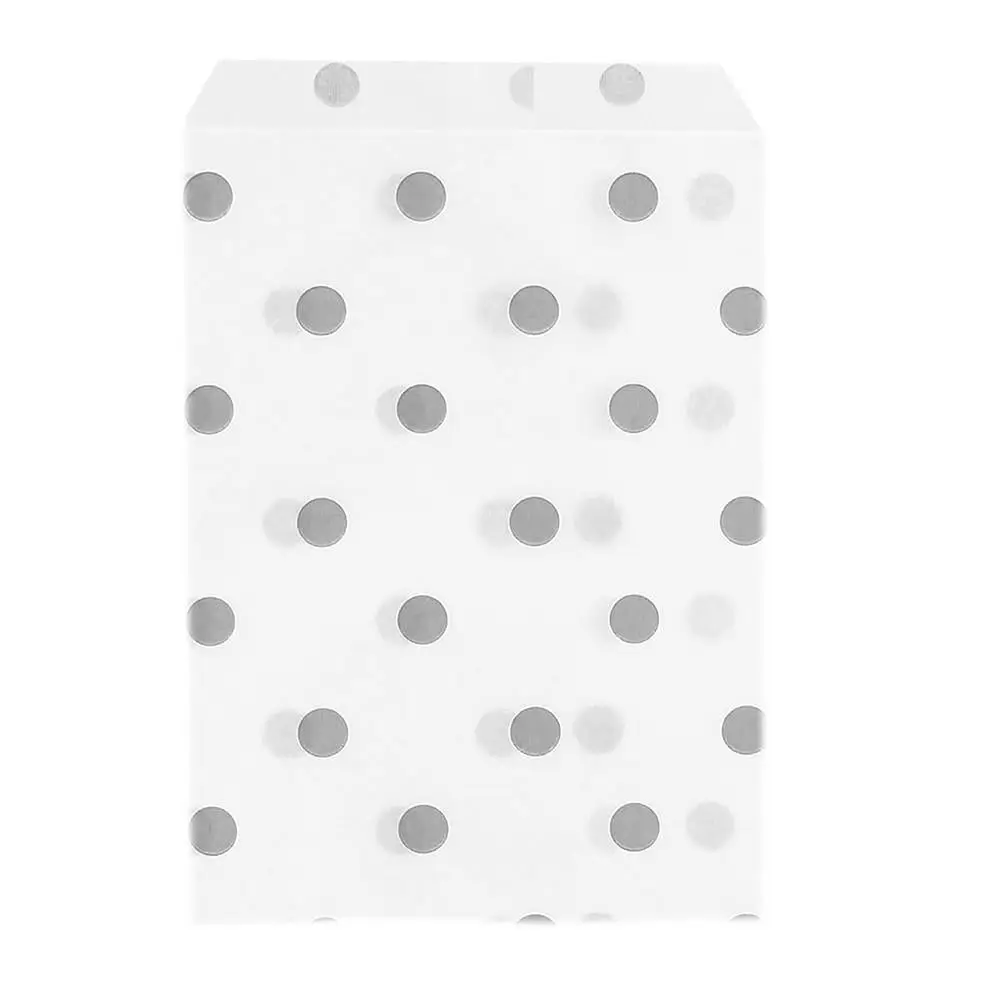
Custom Hang Tags
Cardstock, kraft, or specialty paper hang tags with custom artwork, perforation, and die-cut shapes. Premium finishing options and branded presentation significantly elevate perceived value at retail jewelry displays.
Crafting Premium Cotton Pouches for Jewellery Since 2007
Since 2007, On The Way has operated on a single principle: quality defines survival. As a factory-direct manufacturer of premium jewelry packaging, we believe exquisite custom cotton pouches for jewellery create a brand’s first impression. Our mission shapes every product we create for designers and retailers globally.
Operating a 1,200 m² factory with 220+ production specialists, we’ve completed 6,500+ custom projects for 3,000+ cooperative customers. Our capabilities span premium cotton pouches for jewellery, rigid boxes, displays, and luxury paper bags. We serve 300+ established brands across 30+ countries—from North America to Southeast Asia—with factory-direct pricing, low MOQ, and complete customization.
What sets us apart is unwavering commitment to quality at every stage. Our multi-stage QC team inspects every cotton pouch for jewellery we manufacture. We source FSC-certified and recycled eco-materials, offer dedicated account managers, and guarantee on-time delivery. For startups launching collections or established houses scaling production, On The Way brings factory expertise without compromise.

Our Jewelry Packaging Journey Since 2007
Custom Design & 7-Day Sampling
Collaborate with our expert design team to bring your vision to life. We deliver professional mockups and working samples in just 7 days, with unlimited revision rounds included to ensure your cotton pouches for jewellery match your exact brand vision.
- Design collaboration with expert team
- Professional mockups and prototypes in 7 days
- Unlimited revision rounds included
- Same-day design feedback and responsiveness

Luxury-Grade Quality Control Standards
Every cotton pouch for jewellery passes through our rigorous multi-stage quality control process. We inspect materials, construction, finishes, and final assembly at each production step, meeting the exacting standards demanded by luxury brands worldwide.
- Multi-stage inspection at each production step
- Compliance with luxury brand standards
- Material, construction, and finish verification
- 100% final product quality assurance

Private Label & OEM Manufacturing
We manufacture custom cotton pouches for jewellery under your private label. Our OEM program handles complete customization from branding to packaging design, with flexible MOQ and dedicated account managers supporting every stage of your white-label production.
- Fully customized branding and packaging design
- Low MOQ with full flexibility
- Dedicated account manager for your brand
- End-to-end white-label support
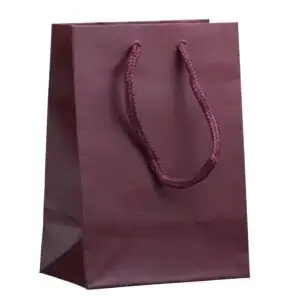
Eco-Friendly Materials for Conscious Brands
We source premium eco-friendly materials for our cotton pouches for jewellery, including FSC-certified fabrics, recycled options, and certified sustainable sourcing. Our production practices minimize waste while maximizing material quality and brand impact.
- FSC-certified and organic fabric options
- Recycled and reusable packaging materials
- Certified sustainable sourcing practices
- Waste-reduction and carbon-conscious production

Our Core Capabilities in Jewelry Packaging
Compare our factory-direct advantages against typical overseas suppliers.
← 左右滑动查看 →
Why On The Way Leads in Jewelry Packaging
From initial design consultation to worldwide shipping—see how we transform your vision into finished products in just 5 phases.
Consultation & Design
Review your technical pack and requirements. We create design mockups and prototypes within 2–3 days, ensuring alignment with your vision for cotton pouches for jewellery.
Create Production Sample
We manufacture a working sample of your cotton pouches for jewellery design within 7 days. This allows you to inspect quality, materials, and finishing before bulk production.
Bulk Manufacturing
Once approved, we begin full-scale manufacturing of your custom cotton pouches for jewellery. Our factory delivers on schedule with factory-direct pricing and flexible MOQ.
Multi-Stage Quality Control
Every batch undergoes rigorous multi-stage inspection. We verify materials, stitching, hardware, and finishing across your entire order, ensuring premium-quality cotton pouches for jewellery.
Packing & Global Shipping
Your finished cotton pouches for jewellery are carefully packed and shipped worldwide via air or sea freight. Our logistics team ensures on-time delivery to your destination.
Our Complete Jewelry Packaging Production Timeline
Submit Your Tech Pack
Provide detailed specifications, artwork, material preferences (cotton, velvet, satin), dimensions, and order quantity. Our team reviews everything thoroughly and prepares an accurate quote.
Request Quote and Sample
Receive factory-direct pricing within 7 business days, plus a complimentary sample. Review the quality and finish before committing to your bulk production order.
Approve and Order Bulk
Confirm quantity, production timeline, and payment terms with your dedicated account manager. Flexible payment options and transparent, upfront pricing are guaranteed every time.
Receive Inspected Pouches
All pouches pass rigorous multi-stage quality control. We arrange worldwide shipping with full tracking and insurance. Your custom cotton pouches arrive protected, on time.
How to Source Premium Jewelry Packaging



Jewelry Packaging: Quality & Ethical Certifications
Needed 200 custom cotton pouches in 10 days for our launch. On The Way delivered on time and exceeded expectations. Their low MOQ made testing new designs affordable and risk-free.
We reduced packaging costs by 35% after switching to On The Way. Over 5 production runs, quality and color consistency remained perfect. Their QC process is rigorous yet affordable—exactly what we needed.
Customers immediately feel the premium quality of our packaging. On The Way’s cotton pouches for jewellery showcase incredible attention to detail. After 3 years, they remain our trusted partner—no regrets whatsoever.
Cotton Pouches for Jewellery: Frequently Asked Questions
Get answers to your sourcing questions
What is the minimum order quantity (MOQ) for cotton pouches for jewellery?
Can I order a free sample of cotton pouches for jewellery?
How long does production take for cotton pouches for jewellery?
What are your payment terms for cotton pouches for jewellery orders?
Where do you ship cotton pouches for jewellery?
Do you offer rush production for cotton pouches for jewellery?
How do you protect my intellectual property and design?
Is there a minimum order quantity for repeat/reorder batches?
What customization options are available for cotton pouches for jewellery?
Jewelry Packaging: Frequently Asked Questions
Learn how to source premium cotton pouches for jewellery with our comprehensive guide covering materials, customization options, manufacturer selection, pricing strategies, and the critical mistakes to avoid when partnering with suppliers.
1. What Are Cotton Pouches for Jewellery?
Cotton pouches for jewellery are soft, breathable storage containers woven from natural cellulose fibers—typically 140–400 GSM (grams per square meter)—engineered to protect delicate pieces during shipping, retail display, and long-term storage. They function as the first tactile brand touchpoint, combining protective performance with visual identity in a single, compact format.nnJewelry brands deploy cotton pouches across four primary workflows: daily-wear storage at retail point-of-sale, secure overnight shipping to end consumers, gift packaging for special orders, and premium unboxing experiences inside jewelry boxes. Standard sizing ranges from 4-inch × 6-inch for rings and singles to 6-inch × 9-inch for stacked bracelets, multiple chains, or earring pairs. This versatility makes cotton pouches essential infrastructure in both boutique and high-volume fulfillment.nnCotton outperforms synthetic microfiber in the luxury tier because it resists pilling during repeated handling, breathes naturally to prevent tarnish-causing humidity buildup, and projects authenticity through texture. OEKO-TEX 100 and GOTS (‘Global Organic Textile Standard’) certifications signal environmental responsibility—increasingly expected by conscious consumers. Ring-spun cotton feels denser and lasts longer than open-end yarn, though carries higher per-unit cost.nnBuyers should confirm three factors before production commitment: minimum order quantities (typical MOQ ranges 500–2,000 units), color palette depth (standard cotton: 8–12 Pantone options vs. 25+ for dyed stock), and finishing standards—flat-locked seams, reinforced drawstring anchors, embroidery placement. Request multi-stage QC protocols covering fiber strength, GSM tolerance, colorfastness per ASTM D4157, and seam integrity testing to guarantee first-impression quality.
2. Evolution and History of Jewellery Pouches
Beginning in the 1980s and 1990s, jewelry retailers moved away from basic muslin and gauze bags toward genuine fabric pouches as consumer unboxing experiences gained strategic importance. The shift accelerated in the 2000s when heritage luxury houses began investing in packaging as brand differentiation, establishing that protective wrapping alone no longer sufficed. Cotton pouches for jewellery emerged as the default choice by the mid-2000s, balancing durability (250–400 GSM for mid-range, 400–600 GSM for premium), sustainability credentials, and cost-efficiency for MOQs of 500–2,000 units.nnSince 2015, sustainability pressure from consumers and regulatory bodies has reshaped supplier capabilities across the sector. GOTS-certified organic cotton, OEKO-TEX-certified dyes, and FSC-grade recycled cotton blends now define competitive differentiation, with retailers and independent designers demanding traceability and labor-compliance certifications like BSCI. Simultaneously, consumer expectations for premium unboxing have narrowed acceptable standards: substandard packaging signals brand negligence, while cohesive, on-brand pouches signal professionalism and care.nnOver the past decade, manufacturers have responded by offering rapid sampling, low MOQs (200–500 units), custom decoration techniques (embroidery, screen-print, hot-stamp foiling), and rigorous quality control at every stage. This capability shift has created a stratified supplier tier: commodity factories at volume, boutique producers enabling small-run customization with personalized service, and comprehensive OEM partners delivering end-to-end solutions from design through delivery, positioning packaging as a brand’s first strategic impression.
3. Types of Cotton Pouches for Jewellery
Pouch design fundamentally shapes the unboxing experience and brand perception. Four primary construction types dominate the market: drawstring, flat, gusseted, and custom-shaped. Each type serves distinct jewelry categories and storage requirements.
Drawstring Pouches
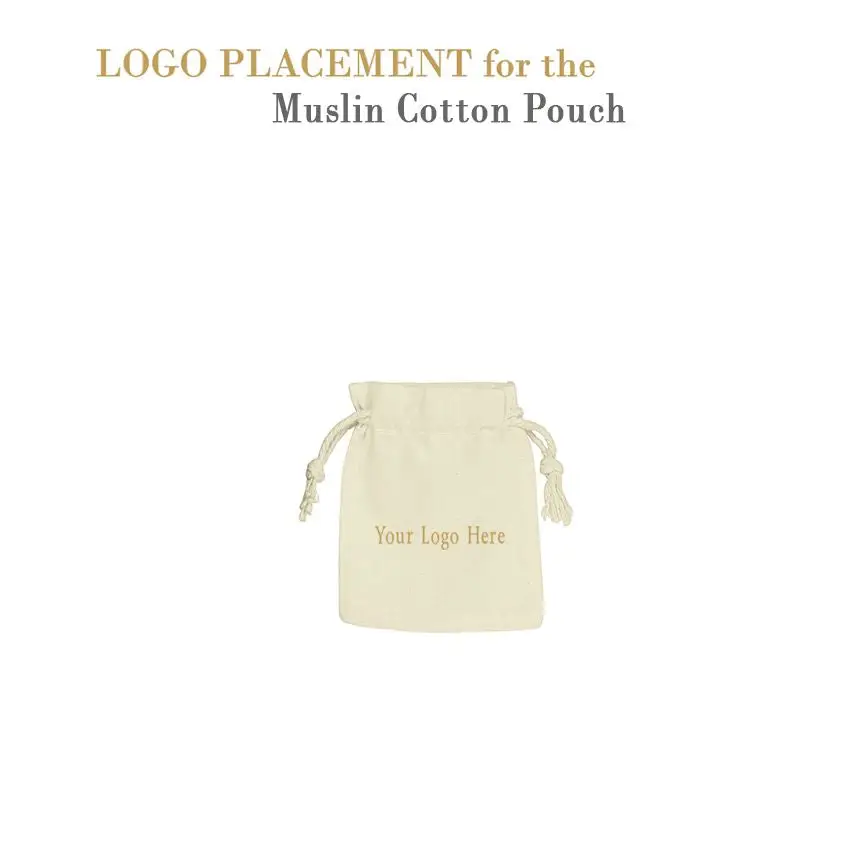
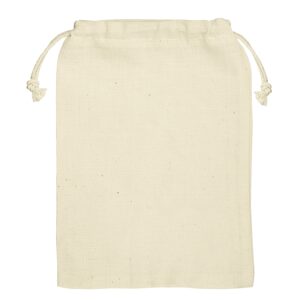
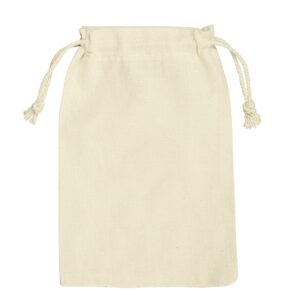
Drawstring designs offer the most accessible option for luxury jewelry packaging. They balance ease of access with aesthetic closure, ideal for earrings, small pendants, and promotional gifts. Standard sizes range from 7×10 cm to 15×20 cm, accommodating 1-2 pieces per pouch.
Flat Pouches
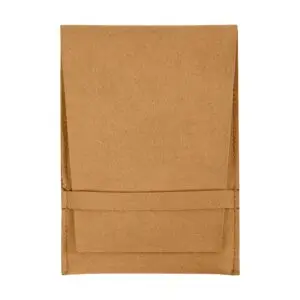
Flat-bottom pouches maximize retail shelf appeal and brand visibility. They stack efficiently, displaying logos and copy on all sides. Ideal for rings and watch storage in boutique settings. Typical capacity ranges from 1-3 pieces depending on depth.
Gusseted Pouches
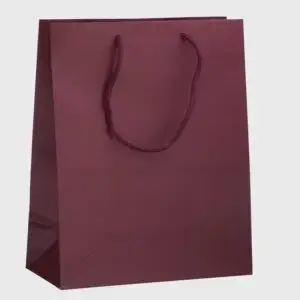
Gusseted (boxed-bottom) pouches expand when filled, accommodating multi-piece sets and larger items. Side or bottom gussets add 2-4 cm of depth. Common for necklace sets, bracelet bundles, and collection packaging. Construction adds 8-12% to unit cost versus flat designs.
Custom-Shaped Designs
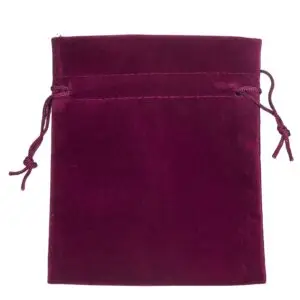
Custom silhouettes—logo-shaped, die-cut, or 3D forms—drive unboxing theater and brand recall. MOQ starts at 5,000-10,000 units; lead times require 10-14 weeks. Premium positioning supports price premiums of 20-35%. Tooling investment ranges $800-2,500 per design.
4. Materials for Cotton Pouches for Jewellery
Material selection defines perceived value and long-term performance. GSM weight, fiber composition, thread grade, lining, and closure hardware must align with brand positioning and protection needs.
Cotton Types and Blends
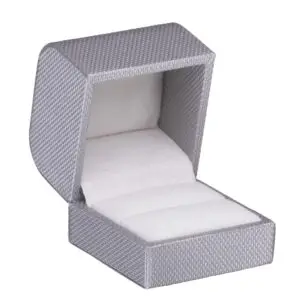
100% organic cotton meets GOTS standards for eco-conscious brands, commanding 12-18% price premiums. Ring-spun cotton improves durability and feel over open-end yarn.nnCotton-polyester blends (80/20 or 65/35) reduce shrinkage and lower costs by 8-12%. Most mid-luxury pouches use 100% ring-spun cotton or organic blends for tactile luxury.
GSM Weight and Performance
GSM (grams per square meter) defines fabric density. Luxury pouches typically use 300-600 GSM; lightweight fabrics under 200 GSM feel insubstantial and risk tearing.nnBudget brands use 180-250 GSM; premium brands specify minimum 350 GSM. Higher weights (400-600 GSM) withstand repeated use and communicate quality. Test abrasion and pilling to verify durability.
Thread Grade and Stitching
Polyester thread (40/2 or 50/2) is standard. Higher ply counts improve seam strength; flatlock seams prevent fraying and reduce weight.nnSeam strength should exceed 8-10 kg-force for premium pouches. Poor-quality thread breaks under stress; thread slippage is a common end-user complaint.
Lining Options and Touch
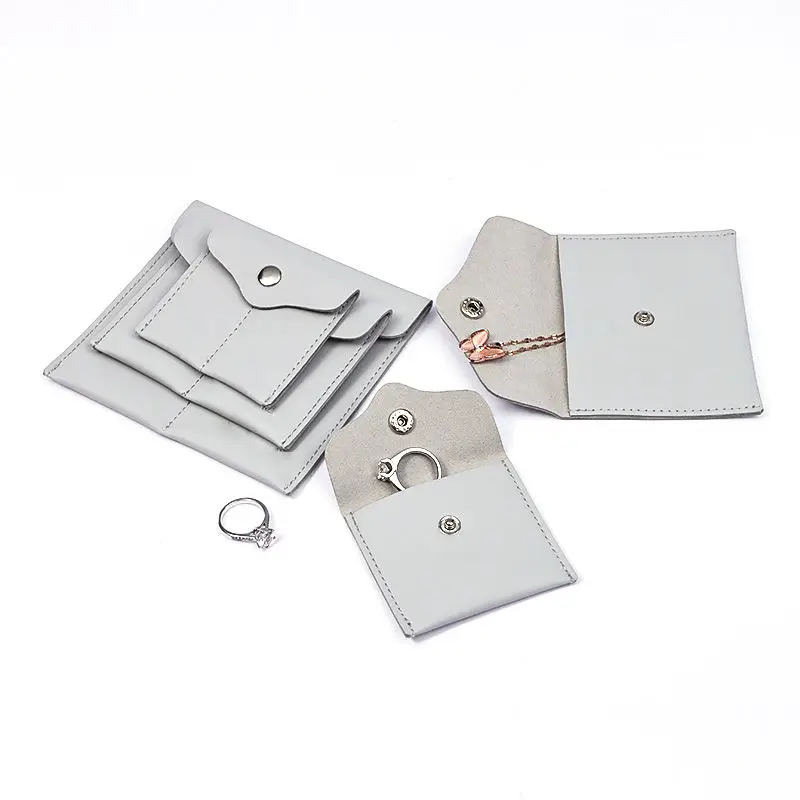
Velvet linings (polyester or nylon) protect jewelry and offer luxury feel. Silk linings cost more but provide the highest luxury perception. Cotton linings are eco-friendly but offer less protection.nnPremium velvet linings run 300-400 GSM; thin velvet under 250 GSM feels cheap. Silk linings typically weigh 60-80 gsm.
Closure Hardware and Durability
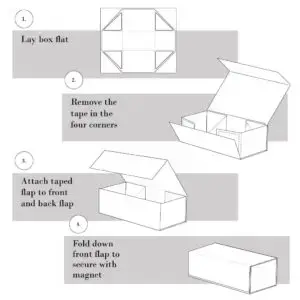
Magnetic closures (neodymium or ferrite) add perceived value and ensure security. YKK zippers are industry standard; off-brand zippers fail within 500-1000 cycles.nnDrawstring hardware should be metal or high-grade plastic; cheap stoppers slip. Stainless-steel or aluminum hardware reflects premium positioning and withstands repeated use.
5. Customization and Decoration Techniques
Branding transforms a cotton pouch from generic packaging into a brand ambassador. Your choice of decoration technique shapes cost, timeline, visual impact, and perceived value. Six methods dominate jewelry packaging: each offers distinct tradeoffs.
| Technique | MOQ Range | Setup Cost | Durability | Turnaround | Premium Feel |
|---|---|---|---|---|---|
| Screen Printing | 100-500 | $50-150 | Medium | 5-7 days | Low |
| Embroidery | 50-200 | $80-200 | High | 10-14 days | High |
| Debossing | 500+ | $200-400 | Very High | 7-10 days | High |
| Heat Stamping | 300-1,000 | $150-350 | High | 7-10 days | Very High |
| Woven Labels | 1,000+ | $100-250 | Very High | 10-14 days | Medium |
| Custom Tags | 200+ | $50-100 | High | 7-10 days | Medium |
Screen Printing and Direct Methods

Fastest entry point for budget-conscious brands. 100-500 unit MOQ typical. Setup cost $50-150 per color. Ink sits on fabric surface; durability depends on ink quality.nnPantone colors available. 5-7 day turnaround common. Best for flat graphics, text, simple logos. Jewelry brands use it for occasion-specific designs—gift giving, seasonal campaigns.
Embroidery

Highest perceived luxury. Thread adds tactile dimension; customers feel quality before opening. 50-200 unit MOQ, $1.50-4.00 per pouch at volume.nnDigitizing $80-200 per design. Lead time 10-14 days post-sample. Thread durability exceeds ink; resists fading. Popular for high-end designer labels positioning themselves as premium.
Debossing and Heat Stamping

Debossing creates permanent impression without ink. 500+ unit MOQ. Mold cost $200-400. Heat stamping adds foil (gold, silver) for metallic luxury effect.nn$0.80-1.80 per unit at 1,000 units. Both offer 7-10 day turnaround. Jewelry brands favor these for timeless, brand-mark elegance.
Woven Labels and Custom Tags
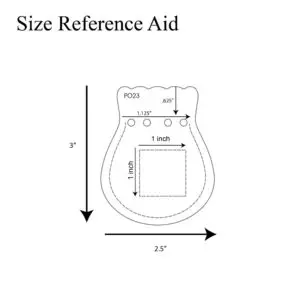
Sewn-in labels signal craftsmanship. 1,000 unit MOQ typical, $0.15-0.40 per label. Soft tags attached externally add flexibility; lower 200-unit MOQ.nnBrands combine labels with tags for dual branding. Durability exceeds direct printing. 10-14 day production.
6. Key Quality Elements and Construction Standards
Quality in cotton pouches for jewellery hinges on six measurable factors: stitch count (8–12 per inch), seam strength, edge finishing, closure durability, color fastness, and shrinkage (typically under 3%). Establish clear inspection protocols during sampling.
Stitch Count and Seam Strength
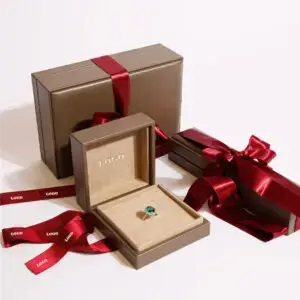
Industrial-grade pouches require 8–12 stitches per inch. Lock-stitch construction (vs. chain-stitch) prevents unraveling when threads break.nnTest seam strength at 5 kg per linear cm. Request stitch-density specifications in sampling briefs.
Edge Finishing
Raw edges fray after 10–15 washes; overlock (serged) edges seal fibers. Flat-fell seams reinforce high-stress closures.nnOverlock (serged) edges remain the industry standard for seal quality; flat-fell reinforces stress points. Specify your edge type before production tooling to prevent costly delays.
Closure Durability

Magnetic closures and metal snaps require pull-force testing: 500+ grams is standard. Velcro degrades after 100+ cycles; YKK zippers outlast cheaper brands.nnFirst-article inspection should check for corrosion, loose fasteners, and misalignment. Budget 3–5 cents per pouch for quality hardware.
Color Fastness and Shrinkage
OEKO-TEX and GOTS certifications ensure dye stability (typically Grade 4–5) and shrinkage under 3% after industrial washing. Verify these marks on sample documentation.nnRequest wash-fastness test reports (ISO 105-C06) in sampling. Inferior dyes bleed onto jewelry; pre-washing prevents customer complaints.
QC Standards
Multi-stage quality control—first-article inspection, inline sampling, and 100% final inspection—catches defects. Request defect thresholds before production: zero critical defects, max 2–3% minor.nnEach production run should include photographic documentation of standards. Quality checkpoints prevent disputes and ensure batch consistency.
Red Flags and Communication
Samples with weak seams (break under 2 kg pull), misaligned closures, or fraying edges signal corners cut. Ask for wash-test certs and stitch photos before committing.nnProduction samples departing from approvals require immediate halt and investigation. Clear approval gates and regular production updates prevent costly rework.
7. How to Choose Your Cotton Pouch Manufacturer
Sourcing cotton pouches for jewellery from the right manufacturer requires systematic vetting of certifications, production capabilities, and communication protocols. Prioritize vendors offering low MOQ, transparent quality processes, and demonstrated delivery reliability to align with your brand’s specific requirements.
Verify Certifications & Compliance
Oeko-Tex and GOTS (Global Organic Textile Standard) are baseline certifications for premium cotton pouches—they audit dye safety and chemical protocols. Fair Trade and WRAP verify ethical labor and environmental compliance; confirm audits within 12 months.nnRequest SDS (Safety Data Sheets) and third-party test reports on fabric treatments and finishes.
Assess Production Capacity & MOQ
Standard MOQ for custom cotton pouches ranges 500–2,000 units; flexible manufacturers may negotiate smaller runs for premium pricing. A 1,200 m² facility with 50–100+ staff typically handles 3,000–10,000 units monthly.nnConfirm timelines: 15–30 days for pre-production samples, 30–45 days for mass production following artwork approval.
Sampling & Quality Assurance
Request a pre-production sample (PPS) before committing to MOQ—this validates thread tension, color accuracy, and closure function. Leading manufacturers employ 3–4 stage QC (cut, sew, packing) and maintain defect rates under 1%.nnConfirm written warranties: seam tensile strength, ISO 105 dye-fastness standards, and lead-time guarantees with penalty clauses.
OEM vs Private Label & Communication
OEM (Original Equipment Manufacturer) partners engineer fully custom designs; private-label suppliers offer pre-designed templates. Choose OEM for brand differentiation and control.nnVerify dedicated account management, 24–48 hour response SLAs, and quarterly business reviews. Long-term partnerships yield better unit pricing, priority production slots, and continuous design and process improvements.
8. Common Mistakes When Sourcing Cotton Pouches
Many jewelry brands and retailers rush sourcing without fully understanding MOQ structures, sampling protocols, and lead-time realities. These oversights delay launches, inflate costs, and compromise quality. Understanding eight common pitfalls—and their fixes—can save months and significant expenses.
Overlooking Minimum Order Quantities
Many retailers assume 500-unit minimums are fixed. Standard cotton pouches require 1,000 units minimum; embroidered or complex designs often demand 2,500+.nnClarify MOQ upfront before finalizing designs to avoid costly surprises and forced design compromises.
Skipping Fabric Sampling

Ordering 5,000 units in an untested fabric, unknown supplier dye lot, or unproven closure system risks defects and brand damage. Request physical samples in your target cotton weight (300–400 GSM for jewelry) and exact Pantone-matched color.nnTest hand-feel, durability, and logo reproduction on samples to confirm they meet your brand’s expectations and positioning.
Vague Technical Specifications
Define GSM, ply count, closure type, interior lining, and Pantone colors in writing. Phrases like ‘luxury cotton pouch’ mean nothing to manufacturers.nnMissing details force costly revisions and delay timelines by weeks.
Accelerating Lead Times Without Buffer
Rushing 8–10 week production into 6 weeks adds 20–30% premiums and increases defects. Standard timelines exist for sampling, proofing, and QC checkpoints.nnBudget 12–14 weeks from brief to delivery.
Underestimating Total Costs
Per-unit pricing of $2.50 seems attractive until you add tooling, decorating, and freight. A realistic 5,000-unit run costs 40–50% more than quoted unit prices.nnRequest all-in quotes including setup, decoration labor, and shipping.
Weak Supplier Vetting
Lowest-price bidders often lack QC infrastructure or timely delivery. Verify certifications (OEKO-TEX, GOTS, FSC), request client references, and inspect their factory.nnRed flags: no sample SLA, vague QC, or pressure to skip proofing.
9. Steps to Launch Your Branded Cotton Pouch Line
A structured launch requires sequential phases from design lock to production. This roadmap balances design integrity, cost control, and delivery timing—critical for scaling your cotton pouches for jewellery line. On The Way manages 6,500+ projects for 3,000+ clients; the process below reflects field-proven best practices.
Design and Prototype Approval
Submit a technical brief—fabric GSM, trim hardware, embellishment method, Pantone colors—to your supplier. Request prototypes within 2–4 weeks.nnPilot samples test fabric hand-feel, logo legibility, and hardware durability. Approve in writing before production.
Pre-Production Validation
Request pre-production samples (PPS) of the top fabric, lining, and trims at least 4 weeks before bulk production. PPS confirm colorway consistency and construction details.nnRun a wear test: check seam strength, thread quality, and embellishment permanence under handling. Sign off on PPS before proceeding to full production run.
Production Planning and Inventory
Confirm order volume, lead time (typically 4–8 weeks), and production schedule with your manufacturer. Establish a deposit–balance payment plan (often 50/50 or 30/70) to manage cash flow.nnPlan inventory for seasonal demand. A 2,000-unit initial run at 500-unit MOQ allows for reorders without excess stock.
Quality Assurance
Implement a multi-stage inspection: incoming materials, mid-production sampling (typically 5% of batch), and final 100% visual check before shipment. Work with your QC team on defect tolerance levels and rework protocols.nnRequest a detailed QC report and photos of random samples pre-shipment. On-time delivery depends on early issue detection.
Supplier Relationships and Timeline
Assign a dedicated account manager to handle specs, timelines, and problem-solving. Monthly check-ins prevent miscommunication and keep supply stable.nnLock in a master purchase agreement with lead-time guarantees, MOQ flexibility for reorders, and escalation procedures for urgent requests. A responsive supplier shortens time-to-market and reduces risk.
10. Pricing Strategies and Cost Breakdown
With 220+ staff operating a 1,200 m2 factory, On The Way’s cost structure reflects raw materials (cotton blend, zippers, stitching), direct labor, and overhead allocated across 6,500+ completed projects. A standard undecorated cotton pouch runs $0.35–0.85 per unit in raw material and labor, depending on fabric weight (300–400 GSM), construction method, and production volume.nnDecoration costs scale with complexity: screen printing adds $0.10–0.25 per unit, embroidery $0.20–0.60, and hot stamping $0.15–0.40. Secondary packaging (branded boxes, tissue wrapping, hang tags) typically accounts for another $0.20–0.50 per unit. Freight and customs duties represent 8–15% of landed cost for orders shipped to North America or Europe.nnMOQ thresholds of 250, 1,000, and 5,000 units unlock volume discounts. Negotiation leverages include extended lead times (4–8 weeks absorb labor cost smoothing), consolidating SKUs, and securing multi-year commitments. Most brands achieve lowest total cost of ownership (TCO) at 2,500–5,000 unit tiers, where per-unit costs drop 30–40% versus minimum orders.
| Quantity | Unit Price (USD) | Lead Time | Best For |
|---|---|---|---|
| 250–500 | $0.85–1.20 | 6–8 weeks | Brands launching, seasonal orders |
| 500–1,000 | $0.65–0.95 | 5–7 weeks | Small boutiques, sample programs |
| 1,000–5,000 | $0.45–0.70 | 4–6 weeks | Established retailers, regular SKUs |
| 5,000–10,000 | $0.35–0.55 | 4–5 weeks | Wholesale, bulk distribution |
| 10,000+ | $0.28–0.45 | 3–4 weeks | Large chains, white-label orders |
Ready to Order Custom Cotton Pouches for Jewellery?
Low MOQ from 50 pieces, 7-day fast samples, factory-direct pricing, and on-time delivery to 30+ countries. Trusted by 300+ jewelry brands since 2007.