
Get Premium Custom Jewelry Trays at Factory-Direct Prices
We design and manufacture premium custom jewelry trays — factory-direct, low MOQ, full flexibility. 17 years, 300+ brands, 30+ countries.
Featured Jewelry Trays



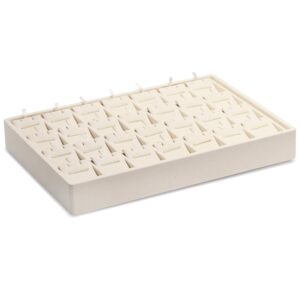
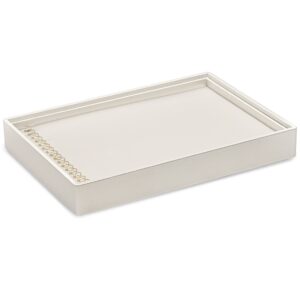
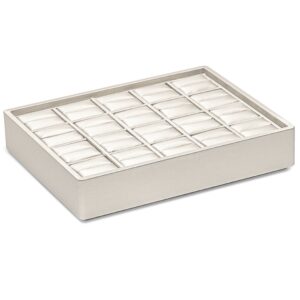
Jewelry Tray Gallery







Why Choose Our Jewelry Trays
Six reasons B2B jewelry brands and retailers trust u003ca href=u0022/u0022u003eOn The Wayu003c/au003e for premium custom tray manufacturing
Low MOQ, Maximum Customization
From startups to luxury brands, our low-MOQ jewelry tray service accommodates all order sizes without compromising on custom design.
Factory-Direct Pricing u0026 Savings
We own our production line. No middlemen, no markups—direct manufacturer pricing ensures maximum value on every jewelry tray order.
Multi-Stage Quality Control
Every jewelry tray undergoes rigorous testing at multiple stages by our dedicated QC team, ensuring flawless packaging every time.
FSC-Certified u0026 Recycled Materials
Eco-conscious luxury tray solutions using FSC-certified paper and recycled materials. Elevate your brand while reducing environmental impact.
Dedicated Account Management
Your dedicated account manager handles all jewelry tray communication, ensures faster sampling cycles, and guarantees on-time delivery throughout production.
6,500+ Custom Projects Delivered
17+ years designing jewelry trays for 300+ global brands. Our proven track record with startups to luxury houses demonstrates expertise.
Jewelry Trays u0026 Storage Solutions
From independent designers to luxury brands, discover how our custom jewelry trays solve unique packaging and storage challenges across every business segment.
Custom Trays for Emerging Brands
As an emerging jewelry designer, you need professional display solutions that reflect your brand identity without committing to massive order volumes or breaking your budget.
Our low MOQ jewelry tray manufacturing lets you launch with custom pieces. Start with 100 units, scale flexibly as your brand grows with factory-direct pricing.
Brand-Defining Jewelry Tray Displays
Boutique retailers require every touchpoint—from packaging to in-store display—to communicate luxury and exclusivity across all customer interactions. Generic trays undermine your brand promise and premium perception.
Custom jewelry trays with your logo, colors, and finishes create cohesive brand experiences. Our design team ensures every detail reflects your luxury positioning and premium aesthetic.
Shipping-Ready Jewelry Tray Solutions
Ecommerce jewelry sellers juggle conflicting demands: efficient storage and shipping logistics, protection for fragile items, plus unboxing moments that justify premium pricing and encourage social sharing.
Stackable, custom jewelry trays optimize your fulfillment workflow and reduce shipping volume. Combined with our pouches and boxes, they create memorable unboxing experiences that drive brand loyalty.
Specialized Watch Case u0026 Display
High-value jewelry and watches demand specialized storage—protection from damage, dust, and theft risk. Standard trays are unsuitable; custom solutions require understanding of security and presentation needs.
We design custom jewelry trays and watch cases engineered for protection and elegance. Anti-tarnish materials, security features, and bespoke finishes meet the standards of luxury brands worldwide.
Volume Jewelry Tray Manufacturing
Large manufacturers require consistent quality control, factory-direct pricing, and reliable on-time delivery for custom trays across multiple production runs. Supplier delays or quality drift impacts your entire operation.
With 17+ years and 300+ brands in our portfolio, we deliver volume custom jewelry trays with multi-stage QC and dedicated account management. Your dedicated team ensures zero production surprises.
Premium Materials for Your Jewelry Tray

Velvet Lining
Soft, luxurious fabric creates premium first impression. Protects delicate jewelry from scratches. Standard in high-end jewelry display and storage. Weight: 300-350 gsm, offers plush cushioning.
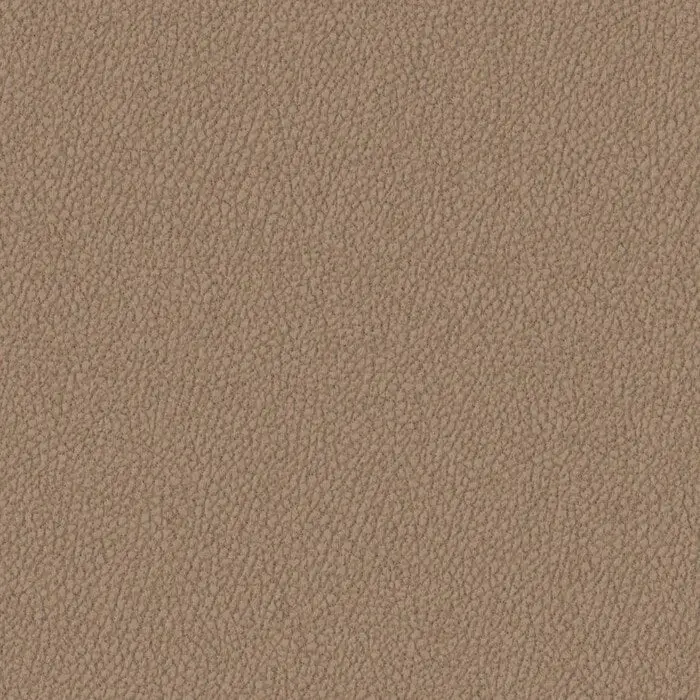
Satin Finish
Smooth, light-reflecting surface enhances jewelry sparkle. Elegant aesthetic appeals to upscale retail. Natural sheen reduces fingerprints. Density supports lightweight trays. Ideal for brand showcase displays.

Microfiber
Durable synthetic fabric resists staining and wear. Easy to maintain with gentle wiping. Modern feel suits contemporary boutiques. High thread count (800+) ensures longevity and professional appearance.

Linen
Natural fiber option combines elegance with durability. Breathable, eco-conscious choice for brands prioritizing sustainability. Subtle texture adds sophistication. Medium weight (250 gsm) balances sturdiness with refined appearance.

FSC Recycled Felt
Sustainable material made from post-consumer recycled fibers. Certified eco-friendly, aligns with luxury brand values. Soft touch, natural color variations. 2-3mm thickness provides structural support without excess weight.

Vegan Leather
Premium leather alternative for cruelty-free, sustainable positioning. Supple, sophisticated appearance rivals genuine leather. Resists scratching, easy to clean and maintain. Thickness options (1.2-1.5mm) support rigid tray construction.
Jewelry Tray Finishes u0026 Customization Options

UV Printing
High-precision digital printing applies full-color logos, patterns and designs directly to tray surfaces. Delivers sharp detail, vibrant colors and excellent durability on rigid and soft materials.

Hot Stamping
Luxury foil transfer process applies metallic finishes—gold, silver, holographic—to tray surfaces. Creates elegant embossed appearance perfect for premium brand identity and upscale packaging presentation.
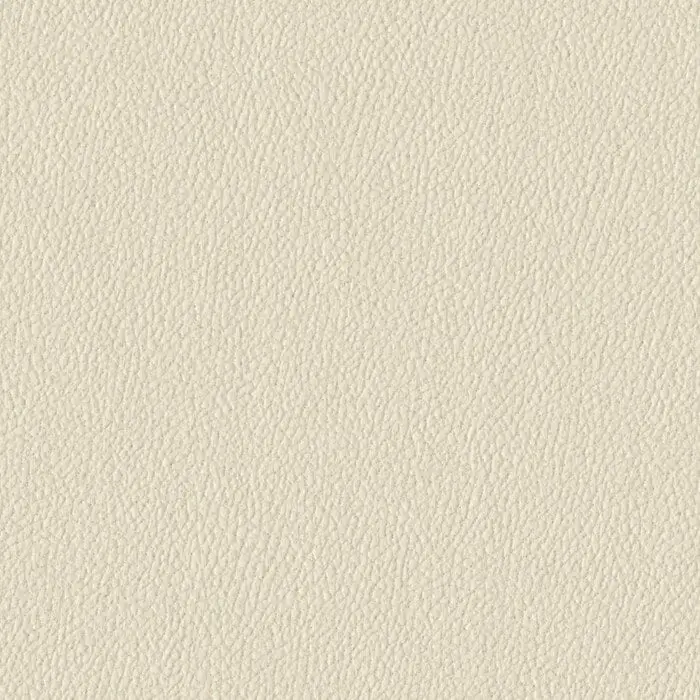
Embossing u0026 Debossing
Raises or recesses designs into tray surfaces for dimensional, tactile luxury finishes. Adds prestigious texture without ink, ideal for minimalist branding and high-end luxury experiences.

Silk Screen Printing
Multi-color printing technique optimized for fabric-lined jewelry trays. Produces vibrant designs perfect for velvet, satin and microfiber surfaces with excellent color saturation.
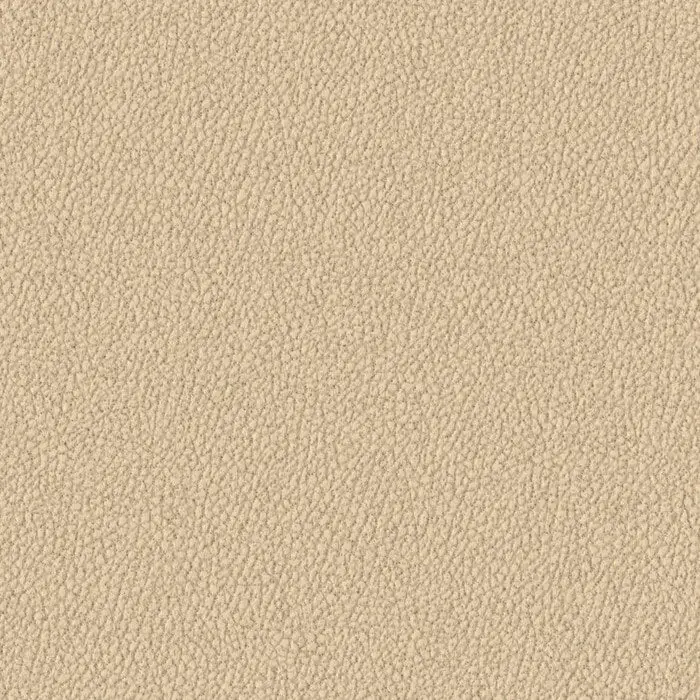
Edge Binding
Professional finishing of tray perimeters with bias tape, leather strips or grosgrain ribbon. Reinforces edges while adding polished appearance and protecting materials from fraying.

Magnetic Closure Assembly
Precision integration of magnetic systems into tray lids and bases for secure closure. Creates premium user experience with smooth opening action and reliable closure mechanics.
Jewelry Tray Accessories u0026 Premium Add-Ons

Anti-Slip Liners
Premium microfiber or rubber liners prevent jewelry movement and surface scratching. Essential for luxury items, protecting both products and tray finish during storage and transportation.

Compartment Dividers
Segmented foam or wood dividers organize jewelry by category, keeping necklaces, bracelets, and rings separate. Enhances brand presentation and protects delicate items from tangling or damage during display or shipping.

Ribbon Ties u0026 Drawstring
Luxurious silk or satin ribbons and custom drawstrings secure the tray while adding premium tactile appeal. Ideal for gift presentation and branded packaging that elevates the unboxing experience for luxury clients.
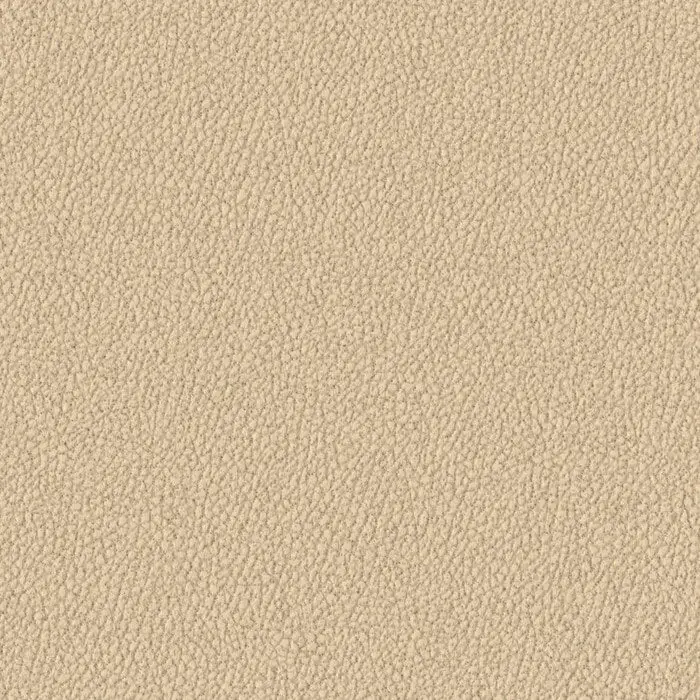
Custom Branded Labels
Woven, printed, or embossed labels featuring your logo and brand name. Differentiates your jewelry brand in market, supporting private-label OEM programs and creating cohesive luxury brand identity across all packaging touchpoints.
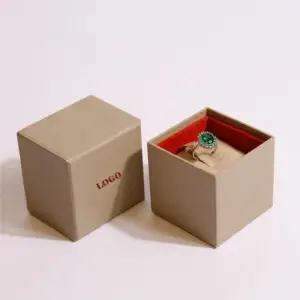
Dust Covers u0026 Lids
Protective transparent or fabric covers shield jewelry trays from dust, moisture, and environmental damage. Essential for long-term storage, display cases, and shipped orders requiring additional protection during logistics and retail environment exposure.

Custom Foam Inserts
Precision-cut foam or velvet inserts conform to your specific jewelry shapes and sizes. Maximizes visual impact, ensures items remain secure and pristine, and allows tailored compartmentalization for bespoke luxury jewelry tray presentations.
About On The Way Jewelry Trays
Founded in 2007, On The Way Jewelry Packaging established itself as a leader in custom jewelry packaging manufacturing. We design and produce premium jewelry trays, pouches, boxes, and displays for independent designers, boutique retailers, and global brands. Our mission: quality defines survival—and exceptional packaging is every brand’s first impression.
Today, our 1,200 m² factory in Dongguan, China operates with 220+ skilled staff and has completed 6,500+ custom projects for 3,000+ clients across 30+ countries. We specialize in custom jewelry trays with full flexibility—from design through mass production. Factory-direct pricing and low MOQ ensure accessibility for startups and established brands alike.
What sets us apart: factory-direct production means transparent pricing. Multi-stage QC ensures every jewelry tray meets exacting standards. We offer eco-friendly options—FSC-certified paper, recycled materials—plus dedicated account managers and on-time delivery. At On The Way, we believe exceptional packaging defines quality living.

Jewelry Tray Excellence: Design Through Delivery
Custom Jewelry Tray Design u0026 Prototyping
Collaborate with our design experts to create bespoke jewelry trays tailored to your brand. We deliver rapid samples with virtual 3D visualization, allowing you to refine details before production commitments.
- 3D design visualization u0026 virtual sampling
- Quick iteration cycles with rush options available
- Full customization of dimensions, materials u0026 finishes
- Dedicated designer assignment for your project

Premium Materials for Luxury Trays
Source premium materials for your jewelry trays from FSC-certified, eco-friendly options. We offer luxury finishes—velvet, microfiber, linen, leather—alongside sustainability-verified alternatives that elevate brand perception while maintaining our commitment to environmental responsibility.
- FSC-certified paper u0026 recycled material options
- Luxury interior linings: velvet, microfiber, linen
- Eco-conscious alternatives without compromising quality
- Material compliance documentation u0026 sustainability tracking
Scalable Production from Prototype to Millions
Our 1,200 m² factory with 220+ skilled staff produces jewelry trays at any scale. Start with low-MOQ orders (100+ units) and scale seamlessly as your brand grows, with no compromise on quality.
- Low minimum order quantities: 100 units per style
- 1,200 m² factory with 220+ experienced technicians
- Production capacity: from samples to 500k+ annually
- Consistent turnaround times across all volumes
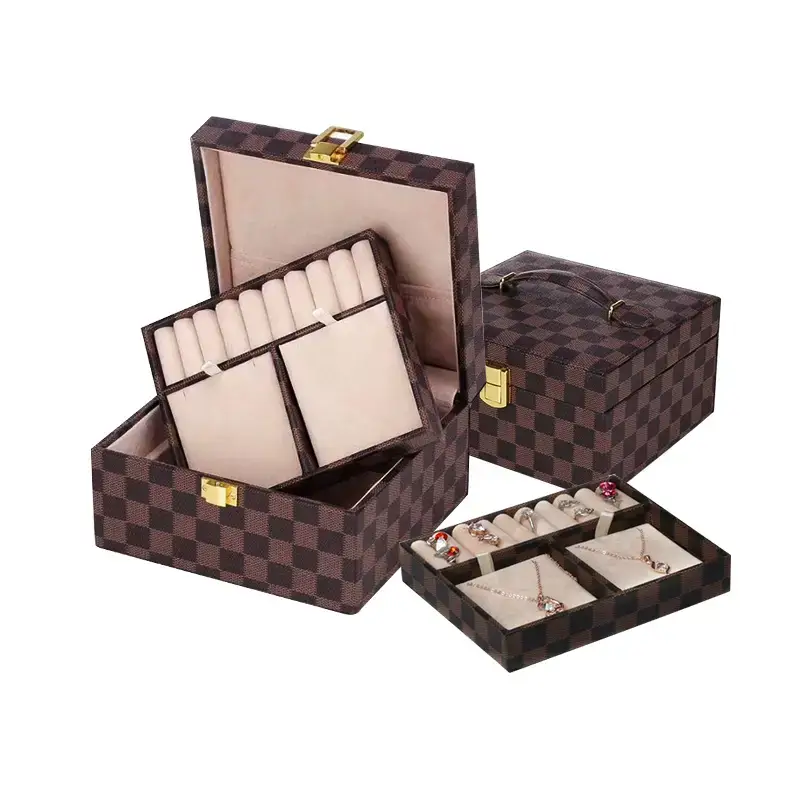
Multi-Stage Quality Assurance u0026 Certification
Every jewelry tray undergoes a rigorous 4-stage quality inspection process from material verification through final packaging. We maintain defect rates below 0.5% and hold ISO and FSC certifications, ensuring your finished trays consistently meet global luxury standards.
- 4-stage inspection process: material, pre-production, mid-run, final
- Durability testing u0026 material verification on every batch
- Defect rate maintained below 0.5%
- ISO u0026 FSC certifications + detailed QC documentation
Why On The Way Outperforms Other Jewelry Tray Suppliers
See why leading brands choose us for custom u003ca href=u0022/jewelry-displays/u0022u003ejewelry trayu003c/au003e design and manufacturing
← 左右滑动查看 →
Jewelry Tray Production Process
See how we bring precision and professionalism to every stage of custom jewelry tray production.
Material Sourcing u0026 Approval
We source premium materials—FSC-certified paper, velvet, satin, microfiber—and send samples for your approval before production begins, ensuring your jewelry tray meets exact specifications.
Design u0026 Sampling
Our design team collaborates with you to refine artwork, colors, and layouts. We produce samples for your review, incorporating feedback until your jewelry tray design is perfect.
Production u0026 Assembly
Once approved, we begin cutting, printing, embossing, and hand-assembling your jewelry tray at scale. Our production line runs 24/7 to meet your timeline without compromise.
Multi-Stage Quality Control
Every jewelry tray undergoes rigorous inspection at three stages: materials, mid-production, and finished product. We catch defects early and maintain our 99.8% quality standard.
Packing u0026 Preparation
Your jewelry tray is carefully packed in protective materials and branded boxes to prevent damage during transit. Each unit is tracked and ready for immediate shipment.
On-Time Shipping u0026 Delivery
We ship globally via DHL, FedEx, and regional carriers with full tracking. Your jewelry tray arrives within the agreed timeframe—our 17-year track record speaks to reliability.
How to Order Your Custom Jewelry Trays
From design to on-time delivery—our streamlined B2B partnership workflow
Submit Your Design u0026 Tech Pack
Send your jewelry tray design, tech pack, or sketch. Provide dimensions, materials, quantity, and special requirements. Our team reviews everything within 24 hours.
Receive Your Quote u0026 Free Sample
We’ll provide a factory-direct quote and send a free physical sample. Review quality, finish, and fit. Samples typically arrive within 5–7 business days.
Approve Production Specifications
Finalize specs: materials, printing, colors, hardware. Confirm production timeline and packaging. Our multi-stage QC team validates every detail before manufacturing begins.
Place Your Bulk Order
Confirm order volume, pricing, and payment terms. Our account managers guide you through options. Low MOQ with full custom flexibility for your jewelry tray needs.
Get On-Time Delivery
Track production in real time. Receive your order on schedule with secure packaging. Enjoy factory-direct pricing and dedicated support every step of the way.
Jewelry Tray Certifications u0026 Quality Standards
Jewelry Tray Success Stories
We received our jewelry tray samples in just 5 days—better than competitors who wanted 3 weeks. The quality exceeded our expectations, and we’ve since ordered 50,000 units annually.
As a startup designer, I needed low MOQ and custom designs. On The Way delivered 2,000 units in my brand colors within 6 weeks at 35% lower cost than local suppliers.
We source jewelry trays for our boutique chains across 8 countries. Consistency across orders is critical—On The Way’s QC process ensures every batch meets our standards. We’ve increased reorders by 60%.
Jewelry Tray FAQ: Answers to Your Procurement Questions
Find answers to common questions about MOQ, lead times, sampling, pricing, payment terms, shipping, and IP protection for custom jewelry trays.
What is the minimum order quantity (MOQ) for a custom jewelry tray?
How long does it take to produce a custom jewelry tray?
What are the costs and lead times for sampling a jewelry tray design?
Do you accept design revisions during jewelry tray production?
What payment terms and discounts do you offer?
How do you handle shipping and customs for international orders?
Is my design protected under confidentiality and IP agreements?
What materials and finishes are available for my jewelry tray?
The Complete Buyer’s Guide to Jewelry Trays
Learn what defines premium jewelry trays, compare materials and customization options, discover the key quality markers that protect your brand reputation, evaluate supplier capabilities against your MOQ and timeline needs, and avoid the costliest mistakes independent jewelry retailers and designers make when sourcing display trays.
1. What is a jewelry tray?
A jewelry tray is a specialized storage and display component designed to organize and showcase individual pieces—rings, earrings, necklaces, bracelets, or watches—within retail environments, brand packaging, or personal collections. Unlike mass-produced storage organizers or generic plastic inserts, a quality jewelry tray serves two critical functions simultaneously: protecting delicate items from contact damage through protective materials like velvet or microfiber linings, and elevating visual presentation to frame each piece as a luxury offering worth the customer’s attention.nnLuxury retailers, independent designers, and mid-market jewelry brands deploy custom jewelry trays across three primary touchpoints: in-store display cases that attract foot traffic, premium gift packaging that frames the unboxing experience, and home storage solutions for collectors and retail staff. The choice to invest in a branded tray—rather than settling for a basic padded insert—signals commitment to craft and quality, becoming part of the brand’s first impression.nnA custom jewelry tray functions as an extension of brand identity, not merely a container. When a design house embeds its logo, signature color palette, or textural treatment into tray design—through embossed metallic finishes, branded product cards, or signature velvet linings—the tray communicates exclusivity and craftsmanship before a customer handles the jewelry itself. This positioning transforms perceived value: a ring displayed on a branded tray with silk insert reads as premium; the same ring on a generic plastic stand reads as generic.
2. History and evolution
In the 1990s, luxury jewelry retailers treated packaging as a secondary consideration—generic velvet boxes and plain inserts were standard across the industry. The turning point came in the early 2000s, when independent designers and boutique jewelers recognized that a branded jewelry tray could differentiate their offerings and strengthen customer unboxing experience, driving retailers to demand customized, labeled display solutions rather than off-the-shelf inventory.nnDigital print and embroidery technologies expanded the feasibility of personalized packaging between 2005–2015, allowing smaller runs and lower minimums. This shift coincided with consumer expectations rising: buyers increasingly viewed unboxing as part of the brand narrative, creating competitive pressure for retailers to invest in custom trays featuring logo placement, metallic finishes, and bespoke materials beyond standard felt.nnSustainability trends accelerated after 2015 as global jewelry houses and conscious consumers demanded FSC-certified cardboard and recycled microfiber alternatives to virgin materials—a shift reflected in today’s packaging specifications. Modern production combines heritage craftsmanship with digital customization: print resolution capabilities (now 1440 DPI and above) and material ranges (cork, linen, recycled foam, recycled paper) enable retailers to balance cost with brand storytelling.nnToday’s buyers prioritize fast sampling, low MOQ programs (50–100 units), and factory-direct partnerships that reduce markups and accelerate time-to-market—priorities that grew directly from the market’s evolution away from generic packaging toward bespoke, sustainability-conscious branding.
3. Types of jewelry trays
Jewelry trays fall into five primary categories, each serving distinct end-users and use cases. From flat display counters to compartmentalized organizers, tray construction and materials depend heavily on whether the end-user is a jeweler, retailer, or customer.nnEach type demands different customization approaches.
Flat Display Trays

Flat display trays measure 12–20 inches across and feature 6–16 shallow compartments for rings, earrings, and pendants. Retailers use them for point-of-sale showcasing; designers prefer velvet or microfiber interiors for visual appeal.nnMOQ typically starts at 50 units; lead time runs 3–4 weeks with standard finishes.
Compartmentalized Organizers
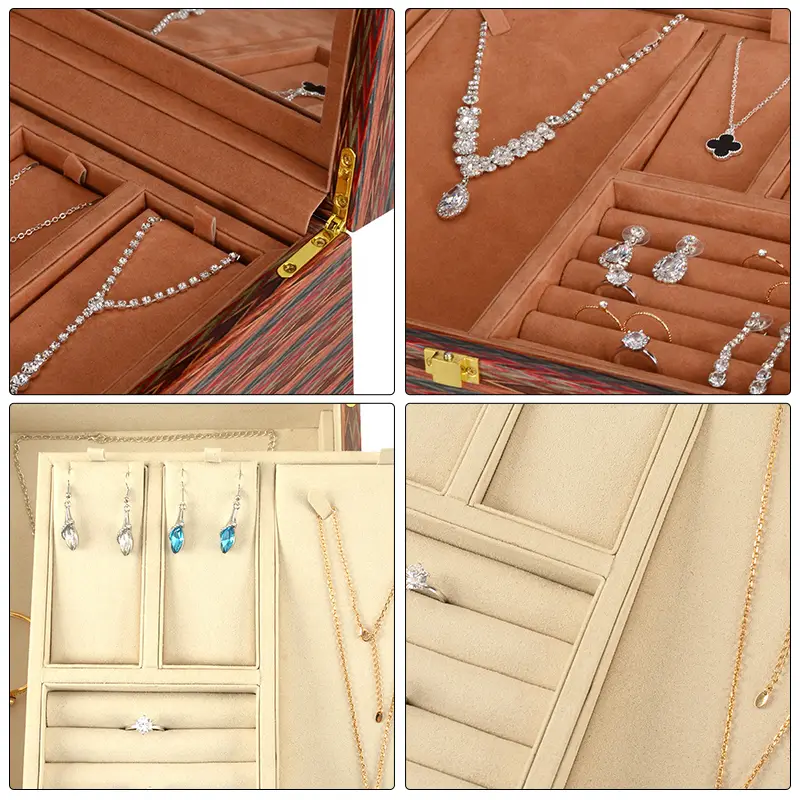
These range from 8–12 inch boxes with 20–30 divided sections, designed for in-home sorting and protection. Materials run thicker (velvet-lined rigid boxes, with dividers) to prevent tangling and shifting.nnCustom dimensions and divider layouts increase MOQ to 100–250 units; personalization (initials, brand logo) adds 1–2 weeks.
Hinged Tray Boxes
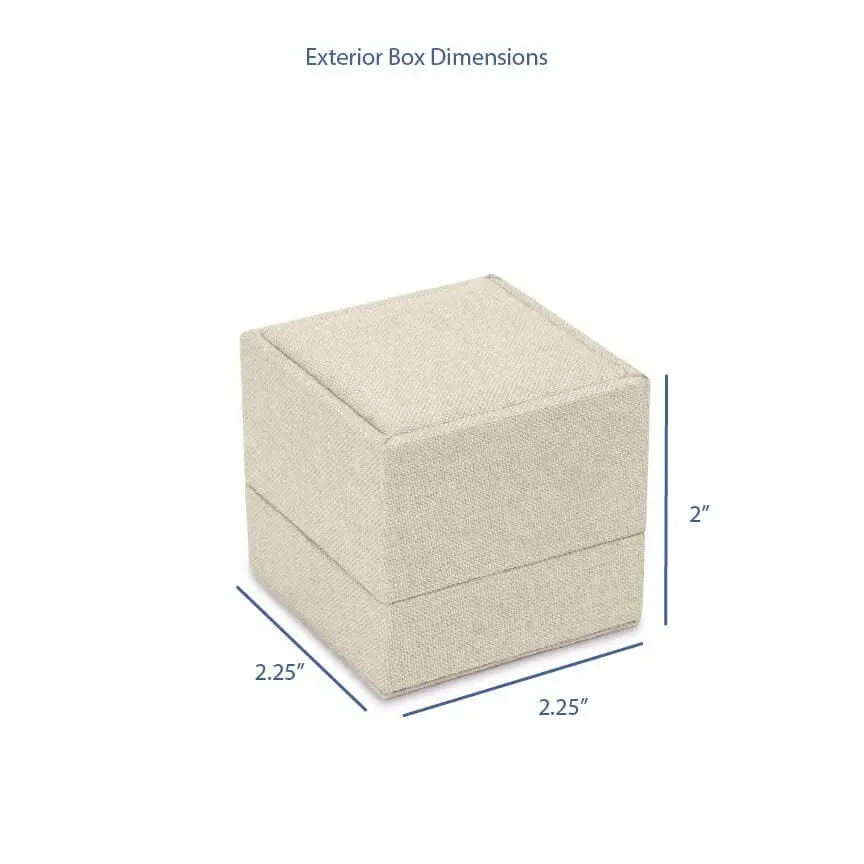
Magnetic-closure boxes with removable tray inserts combine packaging and storage; typical sizes run 6×10 to 9×14 inches. Used by premium brands for unboxing experiences, these accept custom printing (foiling, embossing) and insert materials (leatherette, satin).nnMOQ 200+ units; lead time 4–5 weeks with finishing.
Stackable Modular Trays
Modular trays feature lip-lock or groove systems allowing 3–6-layer stacking in compact footprints. Manufacturers favor rigid cardboard or polypropylene for durability; each tray holds 12–20 pieces across interchangeable layouts.nnCustomization includes divider inserts and color coding; MOQ 300+ units; lead time 3–4 weeks.
Travel Trays
Compact 4×6 to 6×8 inch trays fit cosmetic bags and luggage; often feature elastic loops or mesh pockets for security. EVA foam or microfiber padding protects contents during transit.nnPopular with independent designers packaging gift sets; MOQ 75–150 units; fast turnaround (2–3 weeks) due to simpler construction.
4. Materials and construction for jewelry trays
Jewelry tray materials balance protection, aesthetic appeal, and cost. Surface fabrics, base substrates, and construction methods collectively determine durability and brand positioning. Material choice directly impacts customer perception and product lifespan.
| Material | Cost Tier | Durability (months) | Luxury Perception |
|---|---|---|---|
| Velvet Microfiber | Premium | 18–24 | Very High |
| Microfiber Standard | Mid-Range | 12–18 | High |
| Natural Silk | Luxury | 12–15 | Very High |
| Linen u0026 Cotton | Mid-Range | 9–12 | Moderate |
| Recycled Fabric | Mid-Range | 12–18 | Moderate–High |
| MDF Base | Standard | 24+ | Moderate |
| Wood Base | Premium | 36+ | High |
Luxury Surface Fabrics

Velvet remains the gold standard—80-120 GSM microfiber velvet delivers softness and color depth. Silk and leather elevate perceived luxury but require premium pricing. Both suit high-end brands; natural fibers are fragile in production.nnMicrofiber offers durability at mid-tier cost. Linen suits eco-conscious positioning.
Base Materials and Substrate

Chipboard (1.5–2 mm) serves entry-level trays; MDF (2–3 mm) handles mid-range rigidity and precision die-cutting. Solid wood (3–5 mm) conveys luxury but adds cost and weight. Most luxury trays pair MDF or wood bases with soft-surface fabrics over rigid substrates.
Construction and Durability

Box-stitch reinforcement at corners prevents seam failure under jewelry weight. Binding-tape edges (0.5–1 mm width) seal raw fabric and extend lifespan. Foam backing (5–10 mm) protects delicate pieces. These details separate quality trays from lower-cost knockoffs; QC must verify stitch density and adhesive bond strength.
Eco-Materials and Sustainability
Recycled microfiber and organic cotton appeal to environmentally conscious brands. FSC-certified MDF bases meet European sustainability standards. GOTS-certified natural fibers command premium pricing. Brands increasingly mandate recyclable packaging; suppliers must stock ISO 14001-compliant materials.
5. Customization and personalization
Personalization transforms a standard jewelry tray into a brand asset at unboxing. On The Way offers seven core techniques—each with distinct cost, timeline, and aesthetic profiles. Selecting the right method depends on budget, production timeline, and design complexity.
| Technique | Lead Time | Cost/Unit | Best For | Key Substrates |
|---|---|---|---|---|
| Embroidery | 14–21 days | $0.15–$0.40 | Luxury, tactile branding | Velvet, cotton, linen |
| Debossing | 7–10 days | $0.08–$0.20 | Speed-focused budgets | Rigid box lids, kraft |
| Foil Stamping | 7–10 days | $0.12–$0.35 | Metallic impact | Paper, kraft, cardboard |
| Digital Printing | 5–7 days | $0.10–$0.25 | Full-color, small runs | Cardboard, kraft |
| Offset Printing | 10–14 days | $0.08–$0.18 | High volume (2K+) | Cardboard, paper |
| UV Printing | 5–7 days | $0.12–$0.28 | Gloss effects, detail | Cardboard, plastic film |
| Laser Engraving | 7–10 days | $0.20–$0.50 | Precision, luxury | Acrylic, leather, wood |
Seven Surface Techniques
On The Way deploys embroidery, debossing, foil stamping, digital printing, offset printing, UV printing, and laser engraving to personalize jewelry trays. Each technique offers different speed, cost, and material compatibility profiles.nnChoosing the right method aligns with your design vision, production volume, and timeline constraints.
Compartment Design and Sizing
Custom trays accommodate any compartment count, size, and layout. Modular designs cost 15–30% less than full custom tooling.nnLogo placement—front, back, interior lid, or compartment bottom—requires design approval during sampling (typically 5–7 days). Color matching to Pantone ensures brand consistency.
Setup Costs and Lead Times
Setup costs range 50–300 USD depending on technique complexity. Embroidery files cost 30–50 USD, and printing plates add 80–150 USD.nnLead times typically span 14–21 days for medium-run orders (500–2,000 units). Rush orders (7–10 days) incur 15–25% surcharges. Combining techniques extends timelines by 5–7 days.
Balancing Budget and Timeline
Debossing and foil stamping suit tight timelines (3–5 days) and budgets under 0.30 USD per unit. Digital printing is fastest for small runs and four-color designs.nnEmbroidery commands premium pricing but delivers luxury feel. Laser engraving targets high-end, low-volume orders. Offset printing minimizes per-unit cost at 2,000+ units. Discuss your constraints with your supplier early.
6. Quality markers in jewelry tray construction
Premium jewelry trays emerge from measurable details—material density, stitching, and finishing precision. Budget alternatives cut corners on reinforcement and lining. Learning to inspect these markers before volume orders separates profitable sourcing from costly mistakes.
Material Density and Fabric Loft

Premium jewelry tray velvet or microfiber typically rates 200–280 GSM, whereas budget alternatives drop to 120–150 GSM. Higher density improves durability and perceived quality. Press your thumb on the sample; premium lofts resist compression and spring back immediately, while thin materials flatten permanently.
Stitching Precision and Corner Reinforcement
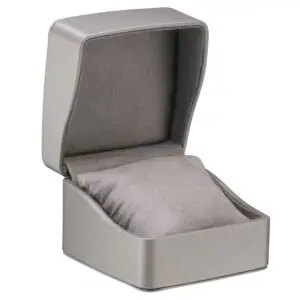
Factory-grade jewelry trays use 8–12 stitches per inch with reinforced box corners, often triple-stitched. Budget versions use 4–6 stitches and single-pass stitching, causing failure under pressure. Inspect corners for reinforcement patches; premium designs distribute stress across multiple anchors. Check stitching straightness and tension consistency—loose or wavering lines indicate rushed assembly.
Edge Finishing and Hardware Durability
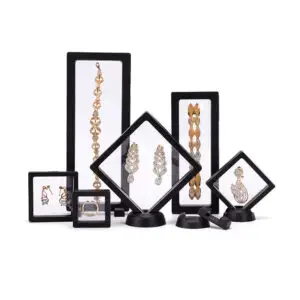
Finished edges prevent fraying. Premium trays use bias tape binding or rolled edges; budget versions use plastic trim or raw edges. For hinged jewelry trays, stainless steel or plated brass hardware outlasts zinc alloy. Anti-tarnish lining is standard on luxury models; budget versions omit it.
How to Inspect Sample Trays
Request and inspect samples across five key dimensions: weight (premium trays weigh 15–25% more due to material density), feel (smooth edges with no catches), logo clarity (crisp print, no fading), color consistency (all surfaces match under varied lighting), and symmetry (corners align perfectly when laid flat).
Quality Control Standards by Order Size
MOQ tiers impact QC rigor. Sub-500 orders typically receive 5–10% lot sampling; 500–2,000 units receive 10–15% AQL inspection; above 2,000 units qualify for 100% visual QC plus mechanical testing. Negotiate QC standards explicitly and request documented defect rates. Reputable manufacturers perform multi-stage checks regardless of MOQ.
7. How to choose a jewelry tray supplier
Selecting the right jewelry tray supplier requires evaluating multiple dimensions beyond unit cost. A strong production partner should demonstrate flexibility in minimum orders, transparency in capabilities, and genuine commitment to quality standards that align with your brand’s expectations.
Production Capacity and Lead Times
Most reputable jewelry tray manufacturers operate with lead times of 15–25 days for custom samples and 25–40 days for production runs of 100–500 units.nnVerify the supplier’s factory size and staff—a facility managing 1,000+ projects annually signals reliability.
Customization and Technical Capabilities
Request samples in your exact design, material and finish specifications. Confirm the supplier accepts your design format (Adobe Illustrator, PDF) and maintains in-house printing capabilities.nnScreen printing, embossing and hot stamping should not be outsourced—this ensures quality consistency across runs.
Certifications and Material Standards
Check for ISO 9001, FSC (Forest Stewardship Council) certification for paper and cardboard, and OEKO-TEX or GOTS for textiles.nnThese standards verify environmental responsibility and manufacturing discipline. A supplier providing test certificates (colorfastness, durability) demonstrates proactive quality assurance.
Red Flags and Reference Checks
Request 3–5 client references and verify their experience directly. Be cautious of suppliers unwilling to provide samples or charging extreme sample fees—typically u003e15% of bulk order cost.nnSignificantly below-market pricing often signals corner-cutting on materials or quality control.
8. Common mistakes when buying jewelry trays
Luxury brands frequently stumble at six critical junctures when sourcing custom jewelry trays: sample validation, lead-time planning, material selection, branding integration, cost analysis, and packaging experience. Each oversight ripples through production costs and brand perception. Understanding these pitfalls—and how to navigate them—separates successful launches from costly delays.
Skipping or Shortening Sample Validation
Most brands allocate insufficient time or budget for iterative sample refinement. A proper cycle spans 2-3 weeks: design approval, material confirmation, logo placement testing, durability assessment.nnRushing forces costly corrections during production. Factor sample time into your project timeline as a non-negotiable investment, not an optional step.
Underestimating Lead Times
Standard lead times for custom jewelry trays are 4-6 weeks for tooling and production after sample approval. Missing these windows creates compounding supply-chain friction.nnInternational shipping adds 2-3 weeks. Plan inventory around these realities, especially for seasonal or holiday launches. Double-check supplier schedules before committing to retail dates.
Mismatching Materials to Jewel Types
Microfiber suits rings; velvet suits diamond pieces. Cotton-linen blends risk lint transfer to fine jewelry. Each category—fine jewelry, costume, watches, brooches—demands specific fabric weights and finishes.nnMaterial-to-product fit directly affects unboxing perception and customer satisfaction. Consult your supplier on fiber composition and weave density for your target jewelry category.
Poor Logo Placement or Inadequate Branding
Logo positioning on tray surfaces, inside lids, and embroidered areas significantly impacts unboxing experience. Weak branding—tiny logos, poor color matching—diminishes perceived luxury.nnProfessional placement typically costs 10-15% more but pays dividends in brand consistency. Invest in clear, well-positioned branding; it’s one of the first brand touchpoints customers experience.
Not Benchmarking Per-Unit Costs
Per-unit costs drop sharply across MOQ tiers: 500 units might cost $8 per tray vs. $4.50 at 2,000 units. Comparing only at your planned volume ignores long-term scaling opportunity.nnRequest tiered pricing from suppliers and model future volume scenarios. Supplier flexibility for reorders often justifies slightly higher initial costs.
Overlooking Unboxing Experience
Luxury packaging extends beyond the tray to integration with outer boxes, tissue, and padding. A tray that slides or sits flush undermines the entire unboxing moment.nnTest assembly and packaging mechanics before full production. Unboxing is now a critical brand touchpoint, especially for social media and influencer partnerships.
9. Pricing and cost models
Most jewelry tray suppliers structure pricing around quantity tiers and material complexity. Setup fees typically range from $50 to $200 depending on customization level (embossing, printing, special material sourcing). The minimum order quantity determines your per-unit baseline; smaller MOQs carry premium unit costs to offset setup proportionally.nnCustomization premiums add 15–50% to base pricing: hot stamping, embroidery, or special finishes require incremental setup time and material waste. Lead time reductions (expedited to 5–7 days) typically cost 20–30% more per unit. Sample fees—usually $100–$300 per design—are often credited against first production order if quantities exceed 250 units. Shipping costs are typically FOB factory and depend on destination region (Asia to North America: $0.30–$0.80 per unit in bulk).
| Quantity Tier | Unit Price Range | Lead Time | Setup / Sample Fee | Customization Add-Ons |
|---|---|---|---|---|
| 50 units | $5–$12 | 14 days | Setup $50–$150 | Embossing +$1–$2/unit; hot stamping +$1.50–$3/unit |
| 100 units | $3.50–$8 | 12 days | Setup $75–$150 | Printing +$0.75–$1.50/unit; embroidery +$2–$4/unit |
| 250 units | $2.50–$6 | 10 days | Sample $100–$300 | Custom material upgrade +20–30%; special lining +$1–$2/unit |
| 500+ units | $1.50–$4 | 8 days | Sample credited/waived | Volume discount 15–25%; specialty finishes negotiable |
Start Your Custom Jewelry Tray Order Today
Flexible MOQ, factory-direct pricing, and dedicated support. Your custom jewelry tray partner from first sample to full production.