
Custom Watch Cases & Jewelry Packaging — Factory Direct, Low MOQ
Premium watch cases and packaging from a factory-direct manufacturer serving 300+ brands globally. Low MOQ, rapid sampling, dedicated support, multi-stage QC. Exquisite packaging, quality living.
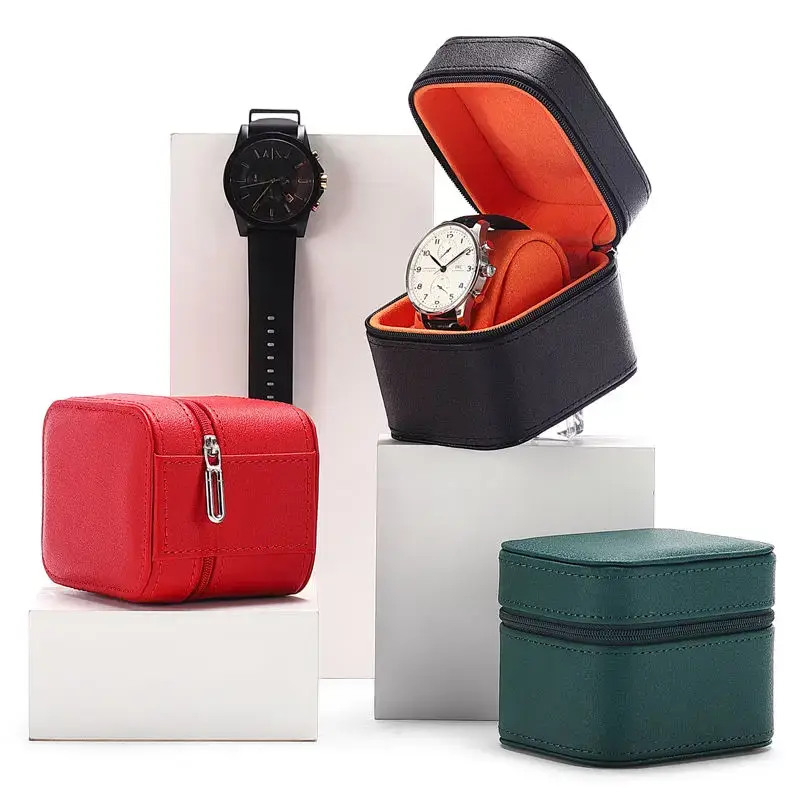
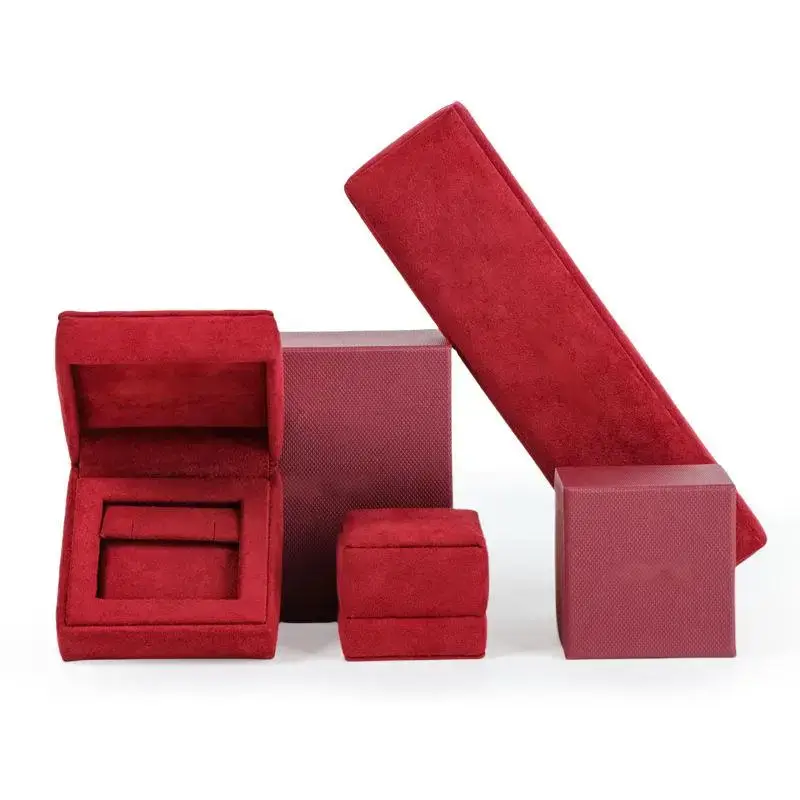
Featured Watch Cases & Jewelry Collections


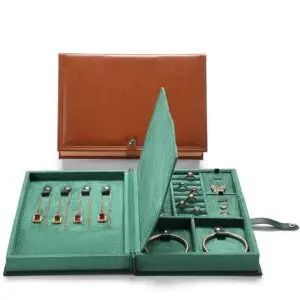

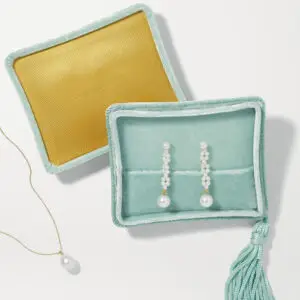


Watch Case Design Gallery


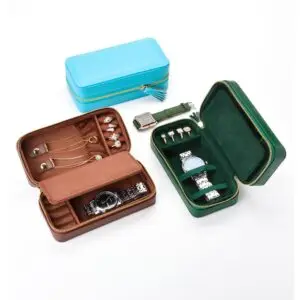
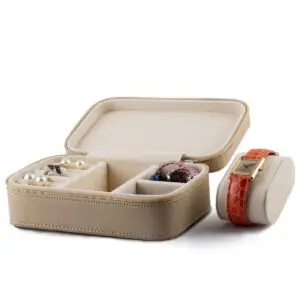
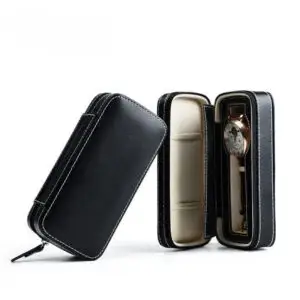


Why Choose On The Way for Your Watch Cases
Factory-direct quality, low MOQ, trusted by 300+ brands worldwide
Factory-Direct Watch Case Pricing
We own our production line in Dongguan. No middlemen, no markup. Direct pricing passes savings to you.
Low MOQ from 50 Pieces
Start small with 50-unit orders. Perfect for startups and designers testing new watch case designs before scaling.
17+ Years, 6,500+ Projects
Over 17 years serving 300+ brands across 30+ countries. Proven expertise in custom watch case production.
Multi-Stage Quality Control
Every watch case passes our rigorous multi-stage QC process. Consistent excellence on every shipment, guaranteed.
FSC-Certified Eco-Materials
Premium watch cases crafted from FSC-certified paper and recycled materials. Luxury with environmental responsibility.
Rapid Custom Sampling
Get watch case samples quickly before committing to full production. Iterate fast, reduce risk, launch confident.
Watch Case Solutions for Every Jewelry Business
See how jewelry brands across the world use our custom watch cases, boxes, and pouches to elevate their customer experience and build brand loyalty.
Independent Watch Brand Launching
Starting a luxury watch brand with limited capital means you need premium packaging—but factory minimums and expensive design consultants are out of reach.
Access factory-direct watch cases with custom design support, no minimums for first runs, and pricing that lets you invest in the product, not just the packaging.
Luxury Jewelry Retailer Elevating In-Store
Your boutique customers expect flawless unboxing experiences that reflect your brand prestige, but generic stock packaging undermines your luxury positioning and disappoints at the critical moment of first impression.
Fully custom watch display cases and rigid boxes featuring your branding, leather details, and signature colors that turn every unboxing into a shareable, brand-reinforcing moment of luxury.
E-Commerce Jeweler Building Brand Memory
Competing online means your customer's only physical touchpoint is the unboxing moment; generic packages disappear into recycling within days, leaving no lasting brand impression or recall.
Custom velvet pouches, branded tissue, and rigid boxes with your logo and story card transform an order into a keepsake and repeat business driver.
Eco-Conscious Jewelry Brand Balancing Values
You're committed to ethical design, but eco-conscious packaging options are limited, expensive, or fail to deliver the premium luxury feel your discerning customers expect and deserve.
Choose FSC-certified cardboard, recycled kraft paper, and organic cotton pouches with full custom design—no compromise between your environmental values and the premium presentation your brand deserves.
Multi-Brand Distributor Managing Complexity
Managing packaging for multiple brands means juggling different suppliers, inconsistent minimums, unpredictable lead times, and no single partner you can fully trust or rely on.
One factory partner handles all your private-label watch cases, storage trays, and display solutions with a dedicated account manager ensuring consistent quality and on-time delivery.
Premium Materials for Custom Watch Cases

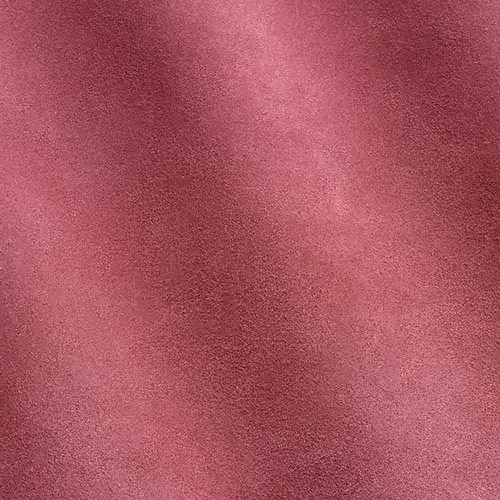
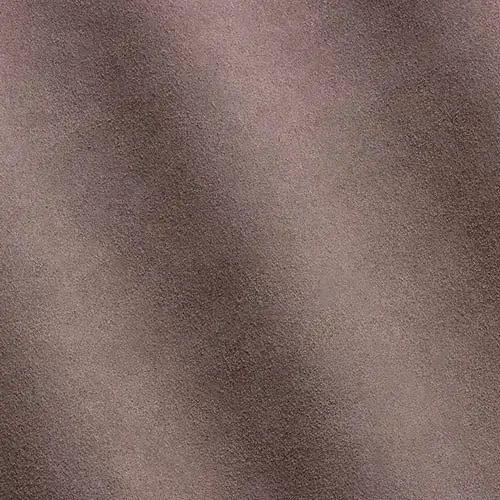
Luxury Velvet Padding
Soft, tactile velvet provides premium cushioning and protection for watch cases. Creates luxurious unboxing experience. Available in multiple colors. Density: 280-350 gsm. Perfect for high-end watch display.

Premium Microfiber
Durable, non-scratching microfiber interior protects delicate watch faces and bracelets. Washable and long-lasting. Resists moisture and dust. Technical weave ensures consistent protection. Ideal for travel cases.
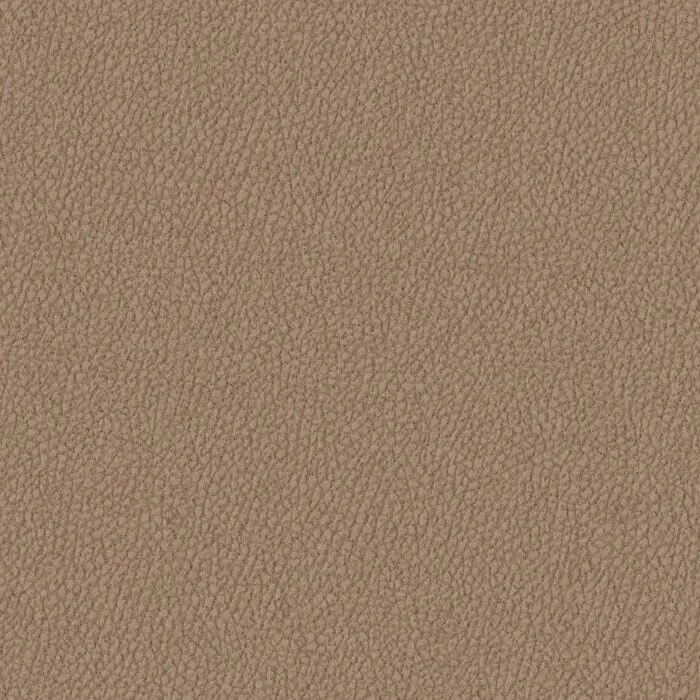
Satin & Silk Lining
Smooth, gentle satin lining evokes luxury and tradition in watch packaging. Silky hand-feel prevents scratching. Available in jewel tones and neutrals. Creates premium unboxing moment. Perfect for prestige timepieces.

FSC-Certified Paper
Sustainable FSC-certified paper exterior demonstrates environmental commitment without compromising durability. Recyclable and biodegradable. Meets global eco-standards. 220-300 gsm board weight. Ideal for conscious brands.
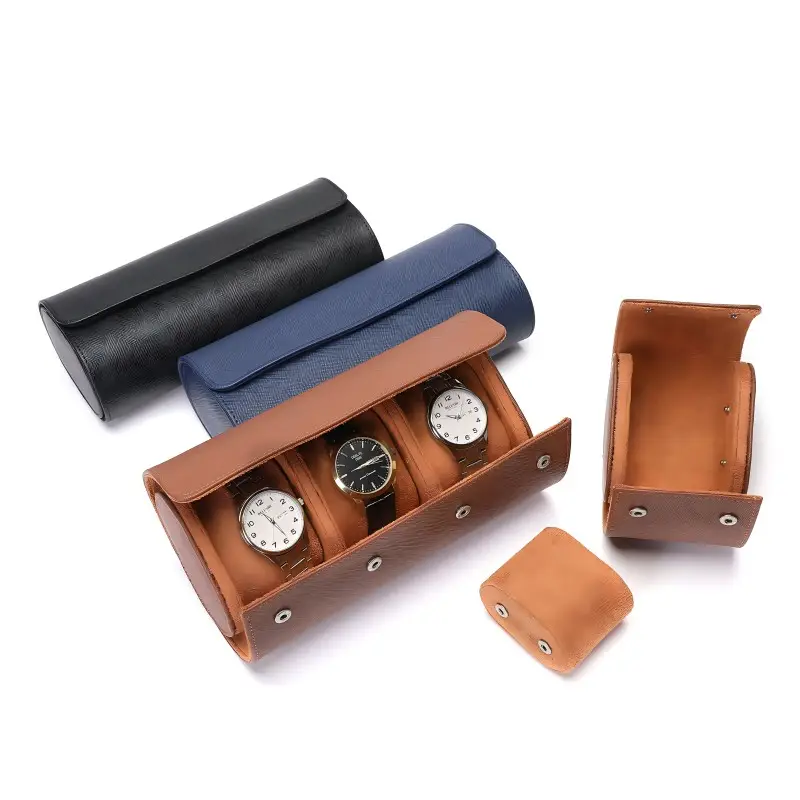
Recycled Fiber Composite
Innovative recycled fiber blends combine sustainability with performance. Durable, textured exterior withstands handling. Water-resistant coating options available. Supports circular economy messaging. Perfect for eco-minded brands.
Watch Case Manufacturing Processes & Finishing Capabilities
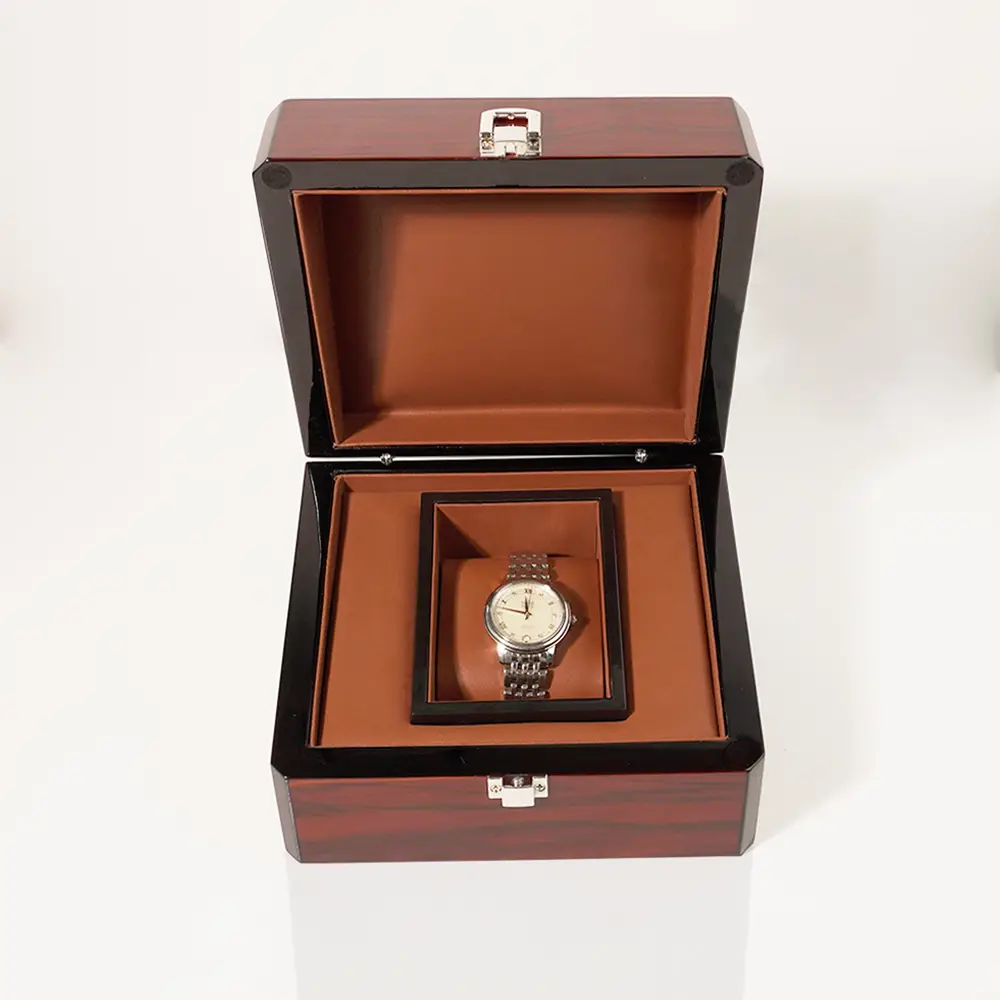
Magnetic Closure Integration
Professional magnetic closures create a satisfying, secure seal on watch case lids and jewelry boxes. Built-in magnets ensure your custom packaging delivers premium feel with every open-close interaction.
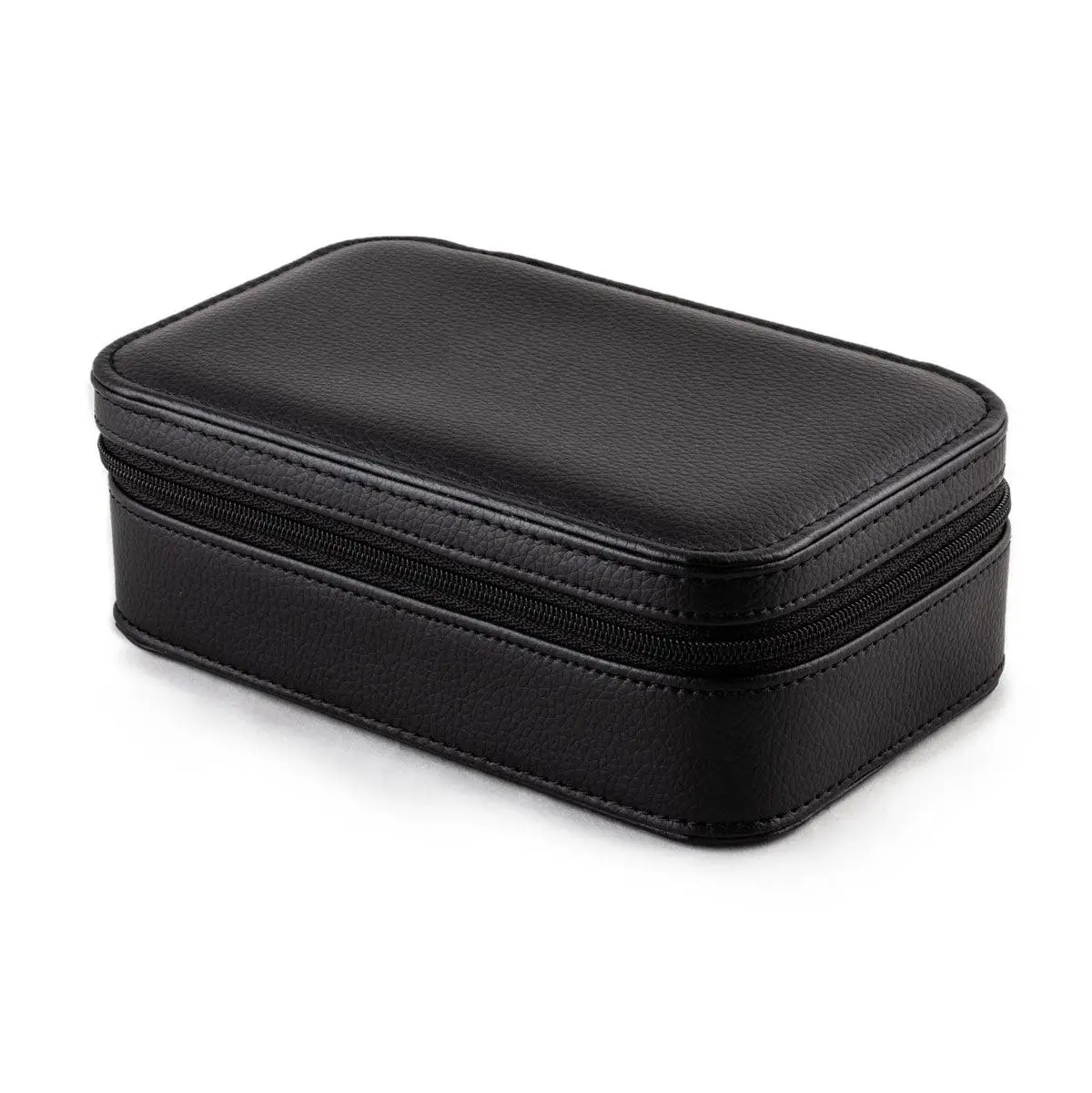
LED Illumination Integration
Embedded LED lighting transforms your watch case into an elegant display piece. Subtle interior illumination highlights your jewelry beautifully while creating an unboxing experience that impresses.
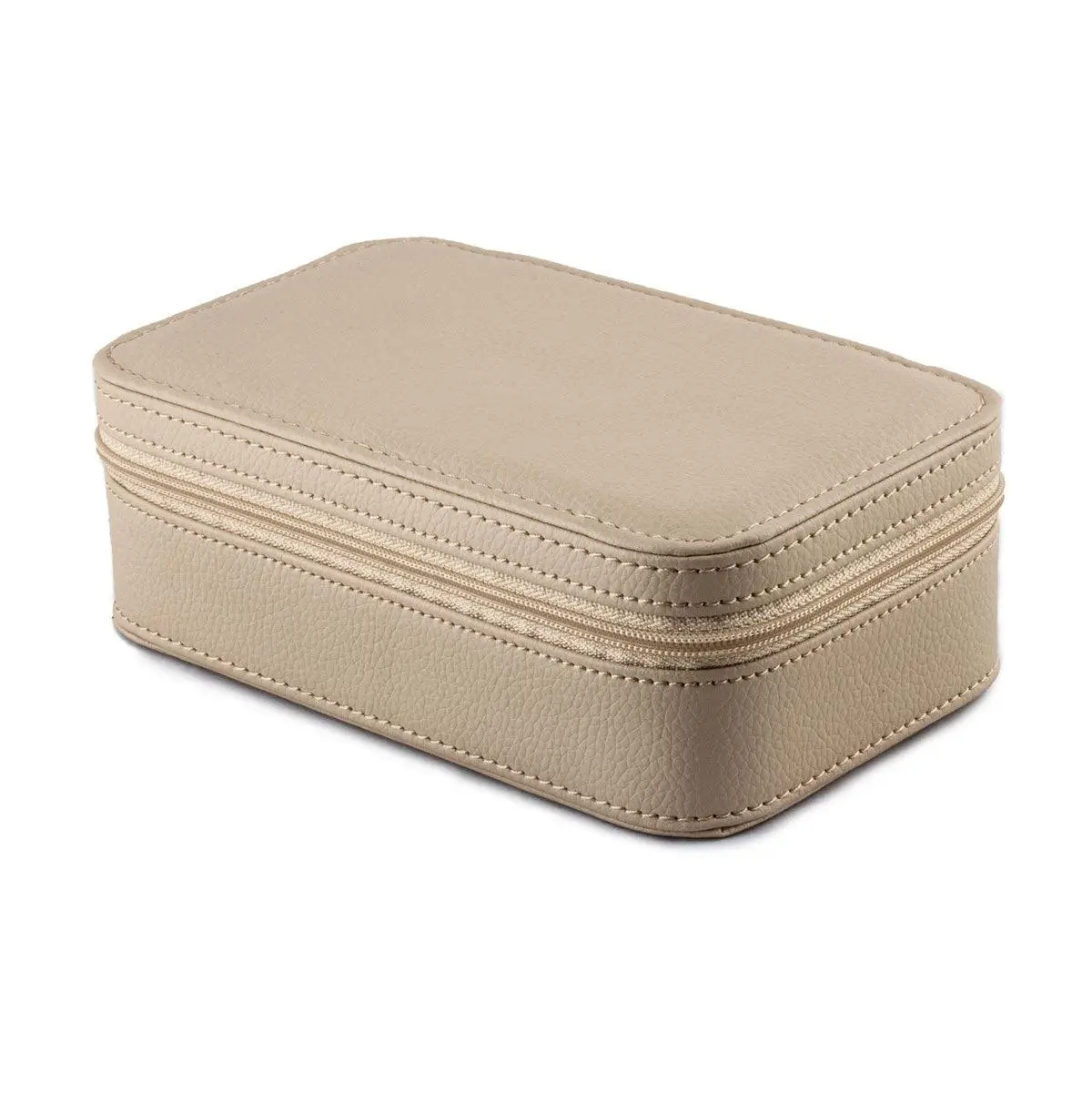
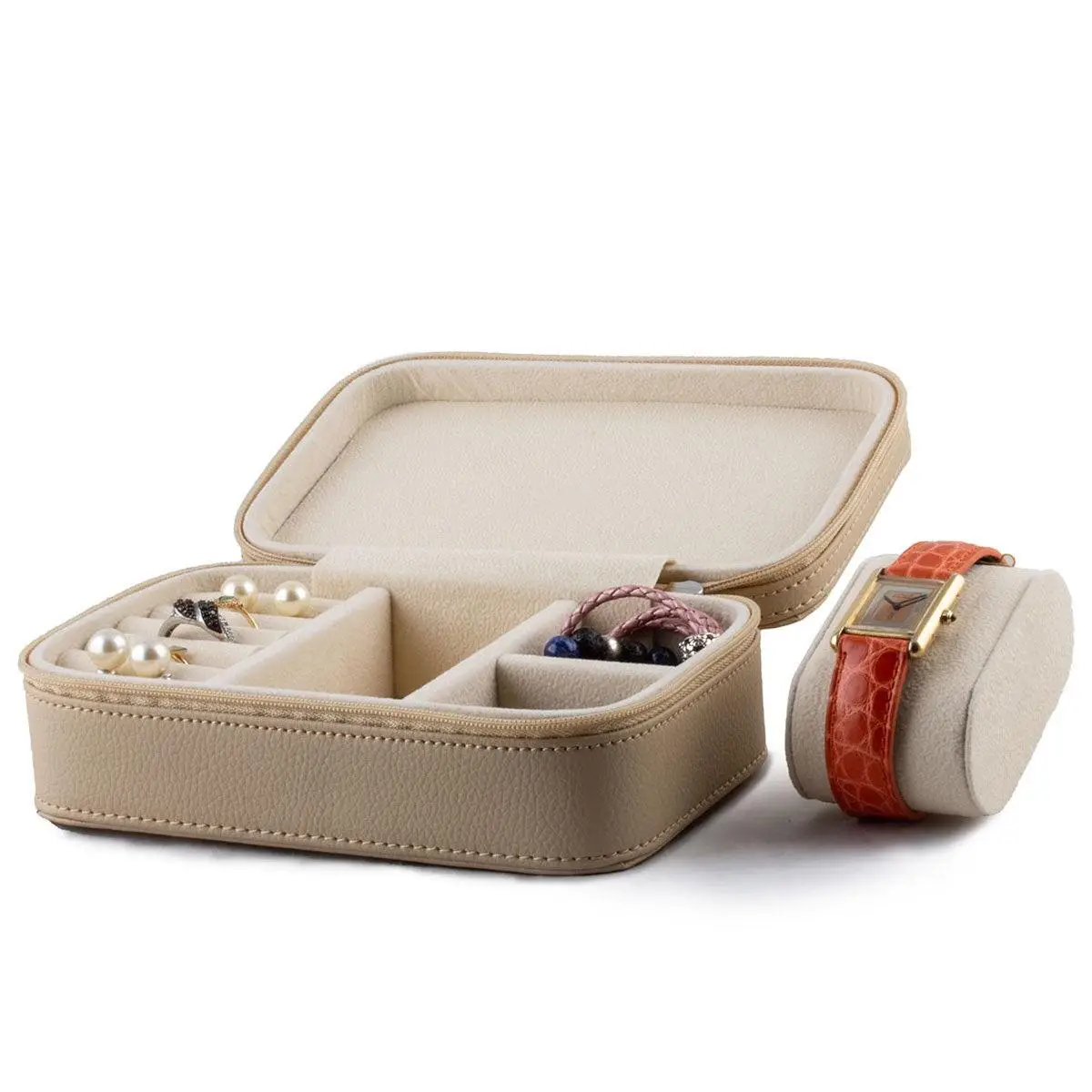
Premium Interior Lining
Hand-stitched velvet, satin, and microfiber linings customize the interior of your watch cases. Our skilled craftspeople ensure secure placement and seamless finishes that protect and beautify your jewelry.
Foldable Rigid Box Assembly
Engineered foldable watch case structures collapse flat for efficient shipping and storage. Rigid construction springs back to original shape, eliminating assembly hassles while maximizing shipping space savings.

Specialty Surface Finishes
Premium finishes—matte, glossy, soft-touch, textured, or lacquered—elevate your watch case aesthetic. Our multi-stage finishing process ensures consistent, durable coatings that resist fingerprints, scratches, and wear.
Hardware & Trim Options for Every Watch Case

YKK Zippers
Professional-grade YKK zippers provide smooth, durable closures for premium watch cases. Ideal for pouch-style packaging, they ensure secure protection while offering a luxury tactile experience that reinforces brand perception.

Snap Buttons
Magnetic or traditional snap buttons add convenient, premium closures to rigid watch cases. Perfect for easy access without sacrificing elegance, snaps enhance the user experience and reinforce brand luxury.
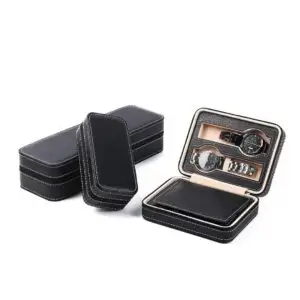
Drawcord & Tipping
Luxury drawcords with reinforced tipping create elegant pouch-style closures for watch cases. This accessory enhances premium brand positioning while providing secure, eco-friendly fastening for luxury jewelry packaging applications.
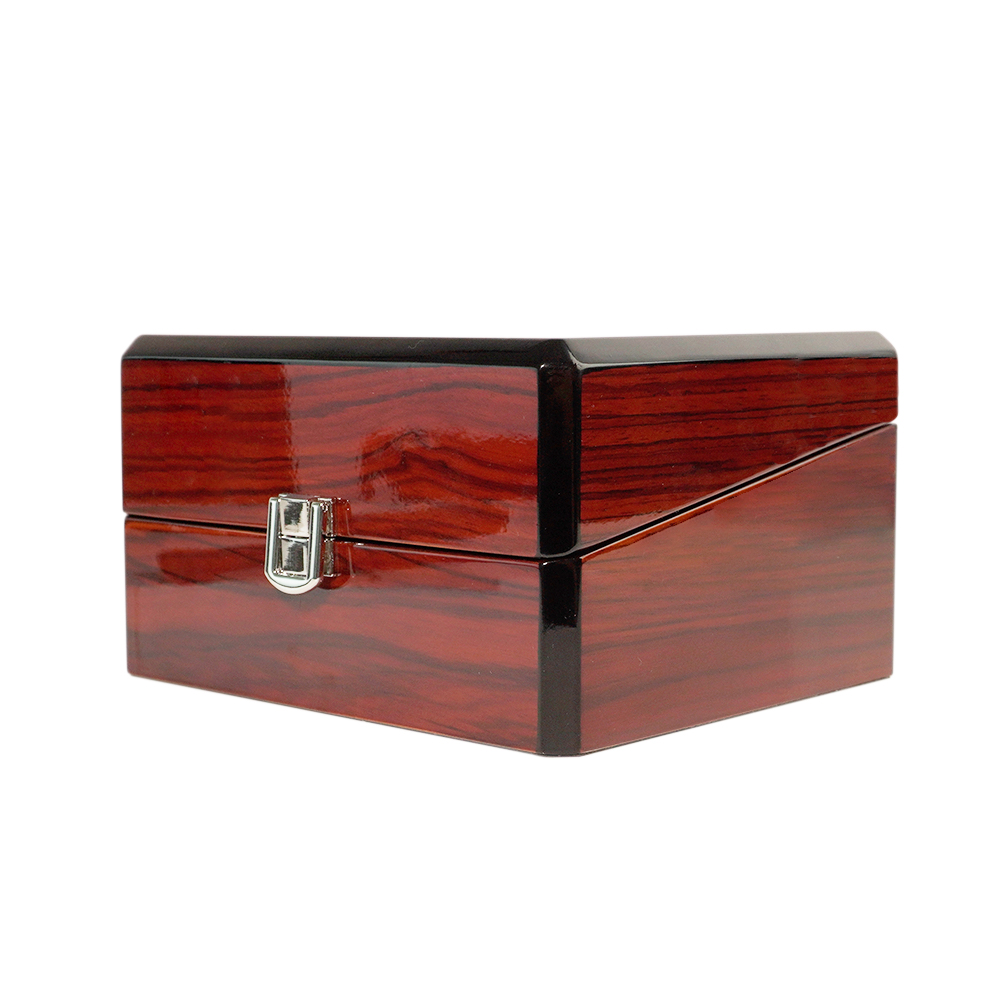
Magnetic Clasps
Silent, sophisticated magnetic closures elevate rigid watch cases with a luxury feel. Ideal for high-end packaging, they provide secure fastening with minimal visual intrusion, enhancing the unboxing experience.
Woven Labels
Custom woven labels integrate seamlessly into watch case pouches and boxes for authentic brand identity. Printed with your logo or messaging, they add perceived value and reinforce brand storytelling.
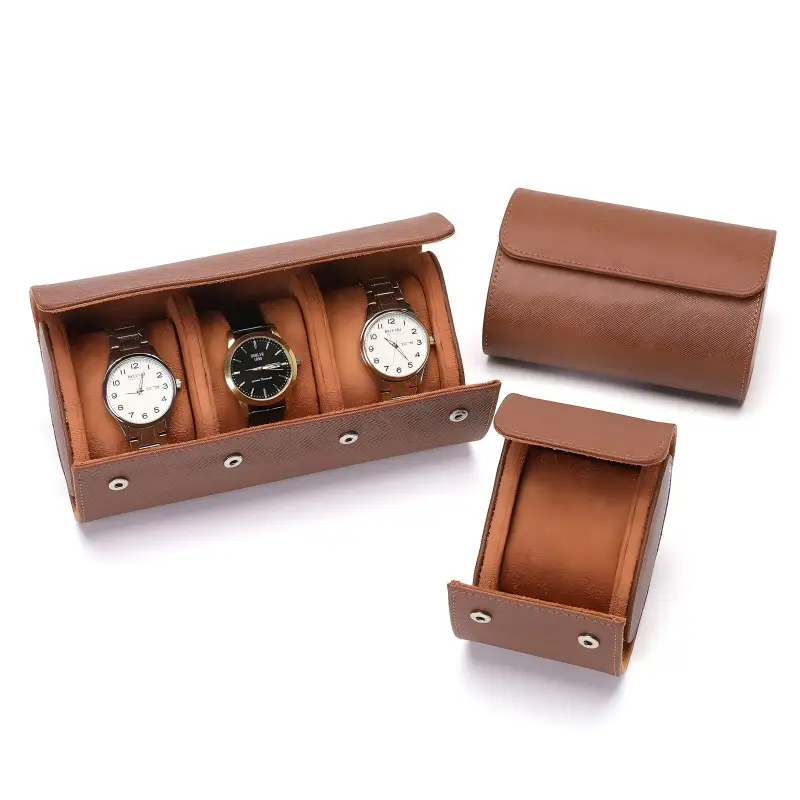
Custom Hangtags
Printed hangtags attached to watch cases convey product information and brand messaging. Essential for retail display and direct-to-consumer packaging, they enhance perceived value while maintaining visual brand consistency.
17+ Years Crafting Premium Watch Cases & Packaging
Founded in 2007, On The Way operates on a simple principle: quality defines survival. We design and manufacture custom watch cases, jewelry pouches, rigid boxes, and luxury packaging for independent designers, boutique retailers, and global brands. Our mission is to elevate your brand’s first impression through exquisite, custom packaging.
Operating a 1,200 m² factory with 220+ dedicated staff, we’ve completed 6,500+ custom projects for 300+ brands across 30+ countries. From sampling to mass production, our multi-stage QC team ensures every watch case and jewelry packaging order meets the highest standards. We serve jewelry houses, independent designers, and luxury retailers across North America, Europe, and Southeast Asia.
What sets us apart: factory-direct pricing because we own the production line, low MOQ for startups and established brands alike, dedicated account managers, and our commitment to on-time delivery. We use FSC-certified paper and eco-friendly materials, offering custom flexibility on every watch case, pouch, and box. Your brand’s packaging is our priority—always on the way to excellence.

Watch Case Manufacturing & Design Capabilities
Fully Customizable Watch Case Design
From concept to production, we engineer every watch case detail to your specifications. Choose custom dimensions, closure mechanisms, interior layouts, materials, finishes and branding elements. Rapid prototyping and sampling ensure your vision becomes reality before mass production.
- Made-to-spec dimensions, closures, and interior configurations
- Design consultation with our technical team
- Rapid sampling and prototype iterations
- Full production flexibility for custom branding

OEM & Private-Label Watch Case Solutions
We manufacture your branded watch cases under our private-label program, handling design, production, and packaging end-to-end. Scale from pilot runs to high-volume production with factory-direct pricing and your branding across every touchpoint. No minimum production requirements to start.
- Complete private-label and OEM programs available
- Your brand, our factory expertise and capacity
- Scale production as your business grows
- Factory-direct pricing eliminates middlemen

Multi-Stage Professional Quality Assurance
Every watch case undergoes rigorous quality inspections at multiple production stages. Our QC team verifies materials, construction, functionality, and finishing against strict standards and your specifications. Each piece meets our exacting 17+ year reputation before shipment.
- Material verification and source inspection
- In-process quality checks at each stage
- Final visual and functional testing
- 100% inspection before shipment
Sustainable Watch Case Materials & Certifications
We source FSC-certified papers, recycled fabrics, and sustainable materials for eco-conscious brands. Every material meets environmental and quality standards, certified and documented for compliance. Offer premium watch cases that reflect your brand’s sustainability commitment.
- FSC-certified paper and recycled material options
- Full material certifications and compliance documentation
- Eco-friendly fabrics: organic cotton, linen, microfiber
- Reusable and recyclable packaging components
Watch Cases: On The Way vs. Standard Suppliers
See why factory-direct watch case manufacturing outperforms traditional jewelry packaging suppliers.
← 左右滑动查看 →
Our Watch Case & Packaging Production Process
Six-phase workflow that guarantees quality, speed, and reliability on every order.
Material Sourcing & Selection
Premium fabrics, hardware, and trims sourced from certified suppliers. We verify every material’s quality and sustainability standards before production begins.
Precision Cutting, Printing & Embroidery
In-house production: laser cutting for precision edges, digital printing for custom designs, and embroidery for luxury branding on watch cases and pouches.
Multi-Stage Quality Inspection
Rigorous QC at three checkpoints: incoming material inspection, mid-production verification, and final assembly review ensure flawless watch cases every time.
Assembly & Protective Packing
Components assembled, hardware installed, watch cases configured per specifications, then packed with protective materials to guarantee safe delivery to your warehouse.
Climate-Controlled Warehousing & Storage
Finished watch cases stored in our 1,200 m² climate-controlled facility with dedicated inventory management, ready for timely shipment to global destinations.
Global Shipping & Logistics
Full tracking from factory to your door. Partner carriers deliver on schedule to 30+ countries, ensuring your watch case orders arrive on time, every time.
How to Order Custom Watch Cases & Packaging
Submit Your Watch Case Design
Share your tech pack, design files, or specifications. No minimums—we work with startups and established brands. Our design team reviews your requirements and confirms feasibility within 48 hours.
Receive Pricing & Free Sample
We provide a detailed quotation and timeline within 5 business days. A free prototype of your watch case in your chosen materials and finish arrives for your final approval.
Approve Your Finalized Sample
Review quality, materials, and fit. Our dedicated account manager incorporates any final refinements—at no extra charge up to two revision rounds. Once approved, you’re green-lit for production.
Schedule Bulk Production
Confirm your order quantity, delivery timeline, and packaging specifications. Our production team prioritizes your order into our 17-year-proven manufacturing schedule with zero setup fees and transparent lead times.
Receive & Fulfill Your Order
Quality-checked units ship to your warehouse or customer—we handle logistics, insurance, and documentation. From first contact to delivery, your dedicated account manager tracks every milestone.
Watch Case Certifications & Global Compliance Standards


Custom Watch Cases Trusted by Leading Jewelry Brands
Switching to On The Way cut our custom watch case costs by 35% while keeping the luxury feel intact. Their factory-direct pricing and low MOQ let us experiment with designs without huge upfront costs. Total game-changer for us.
We needed 500 custom watch cases in 6 weeks for our holiday launch. On The Way delivered on schedule with flawless quality and detailed finishing. Their dedicated account manager kept us on track from sampling to mass production.
On The Way helped us launch 3 new custom watch case collections in a single year with zero defects. Their material flexibility and finishing options elevated our brand positioning significantly. Best packaging partner we’ve worked with.
Watch Case & Packaging FAQs
What is the minimum order quantity for watch cases?
How long does watch case production typically take?
Can I order custom watch cases with low MOQ?
What are sample costs and turnaround for watch cases?
Do you offer private label or white-label watch cases?
How are watch cases shipped internationally?
What customization options are available for watch case designs?
Are your watch cases made with eco-friendly materials?
What payment terms do you offer for bulk watch case orders?
The Complete Buyer’s Guide to Custom Watch Cases
Discover everything jewelry retailers need to know about sourcing watch cases: material options, customization capabilities, quality standards, manufacturer selection, and pricing strategies to protect your brand reputation and margins.
1. What Exactly Is a Watch Case?
A watch case is a protective storage box specifically engineered to safeguard timepieces during transport, retail display, and customer ownership. In the luxury jewelry market, a watch case serves triple duty: physical protection from damage, brand storytelling through premium presentation, and price-point justification for high-value products.nnMost retailers stock watch cases in four standard dimensions: compact single-watch boxes (approximately 5 × 3 × 2 inches), dual-watch presentation sets, larger storage/display cases (8 × 10 inches or larger), and custom corporate or collector editions. Boutique retailers and independent jewelry designers prioritize these cases because they differentiate entry-level watches from luxury pieces on the shelf.nnPremium watch cases typically feature rigid construction (hardboard, chipboard, or wood-veneer), lined interiors in velvet or microfiber, and often include custom foam inserts, magnetic closures, or LED lighting. The material choice directly impacts perceived quality: microfiber and genuine velvet signal luxury positioning, while recycled or eco-certified materials appeal to sustainability-conscious brand narratives.nnThe gap between basic storage and premium presentation is substantial. Basic cases—generic cardboard boxes with minimal padding—cost $0.80–2.00 per unit and offer no brand differentiation. Premium presentation cases with custom branding, quality linings, and protective hardware start at $4–15 per unit but justify margin expansion because they become part of the unboxing experience and brand recall.
2. The Evolution of Watch Case Design
Throughout the 20th century, watch cases were purely functional — simple cardboard boxes or basic plastic shells designed solely to protect timepieces during transport and retail display. The luxury positioning of watches began to shift in the 1970s when premium brands introduced branded leather cases, signaling that packaging itself communicated heritage and quality. By the 1990s, Swiss watchmakers had established a convention: the watch case became an extension of brand identity, with embossed logos, protective compartments, and materials reflecting the watch’s price tier.nnFrom 2010 onward, three major design trends reshaped the watch case market. Minimalism gained dominance as brands abandoned decorative elements to emphasize clean lines and sustainable materials aligned with production efficiency. Simultaneously, personalization emerged as a luxury differentiator — retailers began requesting custom engraving, interior linings, and branded compartments to deepen customer engagement. Sustainability standards, particularly FSC-certified materials and recycled components, shifted from optional to expected, reflecting consumer demand for responsible packaging.nnIn the past five years, the watch case has evolved from protective vessel to critical brand touchpoint. Today’s sourcing decisions consider material durability and impact resistance alongside environmental certifications and support for direct-to-consumer unboxing experiences. Understanding this evolution — from simple boxes to strategic packaging — explains why modern brands and retailers seek manufacturing partners offering OEM expertise, rapid sampling, material flexibility, and the ability to balance cost efficiency with luxury positioning. This historical perspective directly informs competitive advantage in markets where first impression is packaging.
3. Types of Watch Cases for Your Retail Strategy
Watch case selection depends on your retail positioning. Dress, sports, vintage, and travel variants serve distinct market segments—each with specific dimensions, materials, and price tiers. Understanding these categories helps align watch case packaging to brand identity and customer expectations.
Dress Watch Cases
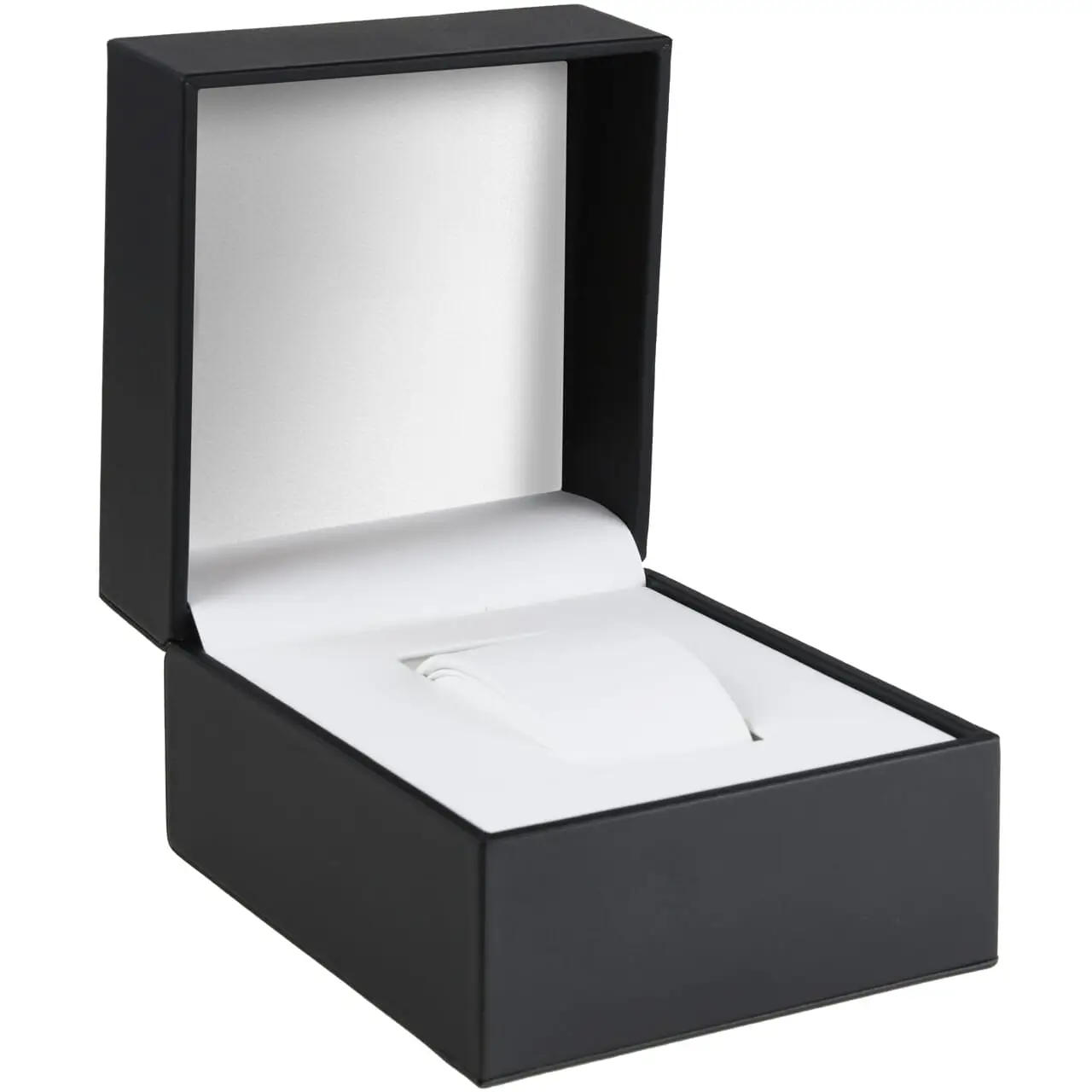
Compact format: 4.5 × 4.5 × 2 inches. Velvet or microfiber linings in black, navy, or burgundy suit formal positioning.nnEntry-point pricing: $2–4 per unit at volume; premium finishes reach $8. Magnetic or ribbon closures are standard for this segment.
Sports Watch Cases

Rugged construction in 5 × 5 × 2.5 inch sizing. Canvas or neoprene interiors provide shock absorption; water-resistant nylon exteriors support active use.nnPricing $3–6 per unit reflects durability over elegance. Popular with outdoor and dive watch retailers.
Vintage Collector Cases
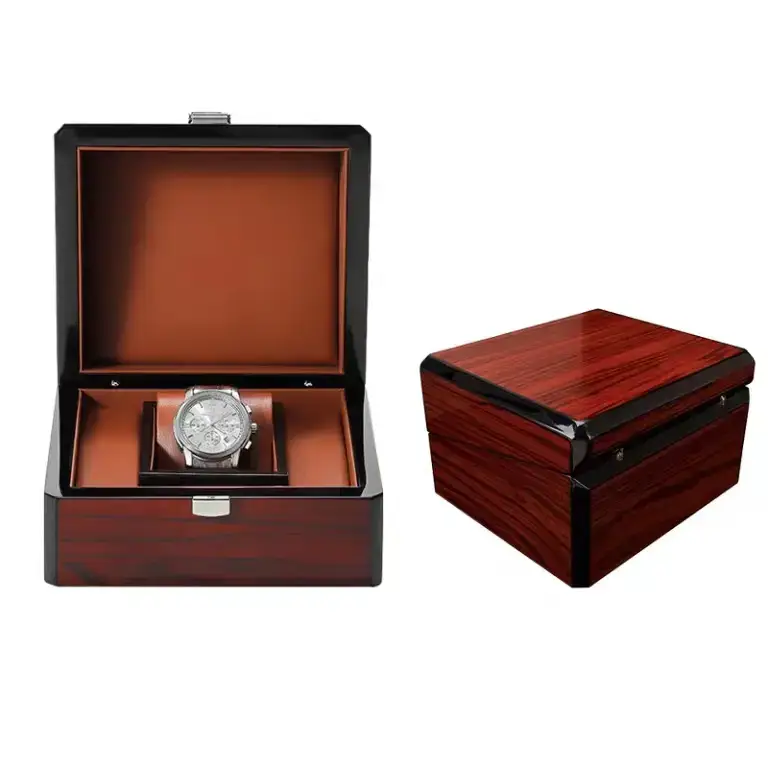
Display-focused design: 6 × 6 × 3 inches with transparent viewing window or open-face layout. Museum-grade materials—archival cotton or acid-free paper—appeal to restoration enthusiasts.nn$5–10 per unit pricing targets high-end collectors seeking preservation-grade storage.
Luxury Presentation Cases

Multi-piece sets: 8 × 8 × 4 inches with fitted pillow, certificate sleeve, and branded interior. Premium leather or suede lining with embossed logos and magnetic closure.nn$12–25 per unit at quantity orders; positioned for flagship retailers and brand gifting programs.
Travel Watch Cases
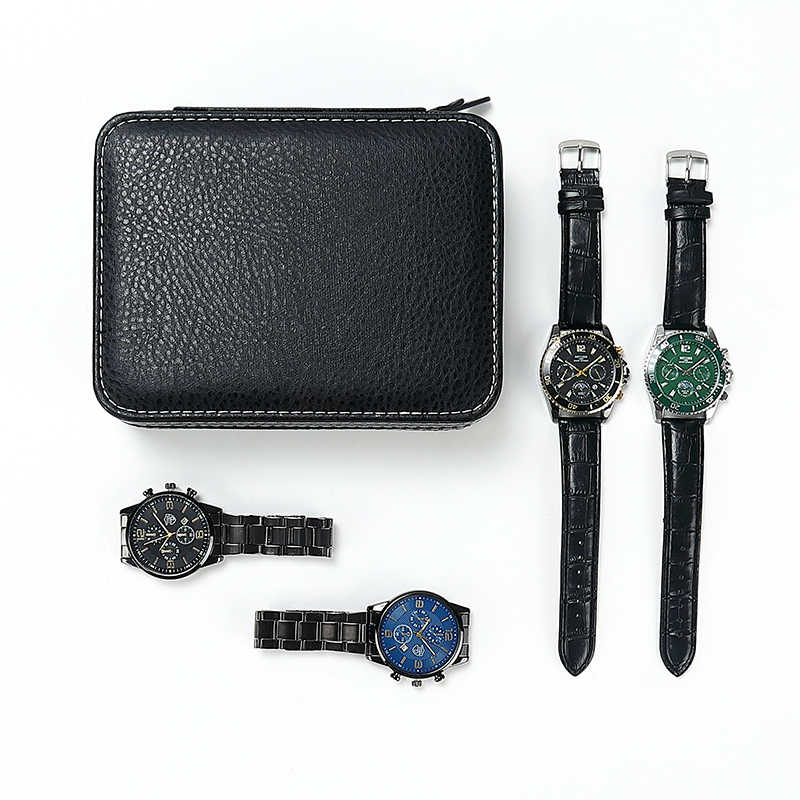
Compact rolling or carrying format: 6 × 4 × 2 inches with handle and divider inserts. Durable exterior paired with microfiber or silk lining.nn$4–8 per unit; targets high-net-worth travelers and adventure watch brands.
Eco-Friendly Options

FSC-certified or recycled materials (kraft board, organic cotton, linen). Sizes 4.5–6 inches.nnPricing $2.50–5 per unit varies by material. Growing segment serving sustainability-conscious retailers and emerging brands.
4. Materials and Specifications for Watch Cases
Watch case materials define durability, cost, and brand perception. Each component—from exterior finish to interior cushioning to hardware—reflects brand positioning. Understanding material trade-offs helps align specifications with customer expectations.
| Material | Cost Tier | Durability | Luxury Perception | Wall Thickness |
|---|---|---|---|---|
| PU Leather | Budget-Mid | 3–4 years | High | 1.2–1.5mm |
| Genuine Leather | Premium | 5+ years | Very High | 0.8–1.2mm |
| Velvet | Mid-Premium | 2–3 years | Very High | 1.5mm+ |
| Recycled Materials | Budget | 3–4 years | High (eco) | 1.2–1.5mm |
Exterior Materials
PU leather dominates budget-to-mid segments, offering water resistance and 1.2–1.5mm wall thickness at 40–60% lower cost than genuine leather. Genuine leather costs 2–3× more but delivers 5+ year durability and unmatched luxury perception. Velvet creates premium visual impact but fades within 2–3 years. Recycled polyester and cork appeal to eco-conscious buyers at PU-comparable pricing.
Interior Linings and Cushioning

Microfiber lining is standard across all price tiers, delivering durability and softness at $0.30–0.60/unit. Silk creates luxury messaging but creases within 3–4 years, costing 50–80% more. EVA or foam cushioning (2–3mm) protects watches from transit shock; thicker padding adds cost without proportional durability gains. Wool felt provides mid-range breathability but trails microfiber in long-term performance.
Hardware and Closures
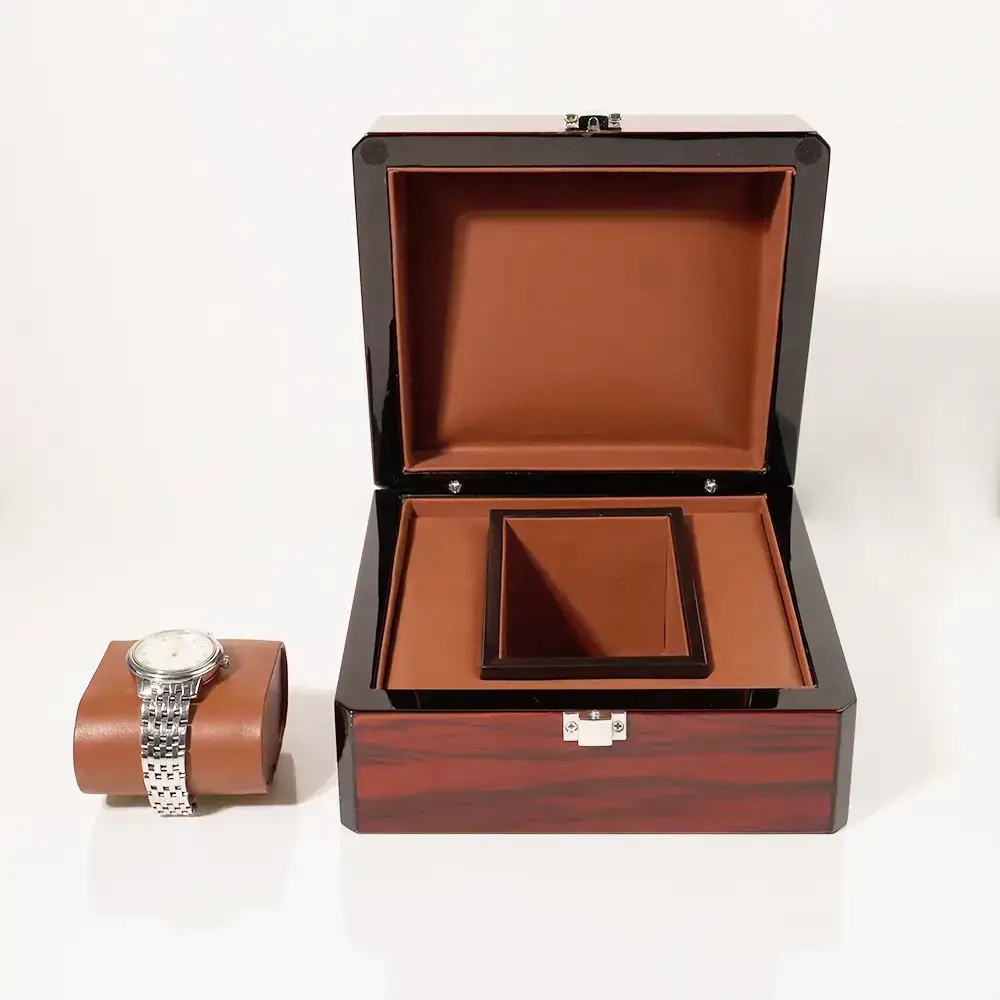
Magnetic closures cost 15–25% more than friction hinges but signal premium positioning and reduce wear on closure points. Ball-bearing hinges enable smooth opening; friction-only designs risk creep after 2–3 years. Metal clasps (zinc alloy vs stainless steel) add visual weight and perceived security; plastic alternatives reduce cost 60–70% but damage perception. Hardware often determines perceived value more than exterior material.
Wall Thickness and Weight Standards
Standard wall thickness ranges 1.0–1.5mm; thinner walls reduce shipping costs and weight but compromise durability. Total case weight typically 80–150g depending on material. Lightweight cases suit luxury positioning but may feel insubstantial; heavier cases signal quality. On The Way offers custom wall thickness and hybrid constructions (rigid + soft interior) to balance durability, feel, and cost.
5. Customization and Branding Your Watch Cases
Premium watch cases demand personalization that reflects your brand identity. Customization spans surface techniques—embossing, engraving, laser marking—through material choices, color selection, and interior configurations. Understanding cost structures, lead times, and quality trade-offs separates strategic advantage from costly mistakes.
Embossing and Hot Stamping
Embossing creates raised or recessed marks on leather, felt, and rigid surfaces; typical setup costs run $150–500 with lead times of 10–15 days.nnHot stamping applies foil in gold, silver, or holographic finishes, with setup fees of $200–800 and per-unit costs of $0.30–1.50. Both techniques suit luxury positioning but require custom tooling per design.
Pad Printing and Laser Branding

Pad printing handles curved surfaces and multi-color designs on plastic, acrylic, and wood cases; setup typically runs $80–300 with 7–10 day lead times and per-unit costs of $0.15–0.50.nnLaser branding (wood and acrylic) carries zero setup cost, instant turnaround for short runs, and permanent marks, but cannot reproduce fine detail or gradients efficiently.
Color and Material Selection
Watch cases typically offer 8–12 stock exterior colors—black, white, cream, navy—with custom Pantone matching available at MOQ 500+ units for a $50–150 surcharge.nnInterior lining upgrades (velvet, silk, microfiber) add $0.20–0.80 per unit. Material selection constrains customization technique choice; soft materials favor embossing, while rigid boxes support pad printing and hot stamping equally.
Interior Configuration and Editions
Custom interior dividers accommodate multi-watch displays or separate compartments; configurations add $0.30–0.60 per unit with minimal lead-time impact.nnNumbered or dated serial editions (laser-engraved marks) cost $0.10–0.30 per unit with zero setup. Compliance essentials: materials must be lead-free, REACH-compliant (EU standards), and allergen-safe; verify certifications with your manufacturer before mass production.
6. Quality Indicators and Construction Standards
A premium watch case delivers year-round durability through consistent construction. Quality separates luxury packaging from commodity boxes—in hinge integrity, lining adhesion, closure performance, and dimensional precision. Establishing clear standards protects brand reputation and justifies premium positioning.
Hinge and Closure Systems

A premium watch case hinge withstands 5,000+ open-close cycles without misalignment; weak hinges creak or separate. Magnetic closures use dual neodymium magnets (N45+) to resist demagnetization after 2+ years.nnVerify closure strength by lifting the closed box by its lid; pop-open failures signal inadequate magnetic force. Red flags include wobbling hinges, excessive closure pressure, or clicking sounds during repeated use.
Lining and Stitching Quality

Lining degradation—peeling or separation—ranks second in quality complaints after hinge failure. Premium linings use heat-sealed or adhesive application under 150–250 PSI; test by peeling lightly at seams to assess bond integrity.nnStitching at stress points must be consistent at 3–5 stitches per inch. FSC-certified cotton and linen require pre-shrinking to prevent seam splitting after 18+ months in varying humidity conditions.
Dimensions, Finish, and Certifications
Dimensional tolerance ±0.5mm ensures uniform stacking; verify by measuring 10+ samples from production. Surface finish (embossing, UV, ink) requires consistent coverage without drips or drift.nnSeek FSC, OEKO-TEX, WRAP, and leather LWG certifications. Request VOC emissions, lead-free, and water-based ink test certificates to verify EU/US/APAC compliance; cheaper suppliers often skip certifications—a hidden liability.
Quality Assurance Checklist
Before approving a watch case manufacturer, verify these standards:
- Hinge cycles smoothly 5,000+ times; closure holds when lifted by the lid
- Lining adhesion requires firm pressure to separate at seams
- Dimensional variance ≤ ±0.5mm across 10+ samples
- Surface finish uniform; no drips, scratches, or color drift
- Print registration accurate to ±1mm on multi-color designs
- All materials certified (FSC, OEKO-TEX, leather LWG if applicable)
- Stitching consistent at 3–5 stitches per inch; no gaps
- No off-gassing odor; passes VOC emissions testing
7. How to Choose a Watch Case Manufacturer
Selecting the right watch case manufacturer requires evaluating multiple dimensions: order minimums, lead times, certifications, and quality processes. Established factories with 3,000+ completed projects demonstrate reliability, while nimble suppliers offer custom flexibility. Your choice depends on volume, timeline, and whether you prioritize price, customization, or both.
Minimum Order Quantities and Flexibility
Most manufacturers set MOQs between 100–500 units per design to cover tooling and production setup. Factory-direct suppliers can offer custom flexibility starting at 50 units; negotiate hard if under 200.nnConfirm whether your MOQ includes all colors, materials, and personalization, or applies only to the base design.
Lead Times for Samples and Production
Sample approval typically takes 2–4 weeks; bulk production requires 4–8 weeks after order confirmation. Ask specifically about tooling lead time (magnetic closures, engraving, metal hardware), which often adds 5–10 days.nnProvide clear specifications upfront—vague briefs extend timelines and risk rework at your expense.
Production Capacity and Certifications
Request documentation: FSC certification for wood/cardboard, BSCI or WRAP for labor standards, and OEKO-TEX for microfiber linings. A factory with 220+ staff and 1,200 m2 of space can typically handle 2,000–5,000 units monthly.nnVerify references from 3–5 brands of similar scale to yours.
Established vs. New Factories
Established factories with 15+ years and 6,500+ completed projects present lower risk but may charge premium pricing. Newer suppliers offer negotiating leverage and custom enthusiasm but lack track record.nnRequest detailed timelines, capacity charts, and case studies—not vague testimonials—to compare apples to apples.
Sample Quality and Quality Assurance
Request samples before committing to bulk; inspect seams, magnetic strength, logo alignment, and packaging completeness. A strong factory employs multi-stage QC: incoming material checks, mid-production inspection, and final audit.nnConfirm the supplier’s rework policy—defects under 0.5% are industry standard; negotiate terms in writing.
8. Common Mistakes When Sourcing Watch Cases
Sourcing watch cases involves numerous decision points where overlooking details compromises fit, delivery, or compliance. Common mistakes stem from insufficient communication with manufacturers, inadequate testing protocols, and underestimating lead times. Understanding these pitfalls protects your margins and brand reputation.
Interior Specifications and Fit
Many brands overlook the internal cavity dimensions, foam thickness, and padding density required to protect specific watch models. A poorly sized interior can damage inventory during shipping or fail to secure watches during display. Specify interior measurements in millimeters, include a reference sample, and request fit-test prototypes before approval.
Sample Lead Times
First samples typically require 10–14 days for custom watch cases plus 5–7 days for international shipping. Brands often demand approval within 48 hours, forcing manufacturers to compromise quality. Plan 3–4 weeks from order to sample receipt, then 2–3 weeks for revisions if needed.
Color Variances and Finishes
Pantone color matching and fabric sheen vary between production batches due to dye lot differences. Accepting samples without specifying acceptable tolerance ranges results in mid-shipment rejections. Request Pantone references, GSM specifications, and approval of pre-production samples before mass production commences.
Closure Testing and Durability
Magnetic closures and snap buttons are high-contact points where poor quality quickly damages customer perception. Many buyers skip durability testing, discovering failures only after receiving production batches. Require 1,000-plus open-close cycles or pull-force testing on samples, with results documented by the manufacturer’s QC team.
Logo Placement and Branding
Vague instructions like ‘centered on the lid’ often produce unacceptable results because manufacturers interpret scale, font size, and position differently. This miscommunication wastes production time and causes costly reprints. Submit precise technical drawings with measurements in millimeters, include mockups, and request branded proofs before full production.
International Compliance and Shipping
Jewelry cases destined for North America and Europe must meet fire safety standards (CPSC flammability, EN certifications) and supply-chain compliance (REACH). Overlooking these requirements delays customs clearance and triggers costly port rejections. Confirm compliance certifications upfront and request copies of test reports from your manufacturer.
9. Pricing Structure and Cost Analysis
100-unit minimum order quantities enable entry-level customization without the substantial factory commitments typical of larger suppliers. Setup fees of $200–$300 cover artwork integration, printing plate preparation, and first-sample approval, amortized across the entire production run. Material selection—cardboard, rigid PPC, specialty finishes—and decoration complexity (hot-stamp embossing, LED inserts, custom display busts) drive per-unit costs and delivery timelines directly.nnStandard 4–6 week lead times capture baseline factory production capacity and ocean freight; expedited 2–3 week options add 20–30% premium, while rush (10 business days) commands 50% uplift due to line prioritization. Custom artwork charges for emboss dies and silk-screen preparation apply separately if requiring digital conversion from raster files. Bulk orders of 5,000+ units typically waive setup fees entirely, yielding the lowest landed costs per unit.
| Quantity Tier | Unit Price (USD) | Standard Lead Time | Expedited Lead Time | Setup Fee |
|---|---|---|---|---|
| 100–250 units | $6–$10 | 4–6 weeks | 2–3 weeks | $250 |
| 251–500 units | $4–$6 | 4–6 weeks | 2–3 weeks | $250 |
| 501–1,000 units | $2.50–$4 | 4–6 weeks | 2–3 weeks | $250 |
| 1,001–5,000 units | $1.50–$2.50 | 4–6 weeks | 2–3 weeks | $200 |
| 5,000+ units | $1–$1.50 | 4–6 weeks | 2–3 weeks | $200 (waived) |
Ready to Order Custom Watch Cases? Start Your Project Today
Minimum 50-piece order, 30-day delivery guarantee, and 6,500+ projects completed. Let’s bring your watch case vision to life.