
Design Custom Linen Jewelry Boxes — Factory Direct
Luxury linen jewelry boxes manufactured directly at our Dongguan factory. Factory-direct pricing, unlimited customization, and low MOQ — serving independent designers and luxury brands worldwide since 2007.
Featured Linen Jewelry Box Collection

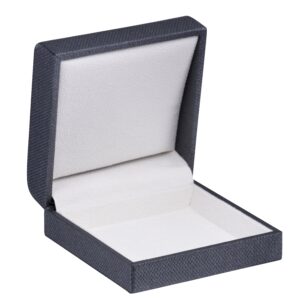
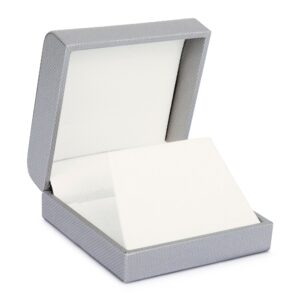
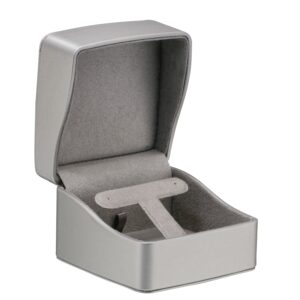


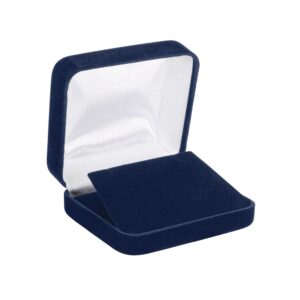
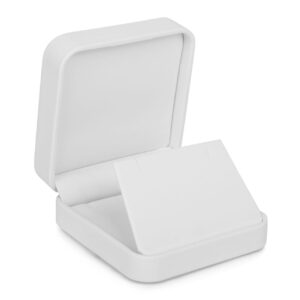
Linen Jewelry Box Gallery — Design Inspiration


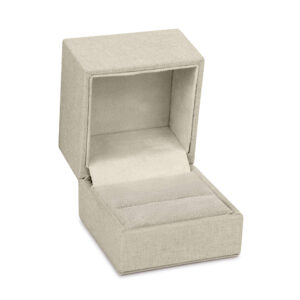

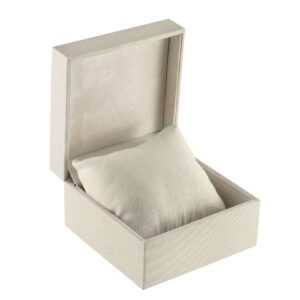
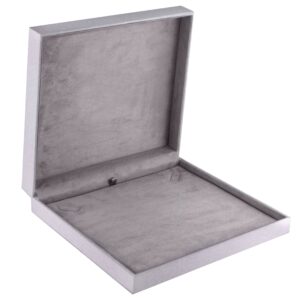
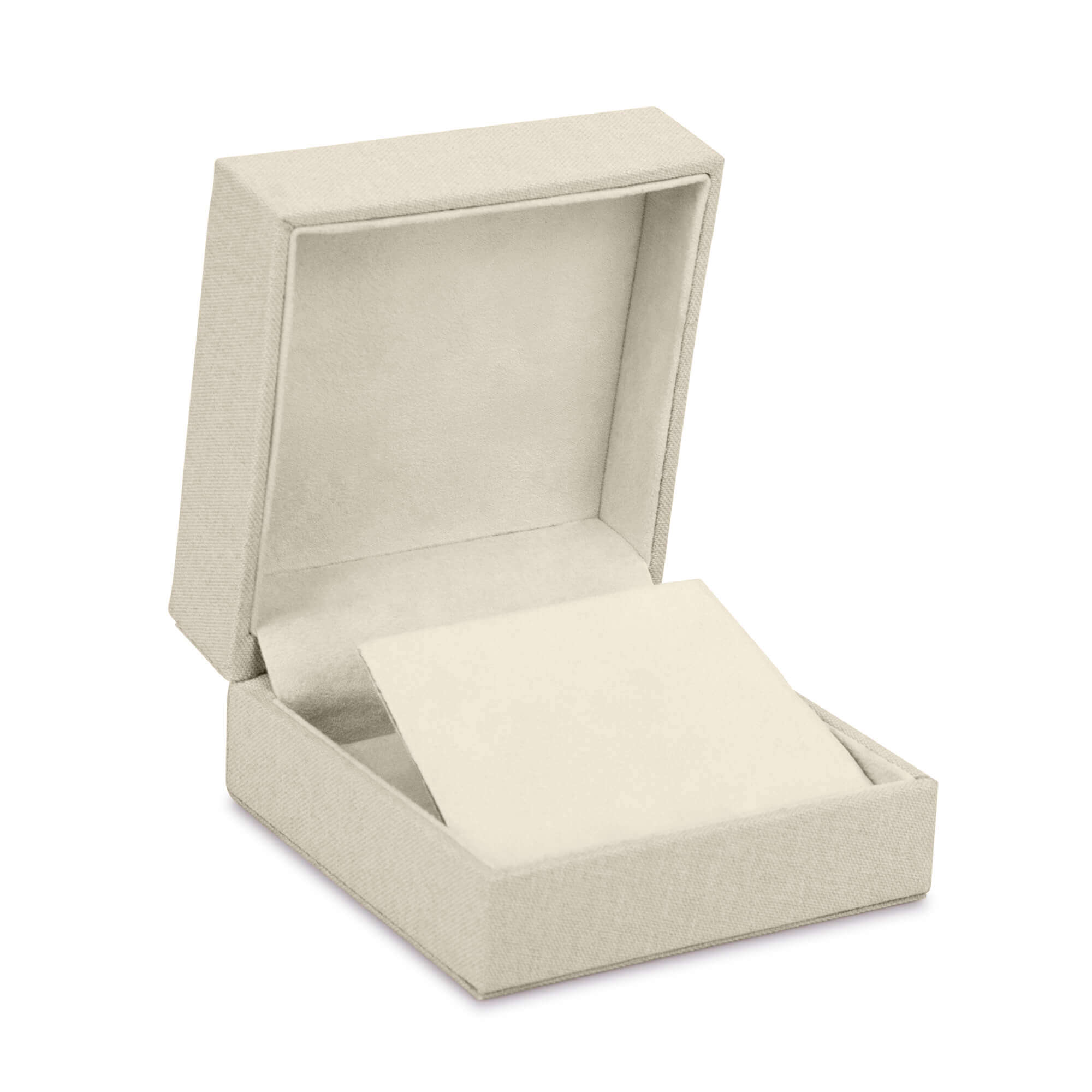

Gallery u0026 Design Inspiration
Discover why 300+ brands trust us: factory-direct pricing, low MOQ, rigorous quality, and dedicated support.
Factory-Direct Pricing, No Middlemen
Own manufacturing line means lower costs on your linen jewelry box order. Competitive rates from custom design through mass production.
Low MOQ, Unlimited Customization
Start with just 50 pieces of linen jewelry boxes. Full design freedom for every order size—from indie designers to large brands.
Multi-Stage Quality Control Process
Professional QC team inspects every linen jewelry box across design, production, and pre-shipment stages for zero compromises on quality.
FSC-Certified u0026 Sustainable Materials
Premium linen and recycled materials meet global environmental standards. Your linen jewelry box impresses eco-conscious retailers and customers.
7–14 Day Sample Delivery
See your linen jewelry box design in hand fast. Quick turnaround keeps your product launch timeline on track.
Dedicated Account Managers Included
Your own account manager handles custom requests, production updates, and logistics for every linen jewelry box project from start to finish.
Linen Jewelry Box Solutions for Every Sales Channel
From rigid magnetic-closure designs to display busts and branded paper bags—find the perfect linen u003ca href=u0022/jewelry-boxes/u0022u003ejewelry boxu003c/au003e format for your business.
Luxury Brands u0026 Houses
Discerning customers expect packaging that reflects your brand's prestige and exclusivity. Generic boxes undermine your positioning and fail to justify premium pricing in an increasingly competitive luxury market.
Custom rigid magnetic-closure boxes with velvet-lined interiors create unforgettable unboxing moments that customers photograph and share organically, turning your linen jewelry box packaging into powerful brand marketing.
Independent Jewelry Designers
You want professional, branded presentation but face prohibitively high MOQs and costs that eat into margins on small production runs, limiting your ability to scale.
Low-MOQ satin and linen pouches with custom branding deliver luxury positioning without bulk order commitments. Start small, test designs, and scale as your business grows—no compromise on your vision.
Boutique Retail Stores
In-store display needs to stop browsers and convert them into buyers. Standard displays blend into the background and fail to capture attention in a crowded retail environment.
Custom display busts, trays, and presentation sets showcase each piece beautifully and strategically. Your retail space becomes a destination where pieces sell themselves before customers even touch them.
E-Commerce u0026 Fashion Brands
Unboxing experience drives social sharing and repeat business, but sourcing cohesive, branded packaging across multiple formats—pouches and paper bags—is complex, fragmented, and time-consuming.
Get complete custom linen jewelry box solutions—rigid boxes, pouches, and branded paper bags—all coordinated by one supplier. Unified brand voice and Instagram-worthy unboxing every single time.
Corporate u0026 Gift Coordinators
Bulk custom orders require flexibility on materials and lead times without sacrificing quality. Most suppliers demand huge minimum orders or fail to deliver consistent quality across large production runs.
Factory-direct pricing and multi-stage QC means every gift set meets your standards at scale. Flexible MOQ and custom materials—from eco-friendly linen to magnetic-closure rigid designs.
Linen Jewelry Box Fabrics u0026 Material Options
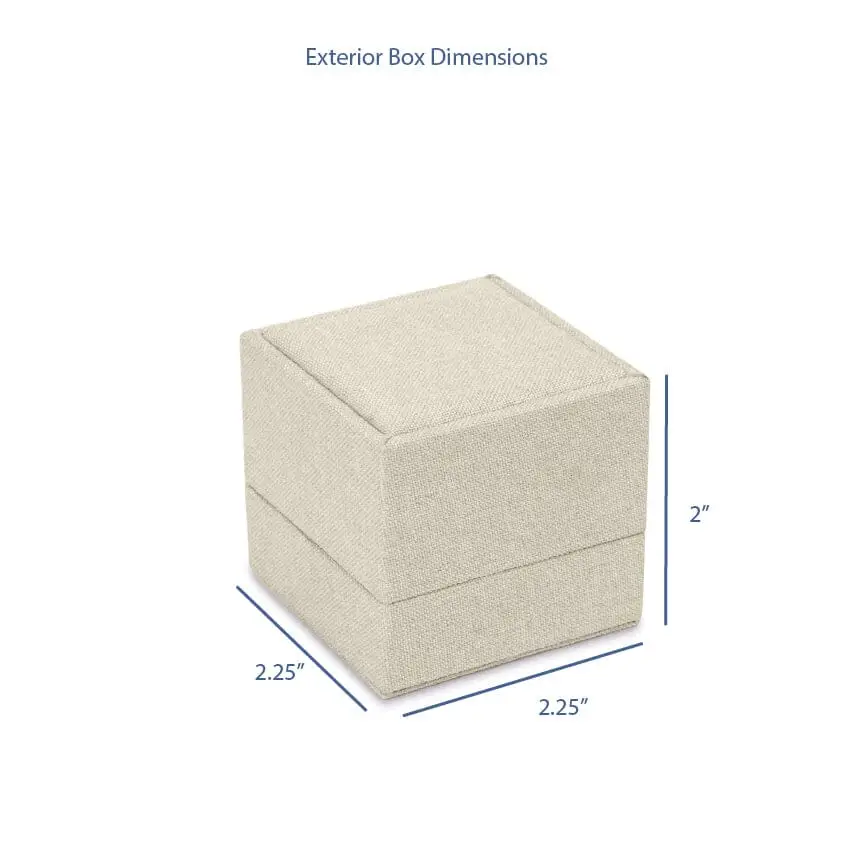
Linen Blend
Natural linen mixed with cotton or synthetic fibers. Premium texture with inherent breathability. Ideal for jewelry pouches and box linings. Weight: 140–160gsm. Naturally durable with subtle luster and refined appearance.
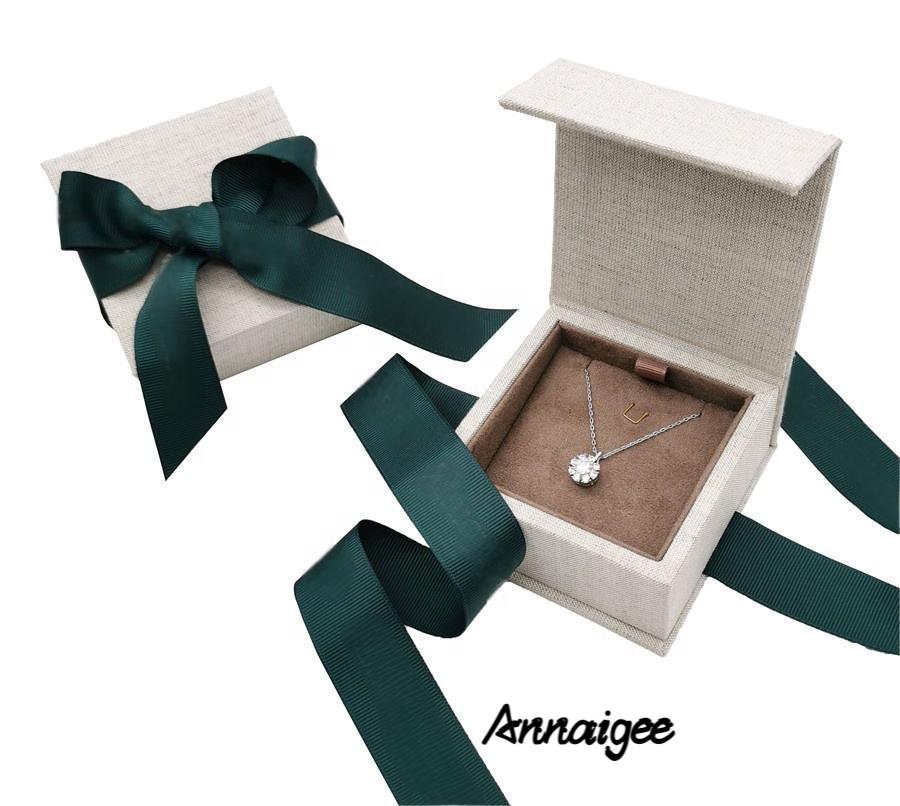
Velvet Premium
Luxurious polyester pile fabric with plush tactile feel. Excellent for premium brand positioning and luxury jewelry storage. Weight: 200–250gsm. Anti-static properties protect delicate jewelry from static damage.
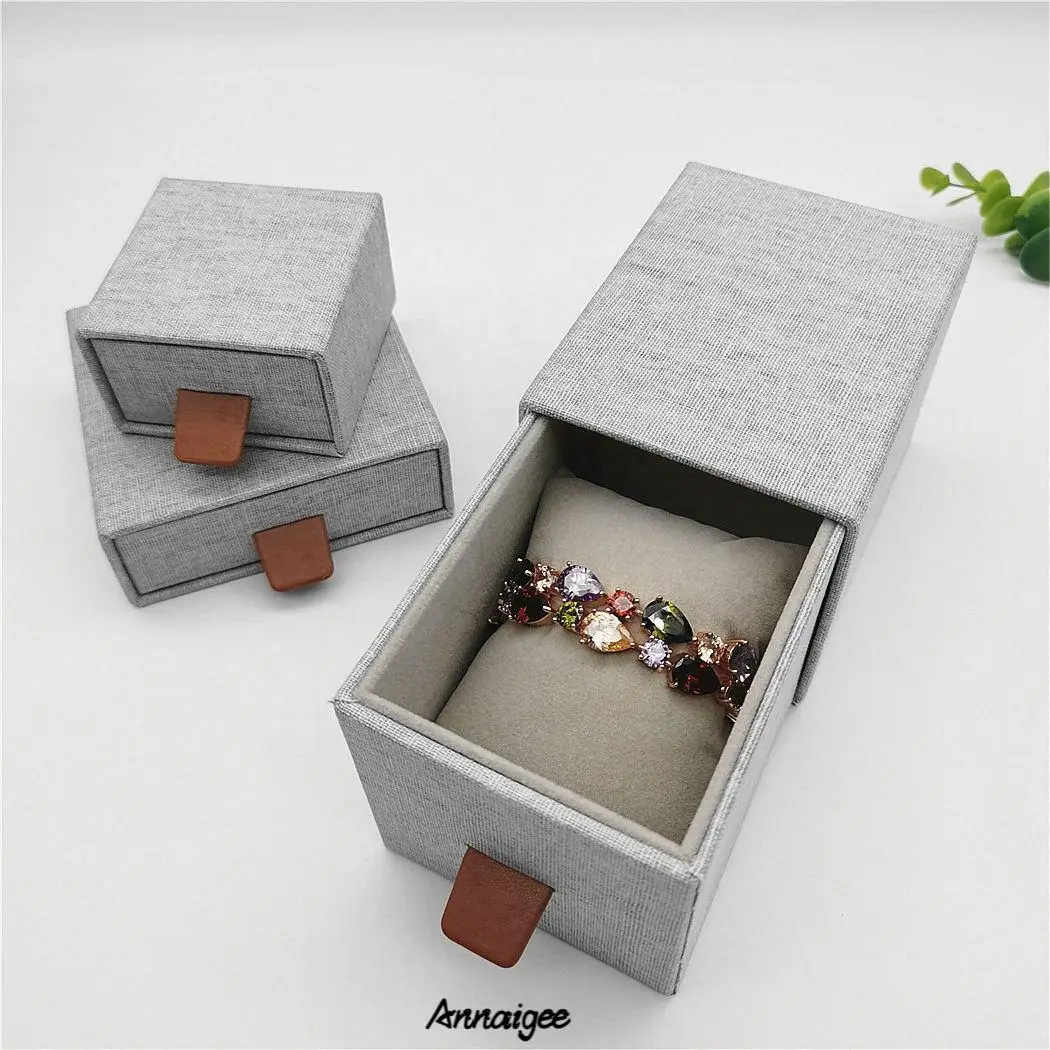
Satin Finish
Glossy, refined cotton-polyester blend with silky hand-feel. Perfect for luxury gift box interiors and high-end jewelry presentation. Weight: 80–120gsm. Resists wrinkles and maintains elegant sheen over time.
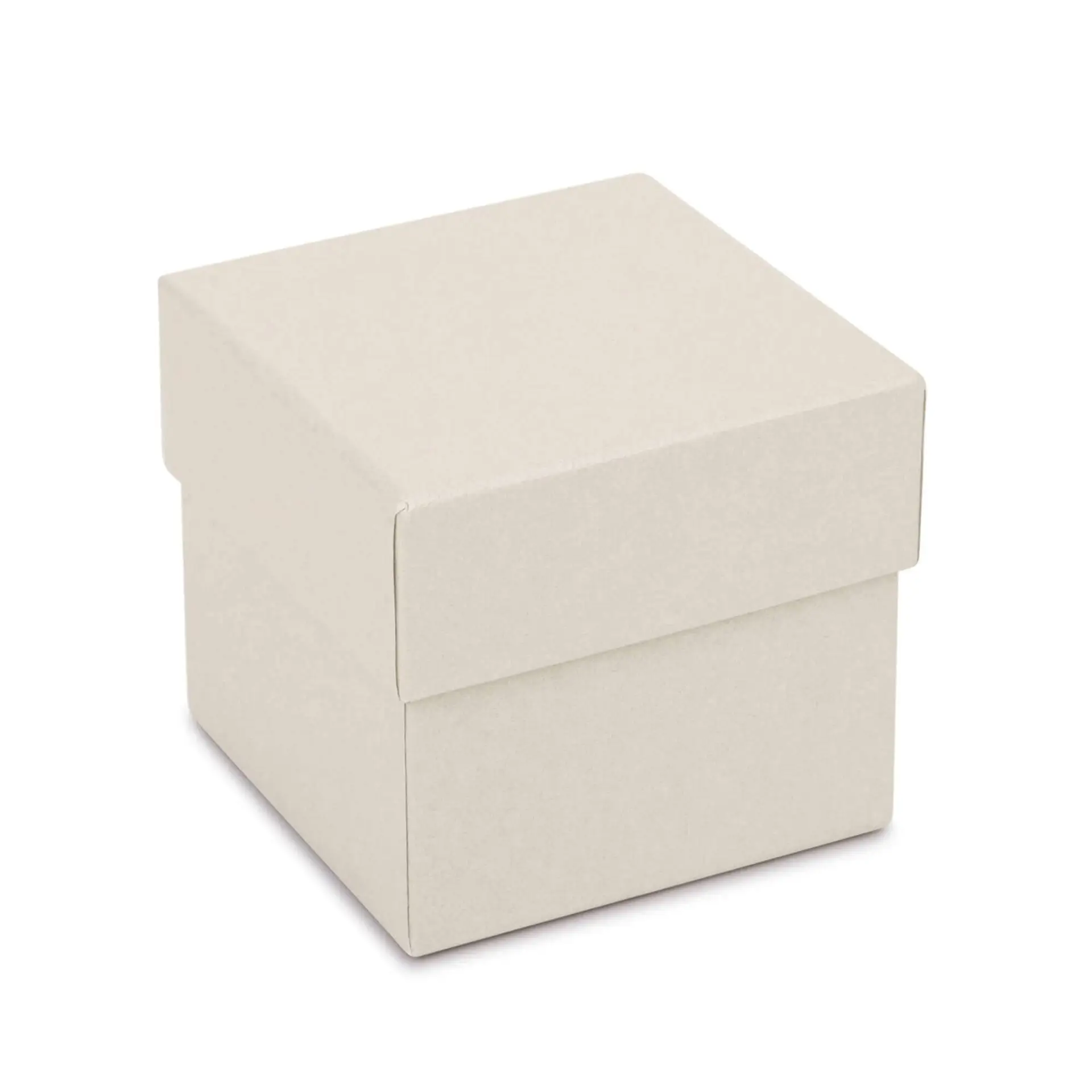
Microfiber
Ultra-fine synthetic fiber with exceptional softness and durability. Highly resistant to abrasion and easy to maintain. Ideal for high-volume retail jewelry boxes and frequent-use applications. Weight: 110–150gsm.
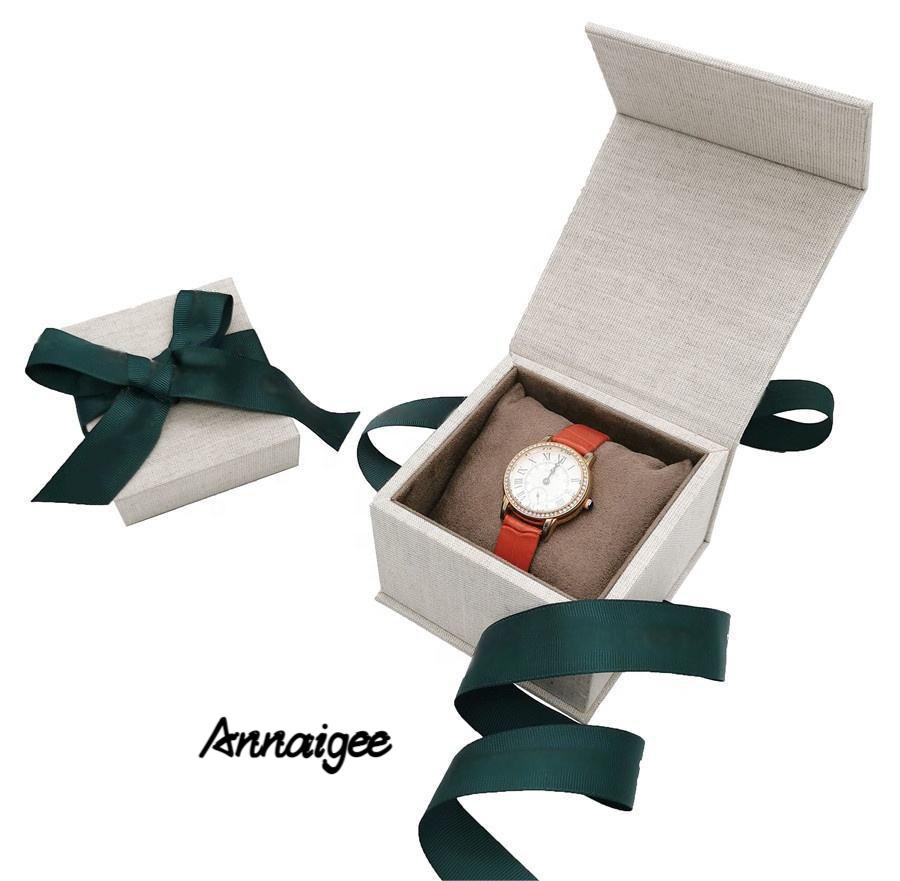
Organic Cotton
100% organic cotton, FSC-certified and hypoallergenic. Soft, breathable construction perfect for eco-conscious brands. Fully biodegradable with zero synthetic additives. Weight: 130–170gsm. Sustainable alternative without quality compromise.
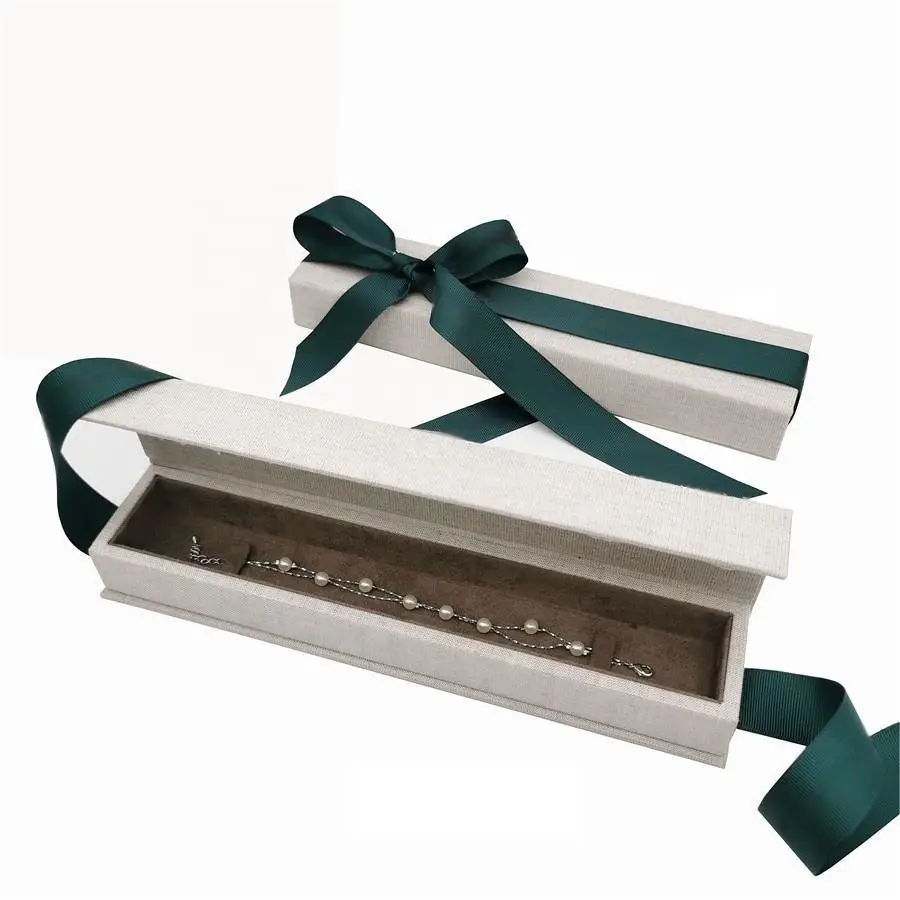
Recycled Eco-Materials
Post-consumer recycled fibers with reduced environmental footprint. Maintains durability and quality of virgin materials while supporting sustainability goals. Weight: 120–160gsm. Aligns with eco-minded brand values and appeals to conscious consumers.
Premium Fabrics u0026 Material Options

Hot Stamping
Creates raised metallic or foil impressions on linen surfaces, delivering premium branded logos and intricate designs with lasting durability and a luxury feel ideal for high-end jewelry boxes.
Embroidery
Thread-based detailing that adds texture and sophistication to linen jewelry boxes. Creates monograms, logos, and decorative patterns with precise stitch work, providing premium personalization that elevates brand identity.
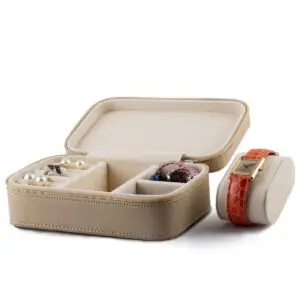
Laser Engraving
Precision etching technology that burns detailed logos, text, and patterns directly onto linen and wood surfaces. Offers permanent, crisp results perfect for custom jewelry box branding without excess material.
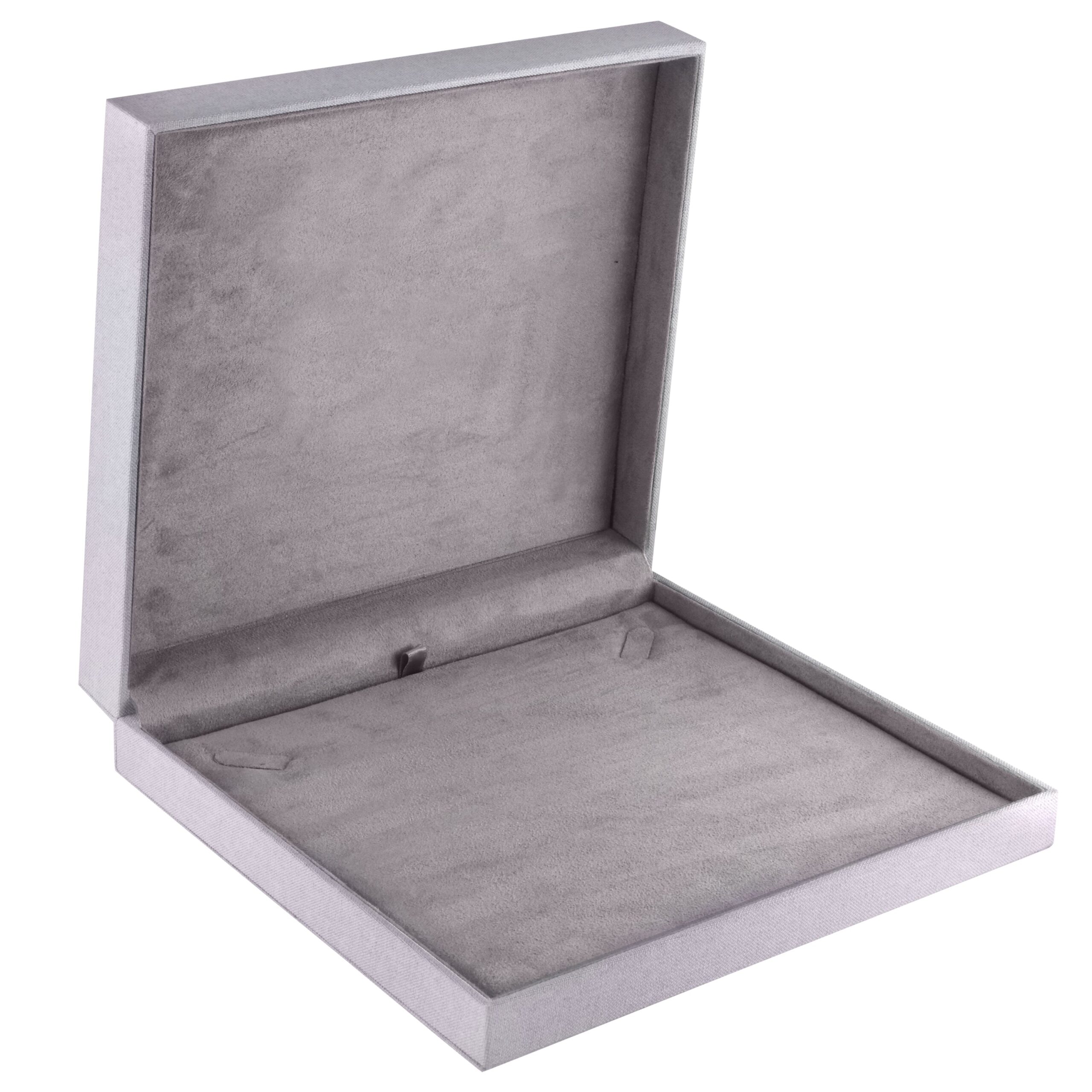
Screen Printing
Industrial printing process applying vibrant ink designs directly onto linen surfaces. Delivers sharp, colorful imagery and logos with excellent durability, ideal for bold branded messaging on jewelry box exteriors.
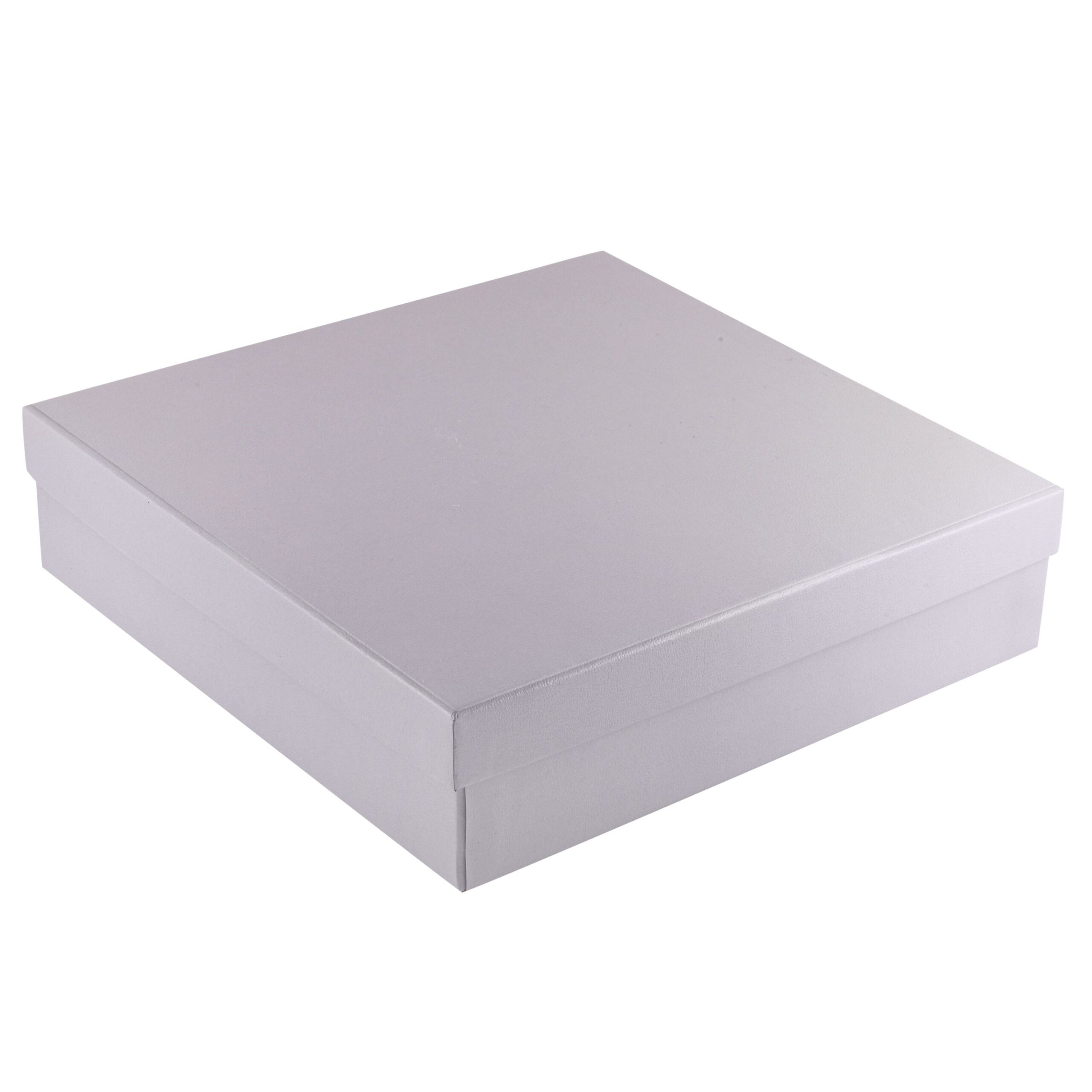
Sublimation Printing
Heat-transfer process merging vibrant, full-color designs into linen fibers at molecular level. Produces fade-resistant, photo-quality images ideal for complex artwork and multi-color branding on custom jewelry boxes.
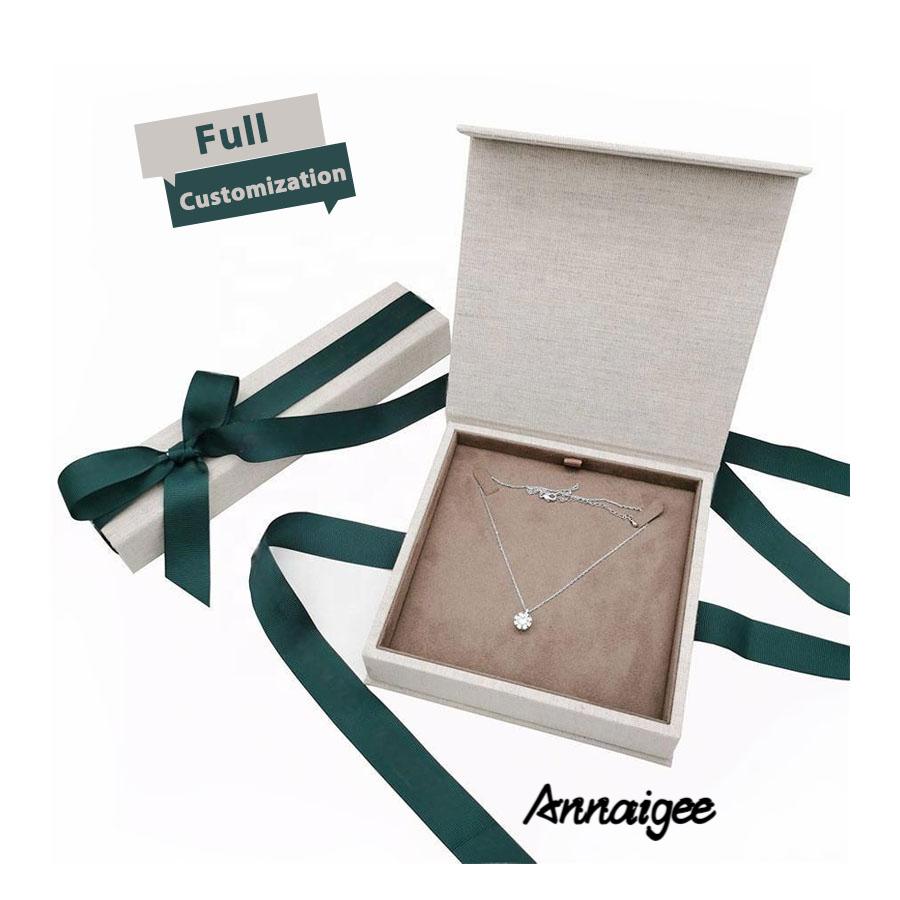
Magnetic Closure Assembly
Professional hardware integration that installs precision magnetic closures and metal hardware components. Ensures seamless, secure fastening and elevated tactile experience on luxury linen jewelry boxes.
Hardware u0026 Finishing Options for Custom Linen Jewelry Boxes
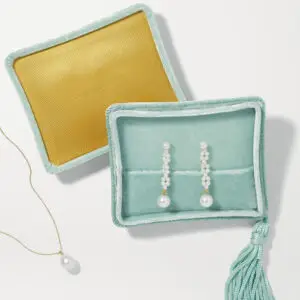
Satin Drawcords u0026 Tipping
Premium satin drawcords with fabric tipping add functional elegance to your linen jewelry box, enabling secure closure while enhancing the unboxing experience with professional finishing touches.
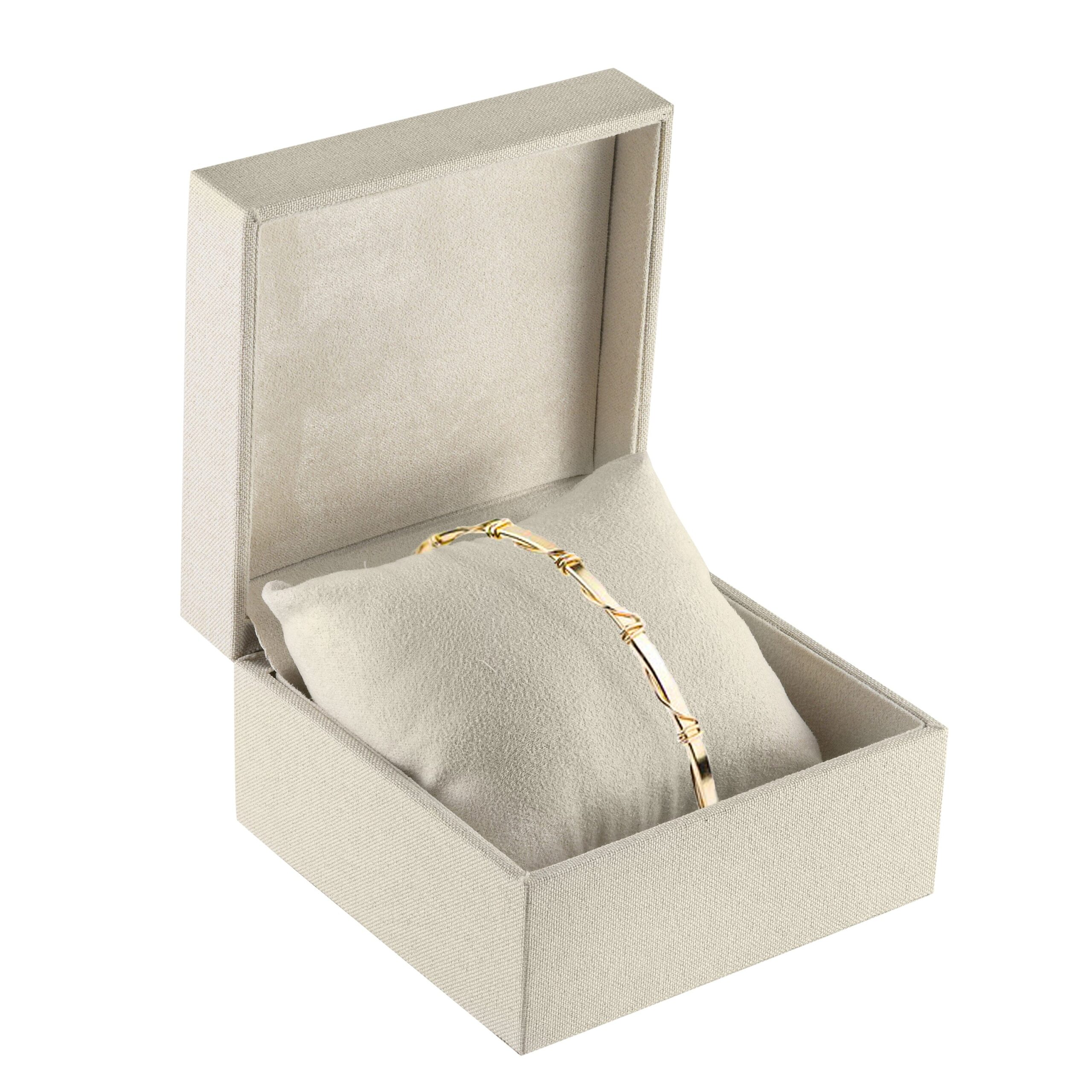
Woven Labels
Custom-woven labels featuring your brand logo are sewn directly into linen jewelry boxes, providing discreet yet impactful branding that speaks to quality-conscious customers and elevates perceived value.

Metal Hardware u0026 Clasps
Polished zinc alloy, magnetic closures, and decorative metal clasps enhance both the structural integrity and aesthetic appeal of linen jewelry boxes, available in gold, silver, rose gold, and gunmetal finishes.
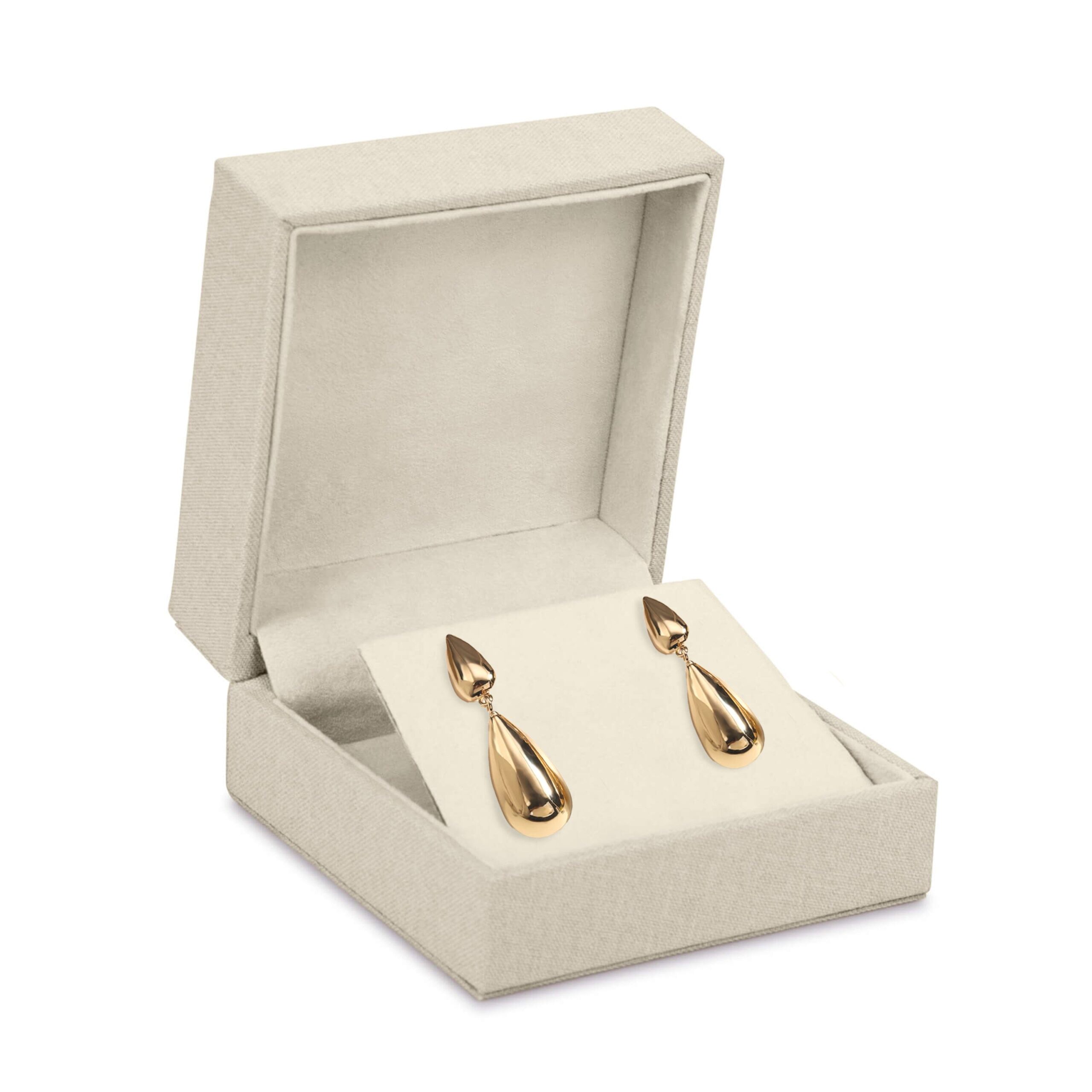
Custom Logo Tags u0026 Hangtags
Branded hangtags and logo tags printed on premium cardstock or kraft paper showcase your identity on every linen jewelry box, driving brand recognition at retail and online.
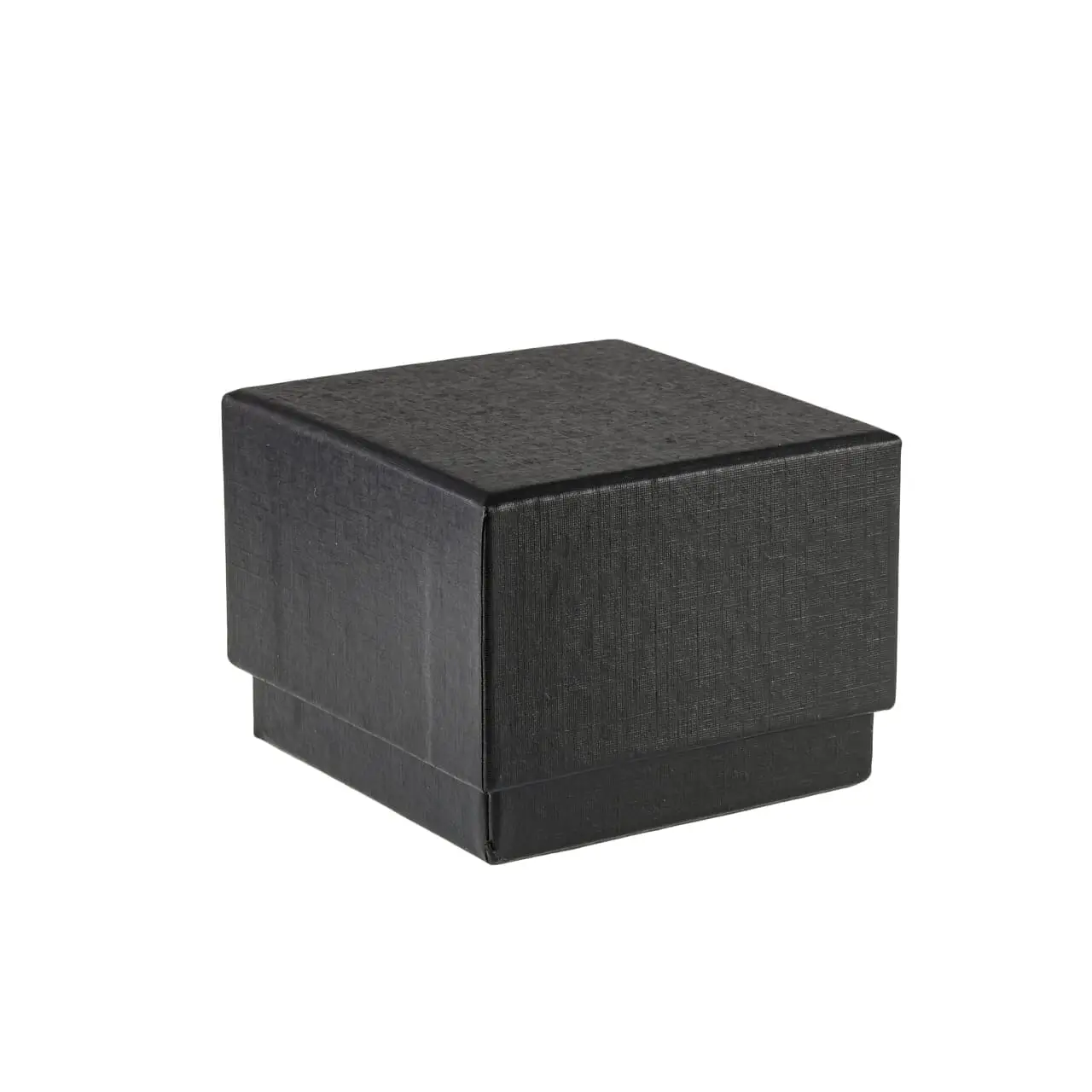
LED Lighting Inserts
Integrated LED modules illuminate the contents of luxury linen jewelry boxes during unboxing, creating memorable moments that customers share on social media and boost brand perception.

Premium Tissue u0026 Packaging Inserts
Branded tissue paper, crinkle fill, and custom foam inserts protect jewelry while adding visual appeal inside every linen jewelry box, reinforcing your brand’s commitment to premium presentation.
On The Way — Linen Jewelry Box Manufacturing Leader
Founded in 2007 by Joyce Linkwin, On The Way was built on a single principle: quality defines survival. Our mission—Exquisite packaging, quality living—guides every linen jewelry box, pouch, and custom display we create. Today, our Dongguan factory operates with 220+ dedicated specialists, delivering premium custom jewelry packaging that becomes our clients’ first impression.
With 6,500+ custom projects completed and 300+ brands served across 30+ countries, we’ve earned our reputation as factory-direct experts. Our 1,200 m² production facility combines low minimum order quantities, full customization flexibility, and multi-stage quality control—serving everyone from independent jewelry designers to established luxury retailers worldwide.
What sets us apart? Factory-direct pricing with zero middlemen, FSC-certified eco-materials, dedicated account managers, and a commitment to on-time delivery. Every linen jewelry box—from velvet pouches to rigid magnetic-closure boxes—undergoes rigorous inspection before shipment. We believe packaging is brand promise: invest in quality, and your customers will feel the difference.
Premium Linen Jewelry Box Quality u0026 Custom Flexibility
Concept-to-Production Design Services
From your sketch to finished product, our design team transforms your vision into production-ready specs. We handle everything: material selection, prototyping, iterative rounds, and technical compliance for jewelry packaging precision.
- Collaborative design process with dedicated account managers
- Rapid sampling and iterative refinement cycles
- Full customization: colors, materials, finishes, hardware
- Technical expertise in jewelry packaging aesthetics
Multi-Stage QC u0026 Quality Assurance
Quality defines our 17-year reputation. Every linen jewelry box passes through four rigorous inspection phases: material receipt, mid-production, pre-shipping, and statistical sampling. We maintain defect rates below 2% with full documentation per batch.
- Incoming material inspection and supplier verification
- In-process quality checks at every production stage
- Final product inspection and durability testing
- Defect rate below 2% with detailed QC documentation
FSC-Certified u0026 Eco-Materials
Sustainability meets luxury. We source FSC-certified papers, recycled fabrics, and eco-friendly finishing materials without compromising premium appearance. Every material choice reflects both environmental responsibility and the craftsmanship your brand deserves.
- FSC-certified paper and cardboard options
- Recycled and reusable fabric choices (linen, cotton, microfiber)
- Eco-friendly dyes and low-VOC finishing
- Carbon-neutral shipping available

On-Time Delivery u0026 Dedicated Support
Reliability is non-negotiable. Your dedicated account manager tracks every milestone from sampling through shipping, ensuring transparent communication and on-time delivery. Serving 300+ brands across 30+ countries, we maintain a 99.2% on-time record.
- Dedicated account manager for each project
- Real-time production tracking and milestone updates
- On-time delivery guarantee with 99.2% track record
- Responsive support across multiple time zones
Why On The Way Leads in Custom Linen Jewelry Box Production
Factory ownership means transparent pricing, zero middlemen, and unmatched flexibility for your custom linen jewelry box needs.
← 左右滑动查看 →
Our Linen Jewelry Box Manufacturing Process
From material sourcing to shipping — see how we build custom jewelry boxes with precision and transparency.
Premium Material Sourcing
We source premium linen and eco-certified materials, verify quality standards, and inspect all incoming components to ensure they meet our exacting manufacturing requirements.
Design u0026 Prototype Sampling
Quality defines our 19-year reputation. Every linen jewelry box passes through four rigorous inspection phases: material receipt, mid-production, pre-shipping, and statistical sampling. We maintain defect rates below 2% with full documentation per batch.
Tooling u0026 Setup
Custom dies, cutting templates, and assembly fixtures are fabricated and calibrated. Equipment is configured specifically for your linen jewelry box specifications.
Precision Cutting u0026 Assembly
Our team performs die-cutting, component assembly, and hand-finishing at production scale. Each linen jewelry box is assembled with precision and attention to detail.
Multi-Stage Quality Inspection
Quality checkpoints occur at material intake, mid-production, and completion. Every linen jewelry box undergoes dimensional, structural, and finish verification before packing.
Final Packing u0026 Shipping
Finished jewelry boxes receive secure, branded packaging. We coordinate global logistics, manage all documentation, and guarantee on-time delivery to your destination.
How to Order Your Custom Linen Jewelry Box in 5 Steps
Complete end-to-end support from design through shipment with dedicated account manager guidance
Submit Your Design or Tech Pack
Send us your design specifications, technical drawings, or detailed brief. Our account managers review everything and confirm production feasibility within 24-48 hours.
Review Samples
Our factory produces finished samples in 7-14 days at wholesale rates. Evaluate materials, finish quality, and design accuracy before committing to bulk production.
Approve Your Quote
After samples are approved, receive a detailed quote including unit pricing, setup costs, and production timeline. Our team explains every line item for full transparency.
Launch Production
Upon quote approval, we schedule your run, assign a dedicated account manager, and maintain multi-stage quality control throughout the entire manufacturing process for consistency.
Track Quality u0026 Delivery
Receive real-time production updates and quality inspection photos. Integrated shipment tracking ensures your linen jewelry box arrives on schedule and meets every specification.
Linen Jewelry Box Certifications u0026 Compliance Standards

Client Success Stories: Custom Linen Jewelry Box Solutions
As a startup, u003ca href=u0022/u0022u003eOn The Wayu003c/au003e’s low MOQ for linen jewelry boxes was game-changing. I ordered 250 units to test my brand. Within a year, I’ve reordered 8 times. Their quality and fast sampling made scaling possible.
We stock 8 brands and require premium packaging. On The Way’s linen jewelry boxes stand out—consistent quality and our dedicated account manager ensures we never miss stock. We’ve been ordering for 3 years now.
We needed custom linen jewelry boxes in 2 sizes with fast turnaround. On The Way delivered samples in 7 days and adjusted dimensions three times—no penalty fees. Our first production order: 5,000 units, flawless execution.
Linen Jewelry Box FAQs — Production, Pricing u0026 Lead Times
What is your minimum order quantity for linen jewelry boxes?
How long does it take to get samples of a custom linen jewelry box?
Do you offer private label or OEM services for linen jewelry boxes?
What are your lead times for bulk production orders?
What are your payment terms and shipping options?
How do you protect our custom designs and intellectual property?
Can I customize everything about my linen jewelry box?
What materials do your linen jewelry boxes use?
The Complete Buyer’s Guide to Linen Jewelry Boxes
Master linen jewelry box sourcing with expert criteria for materials, manufacturers, customization, and cost. Learn how to avoid common mistakes, evaluate quality, and select the right supplier for your jewelry brand’s premium packaging needs.
1. What is a Linen Jewelry Box?
Linen jewelry boxes combine natural fiber elegance with rigid structural protection, making them the preferred packaging choice for luxury jewelry brands and designers. Linen—woven from flax at typical densities of 150–300 GSM—offers superior durability to cardboard and more sophisticated aesthetic appeal than plastic, creating a memorable unboxing experience that reinforces brand value.nnJewelers prefer linen boxes over lighter materials because the rigid construction protects delicate items (rings, necklaces, watches) during shipping and retail display while the tactile linen surface creates a luxury perception from first touch. Custom linen jewelry boxes commonly feature magnetic closures, compartmentalized velvet or microfiber-lined interiors, and options for embossing or hot-stamping logos—details that transform packaging into a brand extension rather than mere containment.nnThree key benefits drive industry adoption. First, brand presentation: linen conveys craftsmanship and heritage, signaling premium positioning to consumers. Second, product protection: the material’s natural density and rigid-box construction shield contents from damage and maintain shape throughout the product lifecycle. Third, sustainability appeal: FSC-certified and recycled linen options meet OEKO-TEX or GOTS standards, aligning with eco-conscious consumer values—a growing expectation among luxury jewelry buyers across North America, Europe, and Southeast Asia.
2. The Evolution of Linen Jewelry Box Design
Between the 1980s and early 2000s, tissue paper, kraft wrapping, and simple cardboard boxes dominated jewelry packaging—functional but undifferentiated. The shift began in the early 2000s when luxury retailers recognized that rigid, structured packaging could convey brand identity and drive customer perception.nnIn the 2000s-2010s, custom rigid boxes with linen fabrics emerged as a premium solution, adopted first by heritage jewelry houses in Europe and North America, then rapidly by independent designers. Jewelry Box Supplier Ltd. (On The Way), founded in 2007, capitalized on this inflection by offering structured, customizable linen jewelry box solutions with factory-direct pricing and low MOQ flexibility—becoming a core service for boutique retailers and independent designers across 30+ countries.nnThe 2010s accelerated linen adoption across all market tiers and introduced sustainability pressures that reshaped material choices—FSC-certified cardboard cores, OEKO-TEX-compliant linen fabrics, and recyclable liners replaced plastic-heavy construction. Today’s luxury brands favor minimalist aesthetics, soft tactile finishes like raw linen and undyed materials, and functional simplicity, reflecting both consumer demand for authenticity and mounting regulatory pressures on single-use packaging.
3. Types of Linen Jewelry Box for Different Needs
Linen jewelry boxes serve distinct purposes by jewelry type: earring cases, display rings, larger necklaces, gift sets, and bulk storage. Each format carries different dimensions, closures, and customization options. Matching the right linen jewelry box type to your jewelry category ensures both functionality and brand impact.
Compact Earring Boxes
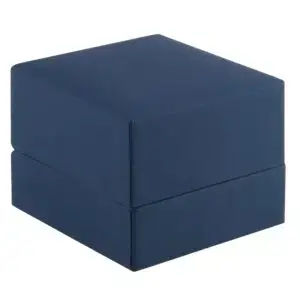
Earring boxes measure 8–10 cm square with friction-fit or magnetic closure. Linen at 300–400 GSM suits minimalist direct-mail and retail positioning. MOQ: 500–1000 units. Embossed logos keep branding subtle and elegant.
- 8–10 cm square
- Friction-fit or magnetic closure
- 300–400 GSM linen weight
- MOQ 500–1000 units
Display Ring Boxes
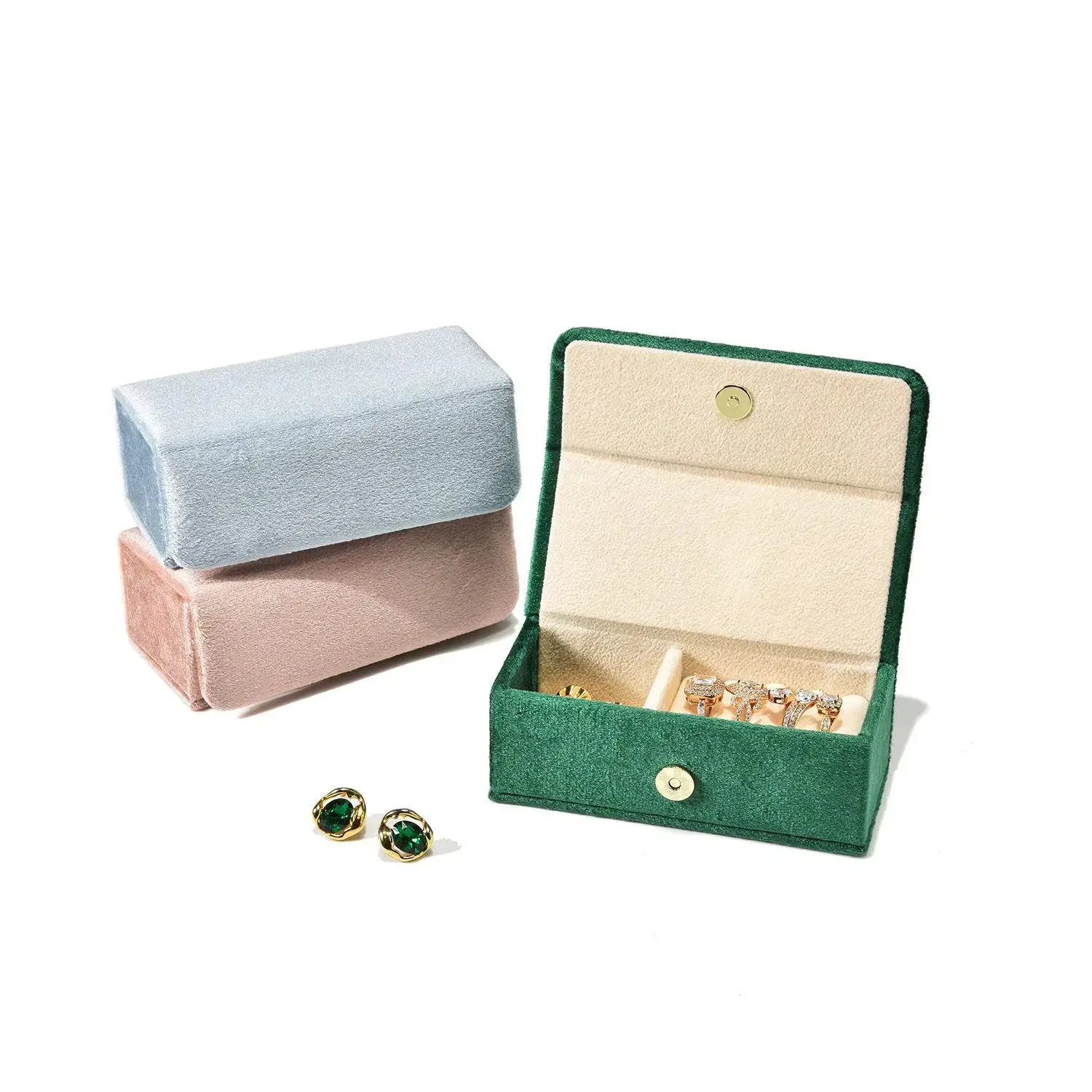
Ring boxes (5–8 cm) feature hinged construction with magnetic closure enabling full display. Velvet interior protects and showcases delicate bands. Pantone matching and logo embossing differentiate. MOQ: 300–800 units.
- 5–8 cm hinged square
- Velvet-lined interior
- 180° display hinge
- MOQ 300–800 units
Necklace and Bracelet Boxes
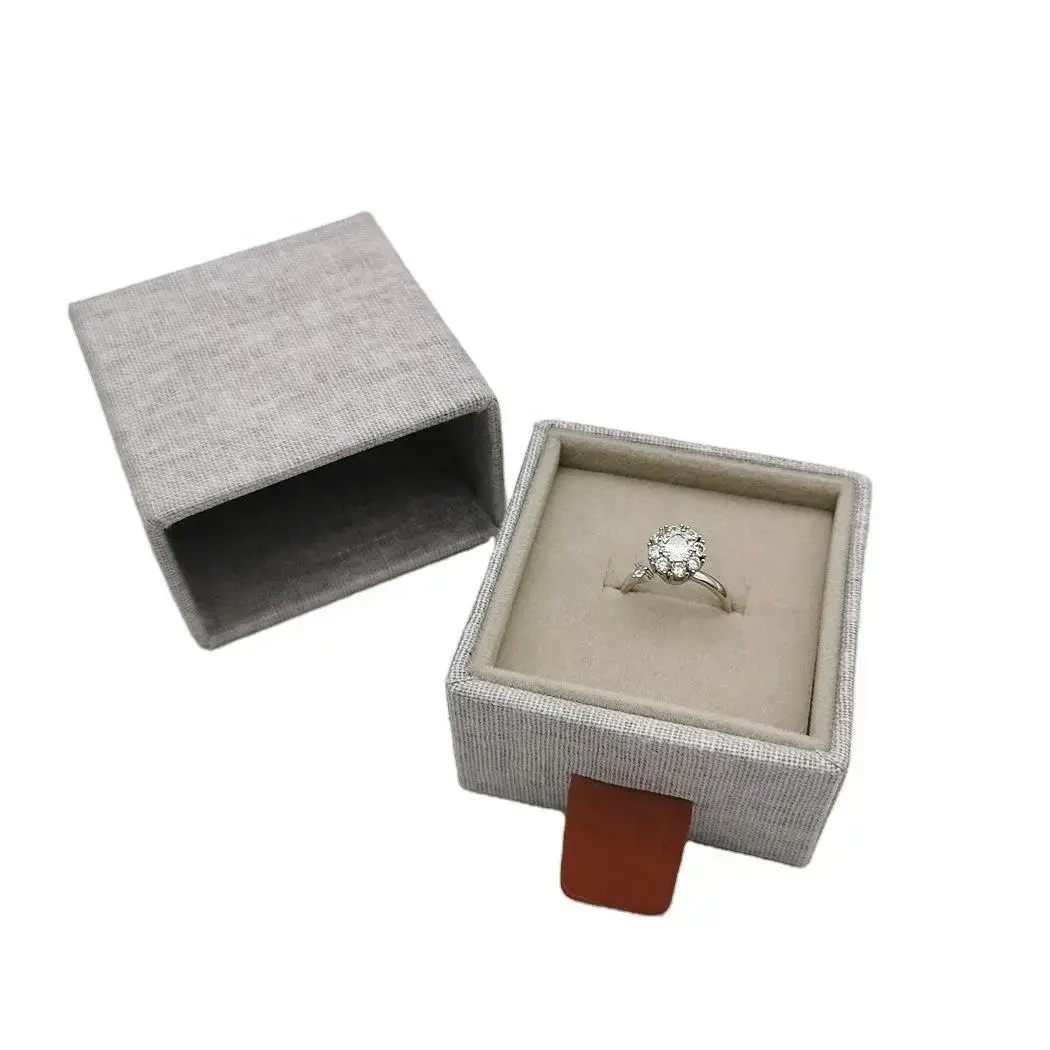
Necklace boxes (15–20 cm) feature magnetic flip-tops and compartmented interiors (foam dividers prevent tangling). Linen at 400–500 GSM provides durability. MOQ: 500–1200 units. Compartment customization costs minimal at scale.
- 15–20 cm rectangular
- Magnetic flip-top closure
- Foam compartment dividers
- MOQ 500–1200 units
Multi-Compartment Gift Sets
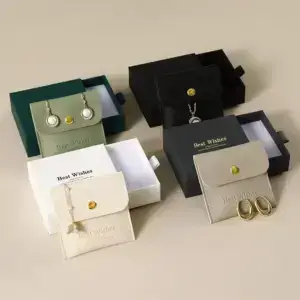
Gift sets (20–30 cm) combine earring, ring, and necklace compartments with foldable magnetic closure. Branded inserts and tissue padding elevate perceived value. MOQ: 200–500 units—accessible for emerging brands and seasonal campaigns.
- 20–30 cm combined format
- Foldable magnetic closure
- Multi-compartment interior
- MOQ 200–500 units
Large Storage Boxes
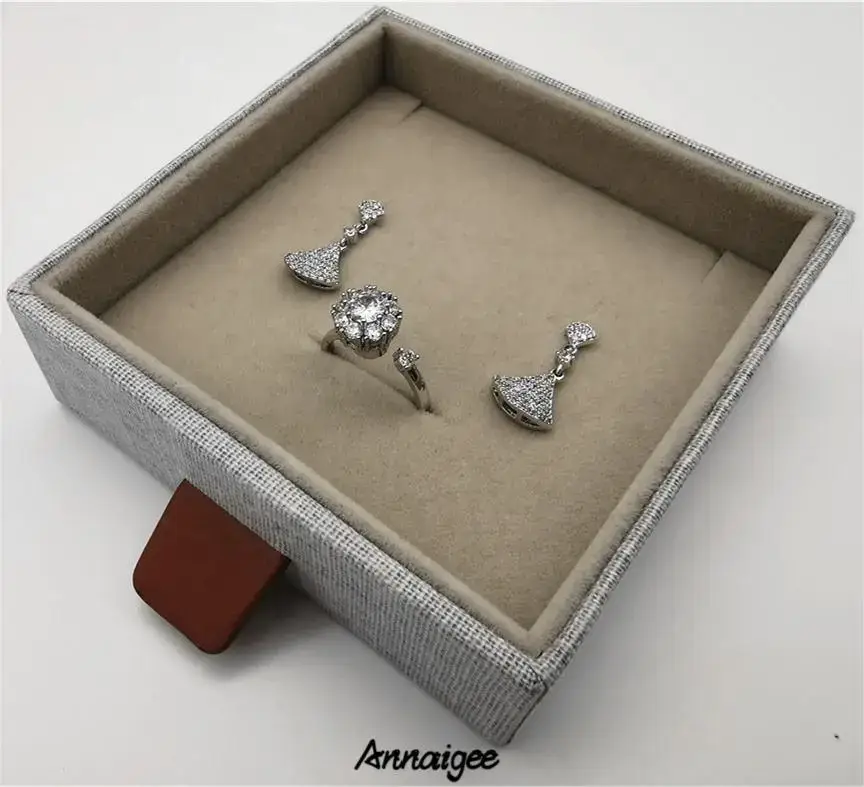
Storage boxes (25+ cm) feature lift-off lids and custom tray systems for collection organization. Linen 500+ GSM ensures durability. MOQ: 100–300 units. Ideal for retail partners and personal collections.
- 25+ cm storage format
- Lift-off lid or tray system
- Custom compartment dividers
- MOQ 100–300 units
4. Materials u0026 Fabrics for Jewelry Box Construction
Fabric composition and GSM weight define a linen jewelry box’s premium feel and durability. Options range from 100% pure linen to 70/30 cotton-linen blends, with GSM weights from 180 to 350.
| Composition | Cost Premium | Durability | Ideal For |
|---|---|---|---|
| 100% Linen | +15-20% | Very High | Ultra-premium collections |
| 80/20 Linen-Cotton | Baseline | High | Standard luxury packaging |
| 70/30 Linen-Cotton | -5-10% | Good | Volume production |
| Linen-Viscose Blend | +5-10% | High | Soft premium feel |
Pure Linen vs. Blended Compositions
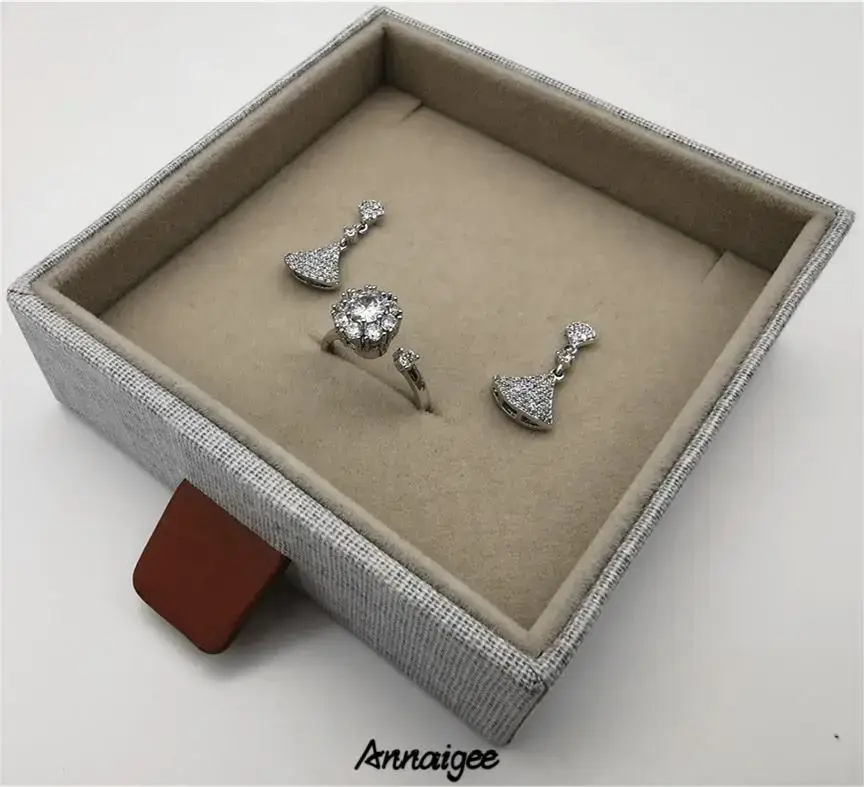
100% linen costs 15-20% more than blends but delivers authentic texture and superior crease recovery. 80/20 and 70/30 linen-cotton blends are standard for commercial jewelry packaging, balancing durability and production cost.nnLinen-viscose adds softness for premium feel without excessive cost. Ring-spun linen enhances crease resistance and longevity in rigid constructions.
Understanding GSM Weight
180-200 GSM suits lightweight pouches; 200-250 GSM handles standard rigid boxes. 300+ GSM provides luxury feel and crease resistance typical of high-end collections.nnHigher GSM correlates directly with perceived quality and durability. Manufacturers often stack multiple lower-GSM layers to match premium single-layer 300 GSM properties.
| GSM Range | Application | Feel | Performance |
|---|---|---|---|
| 180-200 | Lightweight pouches | Soft, flexible | Standard durability |
| 220-250 | Standard rigid boxes | Balanced texture | Good durability |
| 300+ | Luxury collections | Substantial, crisp | Premium durability |
Dyes, Finishes u0026 Surface Treatments
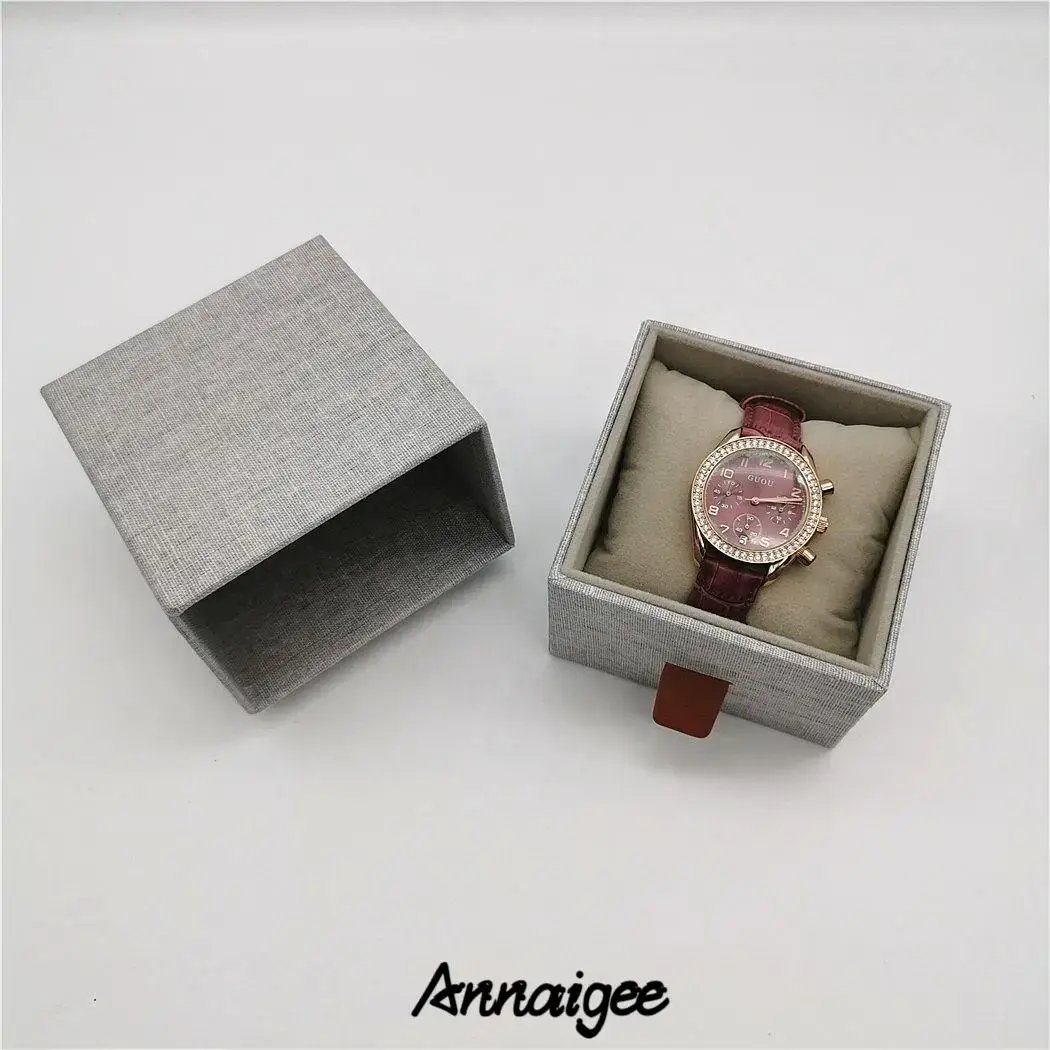
Natural undyed linen displays cream and tan tones at minimal processing cost. Solid-dyed options cover 40+ Pantone matches; digital printing enables custom logos without order minimums.nnUV and enzyme washes enhance hand-feel and create aged, sophisticated aesthetics. Calendering flattens the surface for matte or subtle sheen finishes.
Certifications u0026 Sustainability
OEKO-TEX 100 and GOTS certifications verify non-toxic dyes and organic sourcing standards. FSC-certified pulp liners reduce environmental footprint for eco-conscious brands.nnRecycled-content and fully biodegradable linens increasingly appeal to luxury consumers demanding sustainability credentials. Third-party certification builds buyer confidence.
- OEKO-TEX 100 for chemical safety verification
- GOTS for organic fiber and labor standards
- FSC certification for responsible forestry
- Recycled and biodegradable material options
5. Customization u0026 Decoration Options
Custom decoration transforms a linen jewelry box into a brand ambassador. Embossing, foil stamping, screen printing, and custom linings work alongside coordinated tissue to amplify perceived luxury and strengthen consumer perception.
Physical Impression Techniques
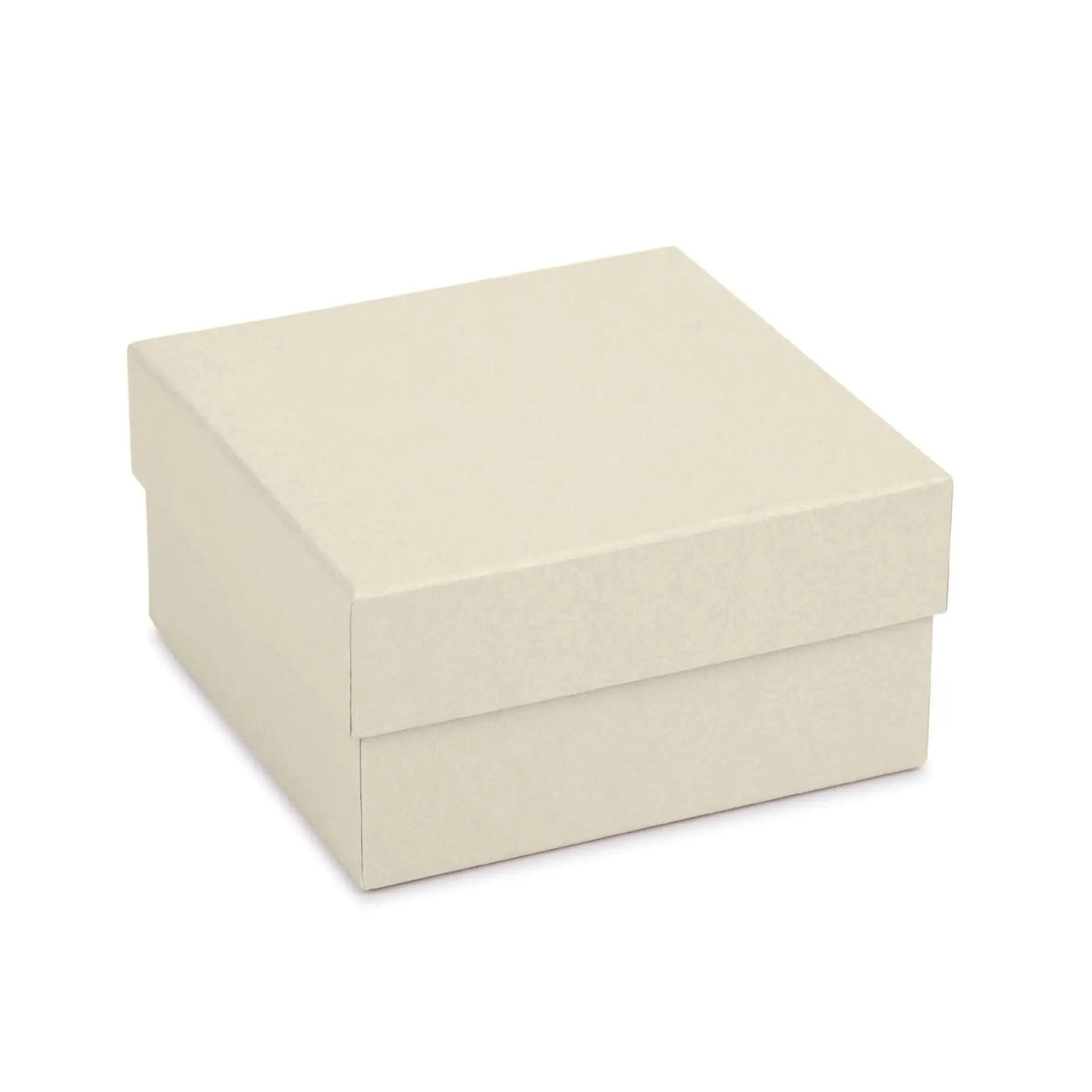
Embossing and debossing—pressure-based methods creating raised or recessed logos—require custom dies with setup costs of $150–$300 USD. Tooling is one-time and reusable across future production runs, making sense at MOQ 1,000+ units.nnEtching (chemical or laser) is less common on linen but creates ultra-premium finishes for luxury positioning. Lead times for impression work add 3–5 business days to production schedules.
Foil Stamping u0026 Screen Printing
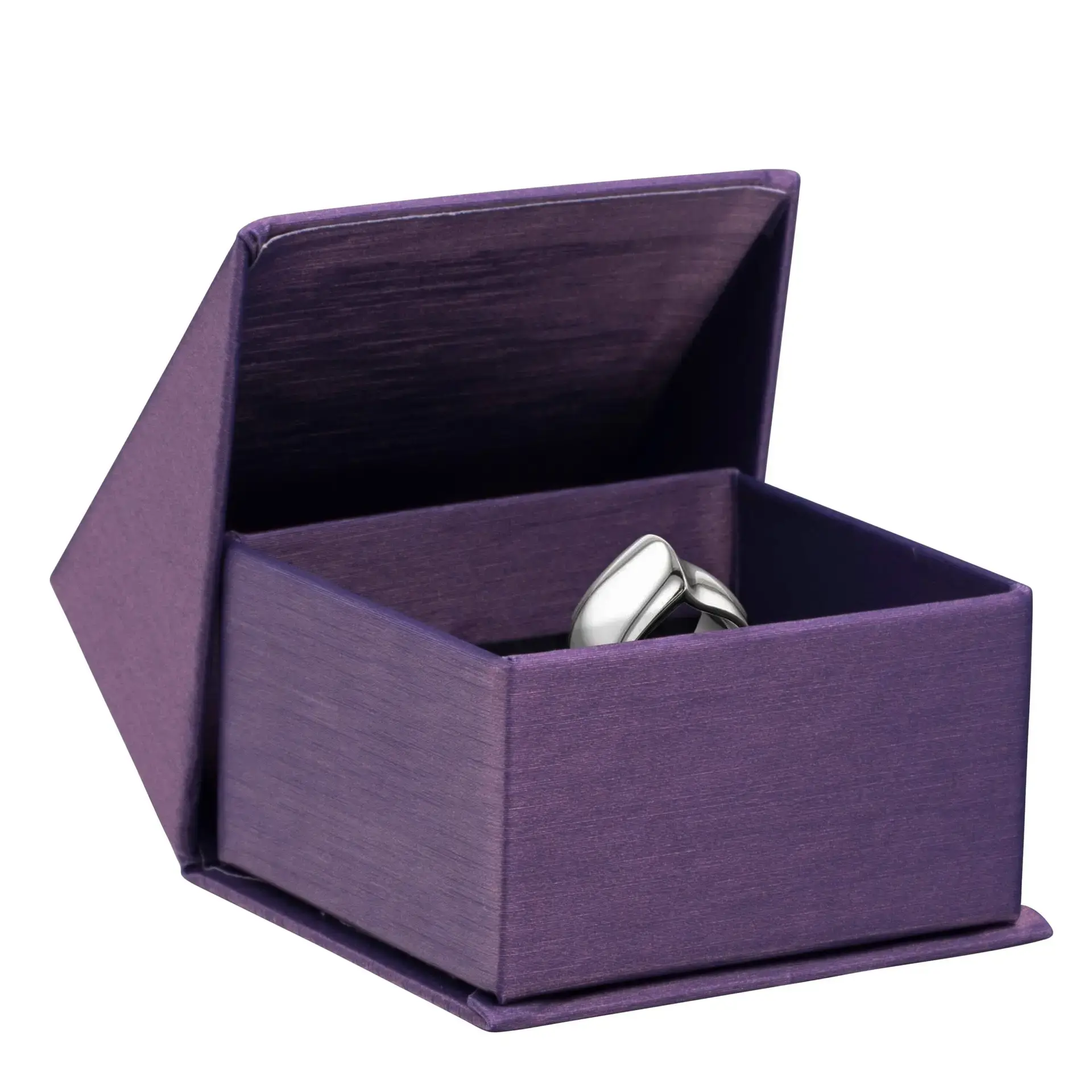
Foil stamping—applying metallic or holographic film under heat and pressure—costs $200–$400 USD for dies, with per-unit pricing of $0.50–$2.00 USD depending on foil type (matte, gloss, hologram) and coverage area.nnScreen printing offers lower setup ($100–$200 USD) and per-unit cost ($0.30–$1.00 USD), making it ideal for smaller runs. Both methods integrate seamlessly with linen, adding 3–7 business days to lead time.
Custom Linings u0026 Interior Details
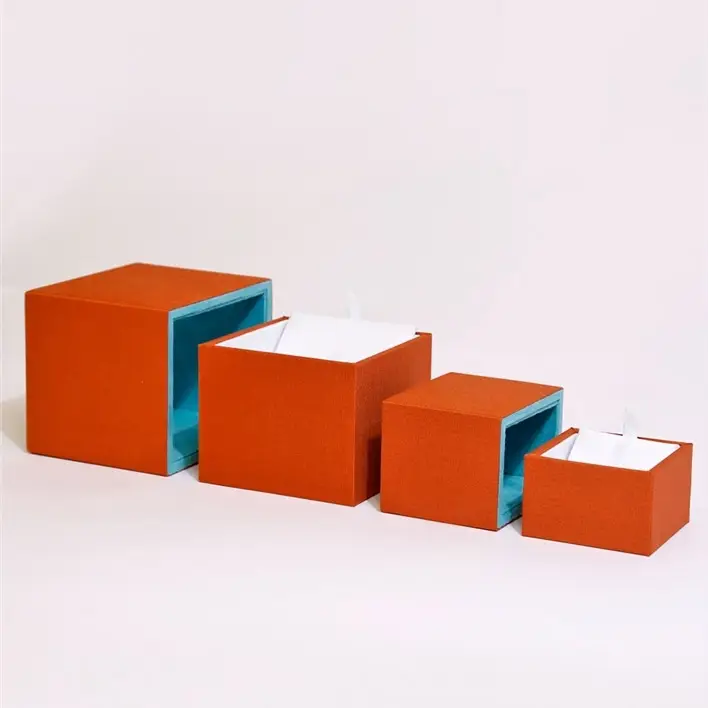
Interior customization—microfiber, velvet, or silk linings; coordinated tissue wrapping—elevates perceived quality at minimal cost impact. Ribbon integration (grosgrain, satin, or nylon; typically 0.5–1 inch width) adds tactile luxury without increasing structural complexity.nnThese details work in concert: an embossed logo on the exterior pairs with contrasting lining color inside, creating a cohesive brand narrative that justifies premium positioning to end consumers.
Logo Placement u0026 Brand Impact
Front-center logo placement maximizes brand visibility; under-lid placement conveys understated luxury. All-over embossed patterns signal heritage, while single logos appear modern and minimalist.nnDecoration method choice directly influences perceived luxury: embossing and foil stamping position a brand as premium, while screen printing reads contemporary. Design decisions—logo size, placement, technique—create the complete brand story on unboxing.
6. Construction Quality: What Makes a Durable Box
A linen jewelry box’s structural integrity determines its lifespan under handling stress. Examine board density, corner reinforcement, lid tolerances, and padding durability before committing to production. Quality control at key assembly stages prevents costly failures after delivery.
Board Density and Core Materials
Rigid jewelry boxes typically use 1.5–2.5mm board thickness, measured by GSM weight (grams per square meter). Higher density boards (1500+ GSM) resist creasing and maintain shape through repeated opening and closing cycles.nnSpecify your required GSM rating in purchase orders to avoid thin, flimsy alternatives.
Corner Reinforcement and Structural Points
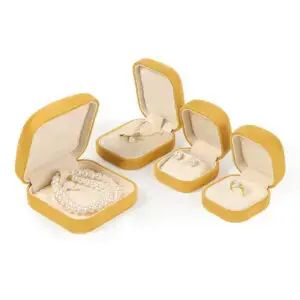
Corners are jewelry boxes’ first-failure point under stress. Reinforce them with double-wall construction or internal corner blocks to distribute pressure evenly.nnTest corners under 50–100 lbs pressure force to verify structural integrity. Request corner reinforcement specifications and drop-test certifications from suppliers before production.
Lid Fit and Closure Mechanisms

Loose lids accelerate wear and misalignment during shipment. Verify lid-to-base tolerance stays under 1mm and test magnetic or hinge closures across 500–1000 operation cycles.nnUse N52-grade neodymium magnets (3mm minimum) for reliable retention. Specify lid tolerance and closure durability in your product spec.
Interior Padding and Retention

Velvet, microfiber, and linen linings degrade if padding density drops below 200 GSM. Interior retention systems (hot-glued foam, fabric-wrapped dividers) must survive thermal and humidity cycles without peeling.nnTest padding adhesion before mass production; worn interiors significantly reduce perceived value and customer satisfaction.
Quality Control Checkpoints
Multi-stage quality control prevents defects from reaching customers. Implement checkpoints at: material arrival (GSM verification), pre-assembly (board inspection), post-assembly (dimensional checks), and random sample pressure testing.nnRequest on-site QC protocols and defect-rate targets (typically below 2%) in your supplier agreement.
Specifying Durability in Your Order
Build durability clauses into your purchase order and product specification sheet. Request test certifications: drop-test pass/fail data, pressure-test results, and aging cycle reports.nnDefine acceptance criteria: ‘Lids fit within ±0.5mm tolerance; padding survives 50 open/close cycles without peeling.’ Clear specs prevent rework disputes.
7. How to Choose a Linen Jewelry Box Manufacturer
Selecting a linen jewelry box manufacturer demands assessing certifications, production scale, customization flexibility, and transparent QC. Leading partners—those operating factory-direct at low MOQs with dedicated account management—deliver consistent quality and predictable costs while maintaining brand compliance.
Certifications u0026 Compliance
ISO 9001 quality, FSC, OEKO-TEX 100, GOTS, and BSCI certifications authenticate compliance and demonstrate ethical labor practices.nnVerify certifications with third-party audits rather than accepting supplier claims. Reputable manufacturers openly document material sourcing and labor standards.
Production Capacity u0026 Lead Times
Established producers operate 1,000+ m² facilities with 100+ staff. This scale supports 15–30-day samples and 30–60-day bulk production.nnRequest production calendars and contingency protocols. Proactive communication and documented buffer capacity are hallmarks of reliable suppliers.
Customization u0026 MOQ Terms
Low-MOQ suppliers accept 200–500 unit orders per design. This enables testing and risk-managed design validation without bulk inventory.nnConfirm account managers understand your specs. Verify they can adjust materials, closures, lining, embroidery, and branding reliably on schedule.
Quality Control u0026 Sampling
Multi-stage QC—material inspection, production audits, final checks—prevents defects. Clear sample policies enable testing and rapid design refinement.nnExpect complimentary or nominal first samples. Require test documentation (tensile strength, color fastness, durability) and clear revision timelines.
Transparent Pricing
Request itemized cost breakdowns covering materials, labor, packaging, and freight—not lump-sum quotes. Confirm absence of hidden setup fees.nnWritten contracts must lock payment terms, delivery conditions, and dispute resolution. Per-unit pricing should scale logically with volume.
Red Flags to Avoid
Unrealistic lead times (u003c10 days), evasive communication, missing certifications, suspiciously low quotes, and prepayment pressure all signal risk.nnAbsent account management, poor documentation, language barriers inhibiting clarity, and non-responsive support indicate lower-tier or offshore-only suppliers.
8. Common Mistakes Jewelry Brands Make in Sourcing
Six common sourcing errors cost jewelry brands months of delays and brand damage. Most arise from underestimating production timelines, skipping sample validation, or misspecifying technical details like fabric weight and closure type.
Underestimating Lead Times
Custom linen jewelry box production requires 4–8 weeks for sampling plus 6–12 weeks for mass production. Brands often underestimate complexity and custom tooling time.nnPrevention: Confirm detailed timelines with your manufacturer before committing to delivery deadlines.
Vague Design Specifications
Skipping linen GSM weight, closure type, or padding thickness in specs causes rework. A 15 GSM fabric differs significantly from 20 GSM in durability.nnPrevention: Document fabric composition, weight, hardware, and padding density in a detailed spec sheet before sampling.
Skipping Sample Approval
Ordering 1,000+ units without testing a sample risks defects affecting the entire run—misaligned embroidery, weak zippers, padding compression.nnPrevention: Always request and physically inspect at least one sample before mass production authorization. Check durability, color match, and closure function.
Wrong Closure or Padding Choice
Magnetic closures fail in prolonged moisture; weak padding collapses under ring weight. Selecting closures and padding without durability testing leads to premature wear.nnPrevention: Test closure strength and padding recovery with sample boxes under realistic use before mass production.
Bulk Ordering Without Proof of Concept
Ordering minimum quantities (often 500–1,000 units) without first validating the design in market creates inventory risk if the product underperforms.nnPrevention: Launch with smaller MOQ batches to test customer response before scaling volume.
9. Steps to Launch Your Branded Jewelry Box Project
Launching a custom linen jewelry box project requires structured decision gates from specification through delivery. This process ensures your design aligns with production capabilities, budget, and brand standards while managing lead times and import logistics effectively.
Define Specifications u0026 Request Quotes
Start by documenting linen type (natural, dyed, blended), dimensions, interior padding, lining material, closure hardware, and quantity. Most manufacturers require MOQ of 500-2000 units depending on customization complexity.nnInclude samples of competitor packaging or mood boards. Request quotes with 2-3 week lead time for initial responses, specifying your annual volume forecasts.
Evaluate Samples u0026 Iterate Design
Request physical samples before committing to production. Assess fabric weight (12-20 oz for linen), color fastness, hardware durability, and box rigidity.nnPlan a 2-4 week sample iteration window and budget 1-3 revisions. Inspect seams, lining adhesion, and magnetic closure strength. Confirm interior compartment layout meets your product dimensions.
Negotiate u0026 Lock Design
Once samples meet specifications, negotiate MOQ, unit price, and payment terms (typically 50% deposit, 50% upon shipment). Set design freeze date; changes after lock-down incur engineering fees of 50-200 USD.nnConfirm lead time (8-12 weeks for production + 3-4 weeks ocean freight). Document all agreed specifications in a formal purchase order.
Quality Control u0026 Production
Suppliers conduct 3-stage QC: material inspection, pre-assembly checks, and final packed inspection. Request pre-shipment photos and certificates (fabric testing, OEKO-TEX if eco-certified).nnSchedule a mid-production inspection call at 50% completion. Confirm packaging: individual boxes, tissue paper, outer cartons with your logo and handling marks.
Customs u0026 Post-Arrival Inventory
Coordinate with freight forwarders early; declare HS code 4420.90 (wooden jewelry box articles). Prepare tariff documentation and certificates of origin if seeking trade benefits.nnUpon arrival, conduct receiving QC: count units, inspect for transit damage, verify color and labeling. Photograph defects immediately for carrier claims.
10. Pricing Models for Custom Linen Jewelry Boxes
Custom linen jewelry box pricing typically tiers at 500, 1,000, 5,000, and 10,000+ unit minimums, with per-unit costs declining 20–30% as volume grows. Material grade—linen thread count, backing fabric weight, and textile quality—directly impacts both baseline production cost and retail brand perception.nnDecoration methods vary significantly in cost and complexity, from simple screen-printed logos to premium hot-stamped foil finishes. Rush delivery fees (30–50% upcharge) compress standard 4–6 week lead times to 2–3 weeks when production schedules tighten.nnTotal cost of ownership—tooling, setup, sample iterations, and expedited shipping—recovers across 1,500–3,000 units sold at retail markup ratios of 3–5x production cost. A $1.80 per-unit production cost at 2,000-unit volume, retailed at $8–12, nets 20–30% gross margin when packaging represents 15–20% of final product cost.nnFactory-direct sourcing eliminates 15–25% distributor markups versus trade-show dealers. On The Way’s low MOQ flexibility, dedicated account management, and accelerated sampling cycles ensure competitive per-unit pricing and margin sustainability across repeat orders.
| Decoration Method | Cost Per Unit | Best For | Lead Time Impact |
|---|---|---|---|
| Screen-printed logo | $0.15–0.35 | High-volume simple designs | None |
| Heat transfer (full-color) | $0.25–0.50 | Photo-quality, complex artwork | +1 week |
| Embossed or debossed | $0.30–0.60 | Luxury, tactile brand feel | None |
| Hot stamping (foil) | $0.50–1.20 | Premium, metallic finishes | +1–2 weeks |
Ready to Launch Your Custom Linen Jewelry Box?
Direct factory pricing, fast sampling, and flexible MOQ—backed by 17+ years of expertise serving premium jewelry brands worldwide.