
Factory-Direct Paper Jewelry Bags — Low MOQ, Premium Quality
Custom paper jewelry bags built for your brand. Factory-direct pricing, low MOQ, rapid samples, OEM flexibility—trusted by 300+ brands globally.
Featured Paper Jewelry Bags
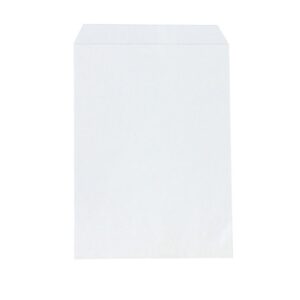
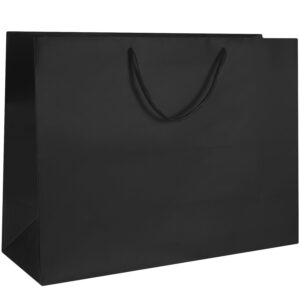

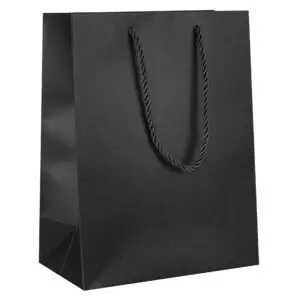
Materials u0026 Design Options

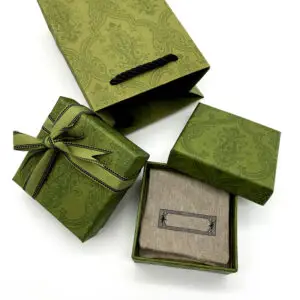
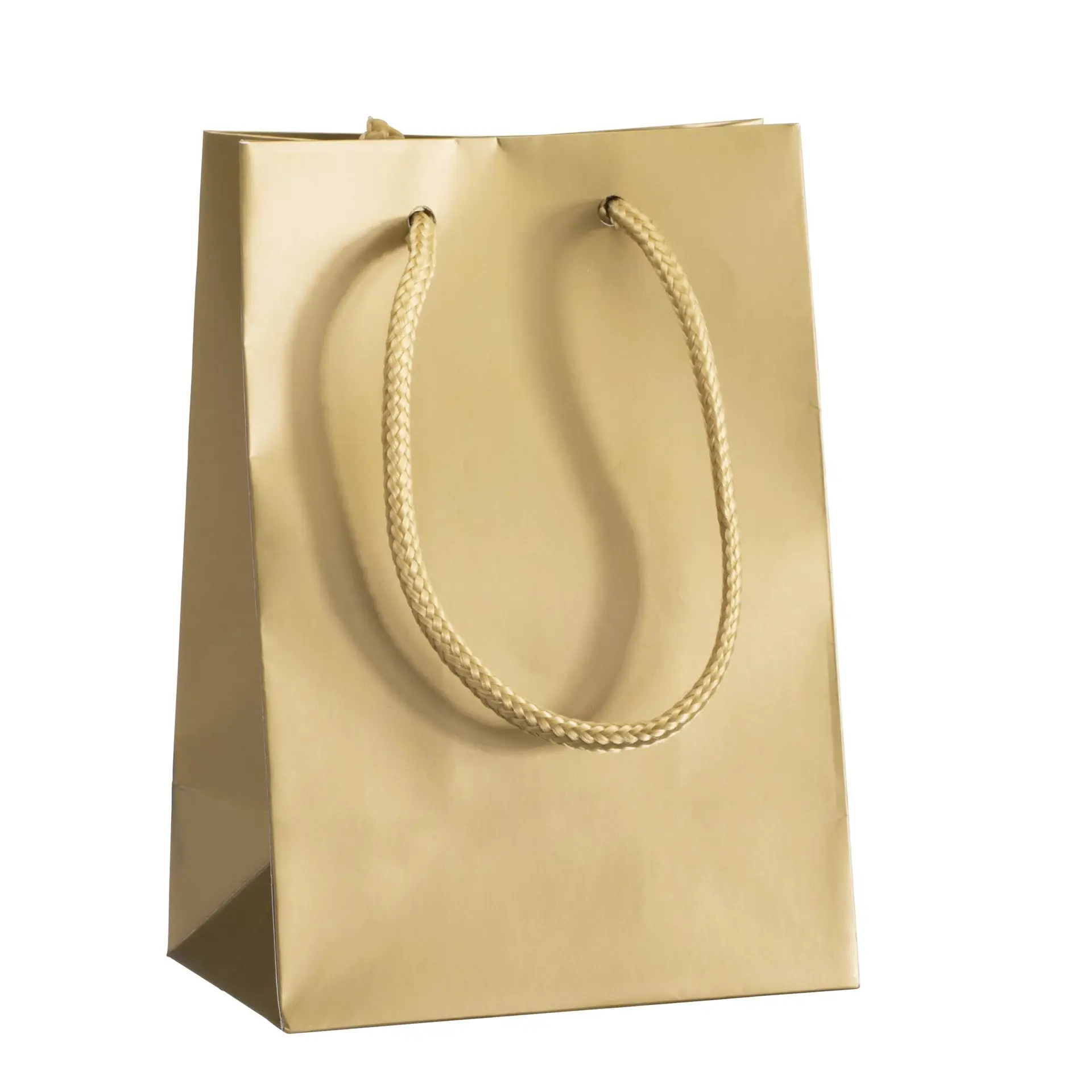
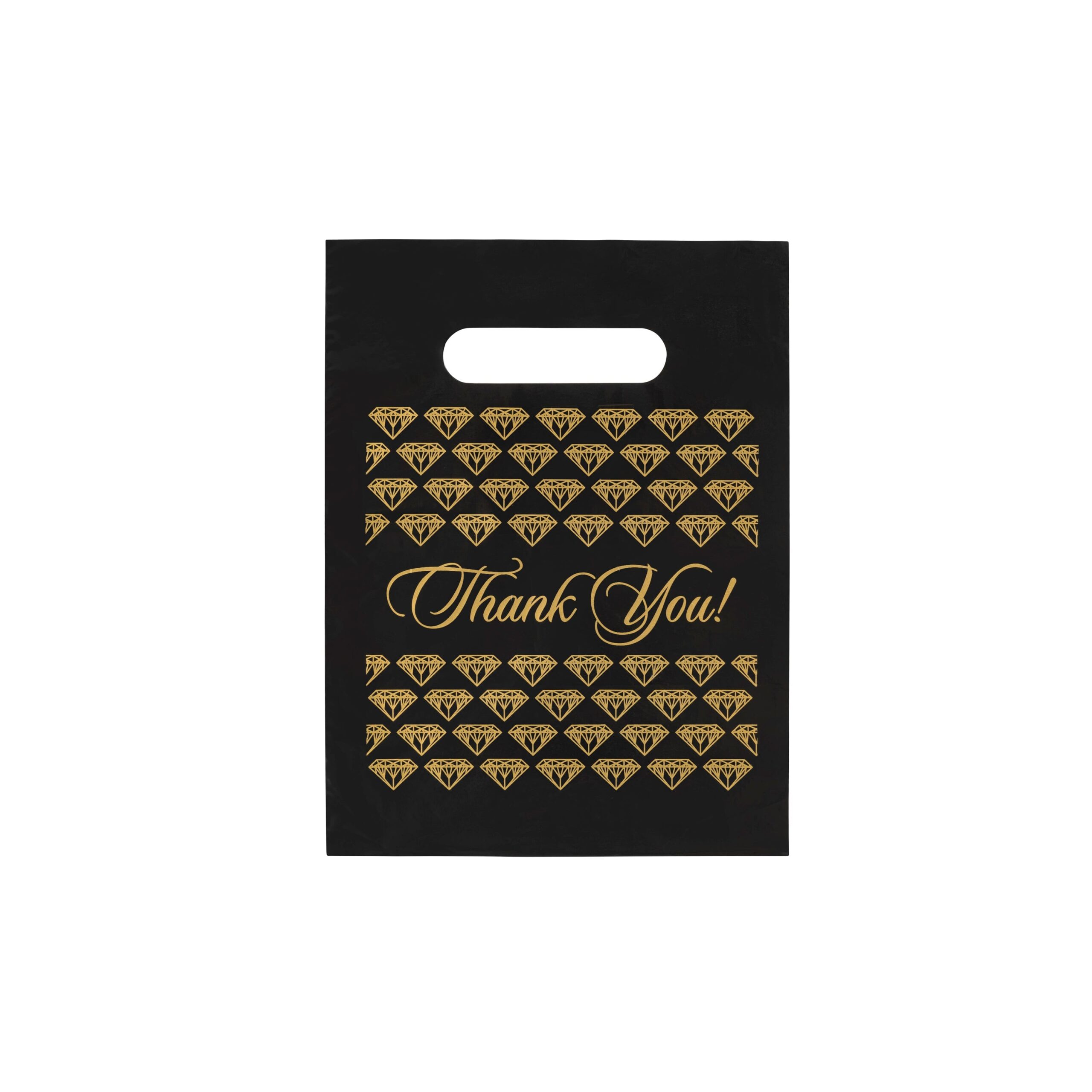
Why Choose Our Paper Jewelry Bags
Factory-direct quality, low minimums, and expert support for brands worldwide
Factory-Direct Pricing
Own production line means no middleman markups. Competitive factory pricing on every custom paper jewelry bags order.
Low MOQ Starting at 500 Units
Starting at just 500 units, perfect for startups and independent designers testing new paper jewelry bags designs without overcommitting inventory.
7-Day Sample Service
Get production-quality samples of your paper jewelry bags in 7-10 business days. Approve designs fast, start production sooner.
Multi-Stage Quality Control
Professional QC team inspects every batch. Defect-free paper jewelry bags backed by 17+ years of manufacturing expertise.
FSC-Certified Eco Materials
Sustainable paper, recycled cardboard, and reusable materials. Eco-friendly paper jewelry bags that align with your brand values.
Dedicated Account Manager
Personal support from sampling through production. On-time delivery and responsive communication for every custom paper jewelry bags project.
Paper Jewelry Bags for Every Jewelry Market
From boutiques to e-commerce, discover how u003ca href=u0022/u0022u003eOn The Wayu003c/au003e delivers custom packaging solutions for every jewelry business model.
Luxury Boutique Packaging
Boutique jewelry stores compete on experience. You need branded paper jewelry bags that elevate every customer touchpoint and reflect your aesthetic—not generic solutions that any competitor could order.
On The Way delivers custom-printed paper jewelry bags in your brand colors, with your logo, tissue paper, and tissue print—all factory-direct with no minimum order limits. Your packaging becomes your brand's best ambassador.
Independent Designer Solutions
As an emerging designer, you can't afford 1,000-unit minimums or steep tooling fees. You need affordable, custom paper jewelry bags to match your brand story—without huge upfront capital or long production lead times.
Start with as few as 50 or 100 units. Quick sampling and low minimums let you test designs, evolve your branding, and scale as your business grows—no commitment, full flexibility.
High-Volume Fulfillment
High-volume orders demand consistent, reliable paper jewelry bags at scale. You need packaging that arrives on schedule, looks flawless every shipment, and holds up through logistics—without quality surprises or supply chain disruptions.
Our multi-stage QC and dedicated account managers ensure every batch matches exact specs. Factory-direct pricing keeps unit costs competitive; on-time delivery guarantees your orders ship on schedule, every single time.
White-Label OEM Solutions
Retailers and distributors need reliable OEM partners who scale with demand, maintain consistent quality across batches, and honor confidentiality agreements. Finding a trusted partner who understands luxury jewelry packaging is challenging.
Our private-label program handles design, tooling, sampling, and mass production under your brand confidentially. With 300+ brands and 30+ countries served, we scale reliably while you focus on sales and growth.
Paper Jewelry Bags: Premium Material Options
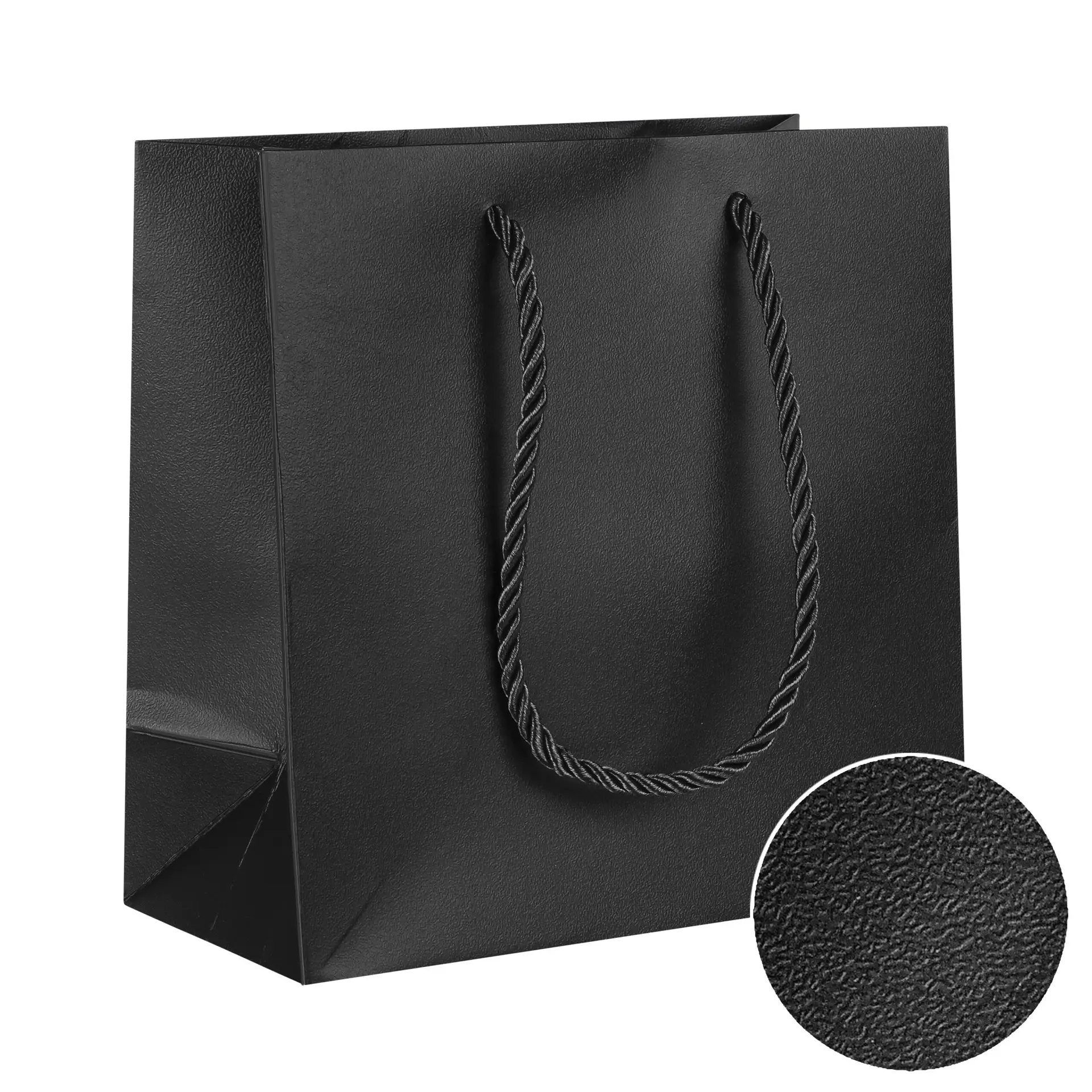
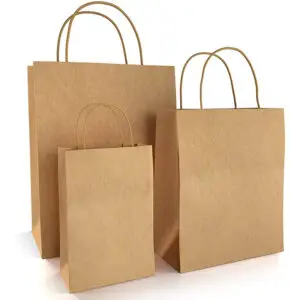
Kraft Paper
Natural kraft offers warm, earthy tactile appeal. Ideal for eco-conscious brands; 200-300 gsm weight ensures durability with excellent printability for custom branding and sustainable positioning.
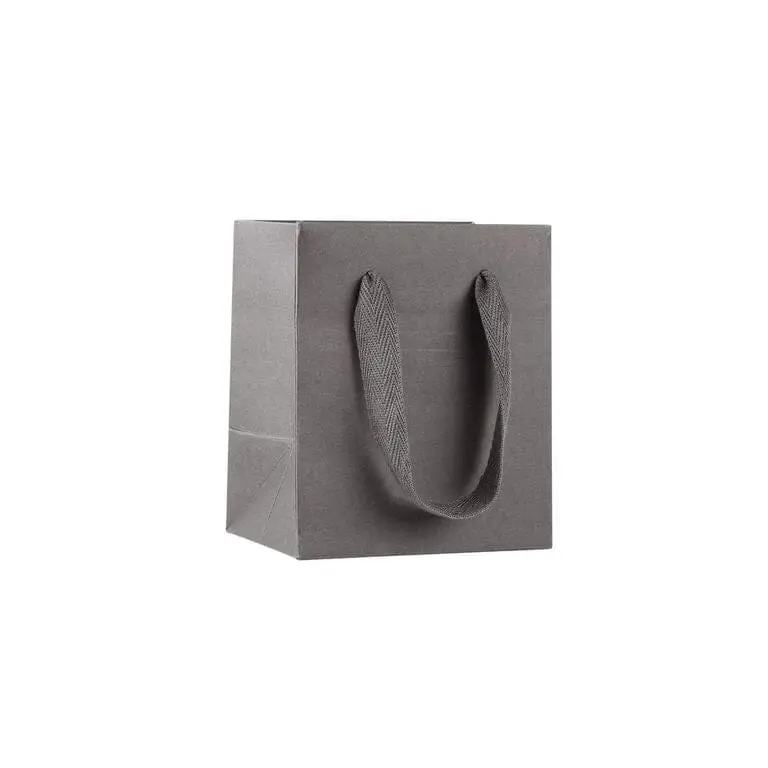
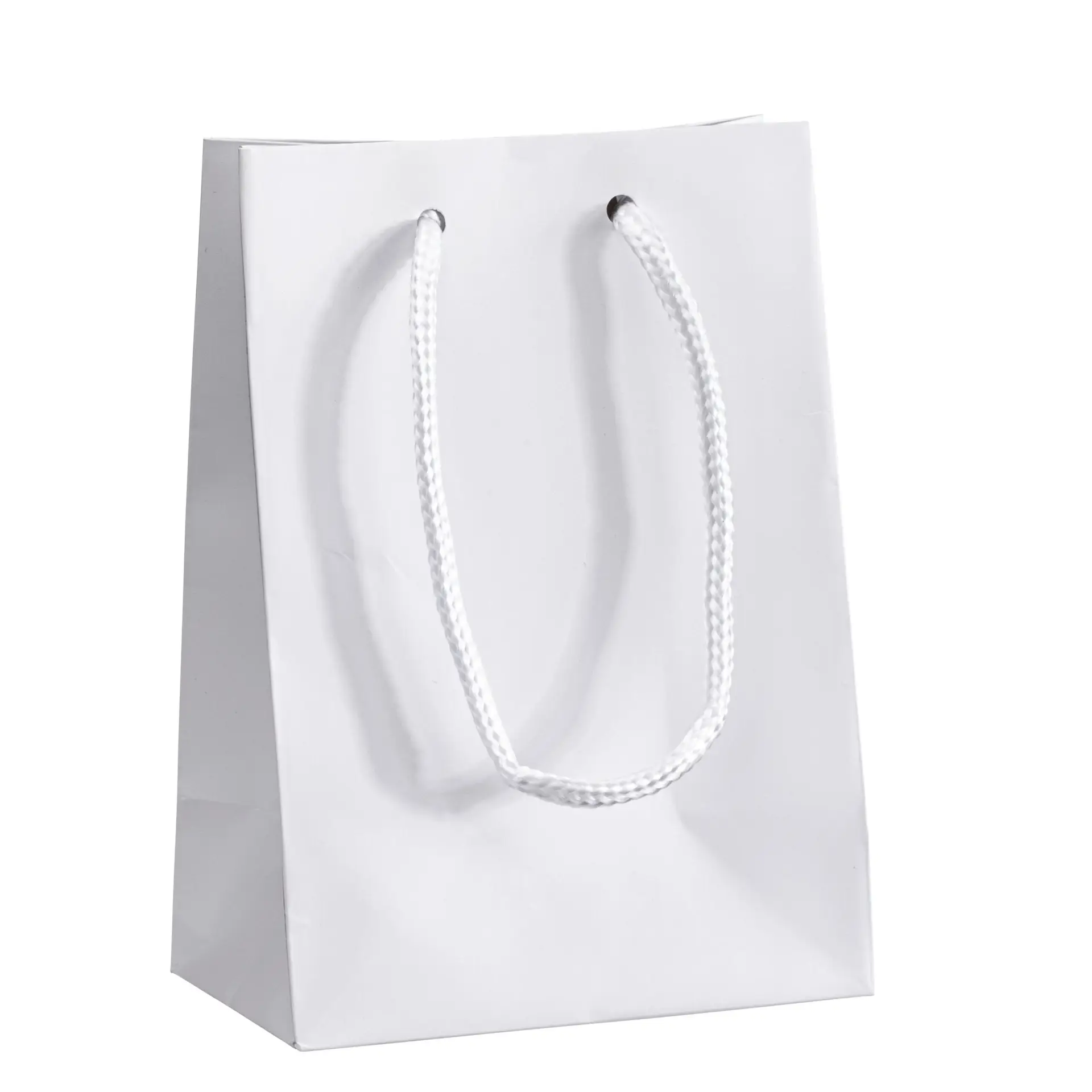
White Cardboard
Premium white cardboard delivers crisp, clean aesthetics for luxury positioning. Thick 300+ gsm construction ensures durability while providing smooth surface for vibrant color reproduction and high-impact designs.

Recycled Paper
Post-consumer recycled pulp supports eco-conscious brands with authentic sustainability credentials. 250 gsm weight offers reliable structure with visible fiber texture, reducing environmental footprint without compromising quality.

FSC-Certified Kraft
Responsibly sourced kraft meeting forest stewardship standards combines natural beauty with certified sustainability. 280 gsm offers excellent rigidity and printability, perfect for brands prioritizing environmental transparency and compliance.
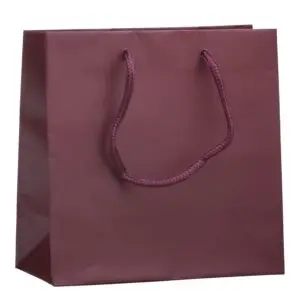
Matte Laminated Finish
Matte coating adds luxury feel and scuff resistance, enhancing perceived brand value. Ultra-smooth hand-feel delivers sophisticated, understated aesthetic while providing durability for premium daily handling and protection.
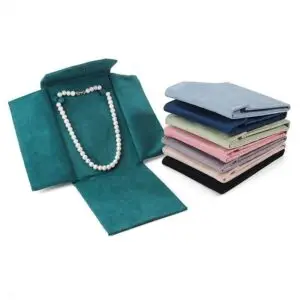
Textured Specialty Paper
Embossed linen or laid texture creates premium tactile experience that elevates perceived value. Offers distinctive feel differentiating from competitors, supporting sustainable sourcing and custom color matching for luxury positioning.
Premium Printing u0026 Finishing Techniques for Paper Jewelry Bags
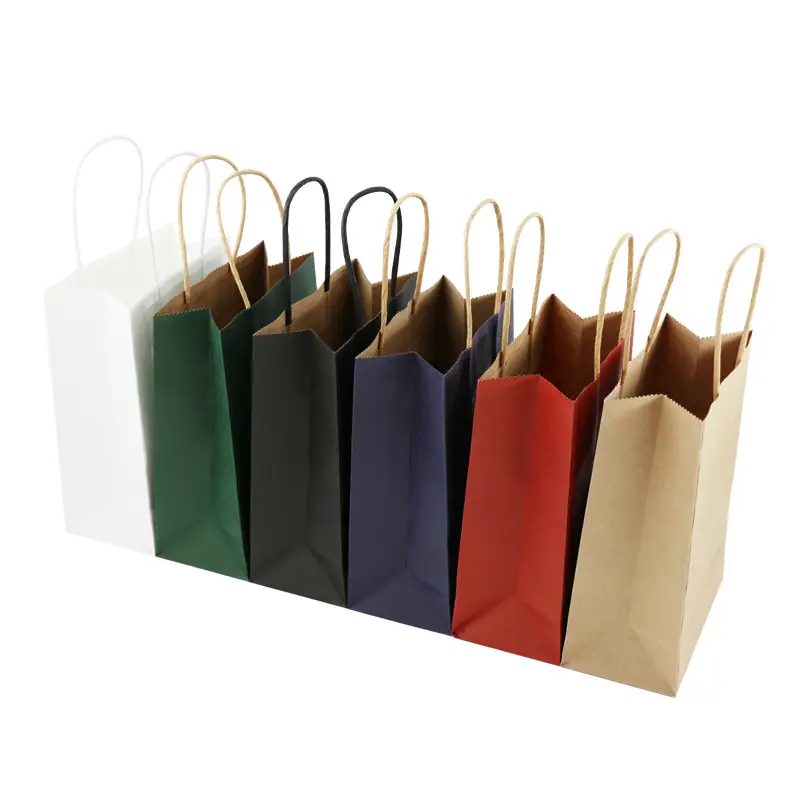
Screen Printing
Vibrant, durable color application with excellent coverage on premium paper surfaces. Creates bold branding that resists fading and wear, ideal for luxury paper jewelry bags with multi-color logos and designs.
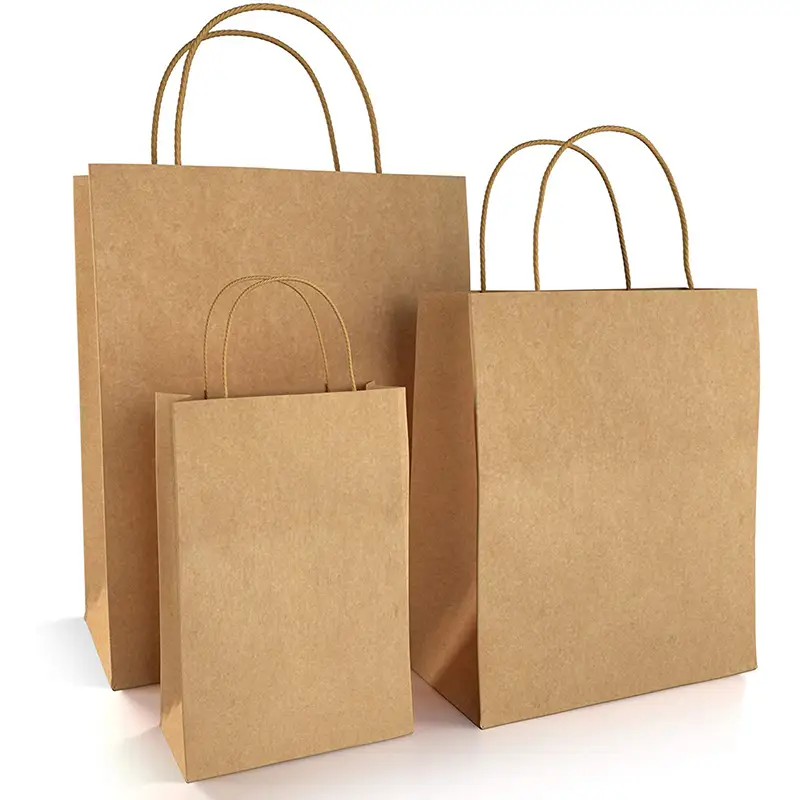
Digital Printing
Full-color photographic and gradient printing with precision registration. Enables intricate designs, photorealistic imagery, and unlimited color variations on paper jewelry bags without color separation, perfect for limited editions and custom designs.
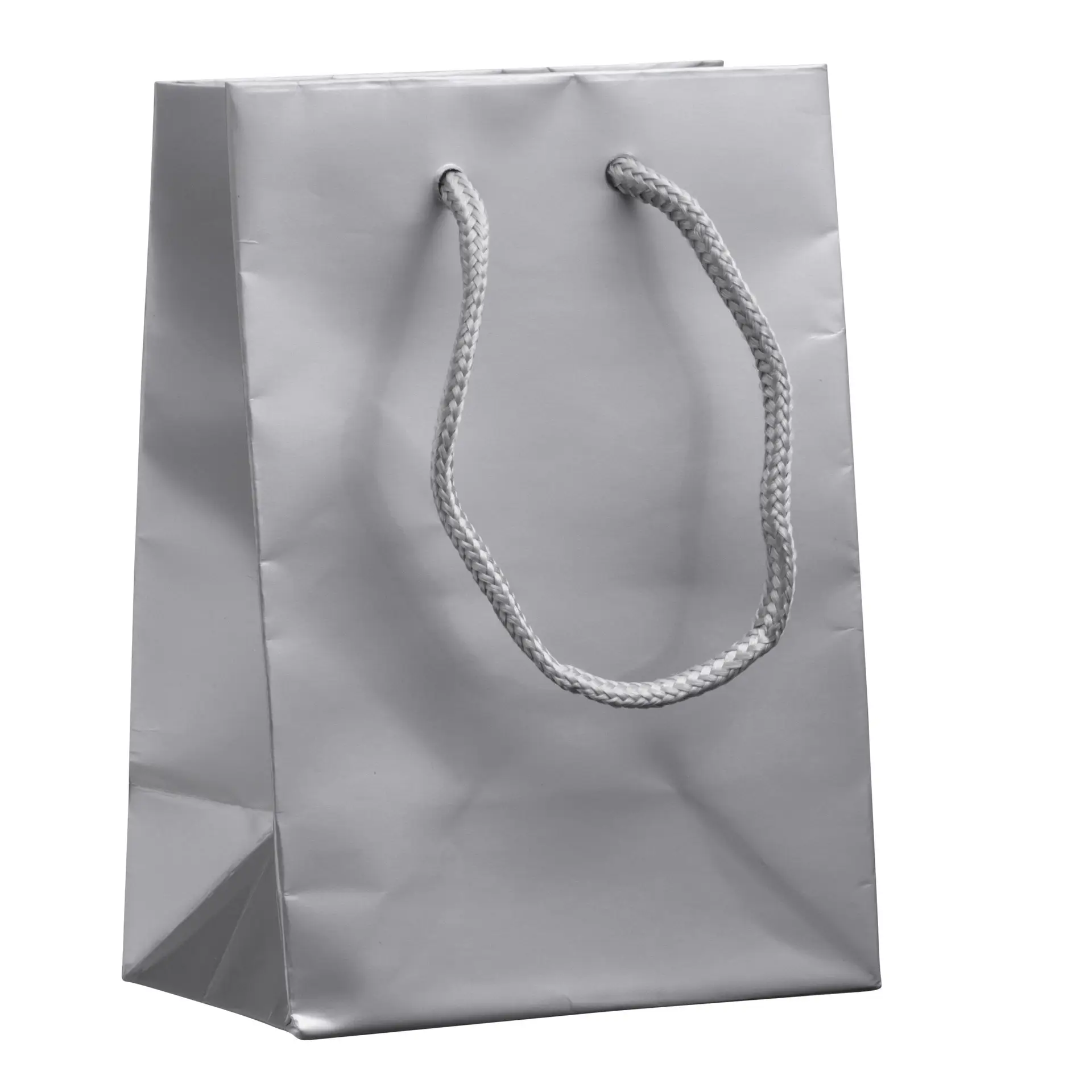
Hot Foil Stamping
Metallic and holographic foil application creating premium tactile finishes. Produces luxurious gold, silver, copper, or holographic accents on paper jewelry bags that catch light and enhance brand prestige and visual impact.
Embossing
Raised or debossed surface texturing creates dimensional tactile effects and sophisticated detail. Adds depth and texture to paper jewelry bags, enhancing perceived quality, creating memorable unboxing experiences, and reinforcing premium brand positioning.
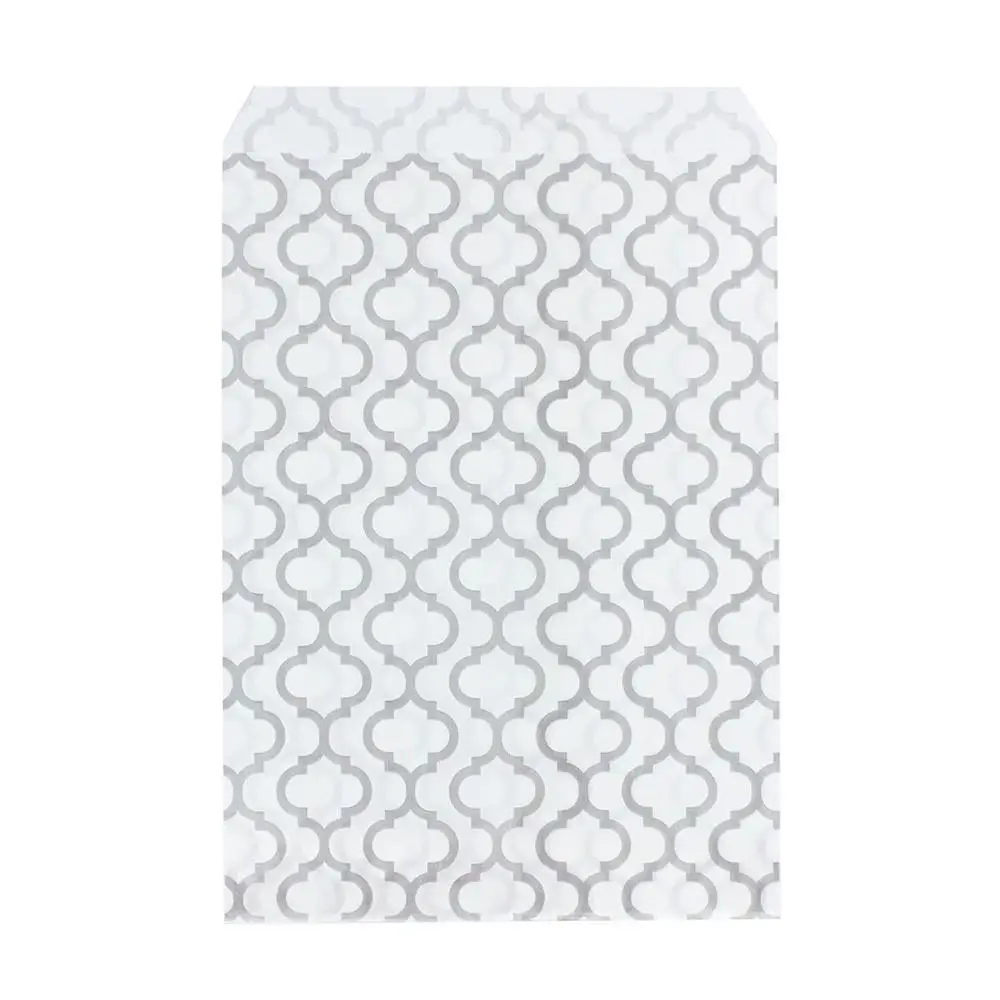
UV Coating
Glossy or matte protective topcoat with spot-UV matte effects. Provides durability and water resistance while creating selective high-gloss highlights on paper jewelry bags. Enhances color vibrancy, protects against scuffs, and delivers premium visual finishes.
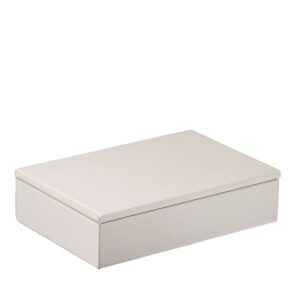
Specialty Finishes
Soft-touch, textured, and innovative surface treatments including matte velvet, suede, and specialty laminates. Elevates paper jewelry bags with unique tactile sensations, premium aesthetics, and differentiated brand experiences that stand out in luxury retail.
Closures u0026 Accessories for Premium Paper Jewelry Bags
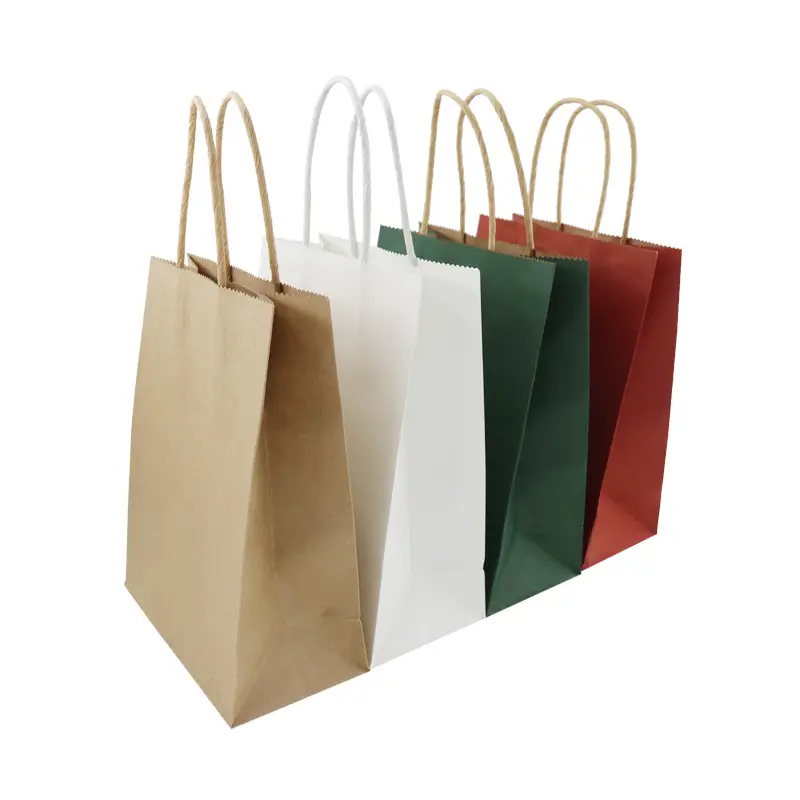
Drawcord u0026 Tipping
Grosgrain or satin drawcords with reinforced top-stitching and metal or plastic aglets. Adds secure closure and premium feel to paper jewelry bags, ideal for protecting products during shipping and retail display.

Ribbon Ties
Custom-colored silk, satin, or grosgrain ribbons with heat-cut edges for secure closure. Elevates the luxury unboxing experience while doubling as an elegant branded design element that enhances perceived value.
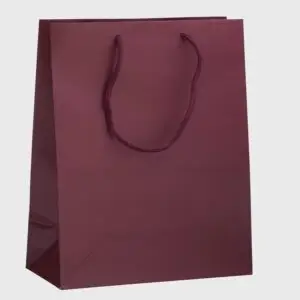
Branded Hang Tags
Printed cardstock or kraft tags with die-cut shapes, optional foiling, and string attachment. Displays SKU, care instructions, or brand story directly on paper jewelry bags, enhancing perceived value and customer engagement.

Tissue u0026 Padding
Colored tissue paper, bubble padding, or foam sheets for jewelry protection. Protects delicate items during shipping while creating premium unboxing moments that encourage customer brand engagement and social sharing.

Magnetic Snap Closures
Embedded neodymium magnets or stainless steel snaps for secure, reusable fastening. Combines functionality with luxury tactile experience, ideal for high-end jewelry brands seeking memorable customer interactions in their paper bags.
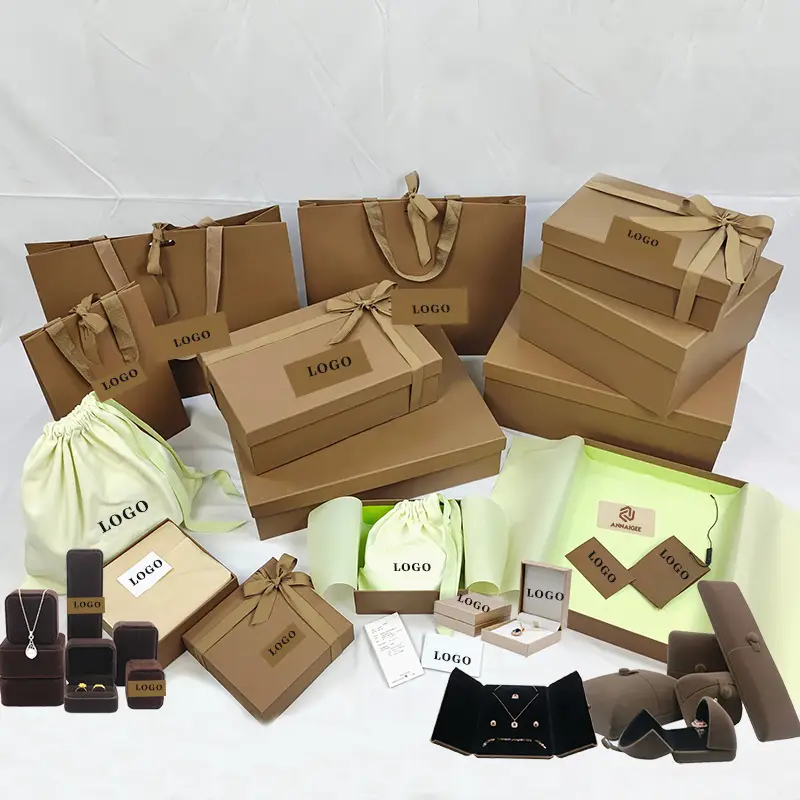
Woven Labels
Custom-woven fabric badges sewn or glued onto bag body with brand name, material composition, or care instructions. Adds professional branding and product information directly integrated into paper jewelry bag design.
17 Years Crafting Paper Jewelry Bags
Founded in 2007, On The Way built its reputation on one principle: quality defines survival. Today, we’re a trusted manufacturer of custom paper jewelry bags for independent designers, boutique retailers, and global jewelry brands. Our mission is straightforward—deliver exquisite packaging that elevates quality living.
From our 1,200 m² factory in Dongguan, China, 220+ staff complete custom jewelry packaging projects every week. Over 17 years, we’ve delivered 6,500+ custom projects to 300+ brands across 30+ countries. Factory-direct pricing, low MOQs, and unlimited customization ensure startups and established houses alike find their perfect paper jewelry bags solution.
Every order undergoes multi-stage professional QC and ships on time. We source FSC-certified and recycled materials, provide dedicated account managers, and offer private-label OEM programs. Your brand’s packaging is our priority—because first impressions matter. We are always on the way to exceeding expectations.
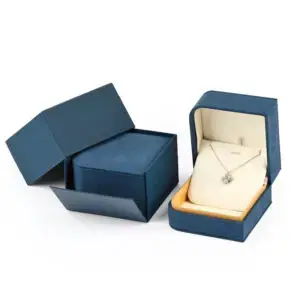
The Expertise Behind Custom Paper Jewelry Bags
Design Consulting for Your Brand
Our team works closely with you from concept through production. Whether you’re starting fresh or refining an existing design, we provide expert guidance on materials, finishes, and branding elements to ensure your paper jewelry bags reflect your brand identity.
- Dedicated design support from initial sketch through final approval
- Material selection expertise: paper types, weights, finishes
- Branding integration: logos, colors, custom printing specifications
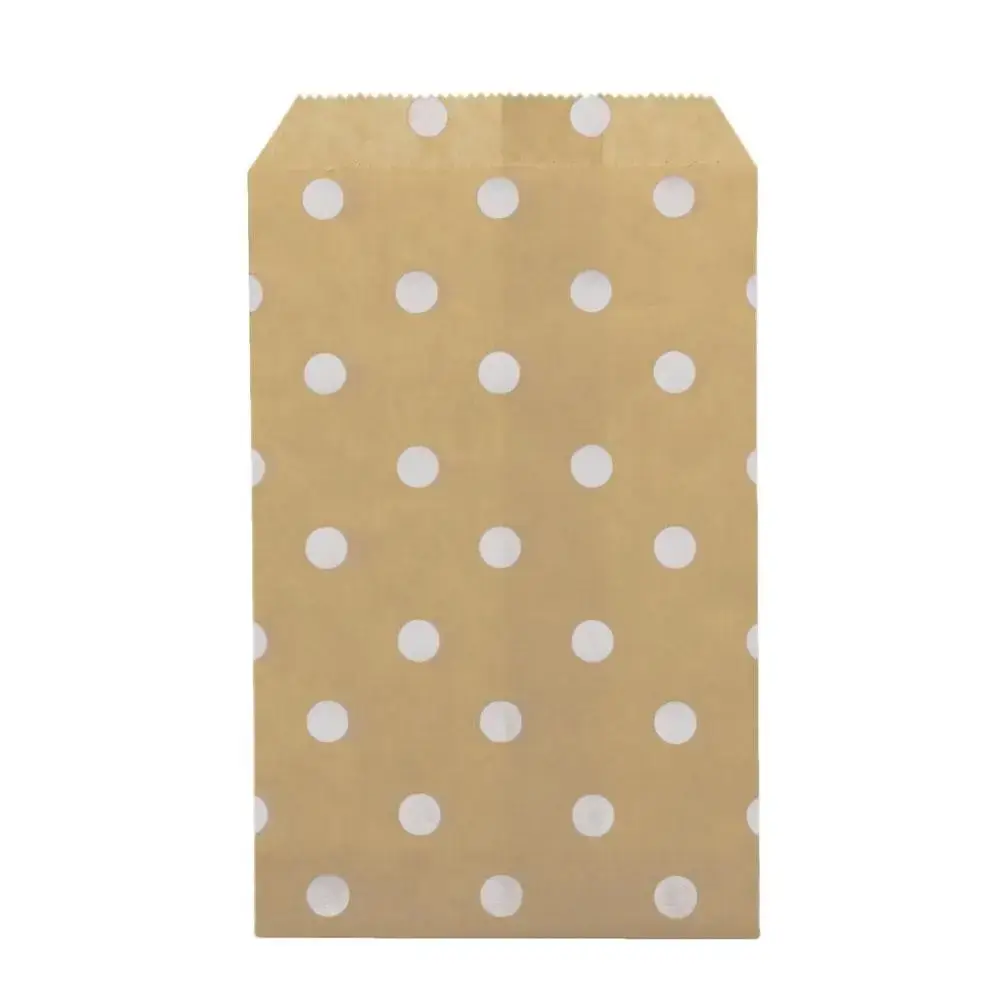
Rapid Sampling: See Your Design Fast
Speed matters in the competitive jewelry market. We produce initial samples in 7 days, allowing you to evaluate materials, printing quality, and design details before committing to full production. Iterate quickly, launch faster, and stay ahead of trends.
- 7-day sample production cycle from order to shipping
- Iterate multiple times before locking production specifications
- De-risk your launch with hands-on design review
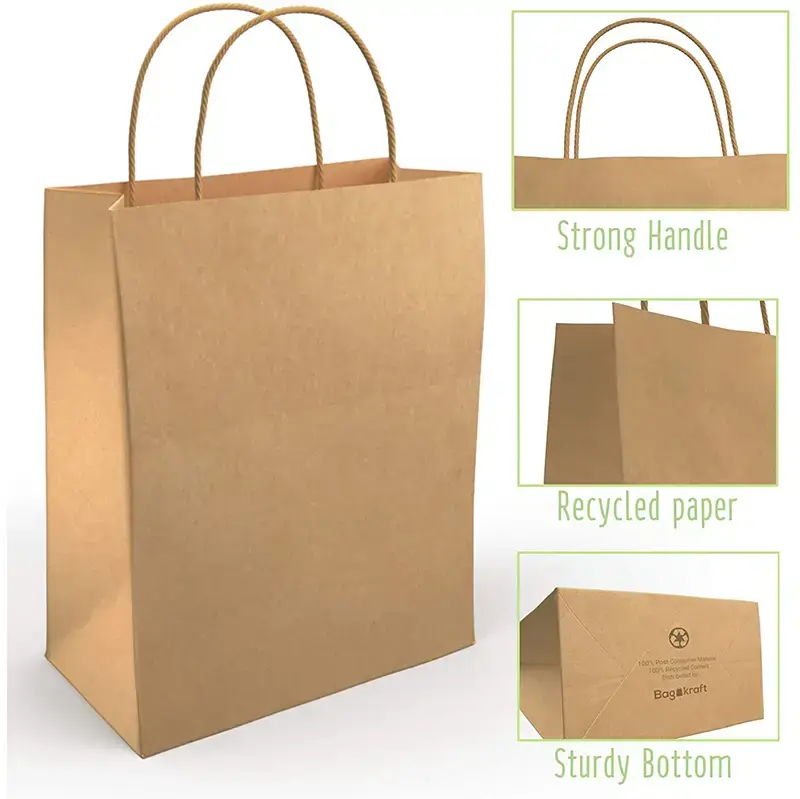
Multi-Stage Quality Assurance Process
Every paper jewelry bags order passes through our multi-stage QC process—material inspection, print verification, finishing checks, and final packaging review. We maintain FSC certifications and use eco-friendly materials, ensuring your bags meet compliance and sustainability standards.
- Four-point QC at material, printing, finishing, and packing stages
- FSC-certified paper and recycled material sourcing
- Compliance documentation for every batch
Your Dedicated Partner from Order to Delivery
You get a dedicated account manager who understands your business, monitors production progress, and handles logistics. We coordinate inventory planning, manage restocking, and ensure on-time delivery—so you can focus on selling jewelry, not chasing shipments.
- Personal account manager for every order and reorder
- Real-time production tracking and inventory coordination
- On-time delivery guarantee backed by 17 years of reliability
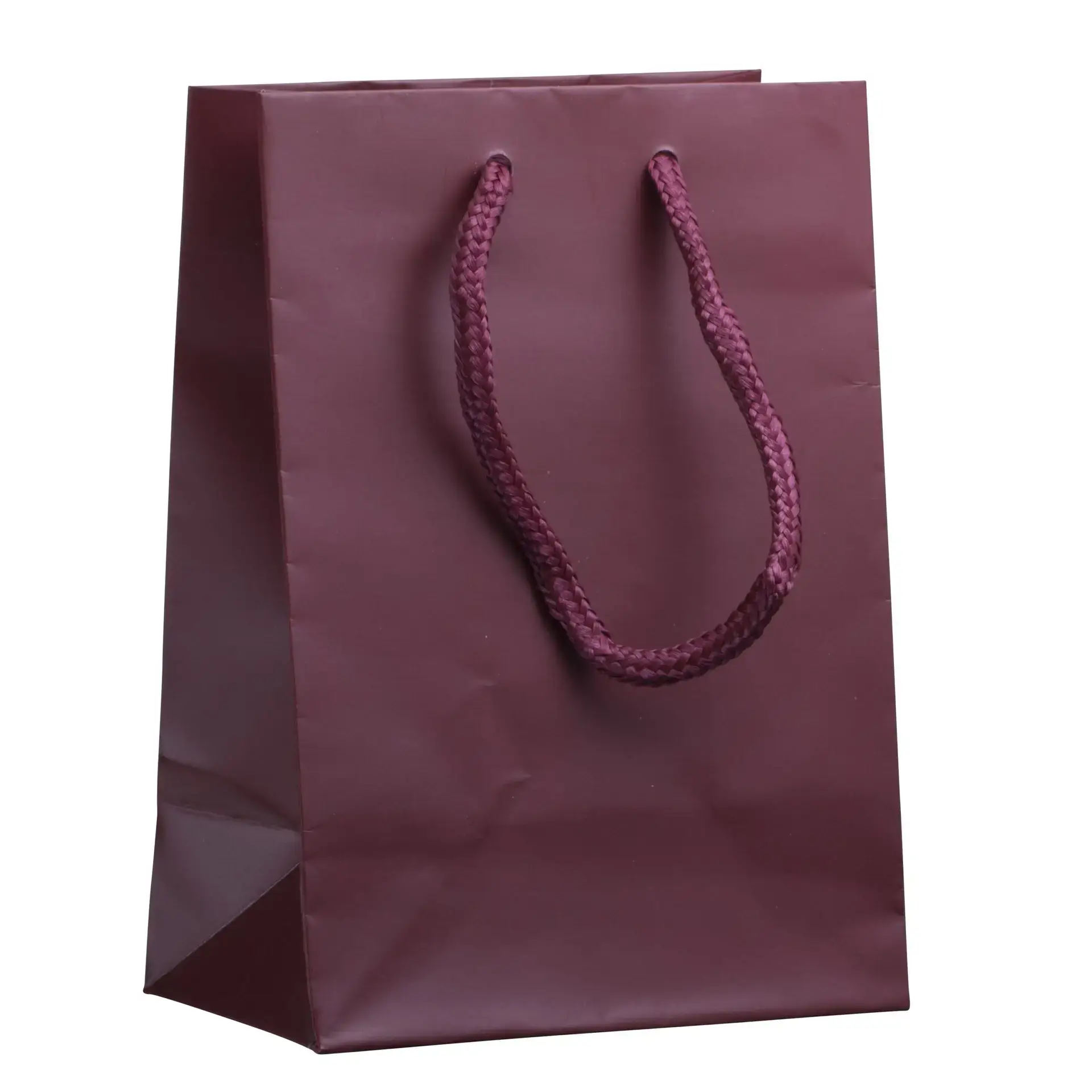
Factory-Direct Paper Jewelry Bags vs. Traditional Suppliers
Control your custom paper jewelry bags from design to delivery—transparent pricing, no hidden markups, faster turnaround.
← 左右滑动查看 →
How We Produce Your Paper Jewelry Bags
Design u0026 Tech Pack
Your account manager reviews specifications, materials, printing requirements, and closure preferences. We prepare detailed tech packs to confirm every detail before sampling begins.
Sampling u0026 Feedback
We produce low-cost samples in your chosen materials and finishes. Review, approve, and request revisions as needed—our fast sampling turnaround keeps your timeline on track.
Tooling u0026 Setup
Once approved, we prepare printing plates and cutting dies. Quality-checked templates ensure consistent reproduction across your full production run with precision alignment.
Printing u0026 Finishing
Full-color digital and offset printing, plus custom finishing—embossing, foil stamping, lamination, varnish. Every paper jewelry bag is finished to brand specification on our in-house lines.
Quality Control u0026 Inspection
Our dedicated QC team inspects print quality, color accuracy, die-cutting precision, and closure function. Three-stage checks catch defects early—consistency across every batch guaranteed.
Packing u0026 Shipping
Finished paper jewelry bags are packed per your requirements, wrapped, and prepared for air or sea freight. Real-time tracking and on-time delivery to your door, globally.
Order Custom Paper Jewelry Bags in 5 Simple Steps
From inquiry to delivery, we handle every detail of your custom paper jewelry bags—with no surprises and on-time shipping.
Submit Your Requirements
Provide design specs, materials, quantities, and timeline. Our team reviews to ensure feasibility and confirm production details for your paper jewelry bags.
Receive a Quote u0026 Samples
Get factory-direct pricing and a physical sample of your custom paper jewelry bags. Review quality, feel, and finish before committing to full production.
Approve Design u0026 Tooling
Finalize designs and artwork. We create production tooling for printing, cutting, and finishing your paper jewelry bags—included in your order.
Begin Bulk Production
Once approved, we ramp mass production with dedicated QC at every stage. Multi-step inspection ensures every paper jewelry bag meets your brand’s standards.
Quality Check u0026 Ship
Final inspection and packaging. Your completed paper jewelry bags ship on time, worldwide, with full documentation and tracking to your warehouse or customers.
Paper Jewelry Bags Certified for Global Quality Standards


Why Jewelry Brands Choose Our Paper Jewelry Bags
On The Way’s custom paper jewelry bags transformed our unboxing experience. We went from generic bags to branded ones in 45 days, and our repeat customers increased by 30%. The design flexibility and quick turnaround were game-changers for our launch.
We tested three suppliers before choosing On The Way. Their paper jewelry bags arrived with zero defects across all 15,000 units in our first run. The quality is exceptional and our customer feedback on unboxing has never been better.
Factory-direct pricing with On The Way meant we could invest more in product quality. Their paper jewelry bags cost 35% less than competitors, with no compromise on design or materials. We’ve placed orders every quarter for three years.
Paper Jewelry Bags — Answers to Your Top Questions
Get clarity on MOQ, pricing, timelines, IP protection, and more
What is the minimum order quantity for paper jewelry bags?
How long does it take to get samples of paper jewelry bags?
Can I customize the design and printing on paper jewelry bags?
What payment terms and options do you accept?
How do you protect our design and intellectual property?
What are the shipping and logistics options for paper jewelry bags?
What does the production timeline look like from order to delivery?
What makes your paper jewelry bags better than other suppliers?
The Complete Buyer’s Guide to paper jewelry bags
Master the essentials of sourcing high-quality paper jewelry bags with our expert framework. Learn to evaluate materials, customization options, manufacturers, and common pitfalls. Make confident purchasing decisions backed by industry best practices.
1. What are Paper Jewelry Bags?
Paper jewelry bags are protective, branded packaging solutions designed specifically for retail jewelry presentations and gift-giving. These bags deliver both functional protection and premium aesthetics, serving as the first touchpoint for customers while safely housing delicate items like rings, bracelets, necklaces, and earrings.nnTypical size ranges span 5×8 inches for small items (stud earrings, single rings) through 10×13 inches for heavier pieces and sets. Jewelry retailers and brands select paper jewelry bags because they create tactile brand presence—a physical carrier experience that plastic alternatives cannot replicate—while remaining cost-effective at low MOQs of 500–1,000 units.nnMaterial composition varies: kraft paper (80–120 GSM), coated art board, and increasingly FSC-certified or recycled stock appeal to eco-conscious brands. Unlike single-use plastic, which faces mounting sustainability scrutiny, or premium fabrics like velvet and cotton, which carry higher per-unit costs ($0.50–$2.00), paper offers both credibility and margin flexibility for emerging and established retailers alike.nnMarket adoption has accelerated across North America and Europe, where independent jewelry designers and luxury houses view packaging as essential brand architecture. A production-scale paper jewelry bag typically costs $0.15–$0.40 per unit, delivering sufficient markup potential while signaling quality at the point of sale and throughout the unboxing experience.
2. The Evolution u0026 History of Paper Jewelry Bags
By the 1990s, luxury jewelry brands began moving beyond generic tissue paper and cardboard to branded, custom paper bags as essential brand-building tools. This shift marked the first major standardization in the industry, where packaging quality became inseparable from product perception.nnFrom 2010 onward, eco-certified materials like FSC-certified kraft and recycled paper became industry standards, driven by consumer demand and EU/US compliance pressure. Brands shifted from virgin-fiber to recycled or sustainably-sourced papers (typically 70-100 gsm kraft or specialty stocks), establishing new benchmarks for responsible luxury.nnDigital printing technologies—particularly UV and water-based digital offset—revolutionized customization between 2012-2018, enabling short runs, complex color separations, and rapid proofs that offset lithography could not match. This lowered MOQ thresholds and accelerated time-to-market for independent designers and boutiques.nnFounded in 2007, On The Way Packaging entered this transition exactly as sustainability and digital customization were reshaping the market. Today, with 6,500+ projects delivered and 300+ brands served across 30+ countries, the company exemplifies how factory-direct, low-MOQ custom paper bags now drive brand differentiation in a post-mass-production jewelry retail landscape.
3. Types of Paper Jewelry Bags
Paper jewelry bags segment into four main types, each optimized for brand positioning and customer experience. Selecting the right type depends on order volume, pricing goals, and end-use scenario—from economical kraft for shipping to luxury branded bags for retail presentation.
| Type | Typical GSM | Best For | Price Range | Key Features |
|---|---|---|---|---|
| Kraft Bags | 70–120 | Shipping, eco-brands | $0.08–$0.15/unit | Natural, sustainable, wrinkle-prone |
| Premium White | 100–150 | Luxury retail, gifting | $0.12–$0.25/unit | Bright, elegant, fingerprint-resistant |
| Specialty (Matte/Textured) | 130–150 | High-end, limited editions | $0.18–$0.40/unit | Tactile, premium feel, 30–50% markup |
| Branded/Custom | 100–120 | Brand recall, unboxing | $0.15–$0.35/unit | Printed logos, QR codes, brand colors |
Kraft Bags
Natural kraft appeals to eco-conscious positioning and sustainability narratives.nnUnbleached kraft wrinkles easily and shows handling wear, making it less suitable for luxury retail display. Sizes span 8×10 cm to 12×15 cm for standard jewelry pieces.
Premium White Bags
Bright white bags provide sharp contrast for logos and gemstones, essential for upmarket boutiques and gifting moments.nnWhite resists wrinkles better than kraft and maintains a professional appearance. Common choice for brands emphasizing elegance and craftsmanship; widely used for unboxing experiences.
Specialty Bags—Matte u0026 Textured
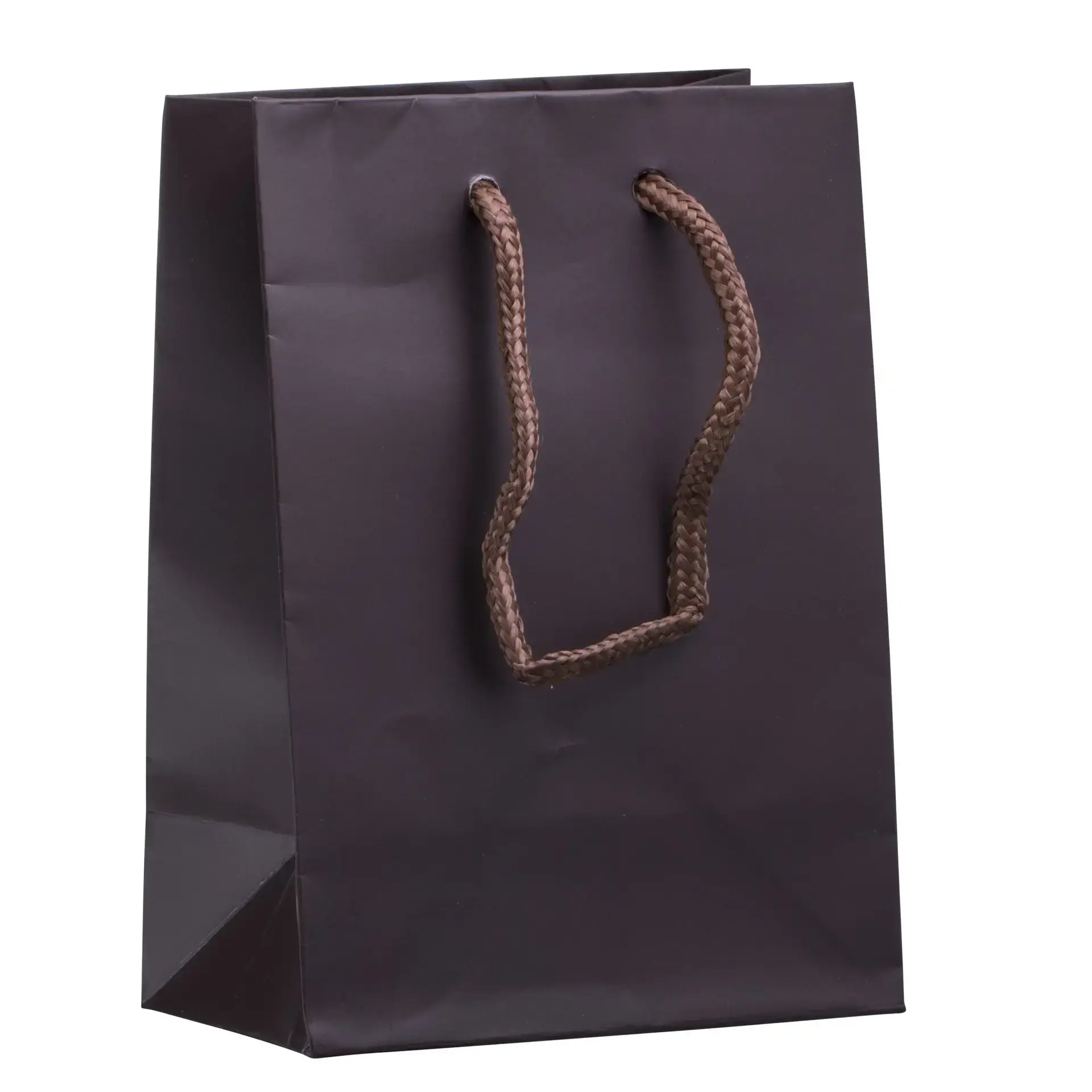
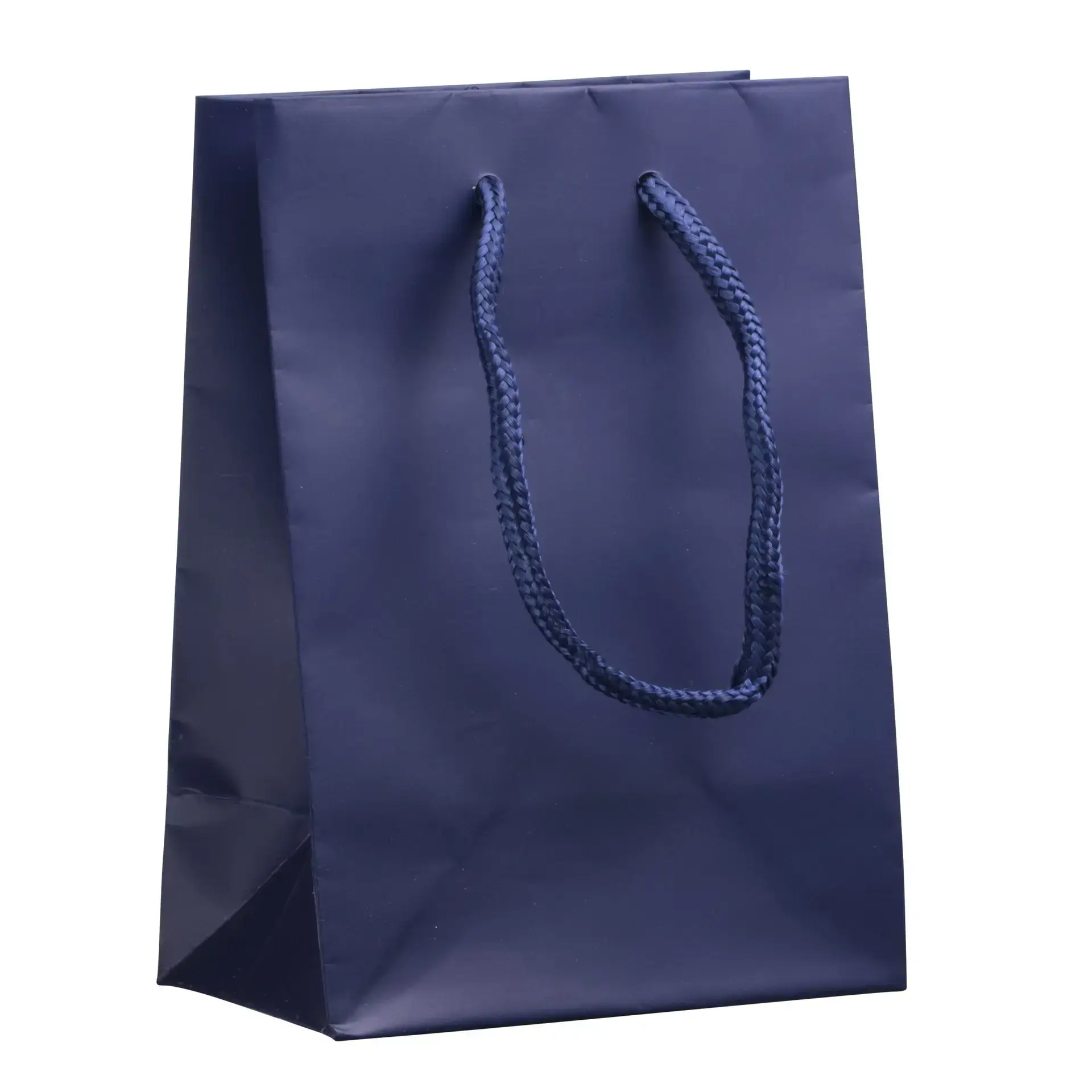
Matte and textured finishes (embossed, linen, cotton-blend) command 30–50% price premiums but signal luxury positioning.nnThese bags resist fingerprints and shine, adding tactile differentiation. Use case: luxury brands, limited editions, designer collaborations. Lead time typically 15–20 days for sampling.
Branded u0026 Custom Bags

Custom-printed bags with logos, QR codes, or brand colors create memorable unboxing moments and reinforce identity.nnLead time for artwork approval and production runs 20–30 days. Higher MOQ (5,000+) but per-unit cost remains competitive versus off-the-shelf solutions for volume buyers.
4. Materials u0026 Fabrics for Paper Jewelry Bags
Paper jewelry bags protect valuables during transit while creating a critical brand impression at unboxing. Selecting the right paper weight—measured in GSM (grams per square meter)—and composition (kraft, virgin fiber, recycled) balances durability, sustainability, and cost to reflect brand values.
| Material | GSM Range | Best For | Cost u0026 Eco Notes |
|---|---|---|---|
| Kraft Paper | 170–250 | Rustic luxury, eco-conscious brands | Mid-cost; recyclable |
| Virgin Fiber | 200–350 | Premium, contemporary brands | 15–25% premium; excellent printability |
| Recycled Content | 150–300 | Sustainable positioning | 5–10% savings; 40–50% lower carbon |
| Coated (Gloss/Matte) | 200–280 | High-end, logo-forward | 12–20% premium; enhanced moisture barrier |
Paper Grades u0026 GSM Ranges
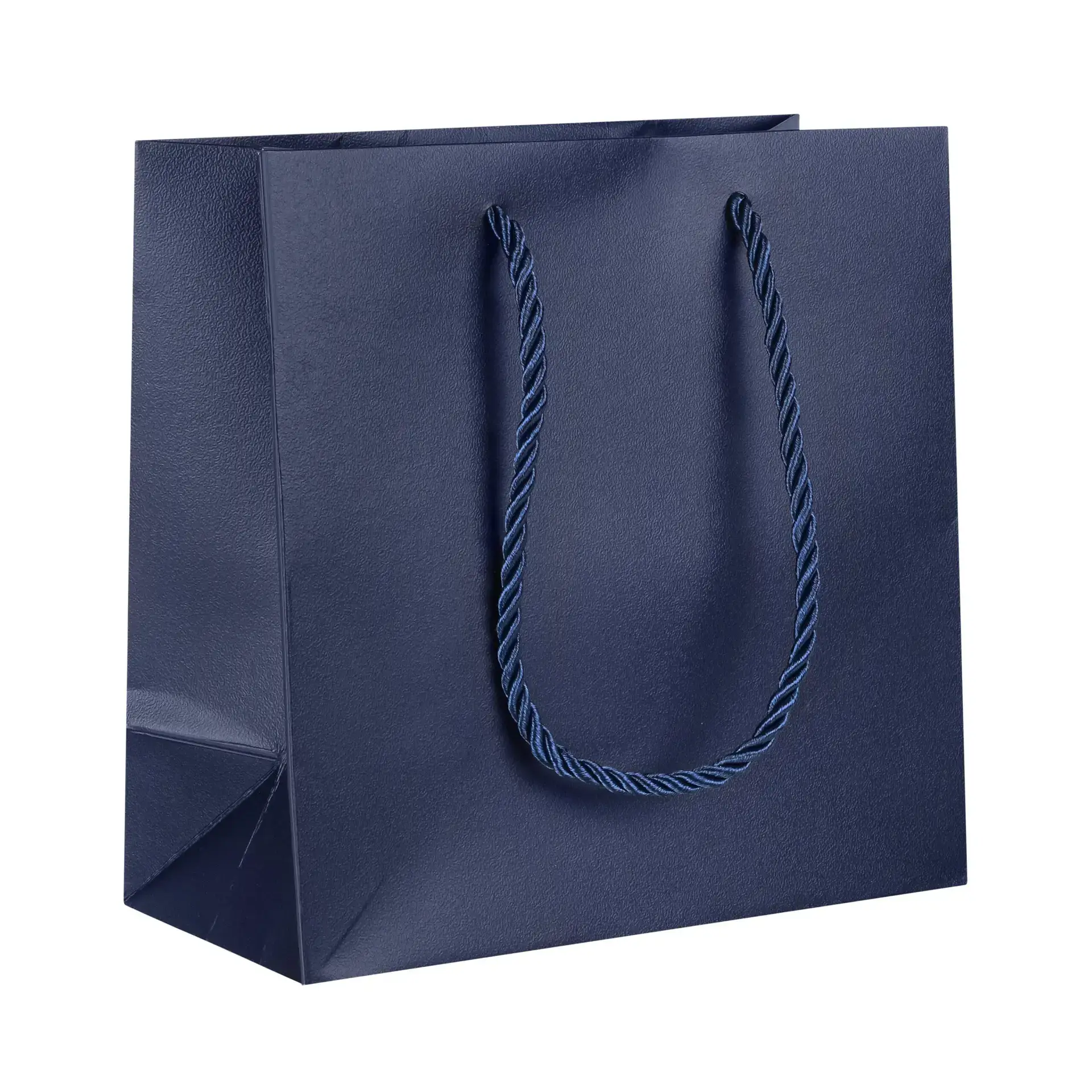
Jewelry bag GSM typically spans 150–350, with lighter grades (150–180) for delicate items and heavier stock (280–350) for luxury pieces. Virgin fiber delivers superior rigidity; recycled alternatives offer comparable durability at lower cost. Coated papers—glossy, matte, soft-touch—enhance printability and moisture resistance.
Kraft vs Virgin Fiber Paper
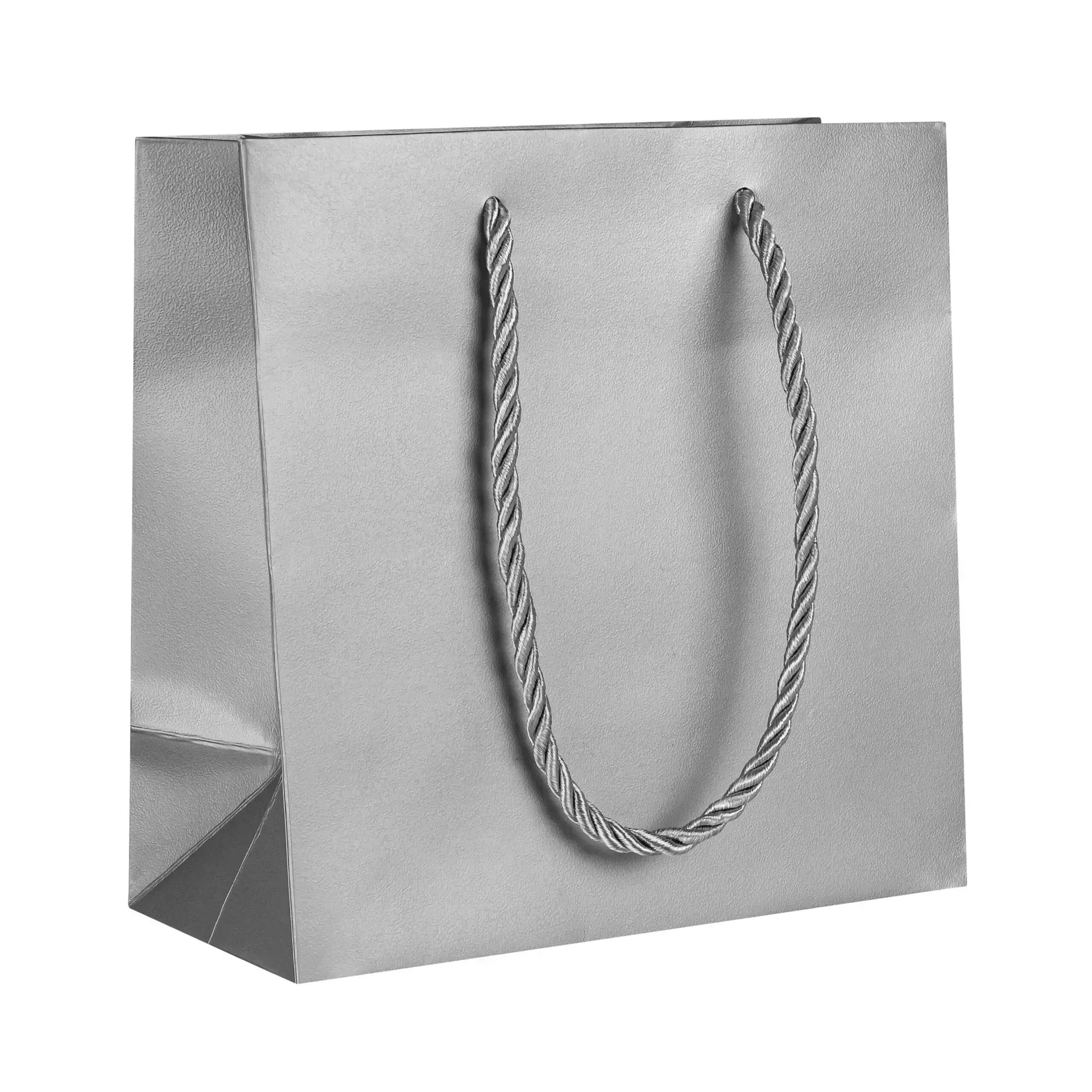
Kraft paper, made from wood pulp (170–250 GSM), offers natural texture and tactile appeal; virgin fiber, beginning as pure cellulose, supports sharper printing with finishes up to 350 GSM. Virgin costs 15–25% more but suits contemporary, minimalist branding. Kraft aligns with rustic luxury aesthetics.
Eco-Certifications u0026 Recycled Materials
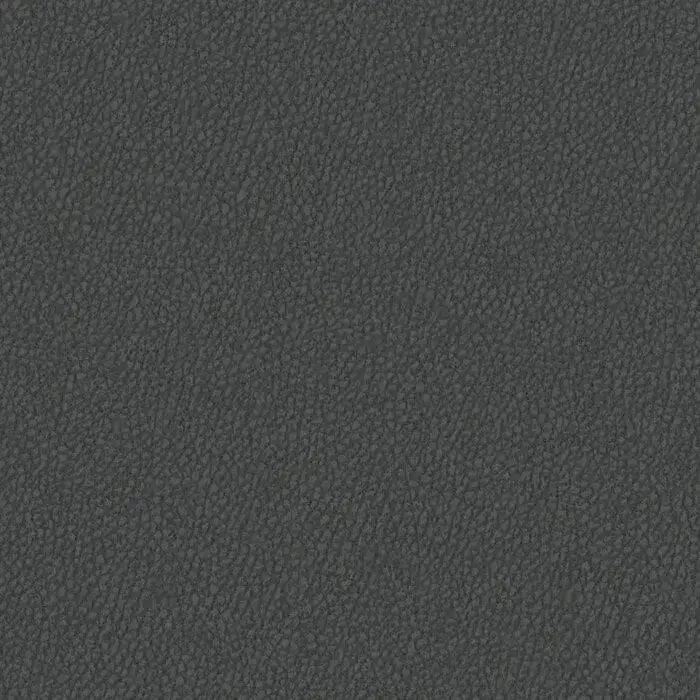
FSC-certified paper confirms sustainable forest sourcing; recycled grades use post-consumer content (30–100%) and reduce carbon footprint by 40–50% versus virgin stock.nnISO 14001 and other environmental certifications align material sourcing with brand ESG commitments. Specialty eco-materials—including kraft from agricultural waste and mushroom mycelium blends—extend sustainability positioning.
Specialty Coatings u0026 Finishes
Soft-touch coatings elevate perceived quality and add texture without compromising durability (typical cost premium: 8–15%). PE polyethylene or aqueous varnish coatings provide moisture barrier, critical for jewelry in-transit protection.nnMetallic inks and UV curing require compatible substrates; heavier paper (200+ GSM) ensures crisp registration. Embossing and foil-stamping demand minimum 220 GSM rigidity for sharp impression.
5. Customization u0026 Decoration Options
Your decoration method sets your brand apart. Digital printing, screen printing, hot stamping, and embossing each offer distinct advantages in cost, speed, durability, and aesthetic impact. Selecting the right technique aligns with your budget, timeline, and brand positioning.
Digital Printing

Digital printing requires minimal setup ($0–100) with MOQs starting at 100 units and 5–7 day turnarounds. Excellent CMYK color accuracy for photographic or gradient designs.nnDurability varies; UV-resistant inks provide 3–5 year fade resistance in most indoor/outdoor environments.
Screen Printing

Screen printing setup costs $150–300 per color, with MOQs of 500–1,000 units and 7–10 day turnarounds. Ideal for bold, flat-color logos with Pantone color matching.nnDurability is excellent—inks bond permanently to substrate. Per-unit cost decreases substantially at higher volumes.
Hot Stamping u0026 Embossing
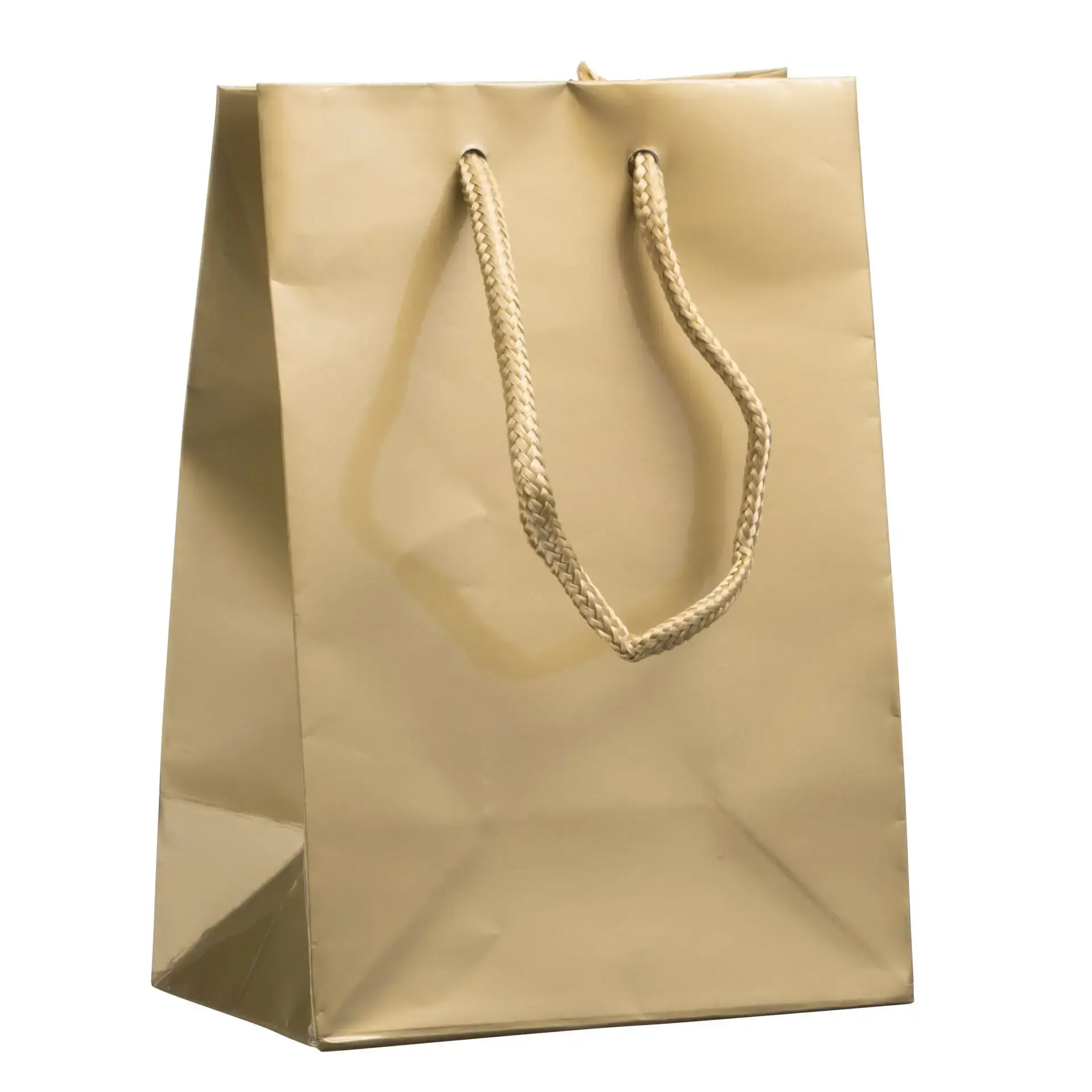
Hot stamping (foil or pigment) setup costs $200–500; MOQs start at 1,000 units with 10–14 day lead times. Produces premium metallic or matte finishes with exceptional durability.nnEmbossing adds tactile depth without ink ($150–350 setup). Both enhance perceived brand value and prestige.
UV Coating u0026 Die-Cut Handles
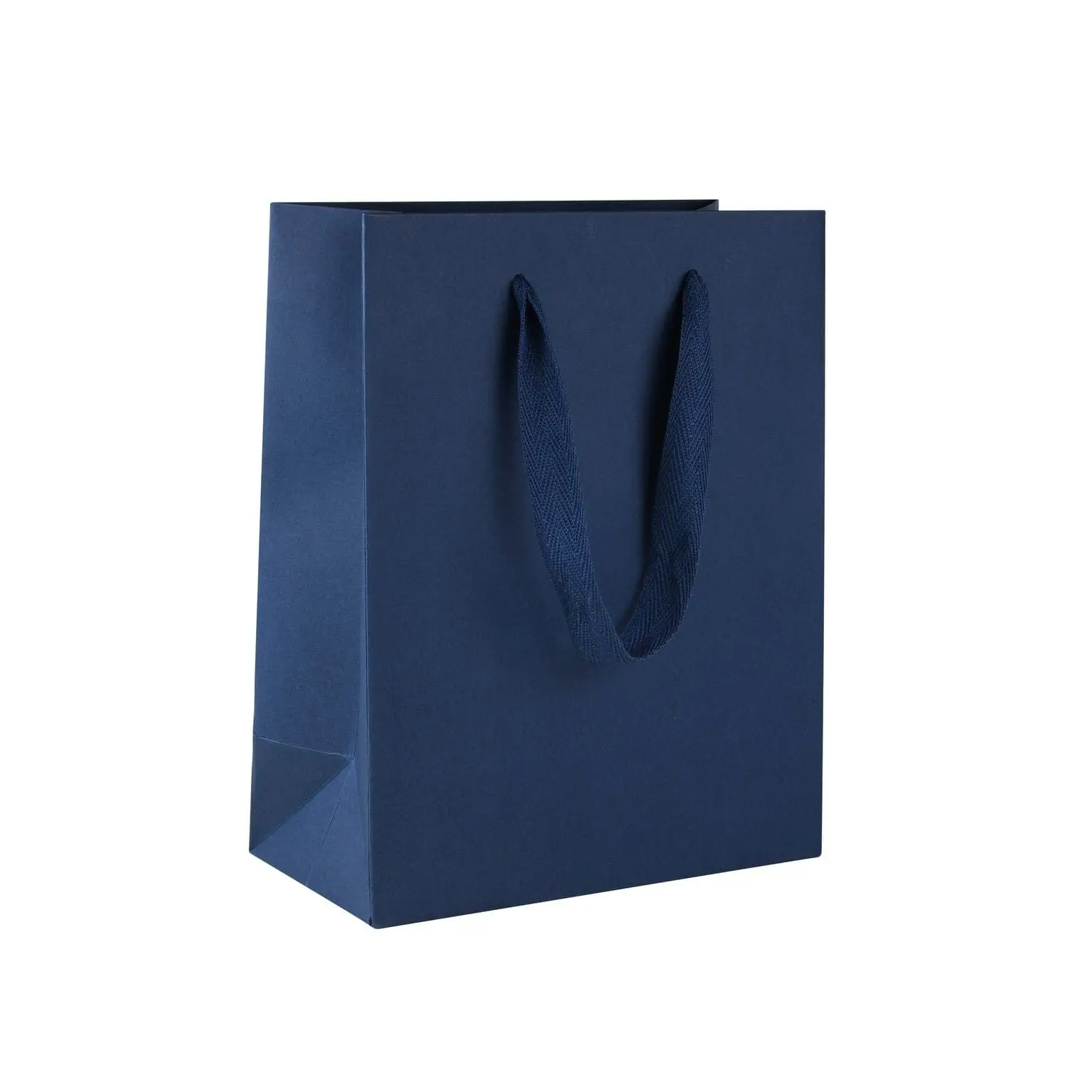
UV coating ($50–150 setup) protects printed designs from UV fading and adds gloss or matte finish with enhanced durability.nnDie-cut handles create functional, branded carriers ($200–400 setup). Both options amplify brand presence and practical utility.
Design Best Practices u0026 Technique Selection
Maintain quarter- to half-inch margins from edges; position logos 1.5+ inches from corners. Specify Pantone (screen/stamping) or CMYK (digital). Supply vector artwork at 300+ DPI.nnBudget constraints favor digital for under 500 units; screen/stamping become cost-effective at 1,000+. Timeline: digital (5–7 days) for urgent campaigns, screen for mid-volume, stamping for premium finishes.
6. Key Construction u0026 Quality Elements
Construction quality directly determines paper jewelry bags’ longevity and brand perception. Proper handle attachment, reinforced seams, and robust closures prevent failure during shipping and retail display. Understanding QC testing standards and cost tradeoffs helps buyers invest strategically.
Handle Construction u0026 Attachment Methods
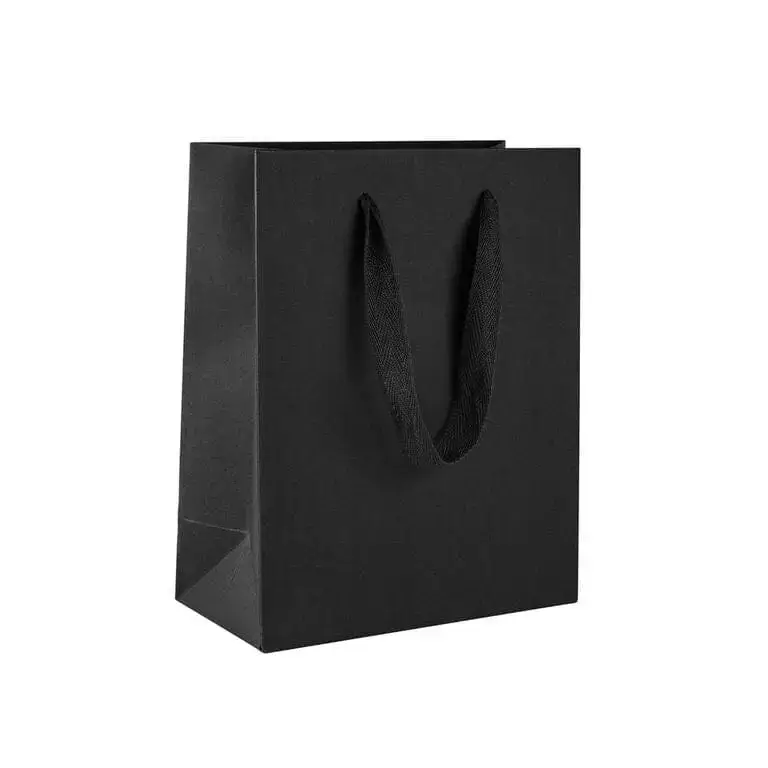
Twill-tape handles withstand 12–15 lbs tensile force; twisted paper cord costs 15% less but fails at 6–8 lbs.nnDouble-stitch attachment spreads load across 25 mm of bag sidewall, versus single-stitch failure at 5 lbs. Reinforcement pads behind stitching add 40–60% durability.
Seam Strength u0026 Base Reinforcement
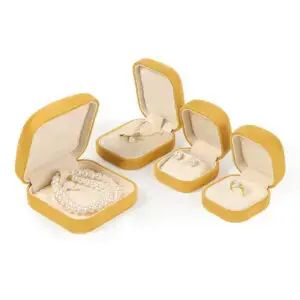
Commercial jewelry bags use 1.2–1.4 mm stitch density to resist lateral tearing; 0.8 mm stitching saves 10% cost but tears under 3–4 lbs load.nnBox-corner seams—folded and stitched twice—maintain integrity at bag base. Kraft paper inner linings (60–90 GSM) reinforce bottoms and extend life by 3–5 years in normal use.
Closure Systems u0026 Security

Fold-and-tuck closures cost ~$0.04/bag; magnetic snap closures run $0.12–0.18/bag and prevent accidental opening.nnSatin ribbon ties ($0.08–0.15/bag) offer premium aesthetics. Self-adhesive strips reduce closure failures by 85% versus fold-only. Test closure strength at 2–3 lbs repeated-use cycles before production.
Quality Control Standards u0026 Testing
OEKO-TEX and GOTS certifications verify dye fastness (ISO 105-C06) and tensile strength per ISO 1421.nnDrop-test protocols: 3 ft falls onto concrete simulate shipping shock. Color fastness—wet, dry, crocking—must score ≥4/5 on gray scale for luxury brands. Multi-stage in-line QC catches 97%+ defects before shipment.
Cost Tradeoffs u0026 Quality Red Flags
Premium construction (reinforced base, twill handles, magnetic closures) adds $0.20–0.35/bag; economical bags save $0.08–0.12/bag but risk reorder costs and brand damage.nnRed flags: loose stitching, uneven dye, handles u003c 1 mm thickness, missing reinforcement pads. Sample inspection before committing to 10k+ units prevents costly mistakes.
7. How to Choose a Paper Jewelry Bag Manufacturer
Selecting the right paper jewelry bags manufacturer requires vetting MOQ thresholds, lead times, quality systems, and production flexibility. A disciplined supplier evaluation process—based on certifications, samples, and communication clarity—identifies partners who scale with your brand without compromising integrity.
Minimum Order u0026 Lead Time Expectations
Typical MOQ for paper jewelry bags ranges 500–2,000 units, depending on customization (printed colors, handle materials, closure type).nnReputable manufacturers deliver initial samples in 10–14 days; full production runs require 30–45 days. Sub-500 MOQ suppliers often lack economies of scale and carry quality risk.
Certifications u0026 Eco-Material Sourcing
Require FSC chain-of-custody for paper stock to verify responsible forestry. For lined bags, confirm OEKO-TEX (textiles) or GOTS (organic cotton).nnISO 9001 signals disciplined manufacturing systems. Ask for recycled content percentages and third-party verification—greenwash and vague claims are epidemic in the sector.
Quality Control Signals
Multi-stage QC during cutting, printing, and assembly catches defects before shipment.nnRequest in-process photos or process capability data (Cpk values). Review samples under magnification for seam integrity, glue residue, ink uniformity, and handle reinforcement—these reveal mass-production capability.
Customization u0026 Production Flexibility
Ask about stock material options (kraft, white, recycled blends, colored paperboard), decoration techniques (letterpress, hot stamping, foil, embossing, screen print), and handle/closure variants.nnFlexible suppliers rarely charge setup fees for custom die tooling and adjust specs within 2–3 proof rounds without penalty.
Red Flags in Supplier Vetting
Slow or evasive responses to technical questions suggest weak capacity. Pricing 30% below market often masks hidden fees or shortcuts.nnSamples with visible glue bleed, uneven print, misaligned folds, or loose seams predict production-run problems. Trust your instinct; poor samples rarely improve at scale.
Why On The Way Stands Out
On The Way’s 1,200 m2 facility, 220+ staff, and 6,500+ completed custom paper jewelry bags projects reflect proven reliability.nnSub-500 MOQ, 10–14 day sampling, FSC/recycled materials, ISO 9001, and dedicated account managers reduce procurement risk. Serving 300+ brands across 30+ countries, we deliver consistent quality and on-time shipping.
8. Common Mistakes Buyers Make
Most jewelry brands encounter preventable sourcing mistakes that compound across production cycles. Poor planning on MOQ, lead times, and material testing erodes margins and brand perception. Understanding these common pitfalls—and how to sidestep them—separates successful sourcing from costly missteps.
Underestimating MOQ Impact
Most suppliers quote MOQ based on production efficiency. Requesting 50 units against a 200-unit minimum raises per-unit cost 25–40%, compressing margins. Brands often don’t realize MOQ reflects tooling, setup labor, and factory run efficiency; negotiating realistic minimums prevents margin erosion.
Ignoring Lead-Time Buffers
Sampling adds 7–14 days; production 15–25 days; ocean freight 10–15 days.nnOrders placed 5 weeks before launch leave zero buffer for artwork revisions, factory delays, or customs holds. A jewelry brand discovered printing defects 2 weeks before delivery—no time to reorder—and missed the holiday season entirely.
Skipping Material u0026 Decoration Testing
Microfiber dust clings in visible specks under retail lighting; certain inks fade in sunlight; embossing on thin kraft wears smooth after repeated handling. A luxury brand ordered 2,000 velvet pouches with metallic foil without samples—foil cracked during shipping and arrived tarnished, damaging brand perception.
Poor Design File Preparation
72-DPI mockups mask color fringing in 4-color printing. CMYK-to-RGB conversions create unexpected shade shifts. Fonts rendered as outlines render inconsistently. Missing 3mm bleeds cause unwanted white borders.nnA designer submitted JPEGs; the manufacturer manually redrew artwork—adding 5 days and $300 in revision fees to the project.
Mismatched Brand Positioning
Mid-tier jewelry using $0.15 kraft bags undercuts luxury perception. High-end designers ordering thin-stock boxes signal budget corners. Paper jewelry bags are the first tactile brand touchpoint; cheap materials erode equity faster than discounted product. A $5,000 ring arrived in a bag that felt like grocery packaging.
Trading Quality for Bulk Discounts
Negotiating 5,000 units from $0.40 to $0.28 per bag sounds smart until durability fails. Lower GSM paper, cheaper adhesive, and skipped QC tests save pennies upfront but cost reputation later.nnOne boutique saved $200 on 1,000 bags but fielded 30+ complaints about tears—lost future orders and referrals worth thousands.
9. Pricing u0026 Cost for Paper Jewelry Bags
Material costs anchor 40-60% of paper jewelry bag pricing, with virgin kraft around $0.15-0.35 per unit at 1,000-piece MOQs, while FSC-certified recycled kraft or premium coated papers command 15-25% premiums. Customization layers stack rapidly: single-color screen printing adds $0.08-0.15 per unit, multi-color adds $0.20-0.35, and hot-foil stamping or embossing reaches $0.25-0.50 per unit depending on file complexity and setup fees ($150-400 per color or die).nnLead time inverses with volume: 500 units in 10-15 days costs 20-30% more than a 5,000-piece order in 25-30 days. Volume discounts tier at 500, 2,500, 5,000, and 10,000+ units, with per-unit costs declining 10-15% at each step. Value-added services like custom tissue lining, silk-screen interior branding, or magnetic-closure upgrades add $0.30-0.80 per bag; negotiating during off-peak seasons and committing to annual volumes unlocks 8-12% additional discounts, while rush delivery premiums run 25-40% for under-10-day turnarounds.
| Quantity Tier | Unit Price (Basic Kraft) | Unit Price (Premium / Print) | Lead Time |
|---|---|---|---|
| 500–1,000 | $0.25–0.35 | $0.60–0.85 | 10–15 days |
| 1,000–2,500 | $0.18–0.28 | $0.50–0.75 | 15–20 days |
| 2,500–5,000 | $0.15–0.25 | $0.45–0.70 | 20–25 days |
| 5,000–10,000 | $0.12–0.20 | $0.40–0.65 | 25–30 days |
| 10,000+ | $0.10–0.18 | $0.35–0.60 | 28–35 days |
Ready to Order Custom Paper Jewelry Bags?
Request your free sample quote today. See your custom design, confirm factory pricing, launch production with confidence. Zero setup fees.